Skip to content

Discovering Strasbourg

Strasbourg is the largest and most important town of the Alsace region in France, situated at the river Rhein close to Germany. Historically, the region as the town itself was contested between these two major European powers, and both cultures are visible in the urban landscape up until today. Large parts of the old town consist of bourgeois houses with timber framing, which is also characteristic of the neighbouring Schwarzwald region in Germany (pictures 1, 5, 7). On the other hand, other parts of the town, like the Gothic churches and neoclassic museums (photos 3, 4), recall similar buildings in Paris. Strasbourg is a lovely town and indeed an exciting melange of European cultures.
test

Perspectives on Warsaw

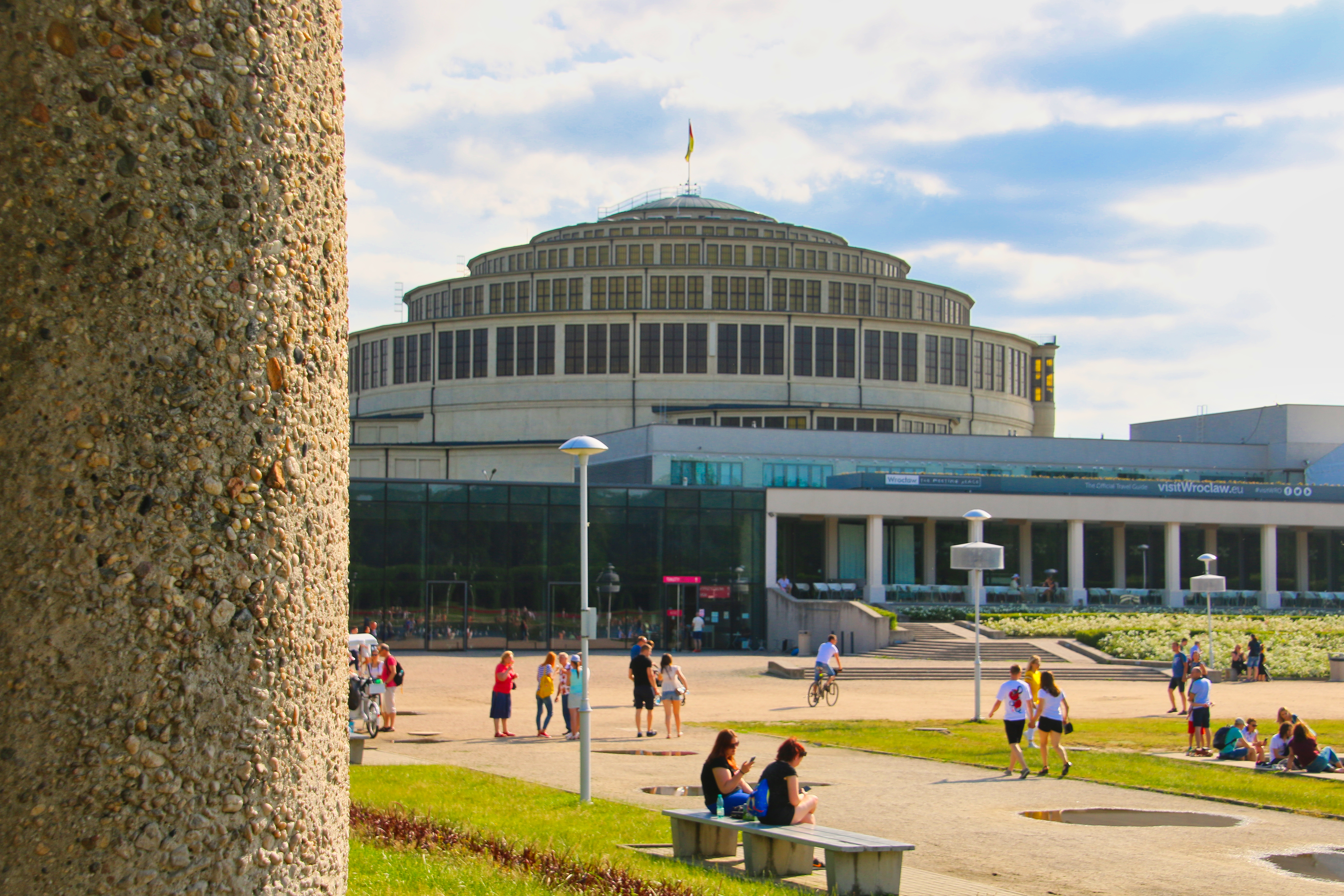
Warsaw may not be a beautiful city in the traditional sense of the word, but it is an exciting and vibrant place. Built from the ashes in the 1950s, it was constructed with communist ideals and new technological developments in mind. The streets are broad and make for a lot of traffic, while residential buildings rise in the sky surrounded by a surprising amount of green. Since the 90s, Warsaw has been the undisputed capital of capitalism in Poland, so many new skyscrapers have been built since then. Nowadays, the communist and capitalist structures form an interesting, although at times contradictory, symphony.

test


Perspectives on Japan

Traveling through Japan, one notices specific reoccurring shapes and symmetries mirrored in nature. Some are more obvious, like the traditional roof shapes (pictures 1,2,3), which resemble the country’s most famous mountain, Fuji-san, and others are hidden and must be found by the foreign visitor. While the Japanese prefer solid lines and square patterns over round ones, the curated gardens often feature soft and oval shapes, creating a relaxing and pleasant atmosphere (pictures 4,5,6).

test

img_9342img_0148img_1582img_0200img_0161img_0188

1 40 41 42 55