Skip to content

Houses of God: Sacral Architecture in the Alps
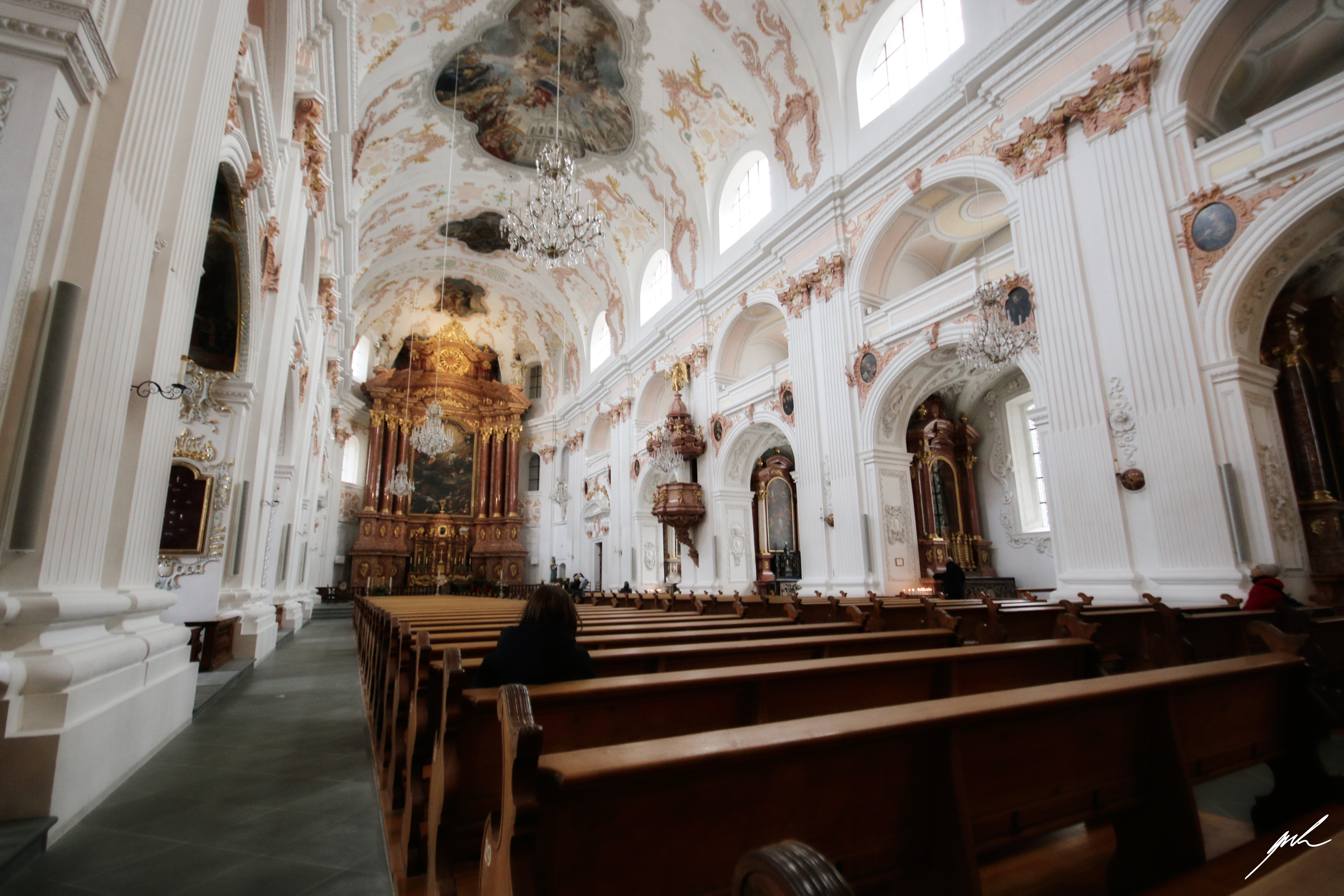
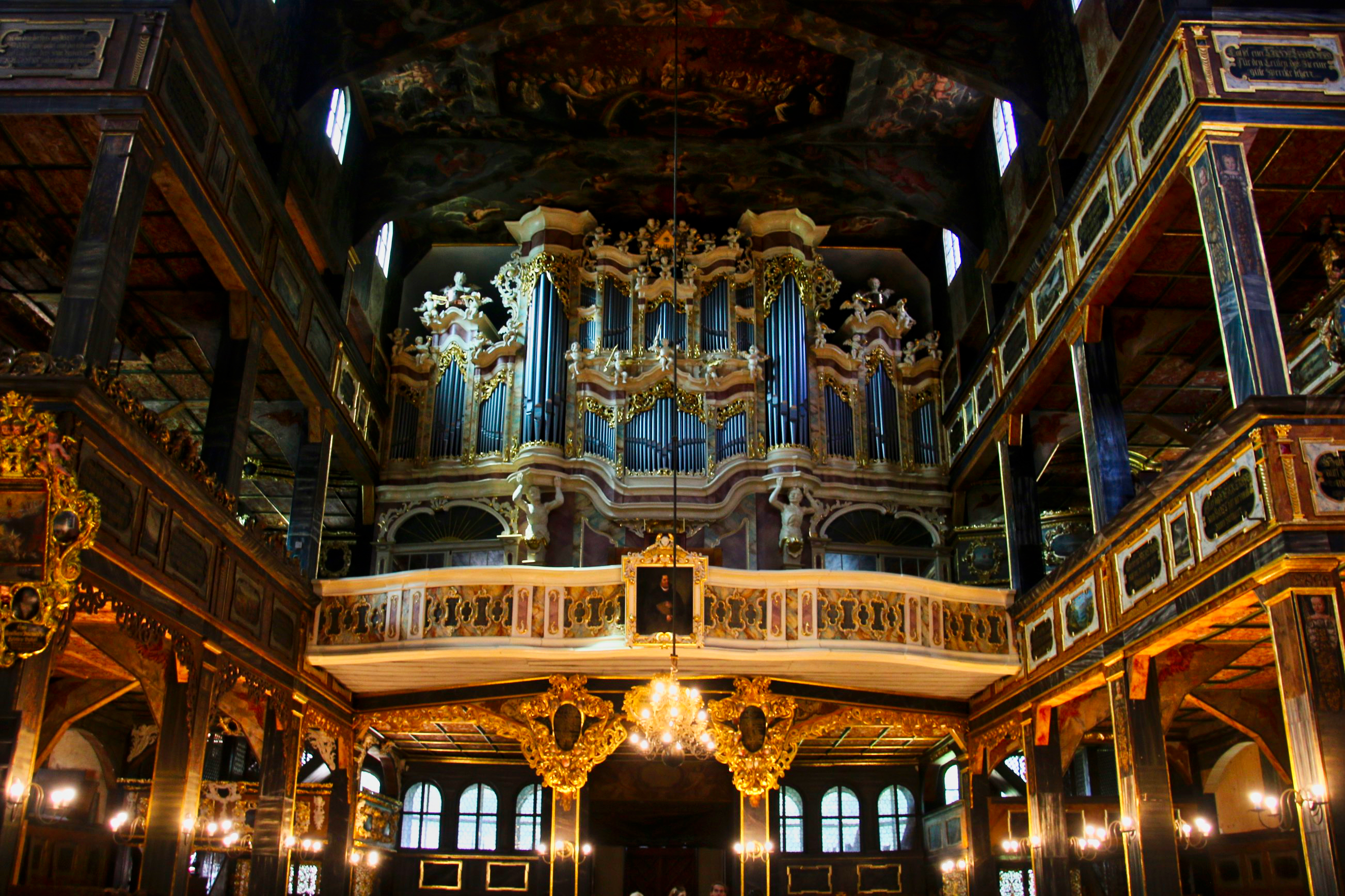
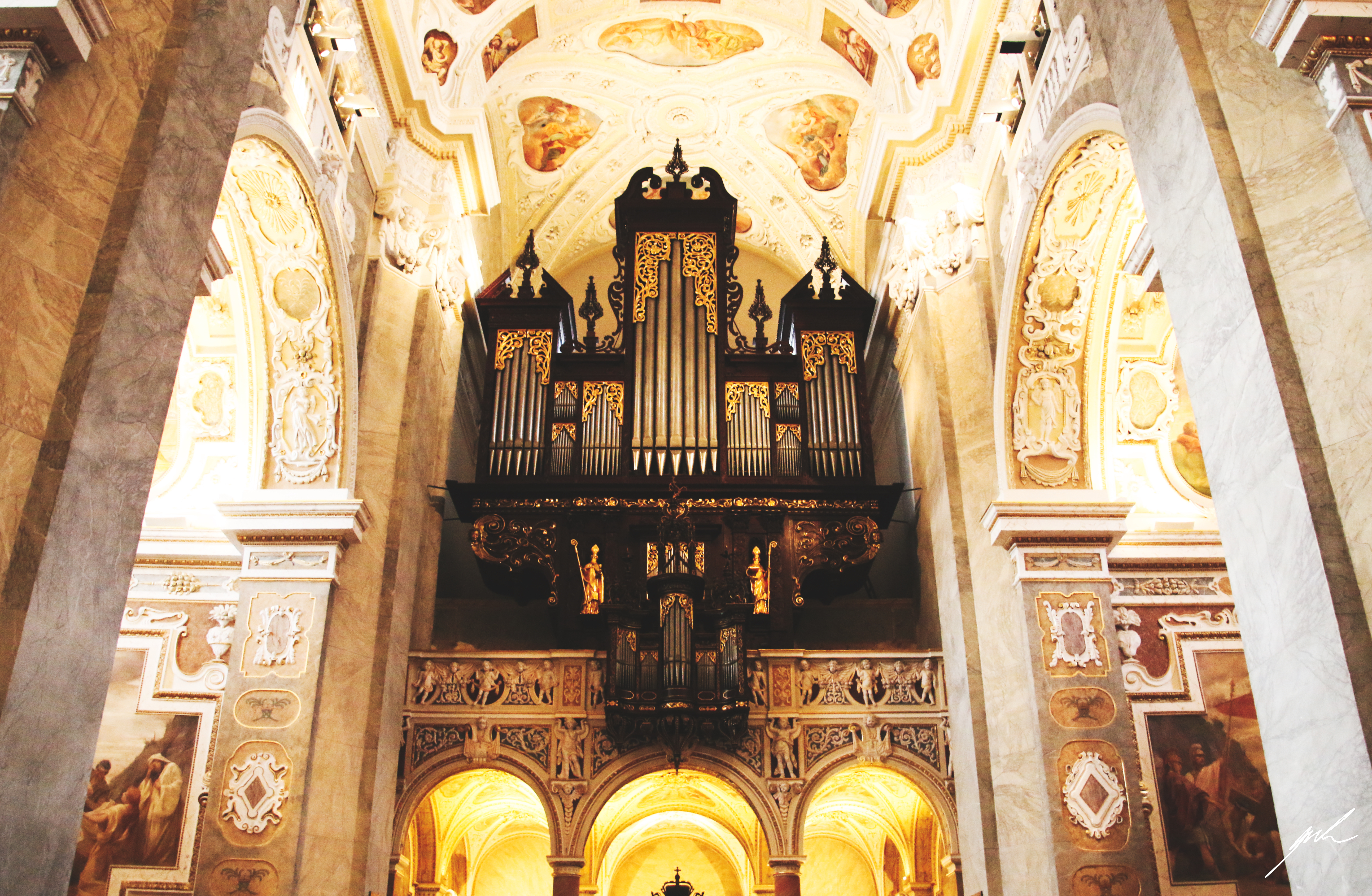
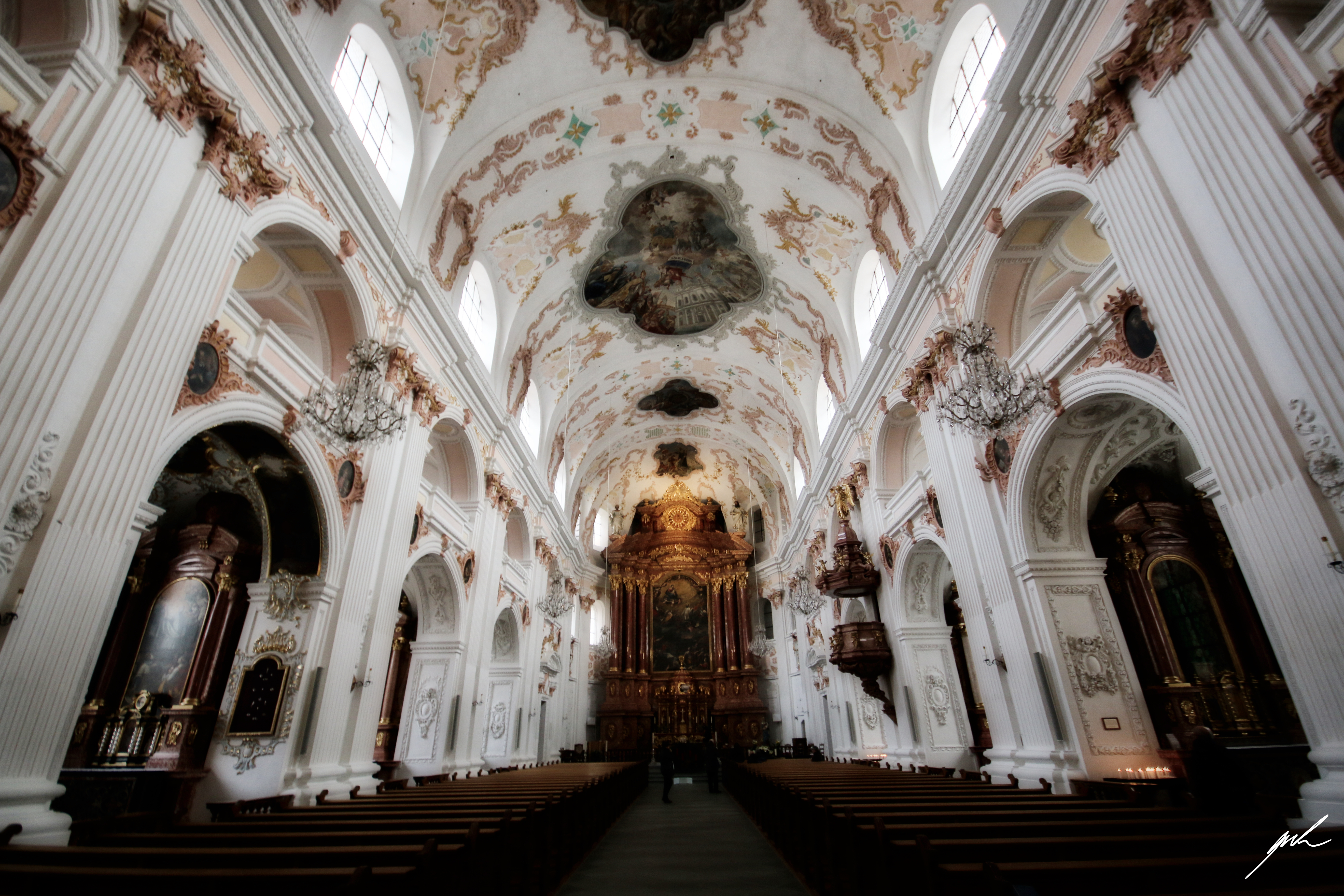
The tradition of sacral buildings in the Alps is far-reaching. The oldest churches in the region date from the 7th and 8th centuries, but the heyday for building activities was the 18th century. It was a time in the region’s history when grandiose architecture with rich decoration was built to combat the rivaling religious ideology of Protestantism from the north. While protestant churches tended to be more plain and unpretentious, Catholicism went in the other direction. Churches became palaces for God, becoming ever more impressive with marvelous wall paintings and detailed glass windows. Another essential element of Baroque sacral architecture was organs larger than life, richly decorated, and with a unique sound range. Some impressions from the region.

1


Kaprun: Town in the Alps

The blog is up and running again!

It was pretty silent here this year and a good part of 2020. For a short time, the website was down altogether. There are a couple of reasons, many of those in connection to the COVID crisis. Most importantly, though, I had no creative energy left for photography. The circumstances are changing, and as the world is beginning to open up again, my motivation for attempting creative endeavors is also coming back slowly but surely. A more hands-on reason for updates is new gear. I switched from a Canon 70D to Sony. A Sony C7, to be precise. It has some advantages for travel and landscape photography because of its handiness. For now, I just have one travel lens, so it is a new experience and a little bit of a challenge to focus solely on photography with one particular lens (although the range is quite broad, to be fair). Anyway, the point is that http://www.michaelhoffman.at is back and will be updated regularly. I will try to stick to a once-per-week update scheme, but we will see how things go. 

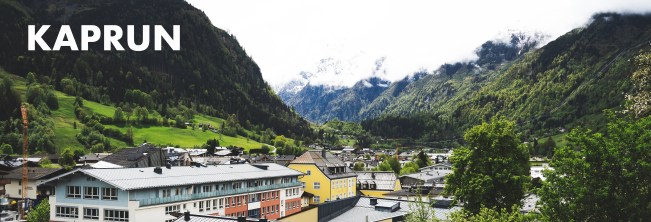
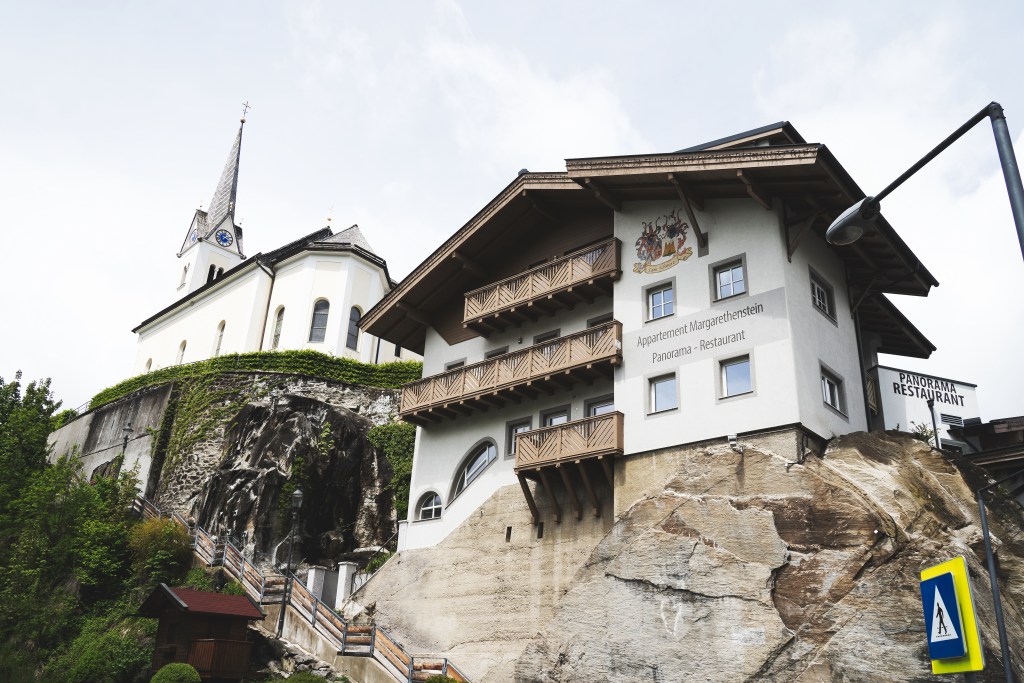
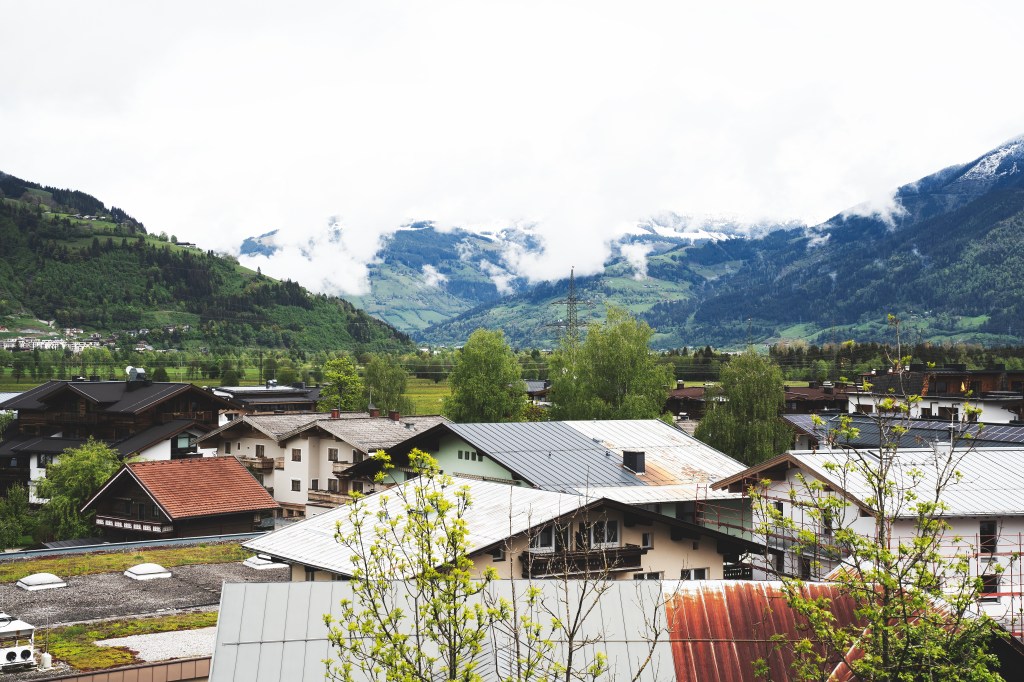
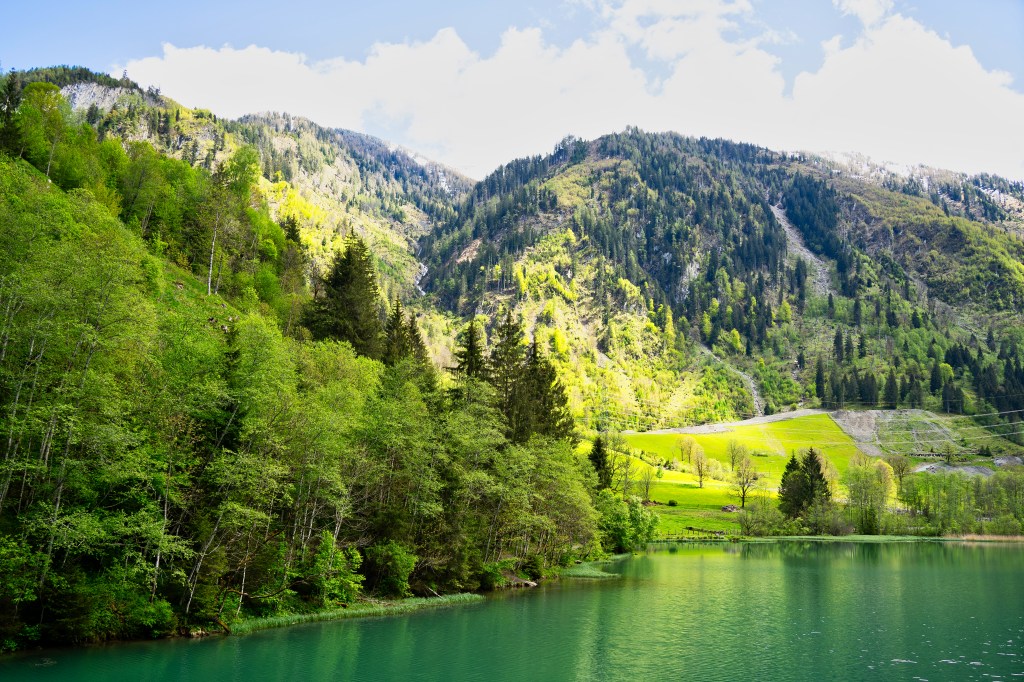
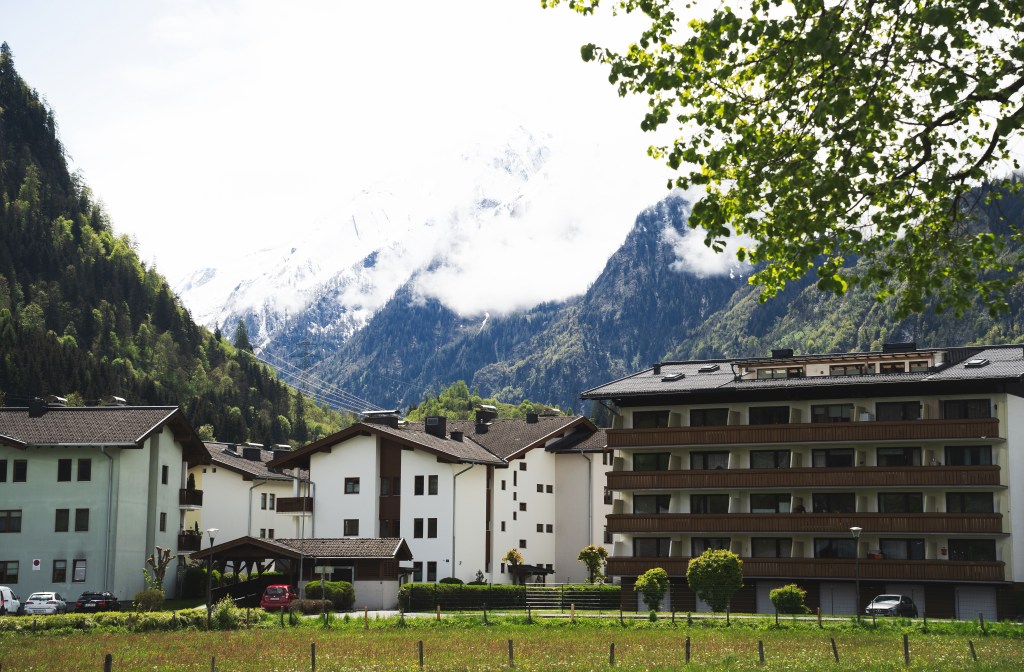
I want to start with a trip to Zell am See and Kaprun, which I will cover in separate albums. The first one is dedicated to the town of Kaprun, which is lovely by itself. Situated in the midst of the Austrian alps, it offers fantastic views of the surrounding mountain ranges and the characteristic charm of a traditional town in this region of Europe. Although the weather was unusually cold and cloudy at our time of visit in May, the few rays of sunshine were sufficient to shine a light on the beautiful nature of the region.
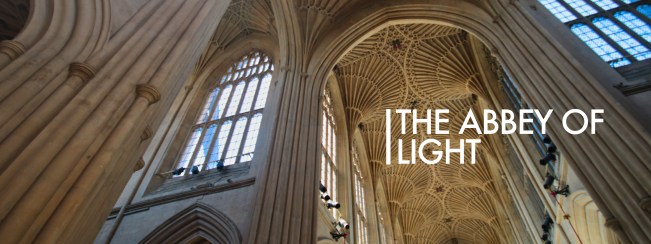
Bath: The Abbey of Light

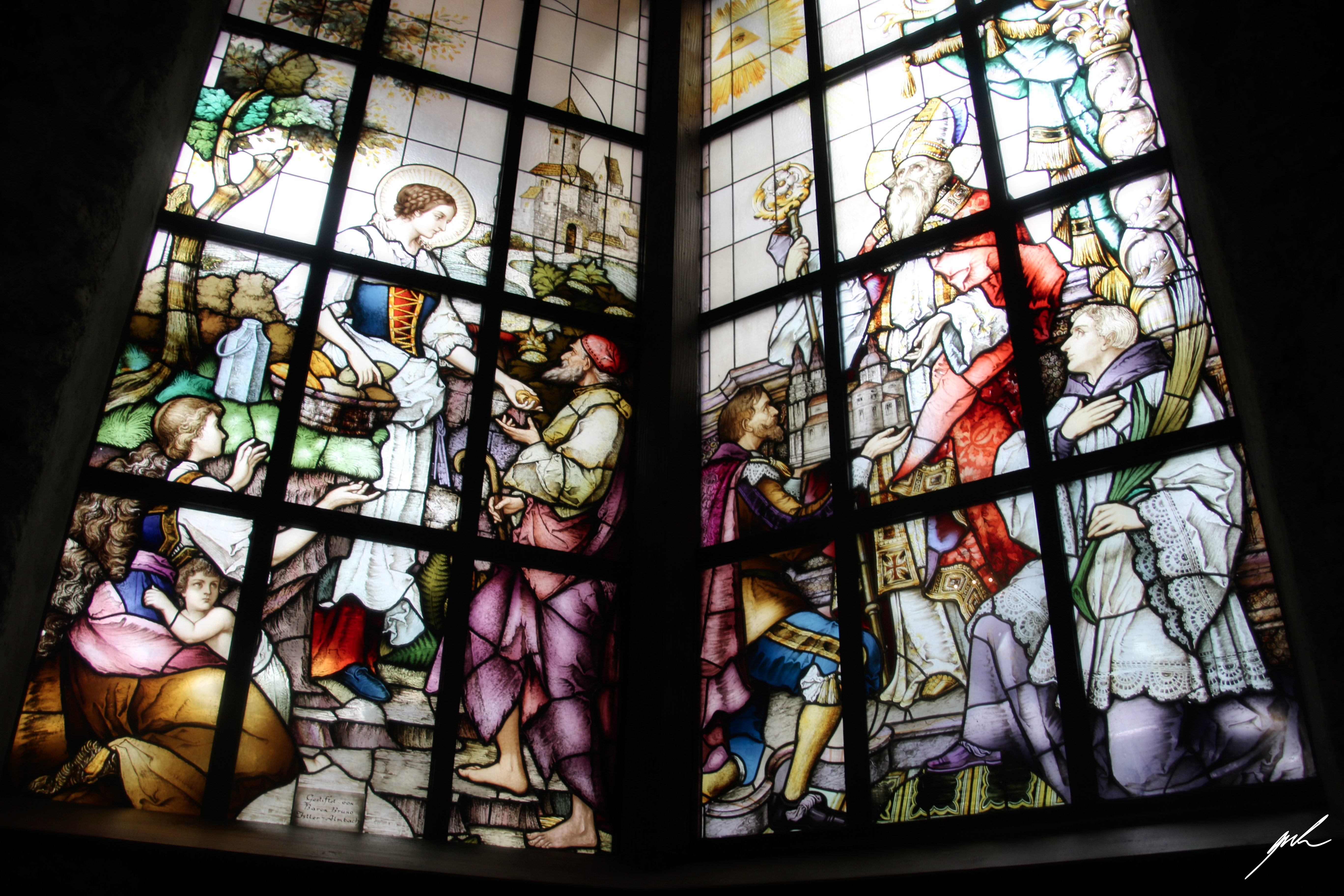
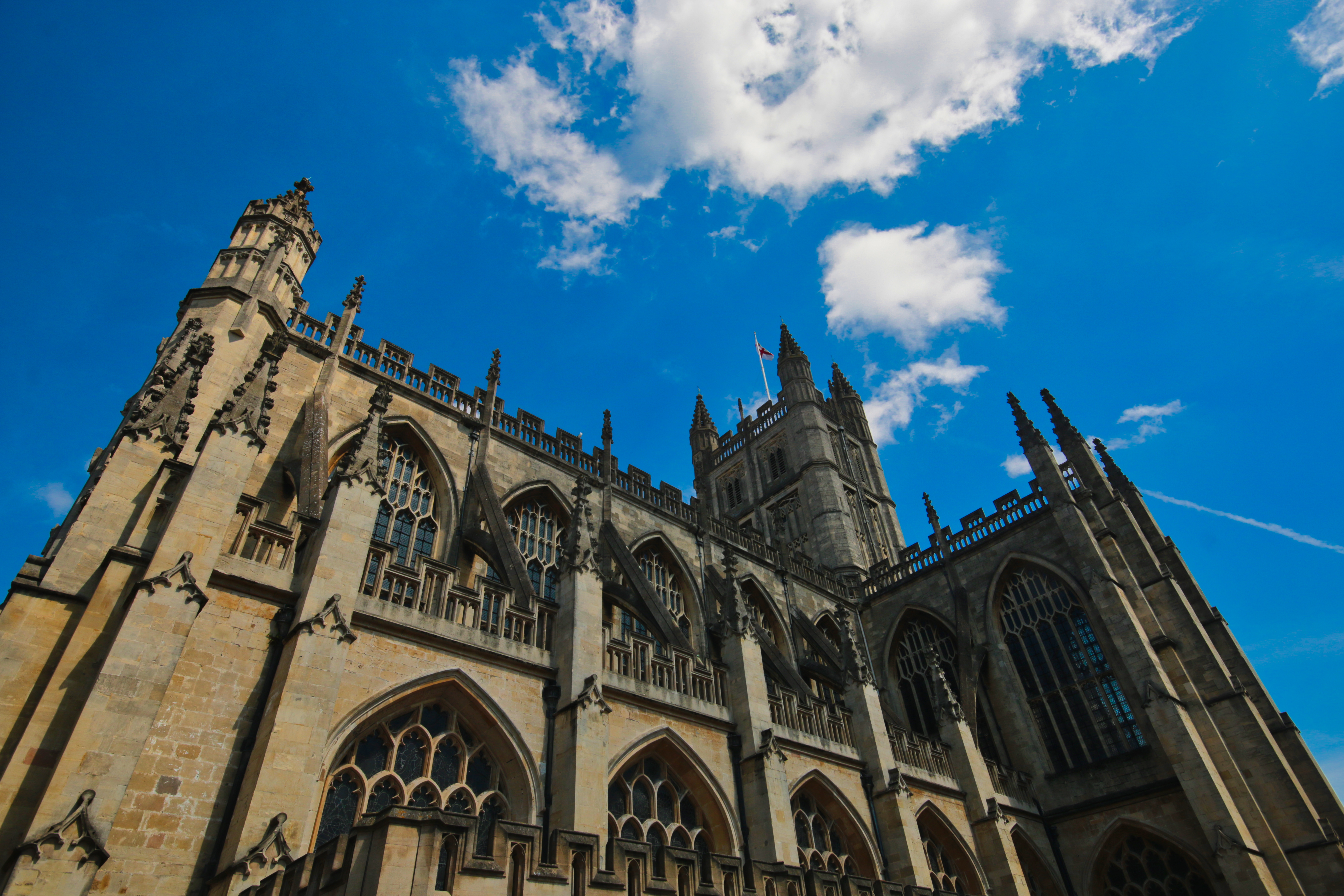
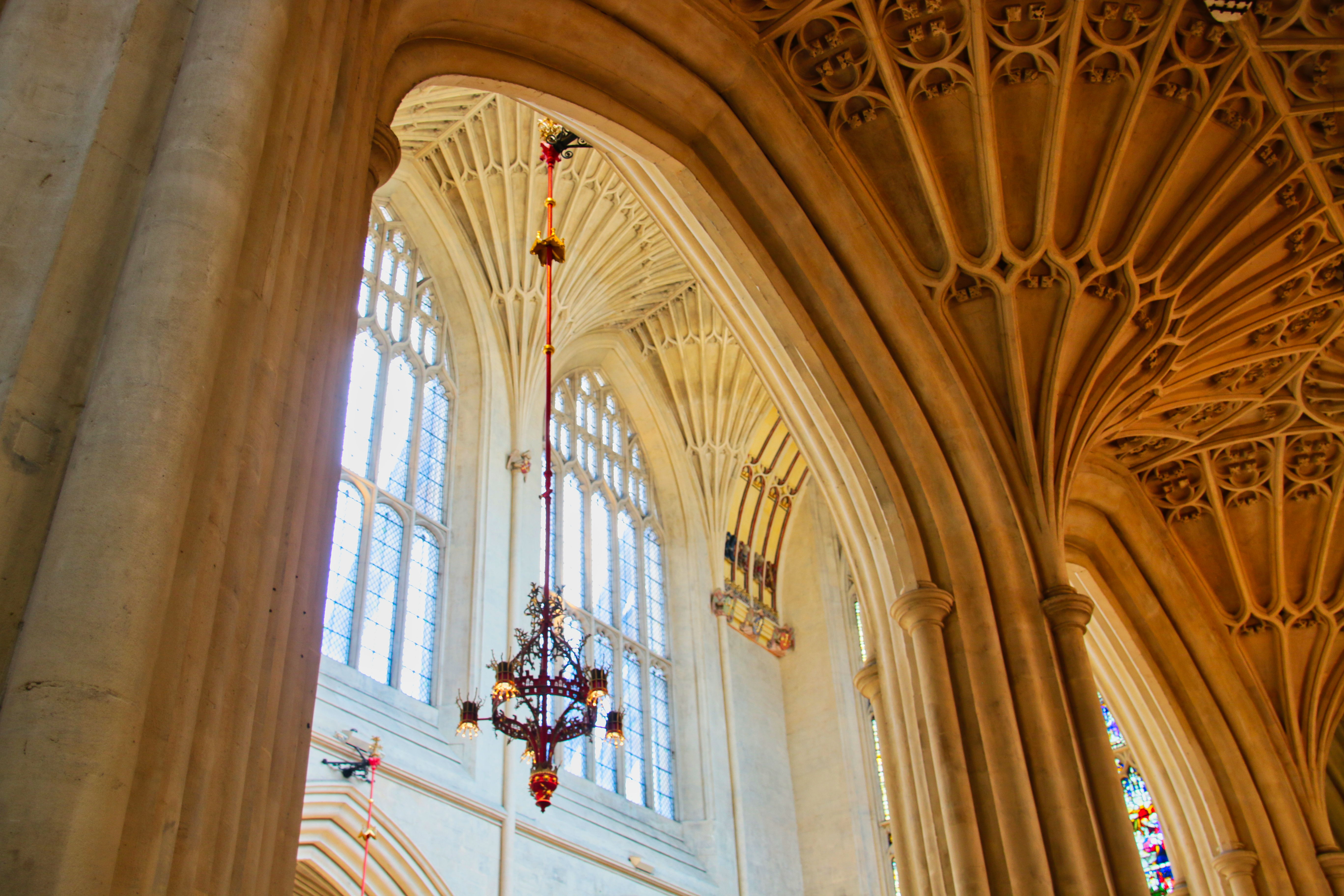
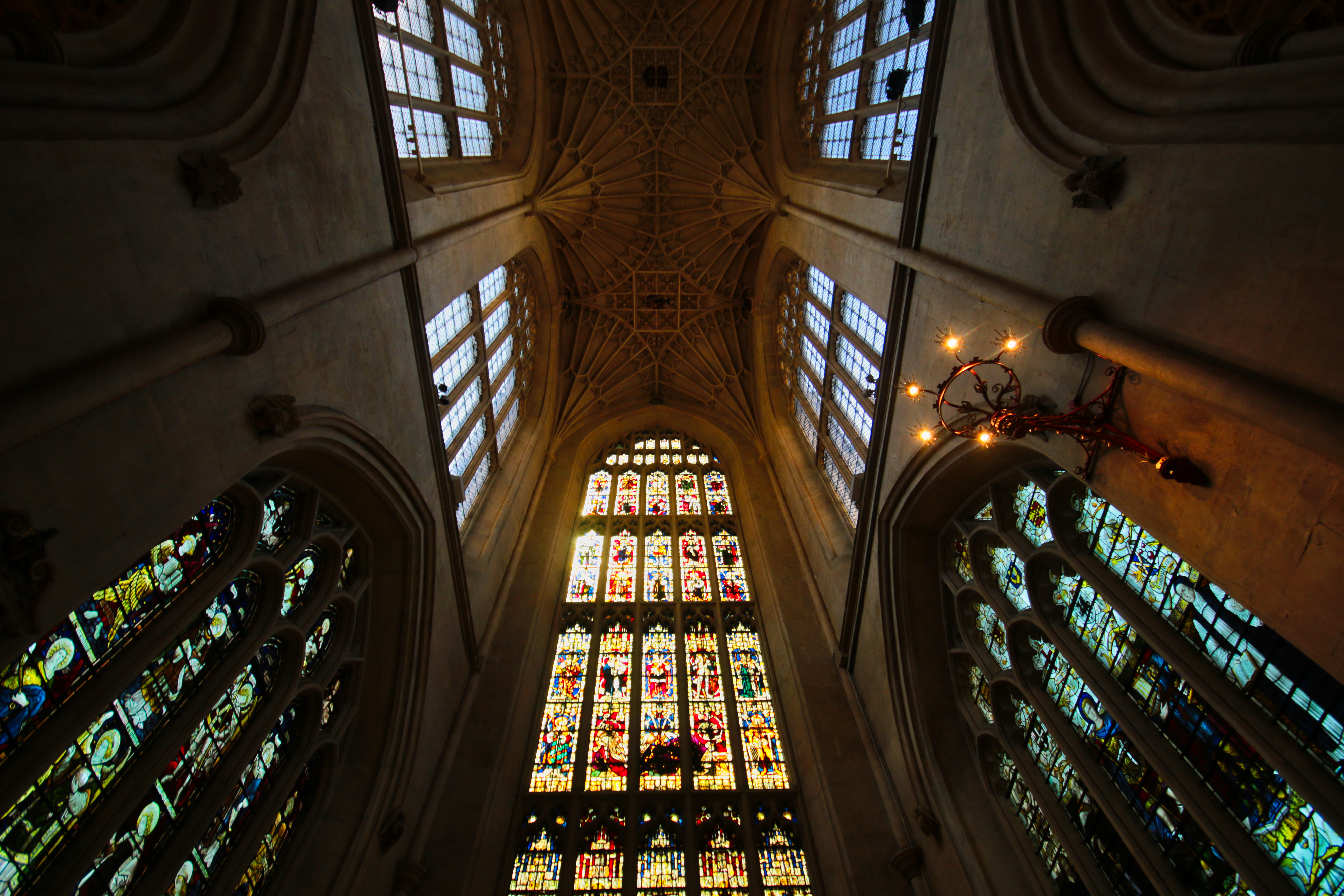
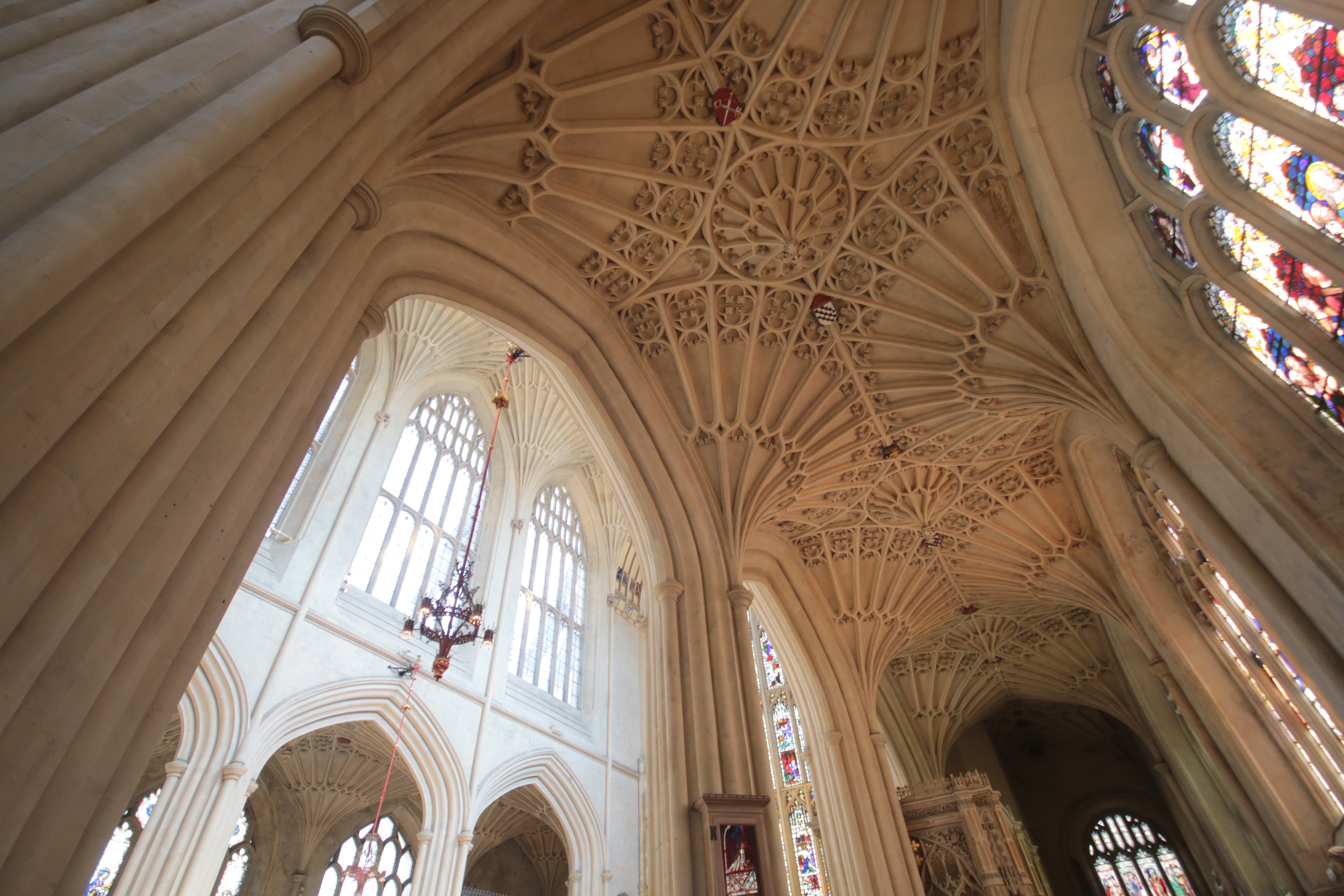
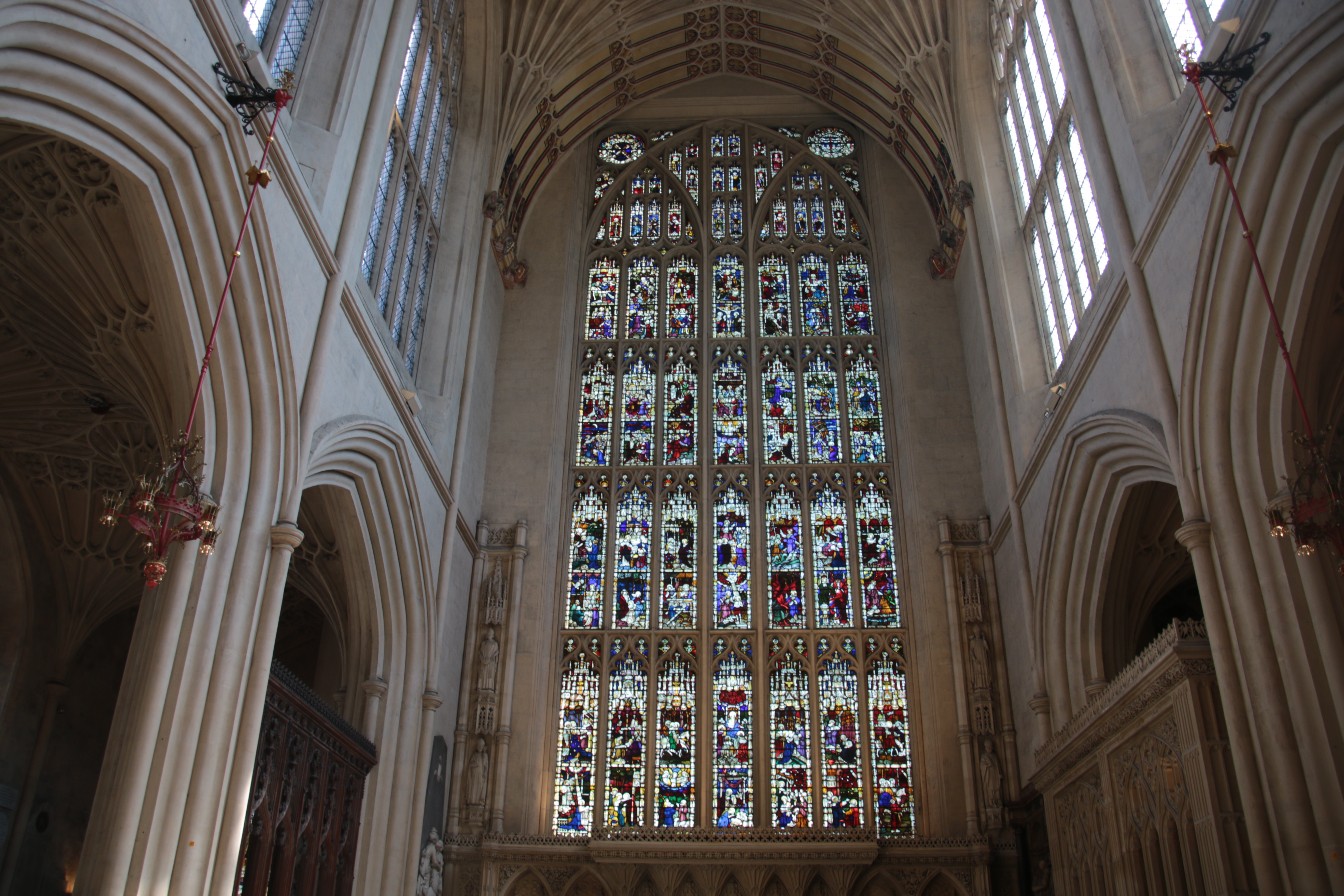
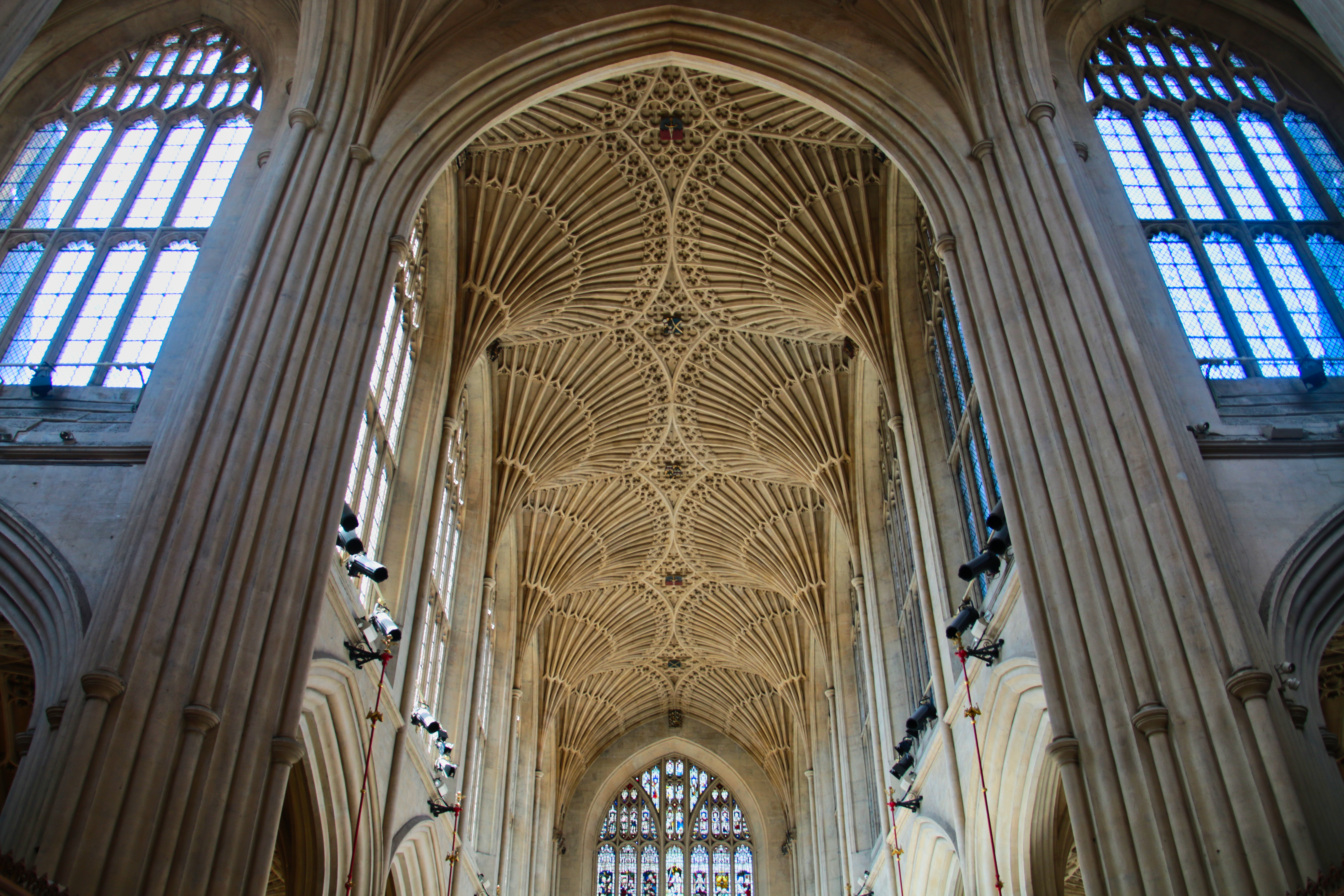
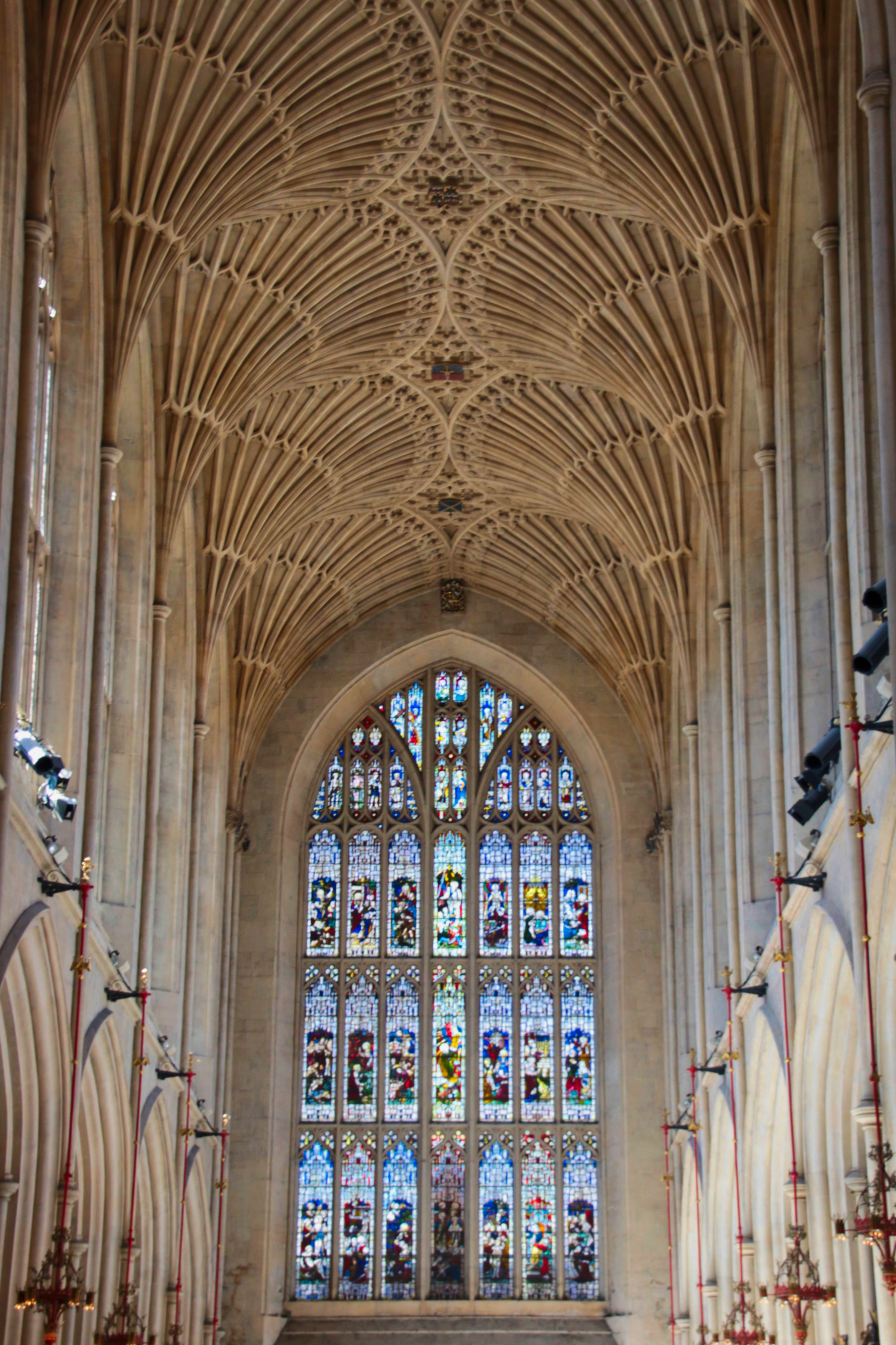
The Abbey of Bath is a prime example of England’s Pendicular Gothic architecture style. Another would be the Cathedral of Gloucester. Medieval churches tend to be very dark and somewhat sinister. The Abbey of Bath, though, is different. The light coming through the beautiful stained glass windows flows through the building, giving attractive accents and tones.
test

The Church of Peace

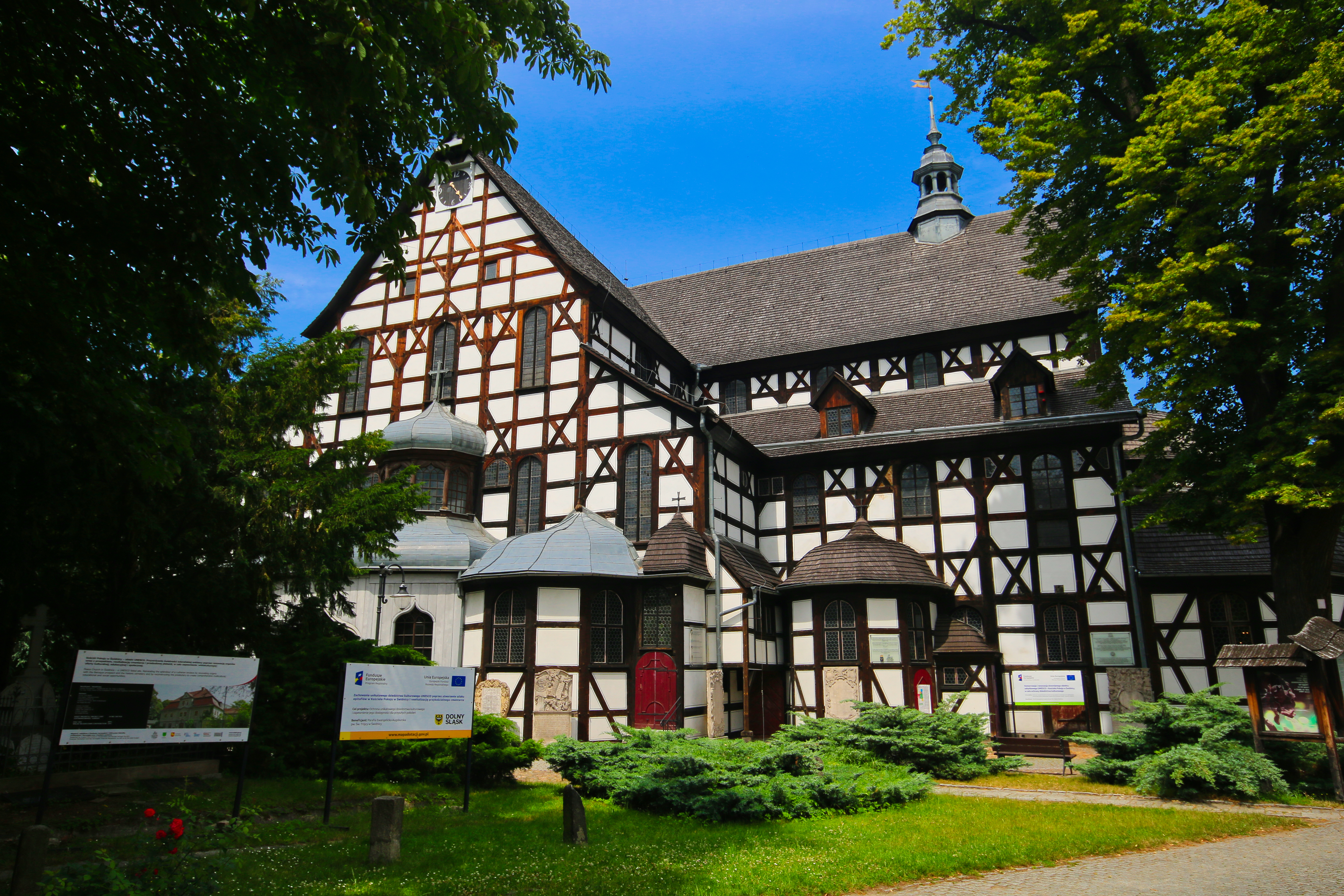
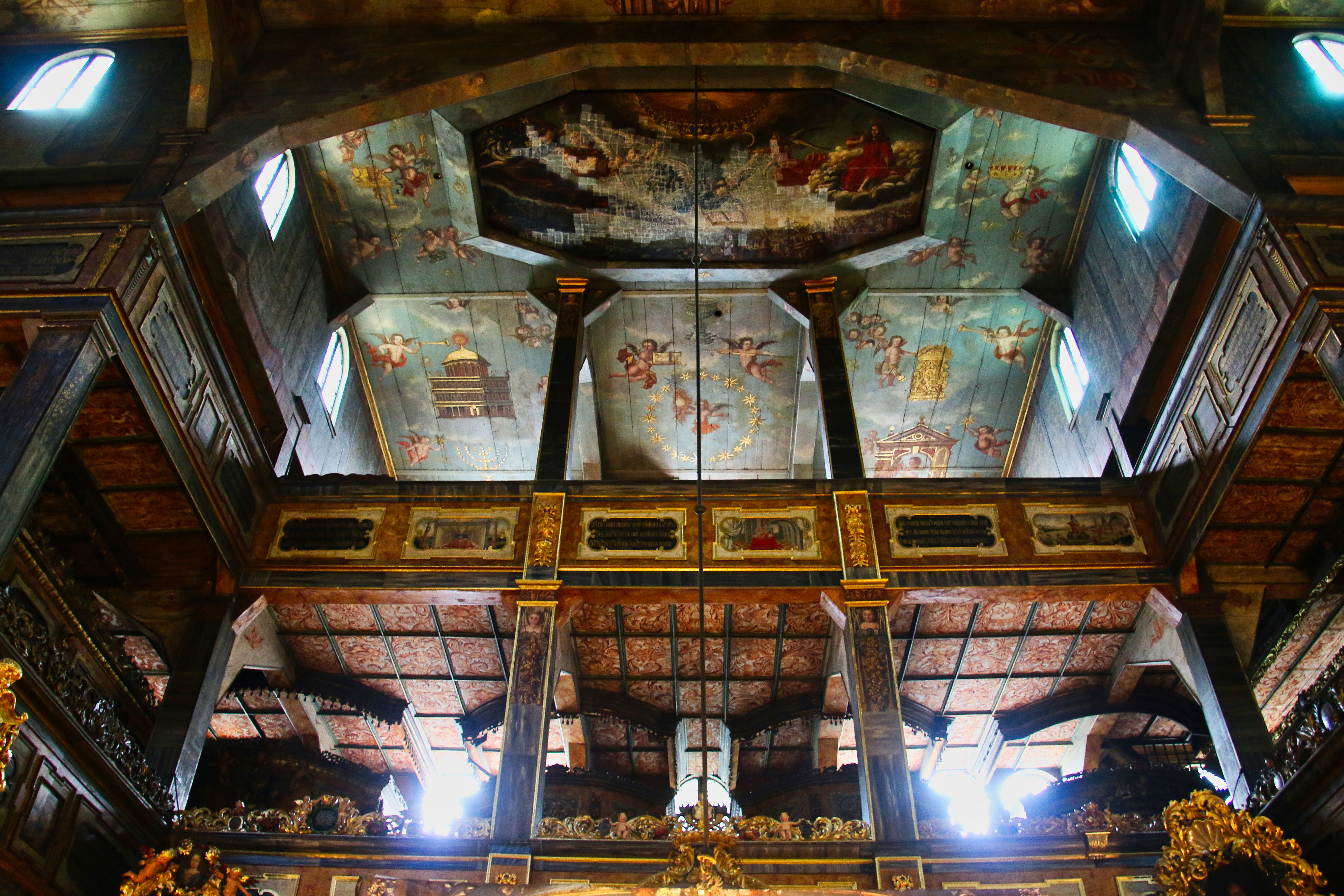
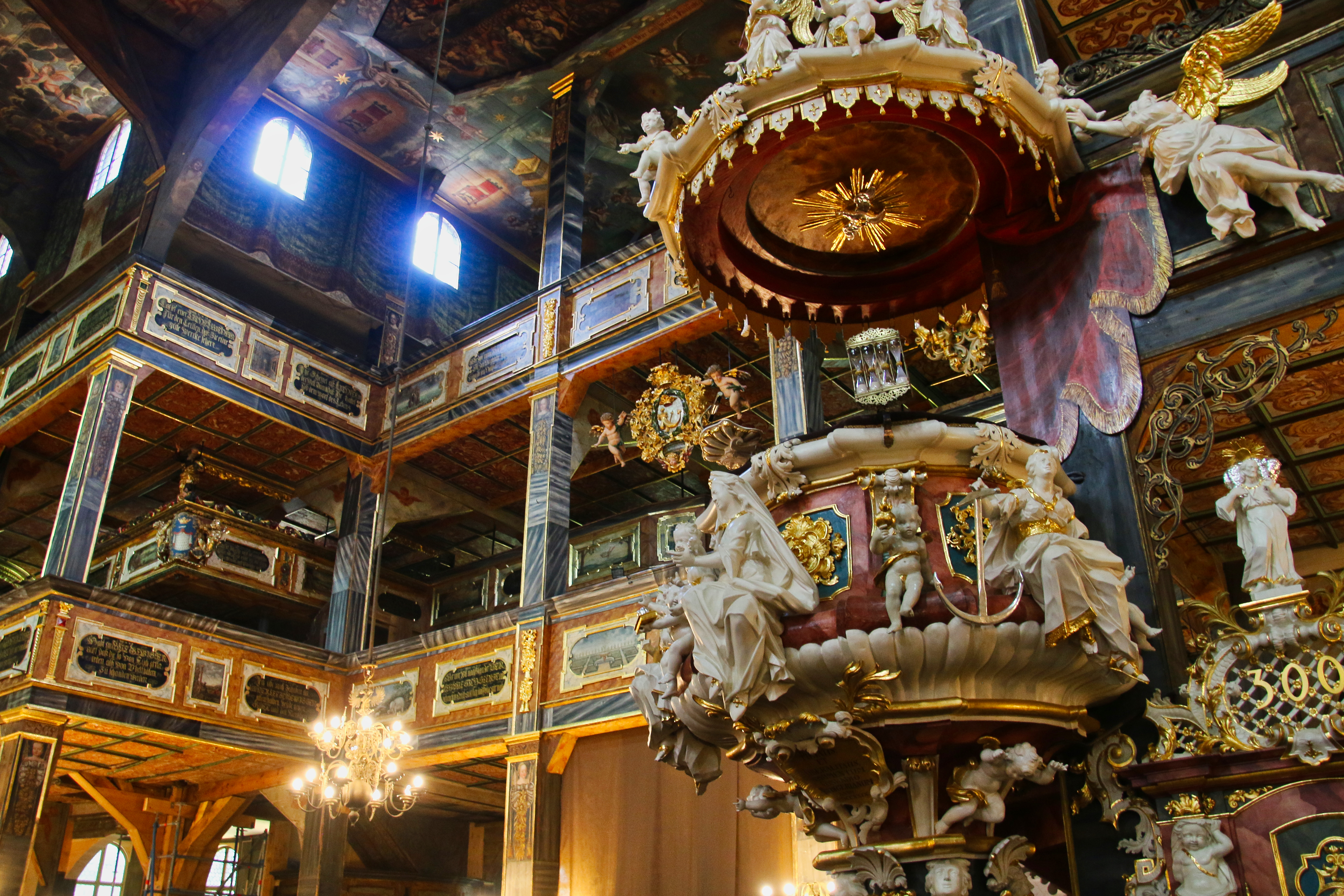
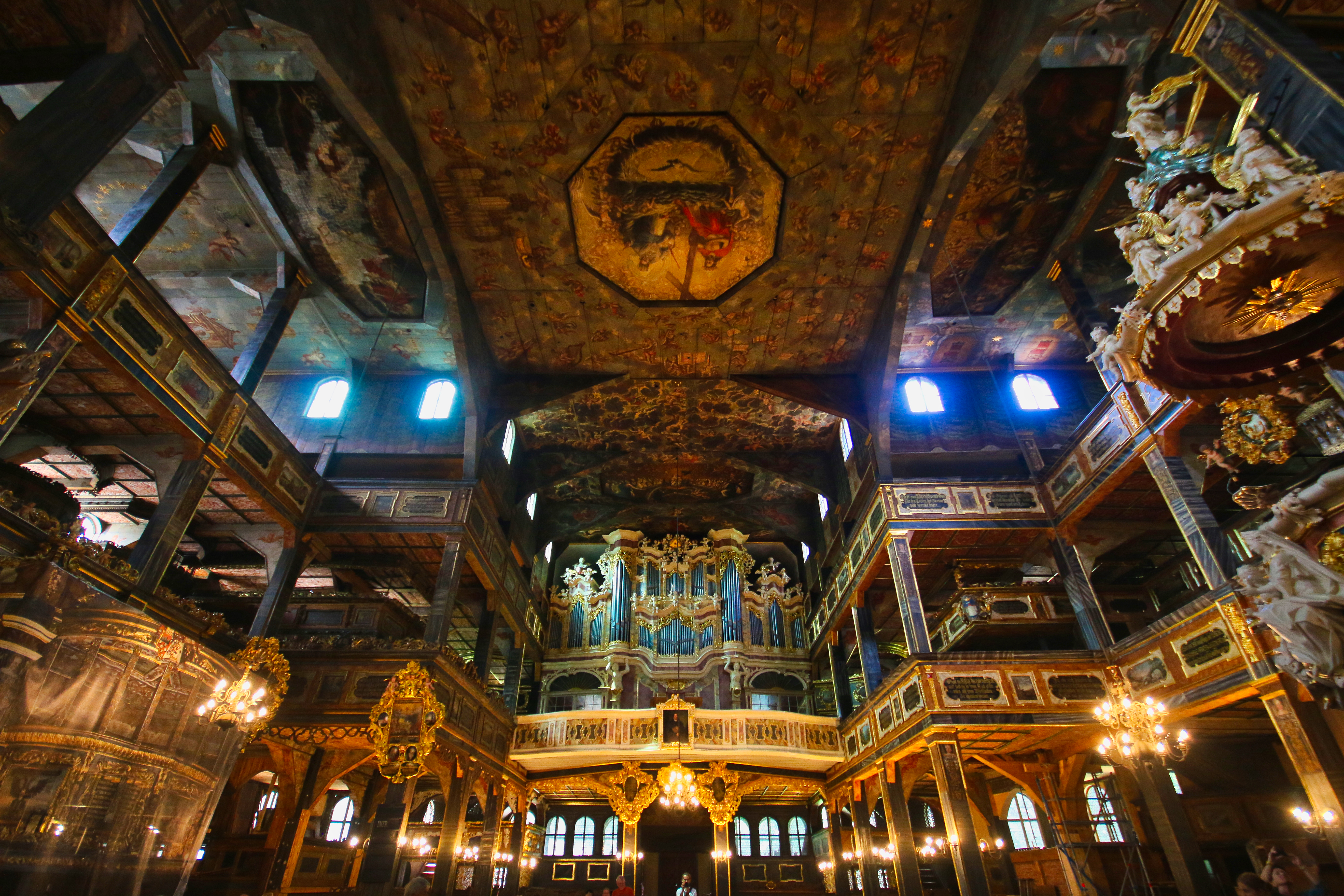
The evangelical Church of Świdnica in southern Poland is truly something extraordinary. It was built after the Peace of Westfalen (hence called Church of Peace), which followed a long battle between Catholics and Evangelicals in the German-speaking countries. The Catholic emperor Ferdinand II. won, but he had to make some concessions to the evangelical communities. Some reformed communities were allowed to build their own churches, but only outside the city walls, and they had to be constructed almost entirely of wood within one year. Three communities rose to the occasion, and two churches from the early 18th century still exist, the one in Świdnica being the largest and most opulent. Since 2001, the sacral building has been a UNESCO World Heritage sight.

test

Revisiting Lisbon: Convento Di Carmo

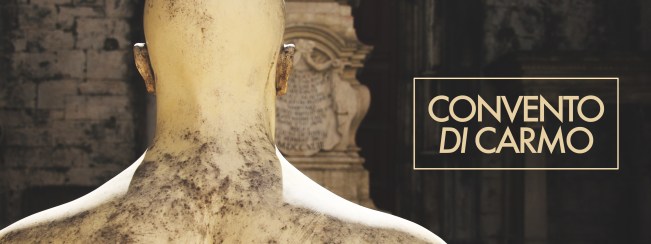
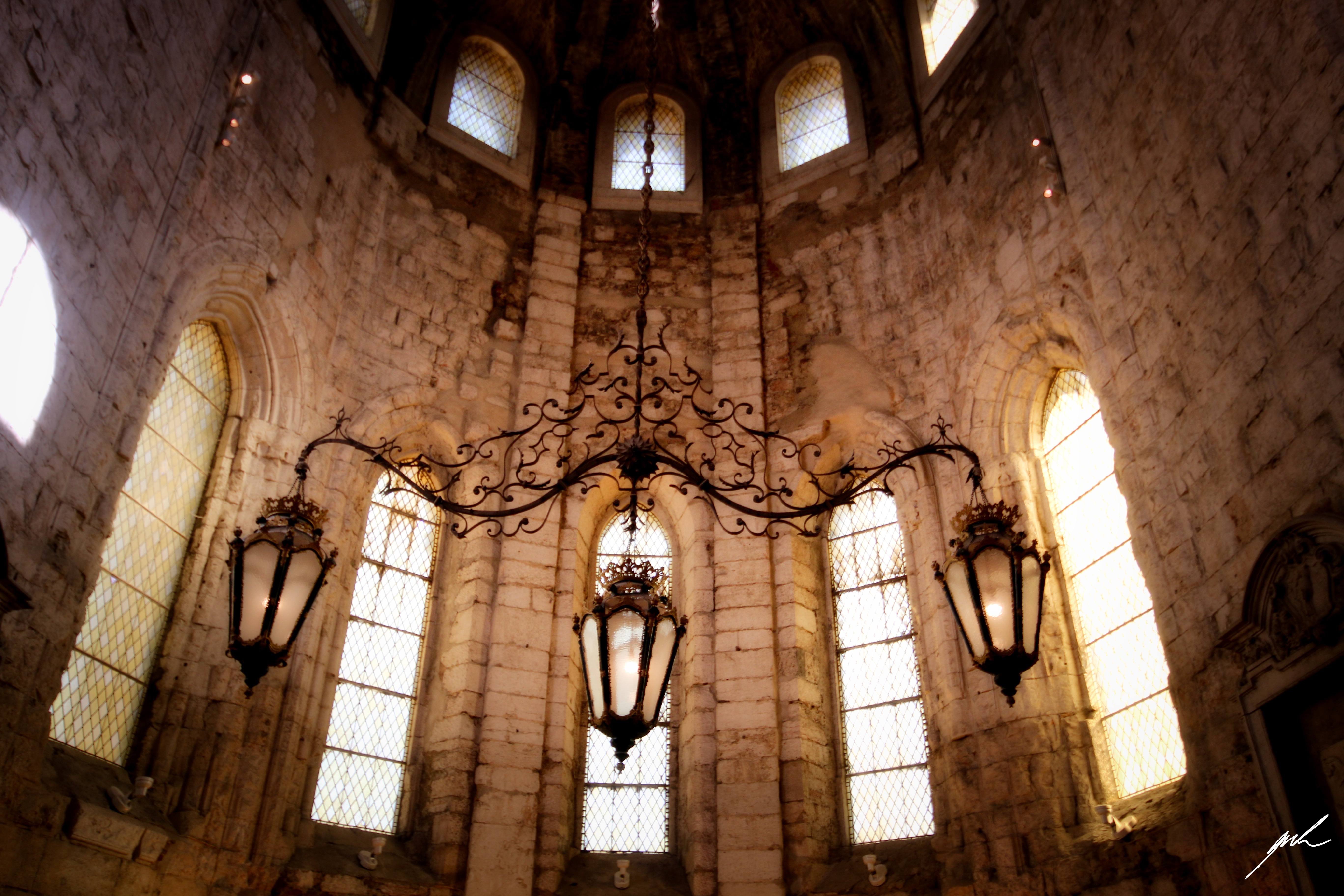
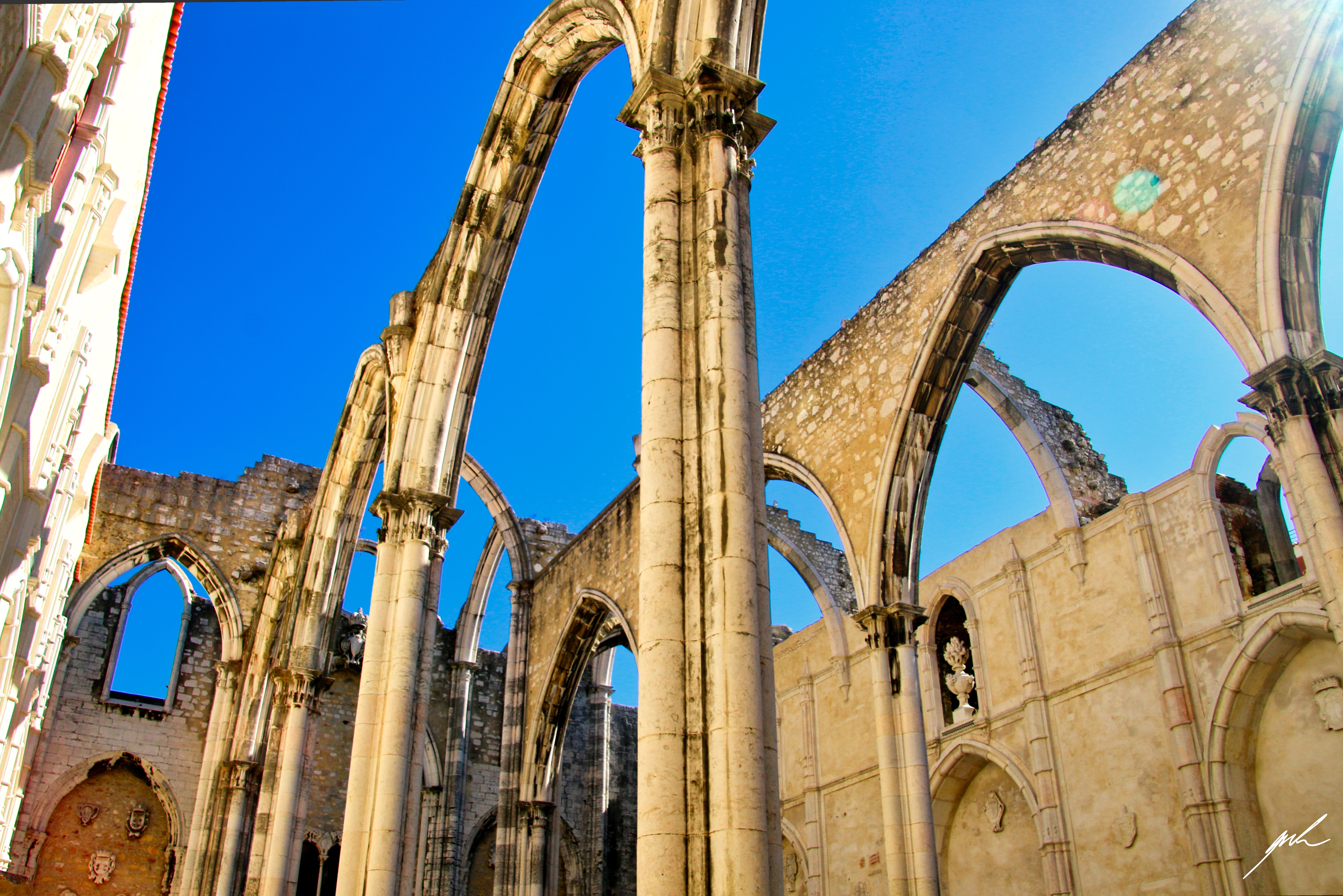
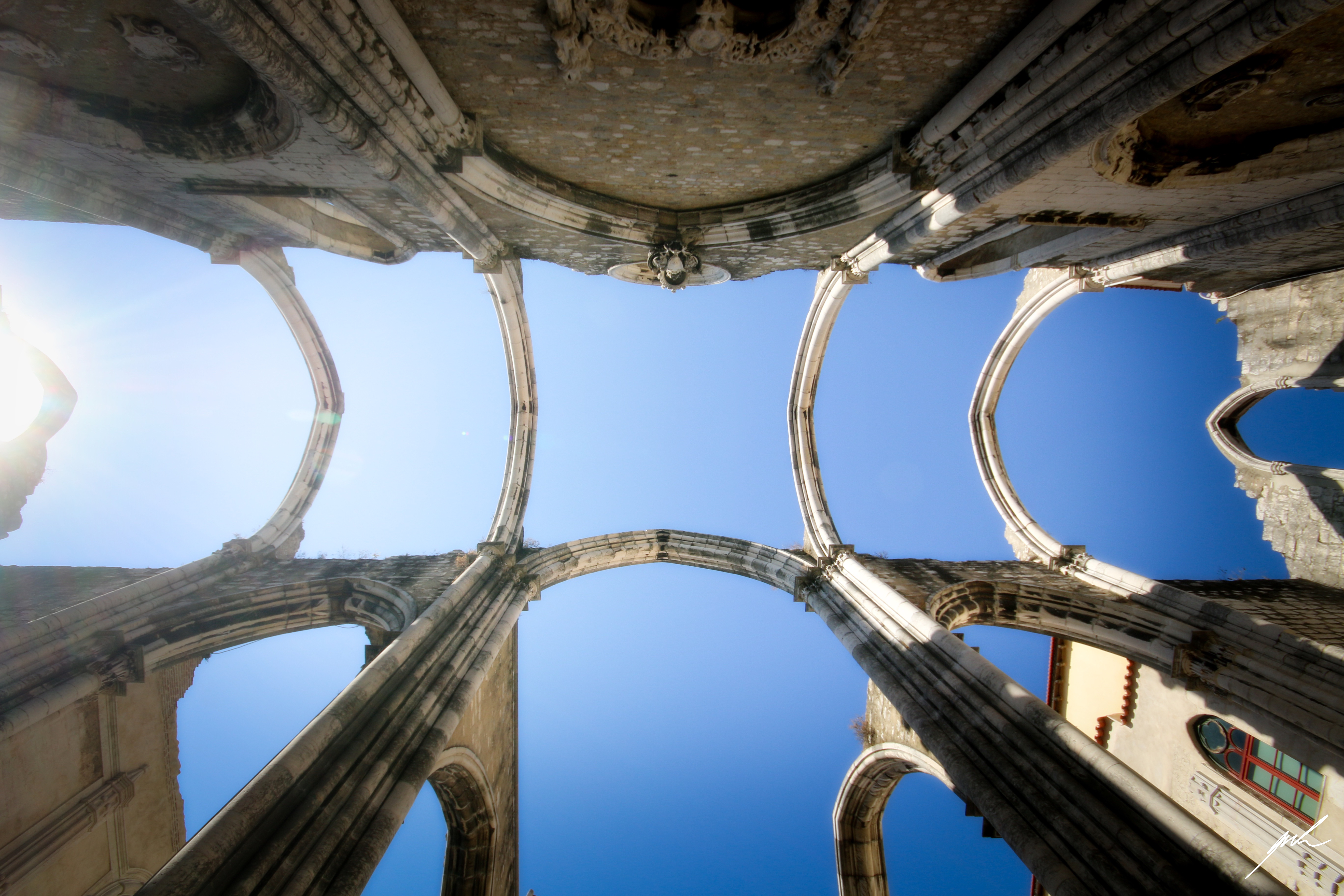
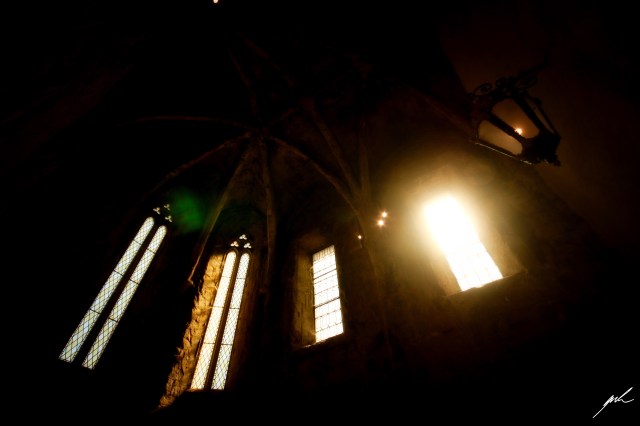
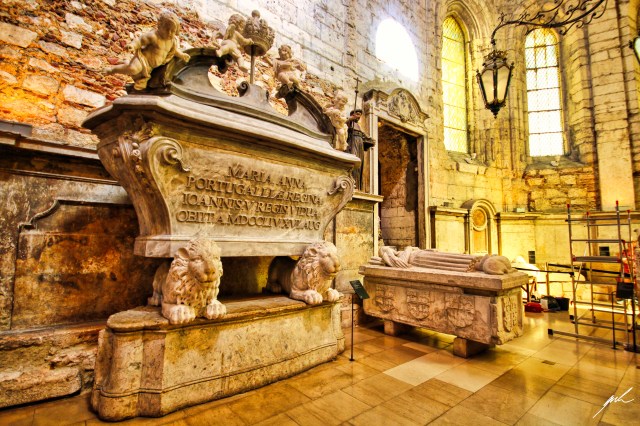
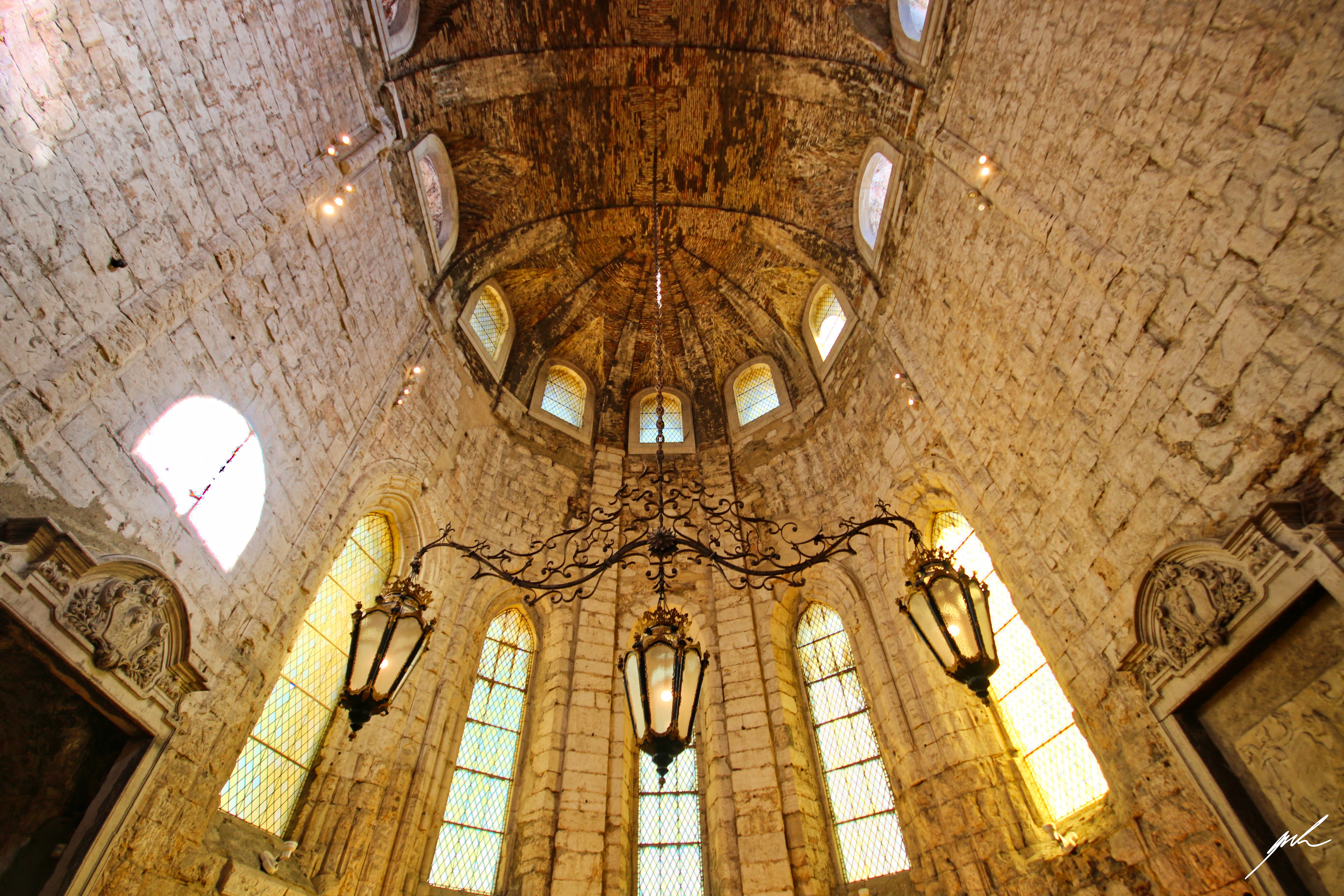
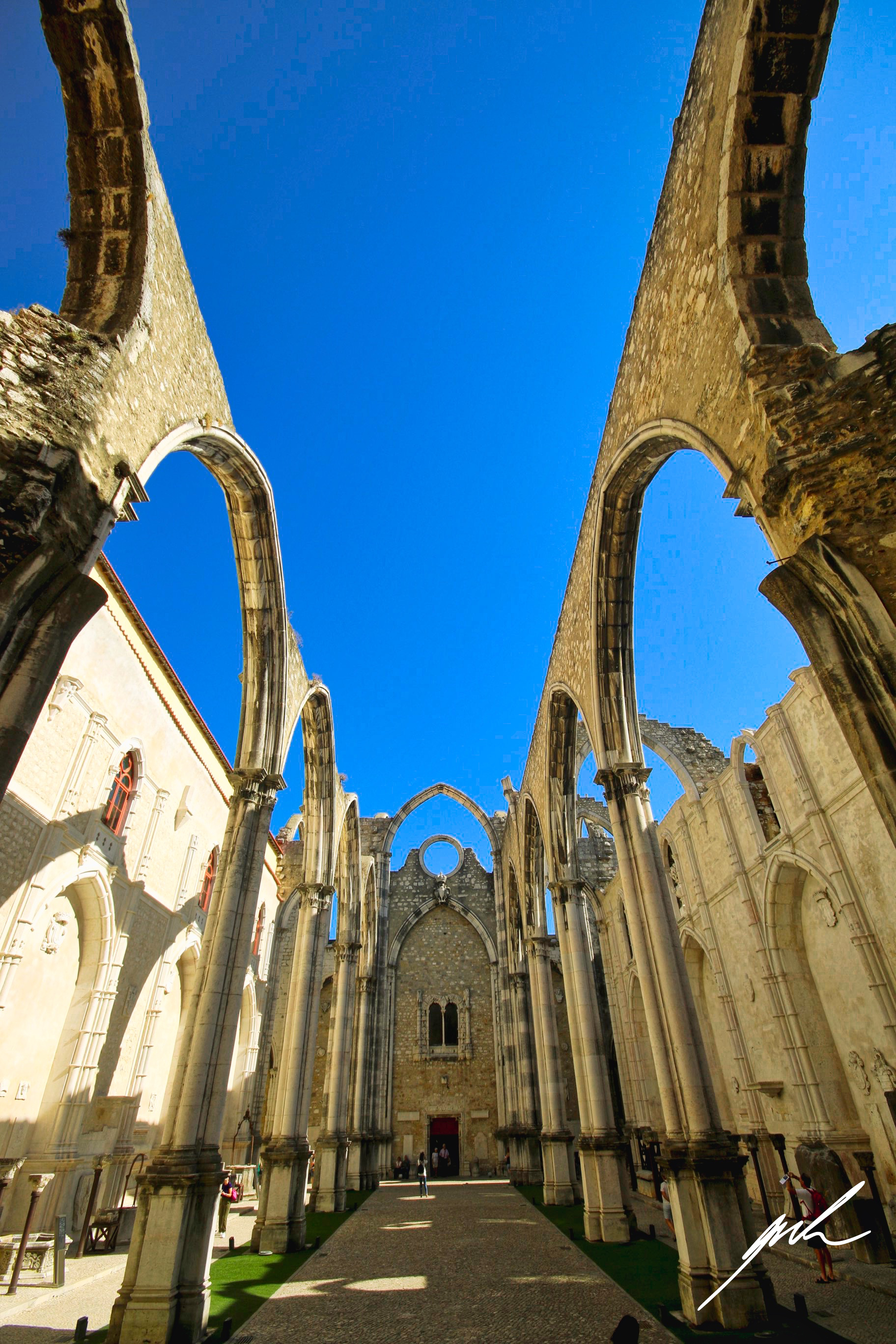
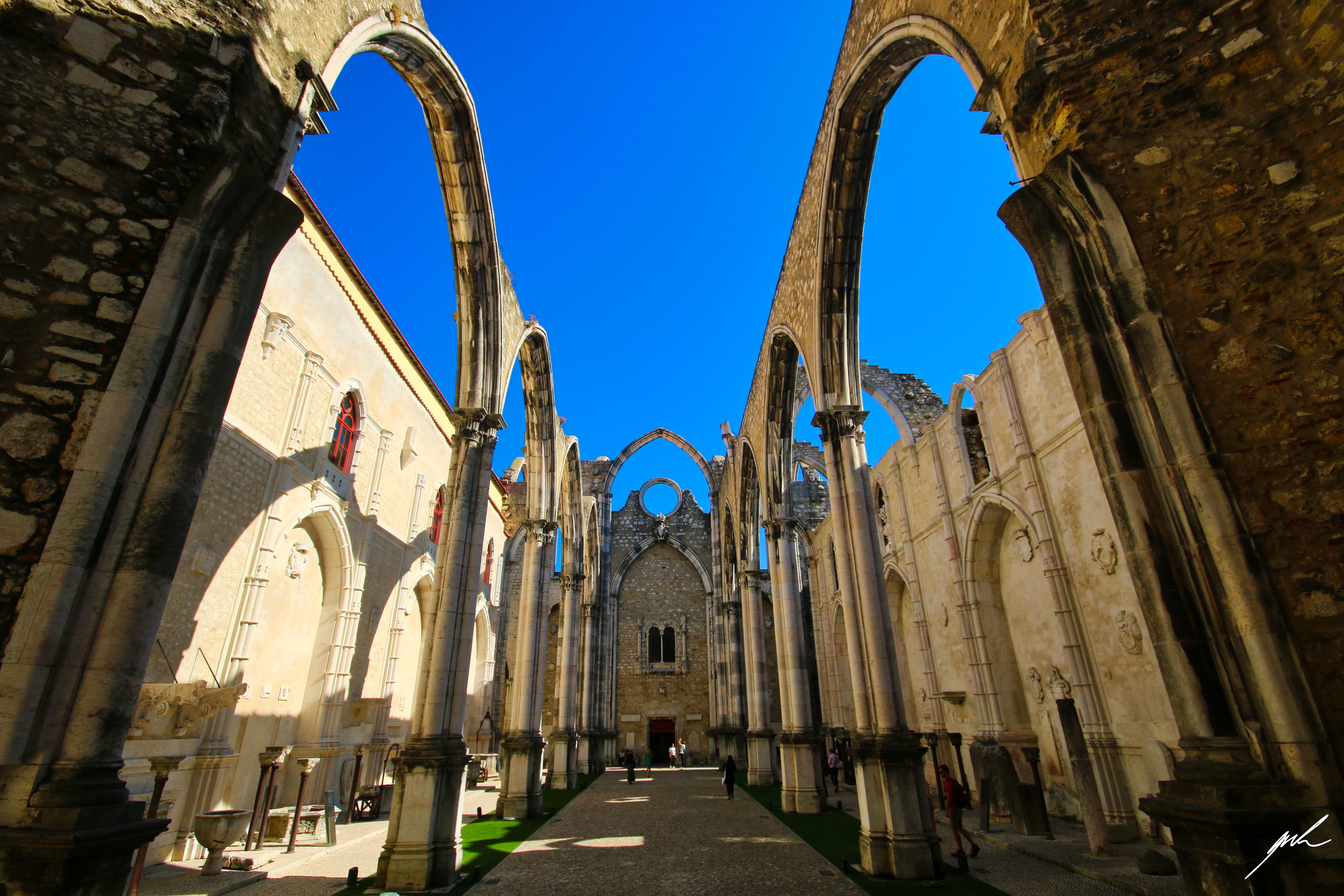
Having lived in Lisbon, Portugal, for a few months, I still missed out on some things. Revisiting the city in October this year allowed me to catch up on these experiences. High on my bucket list was a visit to the ruins of the Convento Di Carmo, a former Catholic convent destroyed in the infamous earthquake of 1755, leaving it in a state of decay for the following centuries. Today, it’s open for visitors and offers a fascinating perspective on Gothic architecture and evanescence.

test