Skip to content

Perspectives on a Parliament and a Television Tower

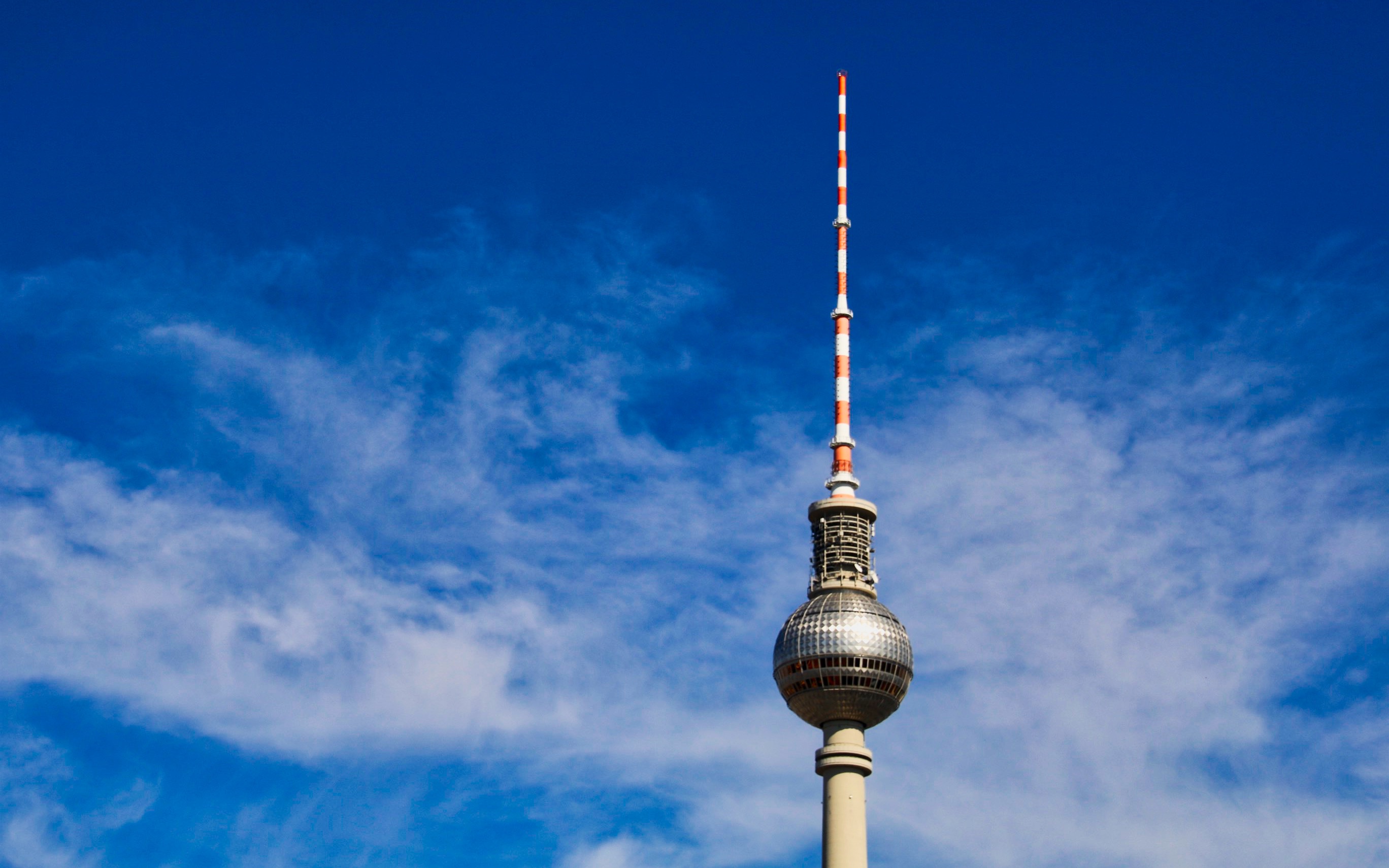
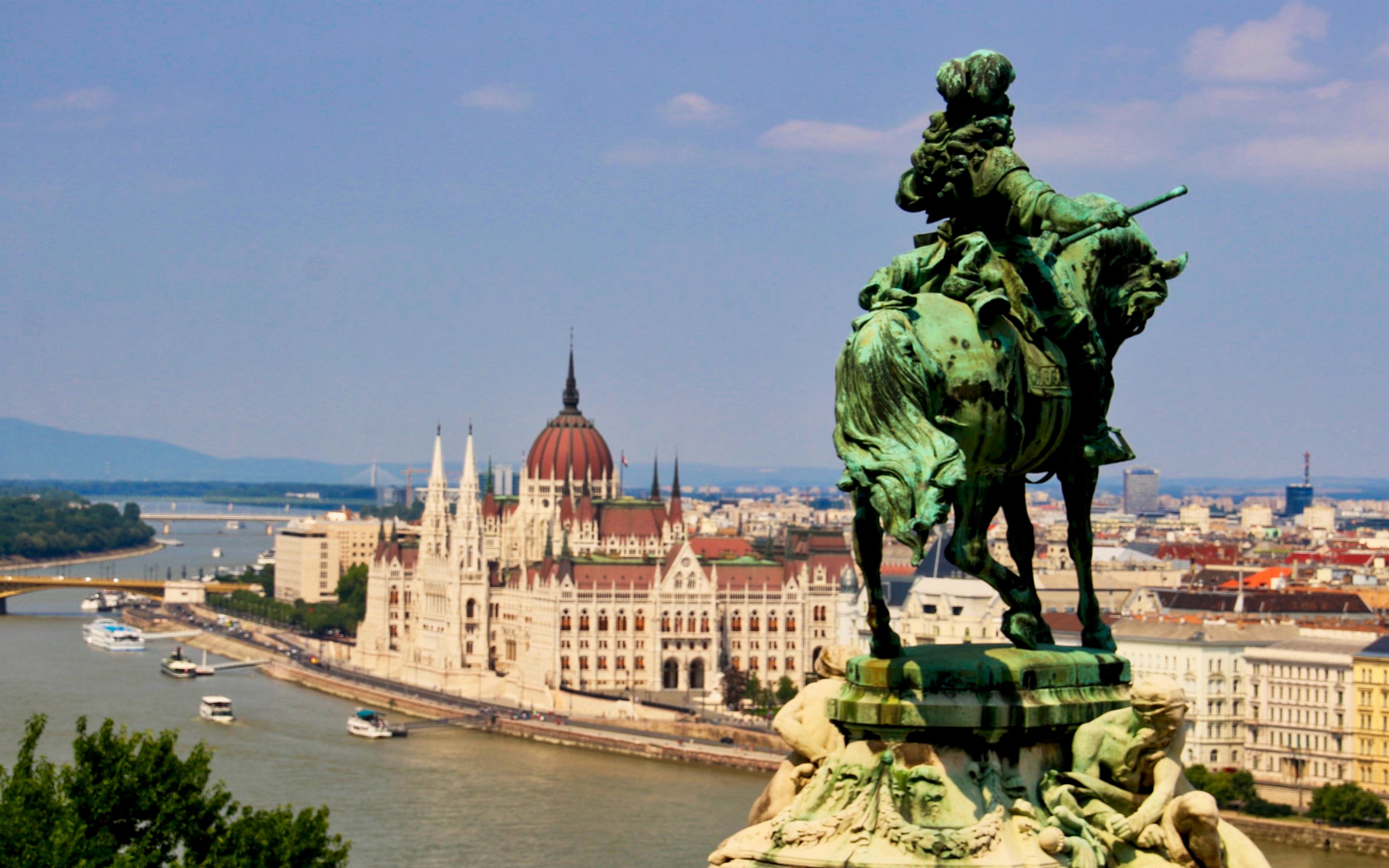
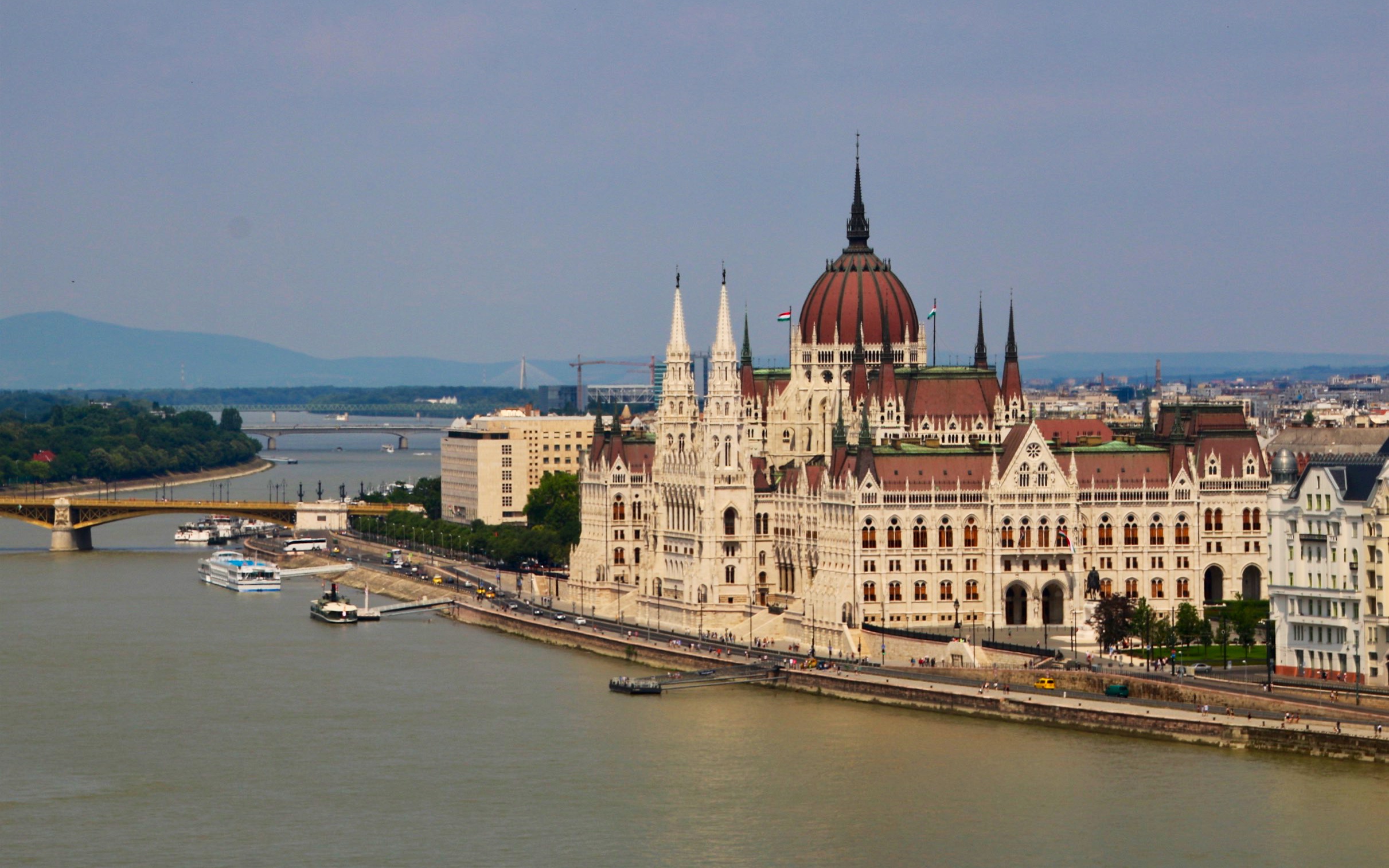
Central Europe is particularly rich in famous landmarks. Two of my favorite structures in this region are the Parliamentary Building in Budapest, the capital of Hungary, and the TV Tower at Alexanderplatz in Berlin. From an architectural perspective, these two buildings have little in common. While the Hungarian Parliament is a neo-gothic administrative building, grandeur in size and very unusual for a gothic building equipped with a beautiful red coppola, the TV Tower in Berlin was meant to showcase socialist architecture and technology and was easily seen from Western Berlin. As different as these buildings are, they both were planned as and turned, in fact, out to be landmarks of their respective hometowns – though in another way than the architects envisioned. Germany today is reunited again; many structures from socialist times were torn down, and the TV tower became a signature building of the reunited city and a piece of historic futurism. The parliamentary building in Budapest, on the other hand, is the legislative building of the independent republic of Hungary today, which emerged from the Austro-Hungarian empire after World War I.

test

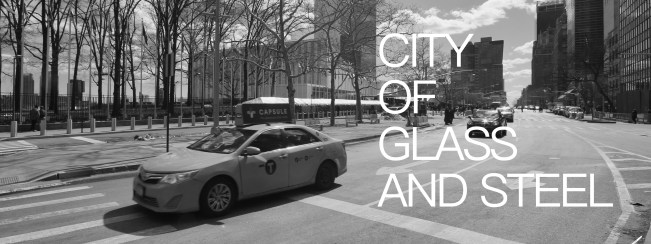
City of Glass and Steel

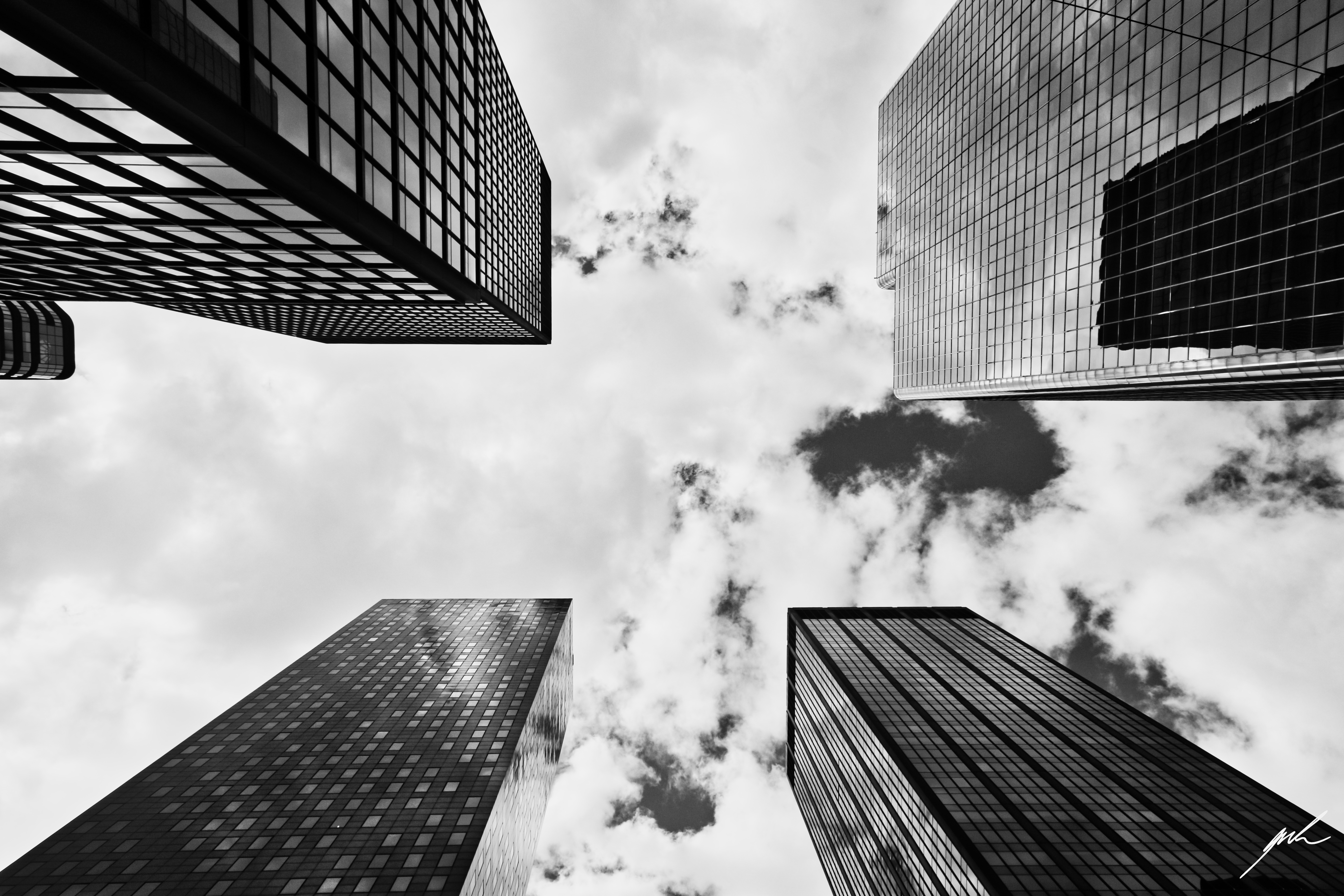
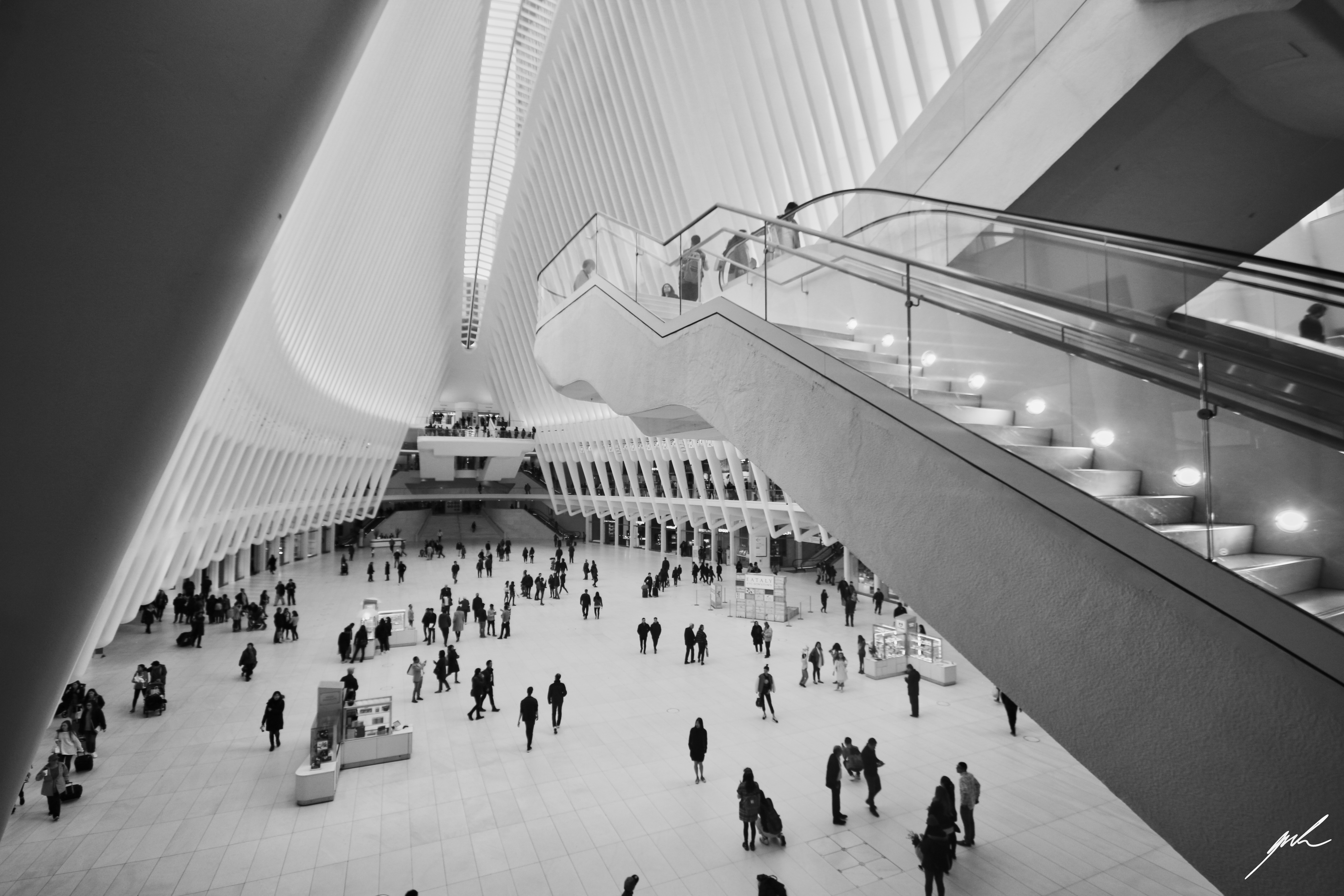
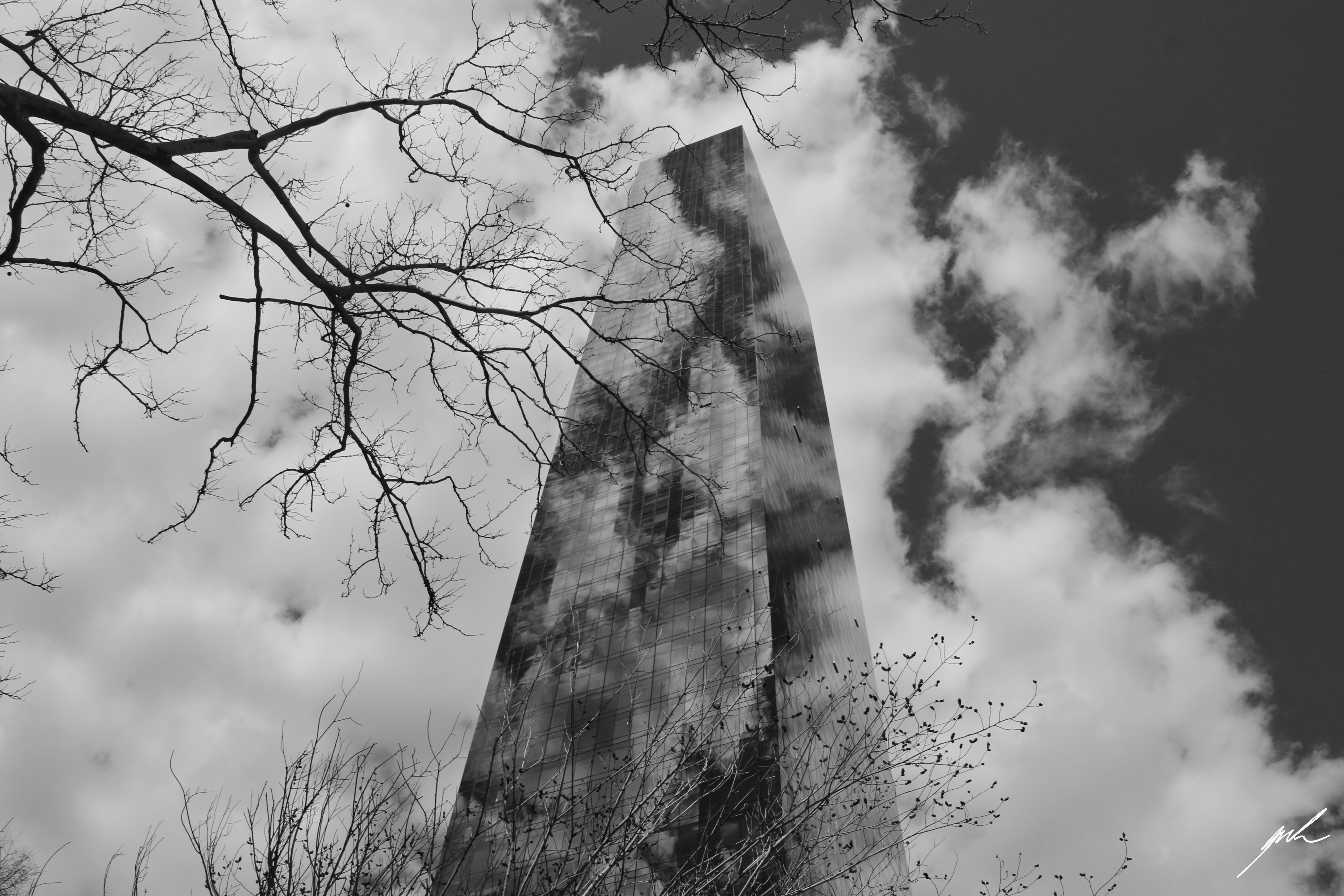
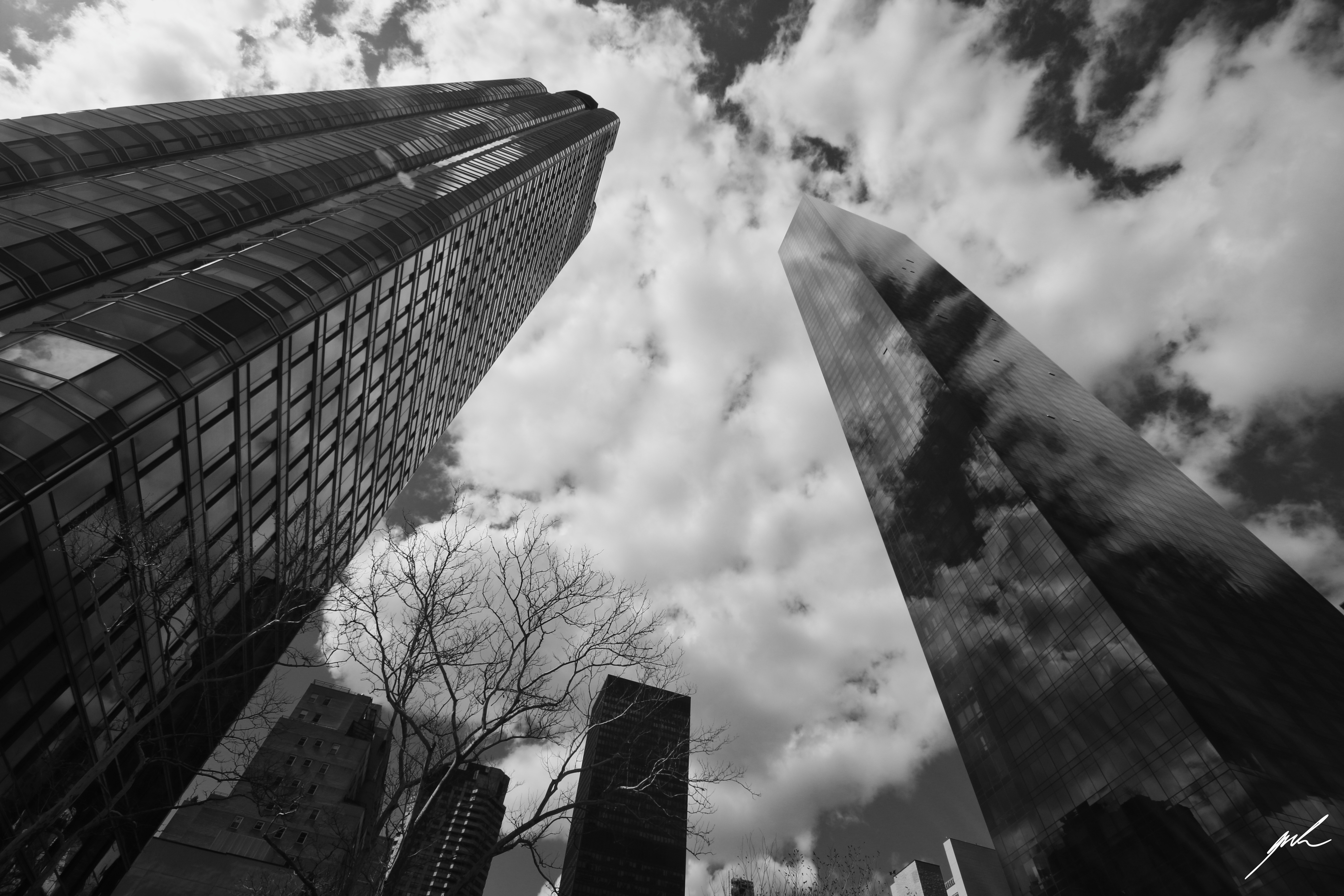
In New York City, clouds and skies are a mere reflection of the glasses of modernity built by men. Geometric structures seem to triumph over nature. There is little space for green. Sure, there is Central Park, the lung of New York, but even from there, a background of glass and steel arises over the horizon, and the skyscrapers seem to compete for the clouds.
Photographed in March and April of 2018.

test

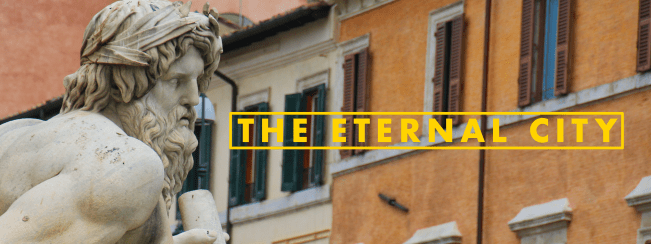
The Eternal City

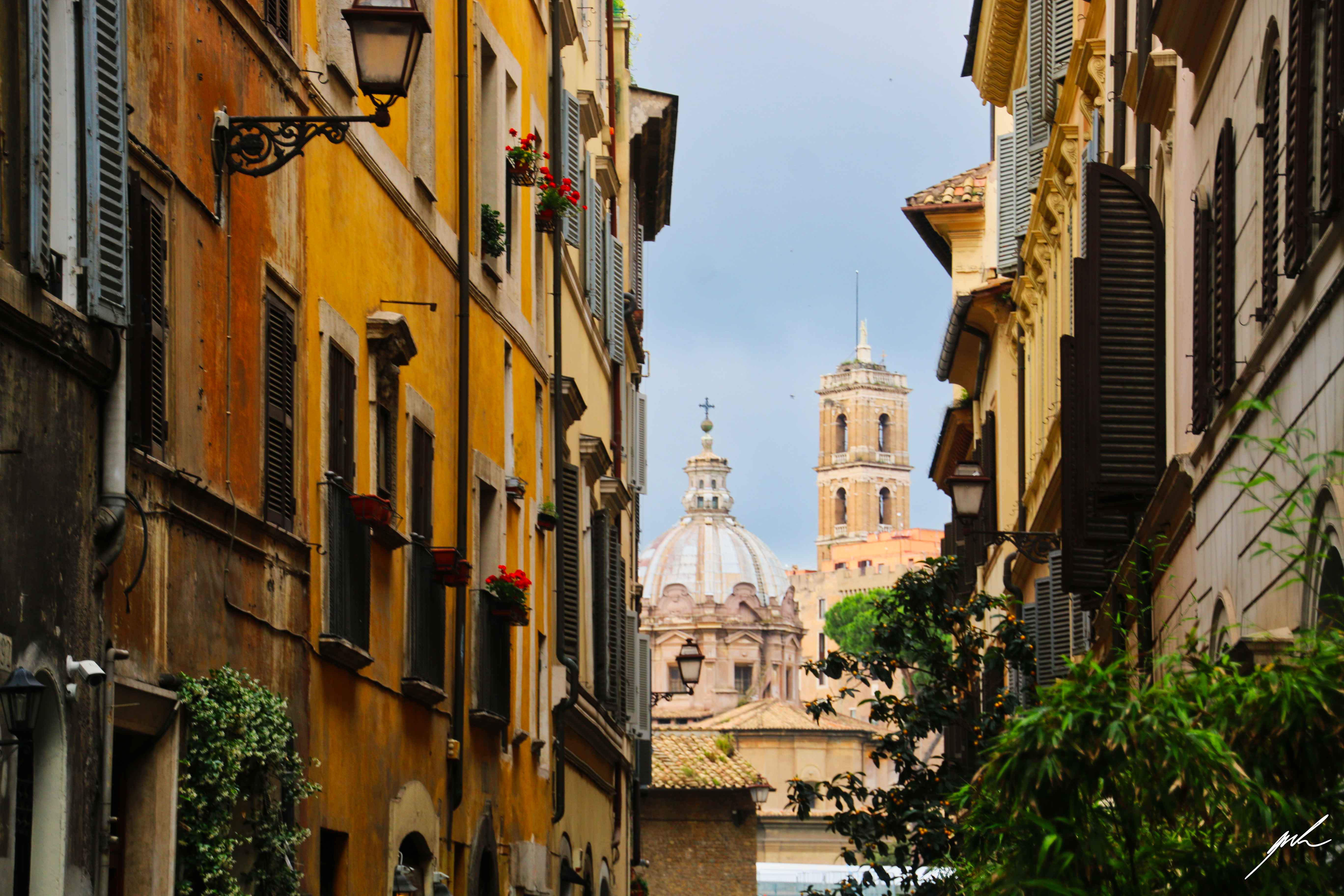
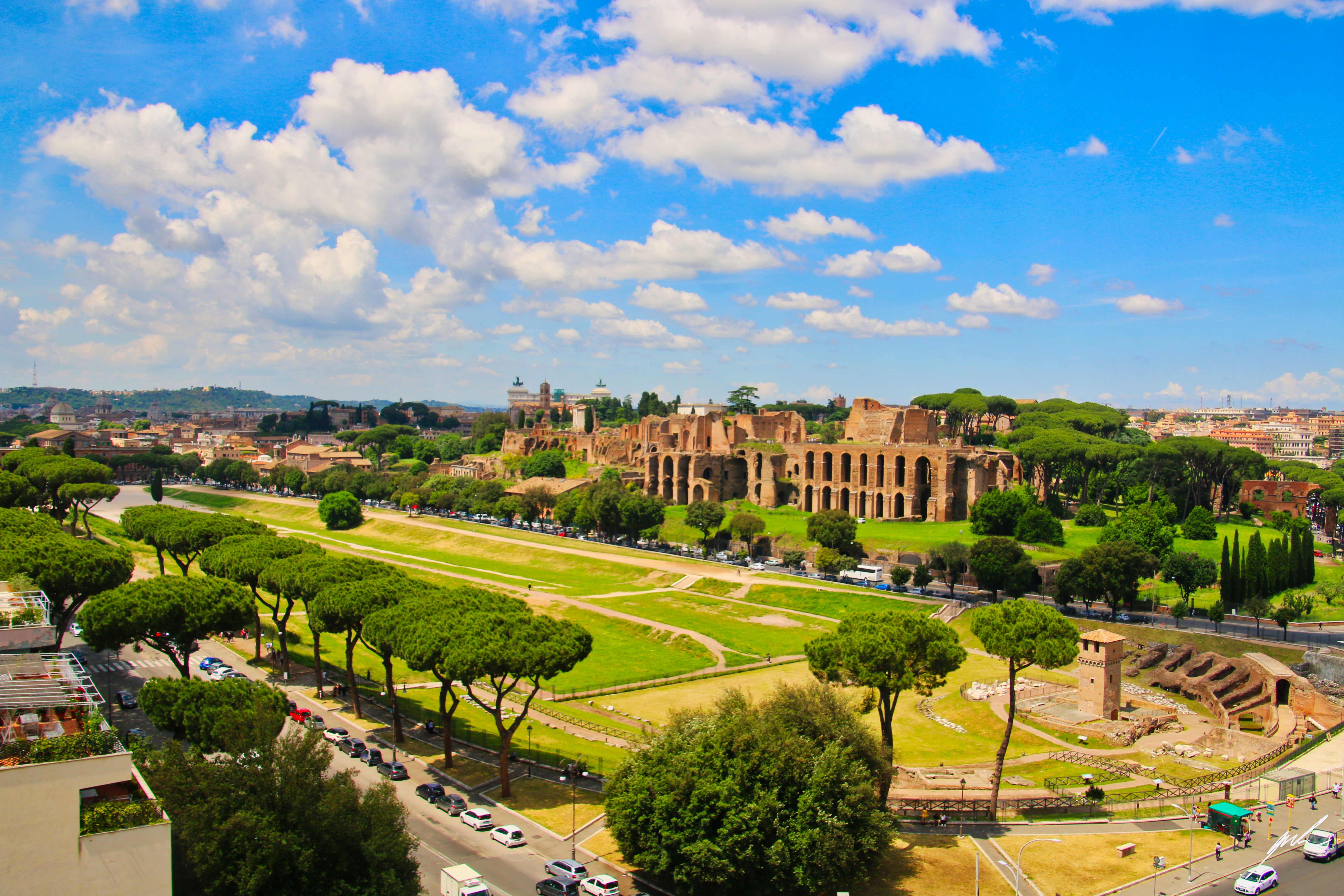
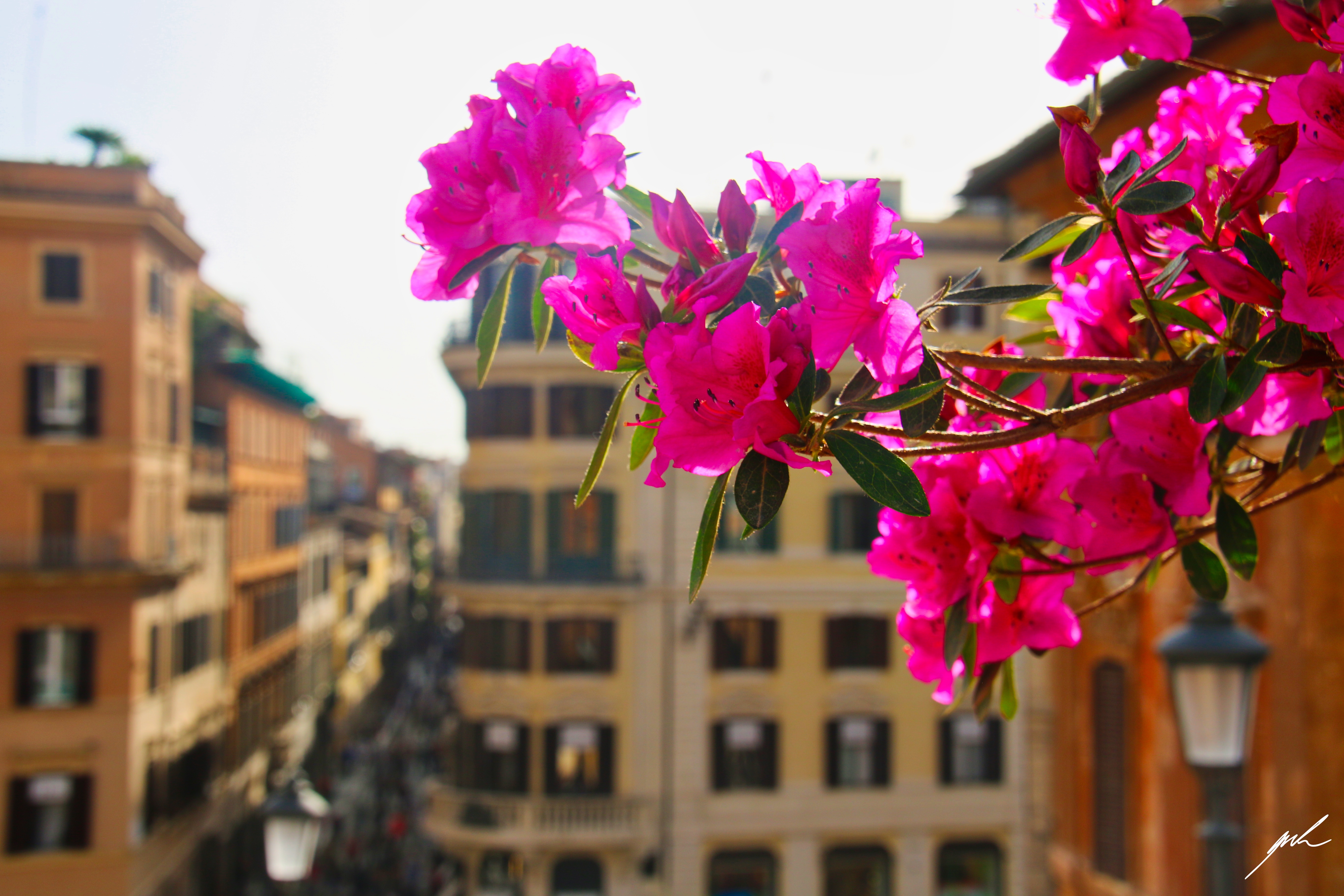
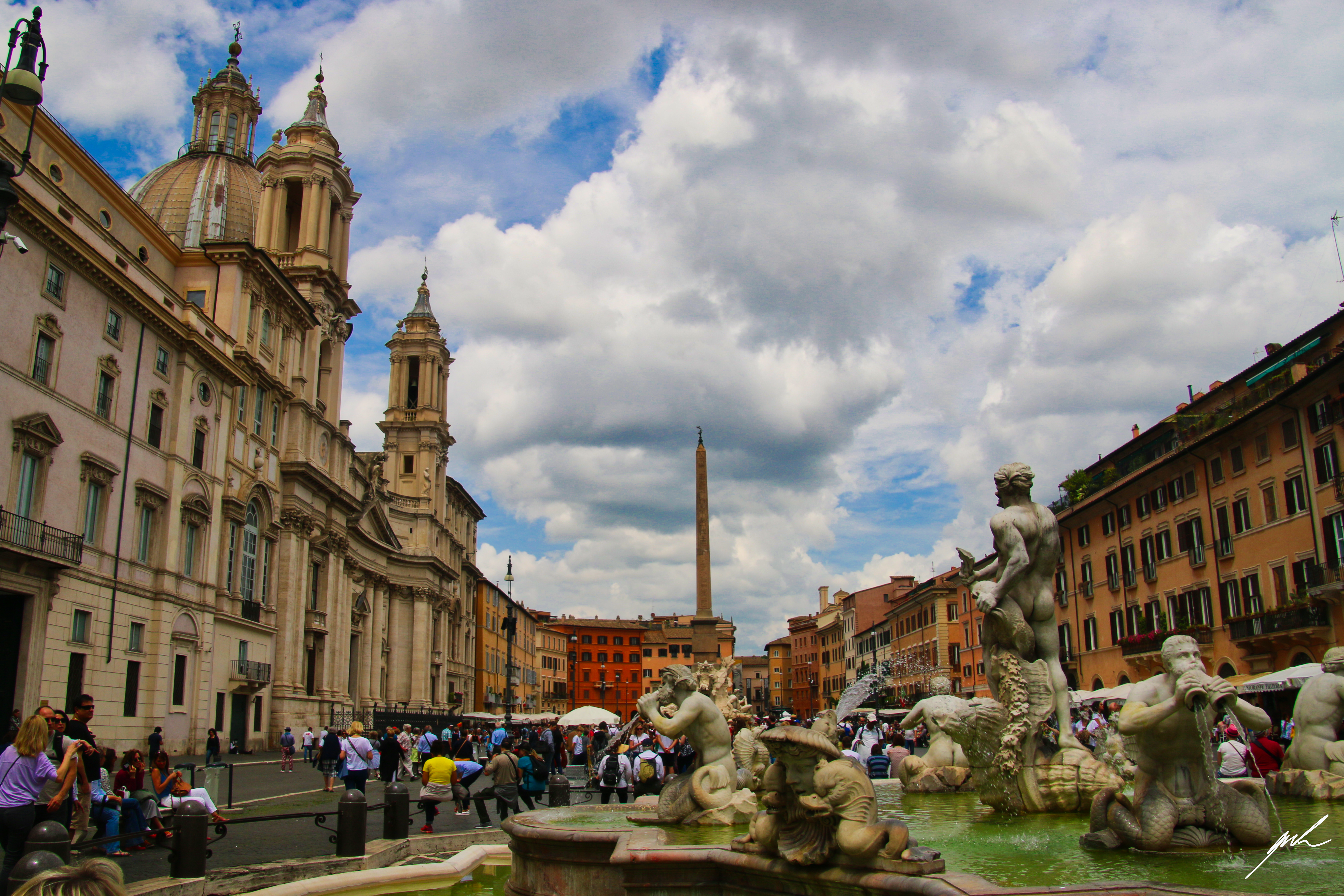
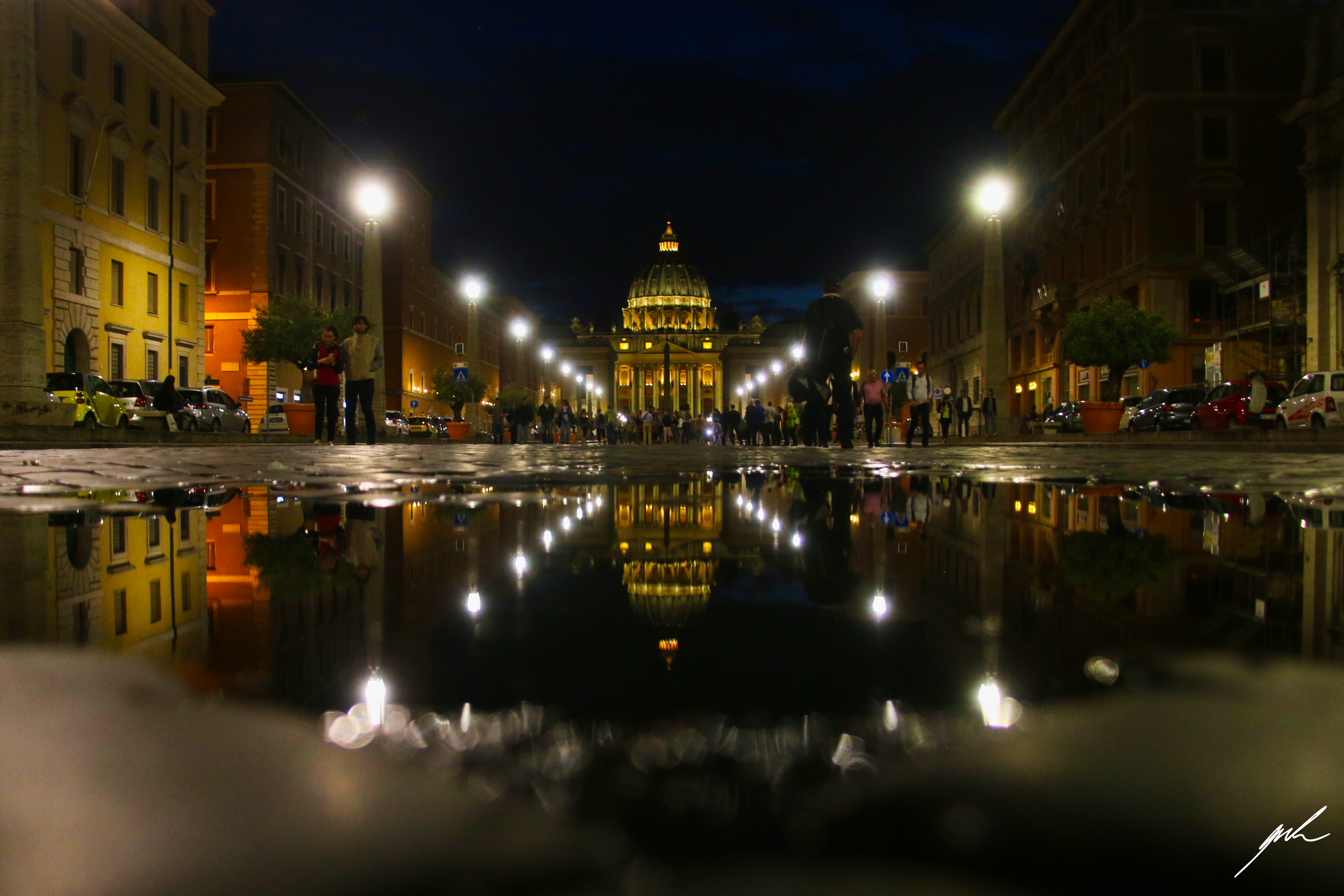
Rome is also called the eternal city, as it has withstood any winds of change for 28 centuries already and is supposed to exist until the end of civilization. Sometimes, the city can feel heavy in history and weight, like the monumental statues decorating it. It can be busy too – especially during tourist season. But there are always places and moments to let it all in and feel the romance and melancholy of Rome.

test

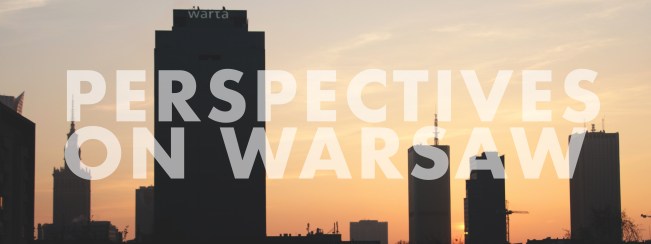
Perspectives on Warsaw

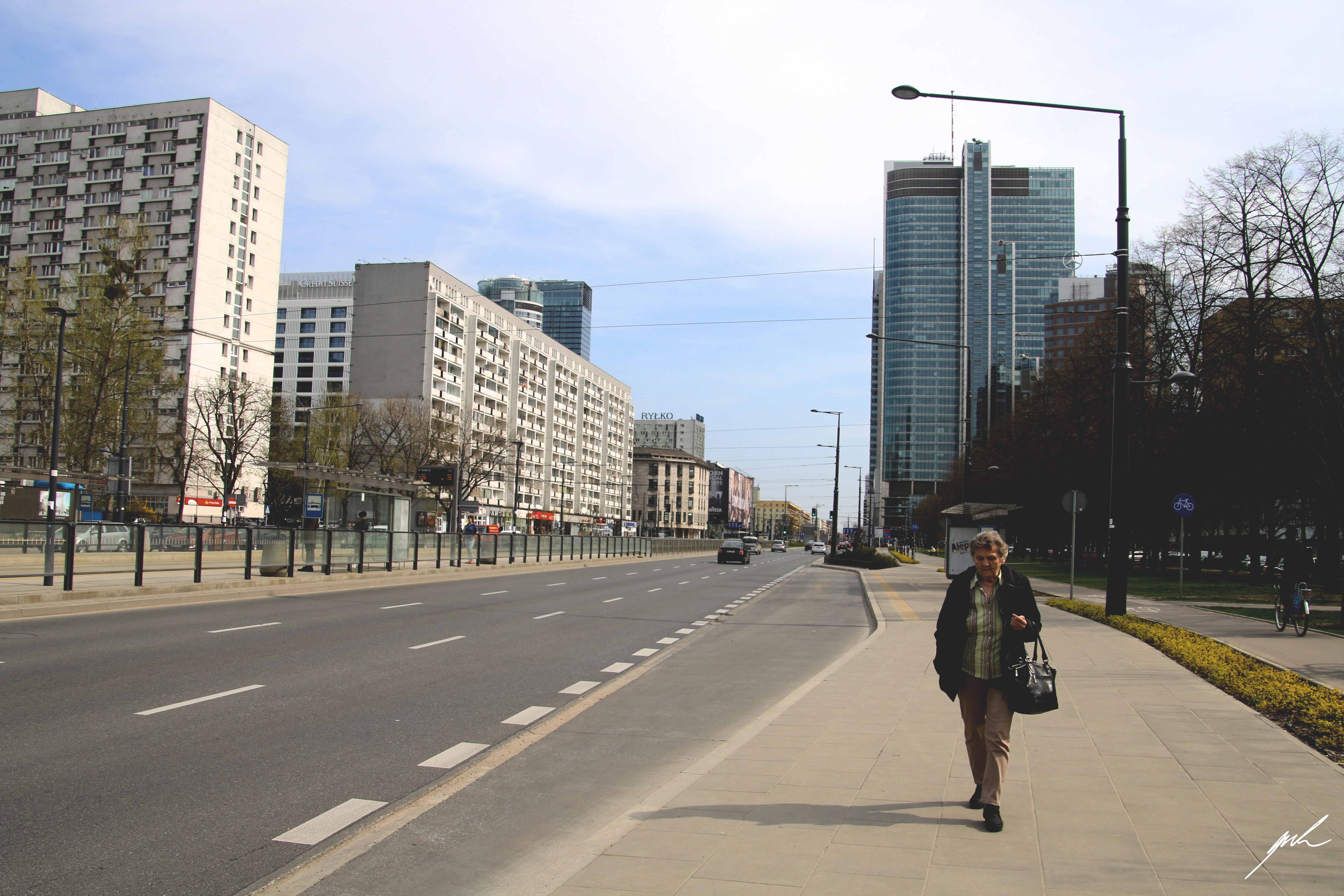
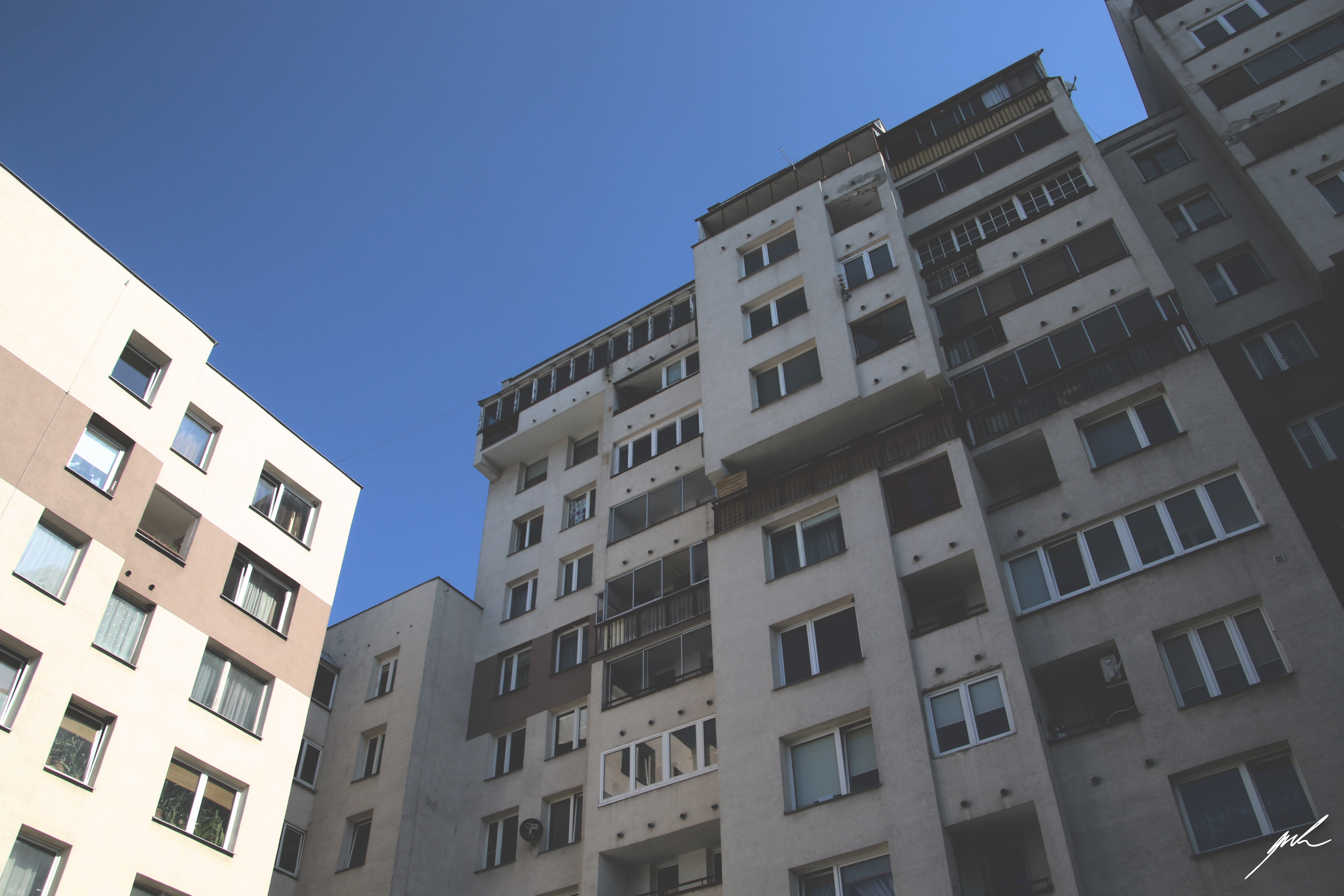
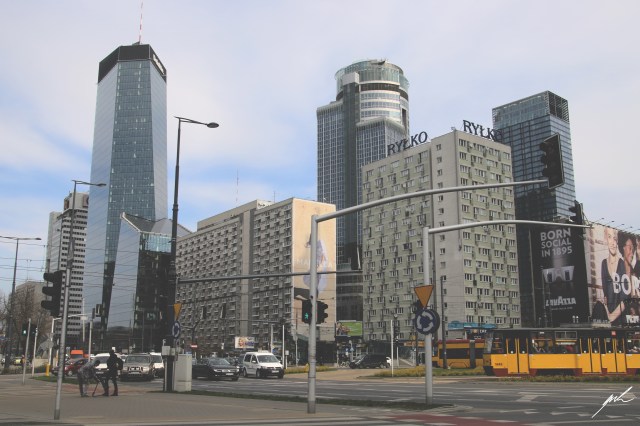
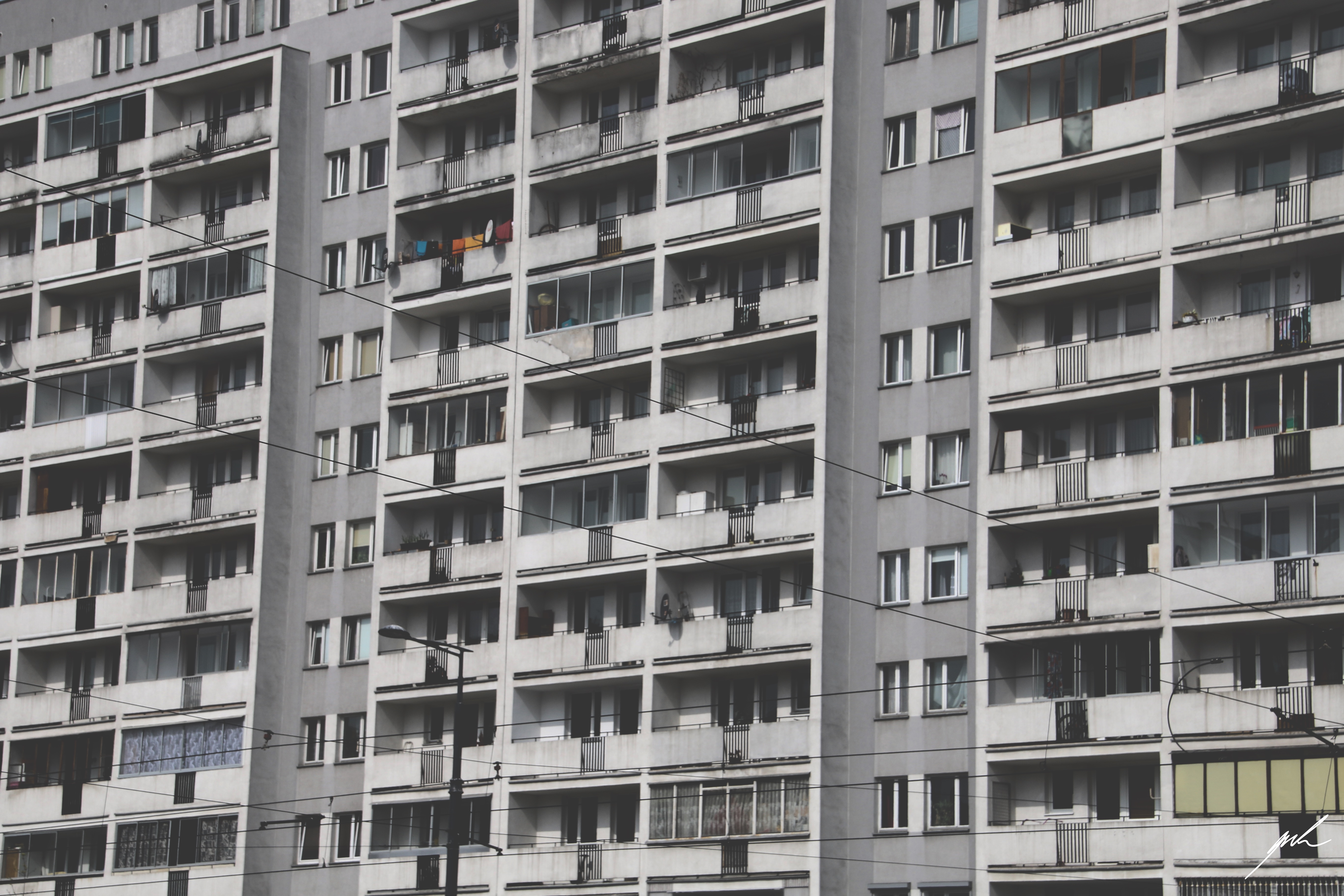
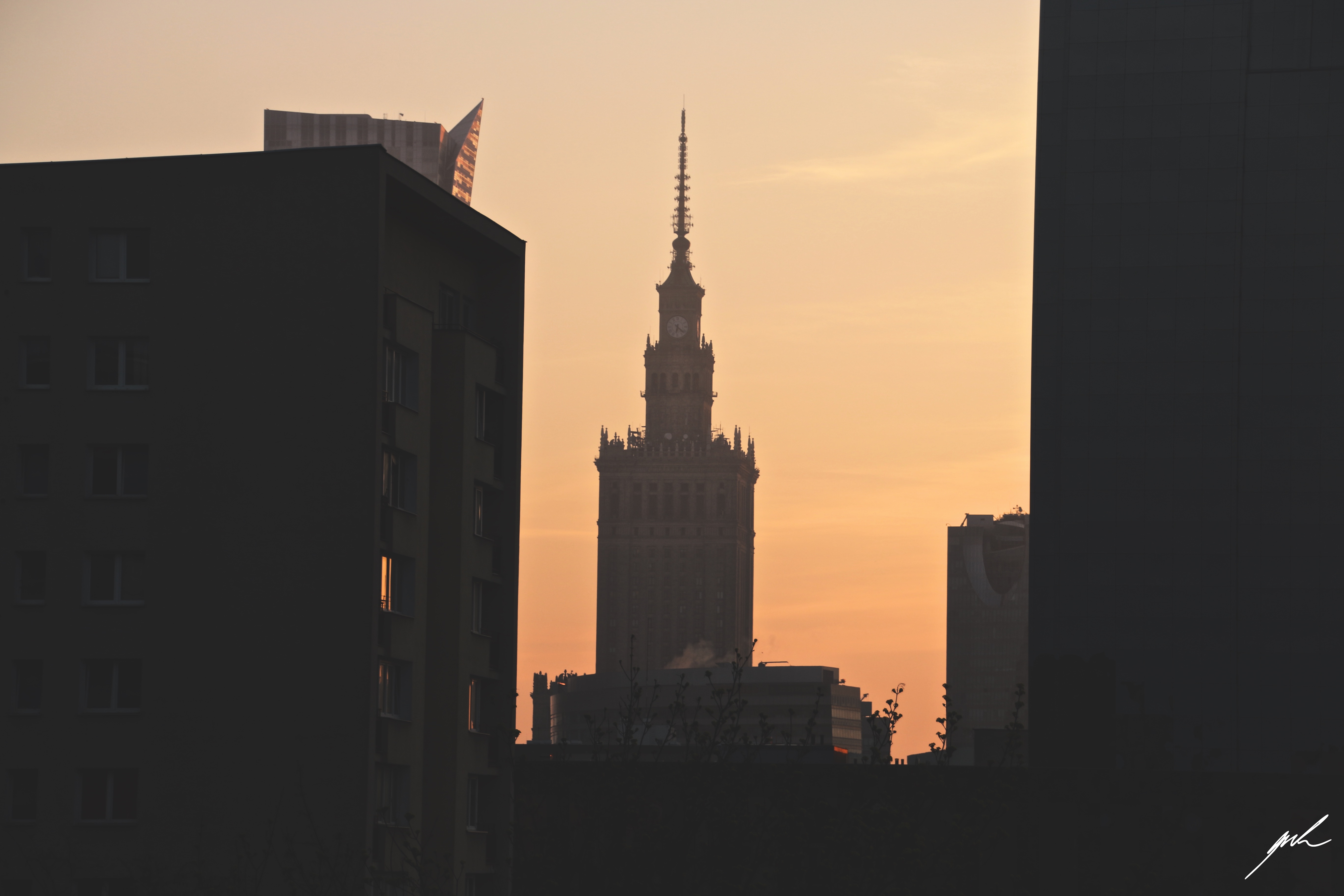
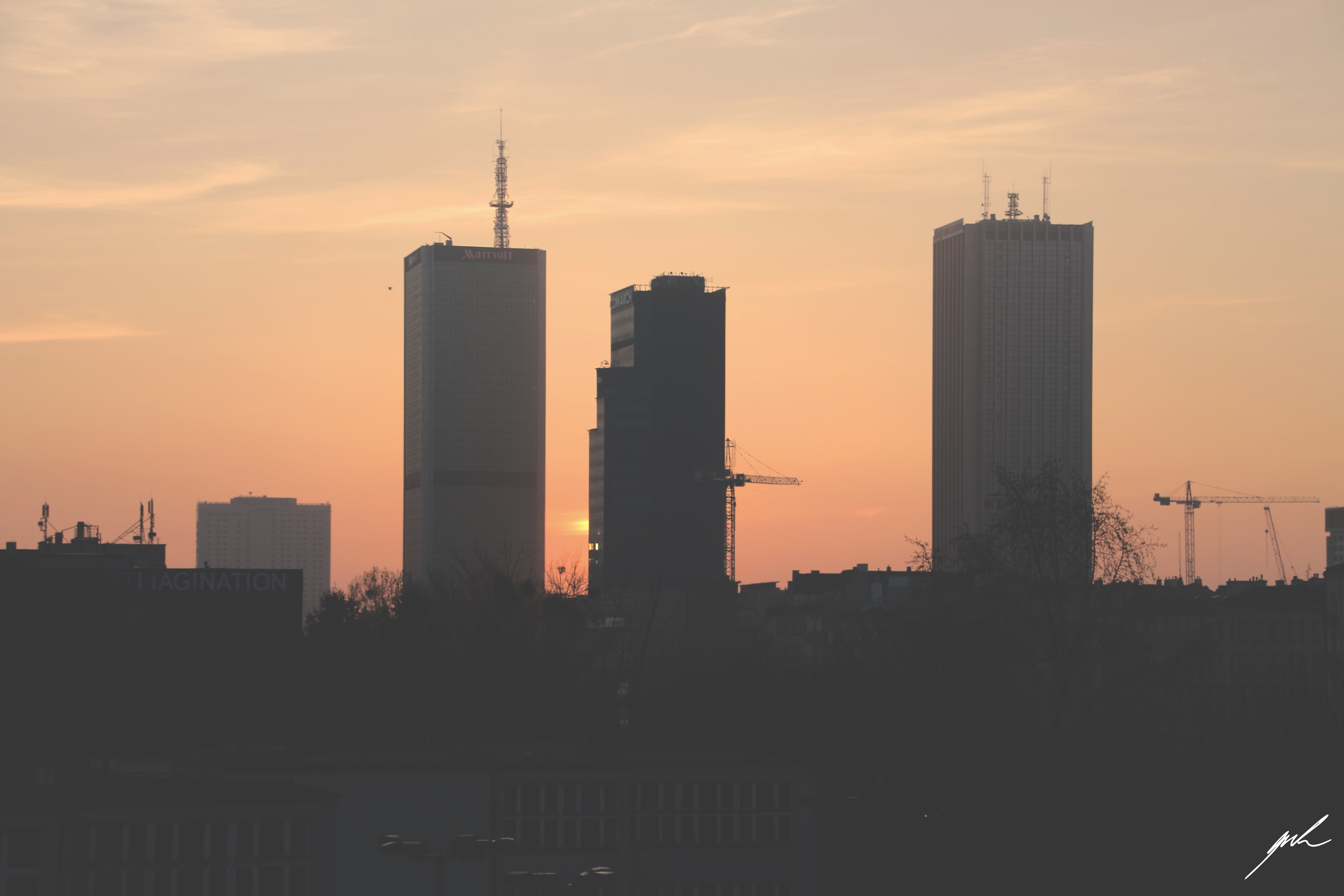
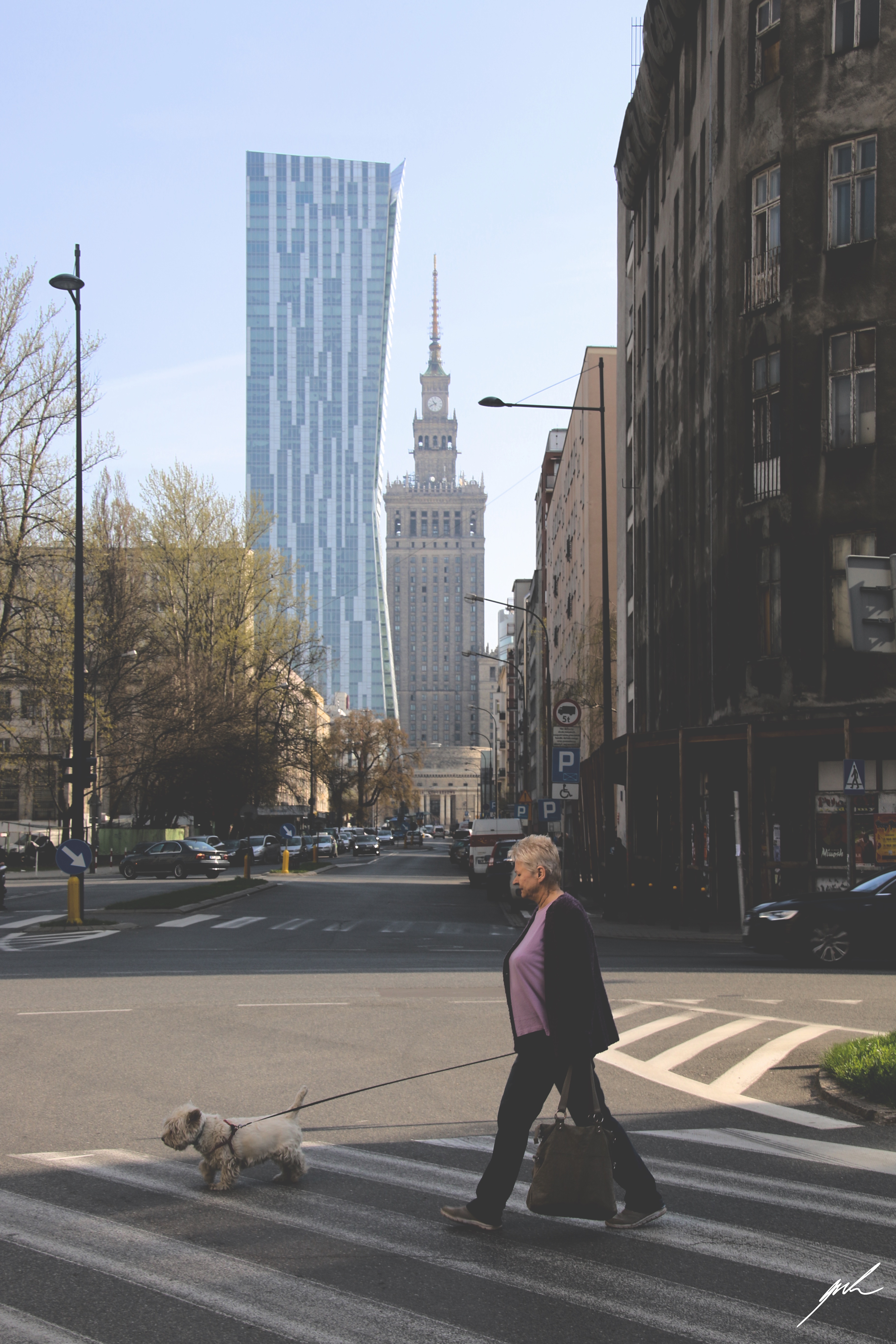
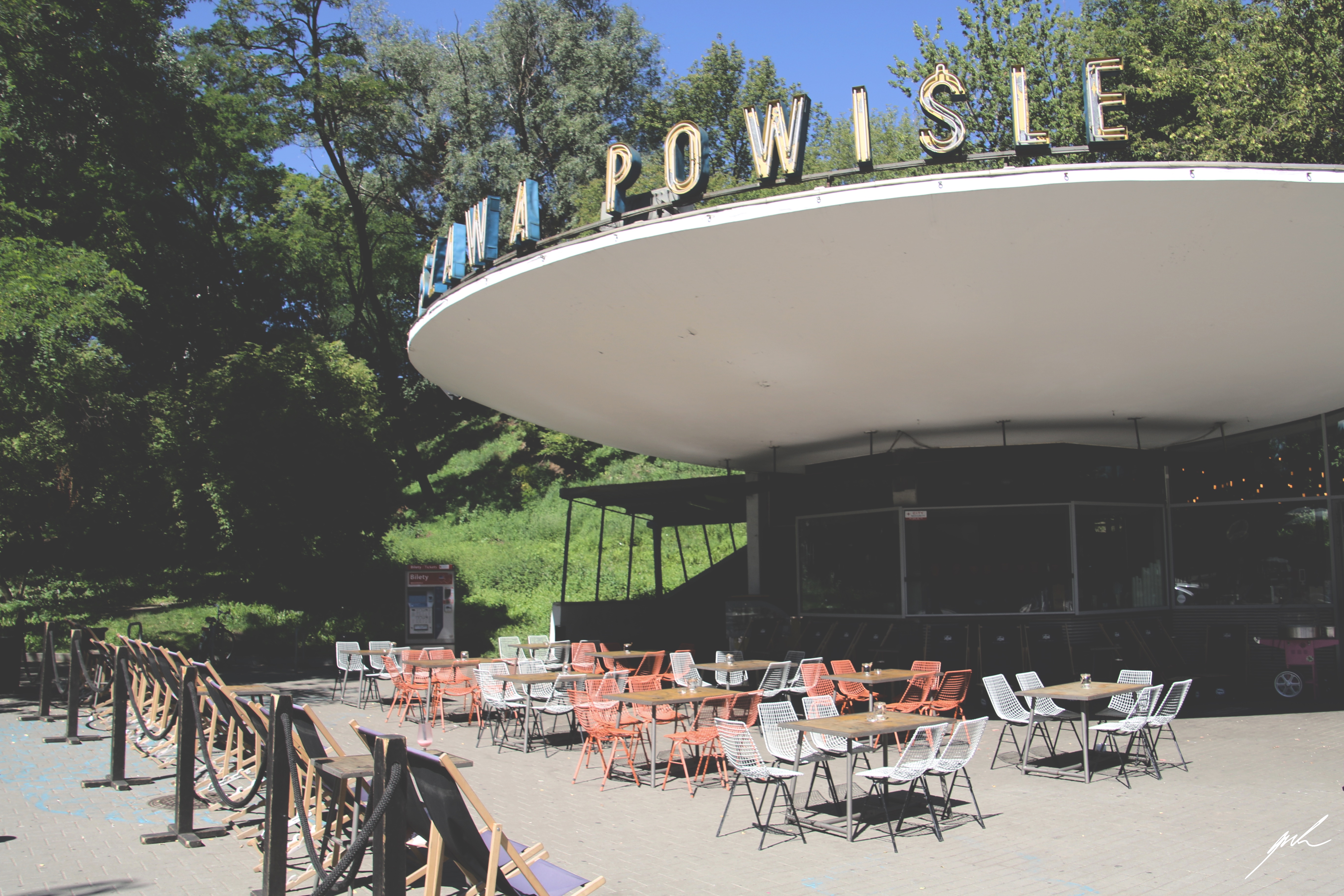
Warsaw may not be a beautiful city in the traditional sense of the word, but it is an exciting and vibrant place. Built from the ashes in the 1950s, it was constructed with communist ideals and new technological developments in mind. The streets are broad and make for a lot of traffic, while residential buildings rise in the sky surrounded by a surprising amount of green. Since the 90s, Warsaw has been the undisputed capital of capitalism in Poland, so many new skyscrapers have been built since then. Nowadays, the communist and capitalist structures form an interesting, although at times contradictory, symphony.

test