Skip to content

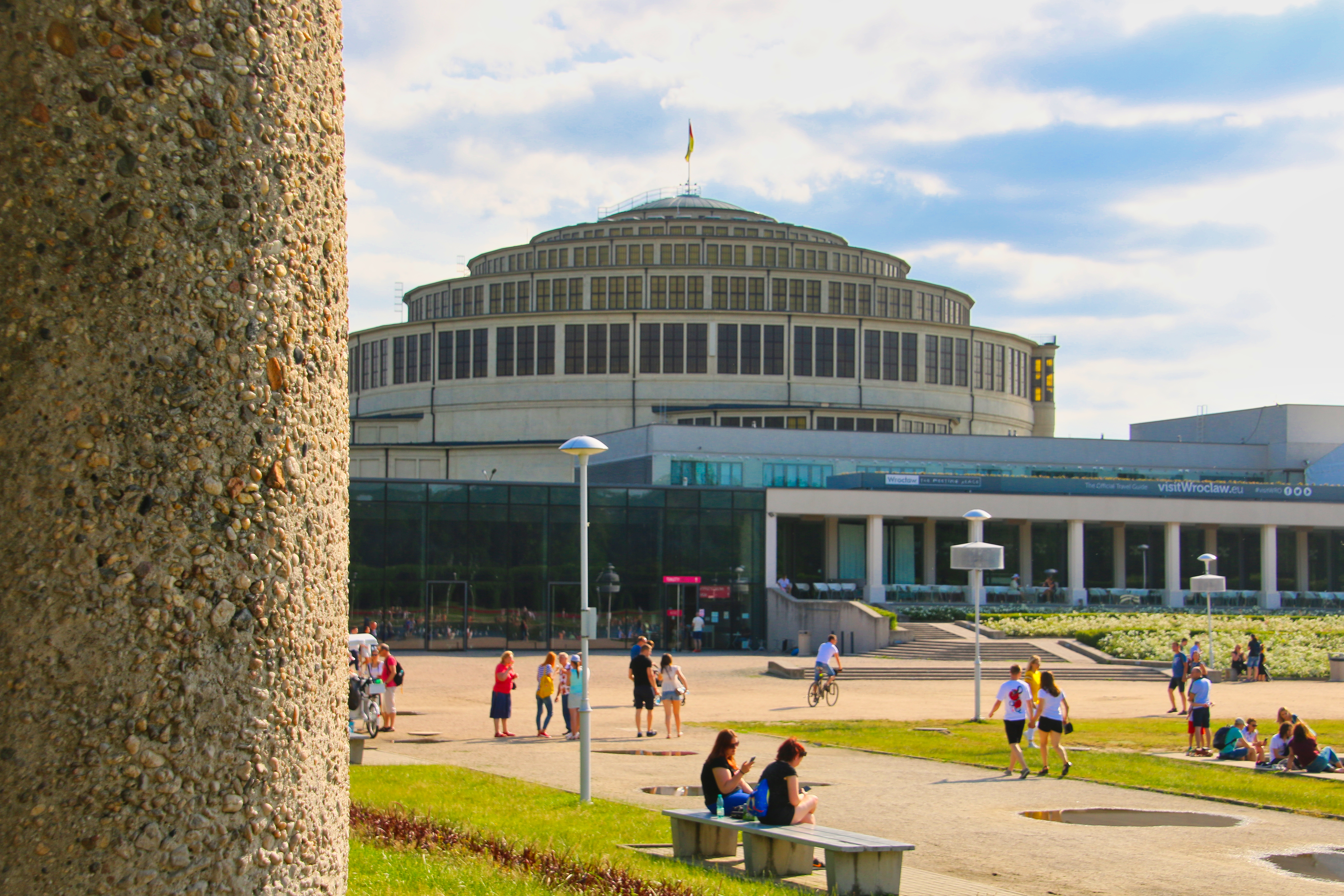
The Centennial Hall

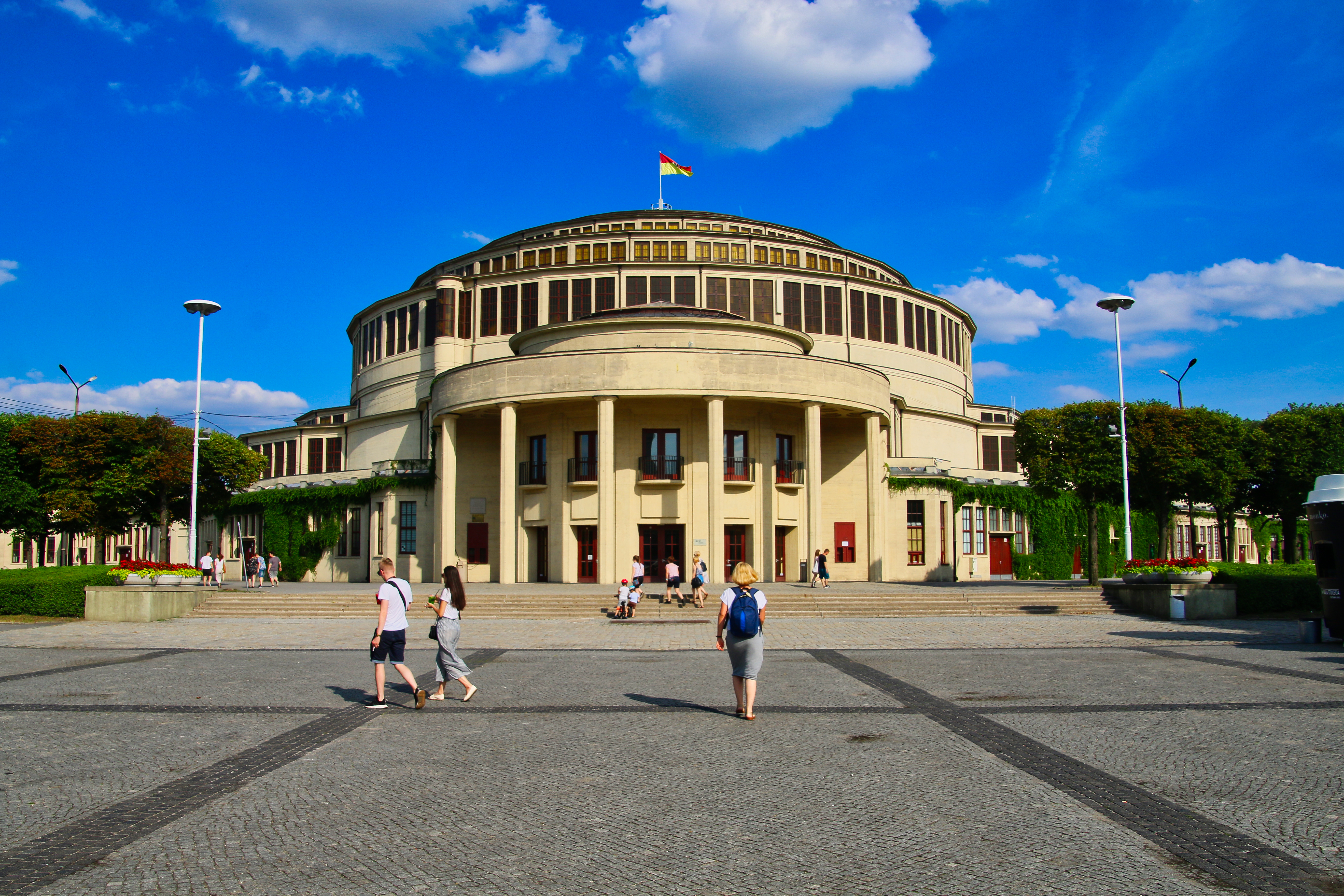
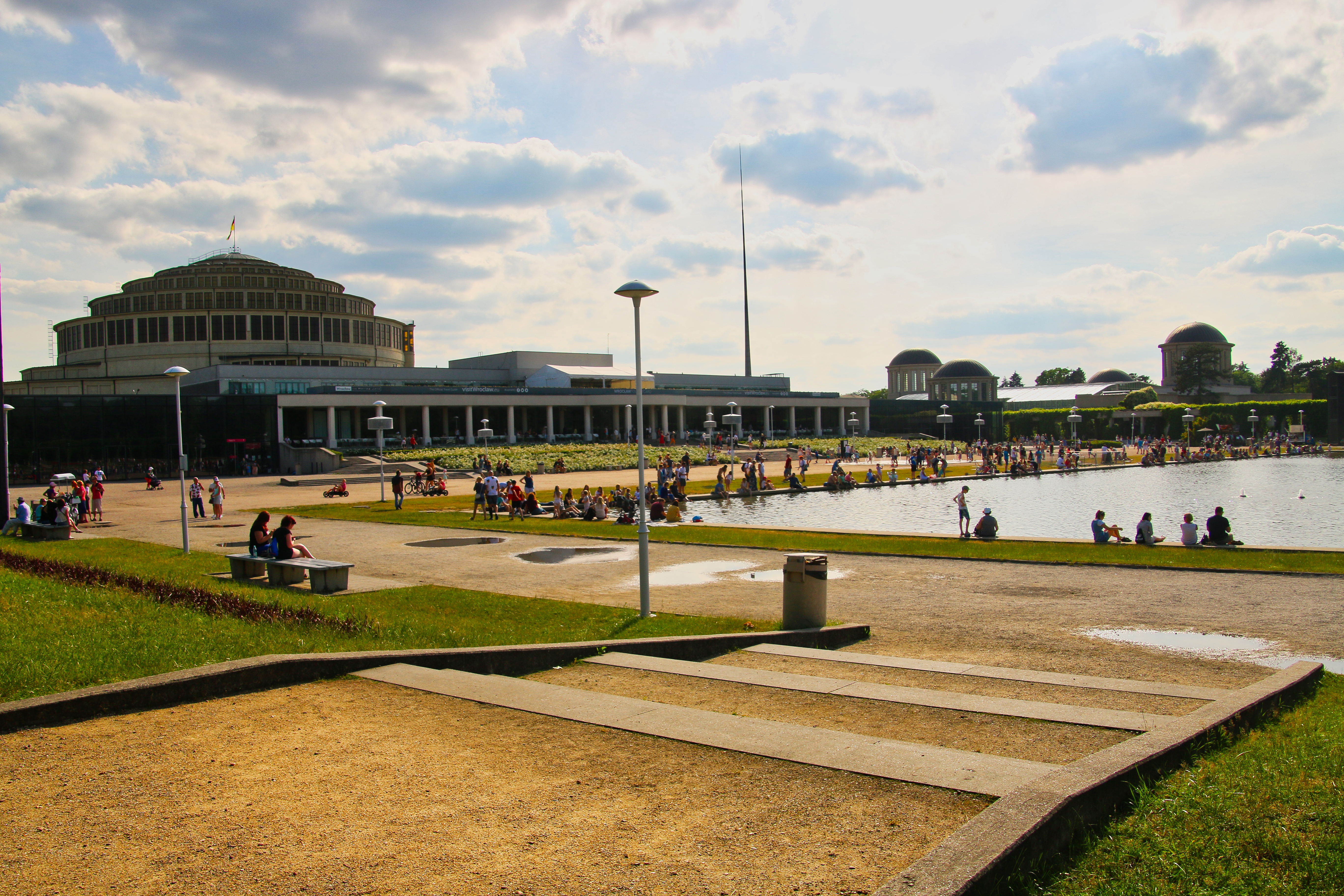
The Centennial Hall (pl. Hala Stulecia, dt. Jahrhunderthalle) is one of three UNESCO sights in Silesia, Poland. It was built in the early 20th century by the renowned German architect Max Berg in Wroclaw / Breslau. The monument is accompanied by the Iglica, a needle-like monument built in 1948, a beautiful pergola, and a large fountain.

test

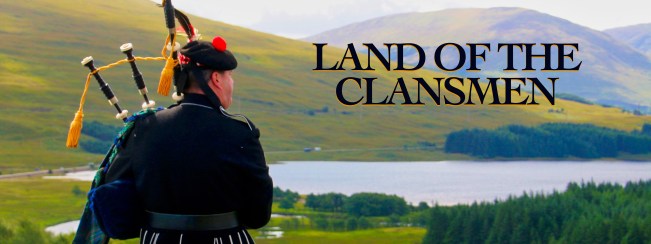
Land of the Clansmen

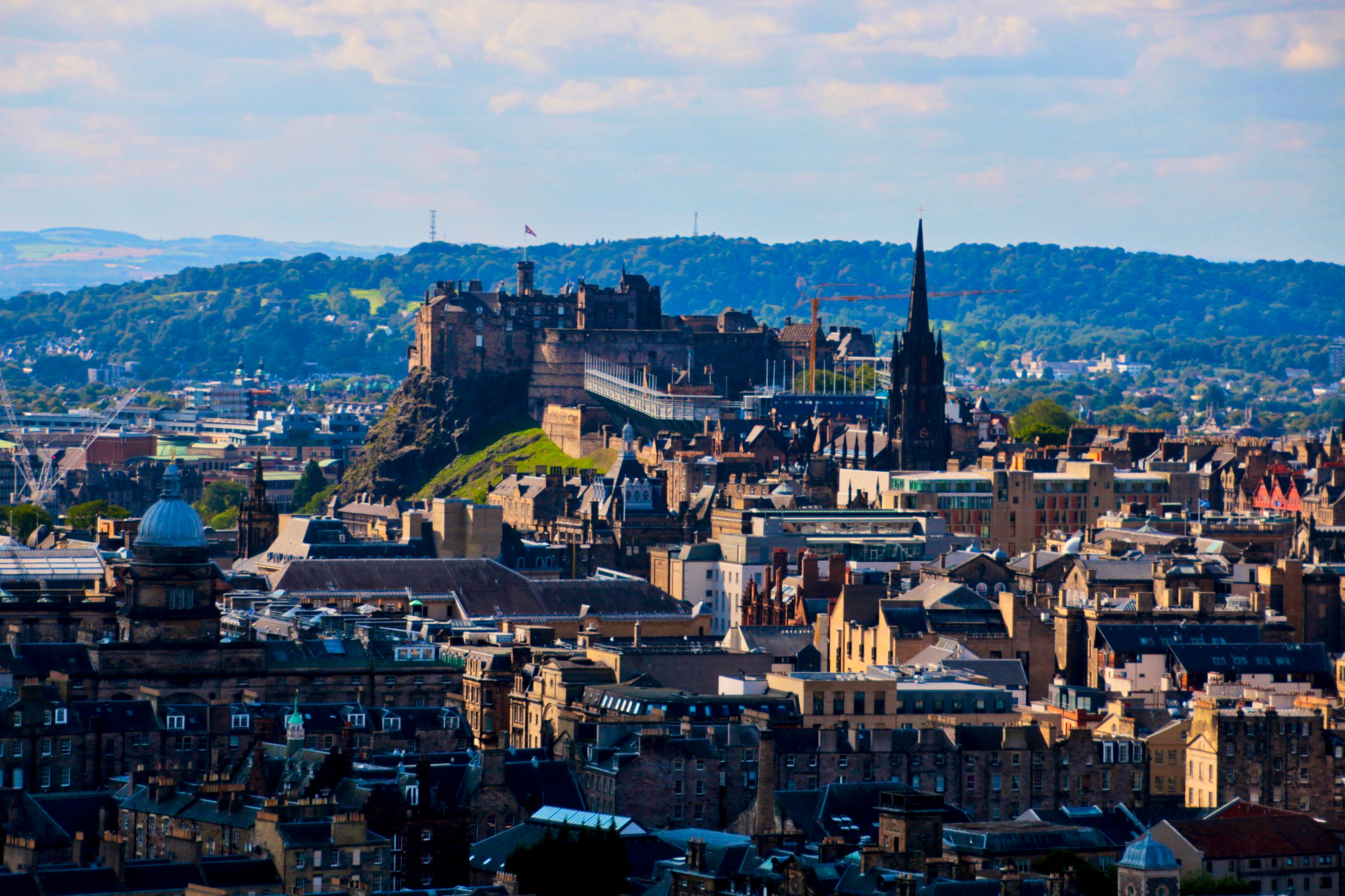
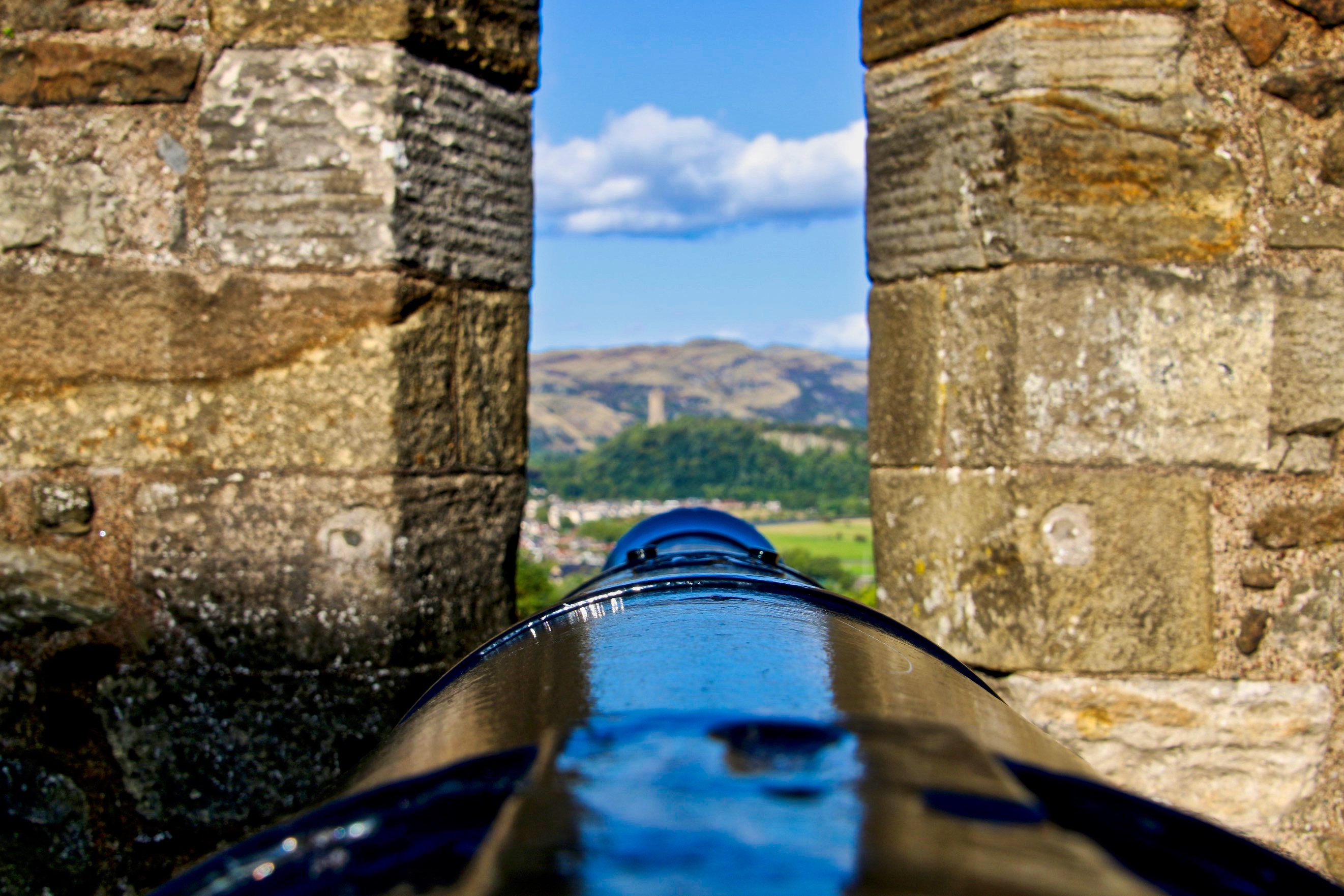
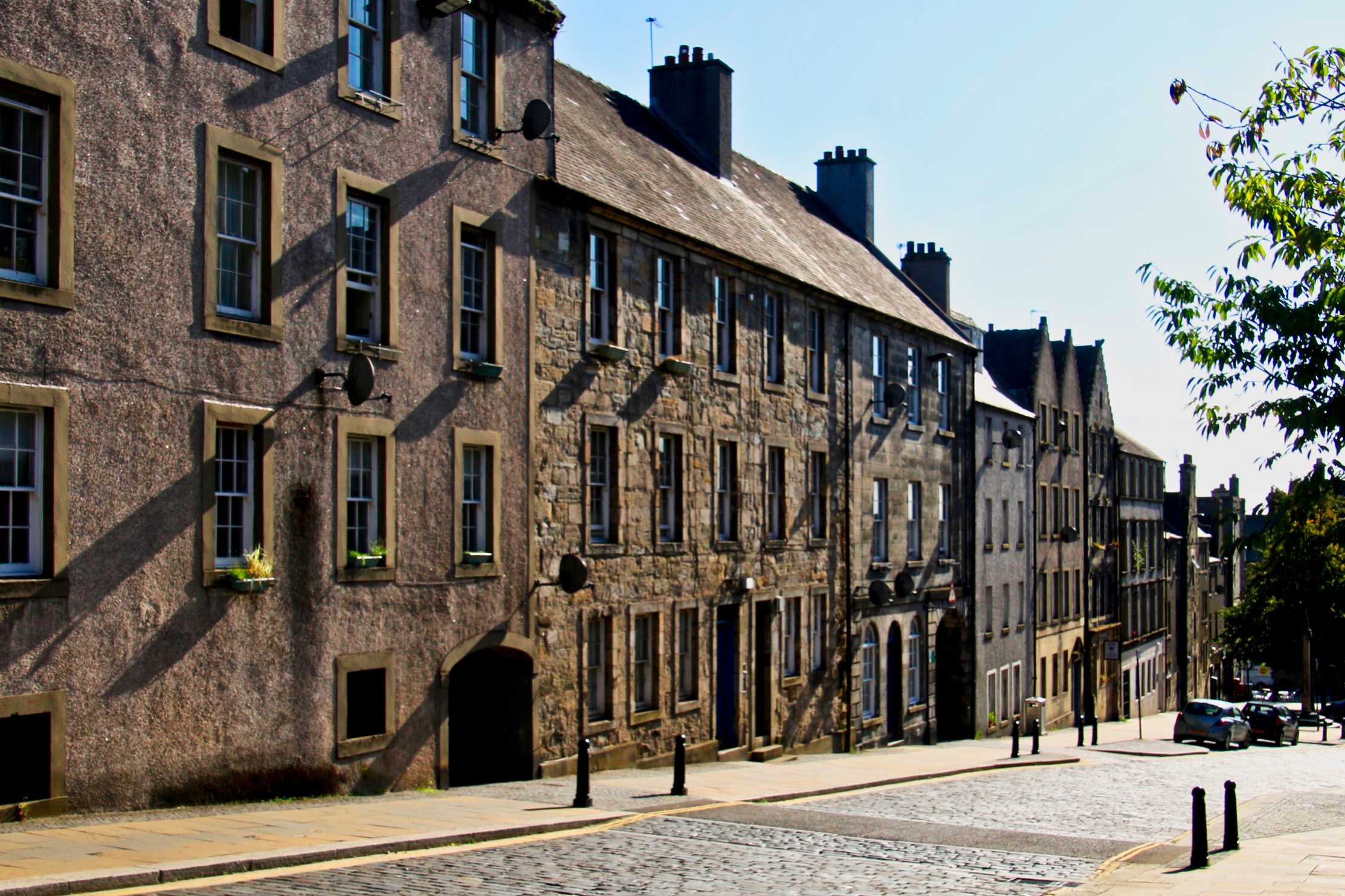
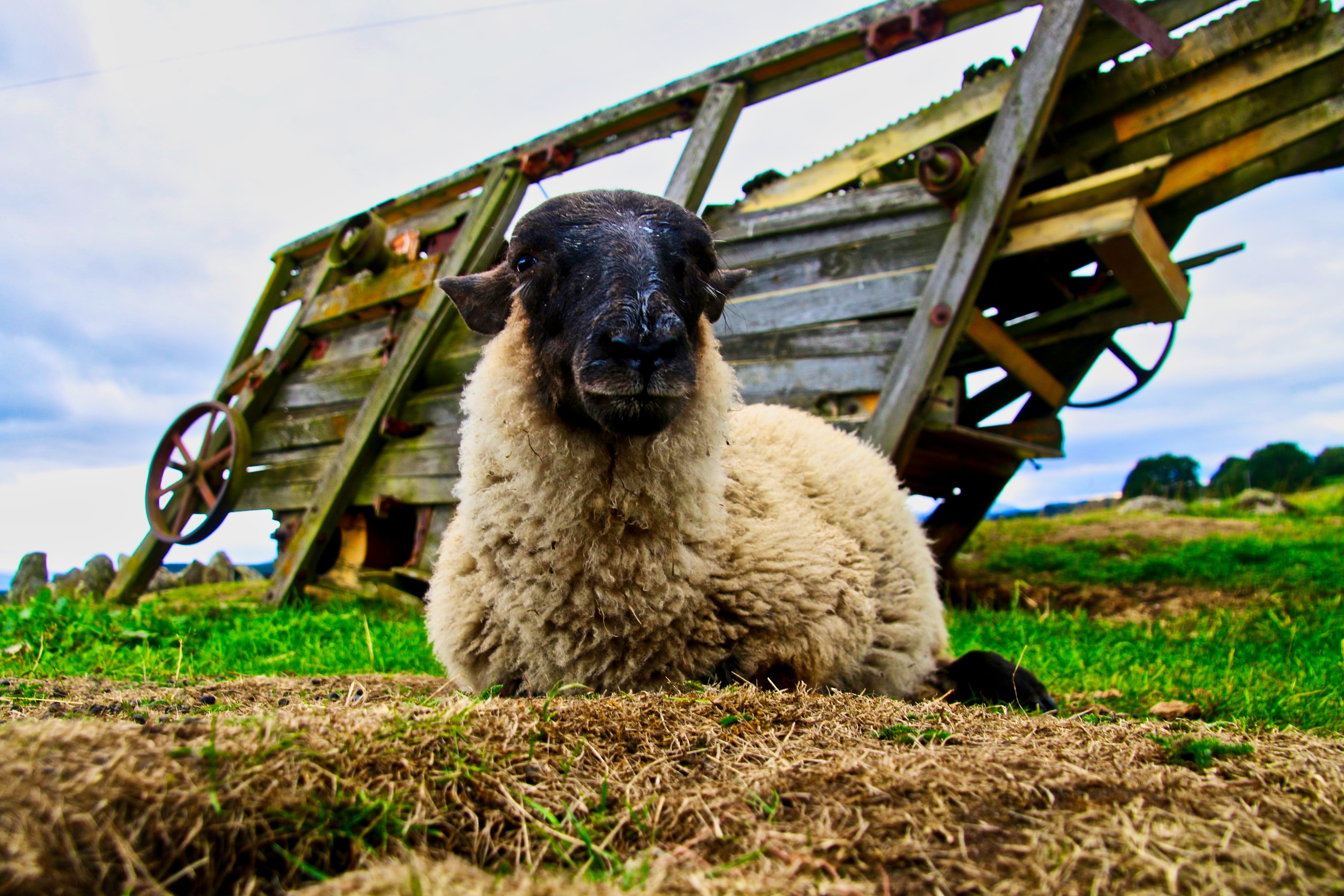
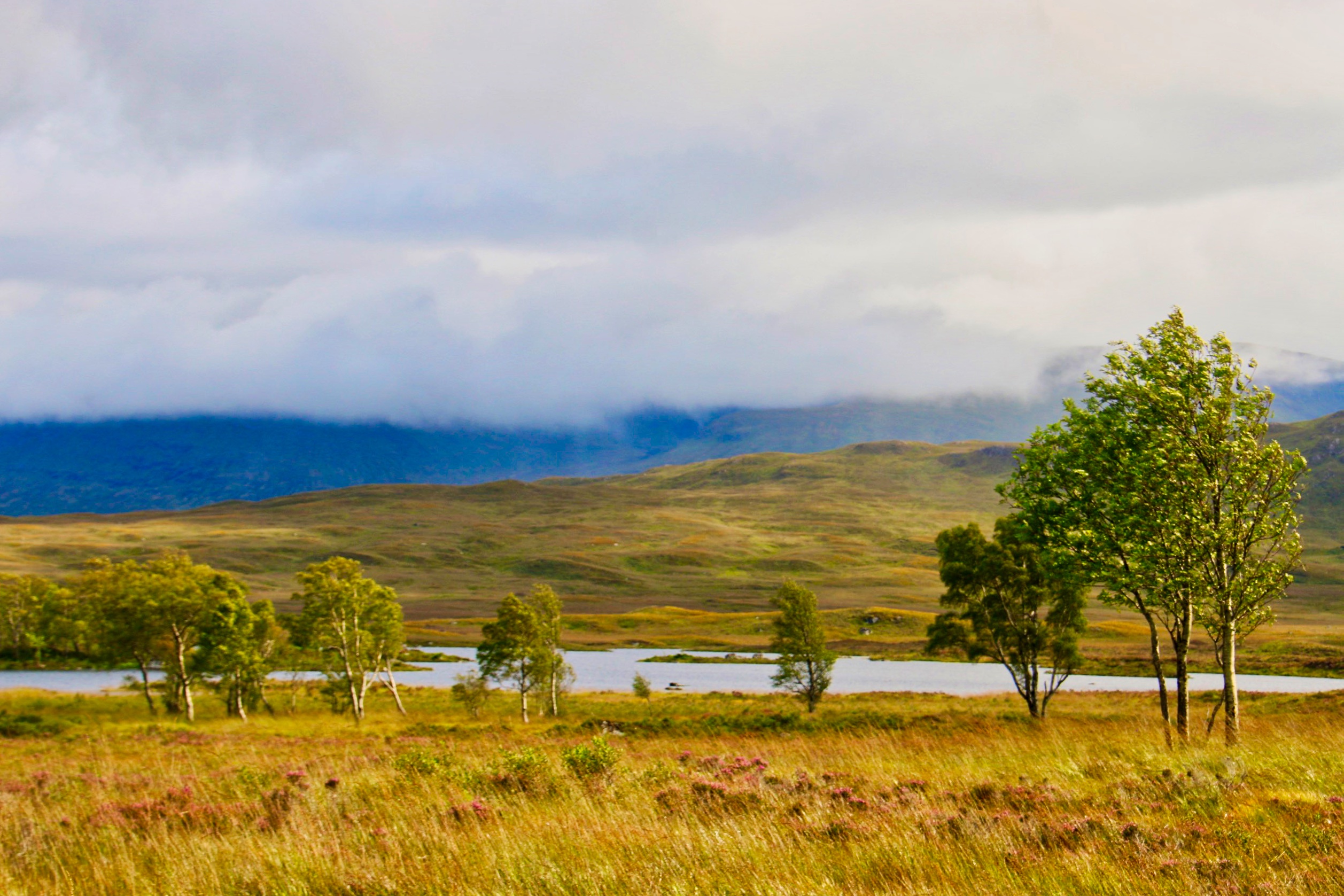
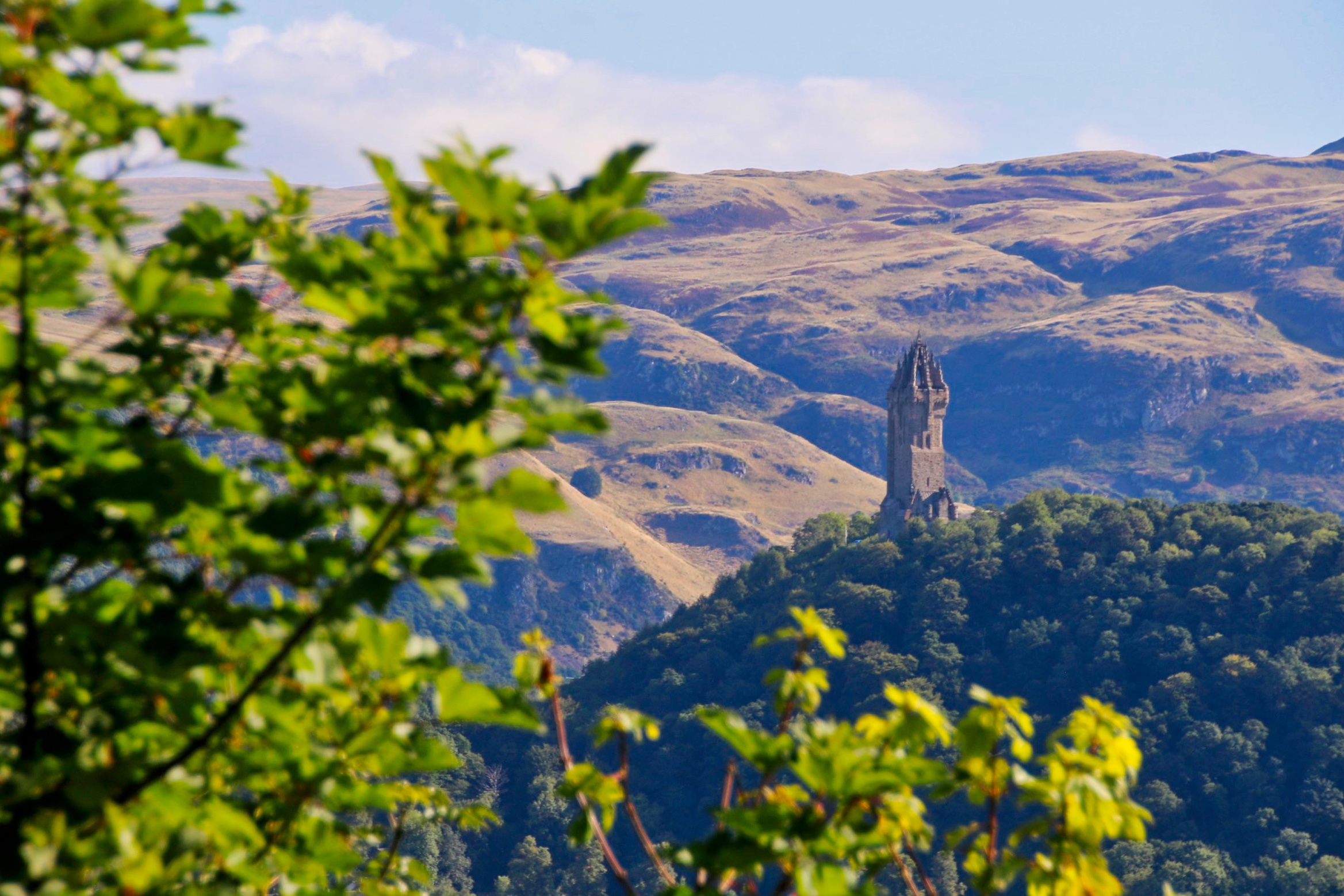
For centuries, Scotland was the land of the Clansmen. The country was divided and governed by families like the MacDonalds, Camerons, or MacKenzies. These had their own tartans, traditions, and allegiances and were interlocked in a fight for influence and wealth. They had a deep connection and history with the land they occupied and an immense pride to be fierce fighters and survivors of the north. It was seldom, though, that they agreed on anything politically, it needed an outside force – a common enemy – to gather the concurring clans like in the wars led by national heroes like William Wallace (his monument is seen in the last picture), Robert the Bruce or lastly Bonnie Prince Charlie in the 18th century. That enemy, of course, was England. After the shattering battle of Culloden, in which the Scottish forces lost against the English king, the history of the clan ships ended. Though their traditions and history can be seen all over the country – the spirit of fierce warriors and the deep connection to their native land can be felt and is still there.

test

Oriental Discoveries – Istanbul in 2015 Pt. II

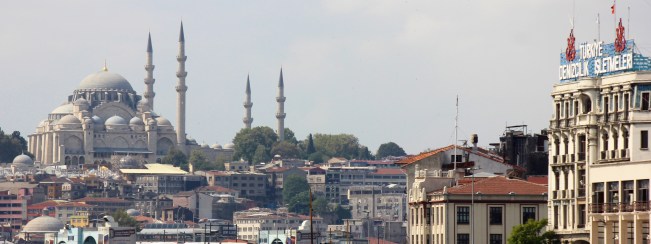
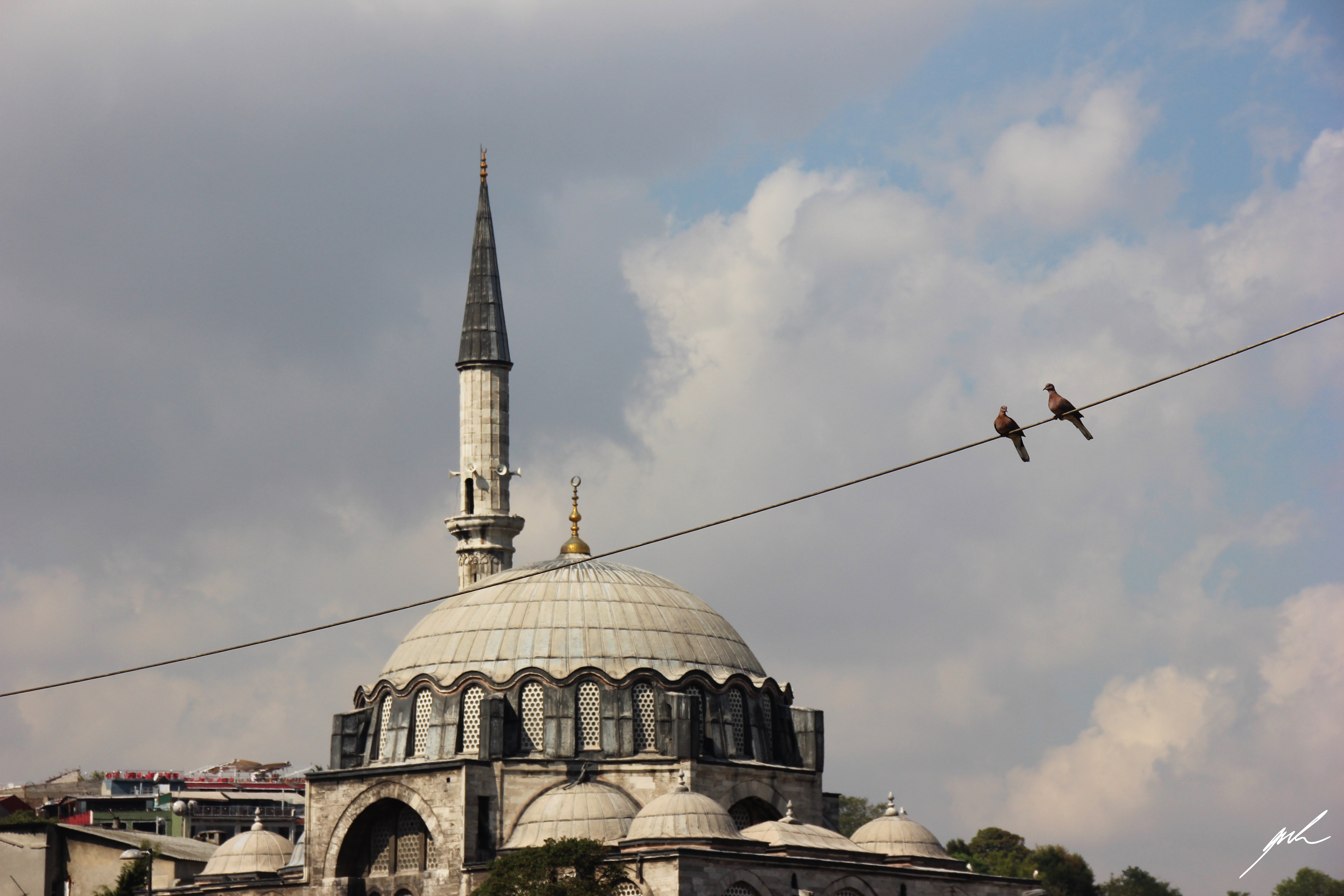
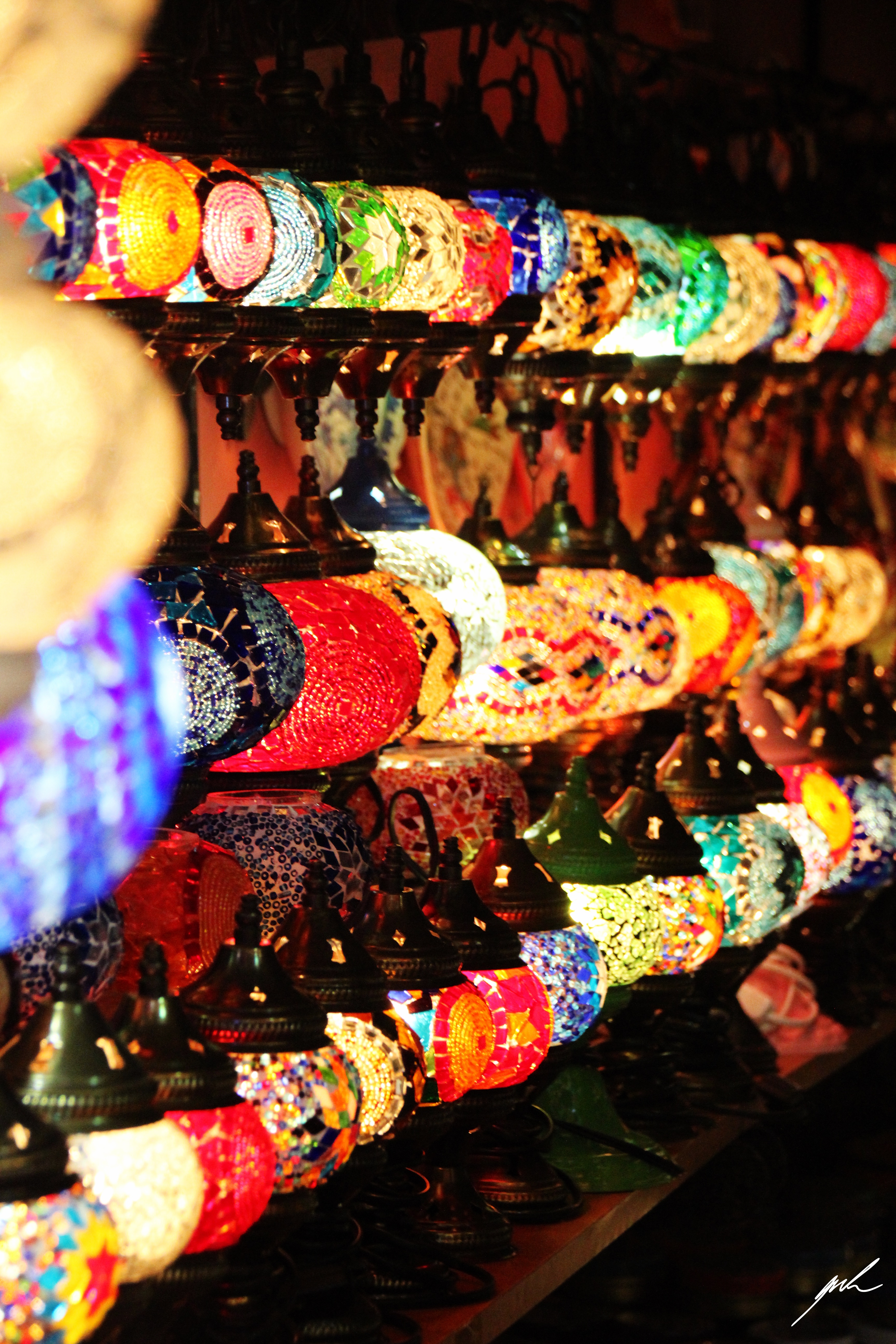
Situated both on the European and Asian continents, Istanbul is the entry gate to the Orient, yet at the same time, it is also the last major European city in the southeast. Istanbul, or Constantinople, as it was called before the Ottoman conquest, has always been a metropole. Today, roughly 15 Million people call it their home. The vast sea of houses is divided by the Bosporus, a waterway connecting the Black Sea and the Mediterranean. It is one of the busiest waterways in the world. Not far away – on the European site – grand mosques arise, built over the centuries by Ottoman rulers to show their power.  They are majestic indeed, richly decorated with Islamic ornaments and beautiful interiors. Between the mosques, you will find the Grand Bazar, a covered bazaar consisting of 61 streets and many thousand shops. In Istanbul, everything seems grander than usual.

test

IMG_9041
IMG_9354IMG_9529
IMG_9287IMG_9707
IMG_8947
IMG_9395IMG_9369

Hill of Crosses, Lithuania Pt. II (2014 Update)

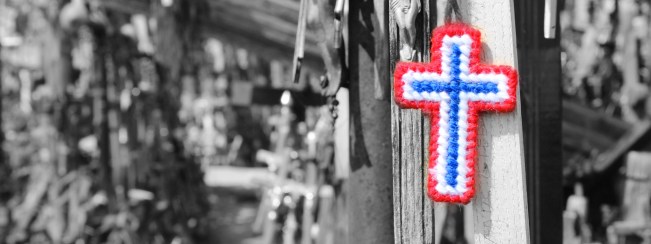
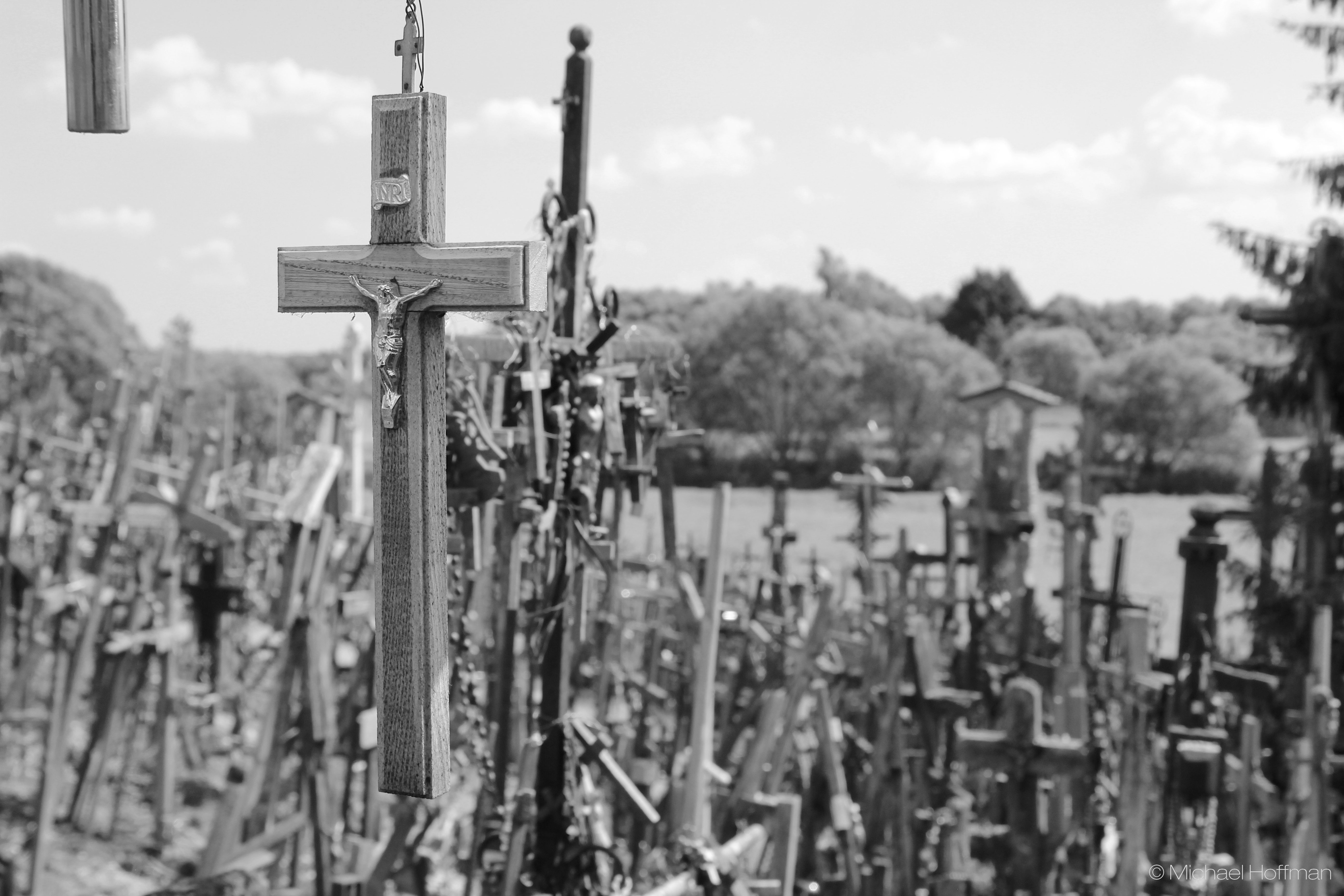
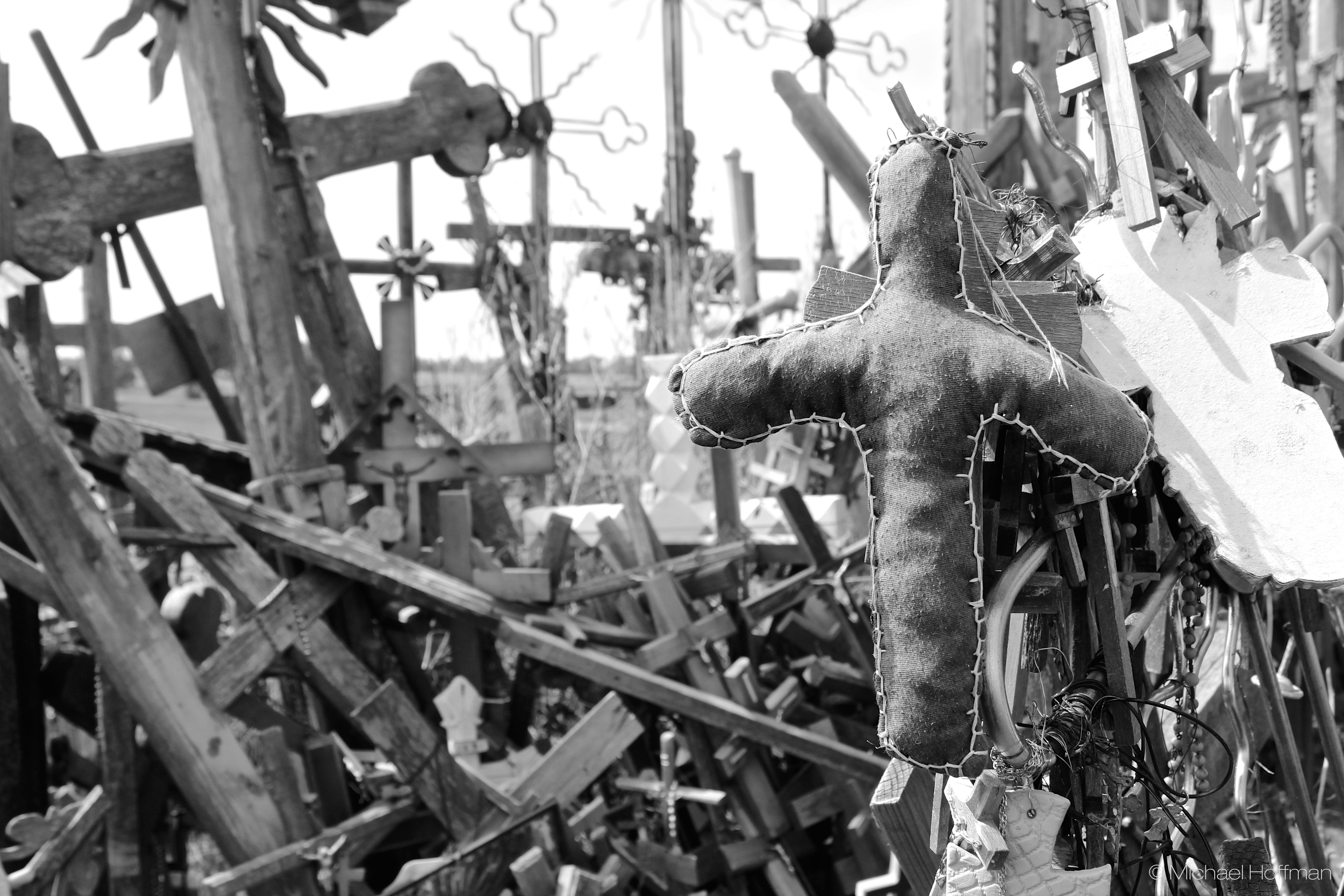
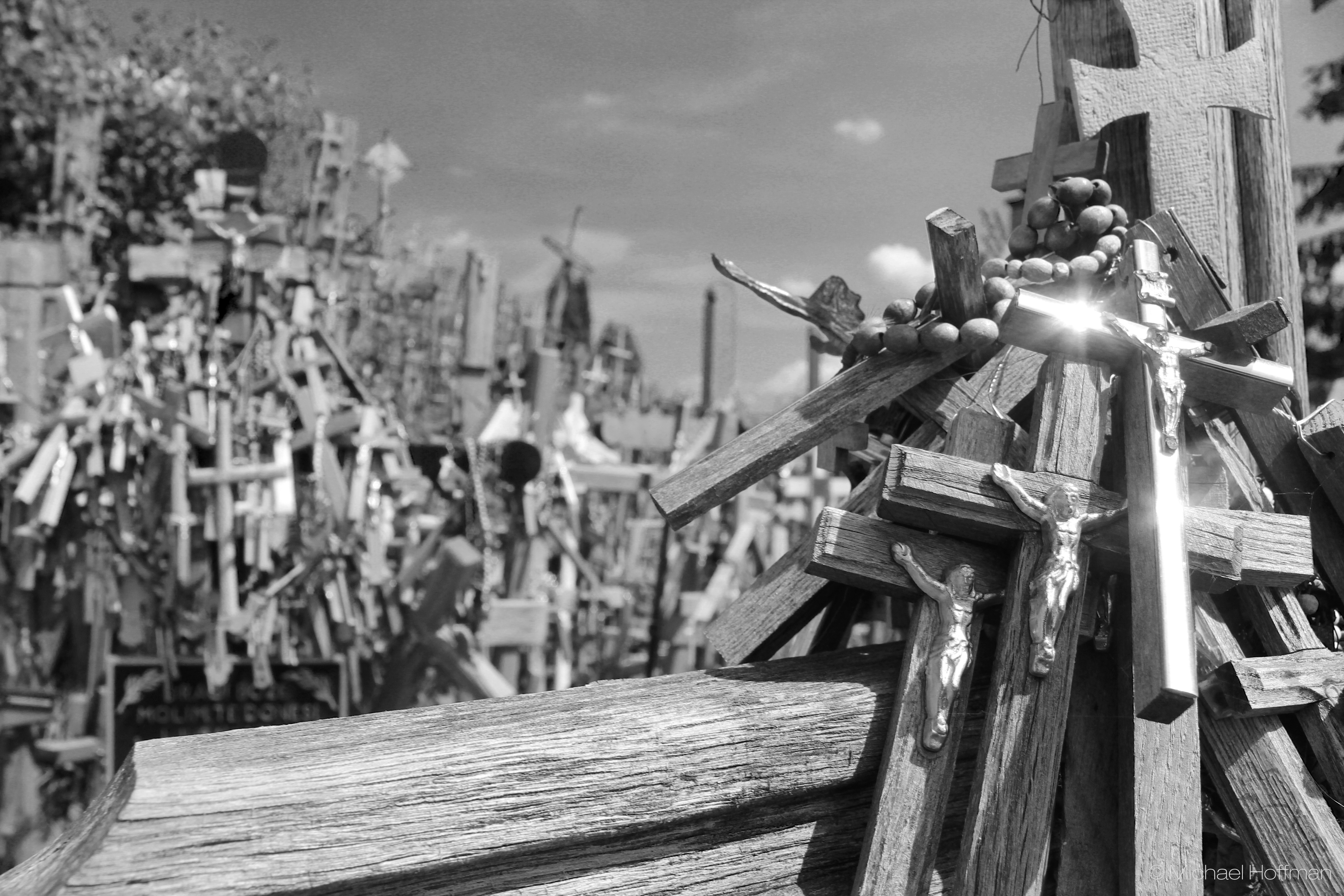
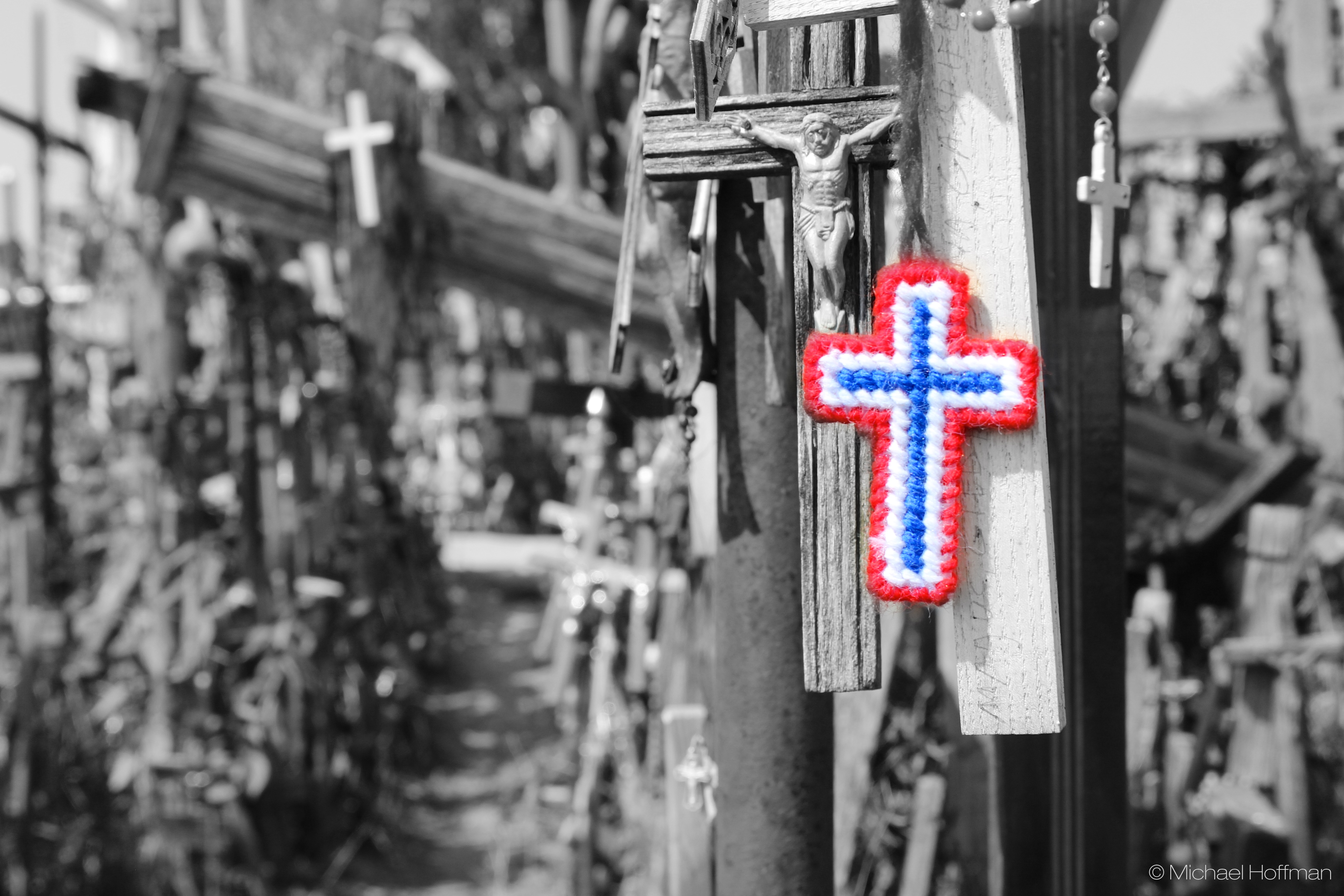
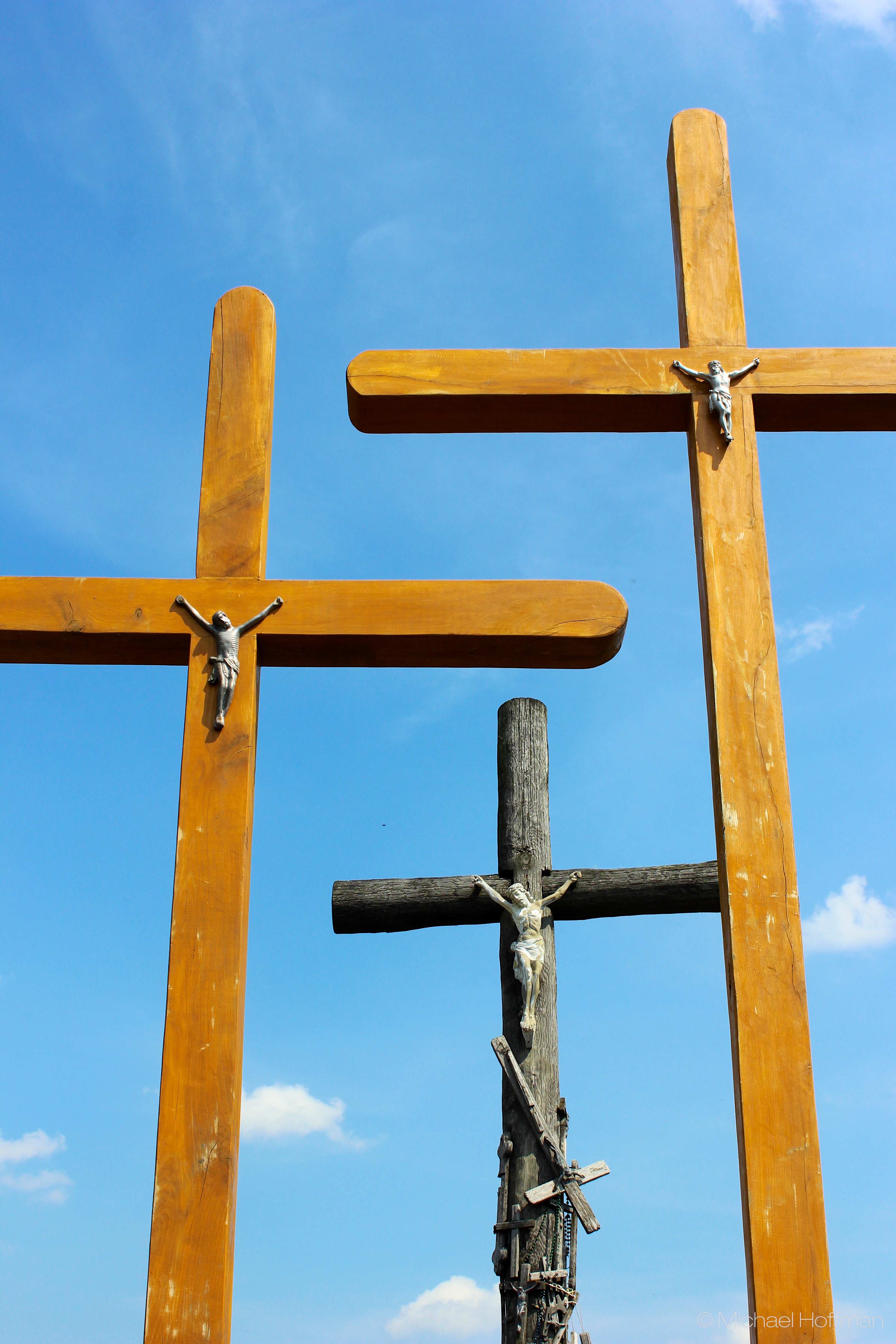
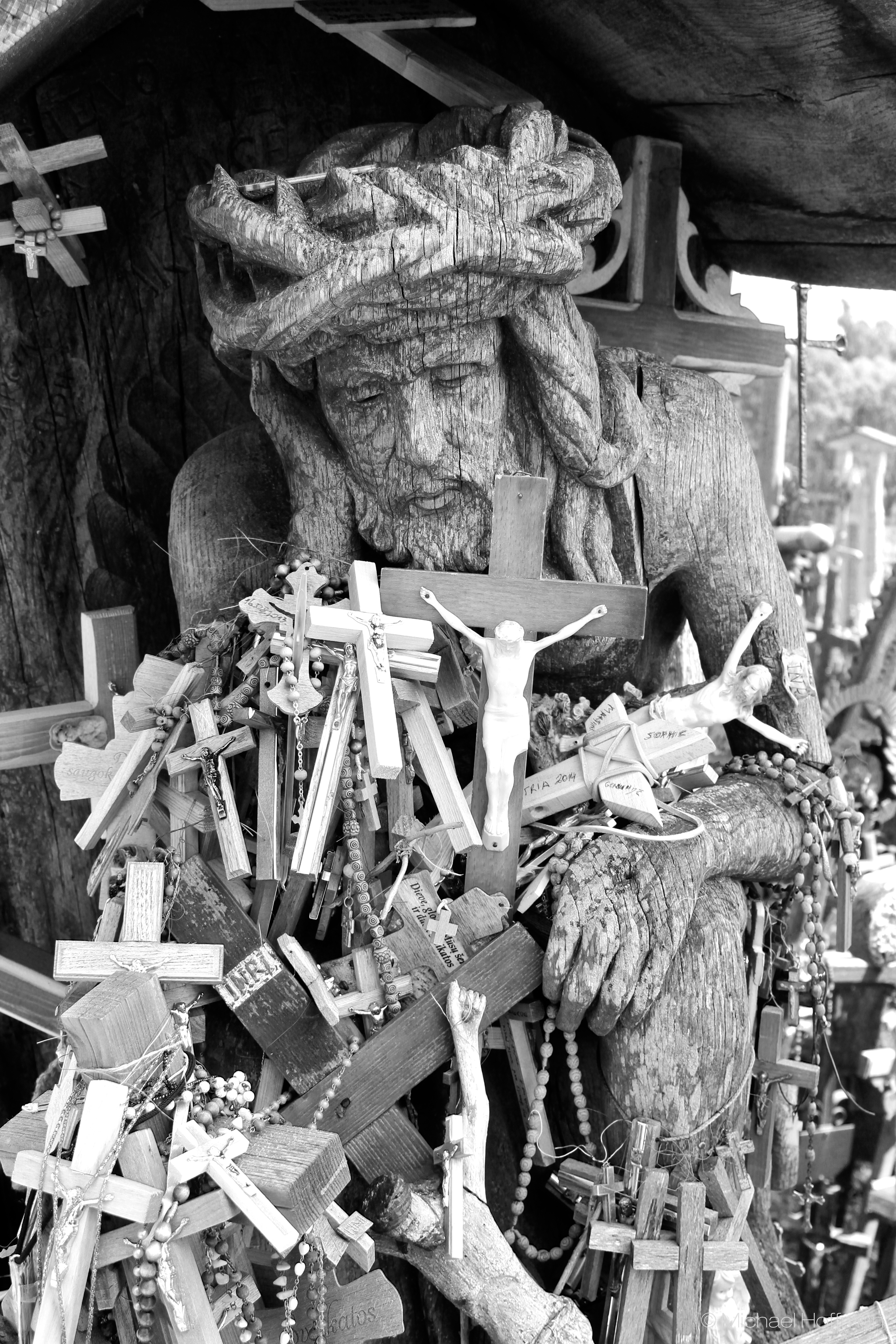
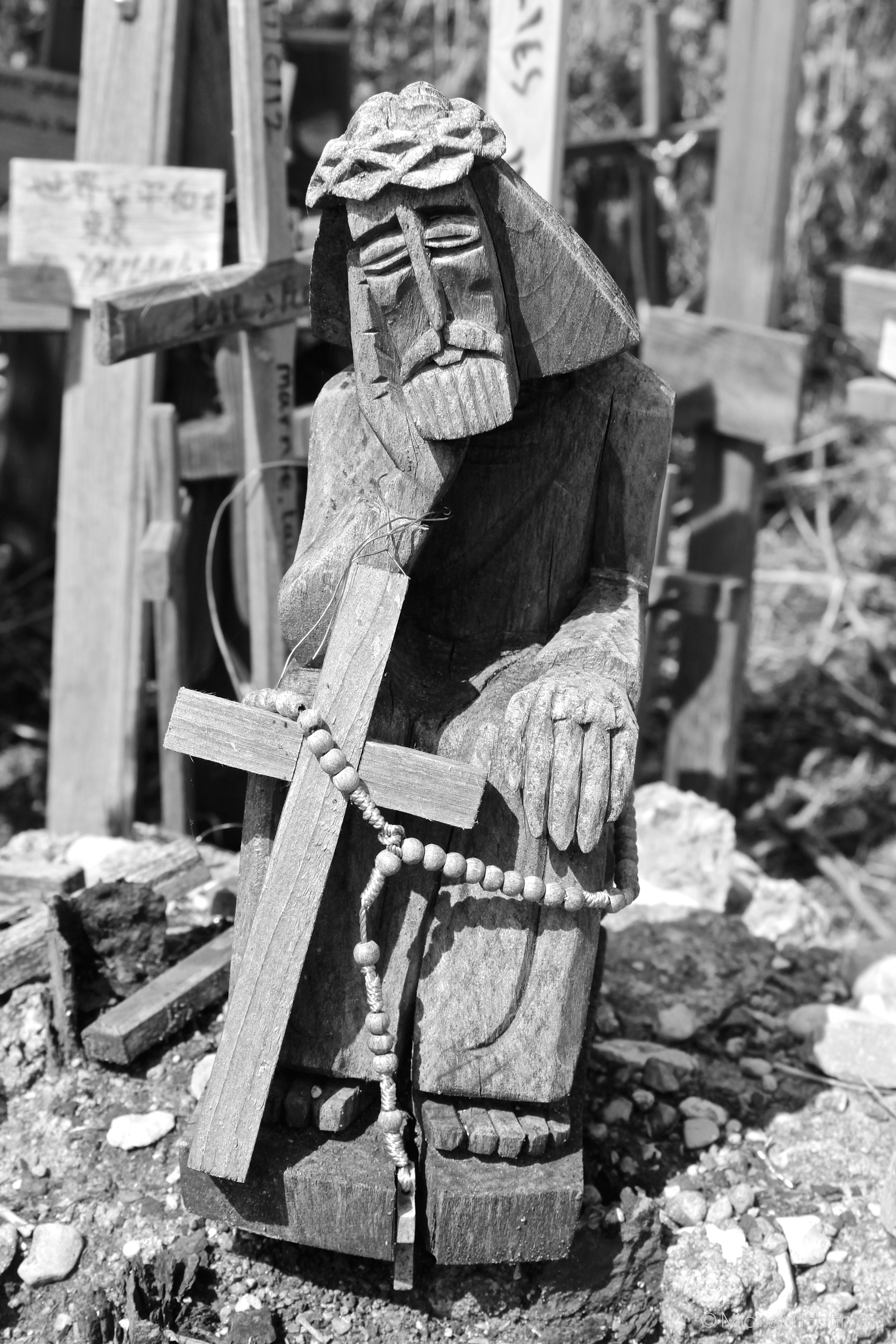
This one is a follow-up to a series I did last year about the (in)famous Hill of Crosses in Lithuania. You can read it here. To be honest, not much has changed since then. I guess the hill grew a little bit, and there are some more crosses now, as they seem to multiply at a daily rate. It remains a mysterious place, strangely alluring yet somewhat creepy. It makes for interesting pictures, that’s for sure.

test

IMG_4338

IMG_4328

IMG_4286

IMG_4322

IMG_4311

IMG_4288

IMG_4325

The Silk Road: The Grand Market in the Mountains Pt. 1

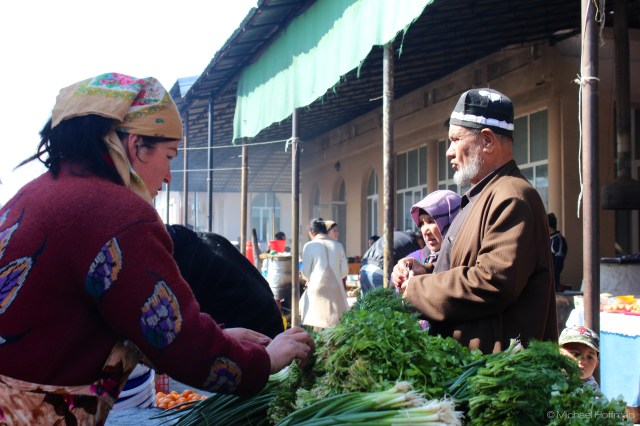
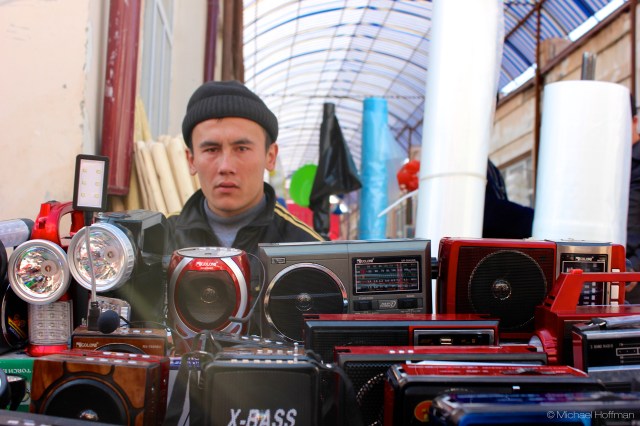
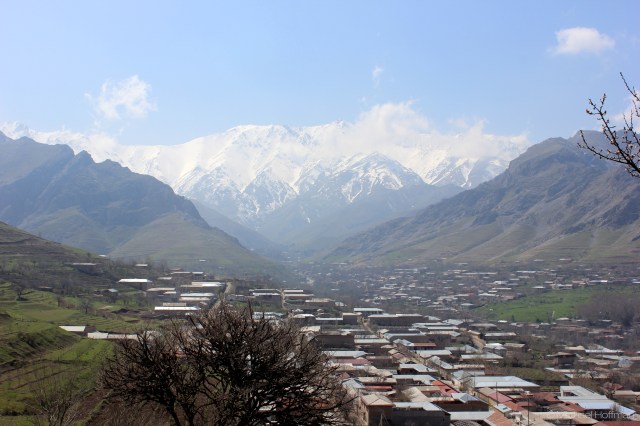
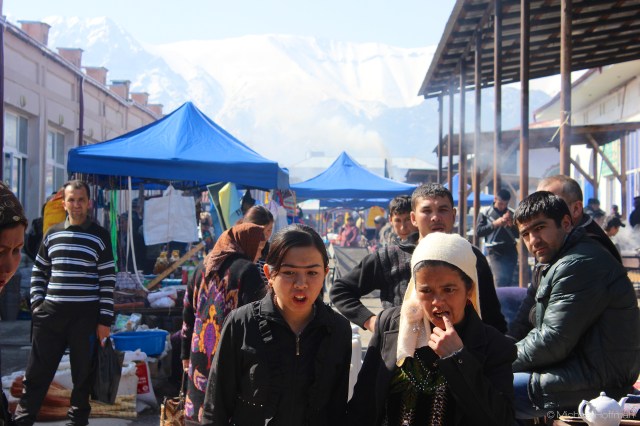
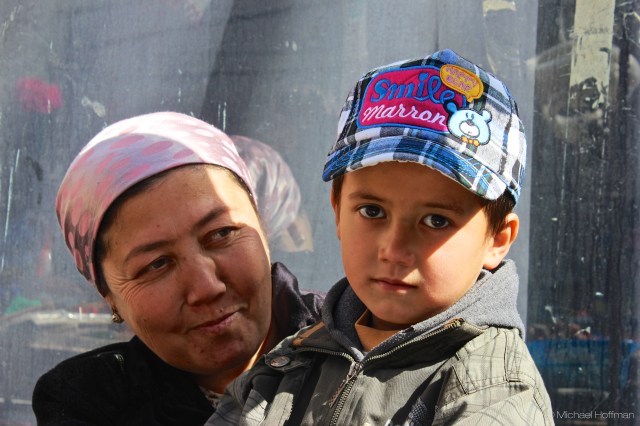
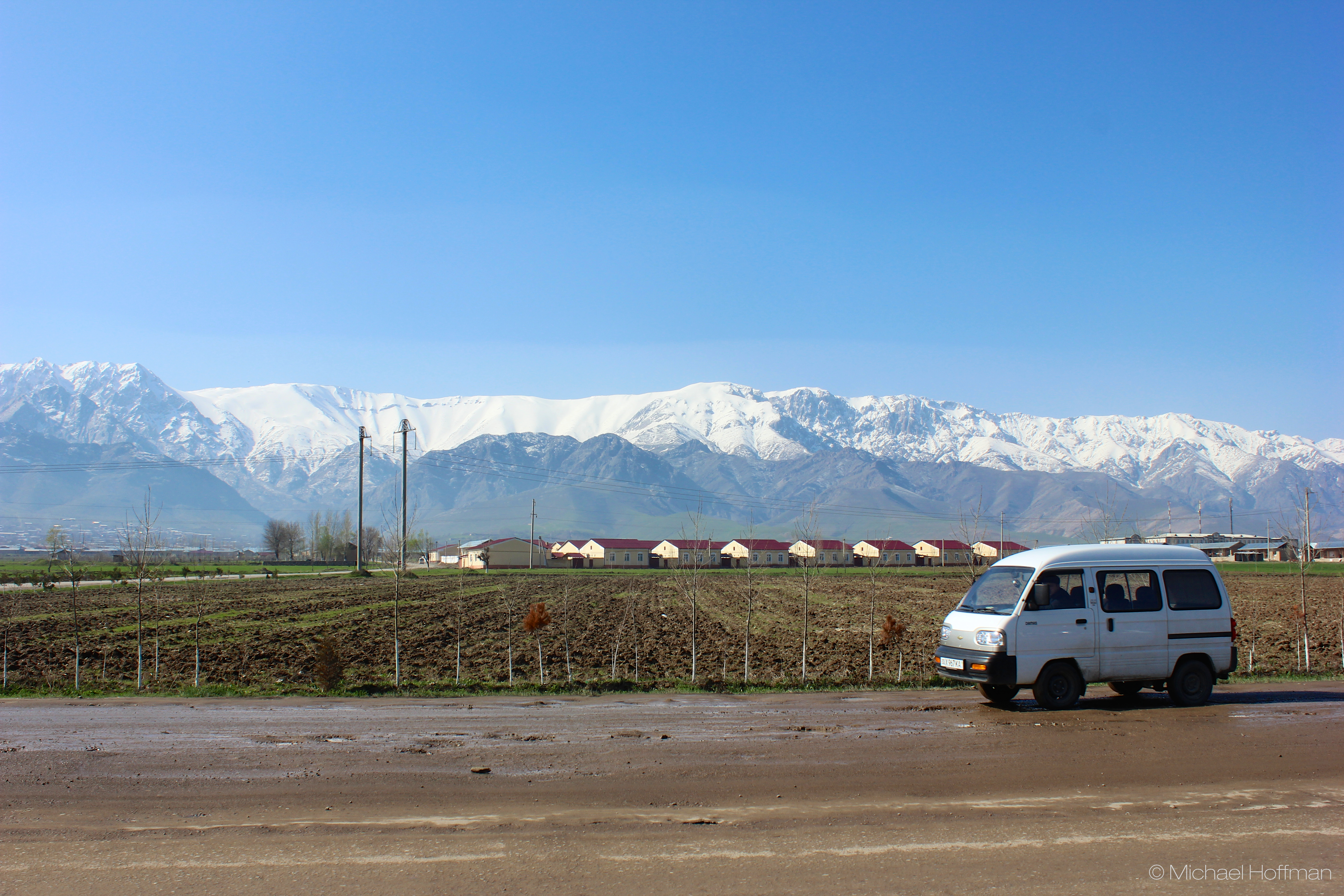
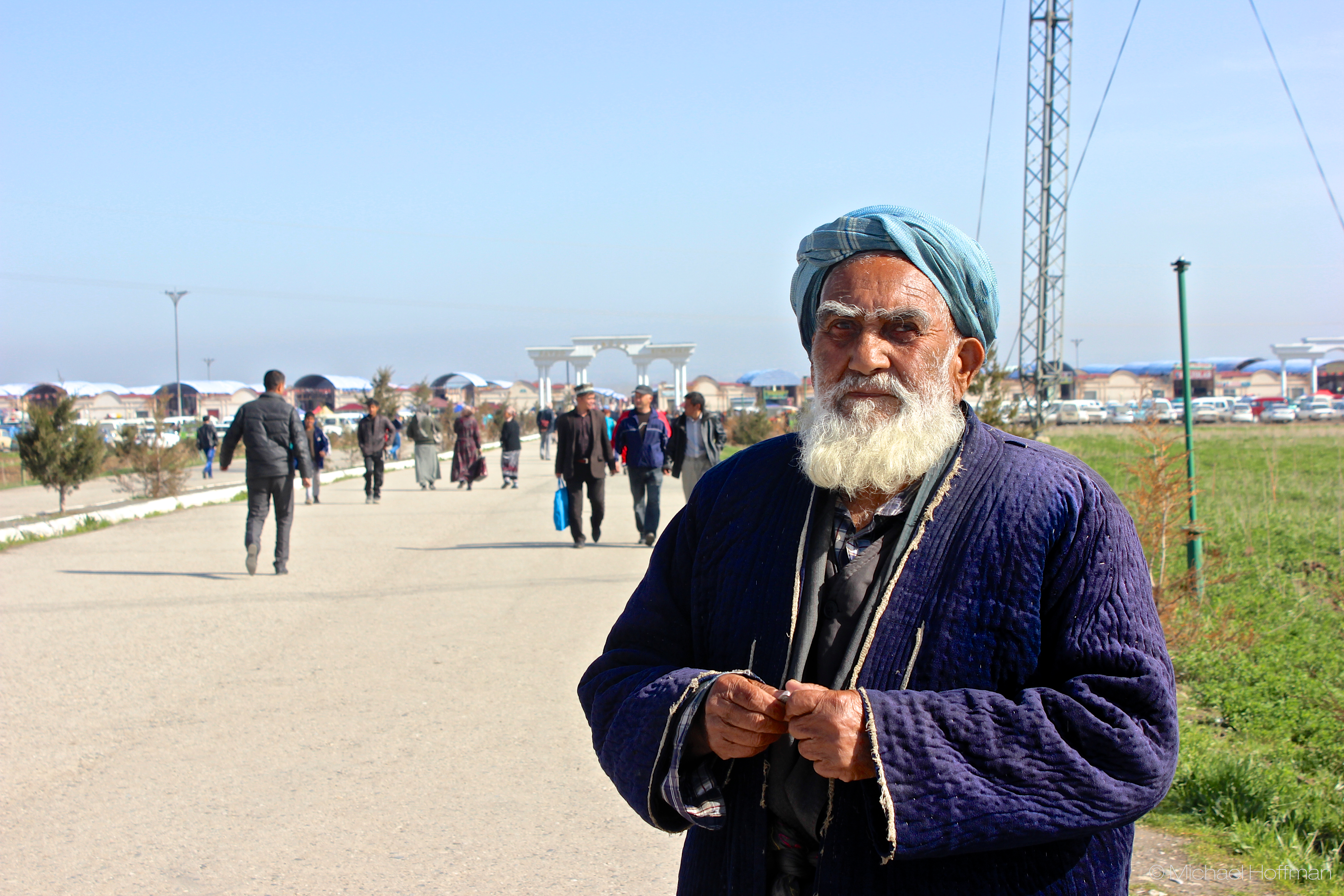
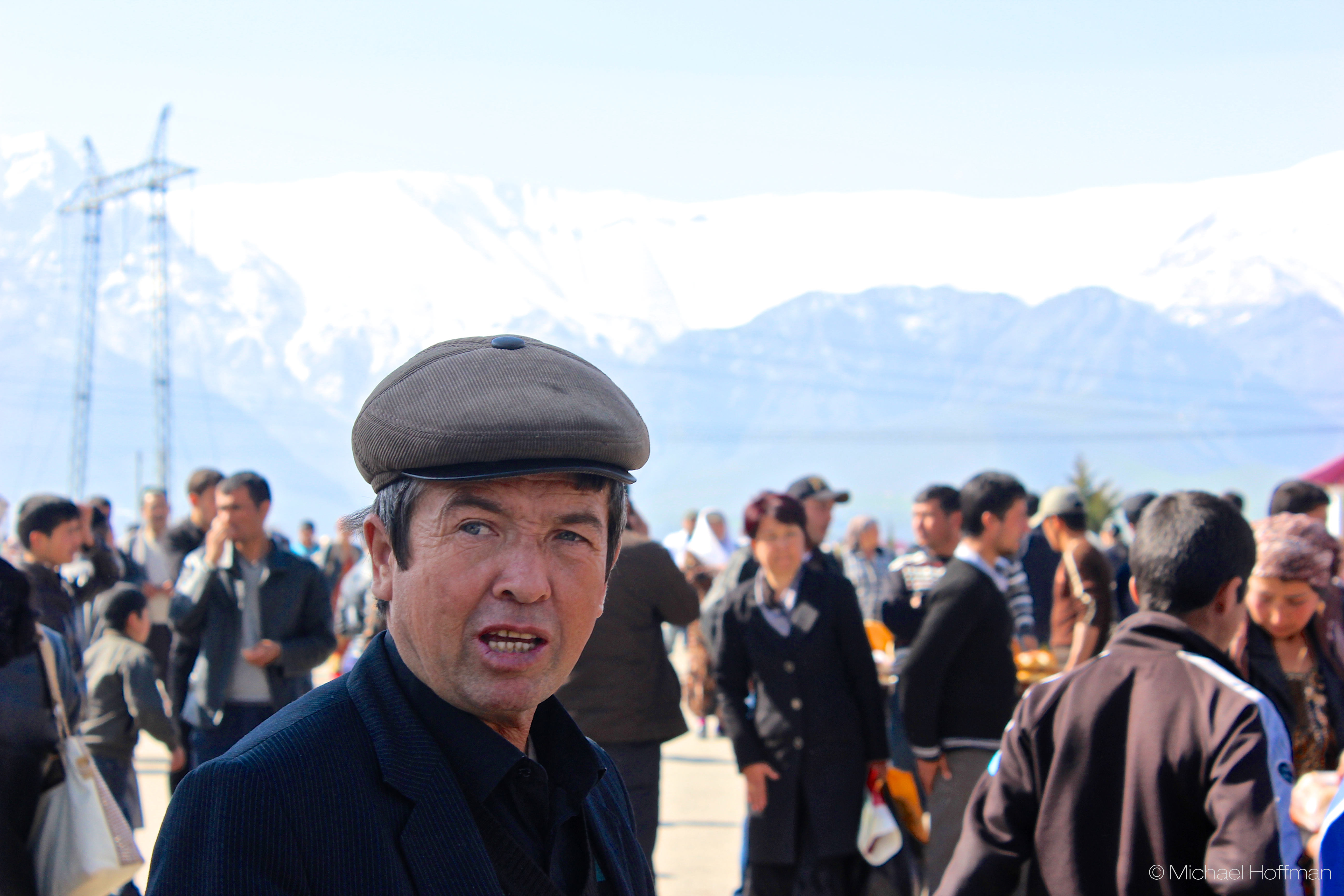
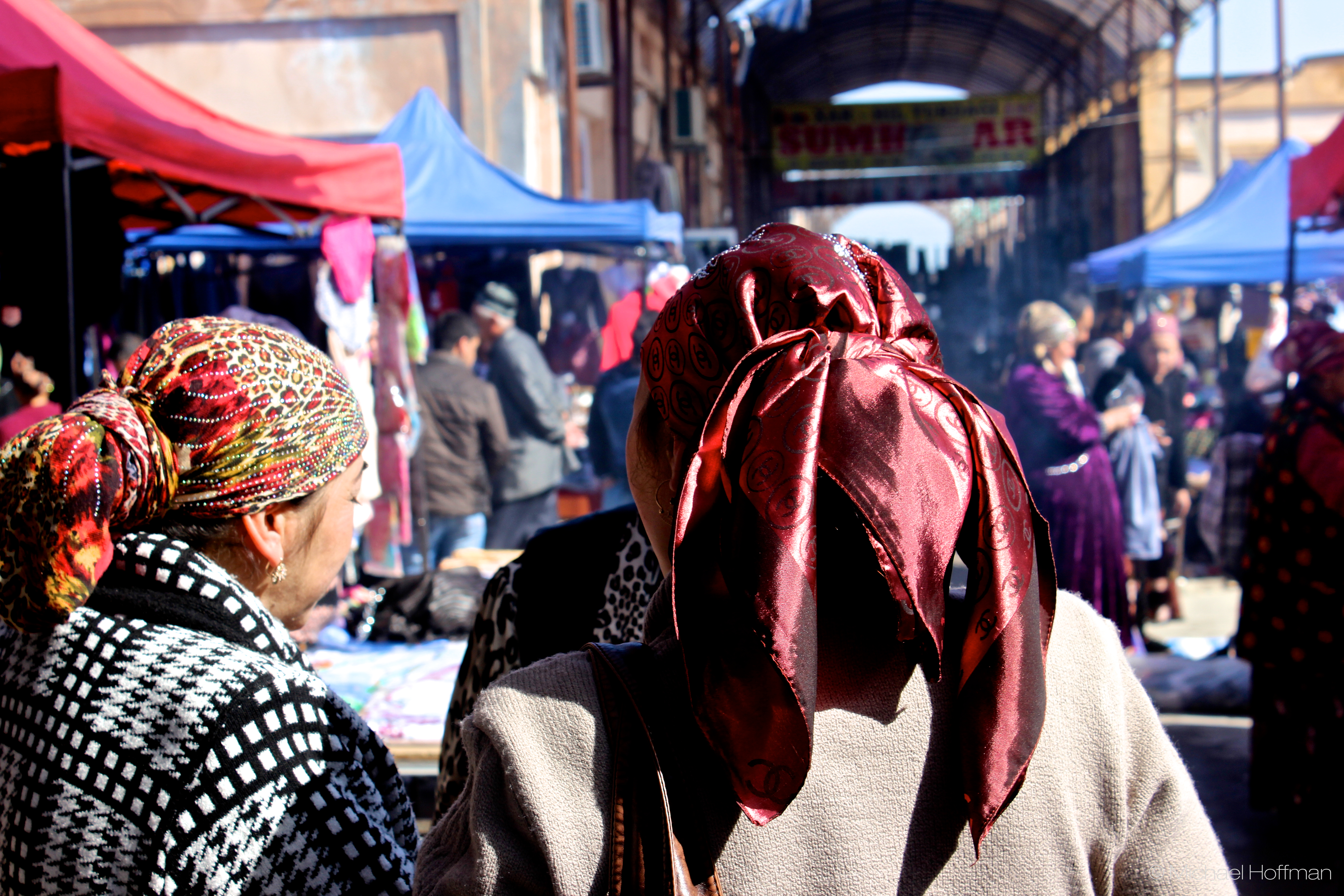
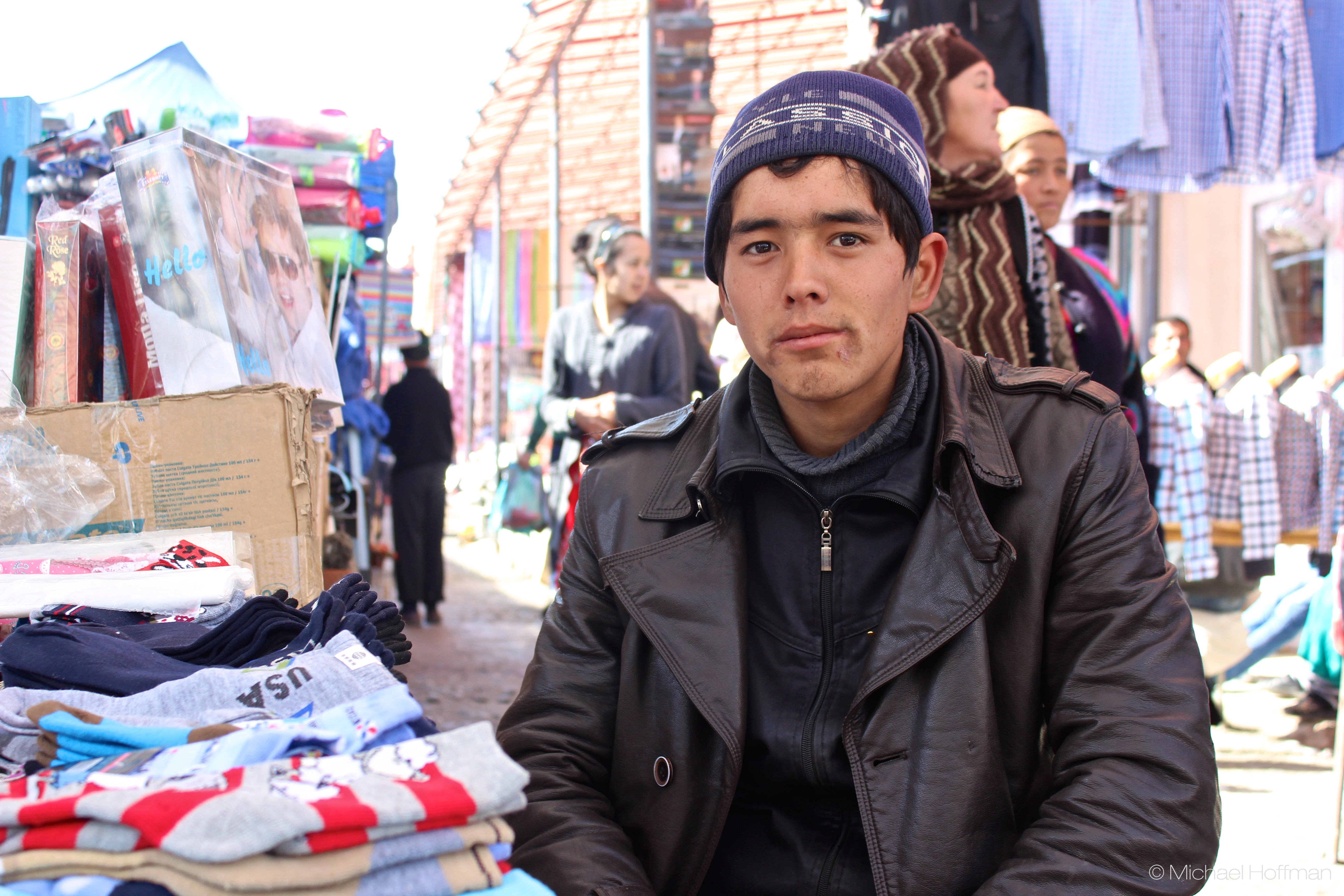
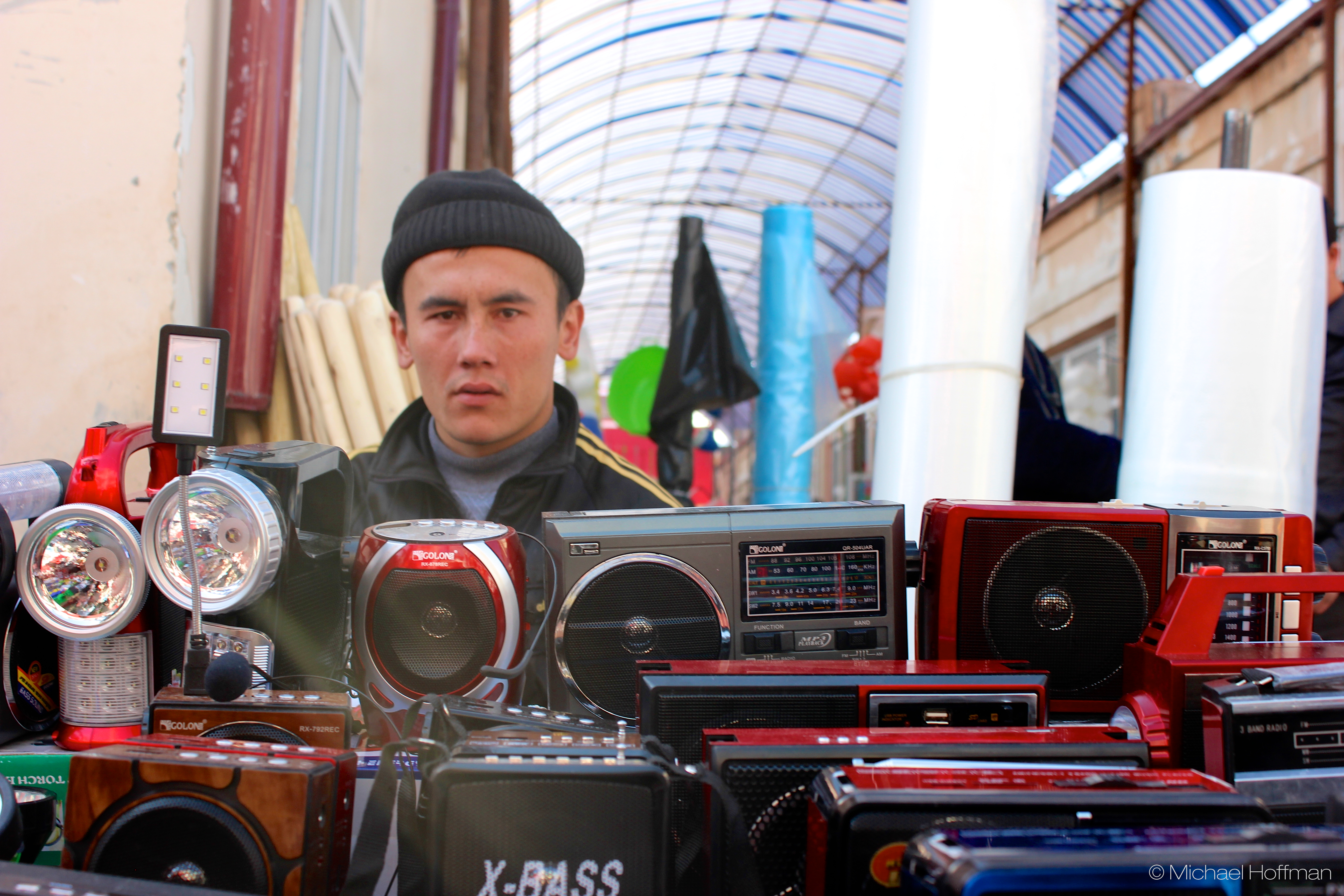
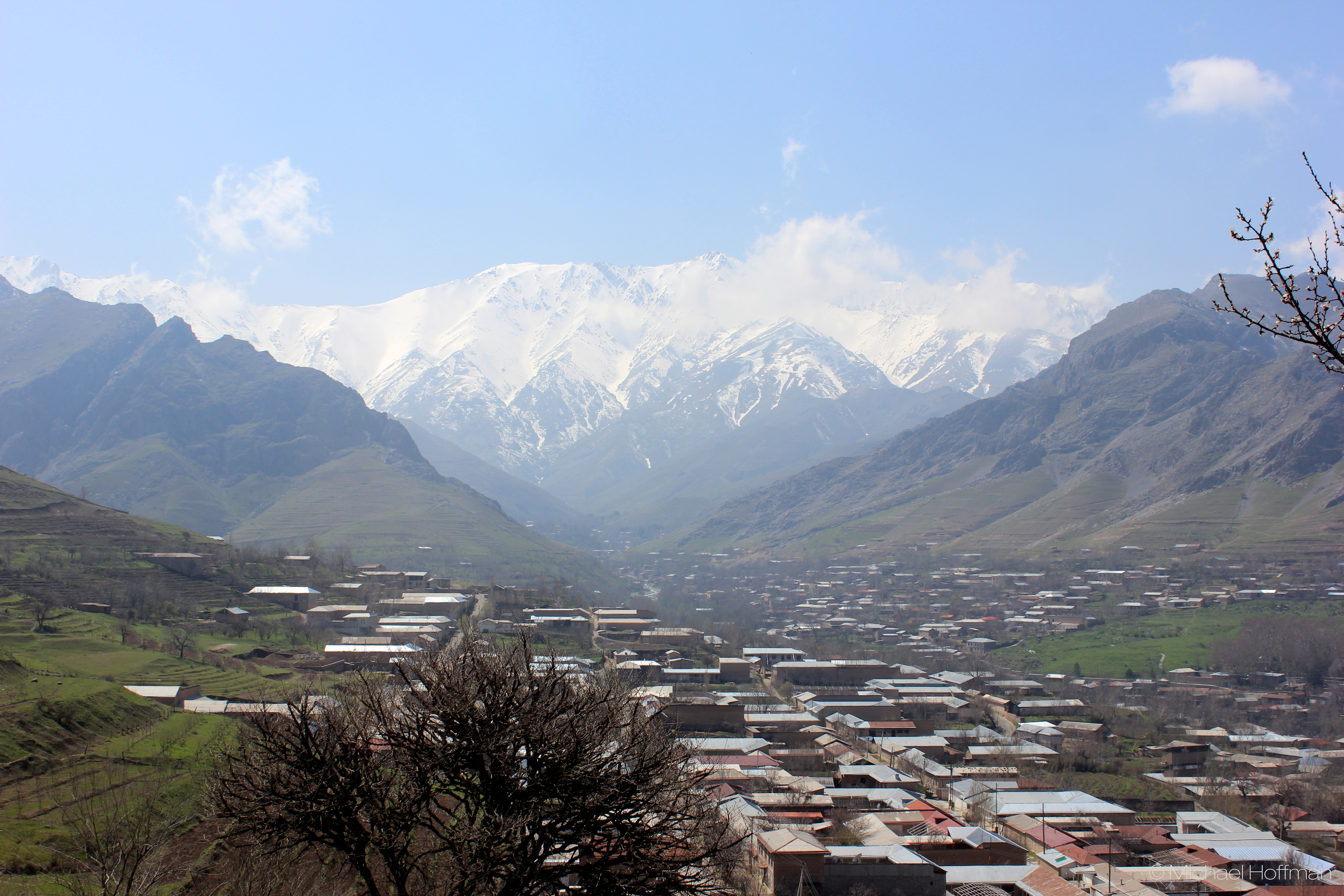
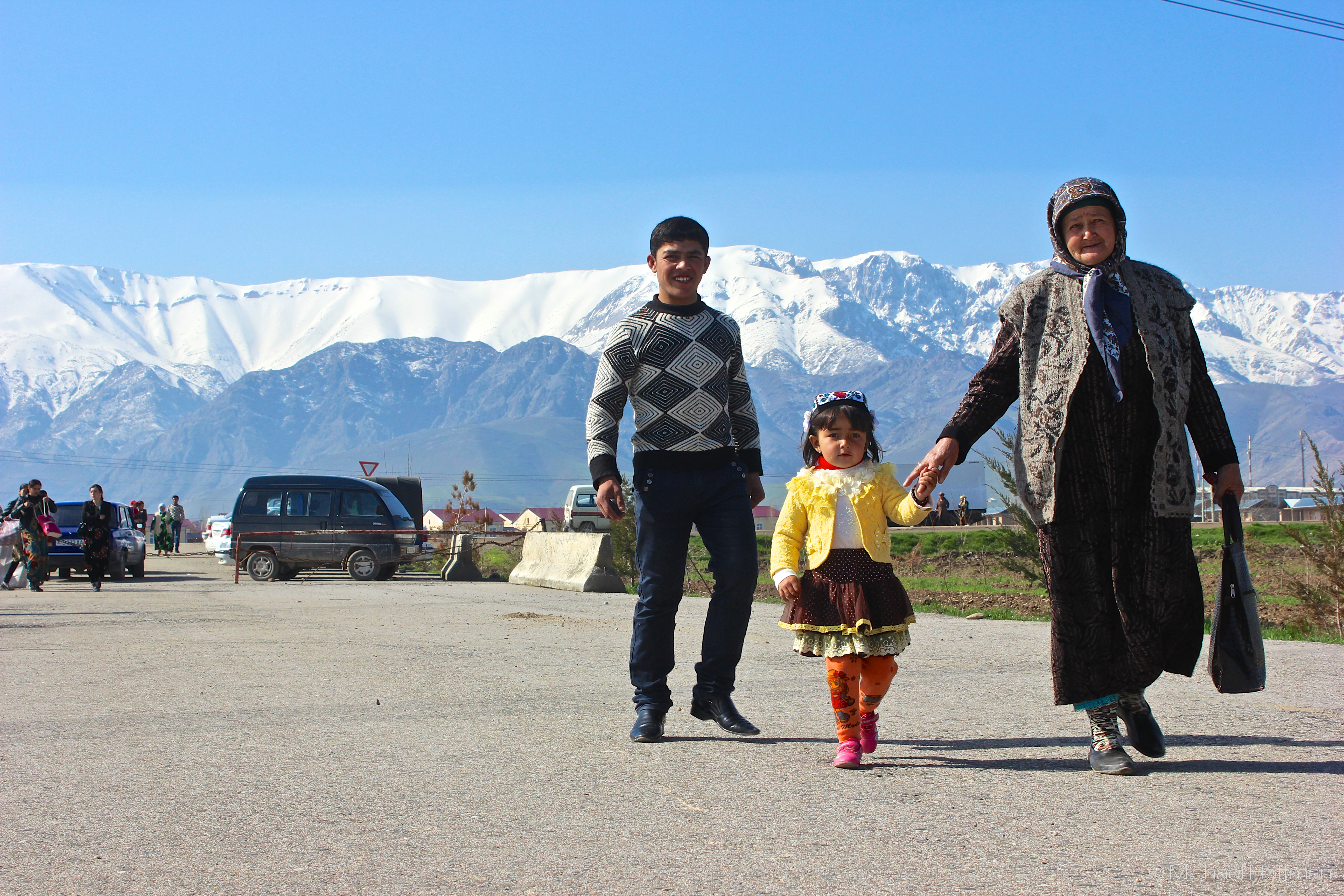
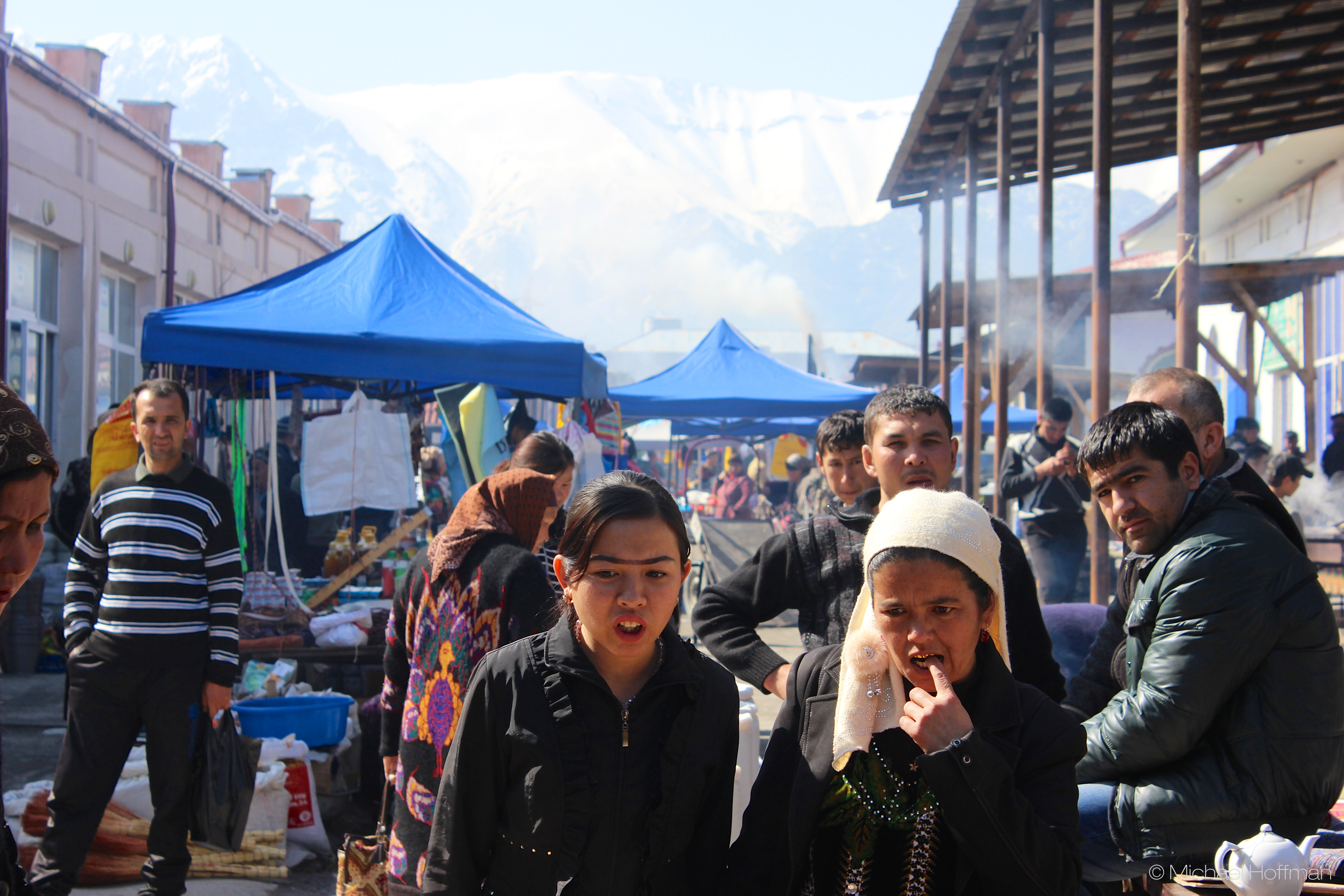
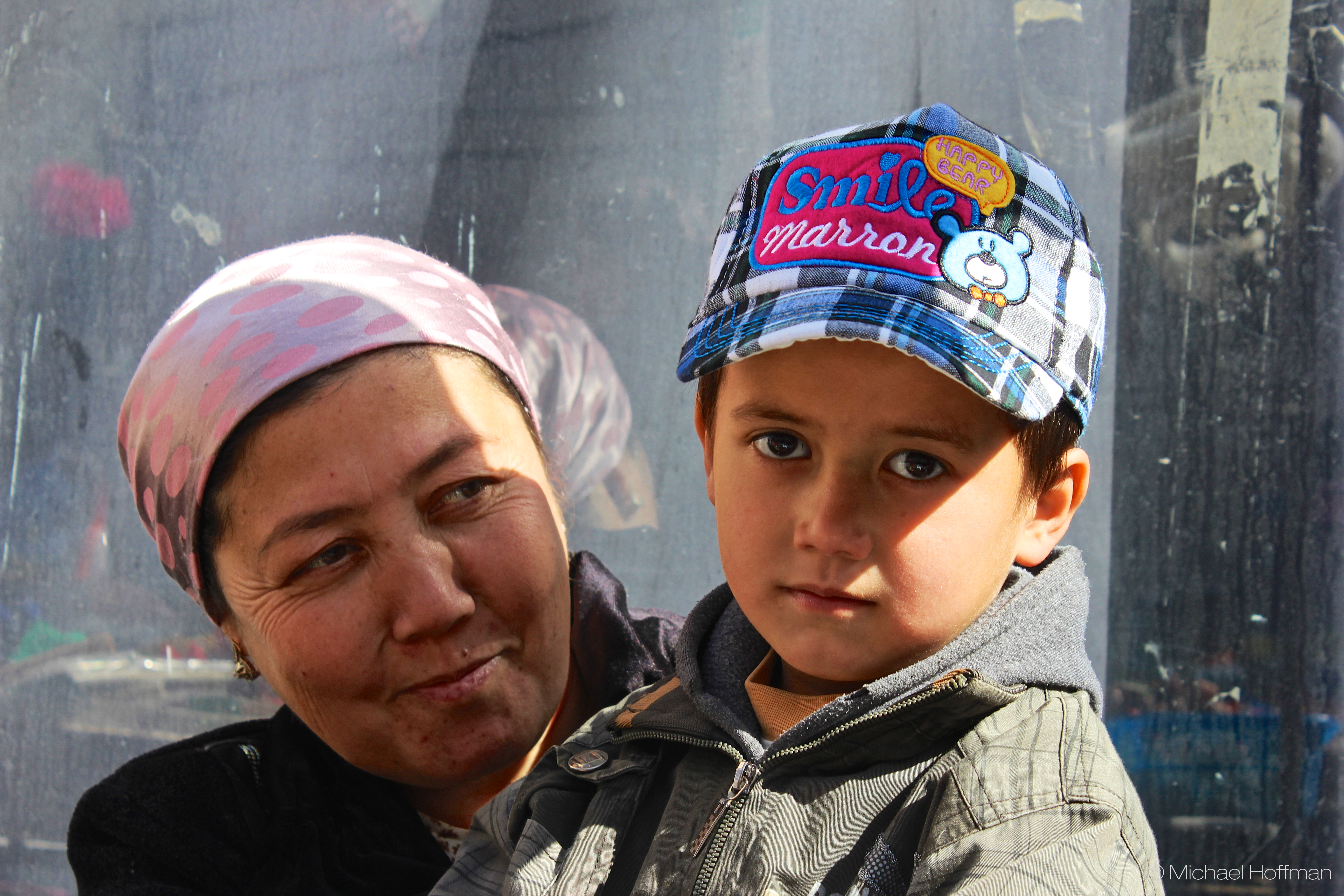
While Eastern Uzbekistan (about 70% of the country) largely consists of deserts, with green spots along the river of Amudjaria, the west looks much different. Getting closer to the Tajik border, large mountains begin to arise, soon occupying the whole horizon. They are part of the Pamir mountain range, a vast plateau that connects the Tian Shan in China with the Hindukusch and the Himalayas in India. Combined, it is the largest mountain range in the world. At the western end of this plateau, already in the hills but still reachable from the fertile lowlands at the bottom of the mountains, there lies the town of Urgut. For centuries it was a transshipment point for goods on the Silk Road, where travelers from China sold their goods to Central Asian merchants, who in turn transported them on camels through the desert and brought them closer to their final destination – Europe. Therefore, the Grand Market of Urgut (the largest of Uzbekistan, of course) is what it must be and always was: A transitional space for people and ideas from the Orient and Oxidant. It is probably one of the few early melting points of human civilization still in existence, looking not much different than centuries ago. Except for the iPhone cases and pirated Gucci handbags, the new luxury goods of the 21st century coming from China to Europe. A new kind of silk, one could certainly argue.

test

IMG_8937

IMG_8946

IMG_8941

IMG_8957

IMG_8962

IMG_8974

IMG_9001

IMG_9006

IMG_8984

IMG_9134

IMG_8949

IMG_8968

IMG_9004

IMG_8987