Skip to content

Perspectives on Warsaw

Warsaw may not be a beautiful city in the traditional sense of the word, but it is an exciting and vibrant place. Built from the ashes in the 1950s, it was constructed with communist ideals and new technological developments in mind. The streets are broad and make for a lot of traffic, while residential buildings rise in the sky surrounded by a surprising amount of green. Since the 90s, Warsaw has been the undisputed capital of capitalism in Poland, so many new skyscrapers have been built since then. Nowadays, the communist and capitalist structures form an interesting, although at times contradictory, symphony.
test


Warsaw on the Waterfront

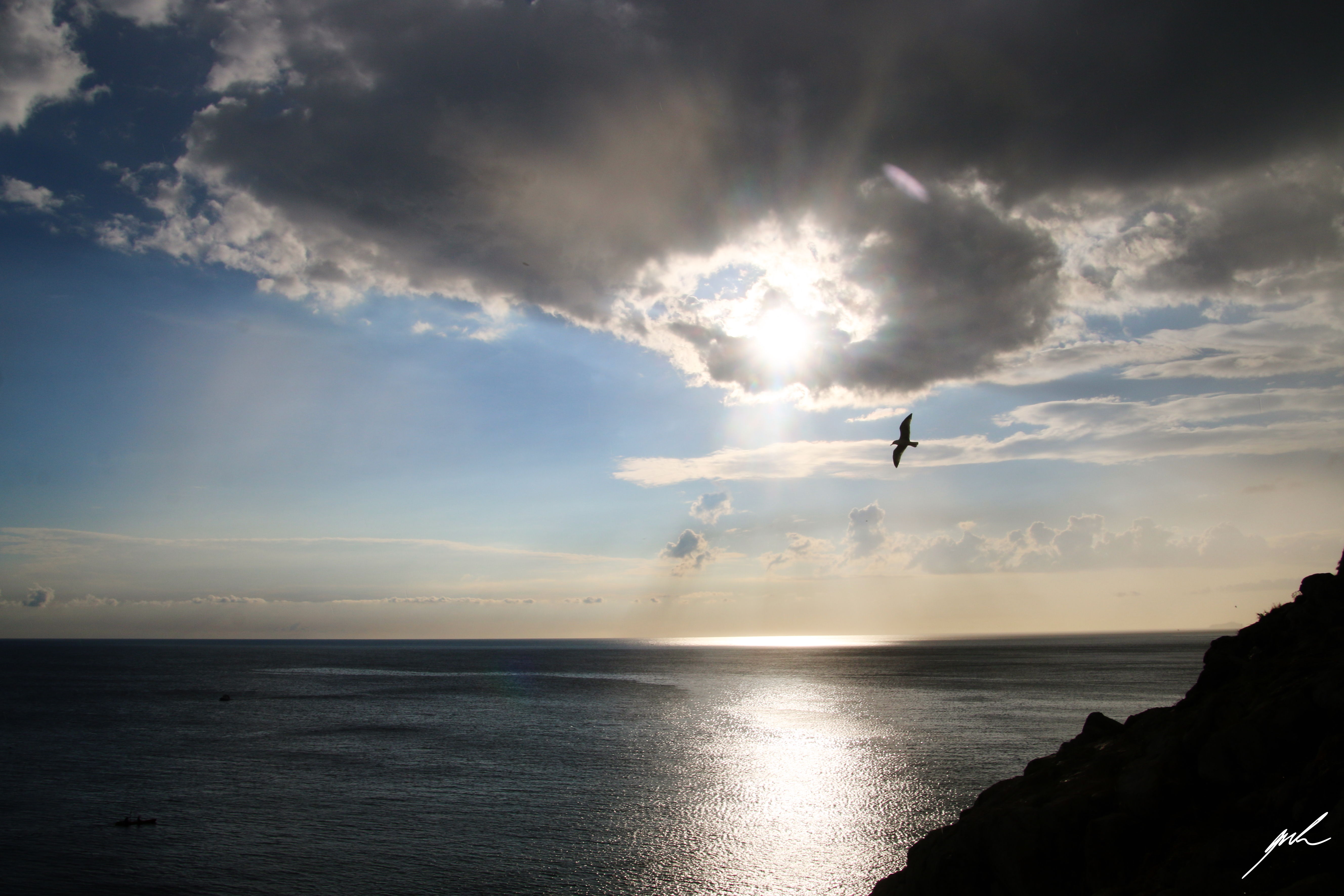
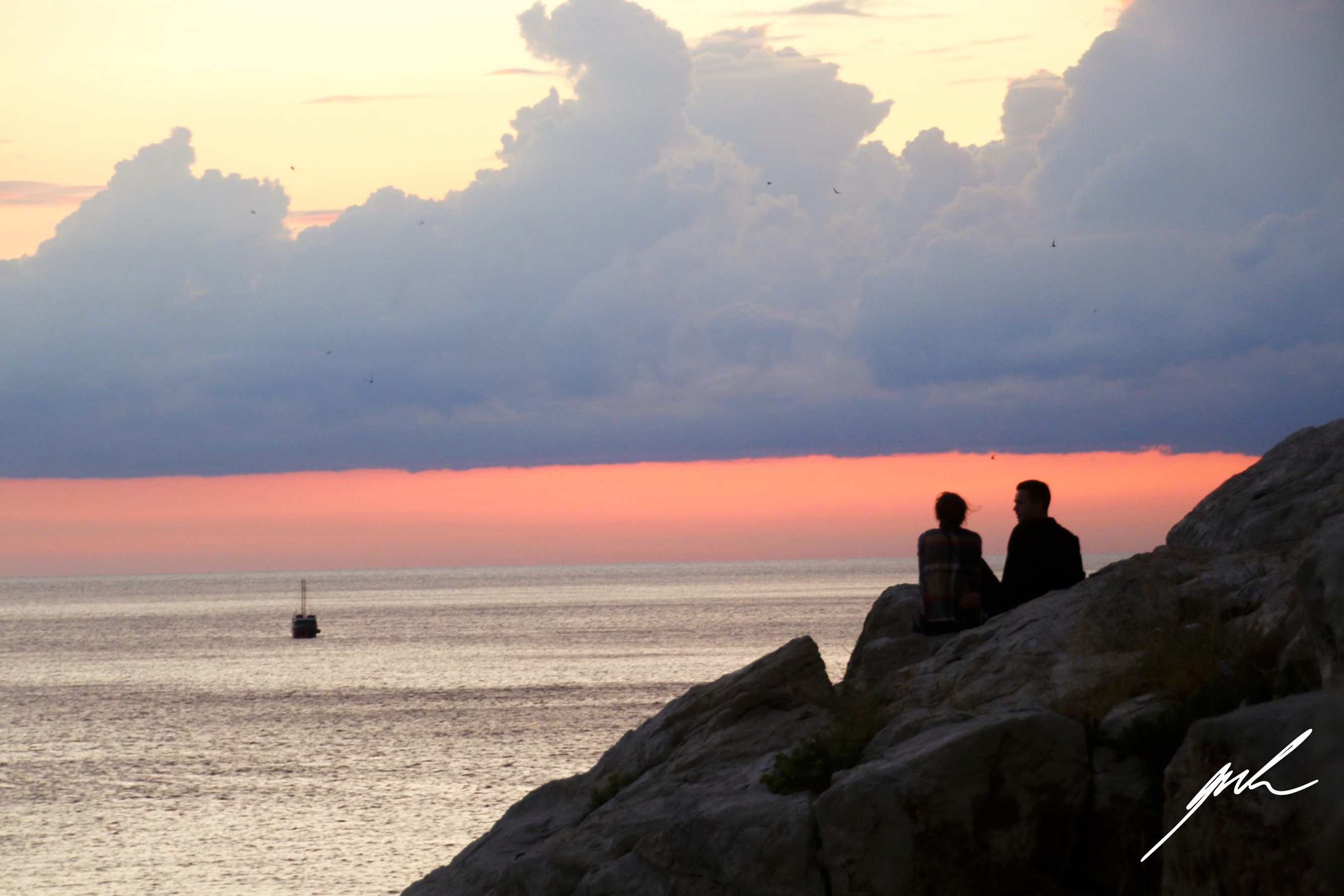
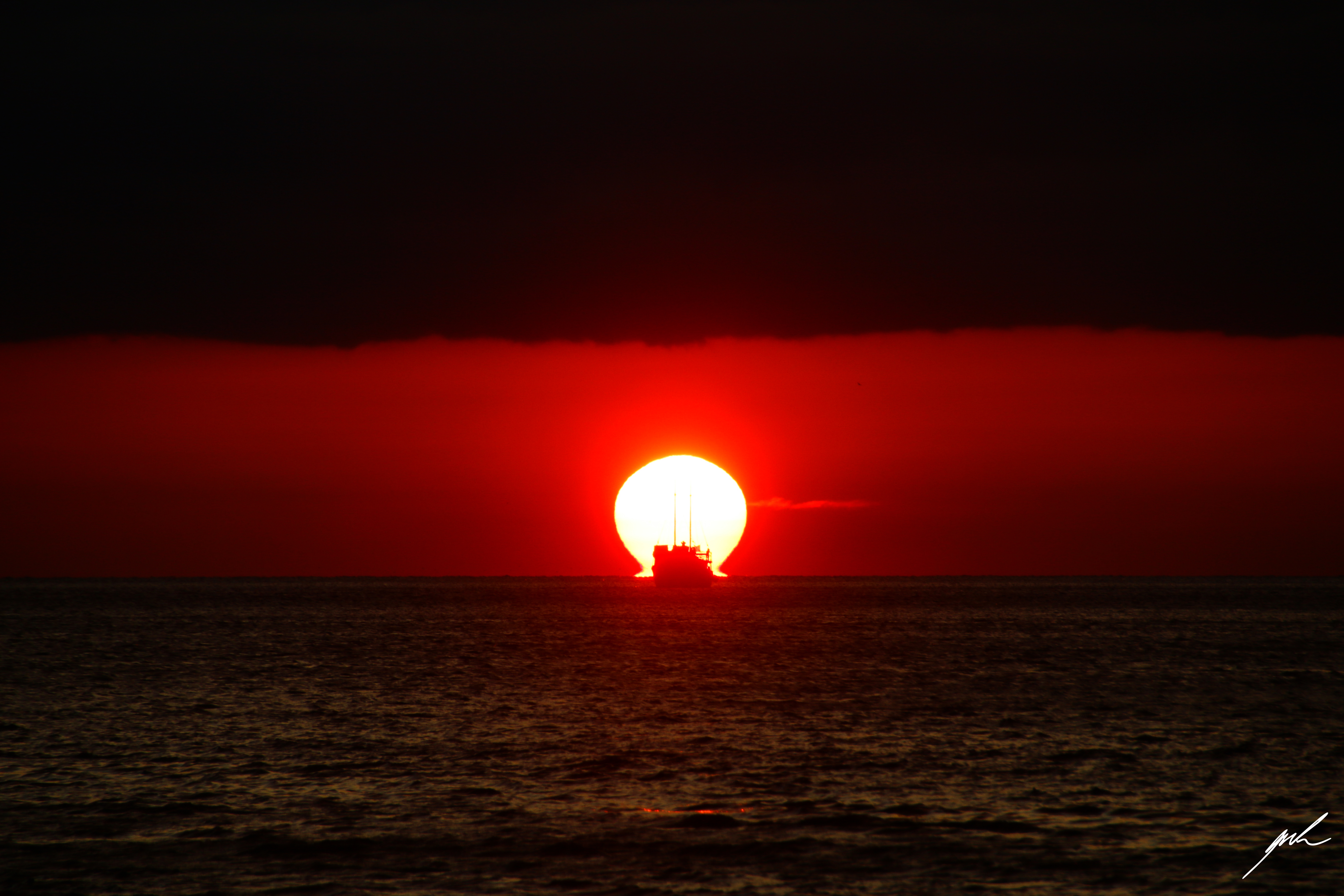
The Vistula is a wild and largely untamed river flowing through Poland’s capital city. Although the old town is located close to the water on a hillside, the proper city center is far away. The surroundings of the Vistula consist primarily of more or less wild greens. At some arms of the river, you’ll find apartment buildings, too, similar to the Alte Donau area in Vienna. There are some sandy parts as well which are flooded with people in summer. The sunsets are indeed gorgeous there.

test

Cathedrals of the Working Class: Rabenhof in Early Spring

After the devastations of World War I and facing enormous societal and economic challenges, the people of Vienna craved change. A particular problem was the working class’s poor living conditions; they often lived in large tenements without warm water and communal toilets in the corridors. Large families lived in small apartments, and they often had to accommodate additional roomers to afford the overpriced rent. For these and other reasons, the Socialist Party of Austria (SPÖ) was voted into power and planned a radical rethinking of the city in the 1920s. Large and modern communal buildings called Gemeindebauten were to be built with large inner yards for the workers to gather and thick walls to protect them. Among the first ones made was the Rabenhof in the 3rd Viennese district. Today, it is known among Austrians mainly for the theater with the same name, where the workers’ gathering hall used to be. The rent in these buildings was much lower and affordable; at the same time, the standard of living was much higher, with private toilets, launderettes, private parks, and a kindergarten. The same is true today: every 4th Viennese of different economic backgrounds lives in a Gemeindewohnung, around 3.500 in the Rabenhof building.

test


1 68 69 70 87