Skip to content

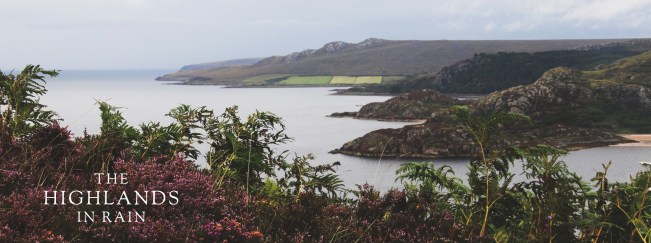
The Highlands in Rain

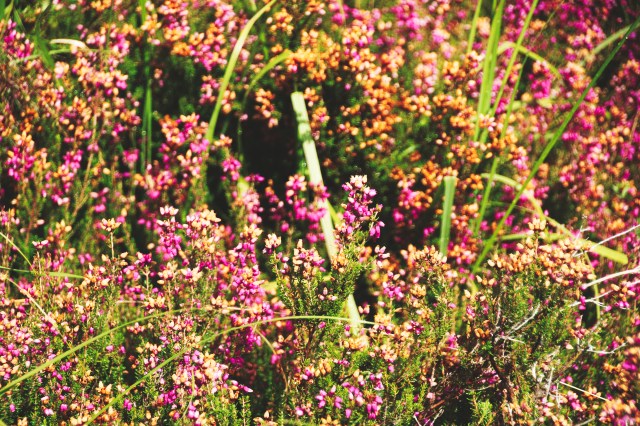
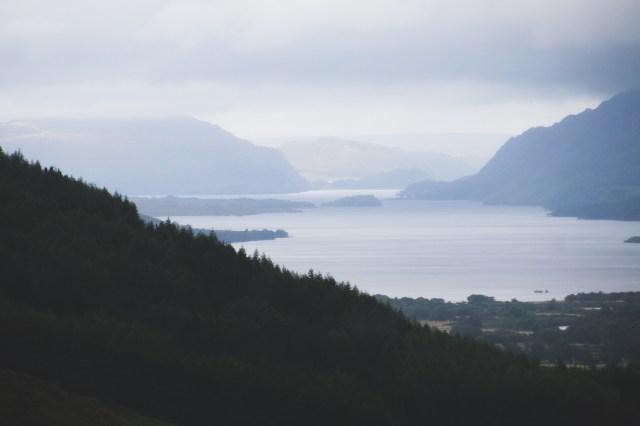
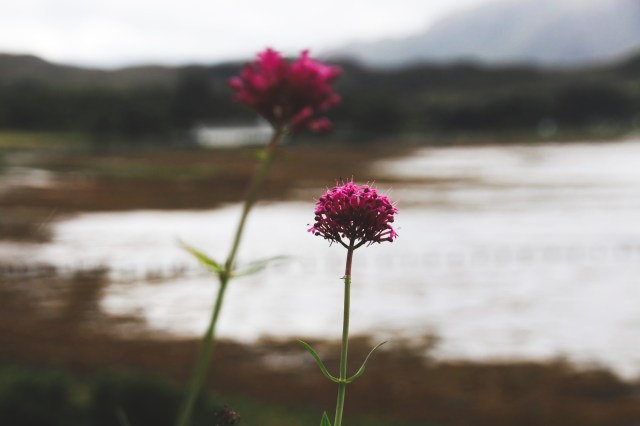
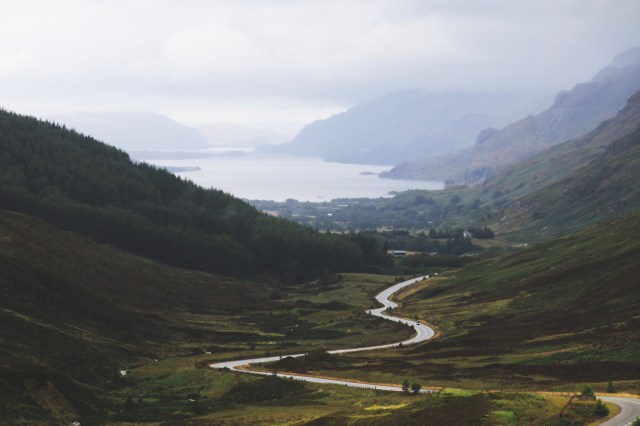
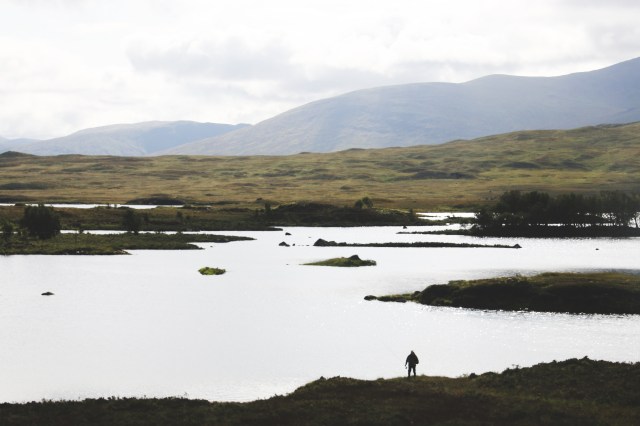
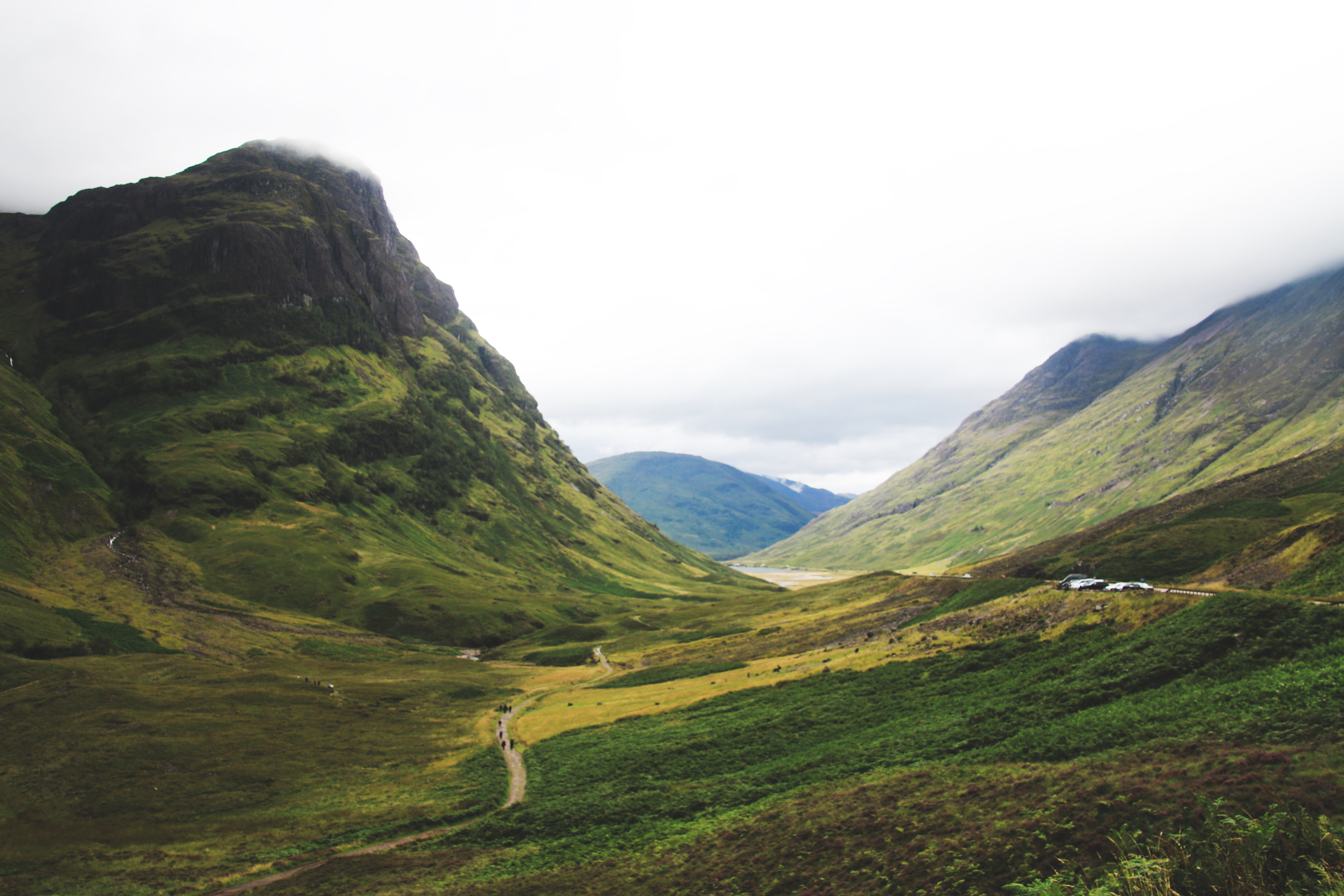
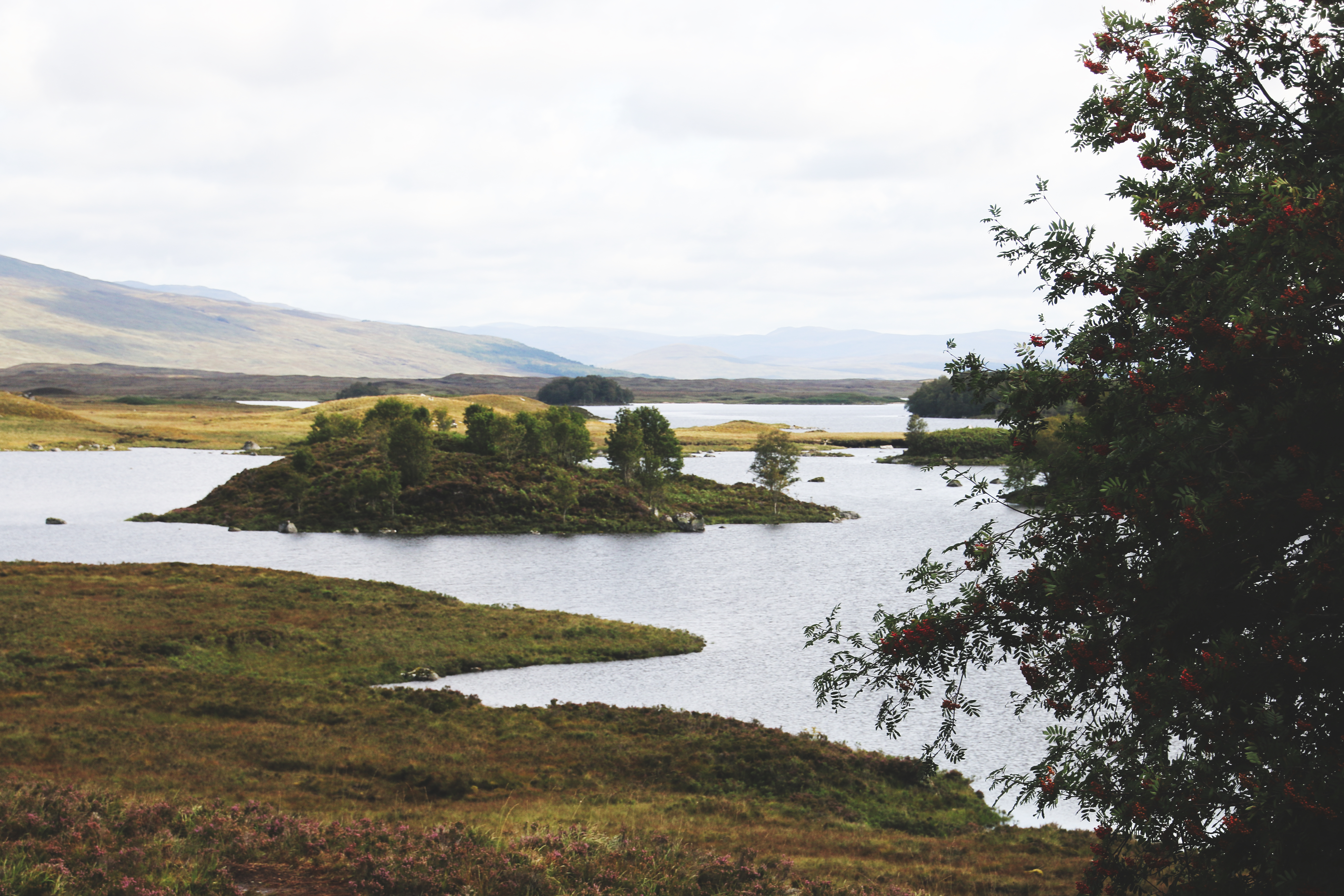
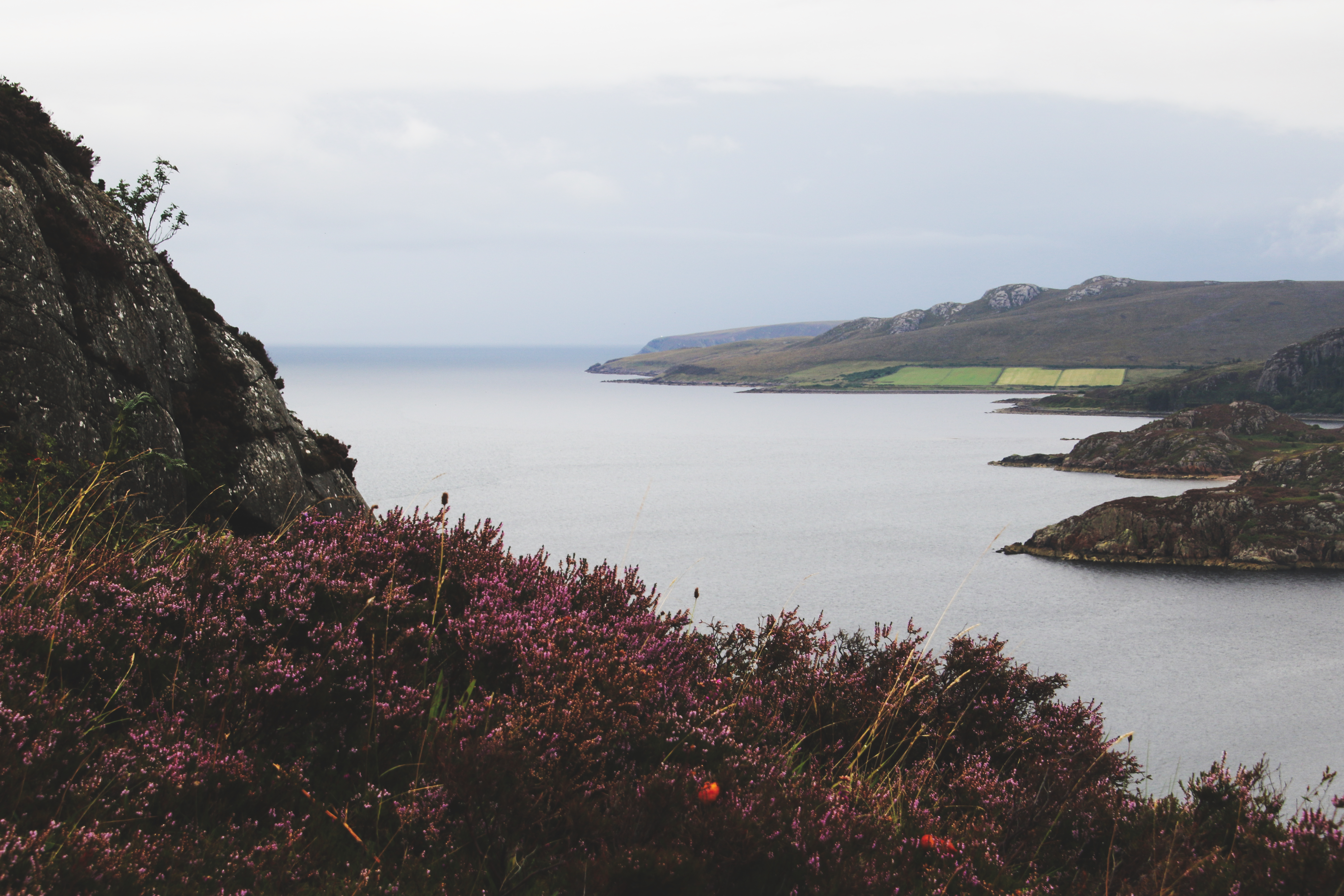
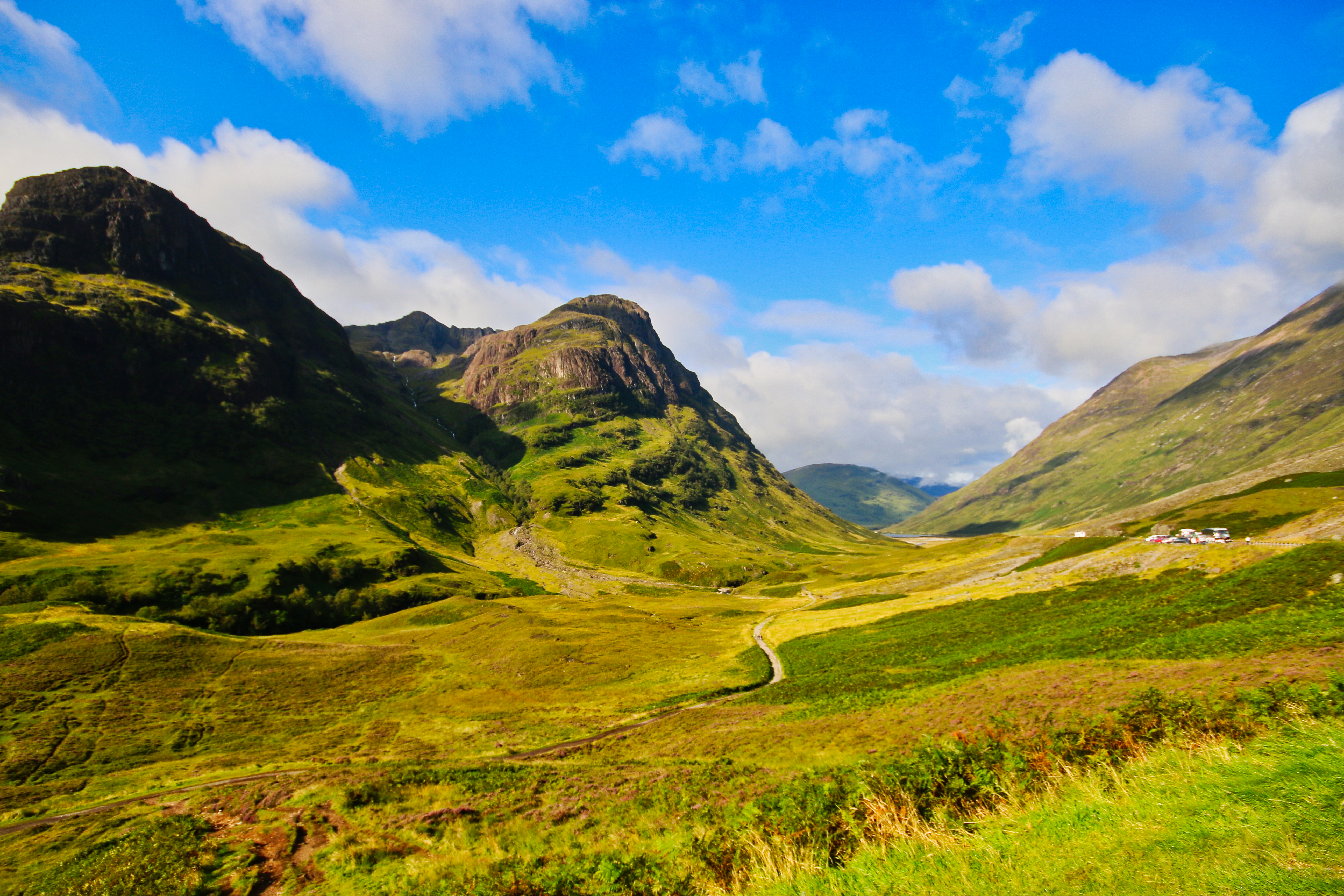
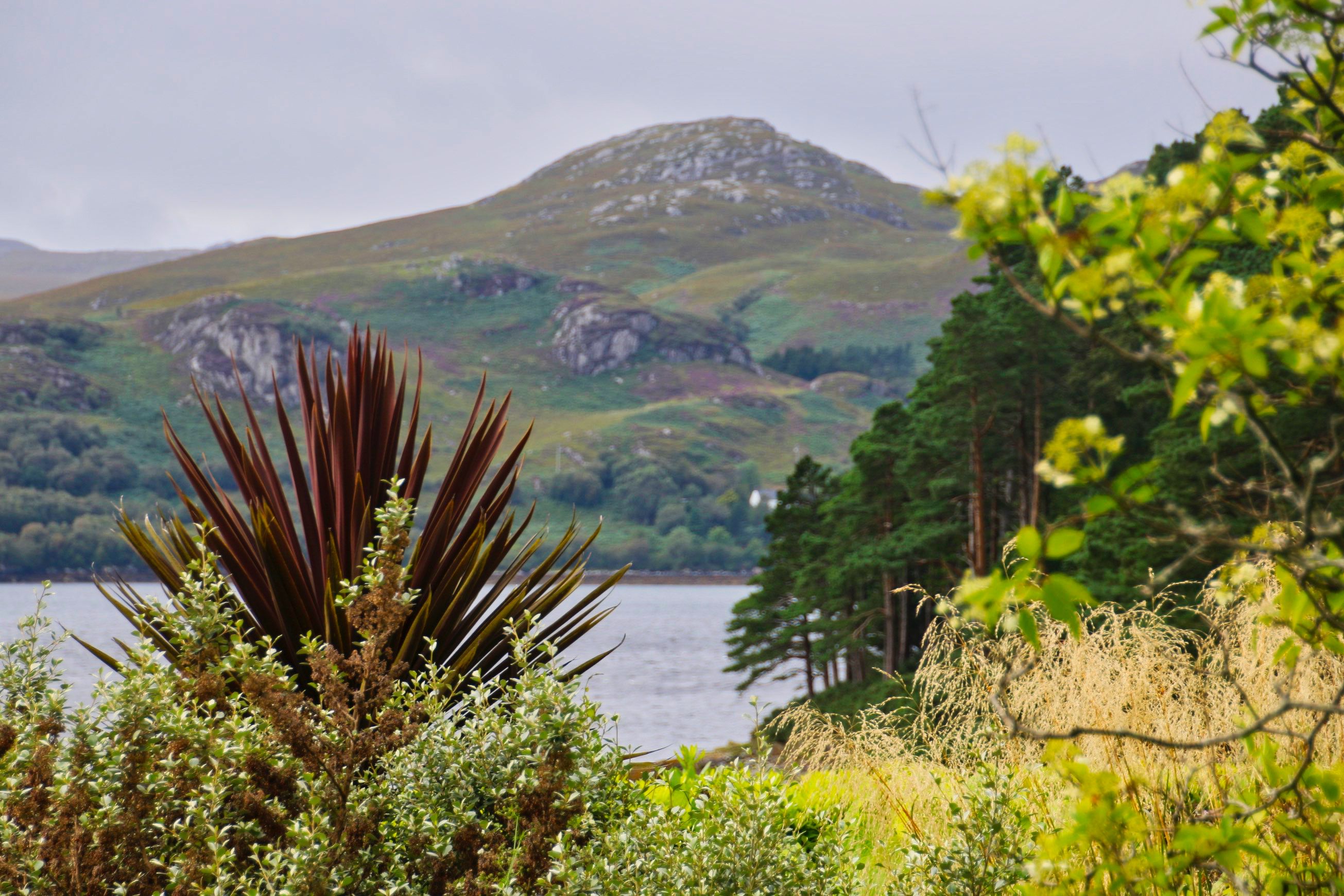
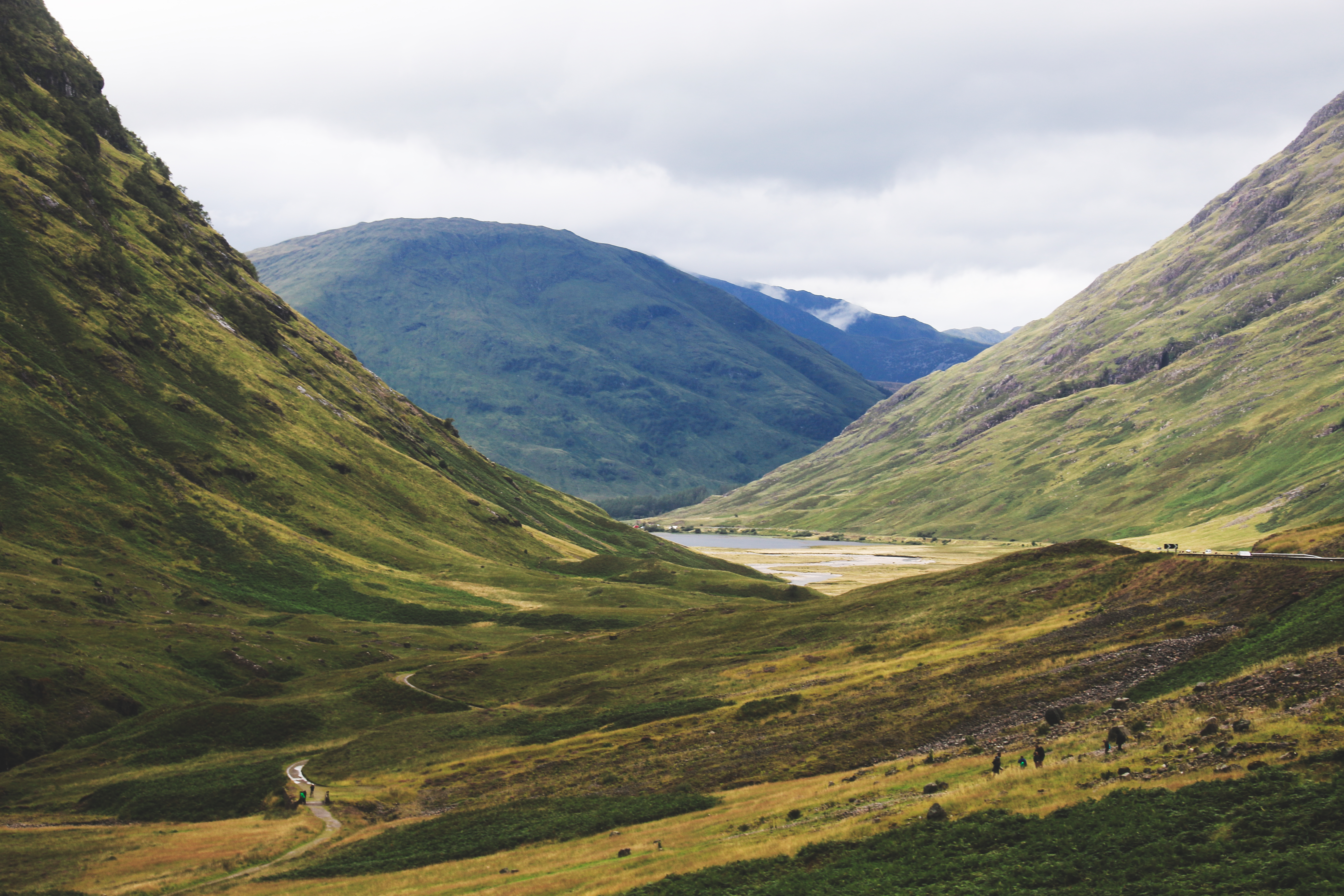
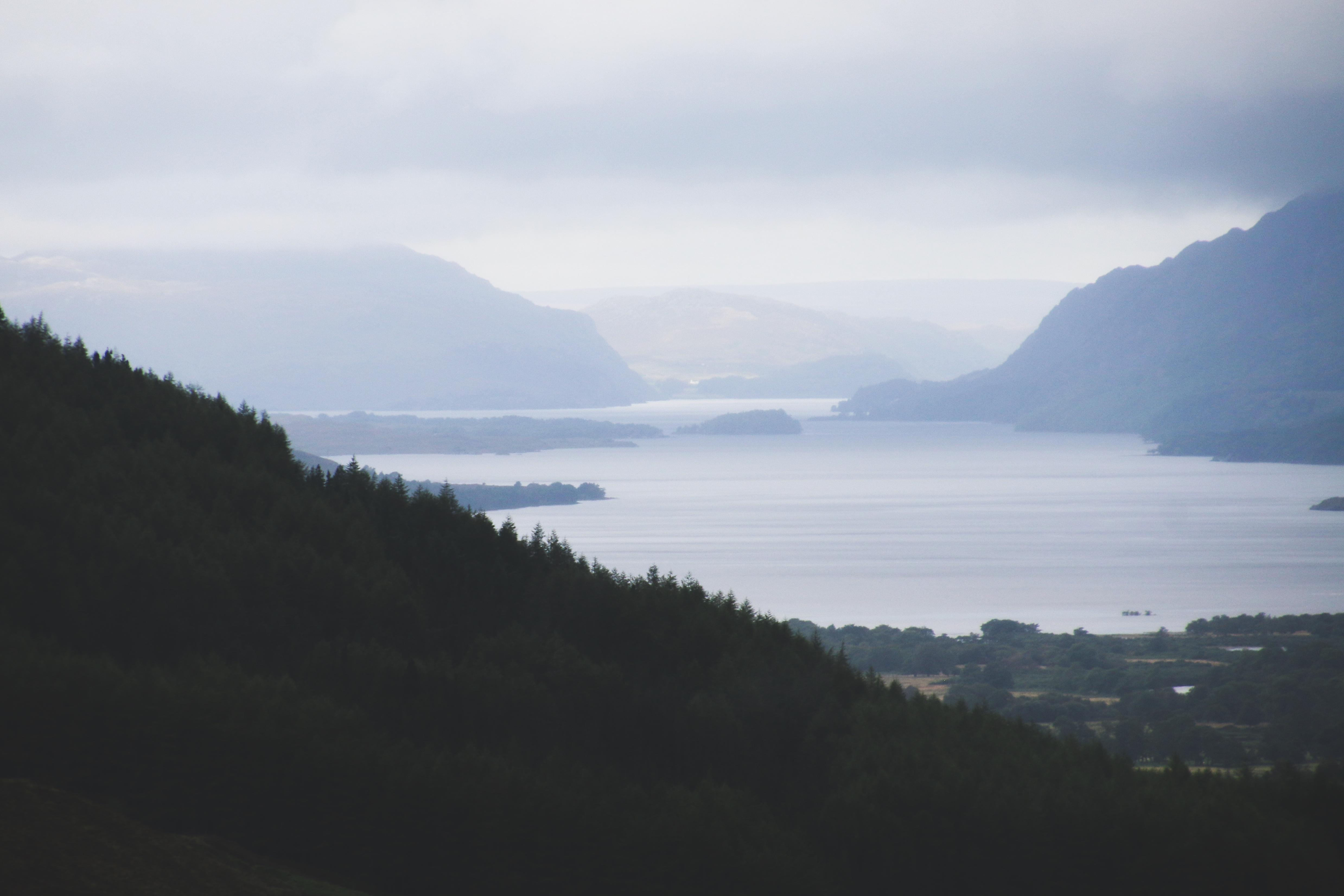
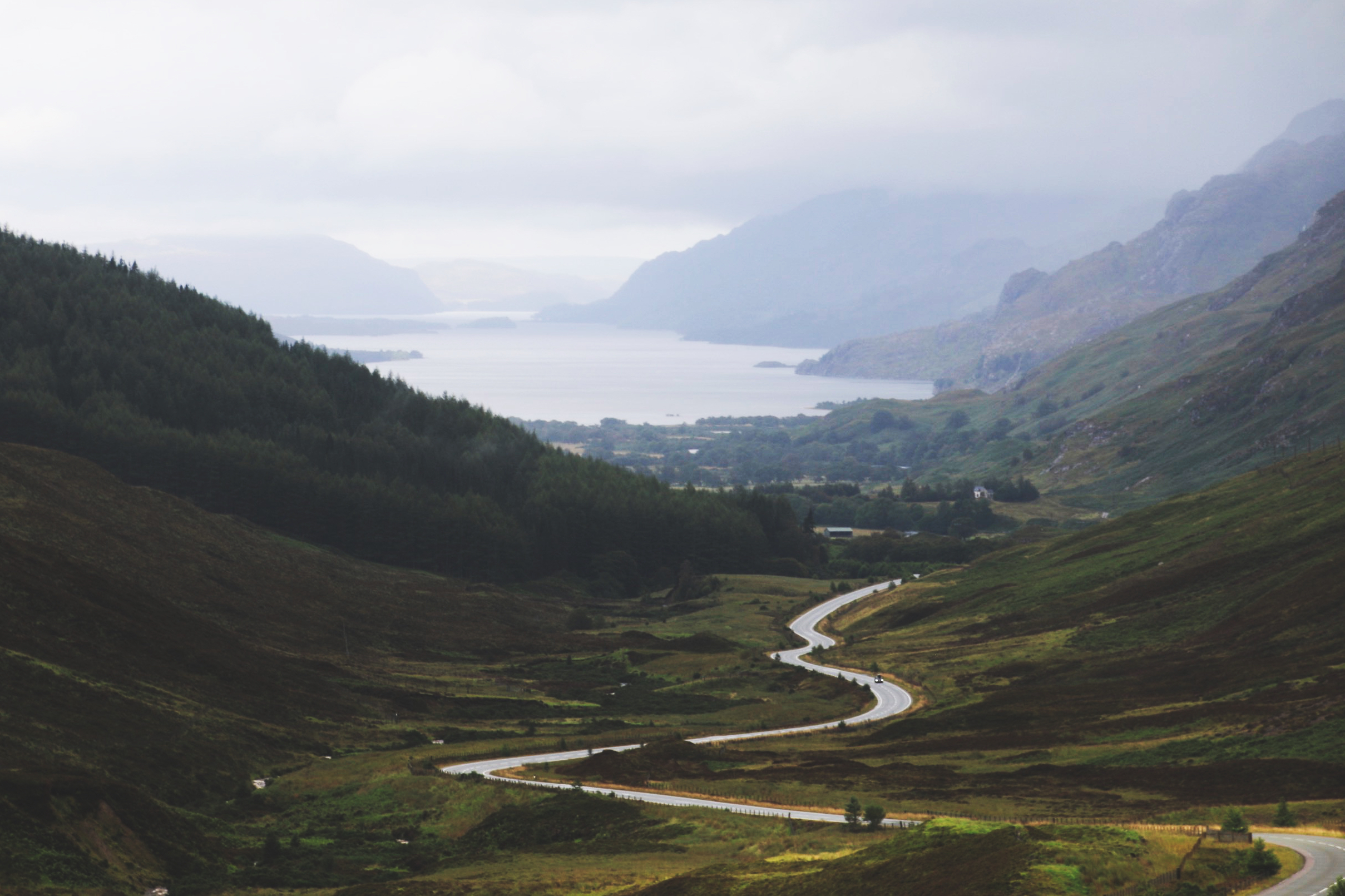
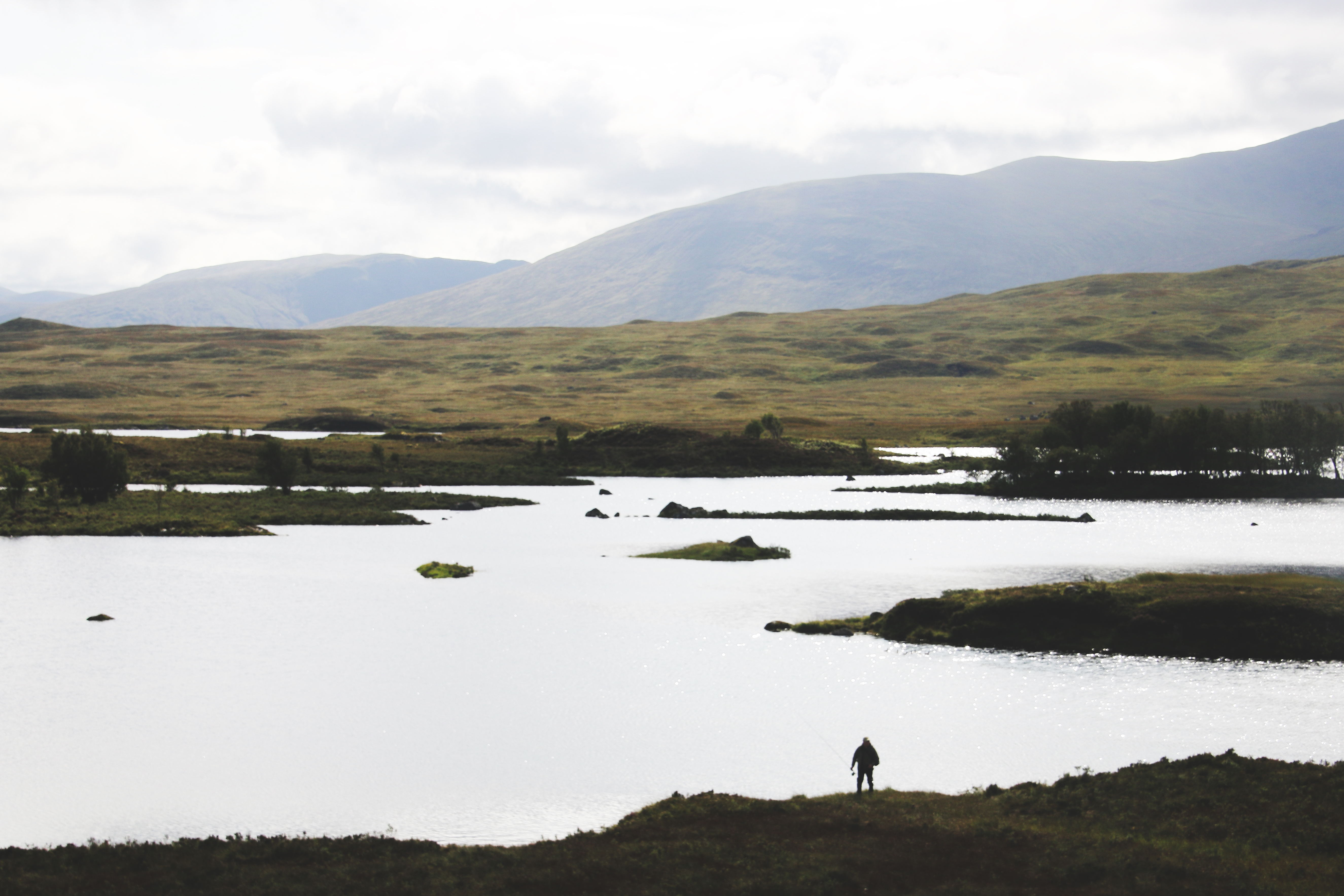
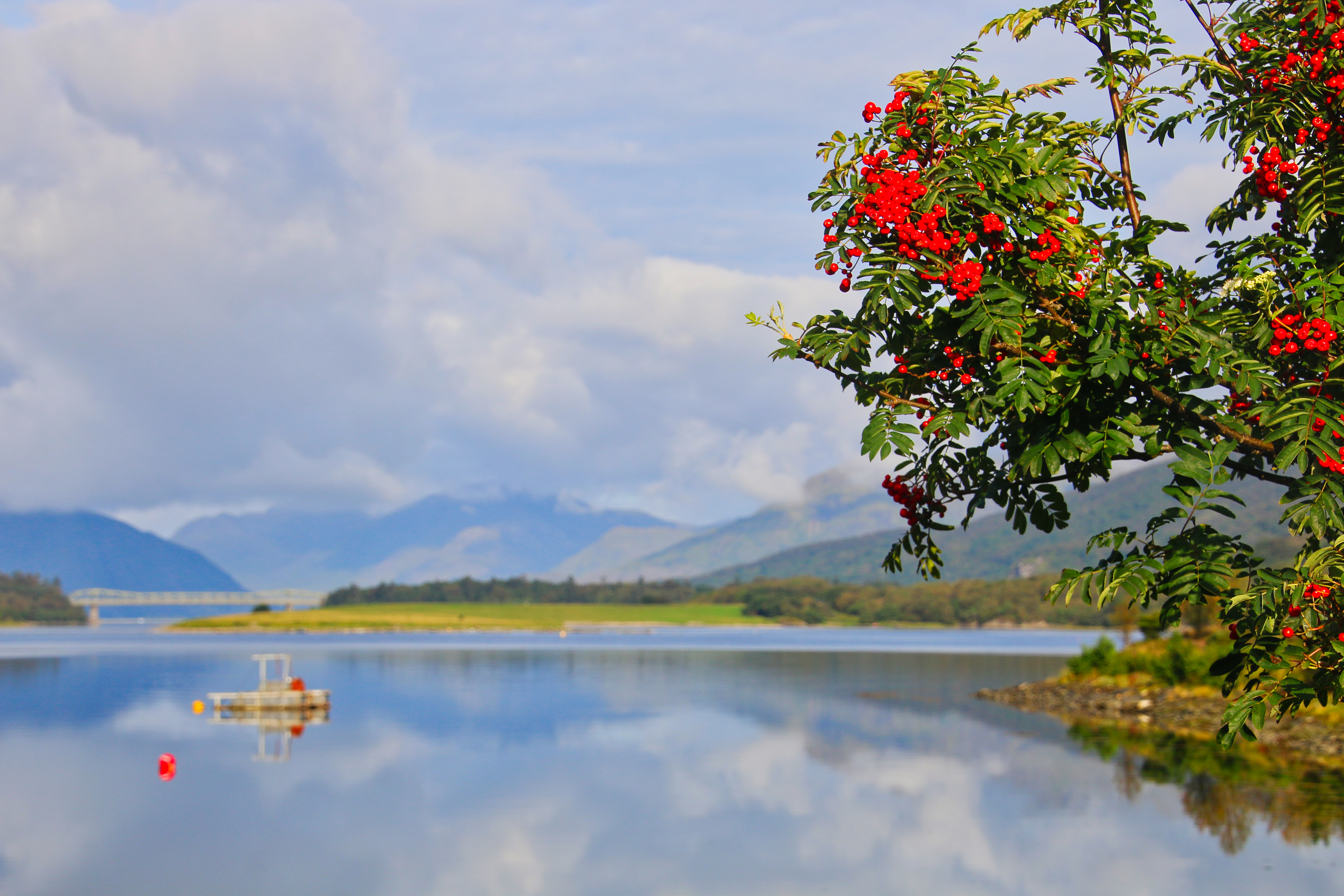
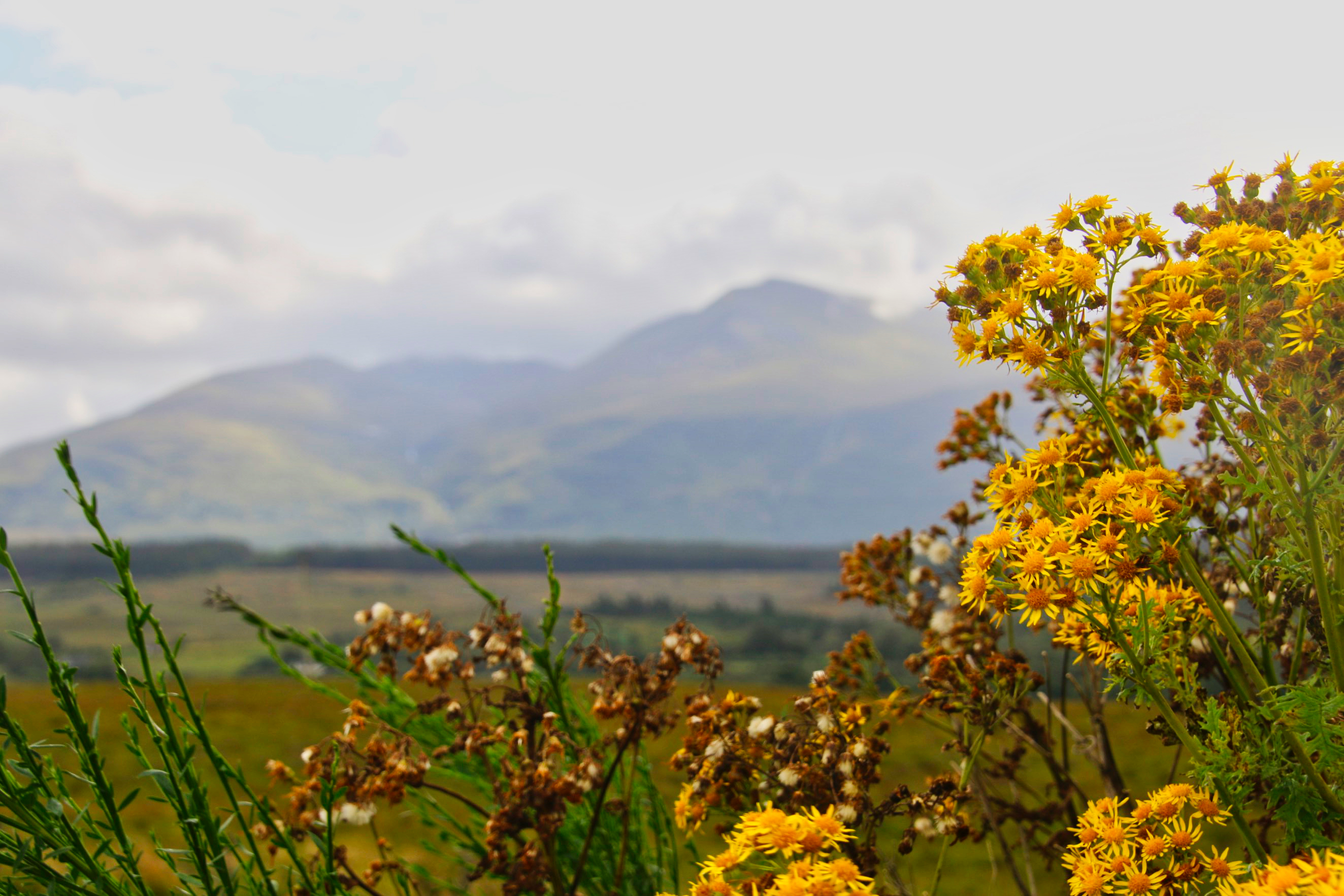
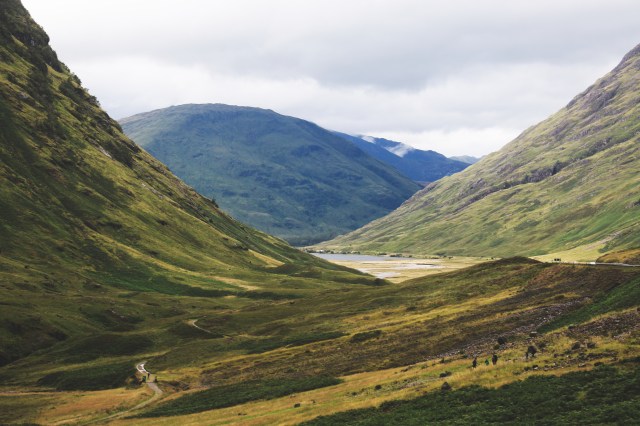
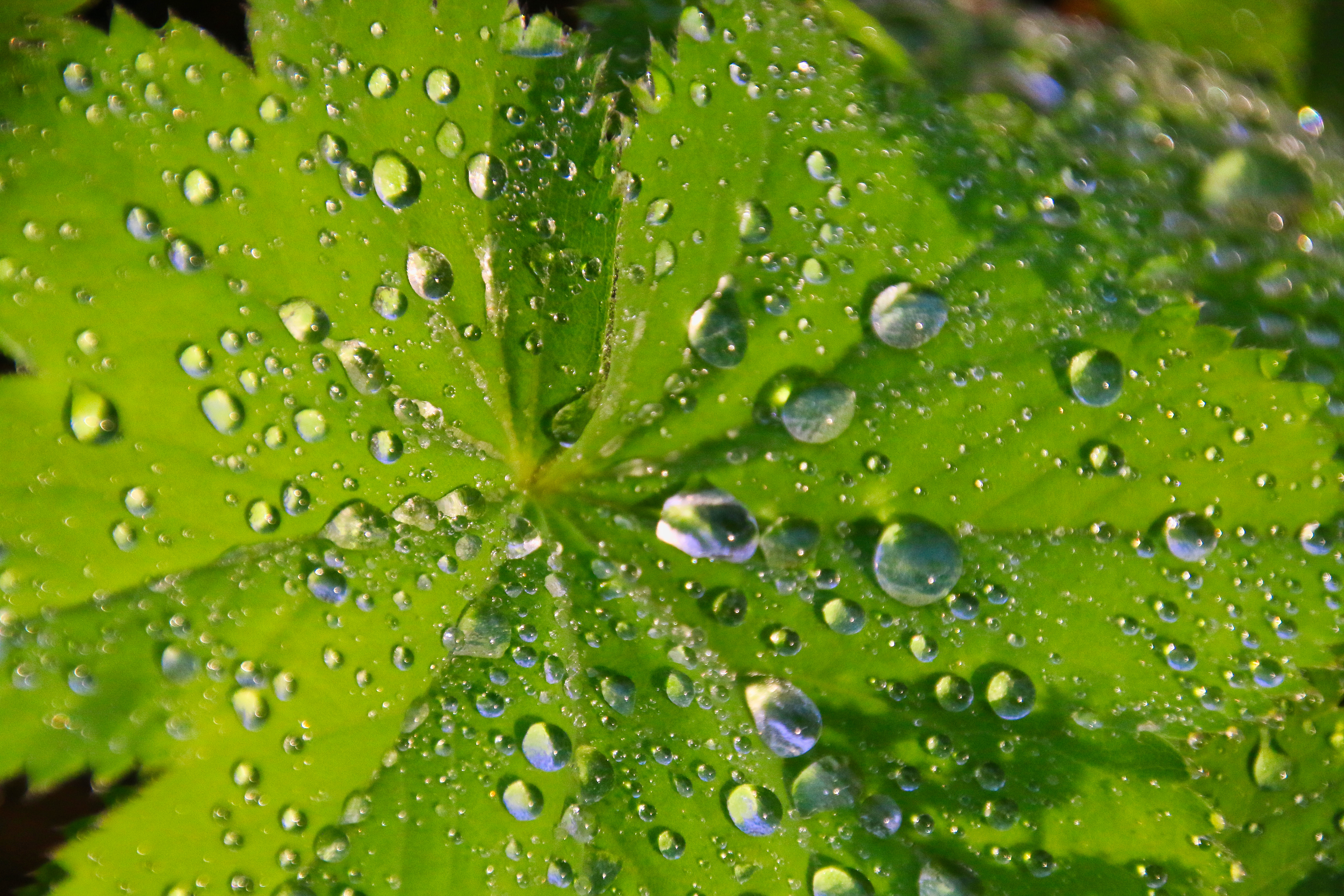
The sun is scarce in the far north. Even when traveling in summer, there are many days filled with fog and rain clouds. Weather conditions can change fast and drastically. But the dramatic skies seen so often in the highlands make for an exciting atmosphere fitting the remarkable and somewhat crass landscapes and rich histories filled with bloody clan feuds and brave, yet failed national rebellions against the English. Bad weather just seems to underscore the beauty of the country, other places on Earth need the sun to shine, Scotland though doesn’t need any endorsement from above and looks fine even in heavy rain.

test

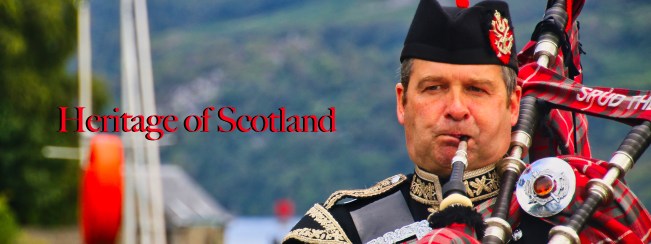
Heritage of Scotland

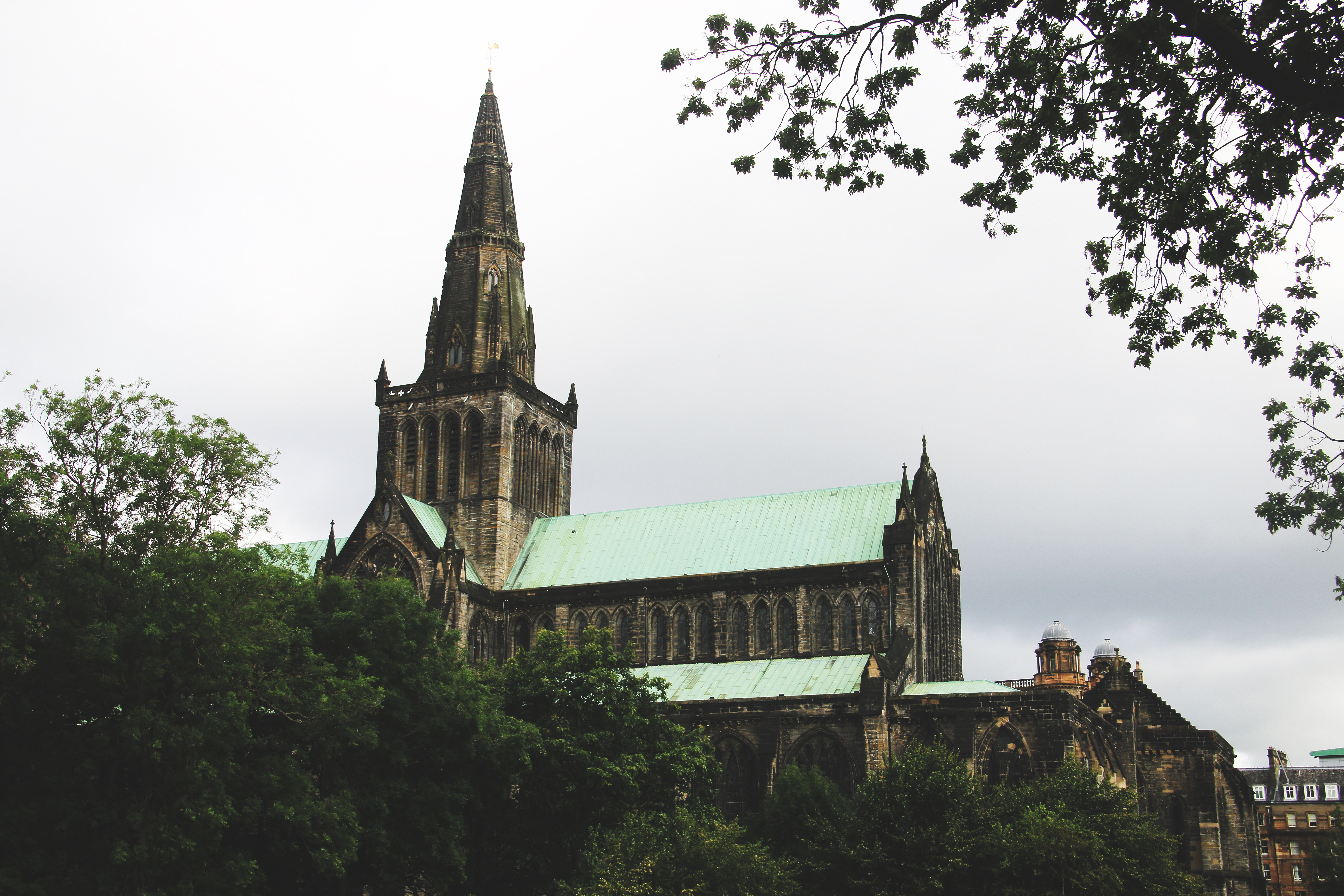
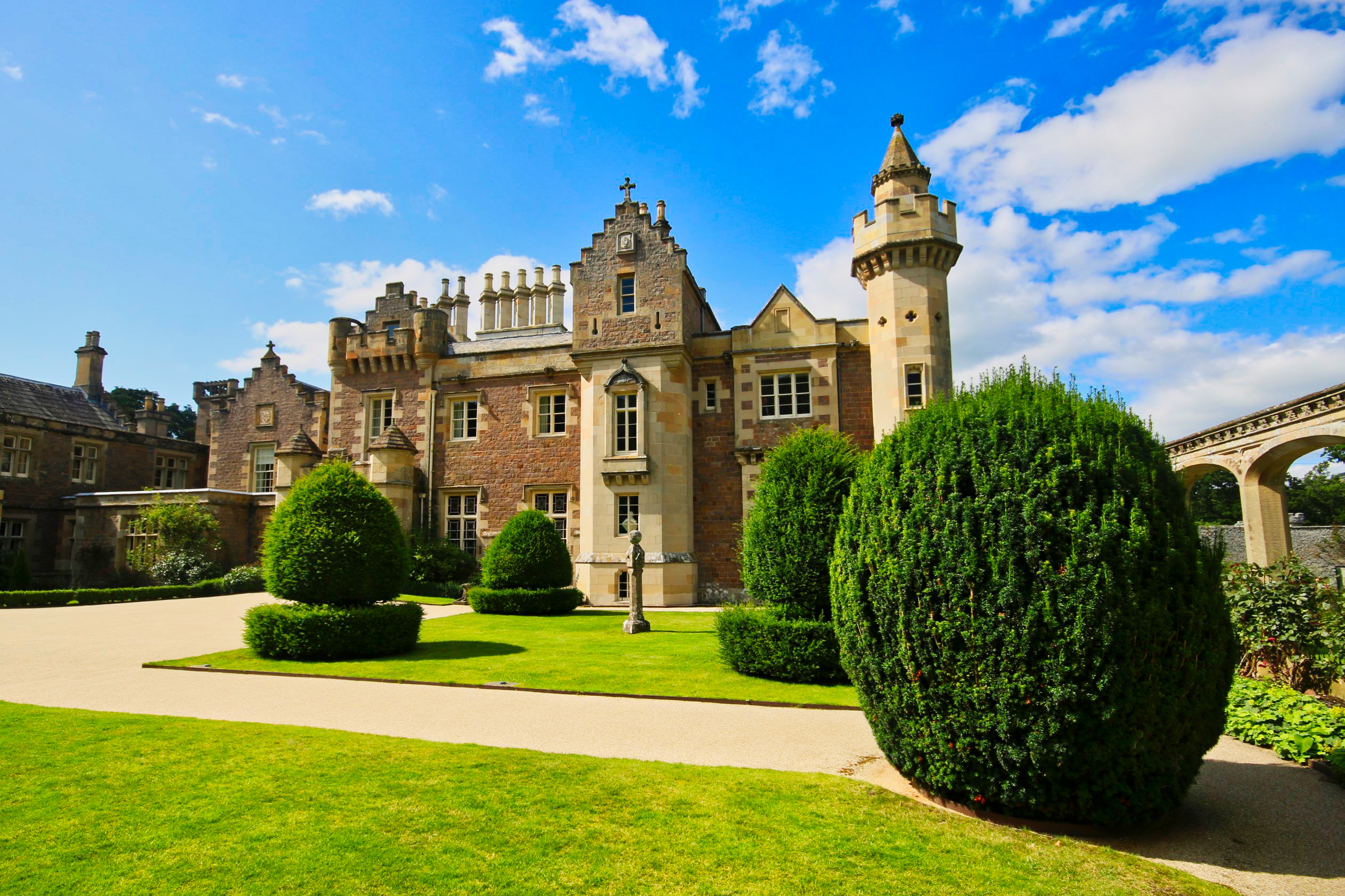
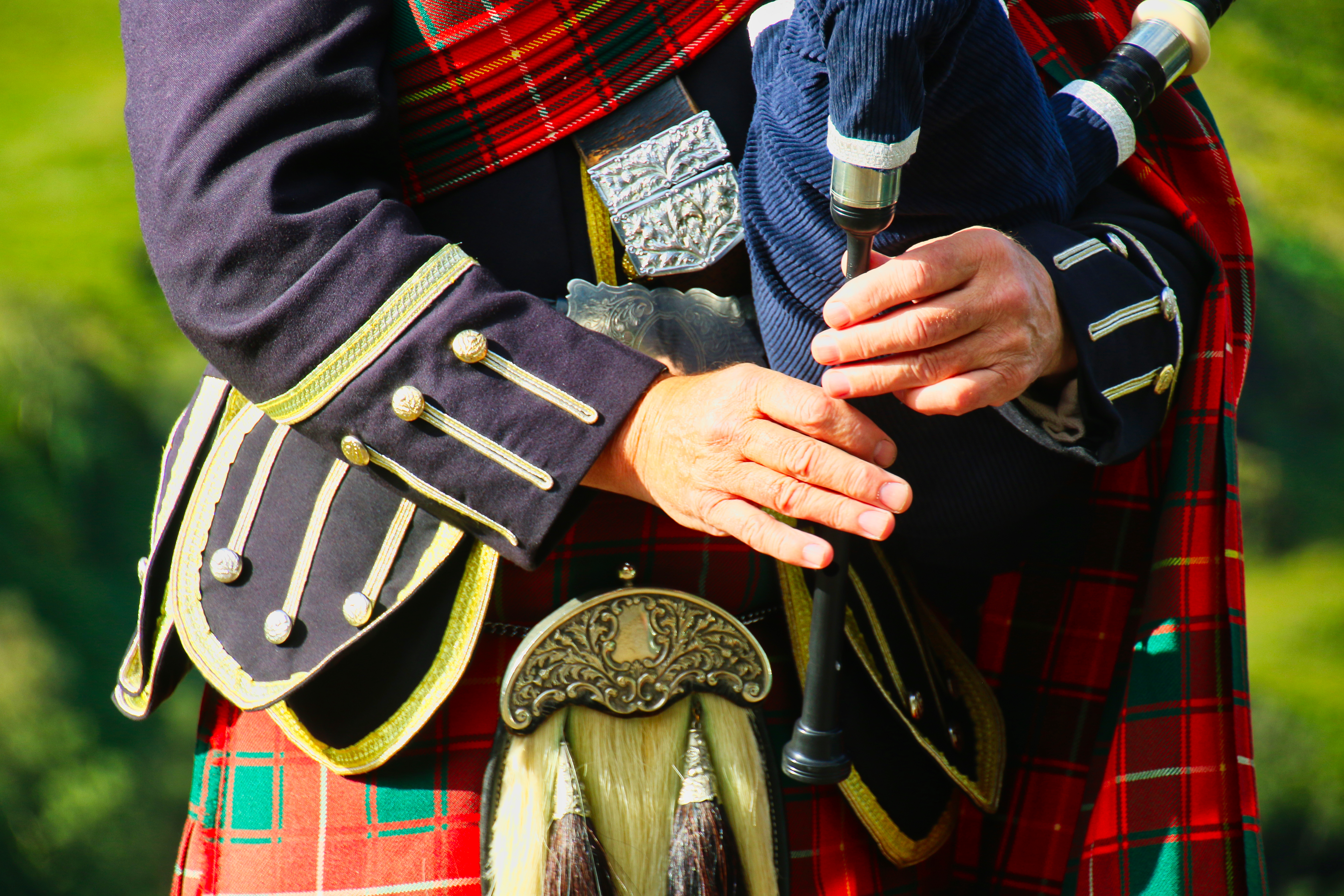
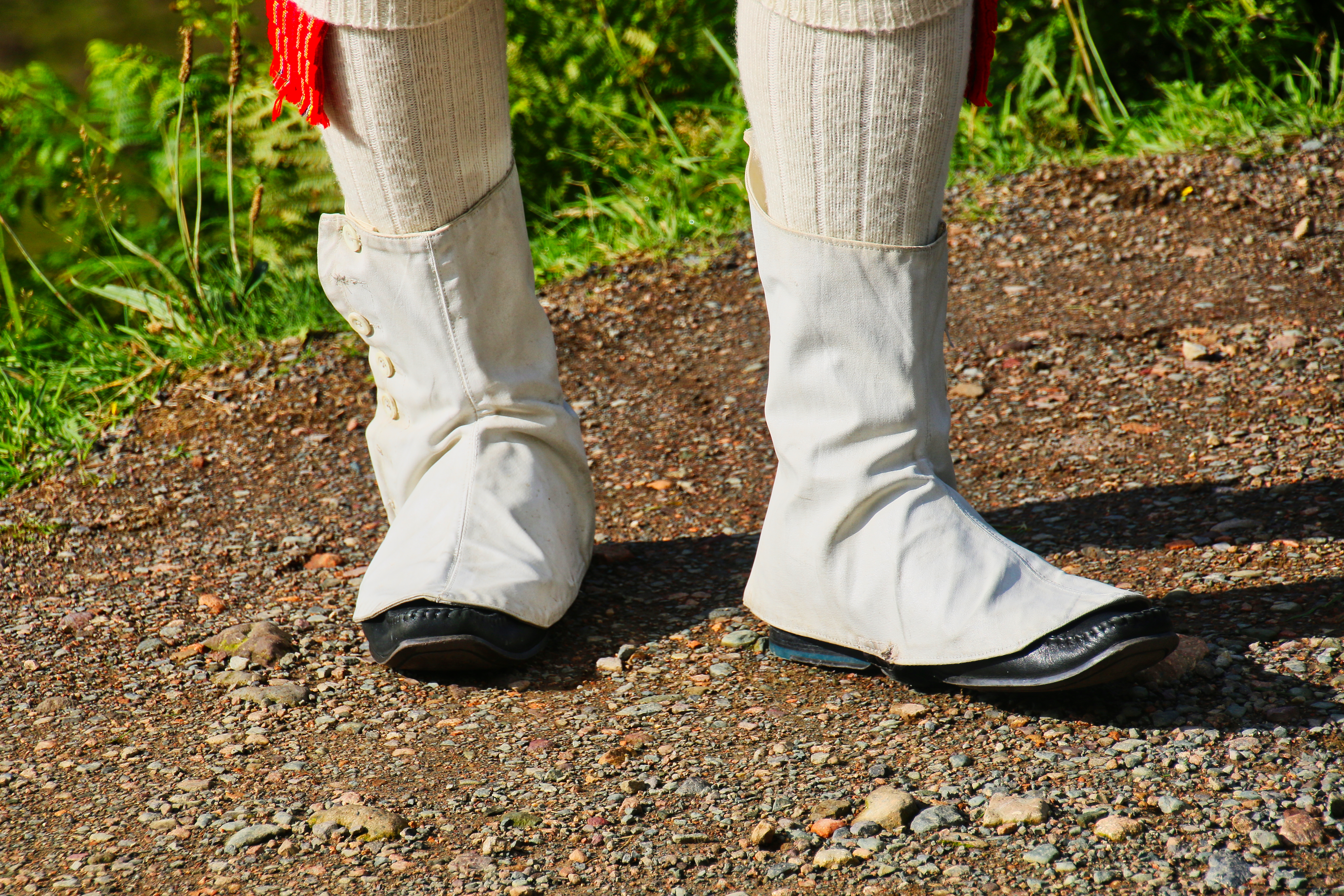
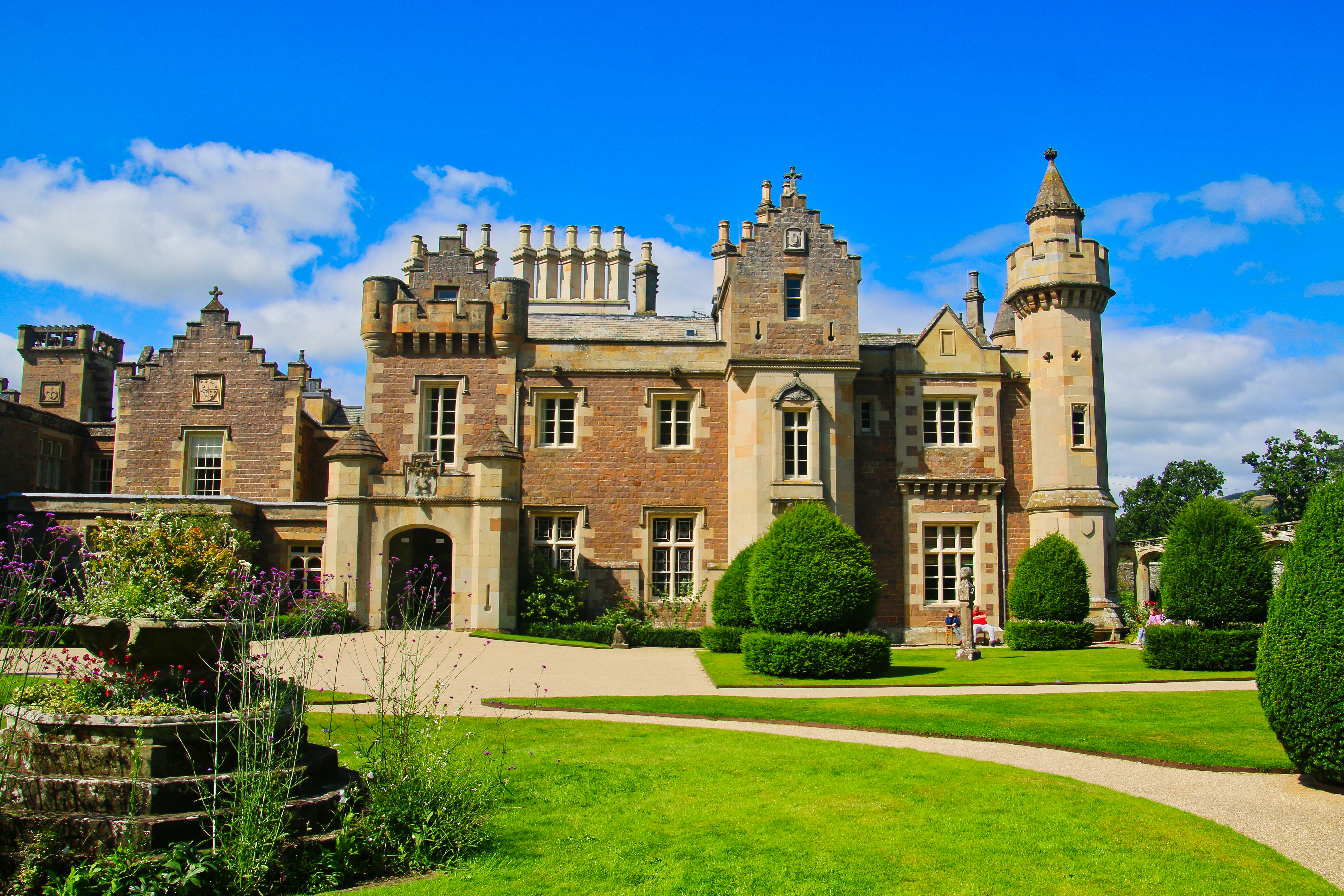
Scotland is a country blessed with beautiful nature and a rich historical past. It is the country of philosophers like Adam Smith or poets like Roberts Burns and Sir Walter Scott. The writer of Ivanhoe was an intensely romantic person and made the history and traditions of Scotland famous again at a moment in time when they ran the risk of being forgotten. The kilt and the pipes became known once more, and even English kings, not always kind to their neighbors in the north, began to wear the traditional Scottish garments. Sir Walter Scott was so in love with his motherland that he built a romantic castle as a residence in the Borderlands. The architectural style is a mixture of different historical periods. It became the prototype for similar houses around Great Britain and the world in the 19th century.
test

Discovering Inveraray Estate

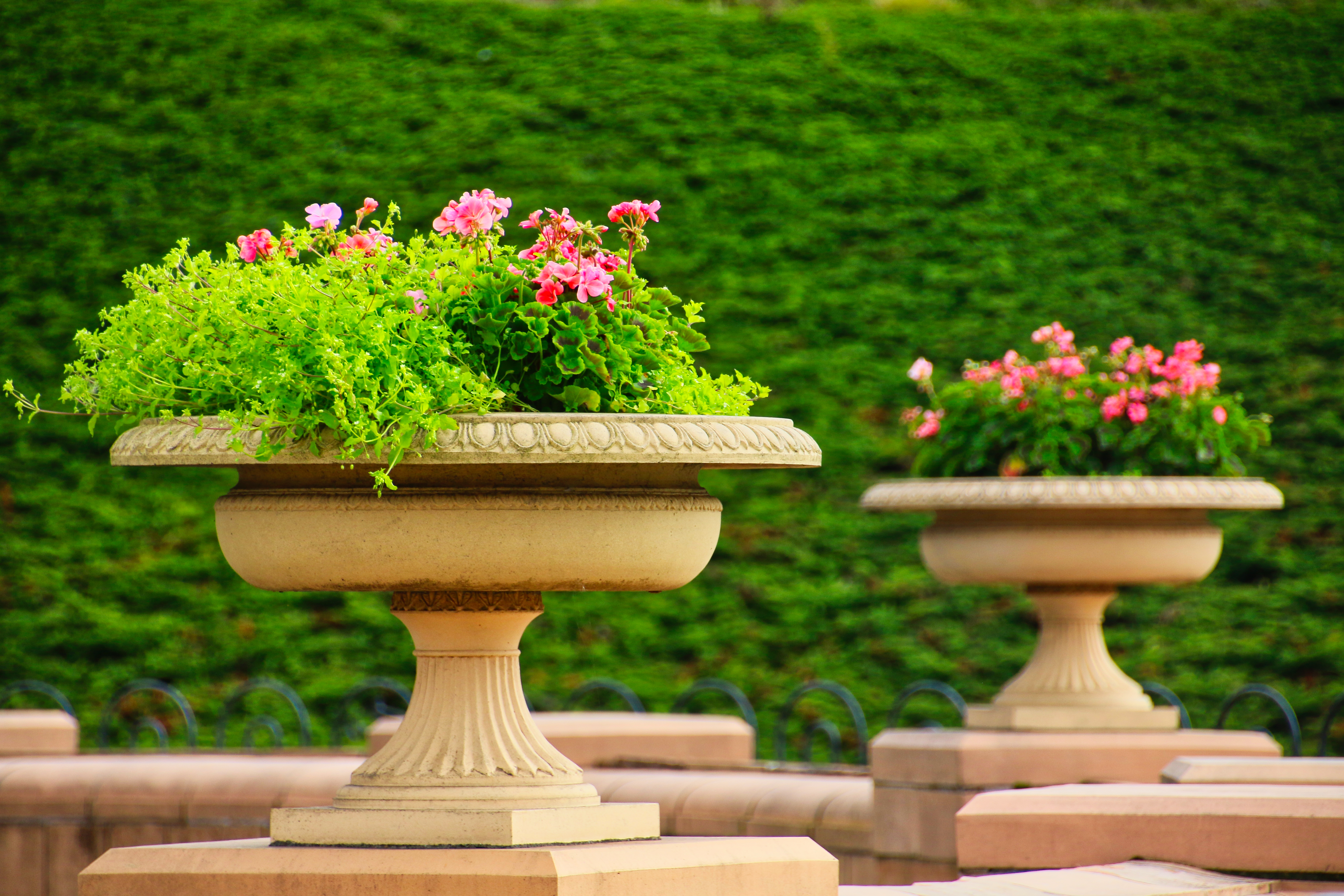
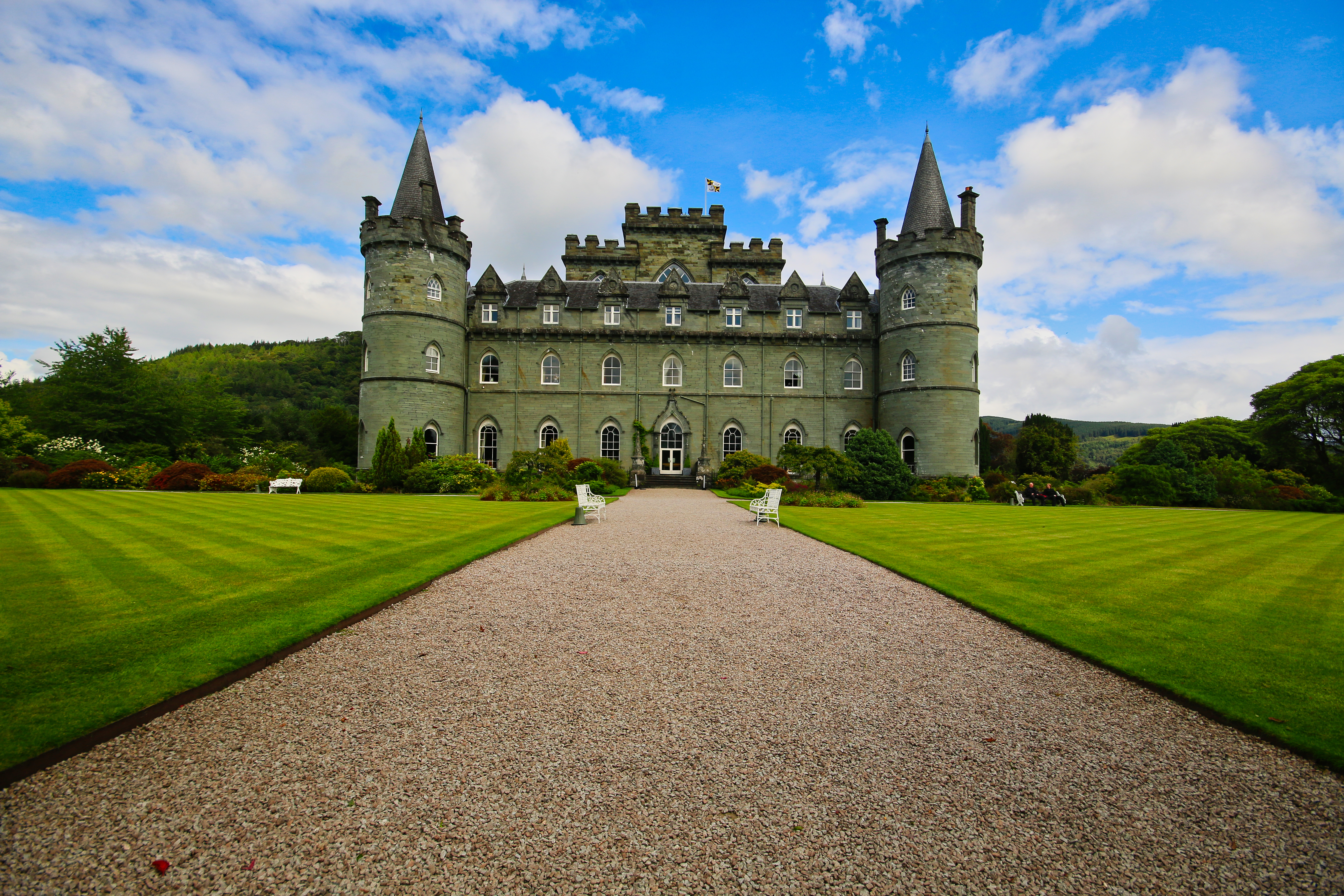
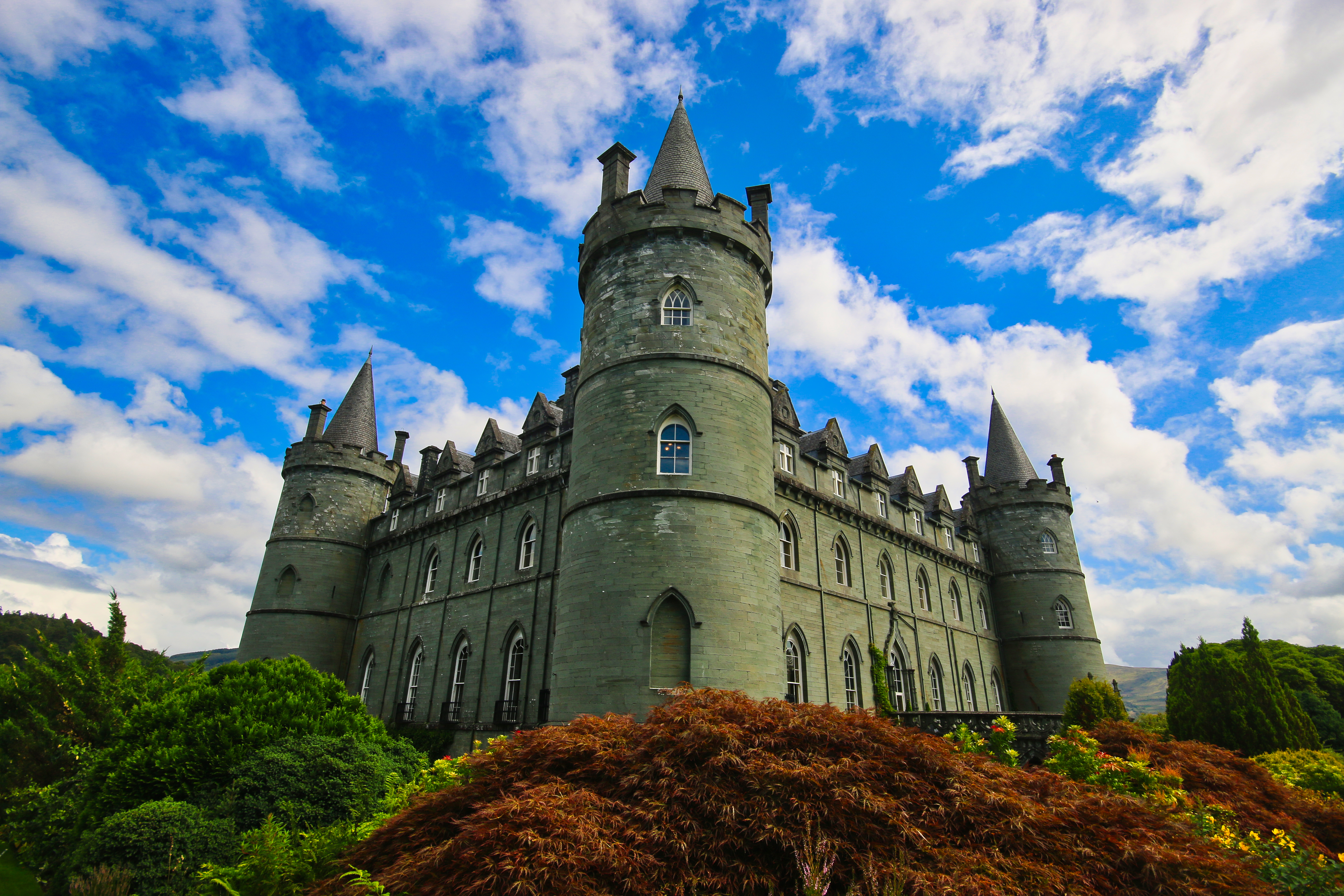
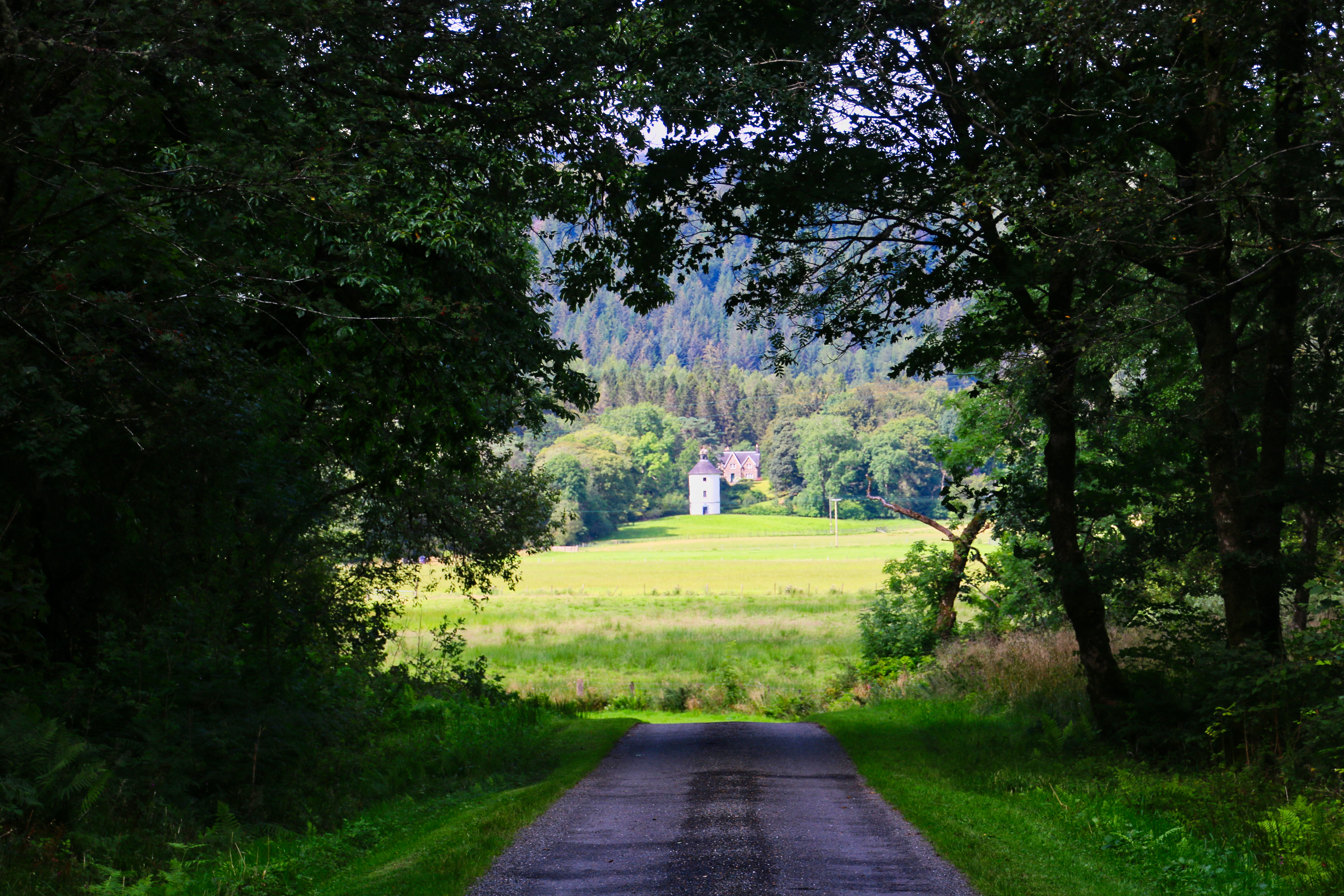
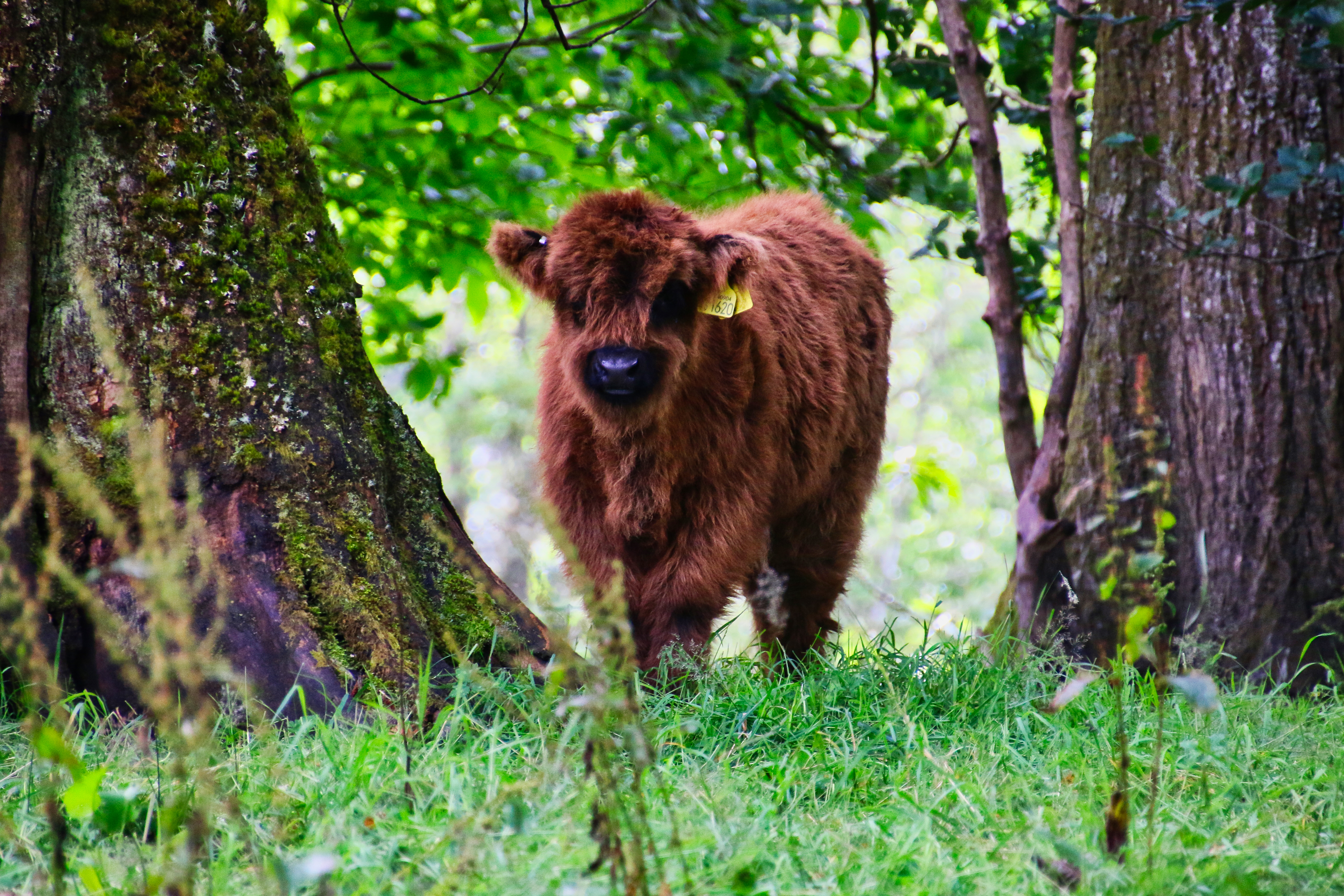
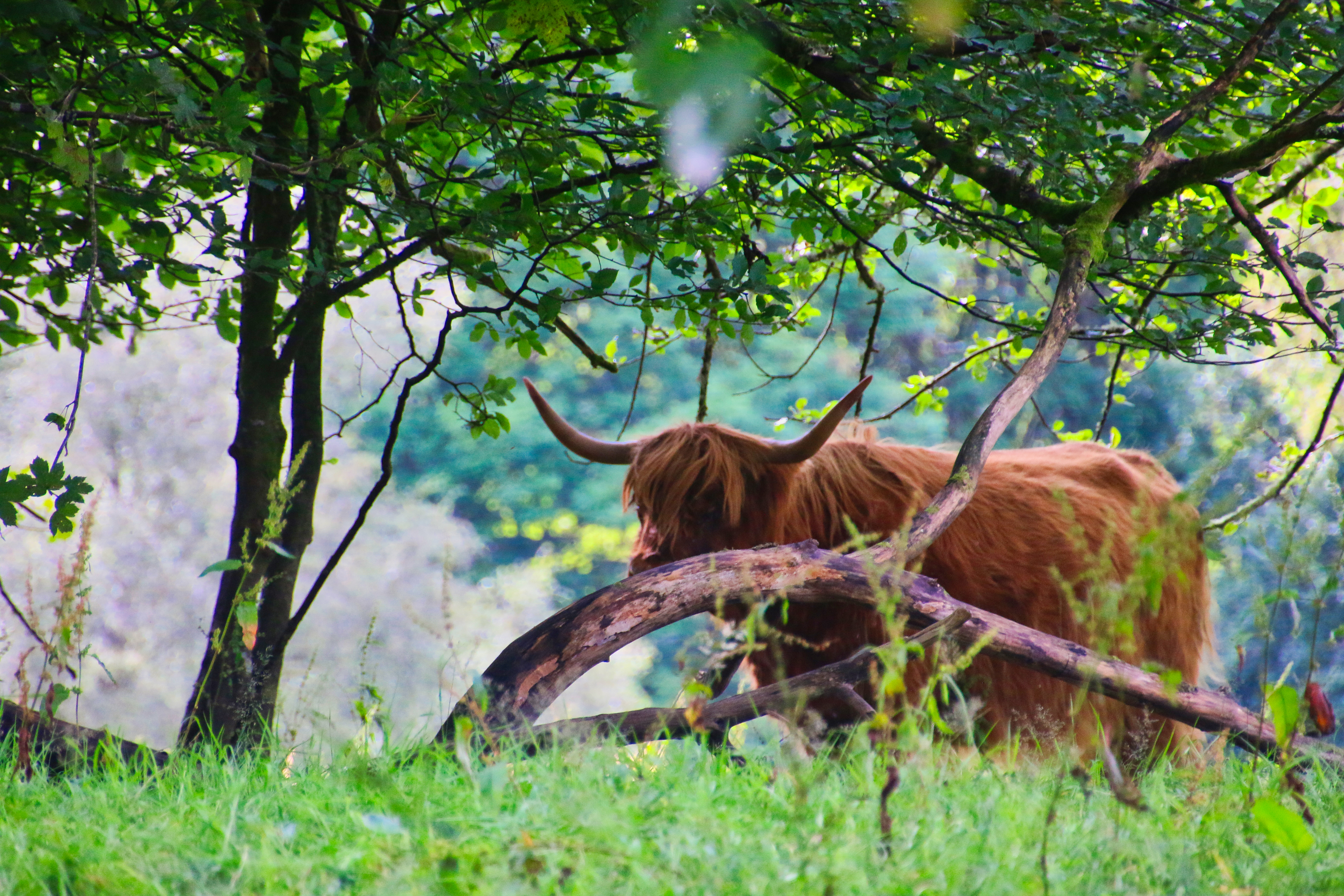
Inveraray Castle is situated close to Loch Fyne in the mighty Highlands of Scotland. The building is part of a large Estate belonging to the Dukes of Argyll, a branch of the Campbell family. The castle was built in the middle of the 18th century but was remodelled in large parts after a fire in 1877. In 2019, Inveraray still belongs to the Campbell family but is open to visitors as well. Part of the Estate is also a beautiful garden, a forest, and a cattle farm with highland cows.

test

Copenhagen in Late Summer

Founded as a settlement by the Vikings in the 10th century, Copenhagen grew exponentially in the following centuries, becoming the capital of Denmark in 1416. The inner city was destroyed several times by the plague and fires and was rebuilt in a neoclassic style during the so-called Danish Golden Age in the early 19th century. Although many other parts of Copenhagen are modern and somewhat functionalist, the inner city still represents the glory and richness of these past times. Photographies from a walk during late Summer 2019.

test

1 18 19 20 35