Skip to content

Travelling North

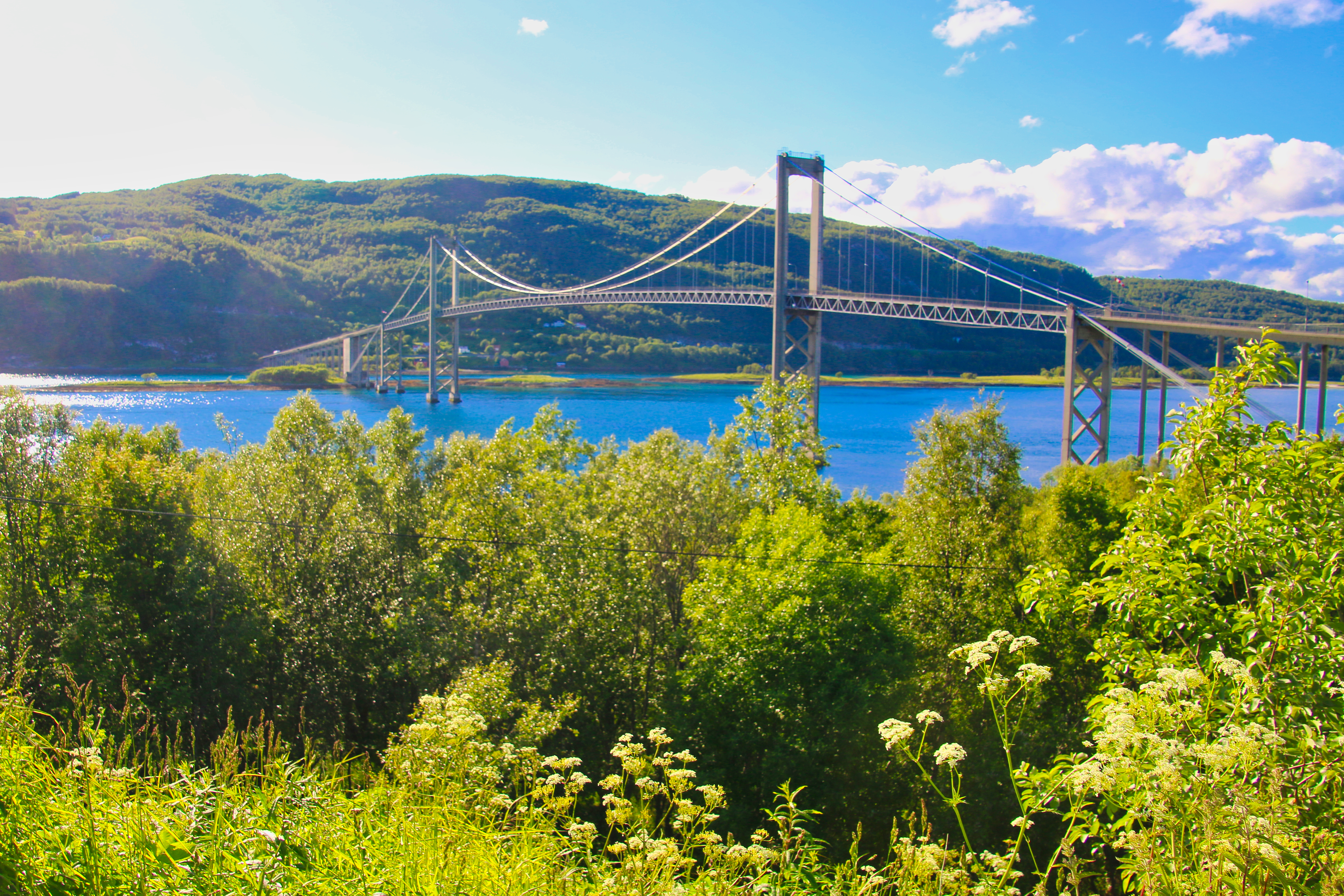
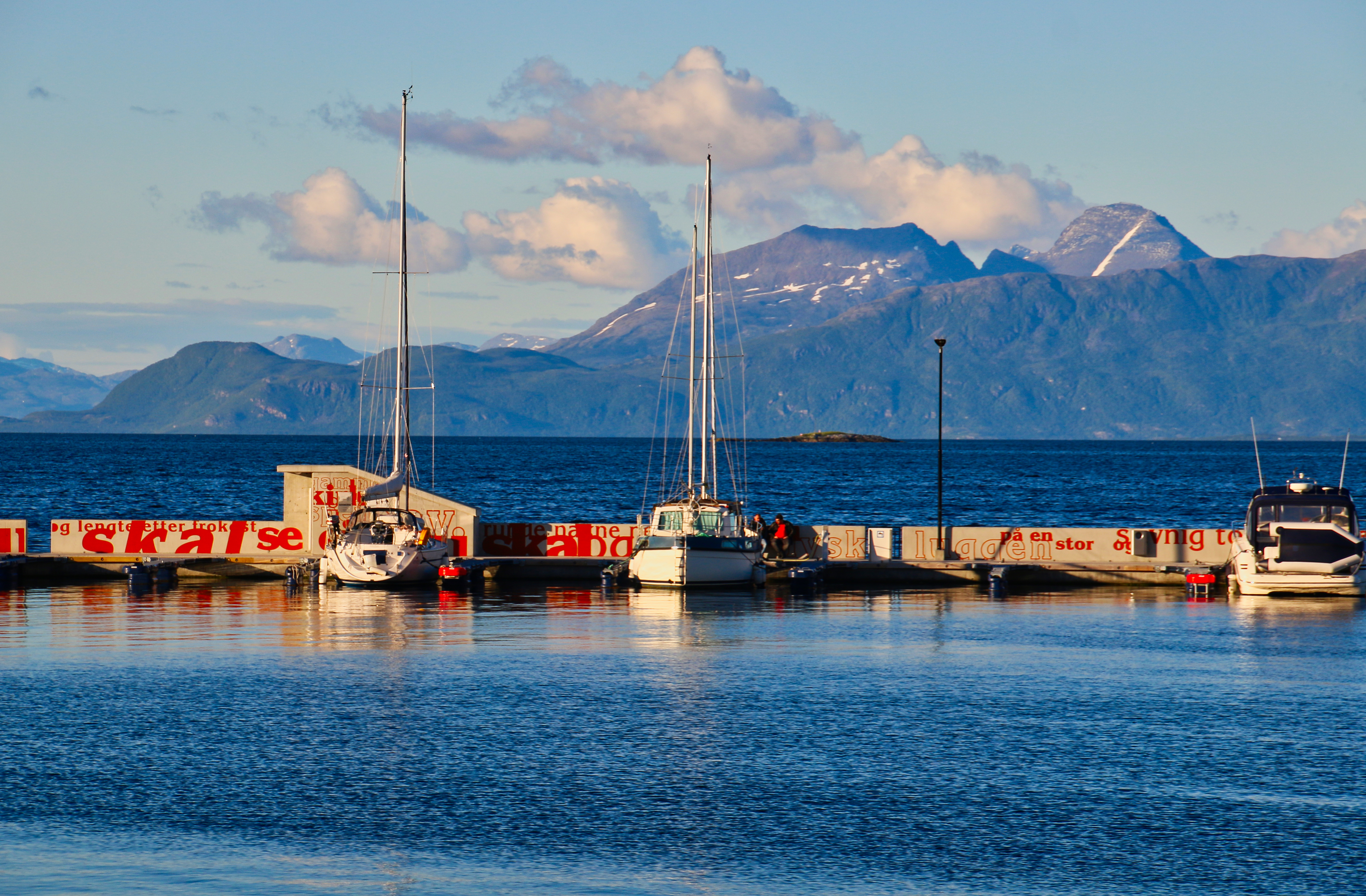
When traveling north to Scandinavia, you begin to gather an understanding of the vastness of our planet and how many places there are still without any human population. Nature can roam freely here. At the same time, the human-made infrastructure, being roads, tunnels, or even high-speed internet, is superb and links even the most faraway places to the population centers to the south. The beautiful bridges seem to integrate perfectly into nature but make no mistake, nature itself is the undisputed star here.

test

The North Cape

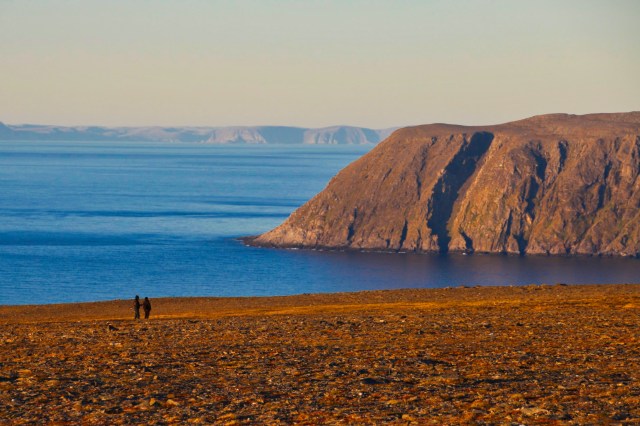
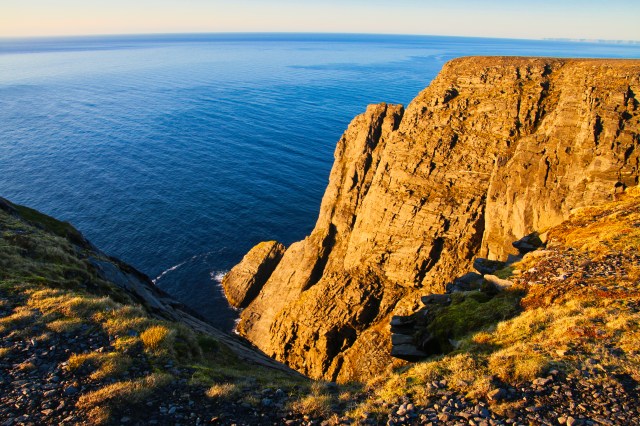
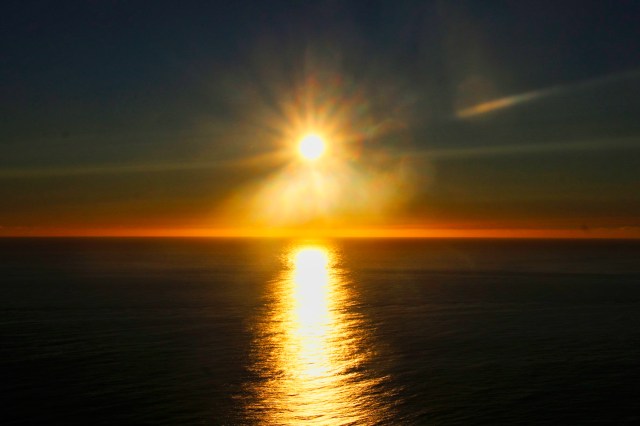
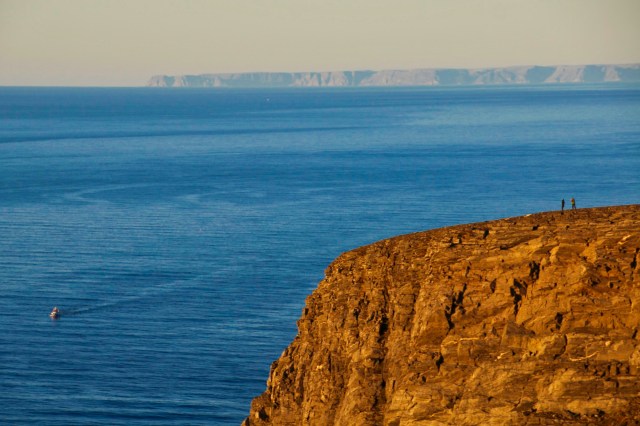
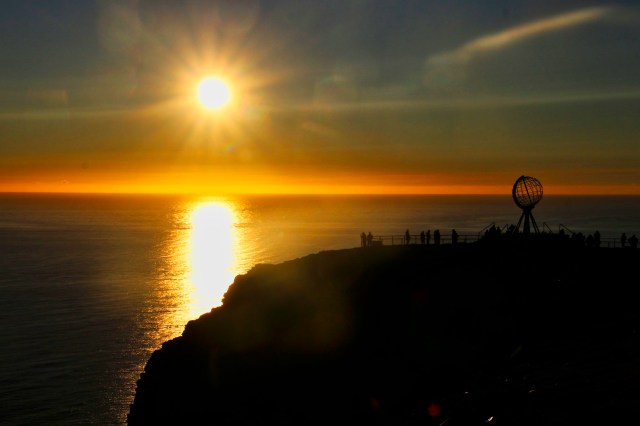
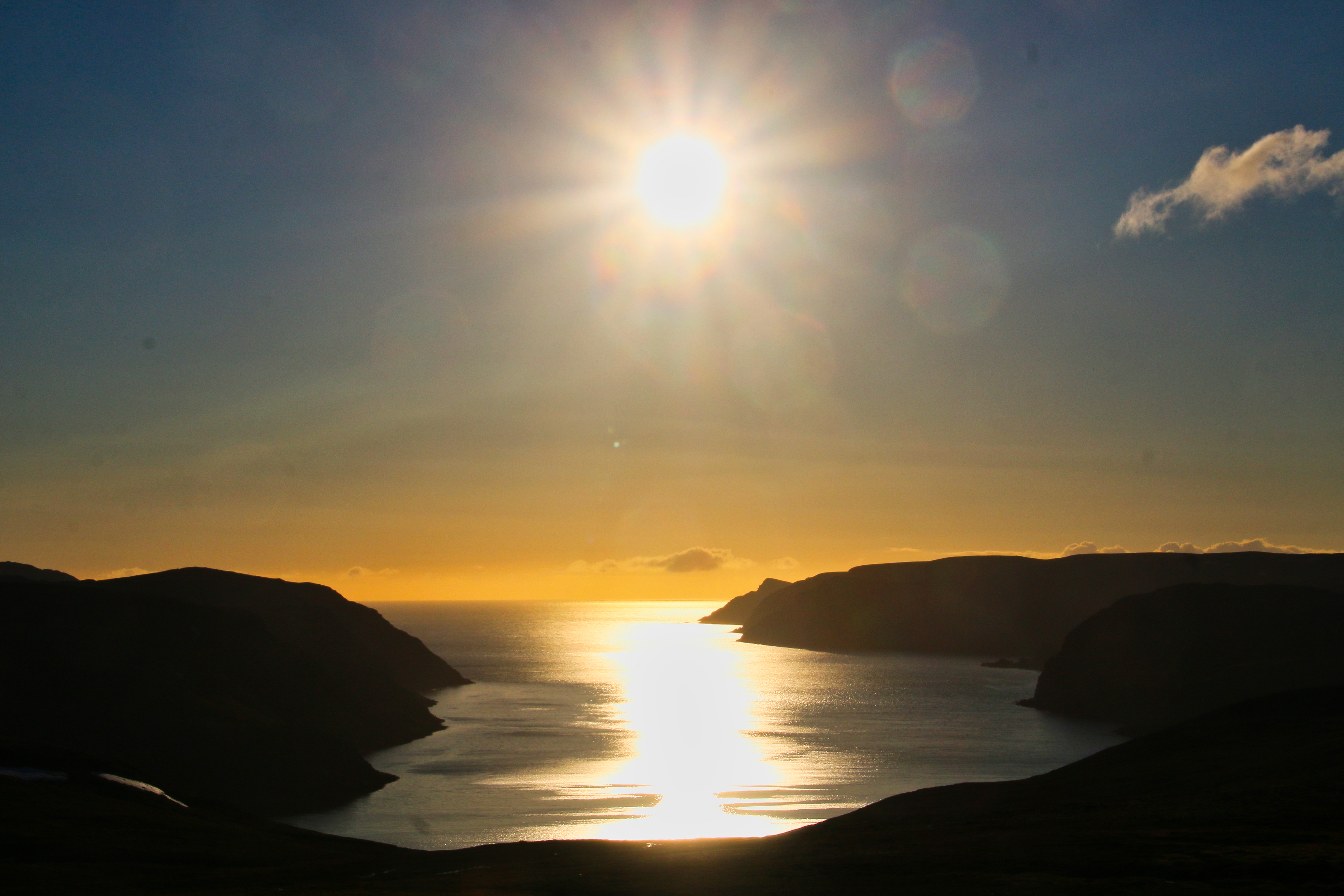
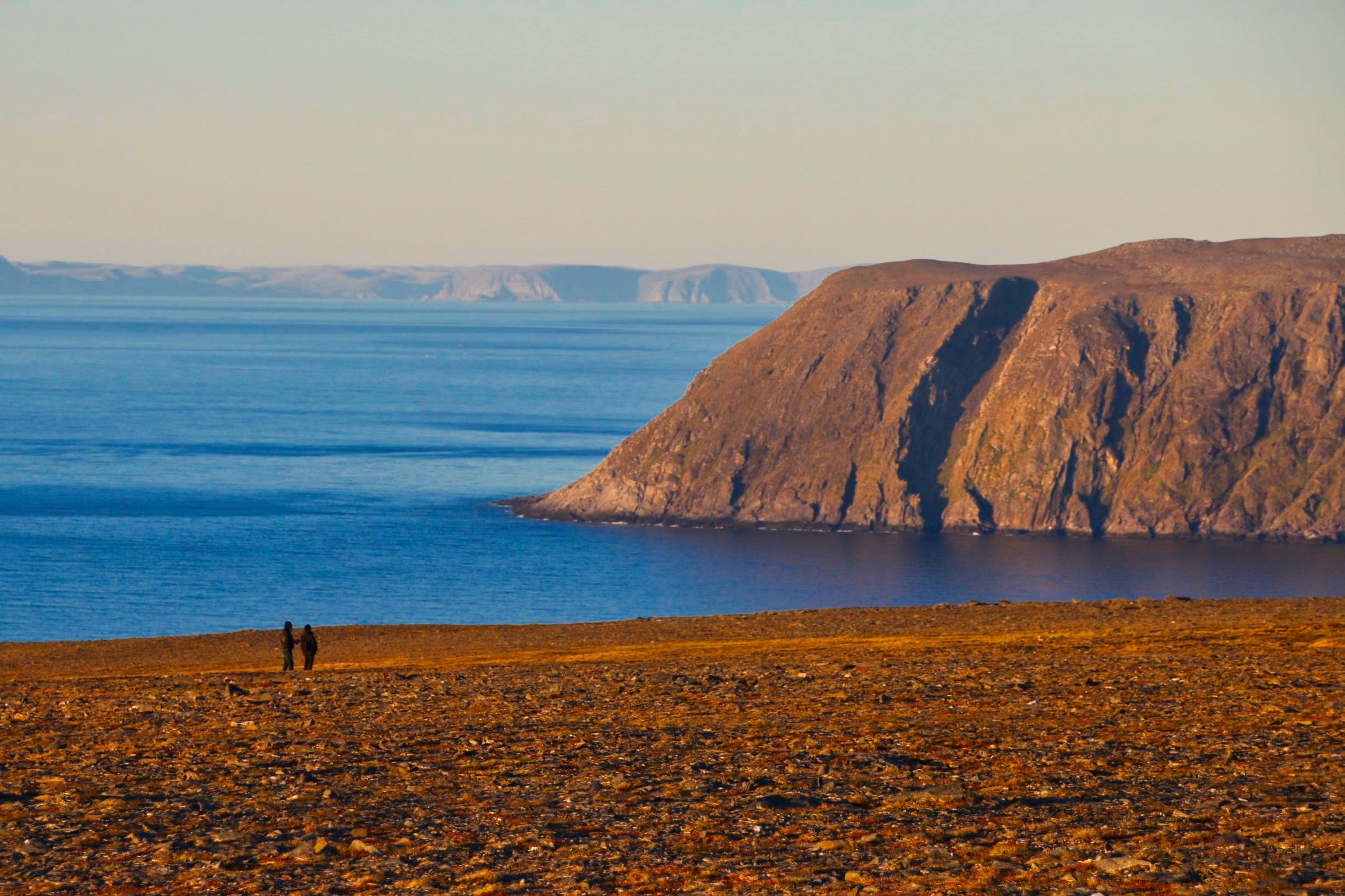
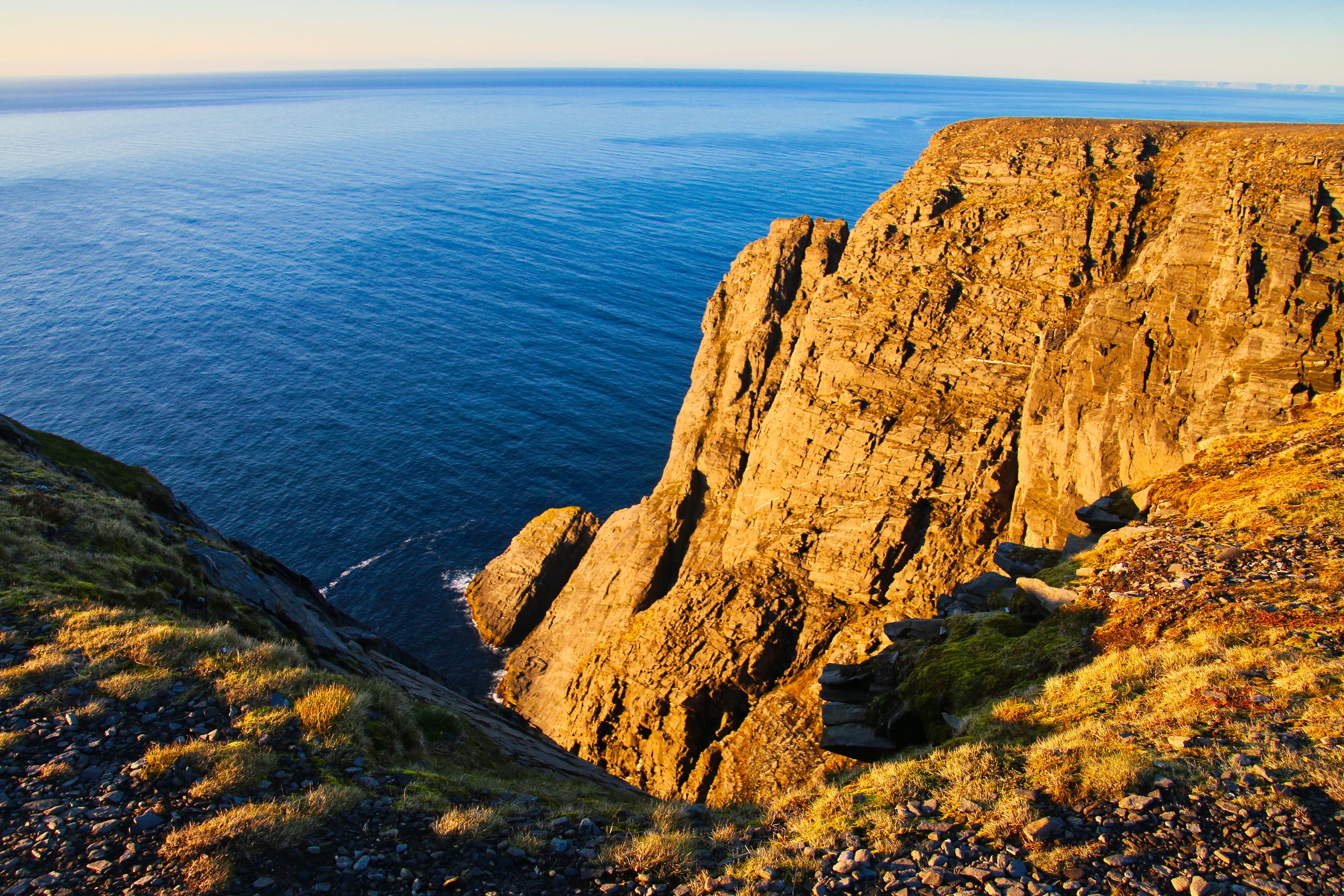
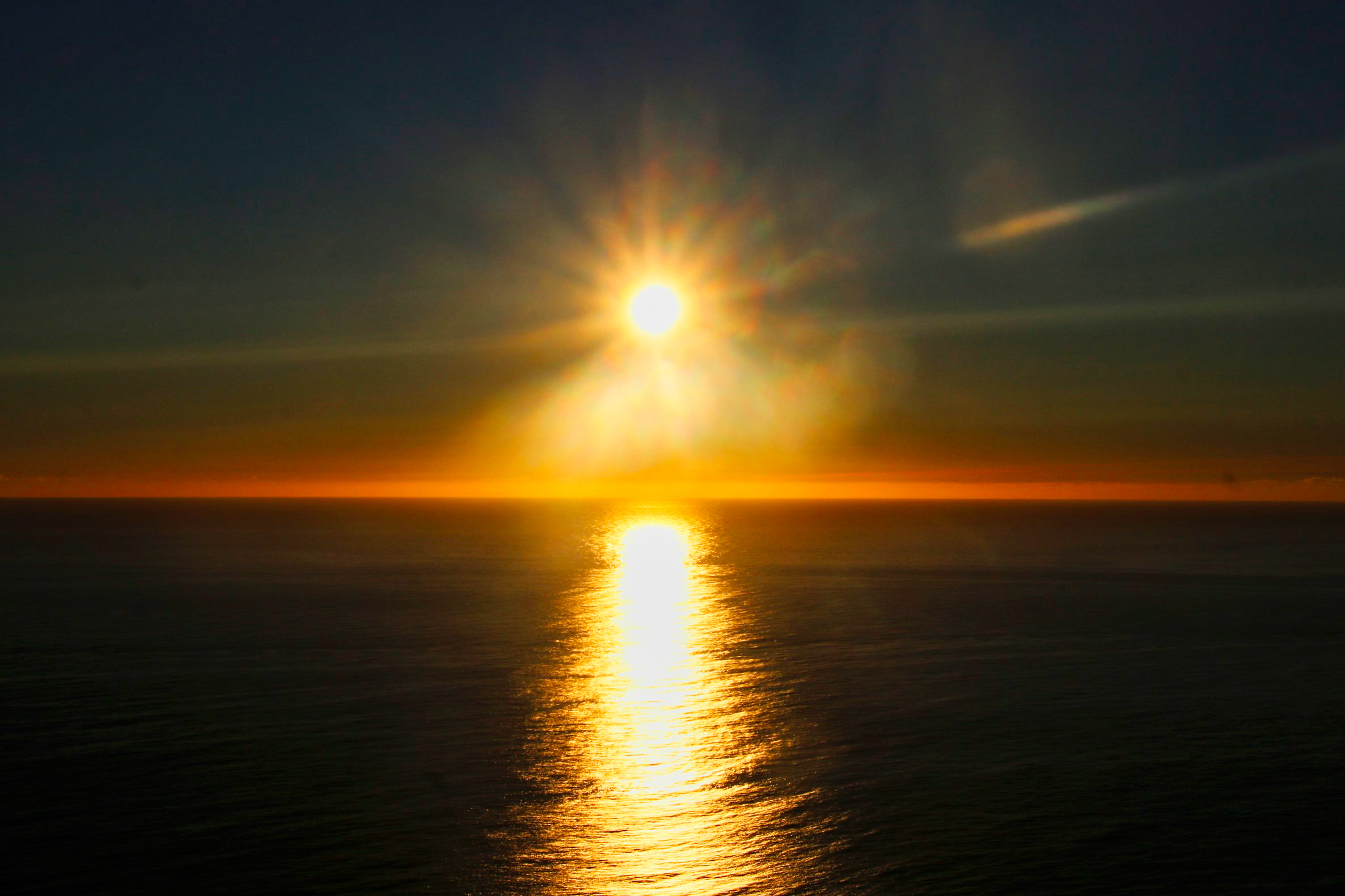
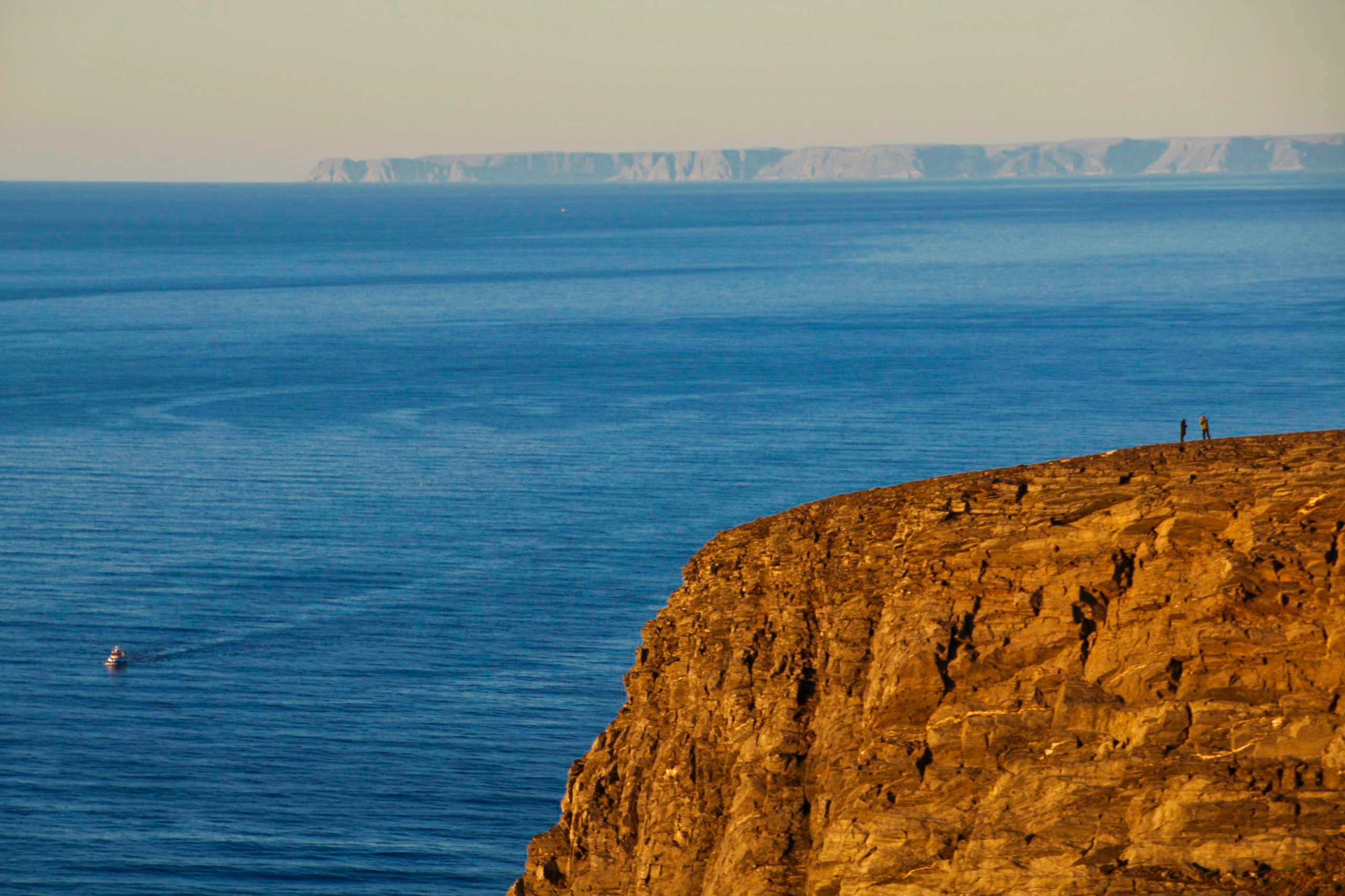
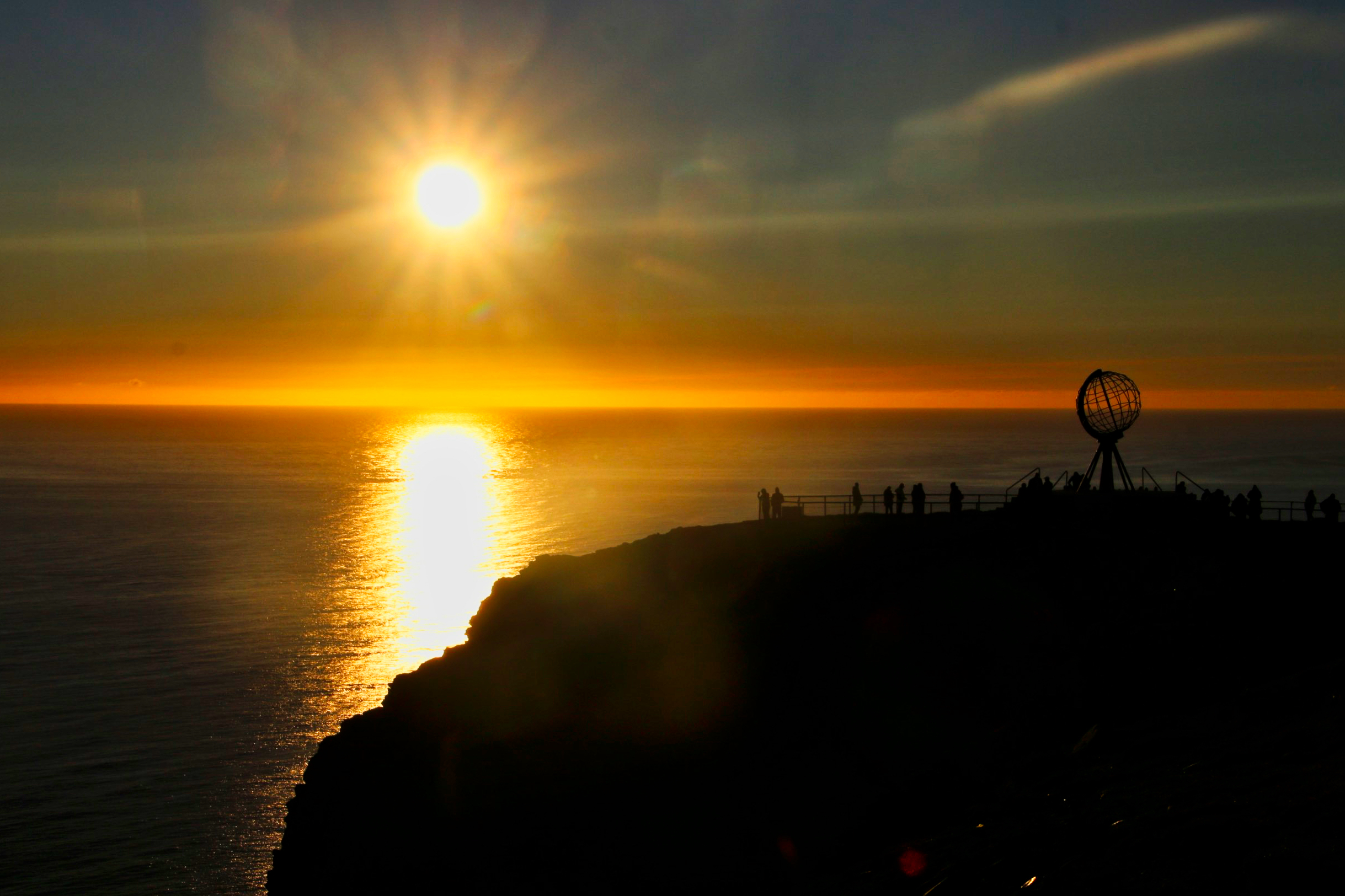
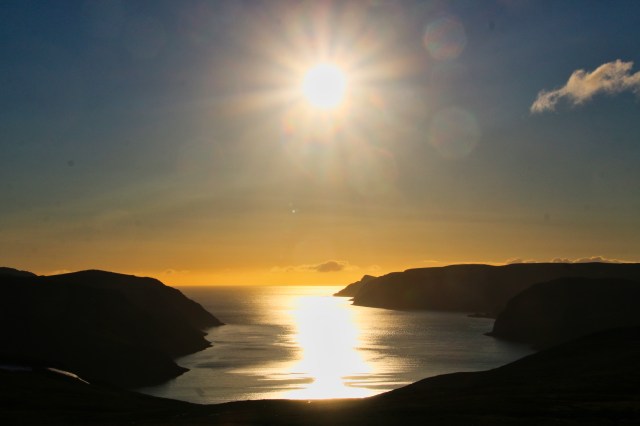
At the latitude of 71° 10′ 21″ in Norway, there is an island called Magerøya, a seemingly barren land with no trees and harsh weather conditions. The island’s most northern tip consists of a heavy rock reaching into the Arctic Sea, widely known as North Cape, the most northern part of Europe. I had the chance to visit this place a couple of times before, but I saw it as most visitors experience the North Cape: Heavy fog, strong winds, and slim chances to see the midnight sun. In July 2019, though, this changed for me, and I was finally able to visit our home star on a blanket slate of a clear blue sky in the middle of the night.

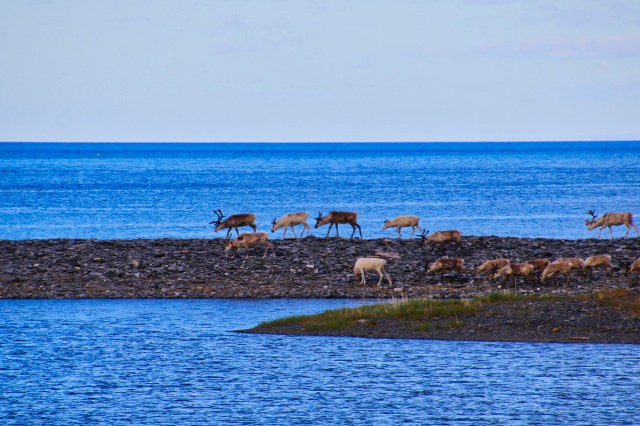
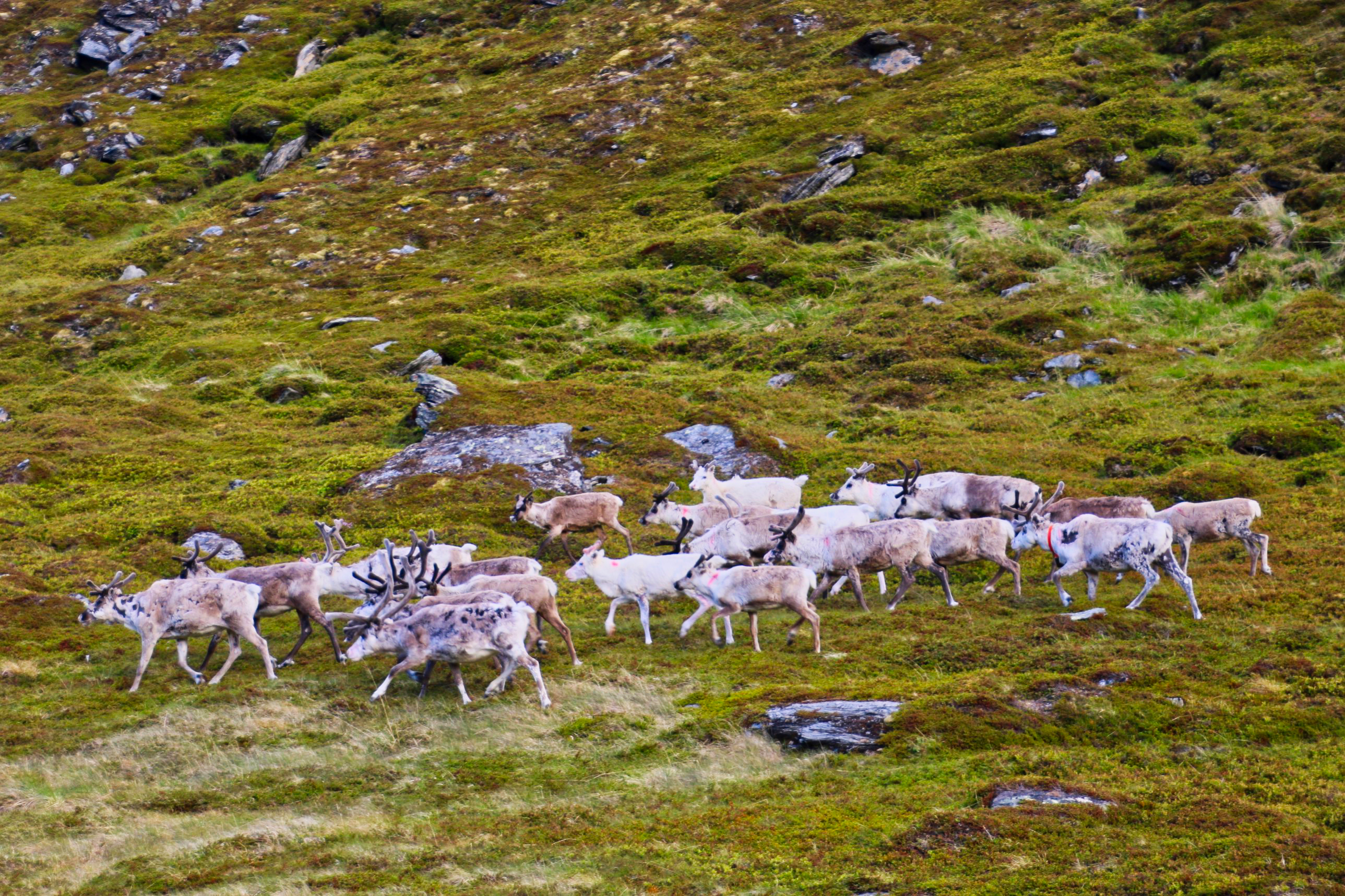
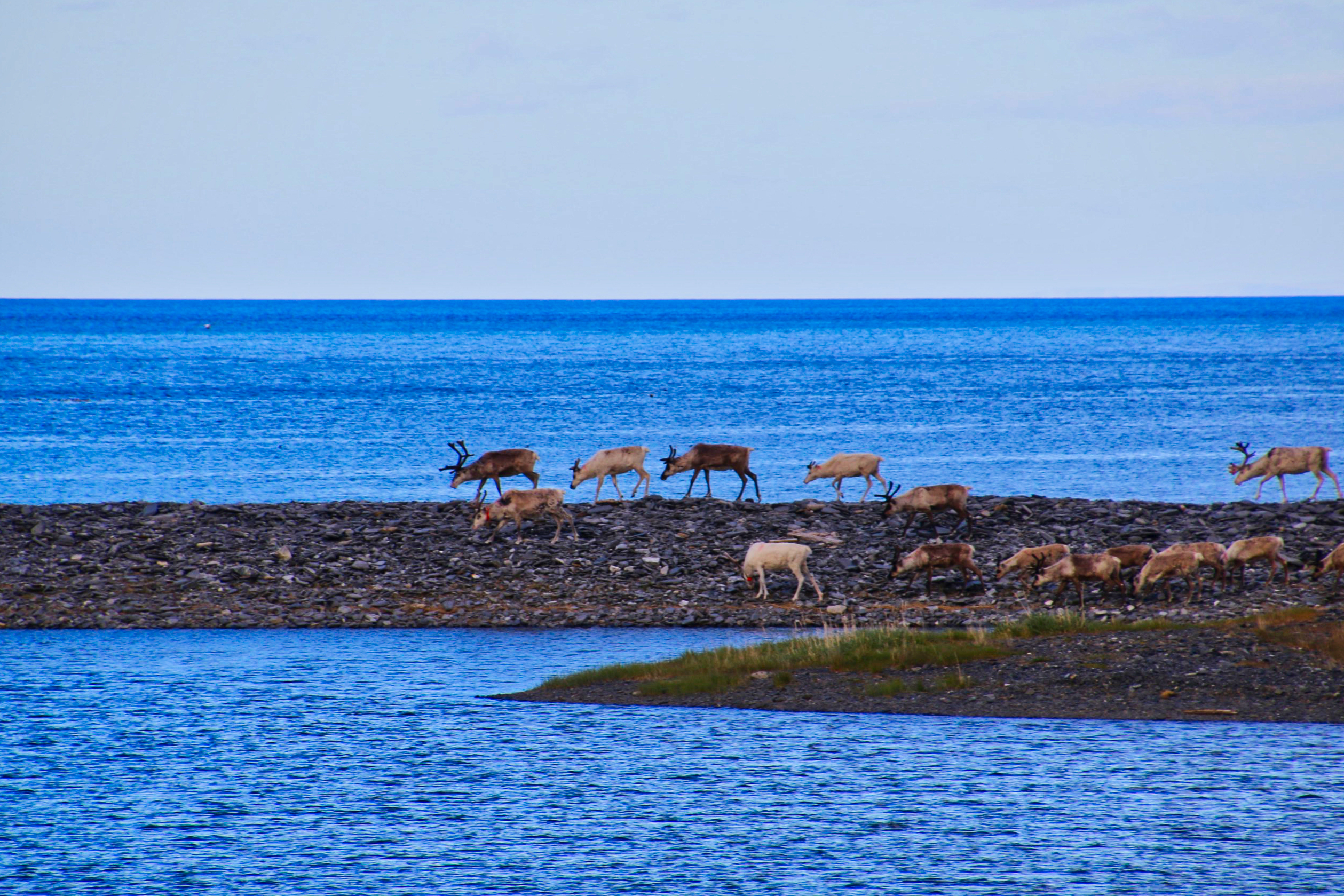
The phenomenon occurs during the white nights in summer when the sun is not setting down; around midnight, it reaches its lowest point on the horizon but still shines brightly. It looks almost like a sunset, just that the sun is never setting behind the horizon and is getting up again. There is no darkness in these unique and somewhat spiritual nights, and this barren land seems alive like no other place. You see all the birds feeding on the waters, which are still rich in fish and sea animals. And there are reindeer grasses everywhere on the island, eating their beloved reindeer veil, which grows everywhere on Magerøya and is like candy for these animals.

test

The Far North

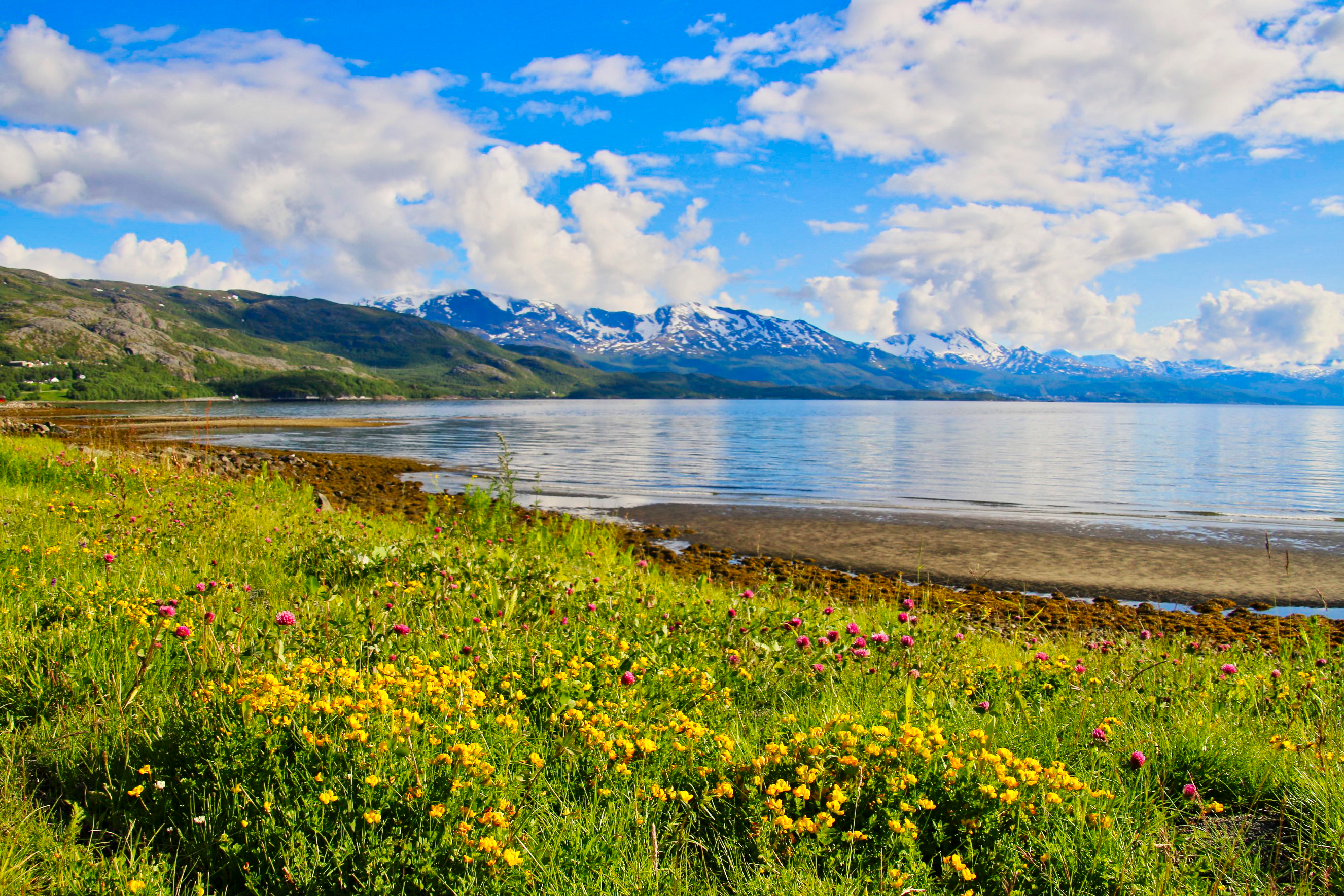
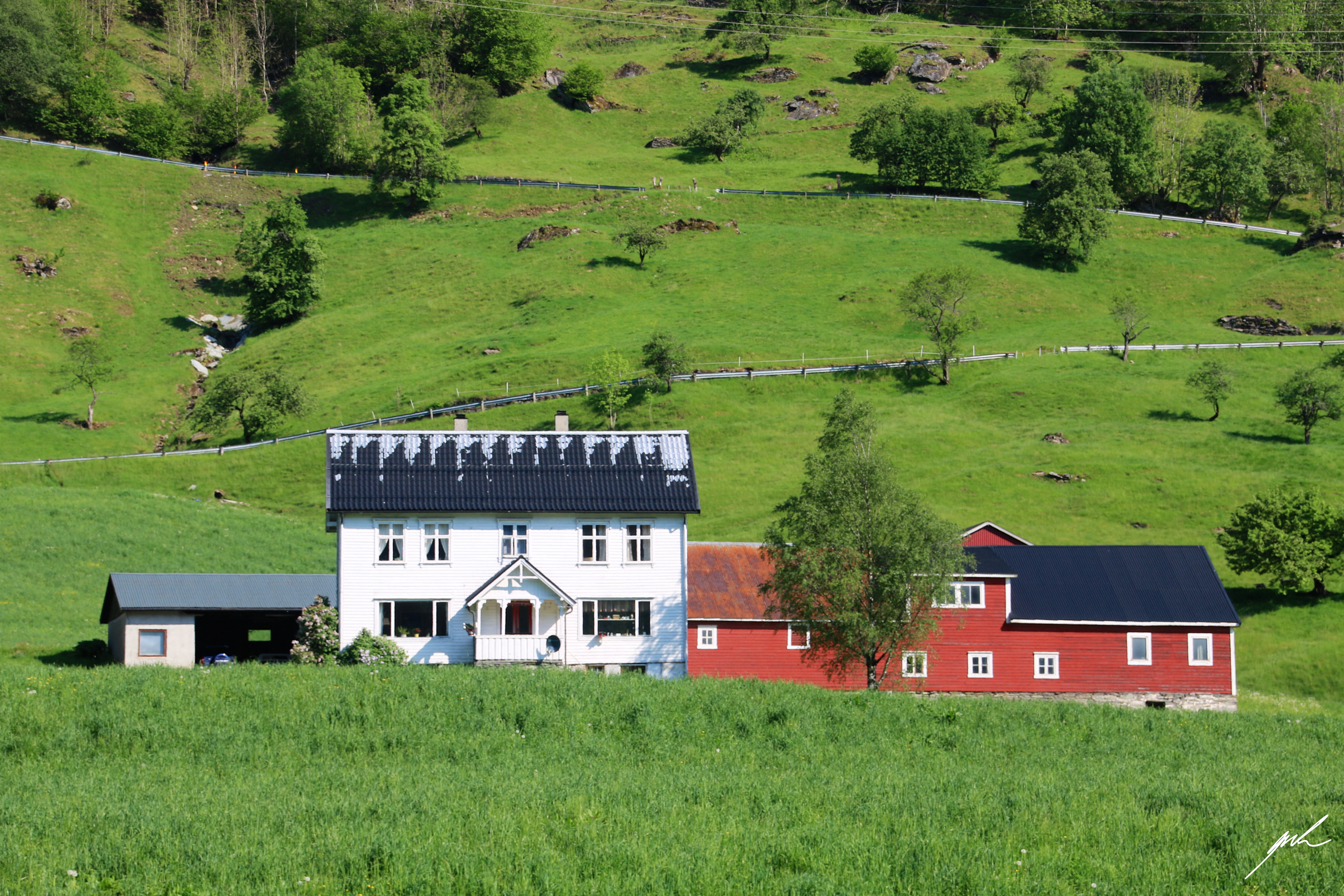
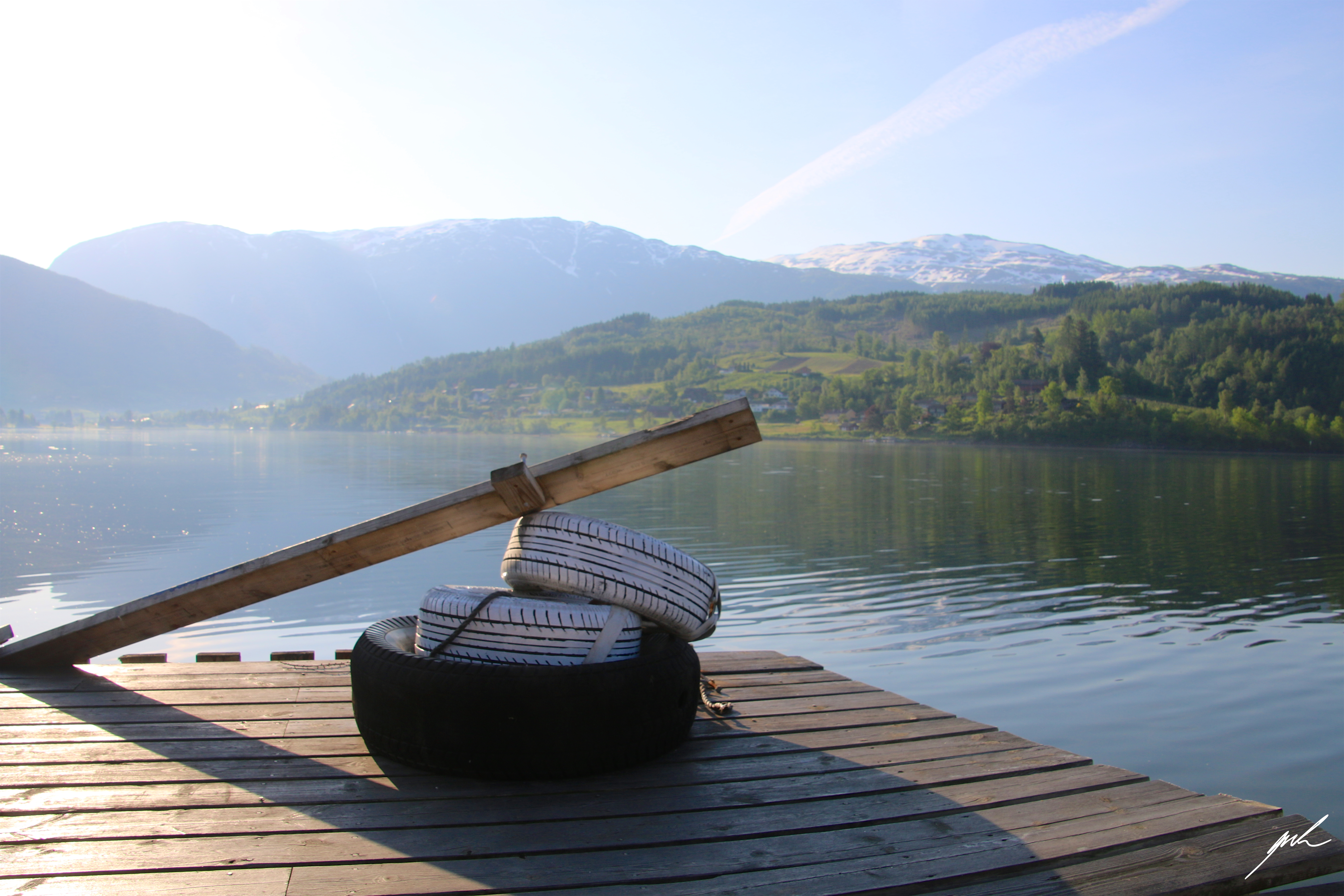
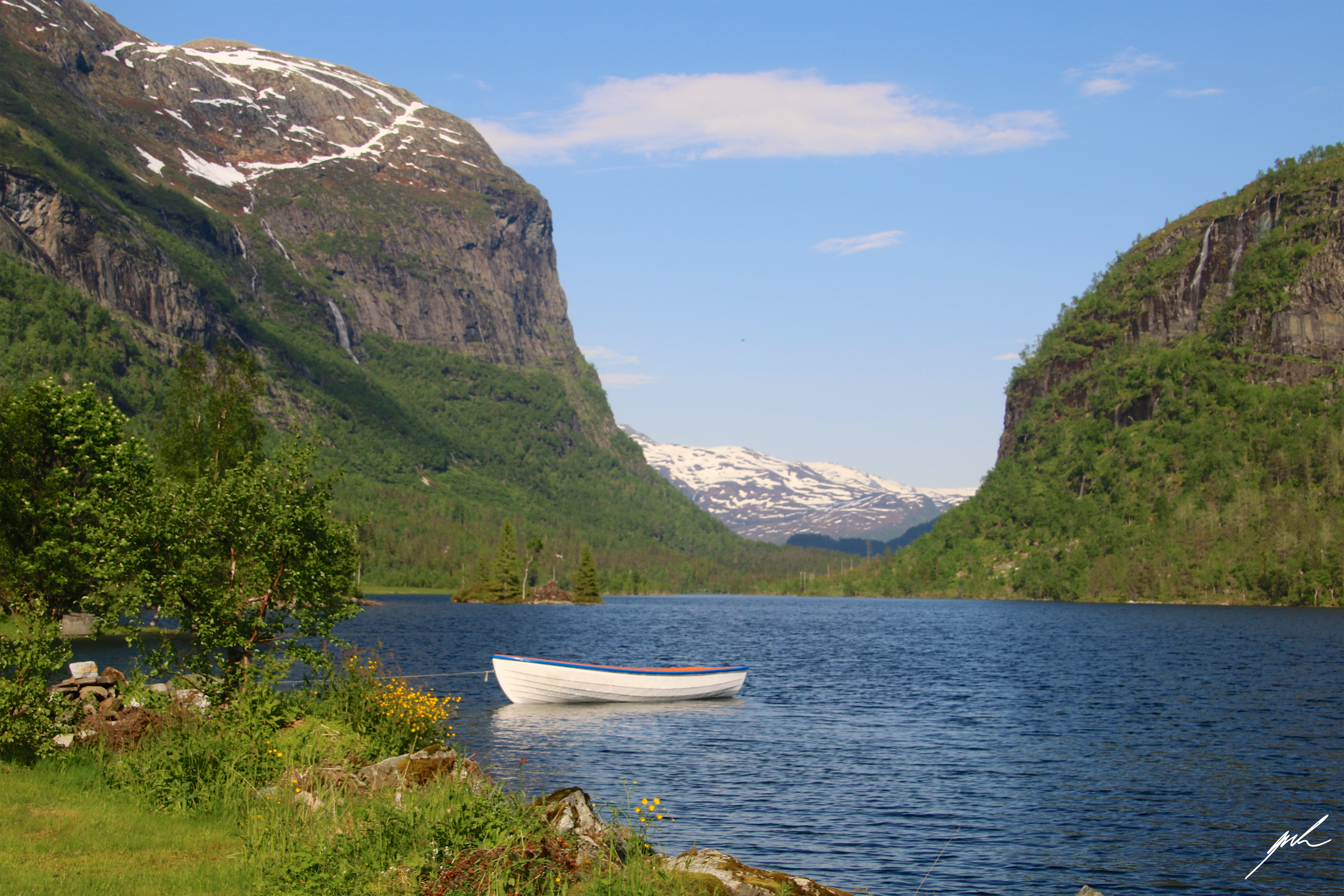
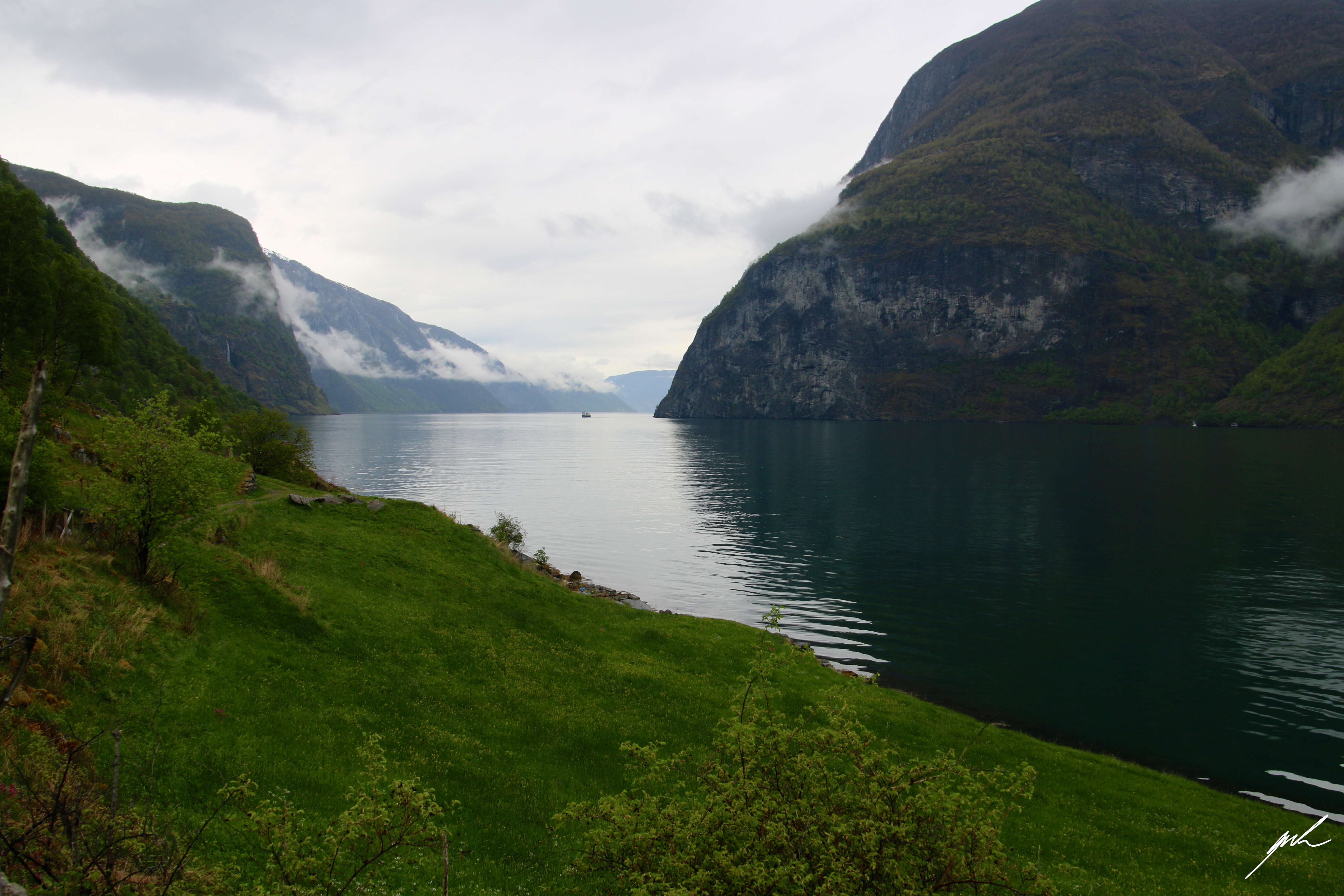
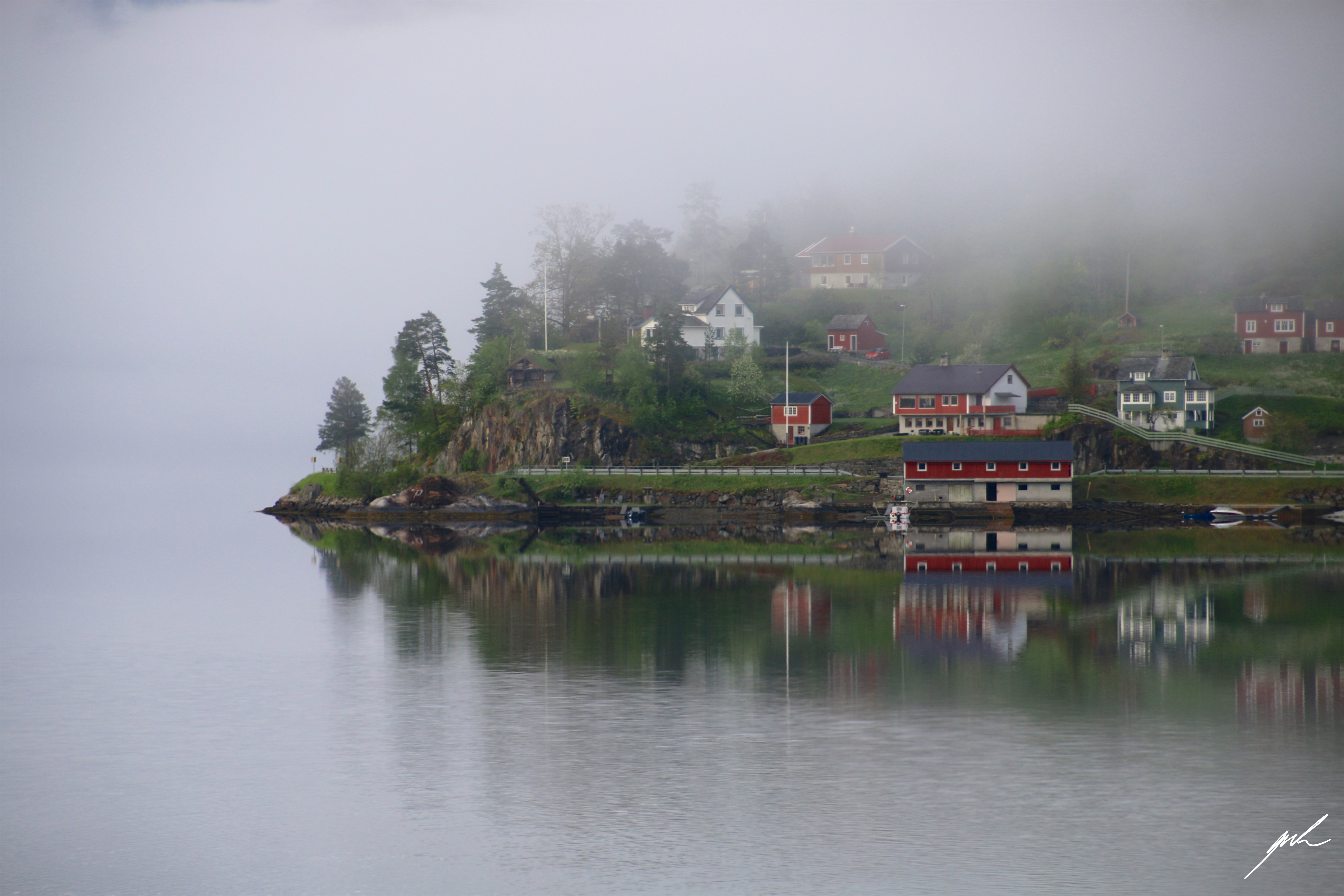
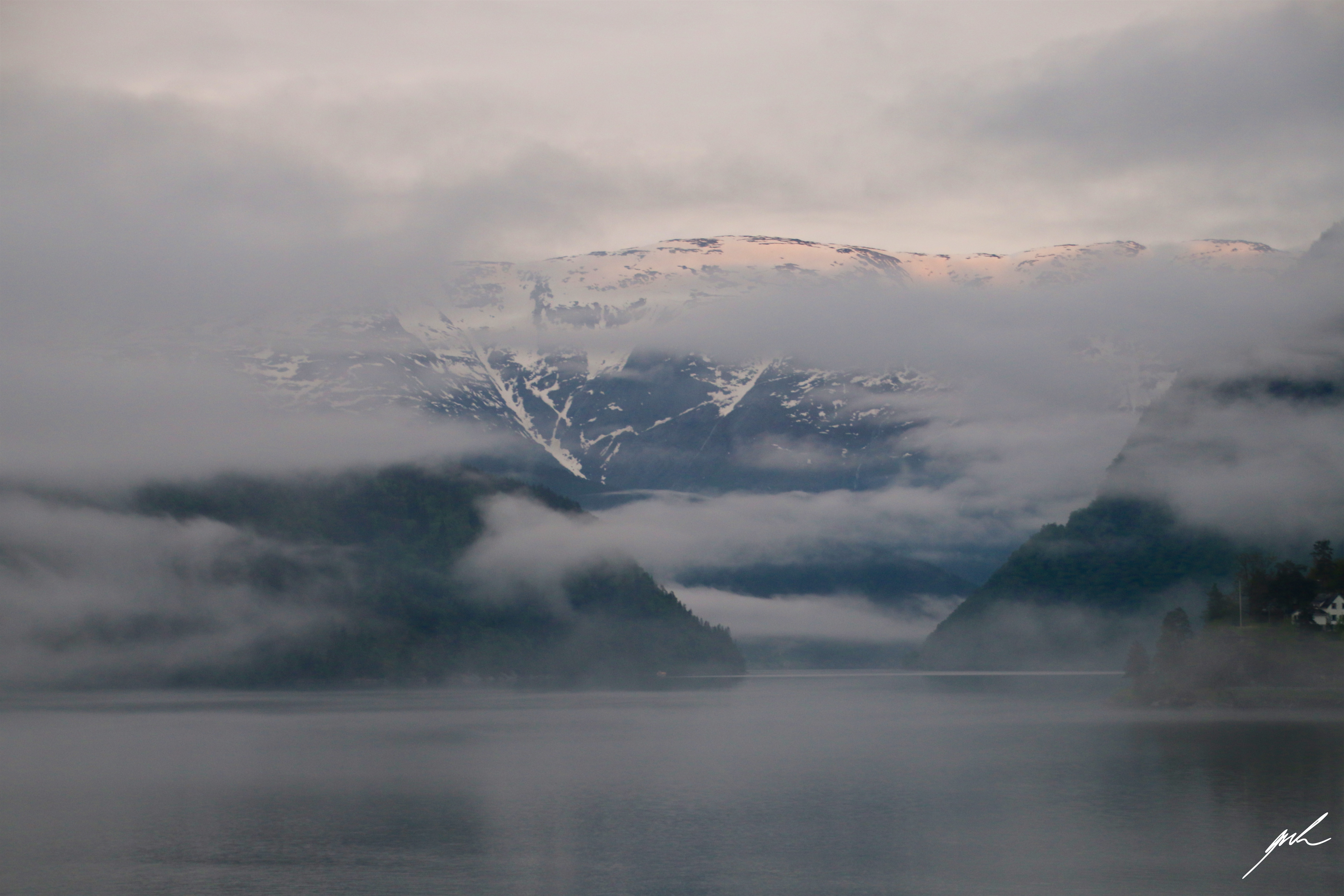
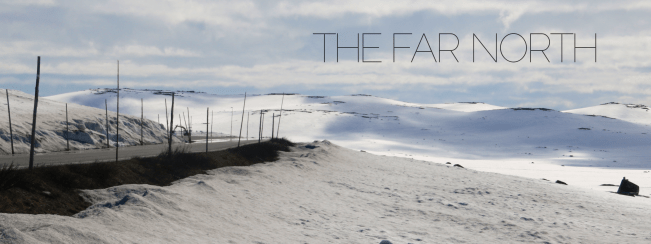
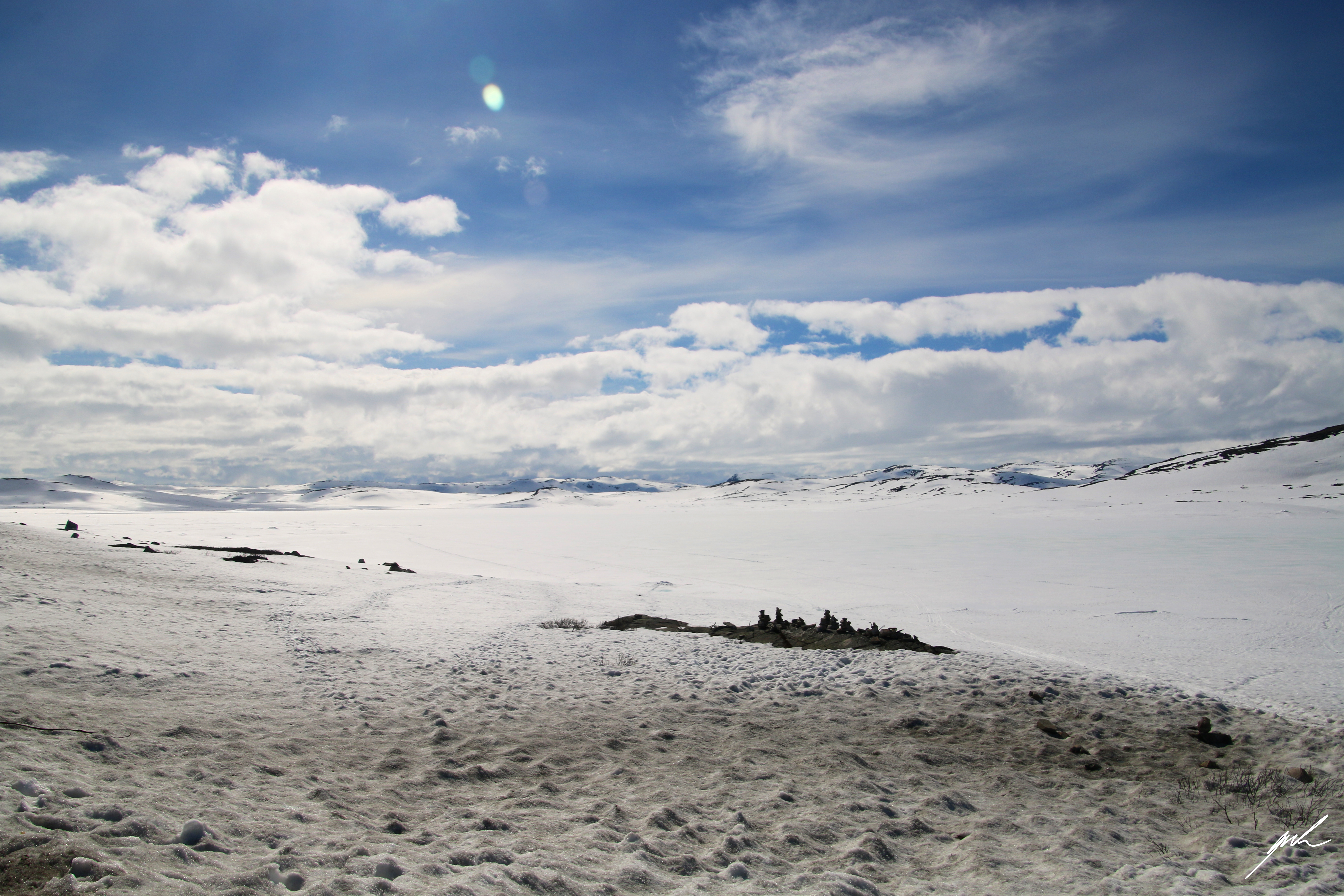
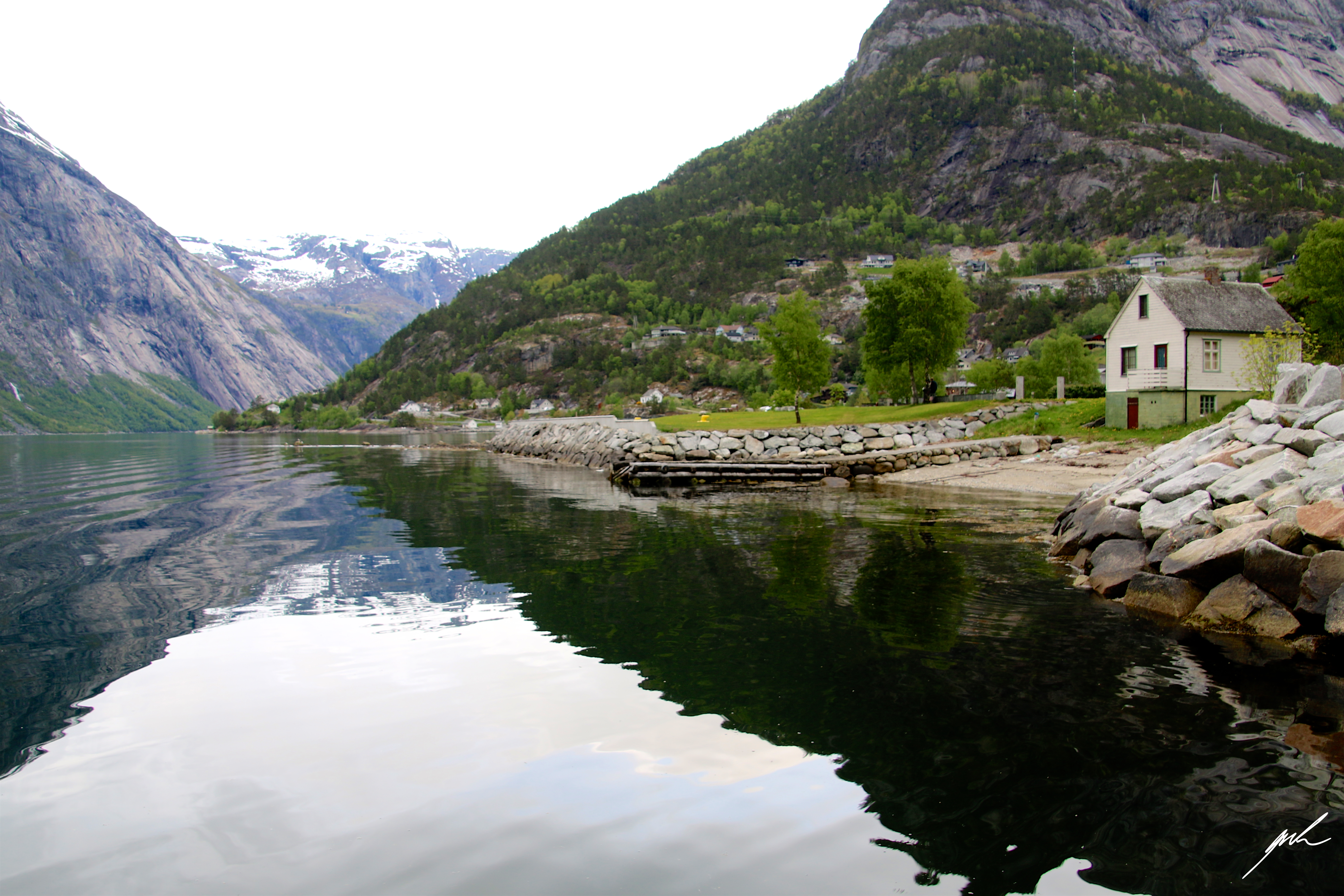
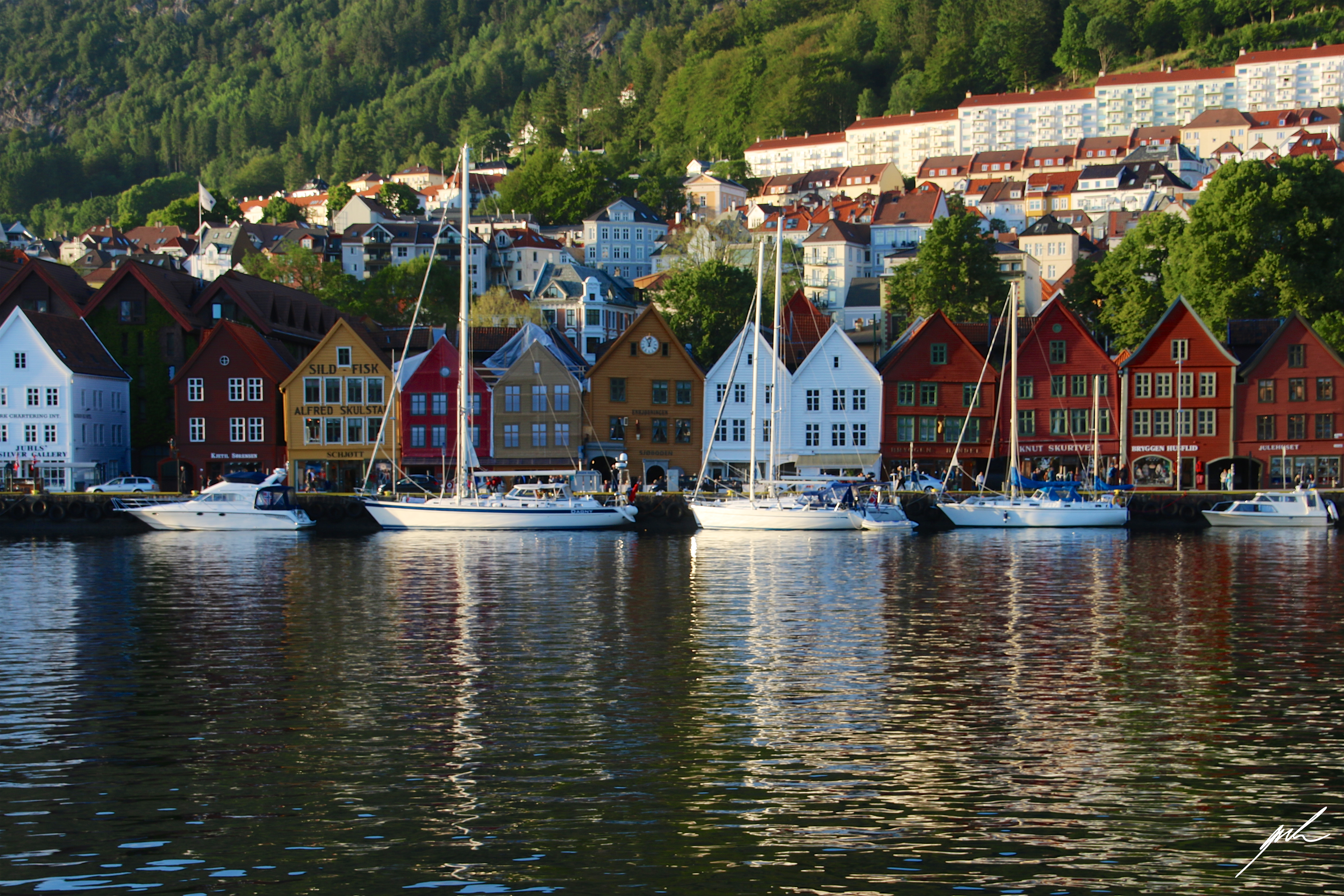
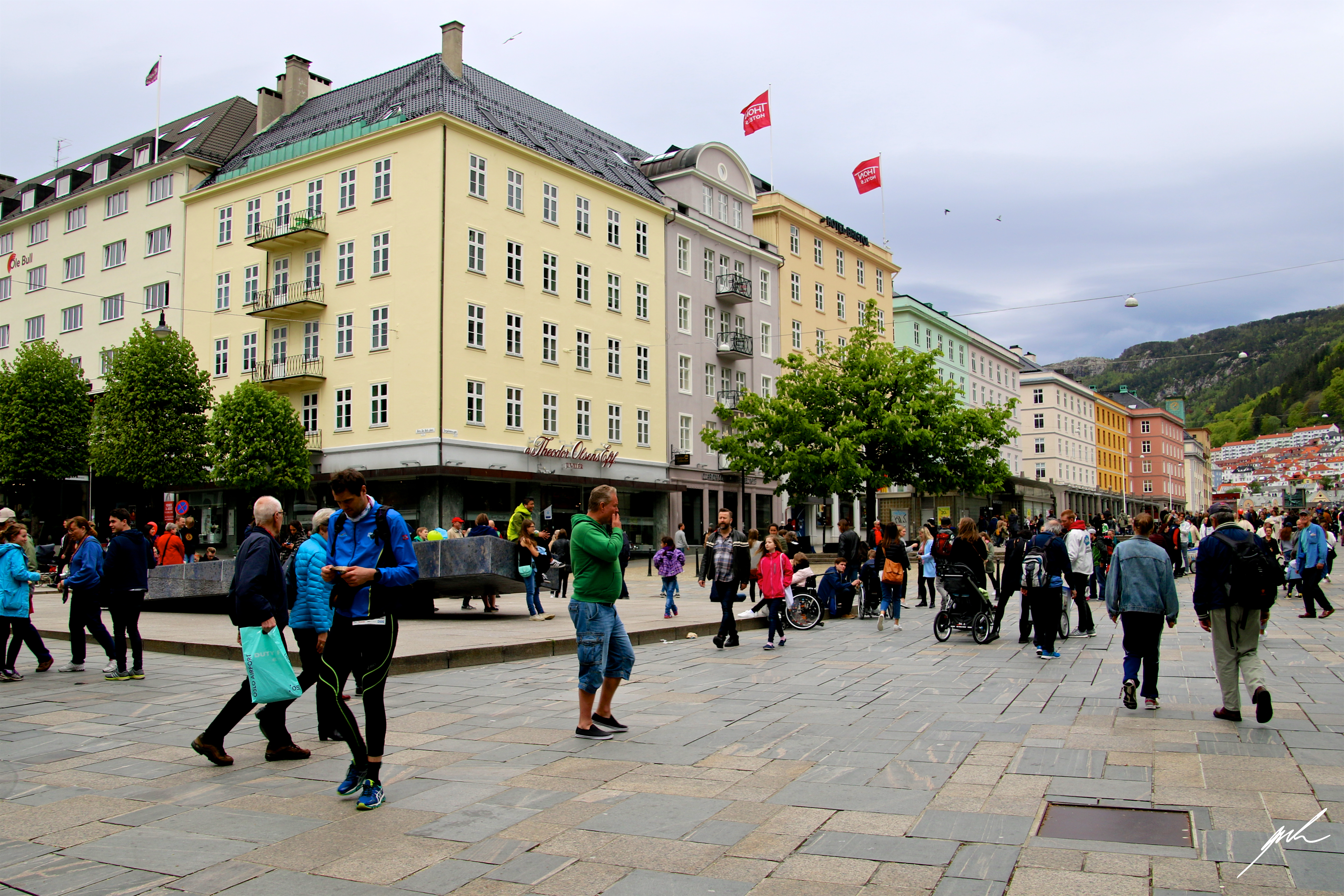
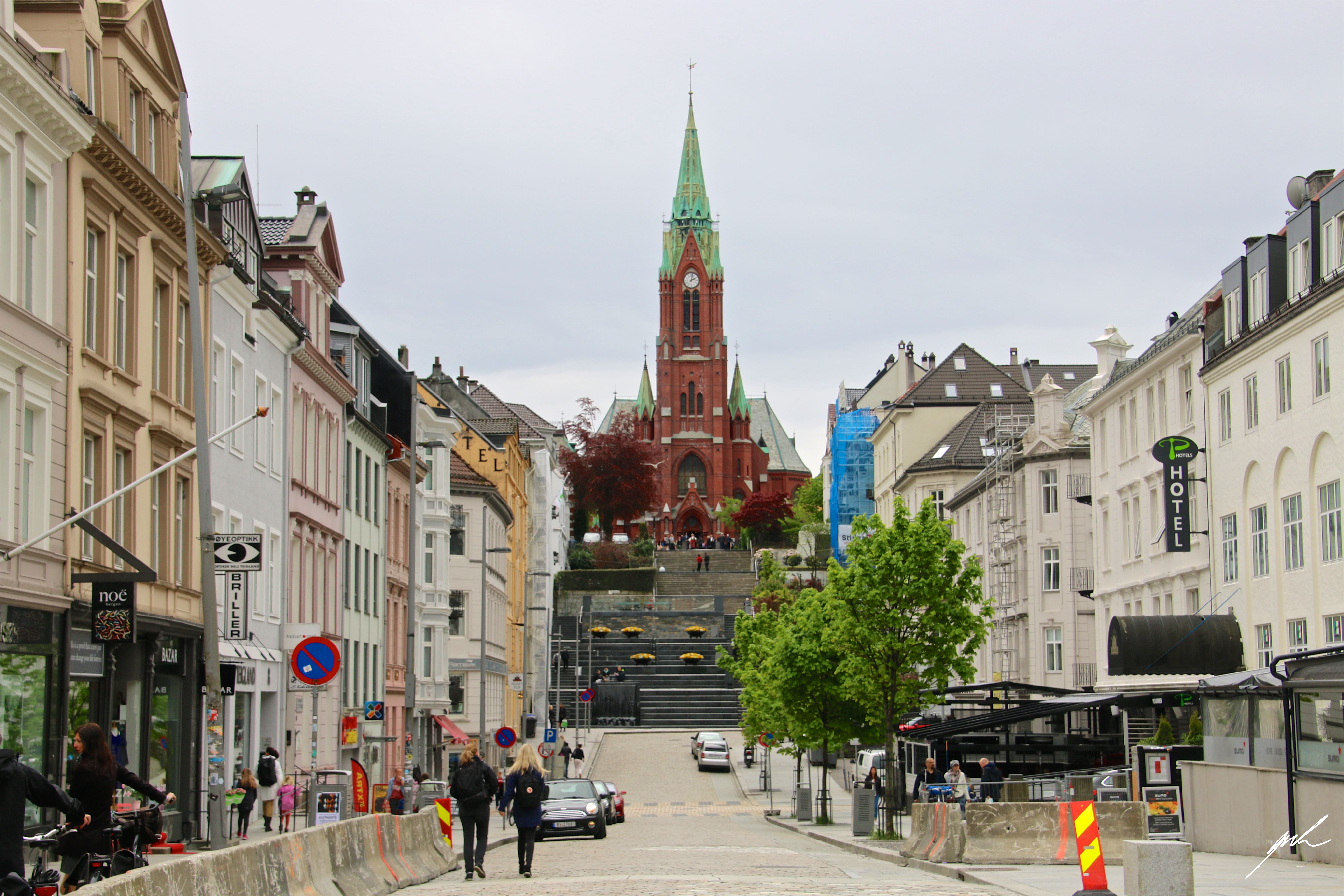
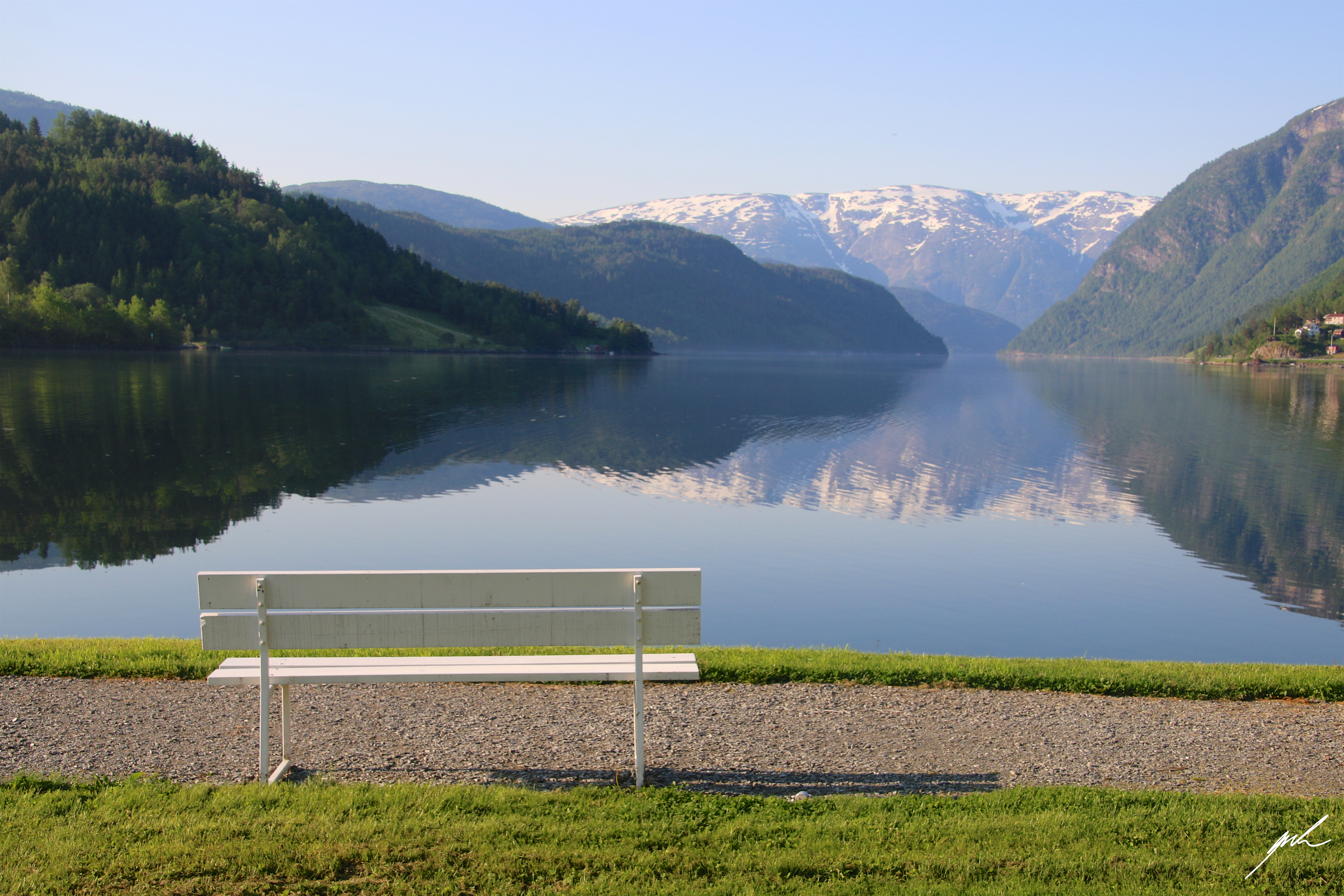
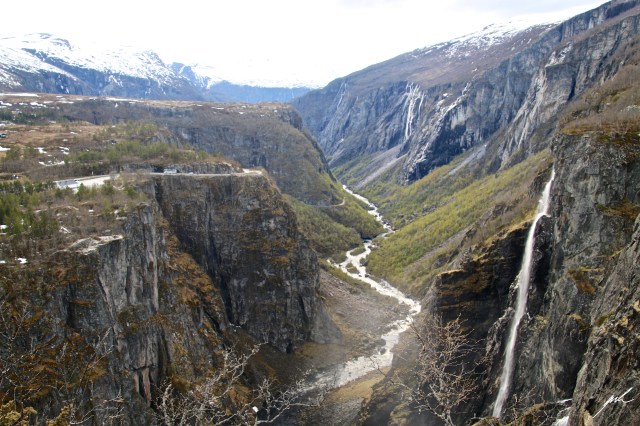
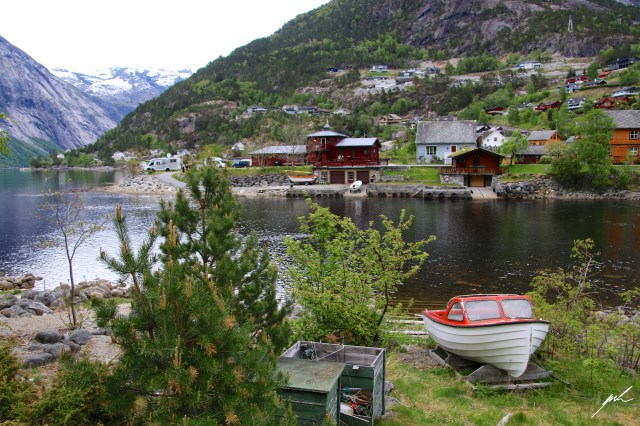
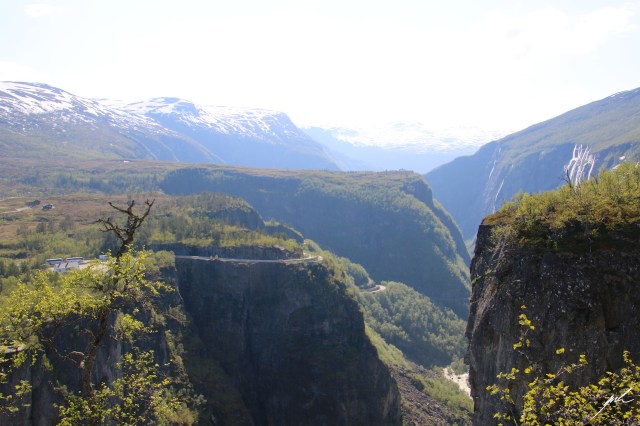
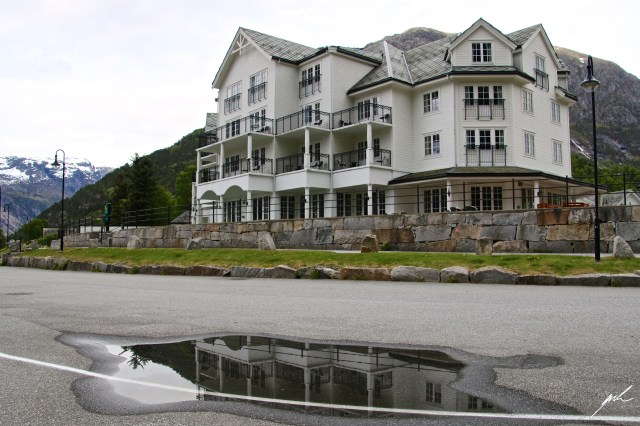
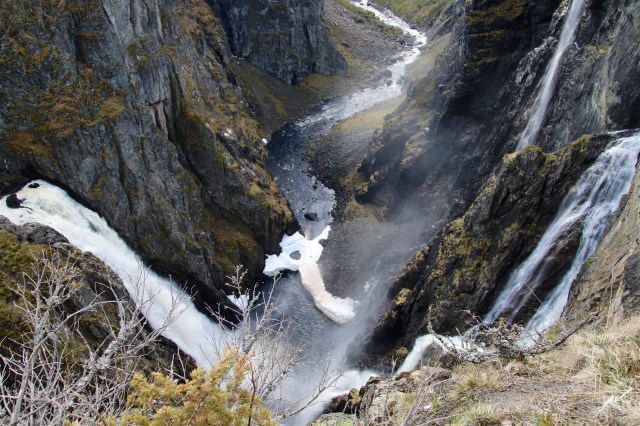
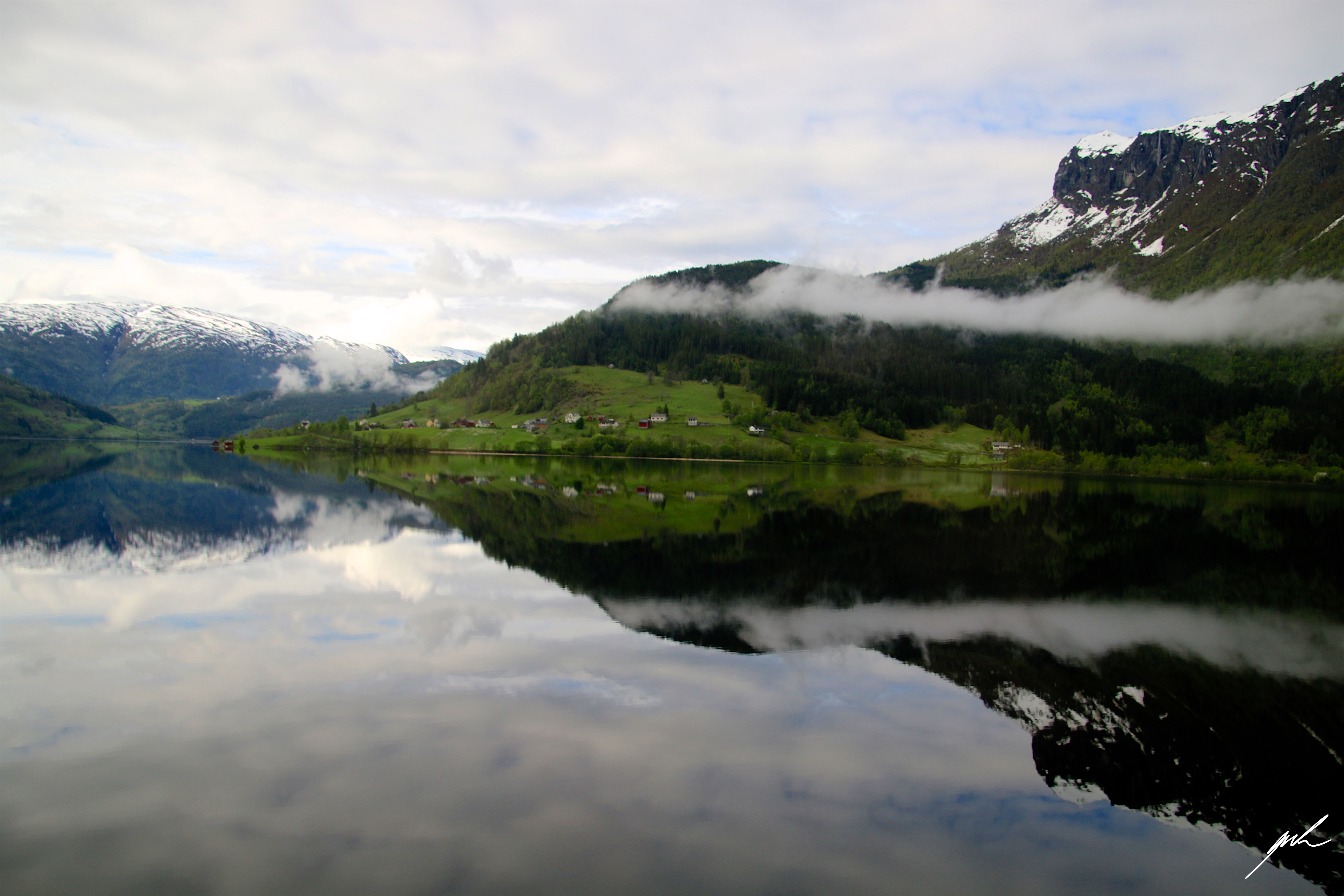
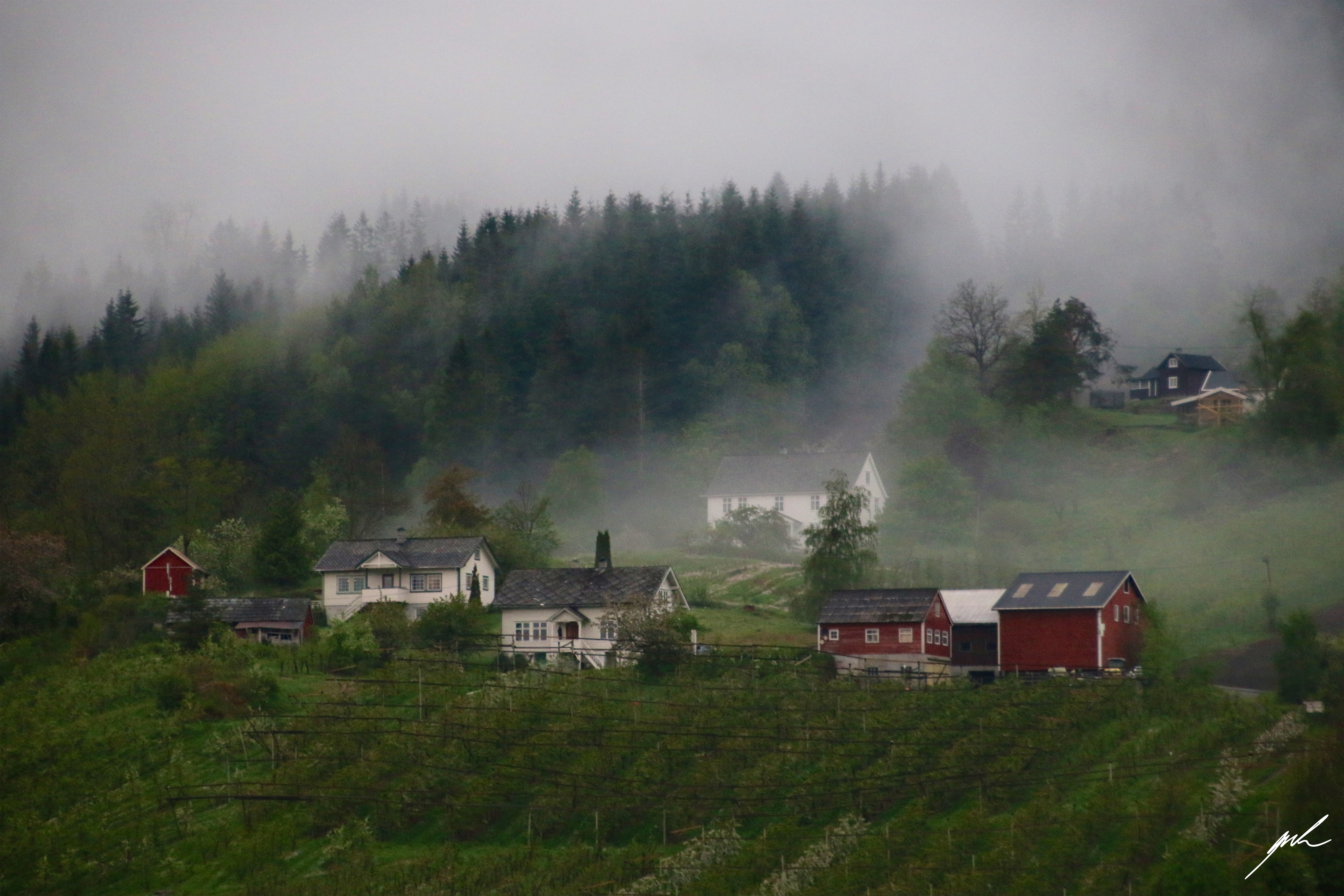
The far north of Europe is actually pretty fortunate regarding the weather. The reason is the Gulf Stream, which makes it possible to cultivate even fruits around the Norwegian fjords (pictures 2, 6). However, if you go uphill from the fjords, your surroundings change pretty quickly, and you will experience marvelous but very alien ice deserts like the Hardangervidda (picture 1). That’s Planet Hoth from Star Wars Episode V, by the way – the scenes were shot there. One of the biggest and historically most important towns in the far north of Europe is Bergen at the North Sea. For centuries, it was an important port and a center of commerce, especially regarding the trade with fish. Today it is a lovely student town with a lot of culture and museums (pictures 3, 4 and 5).

test

img_2986-1 img_3143 img_4056 img_3589 img_3585
img_3974
img_4521

Land of the Vikings

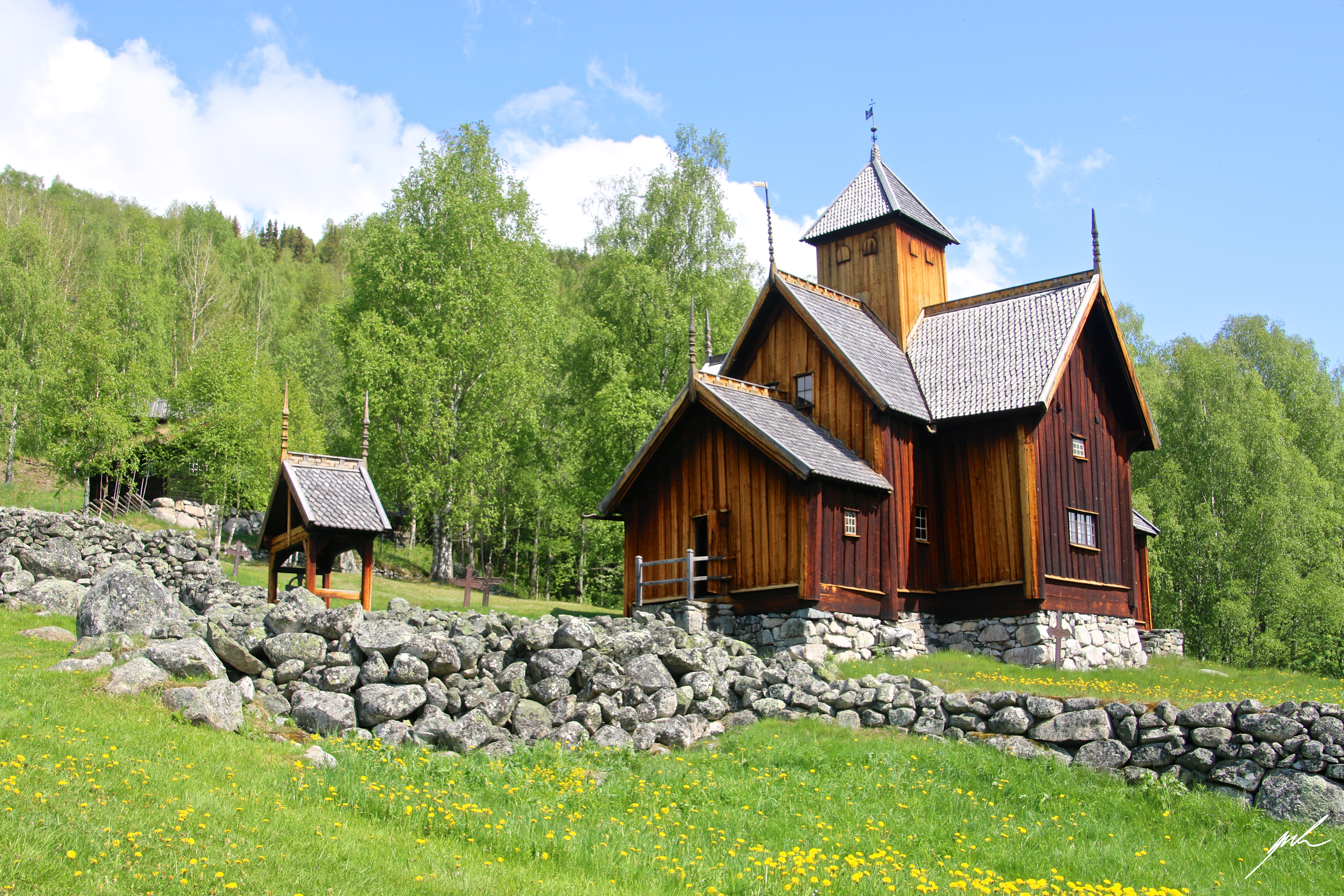
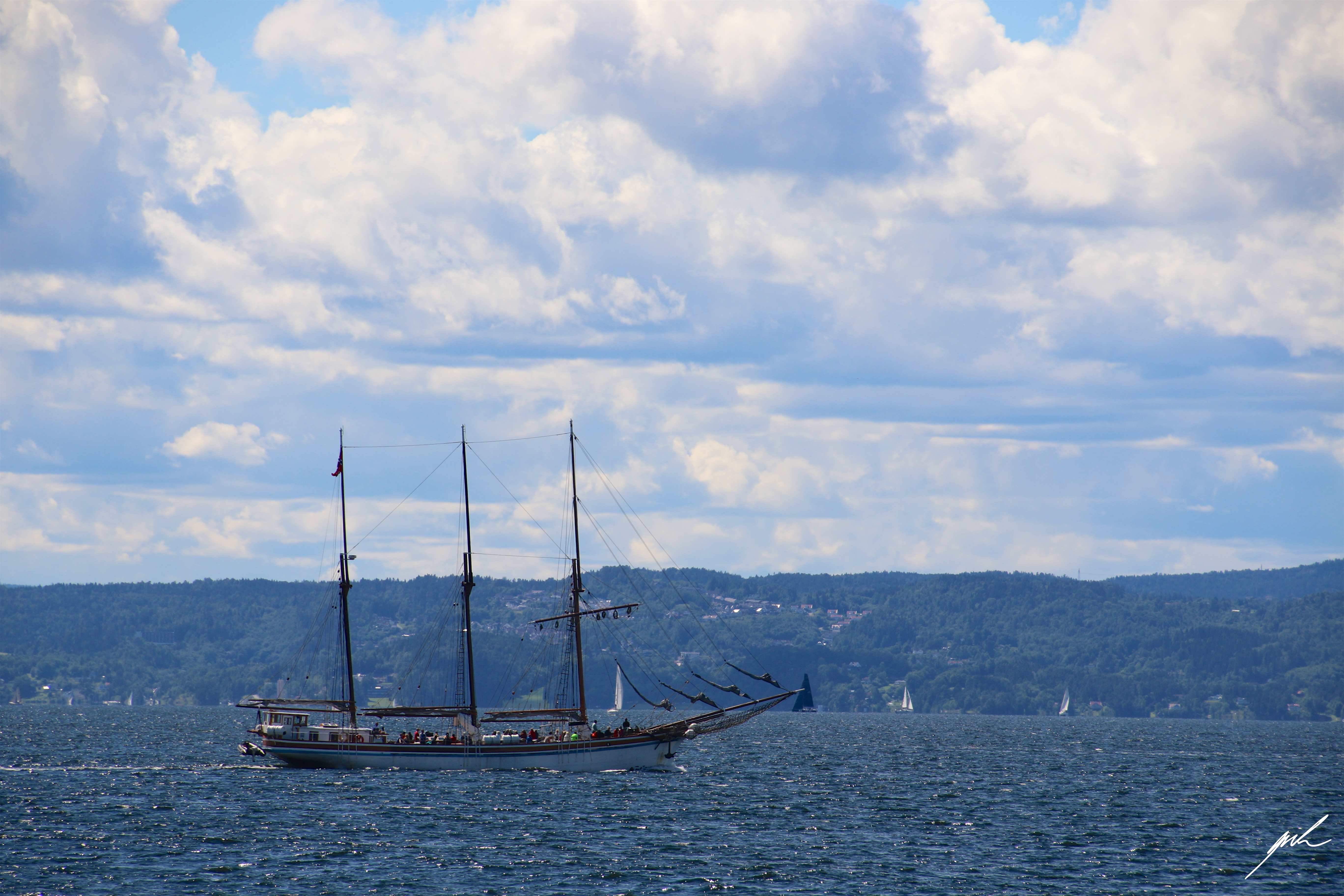
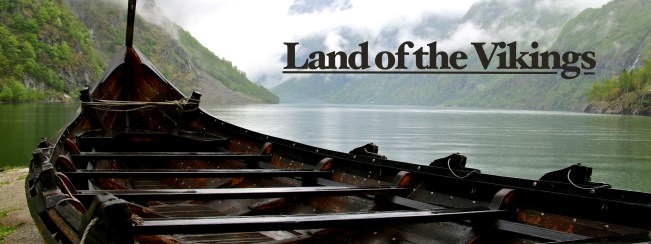
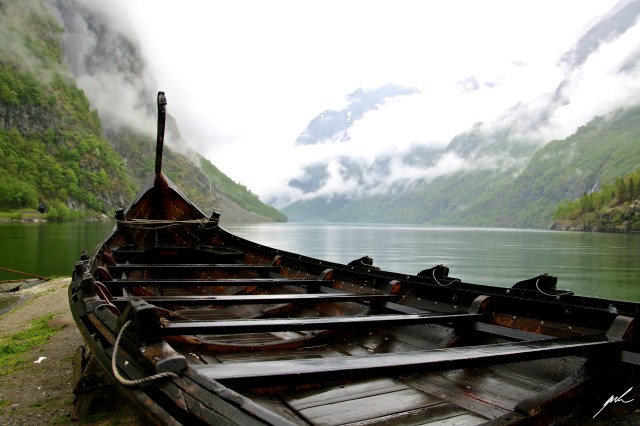
With all the advantages of modernity, living in the far north is still full of challenges. The deep fjords and steep surrounding hills make it difficult to reach the hinterland; that’s why Norway is investing a lot of money in tunnels and bridges to connect the most remote villages to the country’s urban centers. While the days are long in summer, in winter, the nights are never-ending as well. But the fjords also have their advantages; that’s why people settled here many thousand years ago and why the Vikings flourished in the Middle Ages. First and foremost, the fjord land is very fertile; even fruits and vegetables can grow here. We speak about a country as far in the north as Canada. The favorable climate is due to the Gulf Stream, which makes northern Europe unusually warm. Also, the fjords were perfectly secured against intruders and allowed for remote but connected villages. At the same time, the location of these settlements made it necessary to develop and improve ships. It is no coincidence that the Vikings were the first European people to set foot in America.
test

img_3030
img_3196 img_3194img_3914
img_3207
img_3090 img_3062img_3245