
Streets of Porto
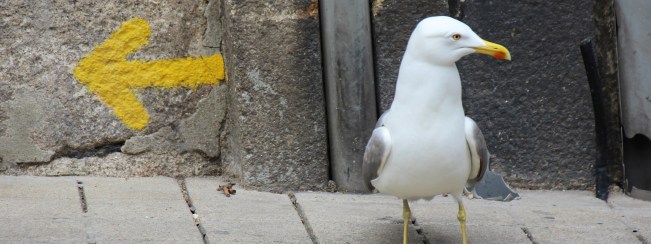
For a short introduction to Porto please see here. Shot in February 2015.

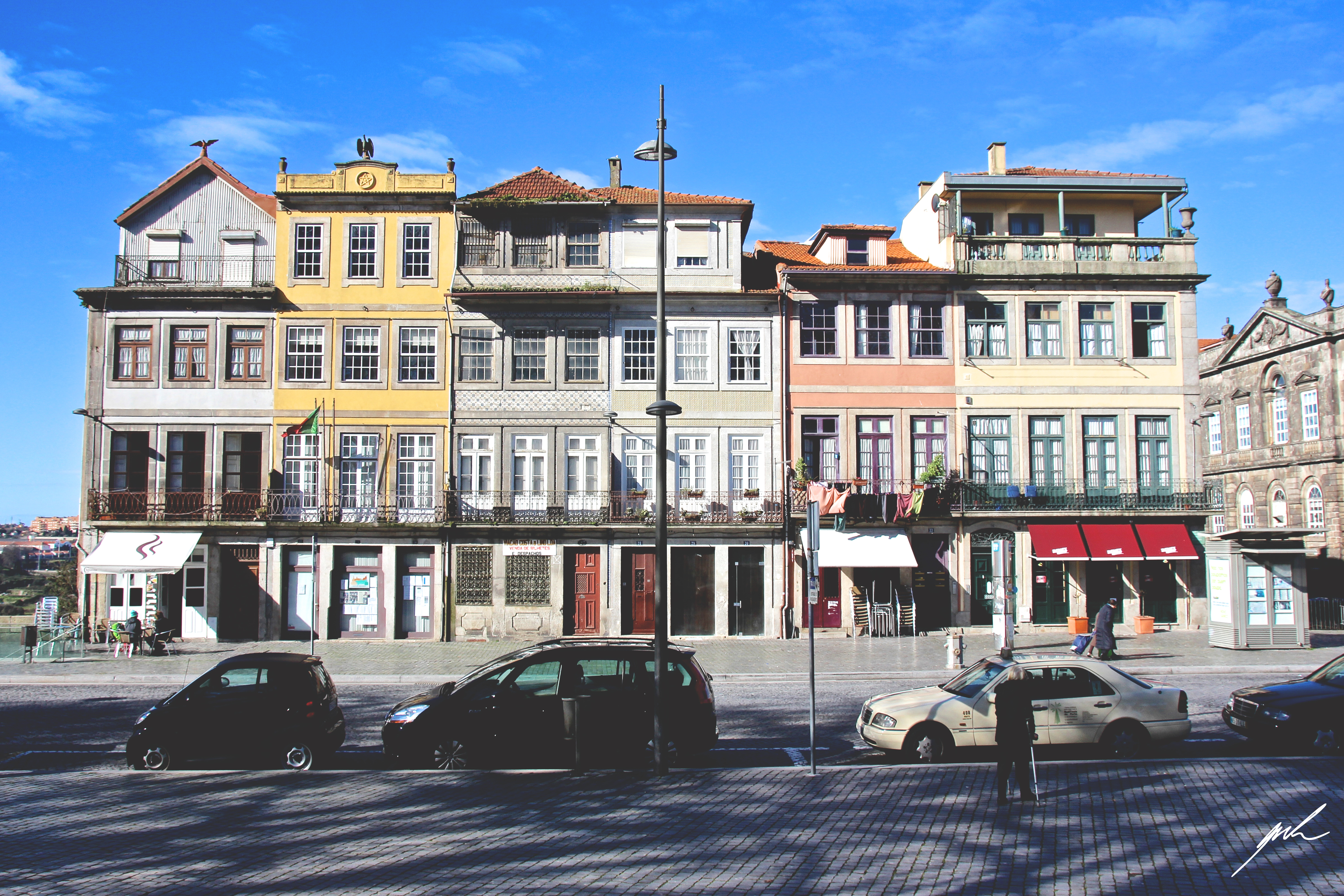
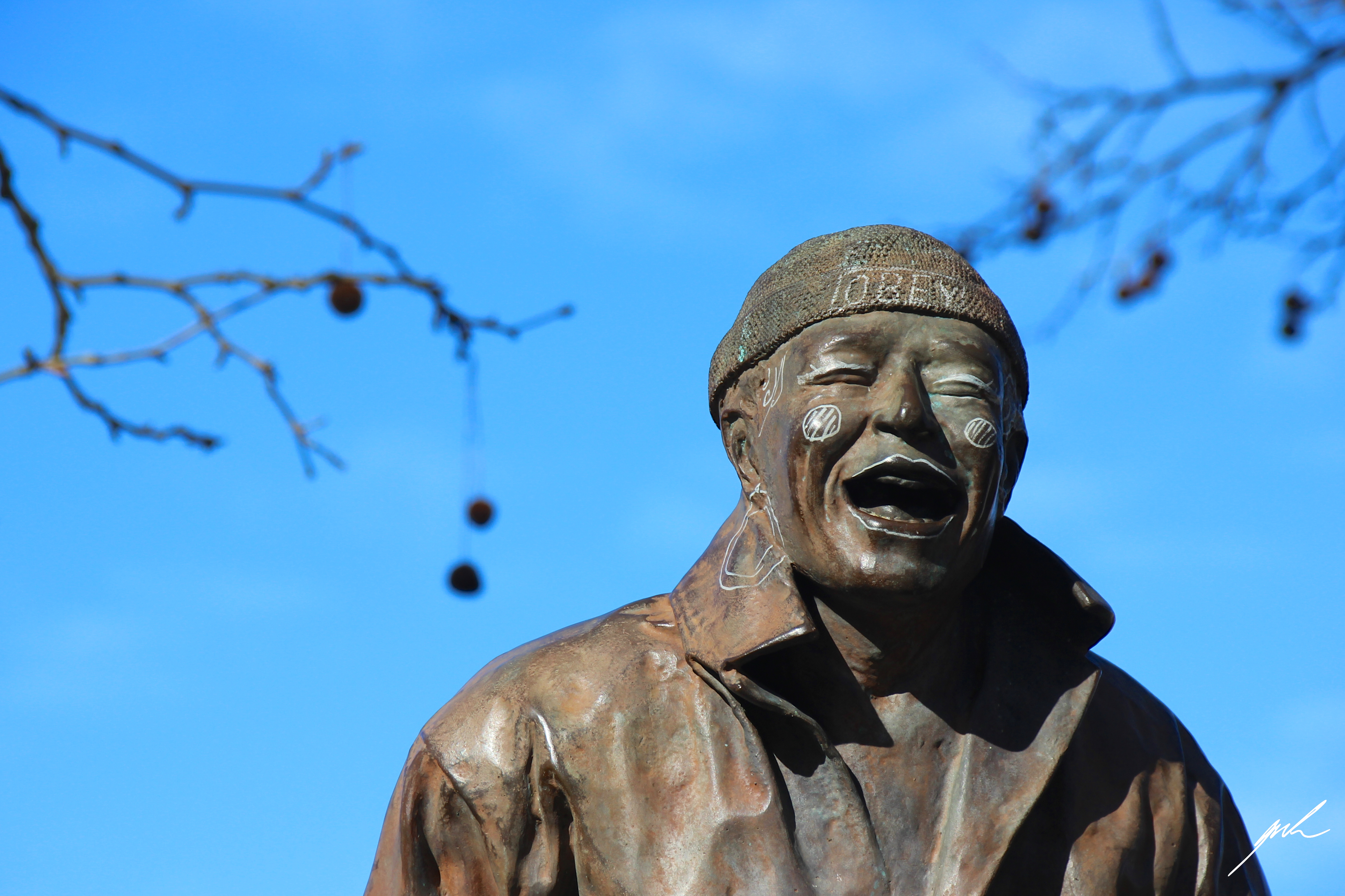
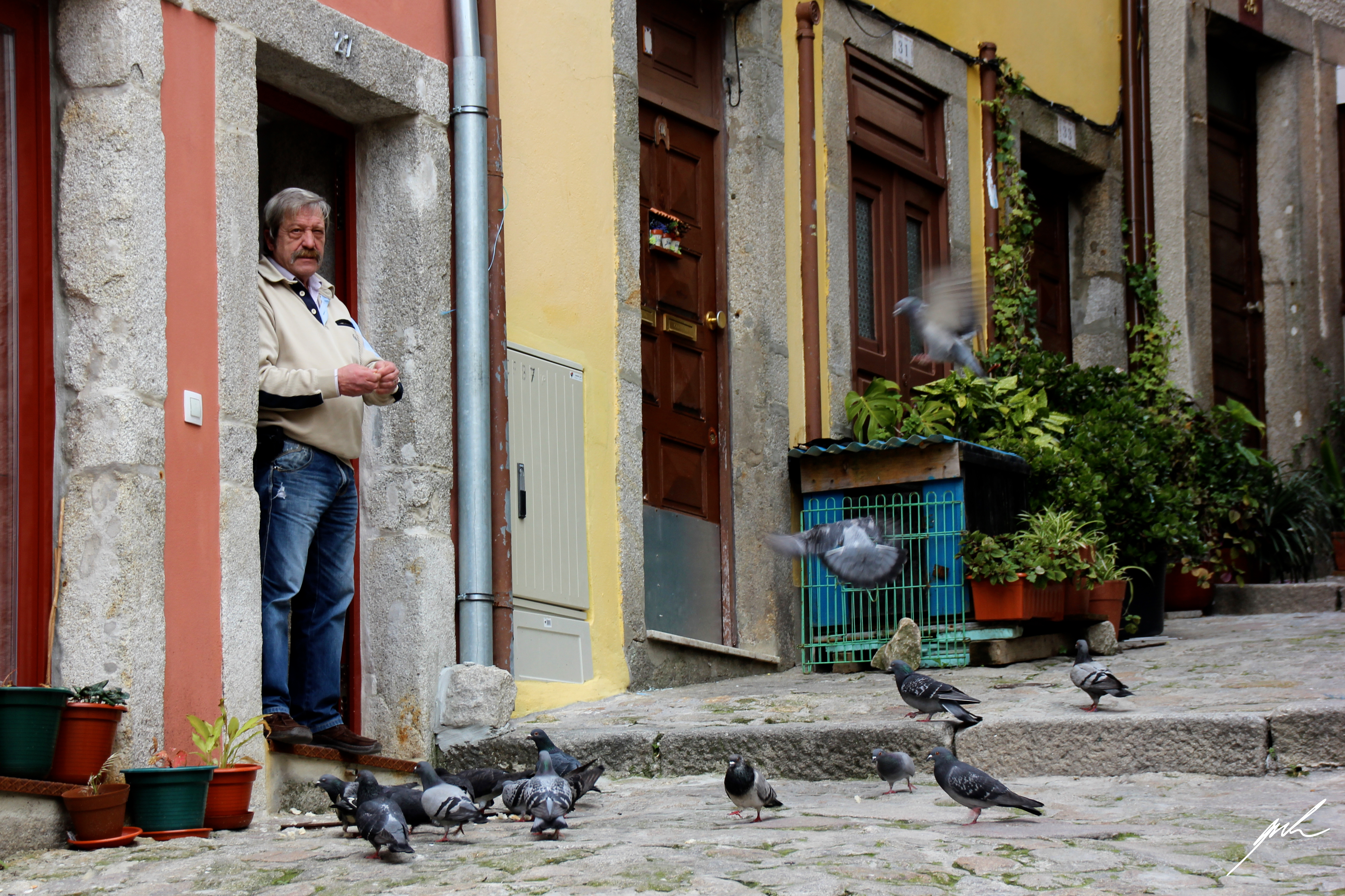
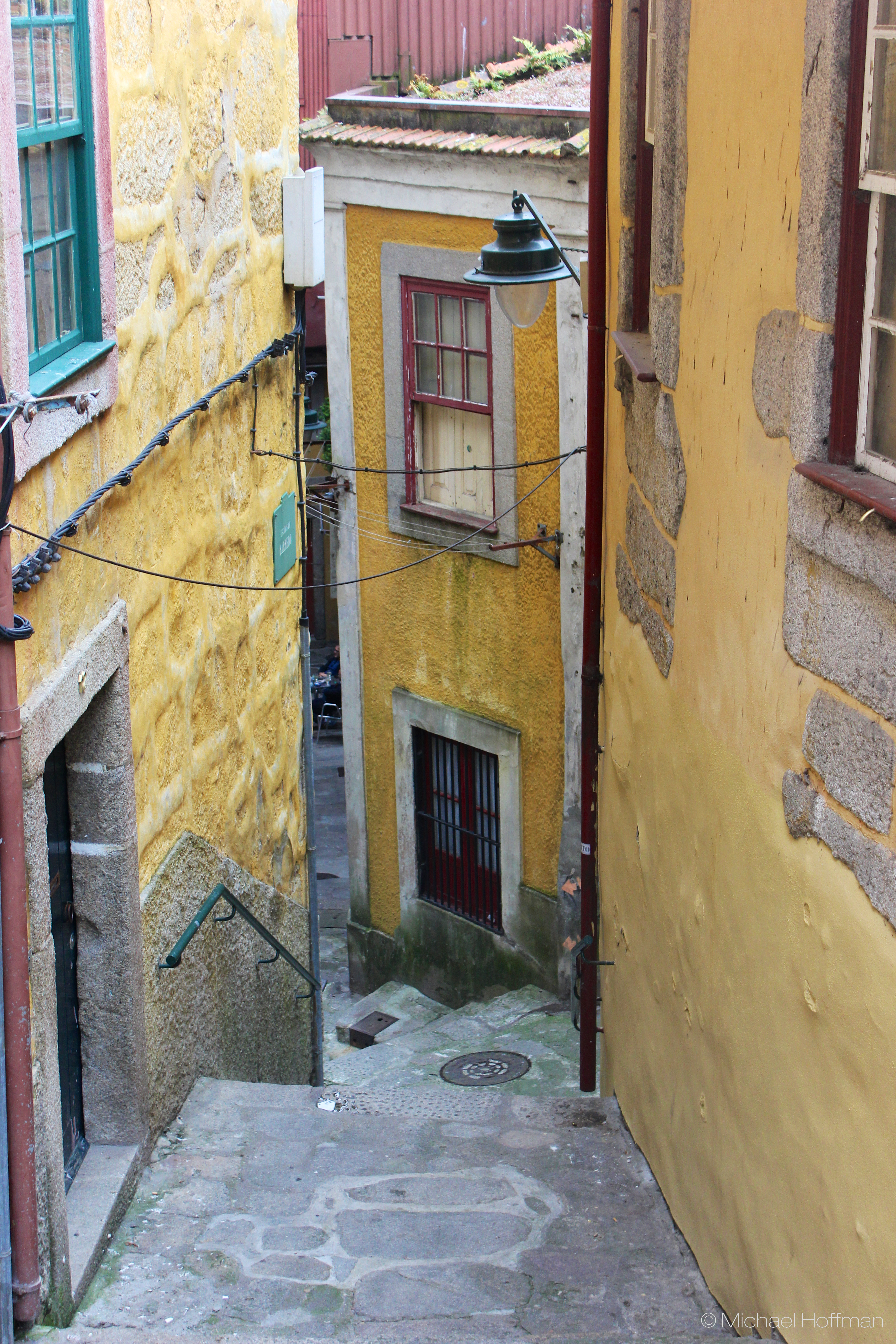
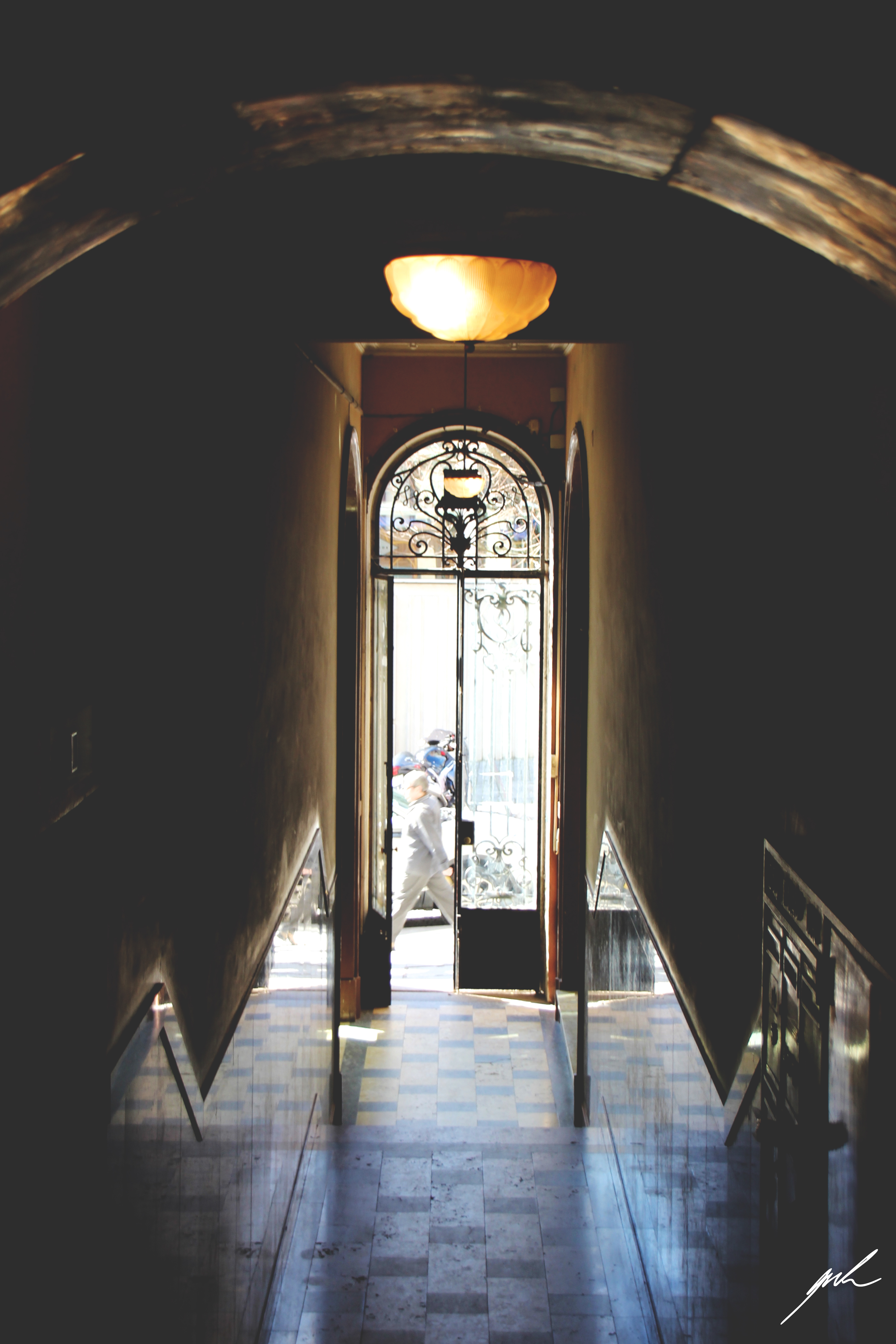
For a short introduction to Porto please see here. Shot in February 2015.
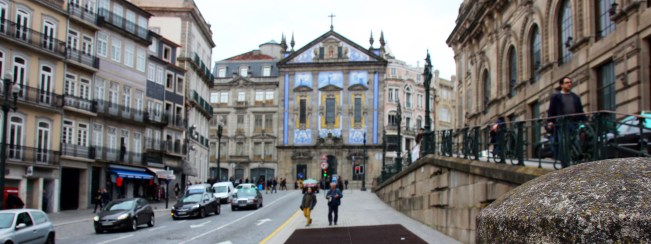
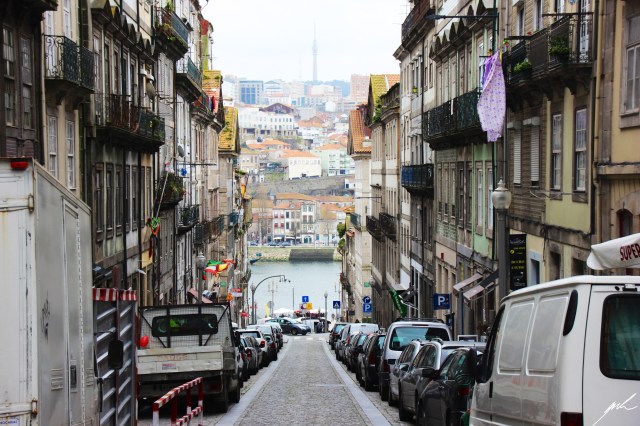
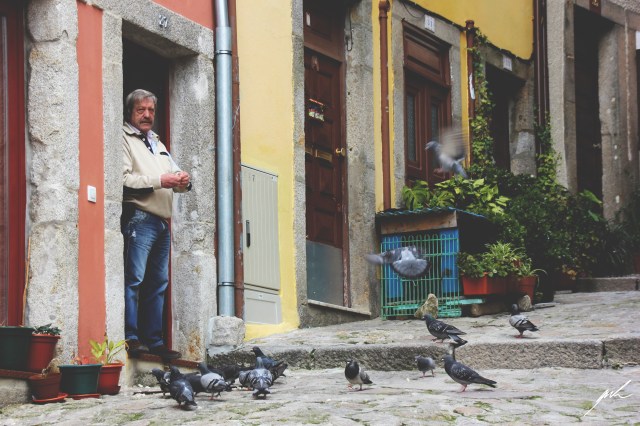
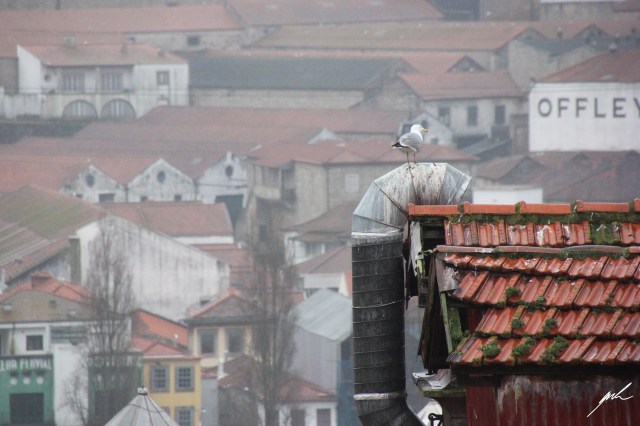
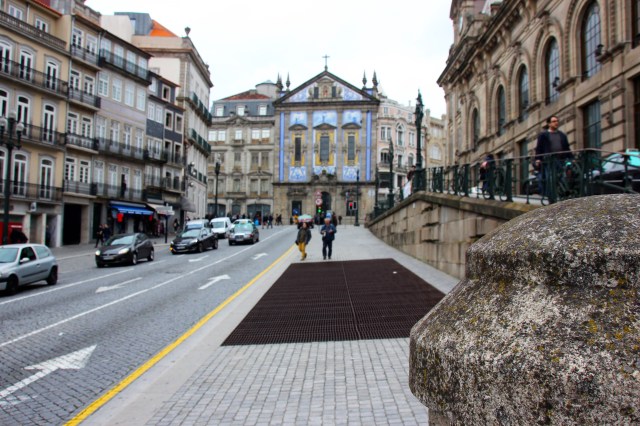
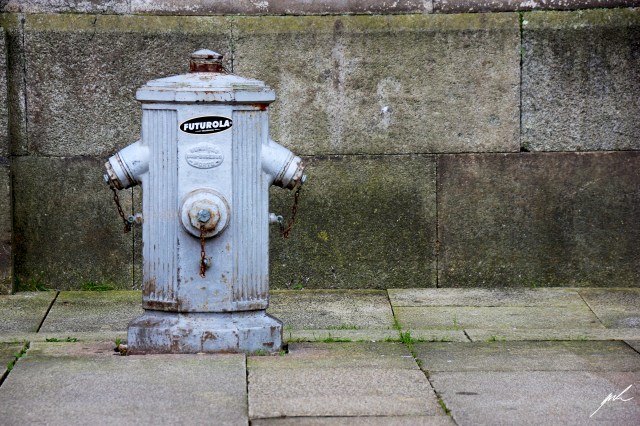
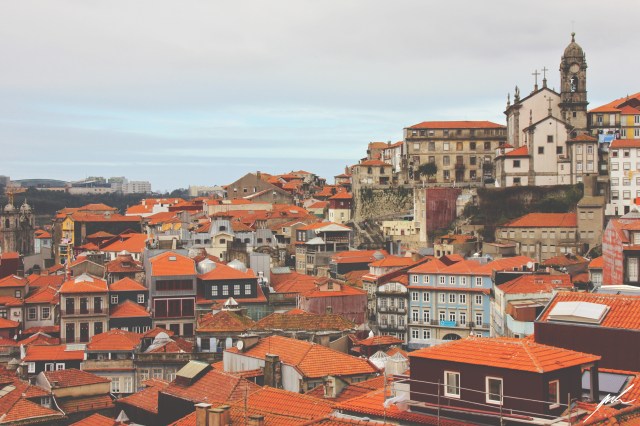
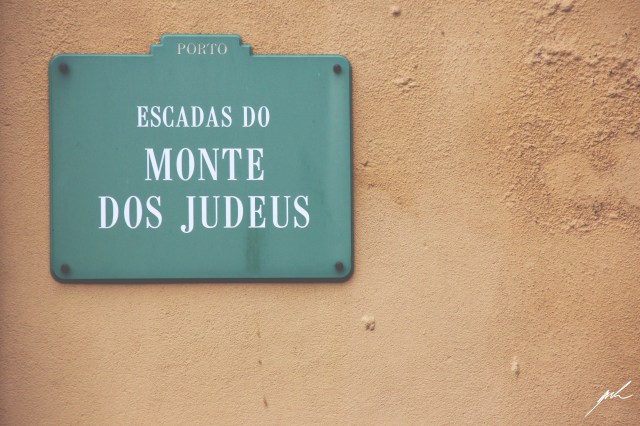
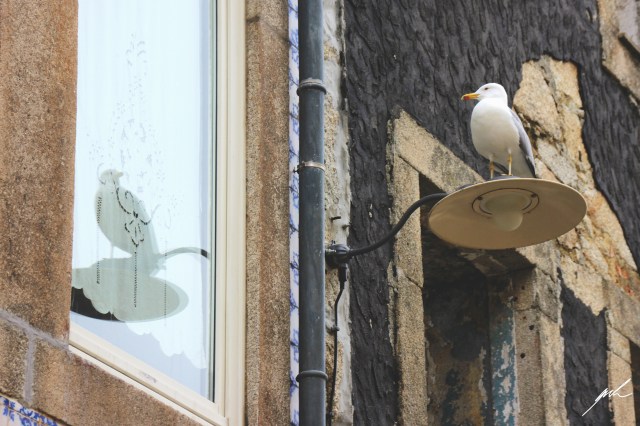
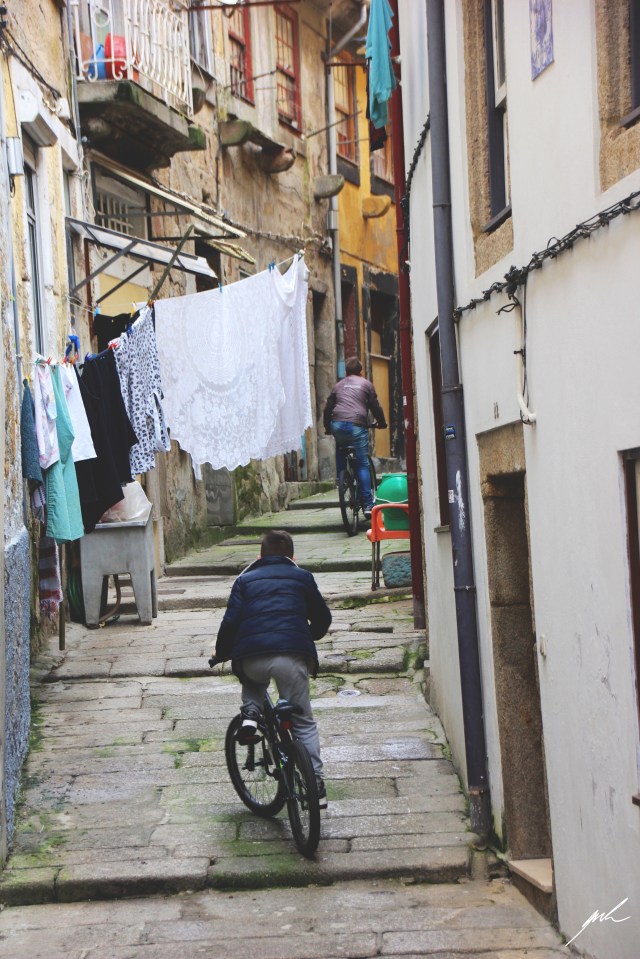
Shot last weekend while roaming through the rain soaked streets of Porto in Northern Portugal.
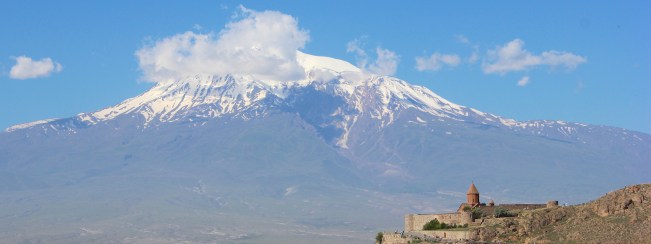
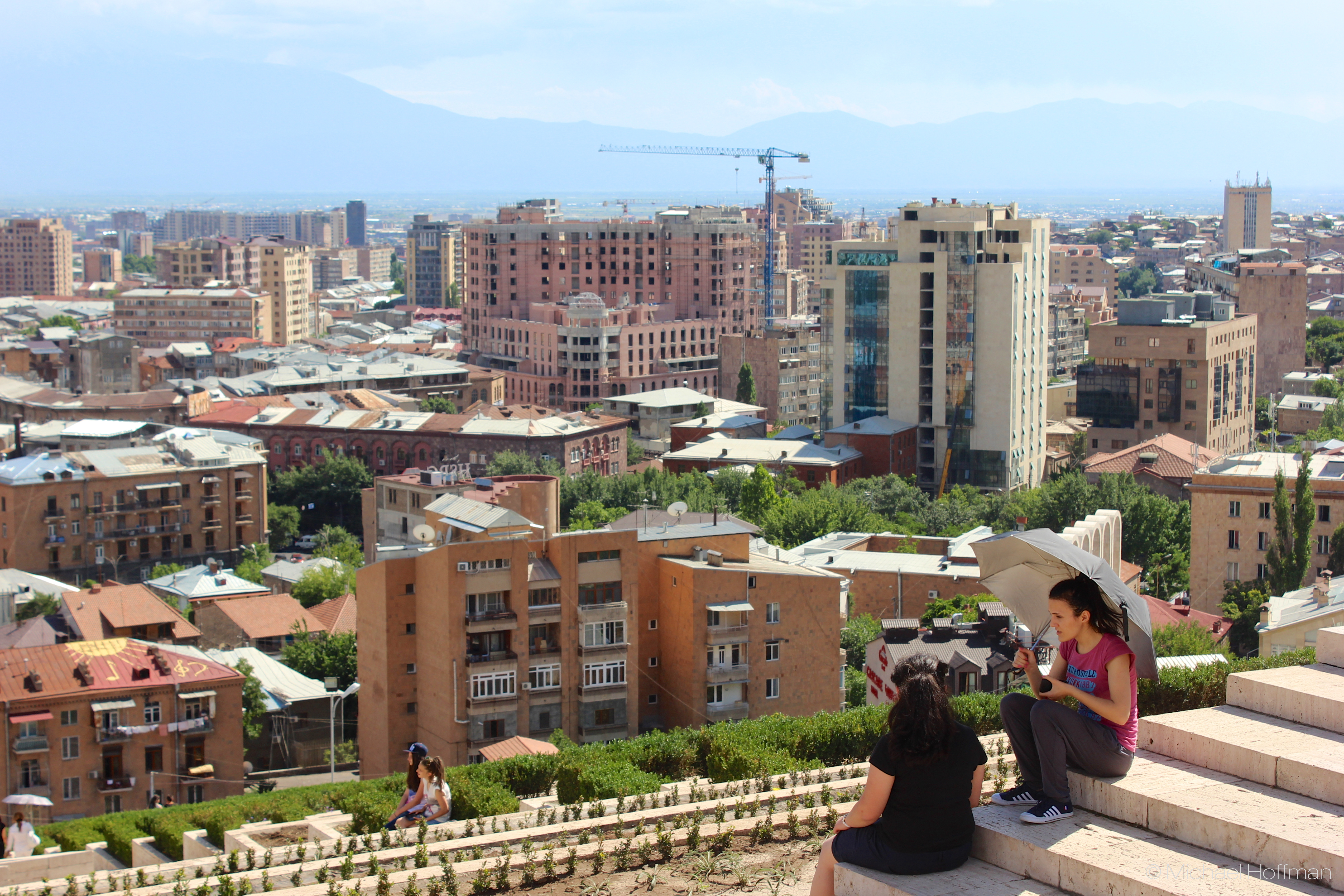
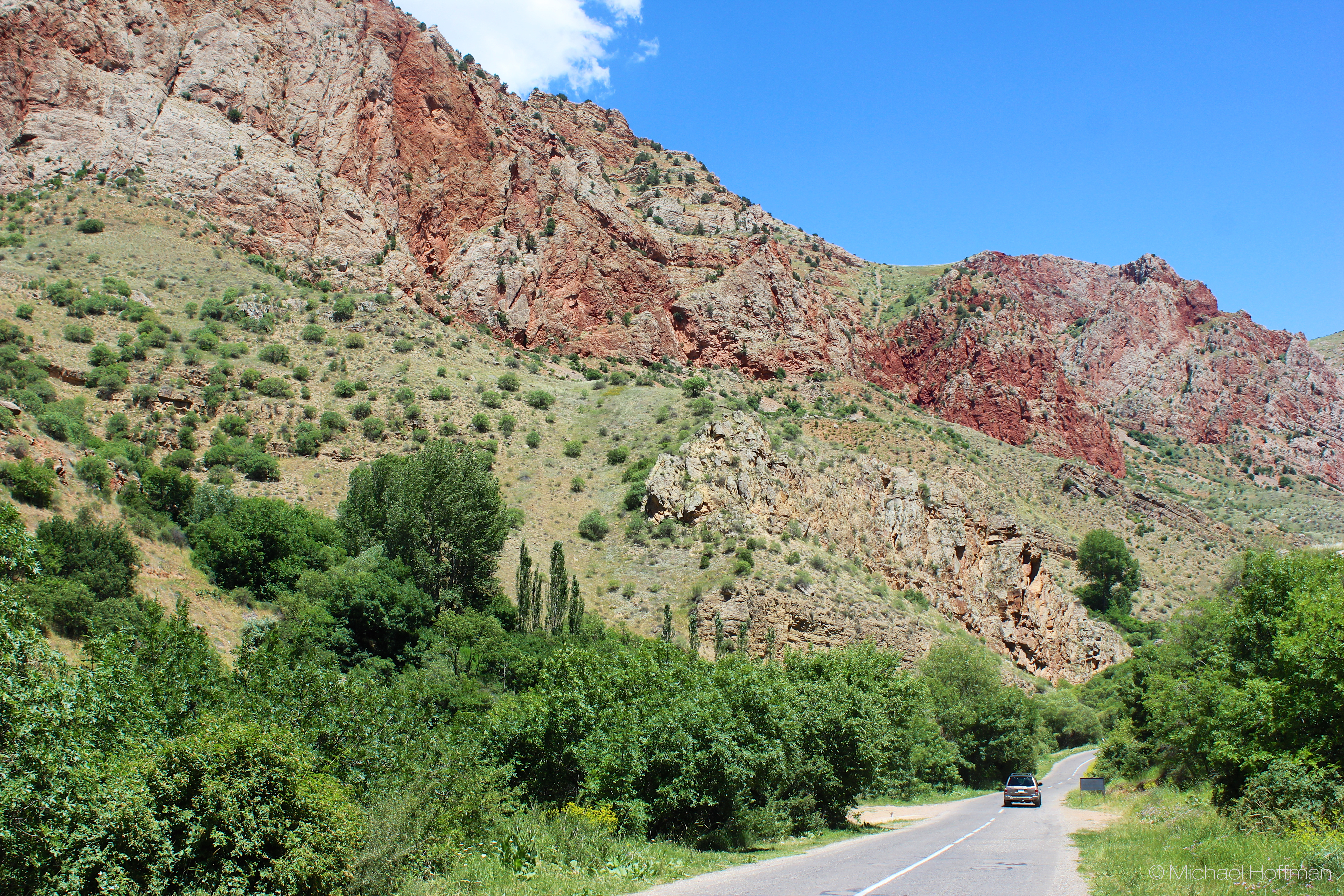
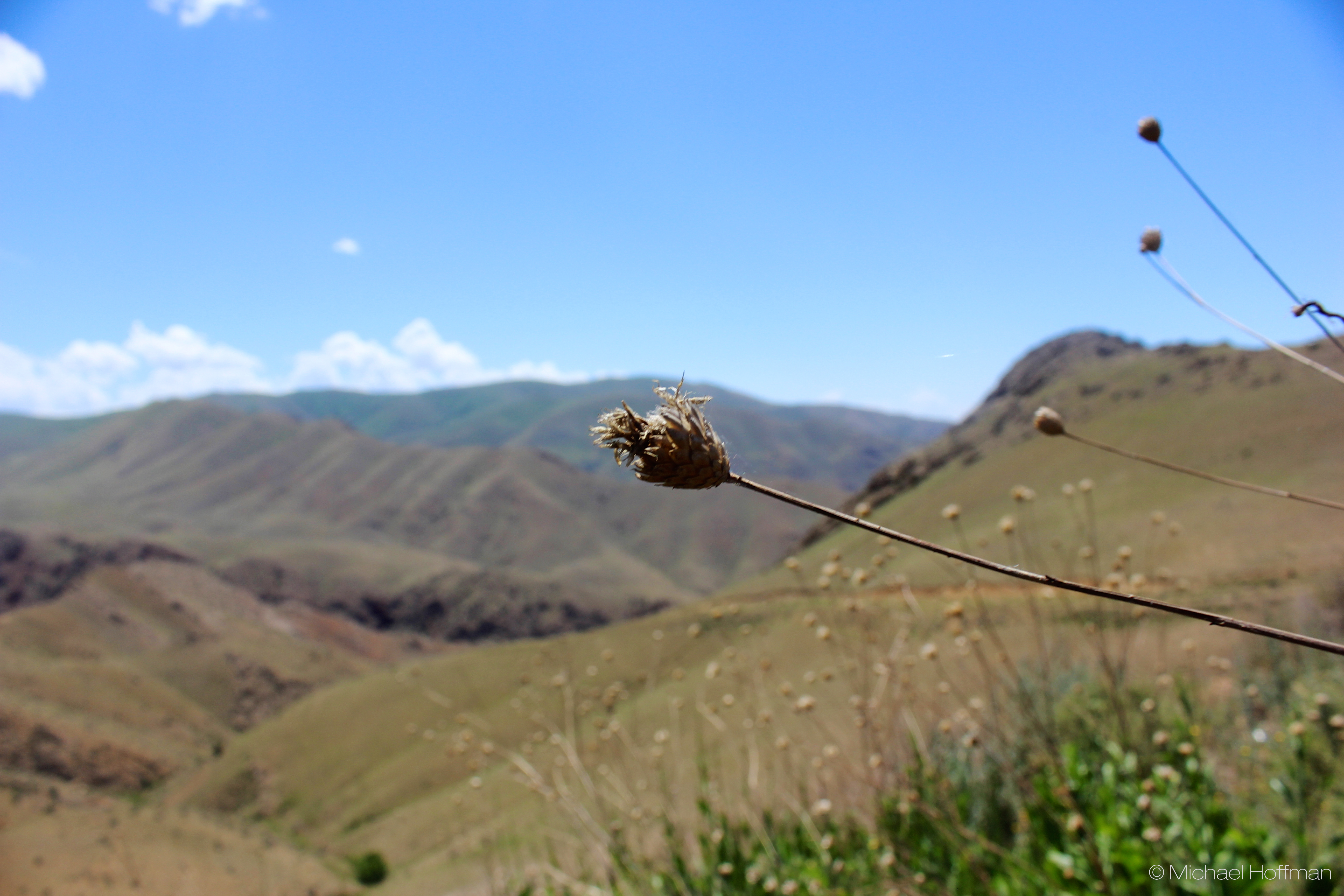
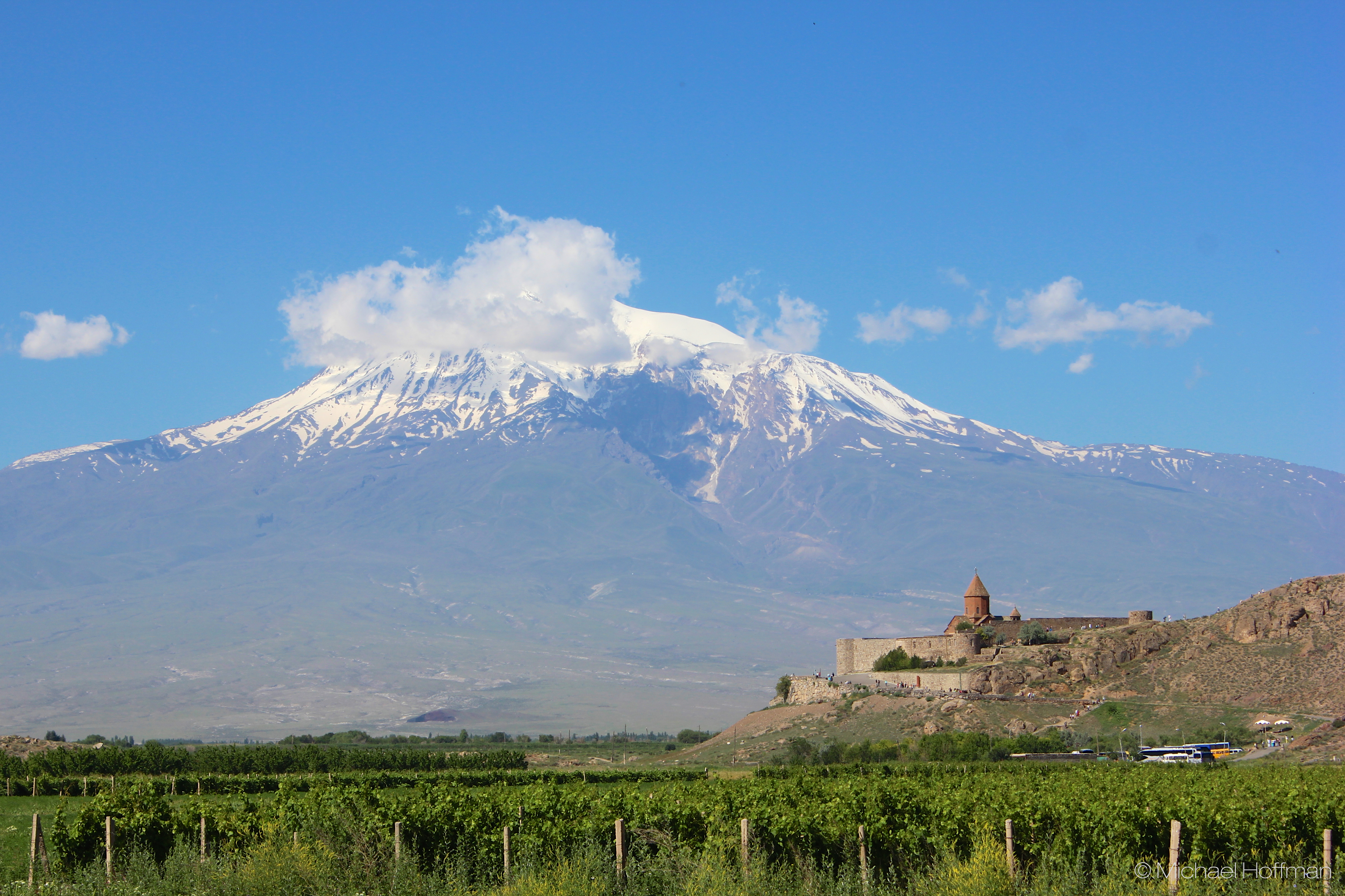
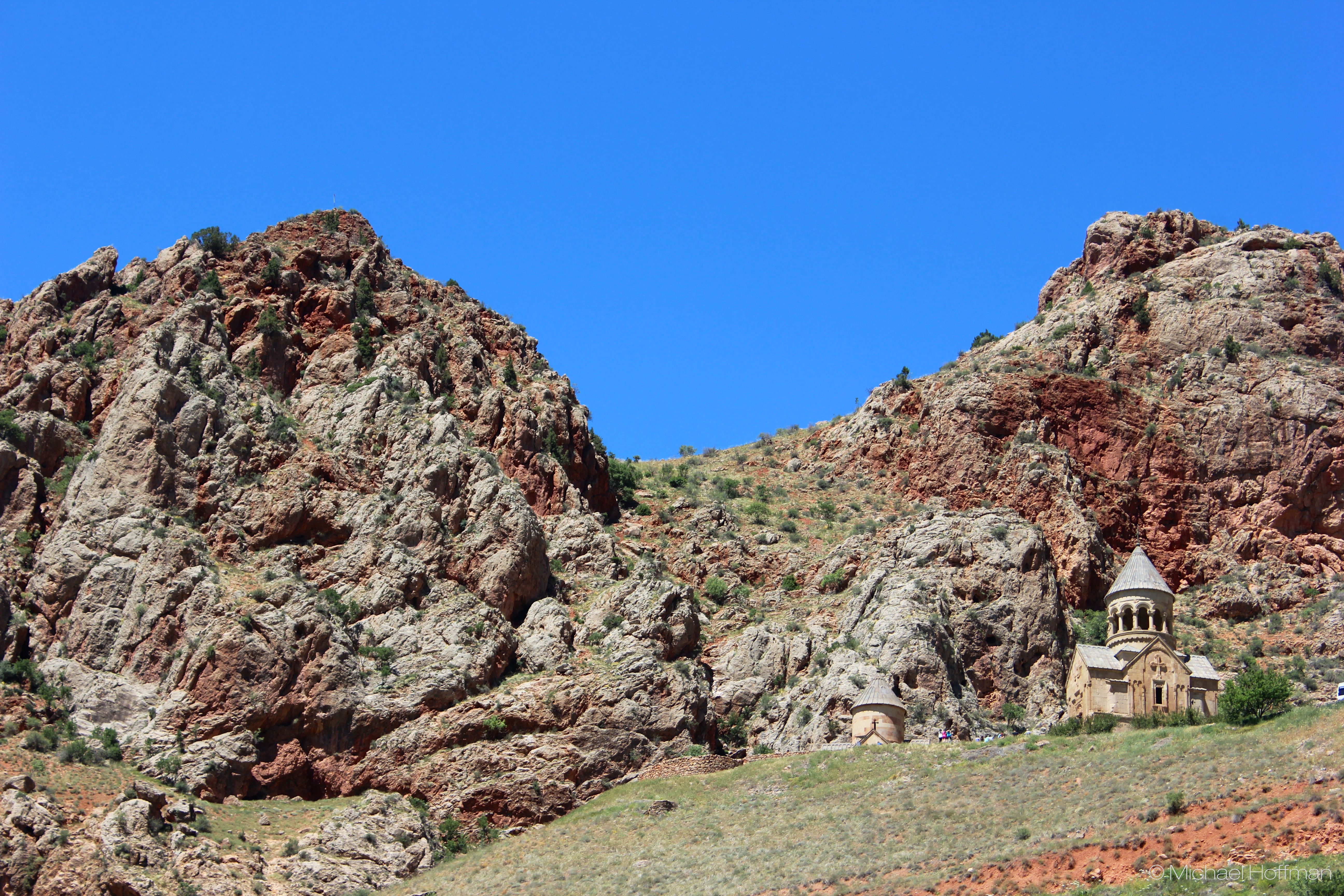
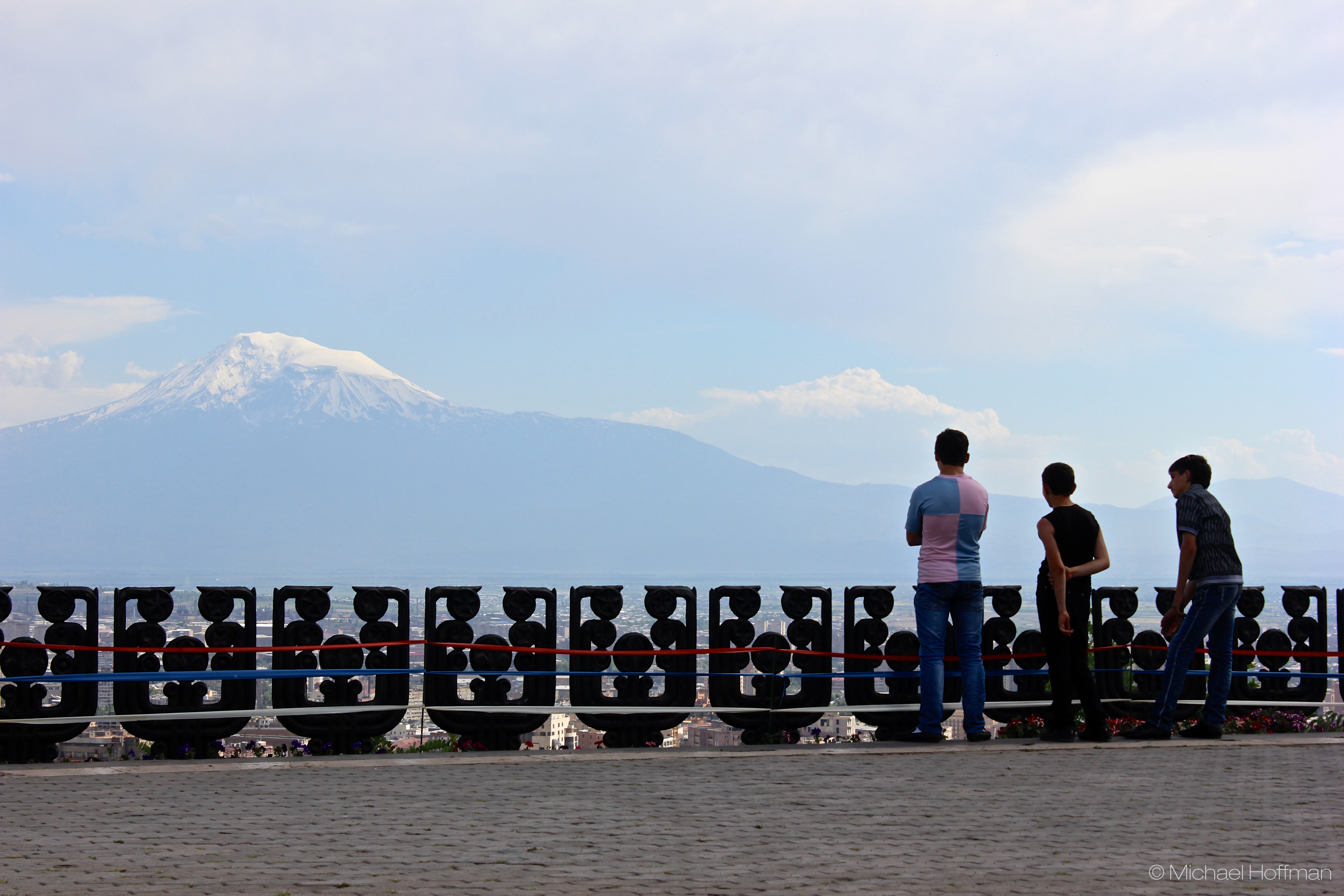
This one continues the last entry, “The Churches of Georgia,” which I posted a few days ago. After leaving Georgia in the southern direction, the scenery changes quite suddenly. Georgia consists mainly of fertile lowlands and highlands rich in vegetation. Armenia, in contrast, is situated at a higher altitude, lying within a geologically high plateau, which is much older and much rocky than the hills in Georgia. These rocks shine red in many places, giving the landscape an astonishing look (see pictures three and six). Even the capital, Yerevan, seems to fit perfectly into the landscape, built primarily out of reddish stone gathered from the surrounding areas (pictures one and two). There is no denying Armenia is a beautiful place. But the most breathtaking feature is the view of something actually situated outside the country’s borders. The mountain of Ararat lies like a guardian upon the land, and the view of the snow-covered giant (5.137 m or 16,854 ft) is one of the most beautiful things you can see in your life (picture five). As the supposed landing sight of Noah’s ark, it is a spiritual place deeply embedded within the national soul of the Armenians. Today, the Ararat is situated in Turkey, making it an always visible reminder of the painful and complicated history of the western neighbor.

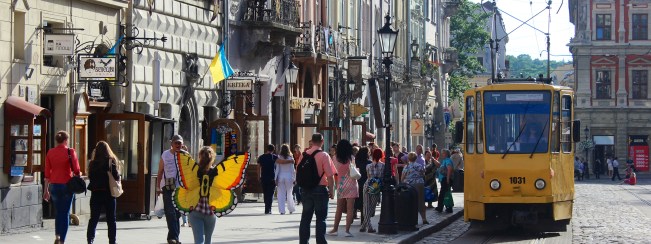
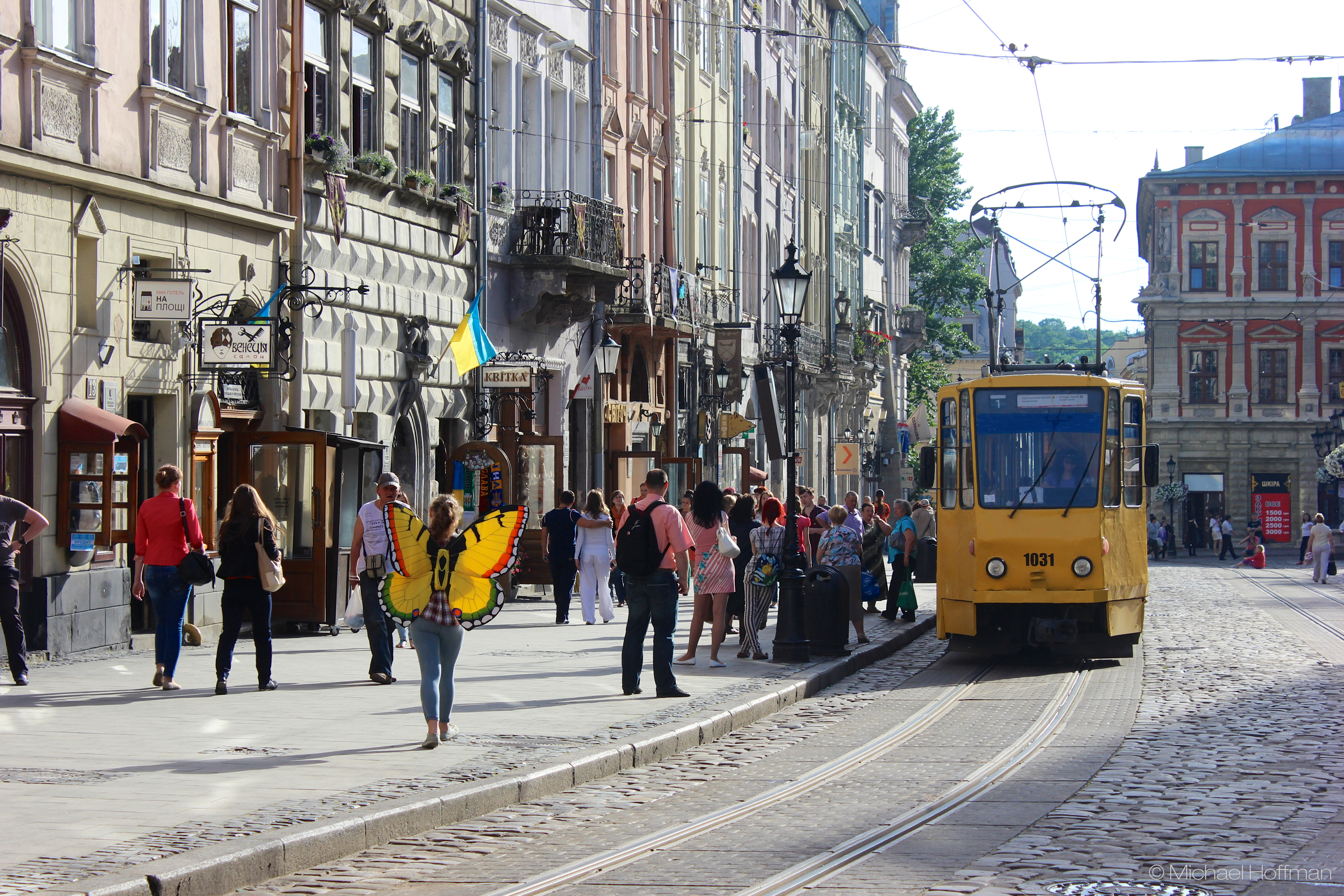
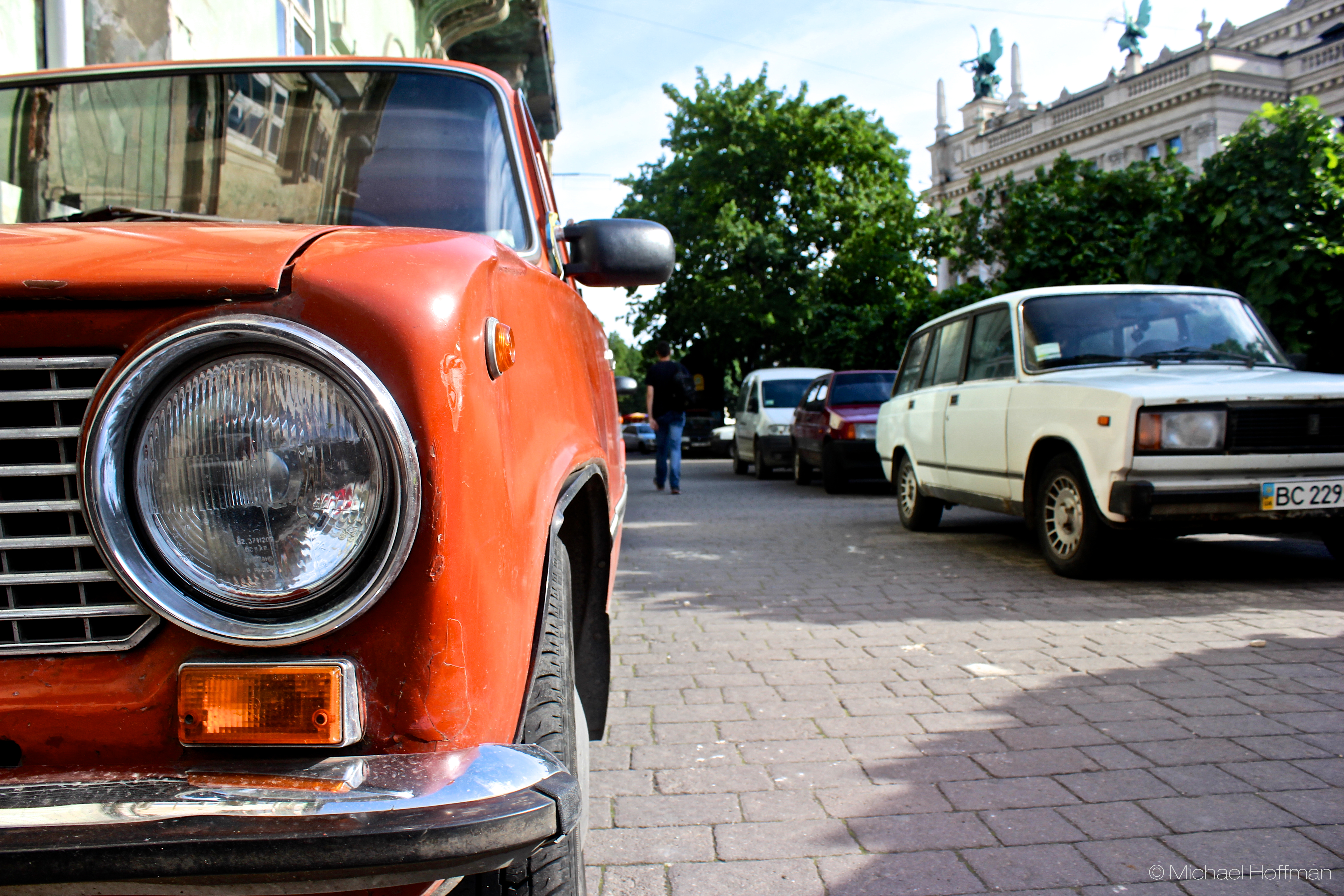
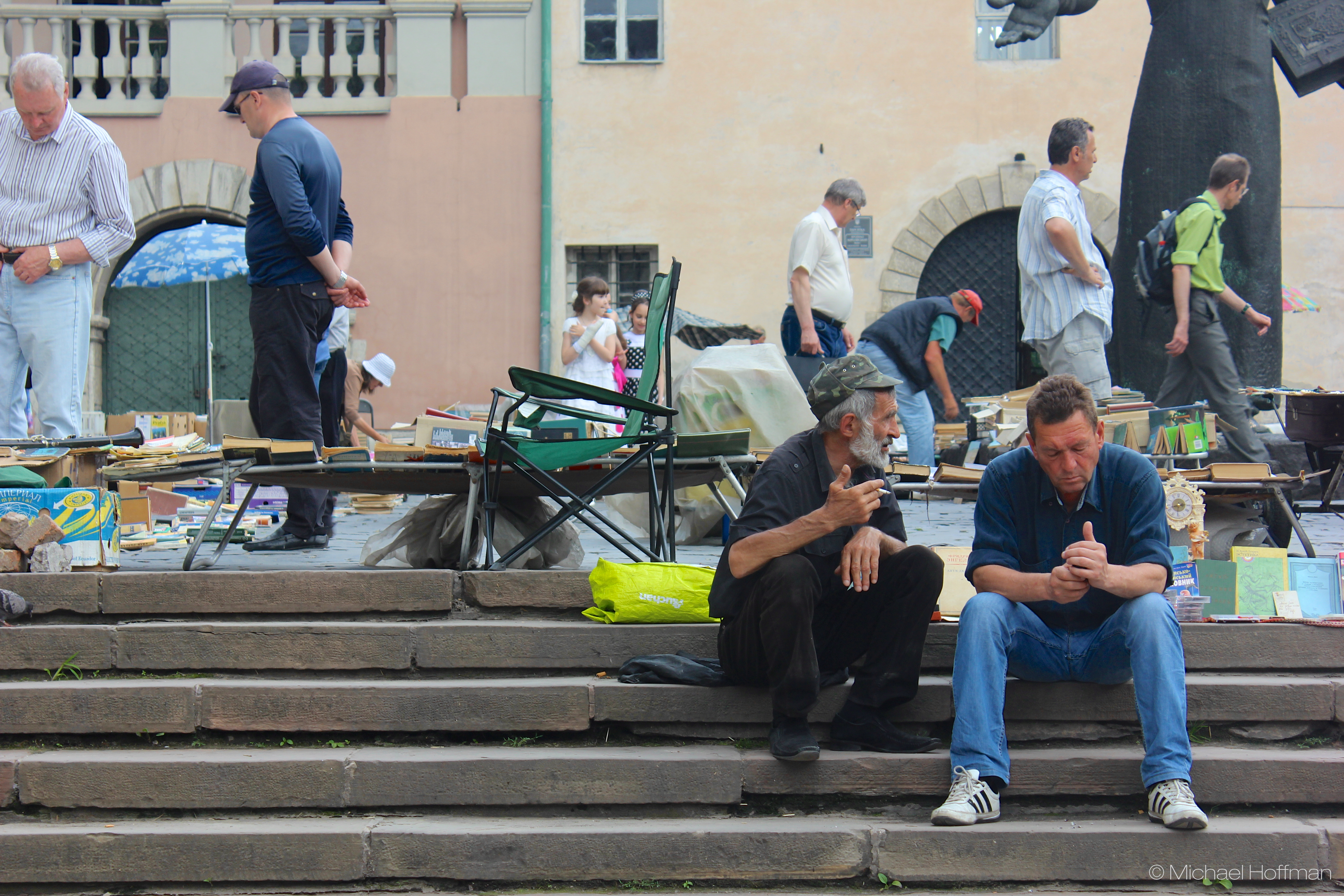
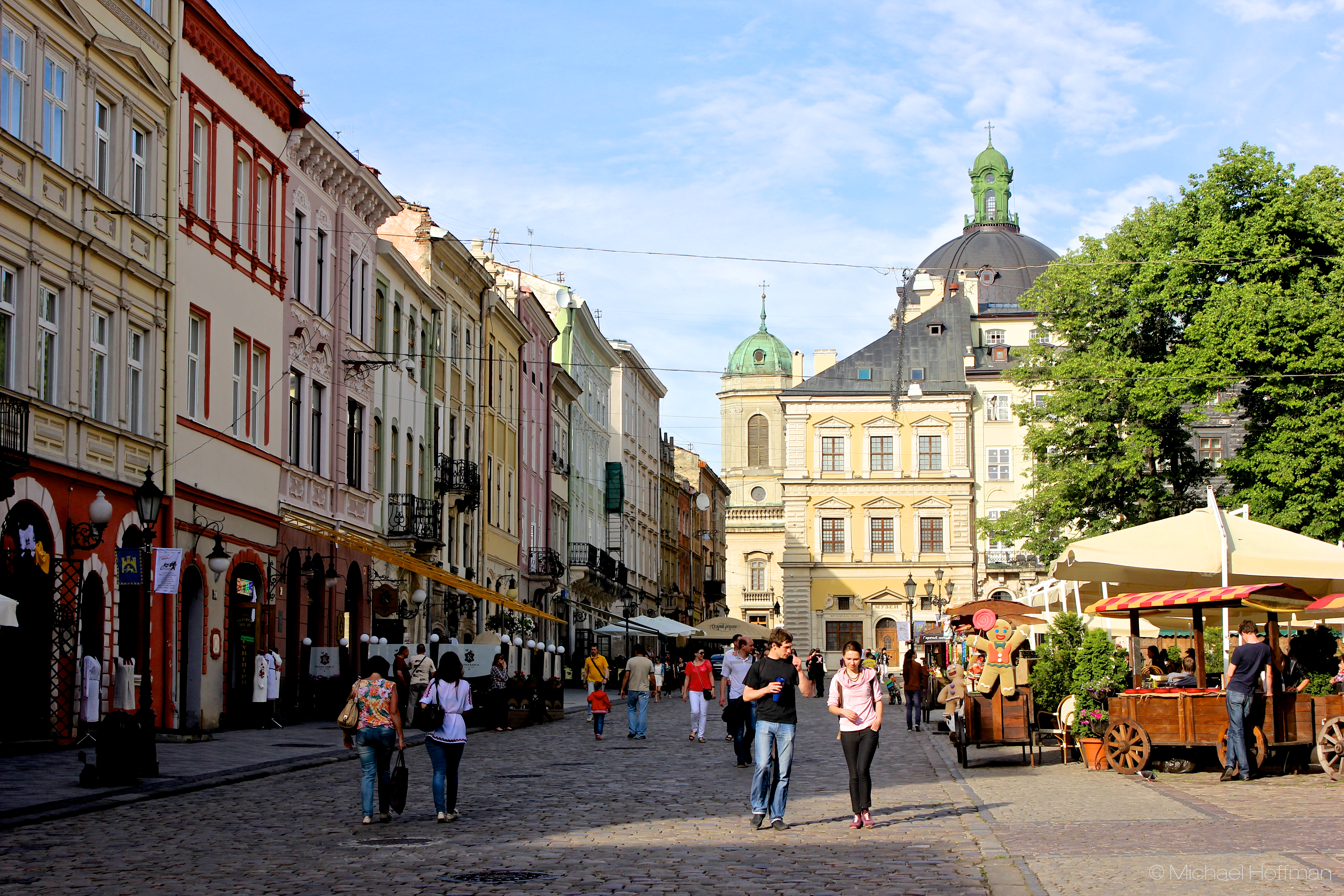
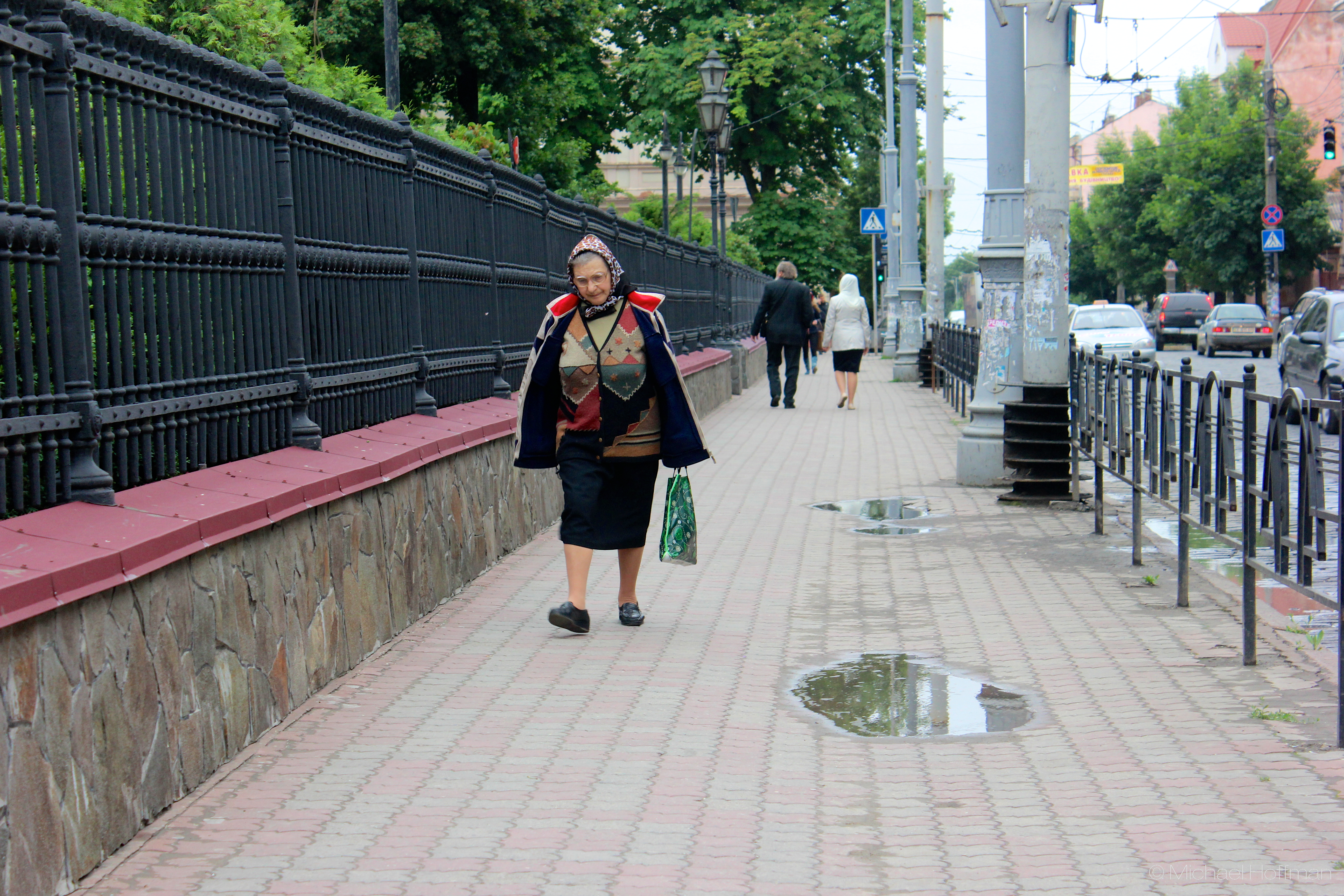
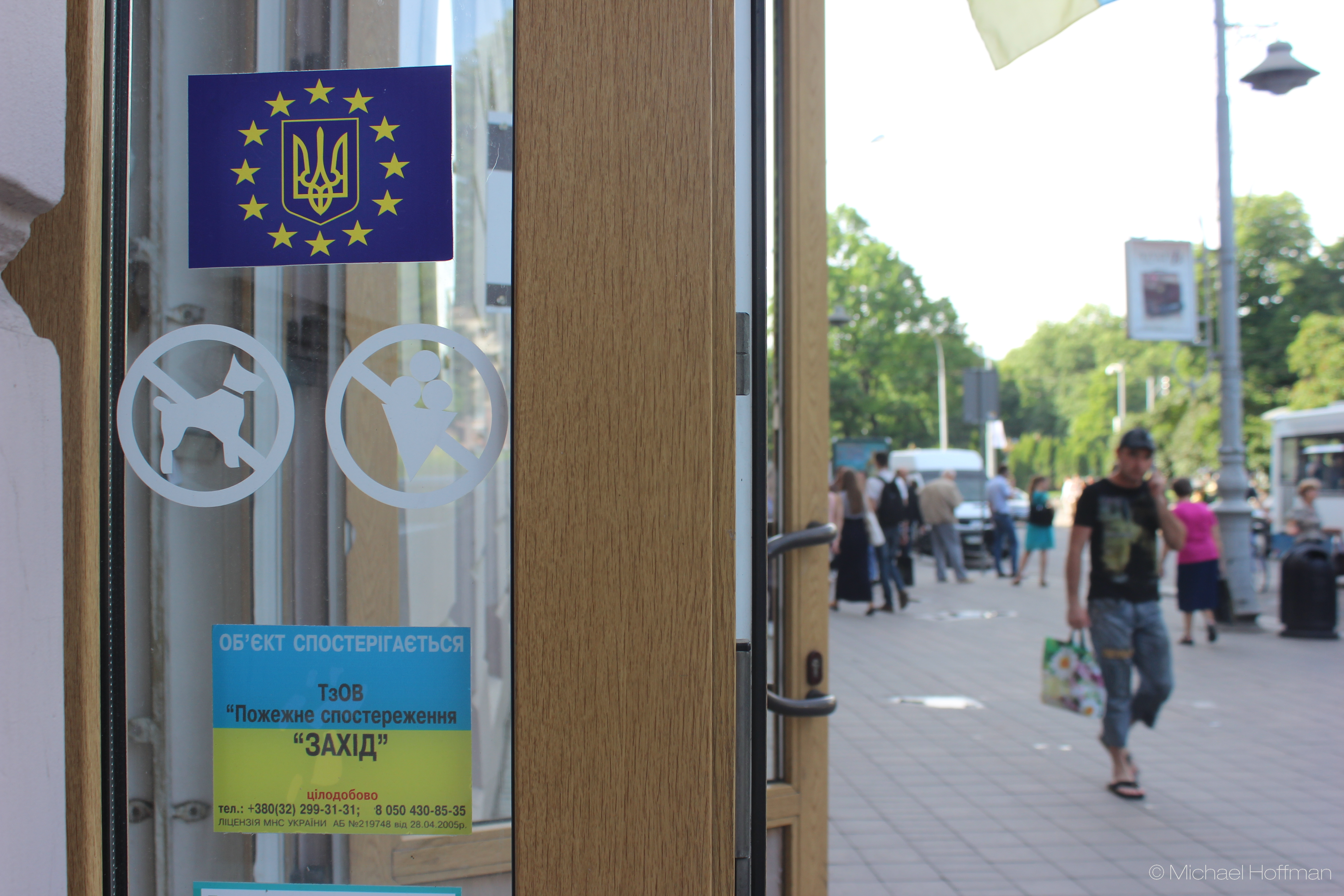
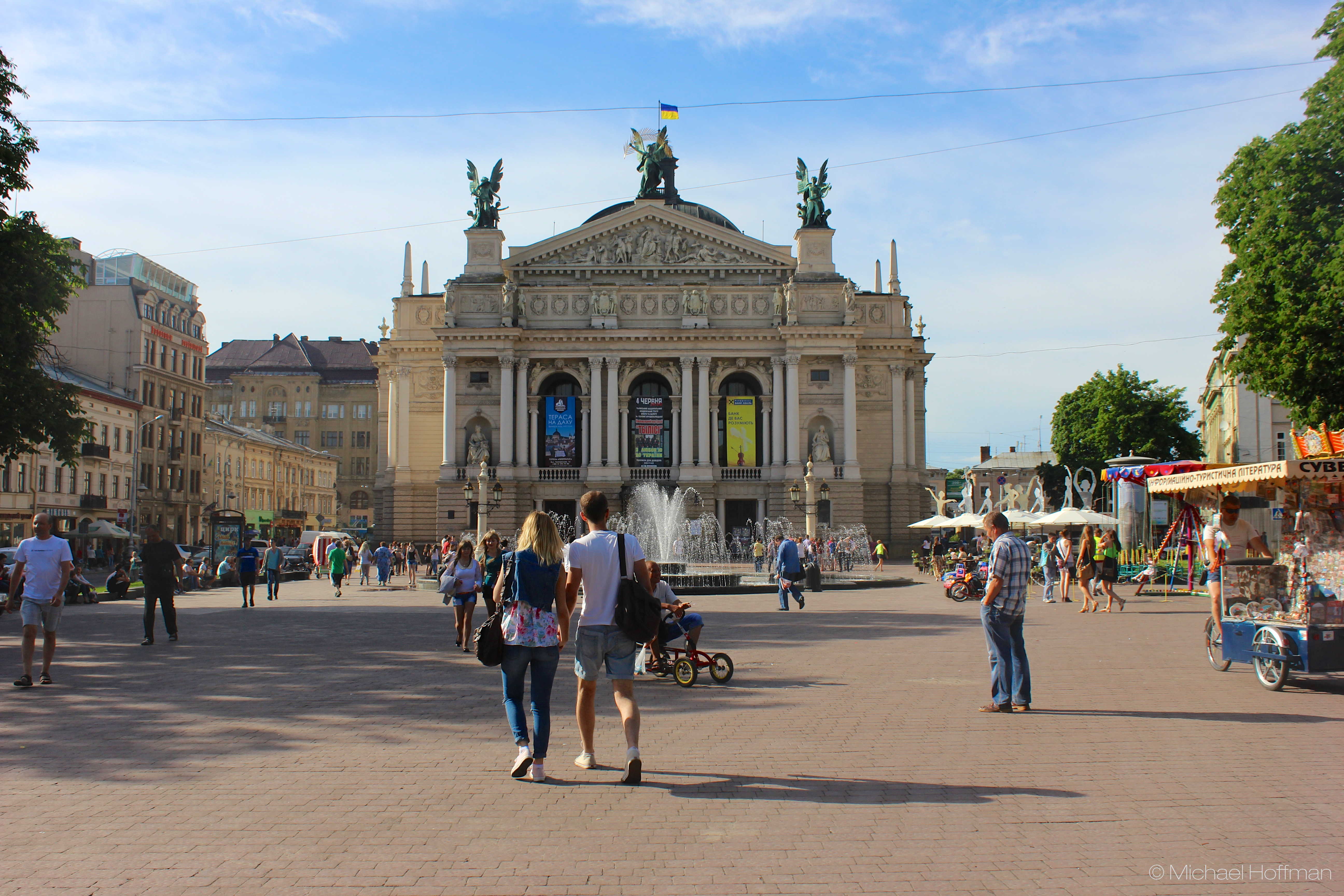
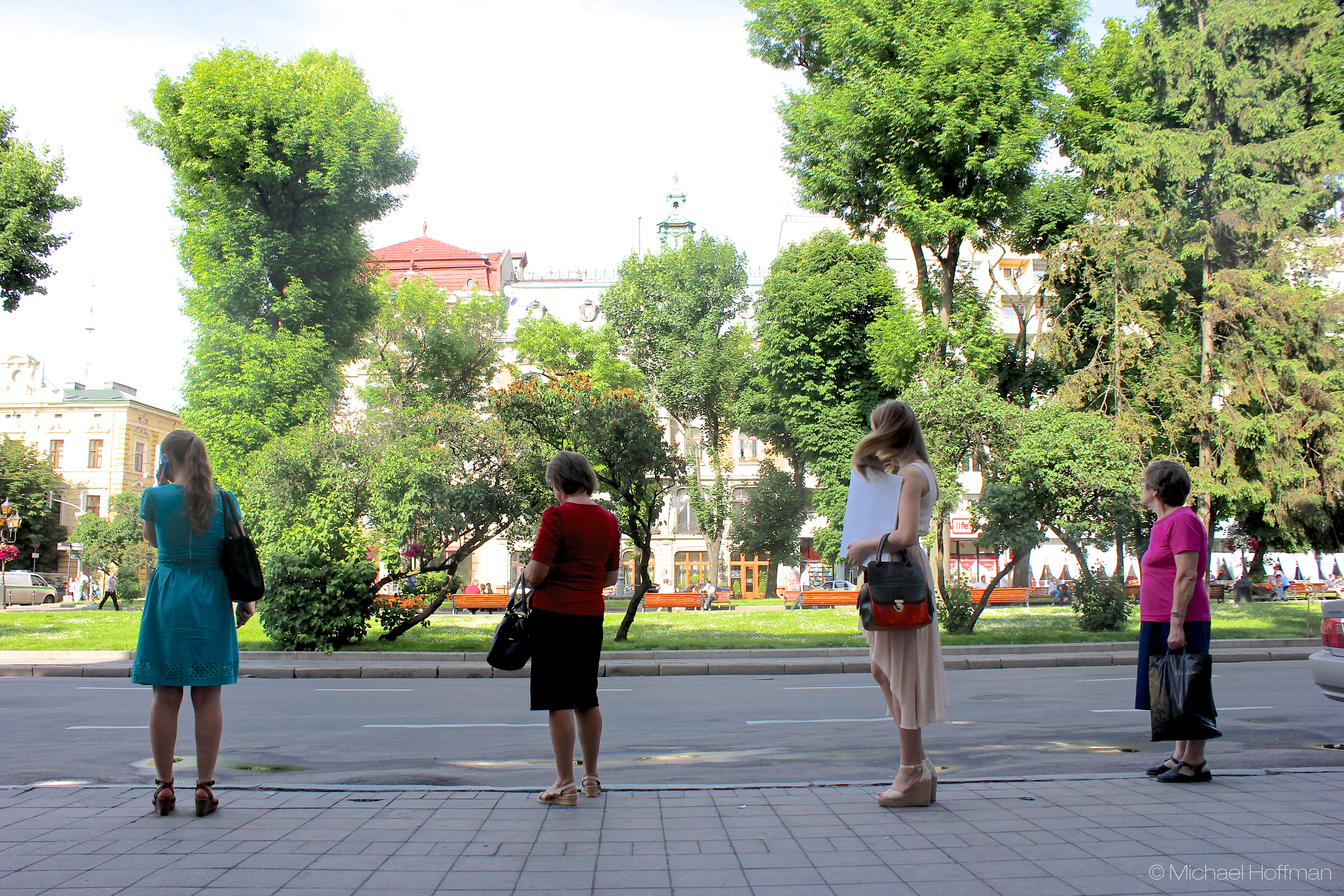
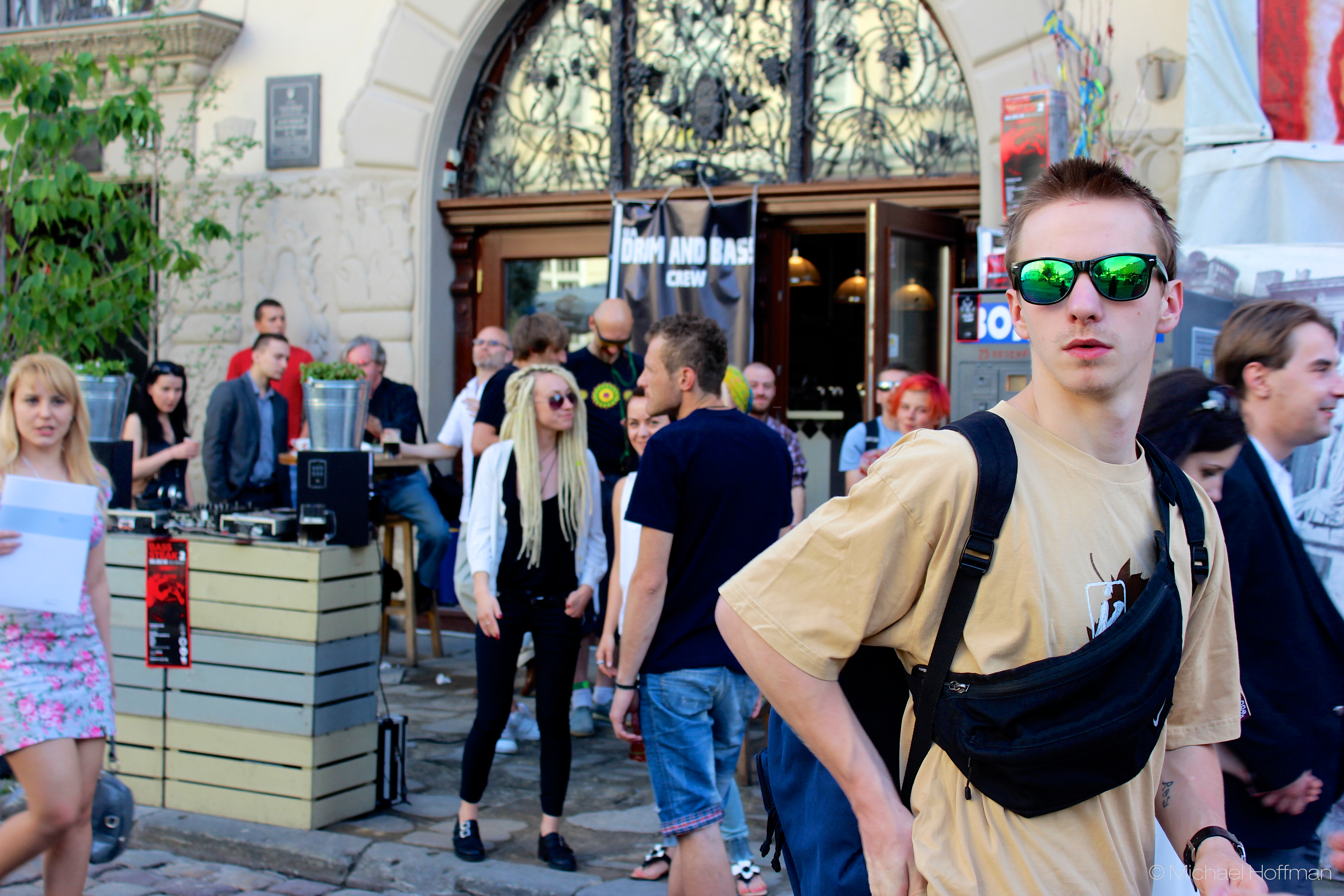
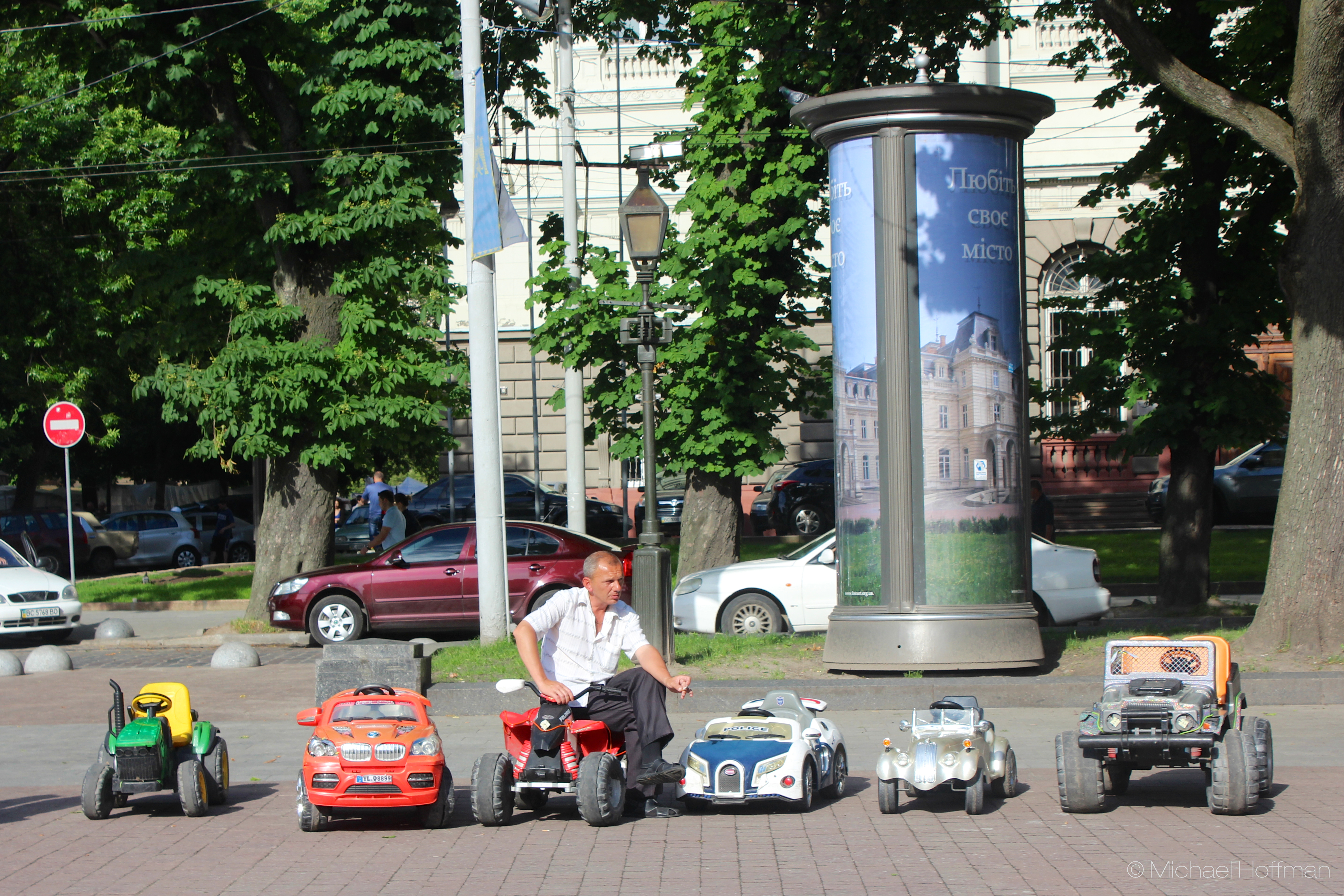
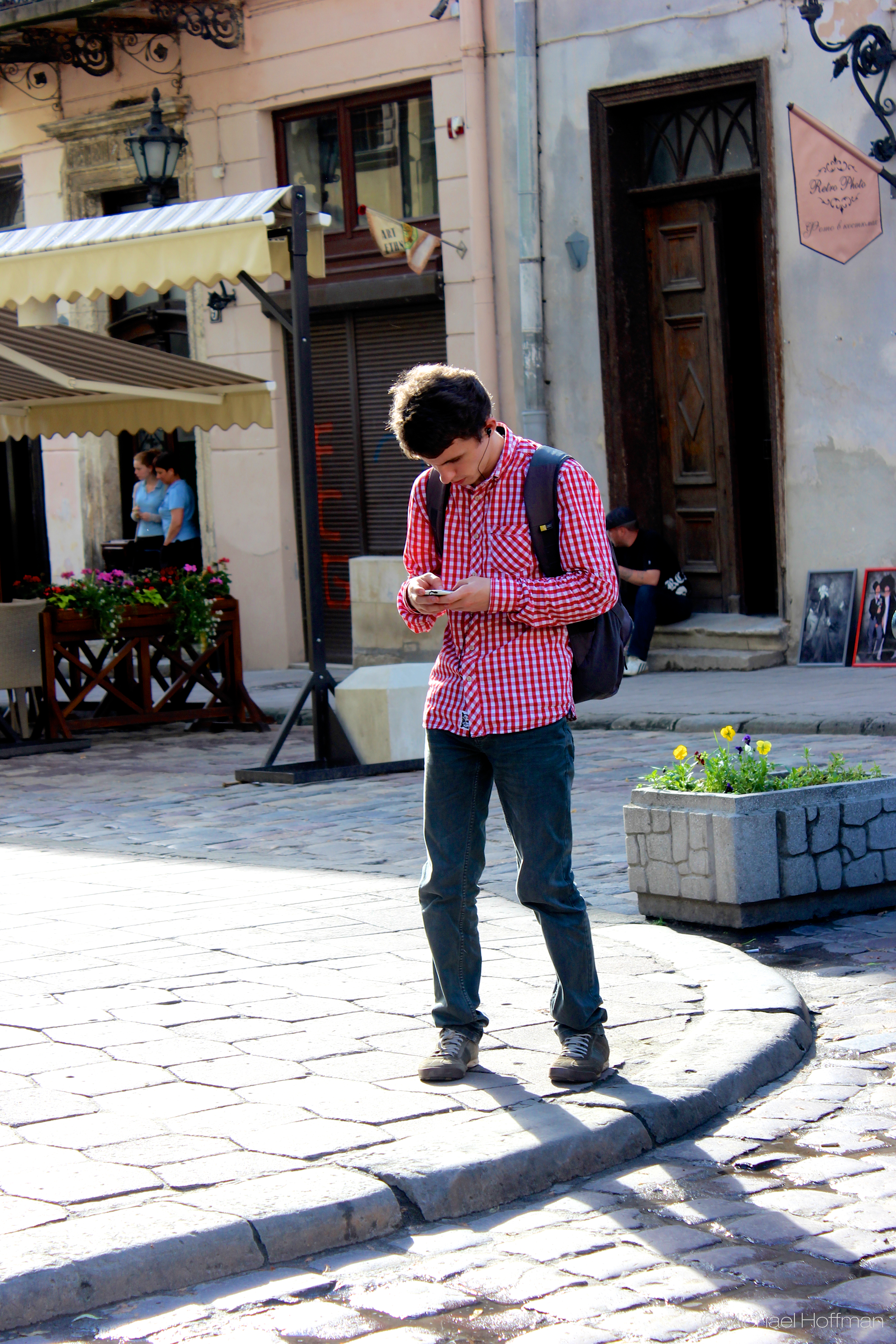
As I was on a working trip in Ukraine, I just had a couple of hours of spare time to explore the streets on my own, and there was barely time to make the proper adjustments or wait for the best light – so I just shot what came in front of my lens while walking through the magnificent old town of Lviv (Lemberg). As you can imagine, there is a dense atmosphere right now in Ukraine. Though Lviv was very peaceful, you see a lot of flags hanging from the windows. Not just Ukrainian ones, but almost as often flags of the European Union, too. The people here demand change and strive for a better life. I won’t forget the cab driver who hugged me and thanked me for the strong support from Europe. The hopes are high, hopefully, they won’t be dashed again. All the best to the Ukrainian people: Slava Ukraini!

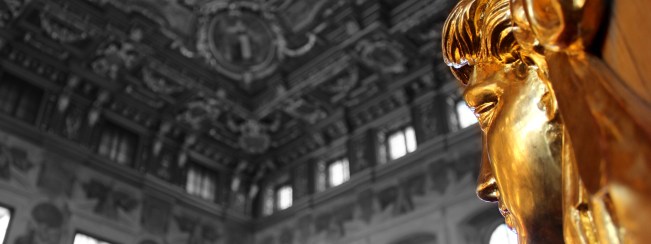
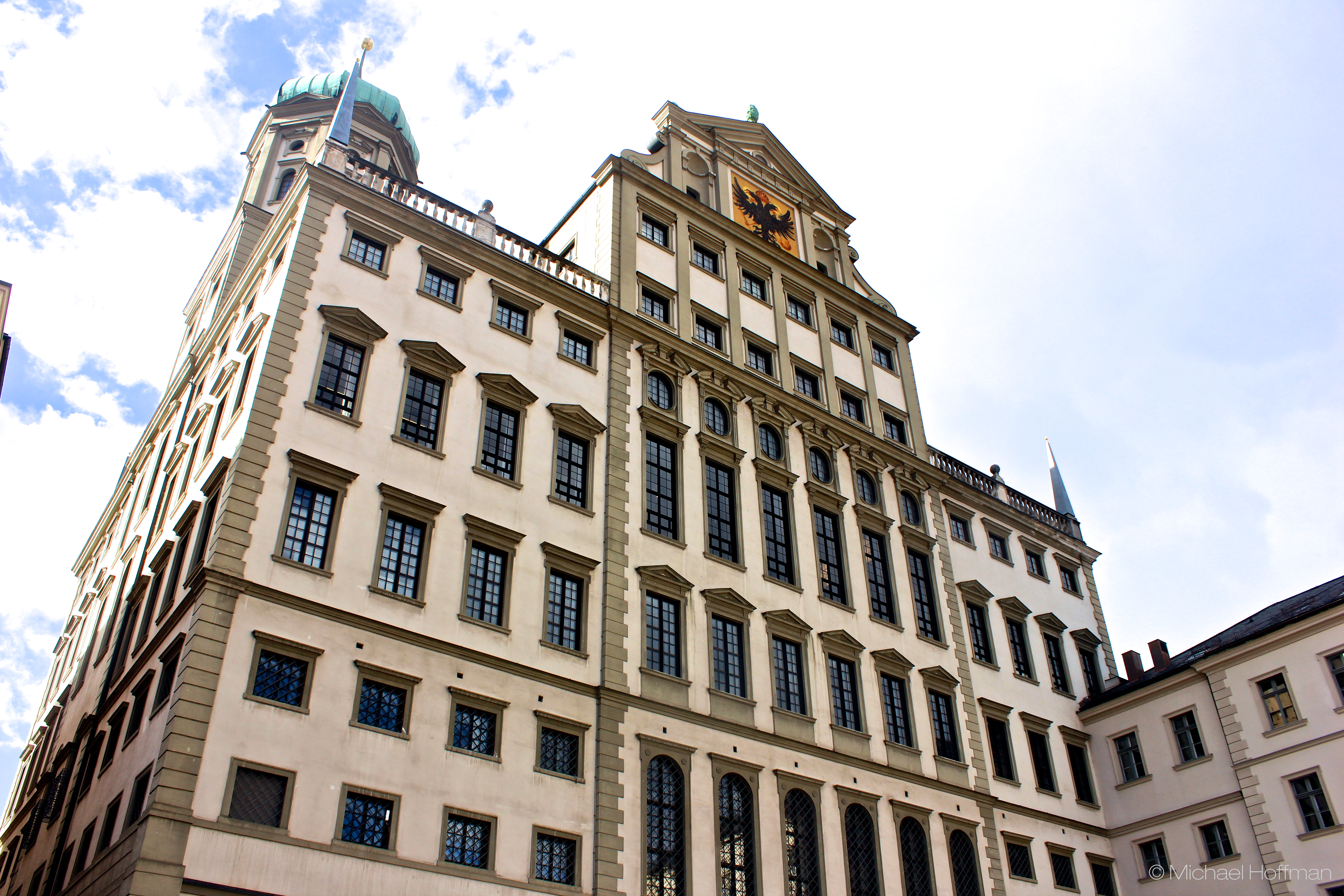
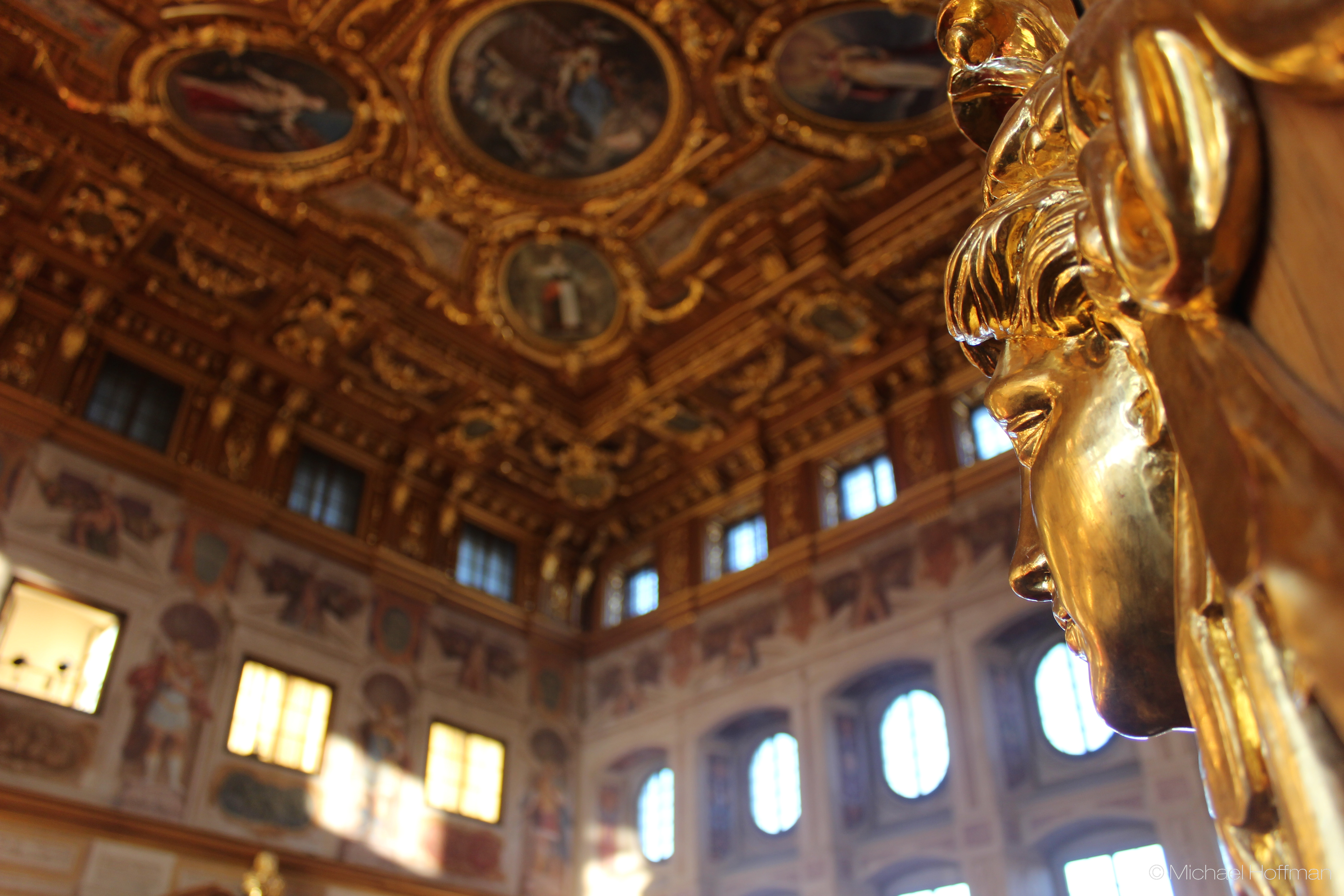
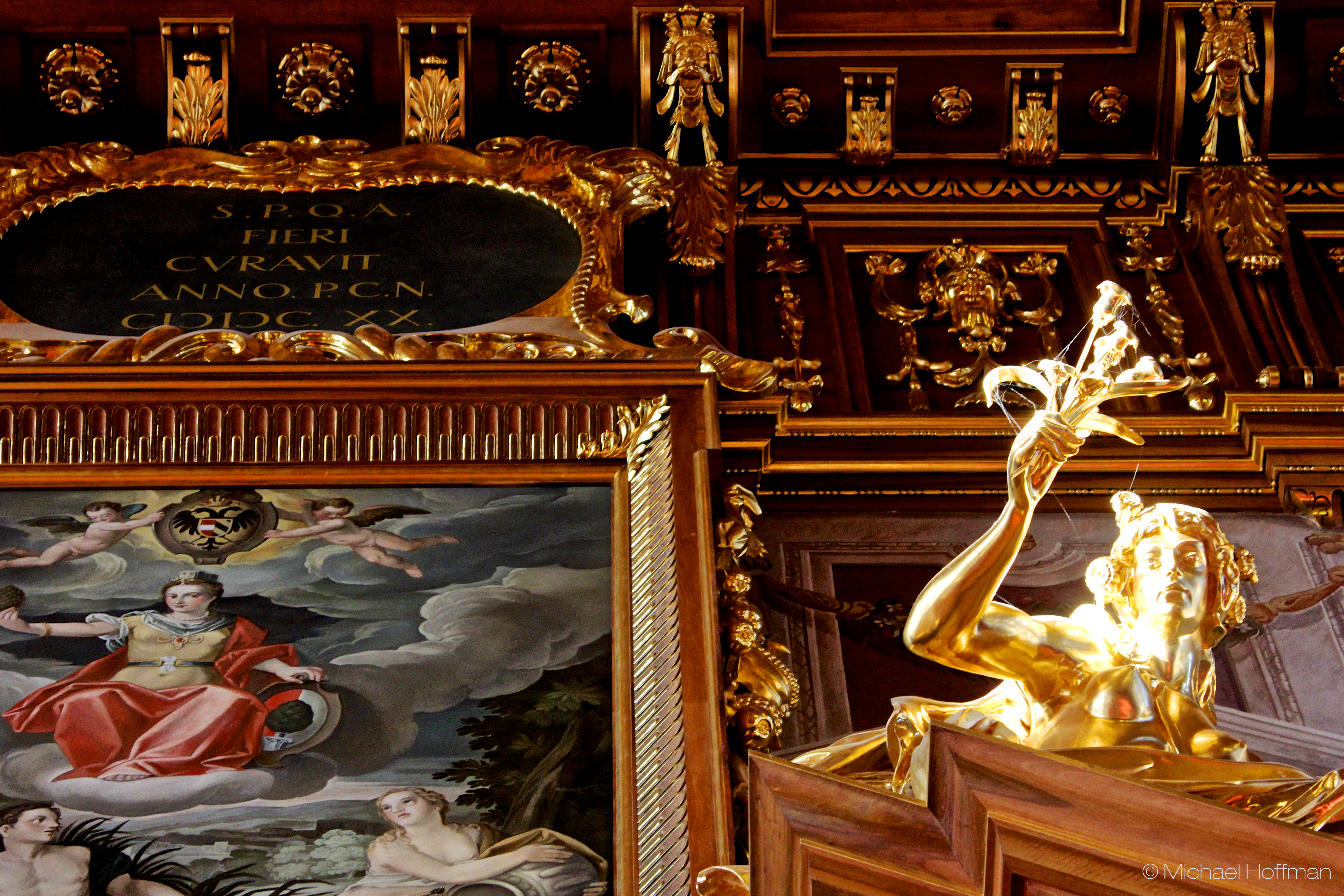
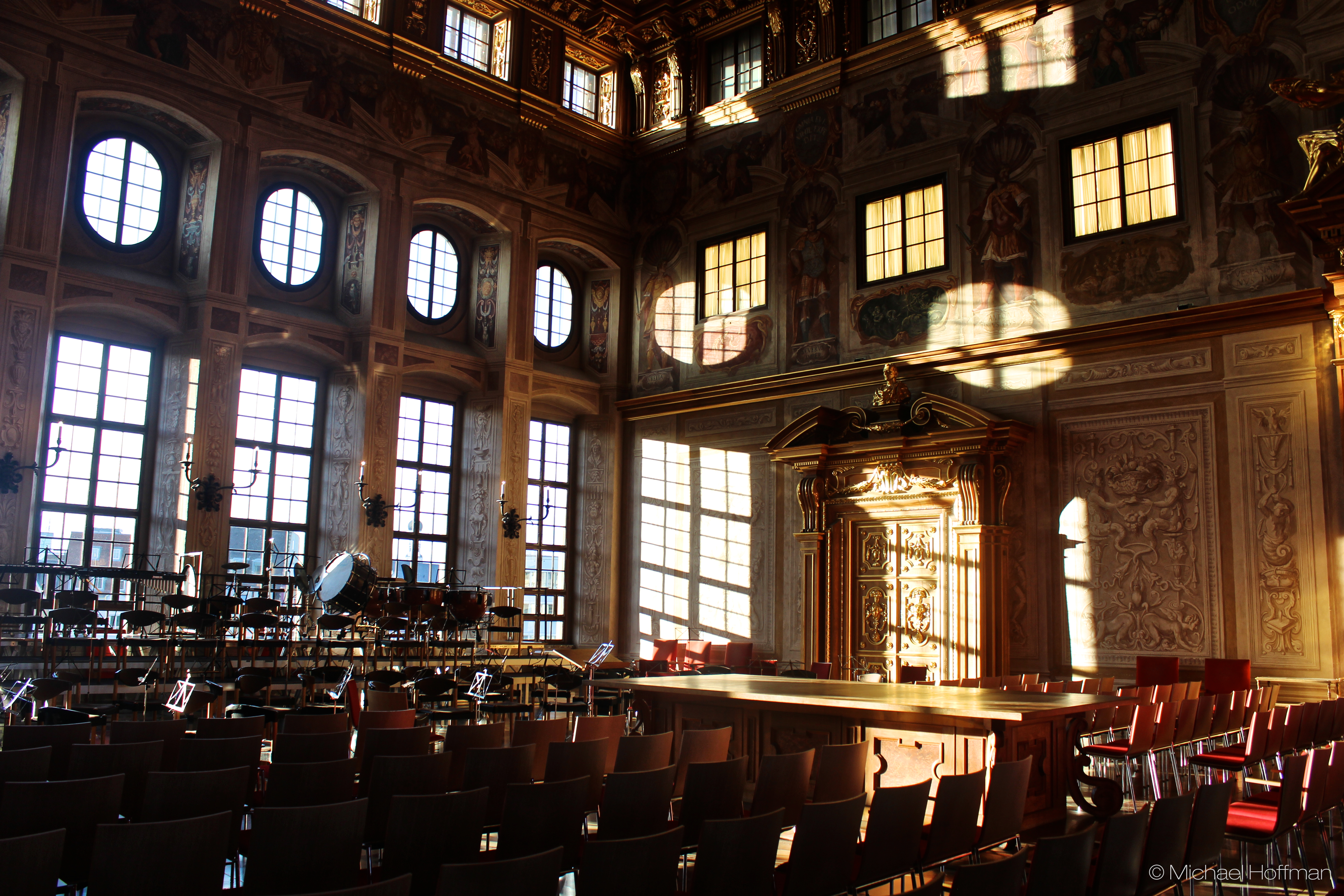
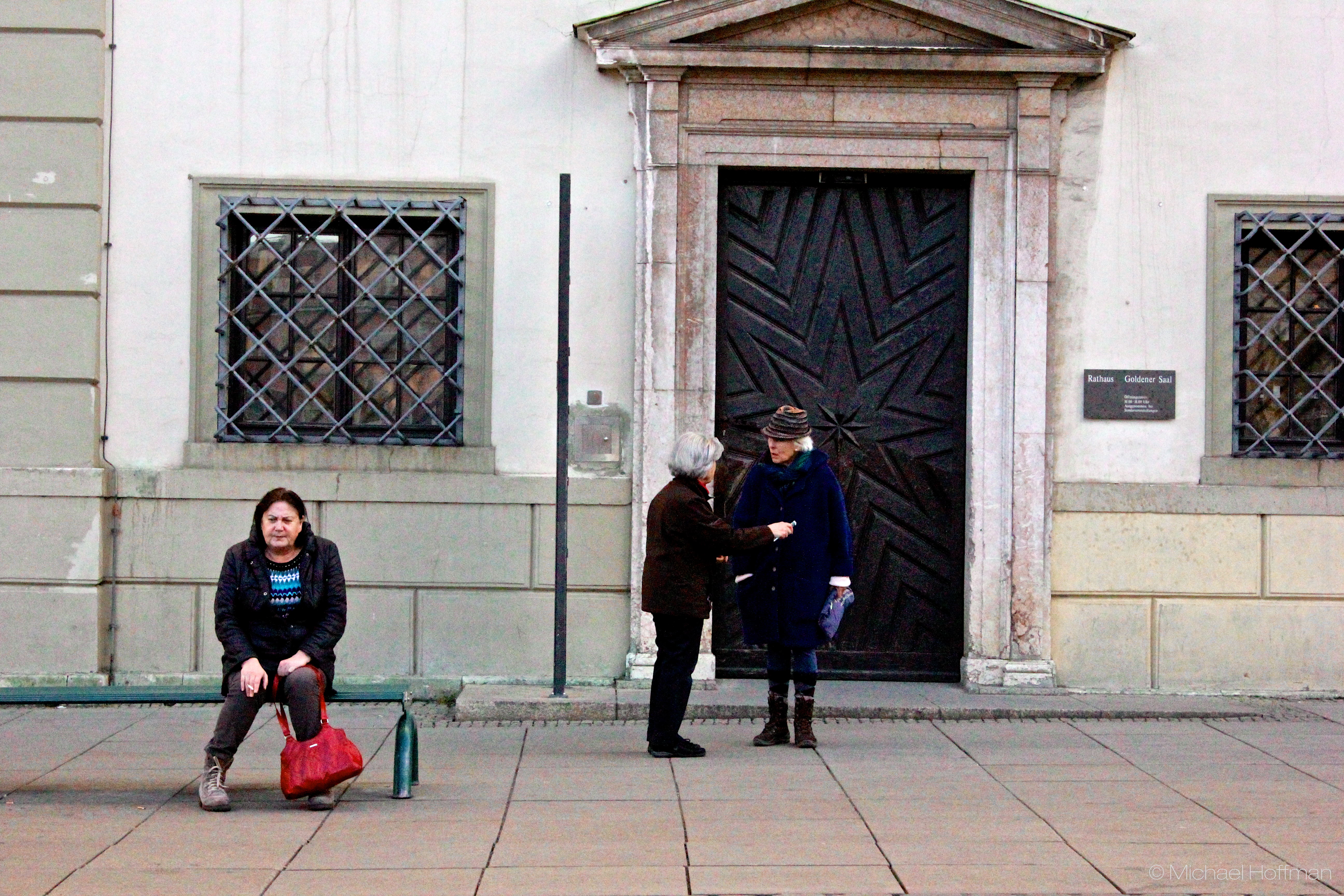
For an introduction to the series, please see Part 1. In this one, the focus is on architecture. I took a particular interest in the city’s civic hall (pictures 3 – 6). The Golden Hall is just marvelous. It was completely destroyed during World War II and rebuilt entirely. If you get the chance to visit Augsburg, pay a couple of euros and don’t miss it; it’s worth it.
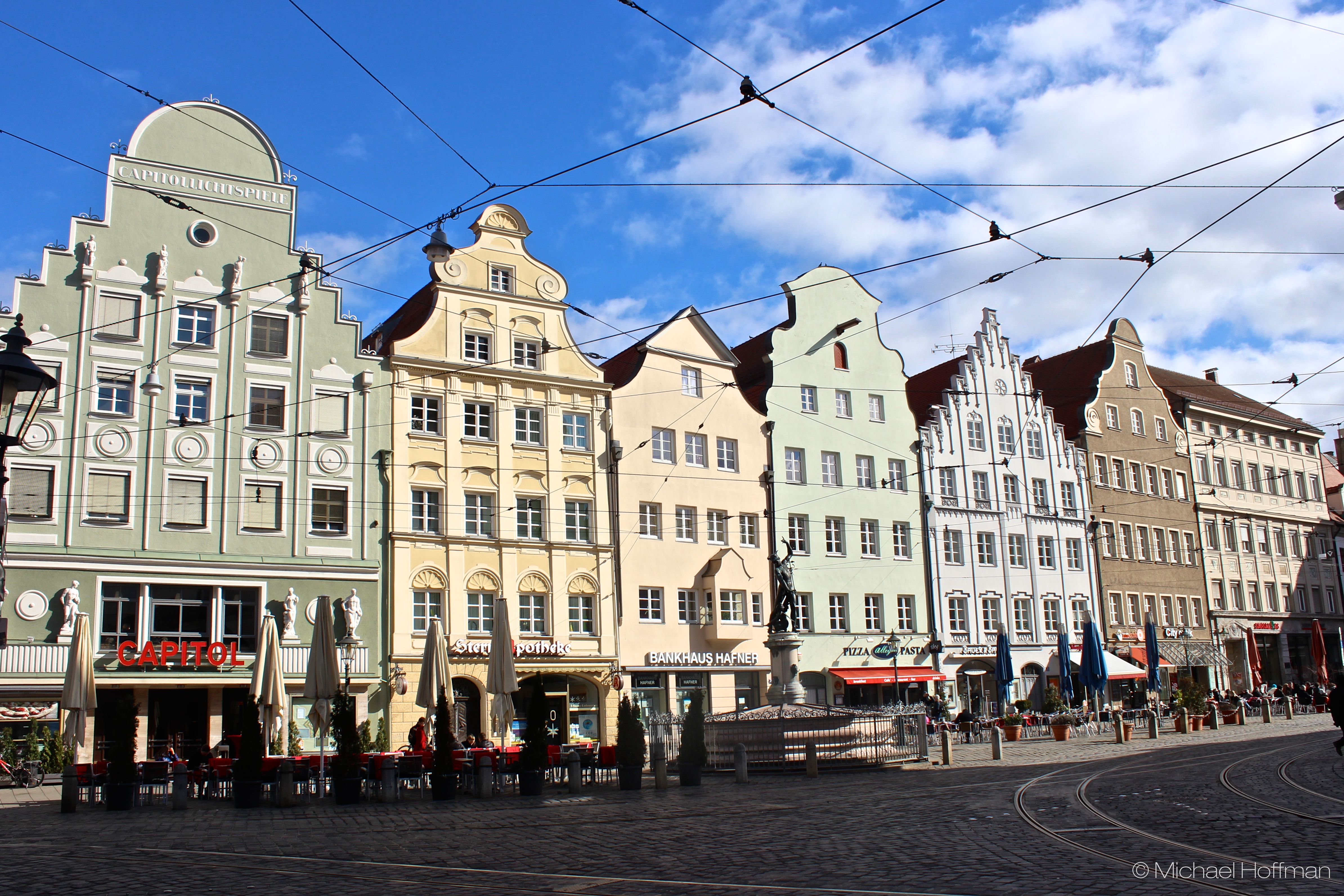
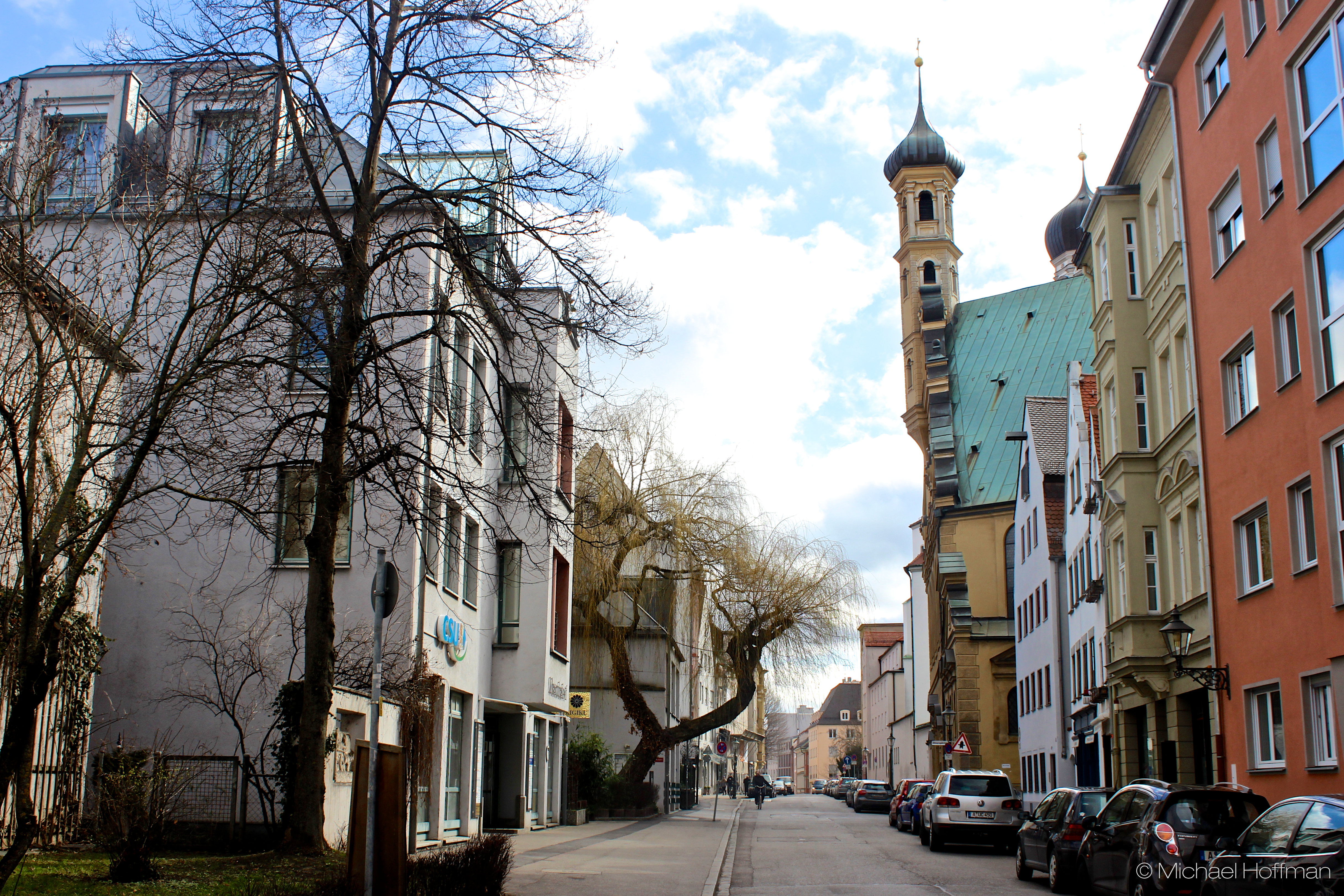
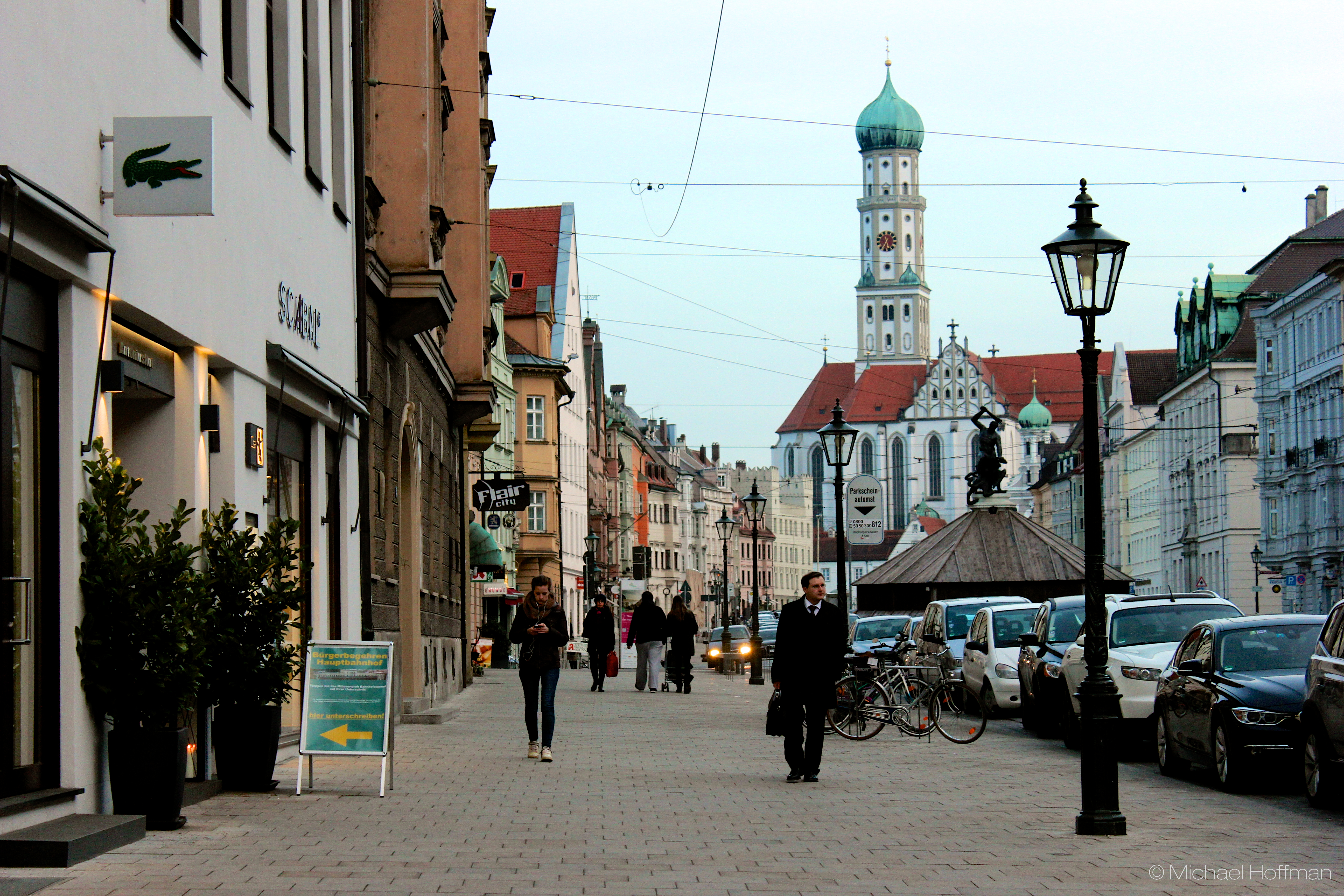
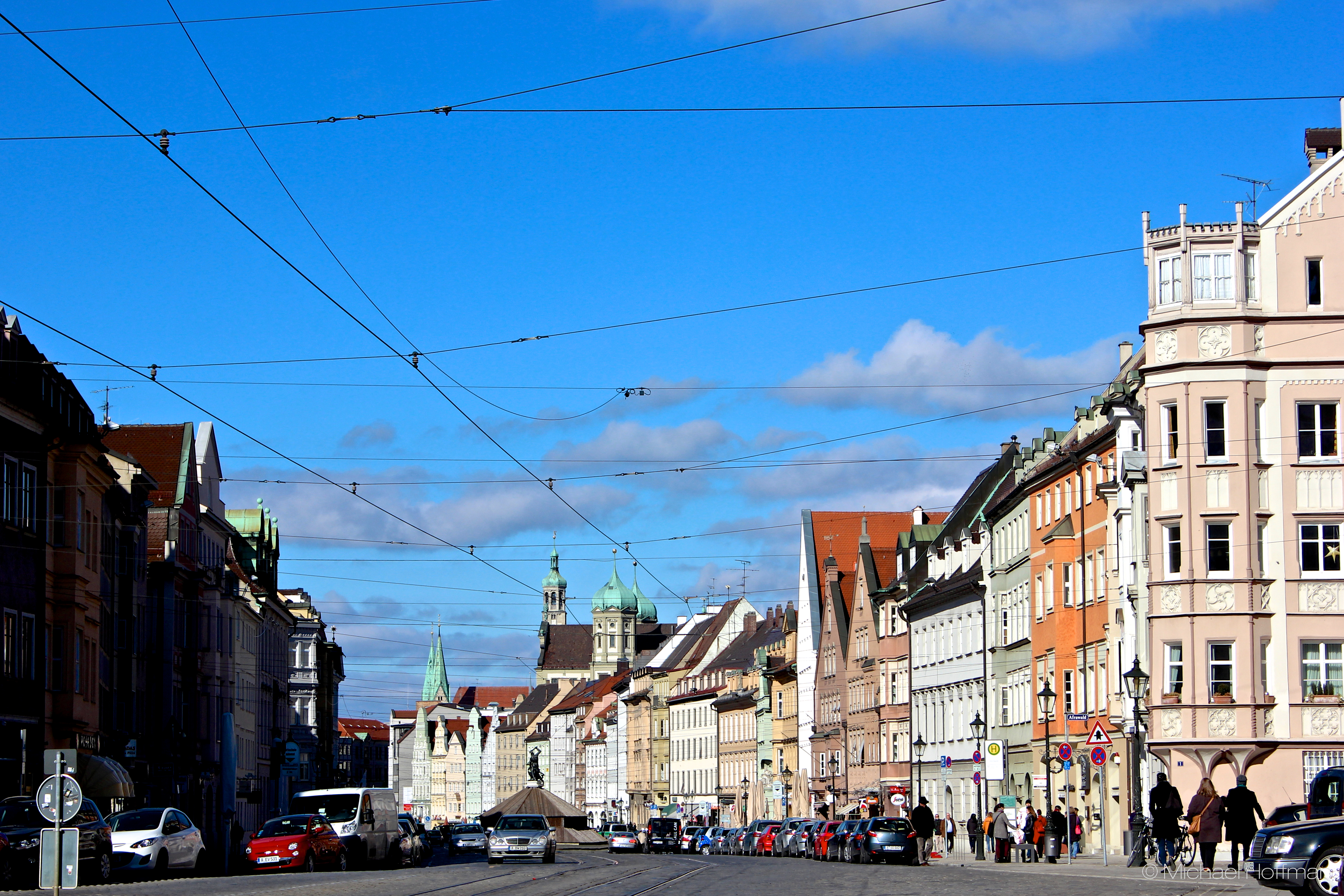
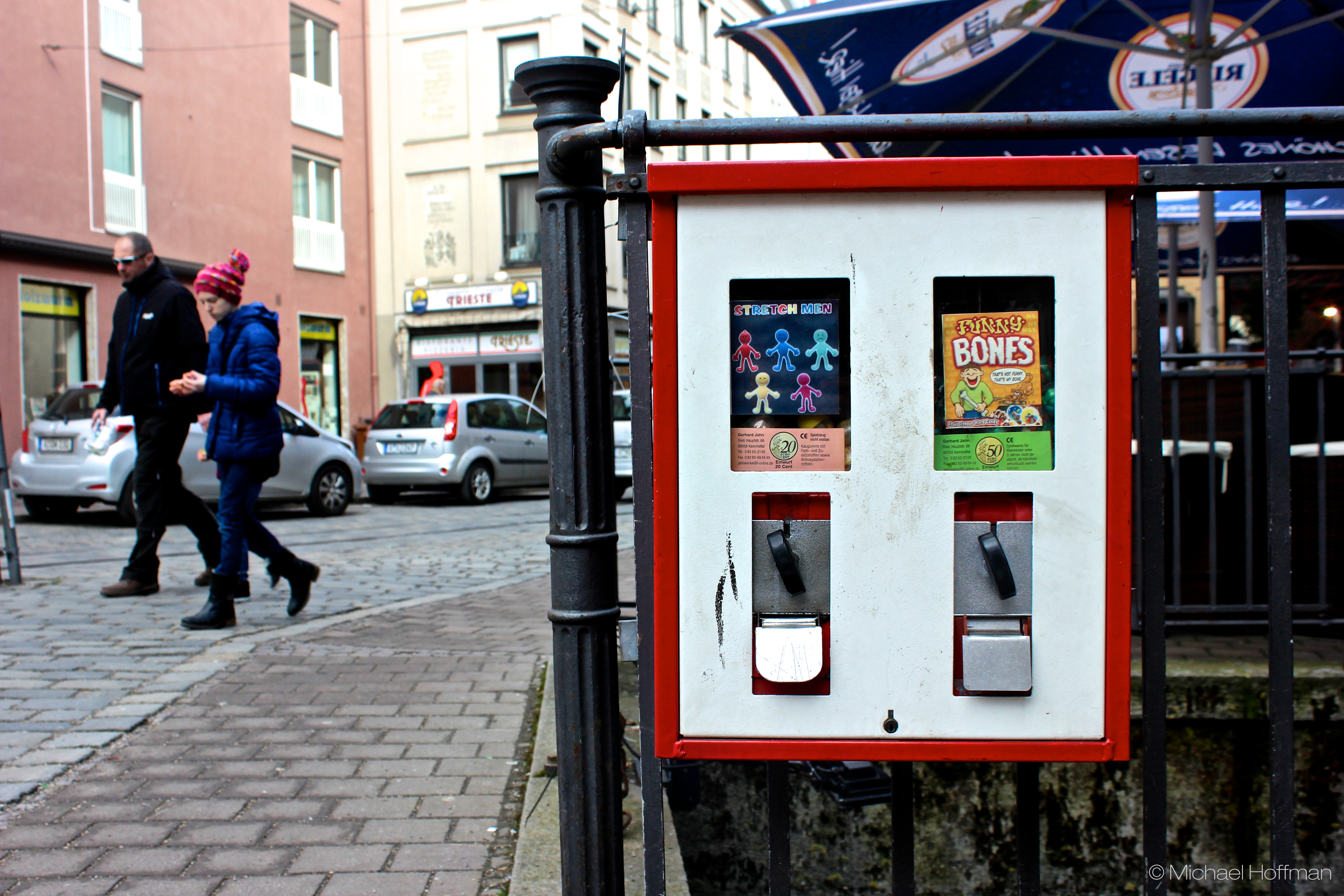
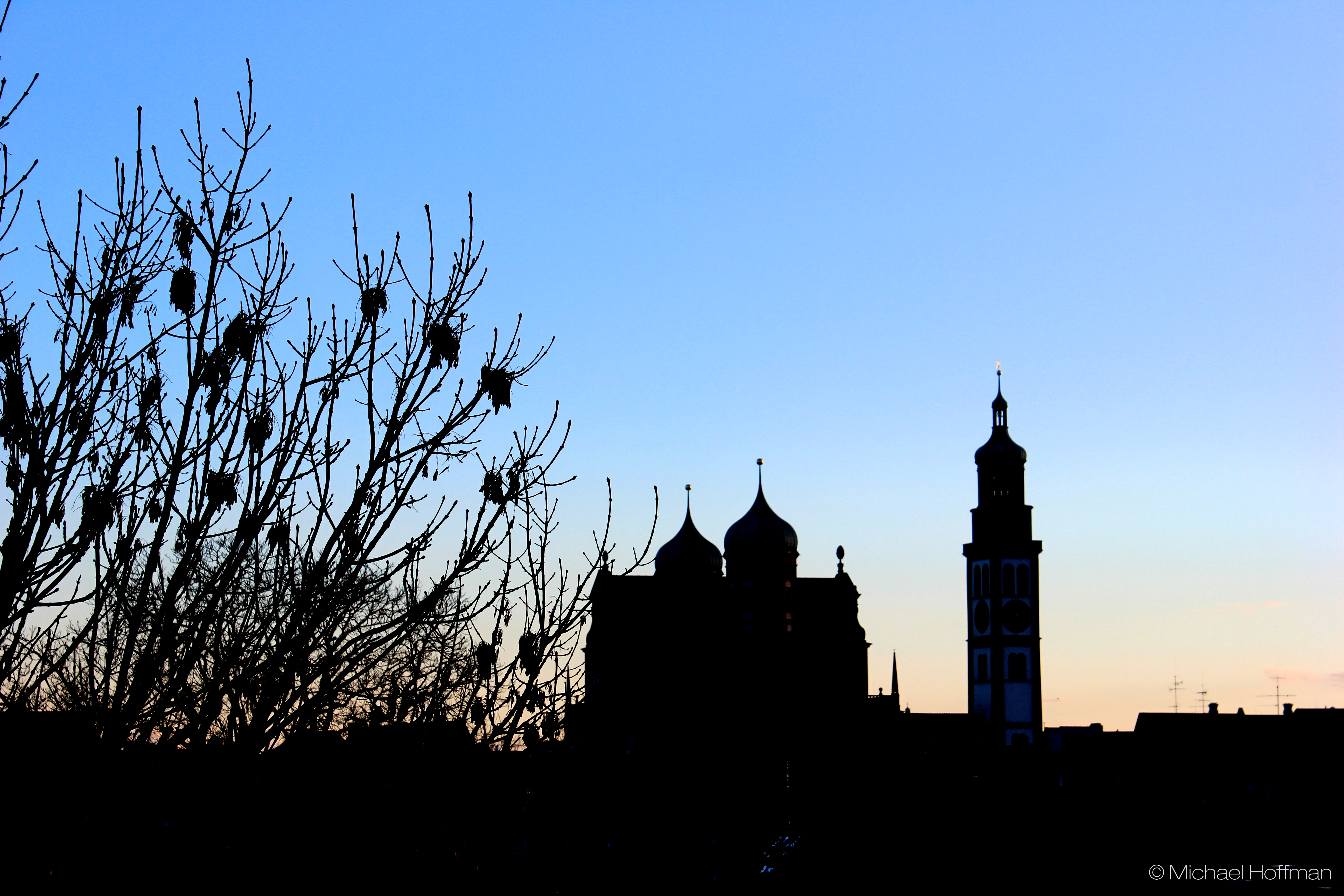
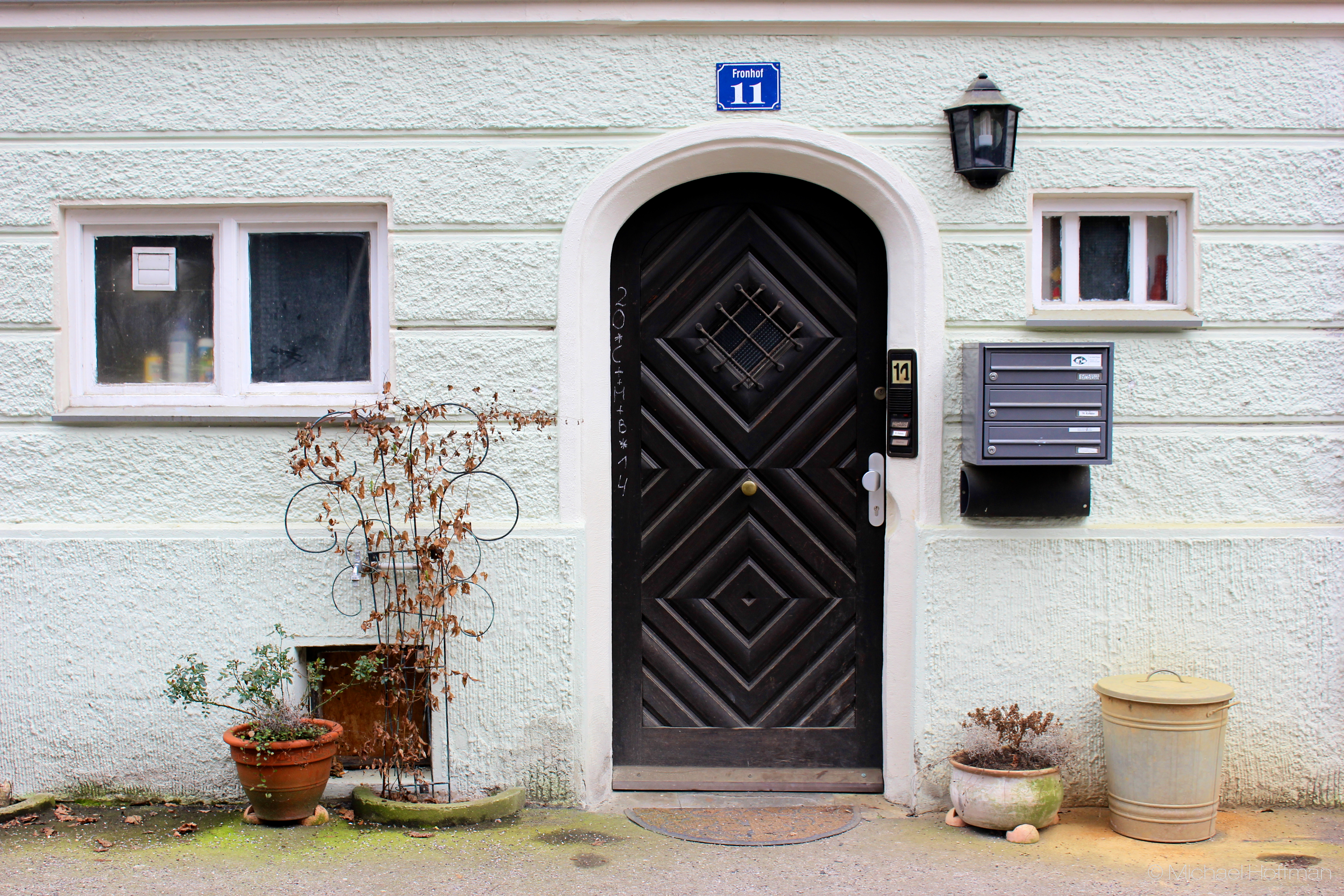
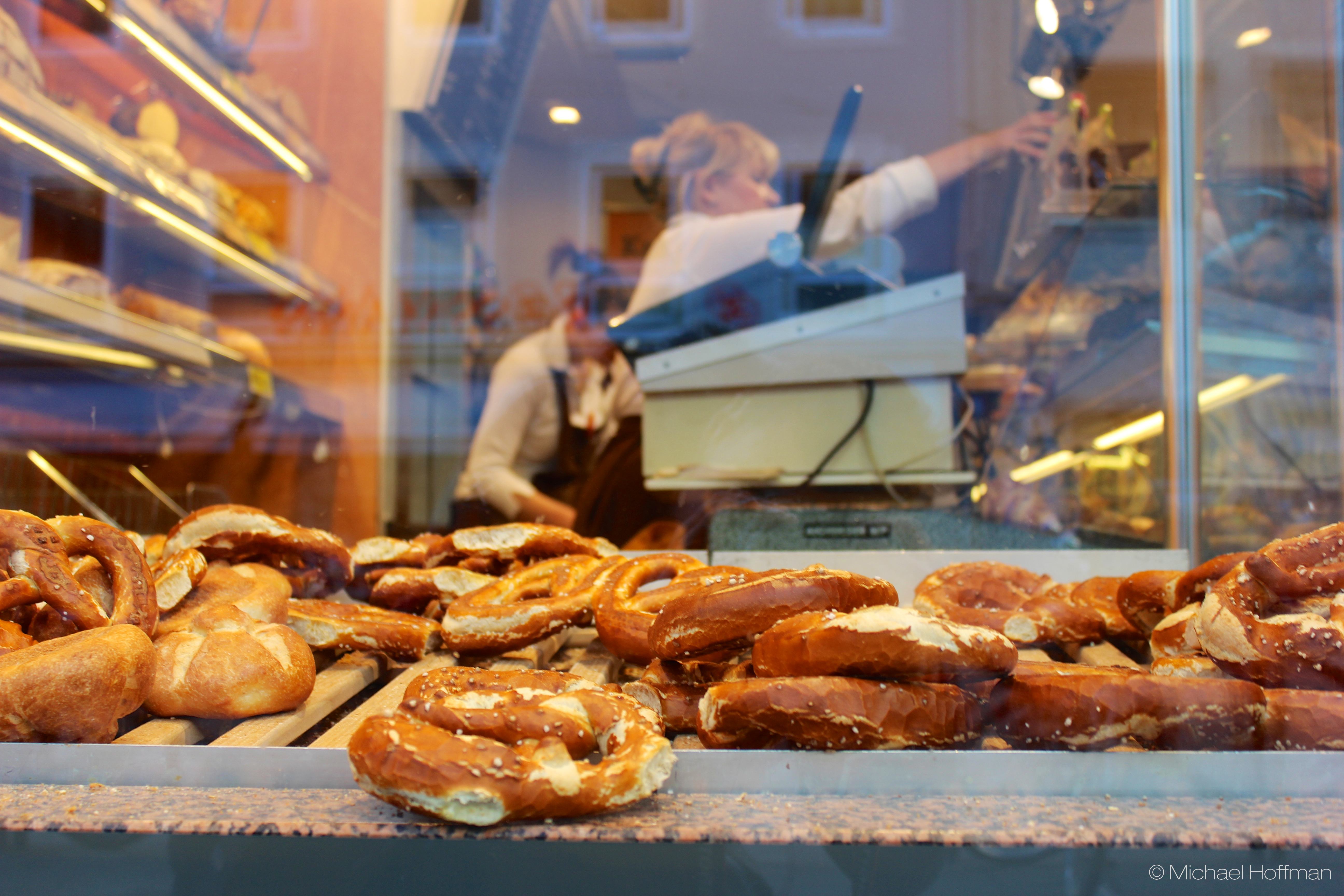
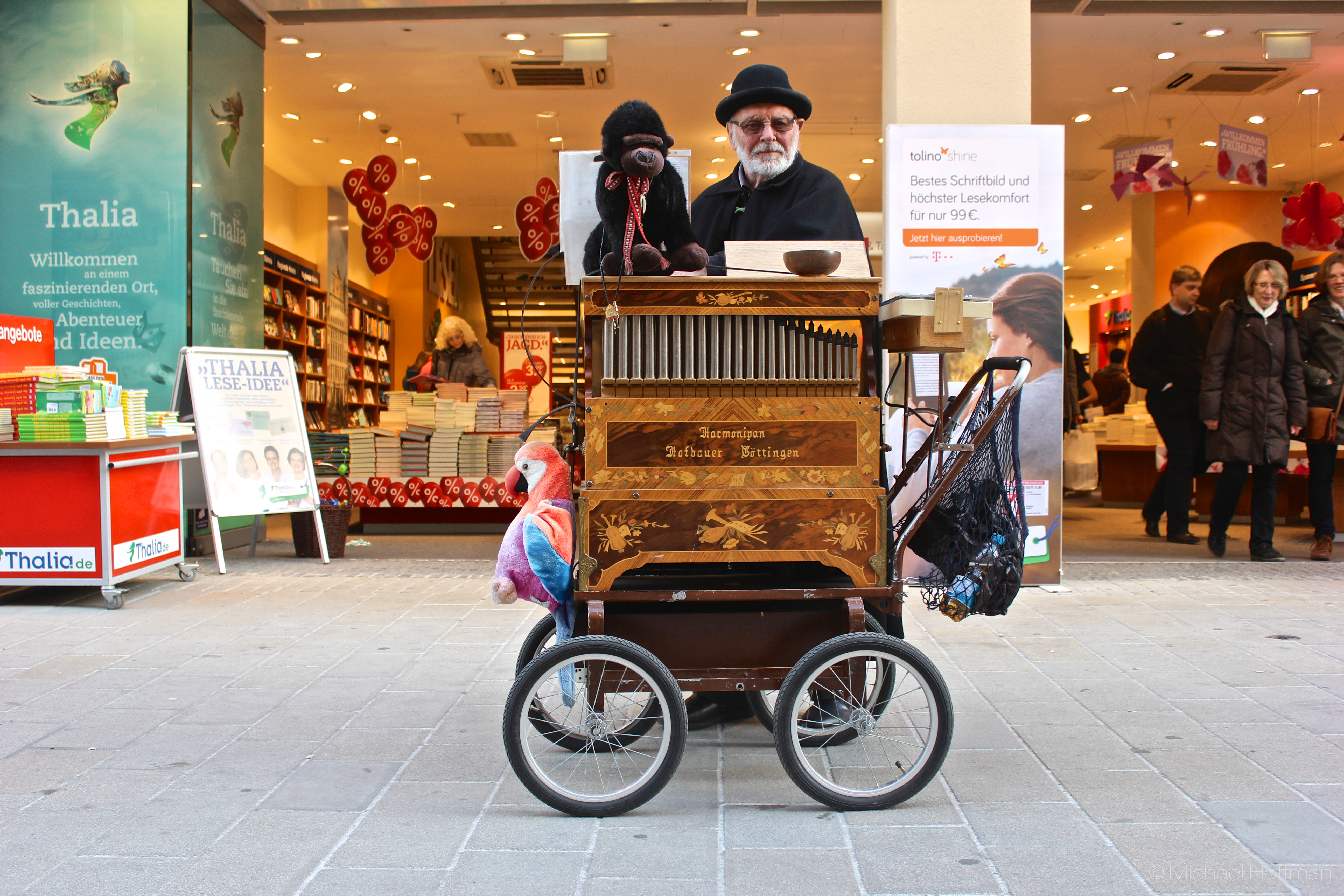
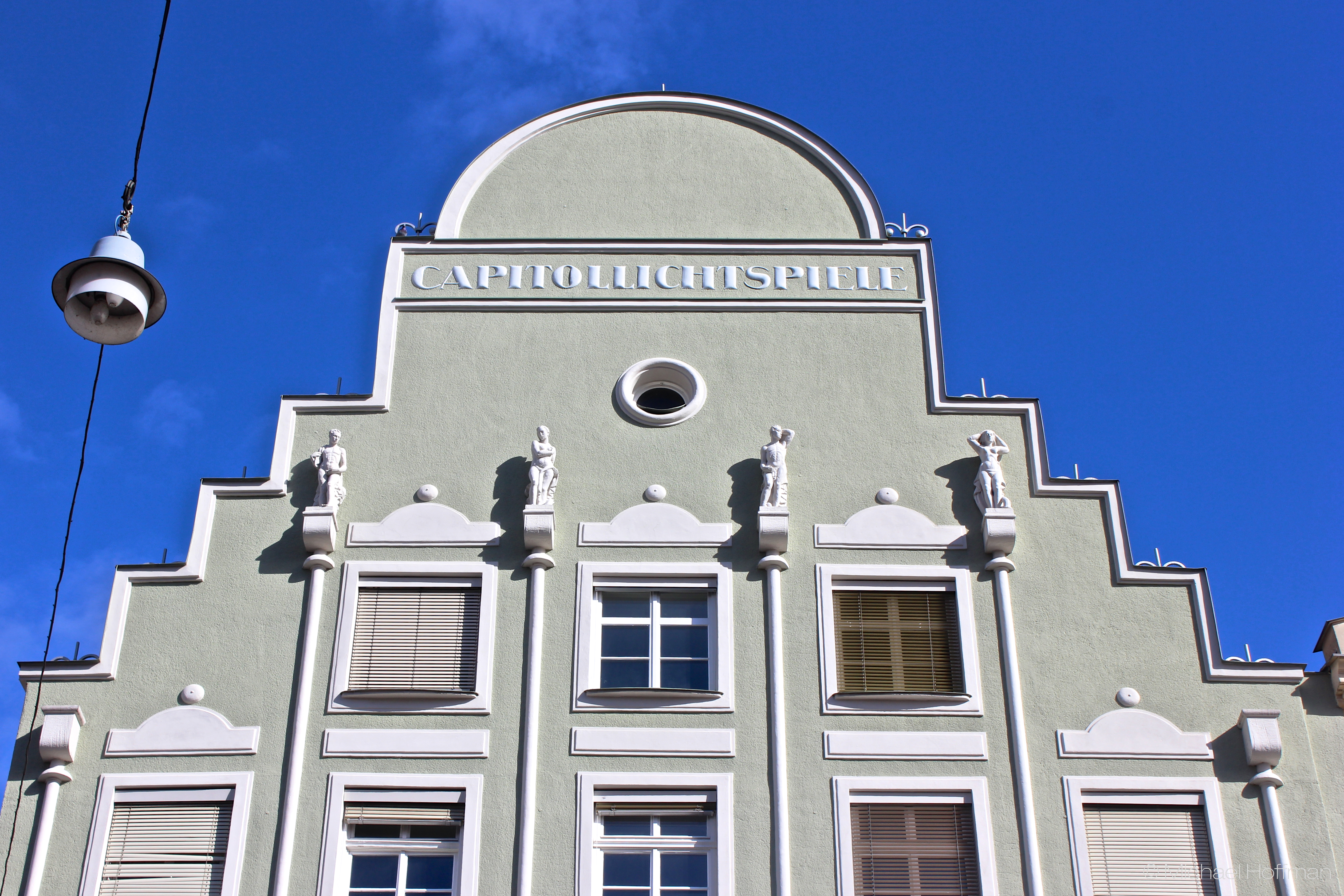
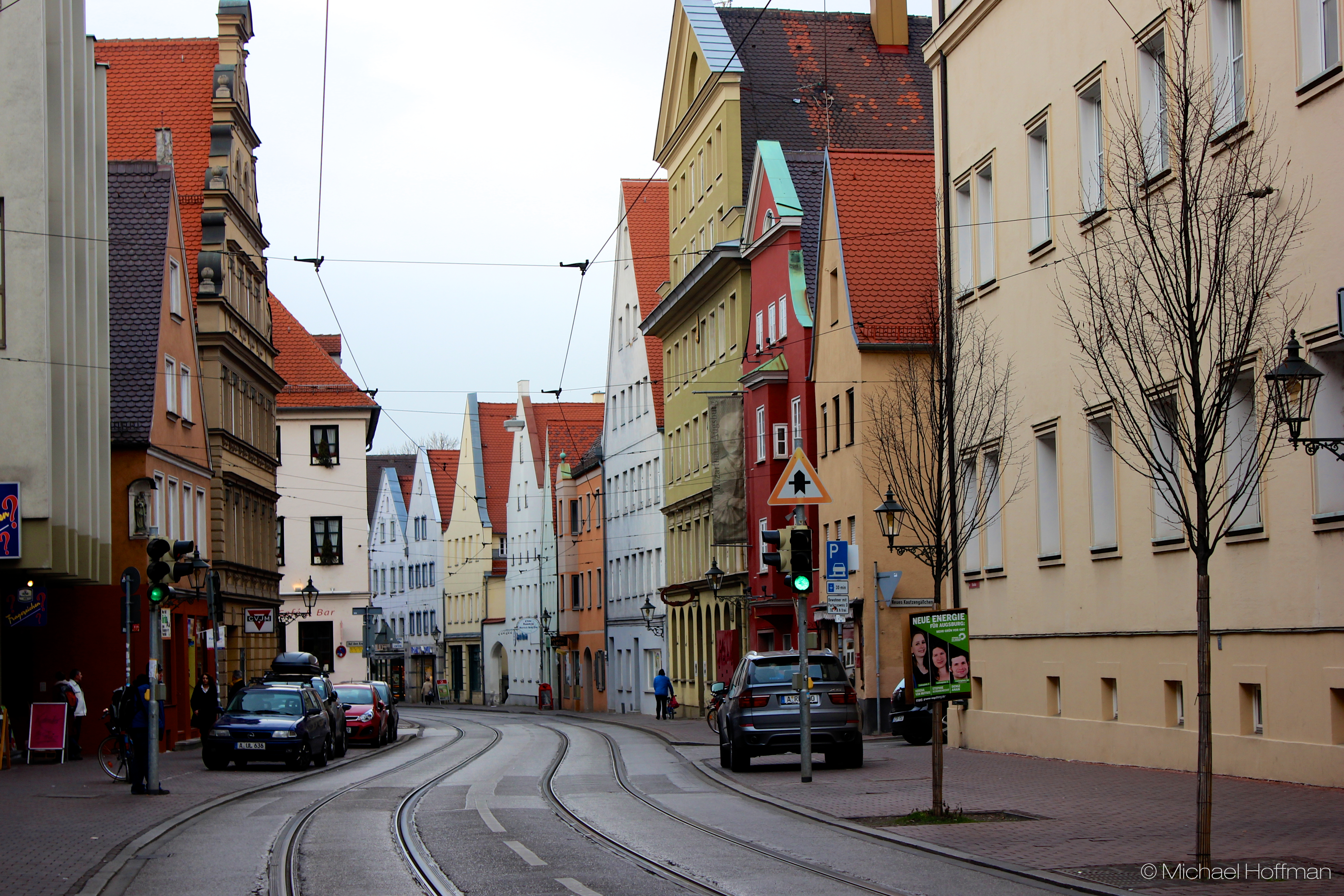
In February of this year, I participated in a two-week scholarship program at the University of Augsburg. The weather was surprisingly good, and it wasn’t as cold or snowy as I expected it to be; quite contrary, the first signs of early spring were already in the air by the end of February. As always, I enjoyed being in Bavaria. You can’t beat the beer culture and the hearty cuisine there 😉 Not to forget about the delicious pretzels! They are everywhere. Anyway: Some impressions from the streets of Augsburg, the capital of the Swabian part of Bavaria (Western Bavaria).



 Michael Hoffman Photography