Skip to content

The Churches of Georgia
It’s been a while. I have been on the road for the last couple of months, so there was no time to update the blog. On the plus side, though, I got to shoot plenty of photography. So the place here will get more lively again in the upcoming weeks and months. Big news first: There is a new web address! Now, the blog can be reached (also) via michaelhoffman.at

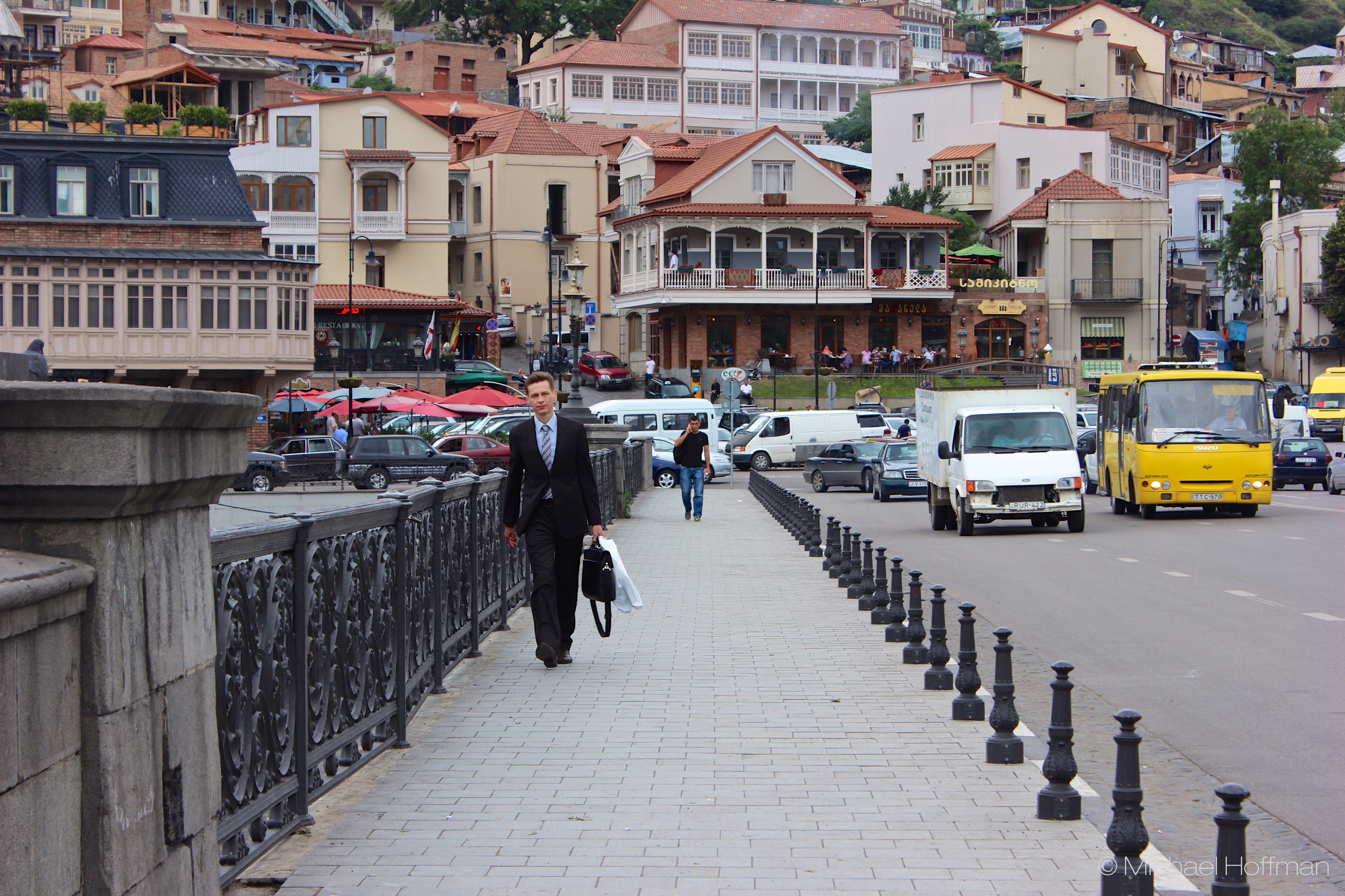
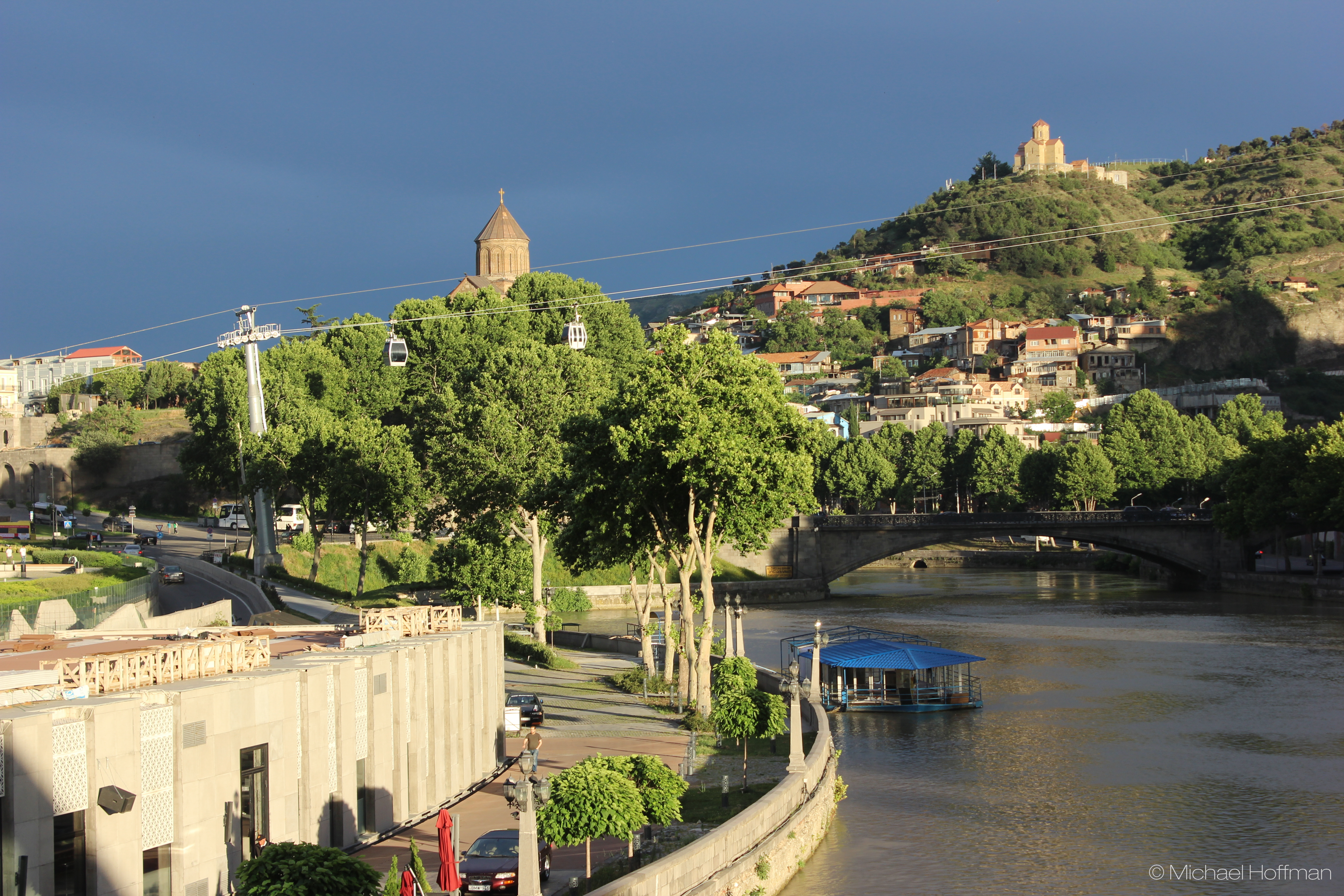
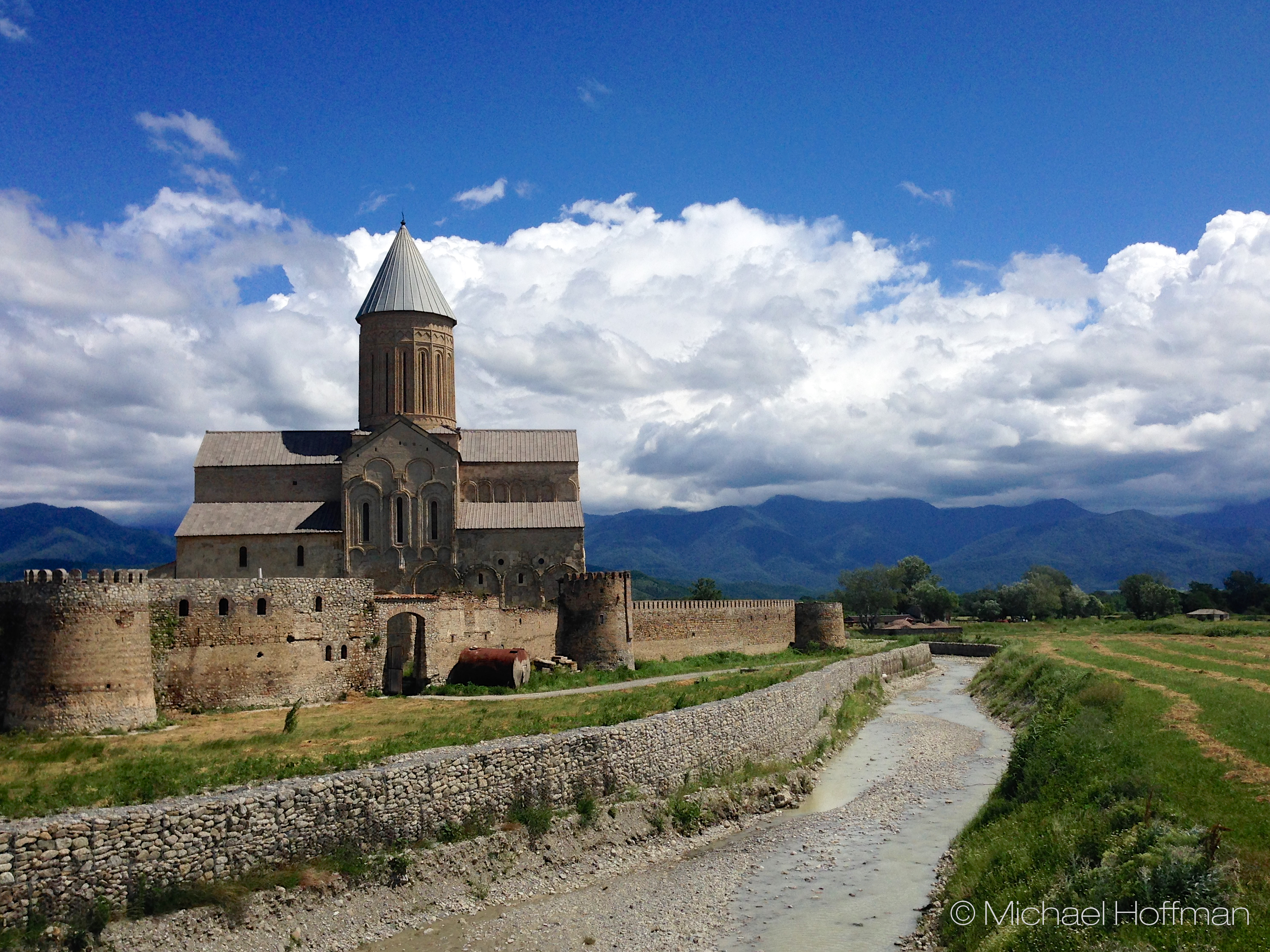
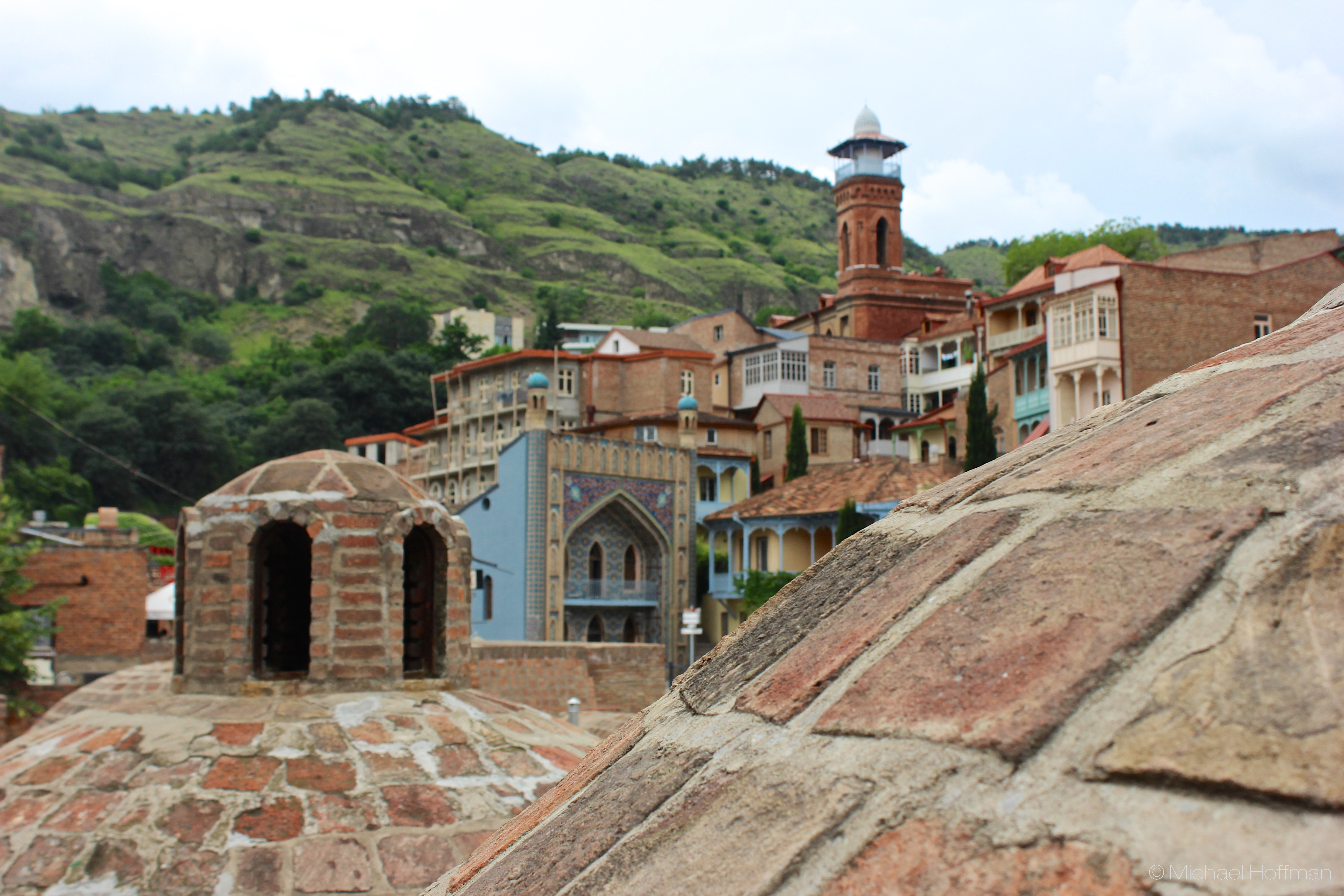
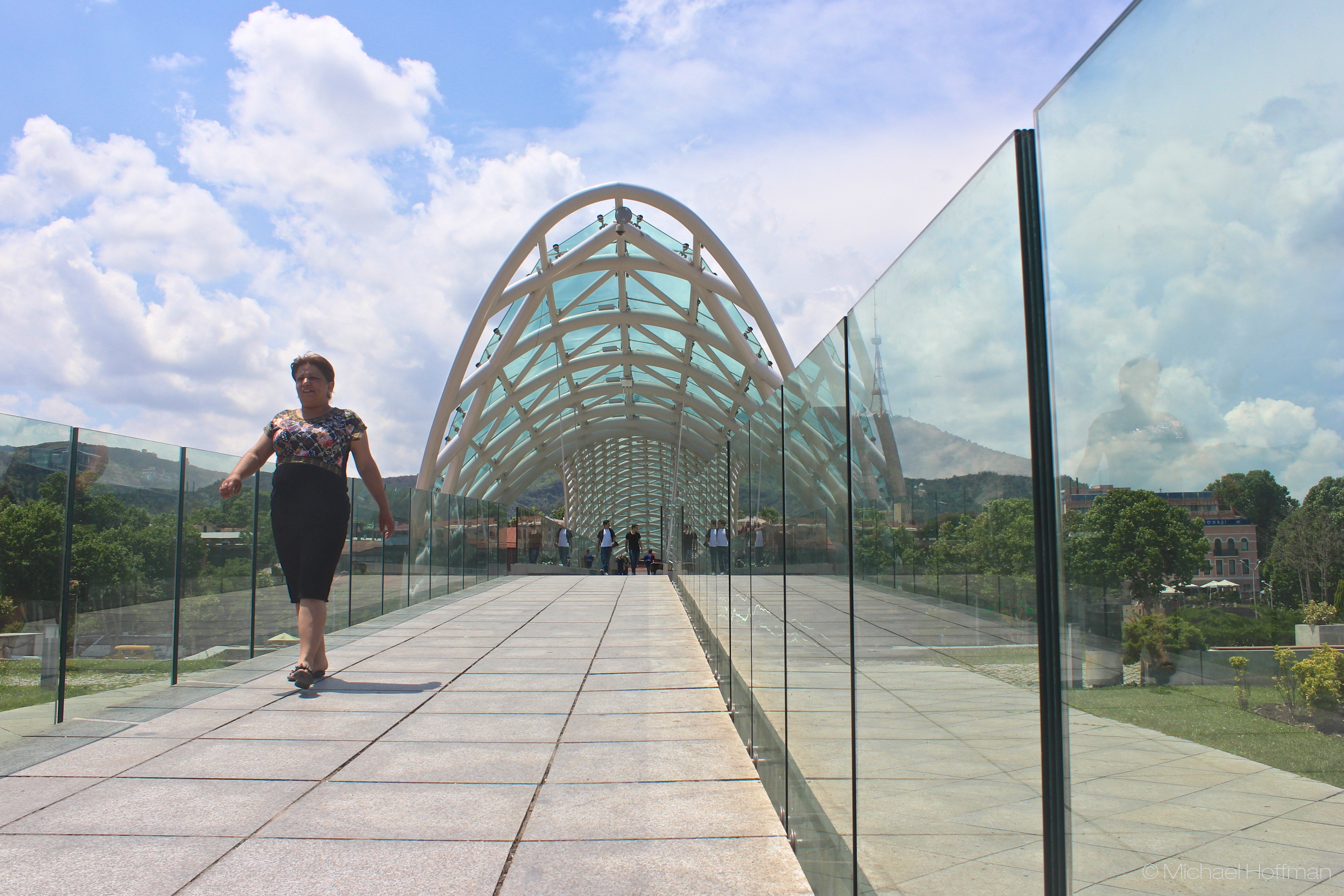
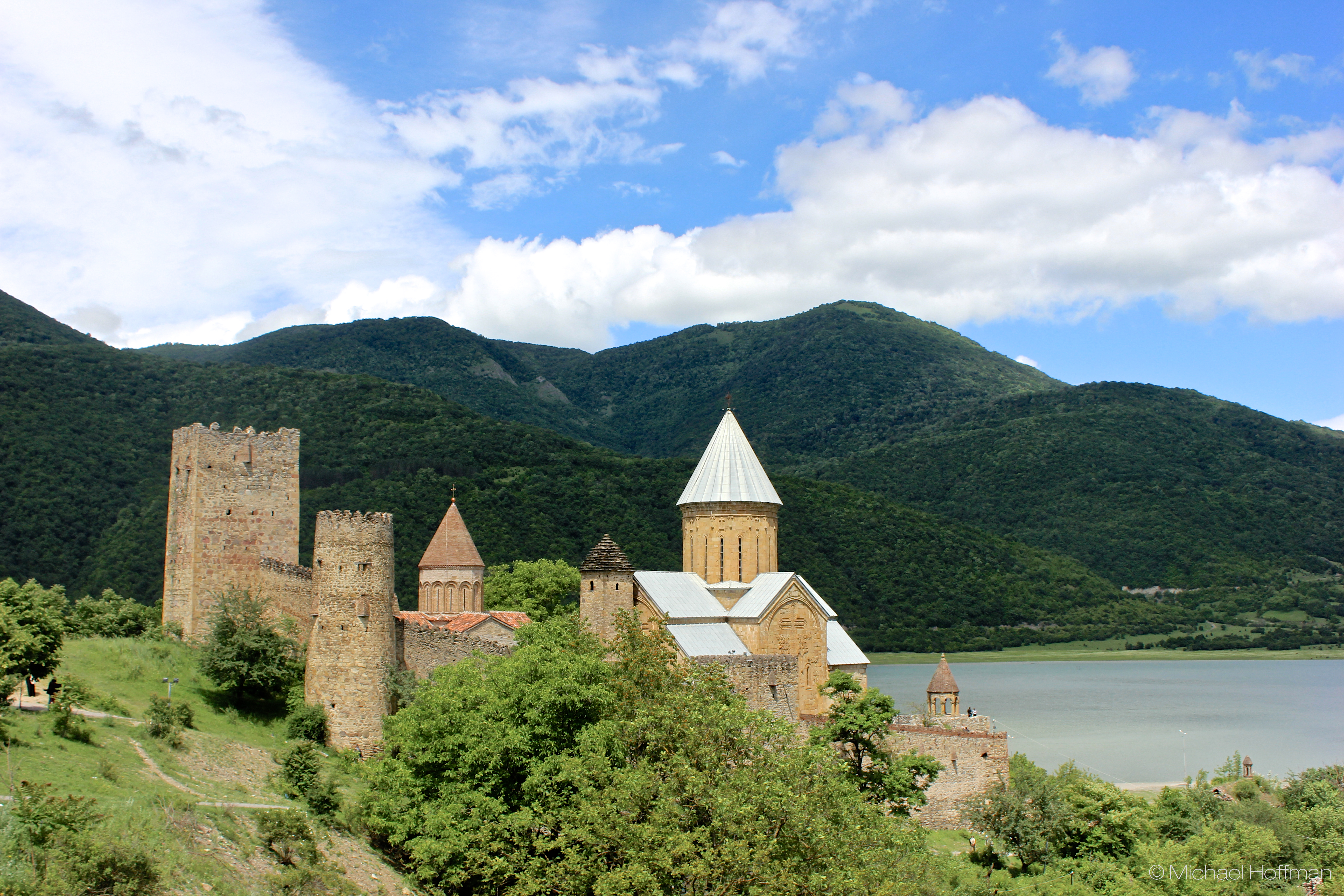
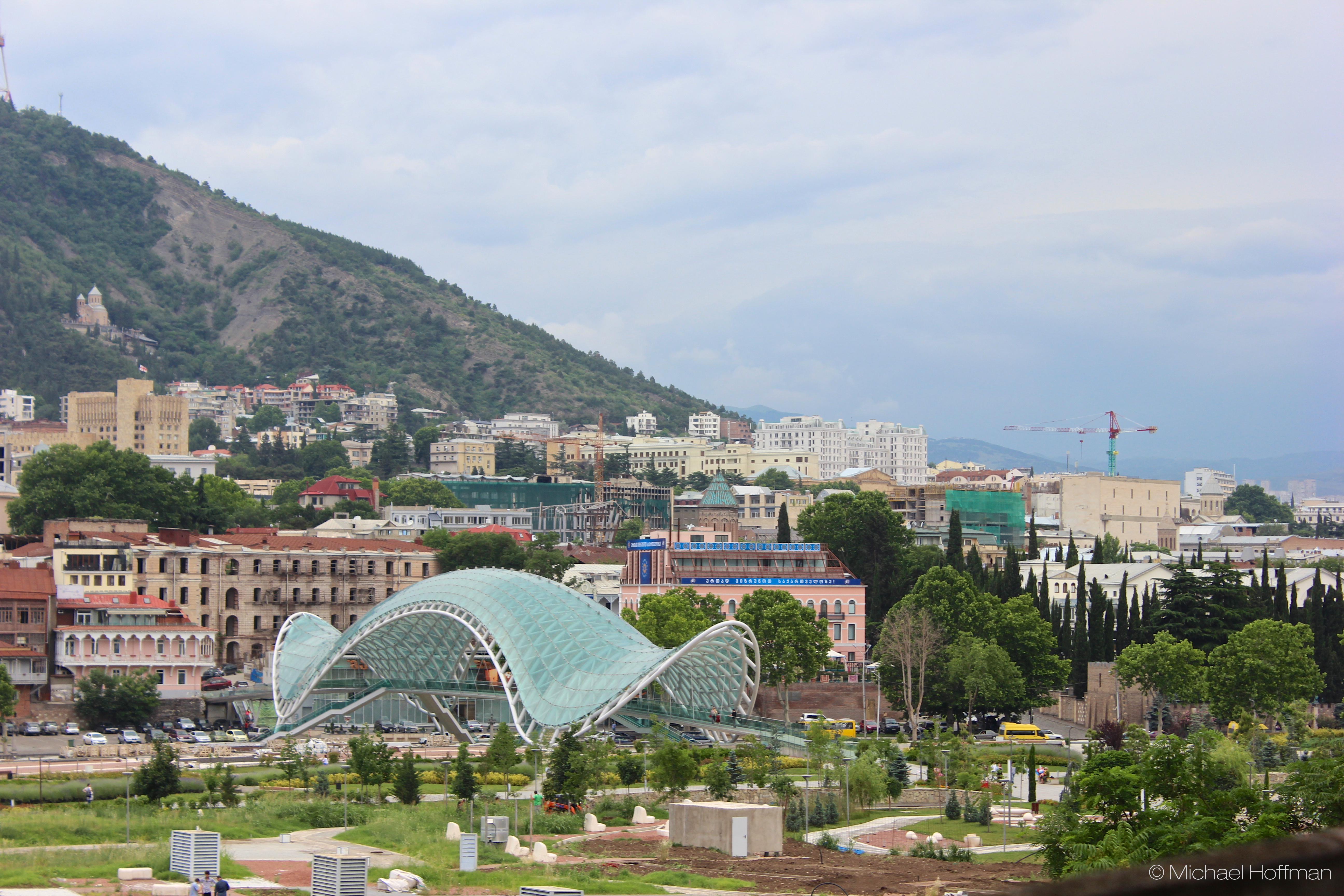
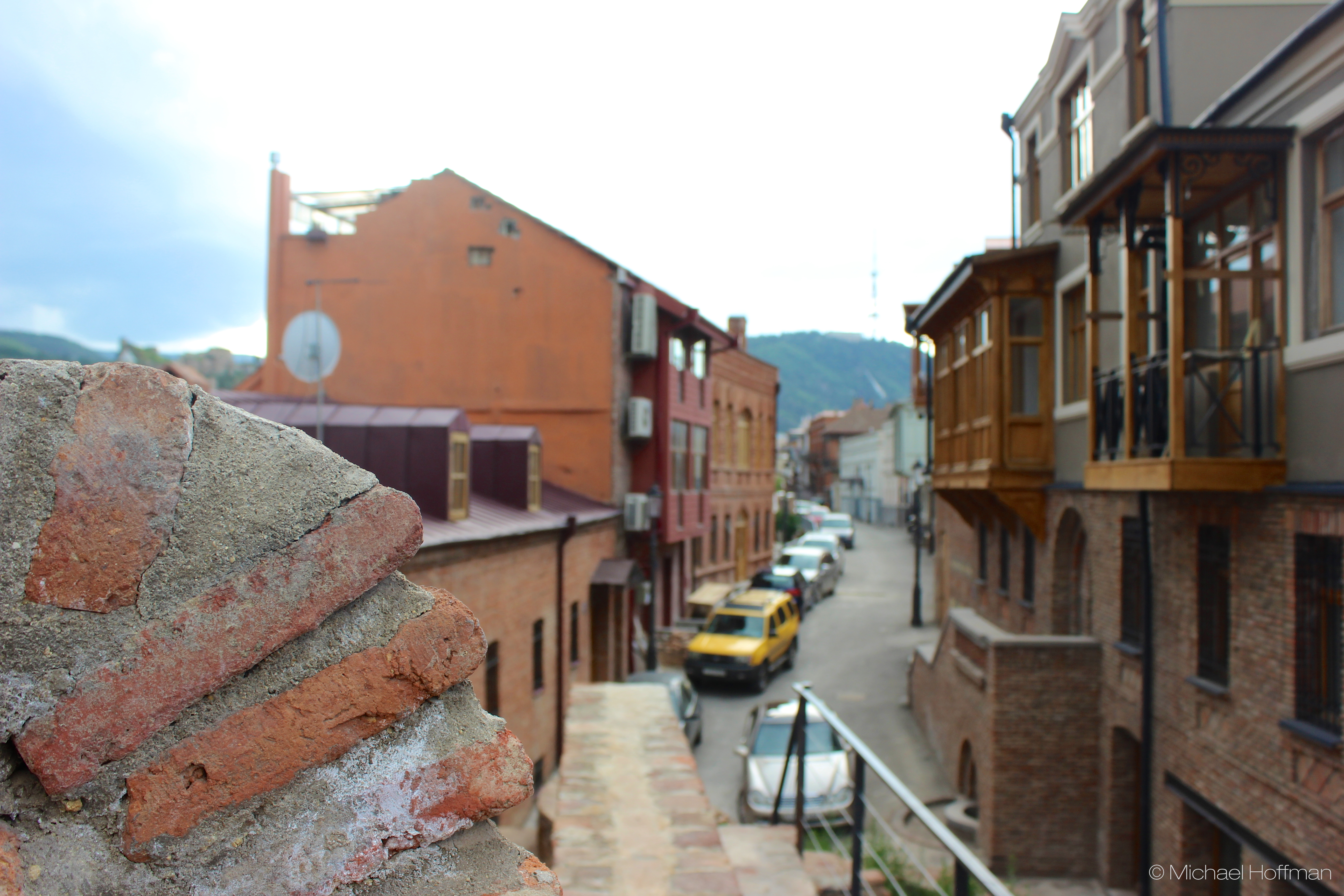
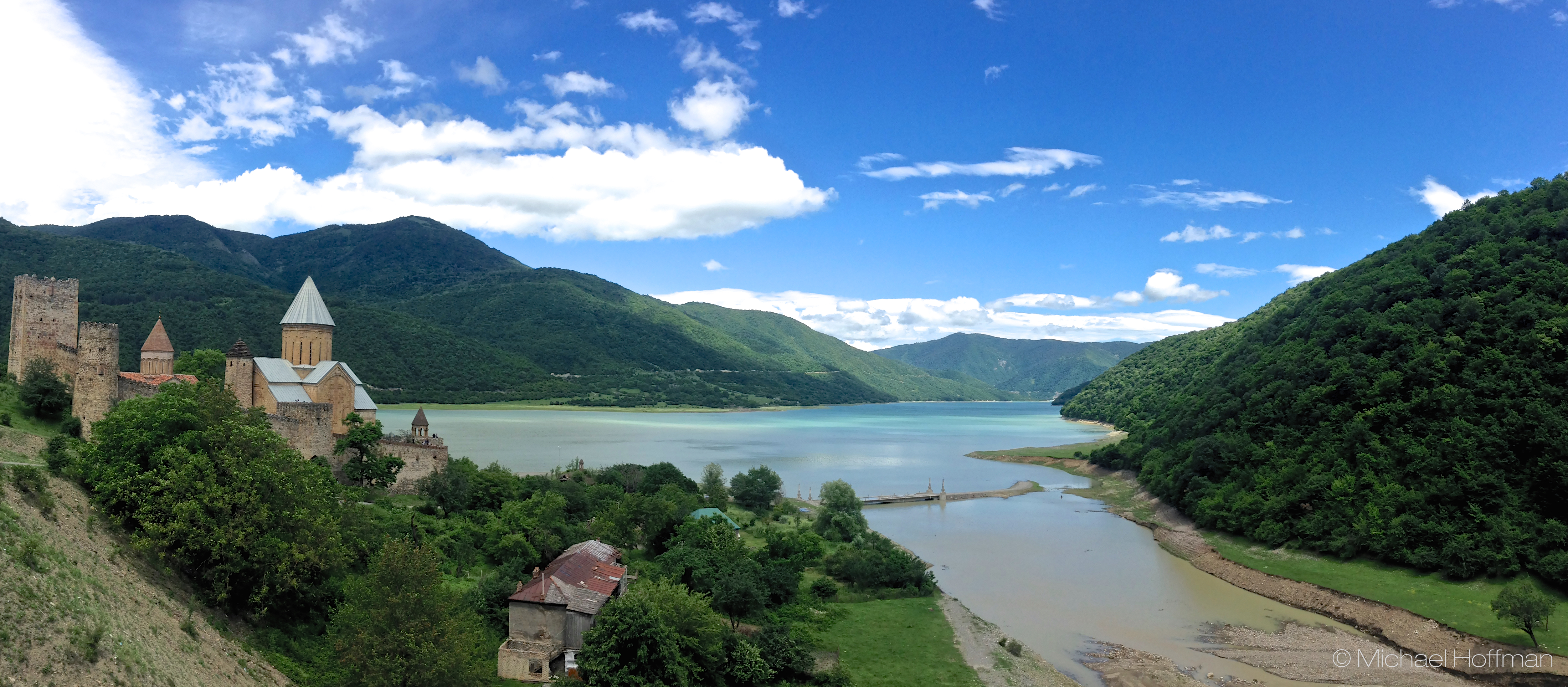
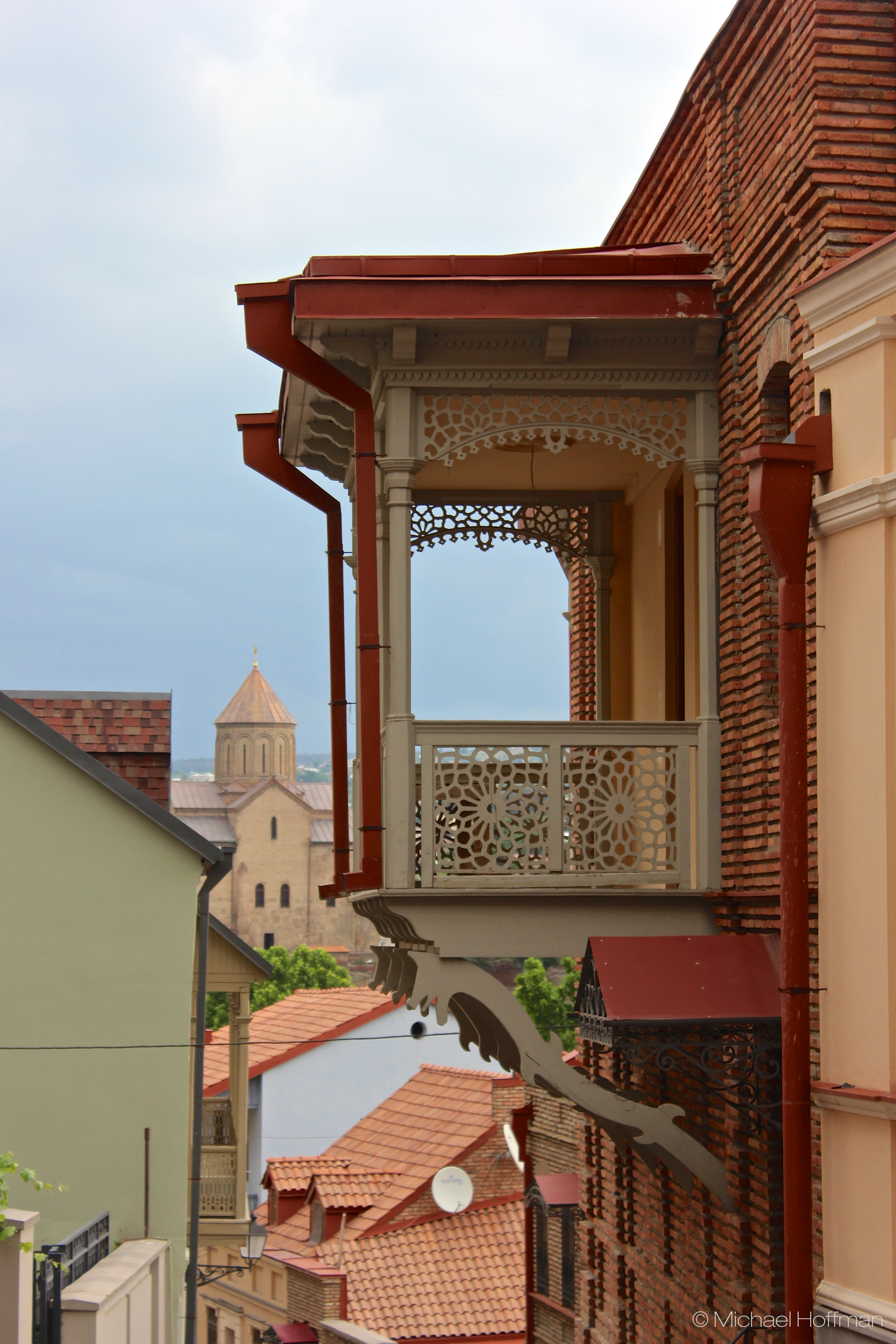
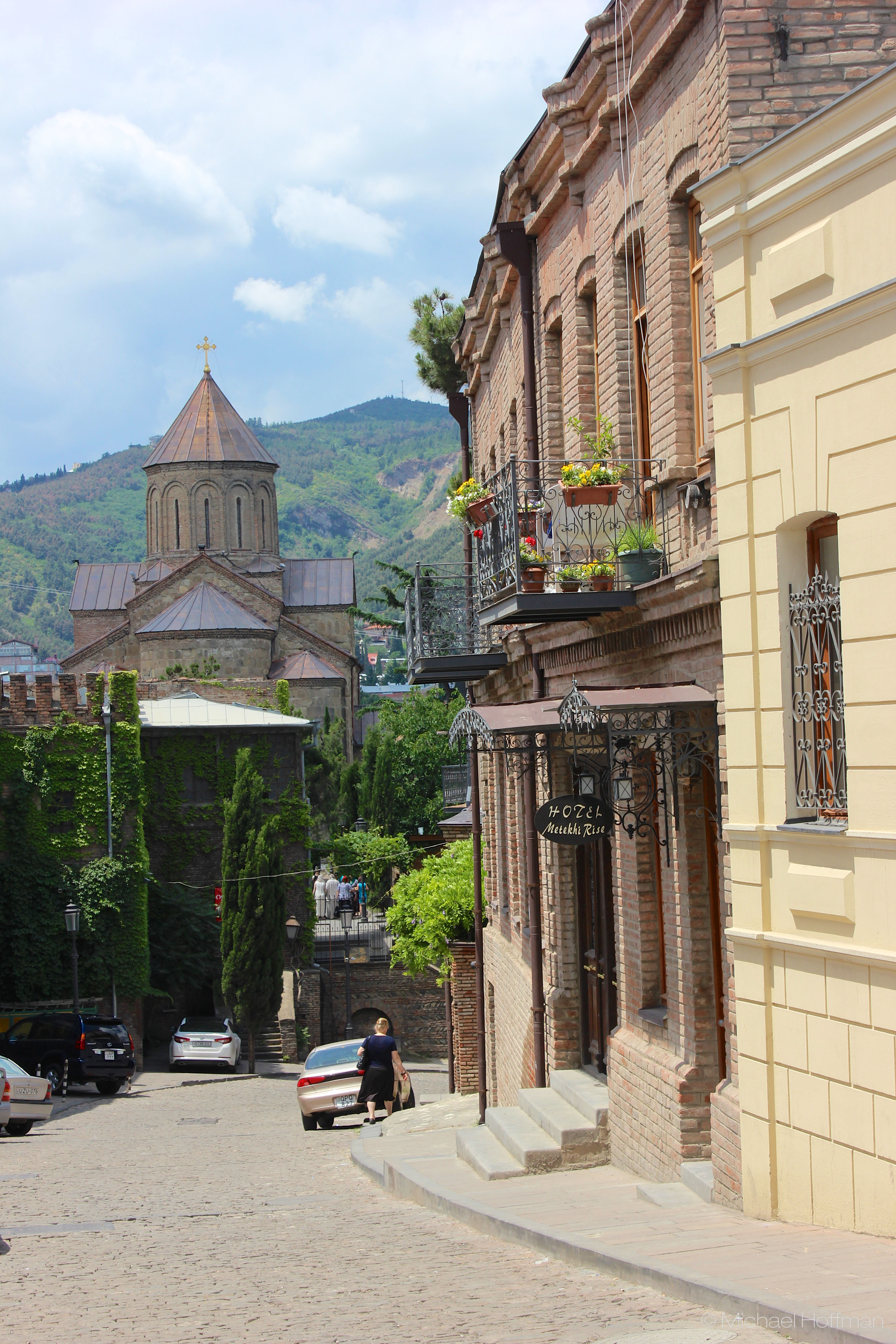
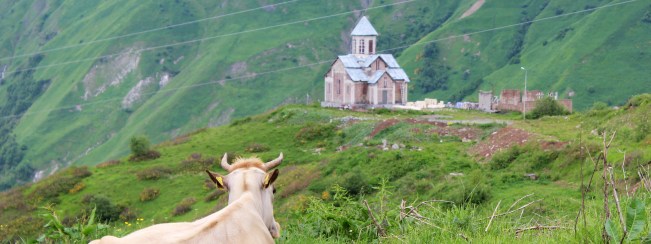
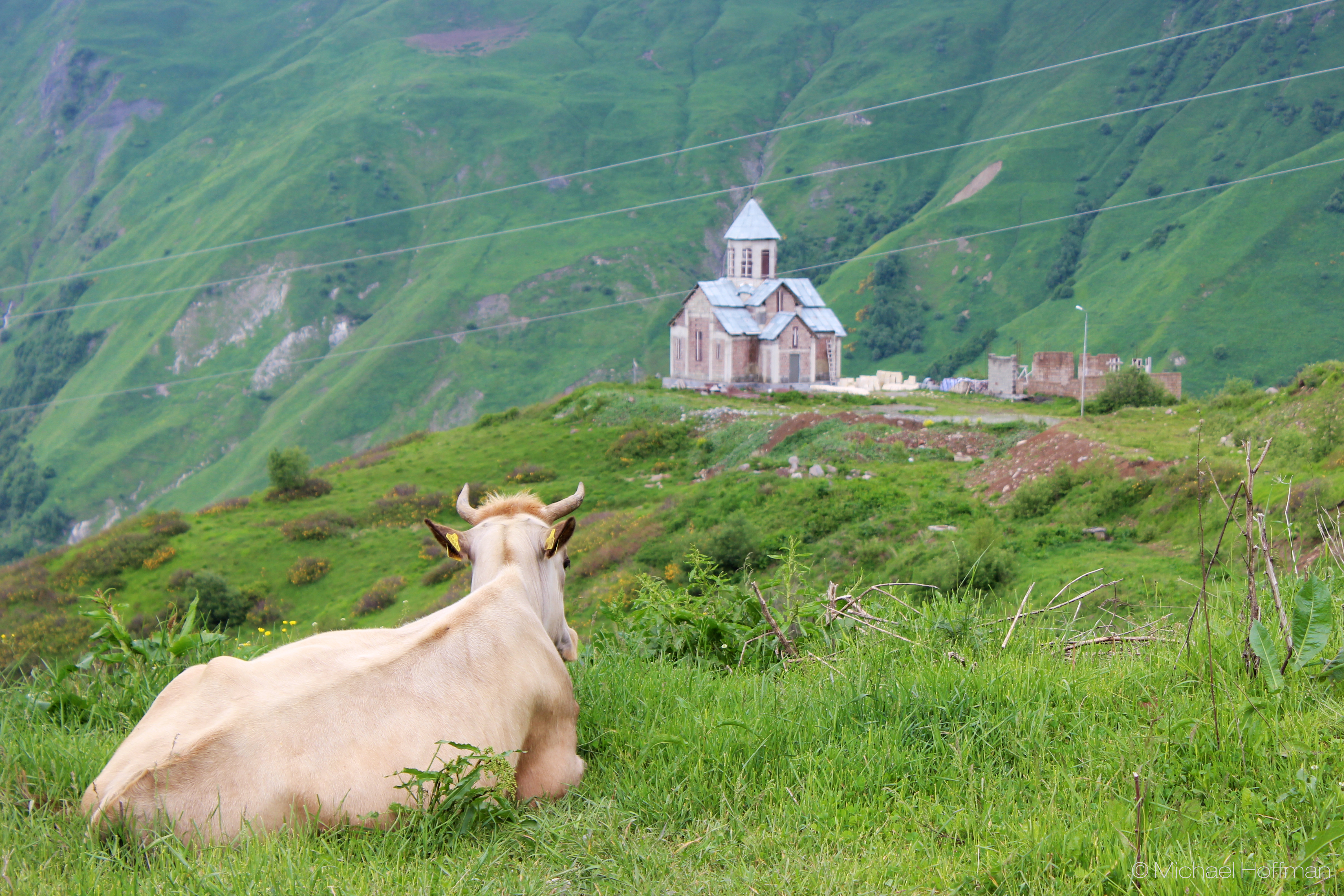
In June, I got the opportunity to visit Georgia and Armenia. These are two relatively small countries south of the Caucasus mountain range, equipped with long and dramatic histories. They have distinct cultures with their own alphabets and Christian traditions. While Armenia is a landlocked country, a mountainous place, historically living off trade, Georgia lies between the northern and southern Caucasus, mainly within a fertile lowland. Georgians are predominantly peasants, and many of them cultivate wine. The grape is one of the most important export products of the country. The urban center of Georgia also lies within its geographic center. Tbilisi is an exciting place, modern on the one hand while still maintaining a very traditional and almost oriental flair. But no matter where you are in the country, chances are high you will spot a very distinctive church. Many of these date back as far as the mid of the 1 Century AC and are still important centers of religious and civic life.

test

IMG_3054

IMG_0055

IMG_3245

IMG_5962

IMG_3068

IMG_2994

IMG_2880

IMG_3112

IMG_2965

IMG_2812

IMG_5925

IMG_3022

IMG_2819

An Afternoon in the Streets of Lviv

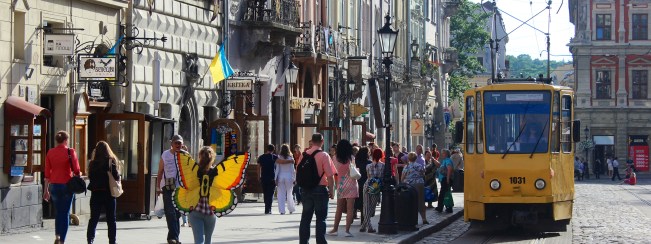
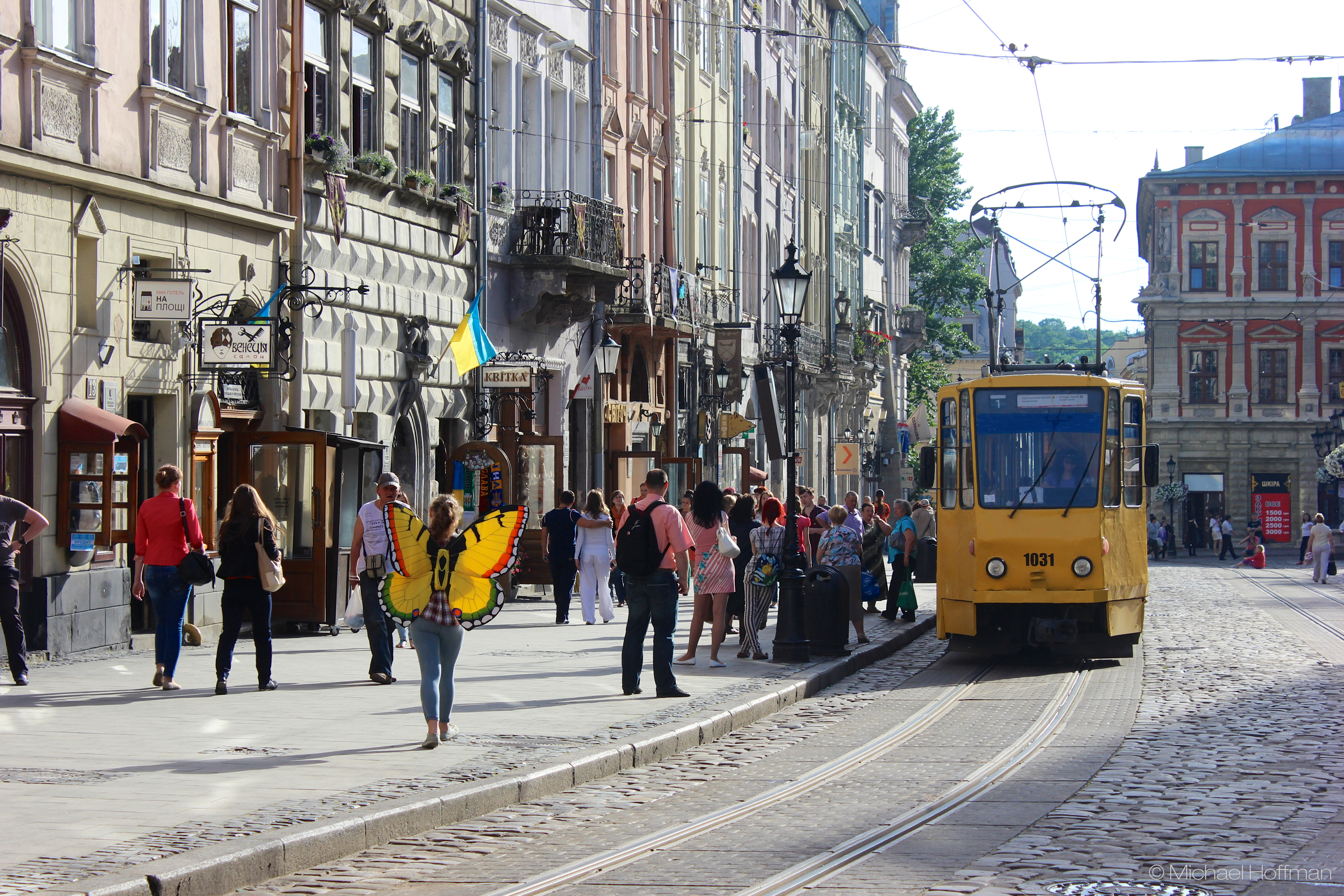
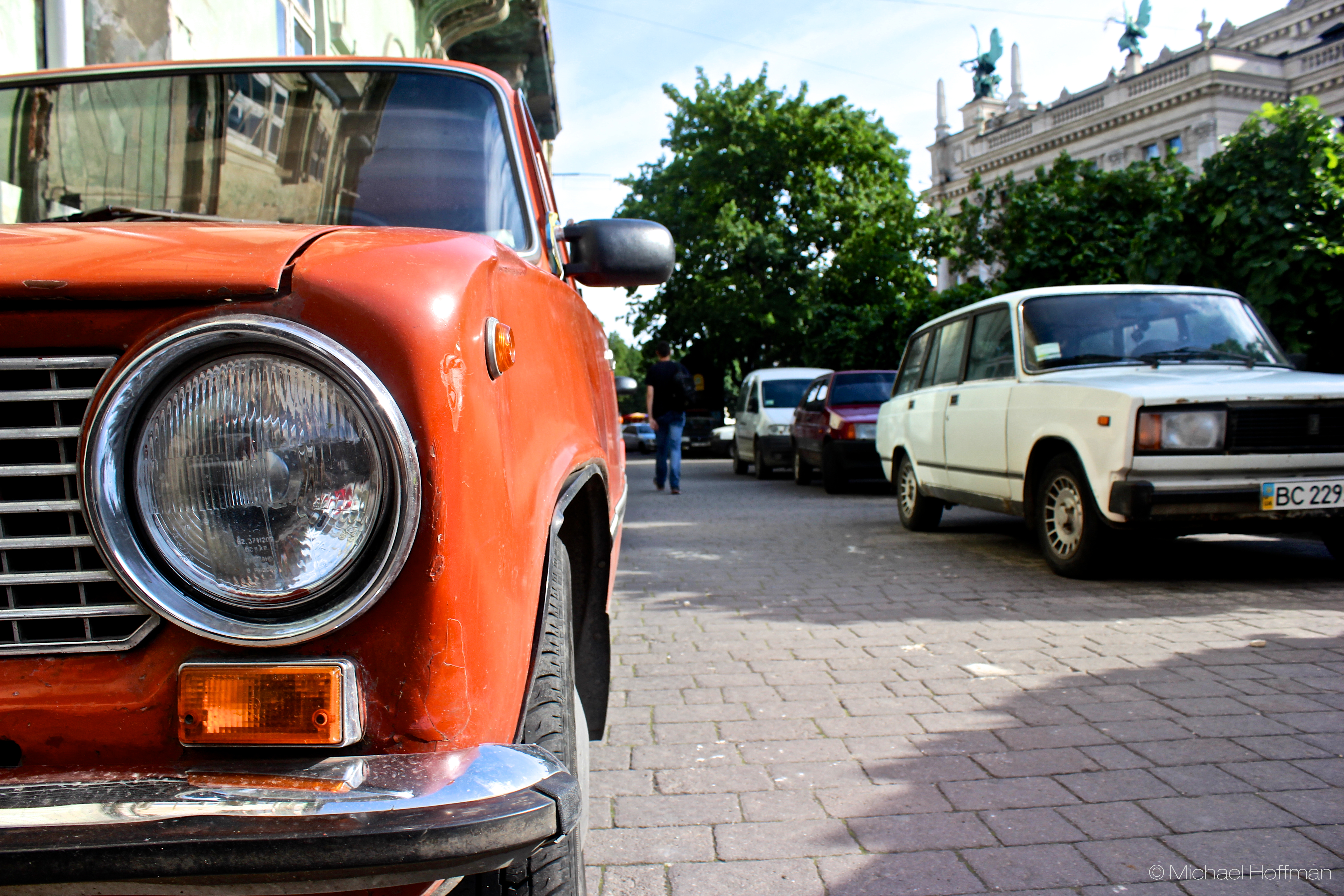
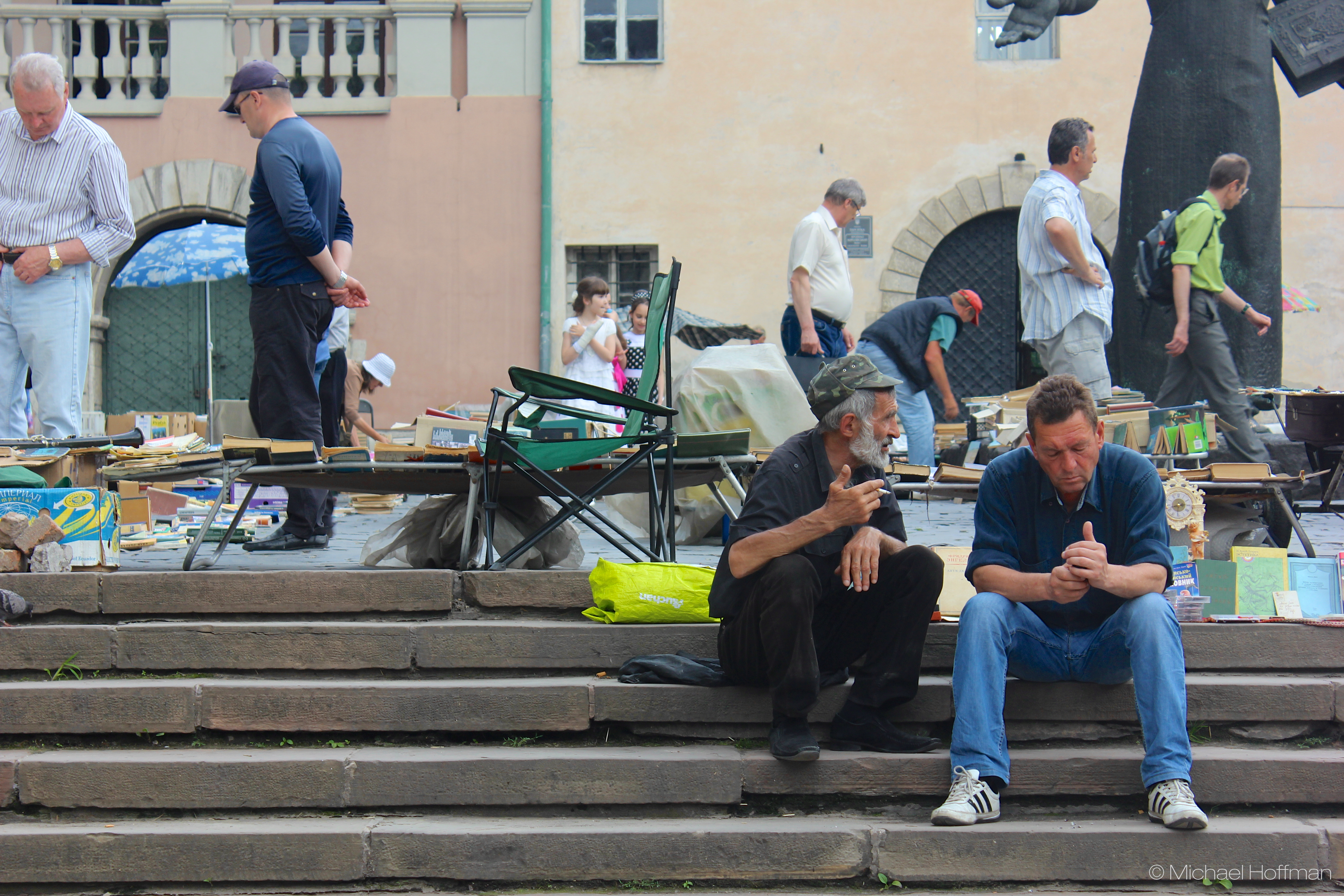
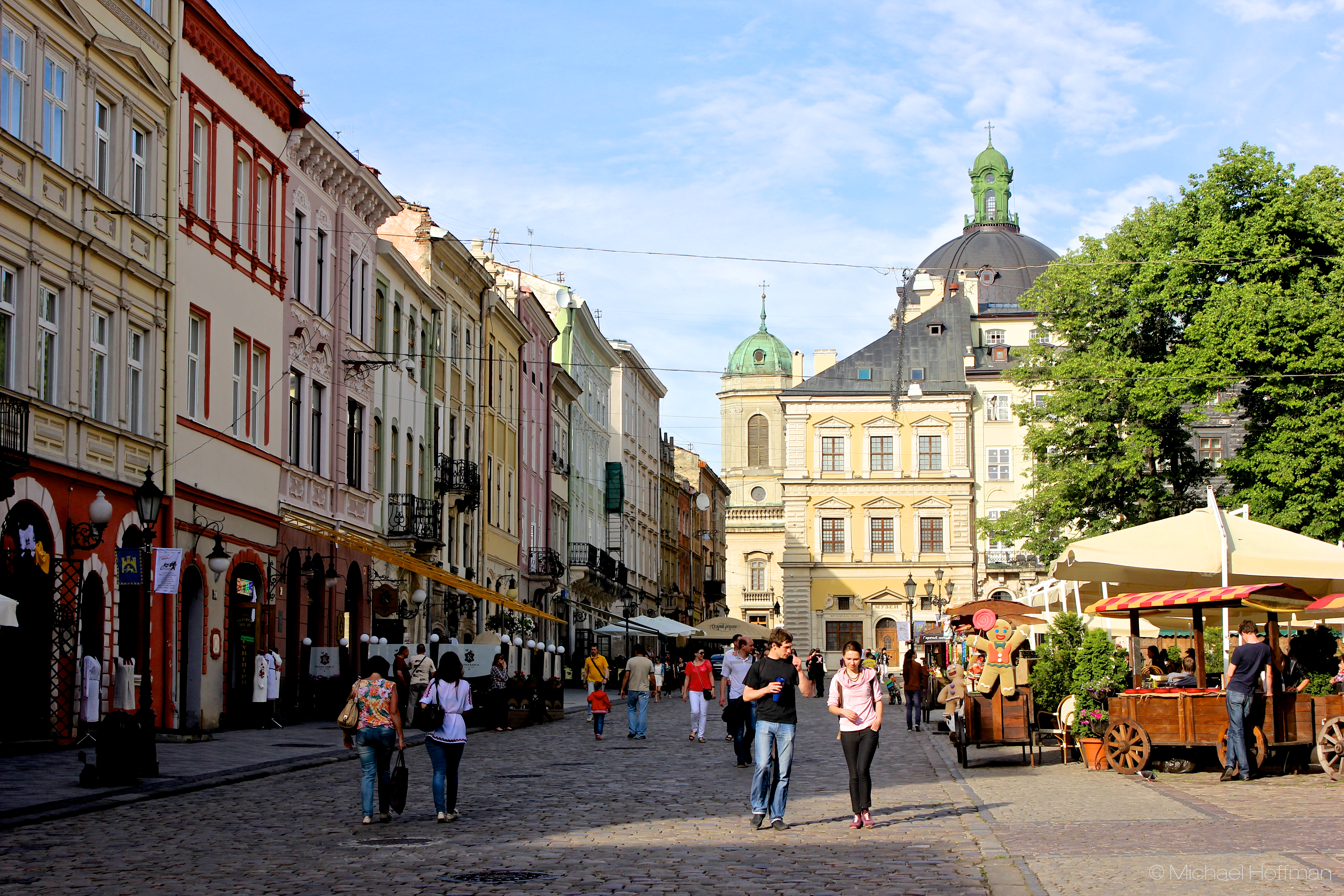
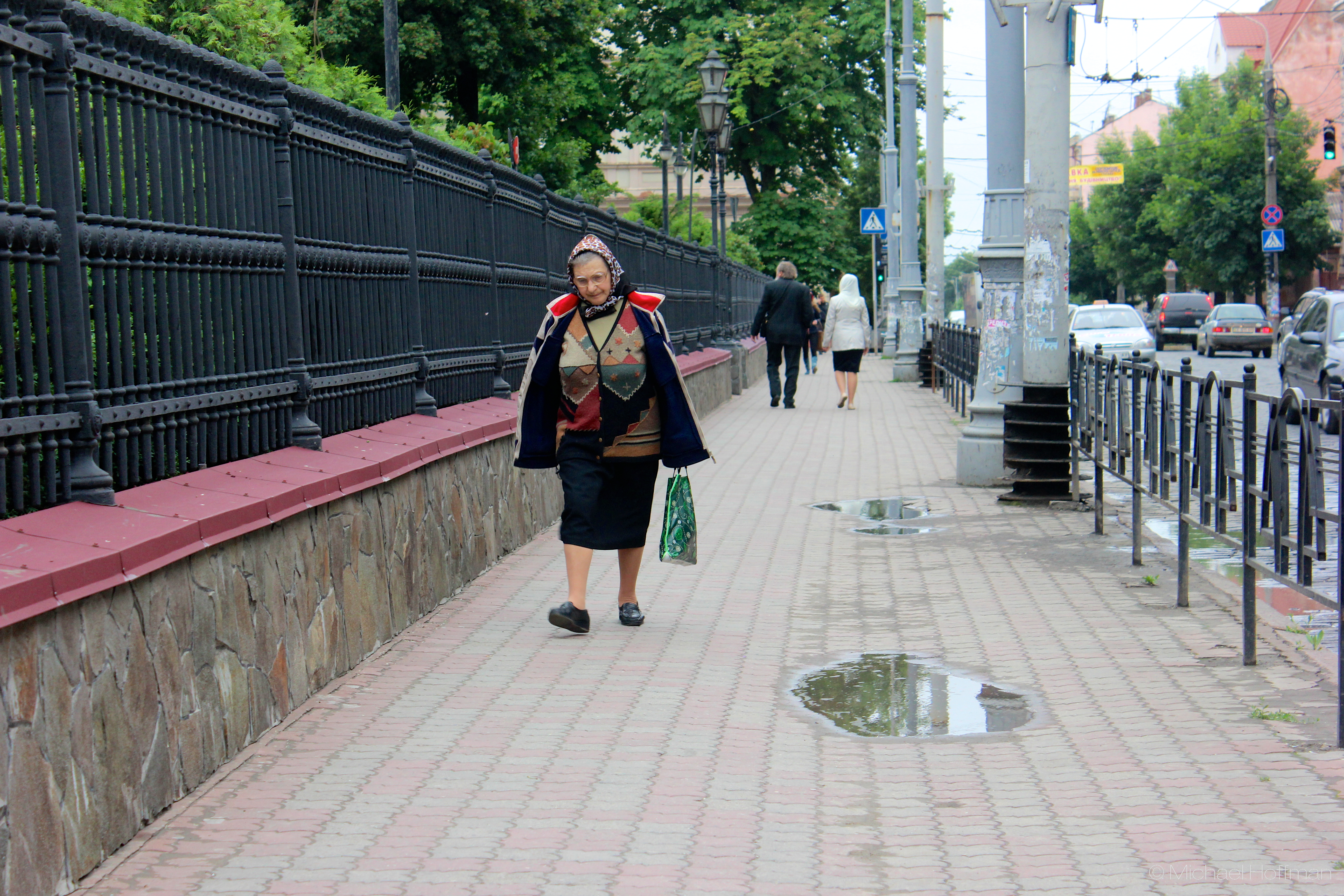
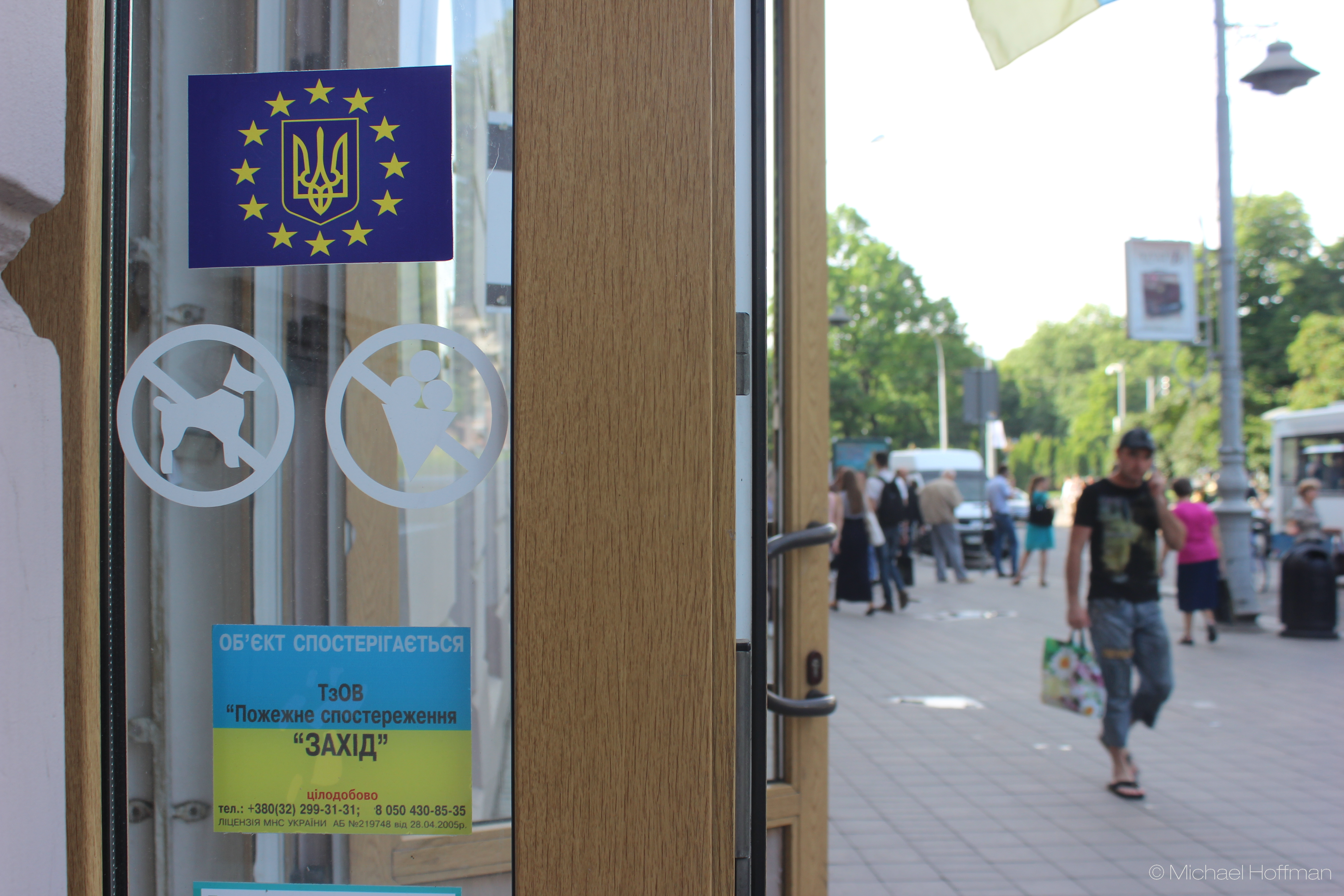
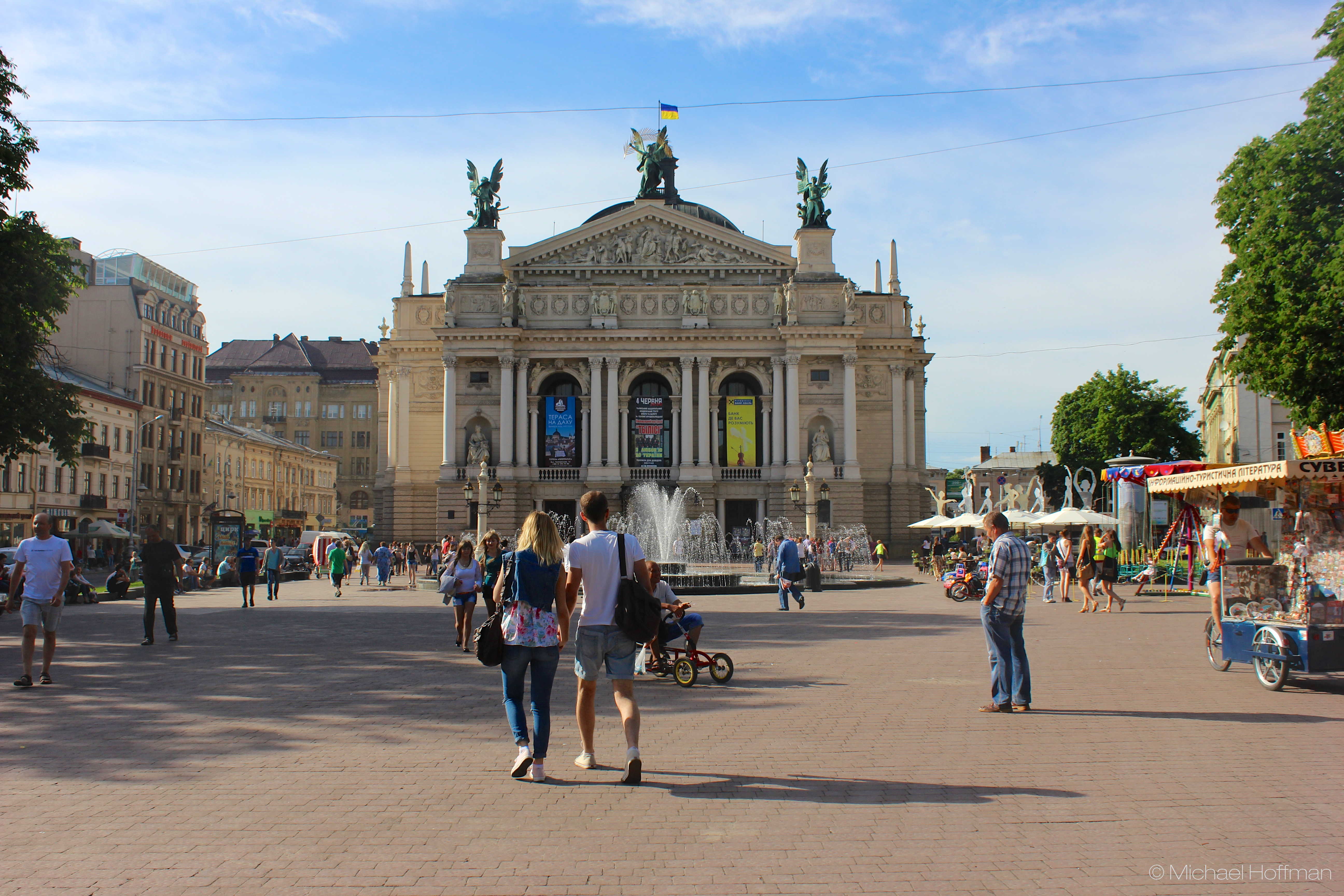
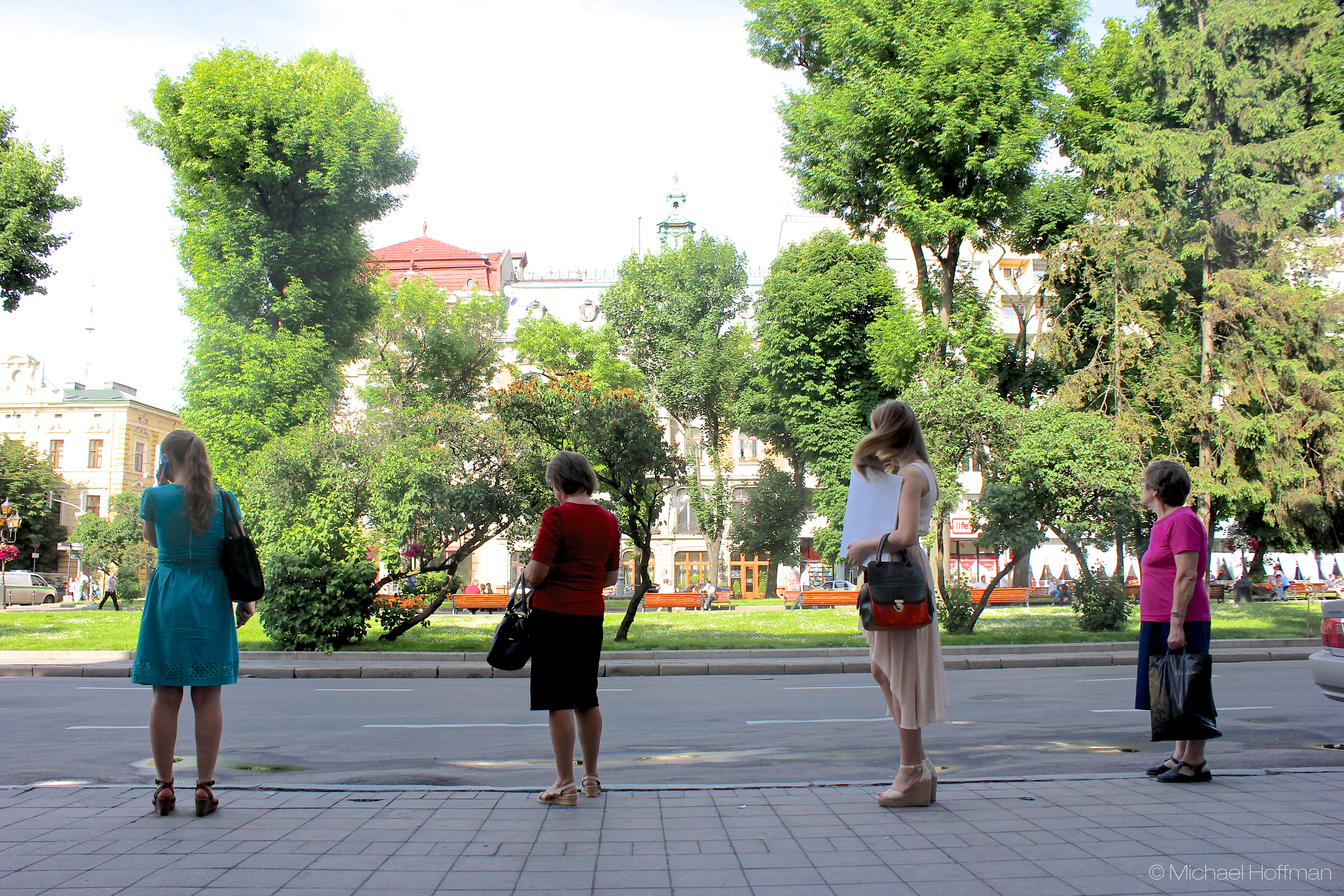
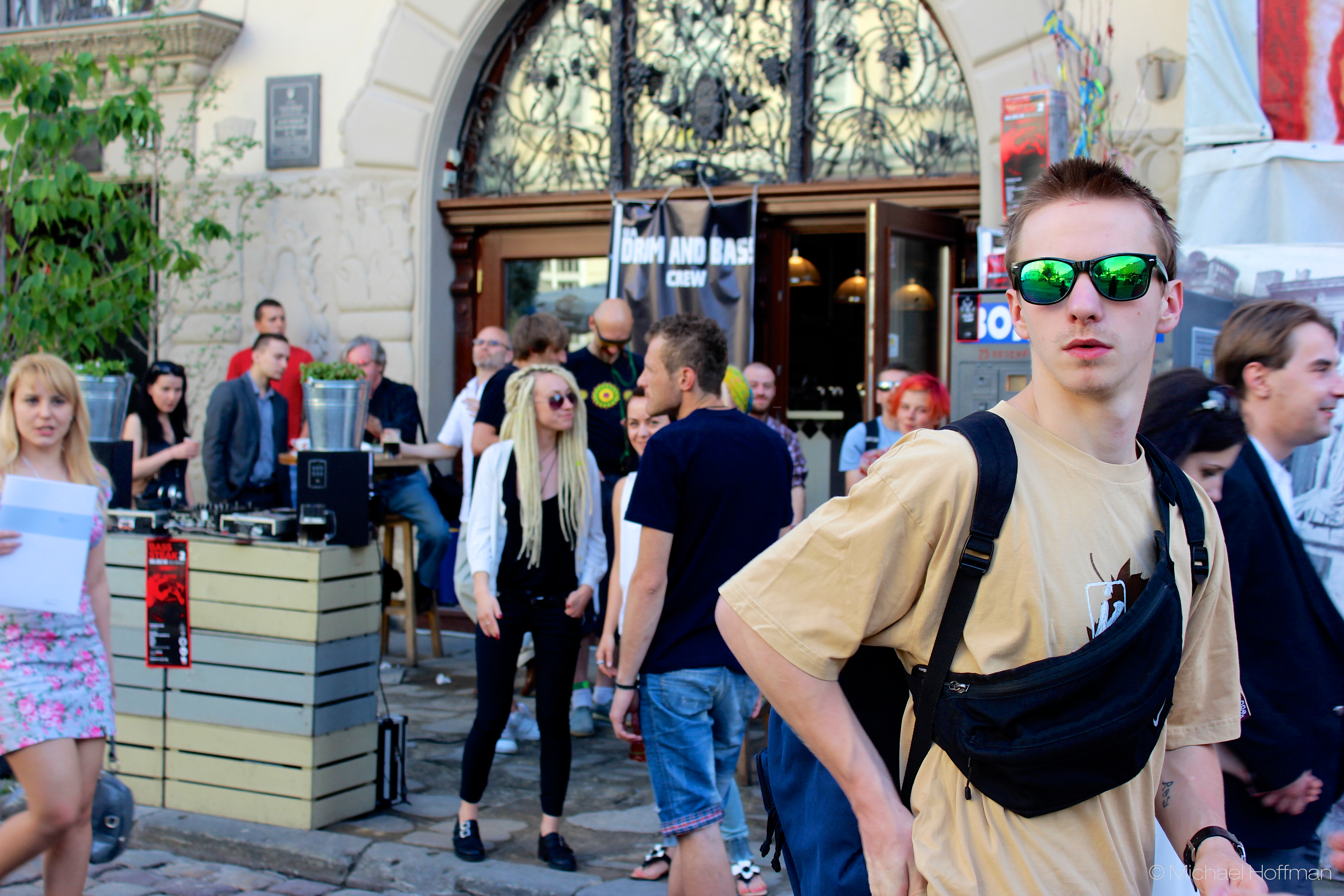
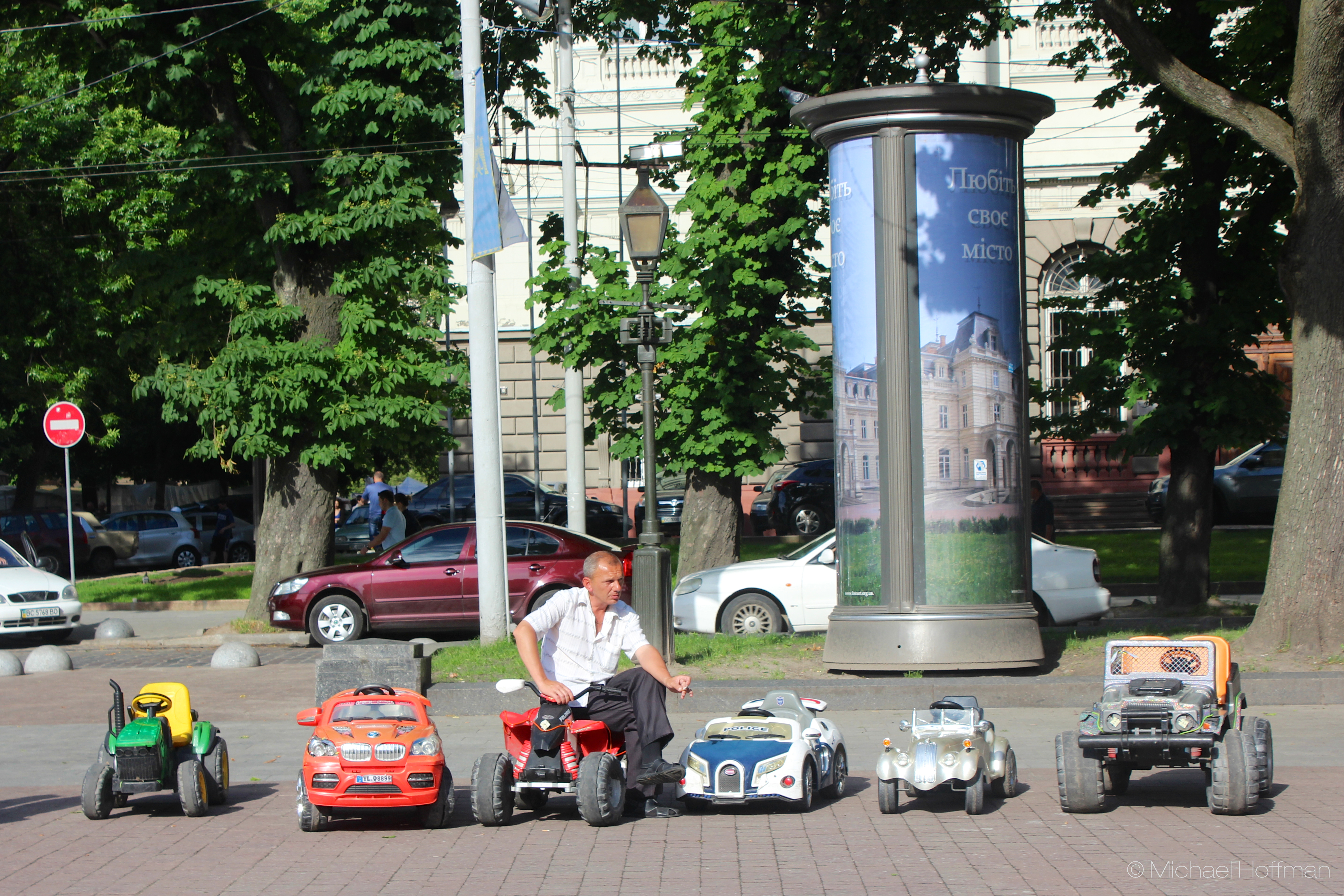
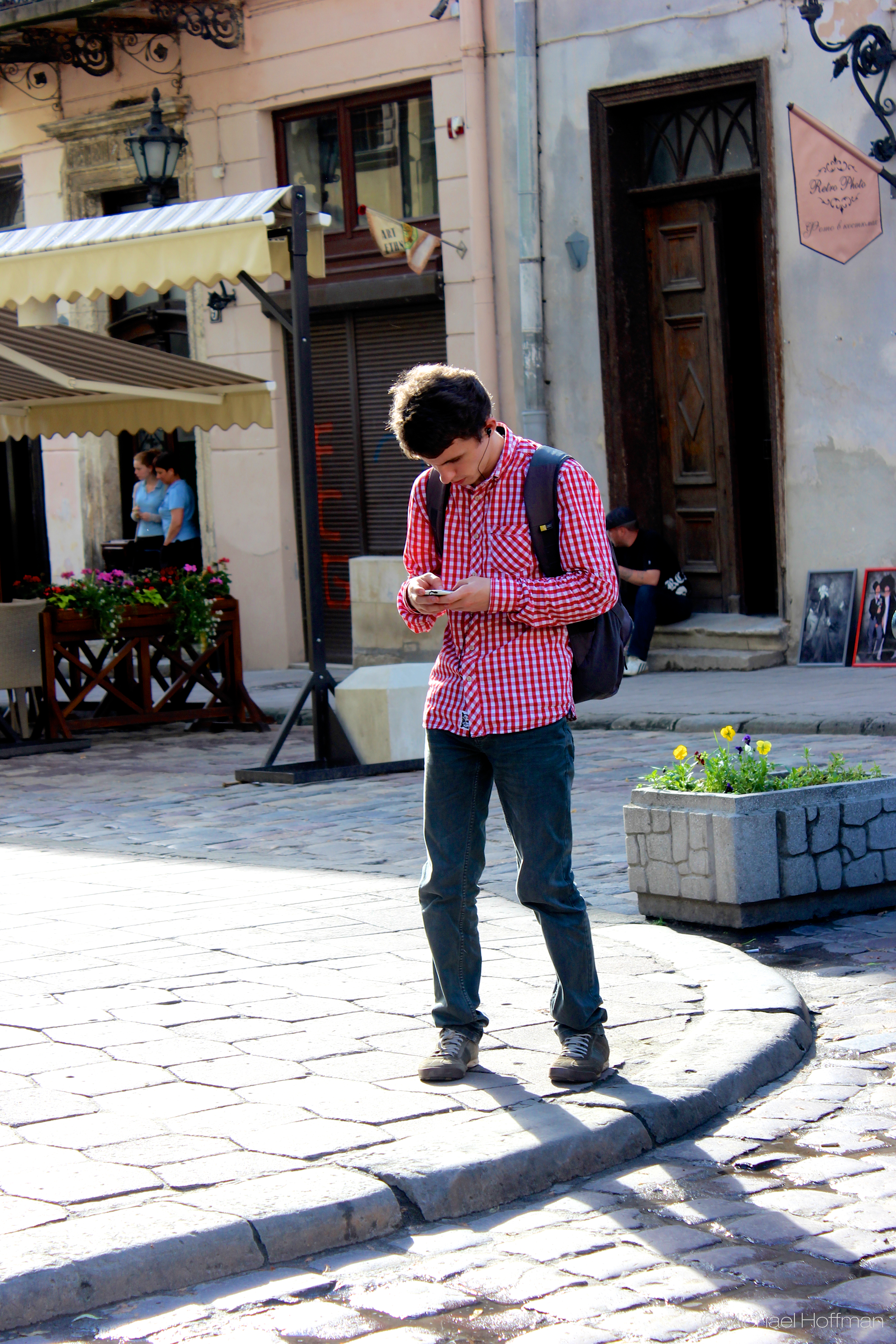
As I was on a working trip in Ukraine, I just had a couple of hours of spare time to explore the streets on my own, and there was barely time to make the proper adjustments or wait for the best light – so I just shot what came in front of my lens while walking through the magnificent old town of Lviv (Lemberg). As you can imagine, there is a dense atmosphere right now in Ukraine. Though Lviv was very peaceful, you see a lot of flags hanging from the windows. Not just Ukrainian ones, but almost as often flags of the European Union, too. The people here demand change and strive for a better life. I won’t forget the cab driver who hugged me and thanked me for the strong support from Europe. The hopes are high, hopefully, they won’t be dashed again. All the best to the Ukrainian people: Slava Ukraini!
test

IMG_2652IMG_2534IMG_2658

IMG_2567

IMG_2491

IMG_2676

IMG_2730

IMG_2504

IMG_2550

IMG_2510

IMG_2674

IMG_2551

IMG_2473

IMG_2620

The City of Augsburg Pt. 2

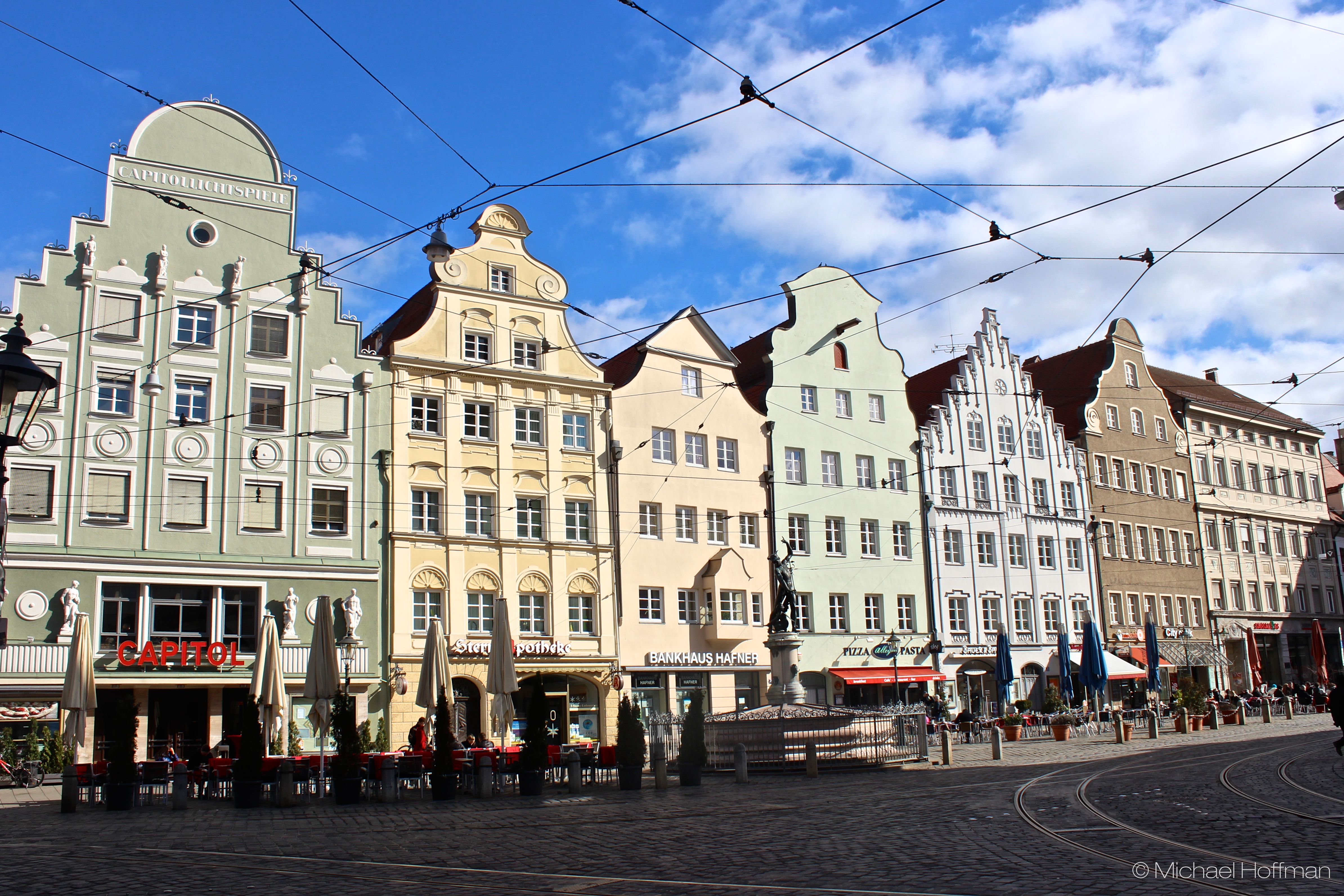
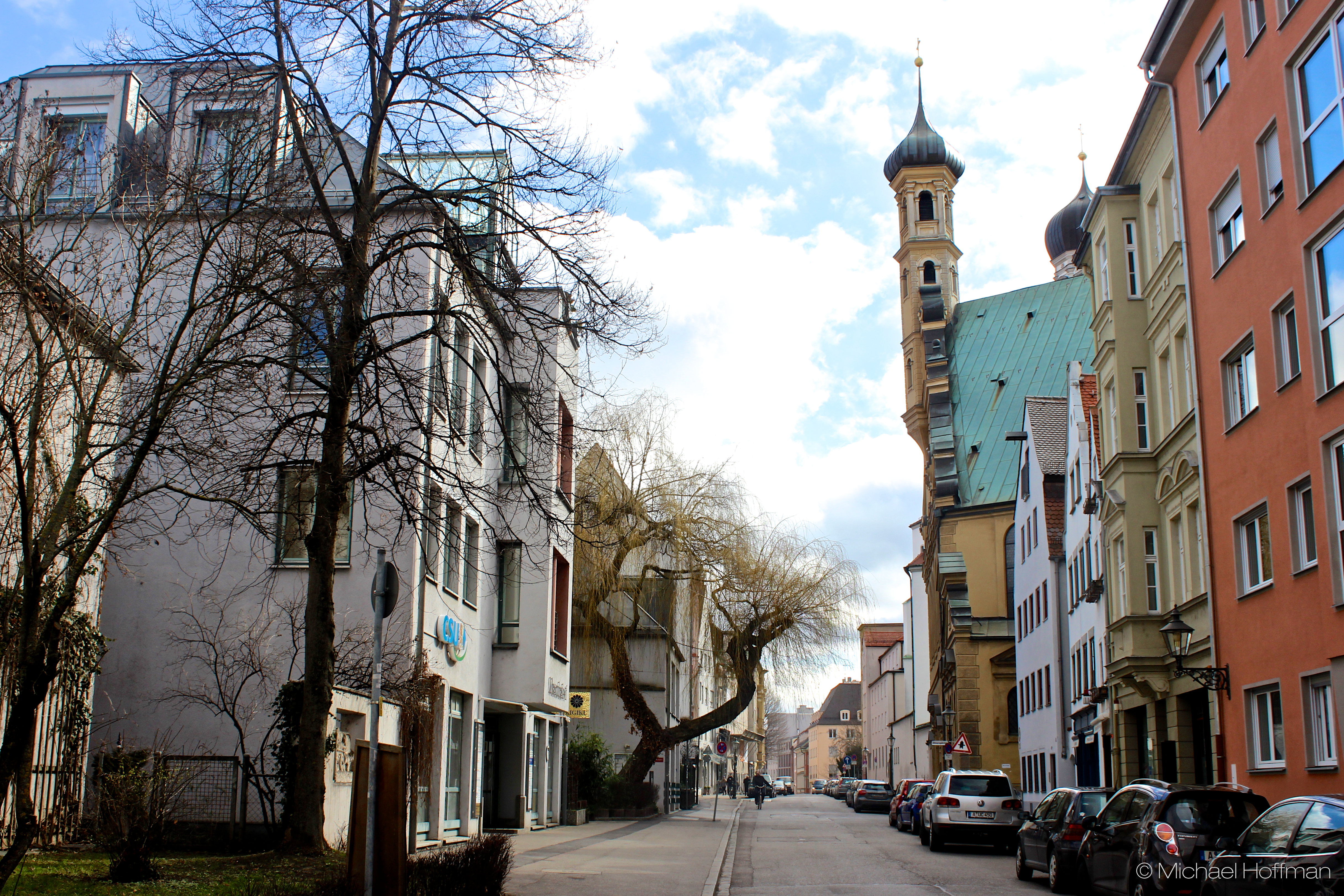
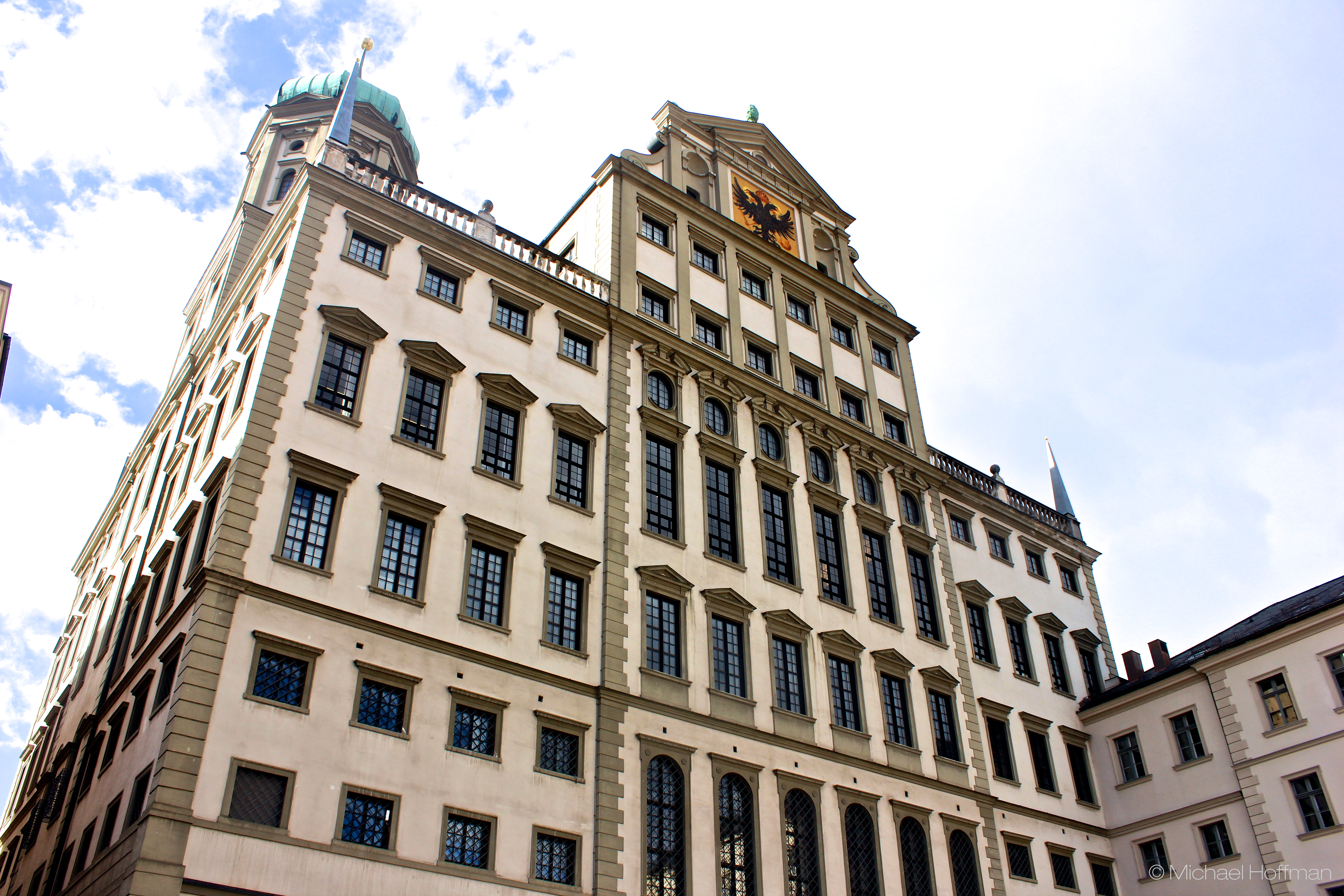
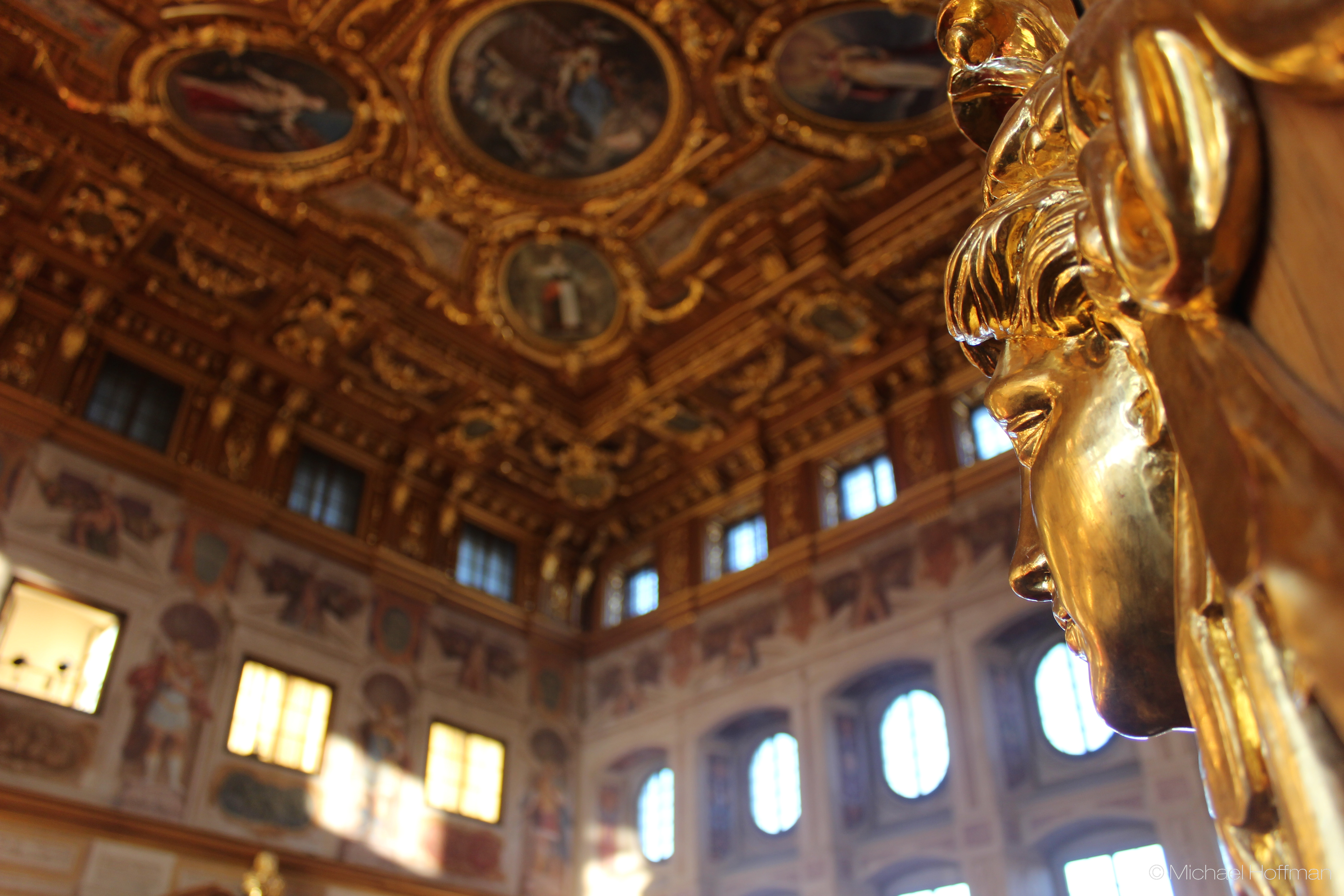
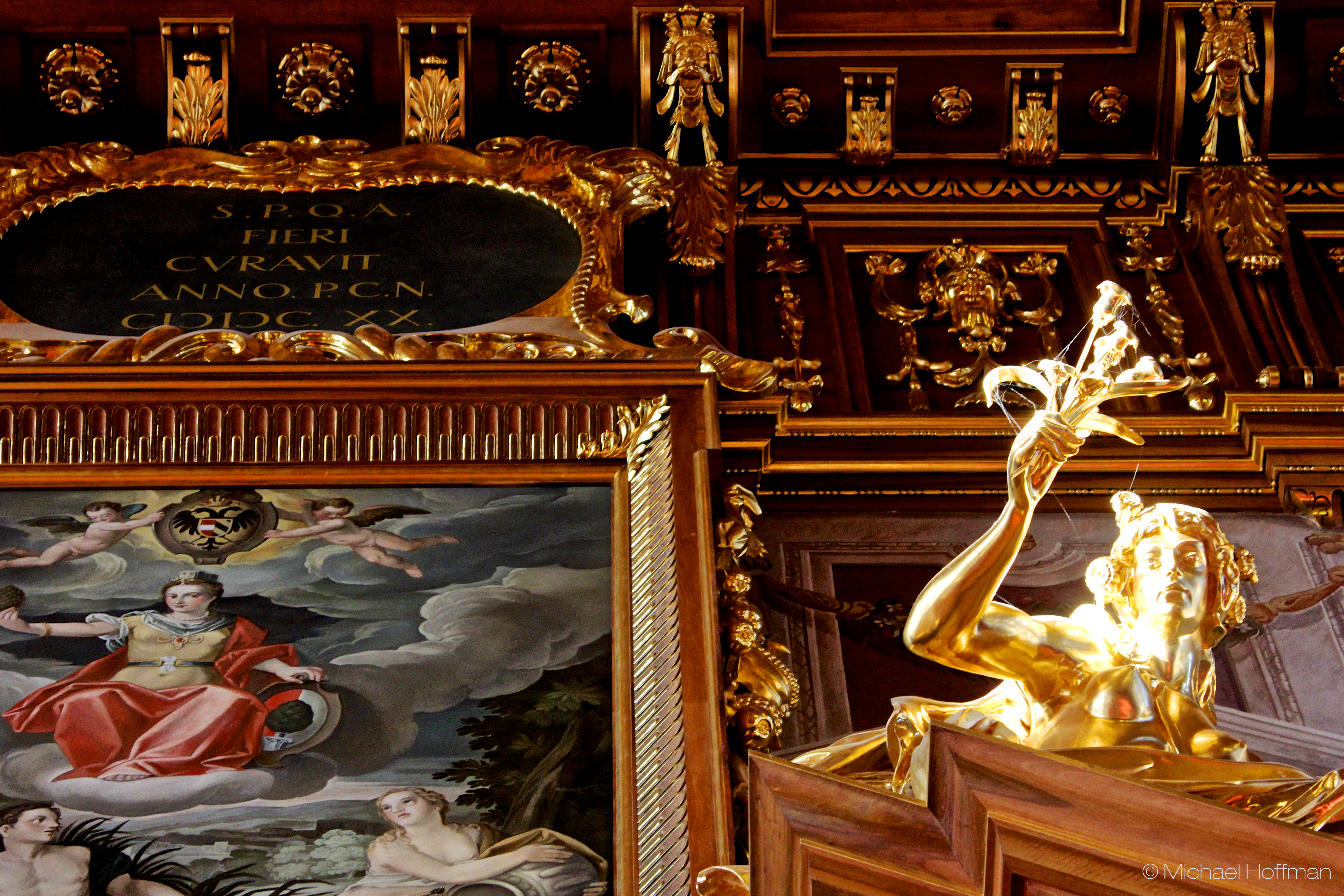
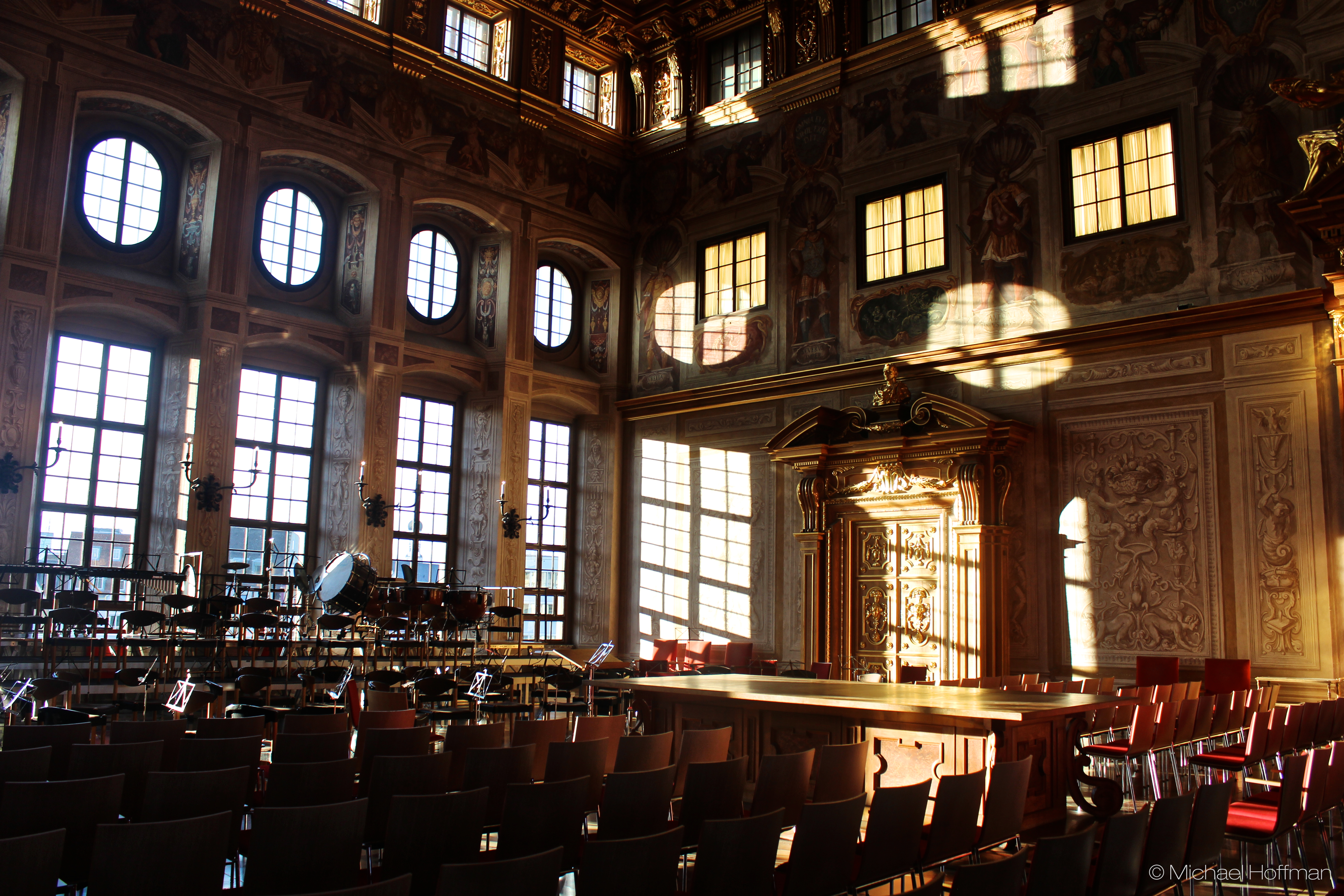
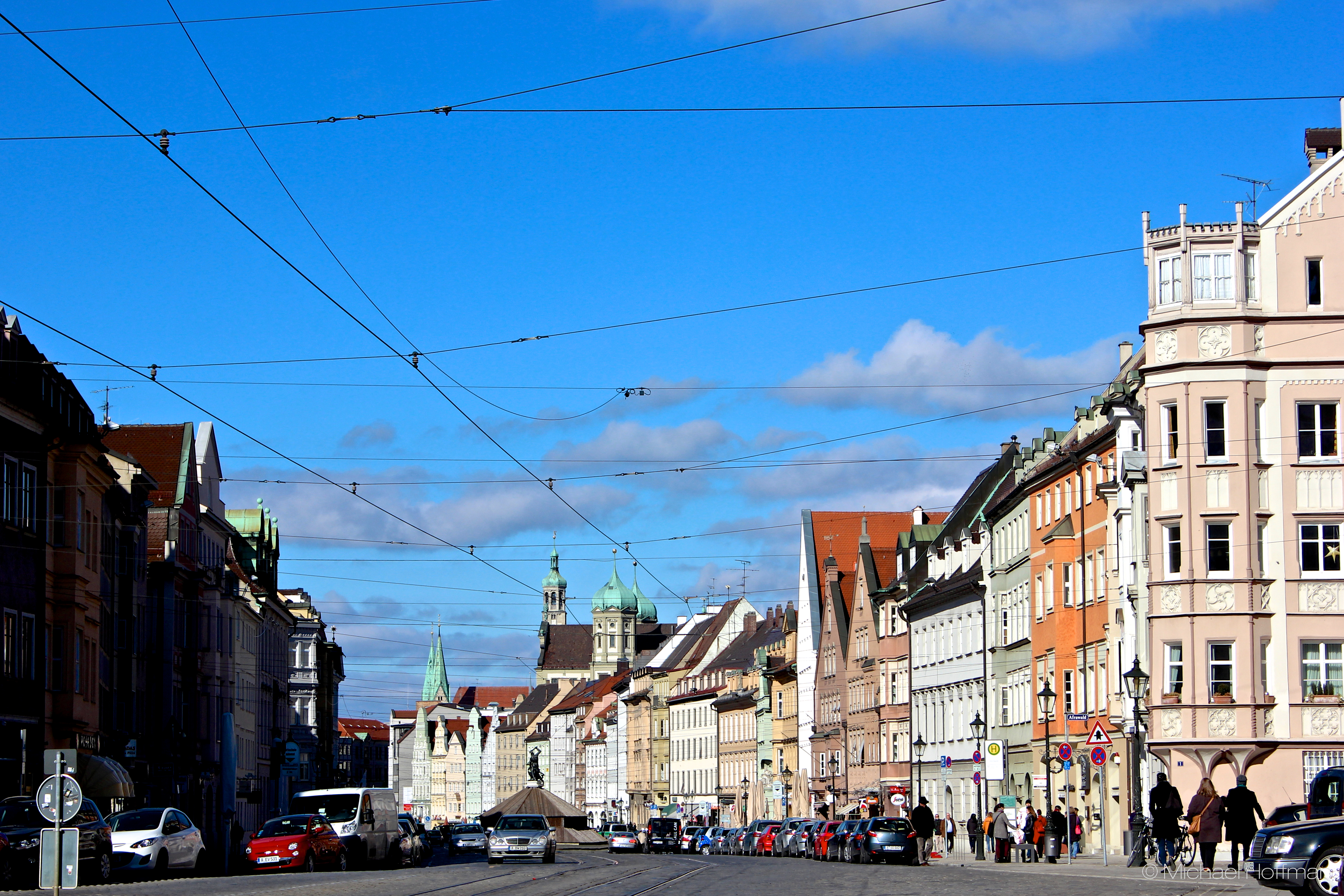
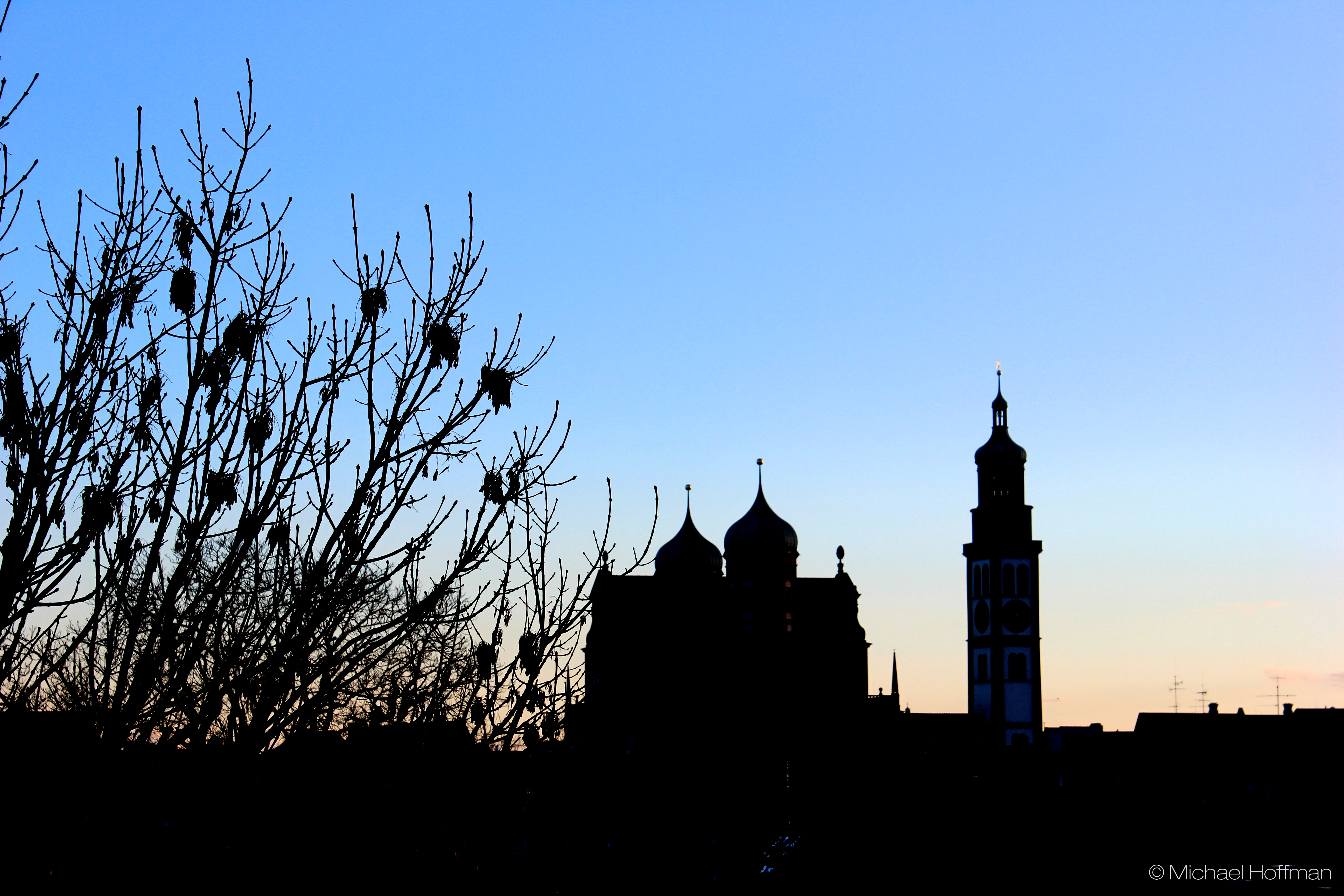
For an introduction to the series, please see Part 1. In this one, the focus is on architecture. I took a particular interest in the city’s civic hall (pictures 3 – 6). The Golden Hall is just marvelous. It was completely destroyed during World War II and rebuilt entirely. If you get the chance to visit Augsburg, pay a couple of euros and don’t miss it; it’s worth it.

test

IMG_6348

IMG_6334

IMG_6213

IMG_6254

IMG_6256

IMG_6251

IMG_6277

IMG_6366

IMG_6206

IMG_6277

The Silk Road: The Grand Market in the Mountains Pt. 1

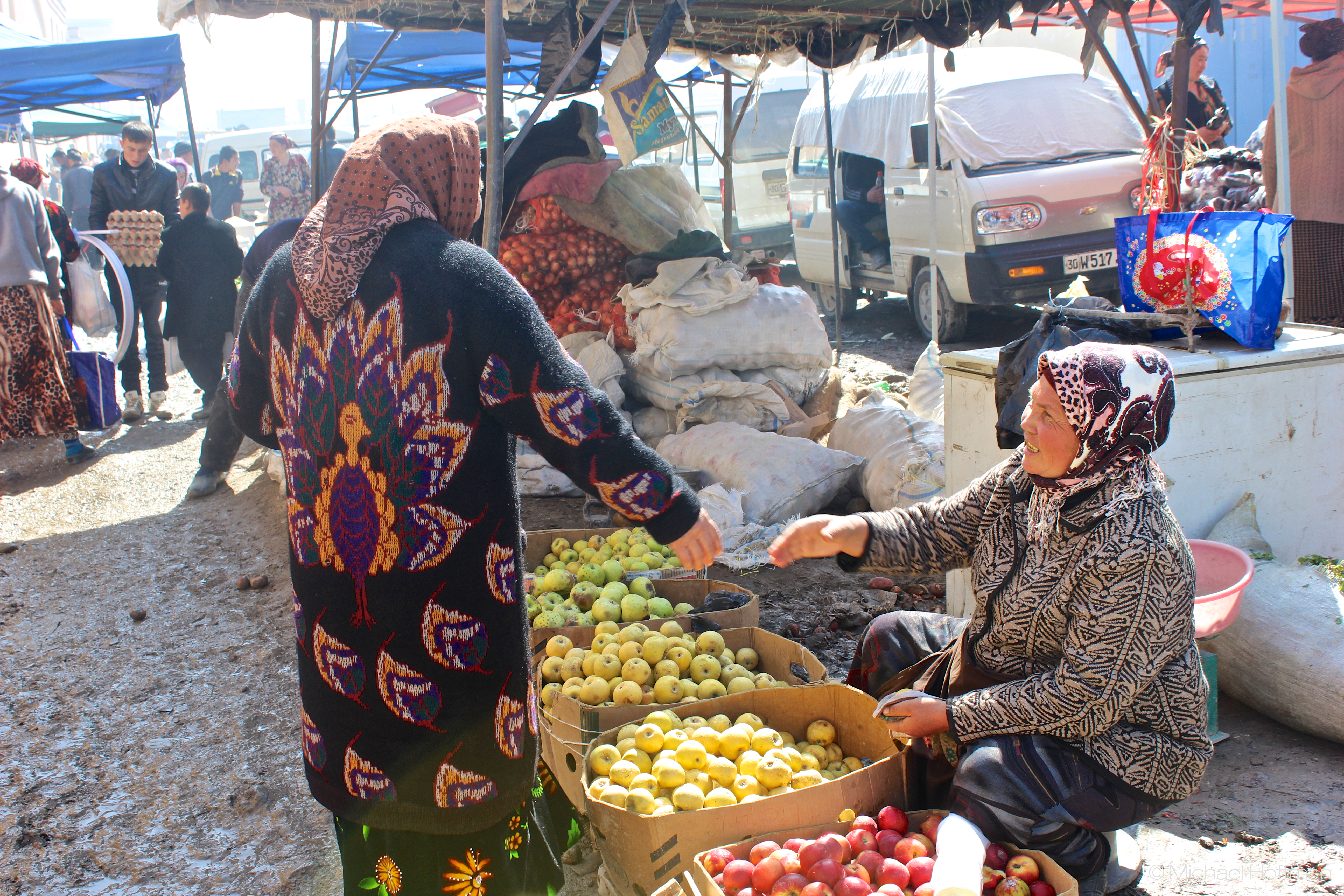
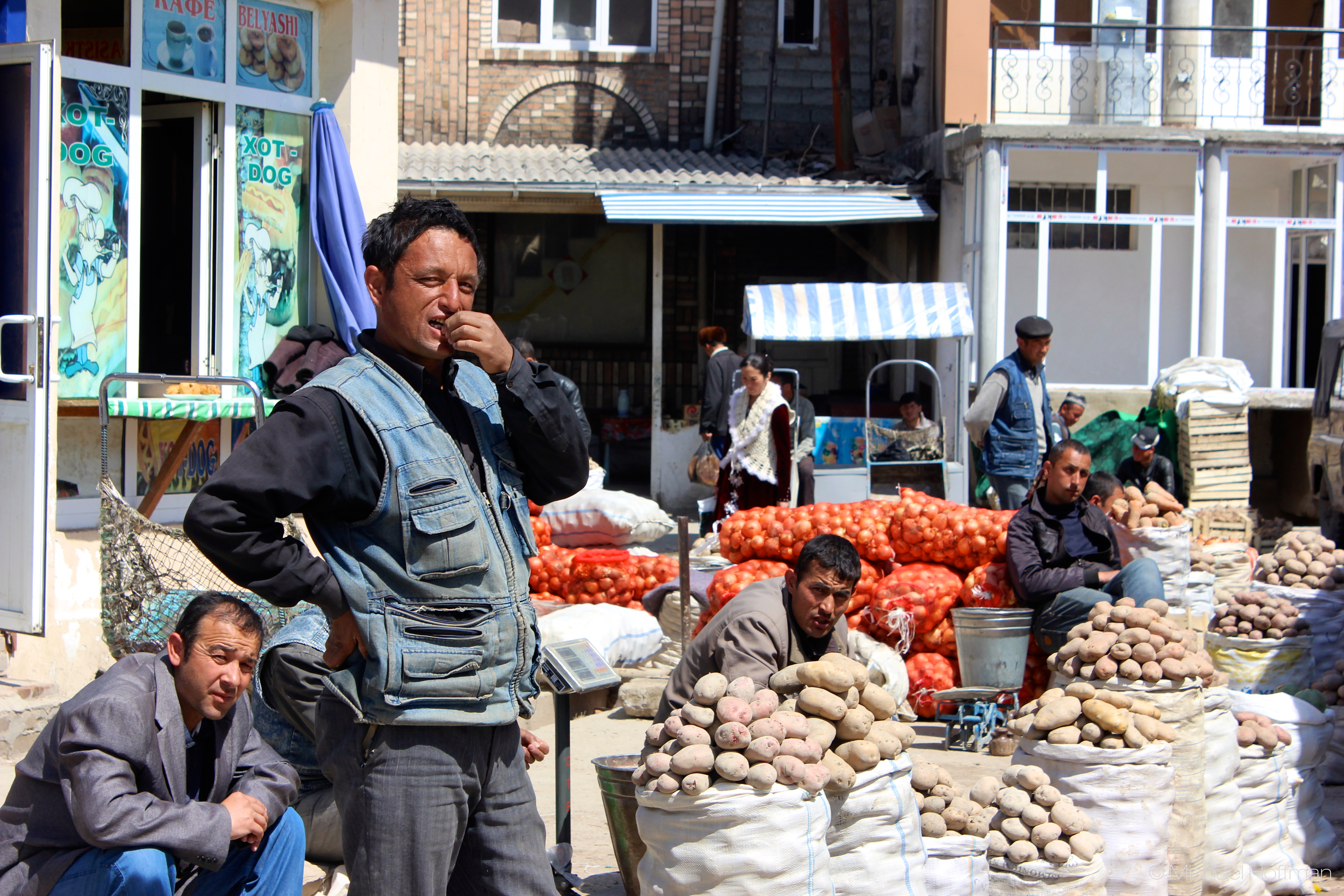
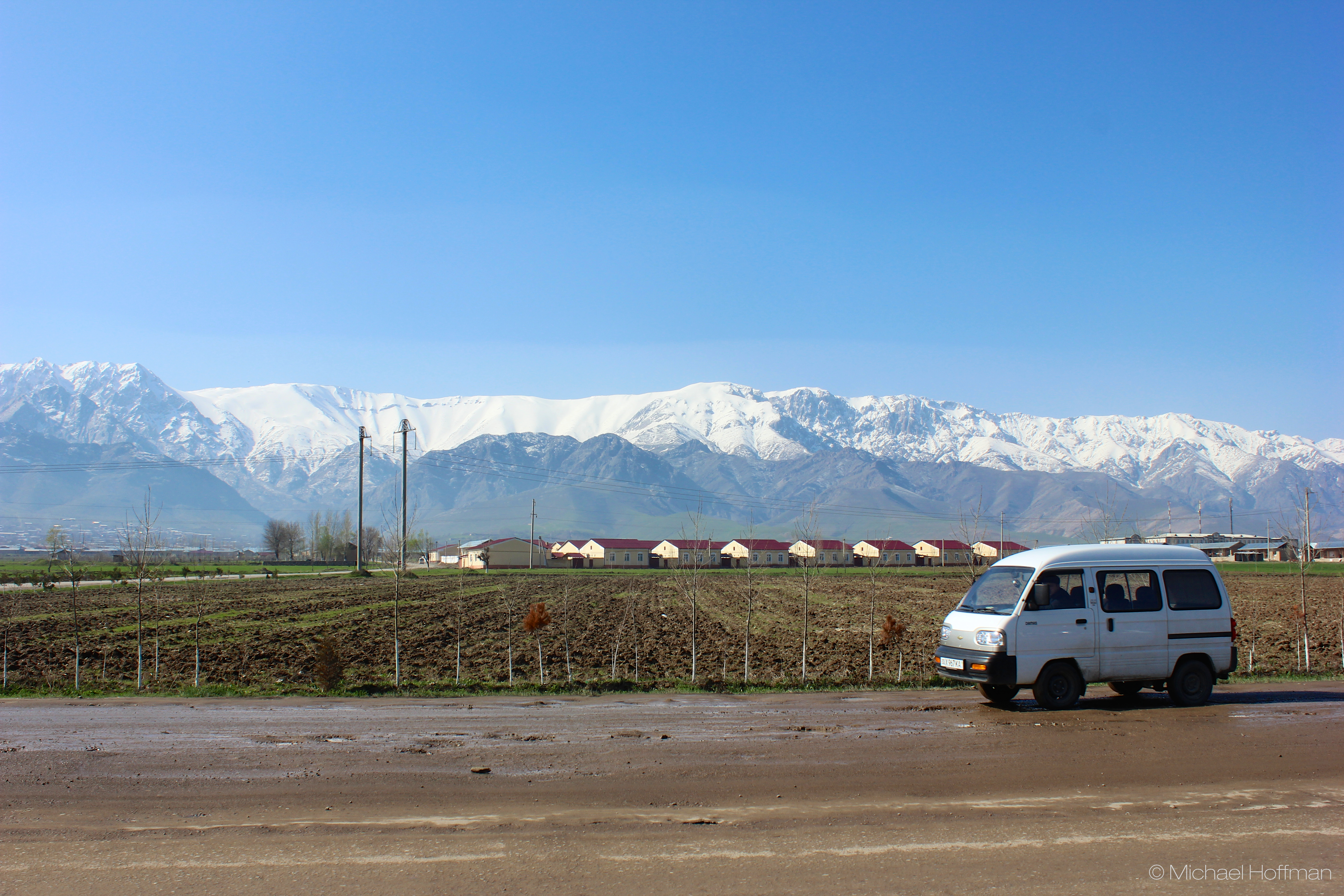
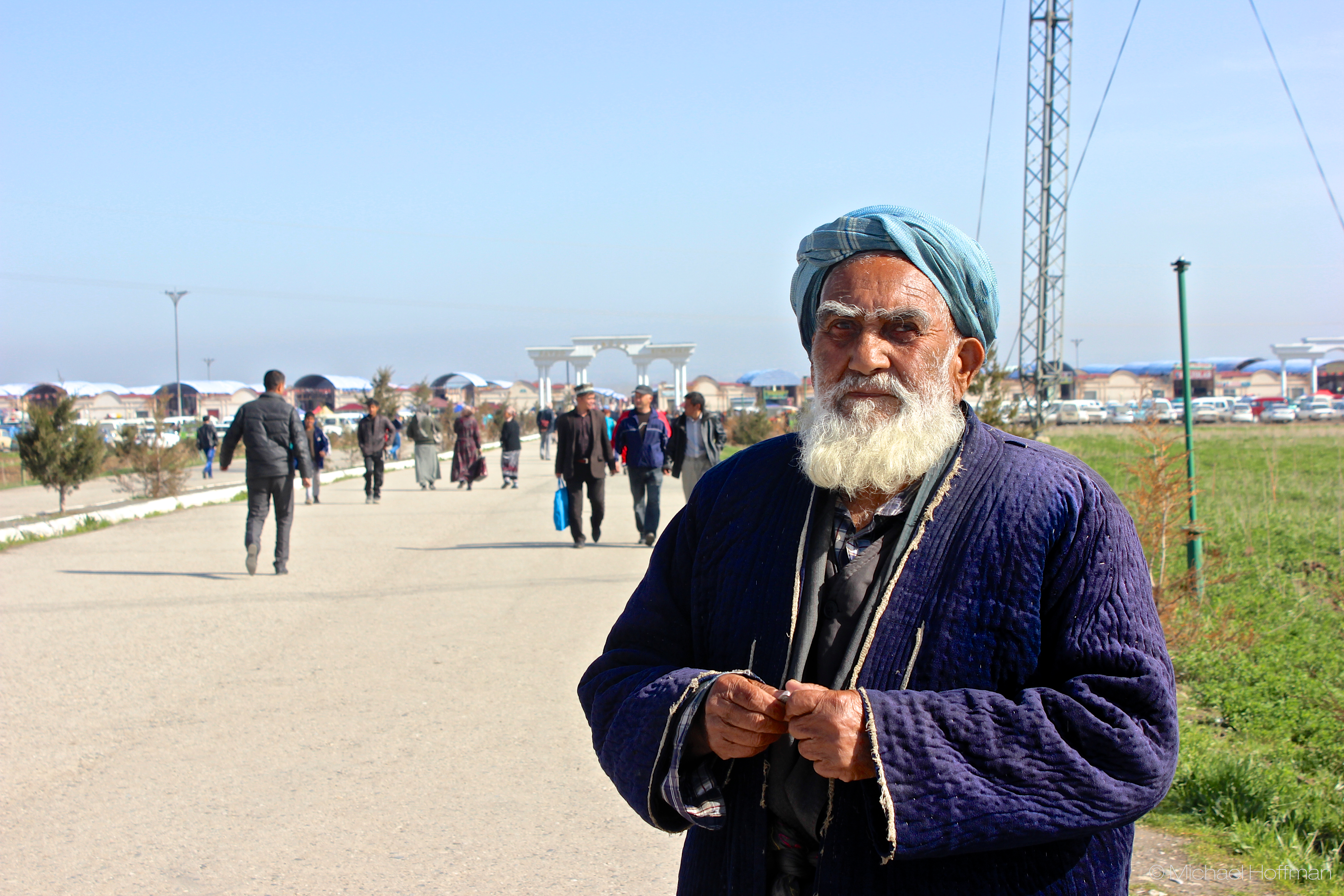
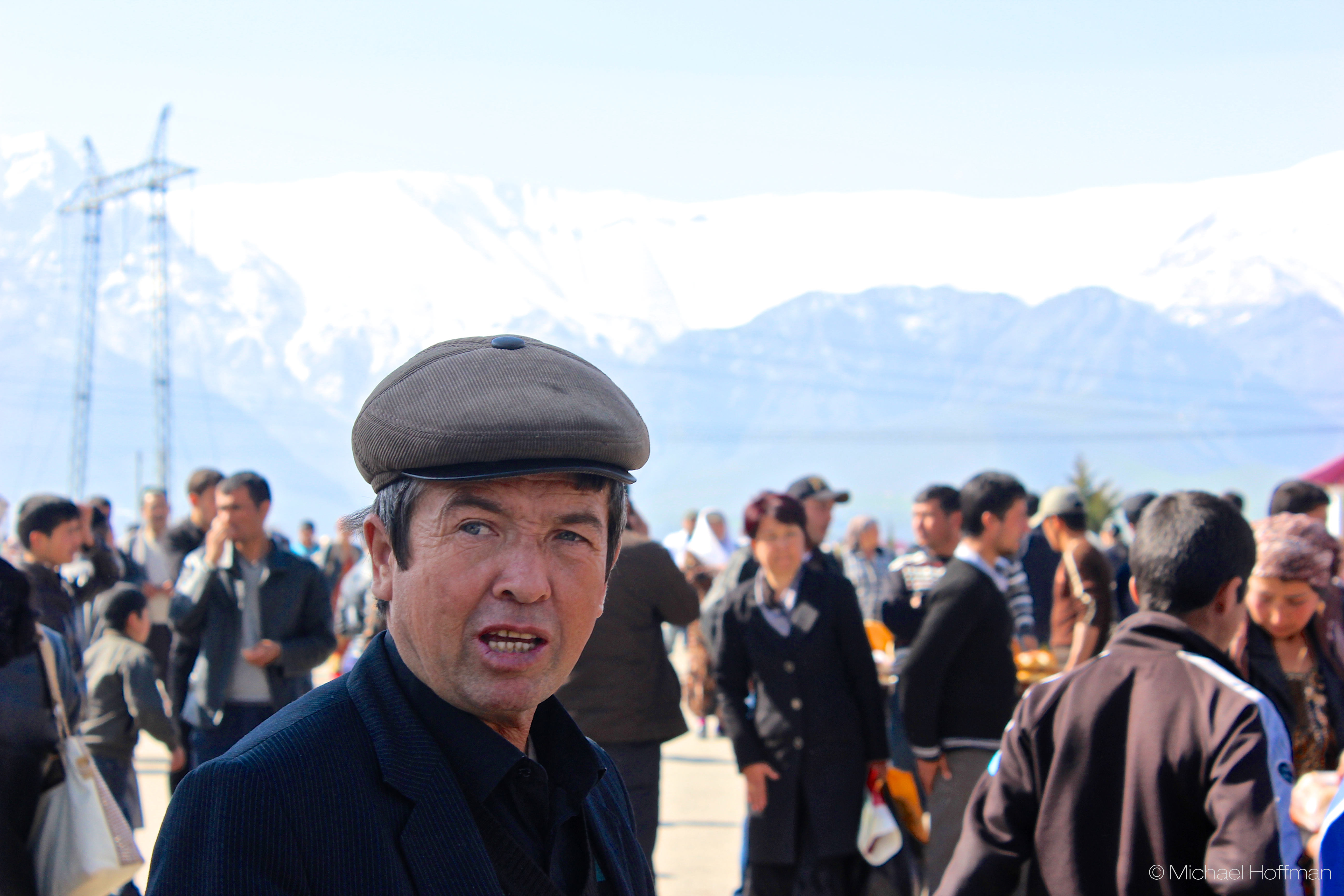
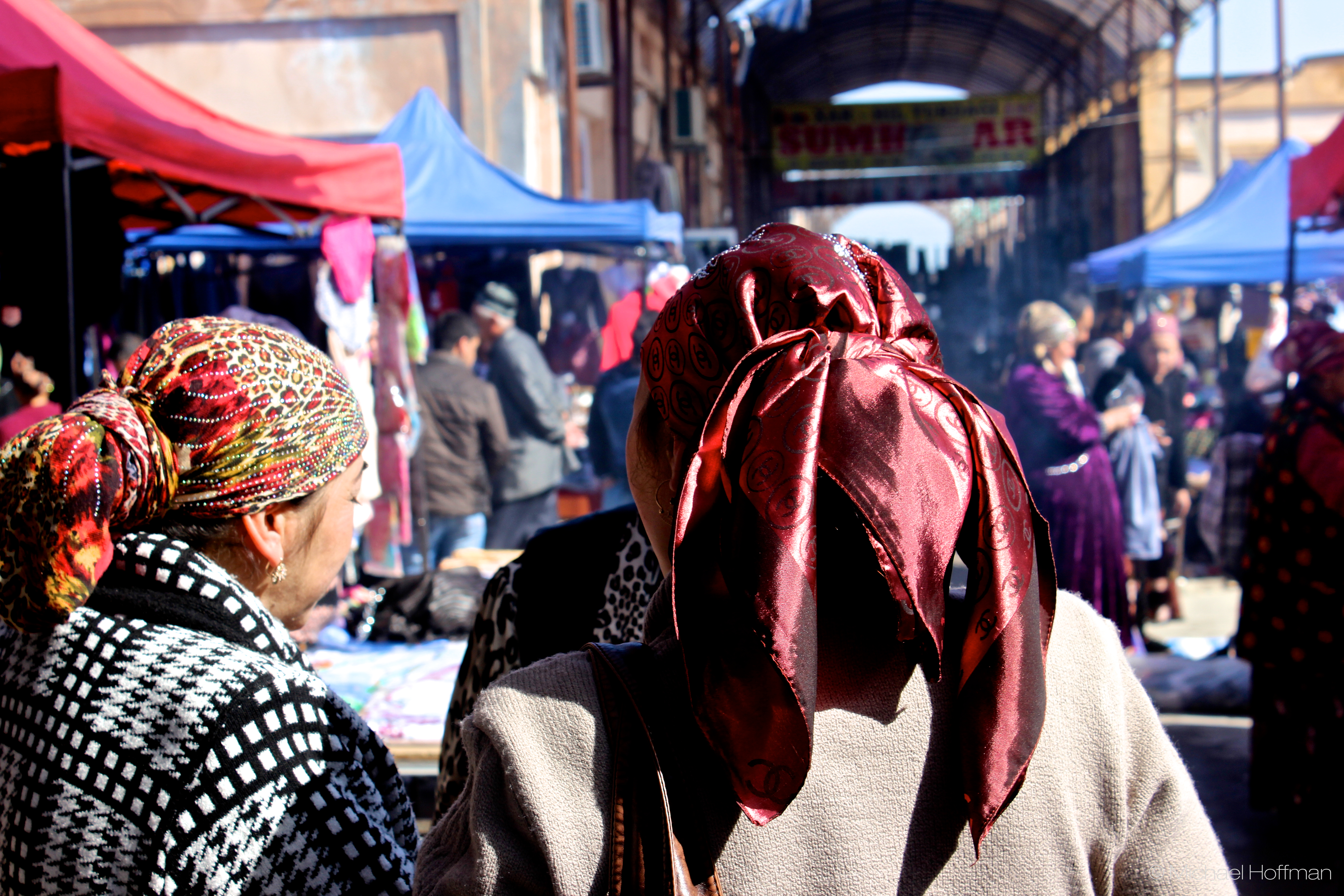
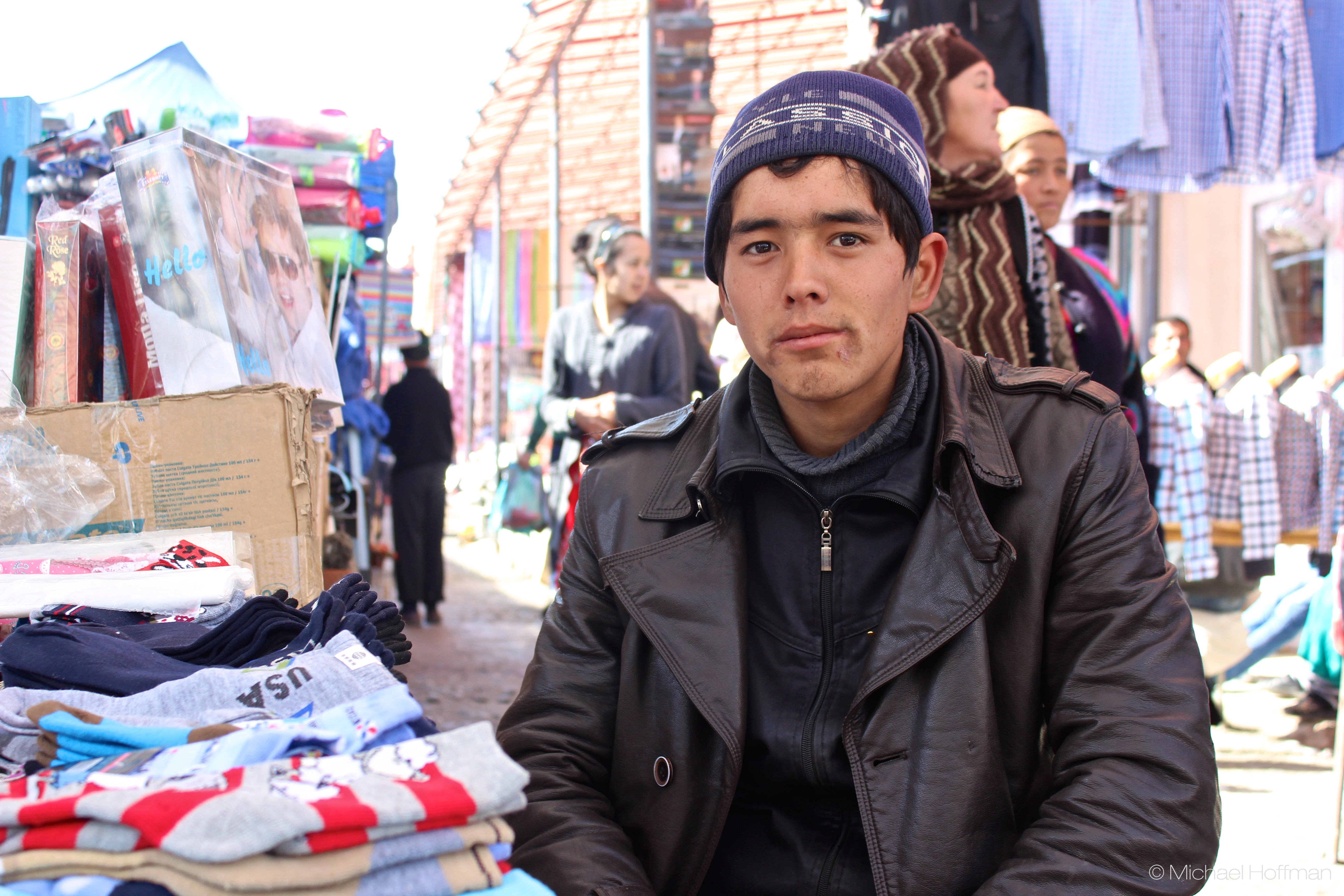
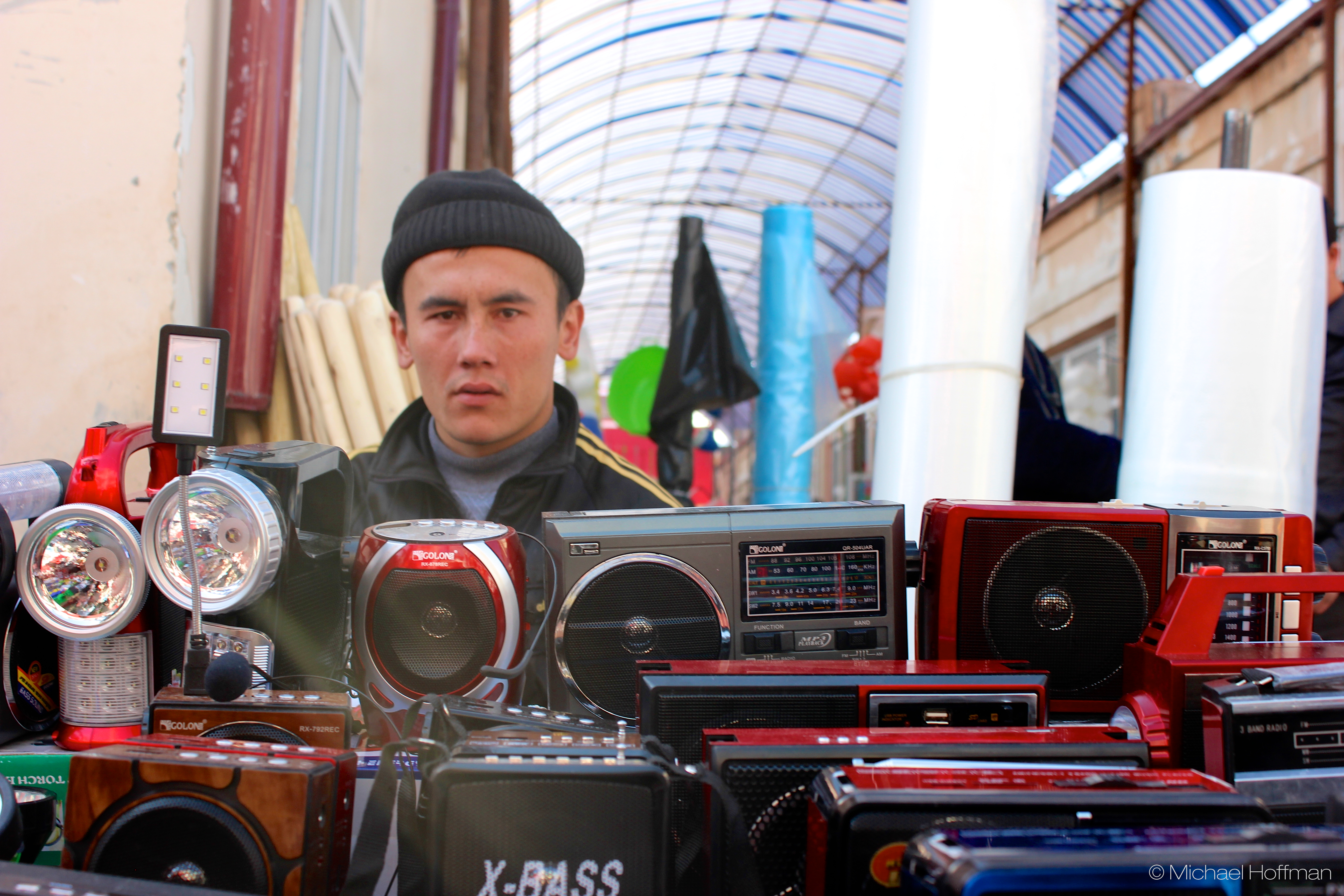
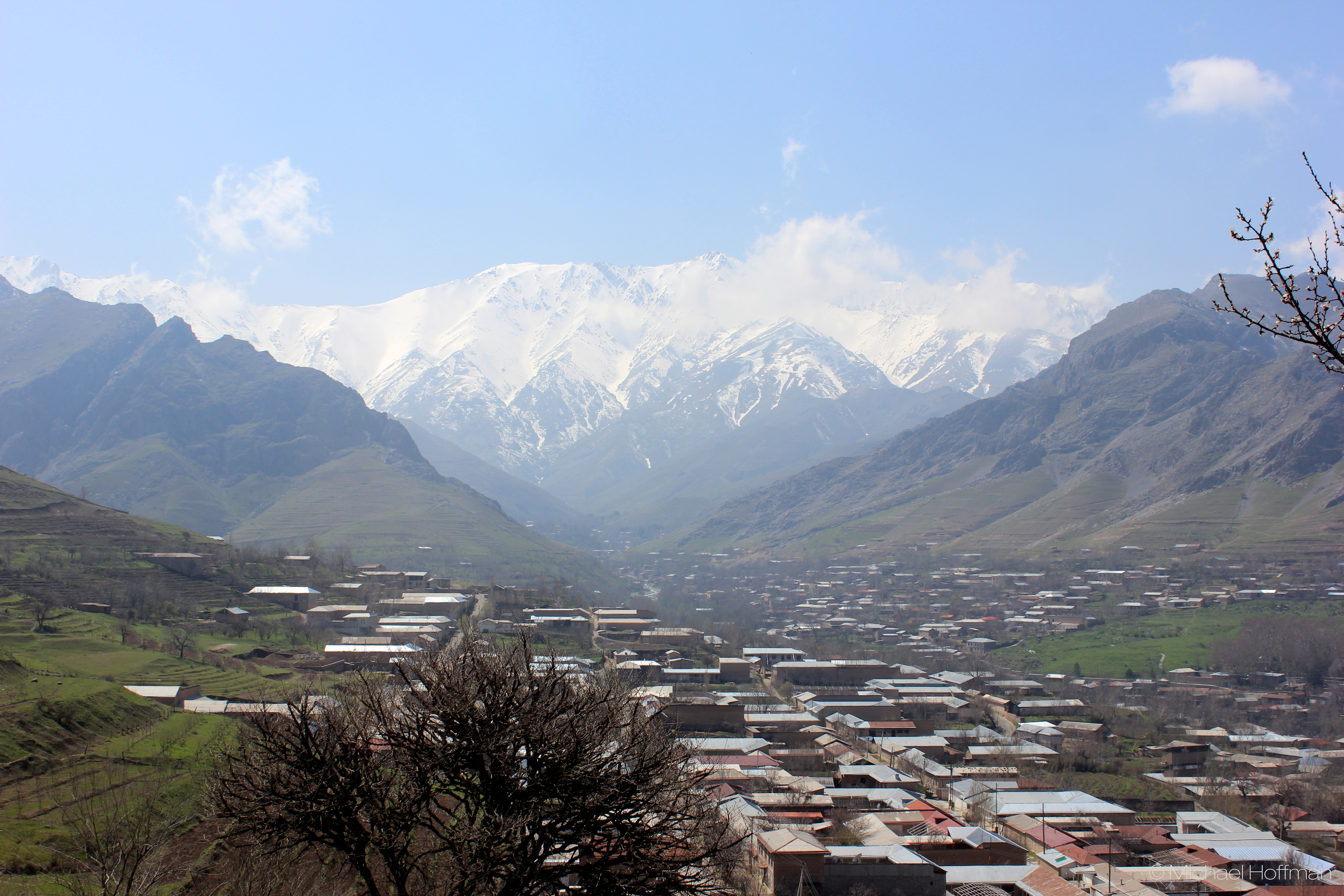
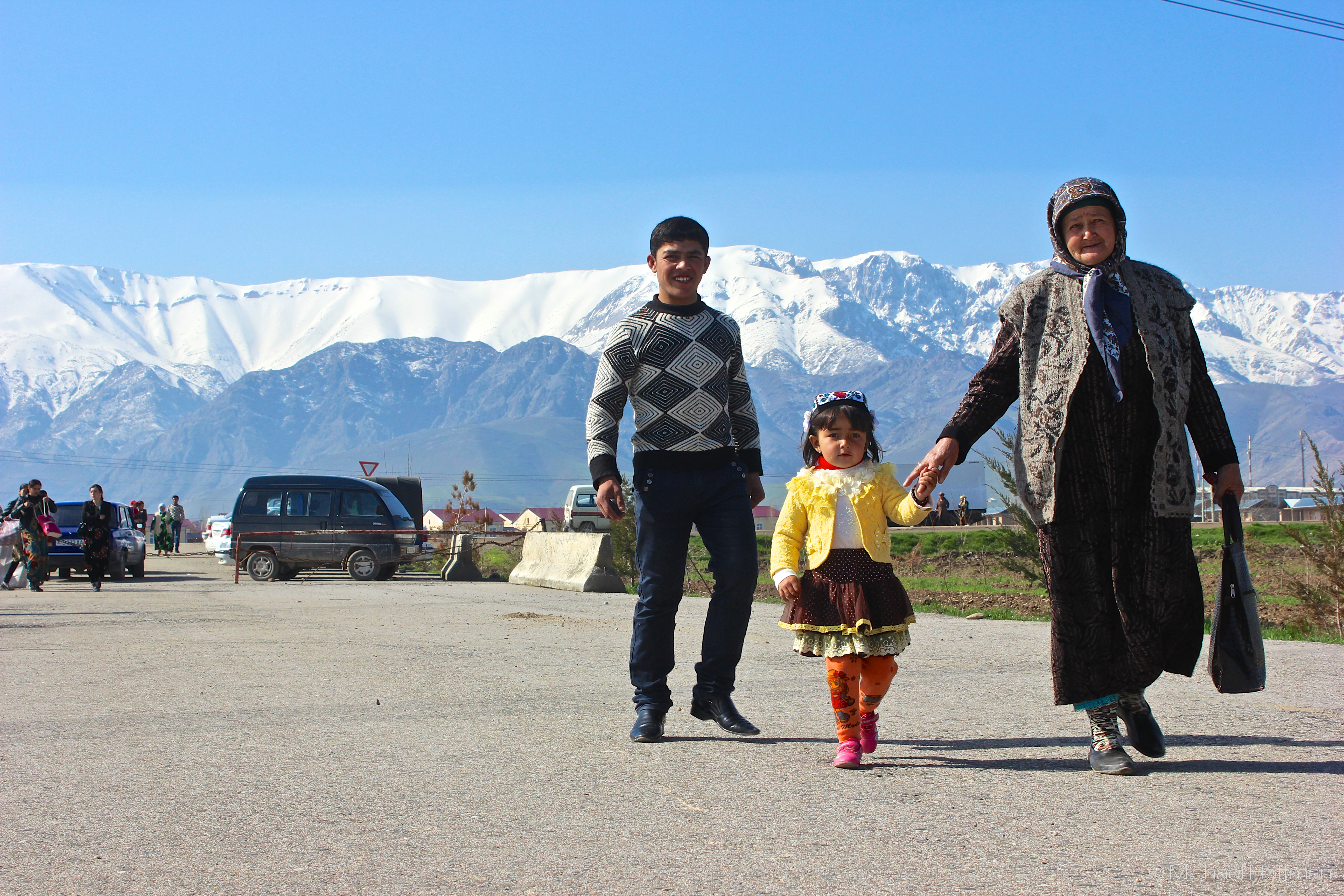
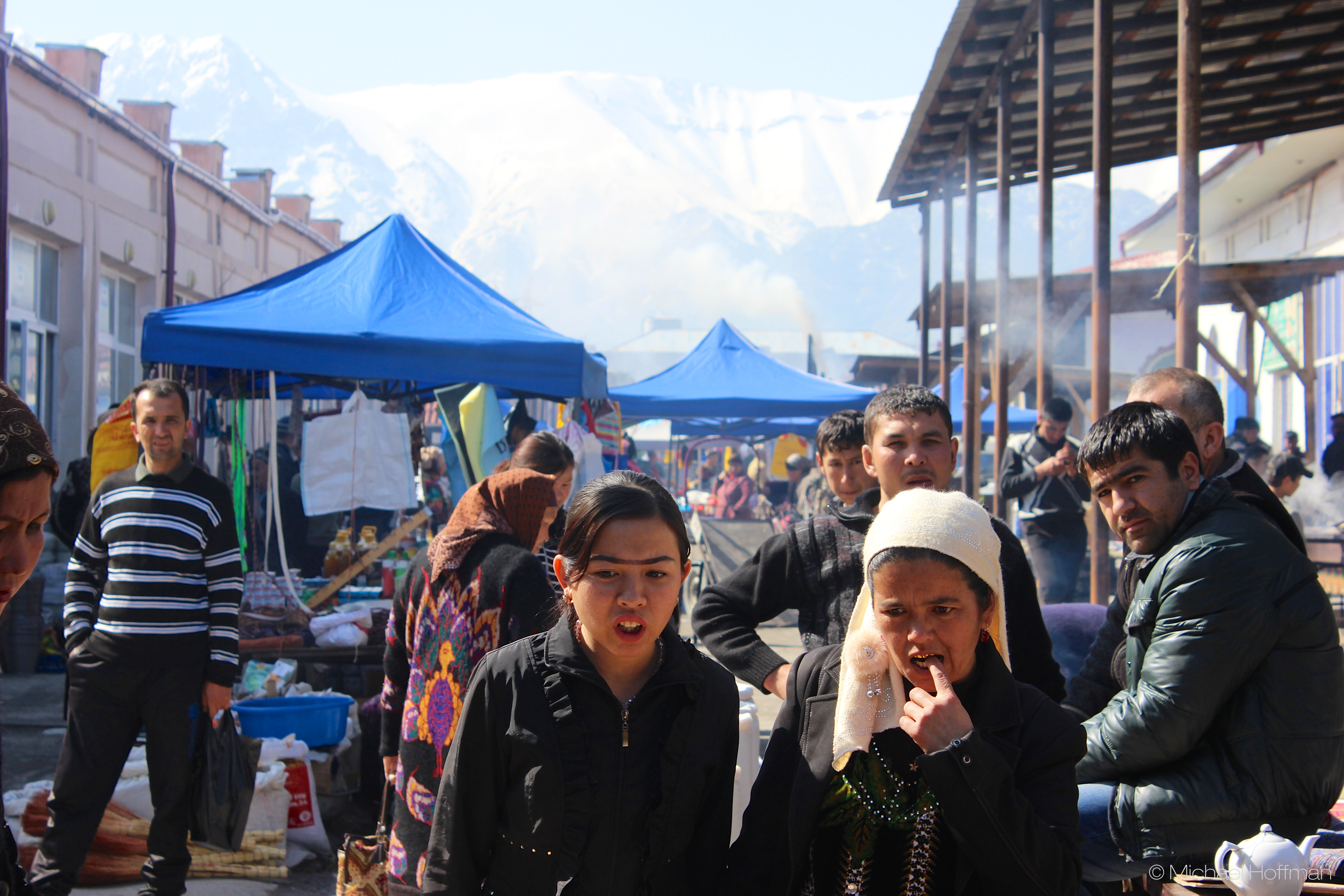
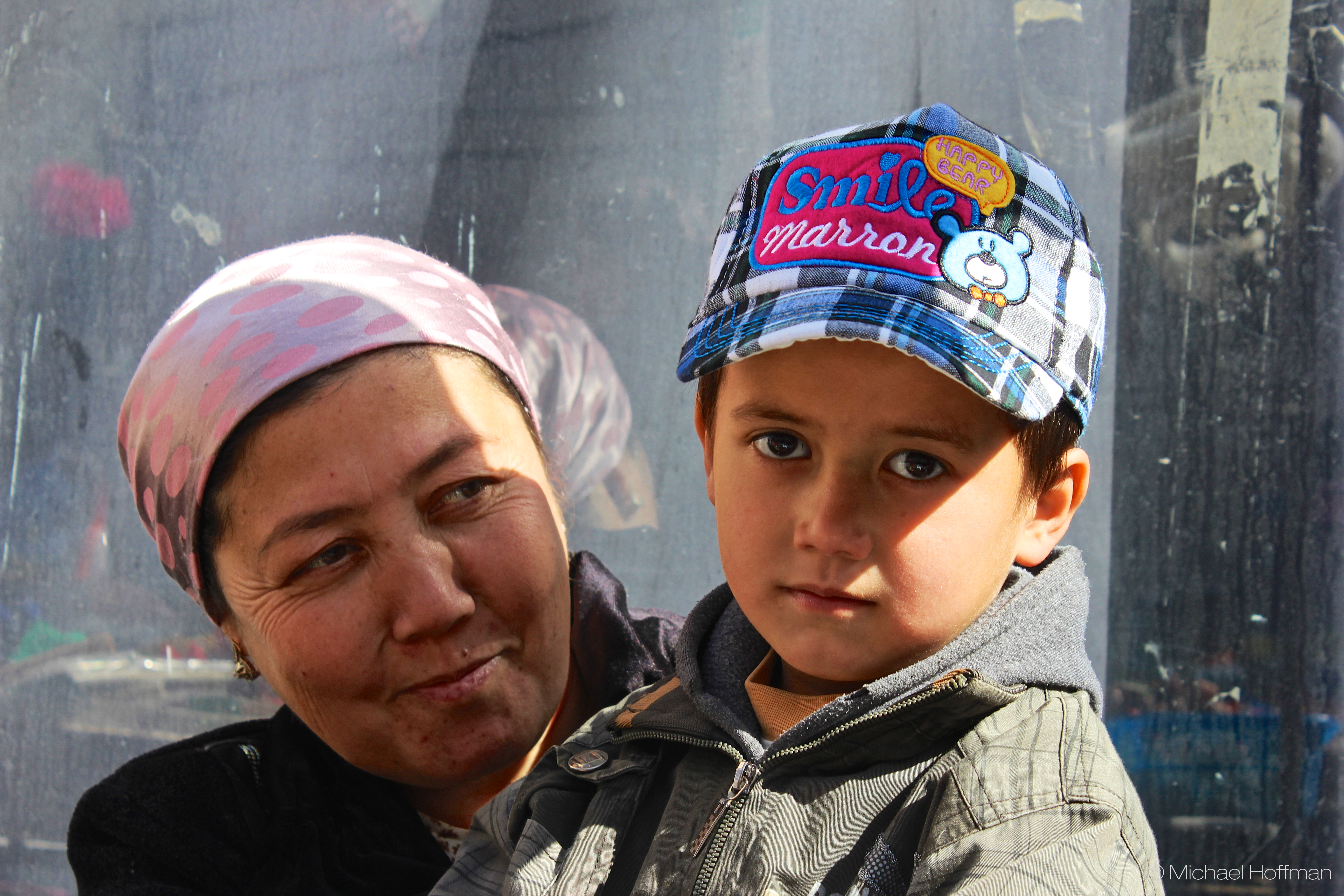
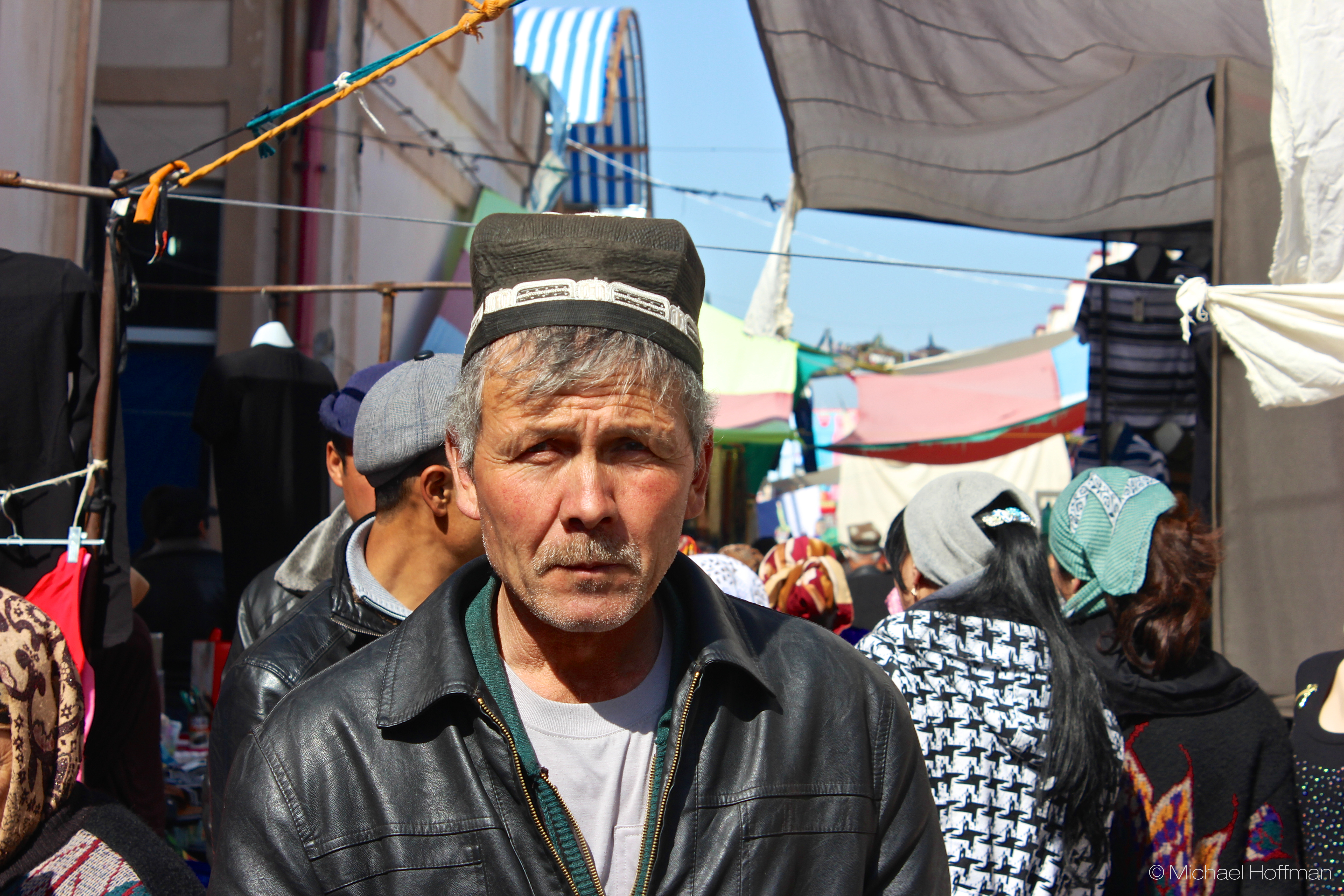
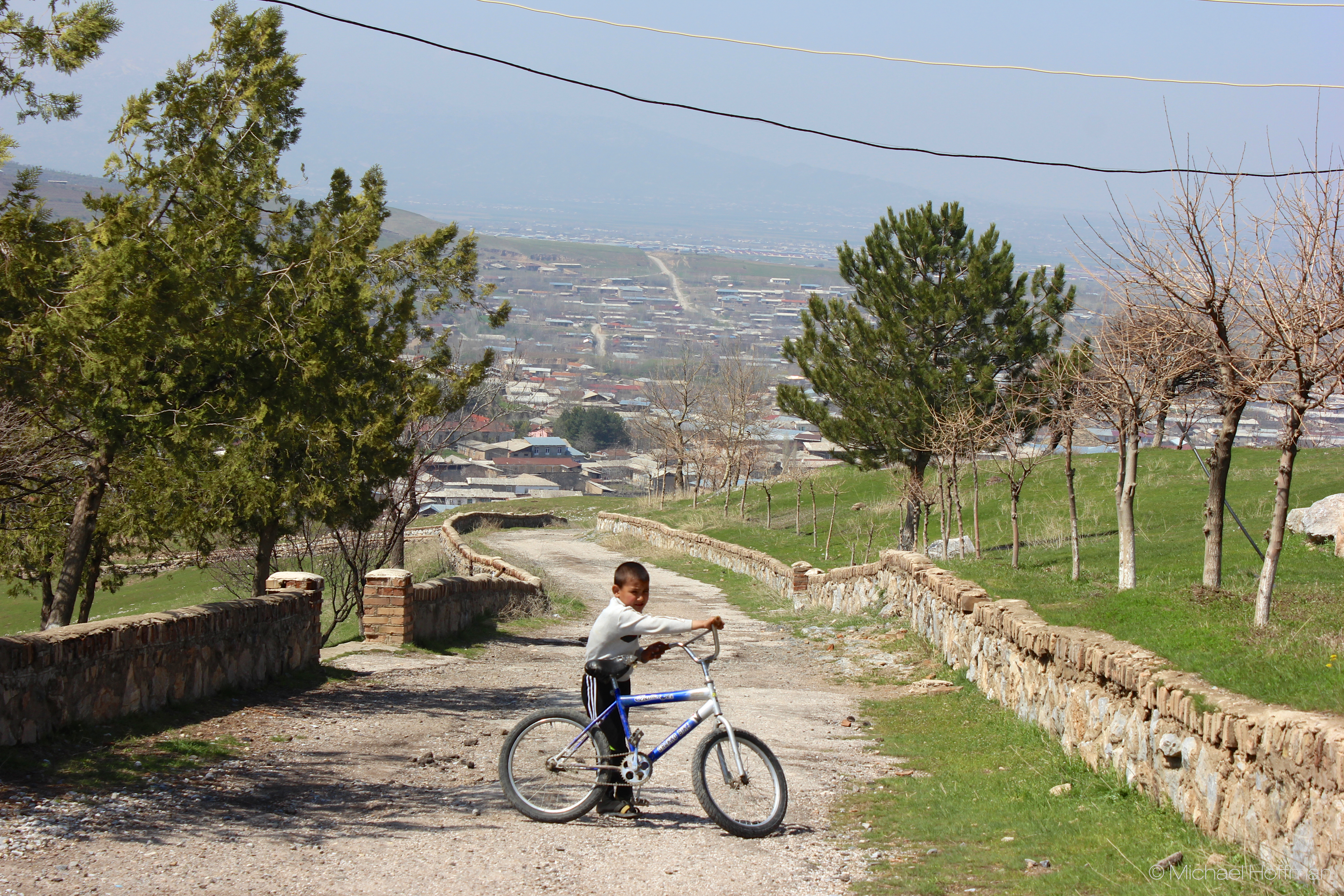
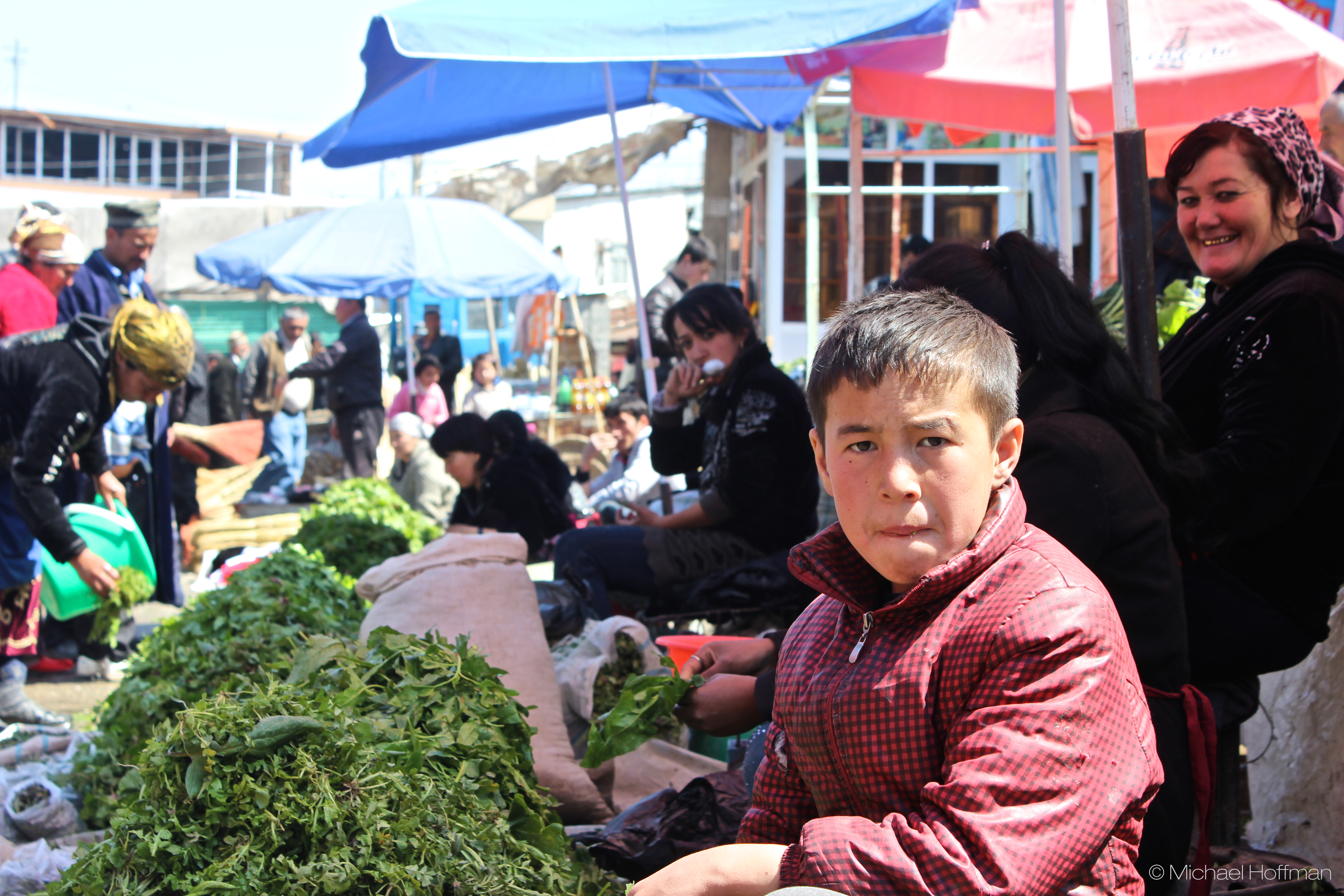
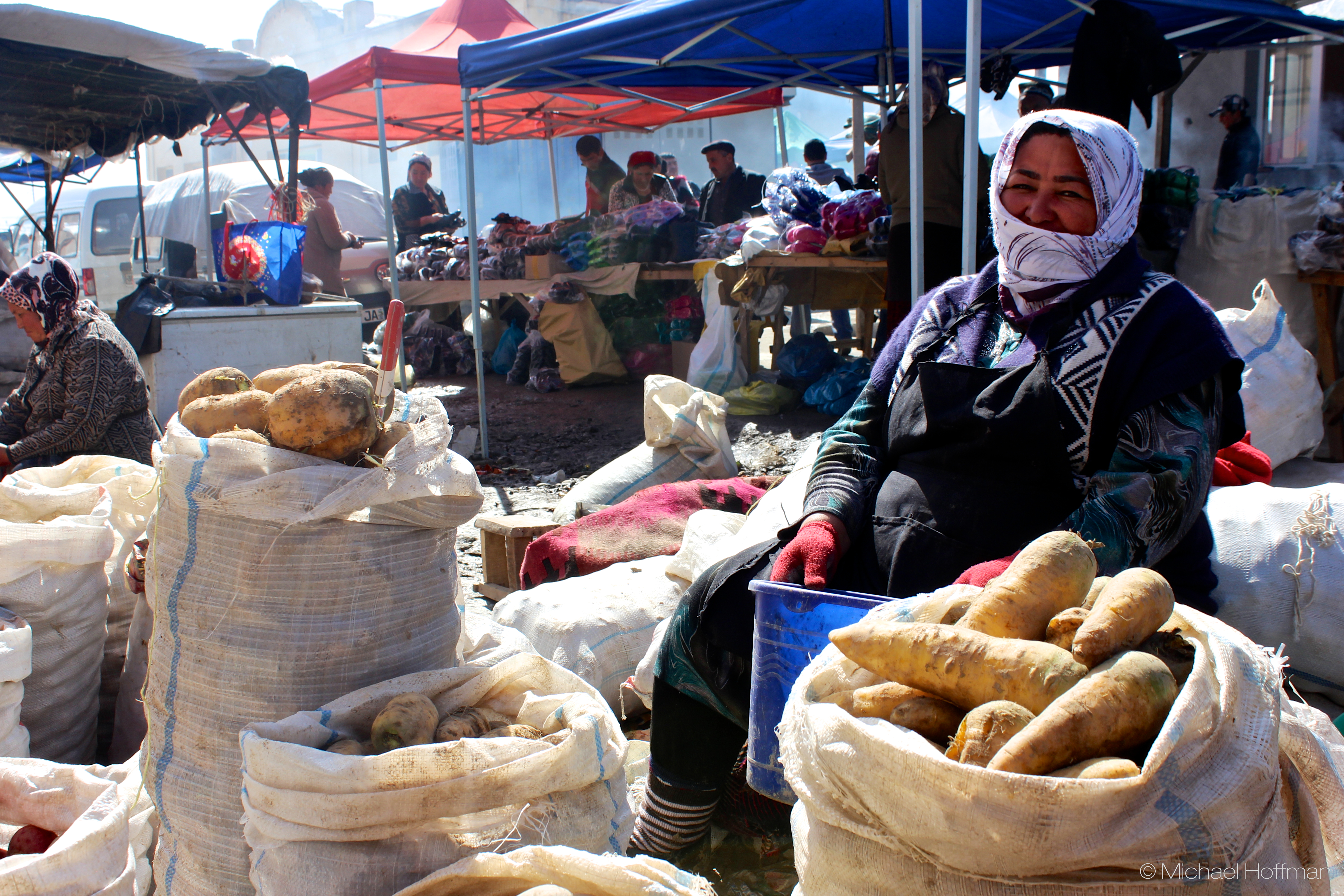
While Eastern Uzbekistan (about 70% of the country) largely consists of deserts, with green spots along the river of Amudjaria, the west looks much different. Getting closer to the Tajik border, large mountains begin to arise, soon occupying the whole horizon. They are part of the Pamir mountain range, a vast plateau that connects the Tian Shan in China with the Hindukusch and the Himalayas in India. Combined, it is the largest mountain range in the world. At the western end of this plateau, already in the hills but still reachable from the fertile lowlands at the bottom of the mountains, there lies the town of Urgut. For centuries it was a transshipment point for goods on the Silk Road, where travelers from China sold their goods to Central Asian merchants, who in turn transported them on camels through the desert and brought them closer to their final destination – Europe. Therefore, the Grand Market of Urgut (the largest of Uzbekistan, of course) is what it must be and always was: A transitional space for people and ideas from the Orient and Oxidant. It is probably one of the few early melting points of human civilization still in existence, looking not much different than centuries ago. Except for the iPhone cases and pirated Gucci handbags, the new luxury goods of the 21st century coming from China to Europe. A new kind of silk, one could certainly argue.

test

IMG_8937

IMG_8946

IMG_8941

IMG_8957

IMG_8962

IMG_8974

IMG_9001

IMG_9006

IMG_8984

IMG_9134

IMG_8949

IMG_8968

IMG_9004

IMG_8987

The Silk Road: At the Crossroads of Cultures

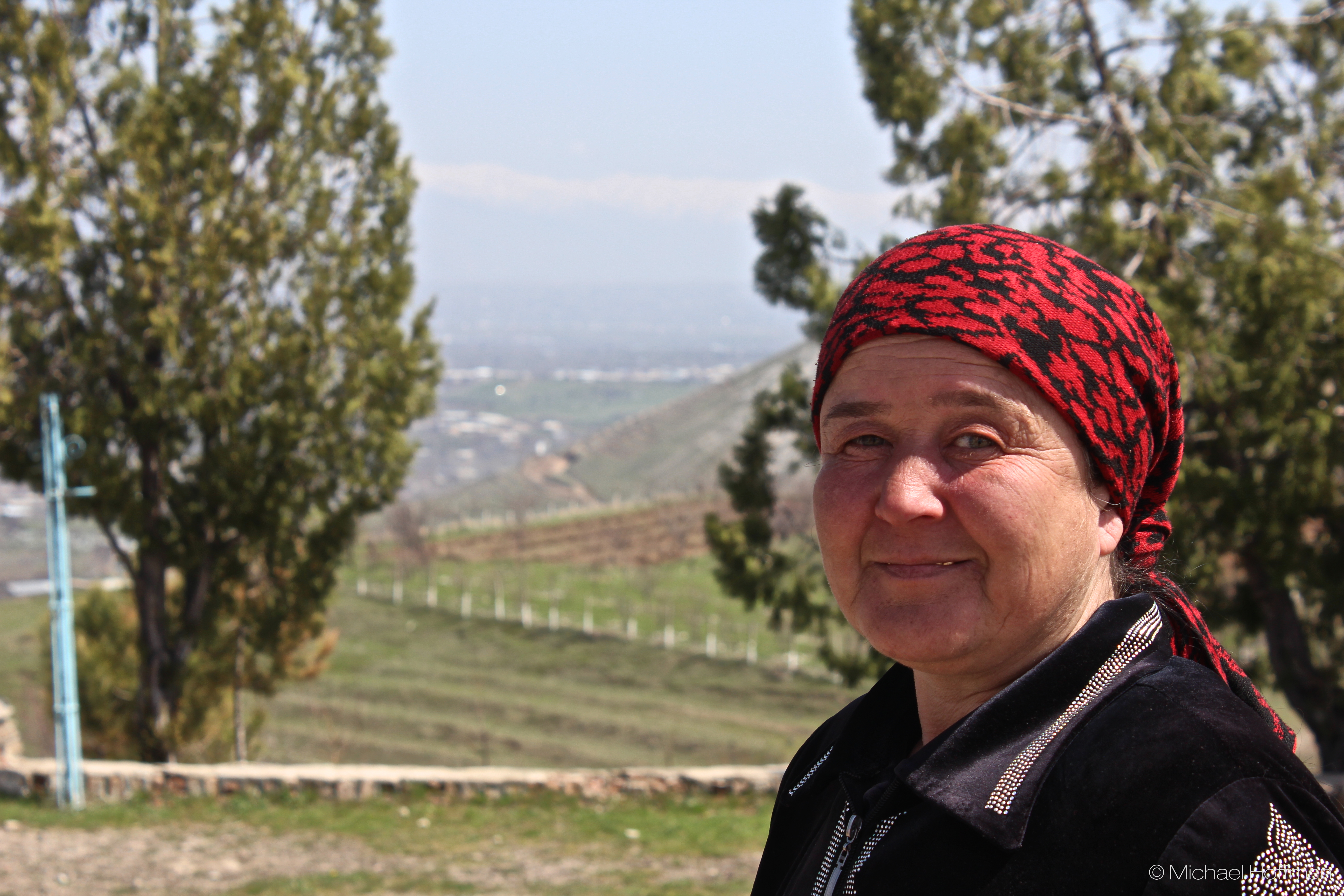
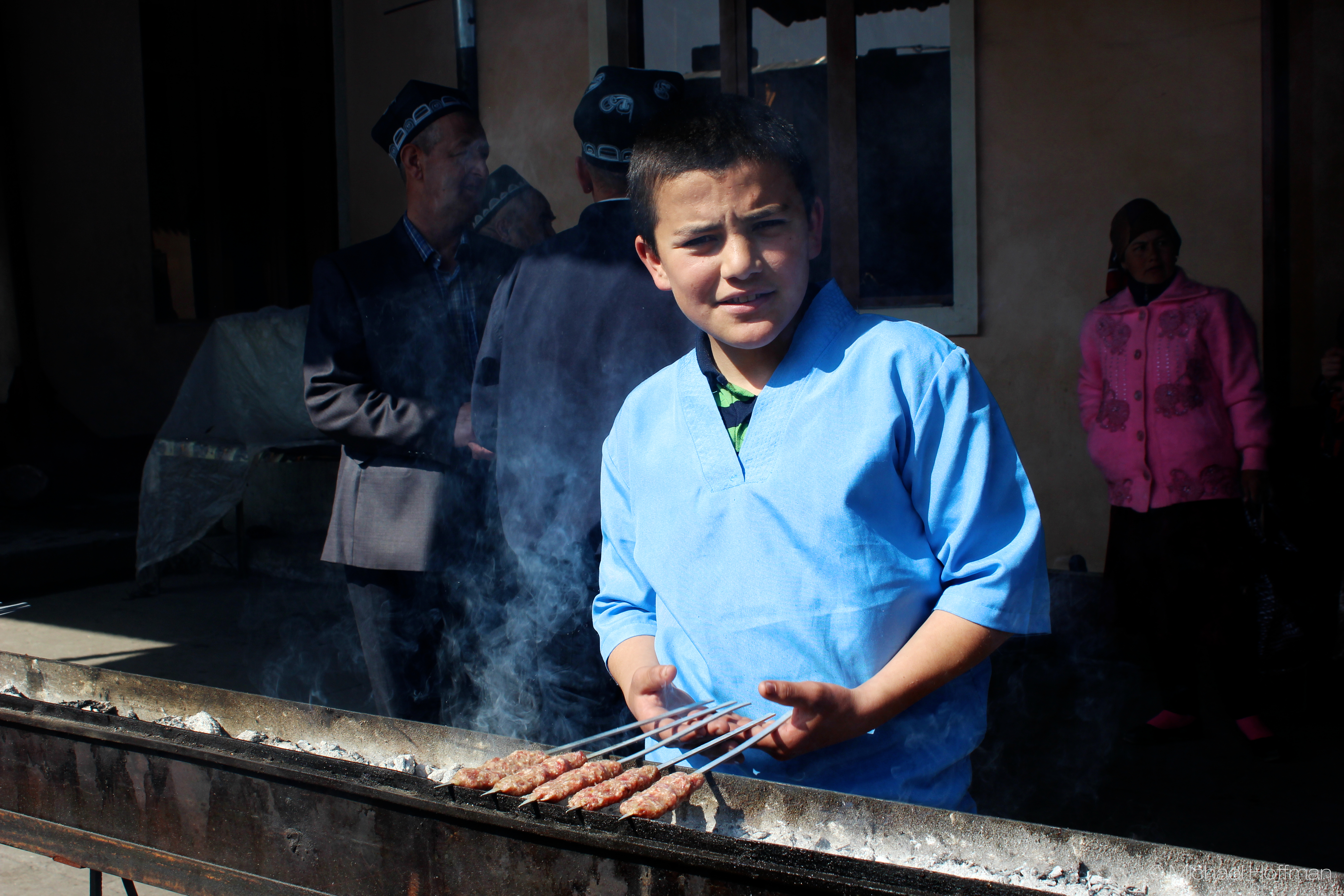
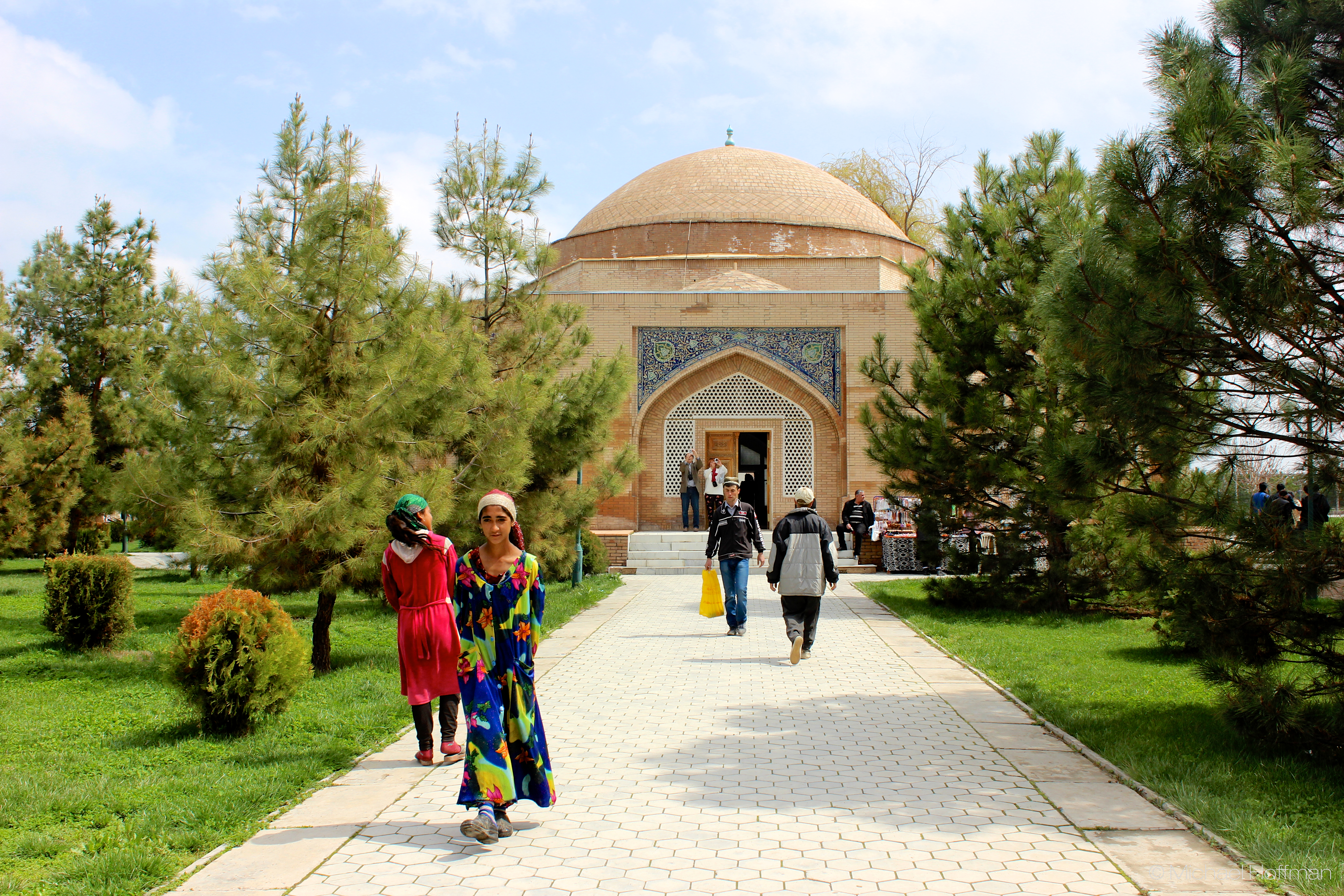
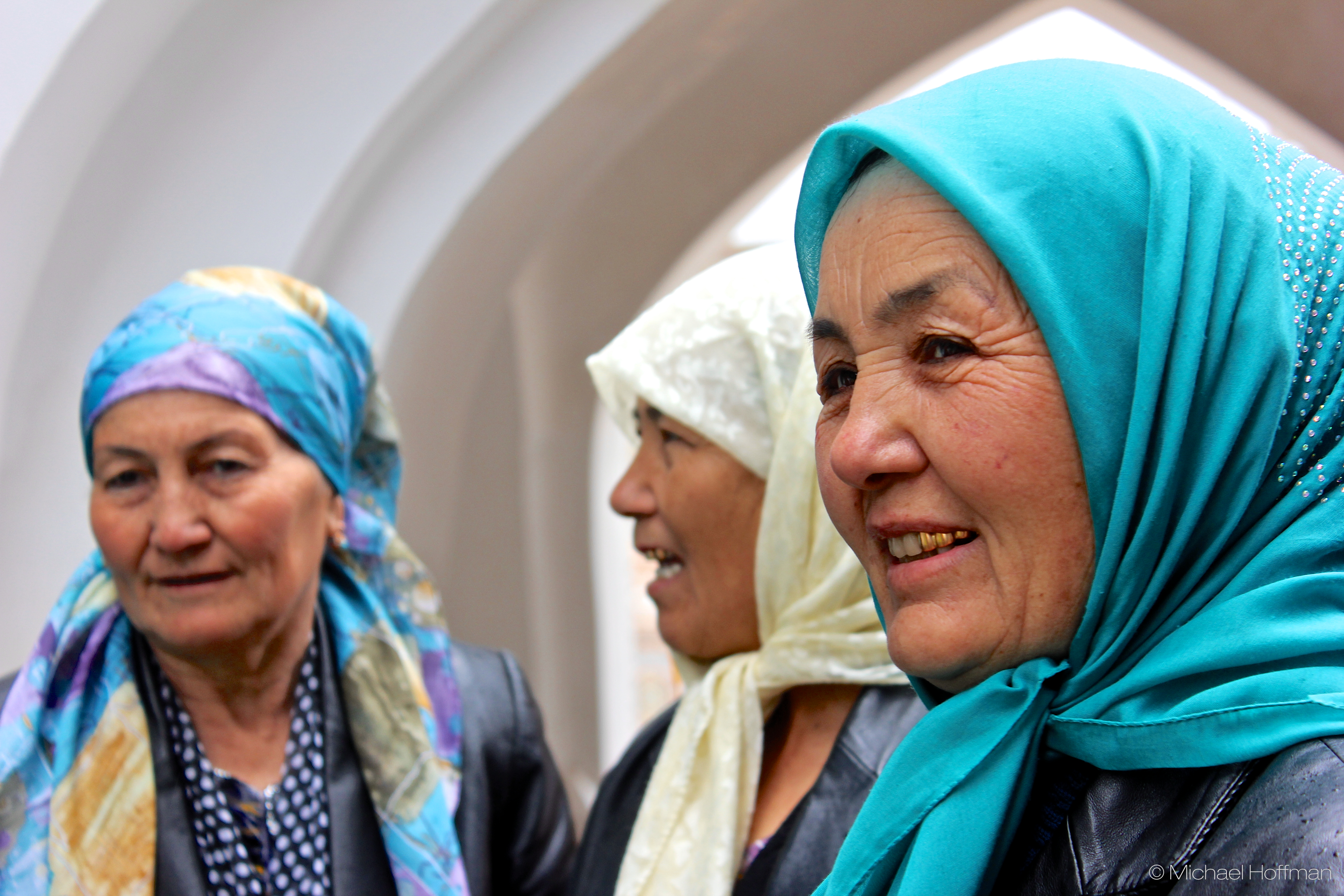
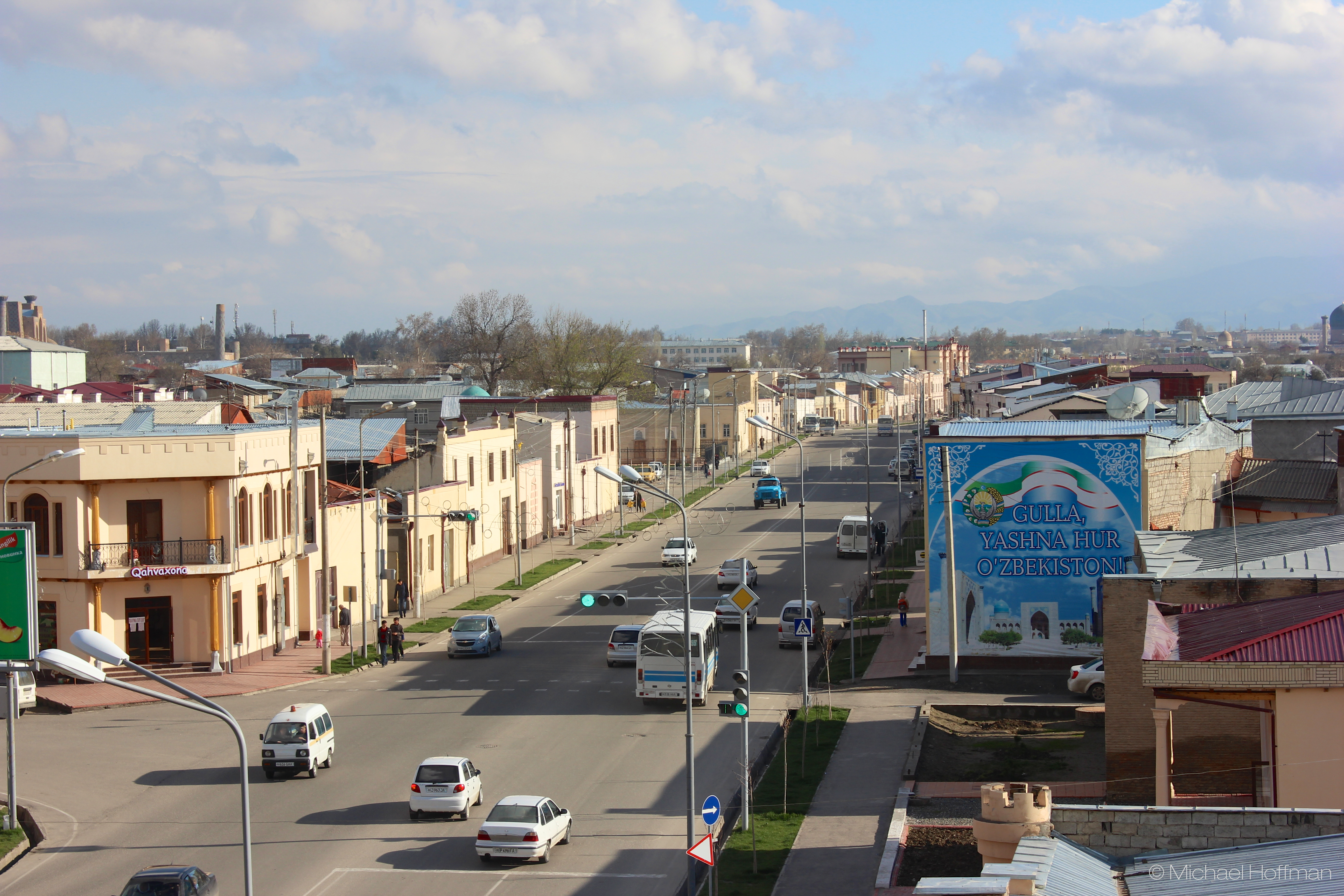
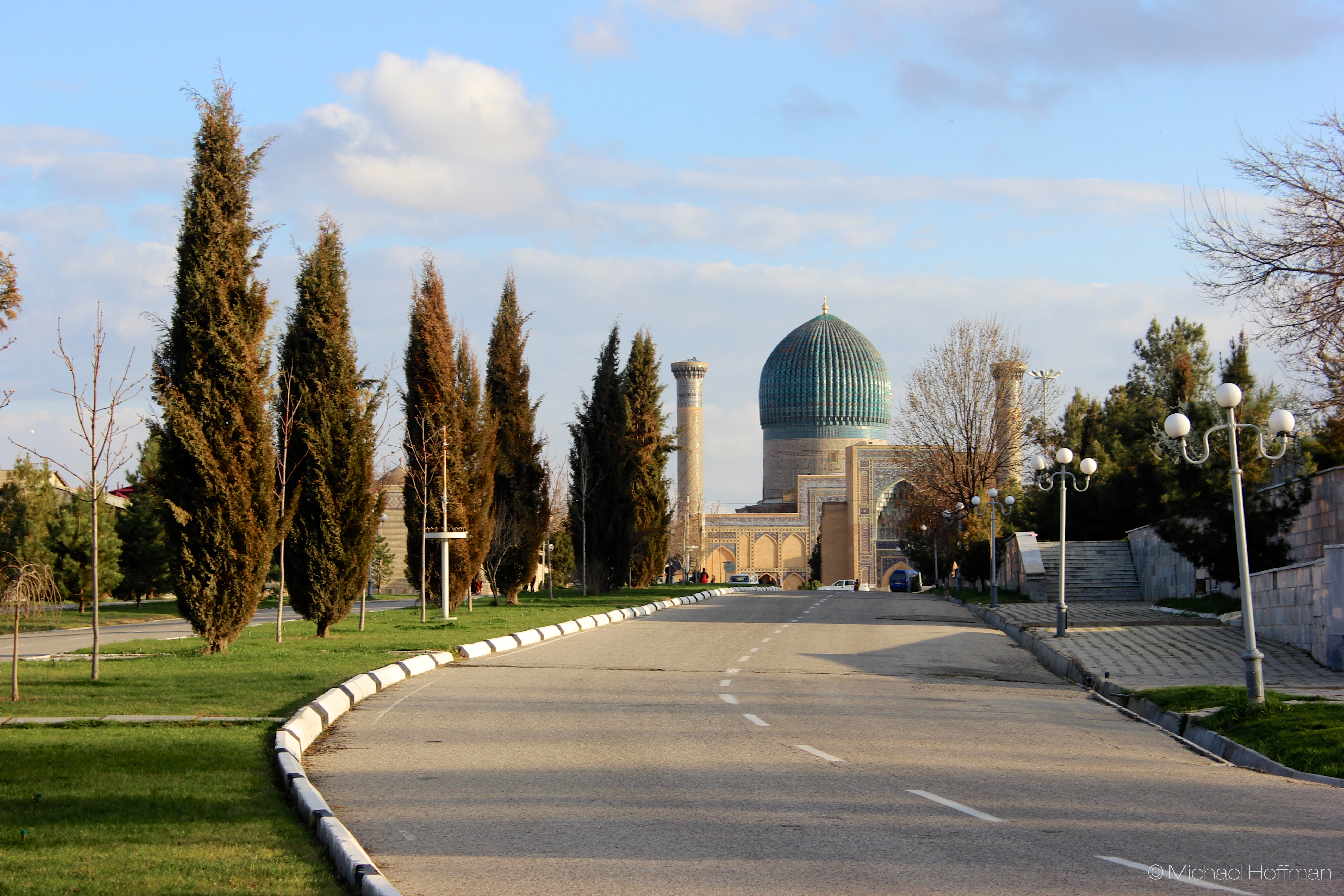
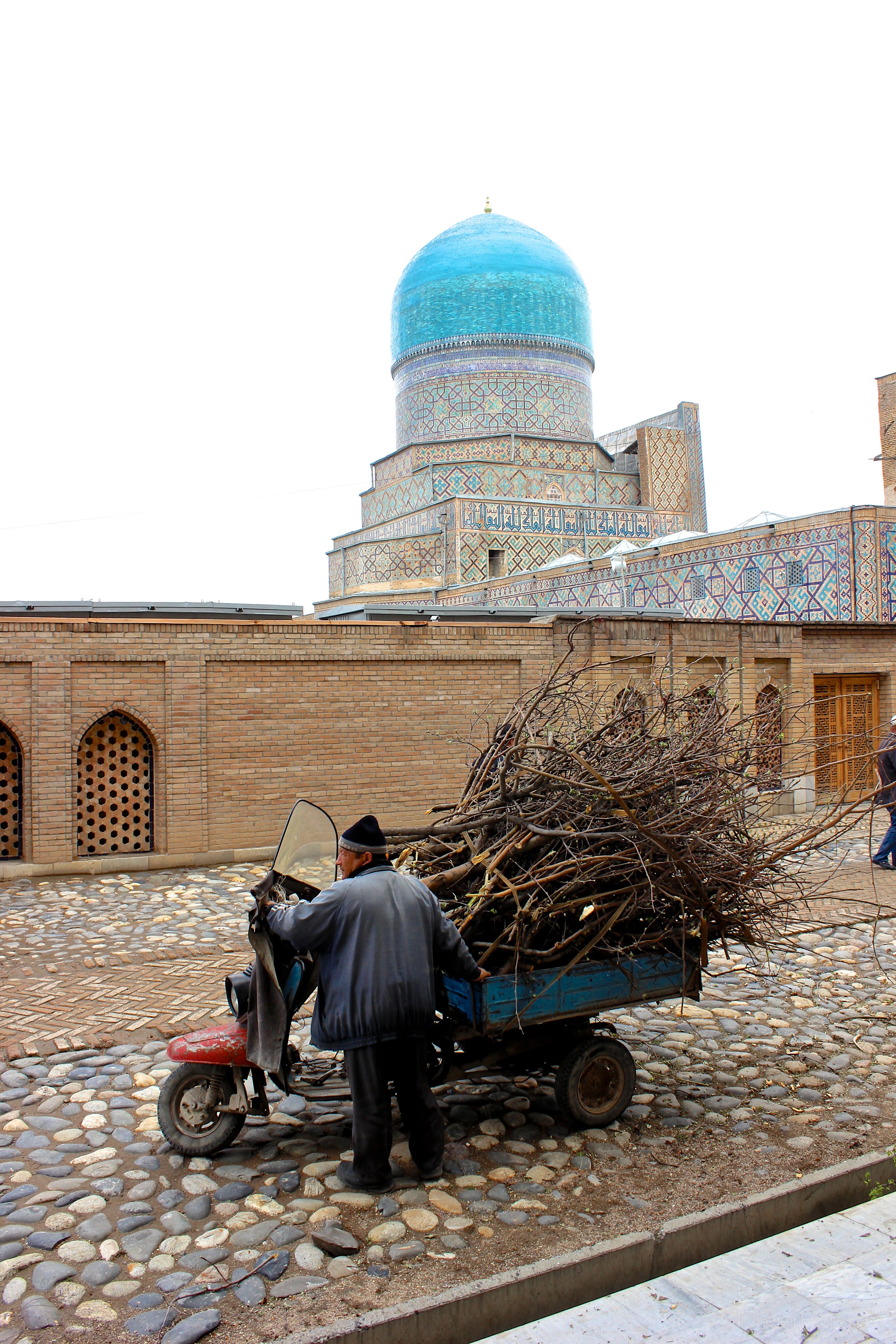
Samarkand is one of the oldest settlements of mankind. Situated at a central position on the trading route between Asia and Europe as well as between the Orient civilization of the south and the Nomad tribes of the far north, it developed into a place of prosperity and a melting point of different cultures. They came as tradesman and conquerors, as refugees and preachers. Their traces can still be seen in the vivid faces of the inhabitants of this marvelous city. Also, Samarkand is a profoundly religious place with Islamic architecture dominating the central part of the town, primarily impressive madrases (religious schools) and mosques with gorgeous blue cupolas. It is the mixture of people and graceful architecture, so different from Western Europe, that makes the city fascinating and alluring to the traveler. Truly another world worth visiting.

Previous entries in the series: Buxoro, The Enchanted City, The Desert City of Xiva

test

IMG_8724

IMG_8734

IMG_8916

IMG_8976

IMG_8843

IMG_8849

IMG_8712

IMG_8731

IMG_8906

IMG_8687

IMG_8701

1 77 78 79 86