
Greek Series: Cap Sounio and Ancient Korinthos
This post is part of the so-called “Greek Series,” consisting of photographs from my backpacking adventure in September 2013. You’ll find a basic introduction to the series here.
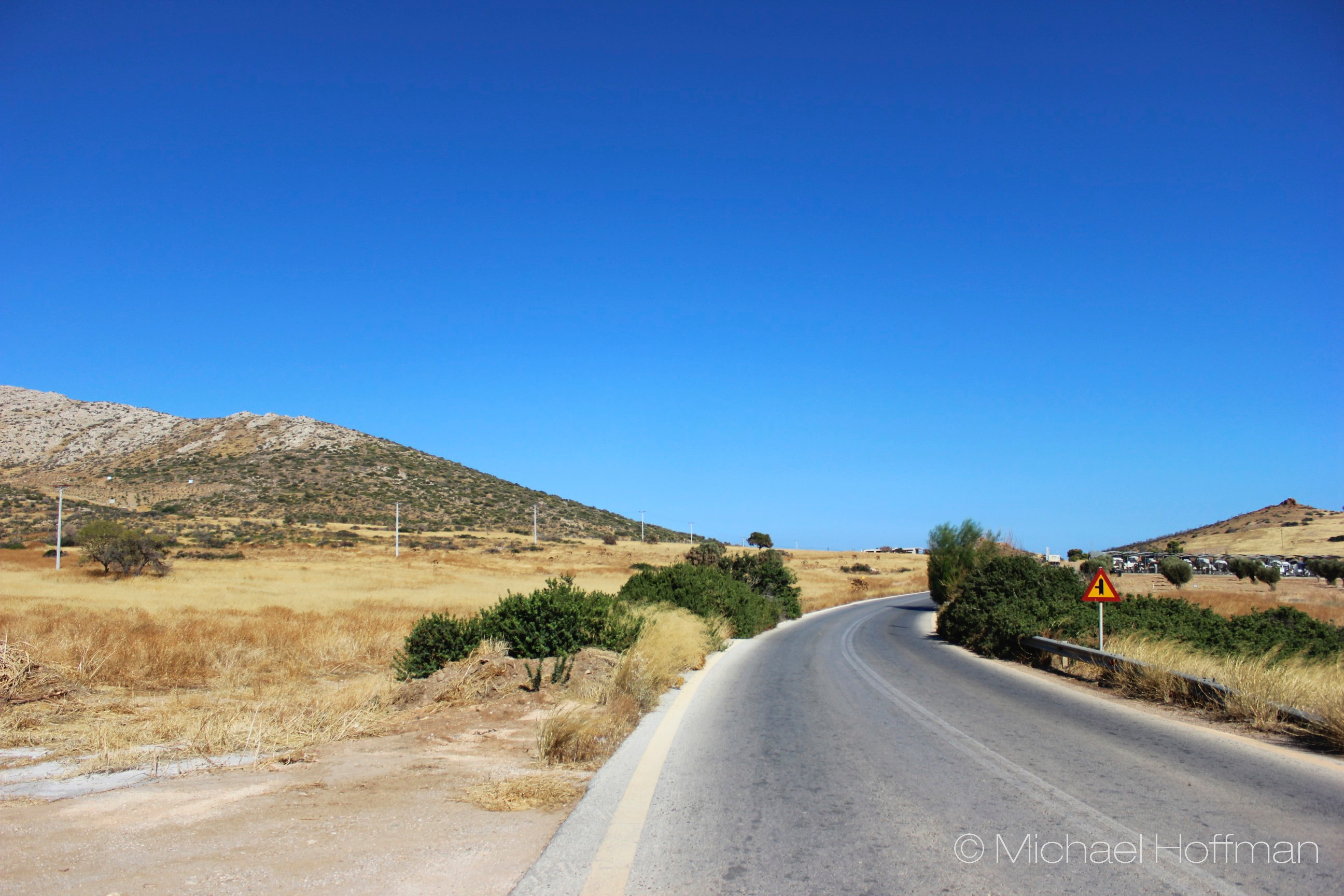
In contrast to the last few, I feel this one needs some background information. The first batch of pictures was shot at Cap Sounio, and the second one was fired a day later at Ancient Corinth (Archea Korinthos), with some road shots in between. They were the first two stops on a marvelous and mind-expanding road trip, which began in Athens and led us through the most terrific and beautiful places within the former center of the civilized world. The location of many myths and historic beginnings (shout out to the Olympic Games!). As much as I love good legends and factual history, the format I chose for this blog isn’t fitting. But what is essential, especially with temples, which can sometimes look like a lot, is to provide a necessary context to understand the photographed objects/places and maybe a little bit of history. Wrapping the package around with some personal anecdotes and route information. Feel free to skip the letters if you are satisfied with looking at blue skies and old stones.


Cap Sounio is situated at the southern point of the Attica peninsula, the land mass around Athens. As sea fearers sailed into Athens, they passed the Cap, so it was a natural place for a massive temple. There were actual buildings here before, but the pillars in the following pictures are the remains of the Poseidon temple, built at the height of Athens’ power in the classic period (mid-5th BC). It was the most important place of worship for the wrathful god of the sea, whose mercy it was beneficial to have.
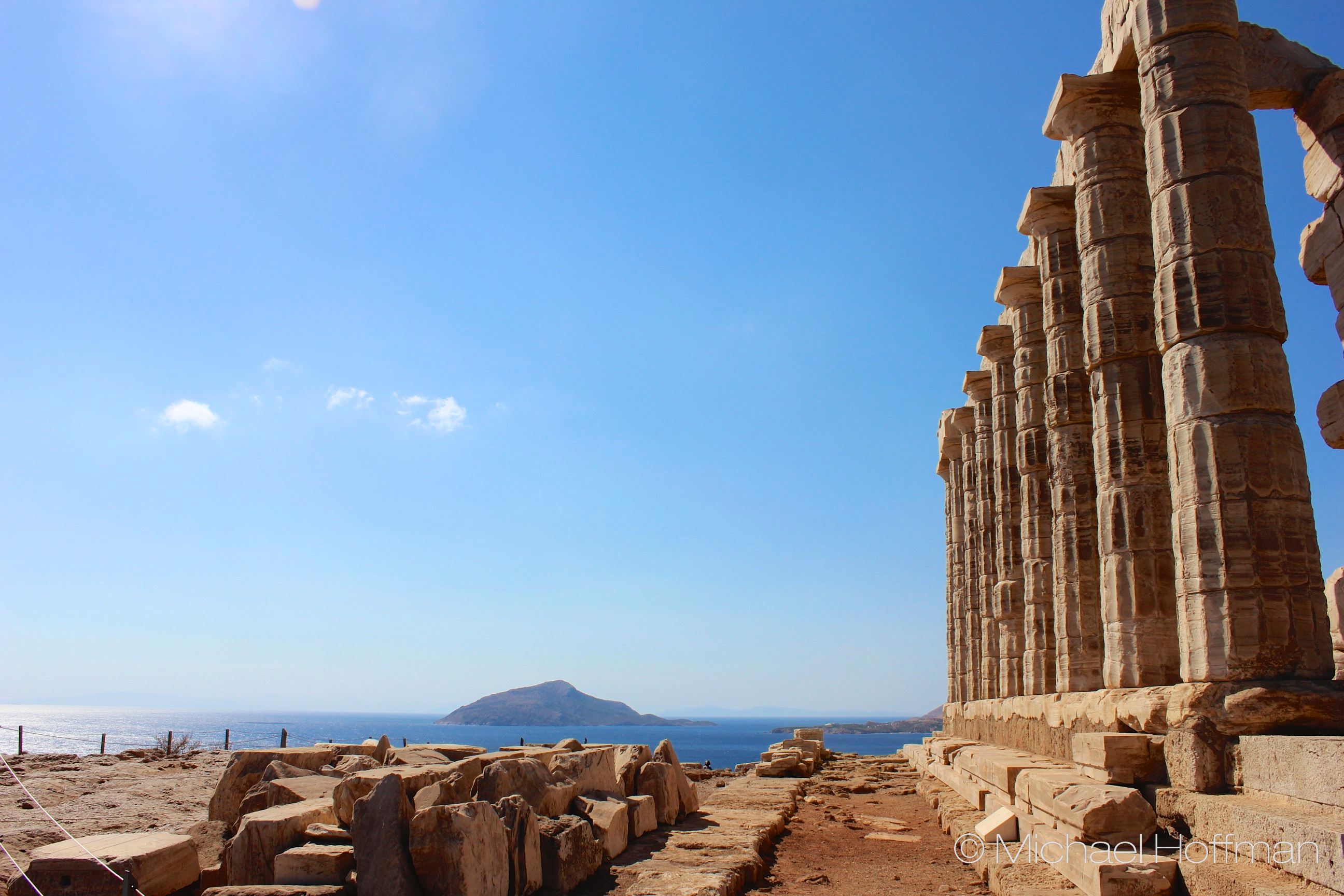
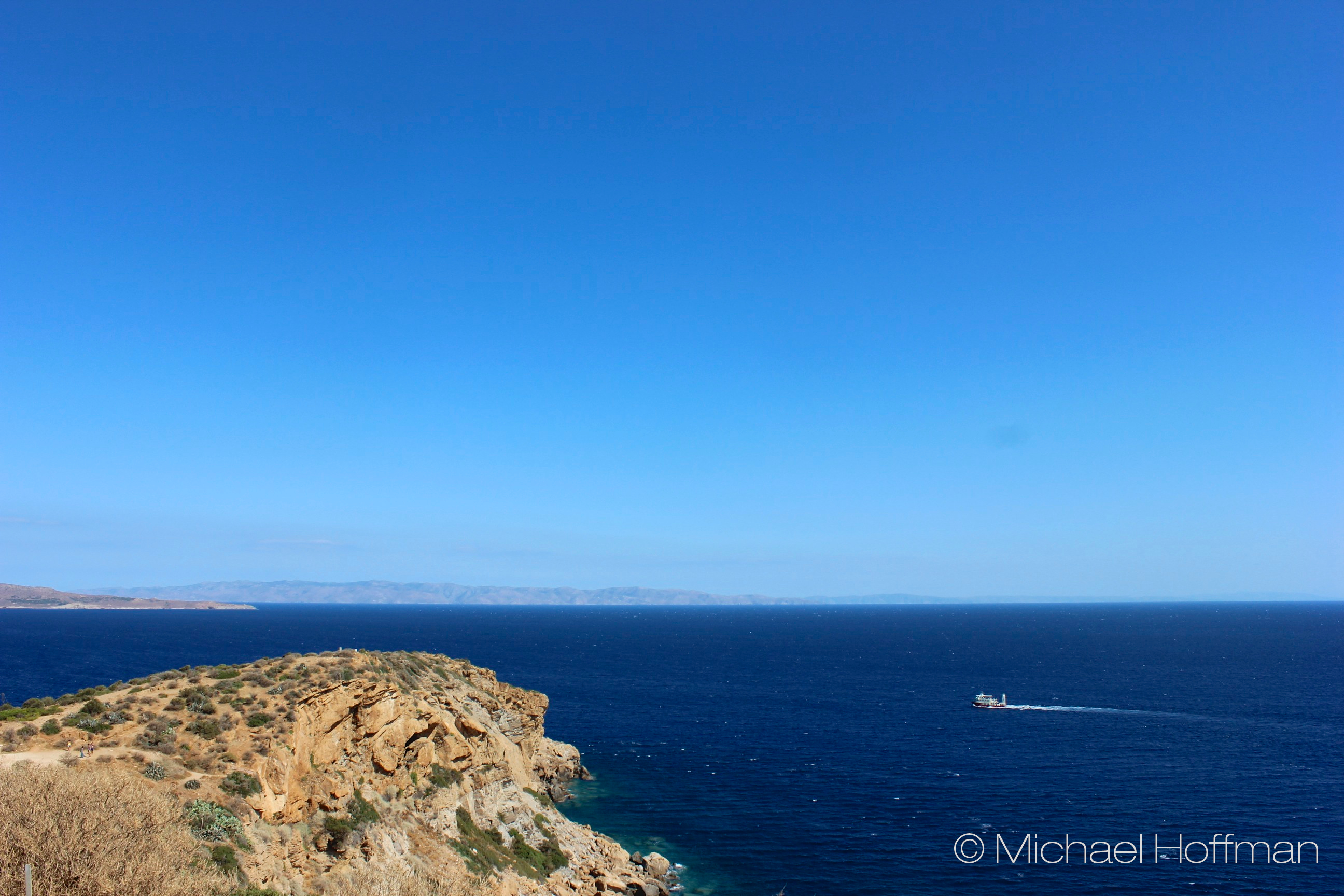
Homer already described the place as holy. So, as I am not religious and don’t believe in Greek gods (although on our journey, we met some exciting paganists), I can’t talk about any spirits I felt there. Still, Cap Sounio definitively made a strong impression on me. The view was simply breathtaking. Unfortunately, we couldn’t stay for the sunset, so our journey continued through the Greek countryside over the Isthmus of Corinth (a narrow land strip), crossing the famous canal of the same name, which is a marvelous piece of engineering achieved at the end of the 19th century to finally the famous Peloponnese itself. Interestingly, the canal naturally turned the Peloponnes, like Attica, a peninsula, into an island. As the name by itself means Island of Pelops, millennia before the land was actually an island, it seems there is some self-prophecy in there or at least a good anecdote.
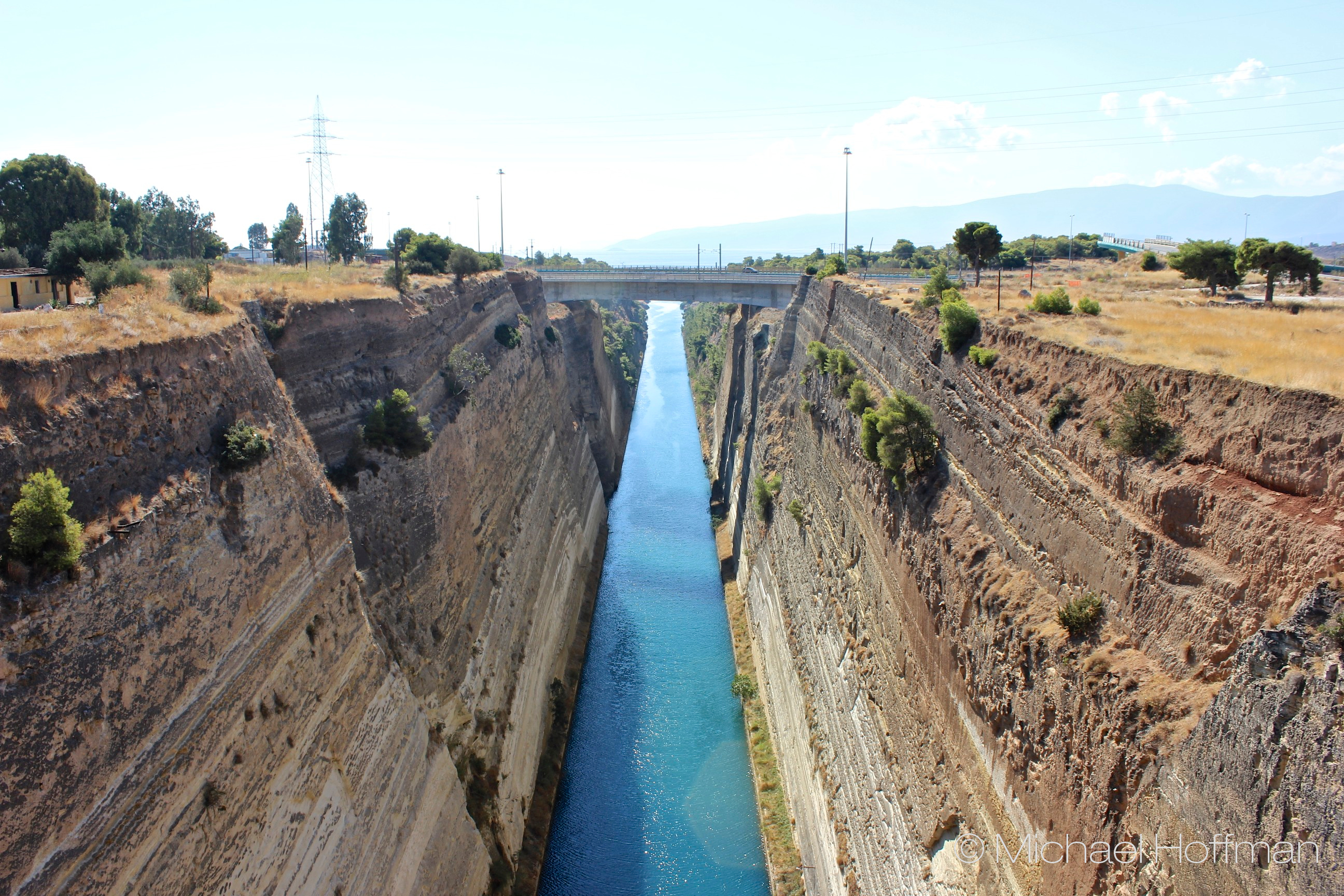
Corinth is very close to the Isthmus, so the city’s historic role was to secure passage to mainland Greece and profit from being a Checkpoint Charlie for ancient merchants and soldiers. A necessary evil not unlike modern borders. So, it was a relatively well-situated metropole by itself during the Classic period, bursting with urban life and religious worship. Later, it lost much of its influence during the Hellenistic period in the 4th century, regaining importance as a redesigned city under the Romans a few centuries later. But from a more modern perspective, the most crucial role of Corinth was having to be an early place of Christian worship. The city is mentioned extensively in the New Testament, and it was one of the destinations of Apostel Paul during his journey around the Mediterranean. On the main sight of Archea Korinthos, some kilometers outside of modern Corinth, you see some remains of a building, originally a temple and later reconstructed into a church, retaining features of the old faith and developing them according to the new beliefs. The deep connection Christianity holds to the ancient Greeks and Romans is apparent here. It seems to me to be a sense of continuity in a way that is known but generally not well understood to its full extent.
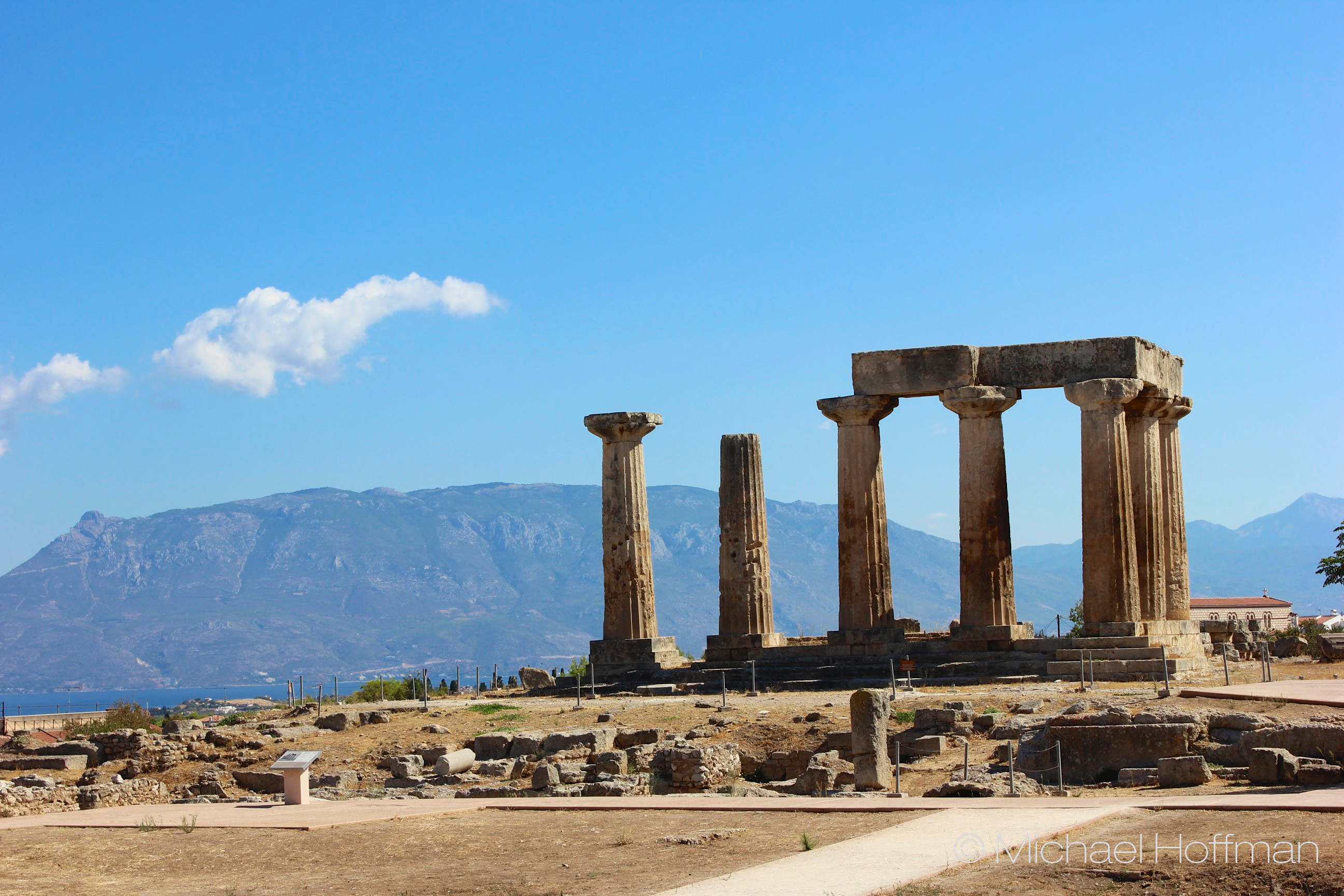
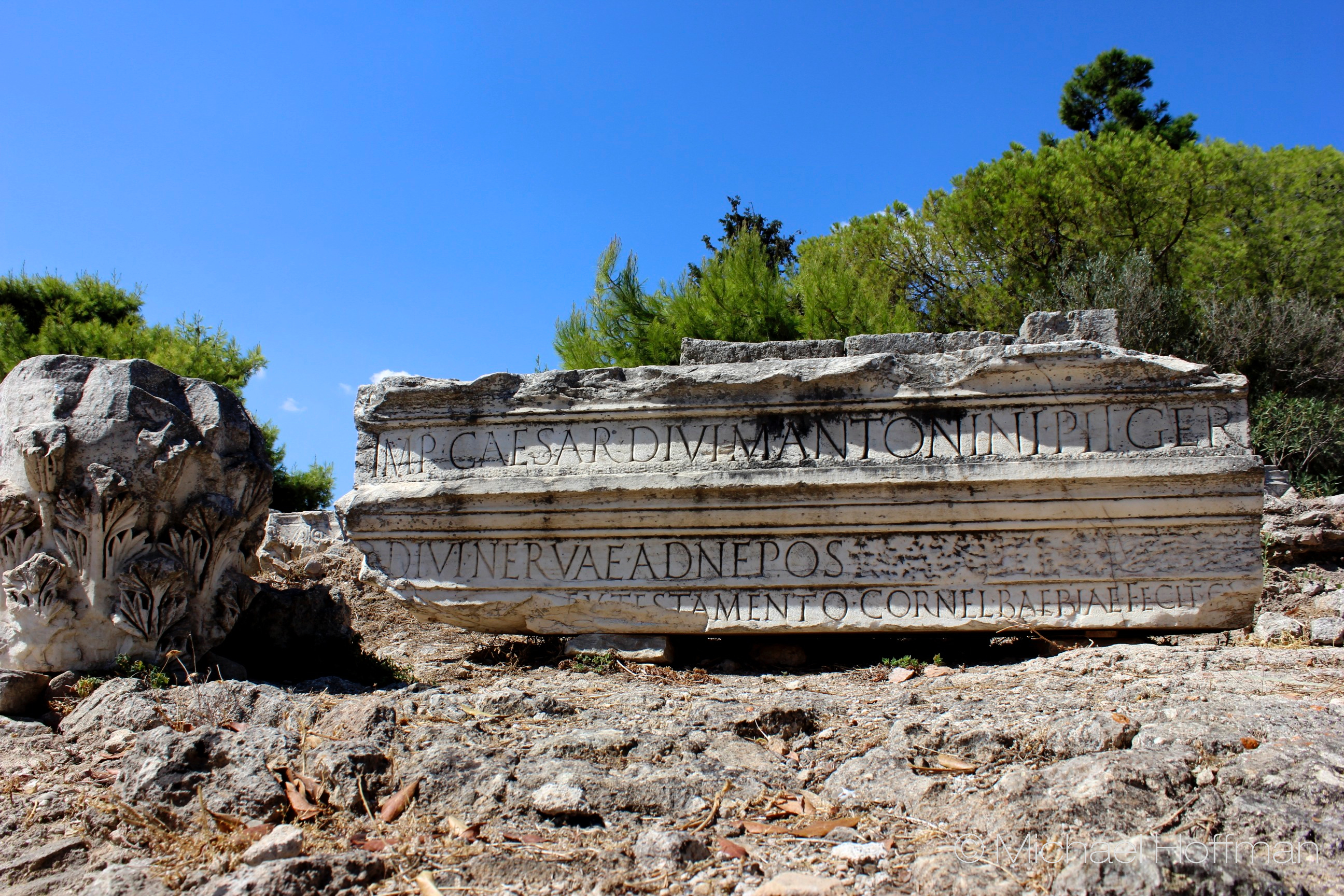

Comparing the last picture and the next one, you see some interesting differences between ancient architectural types. The columns of the first one are built in the old Doric style, a more straightforward form factor. This was followed by the development of a Corinth style a few centuries later, probably named so because of the heavy use of materials from the region. They were more playful and incorporated decorative elements than the formal and function-oriented Doric columns.

At last our route from Athens to Sounio and from Athens again to Archea Korinthos.







 Michael Hoffman Photography