
Vienna in Late November
Impressions were collected in late November around Prater and Donaucity.

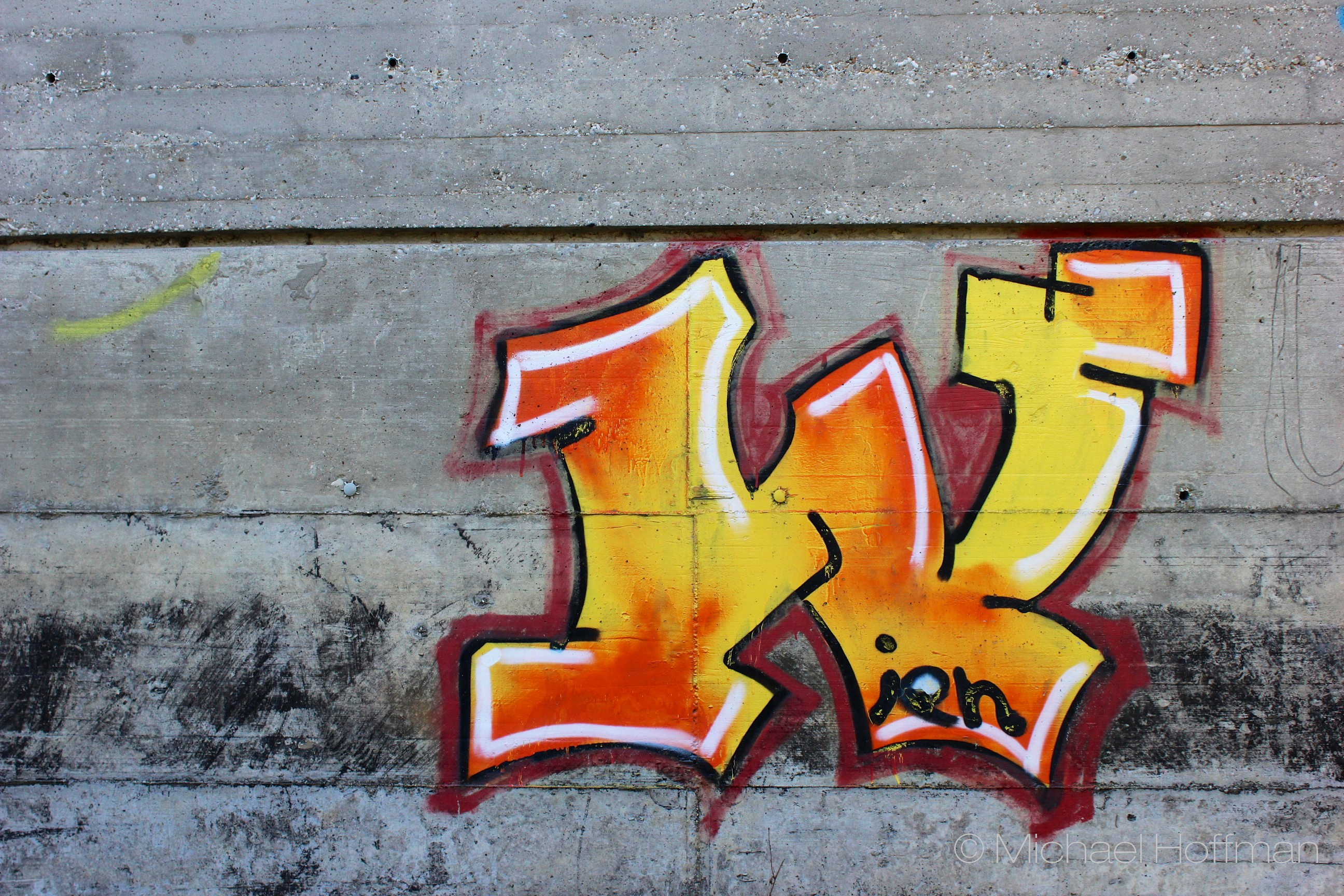

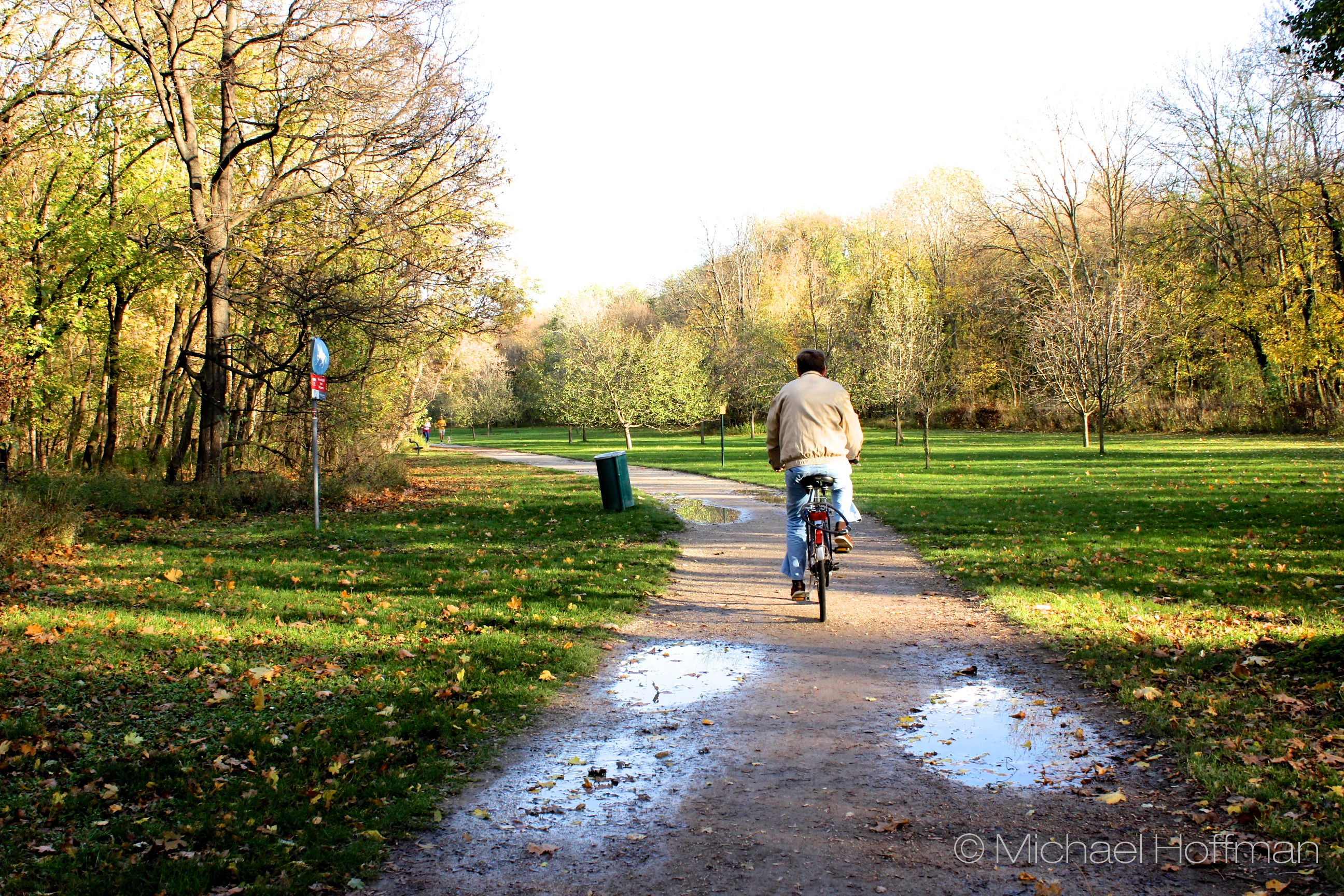
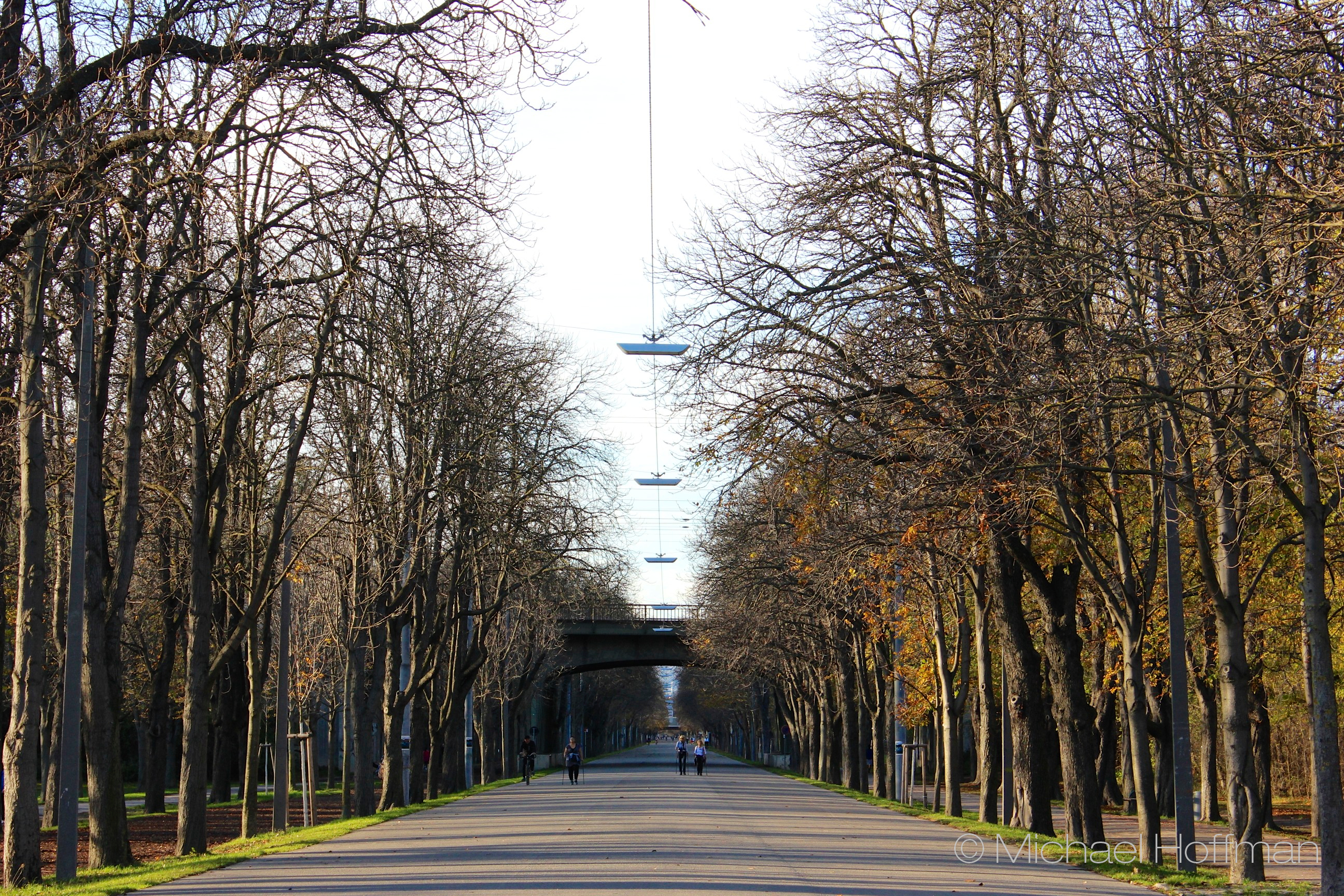

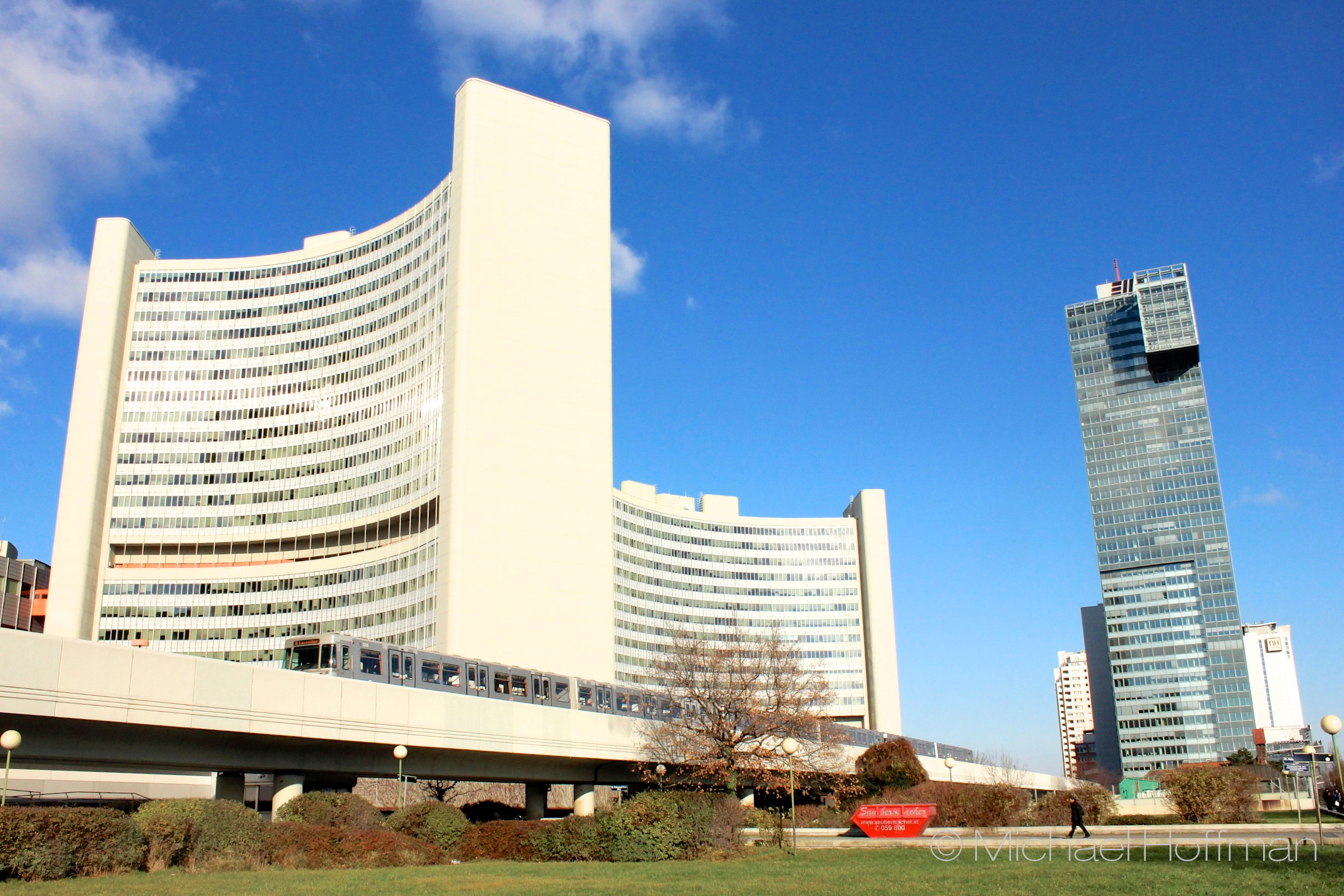
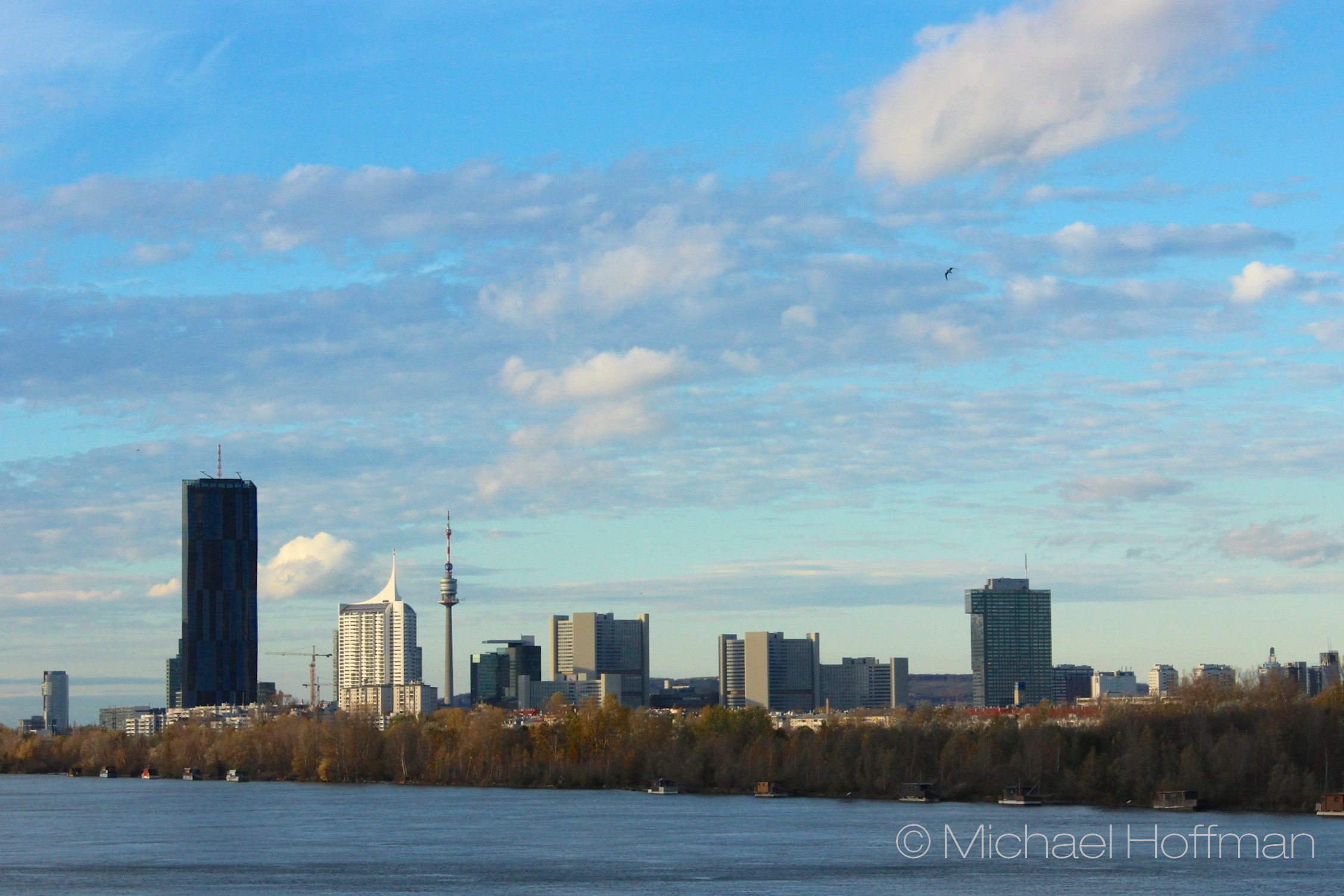
Impressions were collected in late November around Prater and Donaucity.
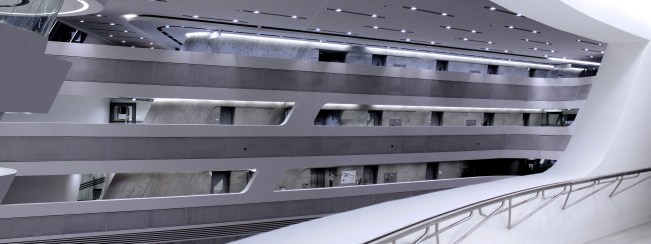
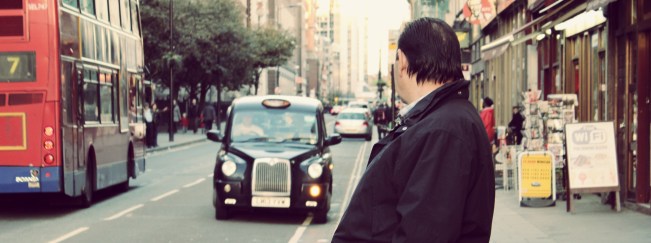
Largely unnoticed, the new university campus of the Economic University of Vienna (Wirtschaftsuniversität Wien) was built in a relatively remote part of the city. So, most of us knew about the construction plans, but little did we know about the futuristic character and the sheer extent of the sight. What a surprise! The campus consists of about 6 to 8 buildings constructed by different architects in different styles. In common, they have a modern and environmentally friendly approach. They are centered around a student plaza, effectively creating a public space for its “citizens.” There are also a couple of cafés and shops there. One is the “Campus” (shot 4), with a mixed approach of modernism and natural elements of wood and plants. The centerpiece of the campus is the library (as it should be). It was designed by an architect from Hamburg and is simply astonishing (shots 2 – 3 exterior, shots 7 – 9 interior).
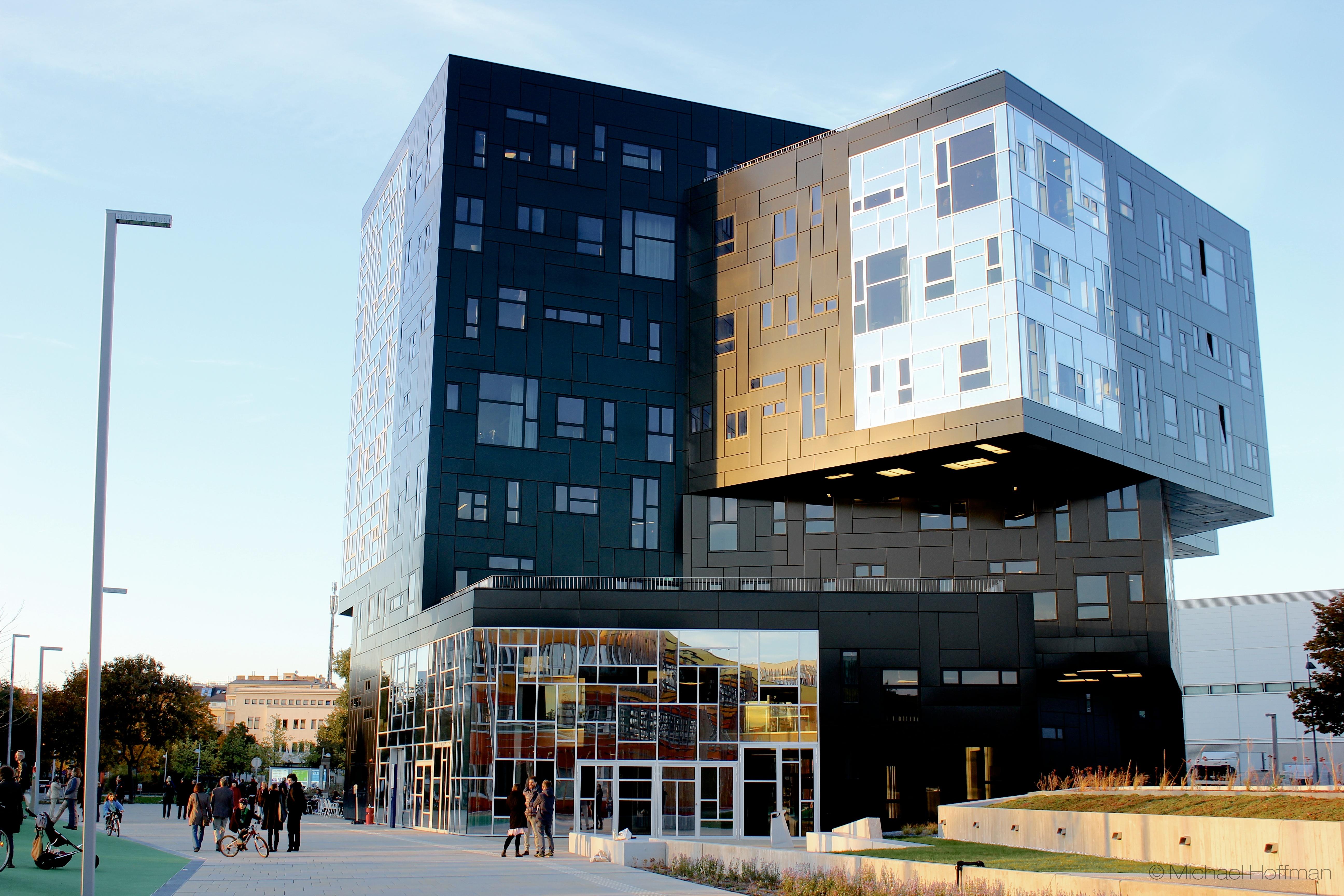
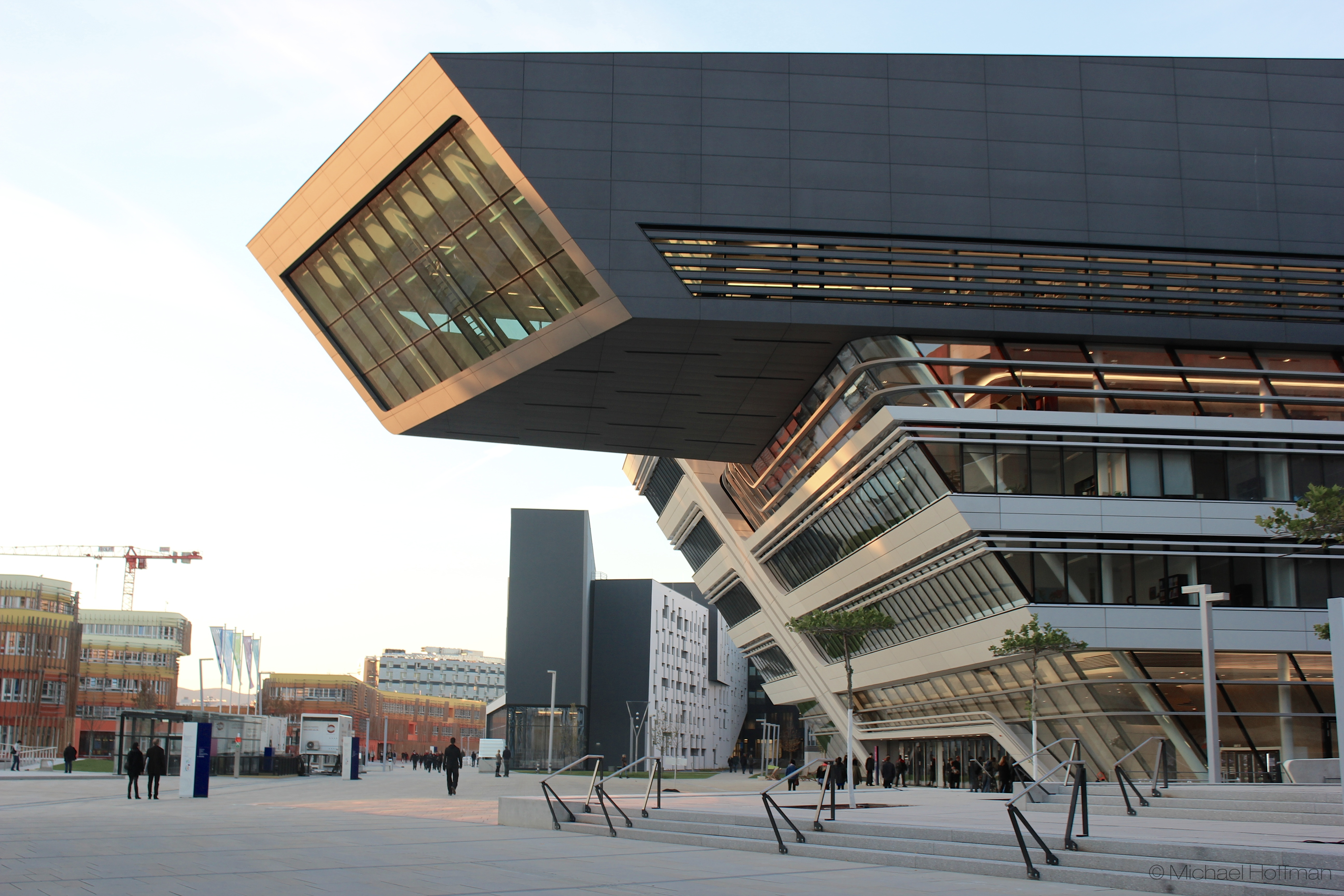
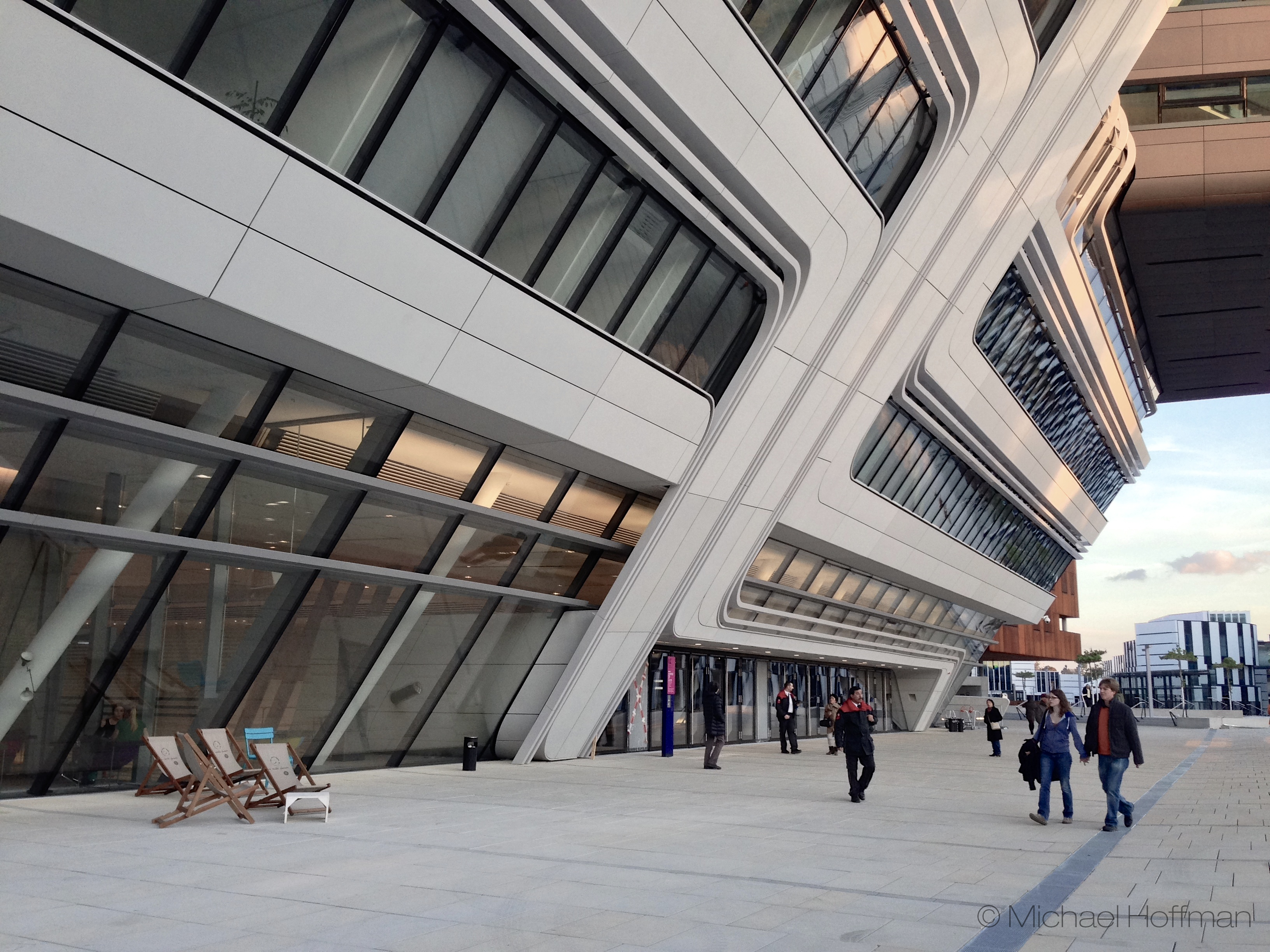
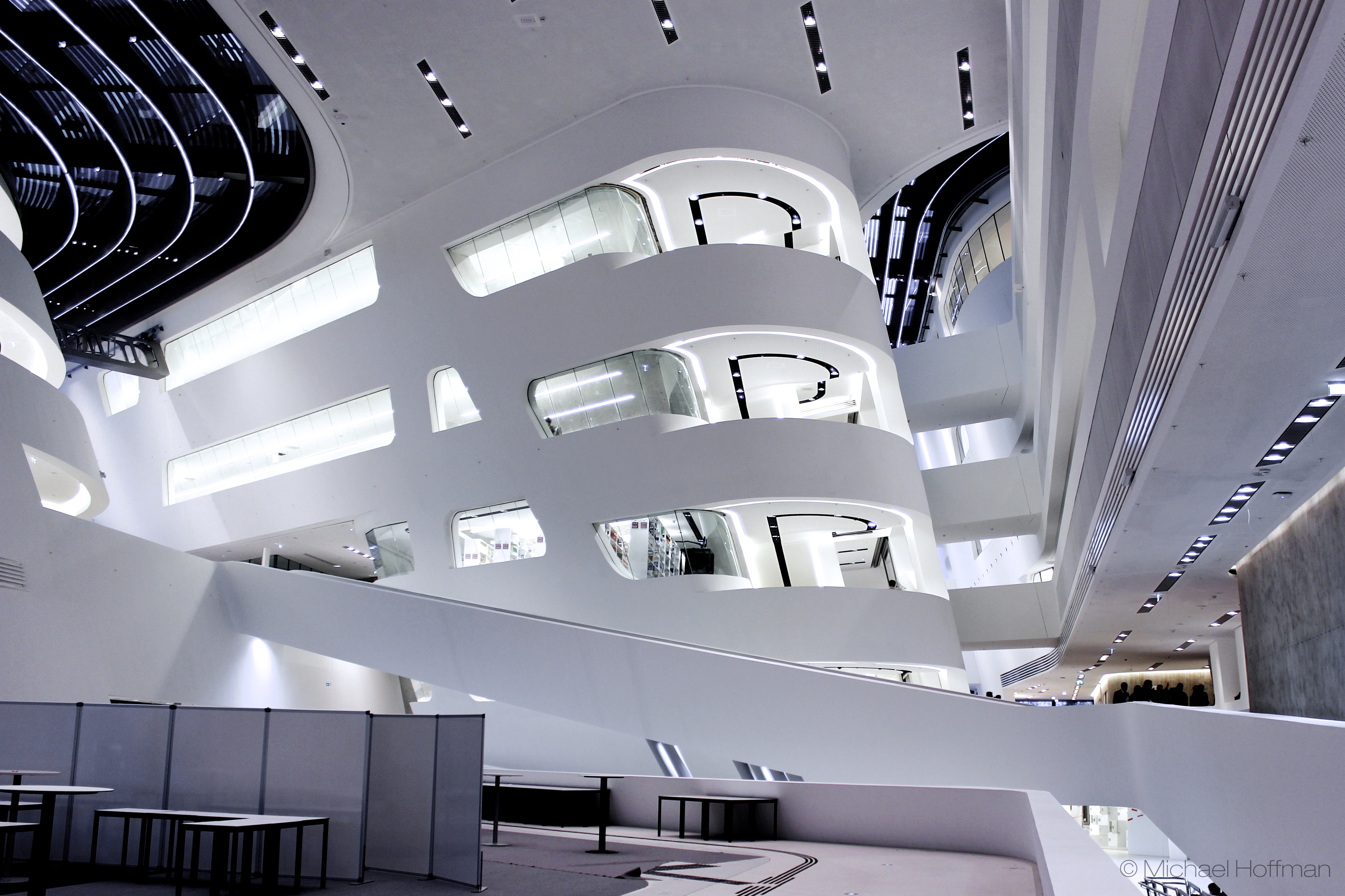
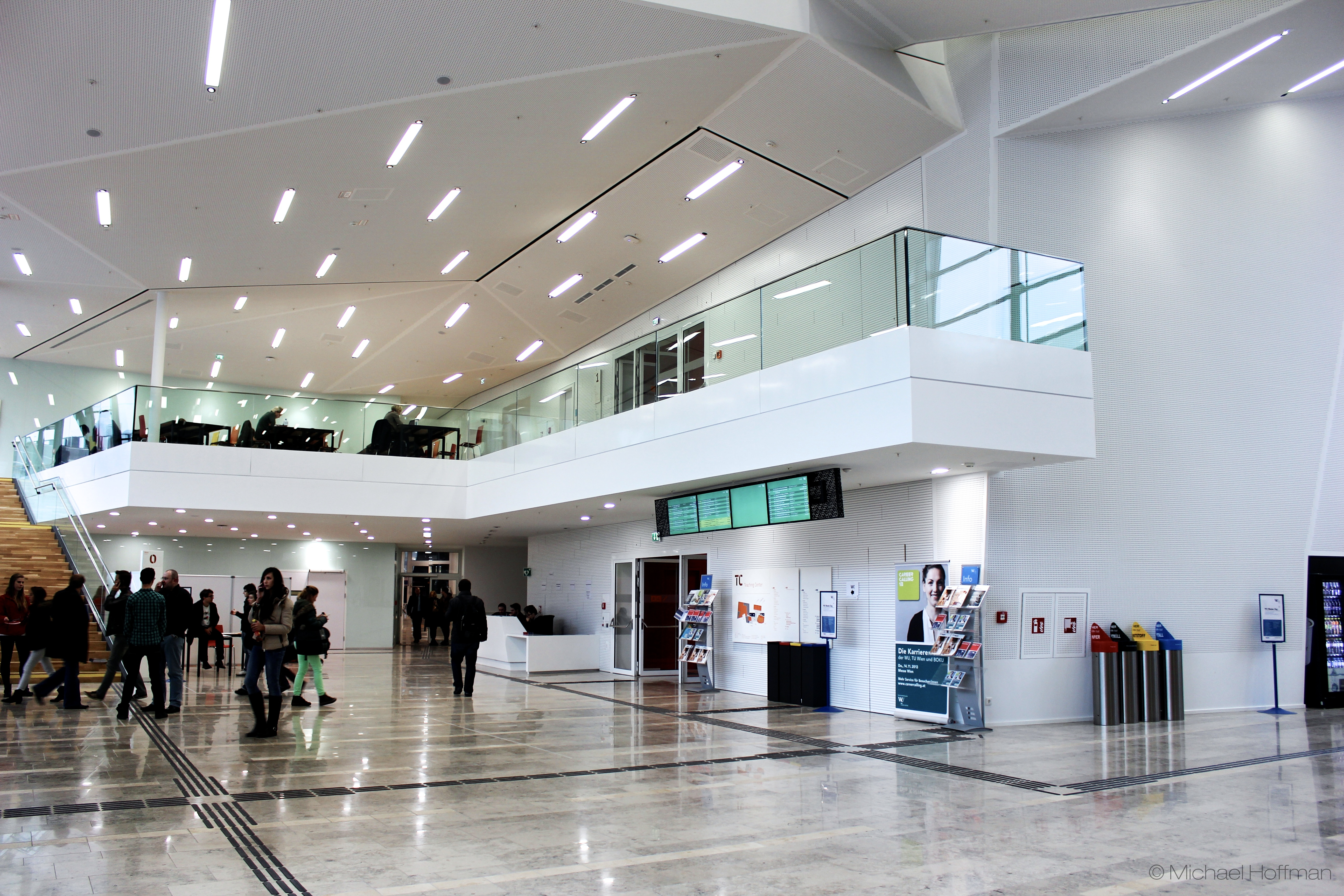
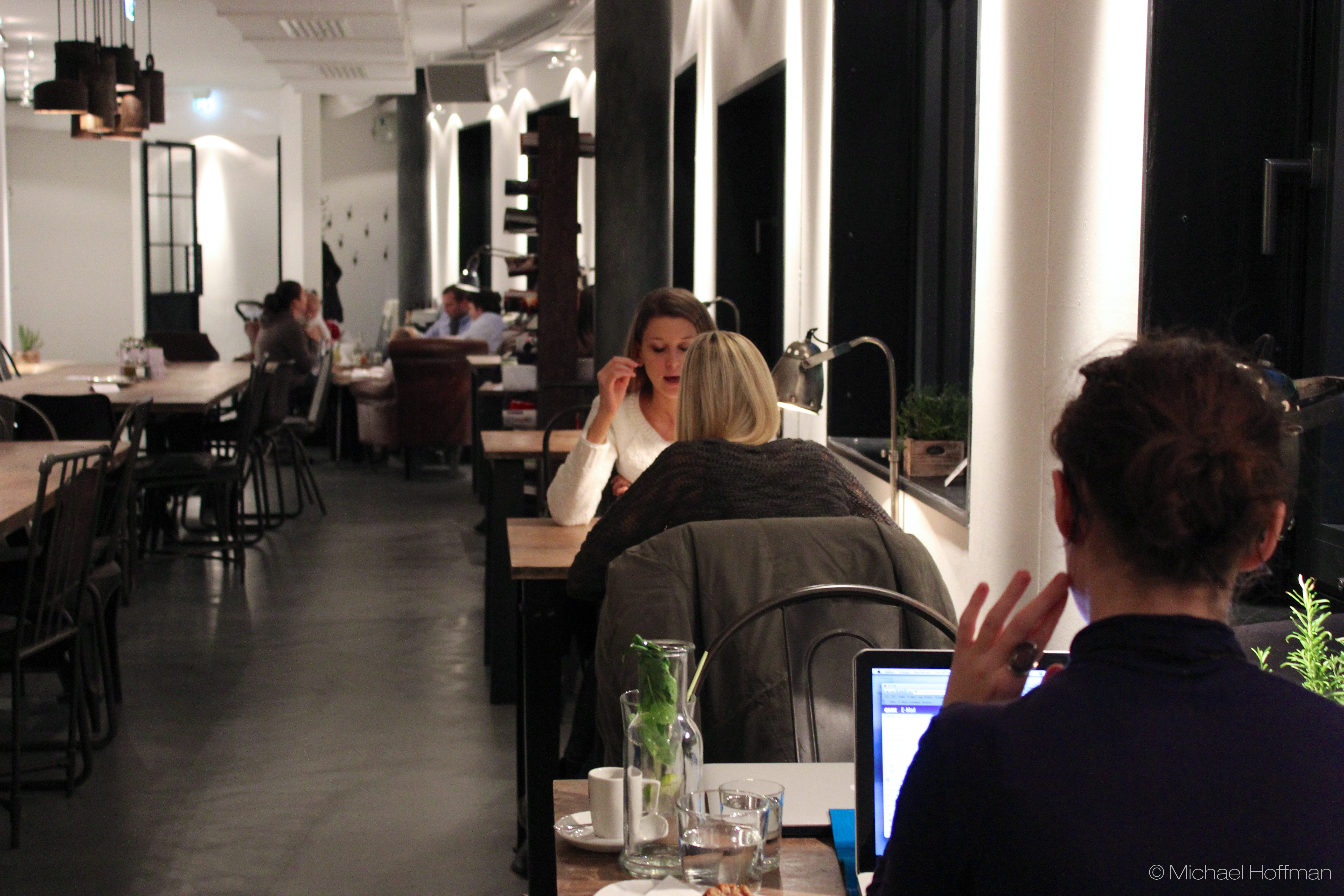
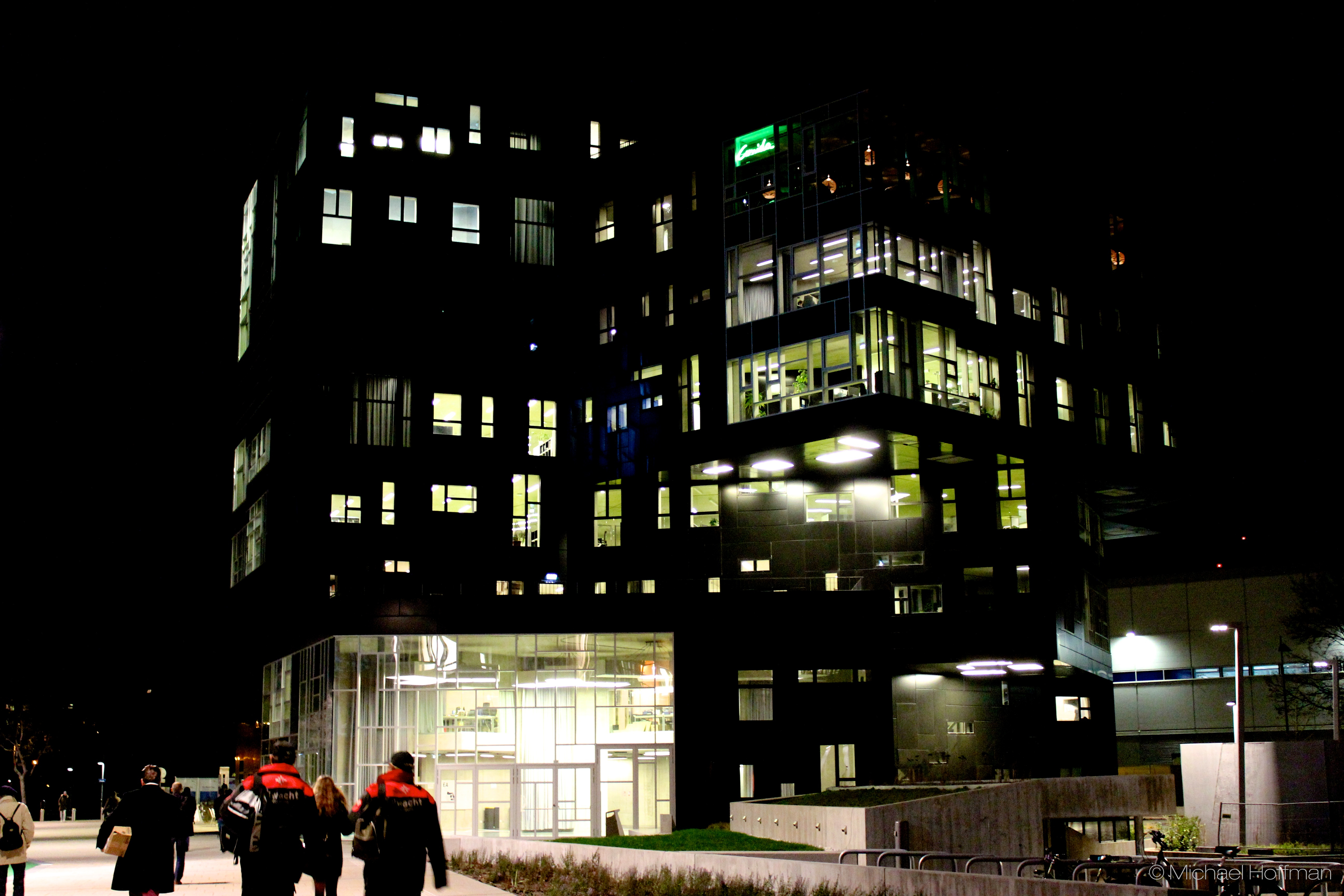
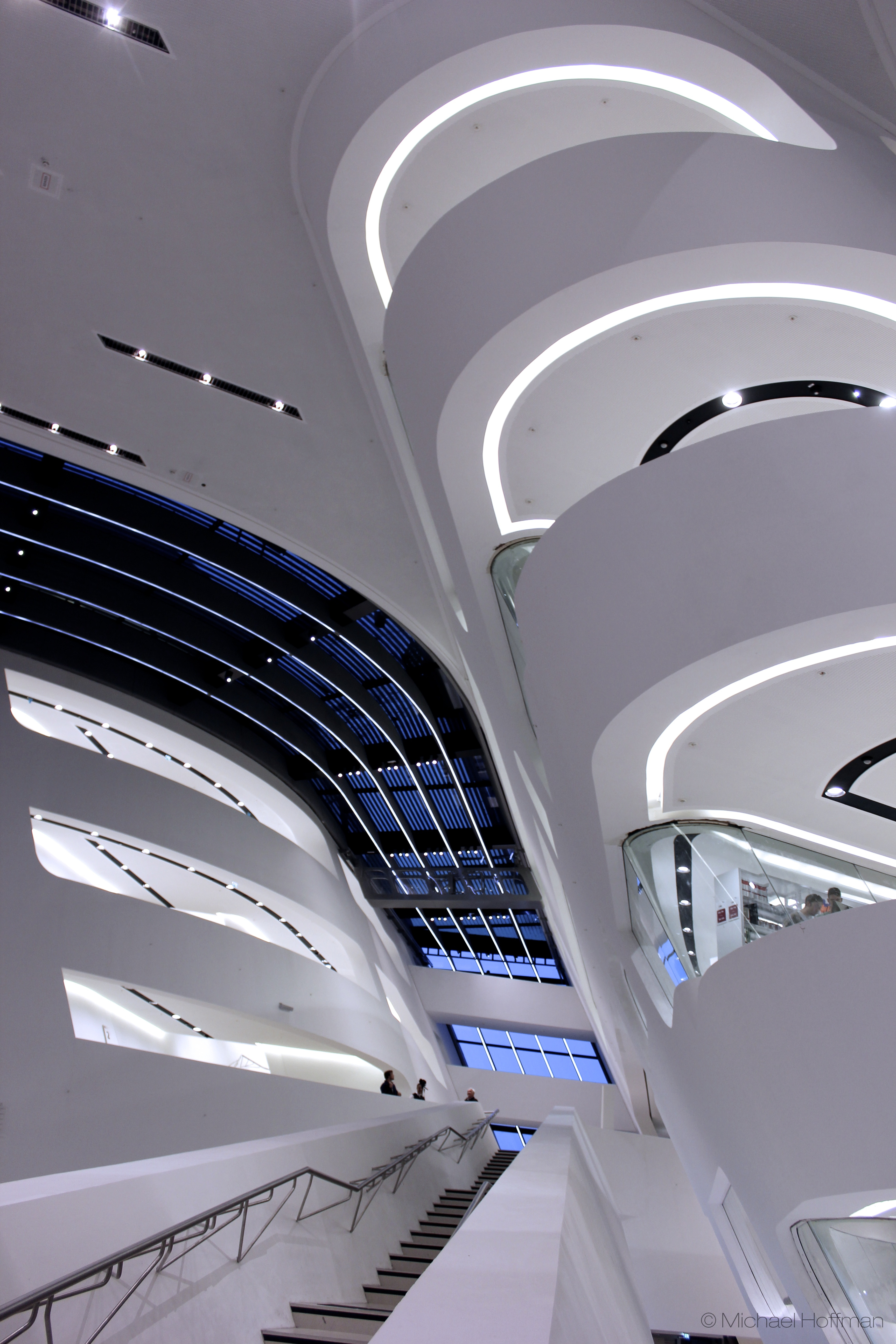
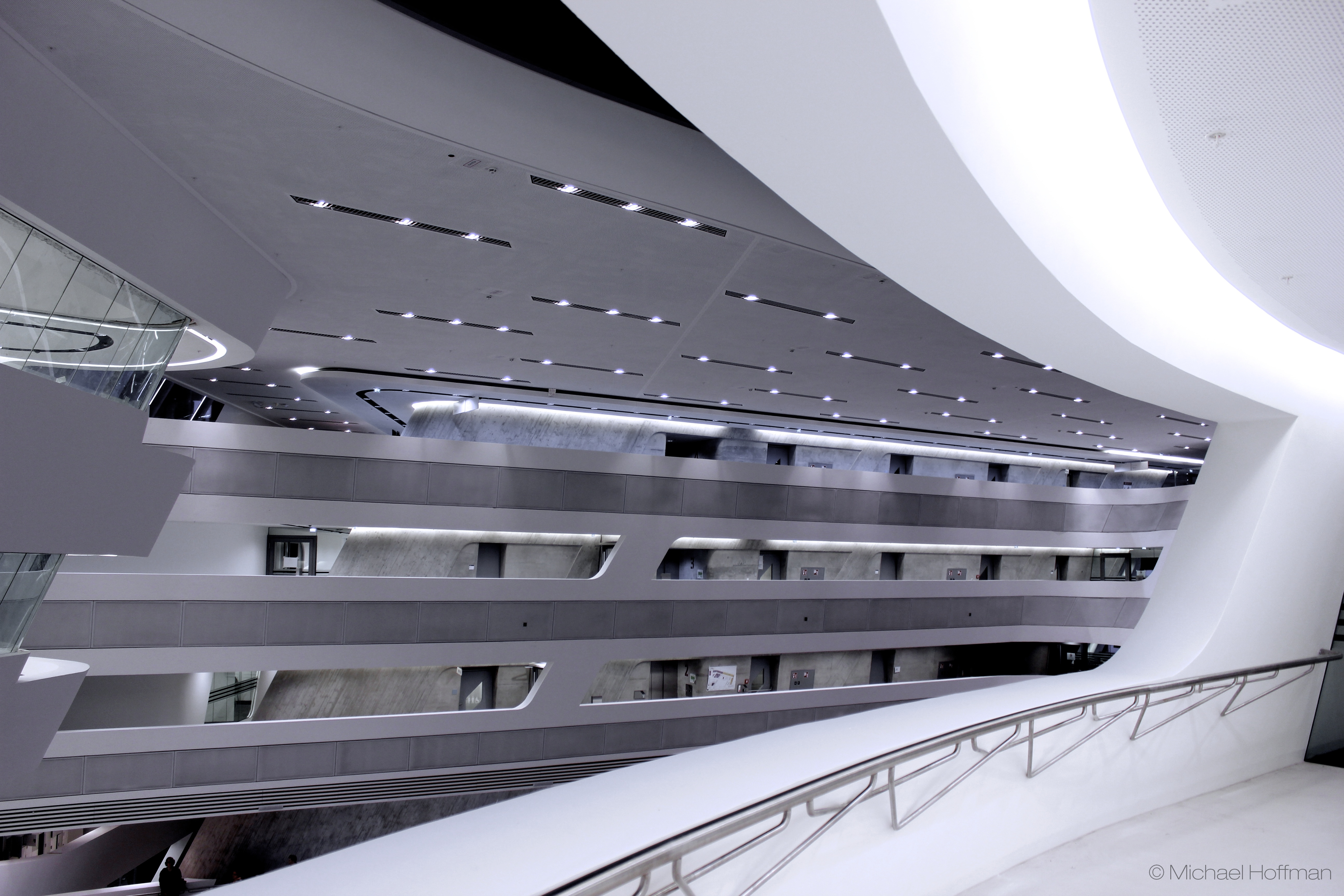
Shot during one afternoon on the 10th of November. More information about the series is in the last post.
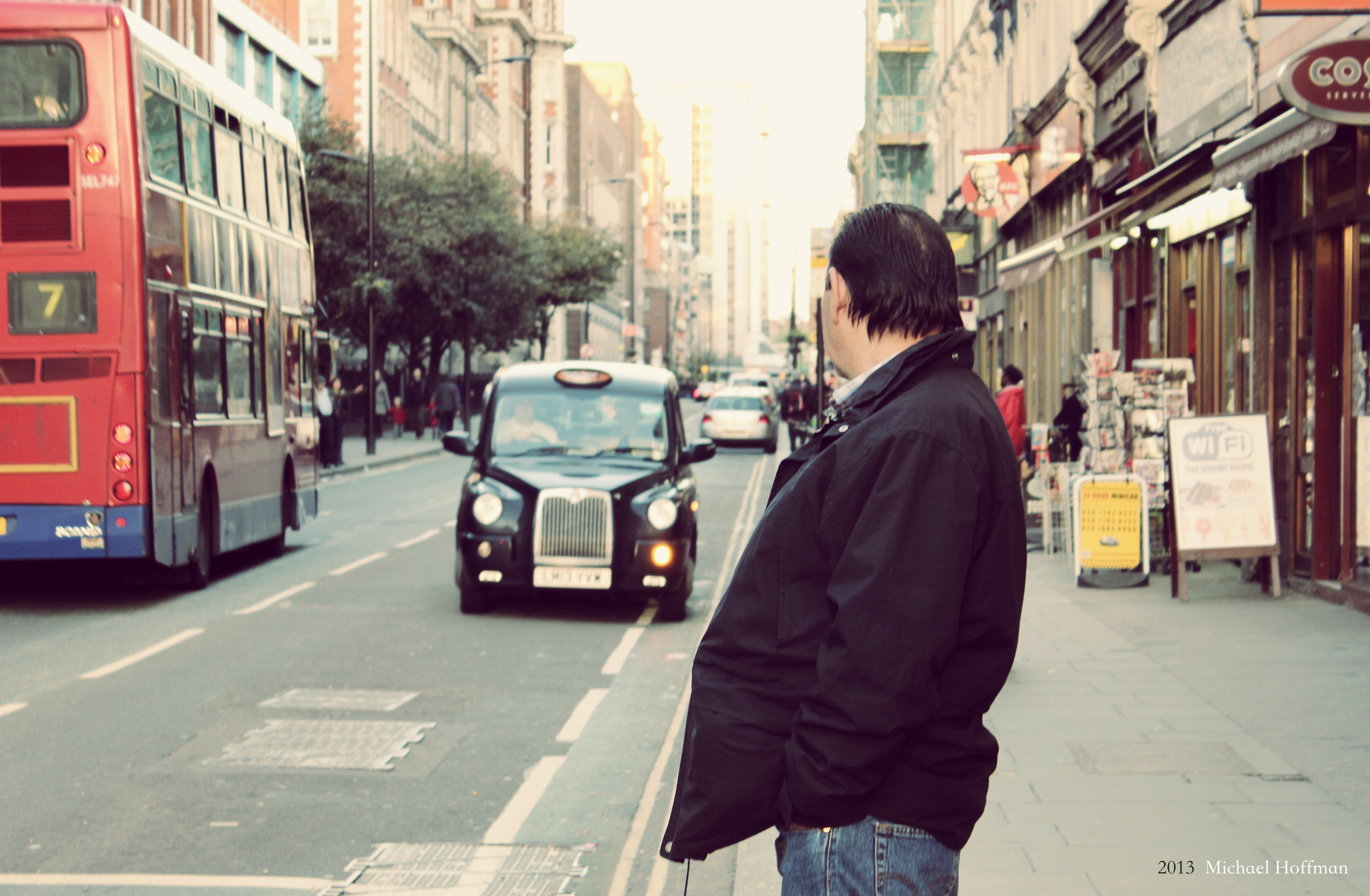
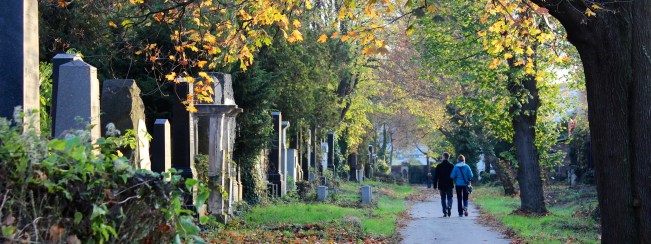
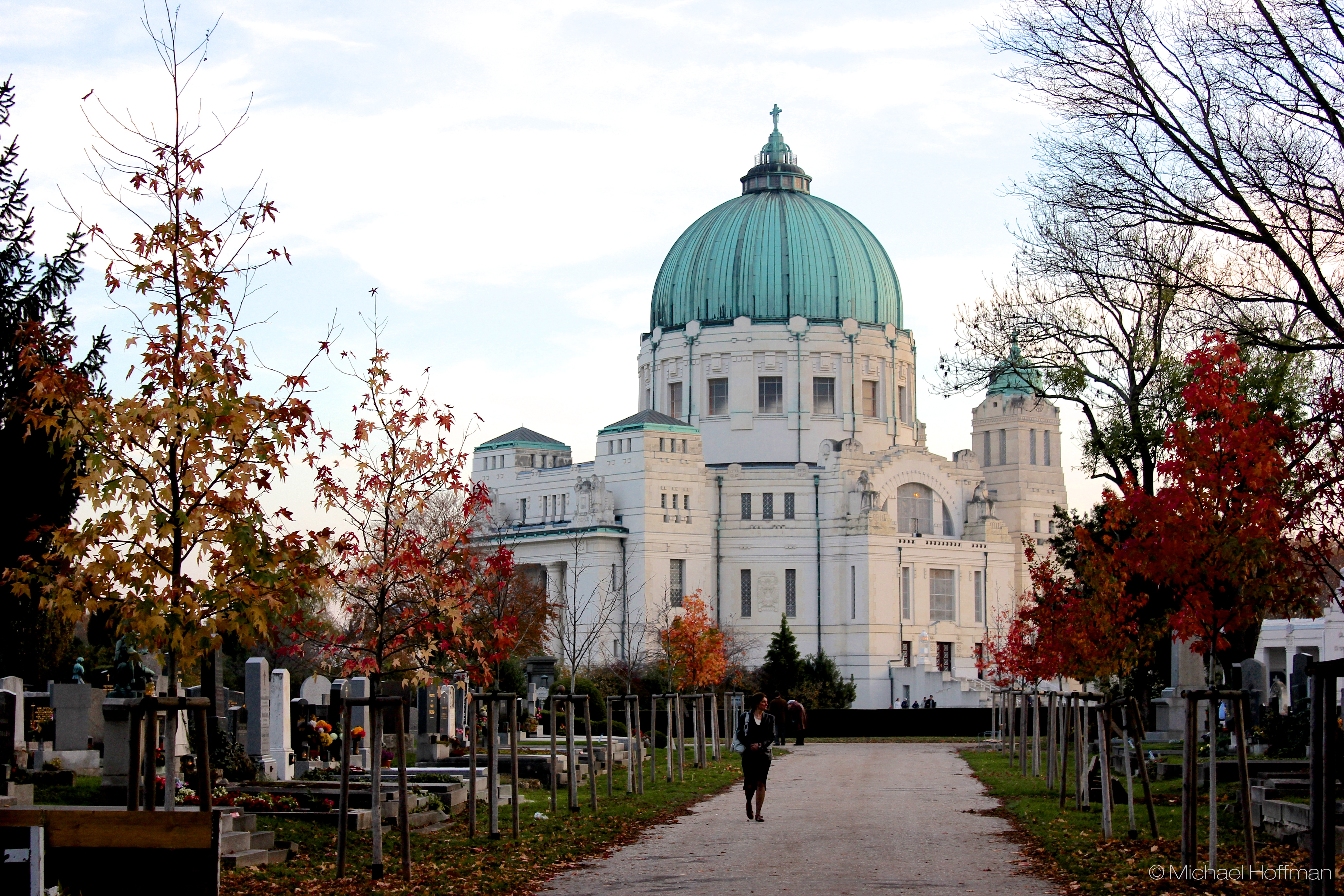
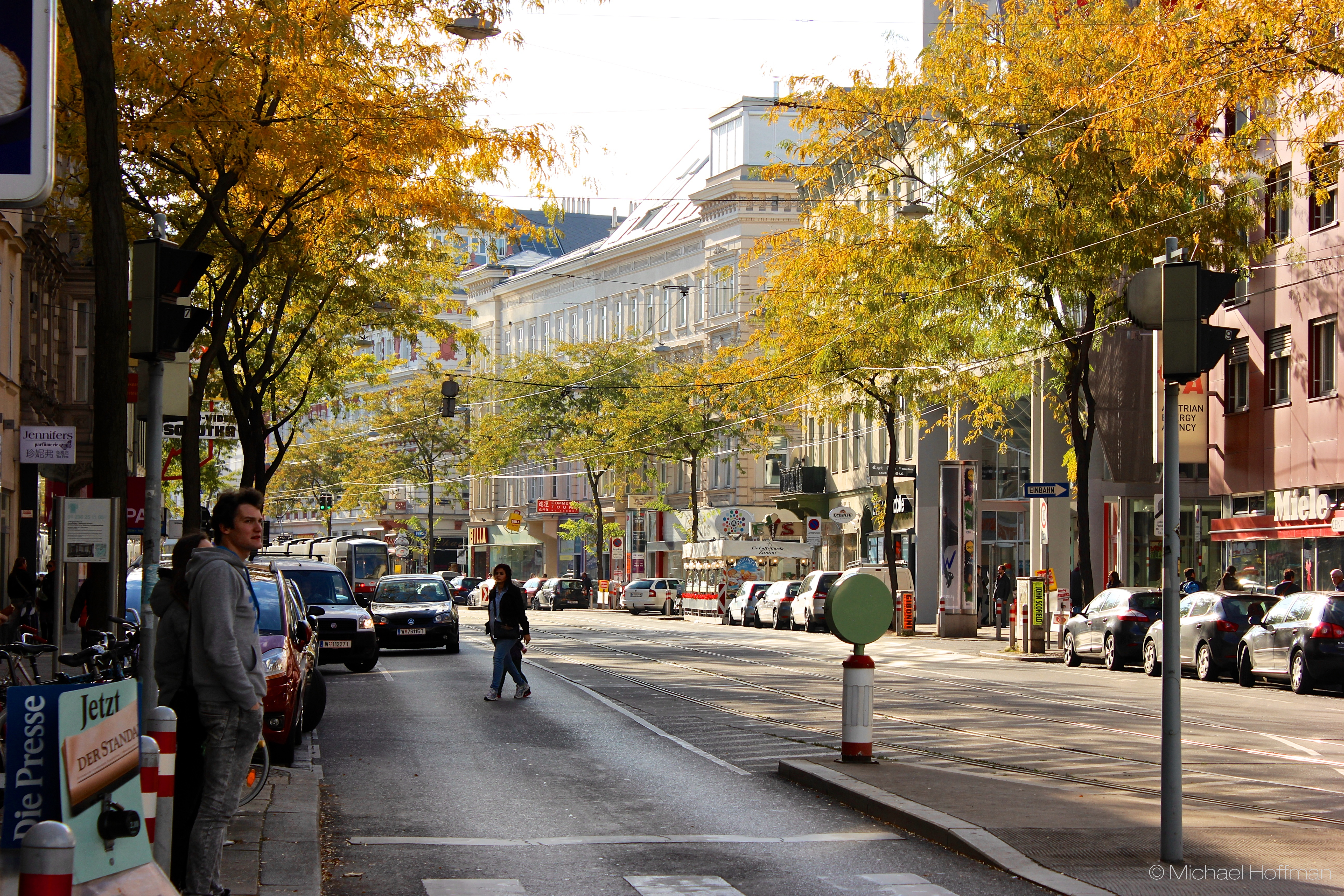
This is one kind of “The Viennese Central Cemetery Part 2,5,” or the outtake. Two shots I really liked but which didn’t fit into. In the second picture, you see the fabulous Karl-Borromäus church in the center of the cemetery. Plus, another shot from Vienna’s streets captures autumn’s colors.


The great thing about living in Vienna is nothing is really far away, and you are abroad quickly. Central Eastern Europe and Southern Eastern Europe (the Balkans, in other words) are incredibly close. Though strangely, Austrians seldom go East (except for plastic surgeries and dentists), there is still a mental barrier I never fully understood. In the Austrian mindset, the Czech Republic is still in the East, and Krakow, Poland, seems indefinitely far away, though, in reality, it is much closer to Vienna than the Westernmost city in Austria, Bregenz. Naturally, this snooty attitude is viewed with suspicion by our neighbors. However, much is changing, and the younger generation is beginning to embrace the charm of the East.
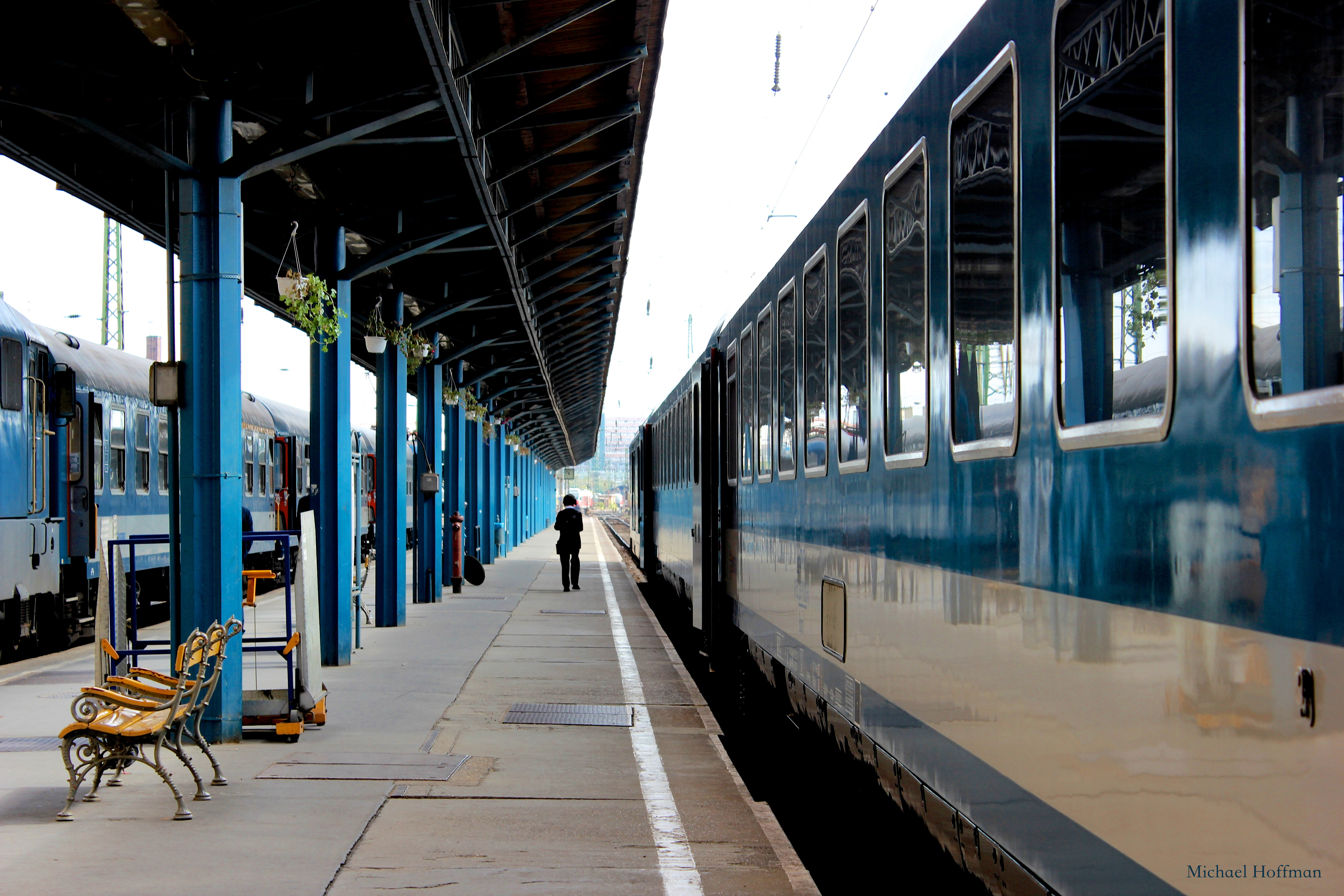
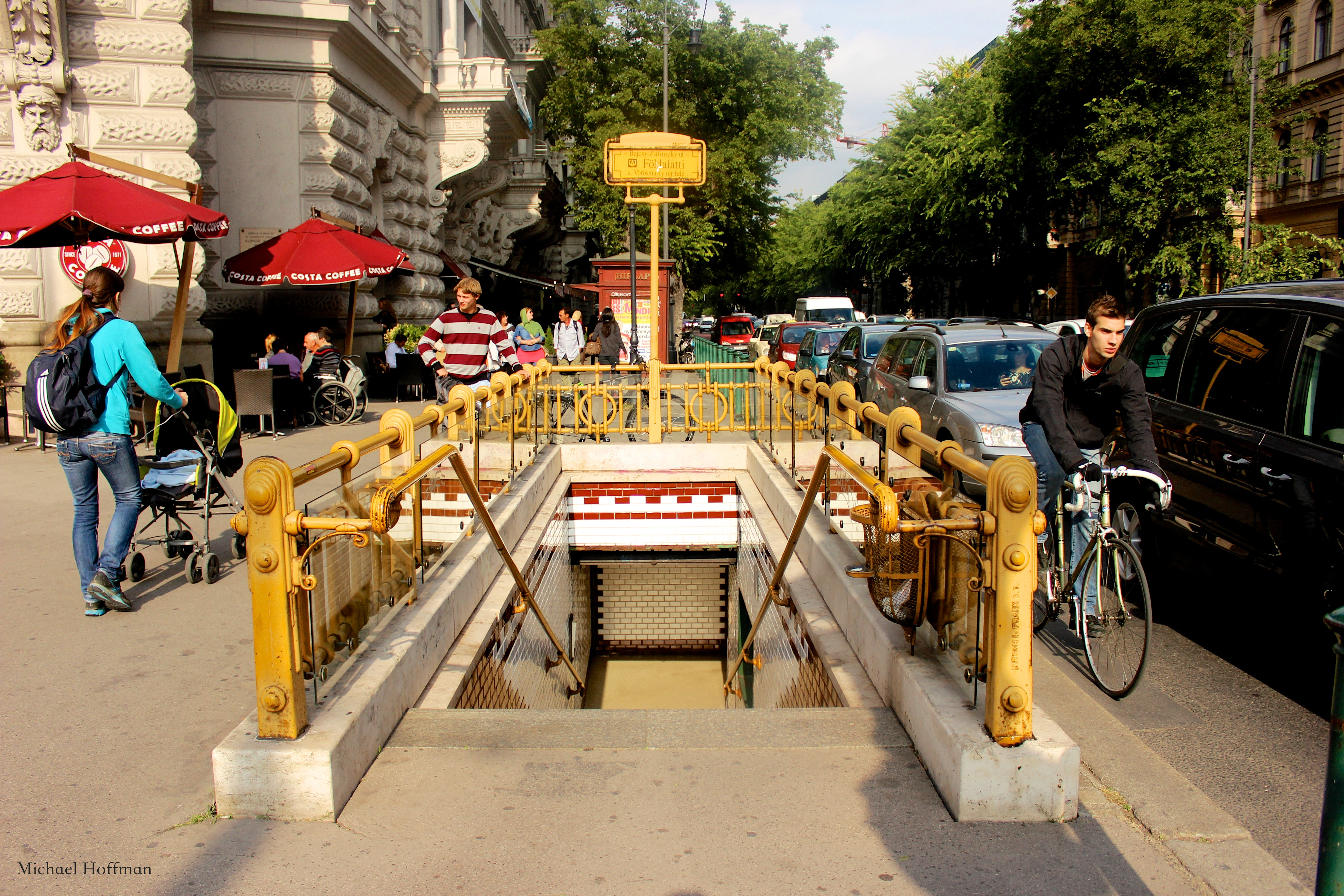
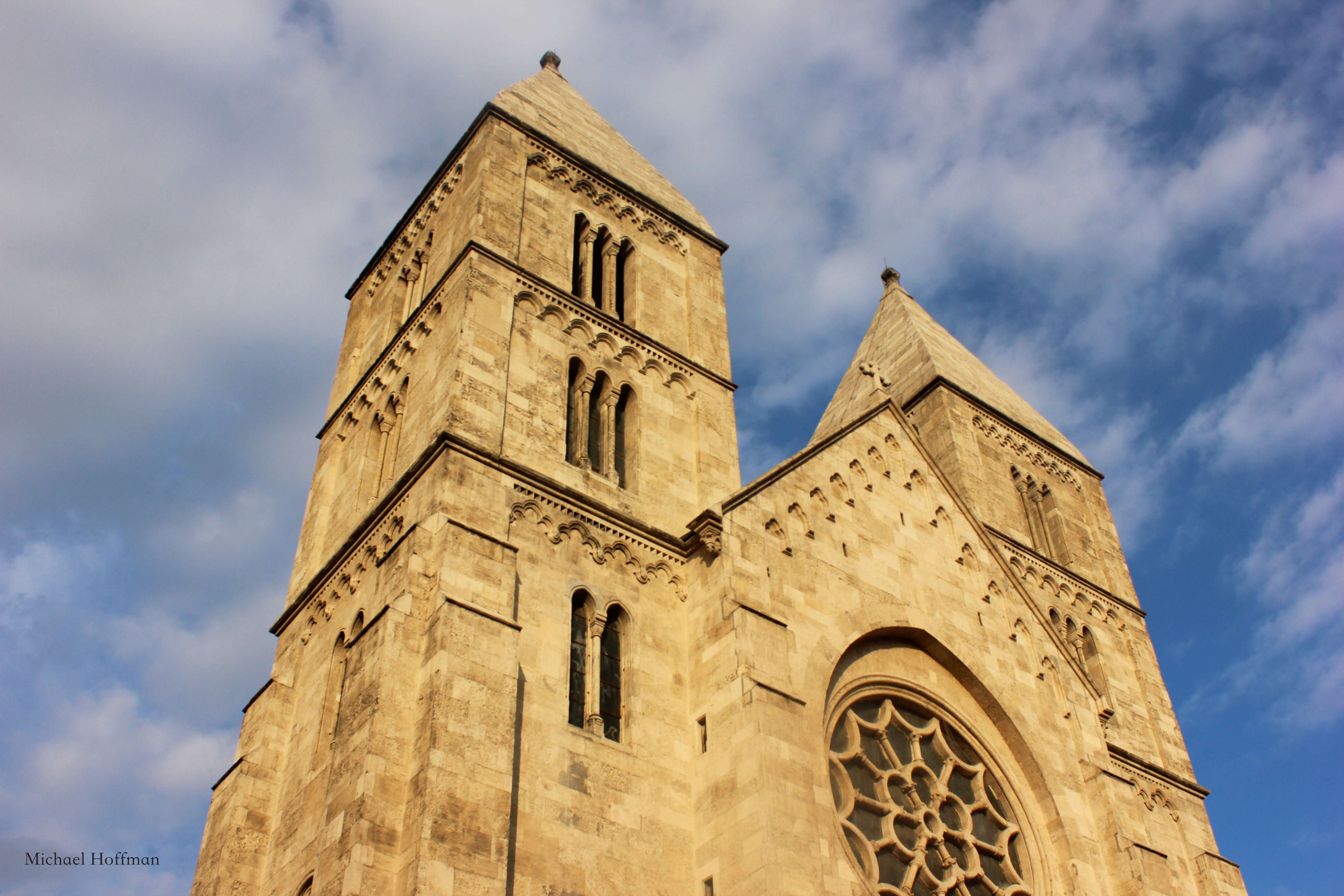
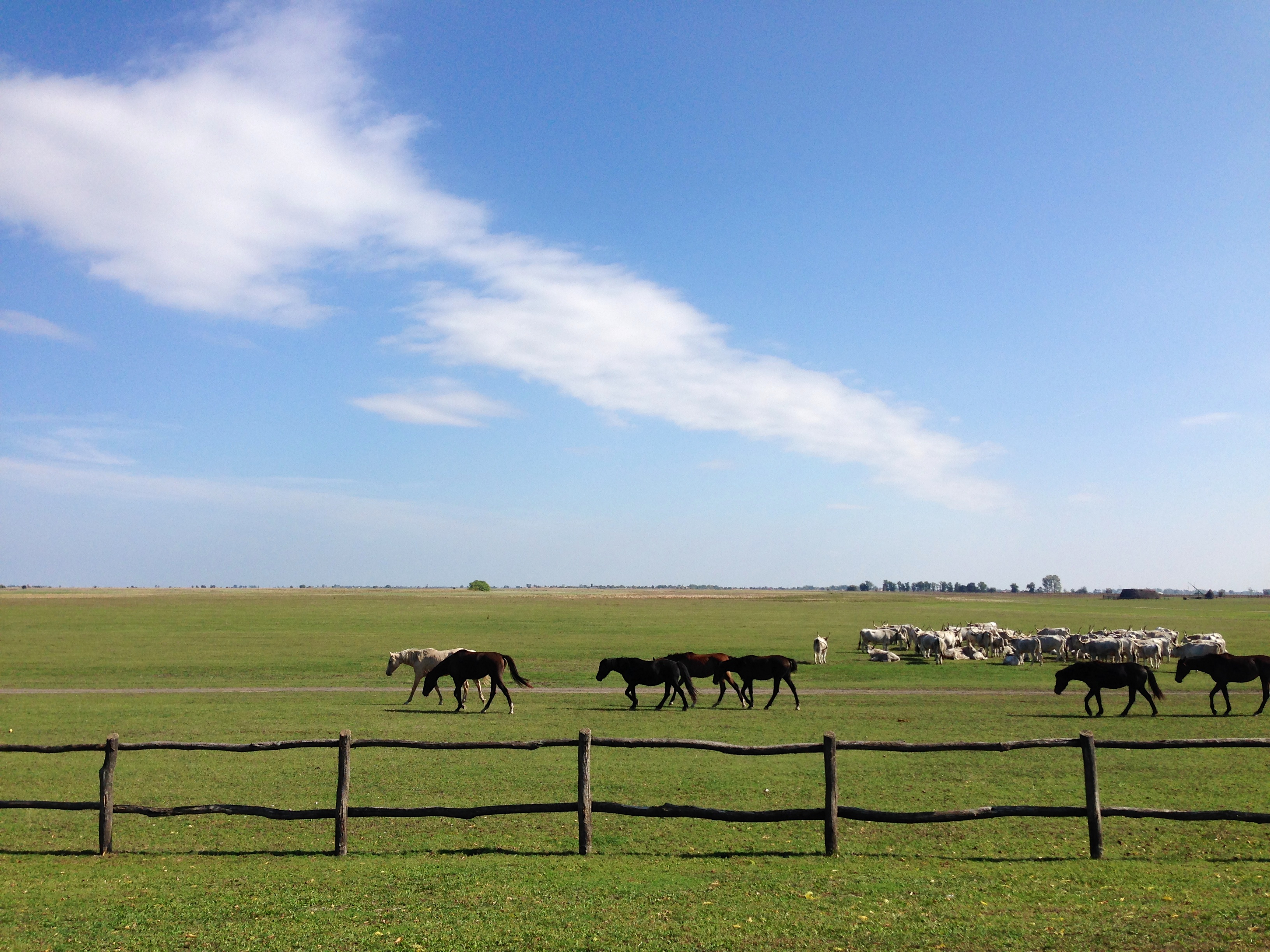
Incredibly close to Vienna, both in geographic and cultural terms, is the capital of Hungary, Budapest. Like Vienna, it had its heydays around 1900 in the Austro-Hungarian Monarchy, and you still see it. In architectural terms, the two cities are closely related; there are a lot of baroque churches, large areas of residential buildings from the founding period, and some beautiful Jugendstil façades. If you look on the map and see the districts (in both cases, 23.) and names of bridges and boroughs, you feel like you have landed in a mirror universe. However, there are some differences. Budapest still has maintained its old railway stations (pictures 1, 3, 5 in the background and 7), which disappeared from Vienna and were replaced by shopping-service hybrids in the vain of the consumerist society. Also, the city is much closer to the Danube than Vienna, having a pleasant city hill on the Buda site, making it very similar to Prague in structure. Hungarians are very patriotic; you see a lot of monuments everywhere. A vital role in their self-view is the role of a nomad’s heritage and horse riding culture. This heritage links closely to the country’s geographic conditions as a vast lowland (pictures 2 and 5). Hungary is definitely worth a visit, especially for young travelers, being also very affordable at the moment.


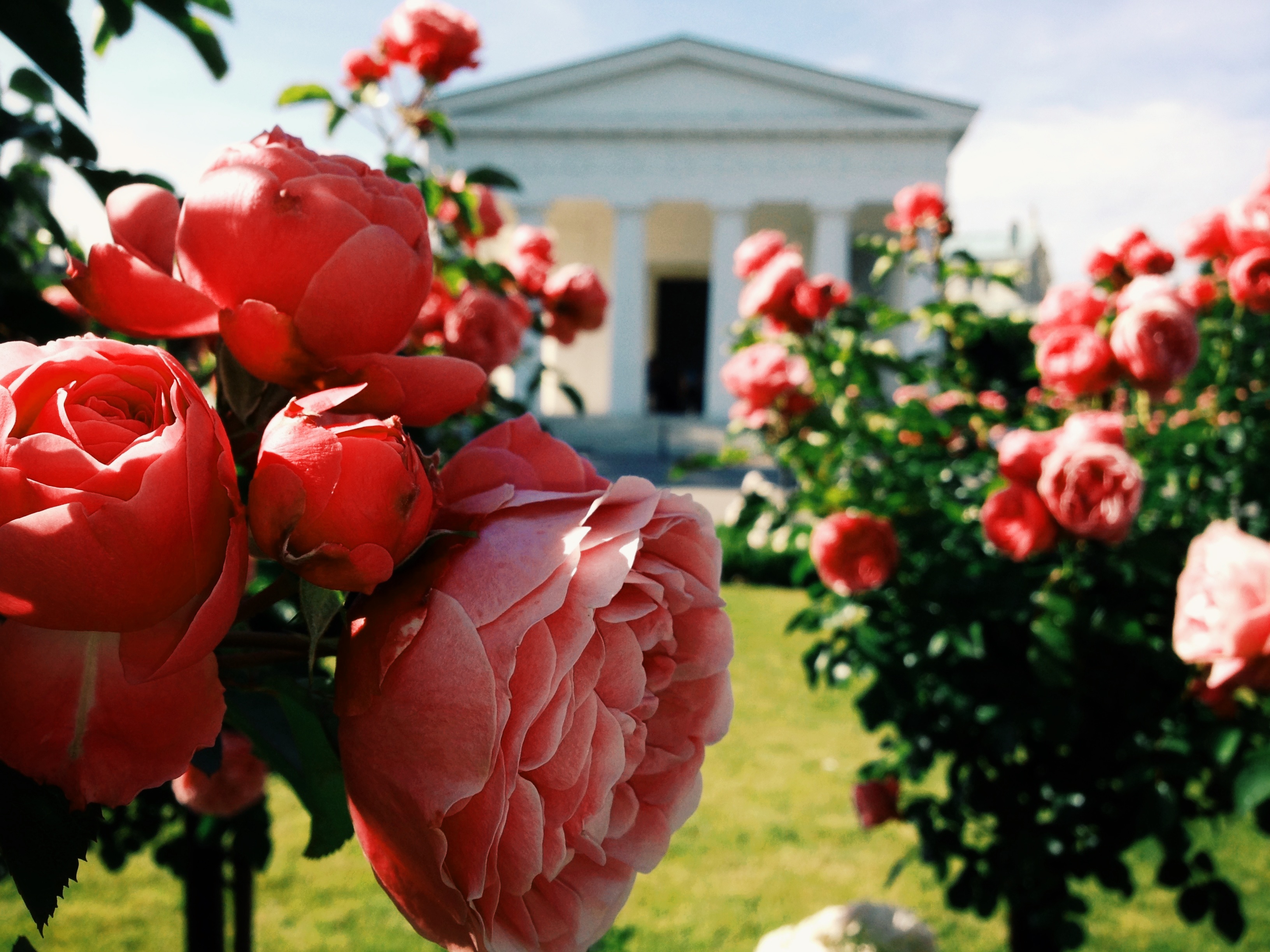
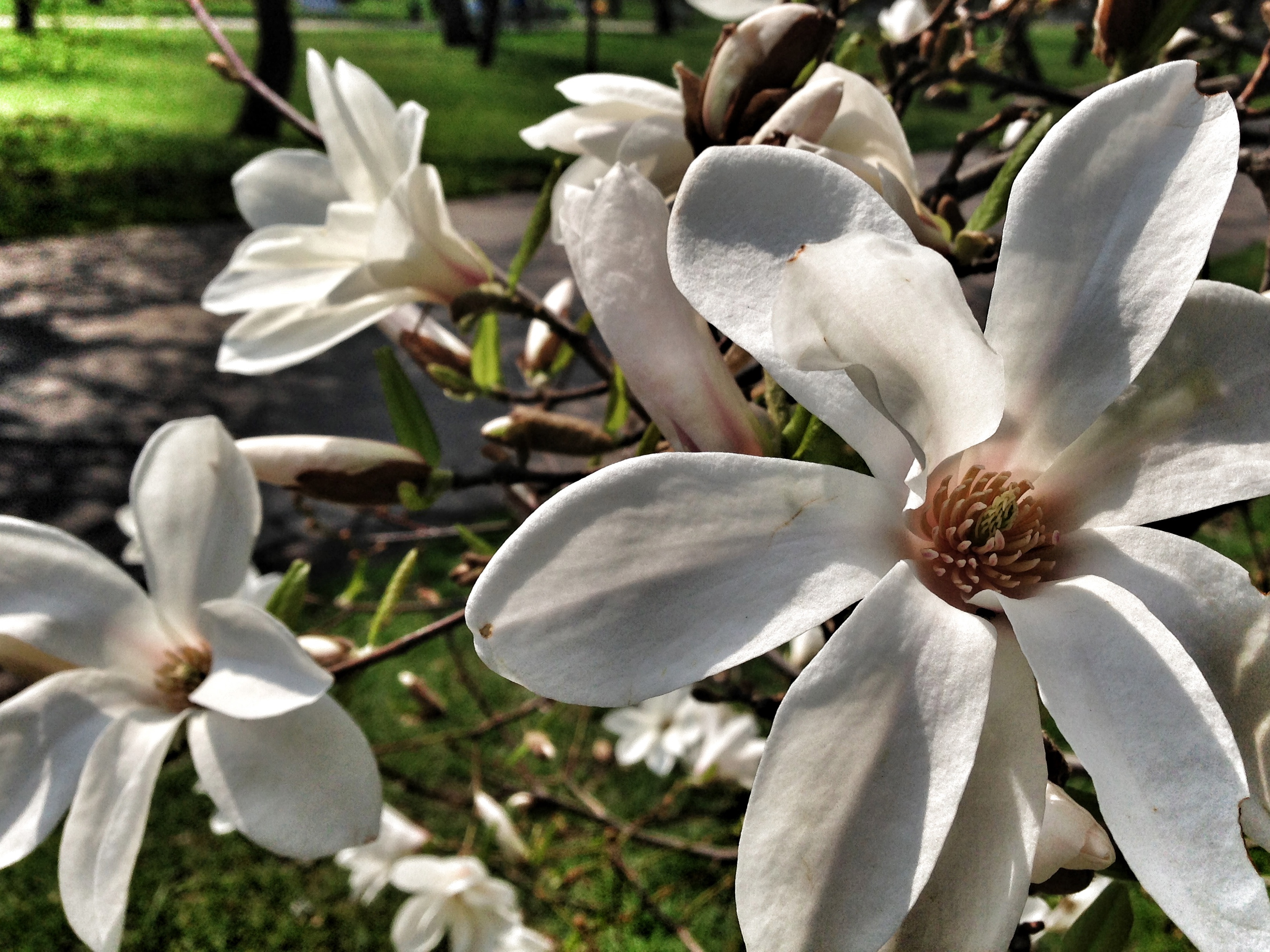
For today, just two flower shots I think worked out pretty well 🙂



 Michael Hoffman Photography