
Vienna in January 2014
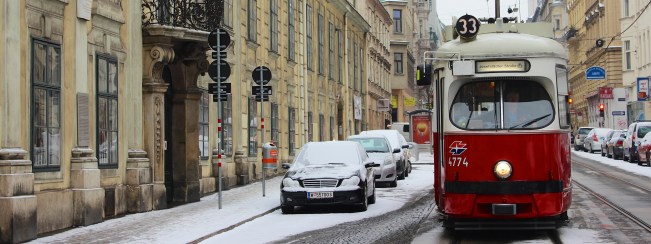
It was a busy month, so I had little time for photography. But two or three times, I could take a camera with me and make some shots of (more or less) winterly Vienna.


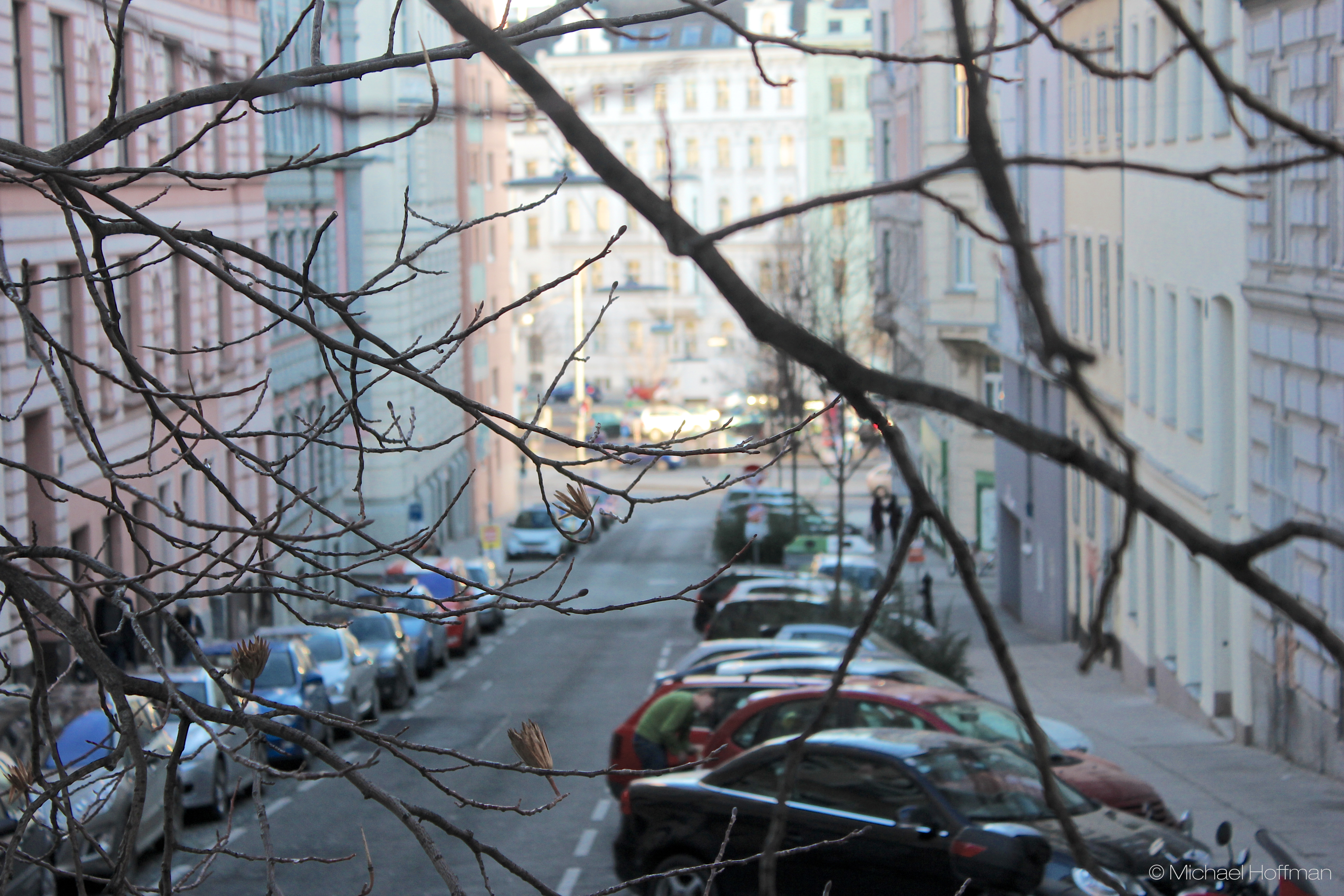

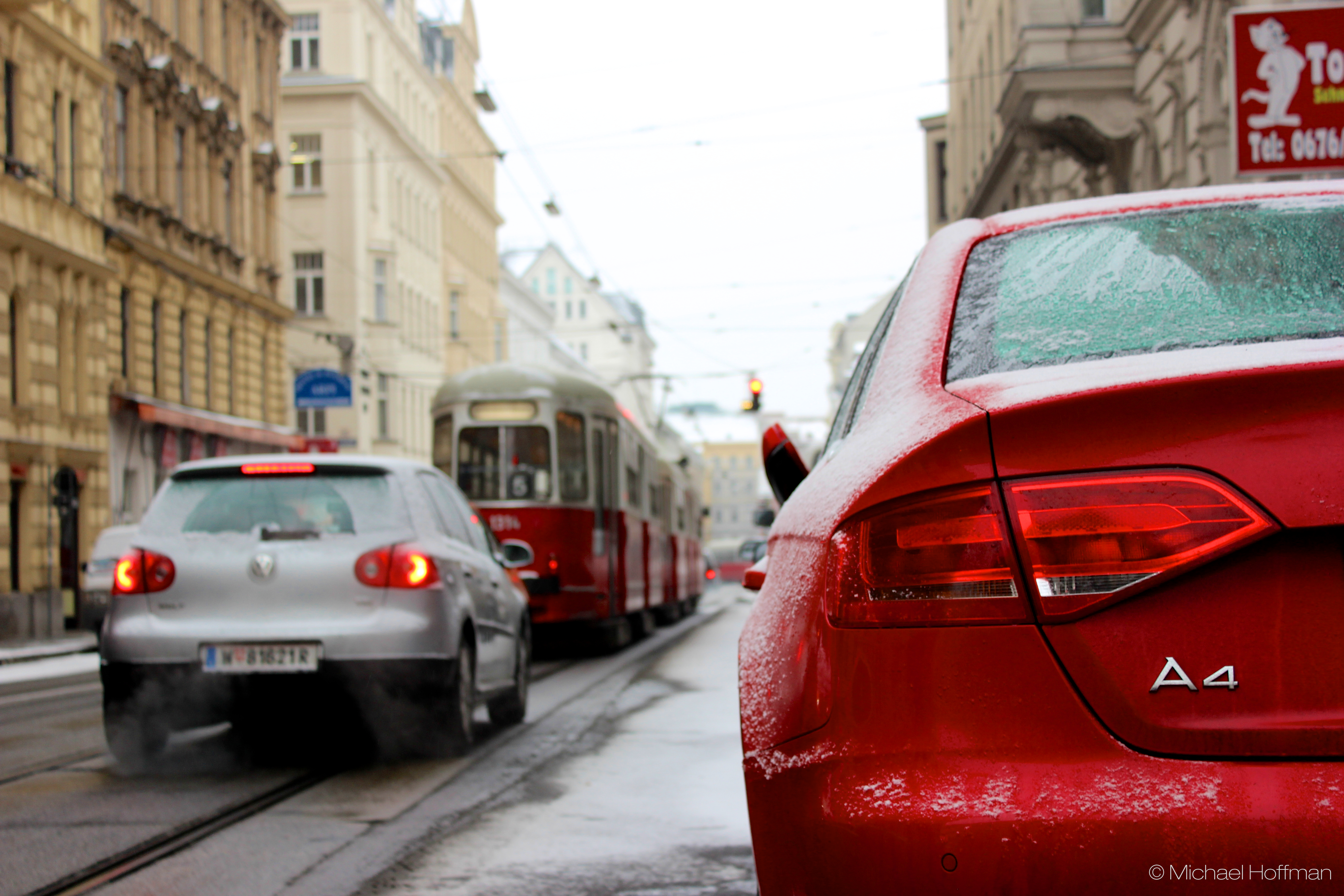

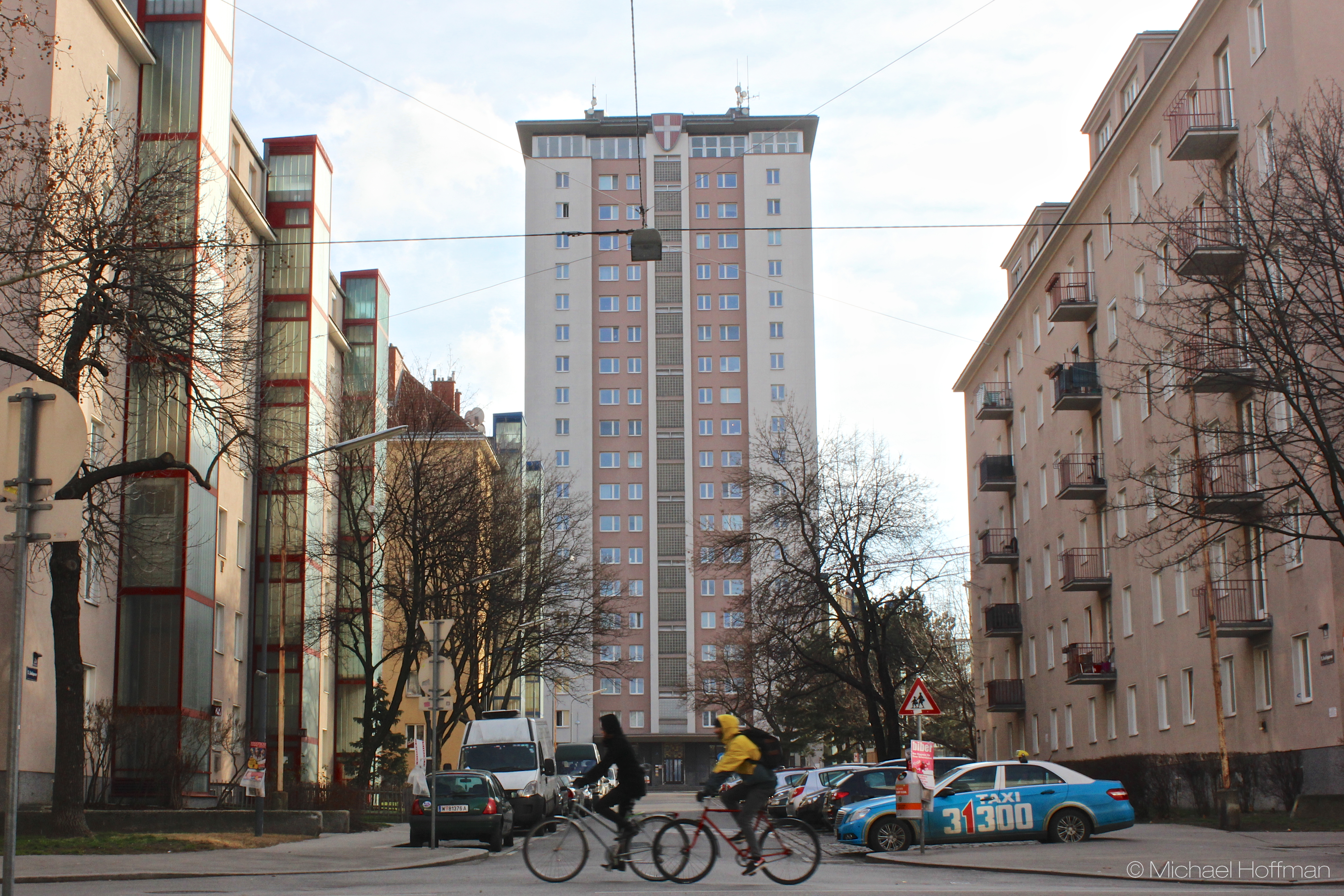
It was a busy month, so I had little time for photography. But two or three times, I could take a camera with me and make some shots of (more or less) winterly Vienna.
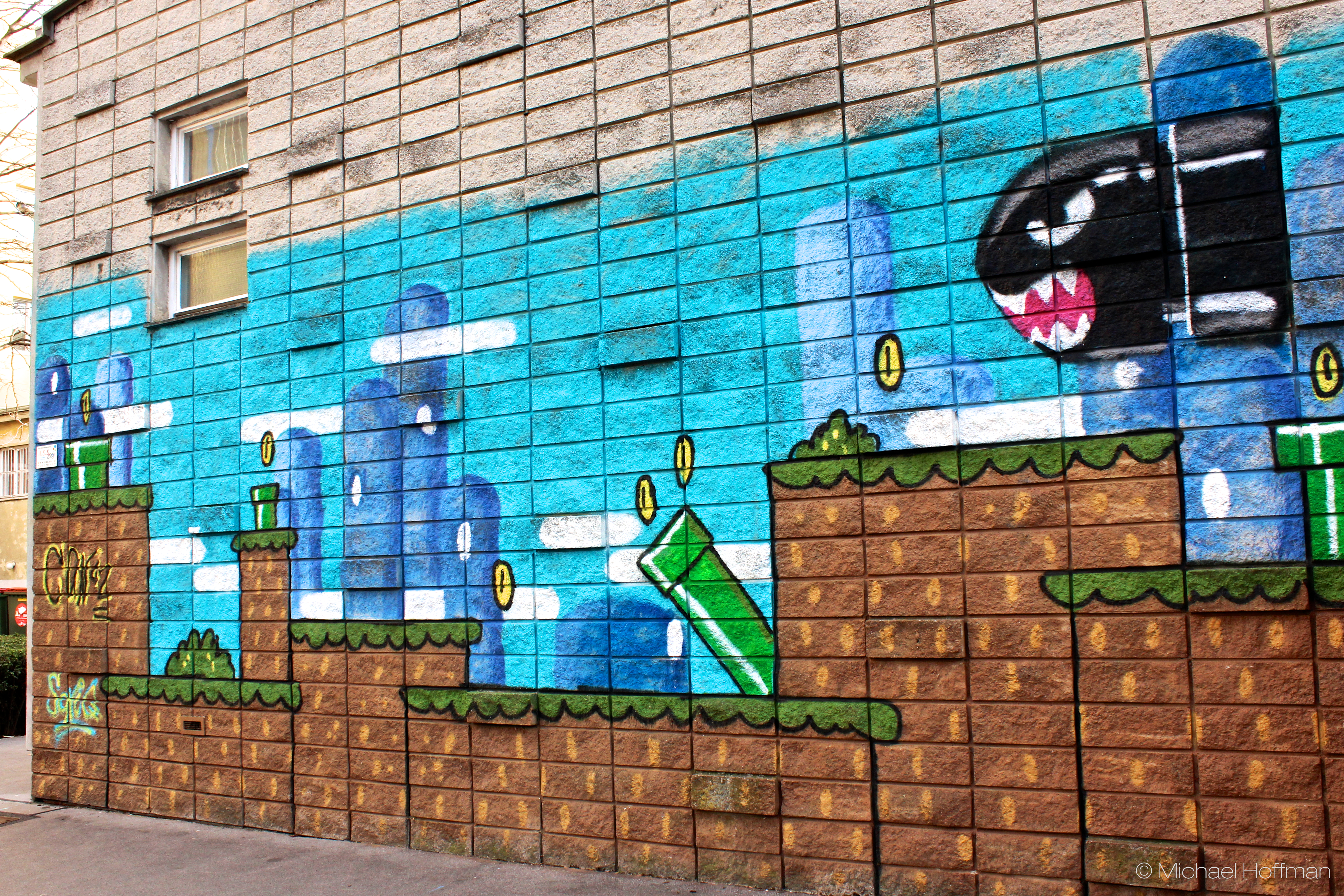
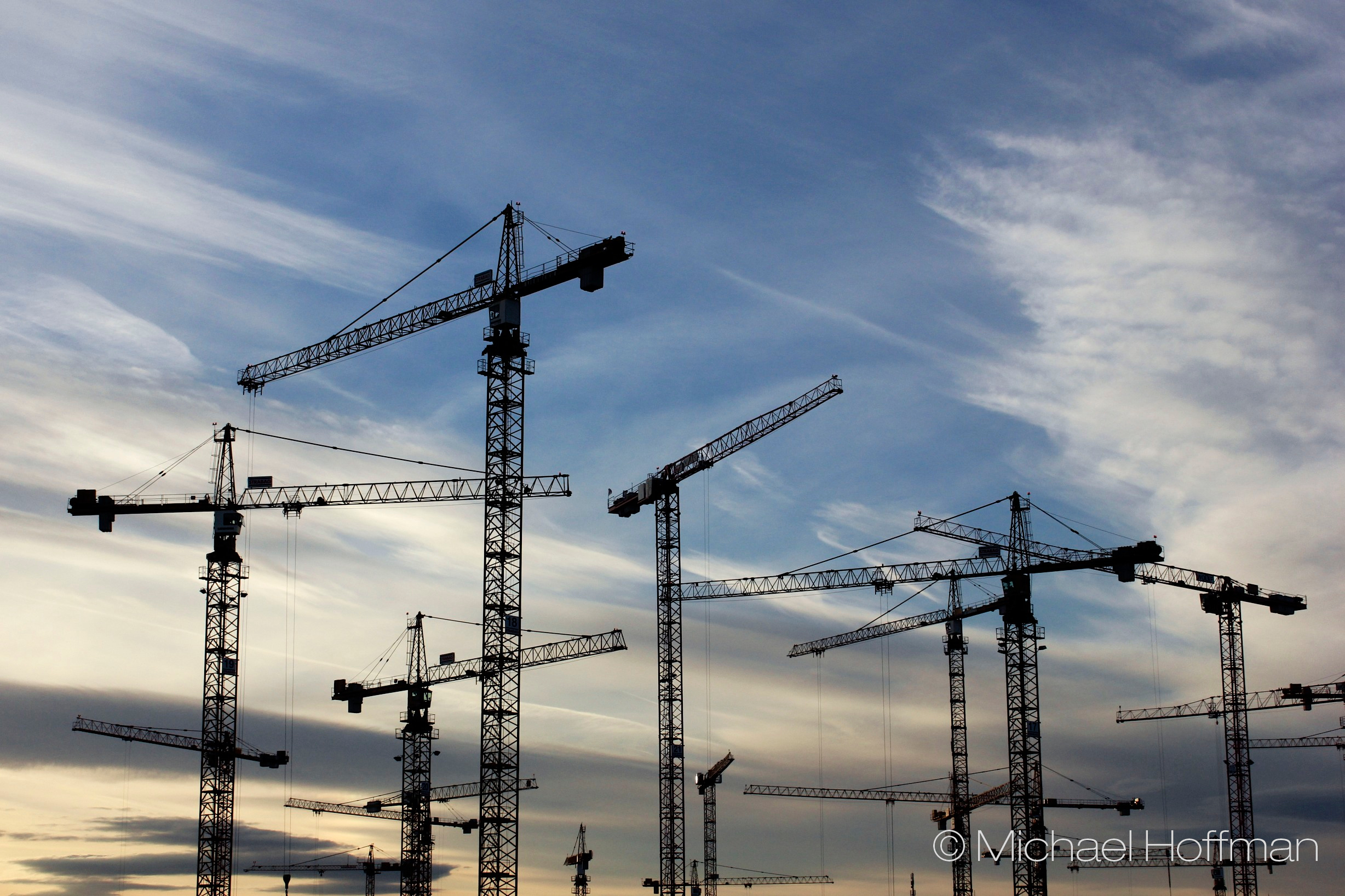
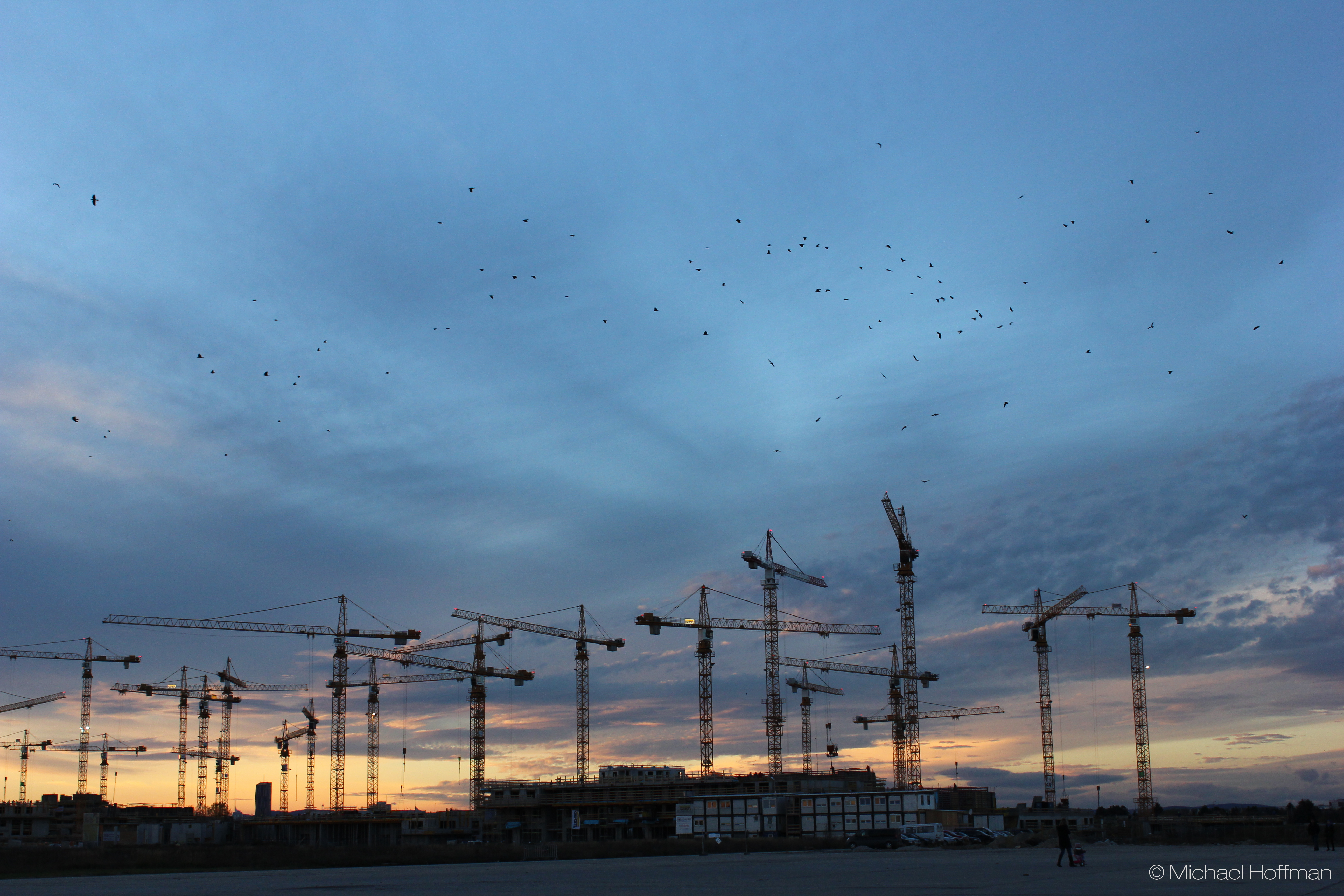
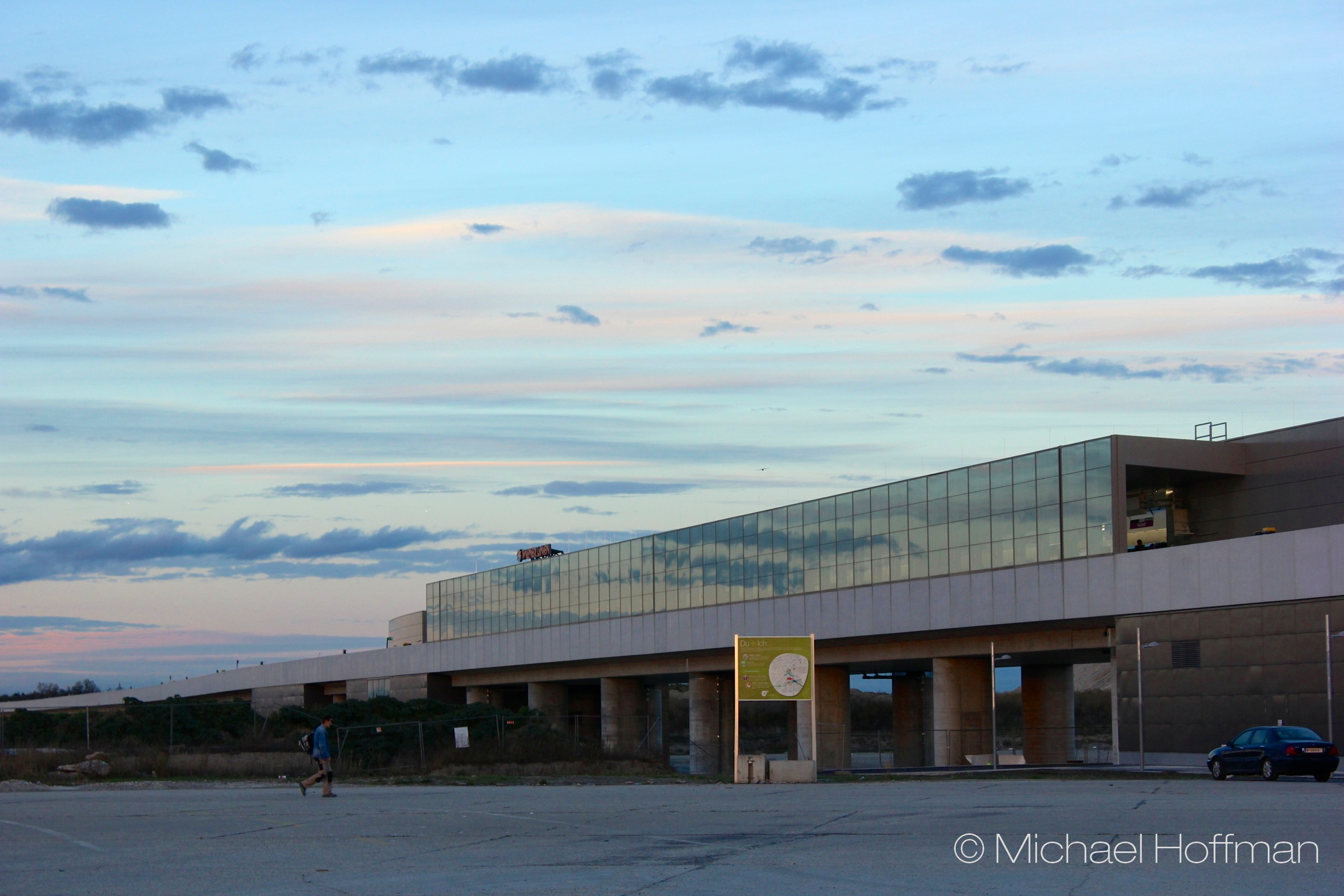
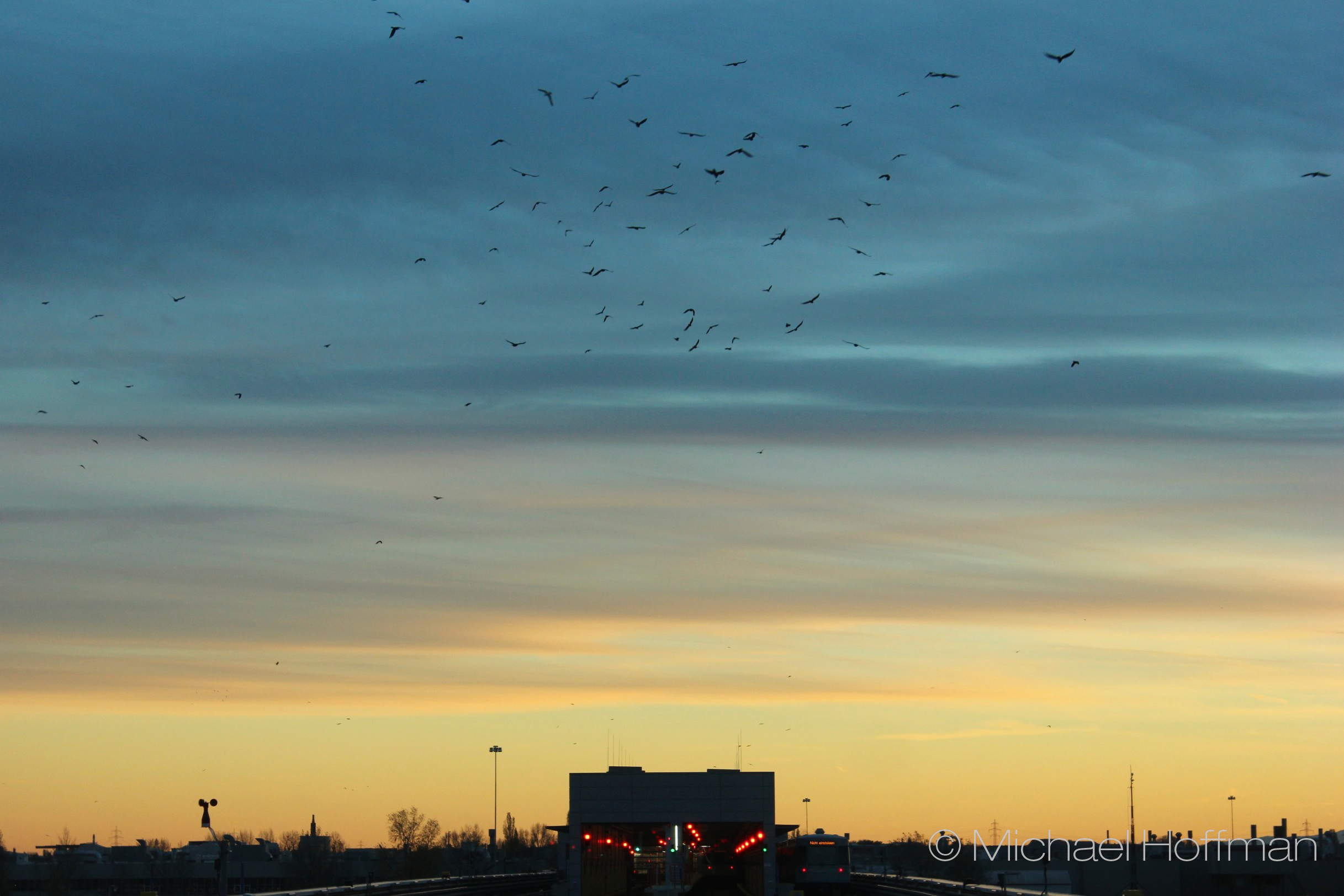
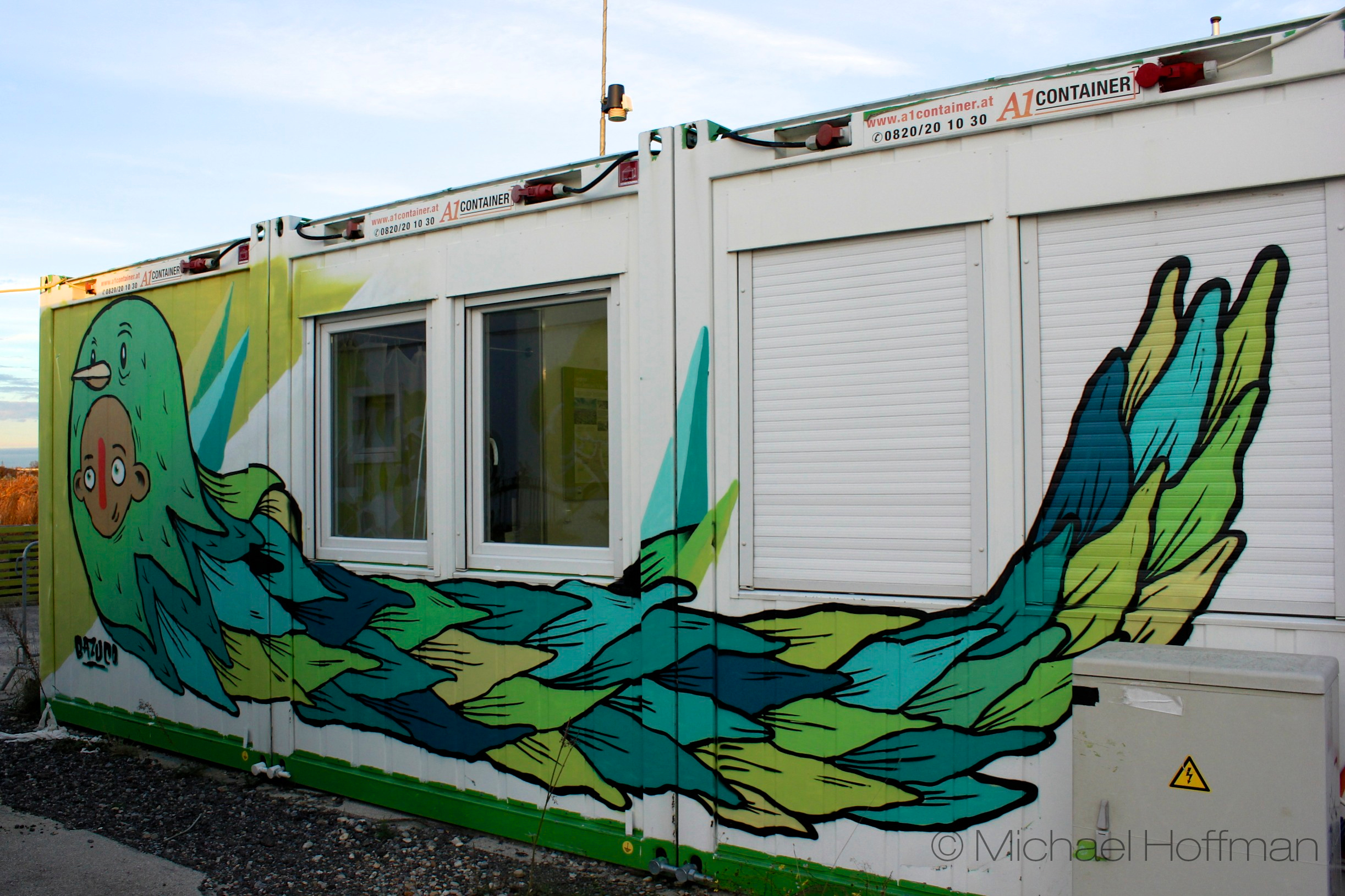
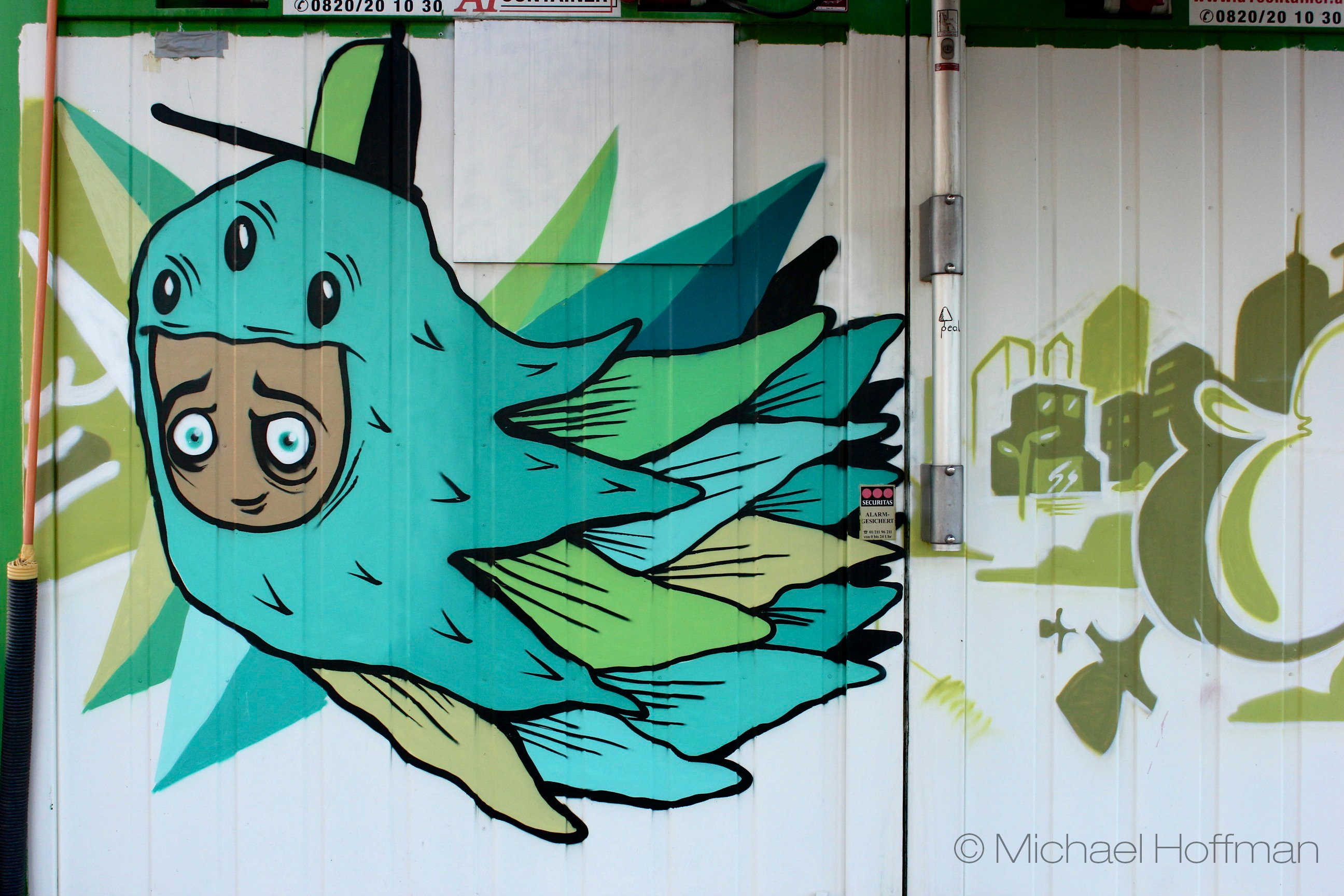
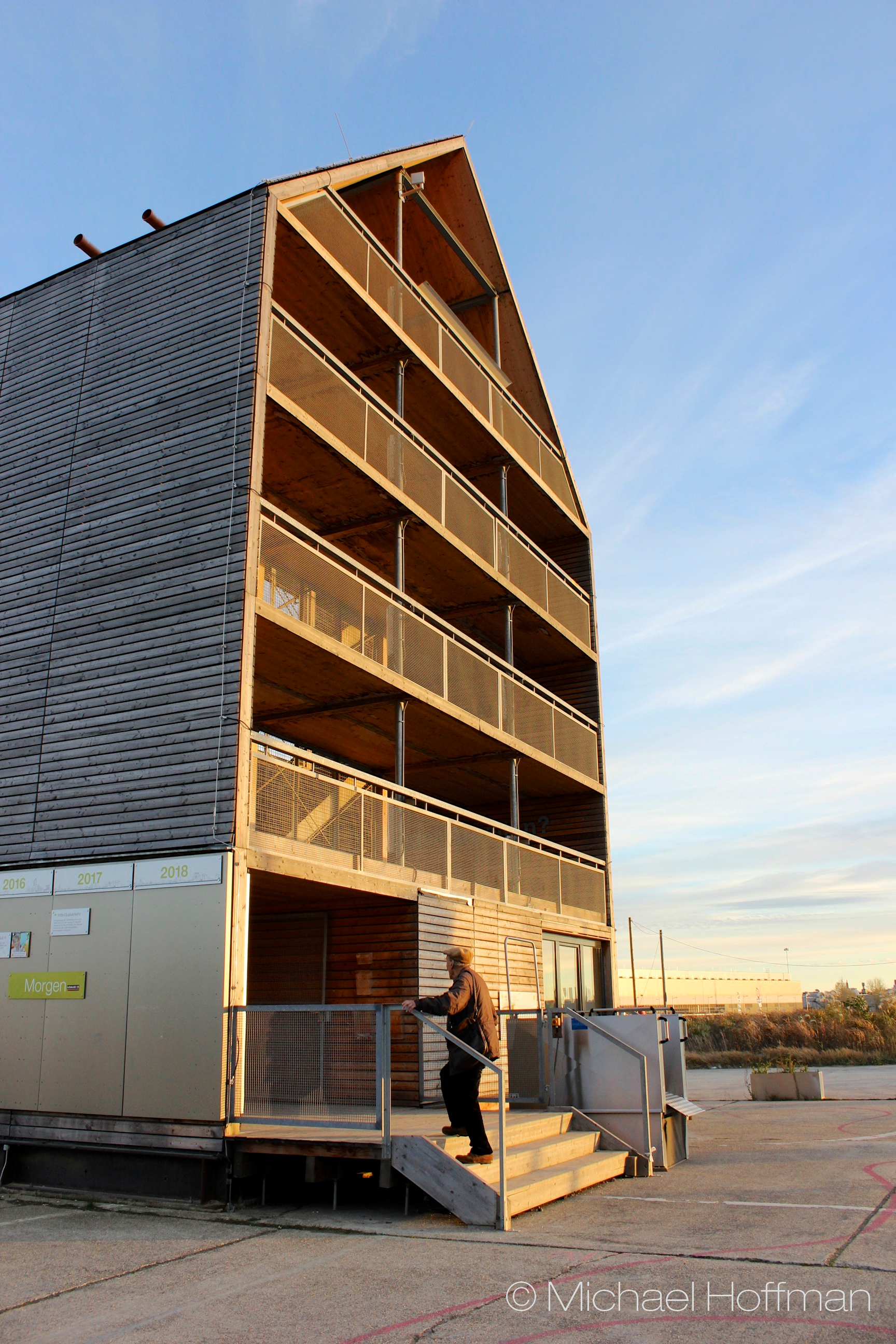
On the site of a former airfield, a new city planned from scratch is being built to accommodate thousands of new people. Vienna is expected to grow in the upcoming decade. A city within the city, basically. Seestadt, translated in English, means lake city and is named due to the artificial lake in the center of the town. To date, there is not much to see besides the newly built metro station (the Violet Line U2), many cranes, and a giant mud hole in the middle (the lake to be). But especially at sunset, the symphony of cranes has beauty on its own. There is also an exhibition worthwhile visiting with a lot of information about the project and a wooden panorama tower with a nice view (last picture). Local artists were allowed to spray the exhibition’s container, giving the place an urban flair. Although the city itself is yet missing…



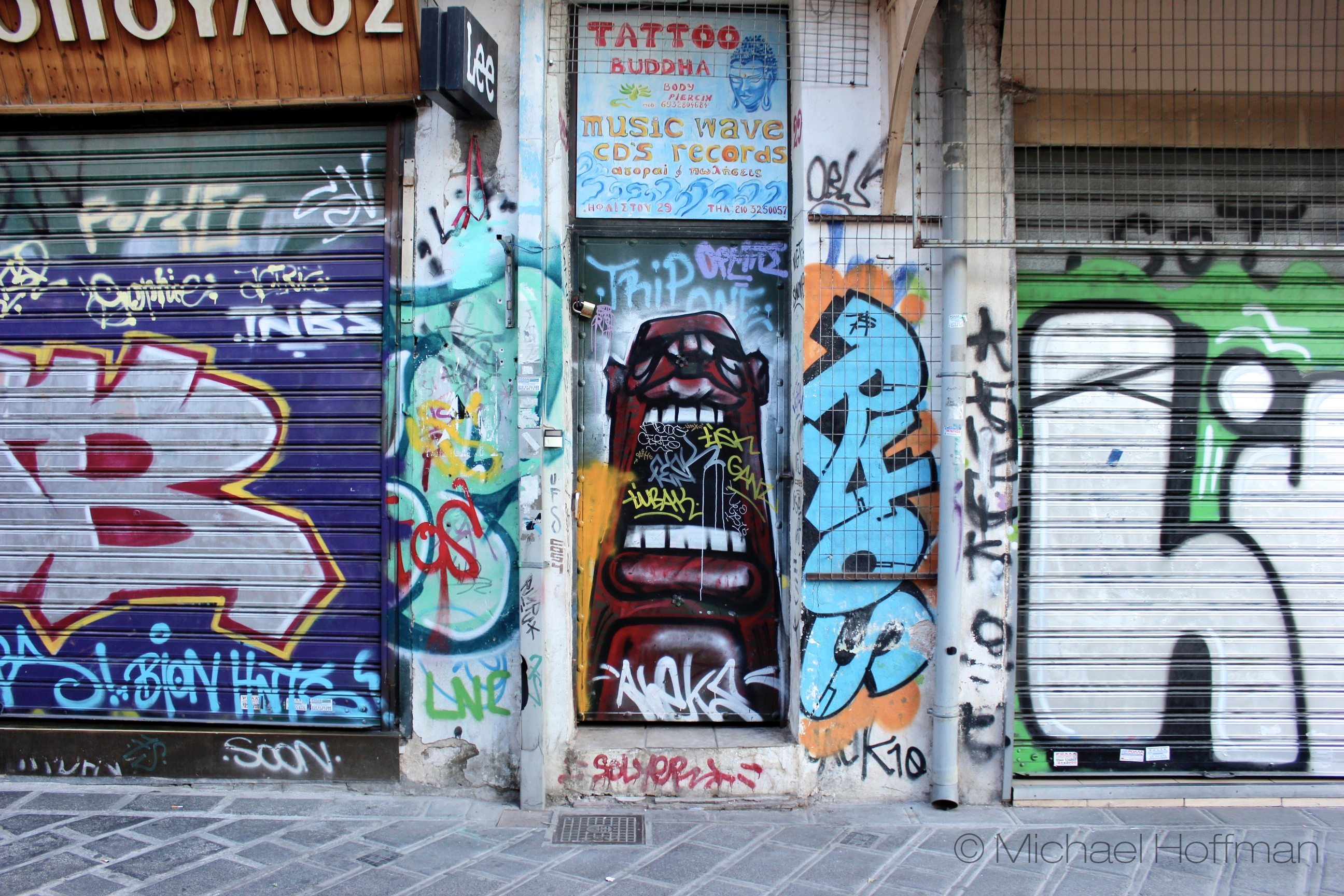
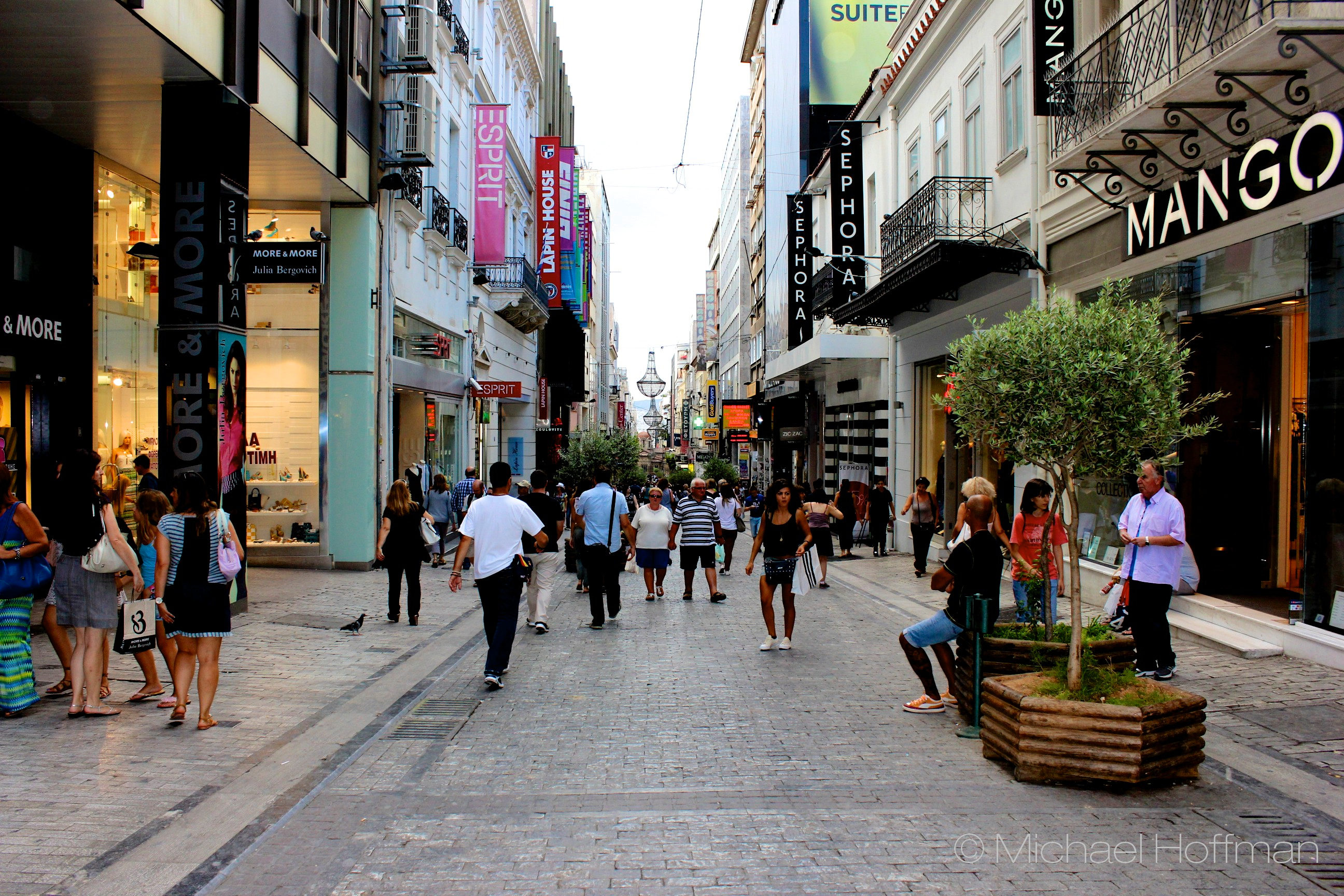
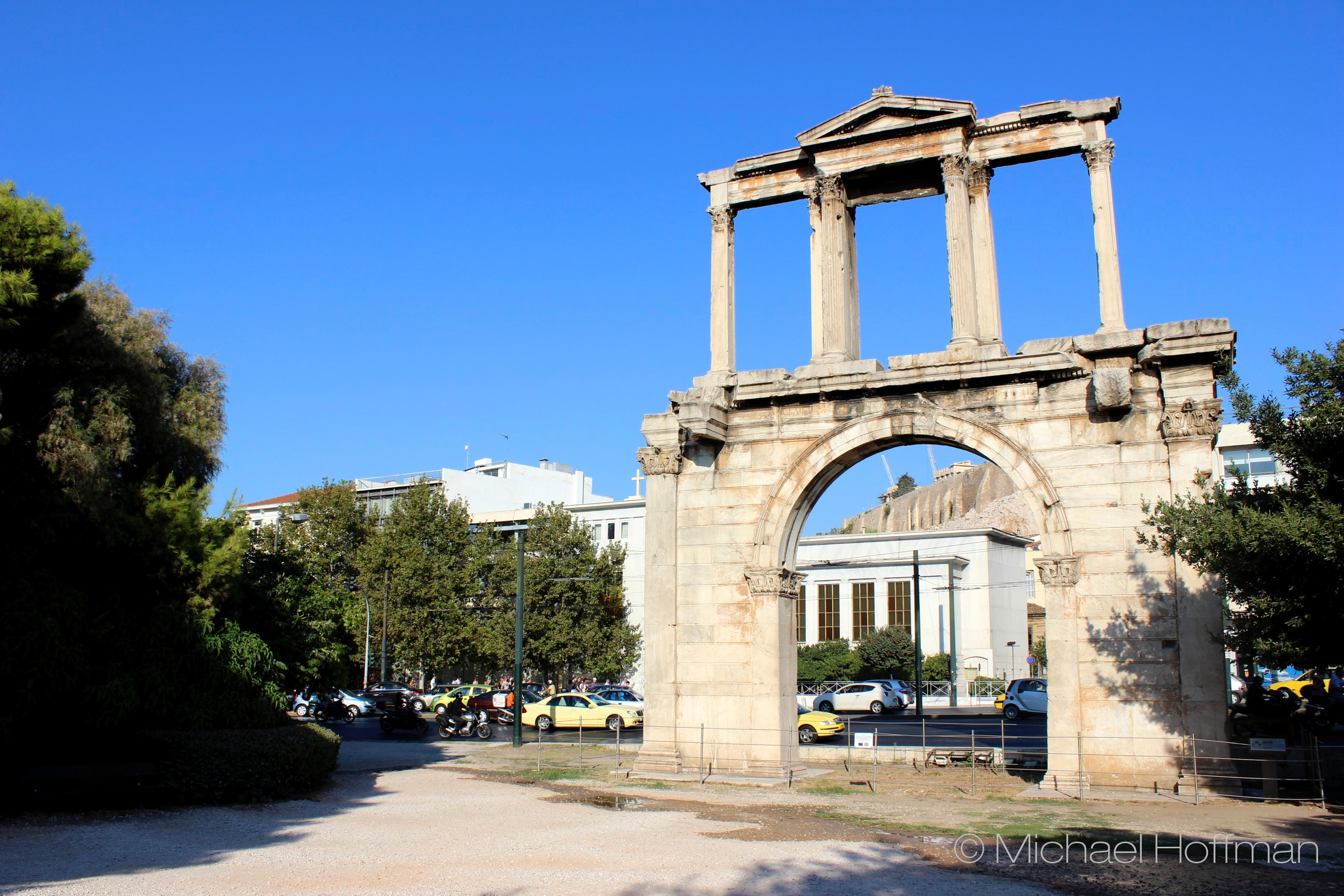
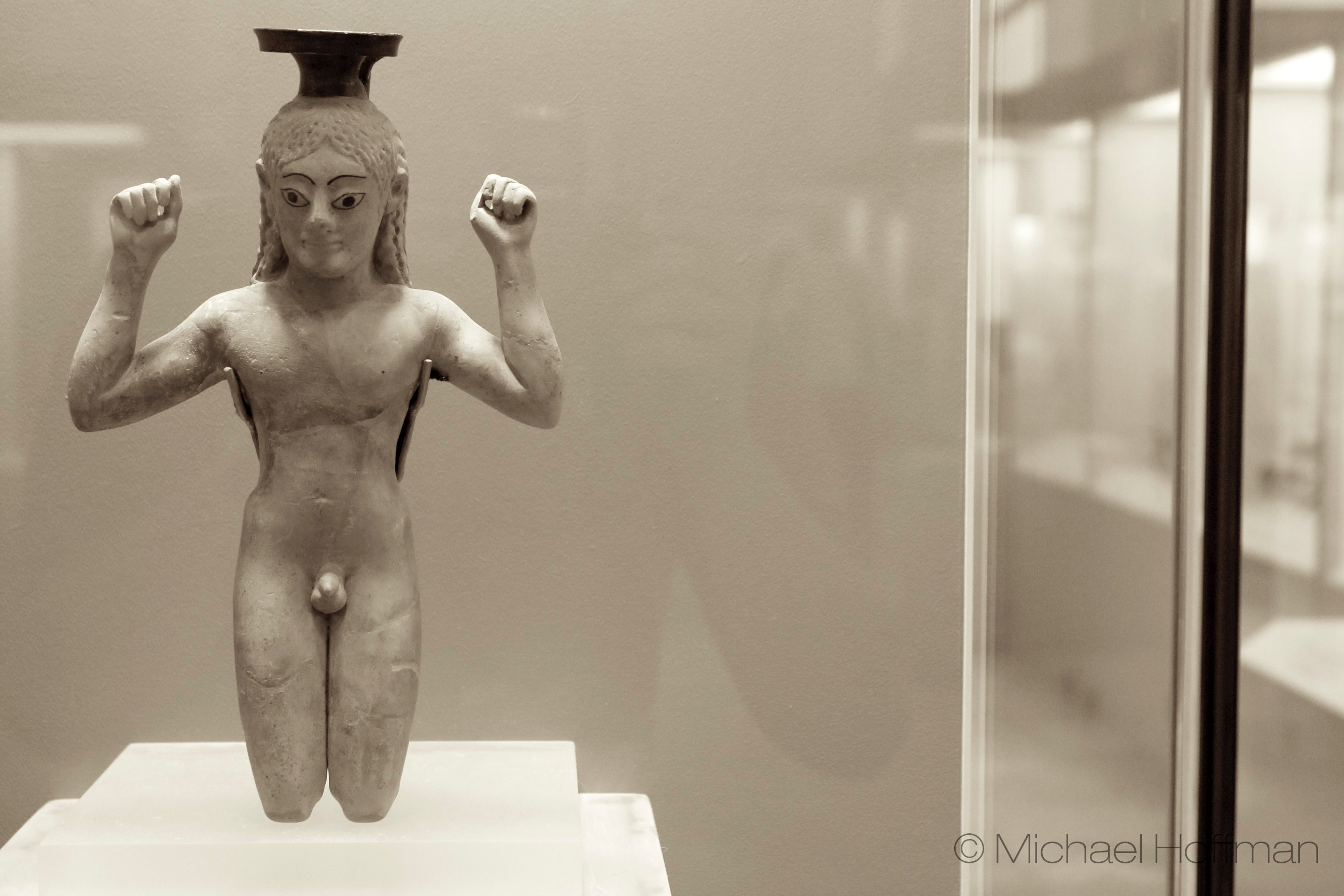
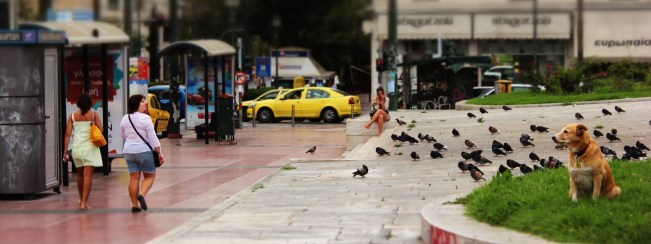
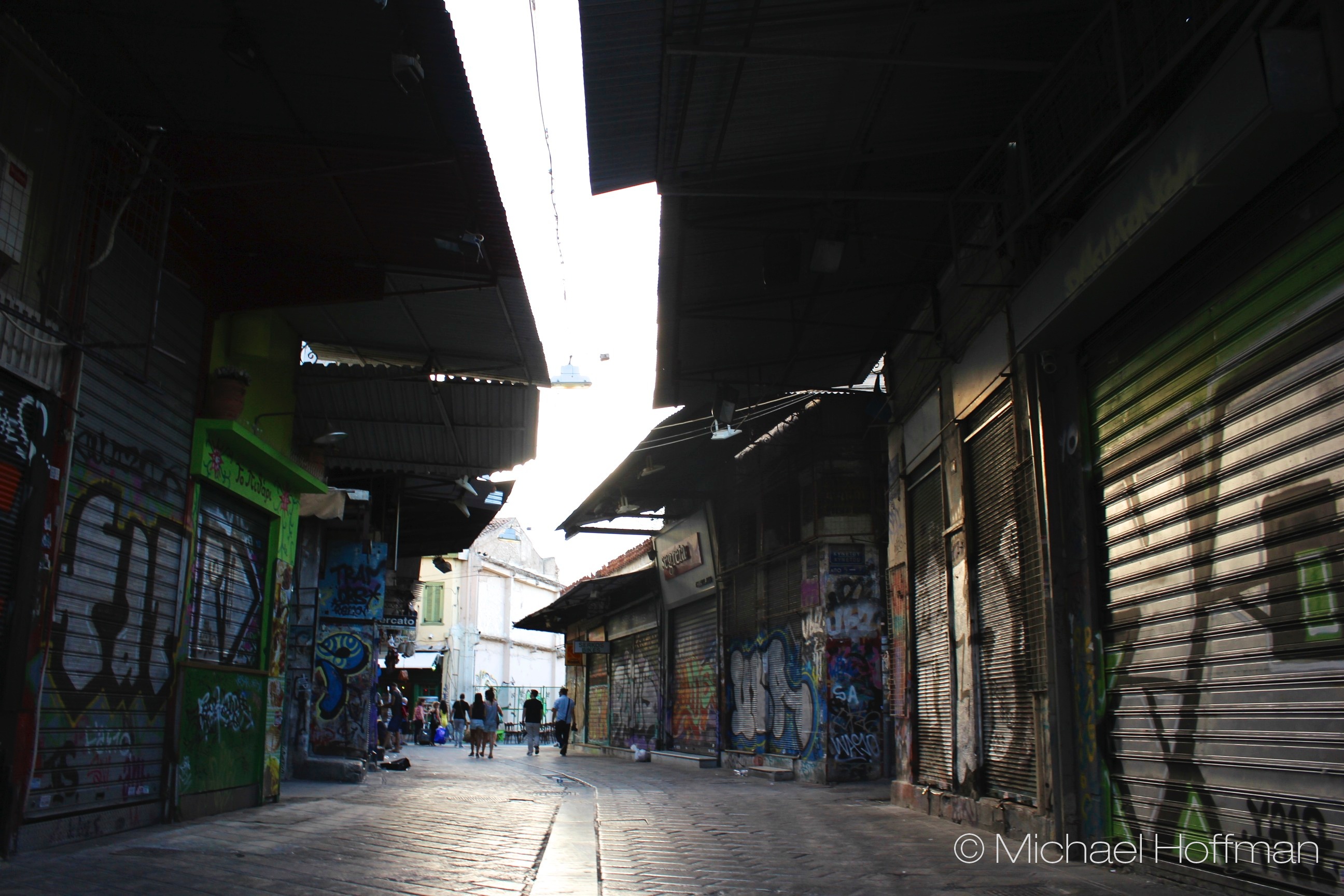
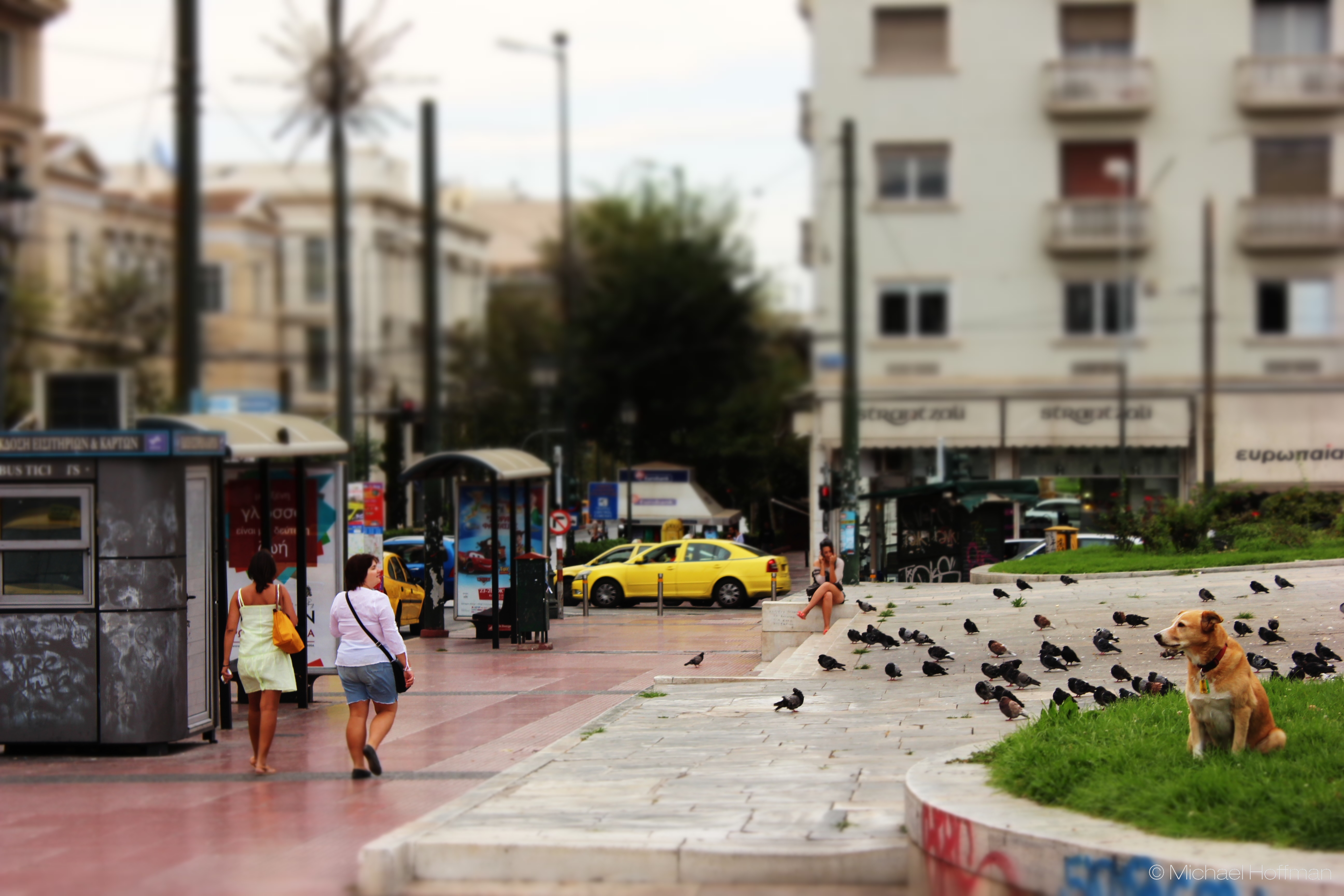
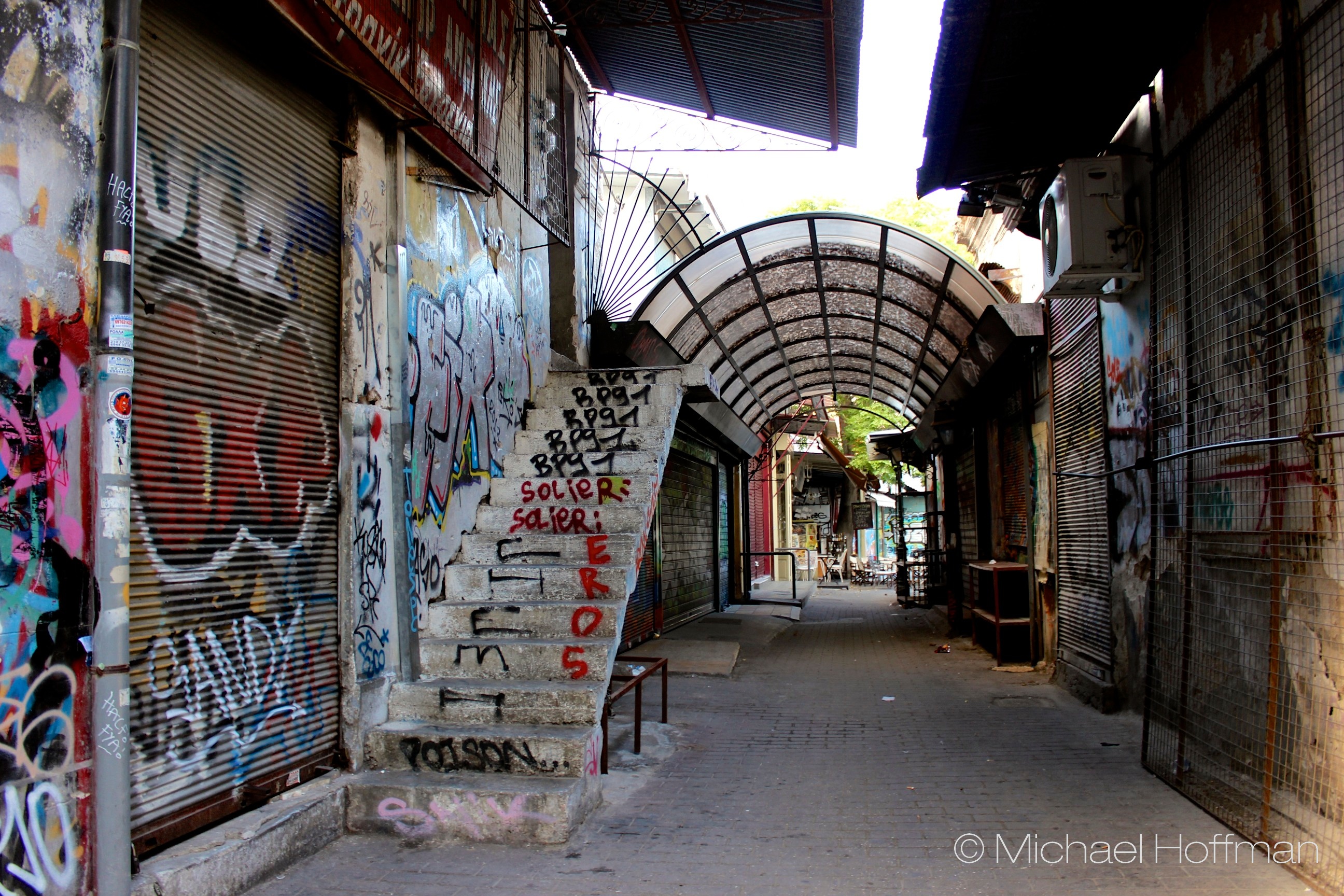
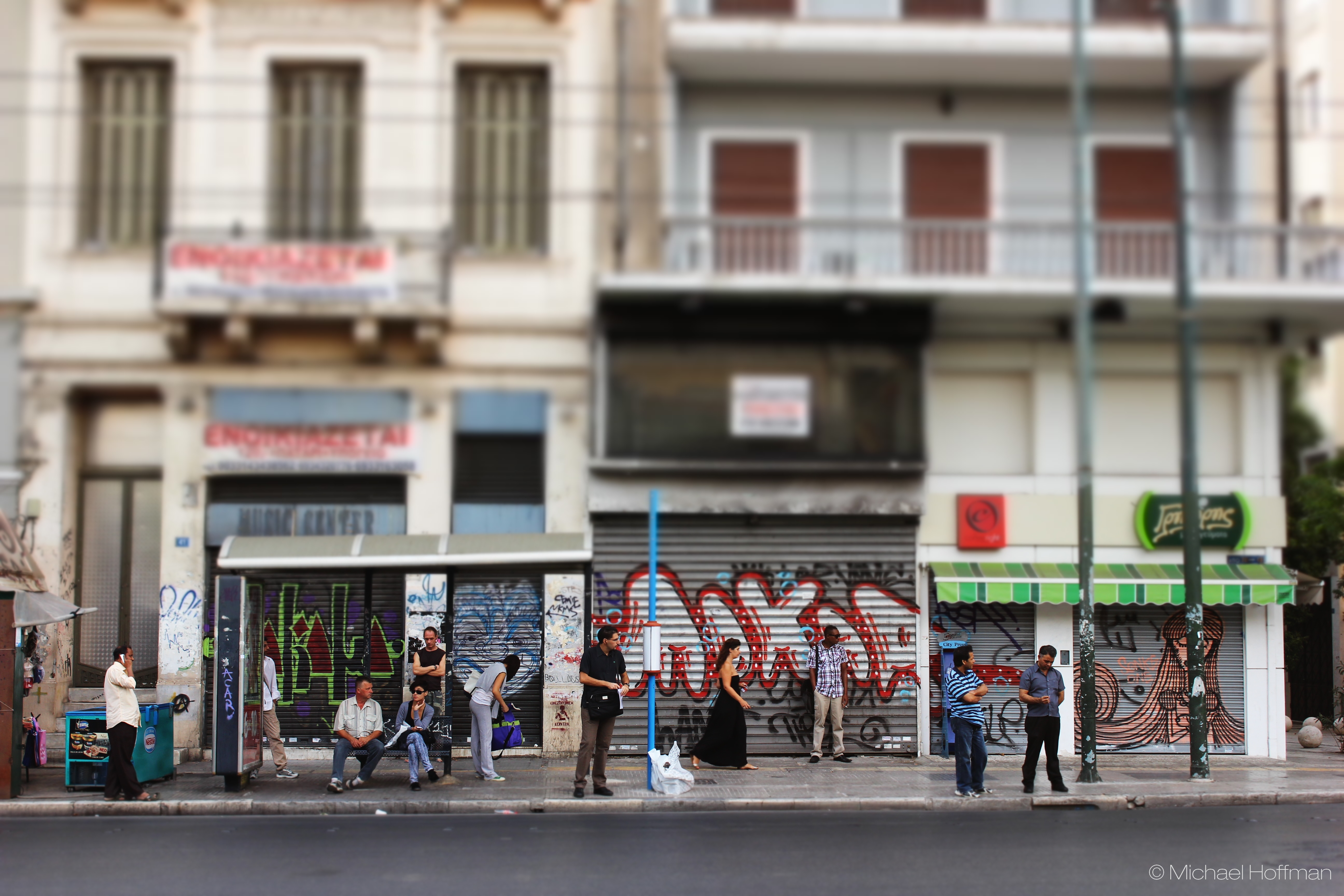
In the Greek series, I recount my travel through the country in the past September. This one is all about contrasts and the different faces of Athens.


A short introduction to the series
In September 2013, friends and I backpacked through Greece and discovered a beautiful and amazing country torn between its ancient history and the struggles of the present. I shot a ton of pictures in these three weeks, and it took me months to sort them out. But my plan was right from the beginning to publish them on this blog. I just didn’t know how exactly. So, after some brainstorming, I decided to organize them thematically and post them in separate collections and not in chronological order, which didn’t seem like a good fit for this blog. So anyway, this is the first part of a long series of pictures that will continue through the winter. Occasionally, there may be some postings with wintery shots from Vienna, but apart from that, it will get sunny, at least over here (well, maybe not right from the beginning) 🙂
In full awareness of the ancient history of Greece and its stunning remains, I want to hold the old stones back for now and show you some impressions of urban life in Athens as I saw it.


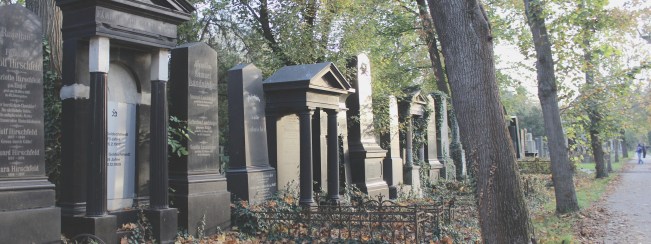
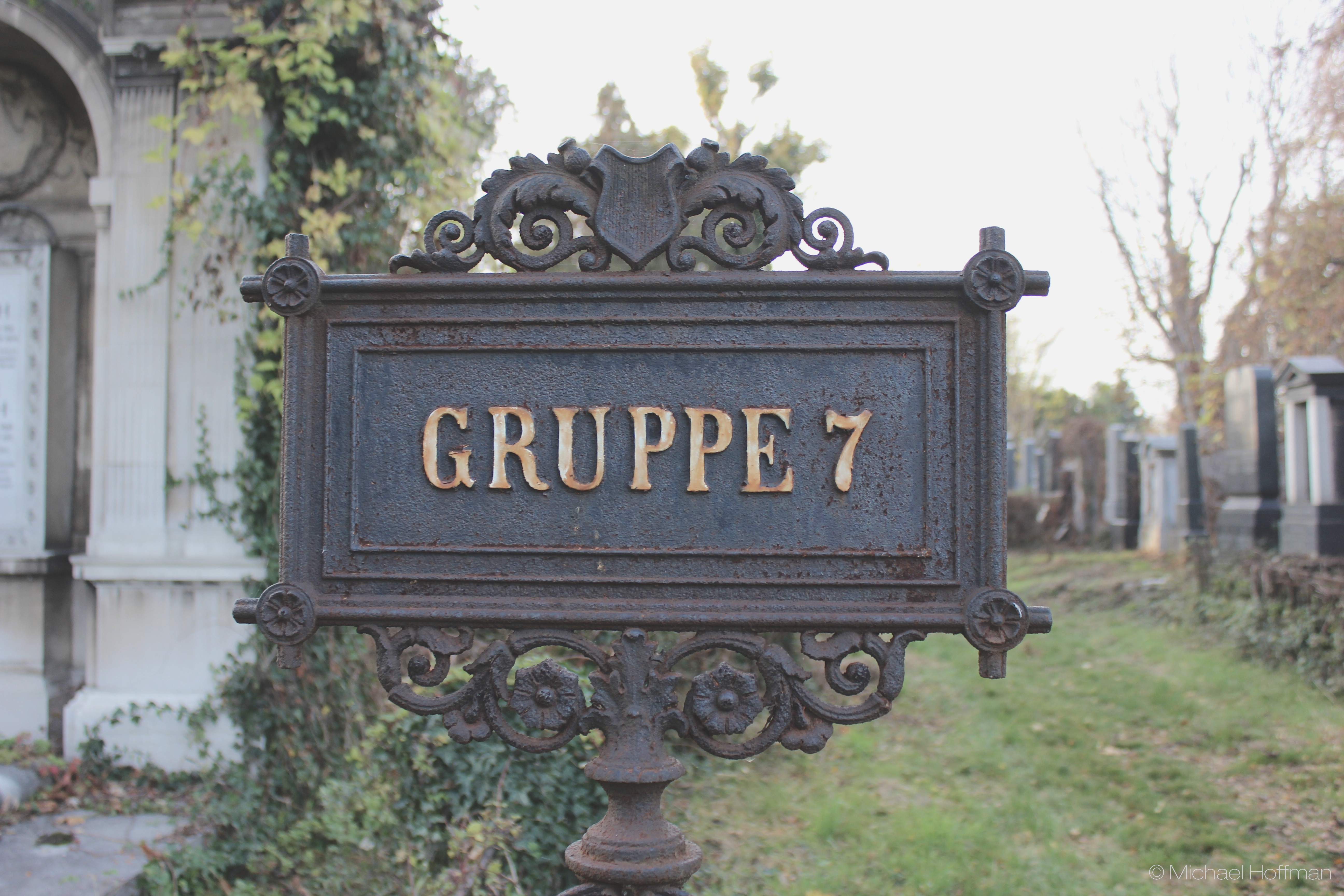
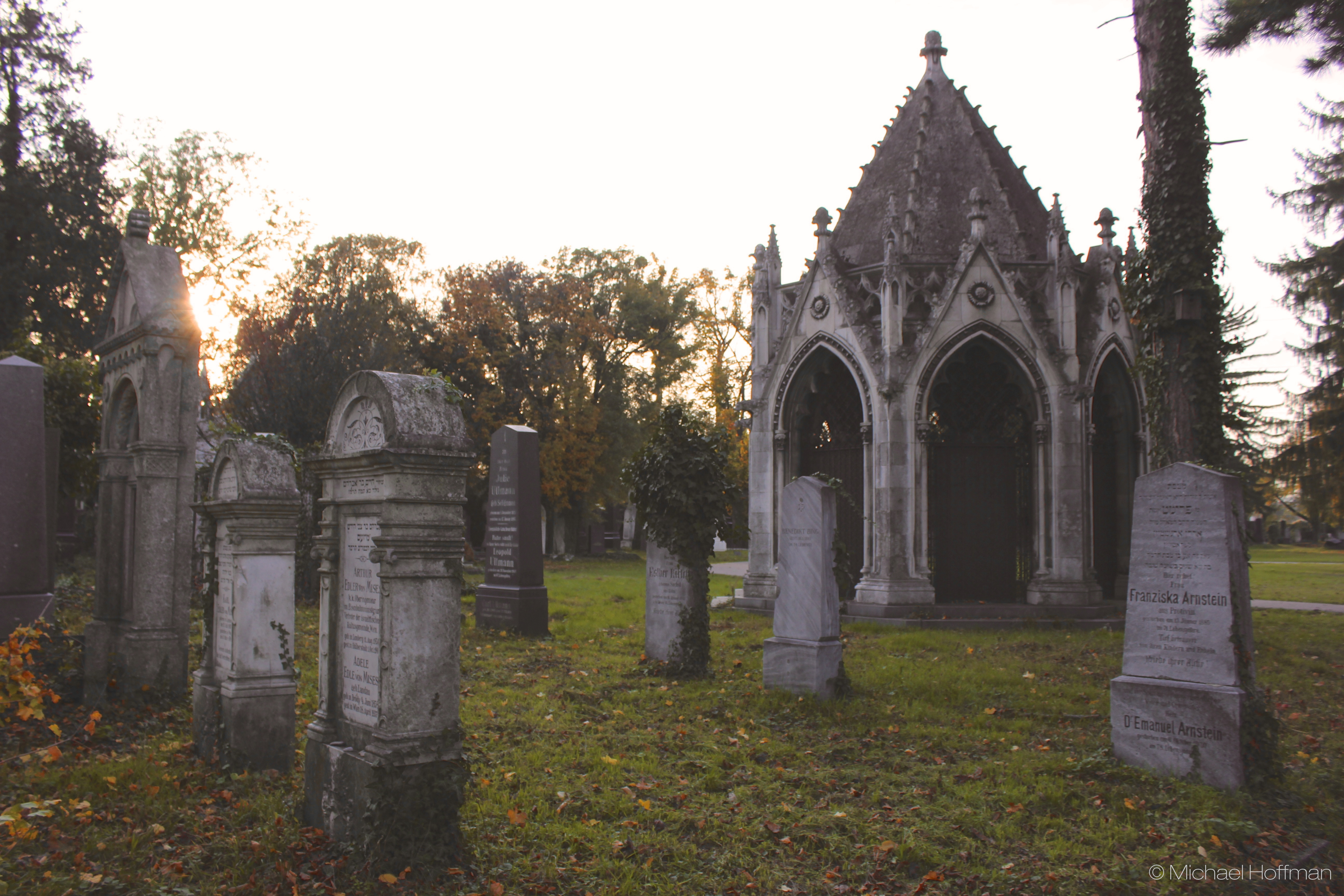
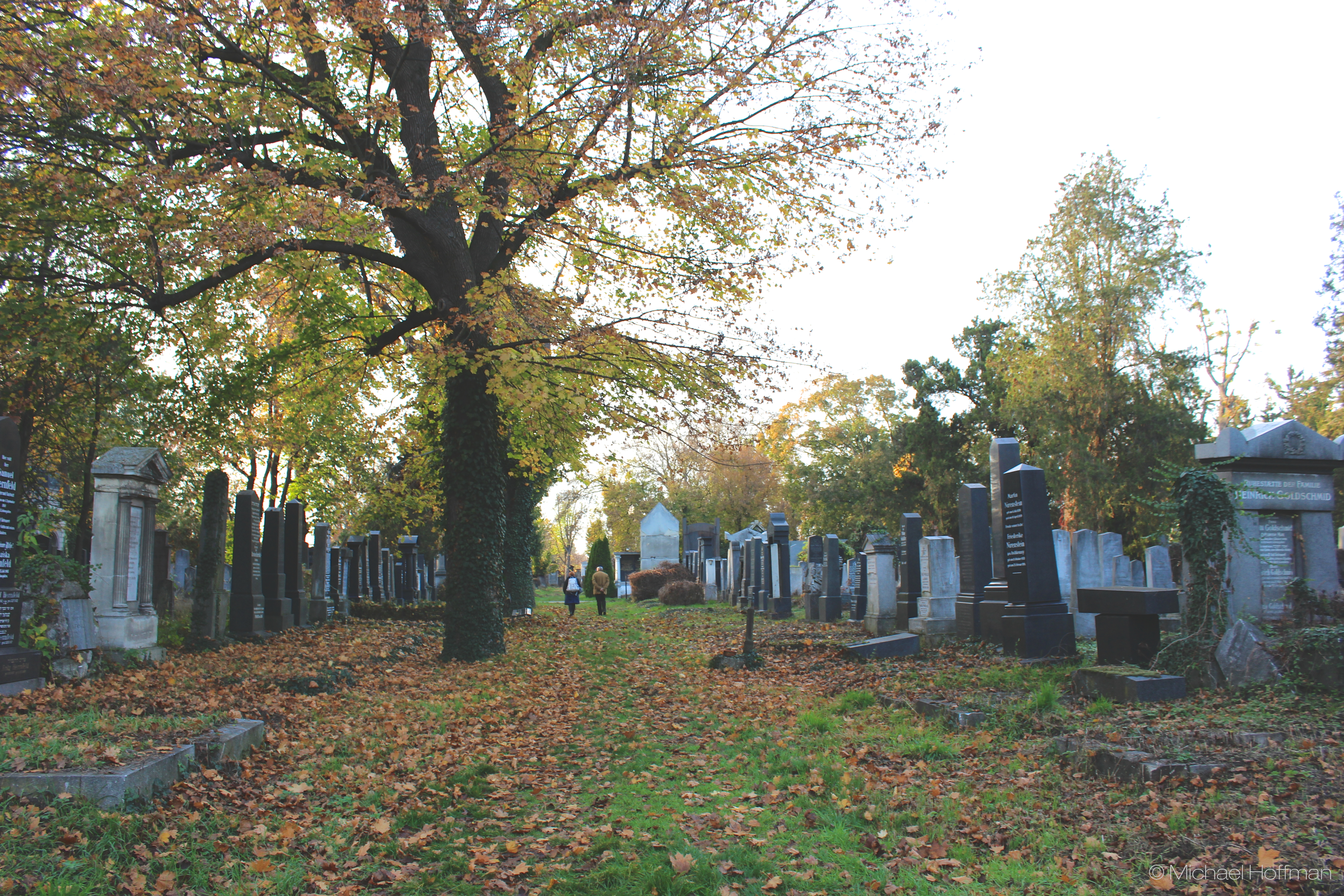
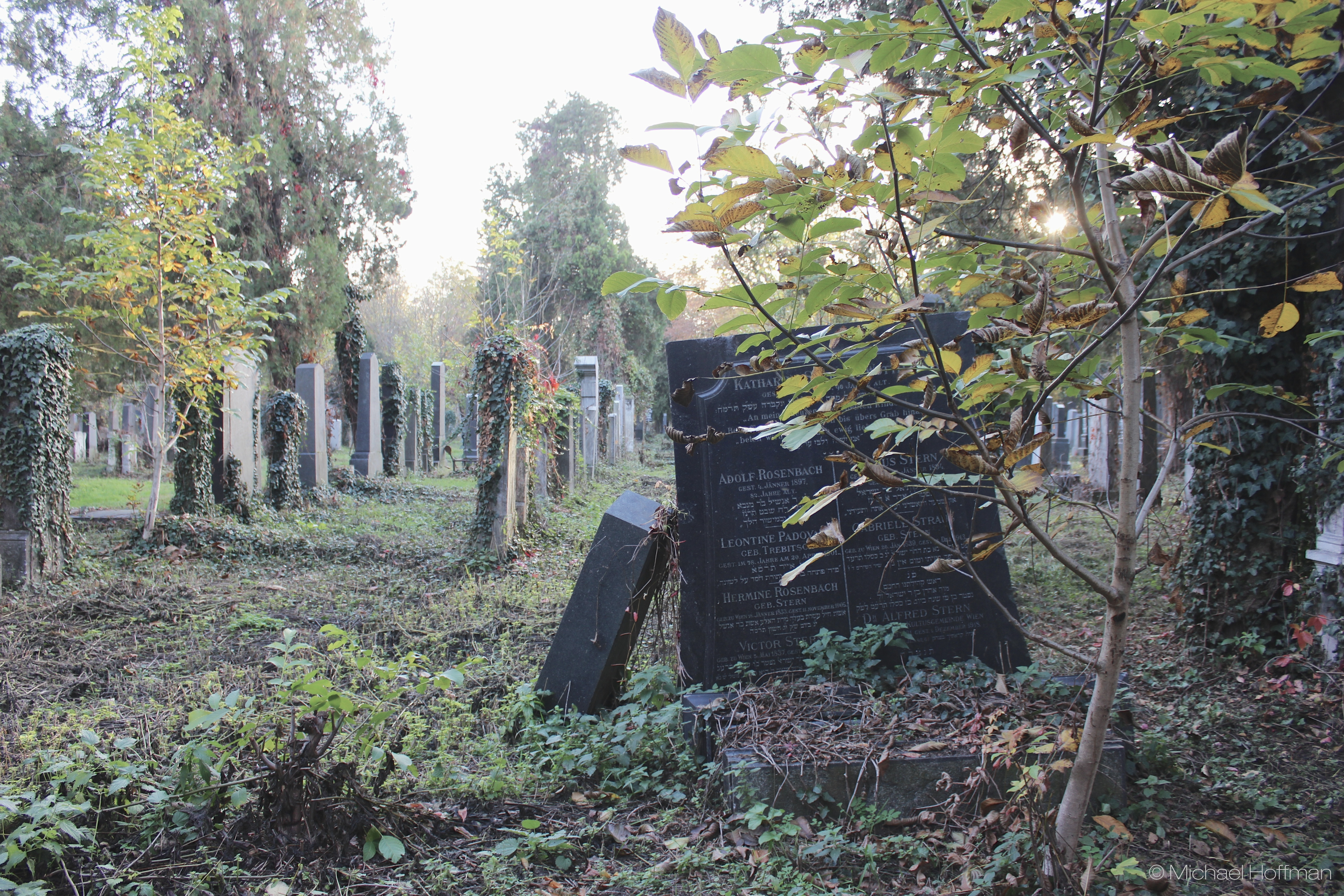
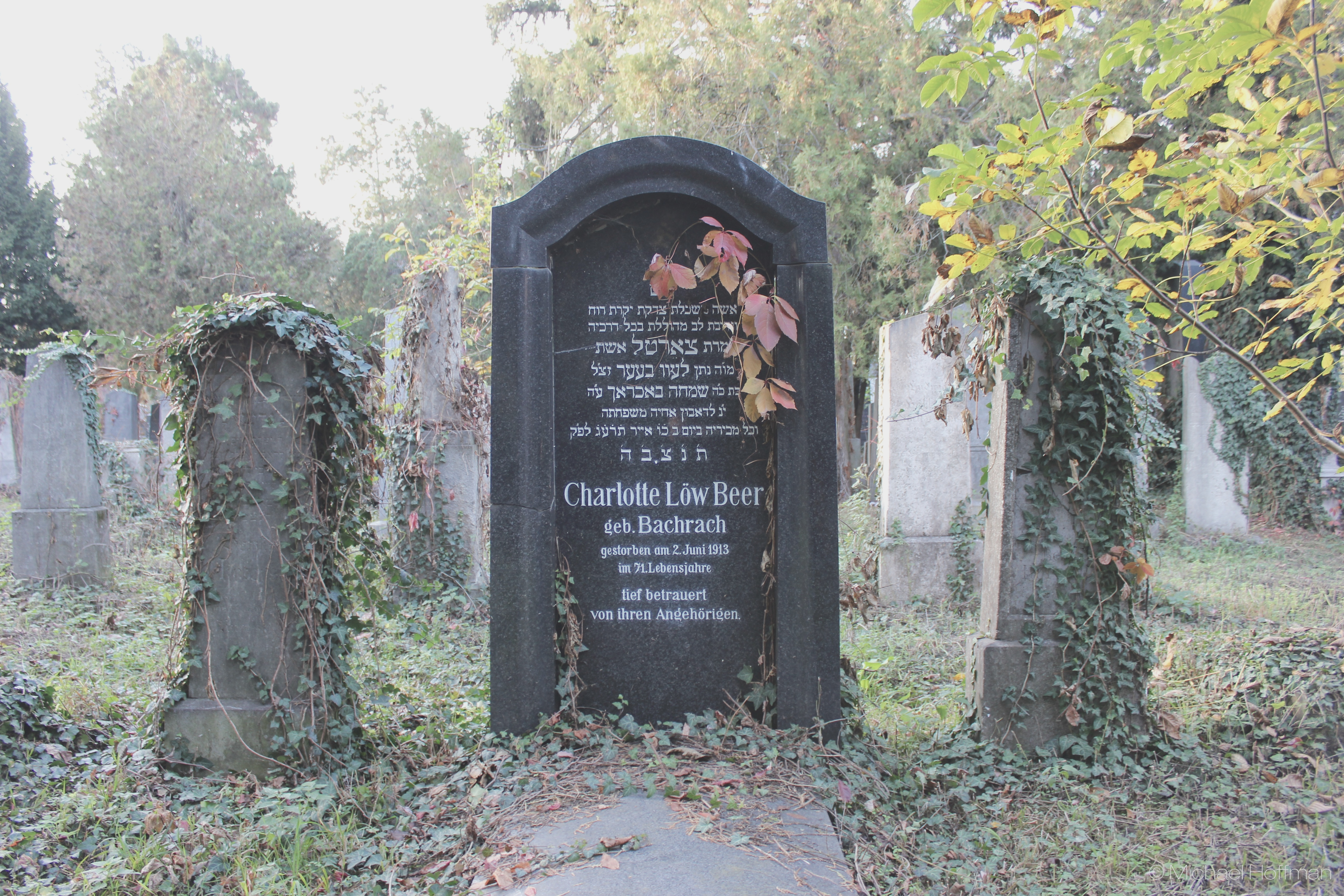
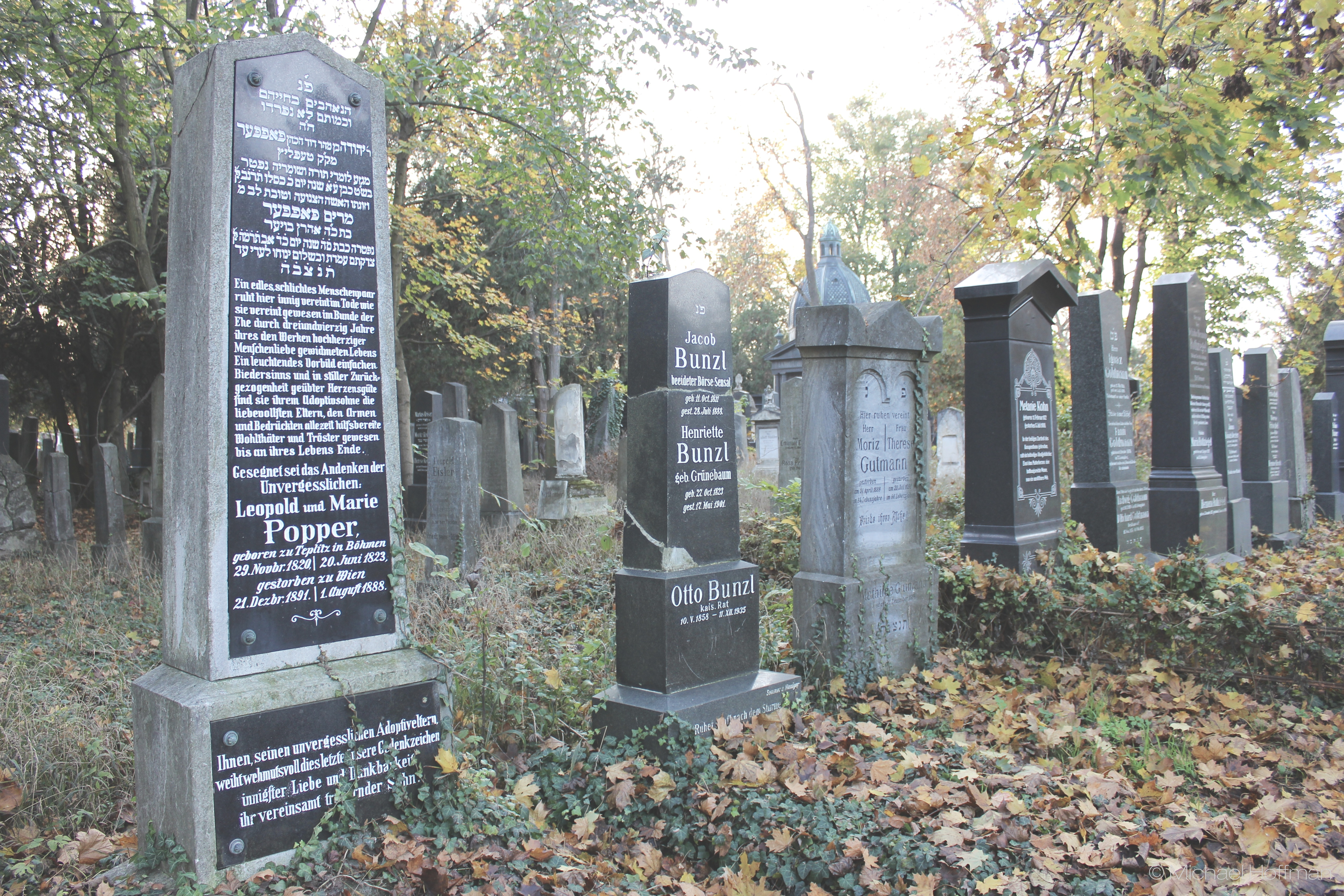
Traditionally, the Viennese have a somewhat morbid relationship to death. In the second half of the 19th century, when Vienna was an international metropole, a “high culture” of dying emerged. Suddenly, it became popular to have big funerals and fancy gravestones. We say “A schöne laich,” a beautiful corpse in Vienna. In this vain 1874, a new cemetery was built in the south of the city, so large indeed that it would accommodate the next few generations of Viennese. It still does its job very well due to the sheer size of the area, which is as large as the whole old town of Vienna (there is even a graveyard bus line). But it is not the scope that makes it so fascinating, but the gloomy atmosphere and the beautiful work of art done here. It is a monument to the past days of Vienna. The imperial town has a special relationship to dying.
Part I was shot at the old Jewish part of the cemetery.
So, if you did like the last two and didn’t get bored, I’d like to invite you for a further recapture of Portugal in February 2013.
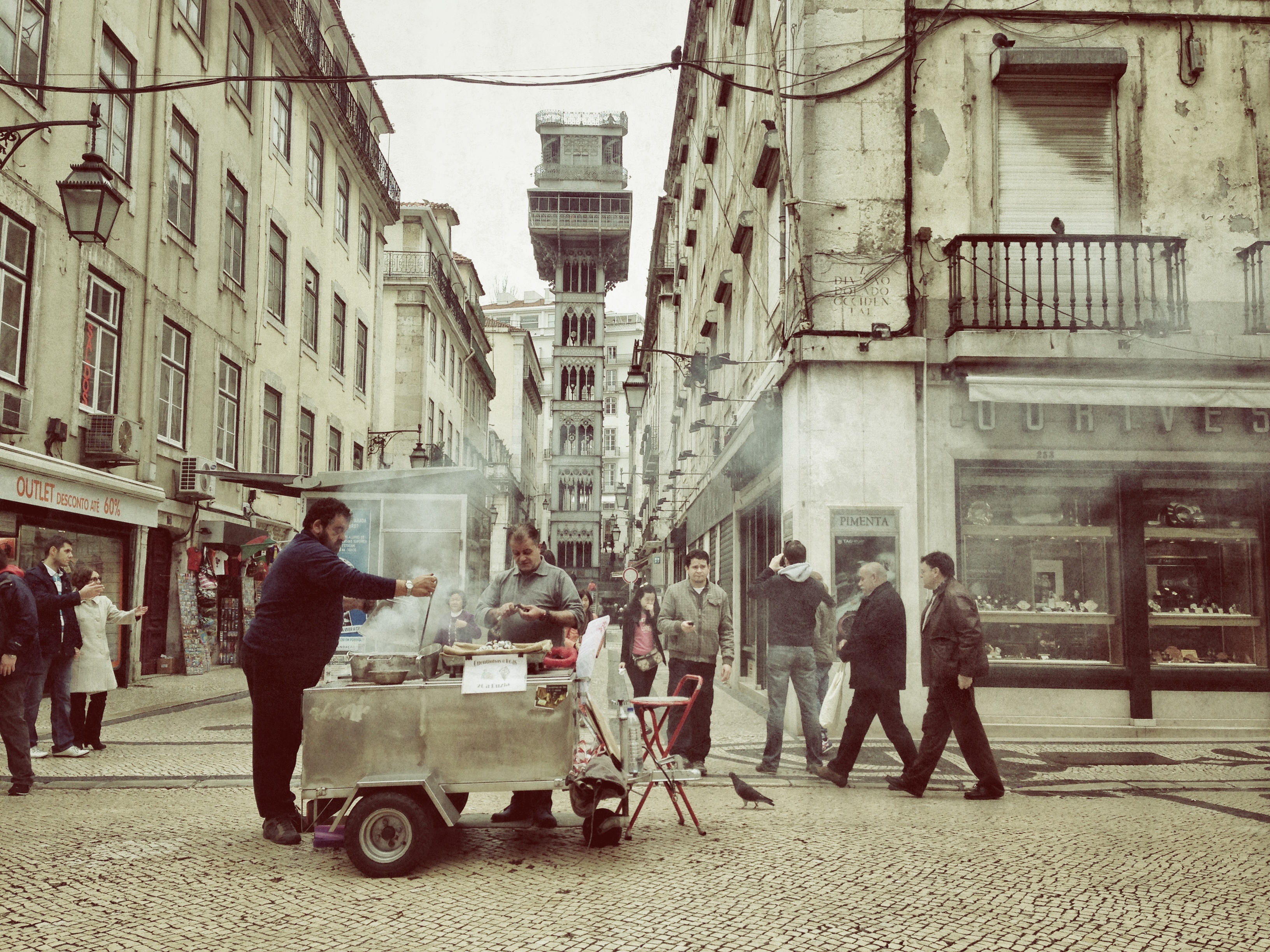
In the foreground, you see a seller of chestnuts. The nuts are delicious, and you should definitely try them. Besides that, the sellers add charme to Lisboa. So it is nice to support them either way 🙂 What they are standing on is worth mentioning, too. It is a specific Portuguese form of a cobbled pavement called Calçada Portuguesa. It is an art that the country is known for and can be seen (and walked on) throughout the city. The patterns are often beautiful, and you only have to look down to enjoy them – but don’t run into a tree, please.
In the background, you see the Elevador de Santa Justa called Elevador do Carmo. It connects the Baixa (downtown) with a higher part of the city (Chiado) and was built by an associate of Gustave Eiffel, the Paris tower guy. It has a steampunk vibe, being a genius piece of 19th-century engineering. The elevator combines “modern” steel as a building material and traditional ornaments as decorative art. But what I personally liked most was the connecting bridge at the top. It leads through a rooftop and – more amazingly – through the remains of an old church destroyed in the earthquake of 1755.
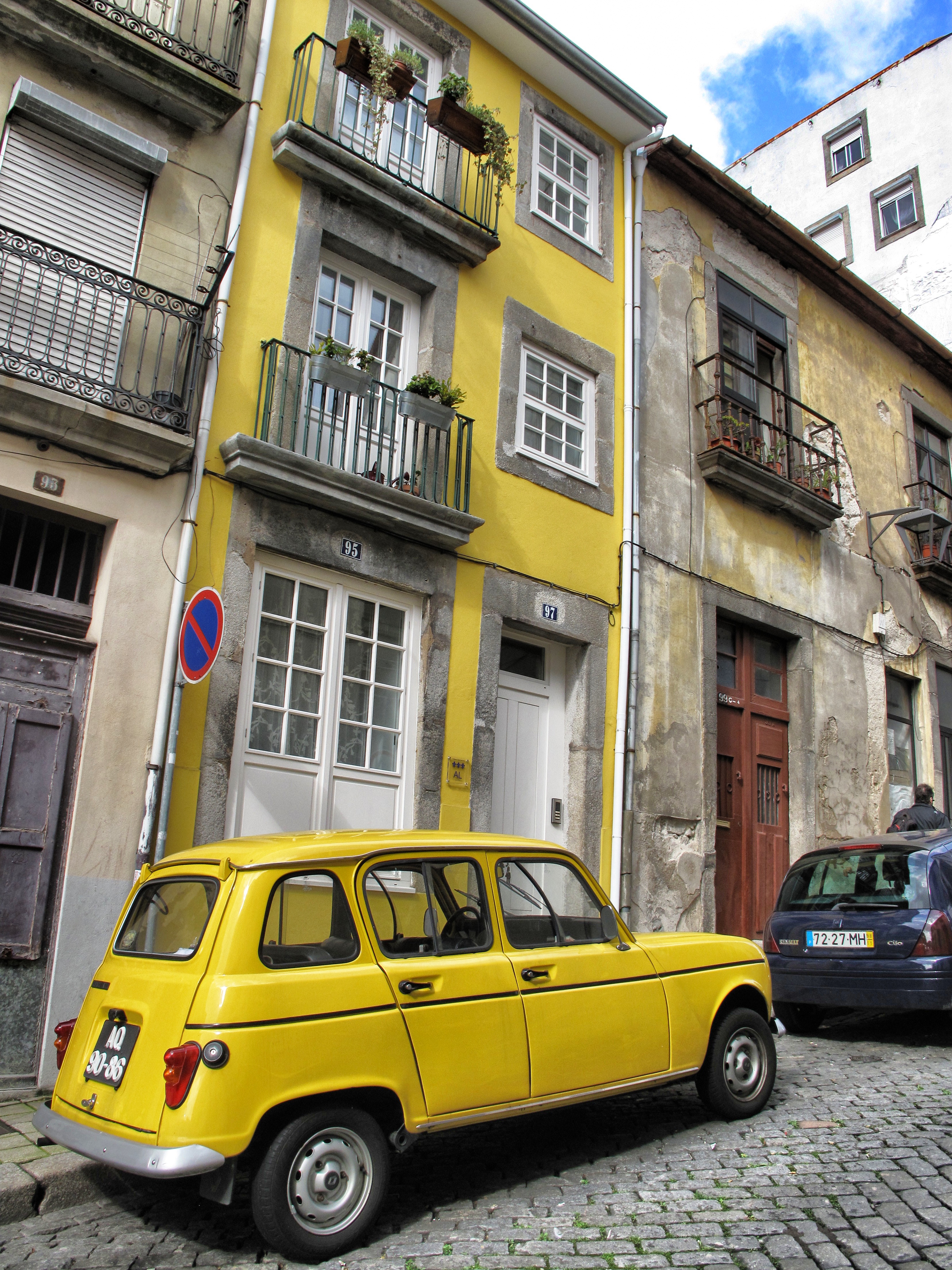
I imagine how the driver saw this house and then a free parking spot and thought MATCH! Or maybe he is the house owner, too, and fond of the color yellow 🙂
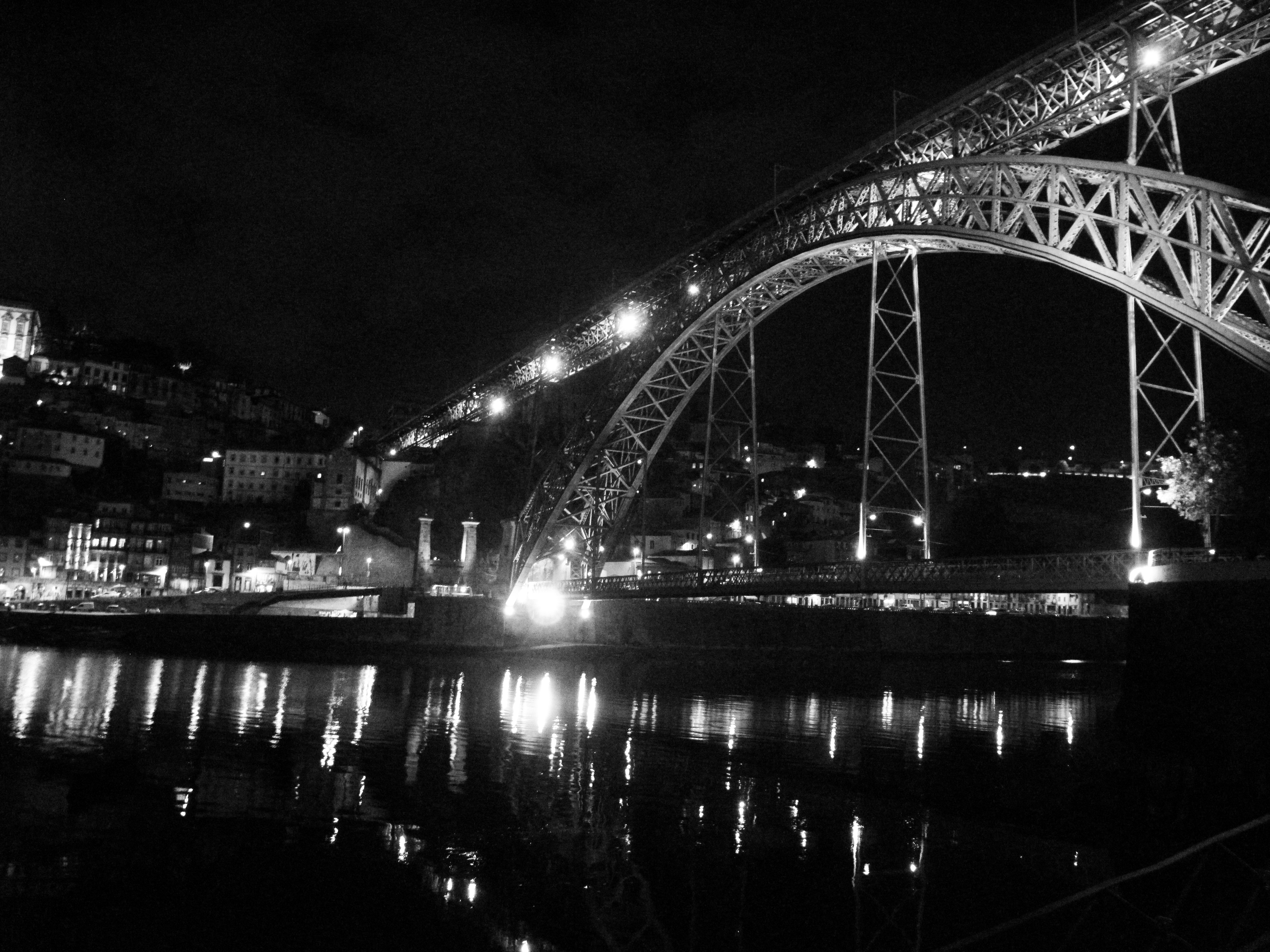
Another architectural piece associated with the Eiffel Tower is the Dom Luise bridge in Porto. This one was built by Théophile Seyrig. A similar bridge further away from the city center was also built by the same architect before. But Eiffel didn’t give any credit to Seyrig, so he decided to compete against his former teacher in the contest for the bridge. After Seyrig won, Eiffel was supposedly so angry that he built the Eiffel Tower. Or so.
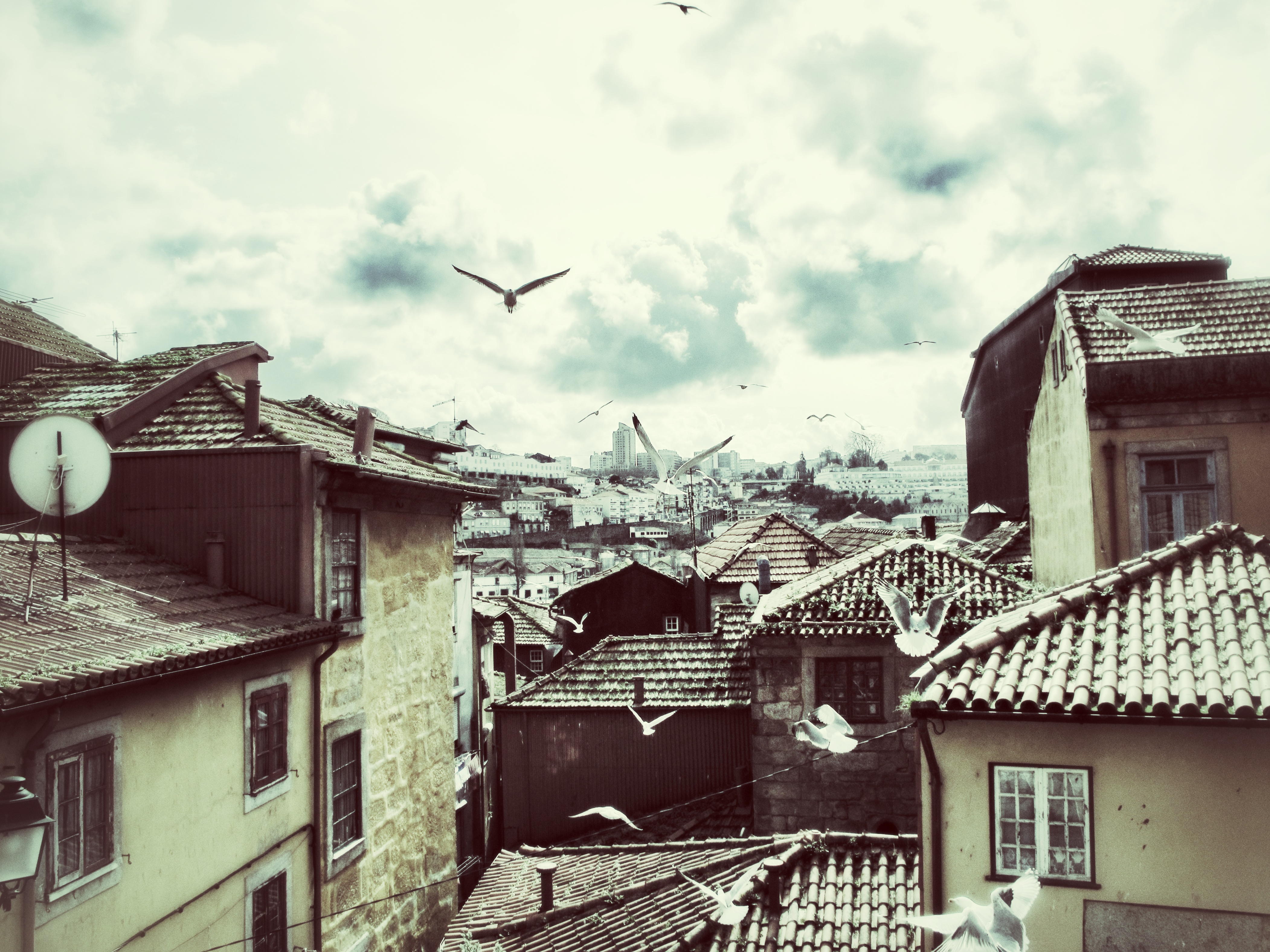
As Lisboa Porto has many viewing points (miradouros) and even more seagulls 😉 They told us they can be pretty aggressive and annoying. But as a mainlander, I enjoyed them very much and prefer them to pigeons – or the rats of the skies – as I joke sometimes. They are gorgeous.
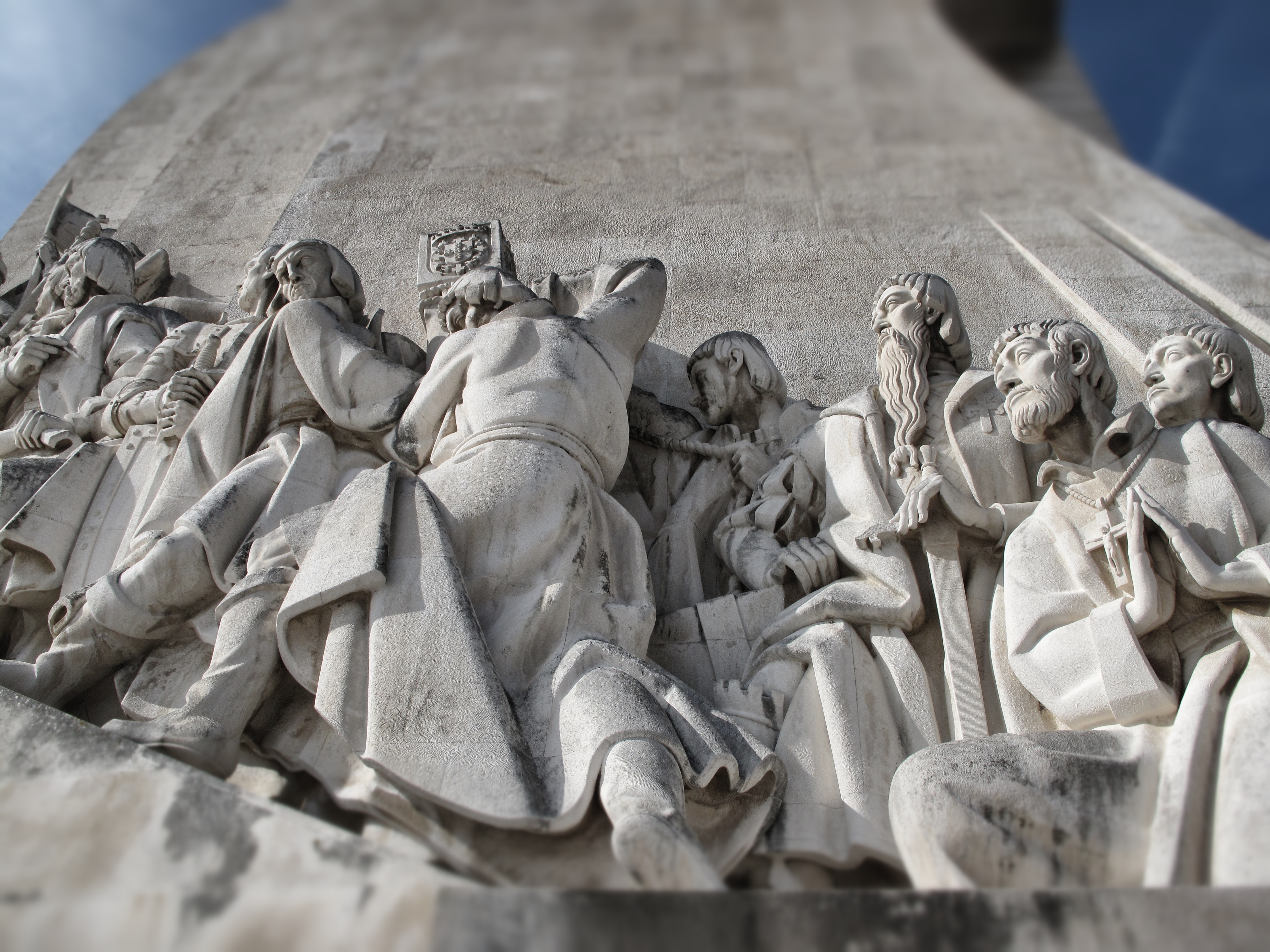
The monument for the Portuguese seafarer. It reaches out into the sea and the unknown with the seamen (and priests 😉 ) longing for a new world. The details are beautiful, and I recommend visiting Belém, an exciting and worth-visiting part of Lisbon crowned by this monument. You can also see the top of it and get a great view of the Tejo.
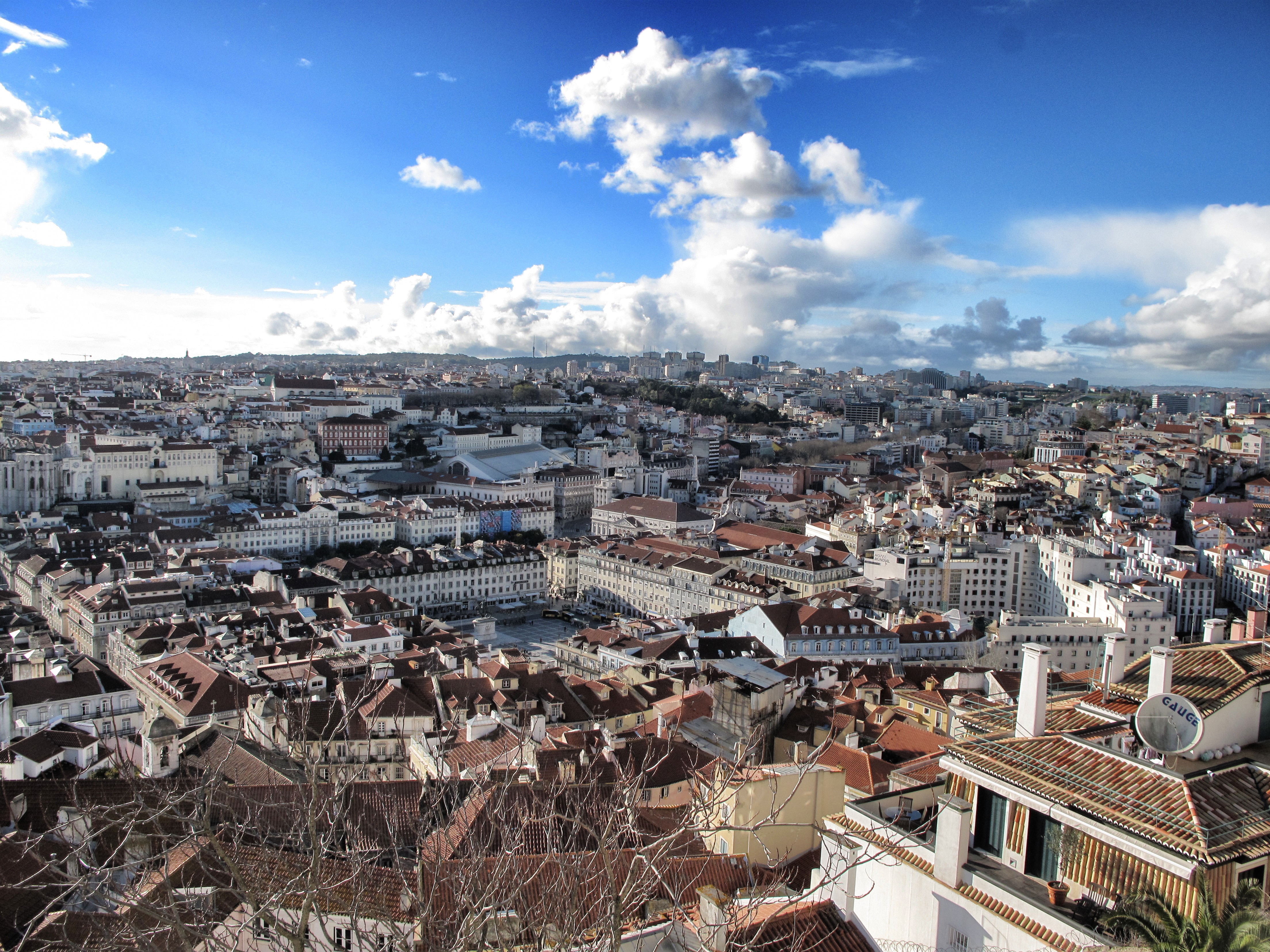
A view of Lisboa from the Castelo de São Jorge. You see the main square and a part of the city not lying directly to the water. Being in the old town, you don’t immediately realize how big Lisboa is. But being up here, you are reminded that you are indeed in a European metropole.
 Michael Hoffman Photography