Skip to content

Travelling Fuerteventura
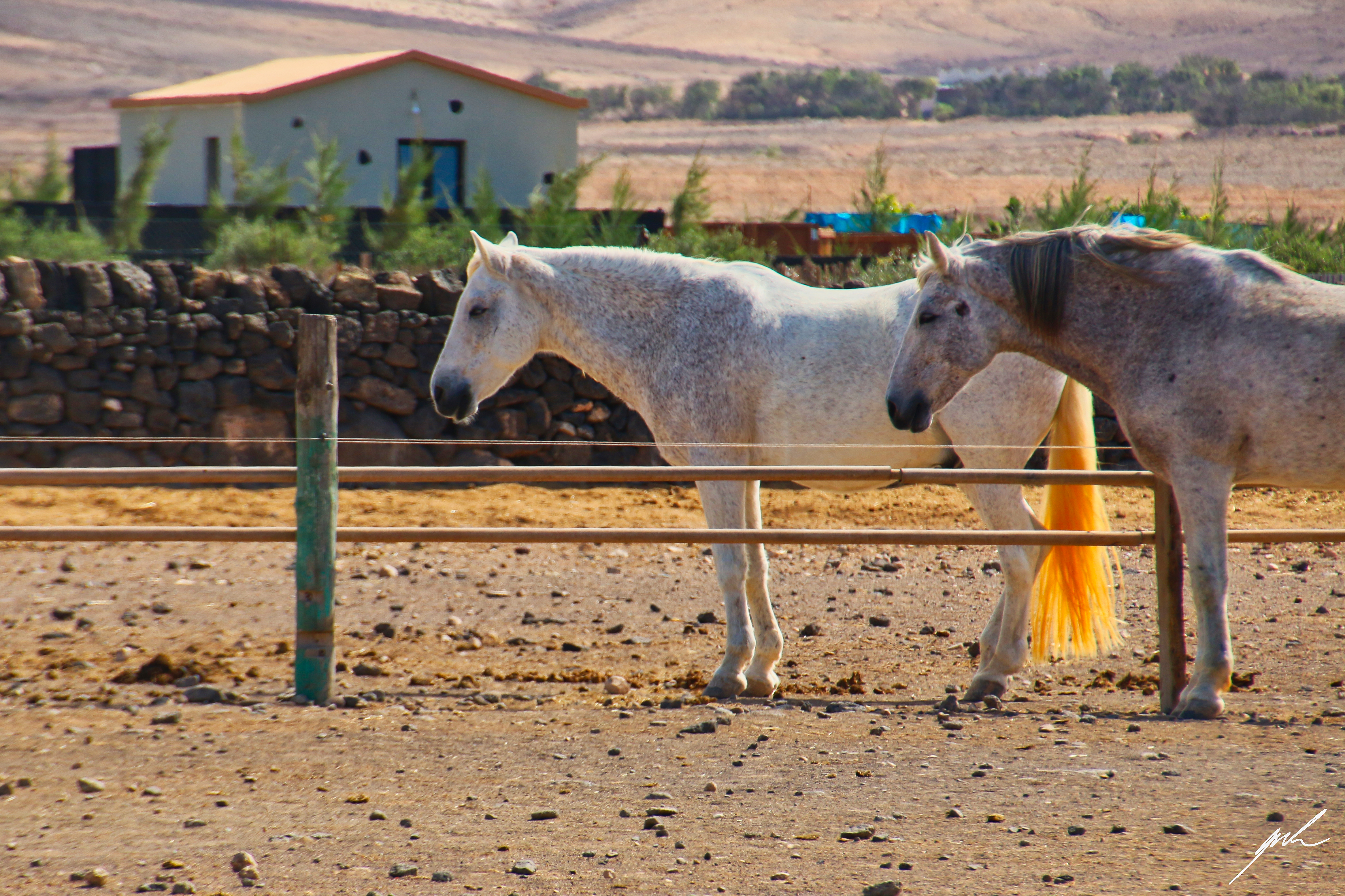
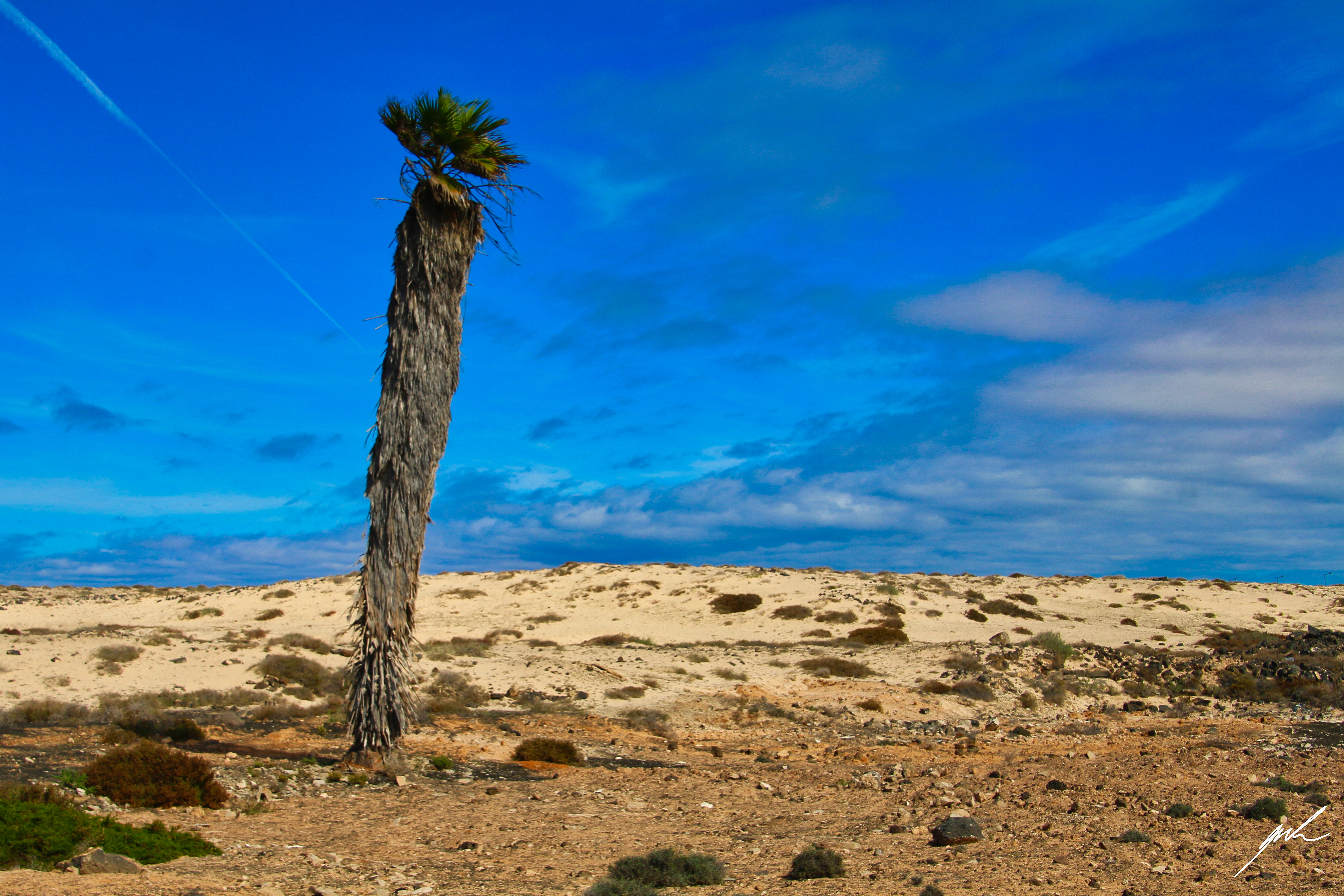
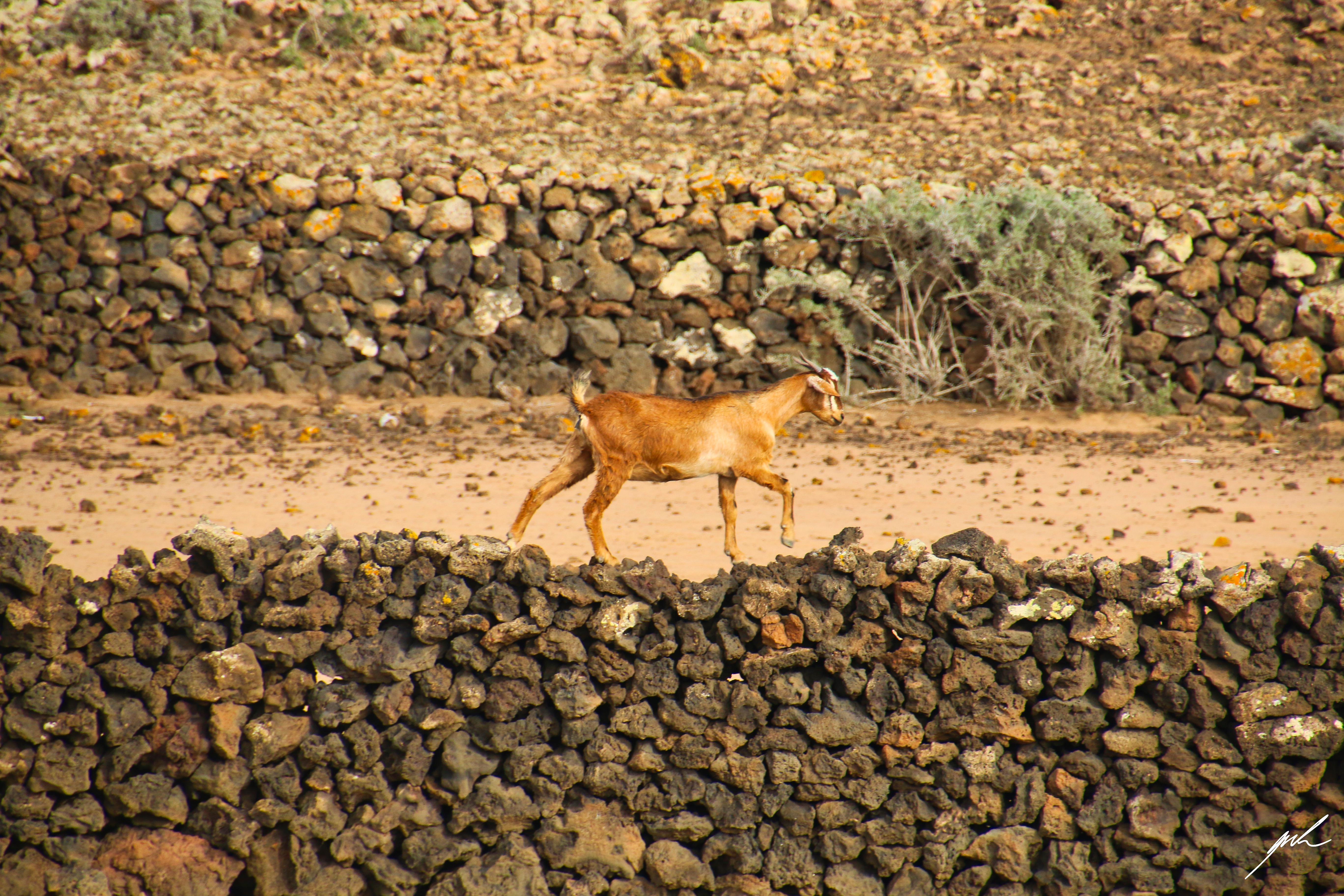
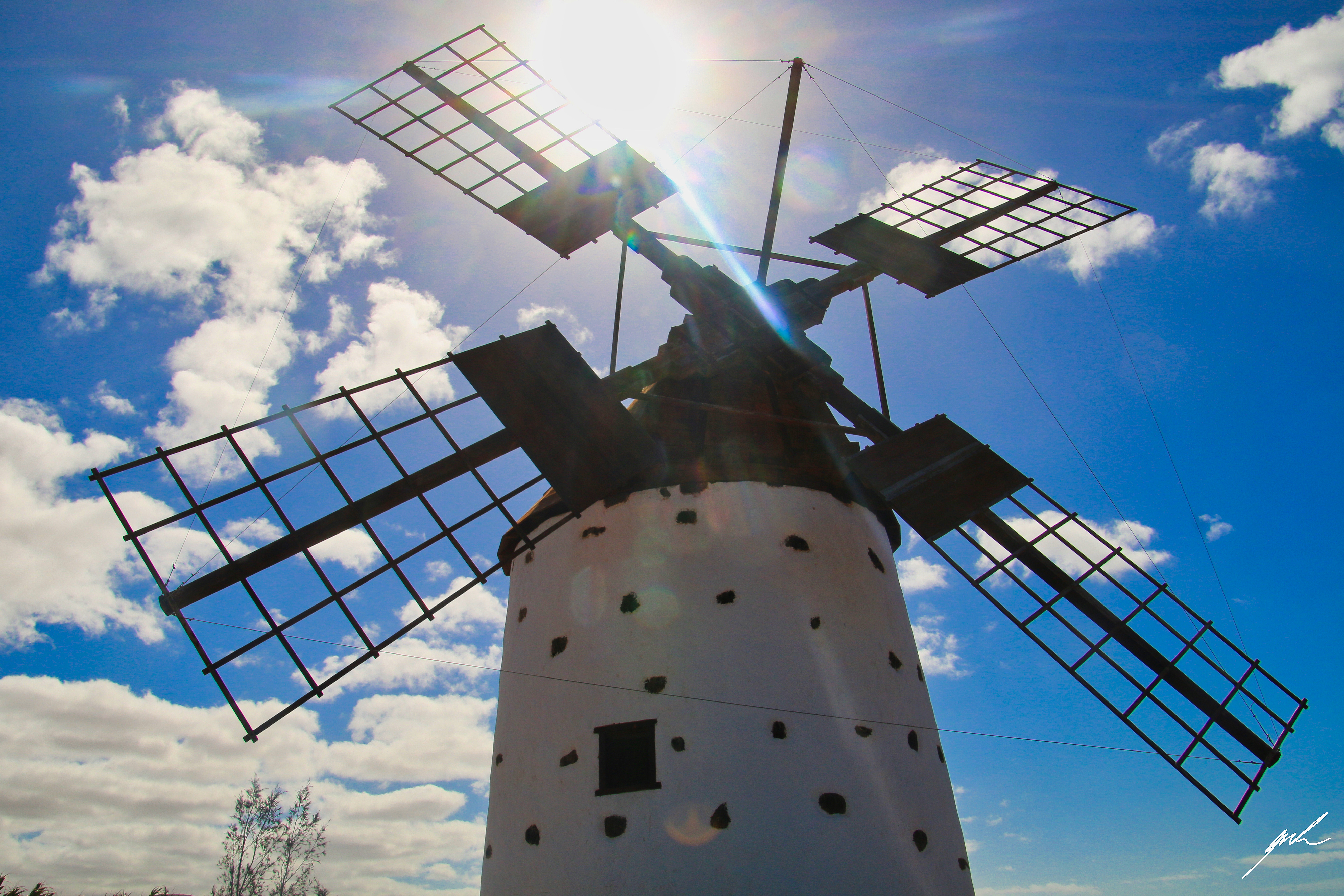
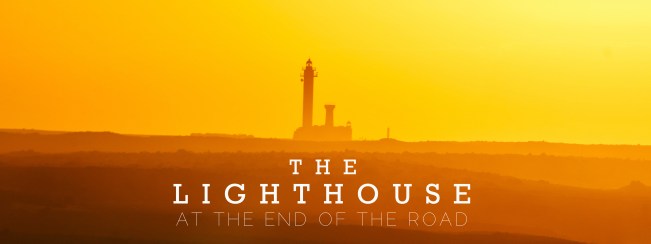
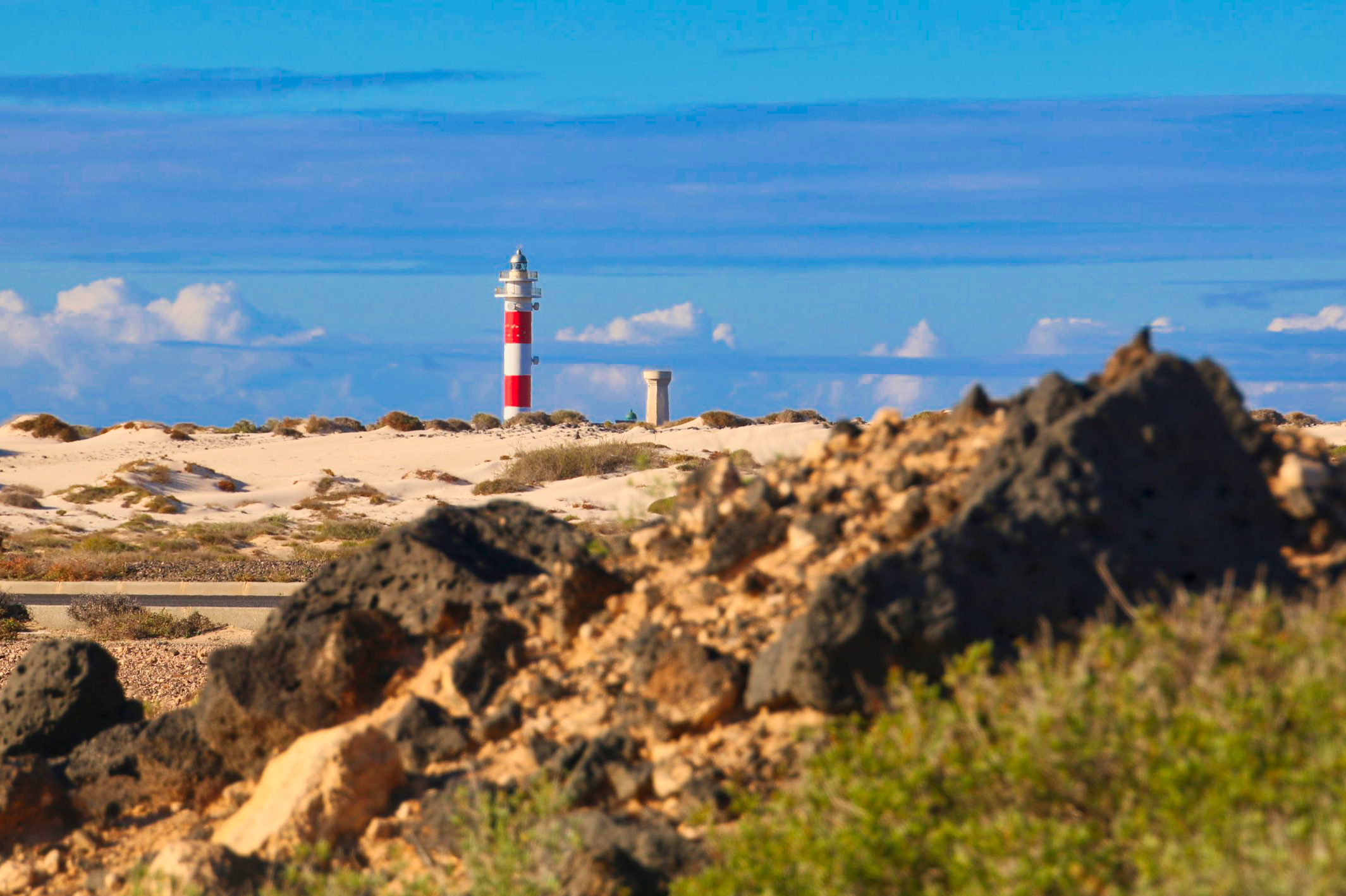
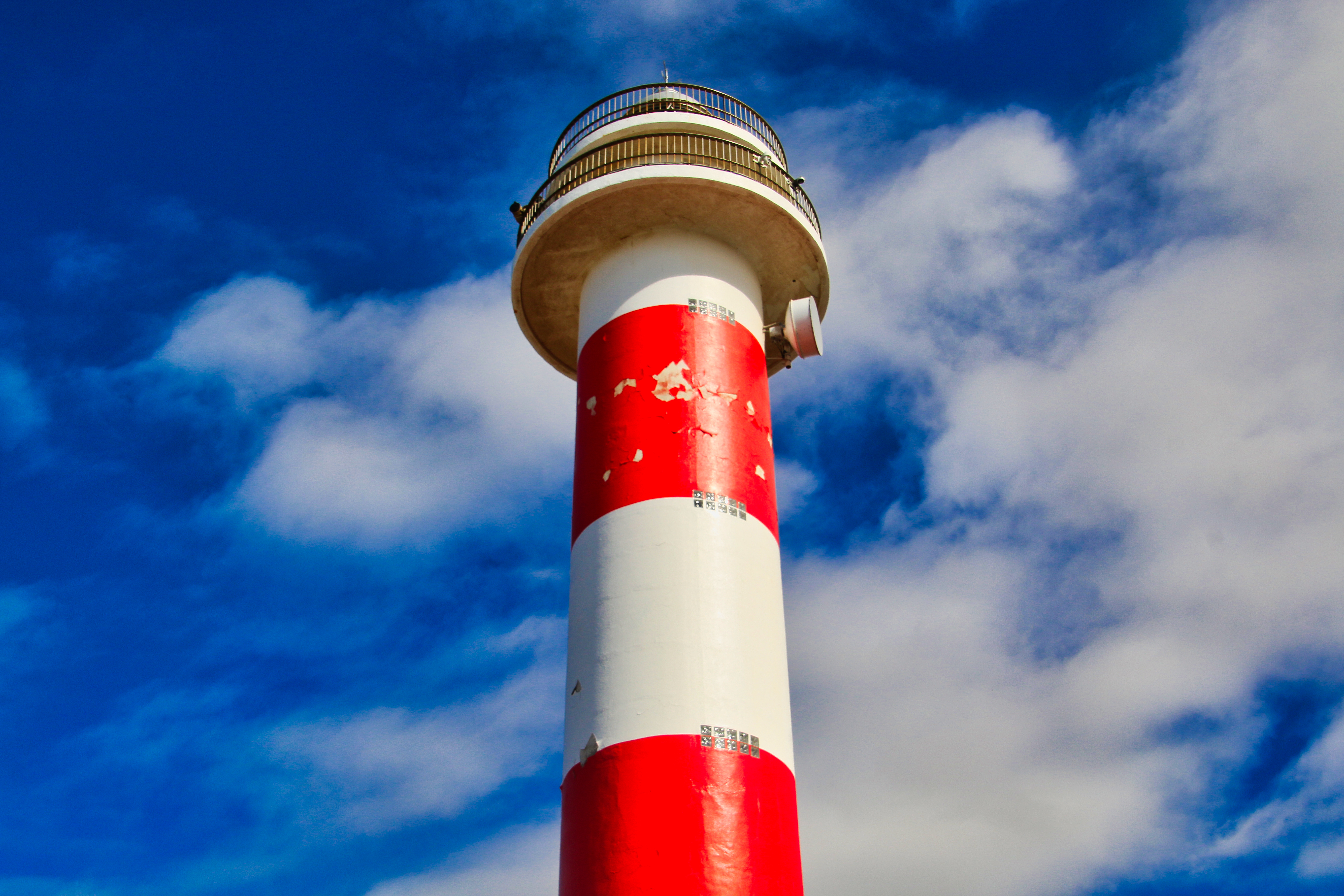
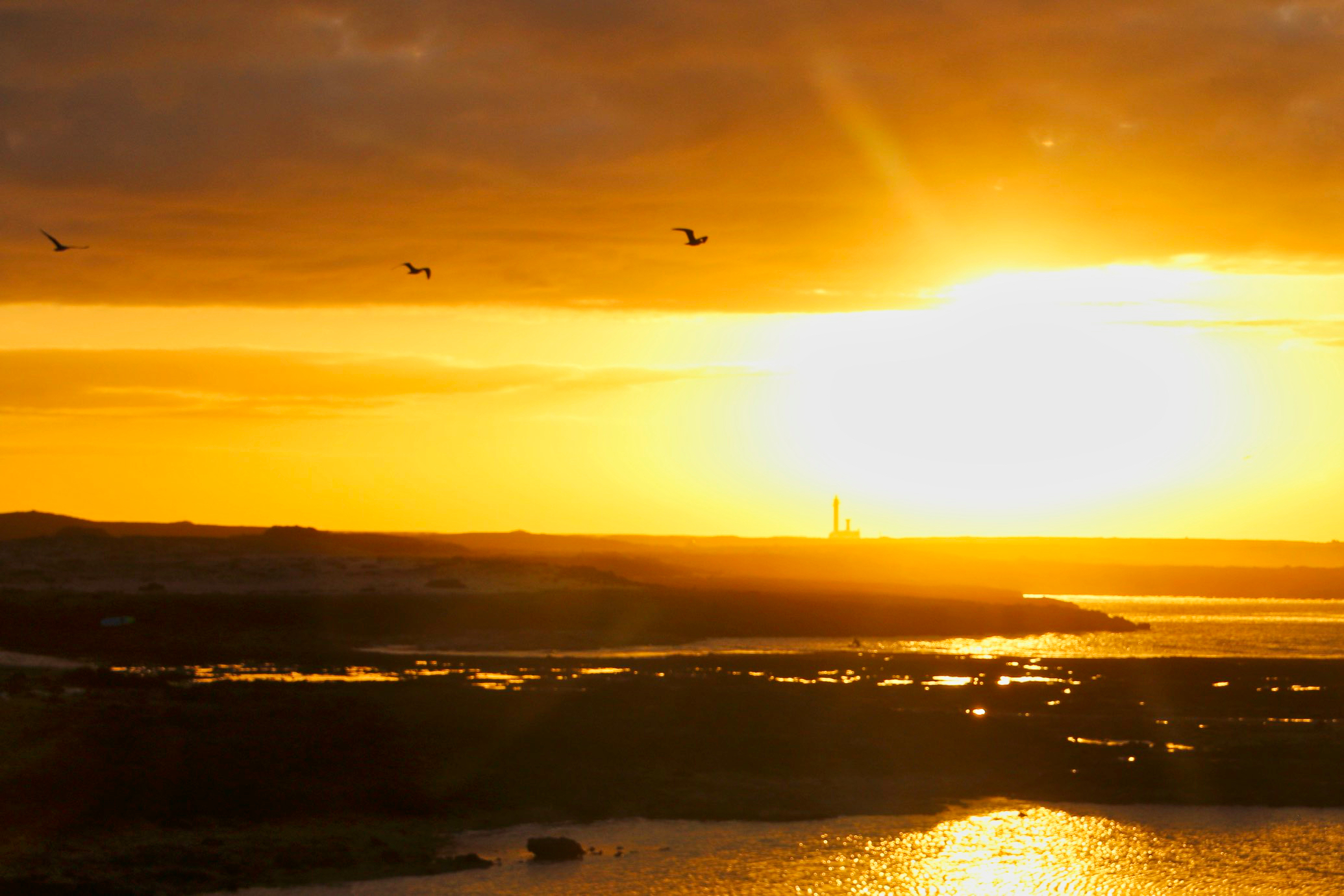
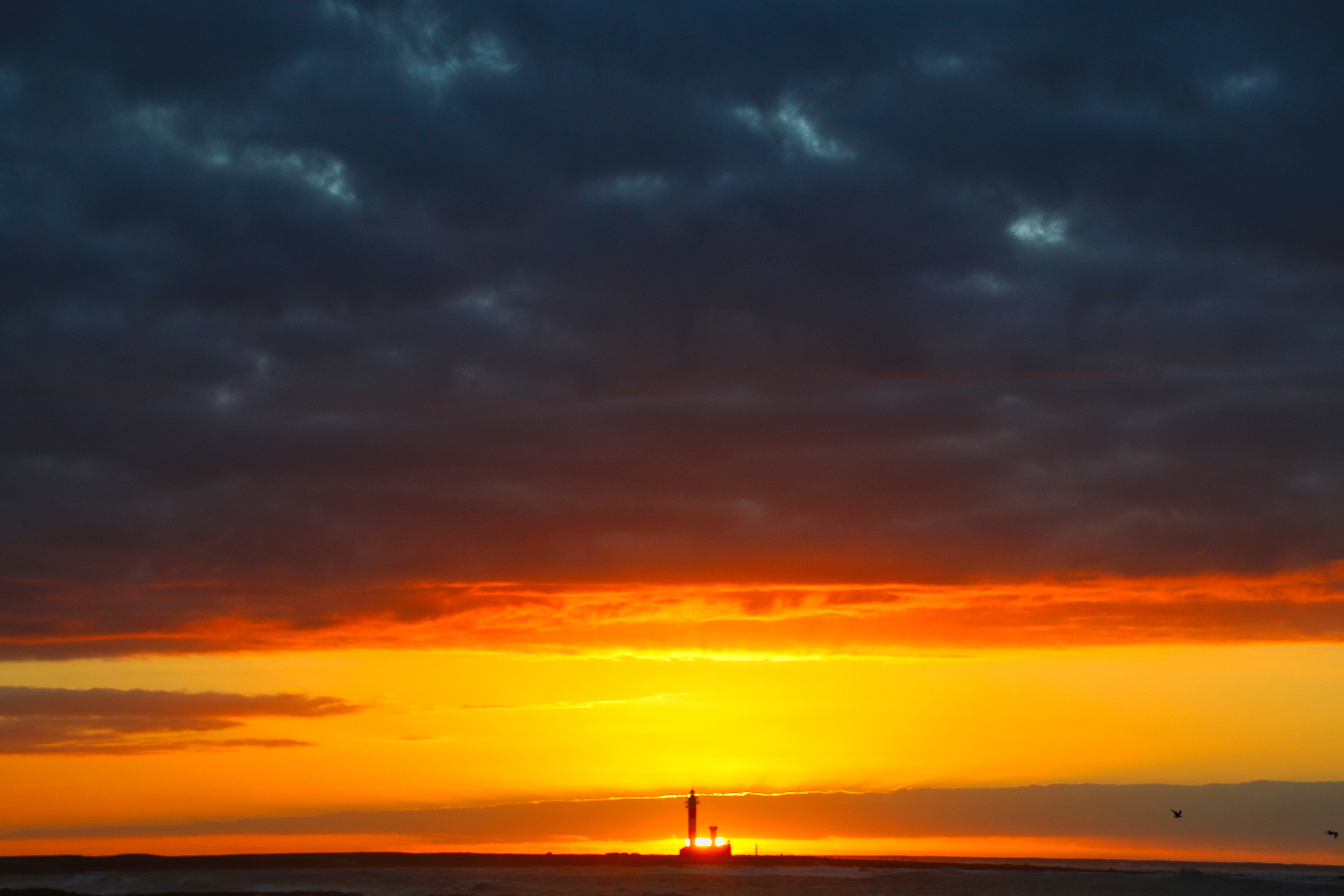
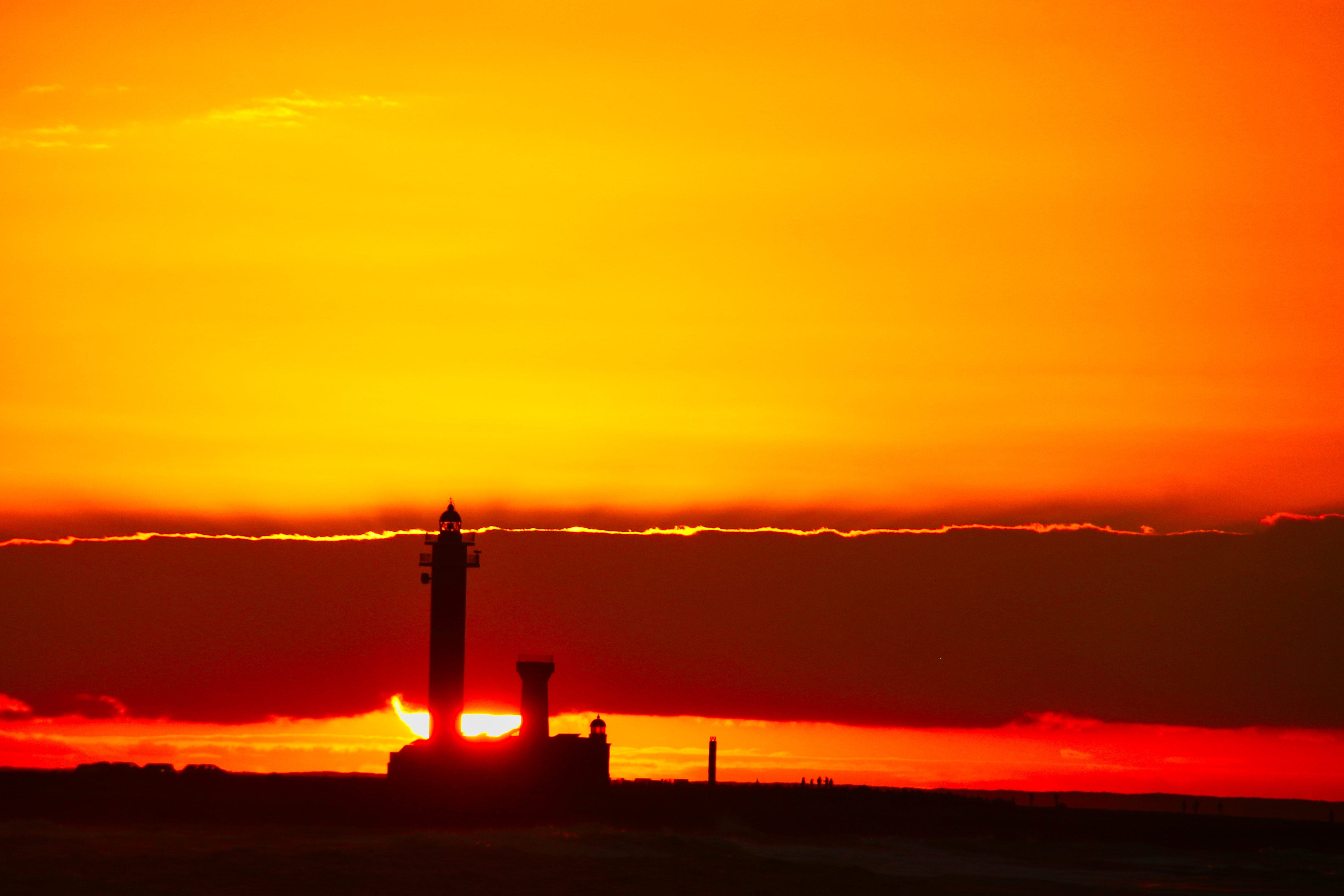
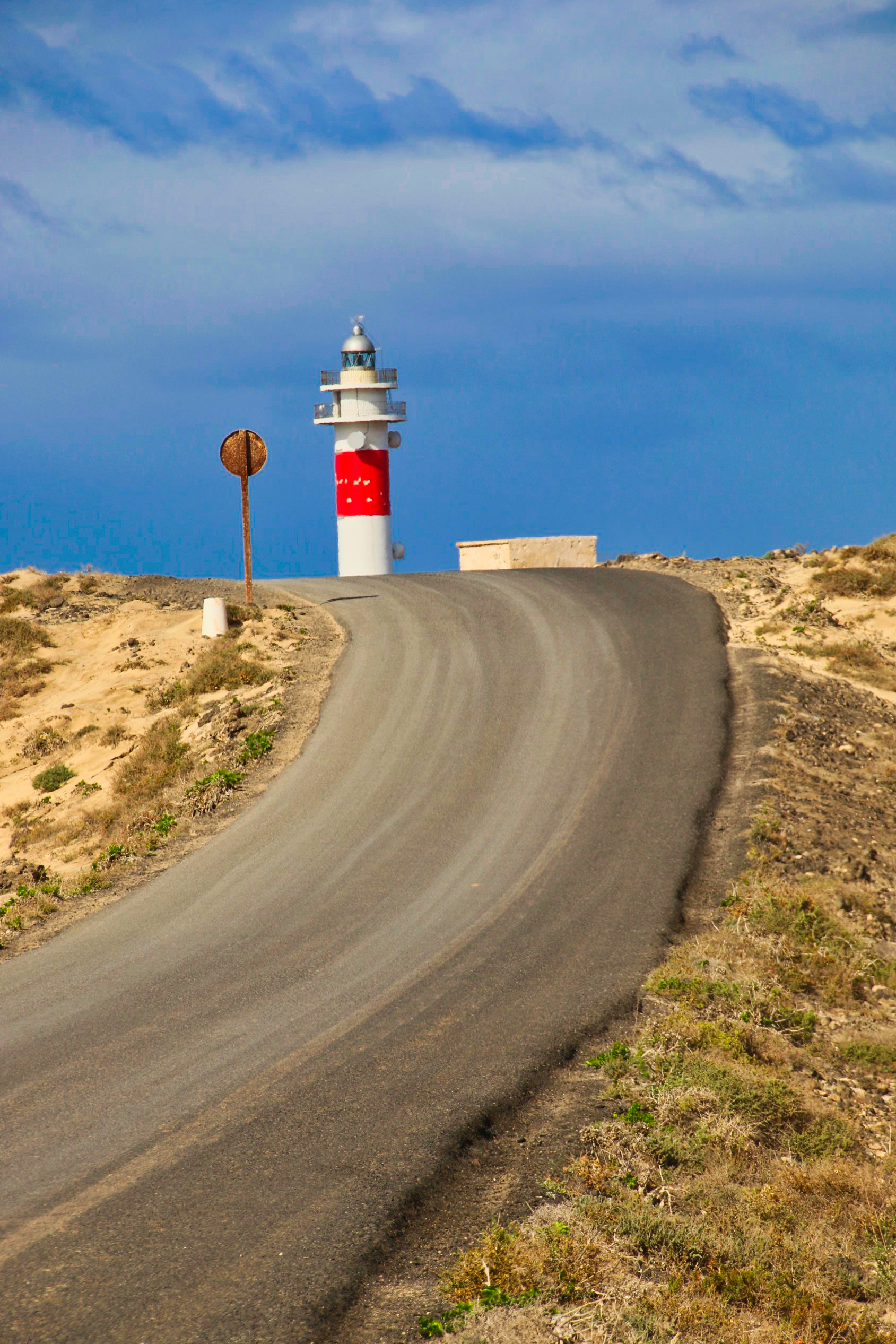
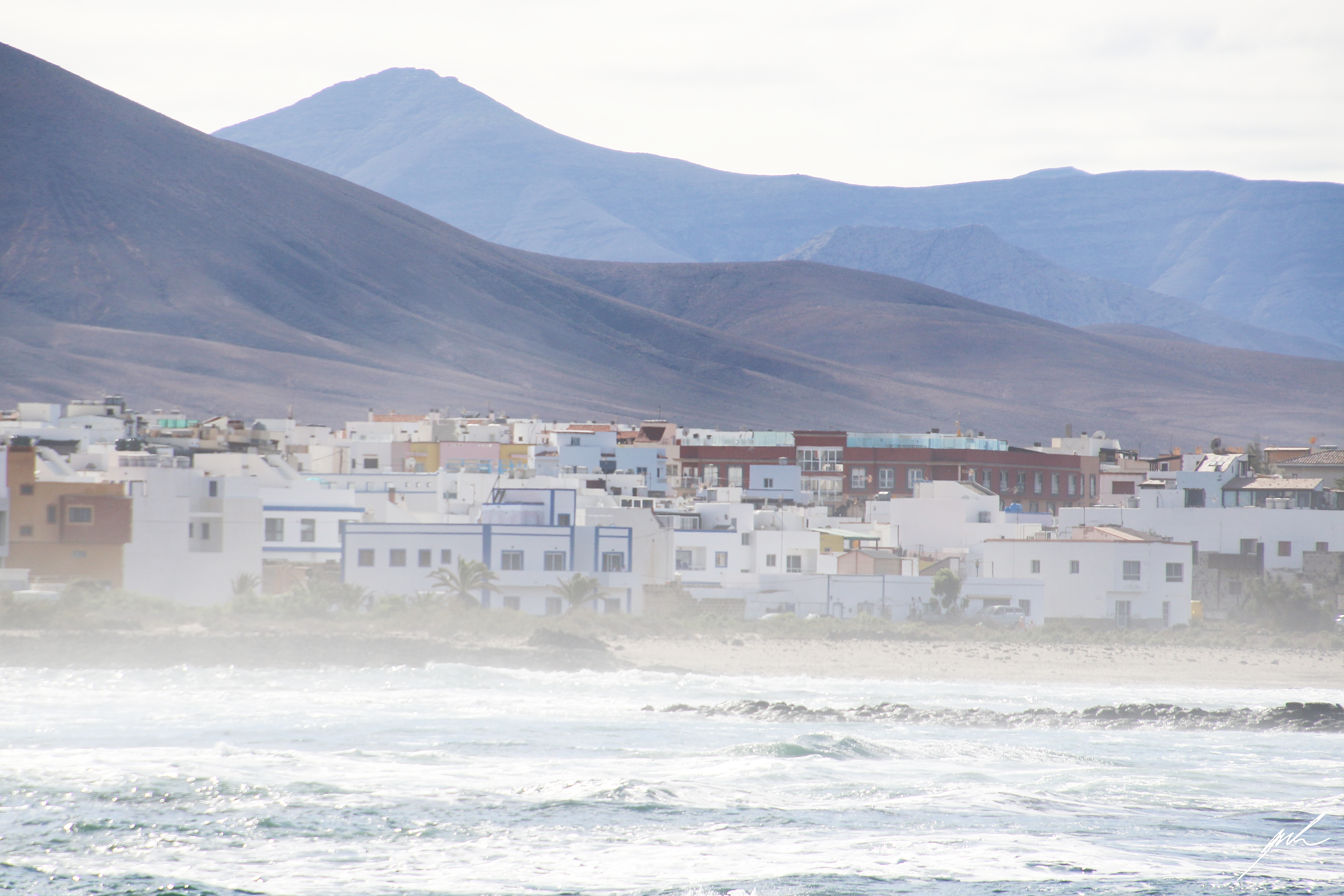
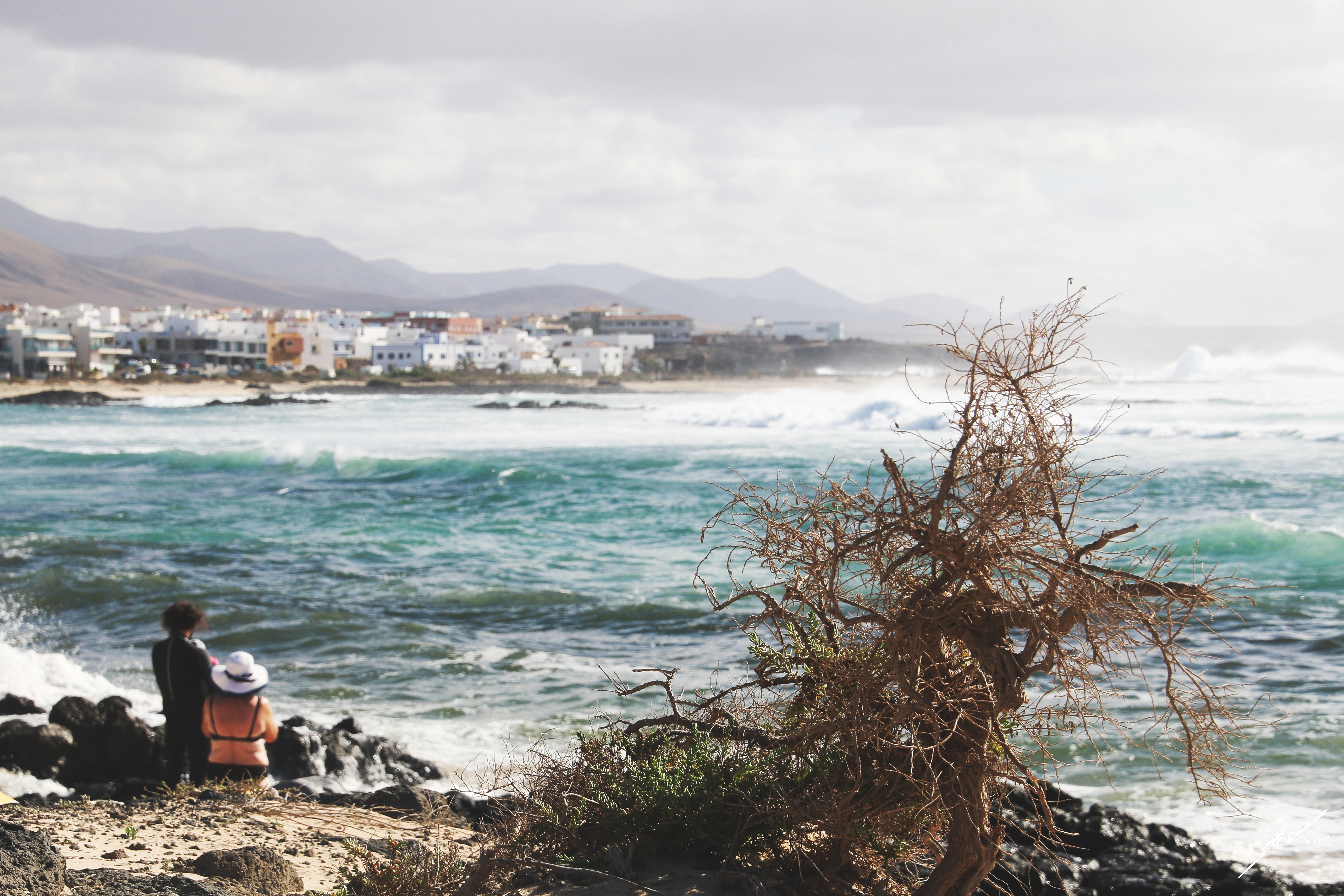
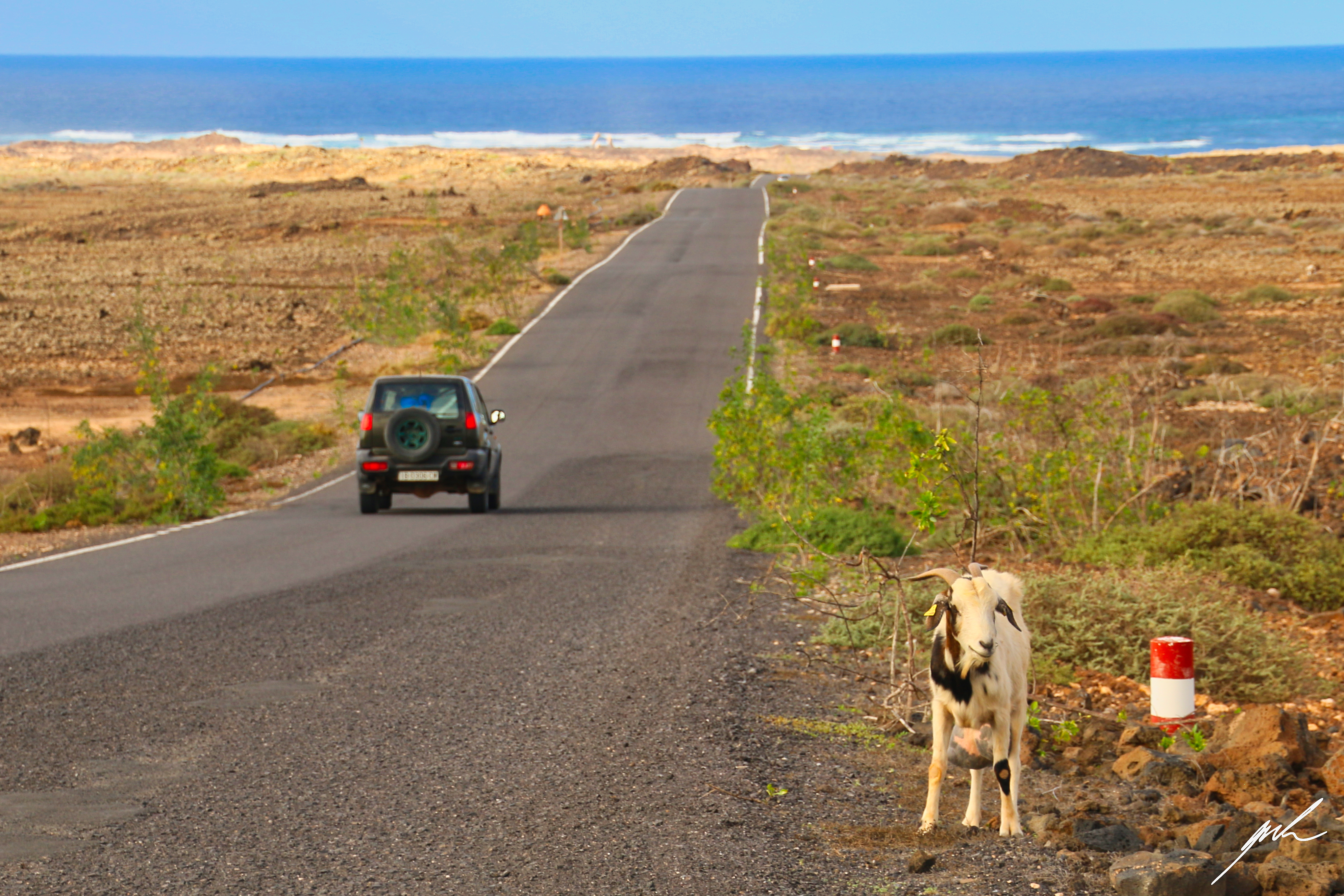
Traveling Fuerteventura, you discover primarily barren and dry land, but still, there is a lot going on. The goats, for example, roam many parts of the island and provide milk for one of the culinary specialties here, goat cheese. Also, there are beautiful old windmills to find, and if you dig more deeply, nature becomes more and more diverse, with sandy beaches and more mountainous regions. It’s worth it to travel to the inner part of Fuerteventura as well, as enchanting as the coast often is.

test

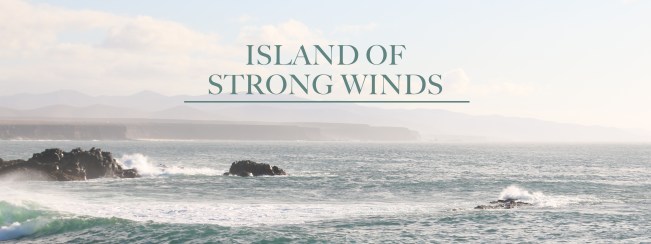
Island of Strong Winds

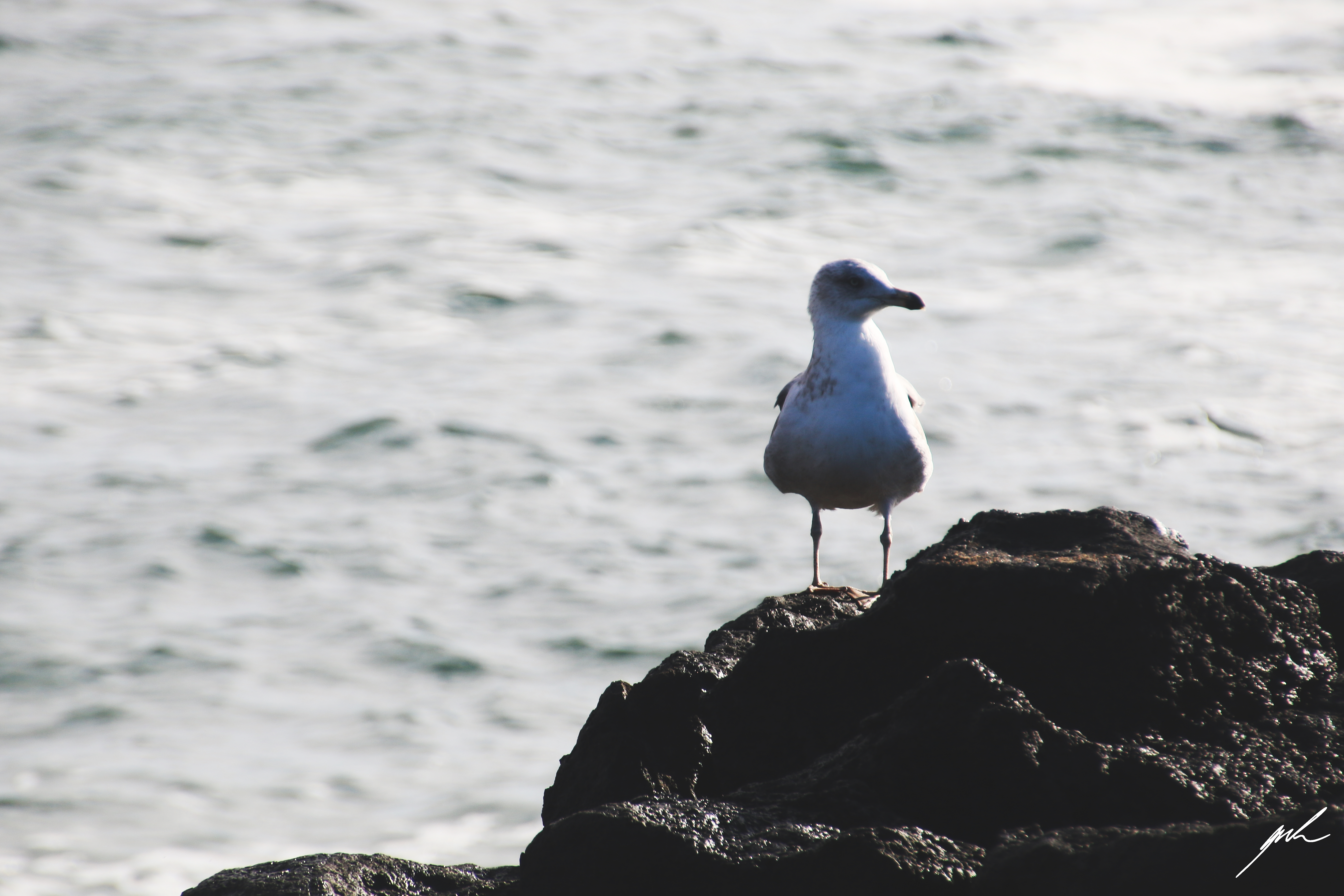
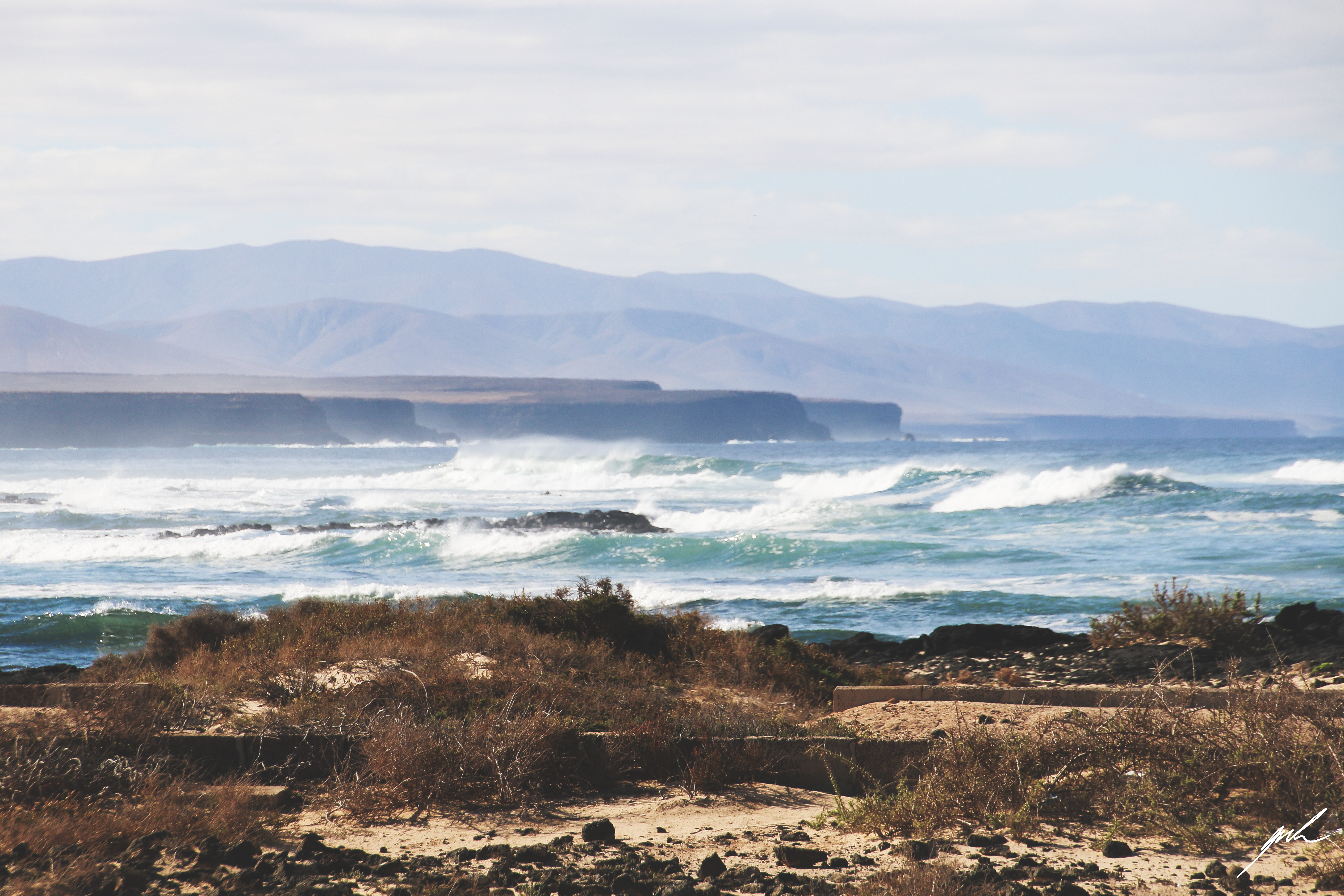
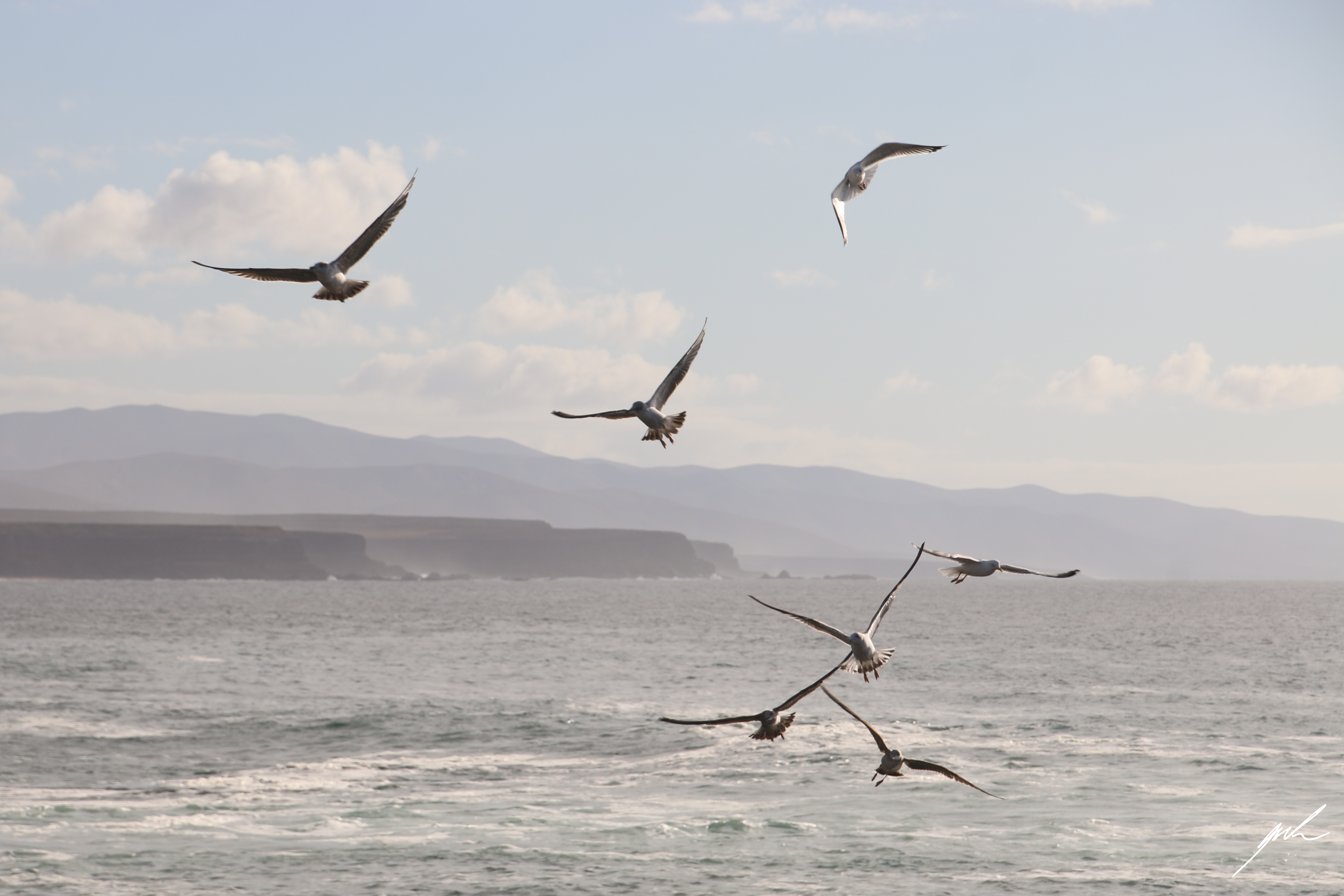
The island of Fuerteventura is well known for the strong winds hitting it frequently and making for solid waves. These circumstances were not very favorable to seafarers but are very welcome today to many birds living on the island and to the surfers visiting it for the waves. In fact, the name of the land itself, Fuerteventura, points to this natural phenomenon as it means nothing else than solid wind.

test

São Miguel

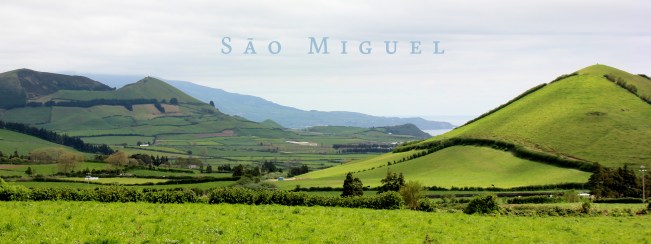
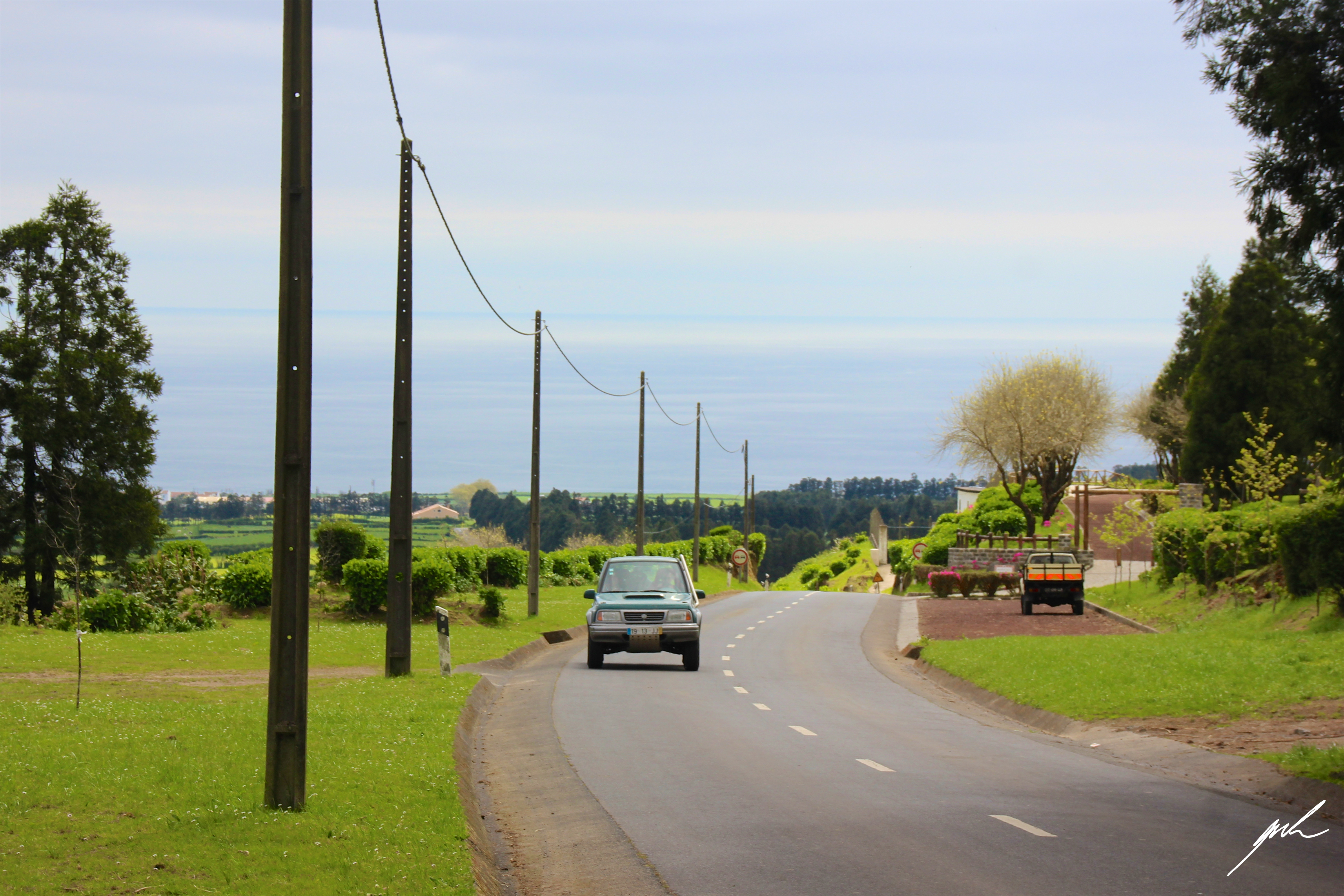
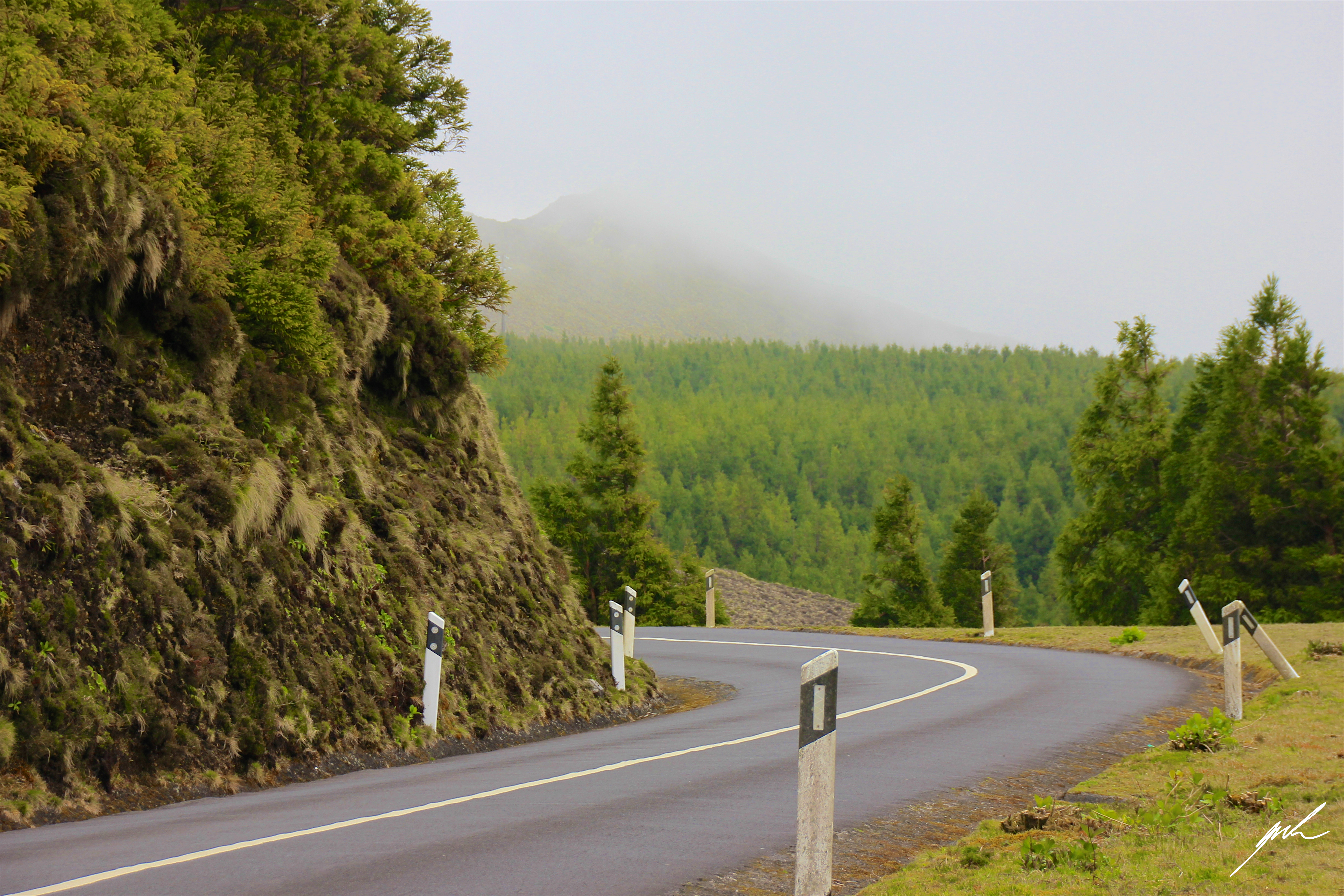
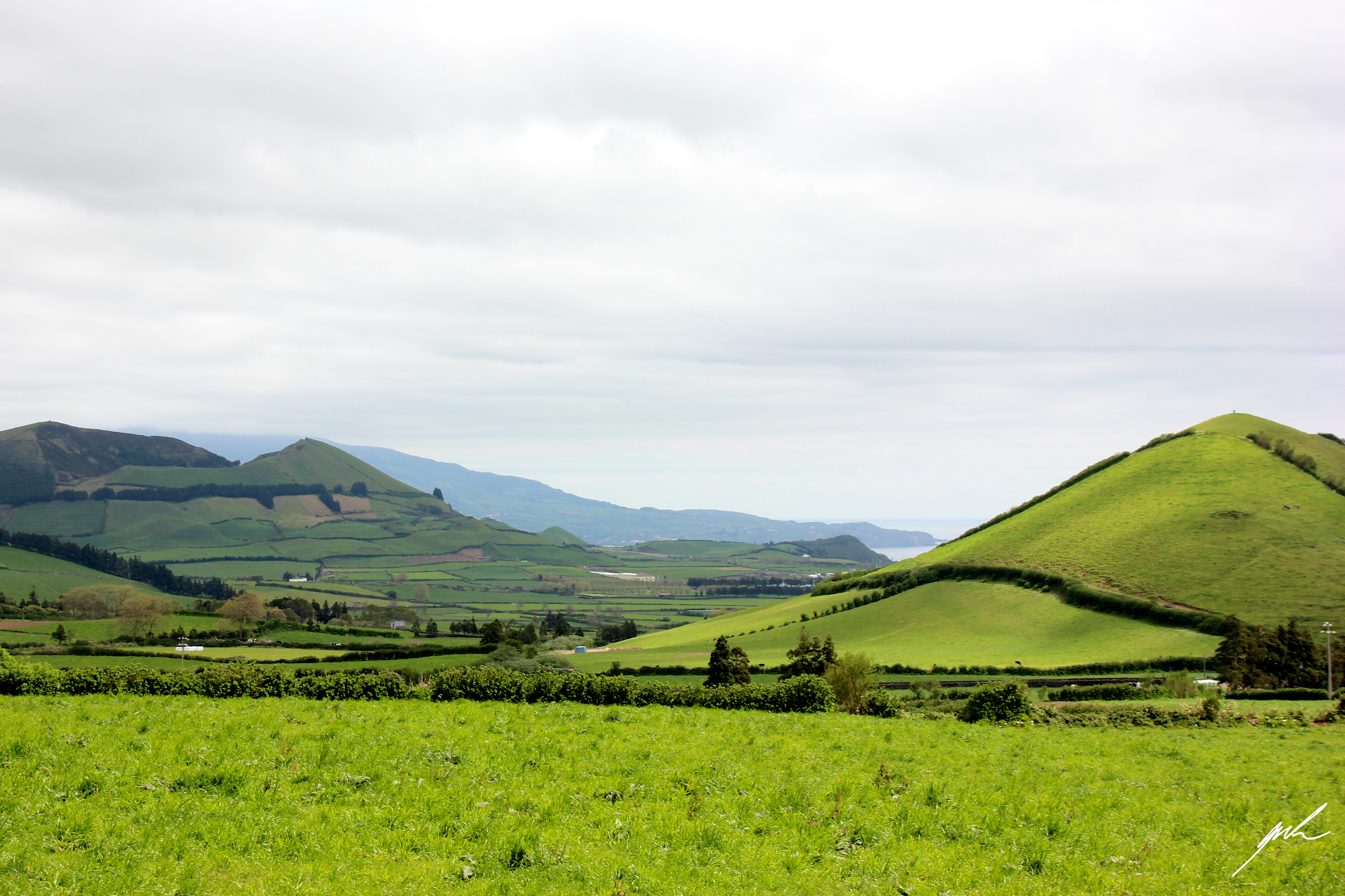
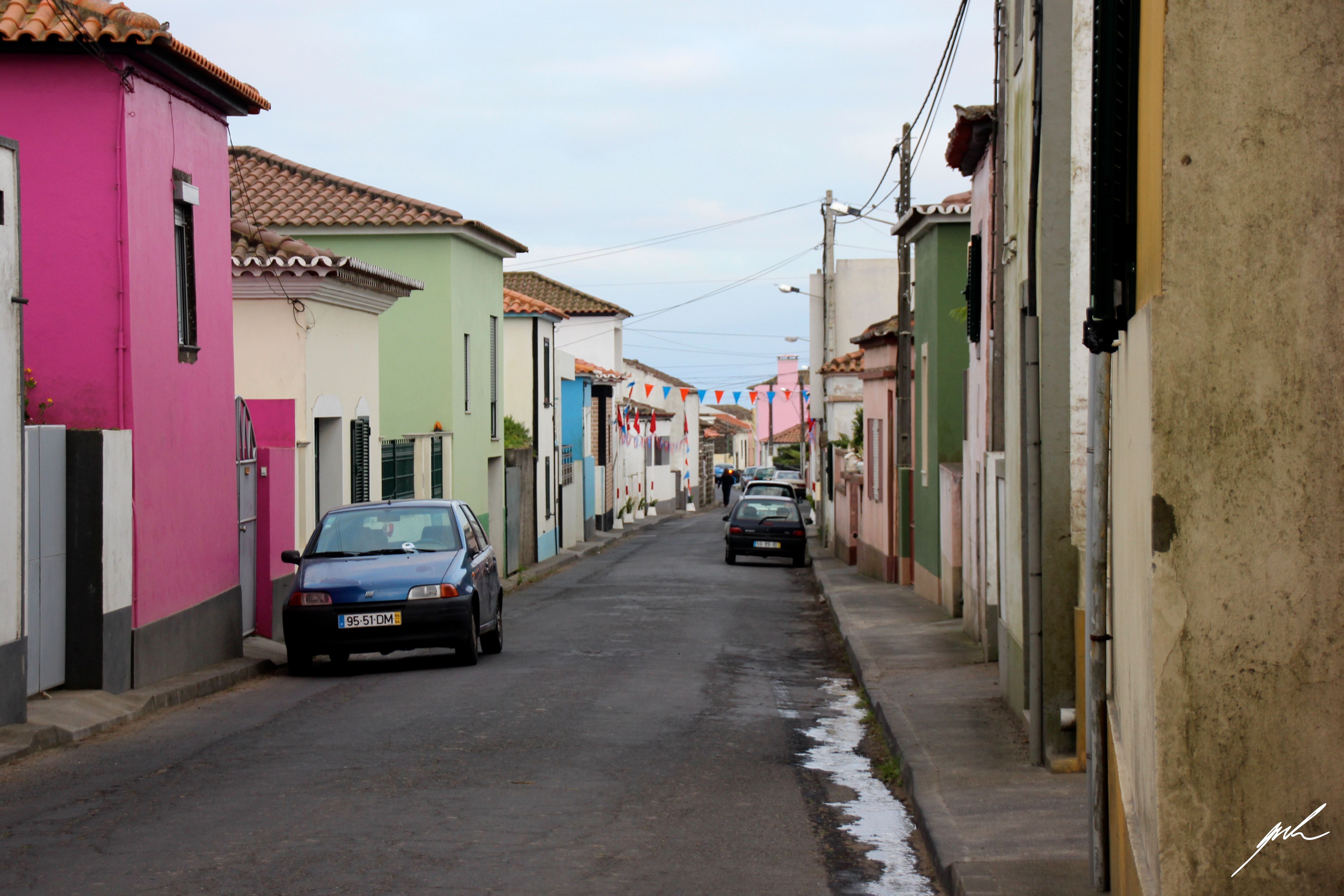
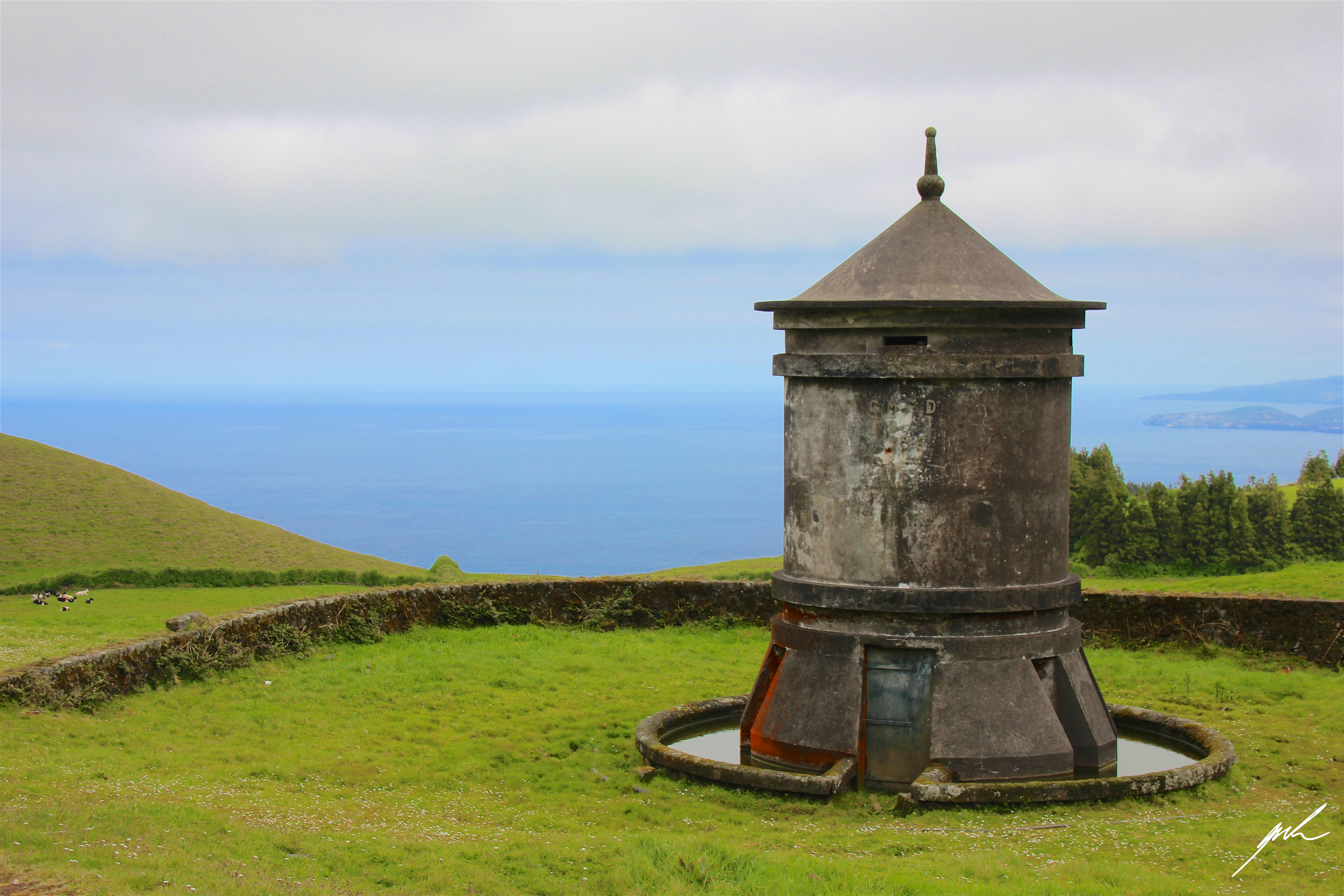
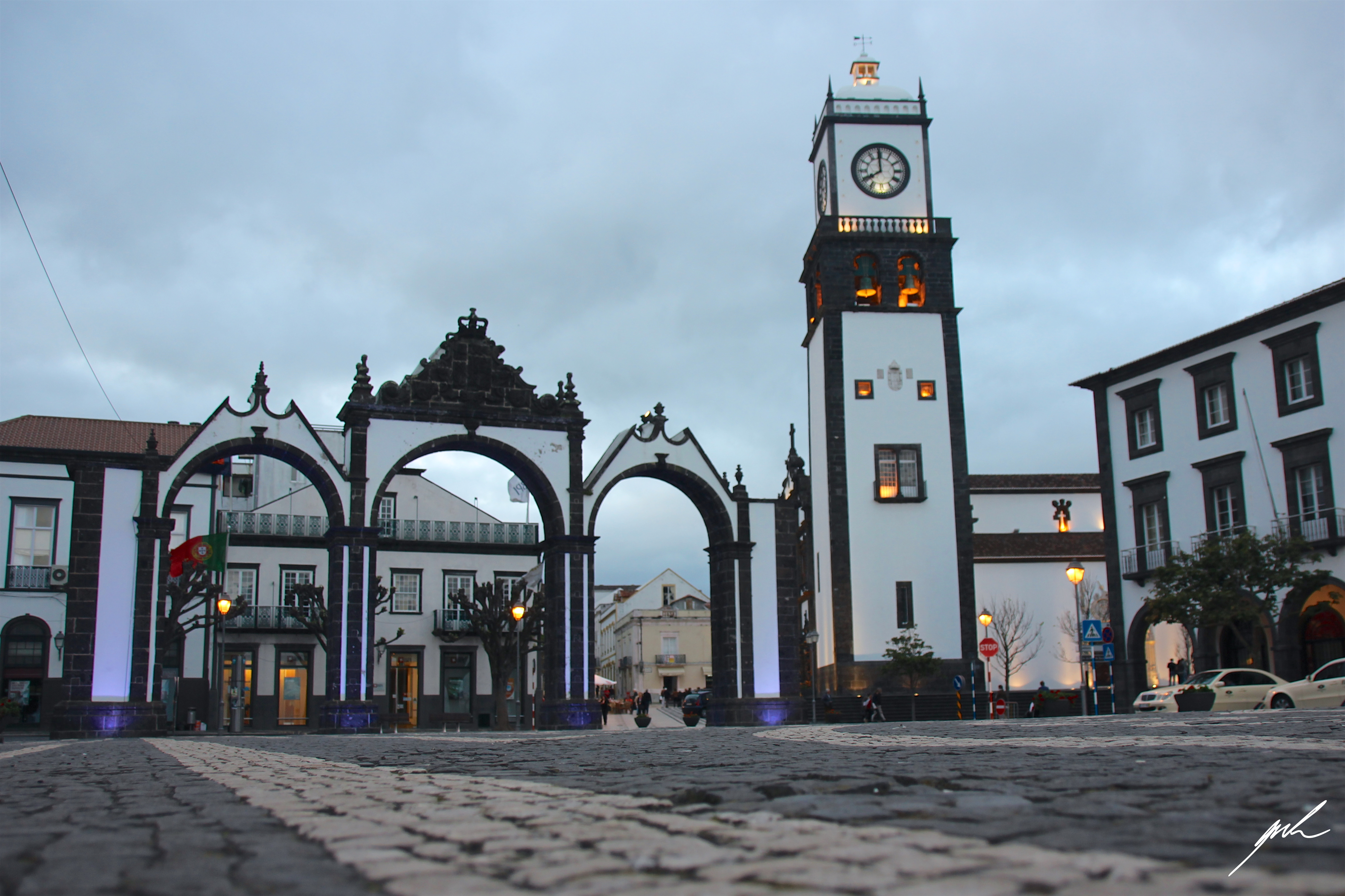
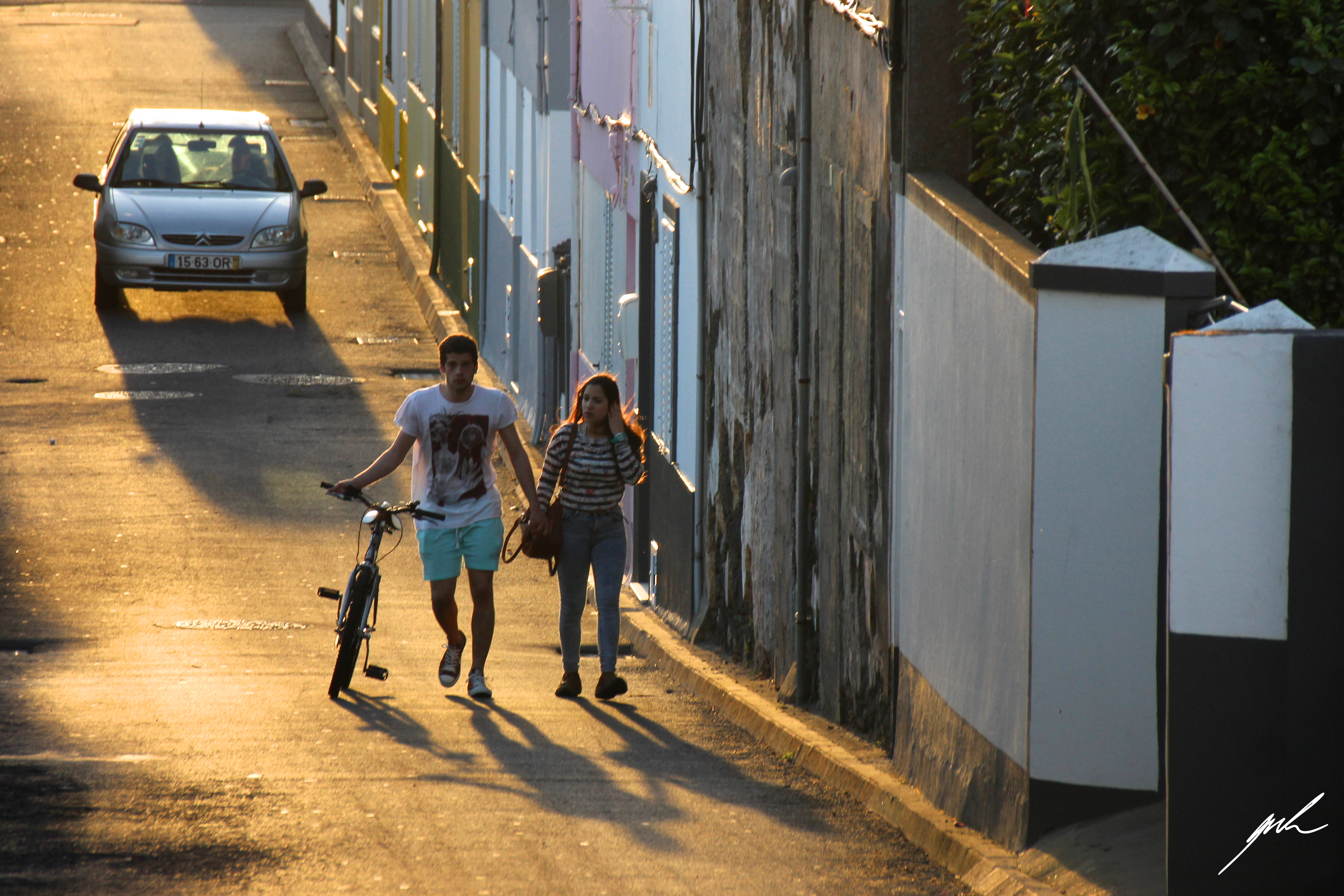
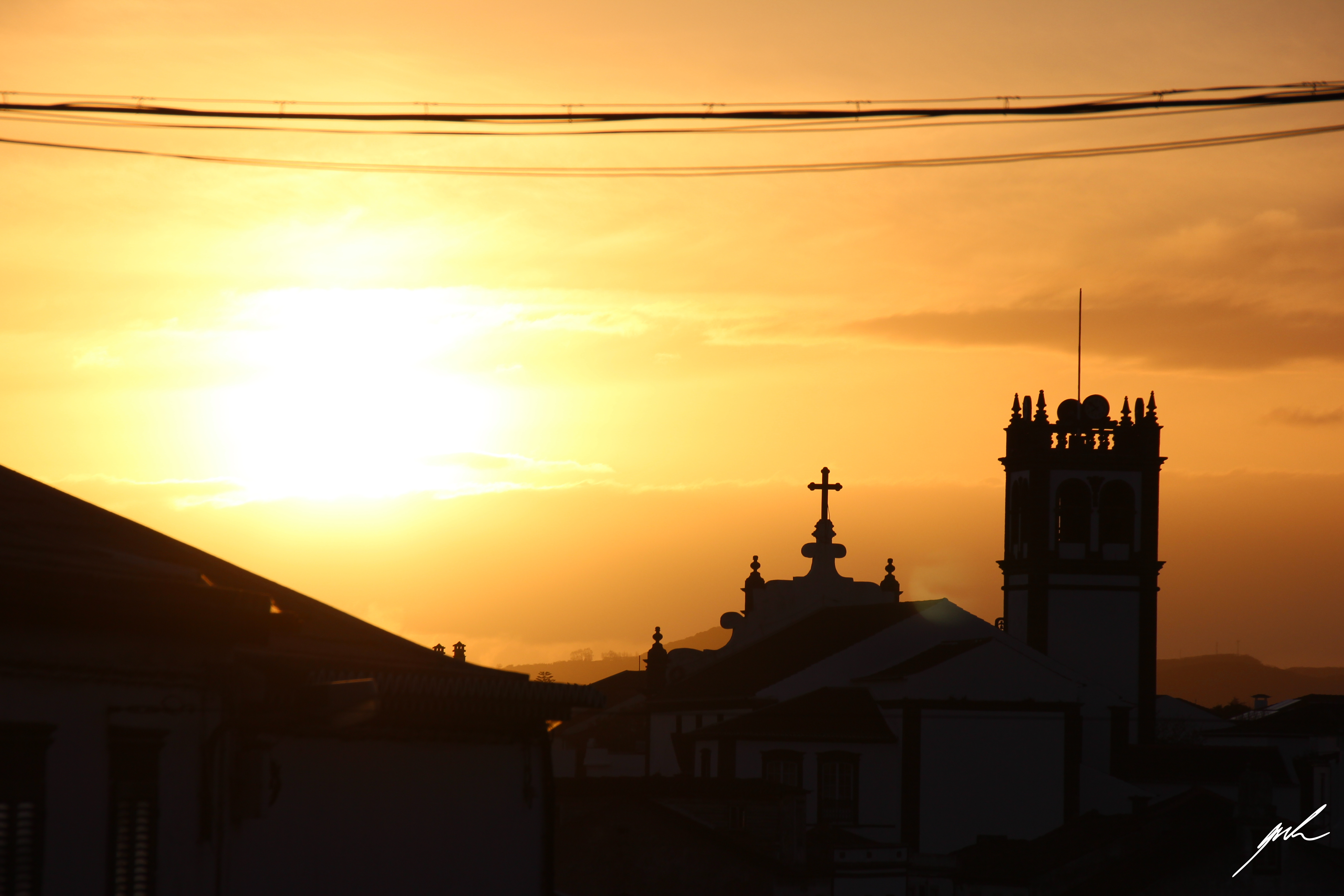
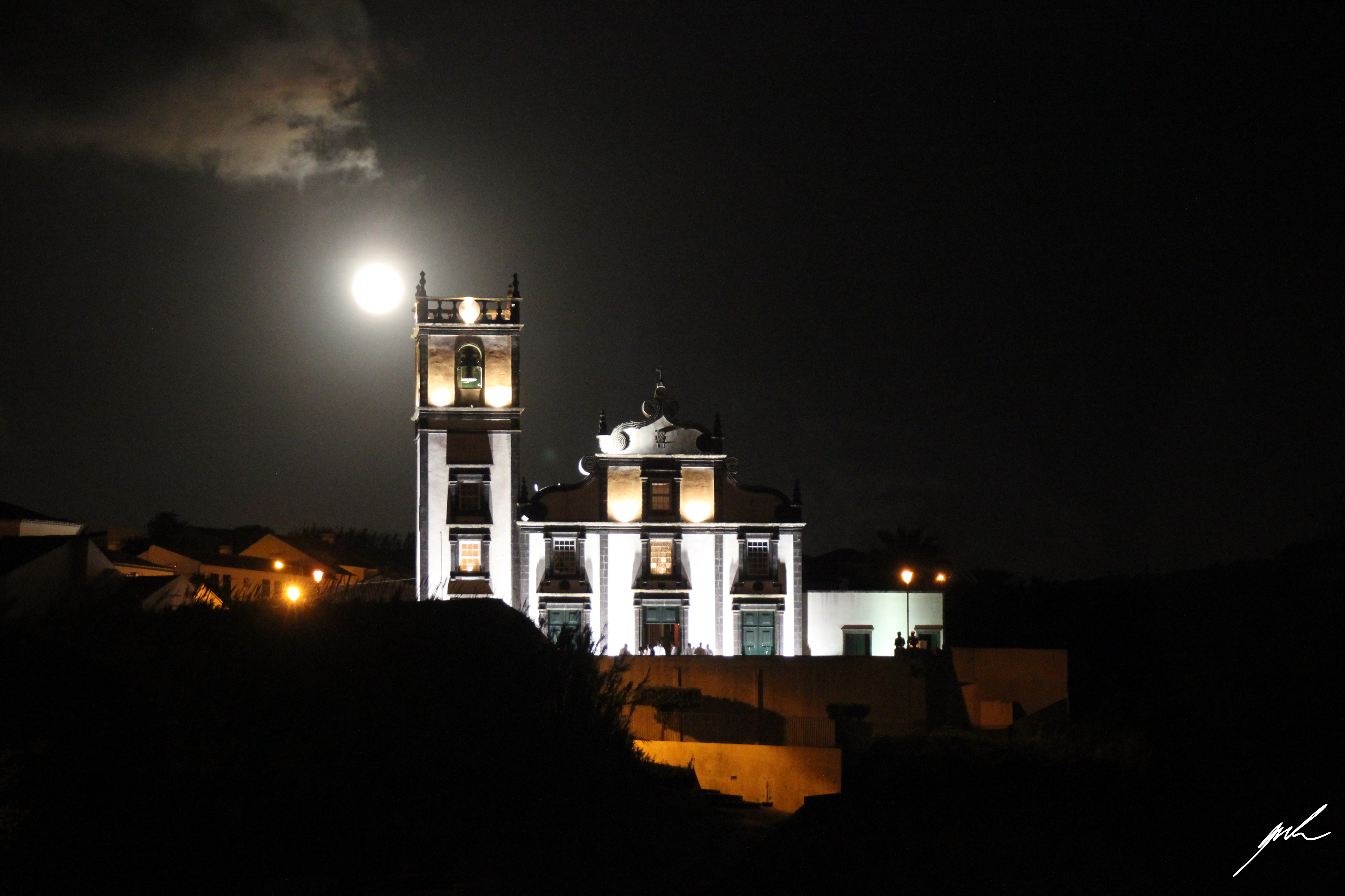
The island of São Miguel is part of the Azores archipelago in the Atlantic Ocean. In contrast to other islands situated west of Europe, like Madeira or the Canary Islands, the Azores are not tropical but look much more like Ireland. Cows and green grass everywhere! I had a chance to visit this beautiful piece of land back in early April and already posted some pictures in June. But there are more of them on my drive; some of them show off the beauty of the island quite well – so I thought I would give all of us (well, all of us who live in the Northern Hemisphere) a break from grim winter and put these on the internet. I wish you all a good Sylvester party and a happy New Year! See you again in January.

test

IMG_0071
IMG_0098
IMG_0252
IMG_0066
IMG_0206
IMG_0079
IMG_0025
IMG_0293
IMG_0301
IMG_0495

Discovering Cyprus

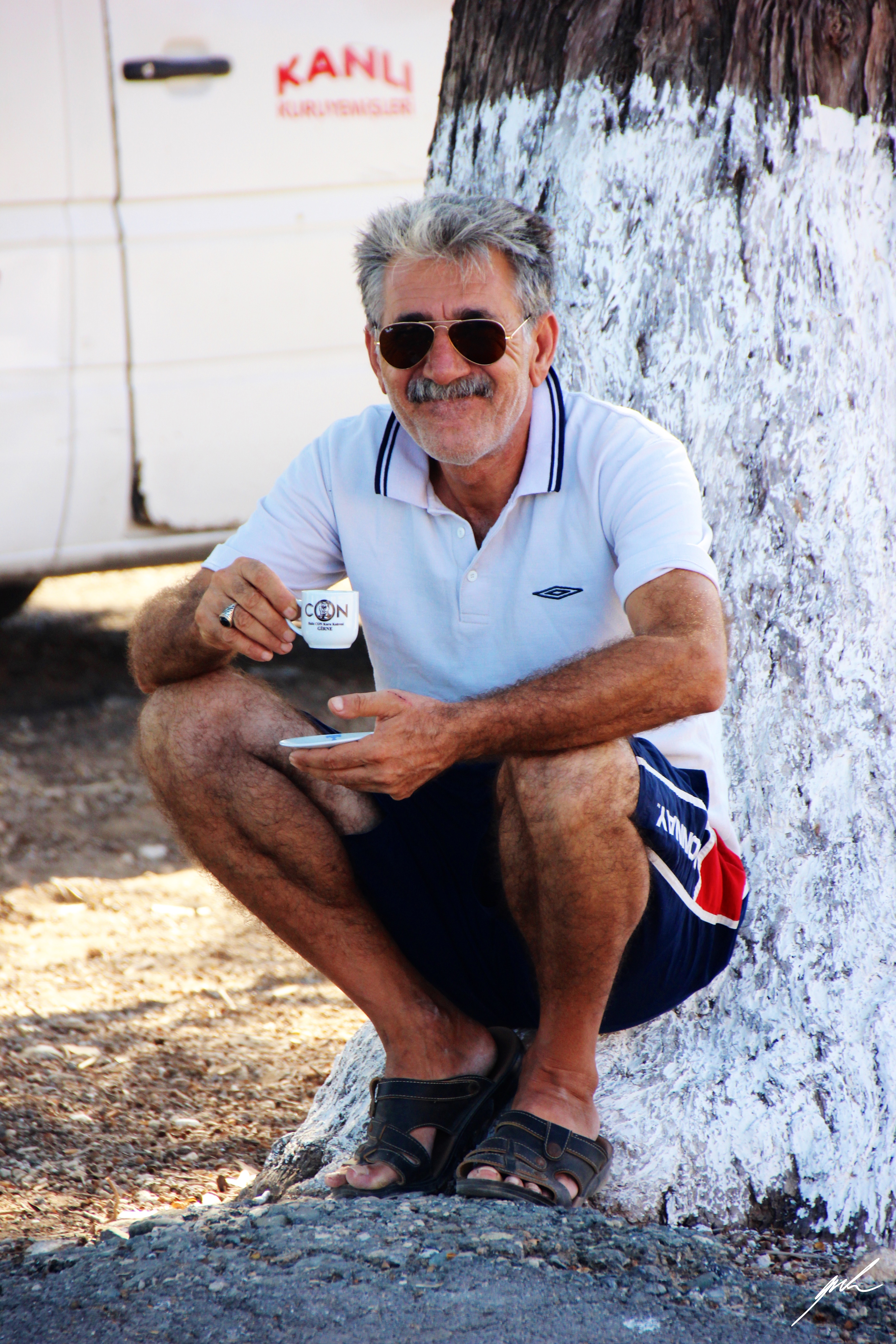
The last time Cyprus was featured was about a divided island. Though the political situation is complicated, I recommend visiting both parts of the island. So, I won’t differentiate between the Turkish and the Greek parts in the following gallery. Pictures 5, 6, and 7 need some background: After the Ottoman conquest of Cyprus, former Gothic Cathedrals were converted into Mosques. Interestingly, some were not destroyed, and only minor changes were made (like the destruction of angel figures due to the ban on images in Islam). The altar was displaced within the church so the believers could pray in the direction of Mekka. According to Ottoman traditions, the former Cathedrals had carpets, and the inner church was painted white. Though inside as well as outside, you still see the Christian heritage. The clean and bright style of Islamic religious decoration combined with the dark and gothic severe style makes for a thoroughly fascinating combination.

test

IMG_8696
IMG_7740
IMG_8484
IMG_7839
IMG_7411
IMG_7404
IMG_7423

IMG_7497
IMG_8638

IMG_7592

IMG_7719

Greek Series: Mykonos Part I

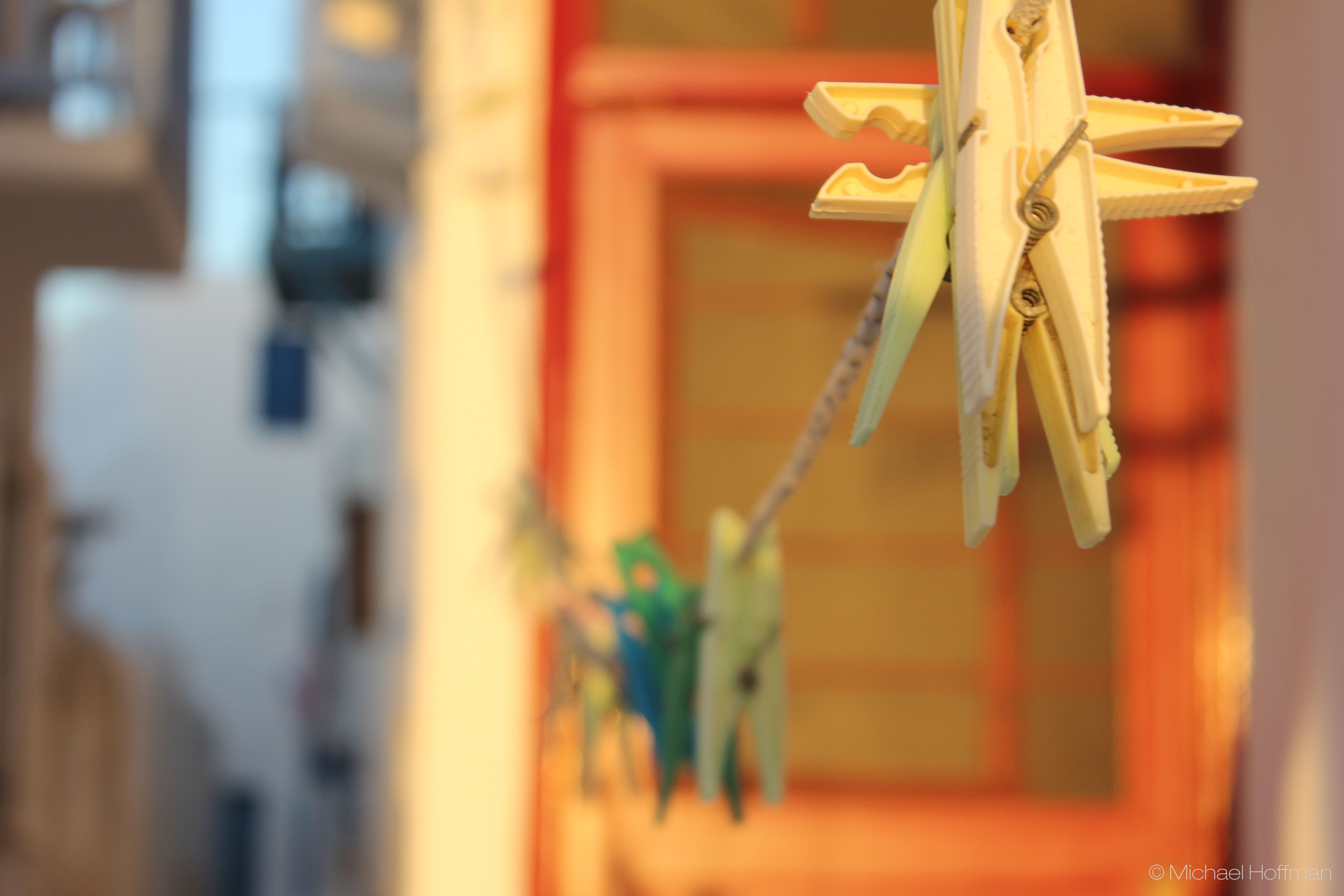
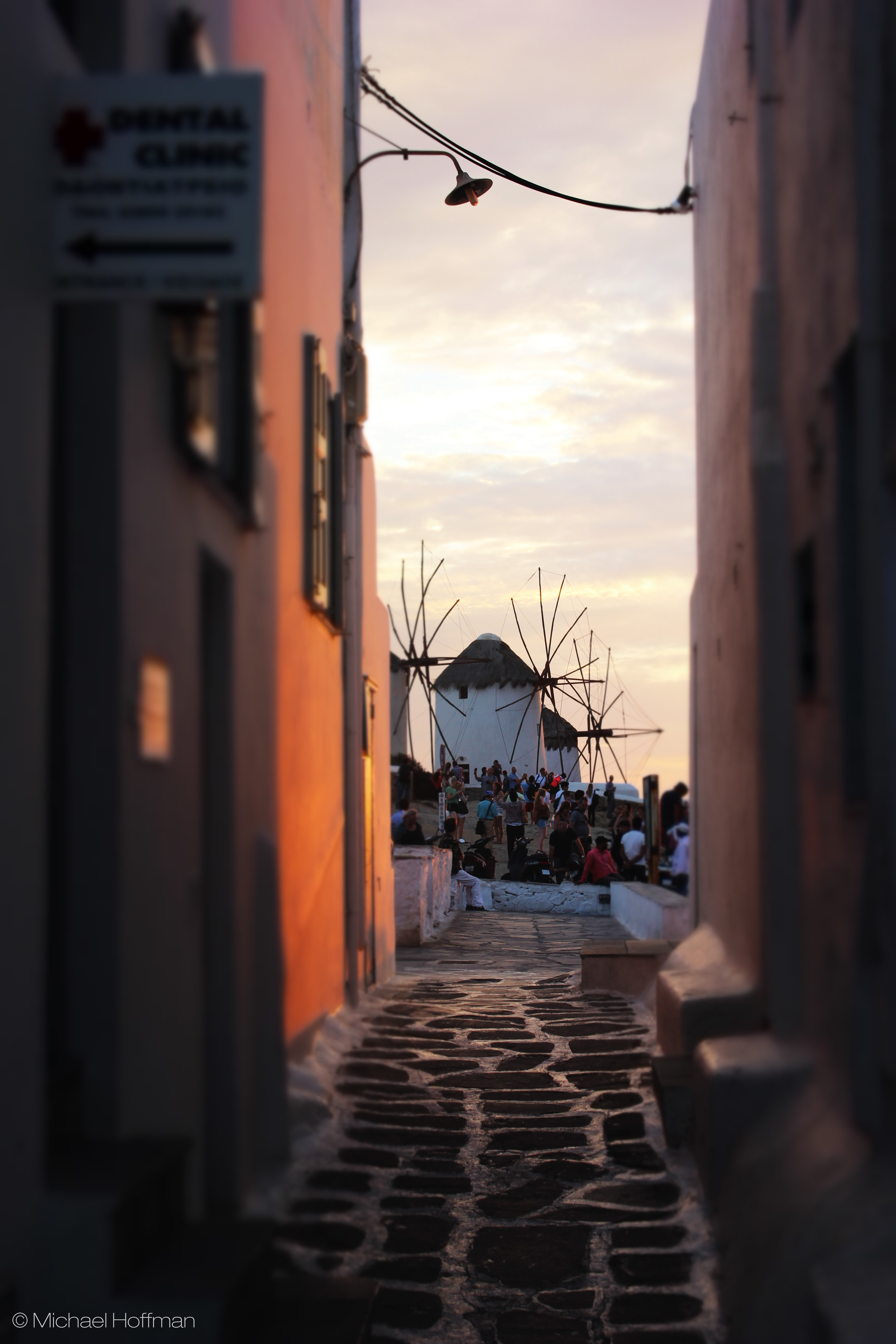
This post is part of the so-called “Greek Series”, consisting of photographs shot while I was backpacking Greece in September 2013. You’ll find a basic introduction to the series here and a list of all previous posts over here.

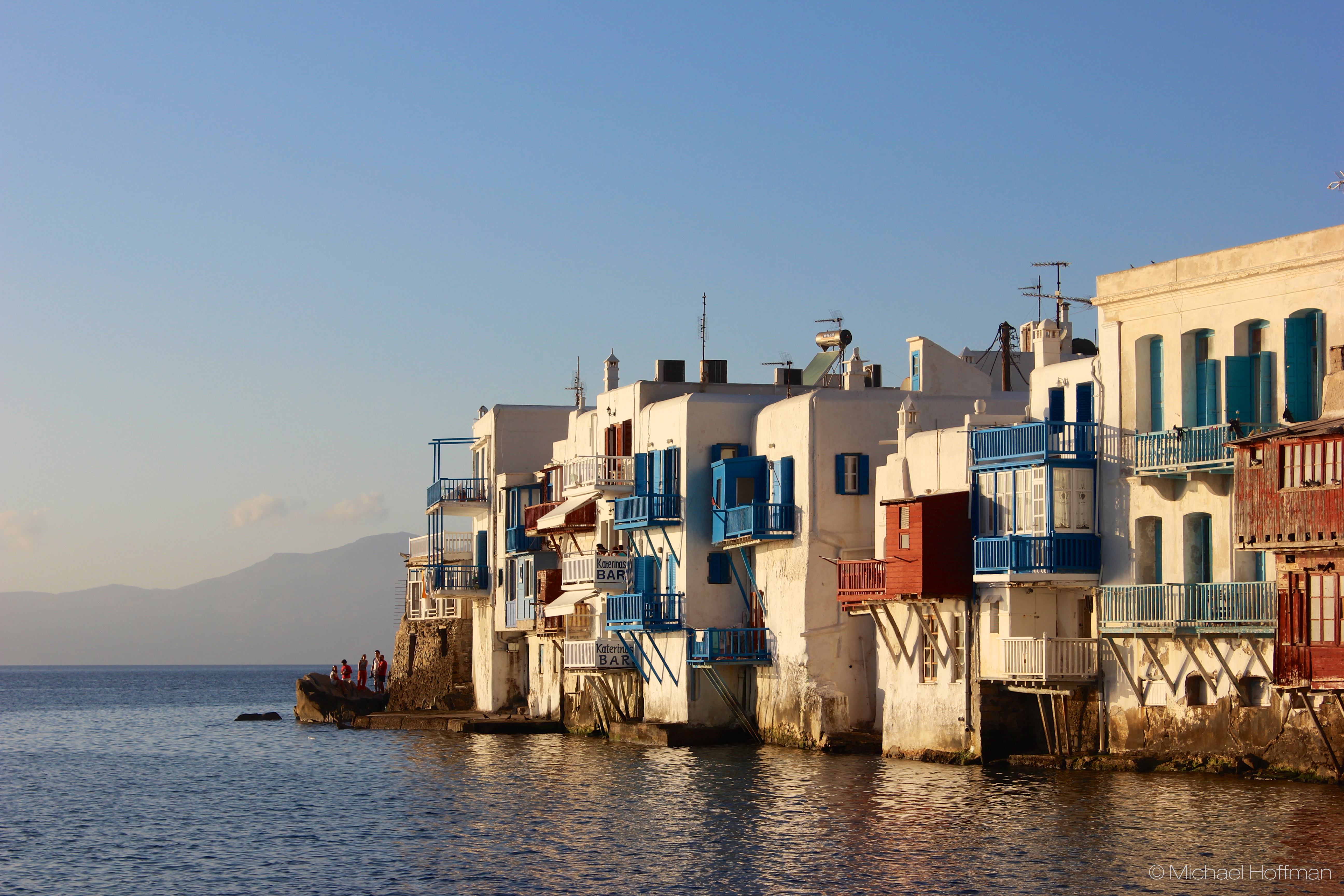
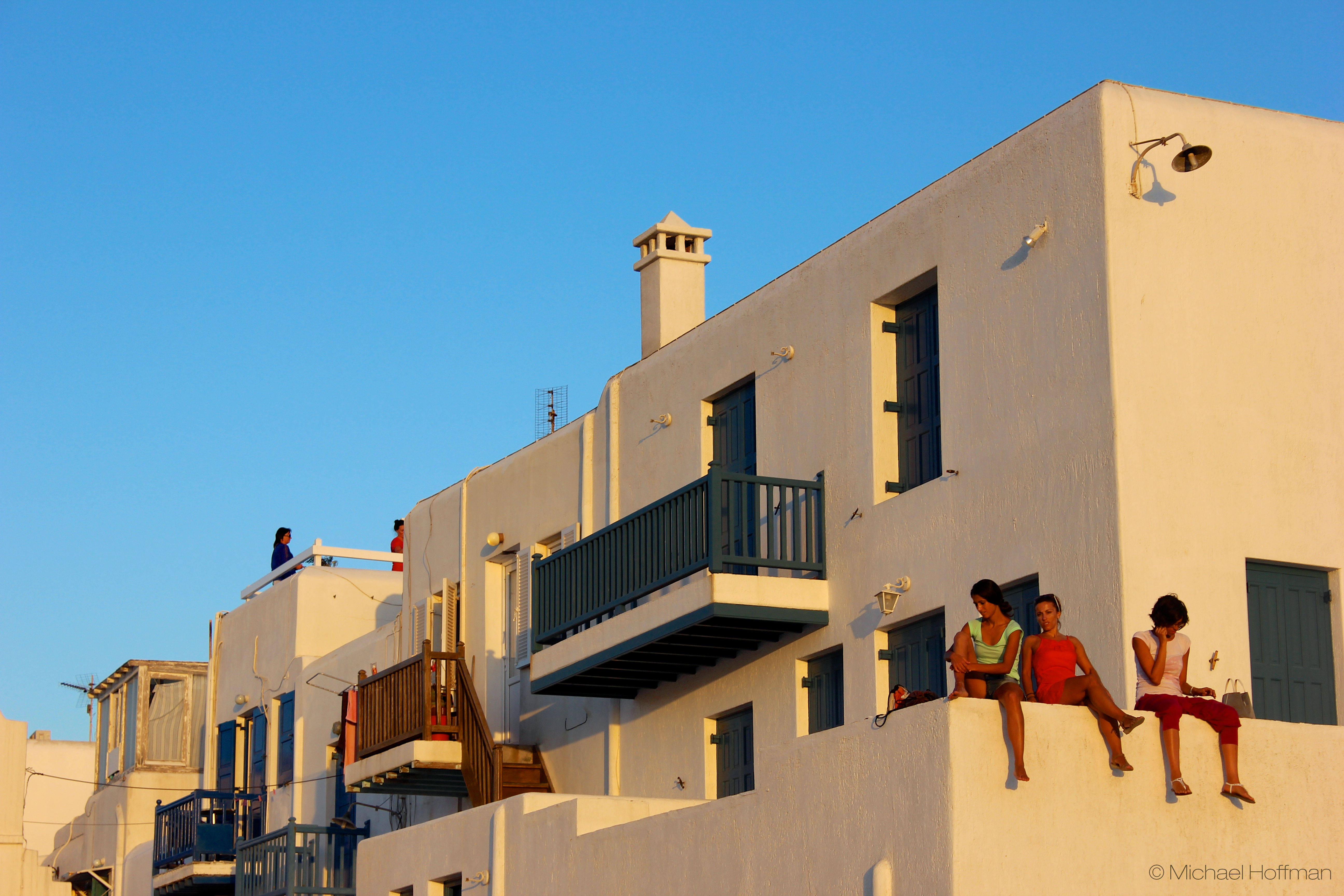
So you may wonder how we got from Nauplia to Mykonos. The truth is we didn’t, at least not directly. Mykonos was actually one of the last destinations on our journey. Before we embarked on a ferry to the islands, we traveled around mainland Greece quite extensively. But for today, I skipped the Peloponnes because the weather there was not always perfect, and as much as I like archeological stuff and hilly landscapes, I think the blog and I myself needed a bit of summer island feeling in these (more or less) harsh and dark winter days. And that we definitively had on Mykonos. Still, there is a lot to cover on the Peloponnes, and many shots are left, so next time we come back to mainland Greece again. But for now, I hope you enjoy beautiful Mykonos as I saw it.

test

IMG_2589

IMG_3094

IMG_2580

IMG_2488

IMG_2635

IMG_2639

IMG_3056

IMG_3171