
Revisiting Lisboa Pt. I

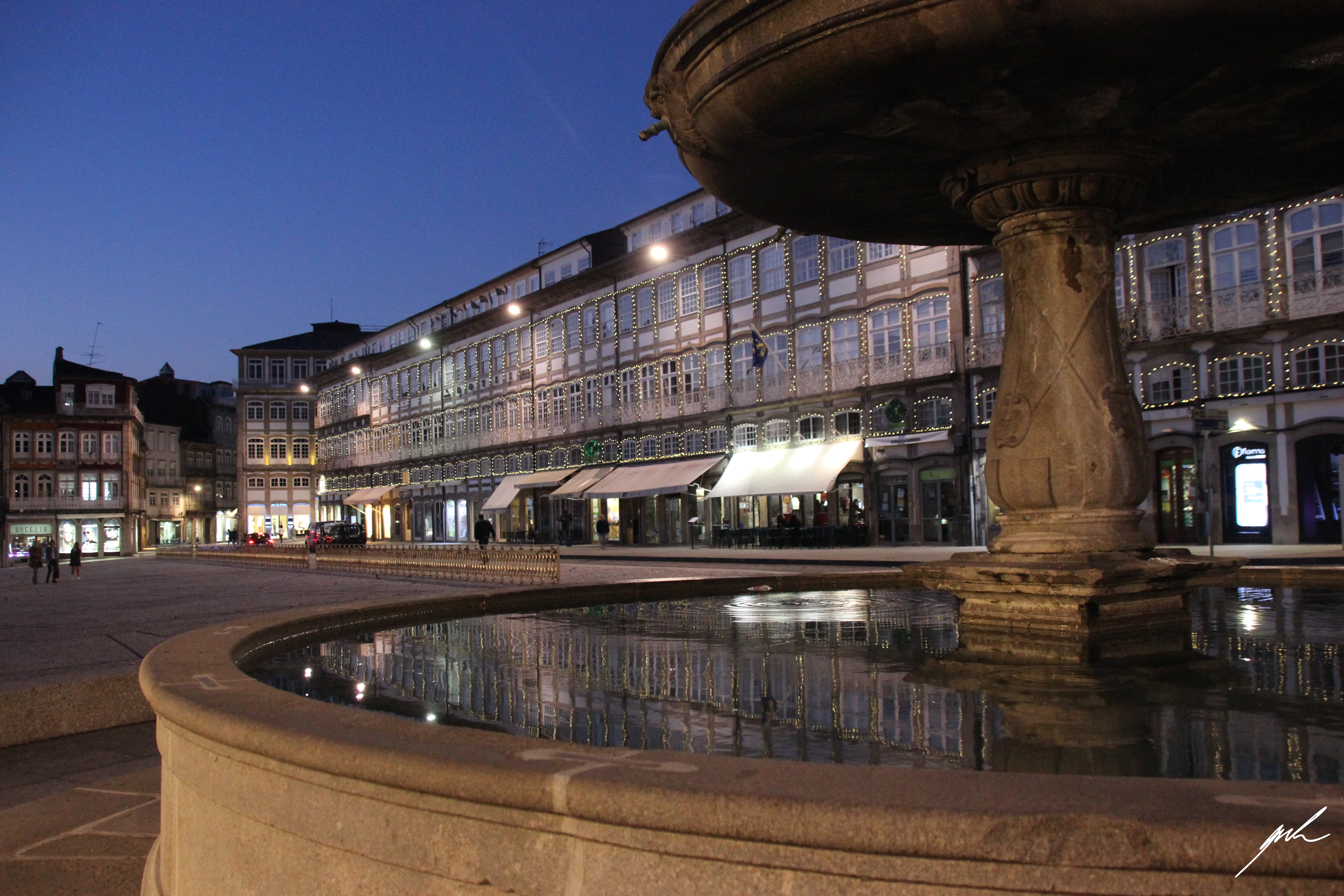
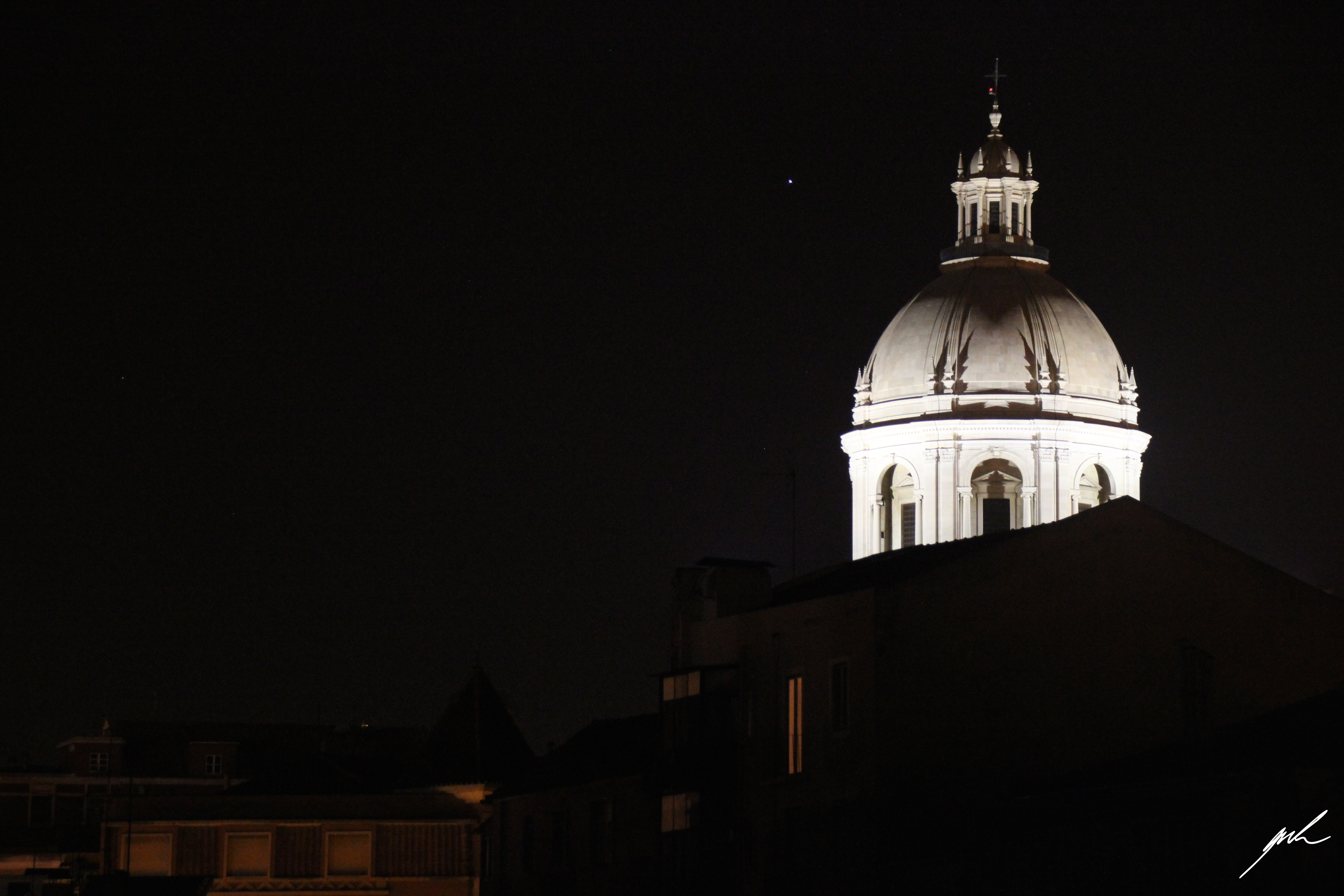
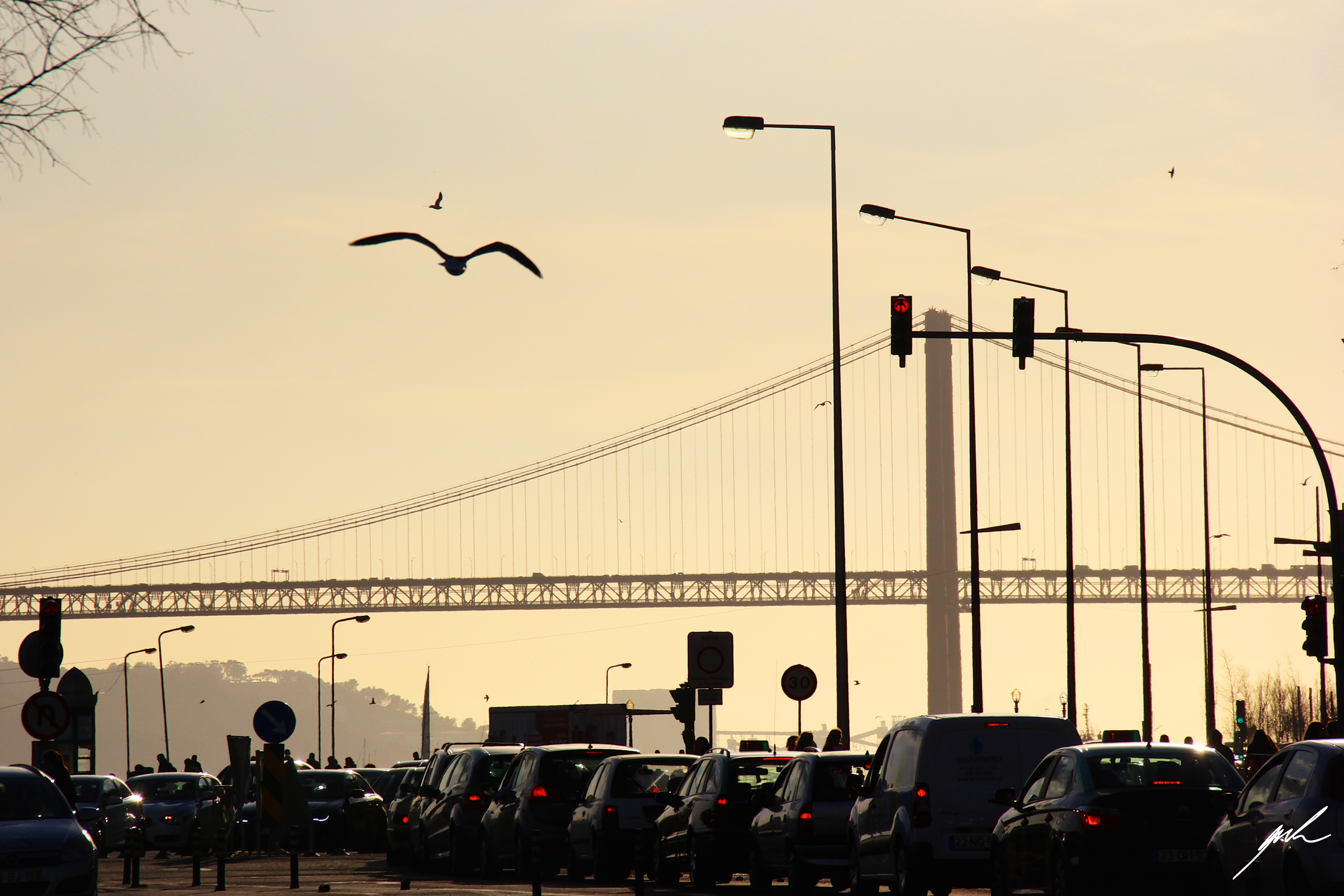
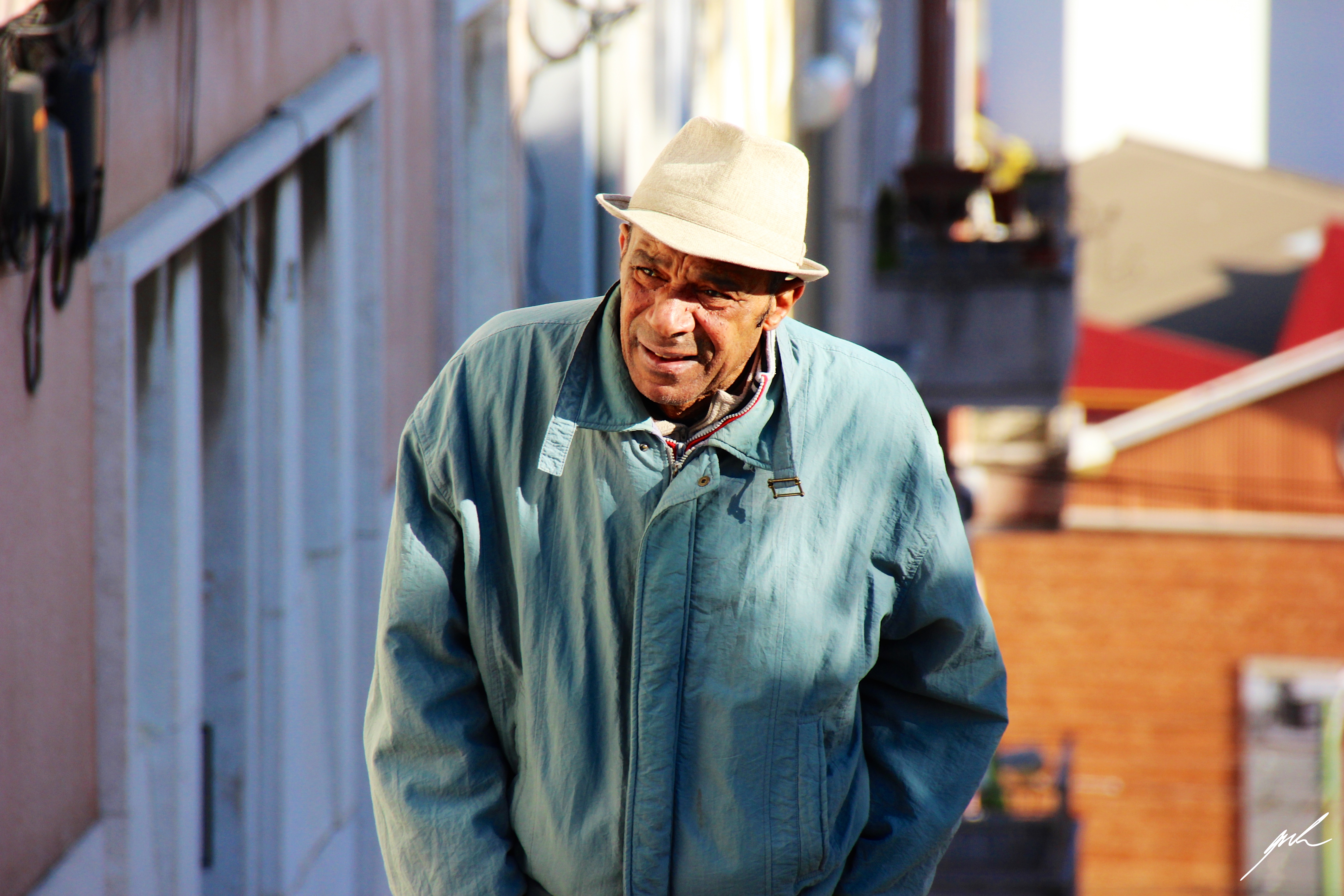
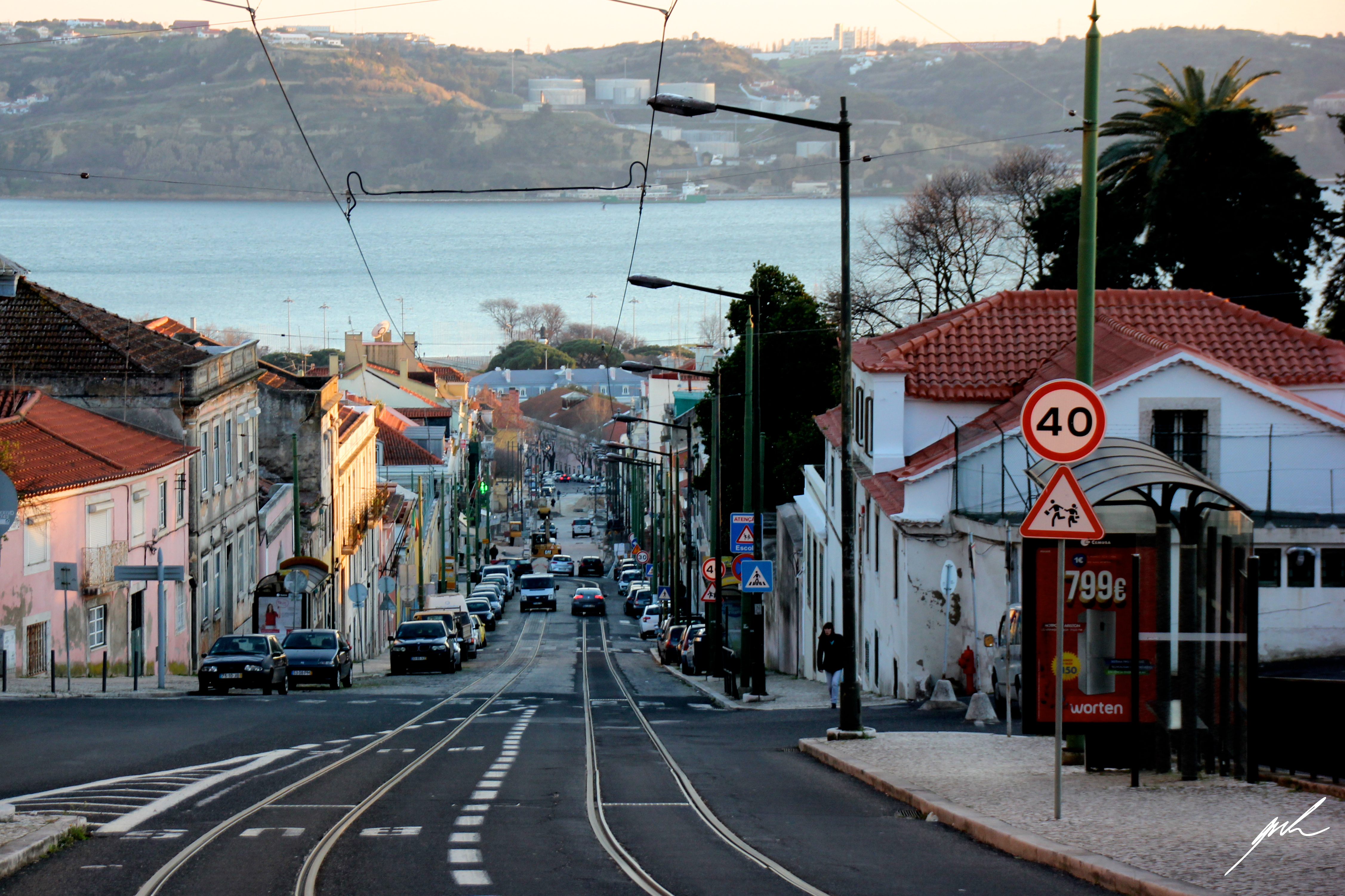
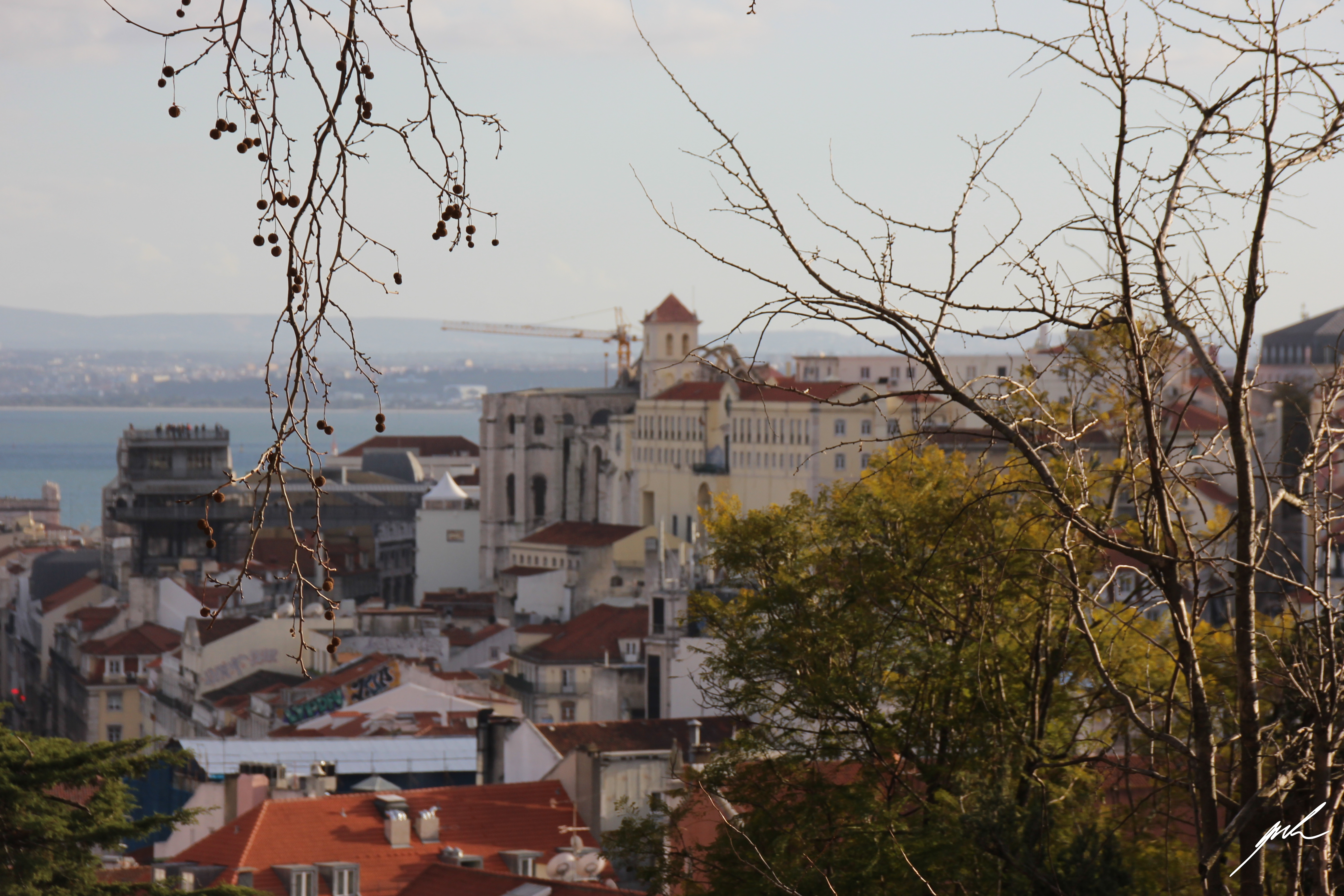
During a winter a few years ago, I had the privilege of living in Lisboa (Lisbon), Portugal. Working a full-time job, I had the weekends off to discover the city, trying to capture the colors and the spirit of Lisboa on camera. I published the results on this website between late 2014 and early 2015. You’ll find a collection of the series right here. My piece about Azulejos, the traditional craft of manufacturing ceramic tiles, is still one of the most clicked articles on this website.
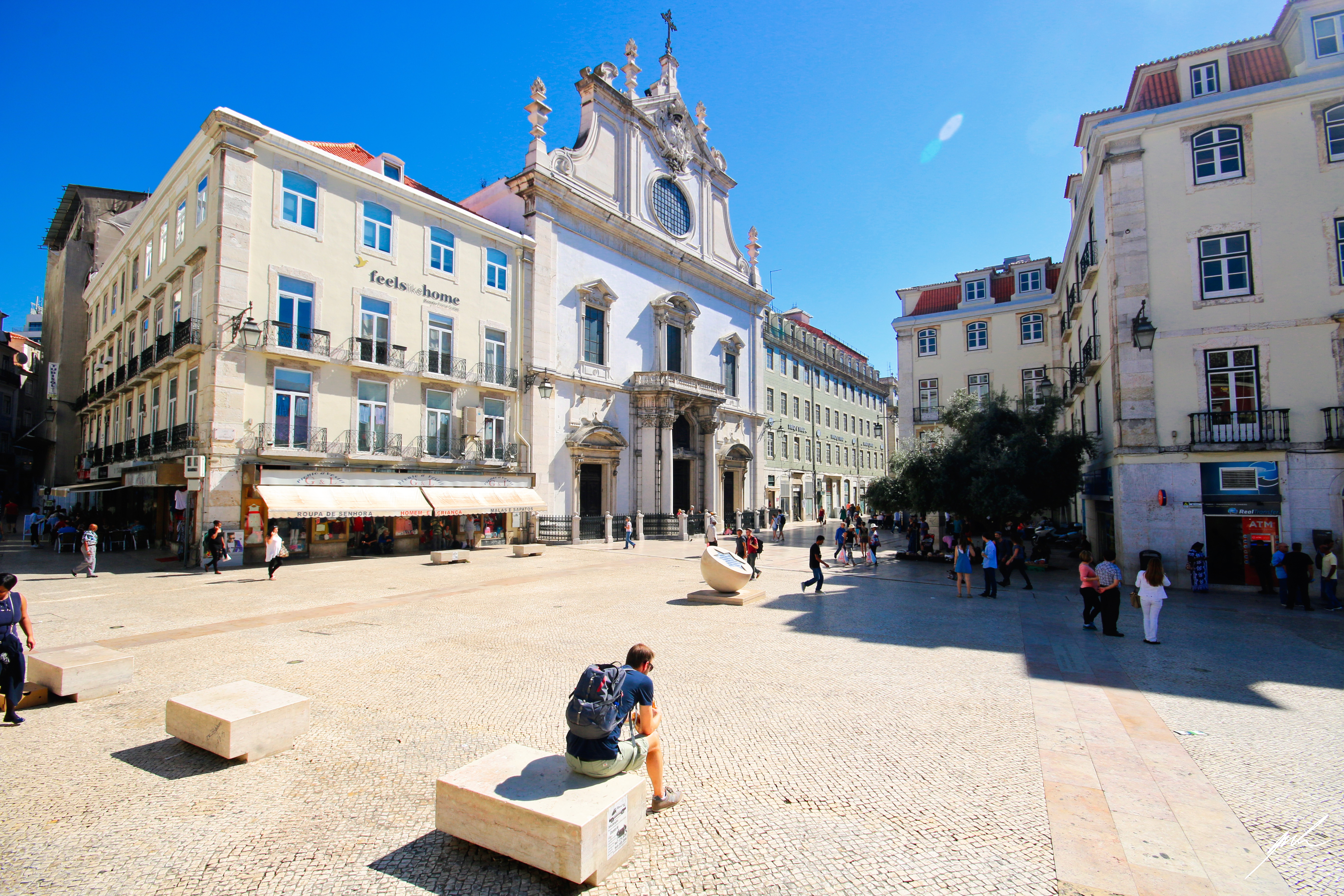
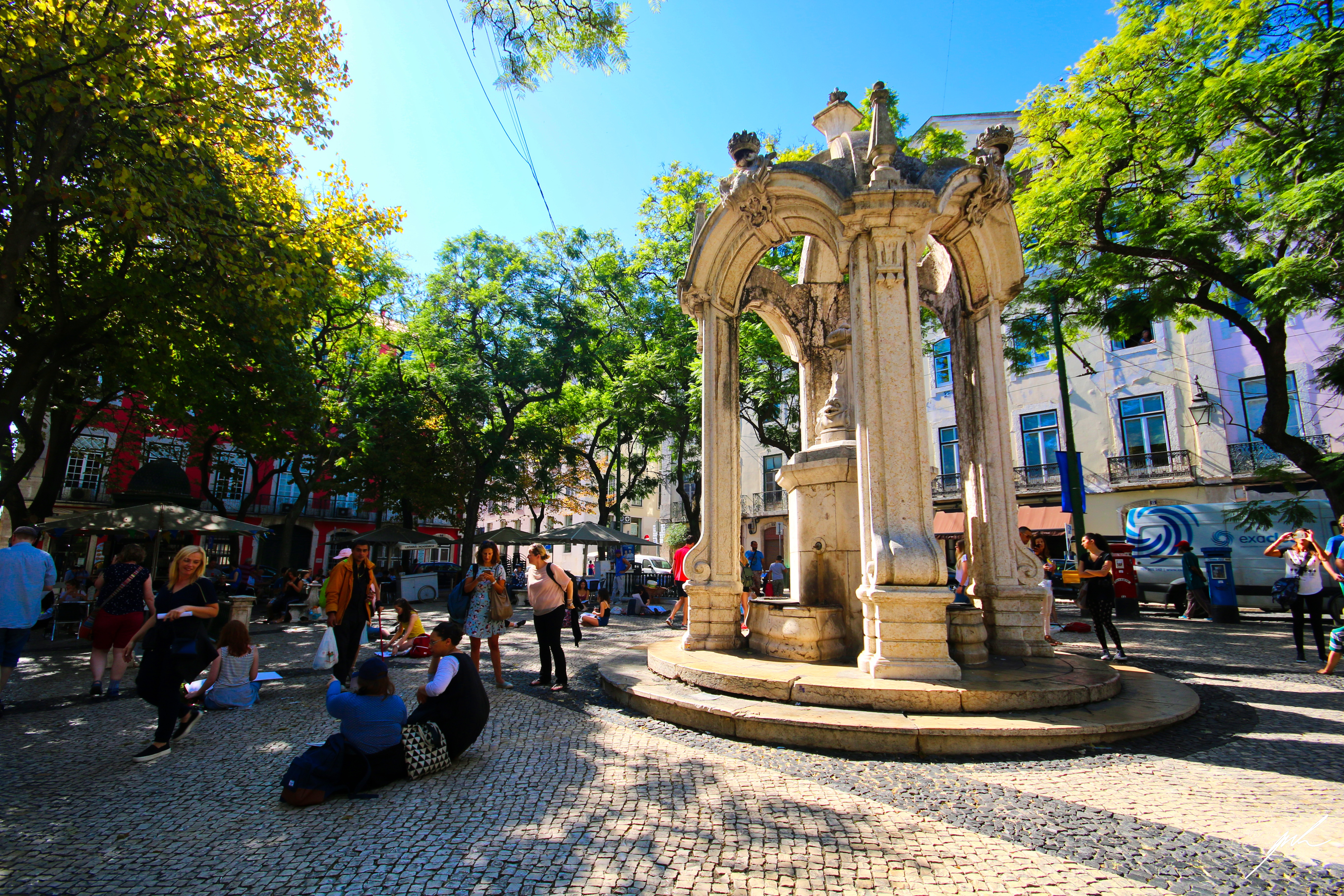
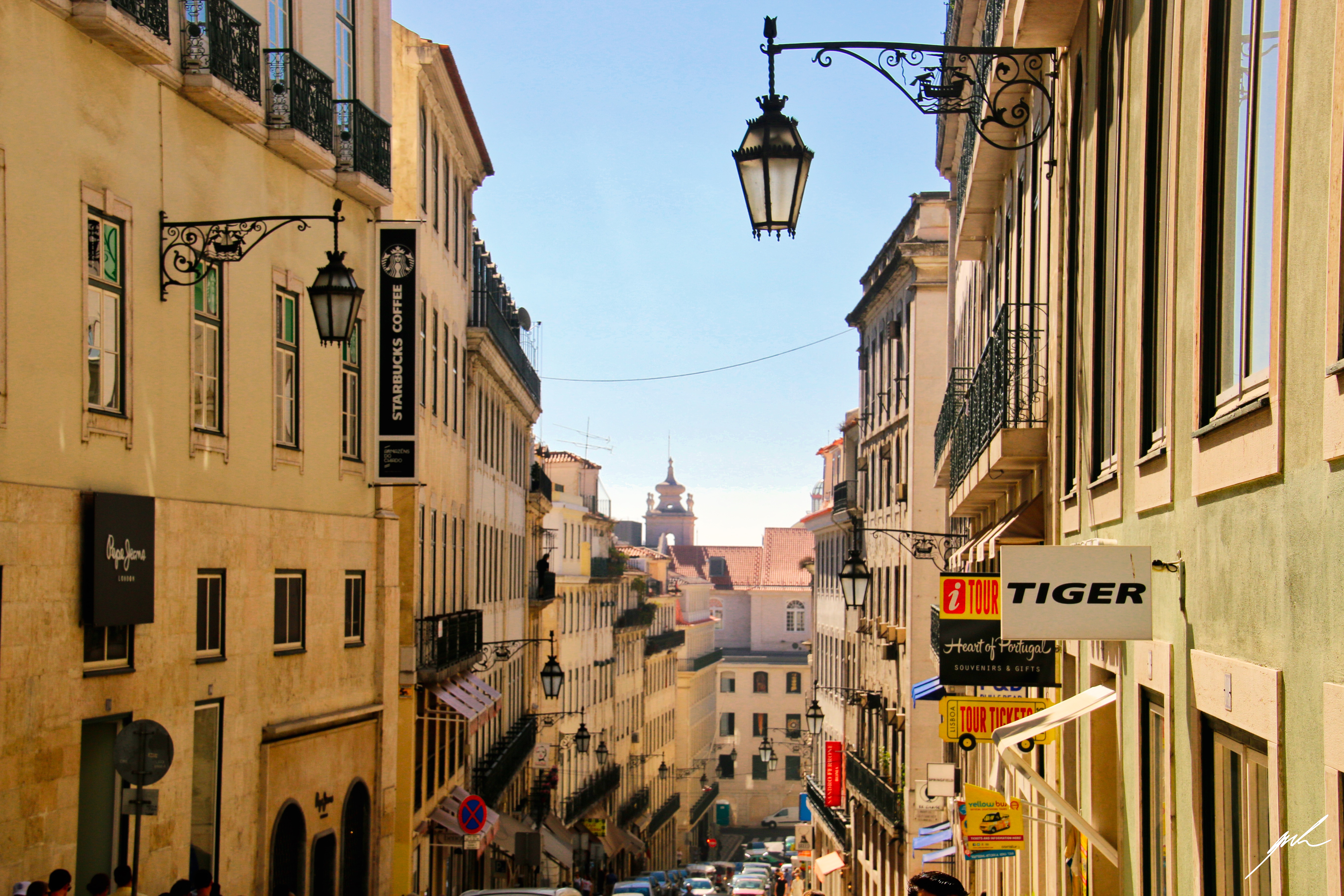
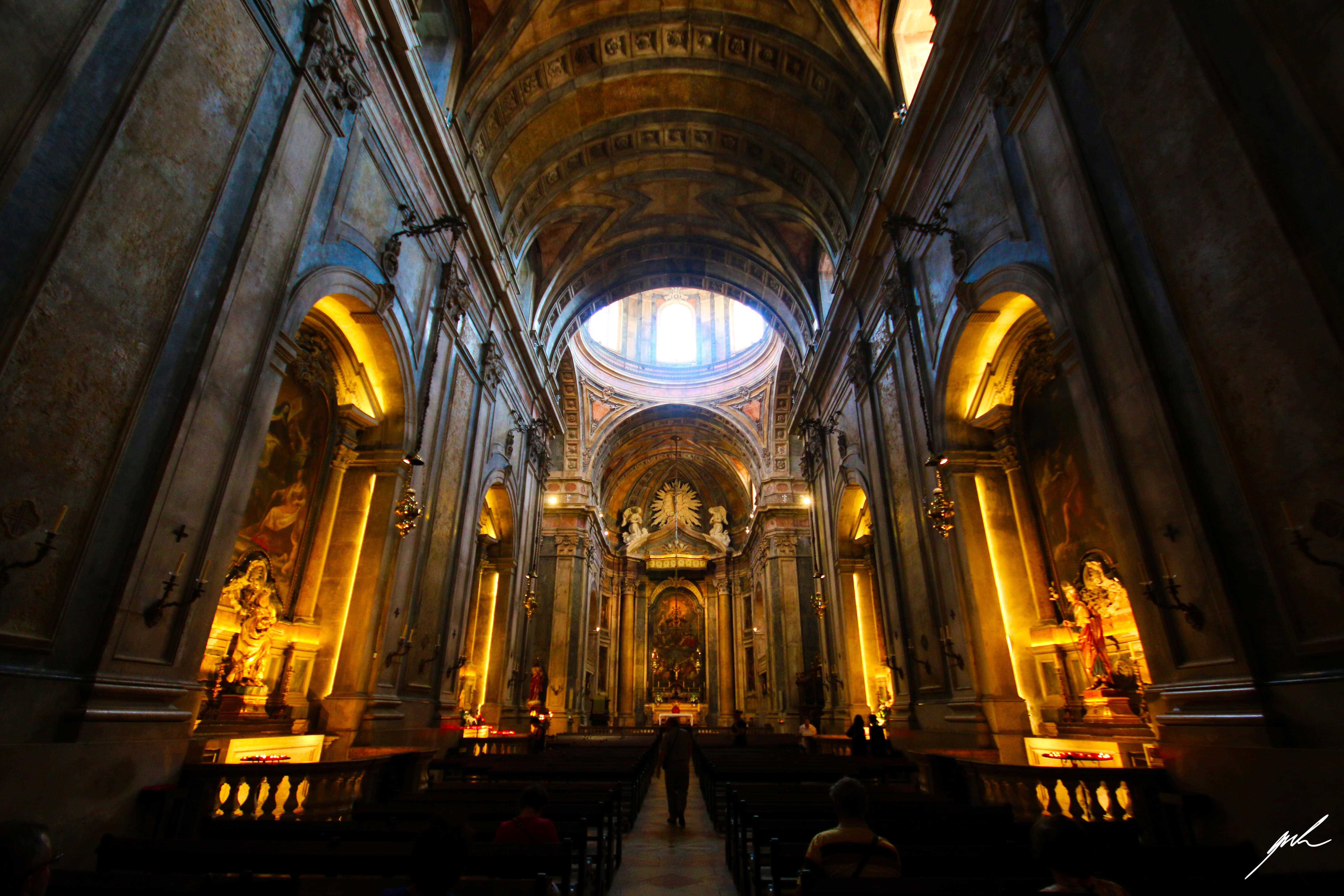
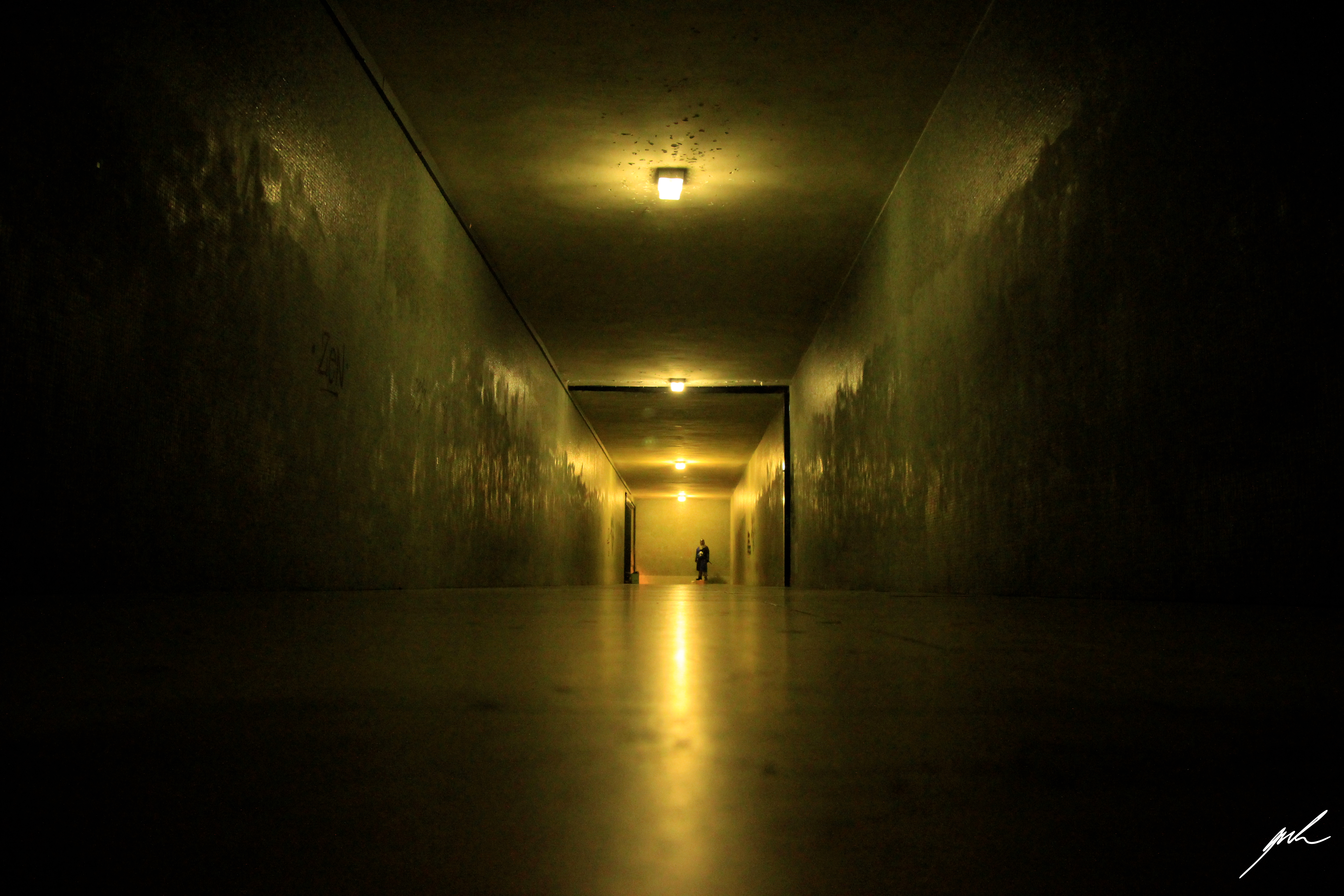
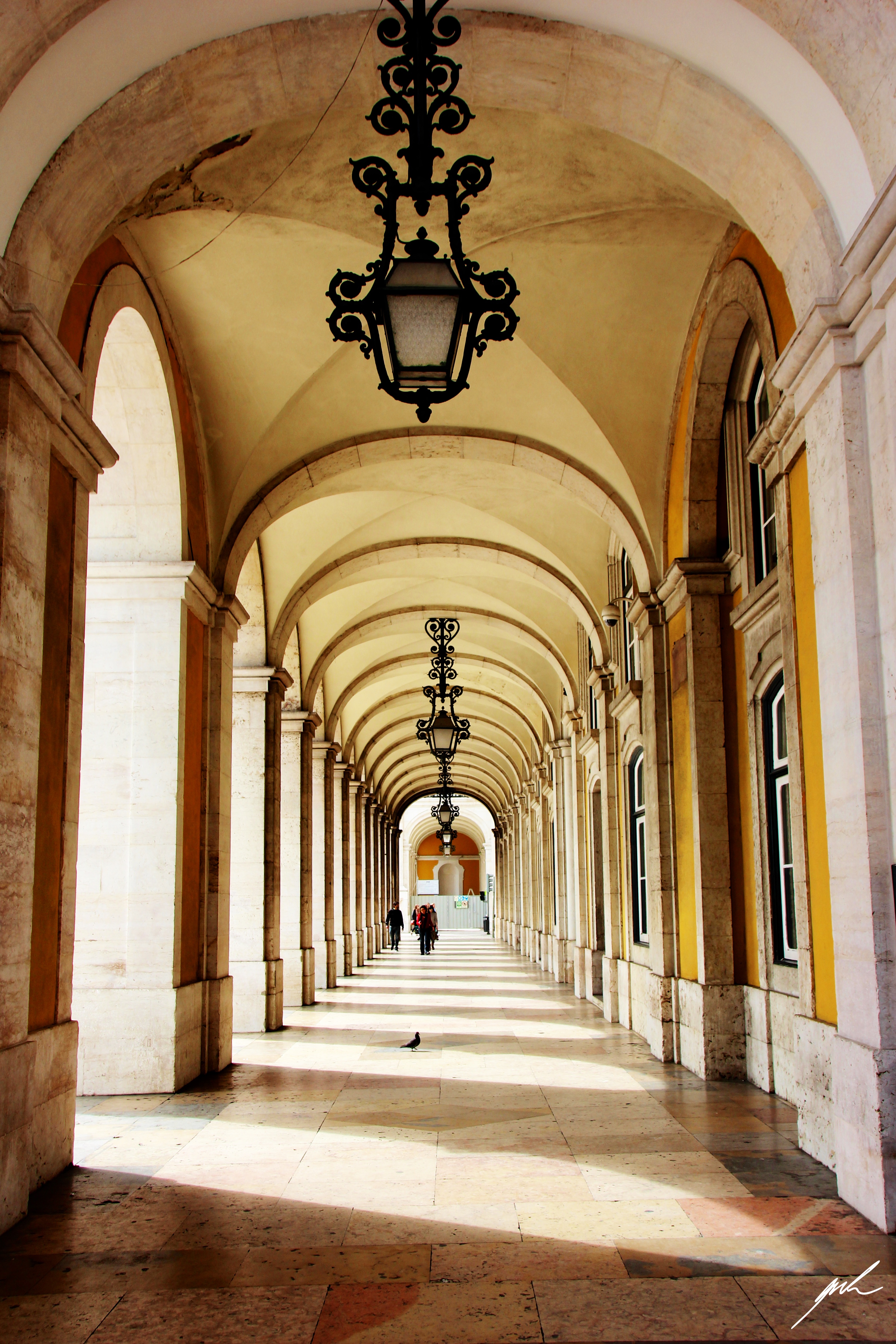
So two months ago, I got to return to the beautiful capital of Portugal again for a few days, and I fell in love again. As I used to do, I took my camera bag. I roamed freely around the city again, revisiting parts of the town I already knew and discovering new places like the Convento di Carmo, an abandoned church I hadn’t been to before. Of course, you never take the same shot twice; there is always a new angle, perspective, and, in this case, a new camera and lenses.
It felt like a direct continuation of what I had done a few years before like I would never have been away. Also, the weather was perfect for photography in these last days of Iberian summer. I’ve spent some time curating the new shots and making them into a couple of new series, which I will release little by little during the following months.






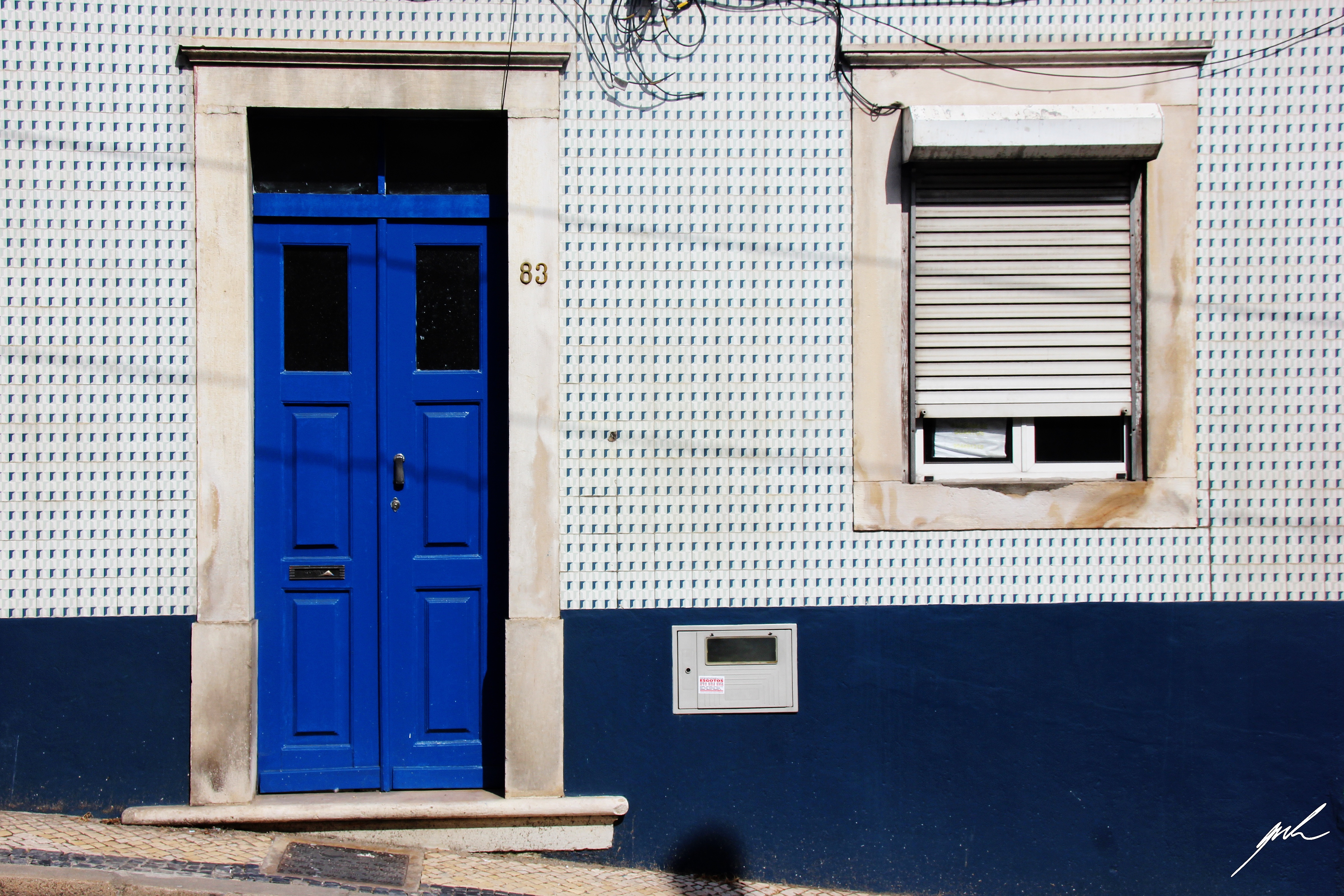
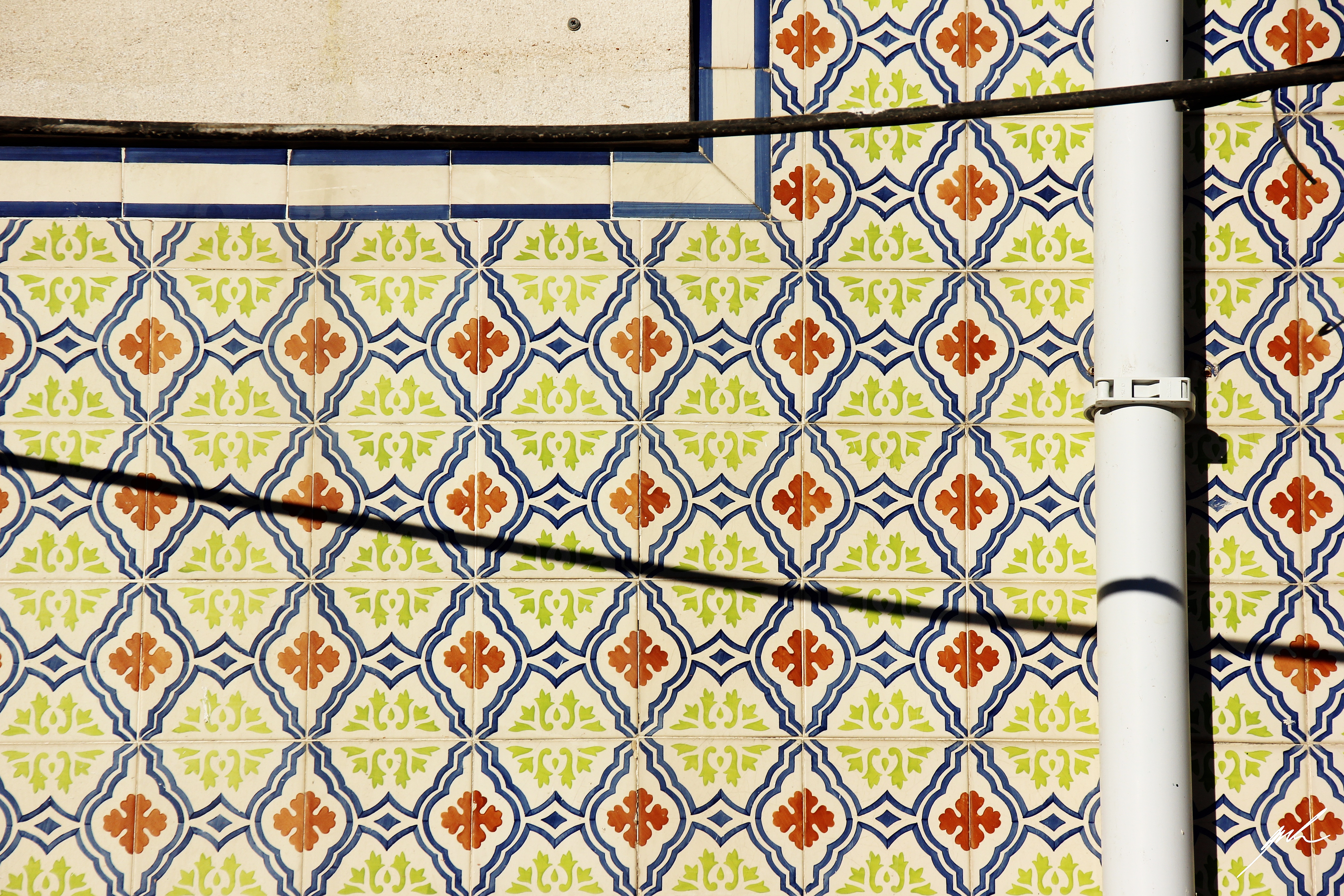
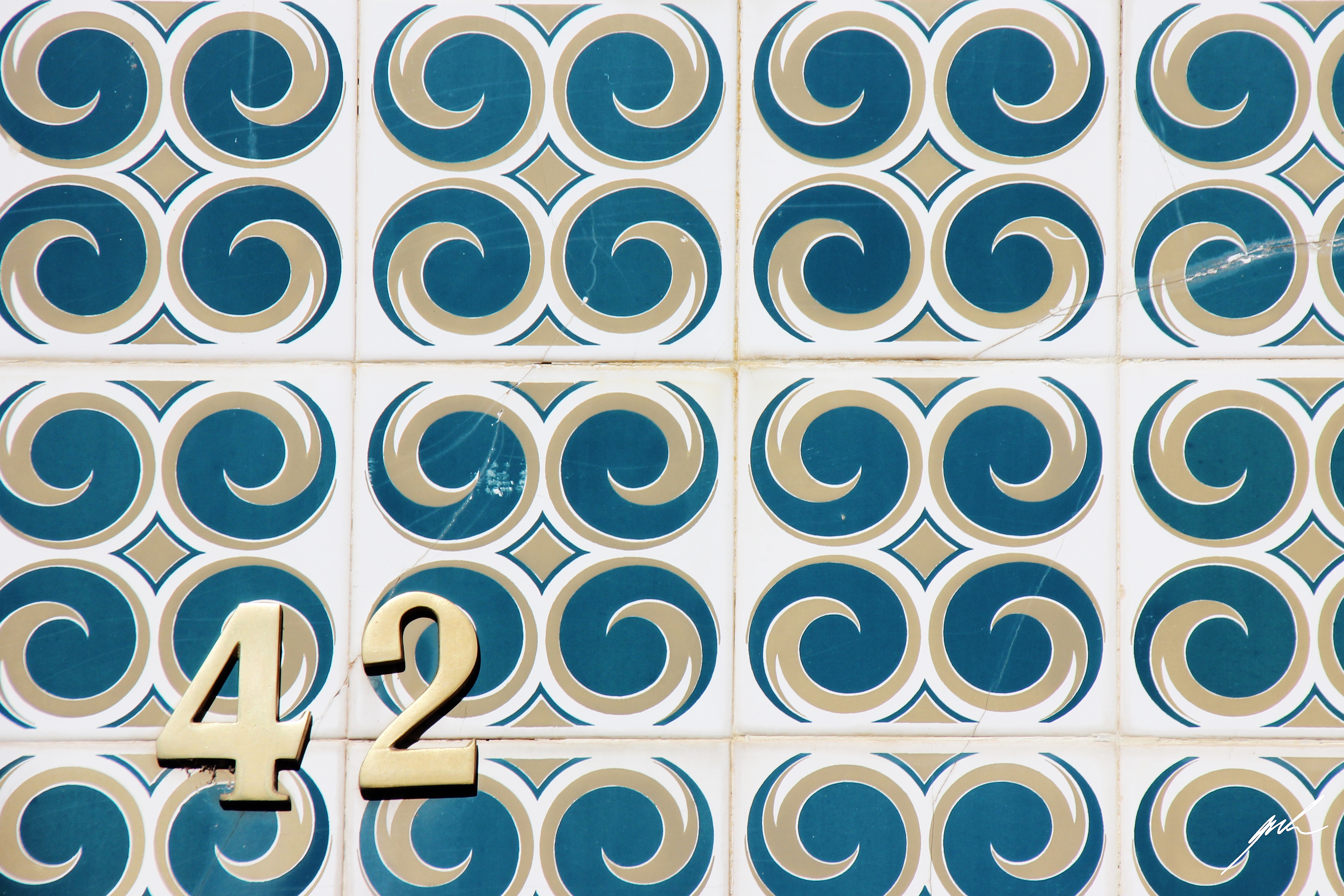
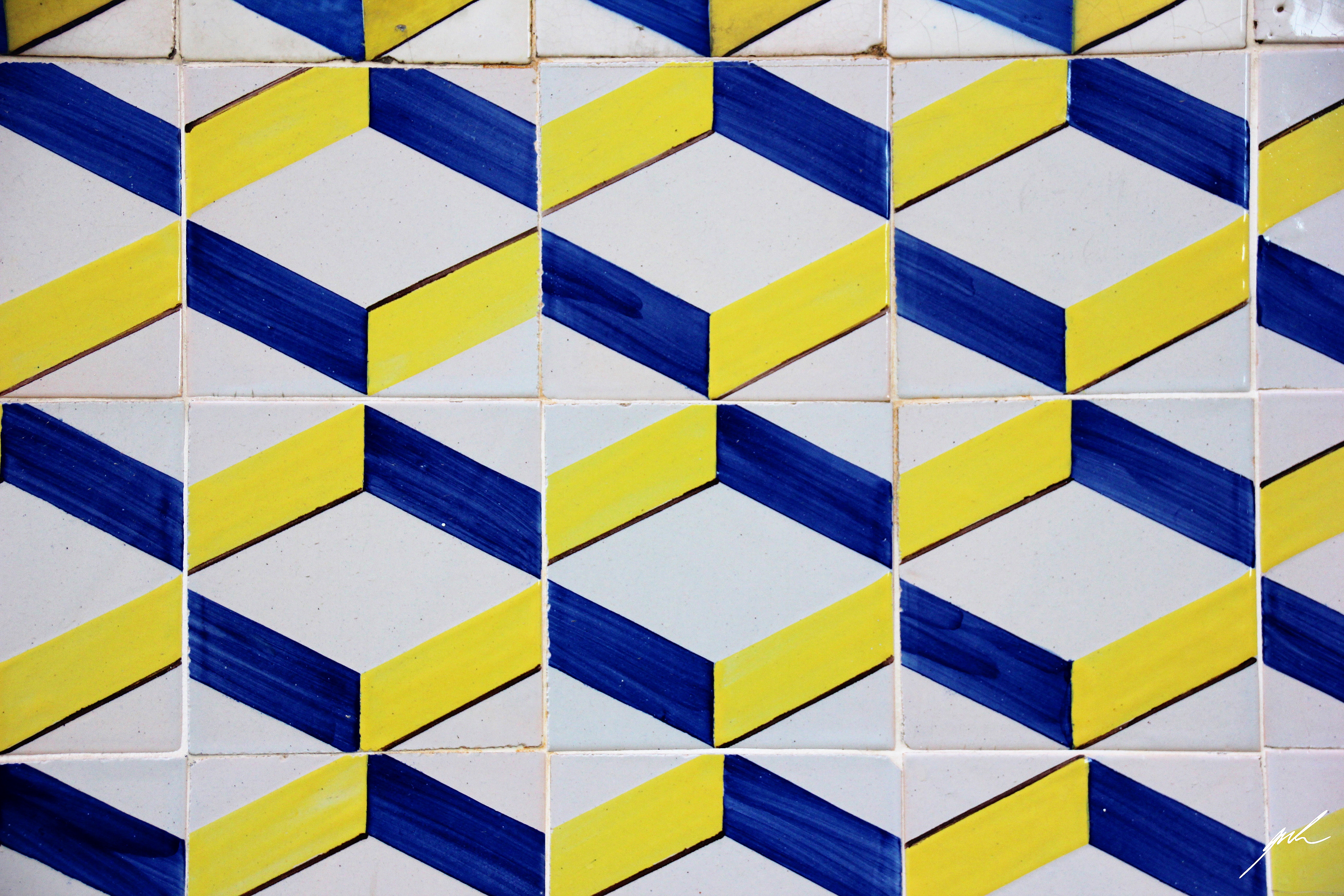
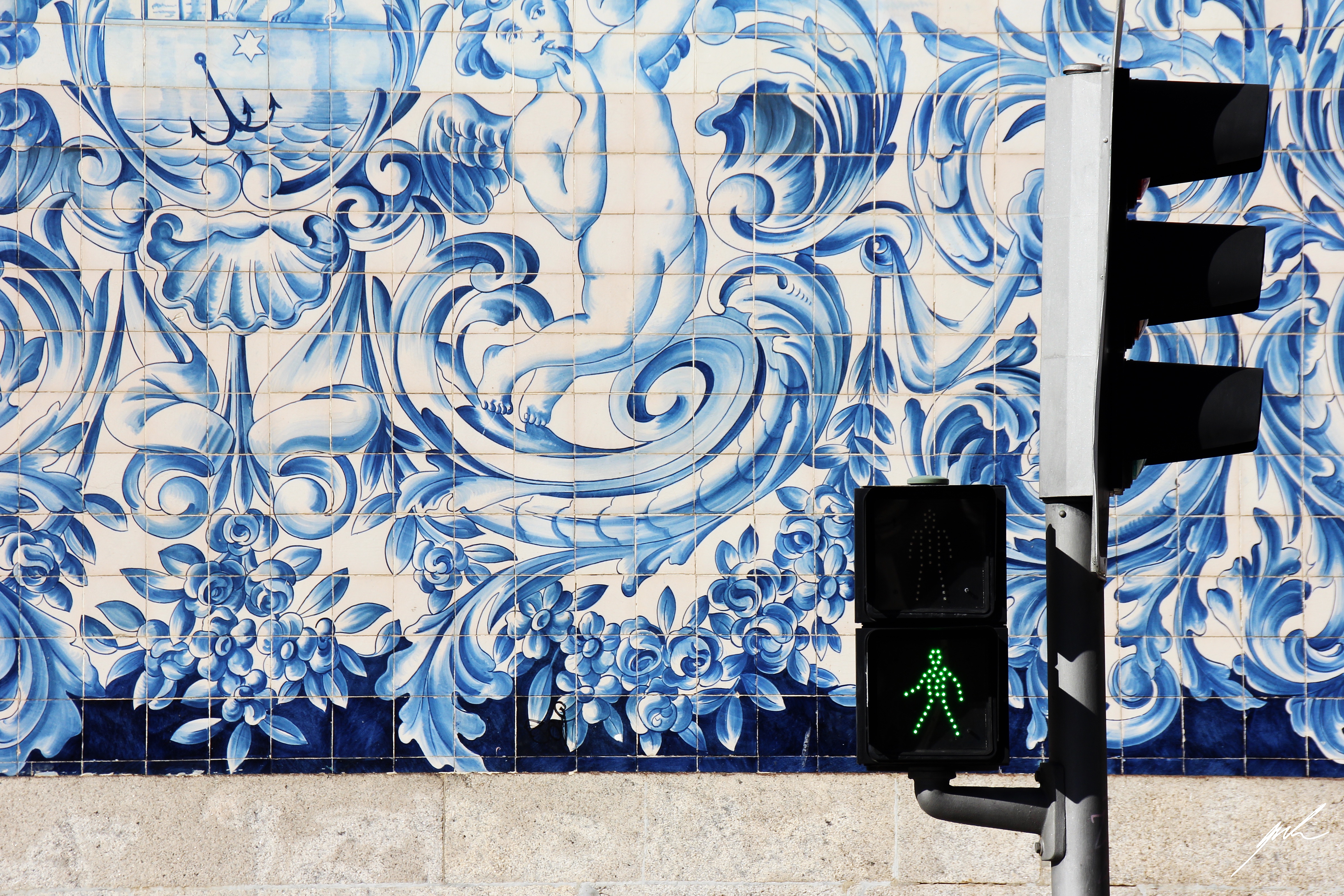
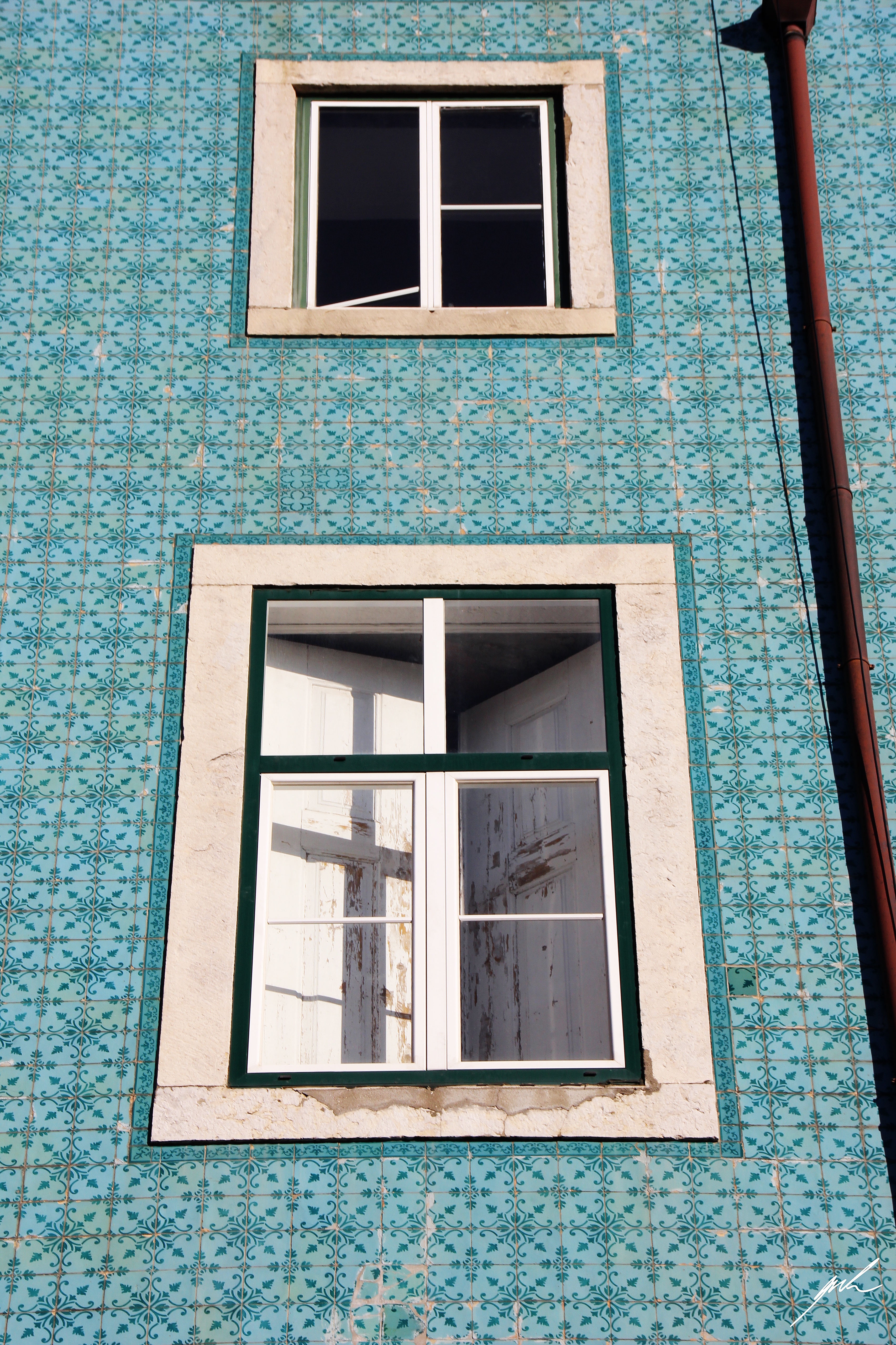
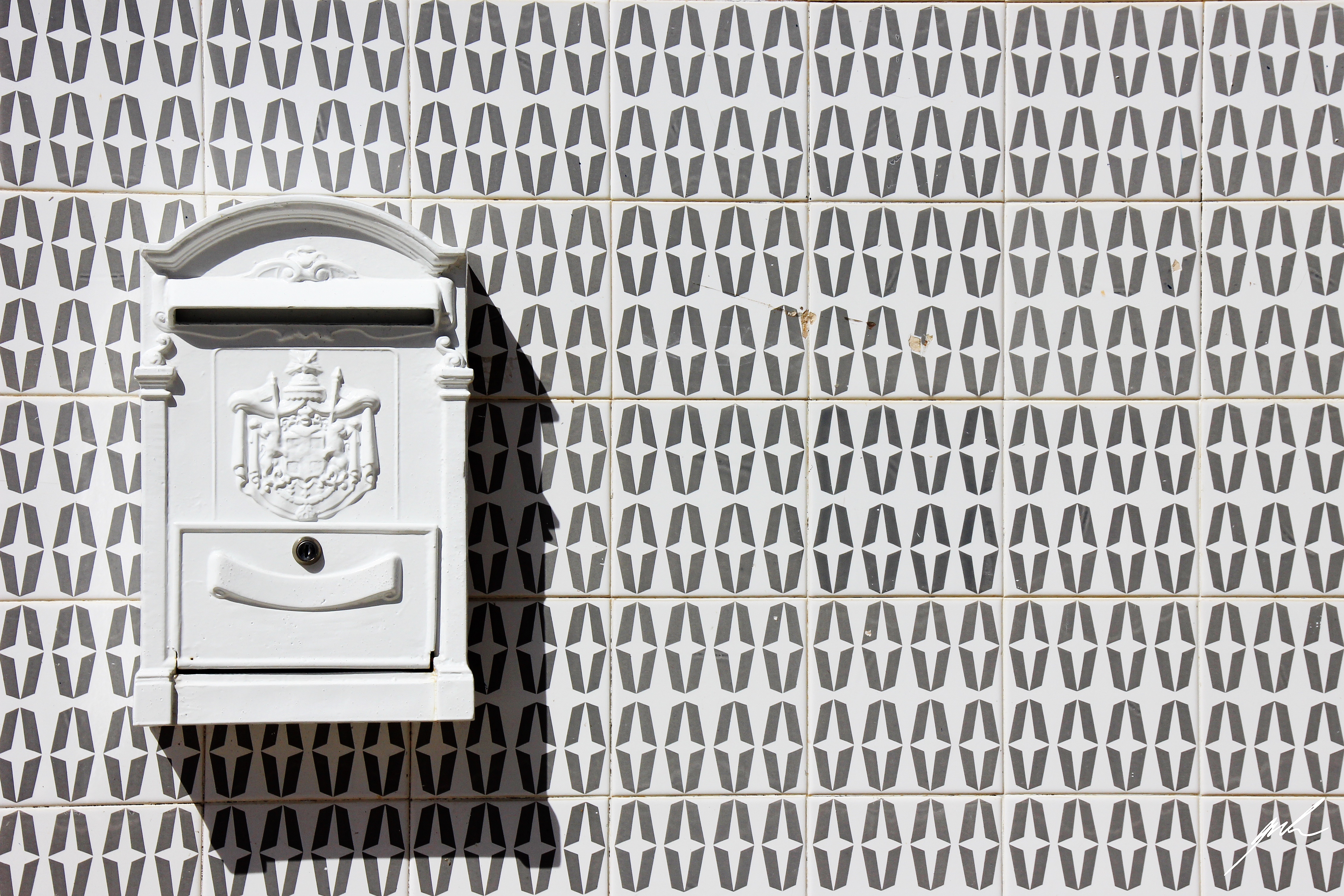
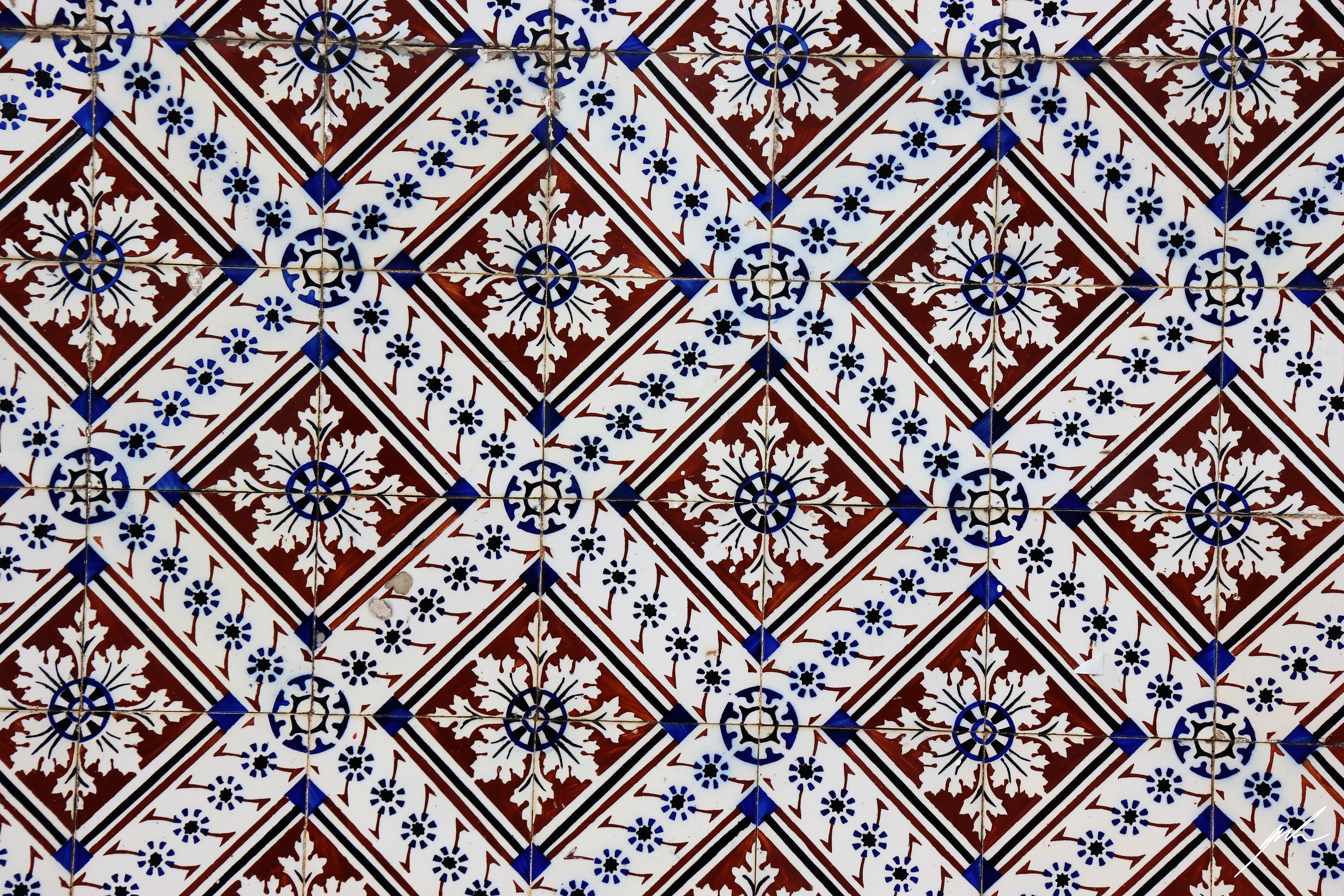
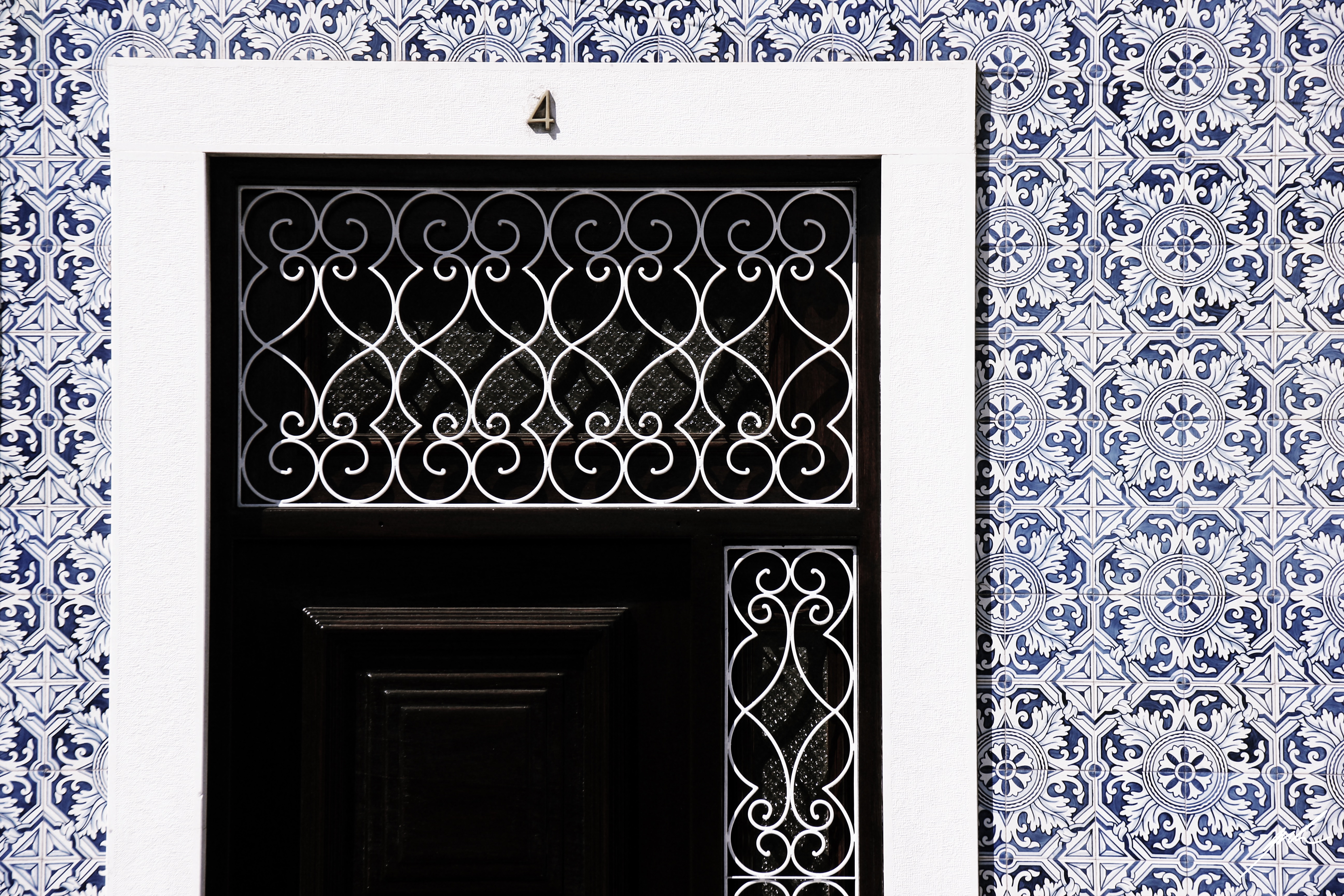
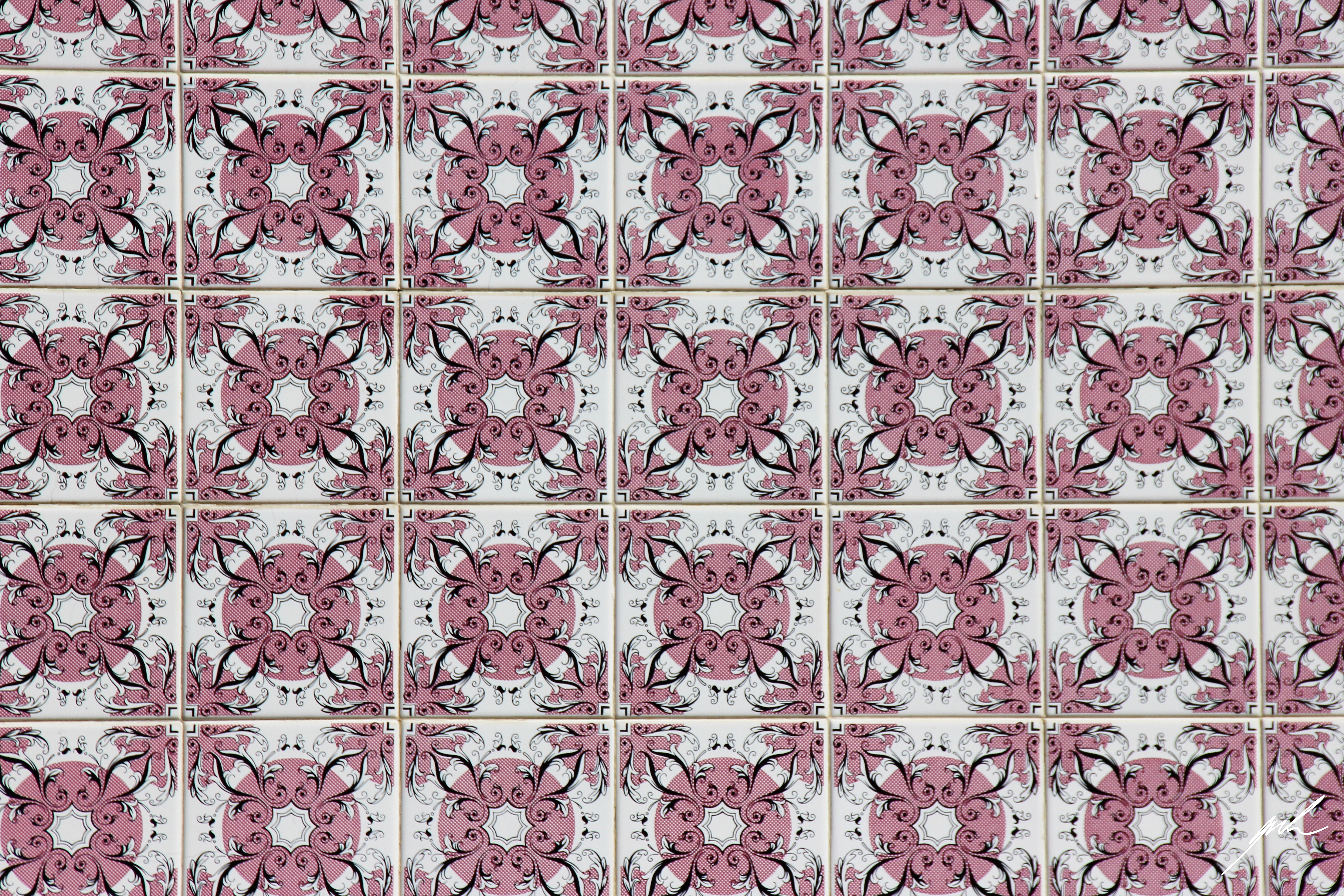
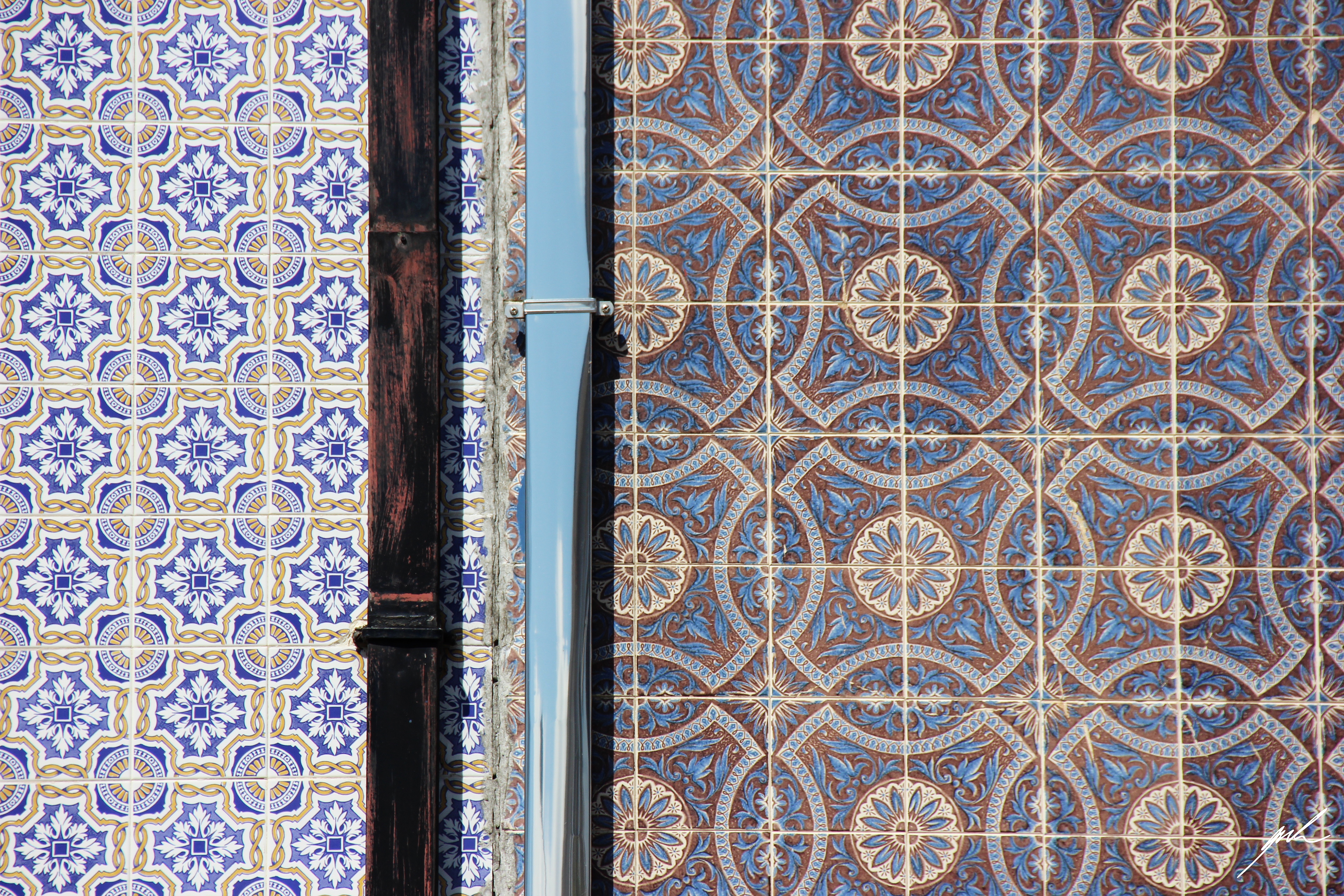
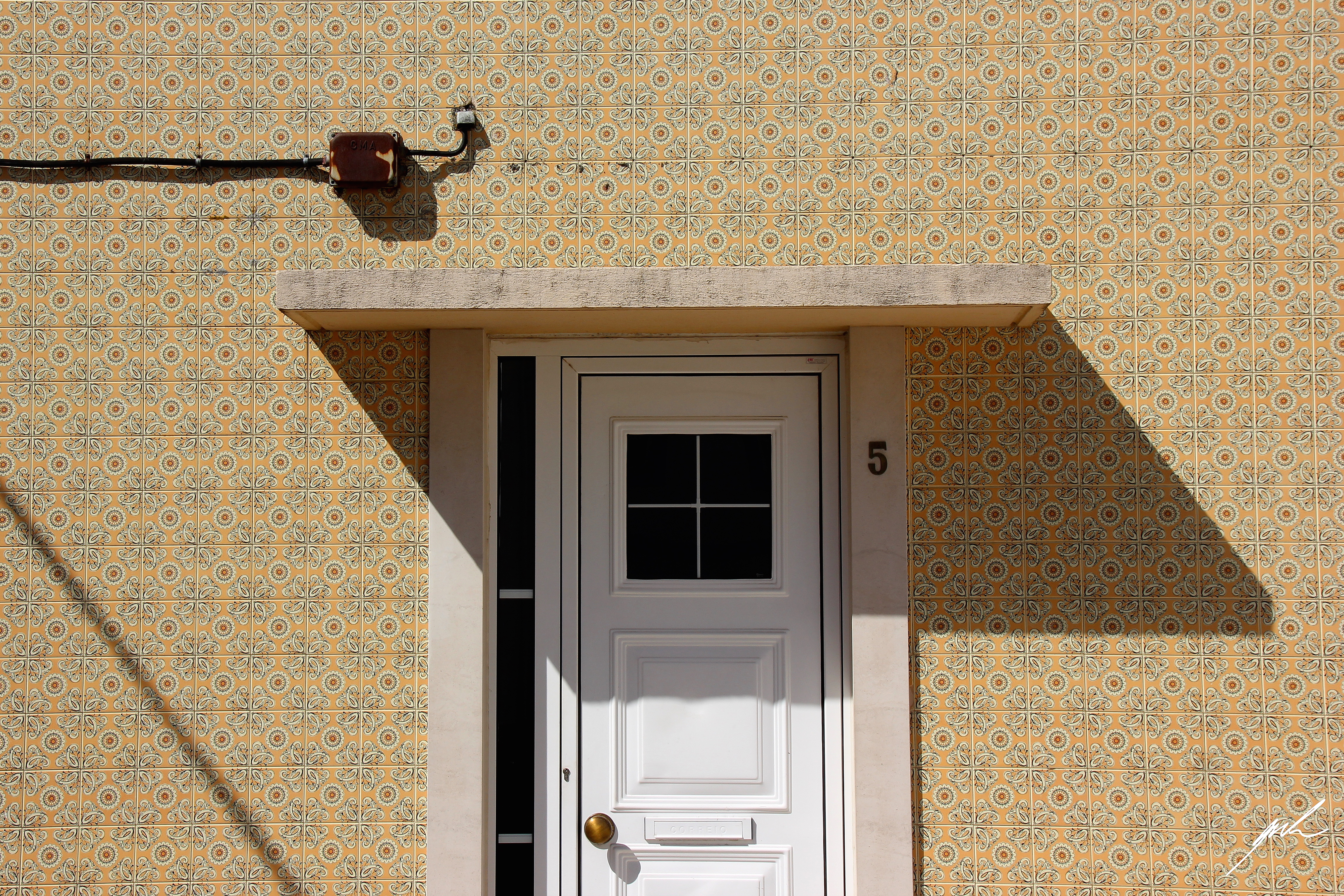
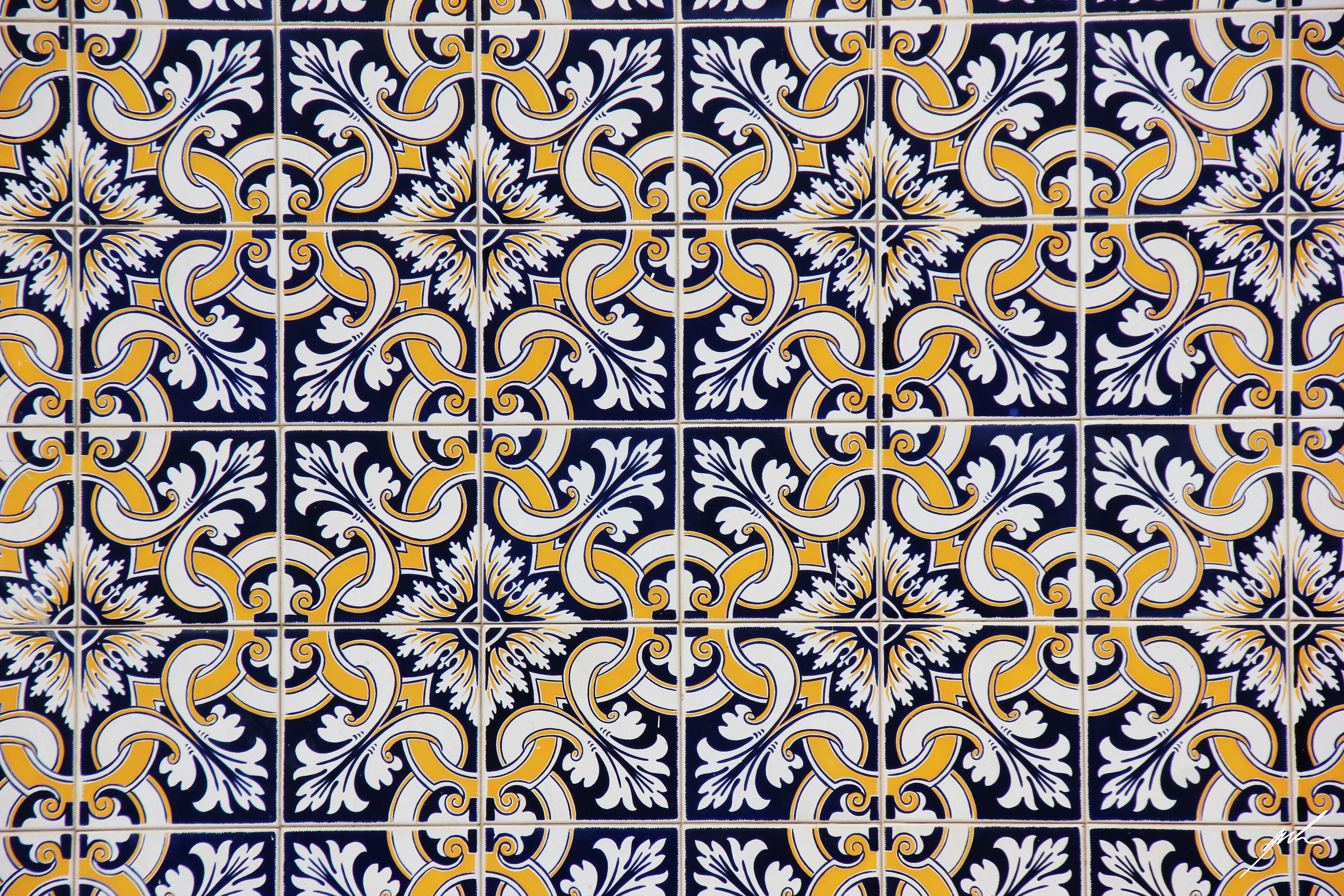
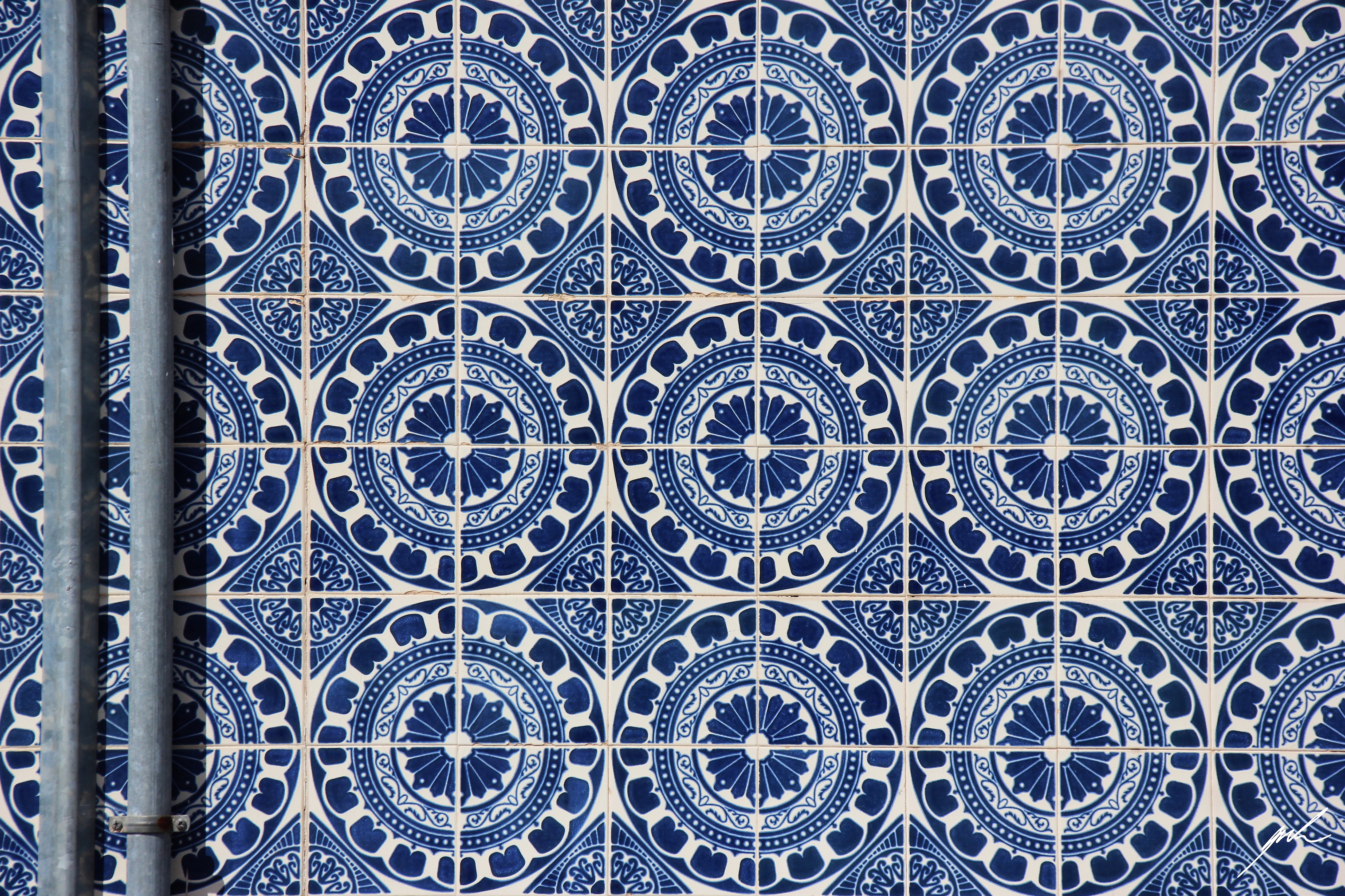
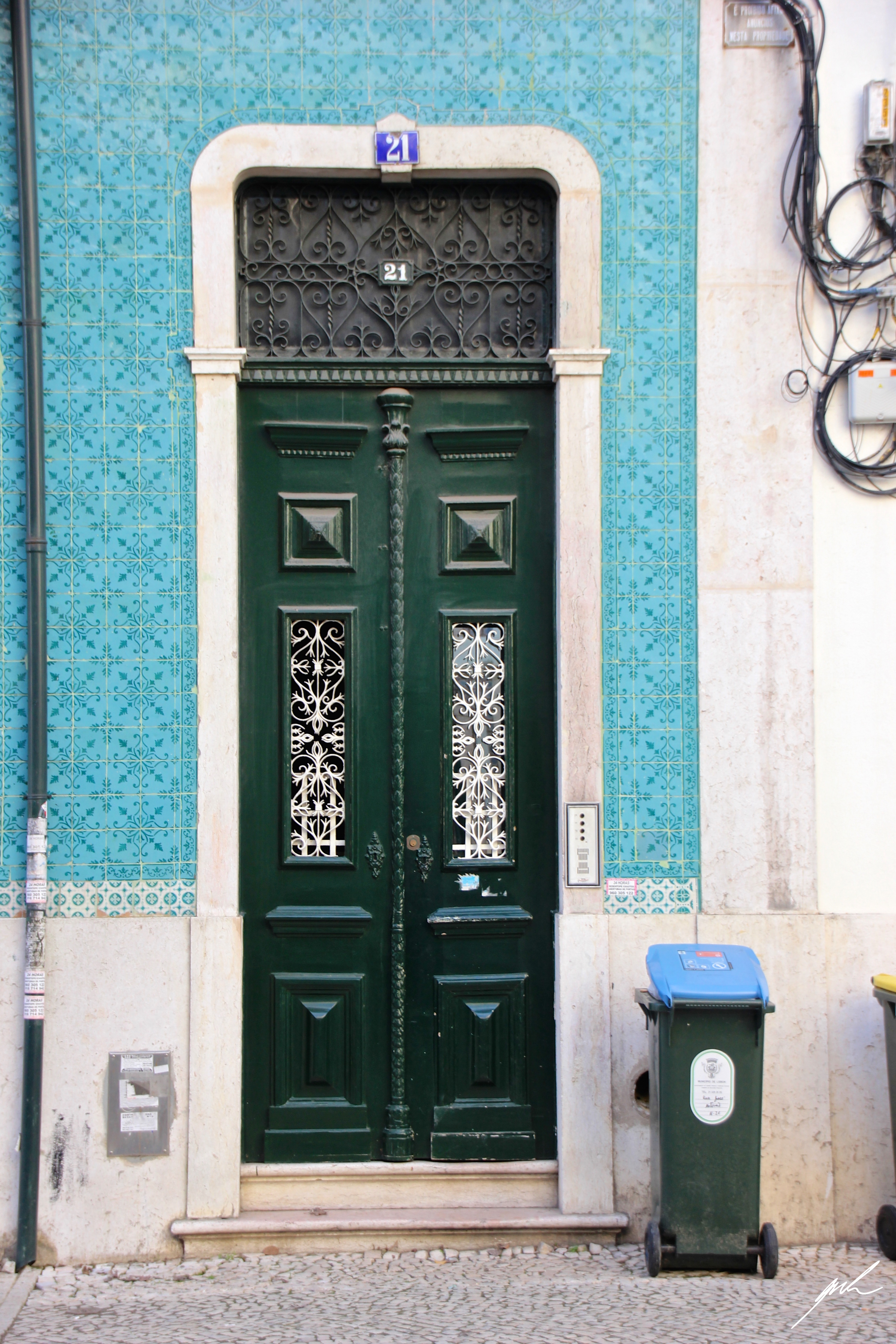
 ecorative building façades composed of thin-glazed ceramic tiles are considered a national art form in Portugal with a long historical tradition dating back to Arabic times. In Português they are called “Azulejos”, probably stemming from the Arabic “al zulaij” meaning small polished stone. In fact, the technique was adapted from Moorish decorative art in the early 16th century and gained popularity quickly in the aspiring Portuguese architecture of the time. Still today, many houses and churches are decorated with these beautiful works of art produced over time by many tile maker workshops in different parts of the country (and in other Portuguese-speaking countries like Brazil). Probably, there are almost as many patterns as there are Bacalhau receipts, but maybe that’s slightly exaggerated 😉 Interestingly, though their use is not purely decorative, the tiles also have practical gains as they help control the temperature within the covered buildings.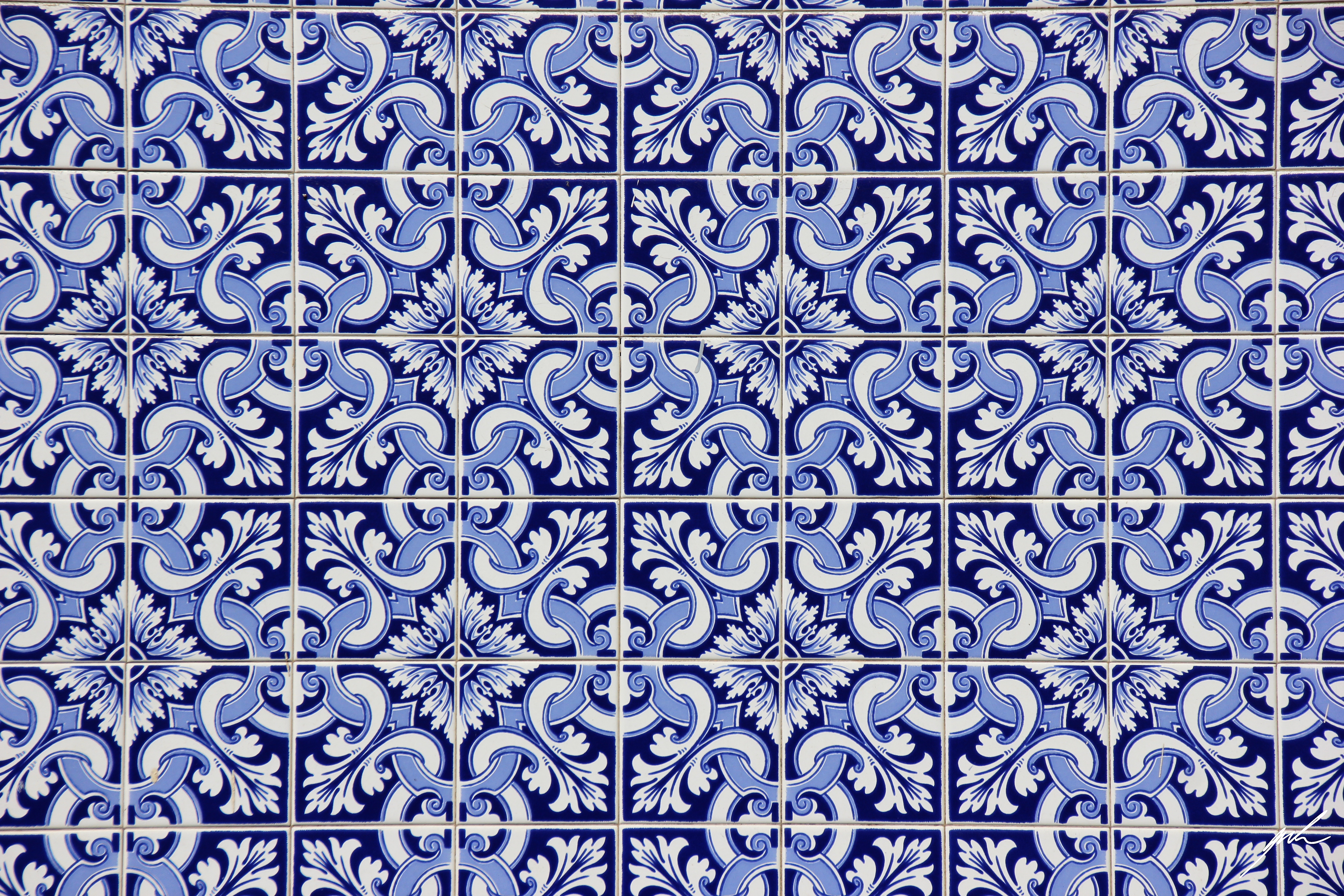




 Michael Hoffman Photography