
The Silk Road: The Grand Market in the Mountains Pt. 2
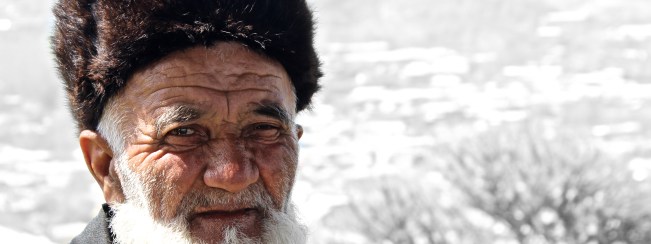

Shot in Usbekistan. For an introduction please see Part 1.
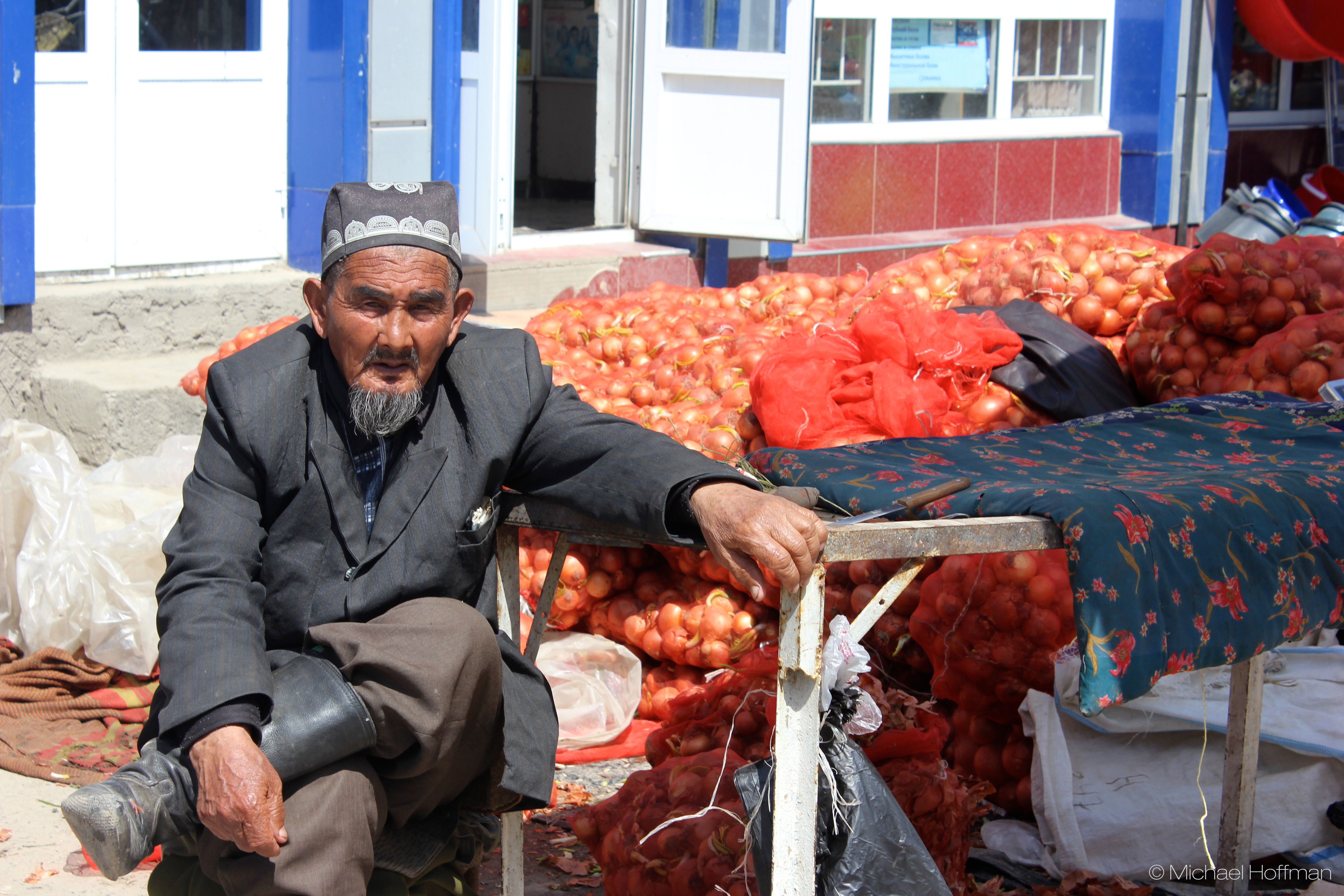


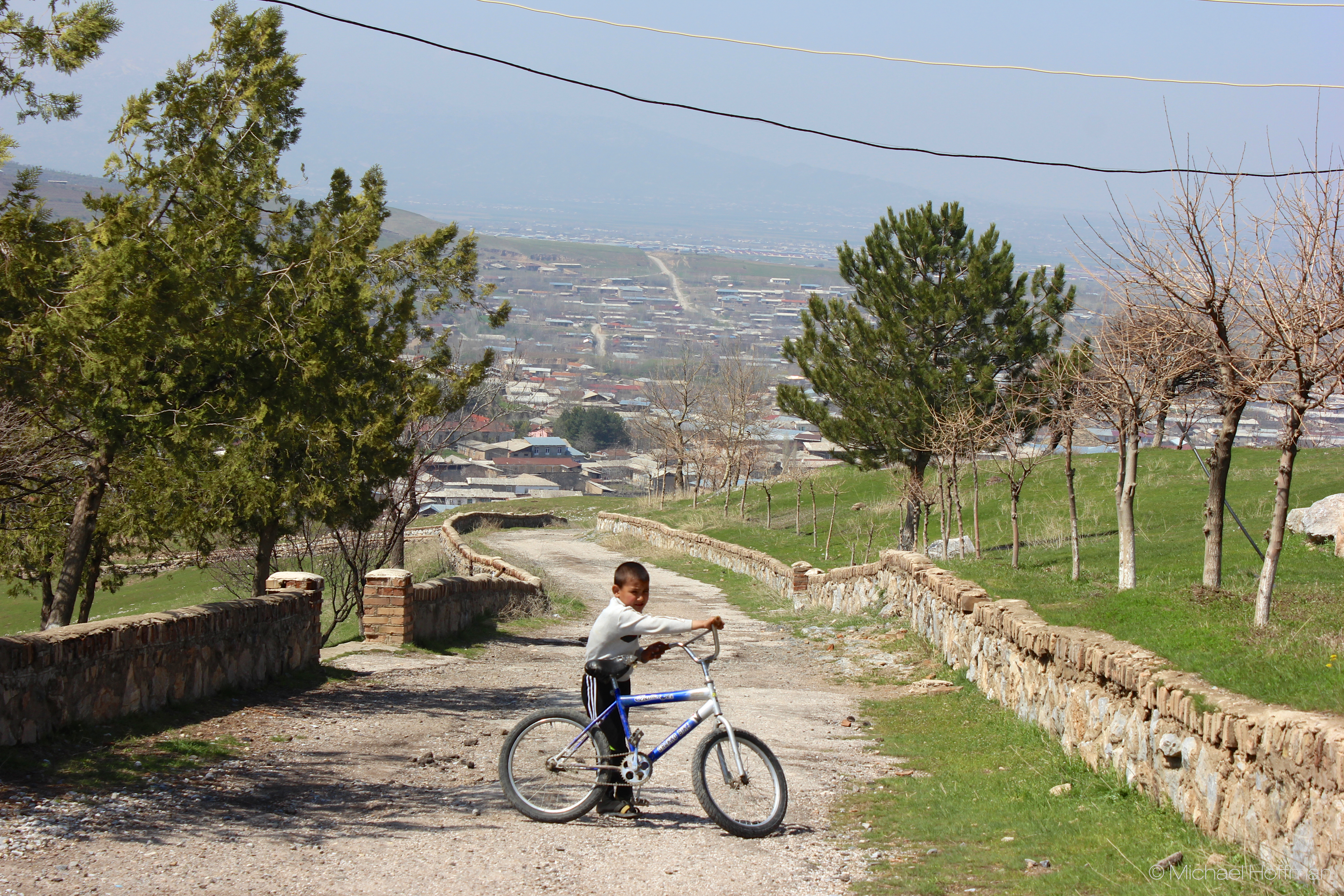
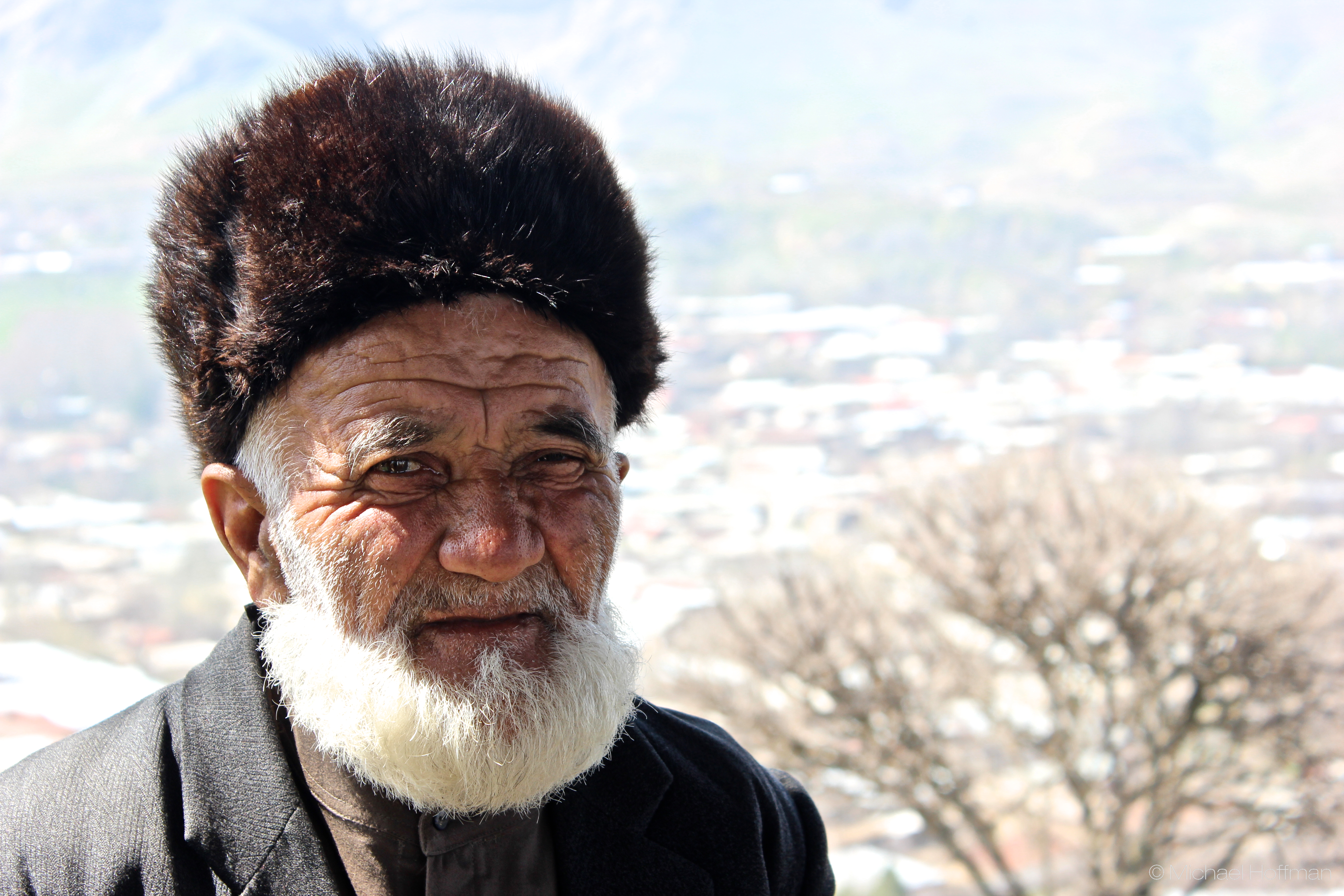
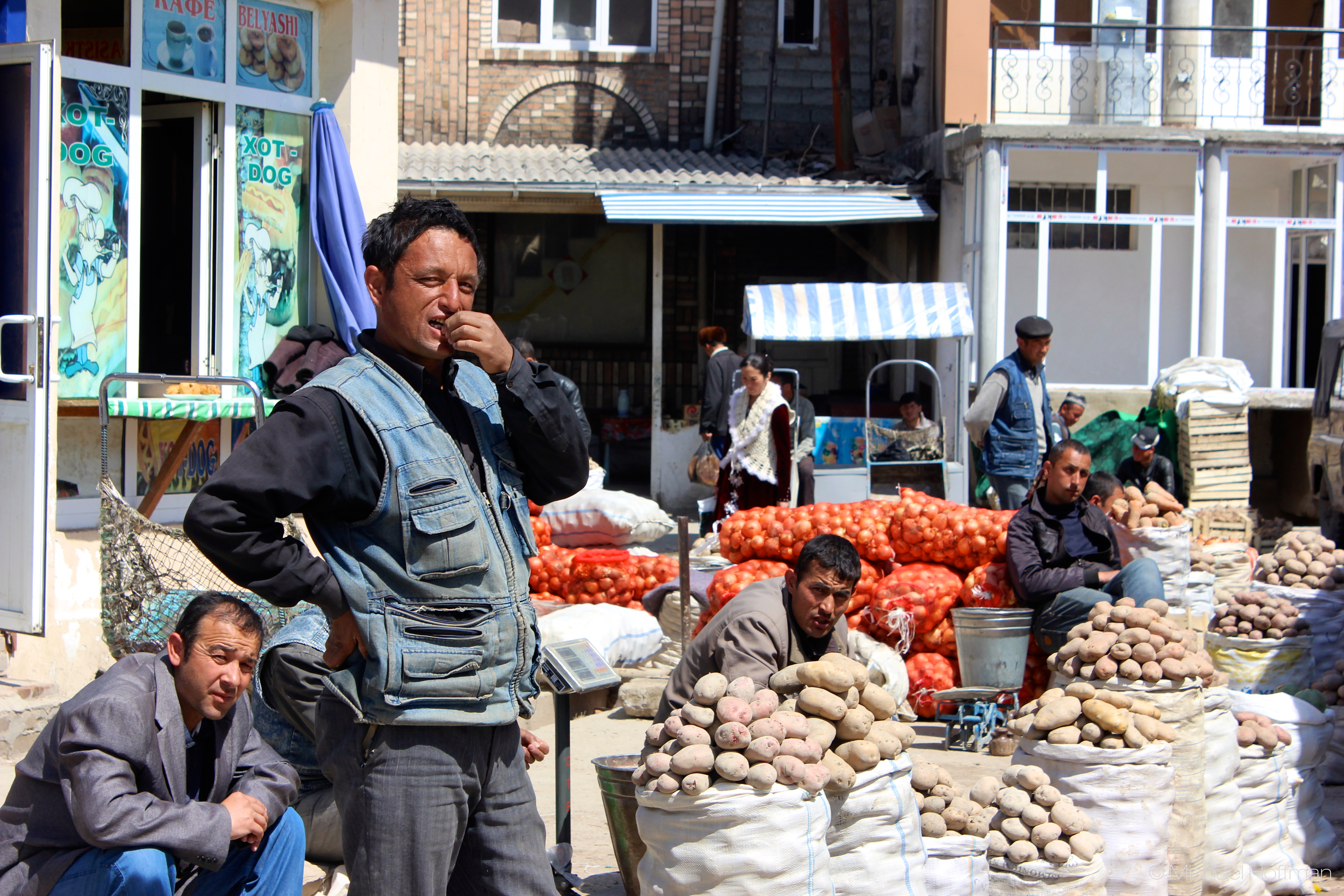
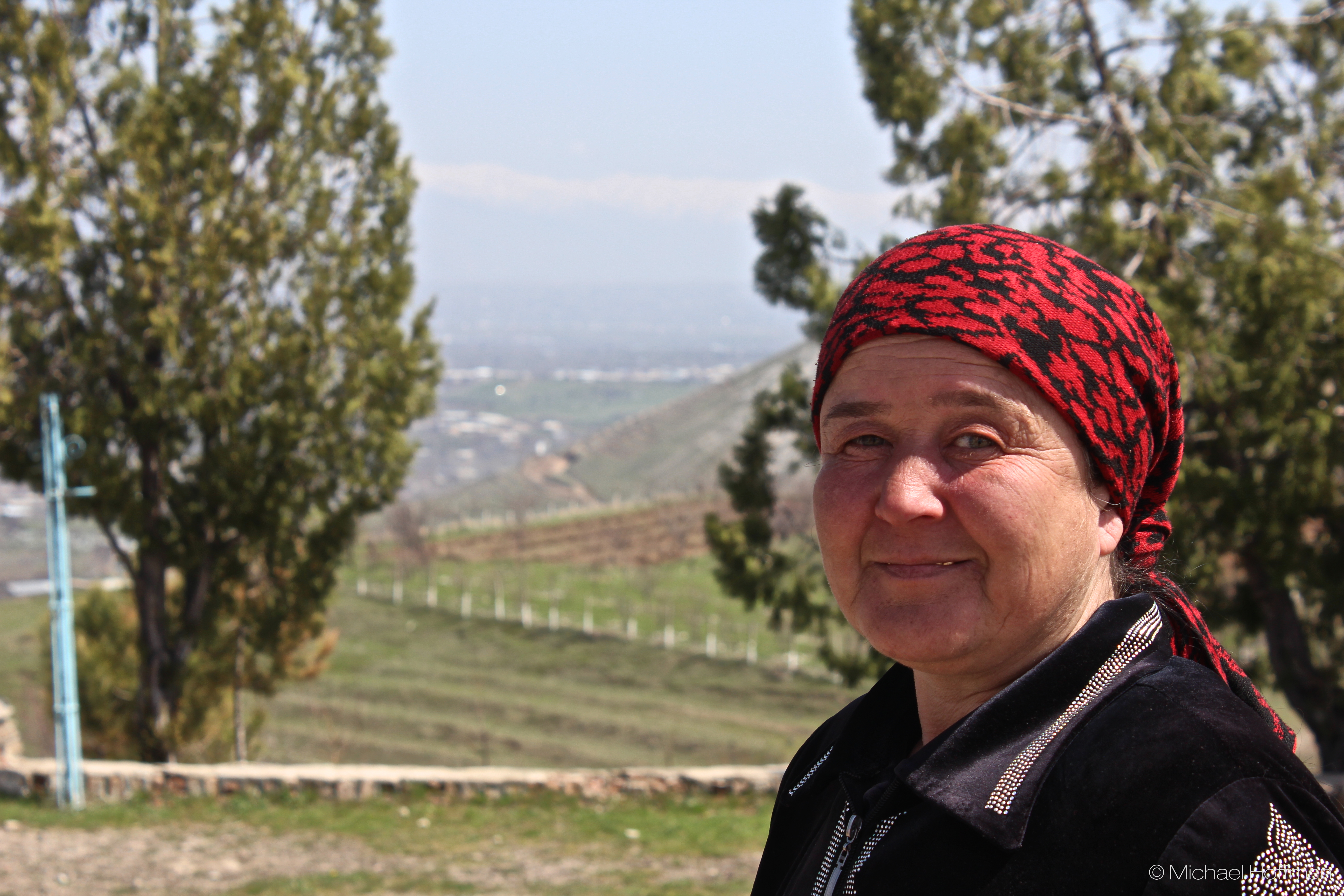
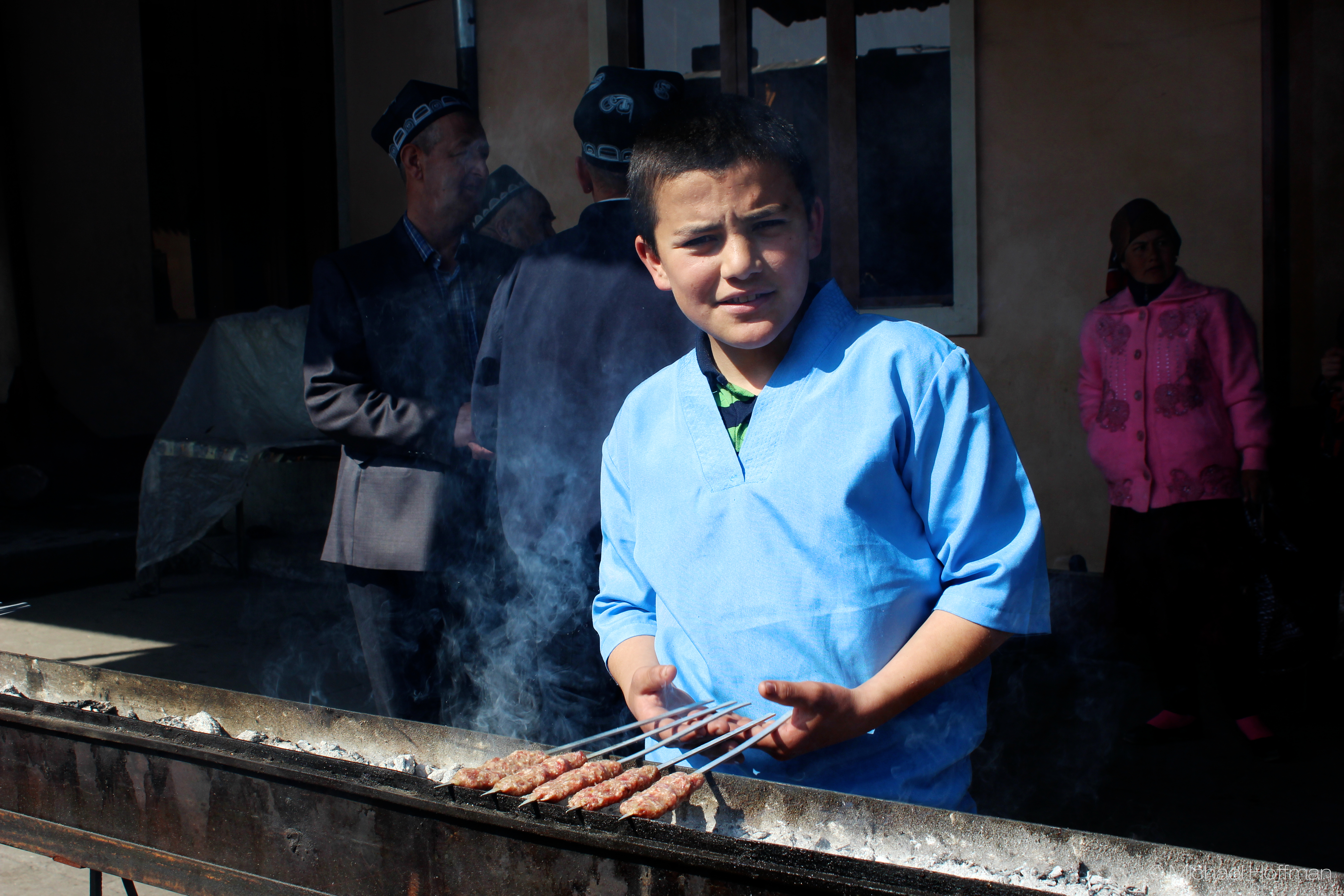


Shot in Usbekistan. For an introduction please see Part 1.
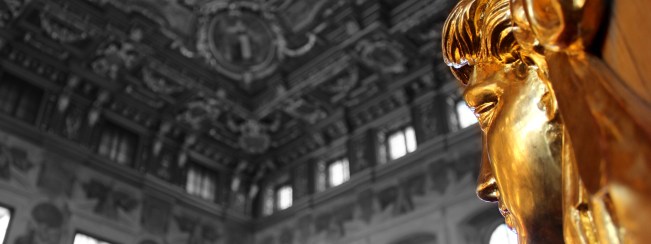
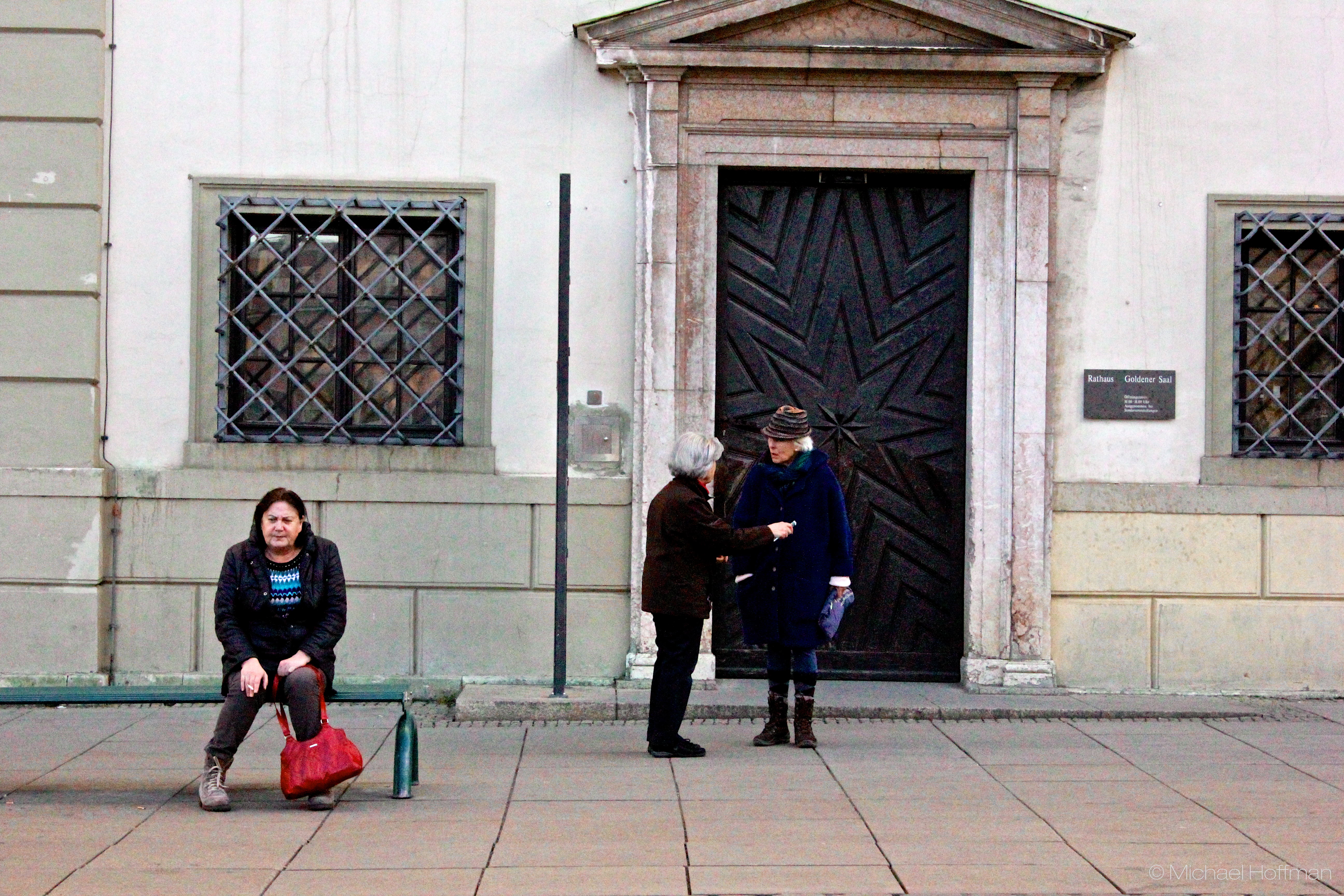
For an introduction to the series, please see Part 1. In this one, the focus is on architecture. I took a particular interest in the city’s civic hall (pictures 3 – 6). The Golden Hall is just marvelous. It was completely destroyed during World War II and rebuilt entirely. If you get the chance to visit Augsburg, pay a couple of euros and don’t miss it; it’s worth it.

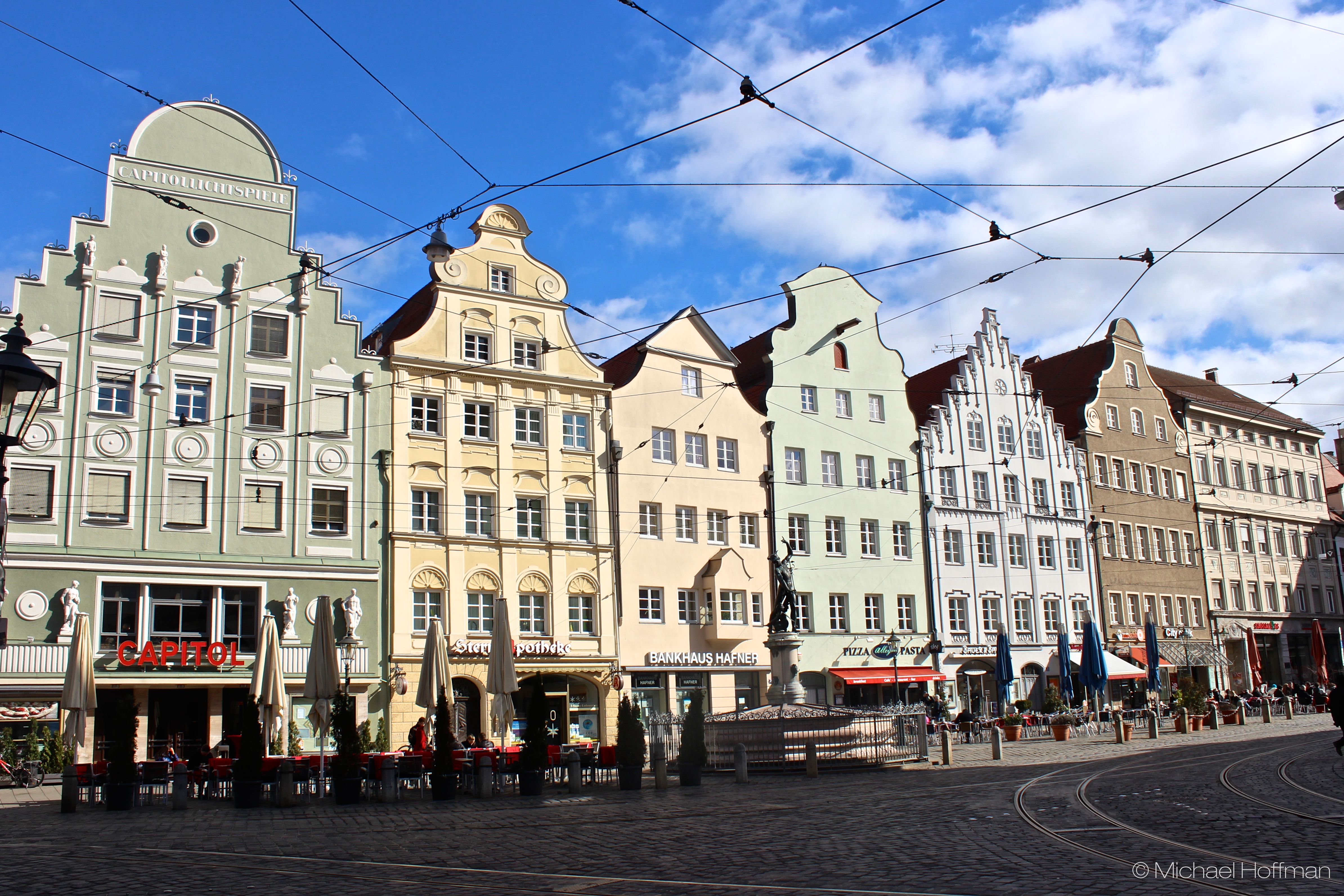
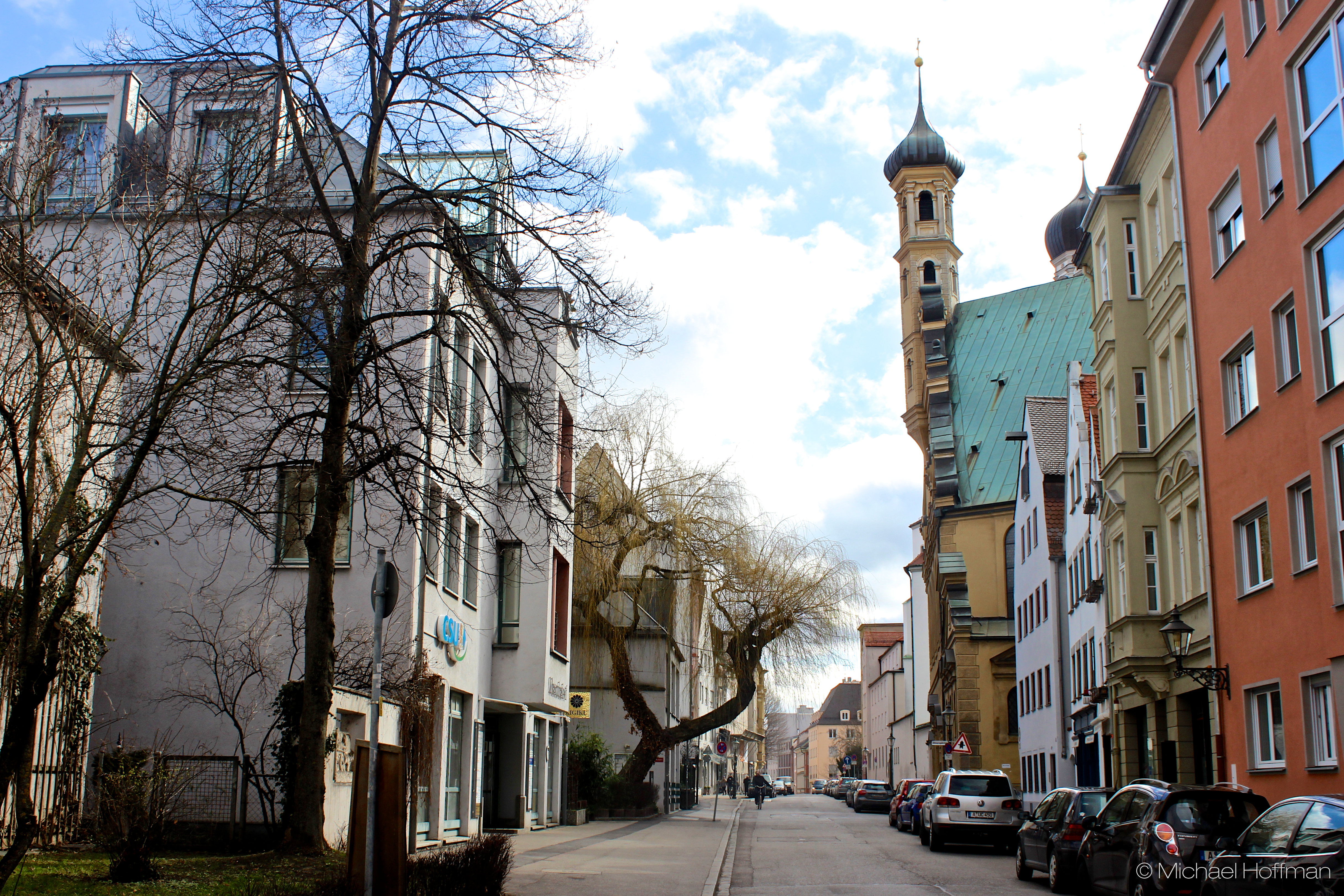
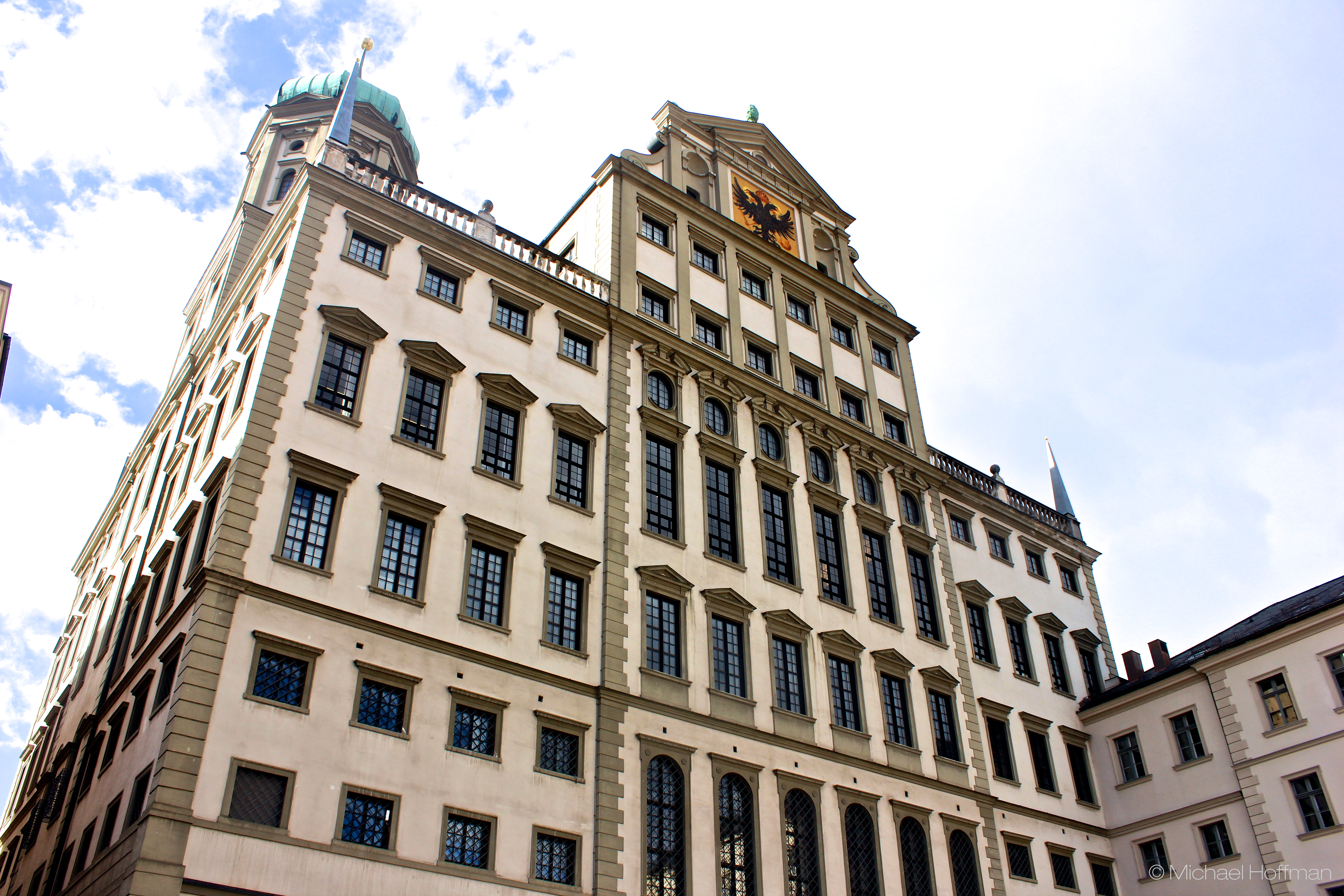
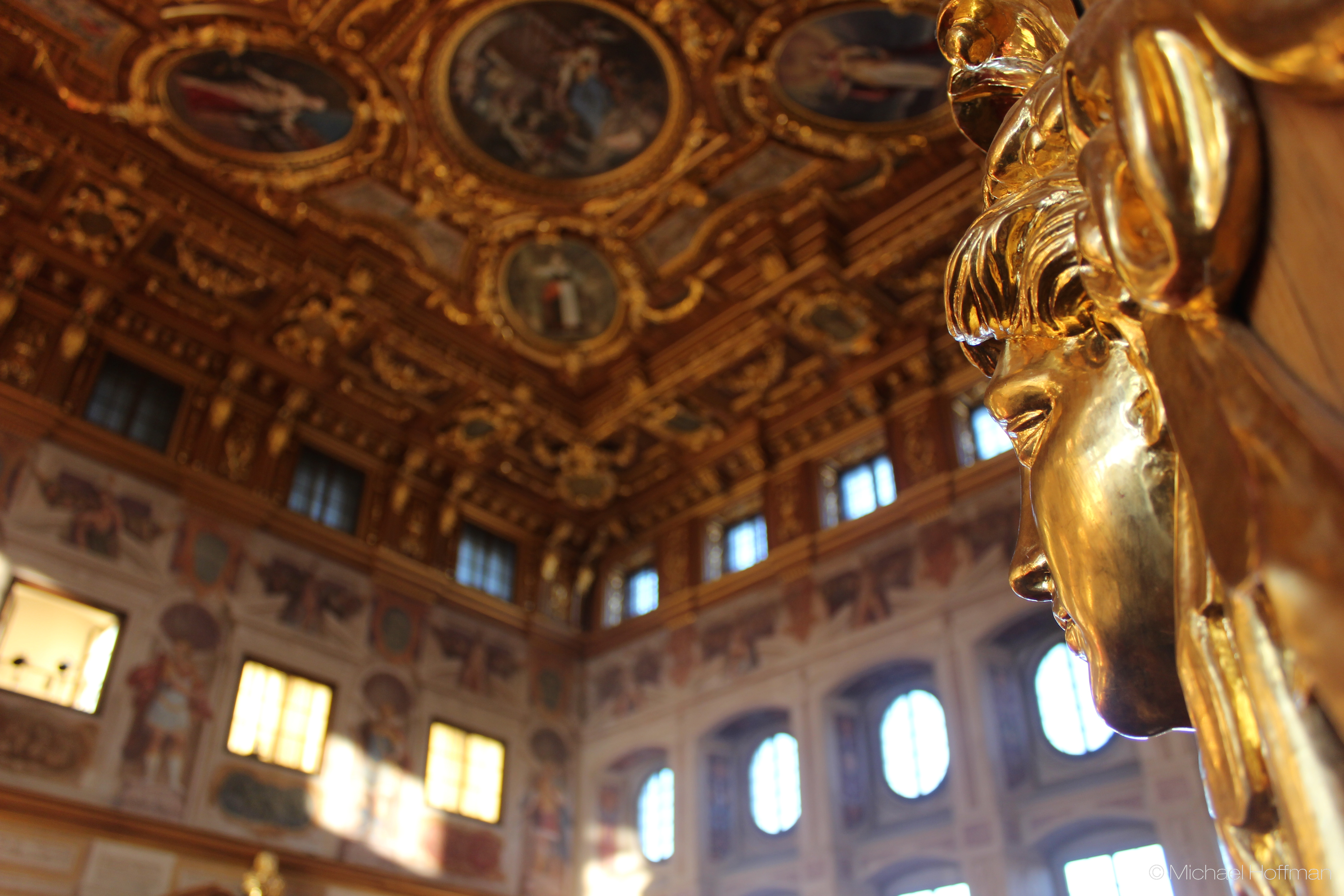
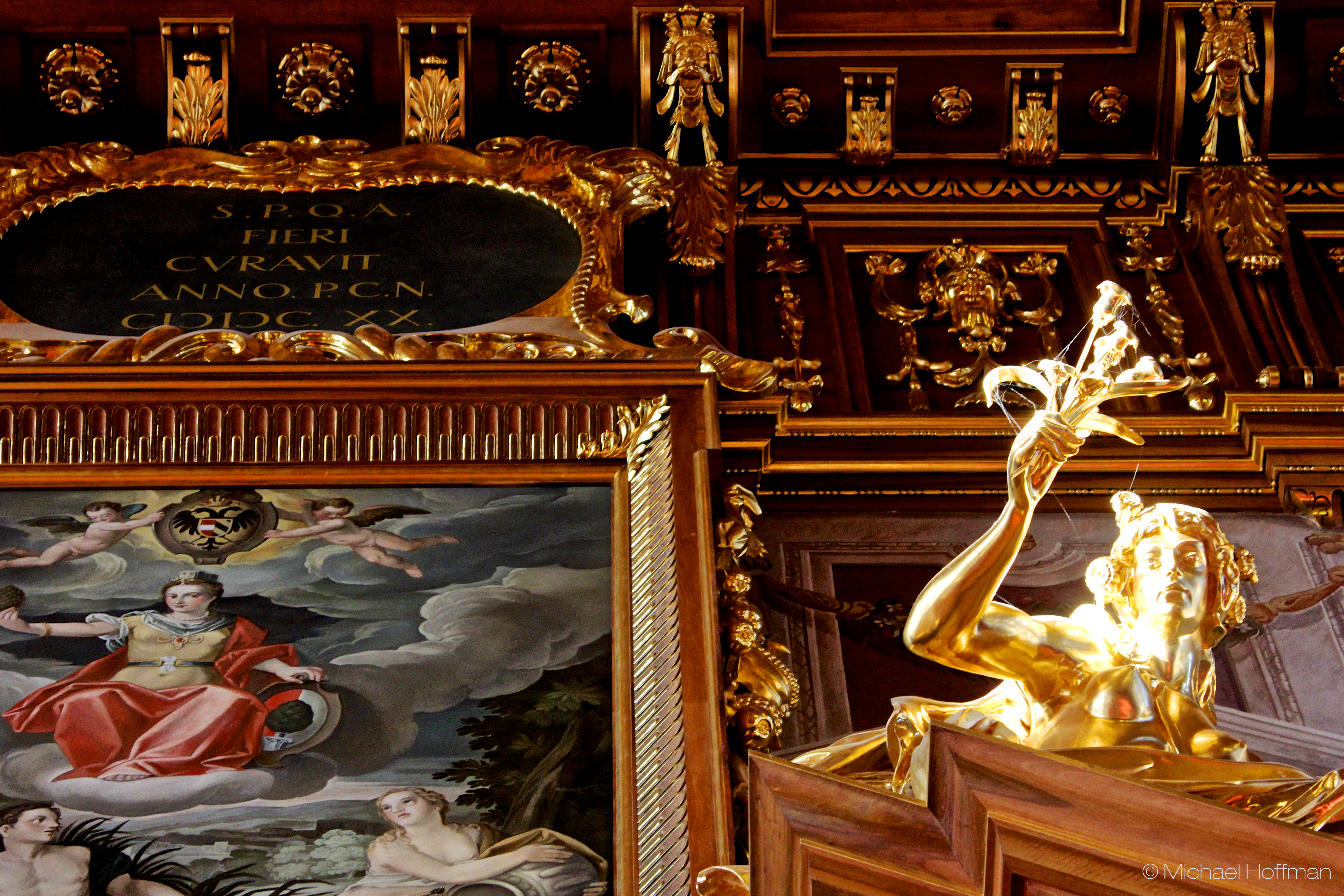
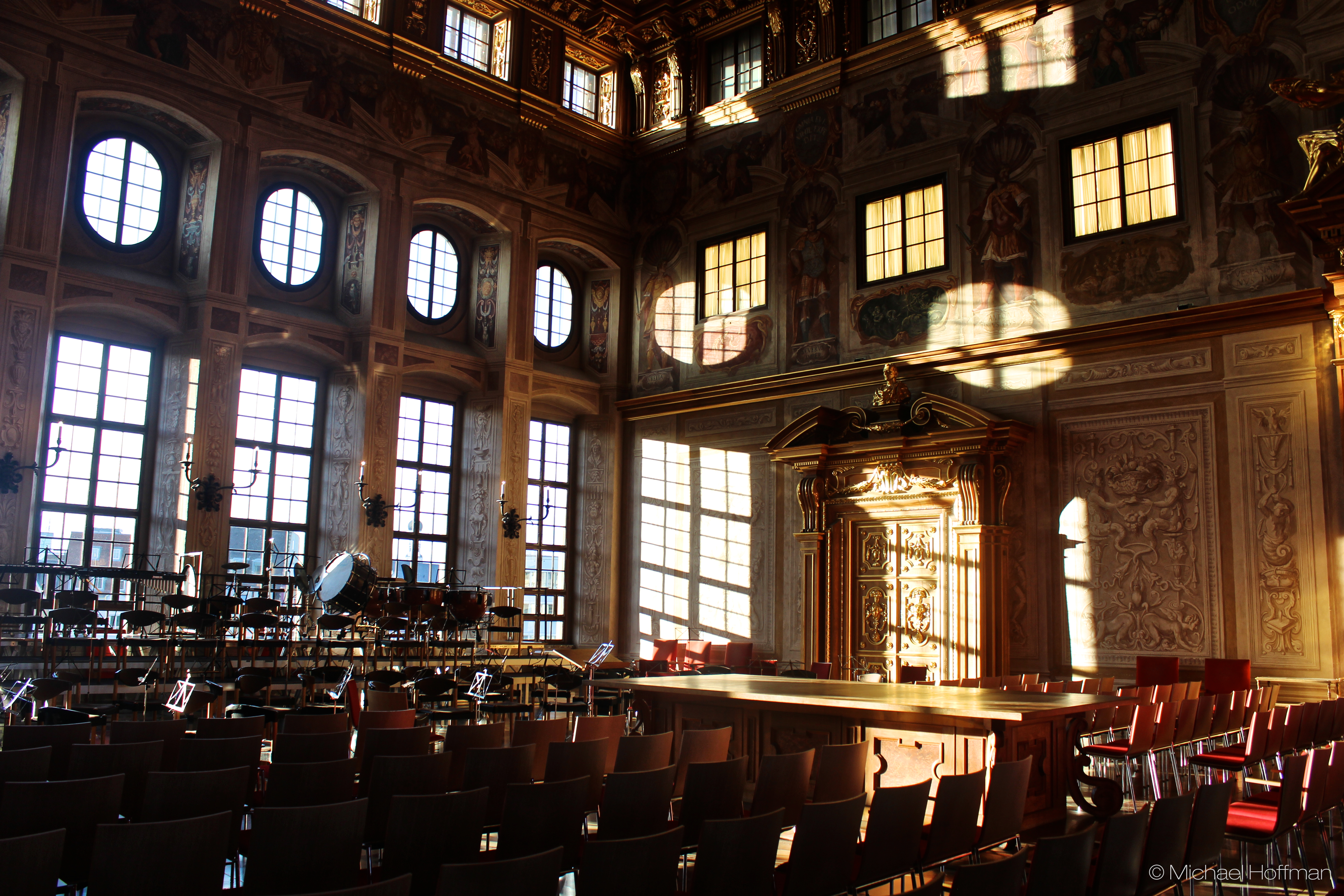
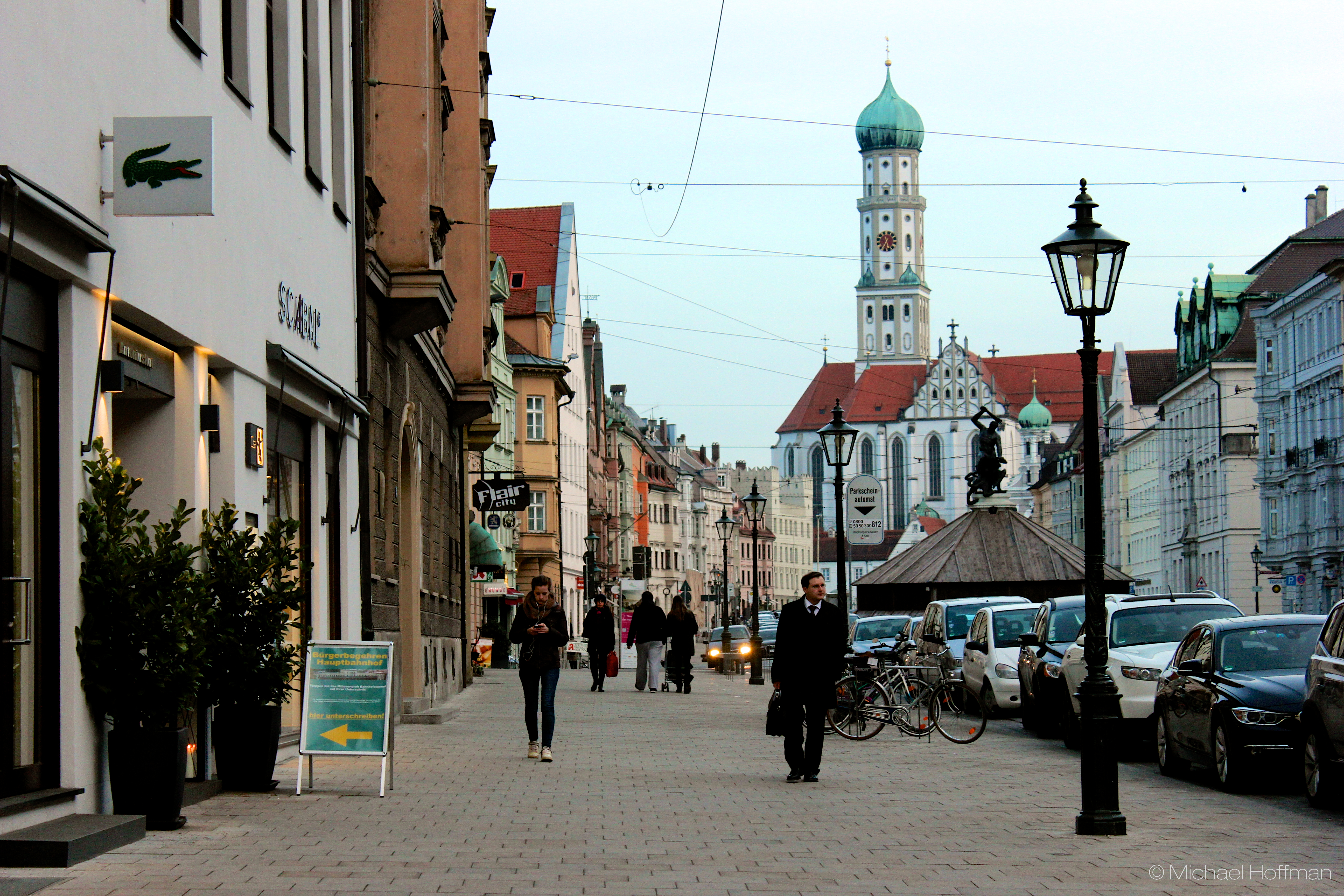
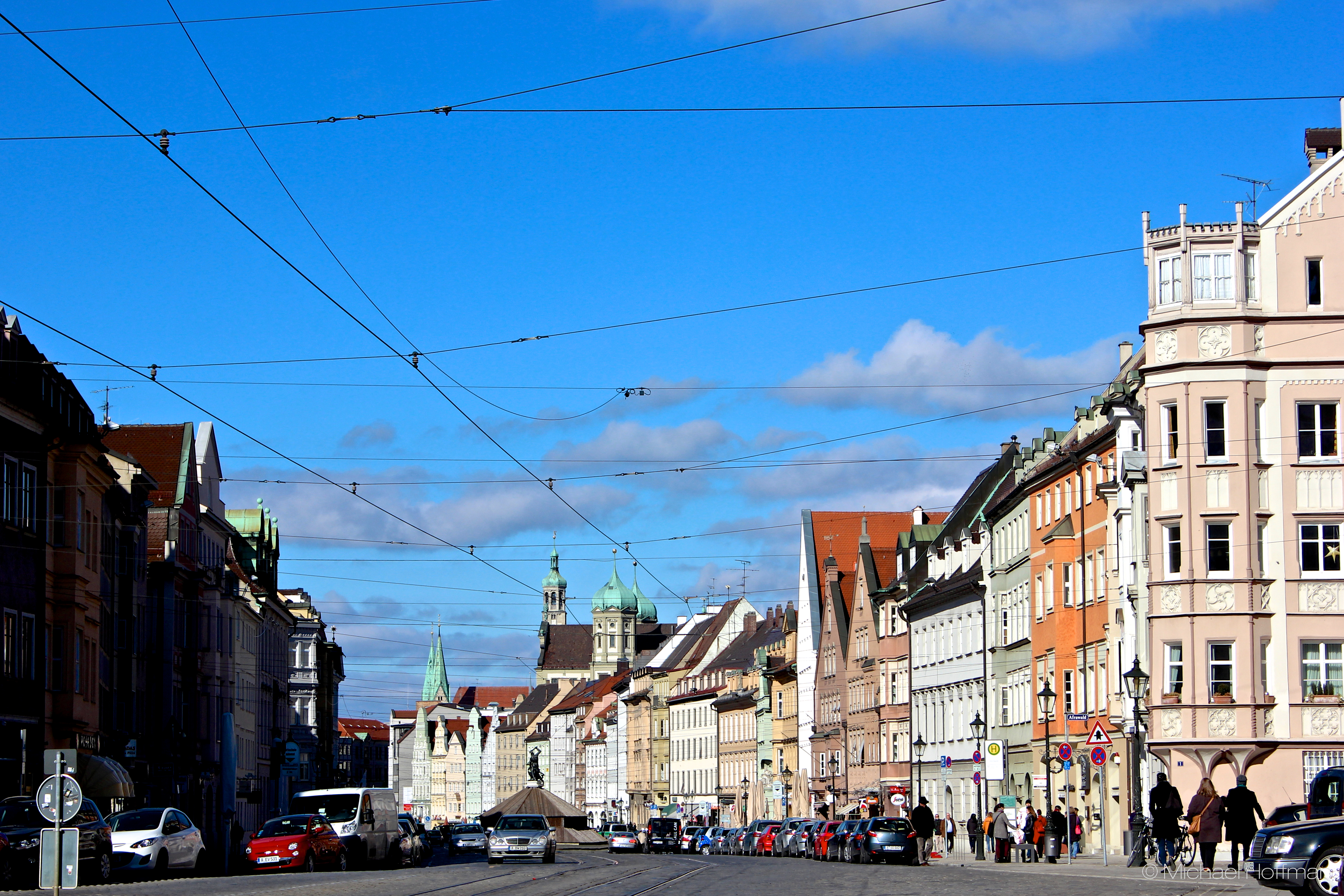
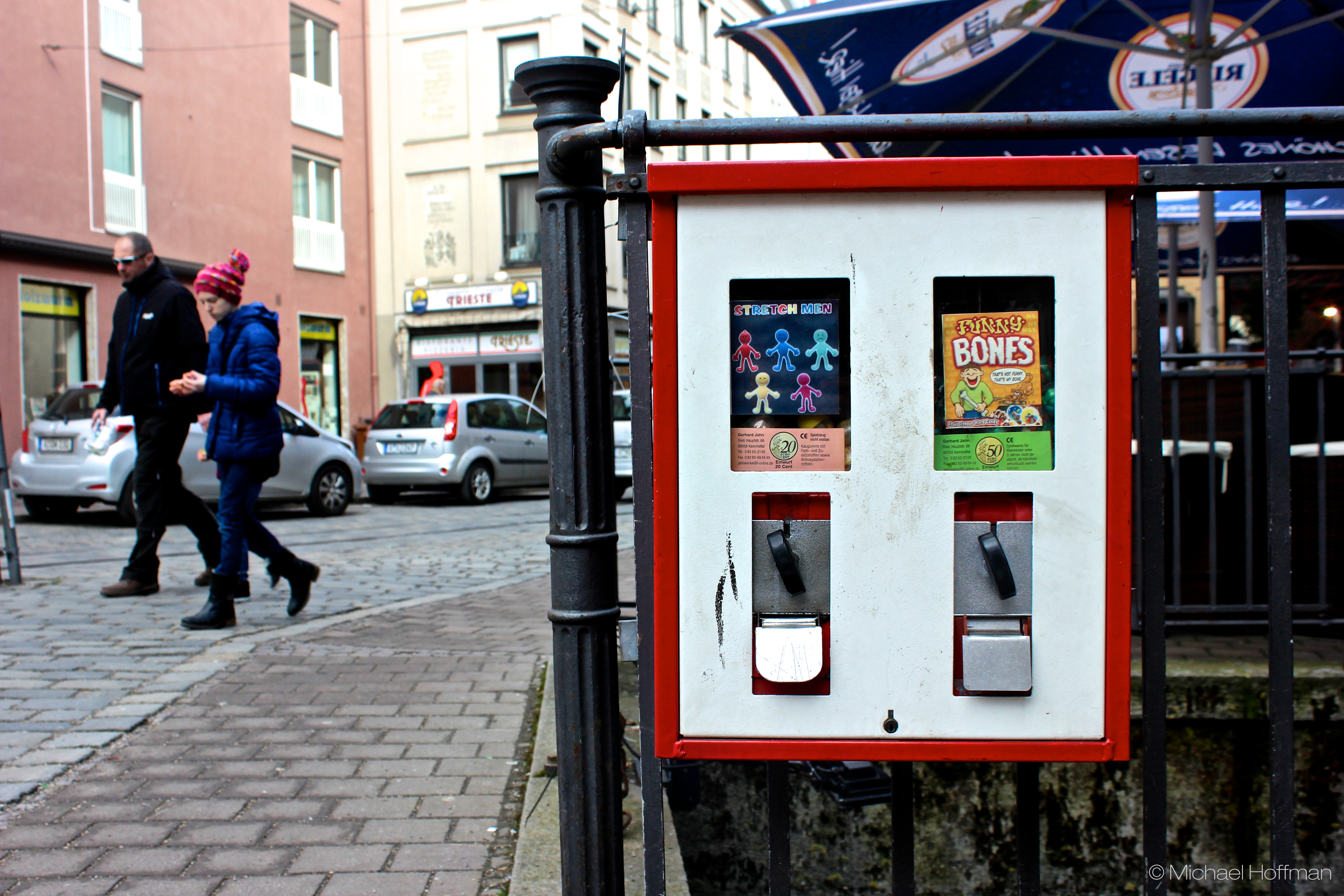
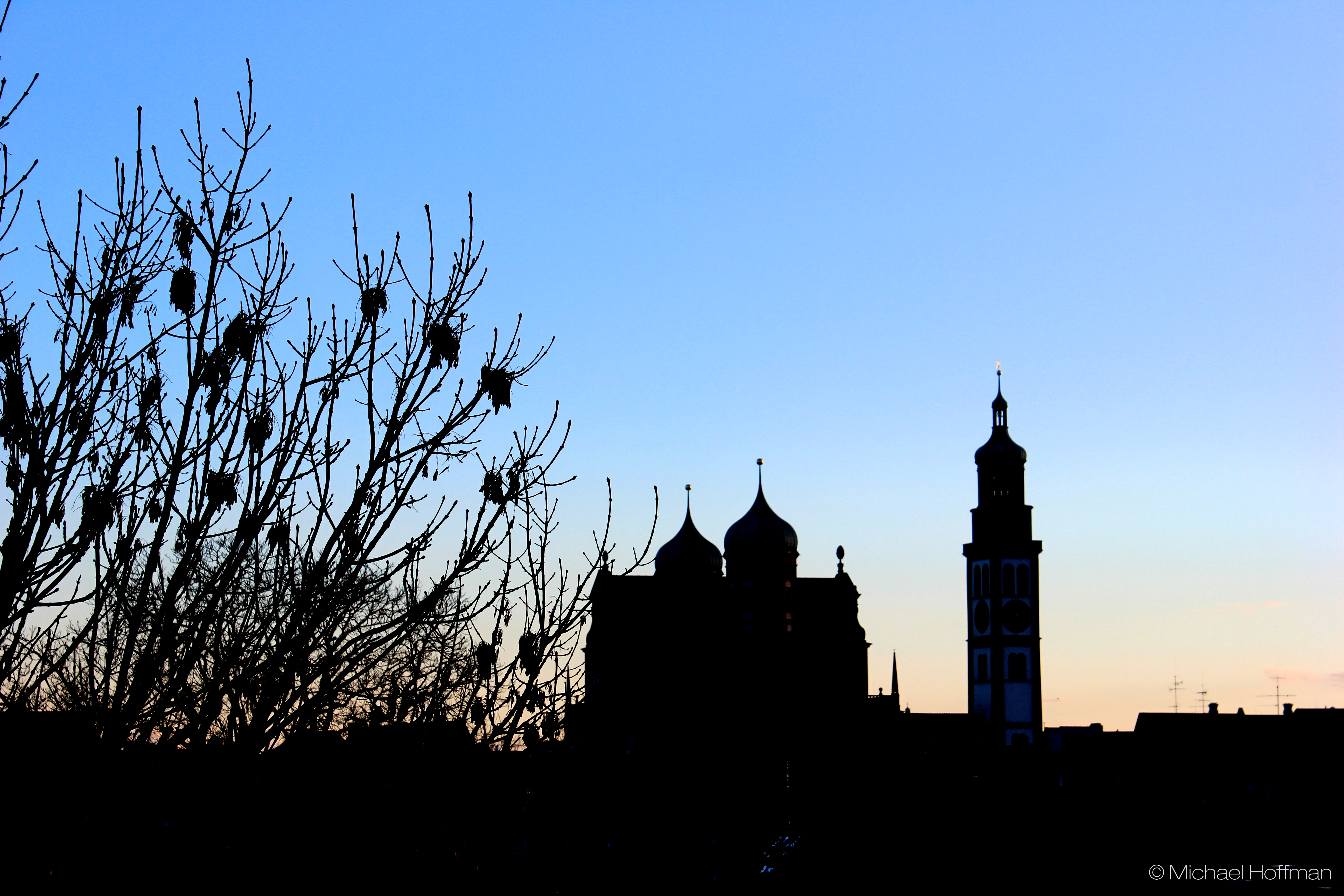
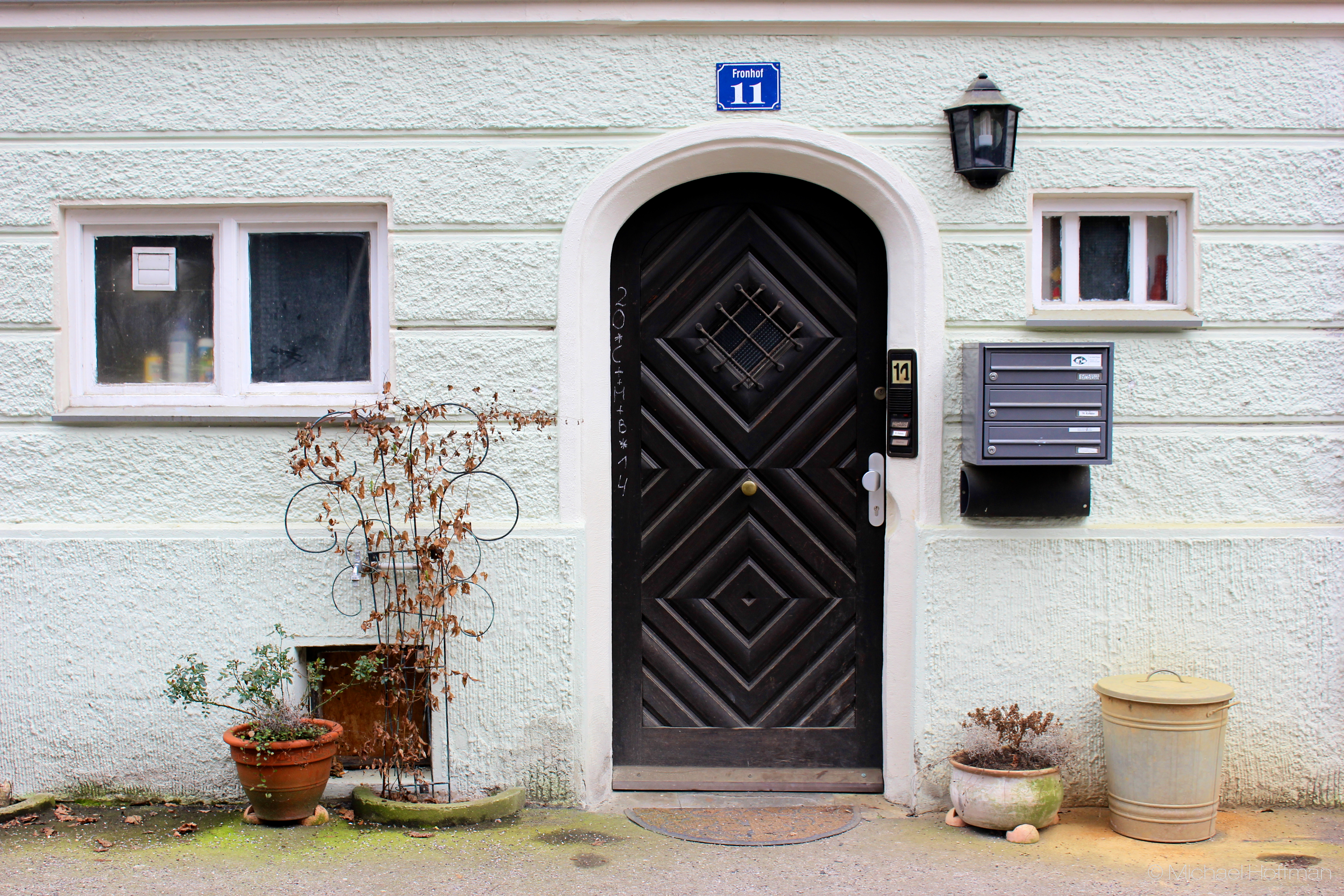
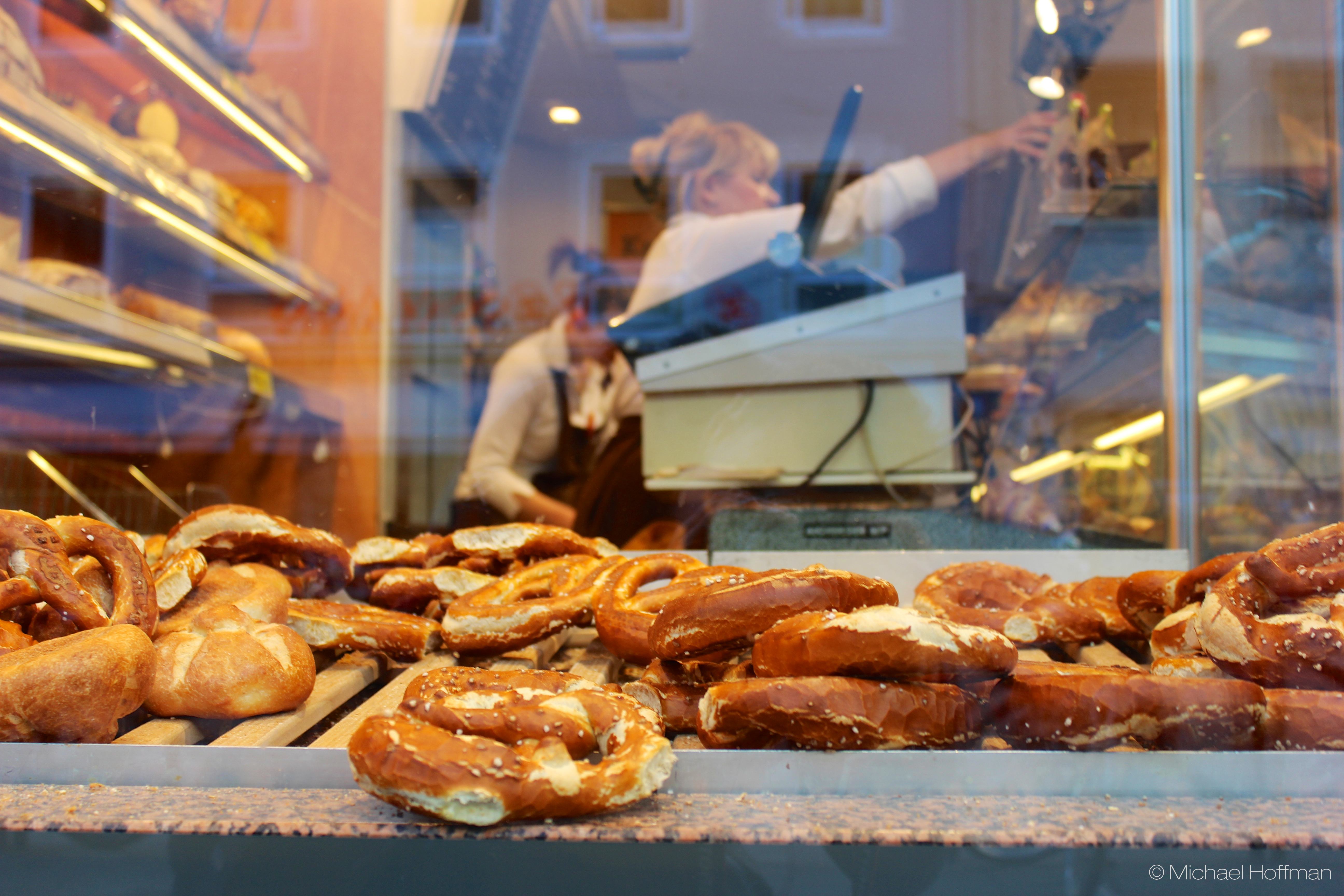
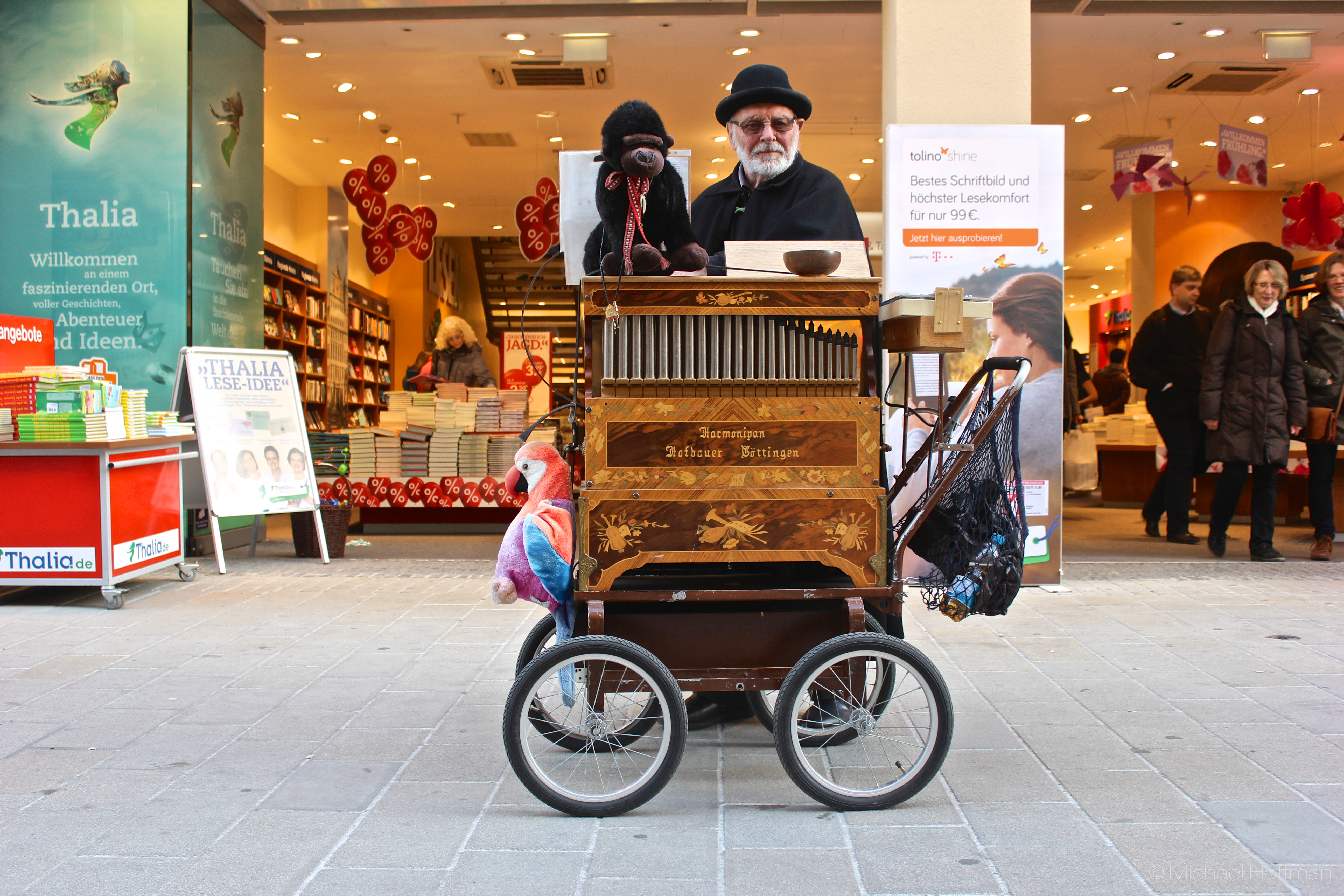
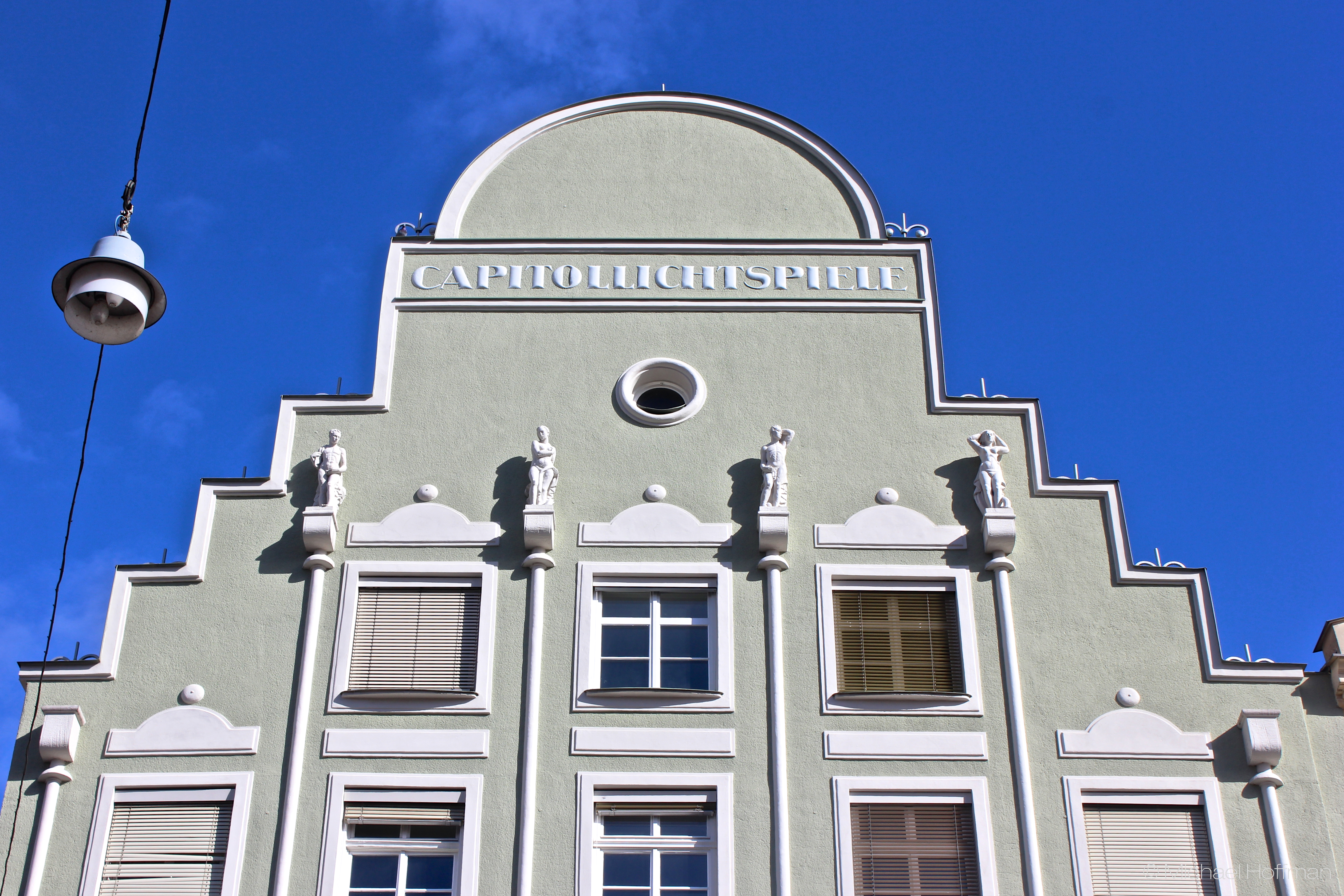
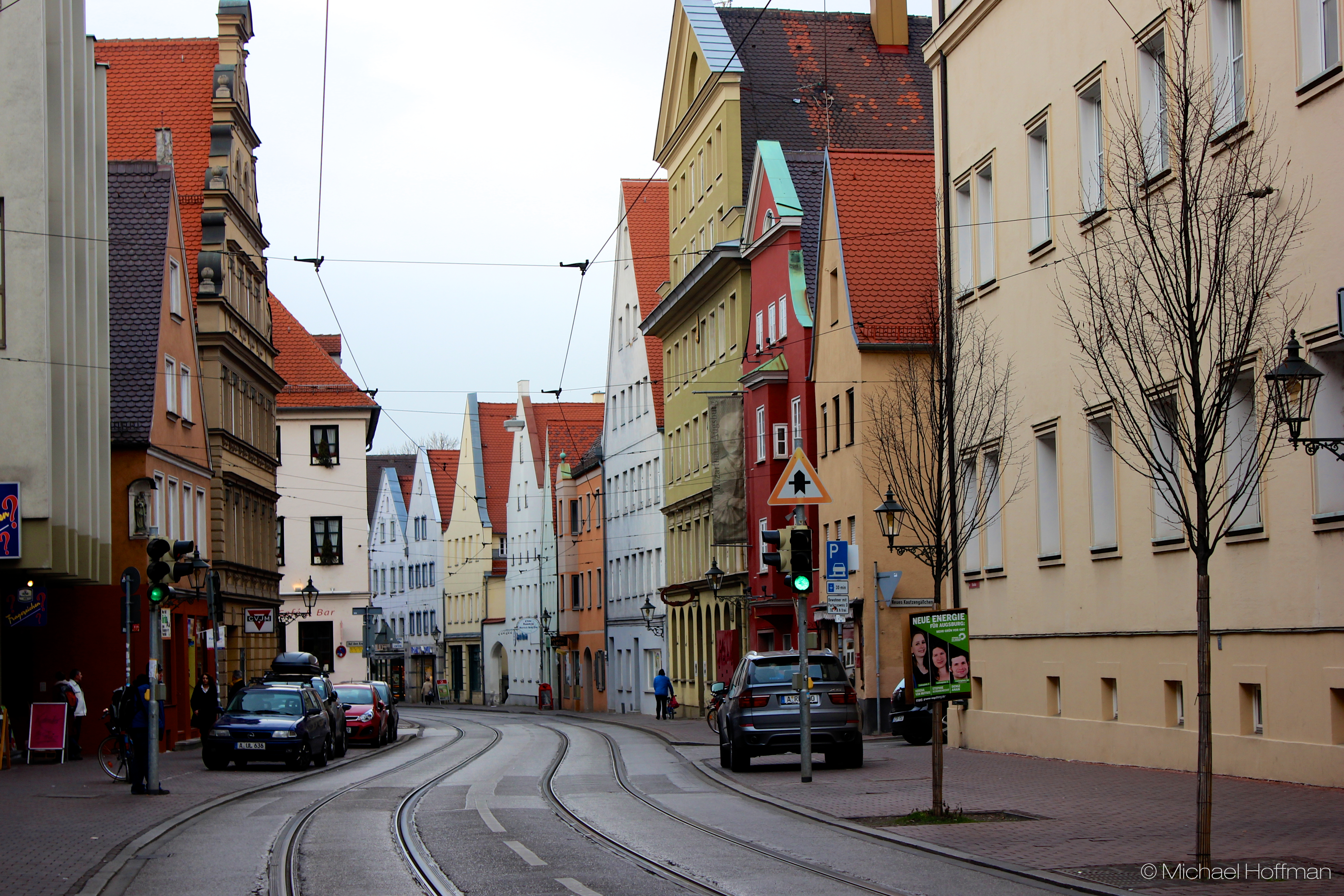
In February of this year, I participated in a two-week scholarship program at the University of Augsburg. The weather was surprisingly good, and it wasn’t as cold or snowy as I expected it to be; quite contrary, the first signs of early spring were already in the air by the end of February. As always, I enjoyed being in Bavaria. You can’t beat the beer culture and the hearty cuisine there 😉 Not to forget about the delicious pretzels! They are everywhere. Anyway: Some impressions from the streets of Augsburg, the capital of the Swabian part of Bavaria (Western Bavaria).




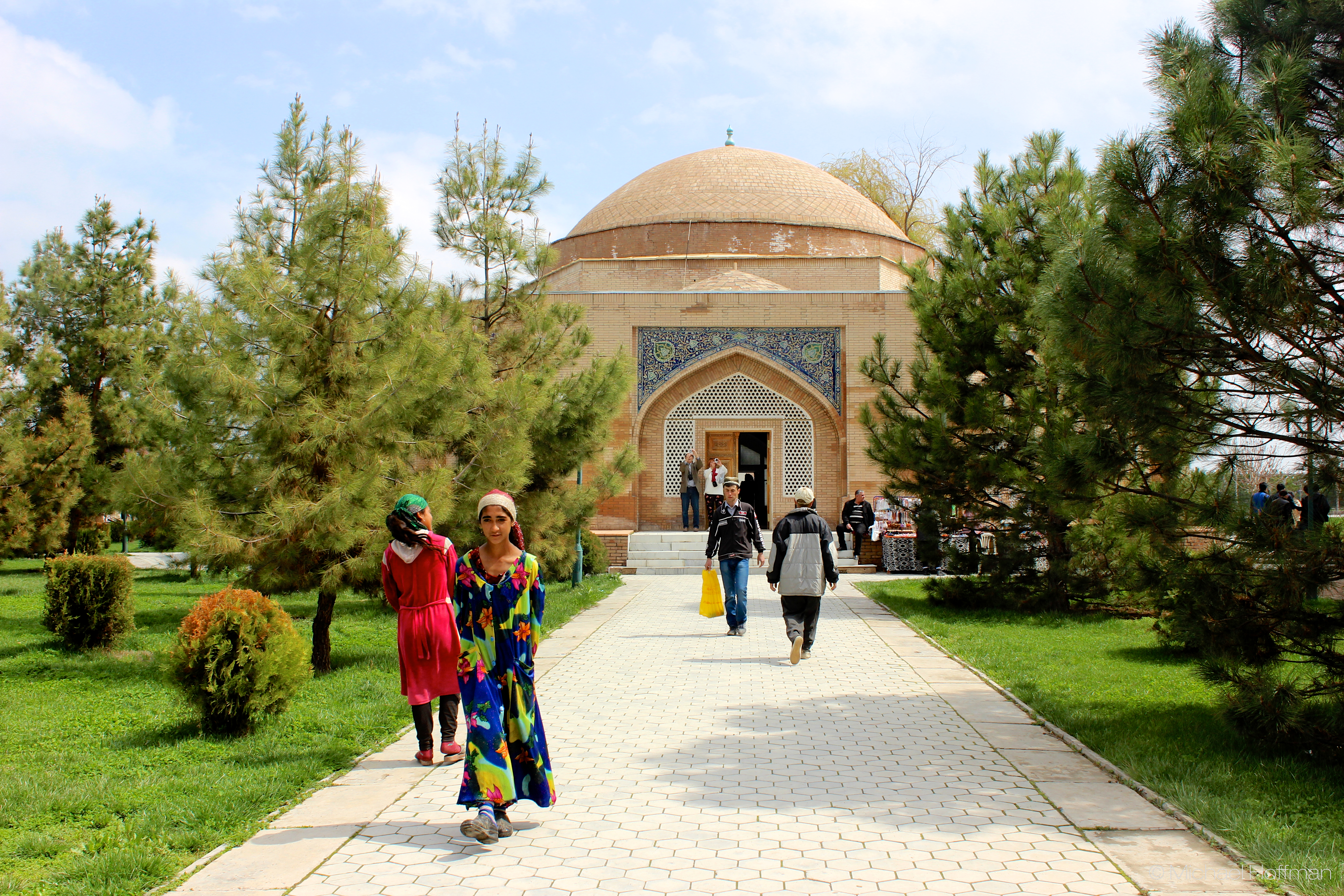
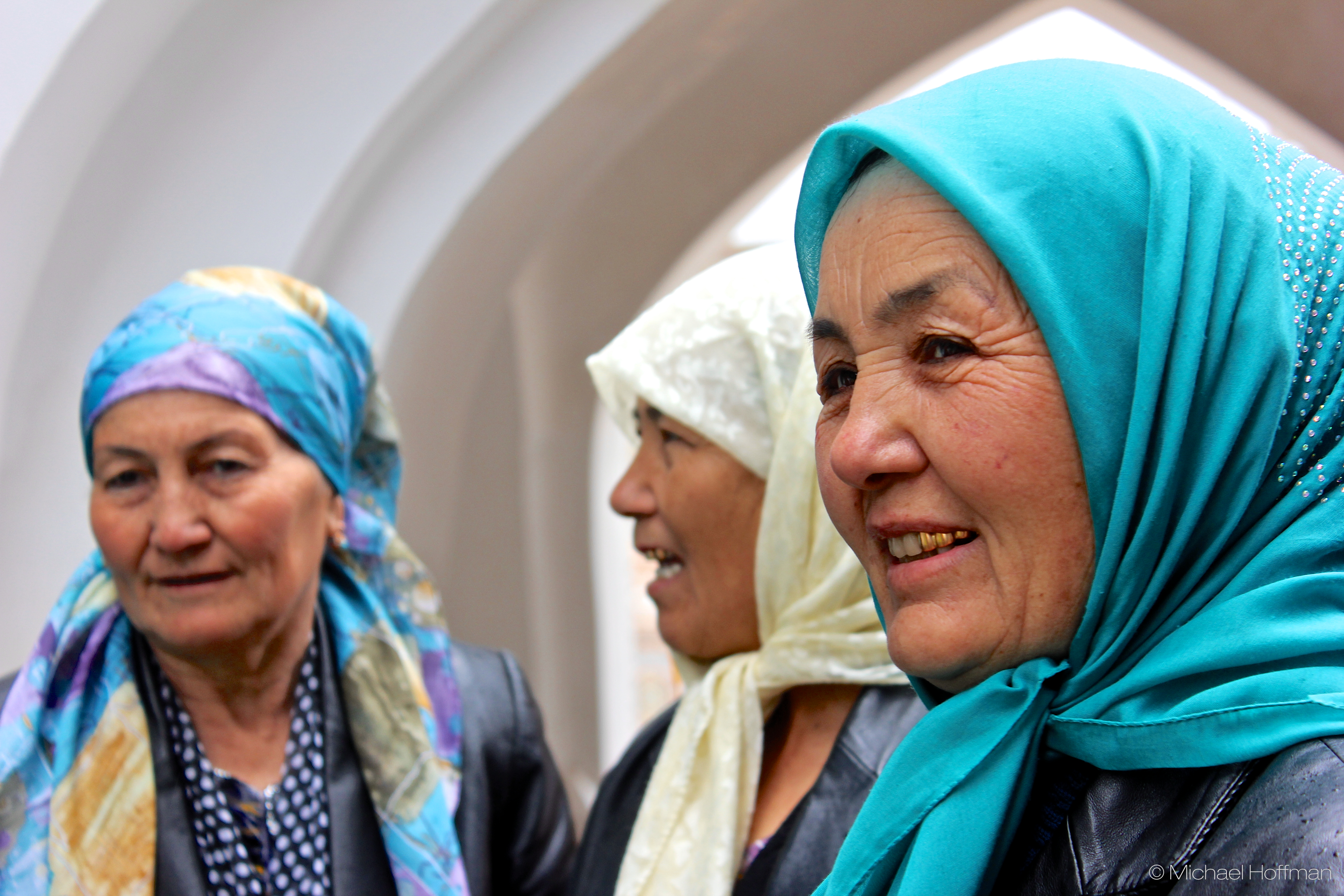
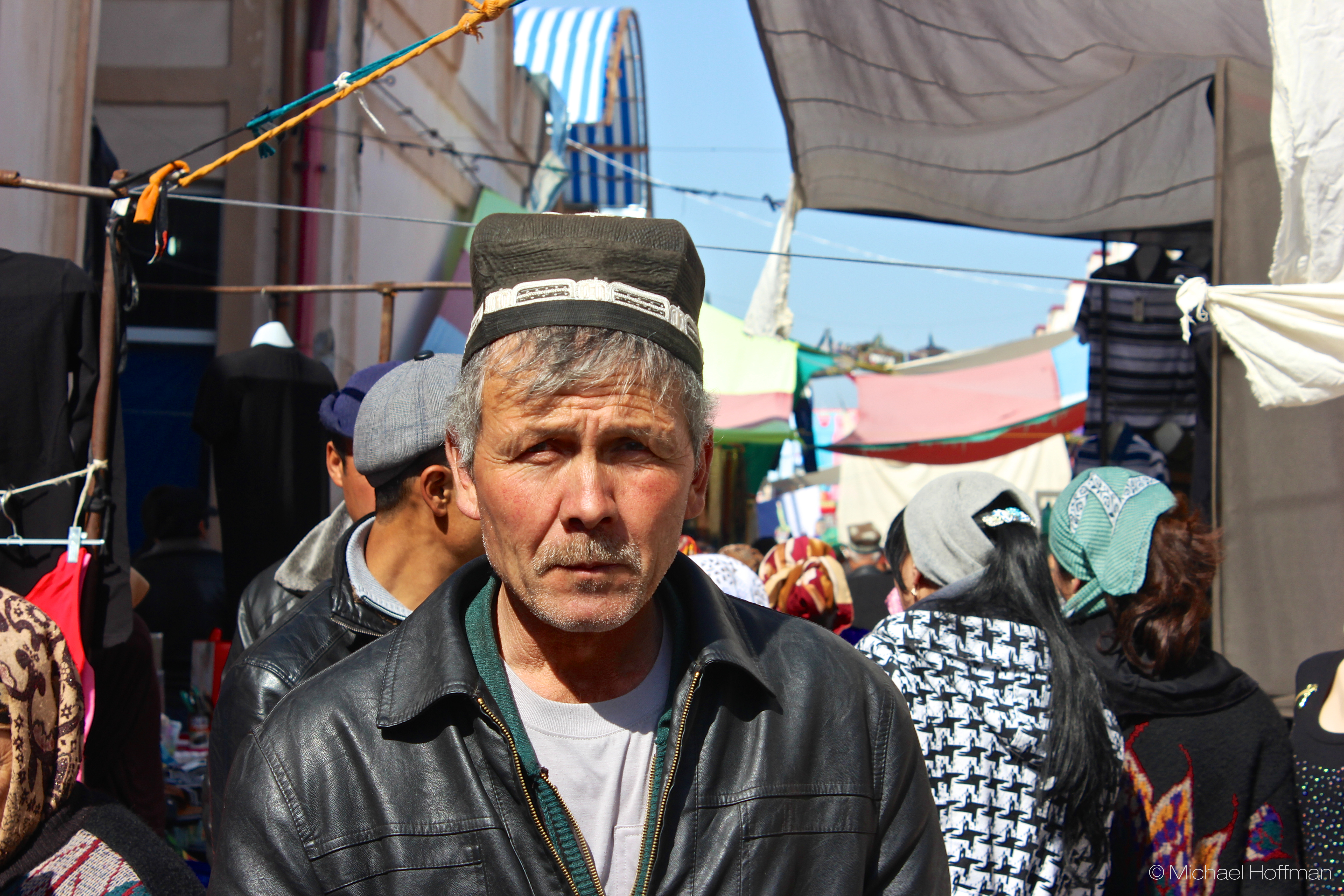
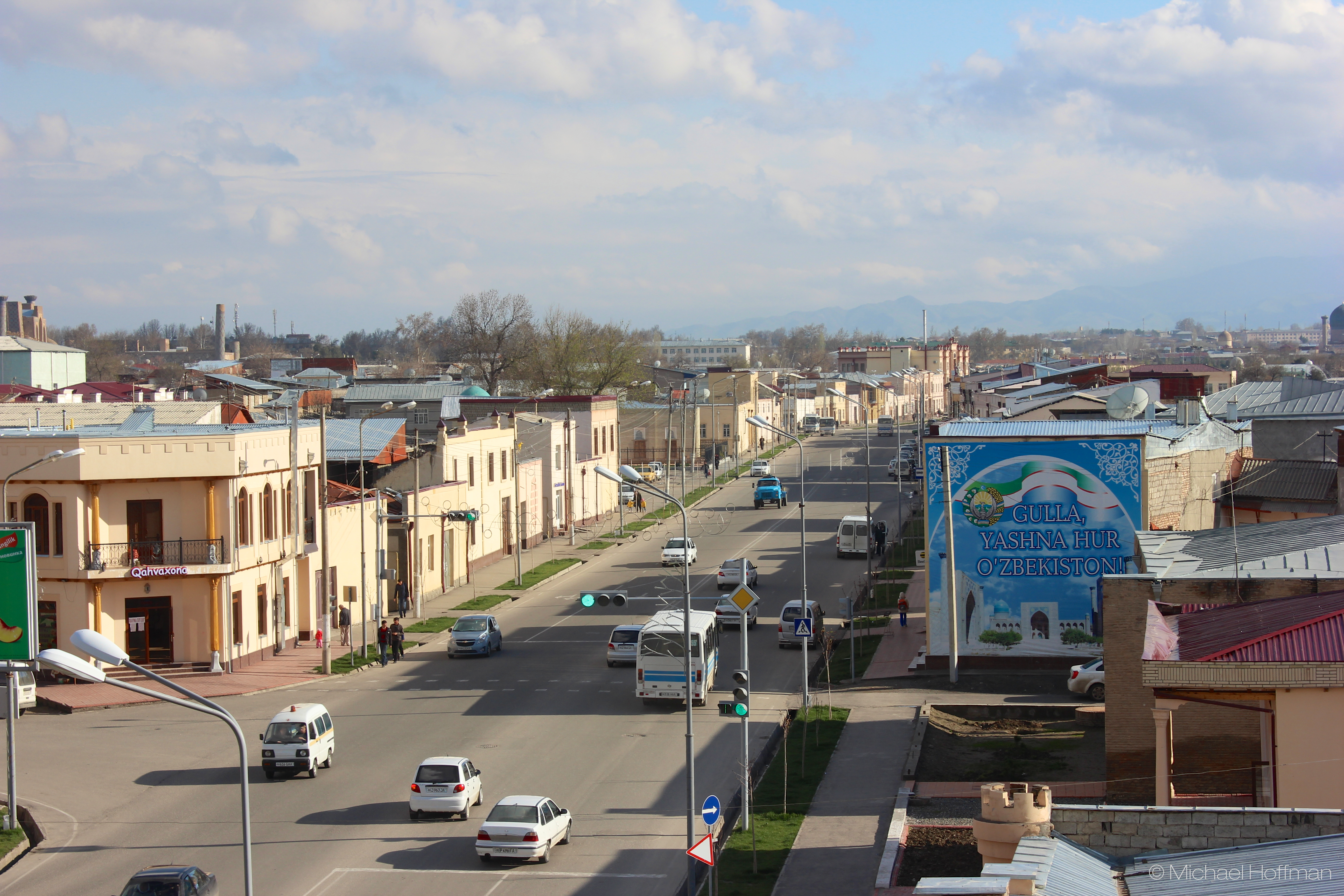
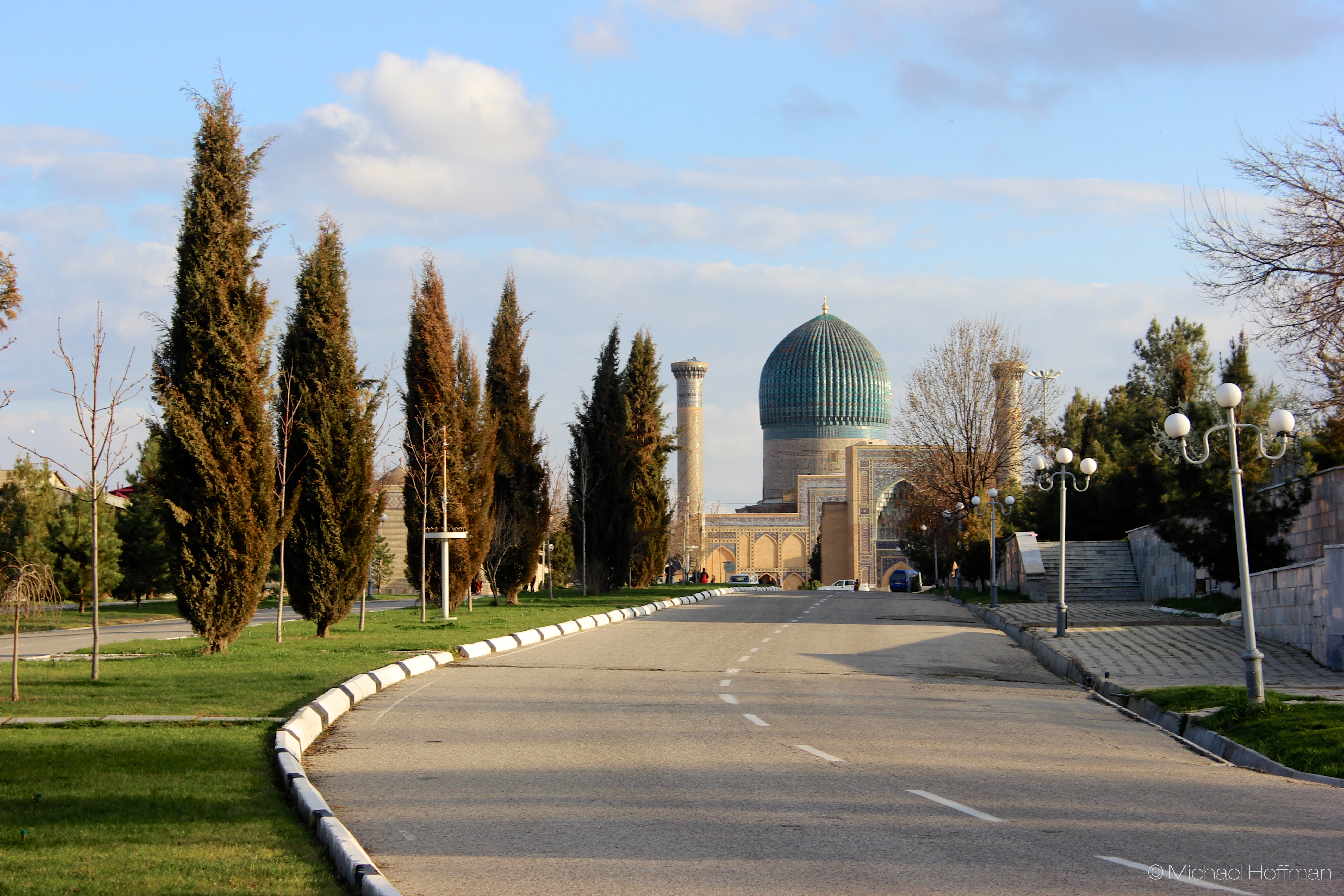
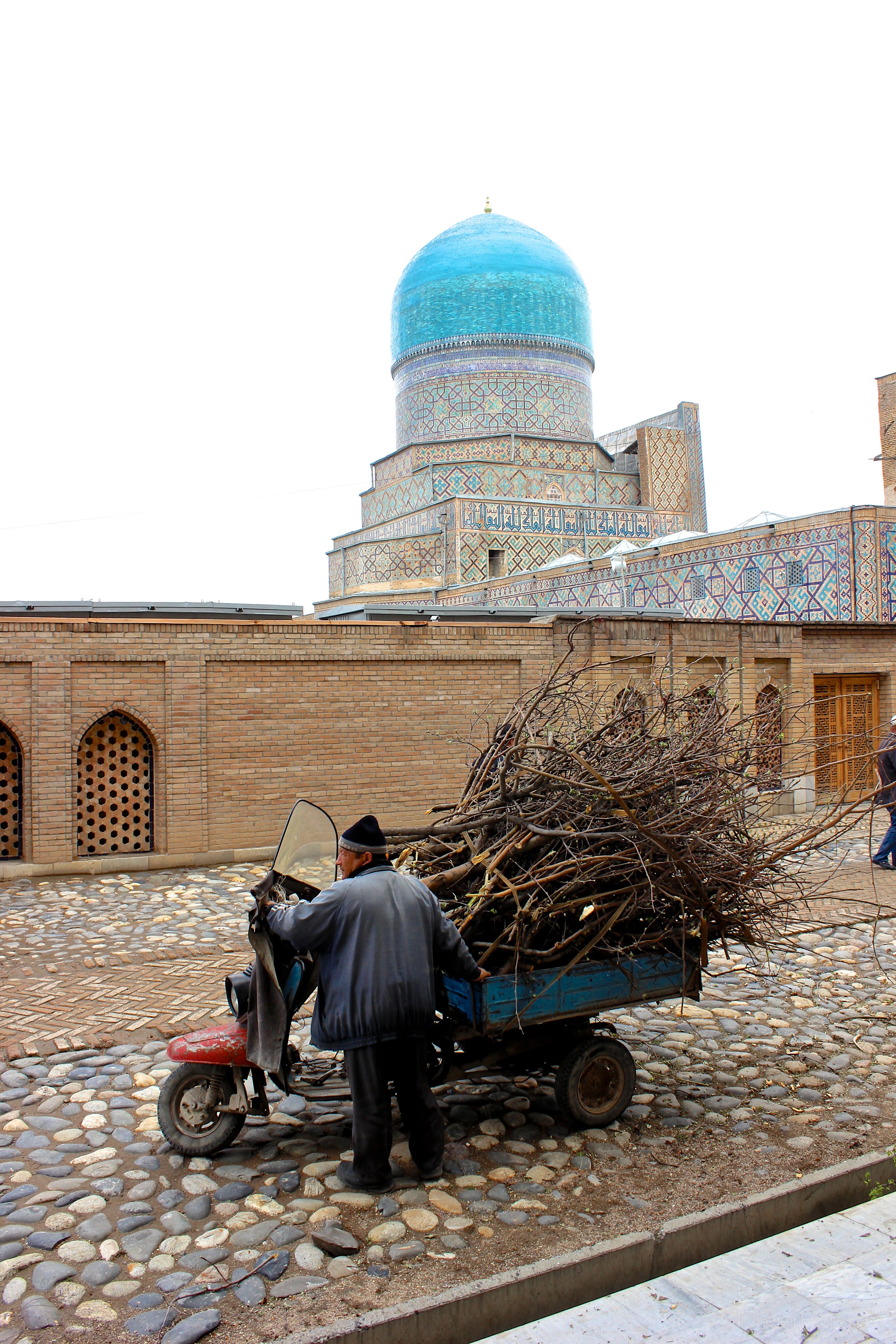
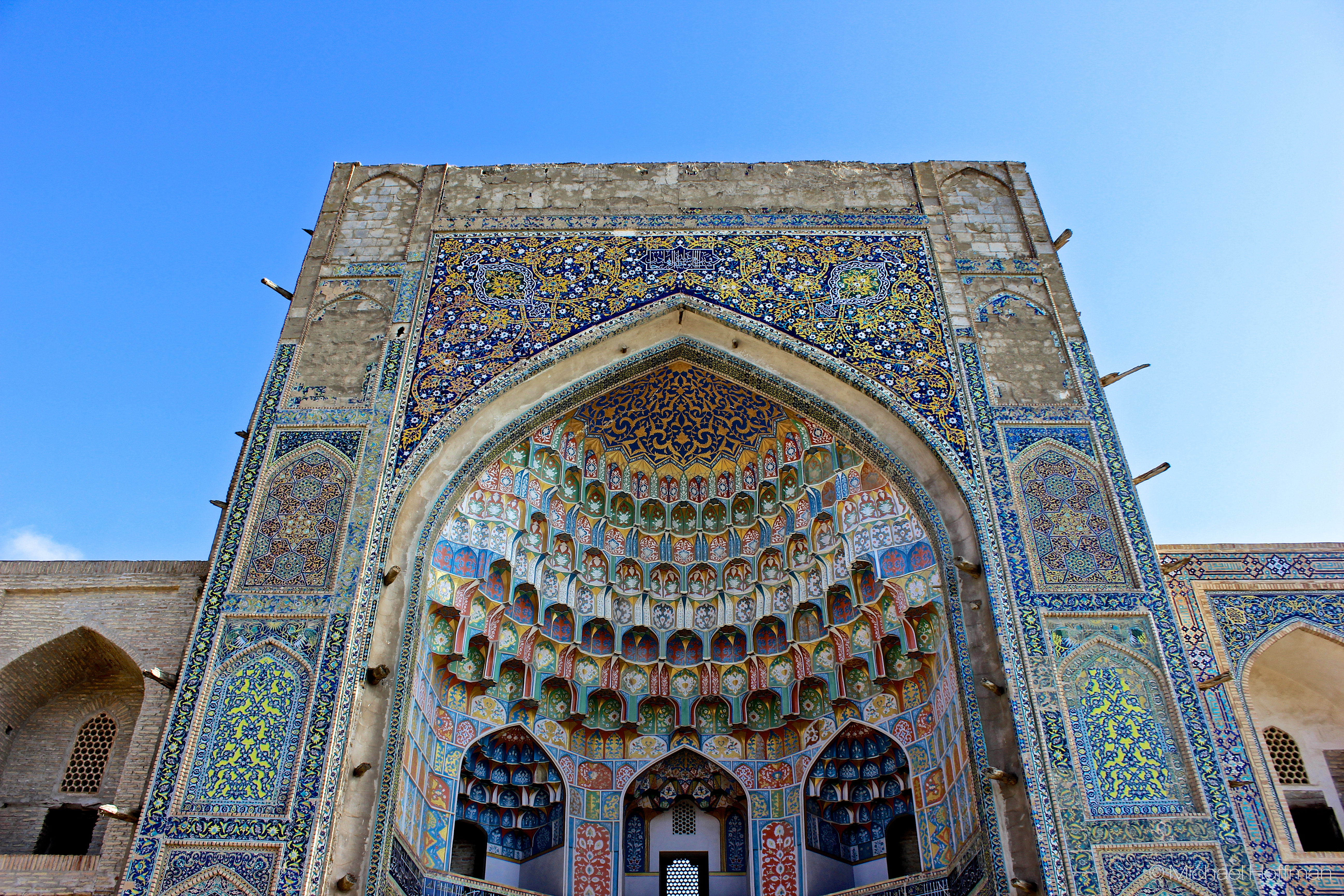
Samarkand is one of the oldest settlements of mankind. Situated at a central position on the trading route between Asia and Europe as well as between the Orient civilization of the south and the Nomad tribes of the far north, it developed into a place of prosperity and a melting point of different cultures. They came as tradesman and conquerors, as refugees and preachers. Their traces can still be seen in the vivid faces of the inhabitants of this marvelous city. Also, Samarkand is a profoundly religious place with Islamic architecture dominating the central part of the town, primarily impressive madrases (religious schools) and mosques with gorgeous blue cupolas. It is the mixture of people and graceful architecture, so different from Western Europe, that makes the city fascinating and alluring to the traveler. Truly another world worth visiting.
Previous entries in the series: Buxoro, The Enchanted City, The Desert City of Xiva





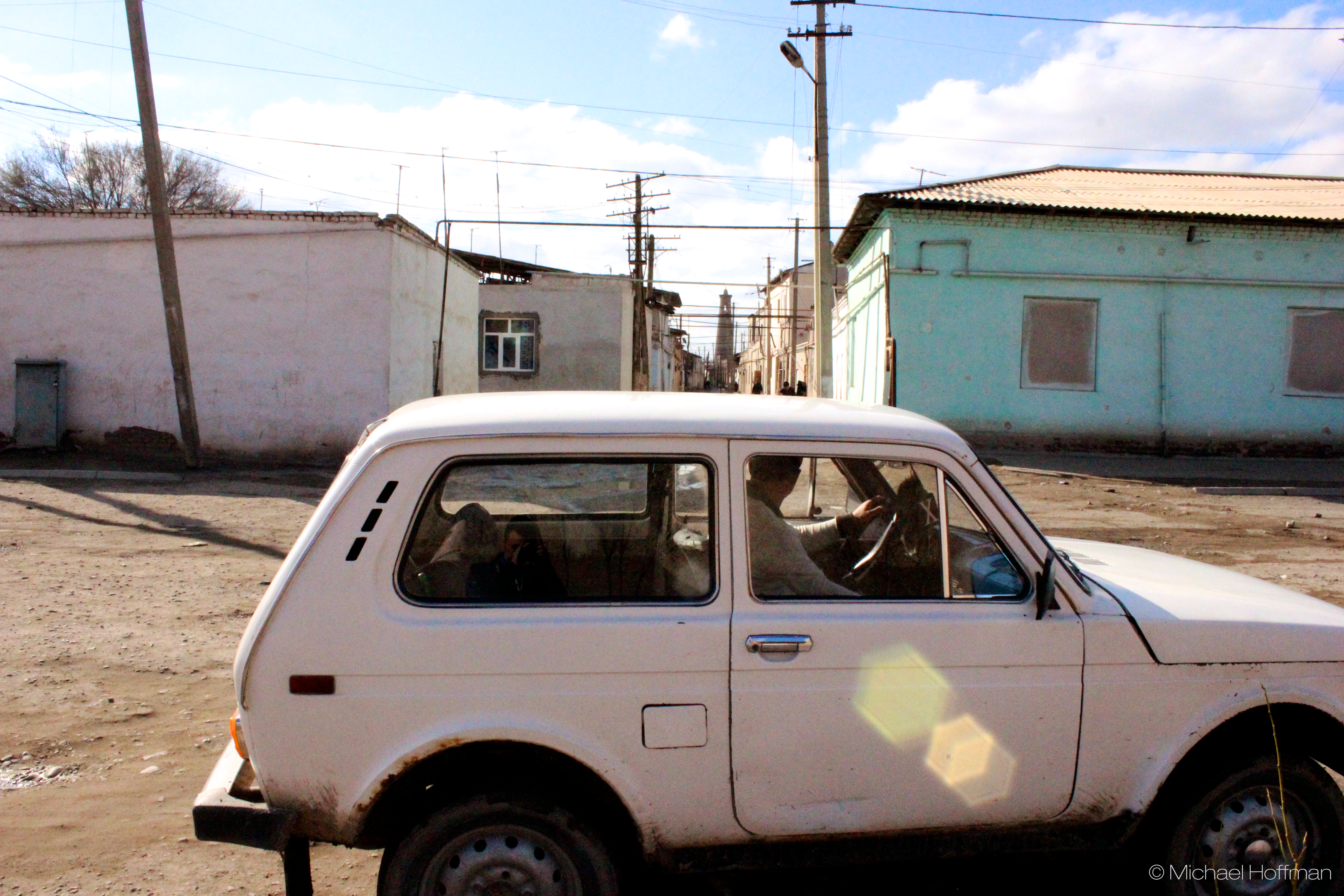
Further to the west lies another majestic city along the Silk Road: Buxoro or Bukhara. While Xiva is a beautiful but somewhat enclosed desert city in Buxoro, the connection to the world outside of Central Asia can be felt. Influences from Persia and India can be seen here (just look at the first picture). The connecting element to other cities along the Silk Road is the blue cupolas, the symbols or landmarks of Uzbekistan. Oh, and of course, the Soviet cars (picture three). I like how the color of many of them still resembles an older kind of (groaning) vehicle 😉 And in case you wonder, the title of an “Enchanted City” was given to Buxoro by the diplomat Fitzroy Maclean, who worked as a diplomat in the British Embassy in Moscow and visited Central Asia in 1938. Later, he called the city “enchanted” and compared the architecture to the beauty of the Italian Renaissance. Indeed, the mosaics and structures (mostly religious buildings) are a stunning sight.
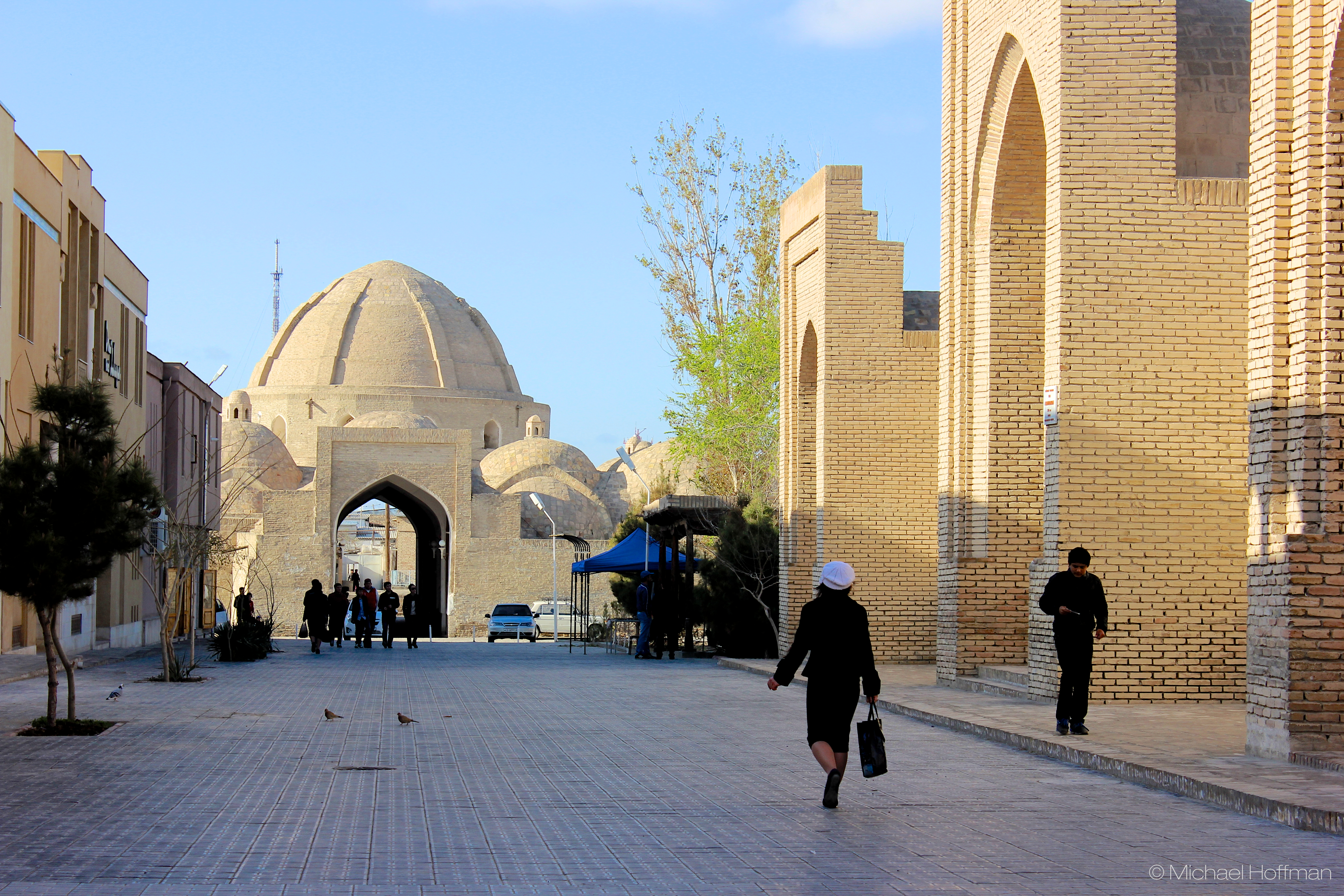


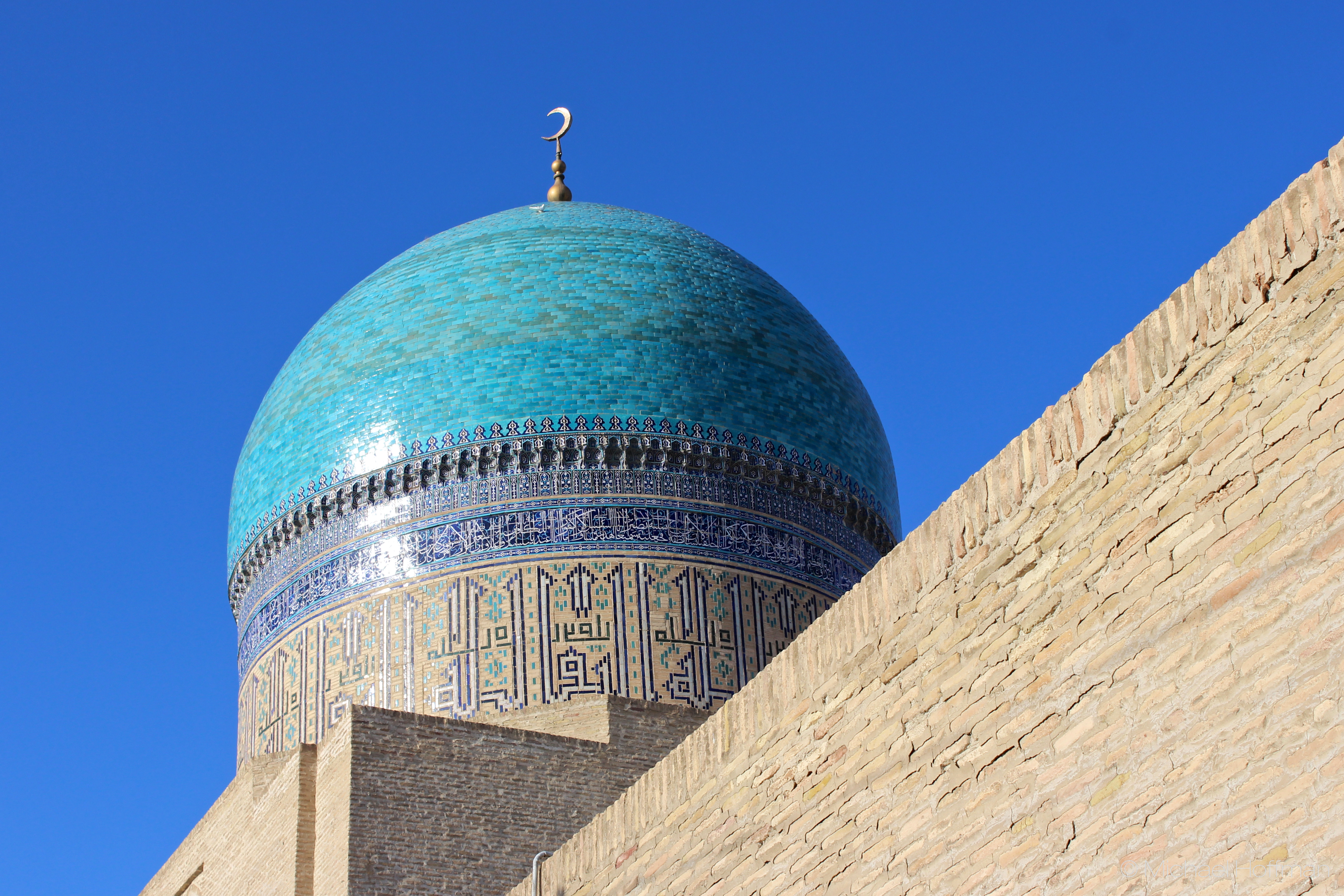
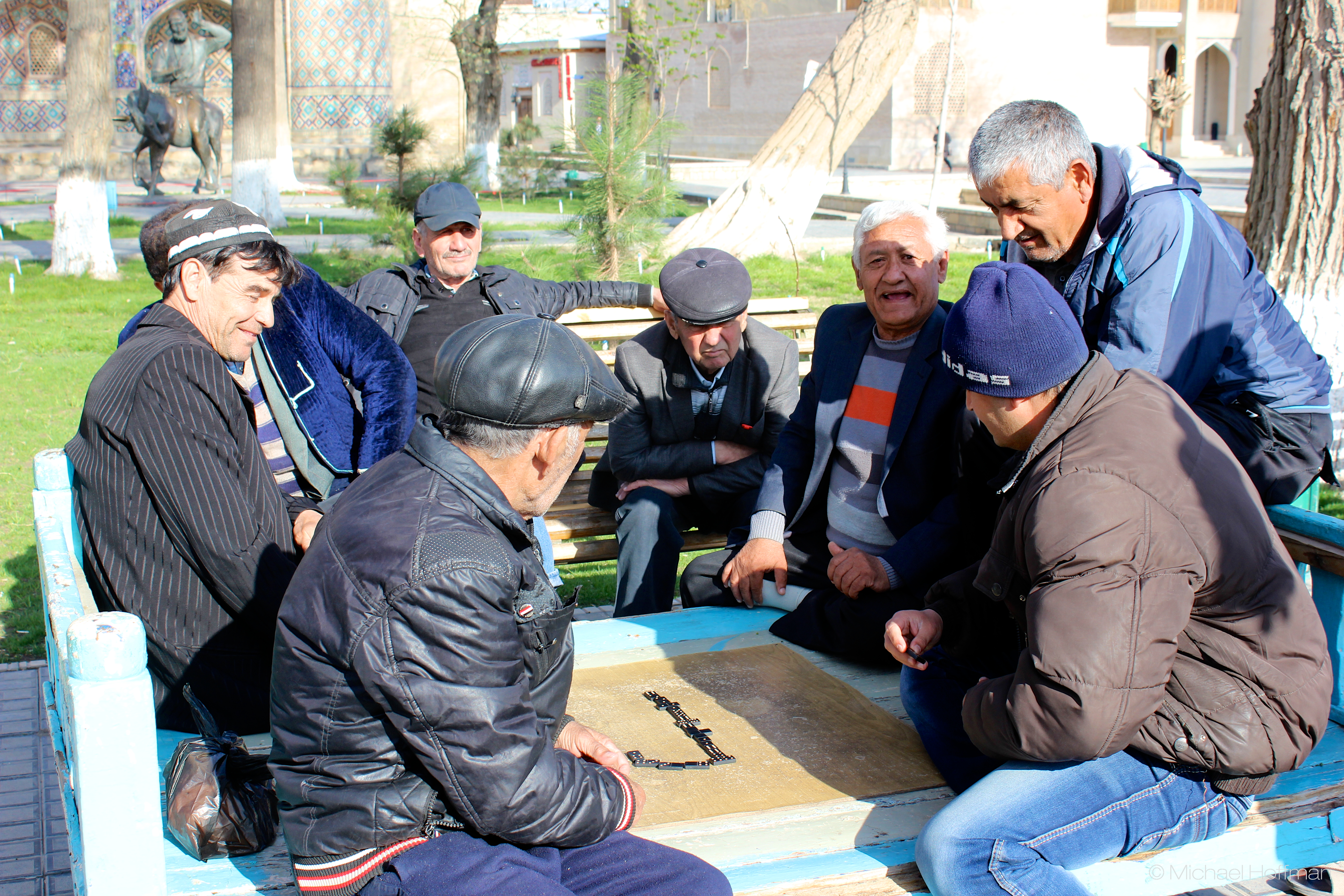

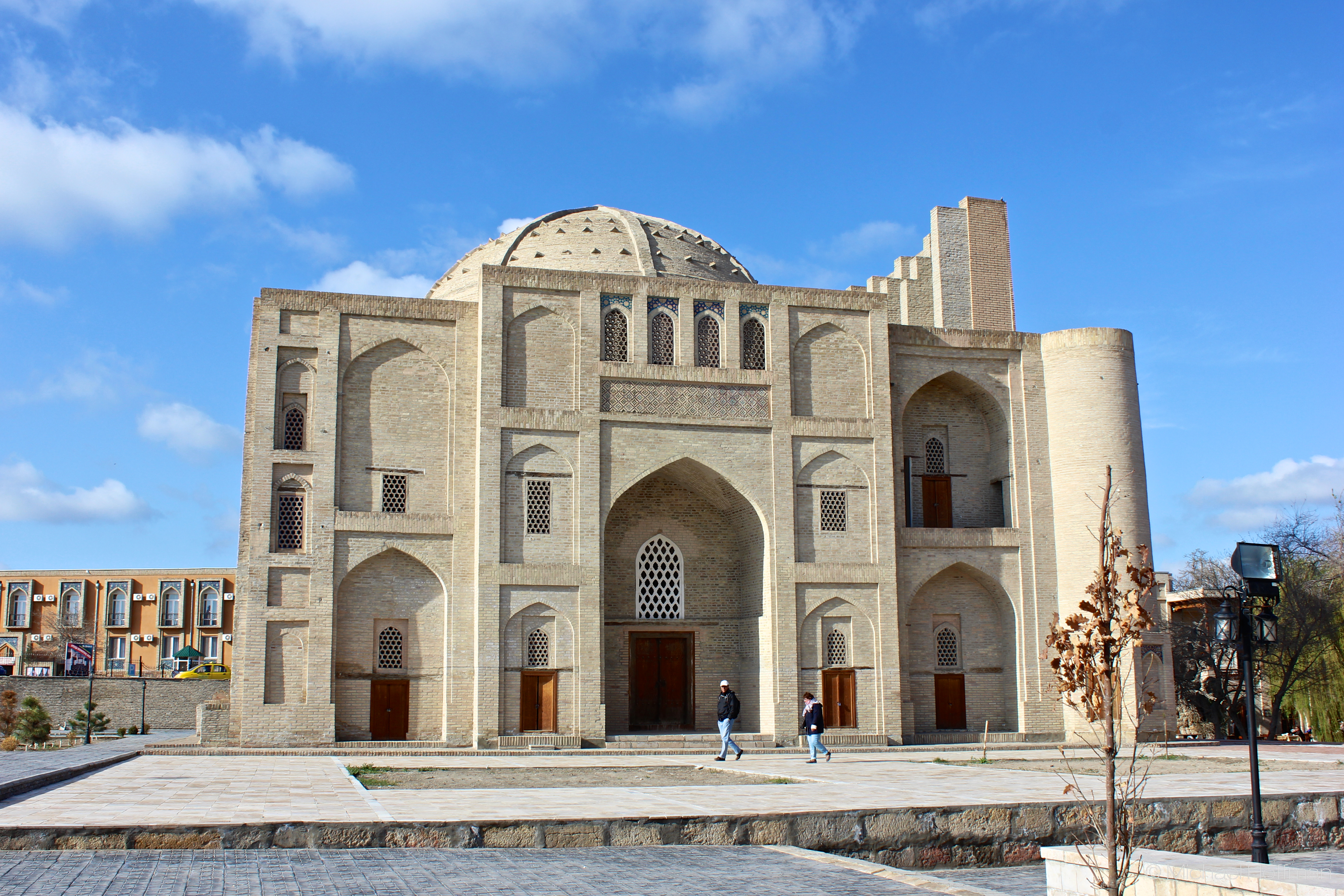


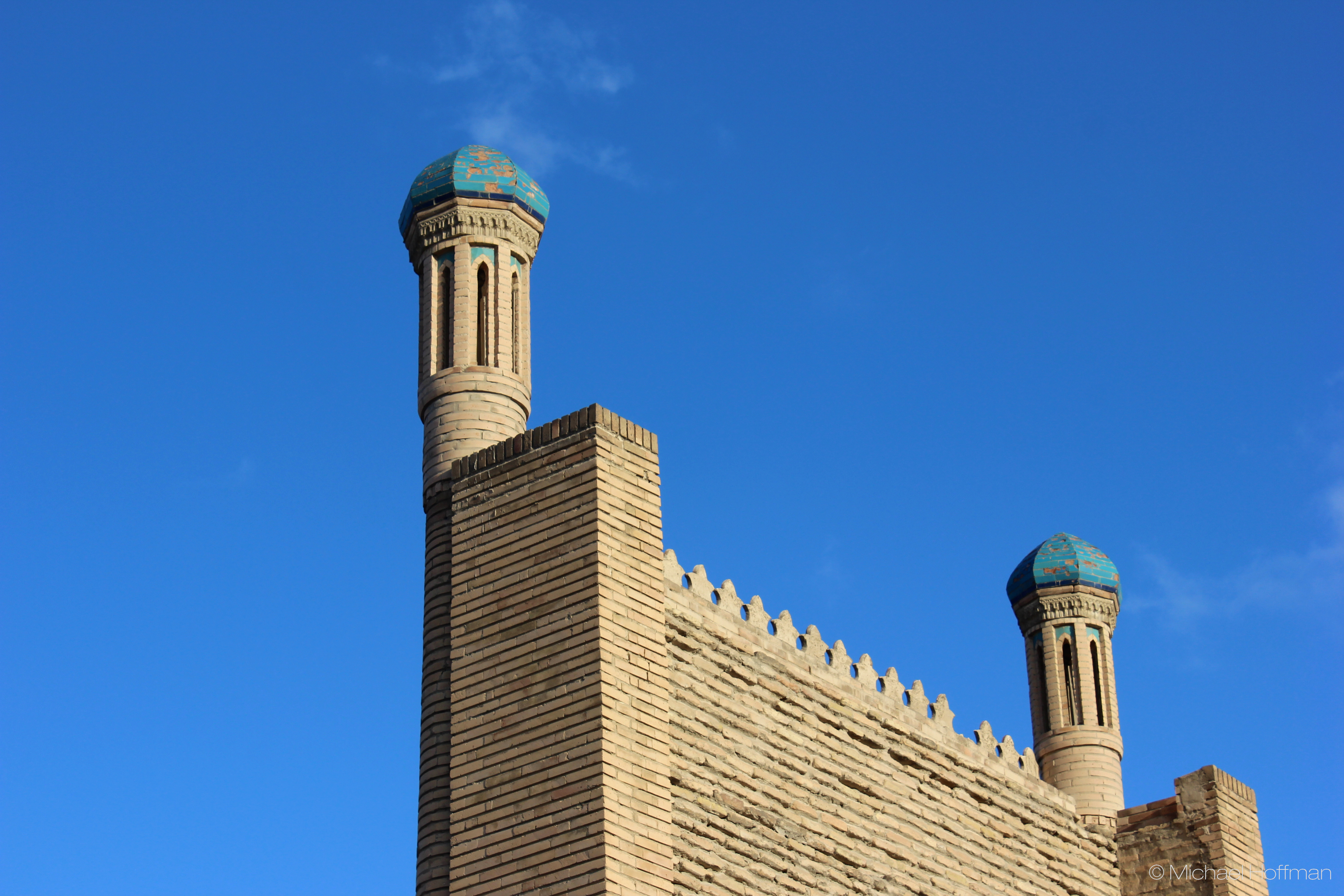

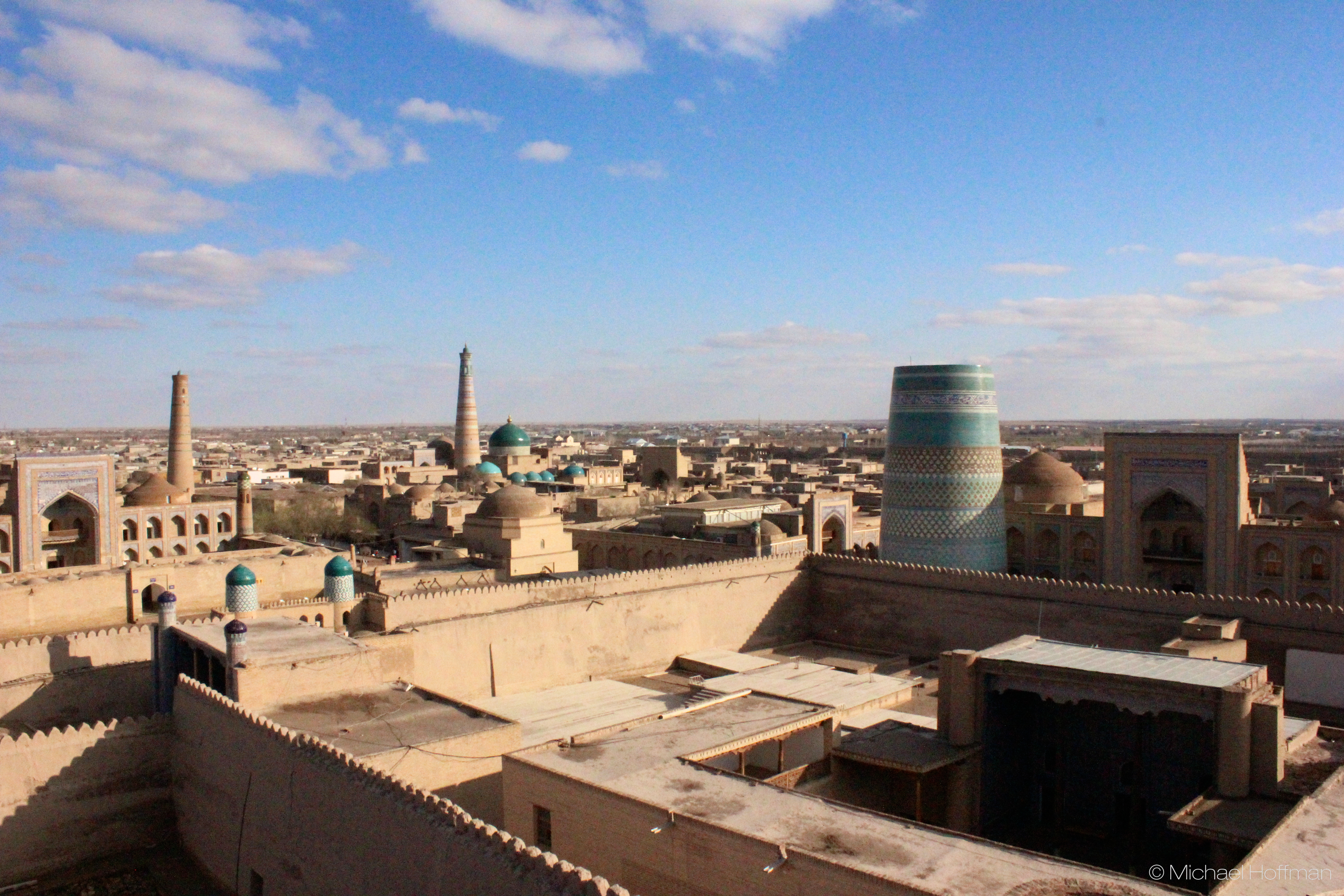
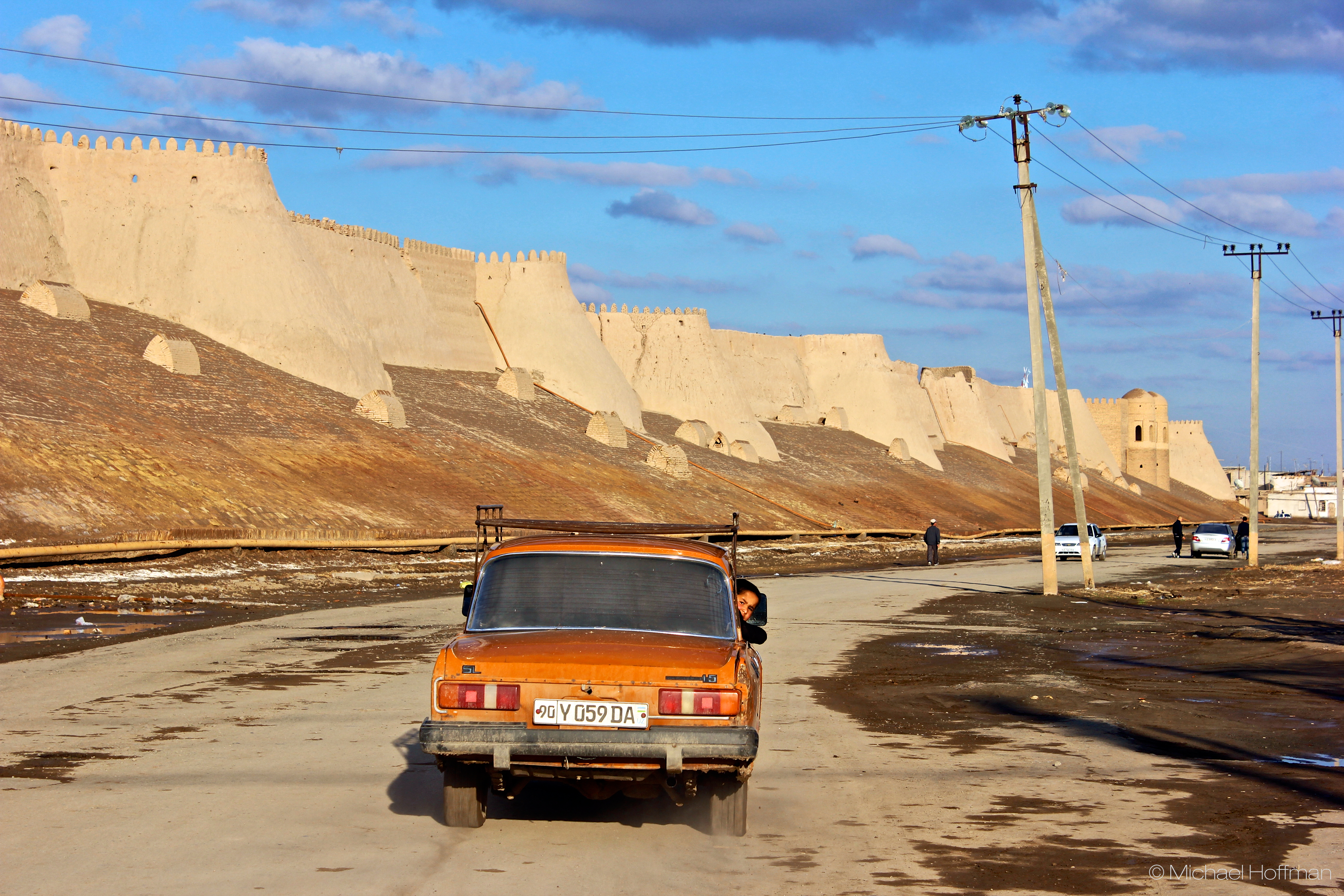
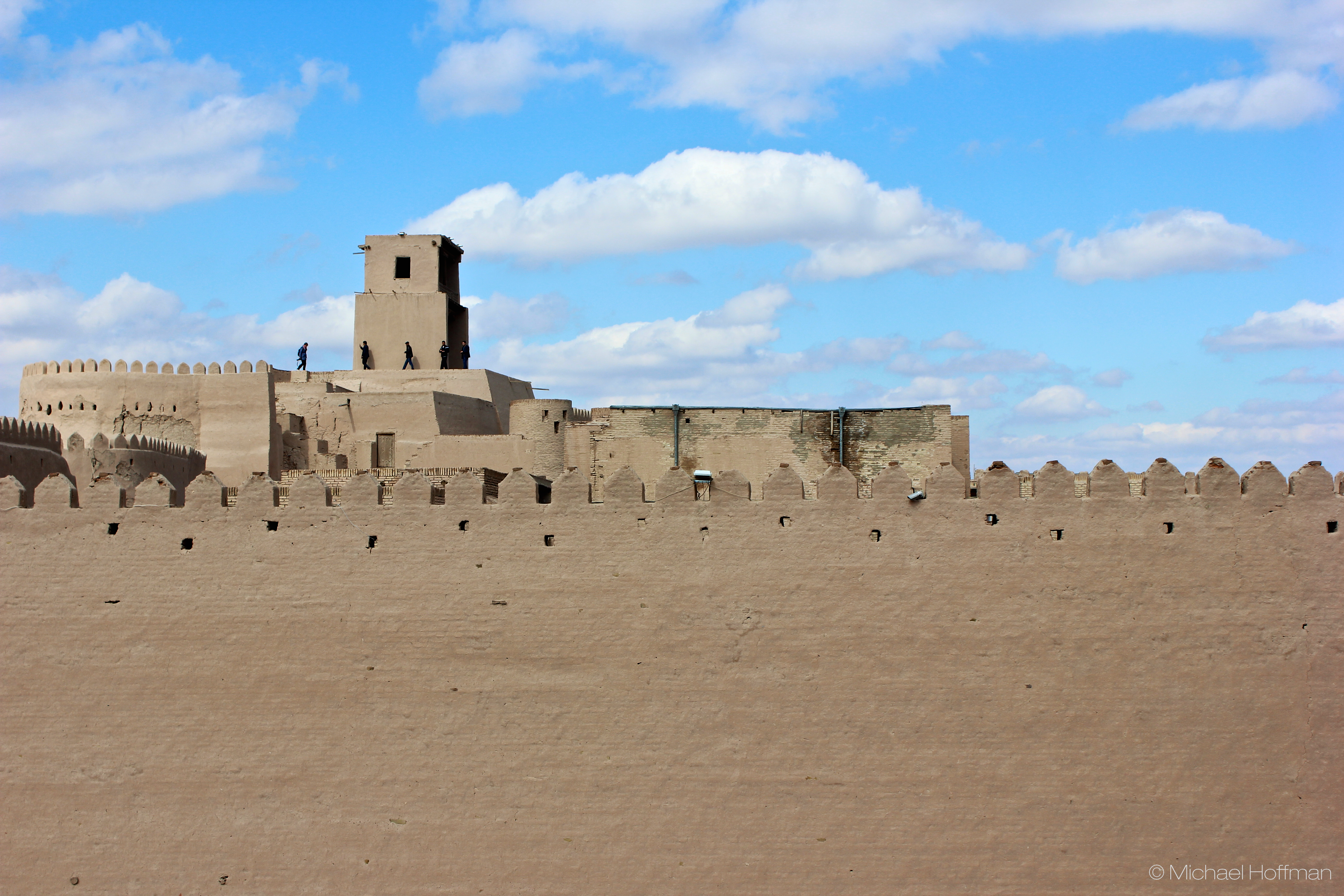
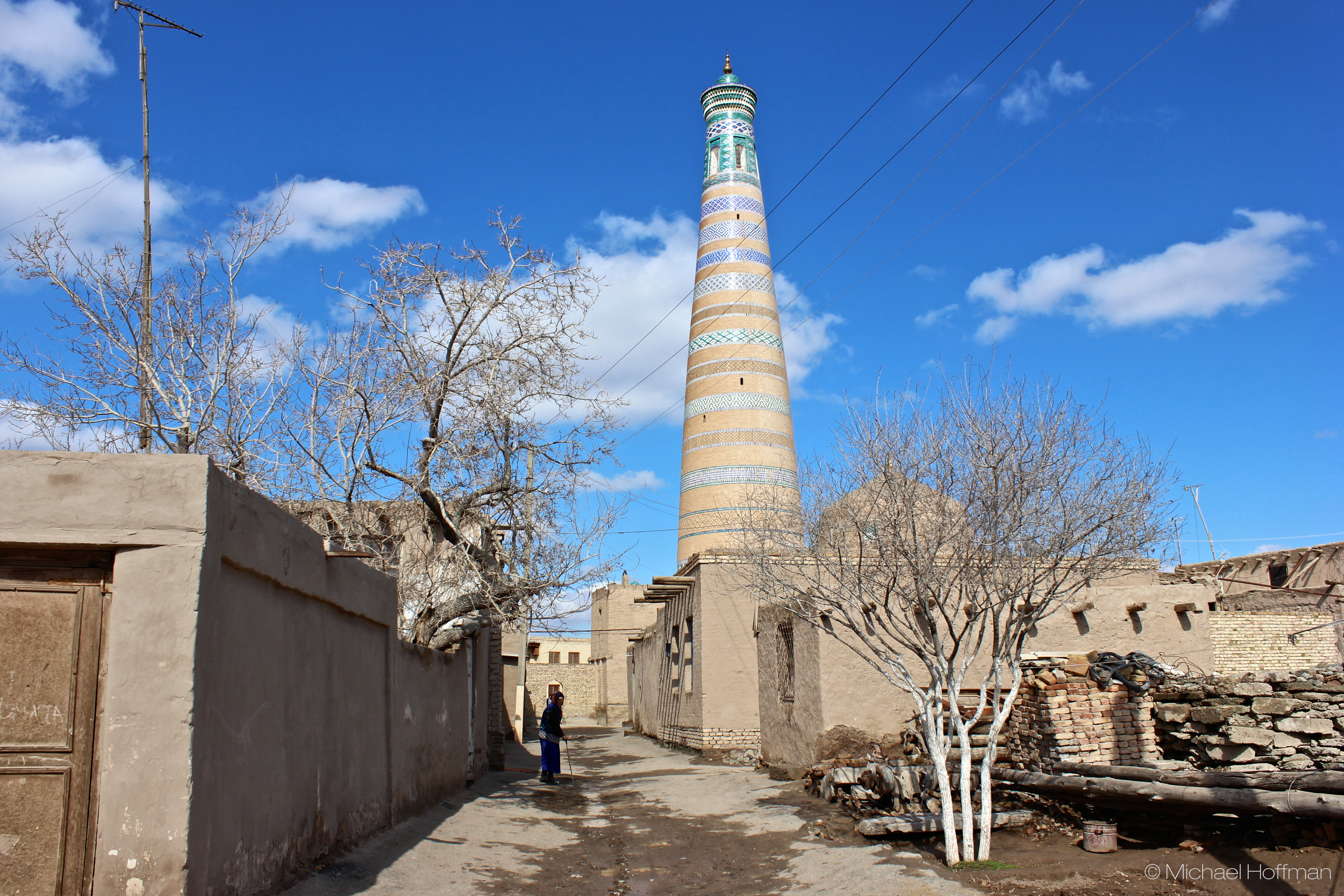
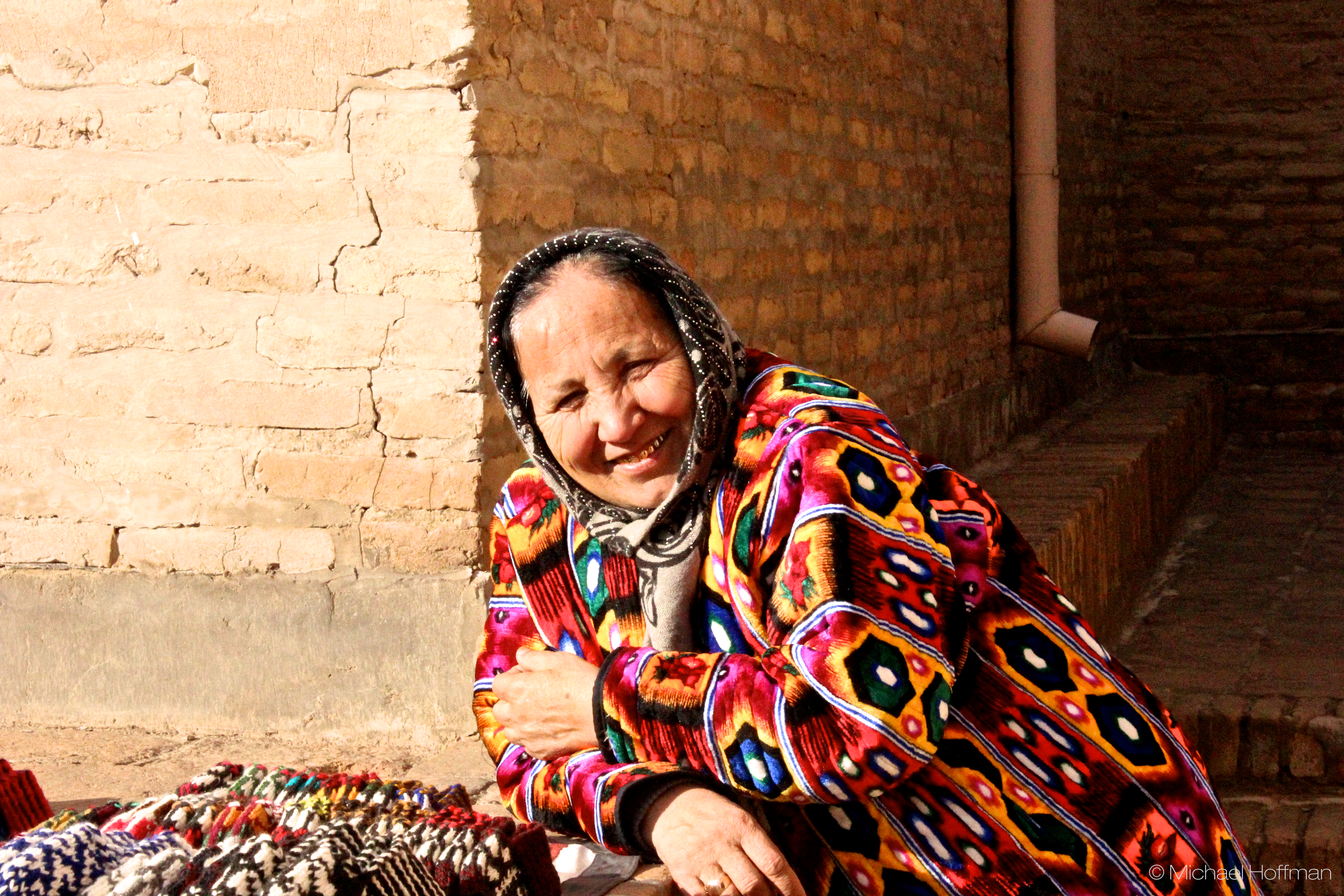
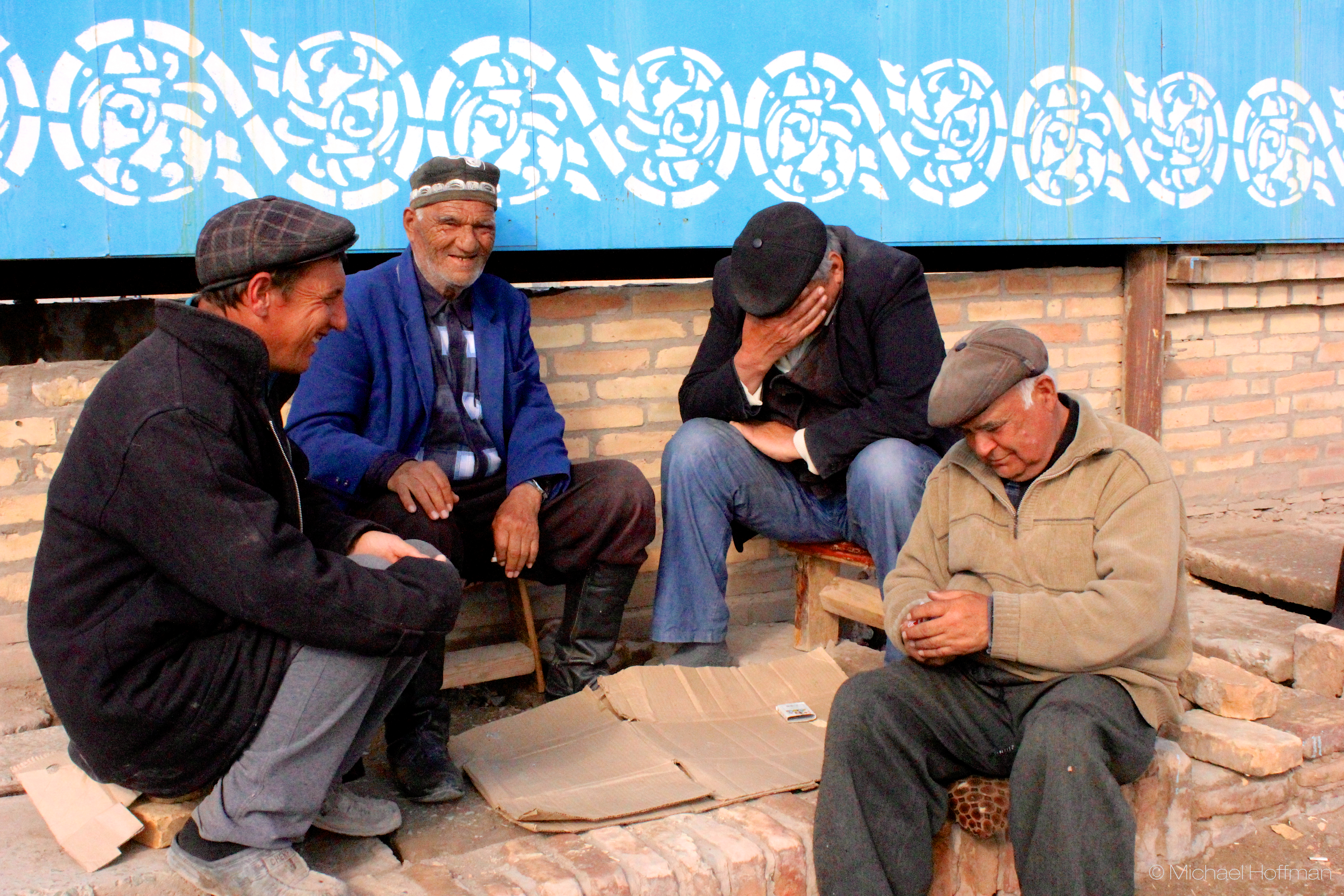
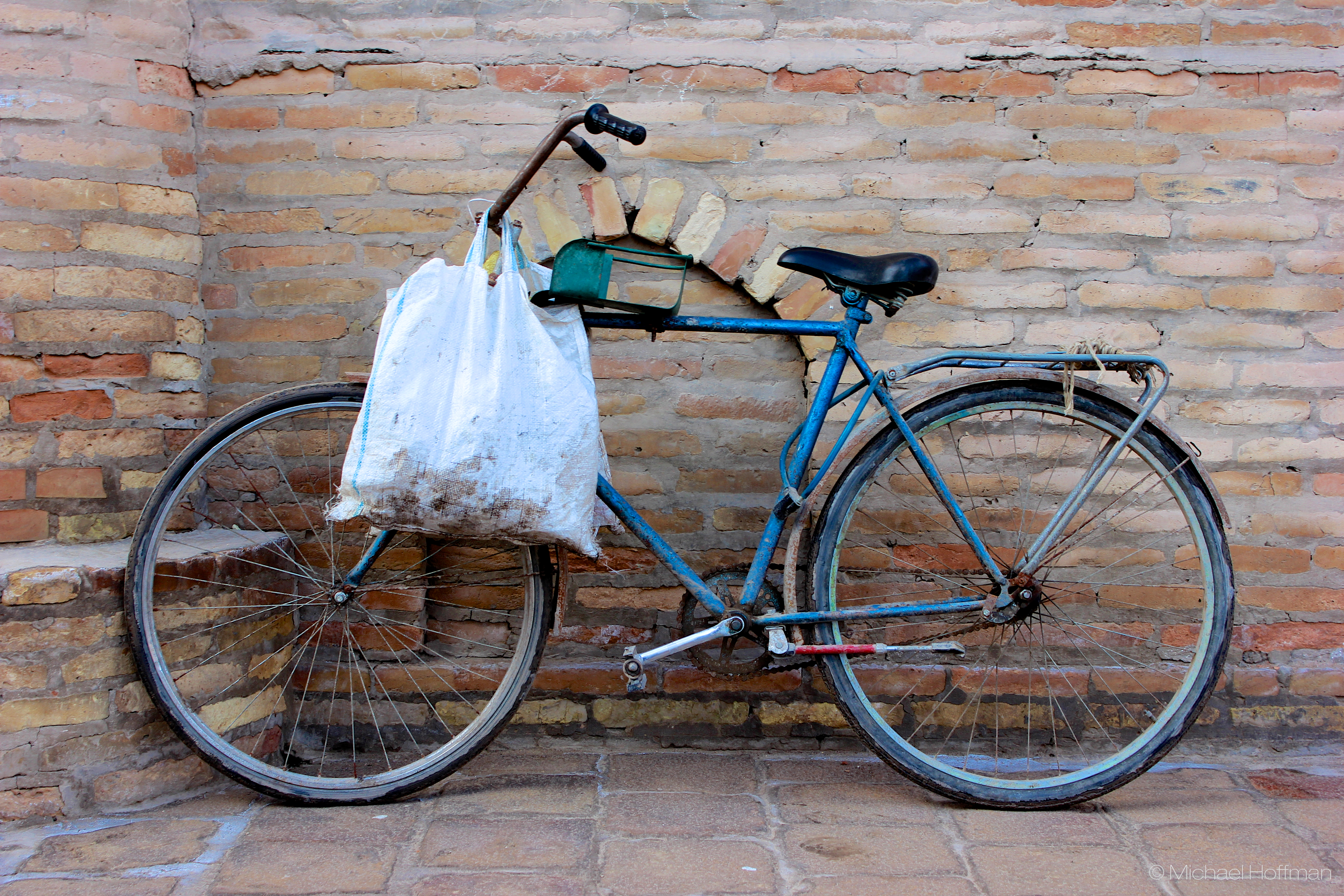
Unlike the last photography series, which I displayed here a couple months after the initial trip, I’d like to have it more immediate this time. So, I just returned from a fantastic journey to Uzbekistan in Central Asia. It is the modern state where many sights of the ancient Silk Road, being the major trading route between China and Europe for more than a century, happen to be. As I was there for work purposes, my time for photography was very limited to a couple of hours a day, so I didn’t have the time to wait for the perfect setup very often but instead tried to capture the beauty and immediacy of the reality in front of me as I saw it at the moment. Our first destination was the city of Xiva (or Chiwa or Khiva) in the Western part of Uzbekistan. It is close to the Amujaria River within the fertile oasis of Chorasm, between the deserts of Kysylkum (Red Sand) and Karakum (Black Sand). As the photography displayed here shows, I think walking through the city felt like being transported not only within space but also within time to a mysterious, oriental place of merchants, beggars, and camels (or Soviet cars) like it already used to be for centuries. In case you wonder, the vast turquoise tower is the landmark of Xiva. It was supposed to be the largest minaret in the Islamic world, but the construction was abandoned midway through. So it was decided to garnish the unfinished structure with beautiful ornaments, at this moment showing the wealth of the oasis city.





 Michael Hoffman Photography