Skip to content

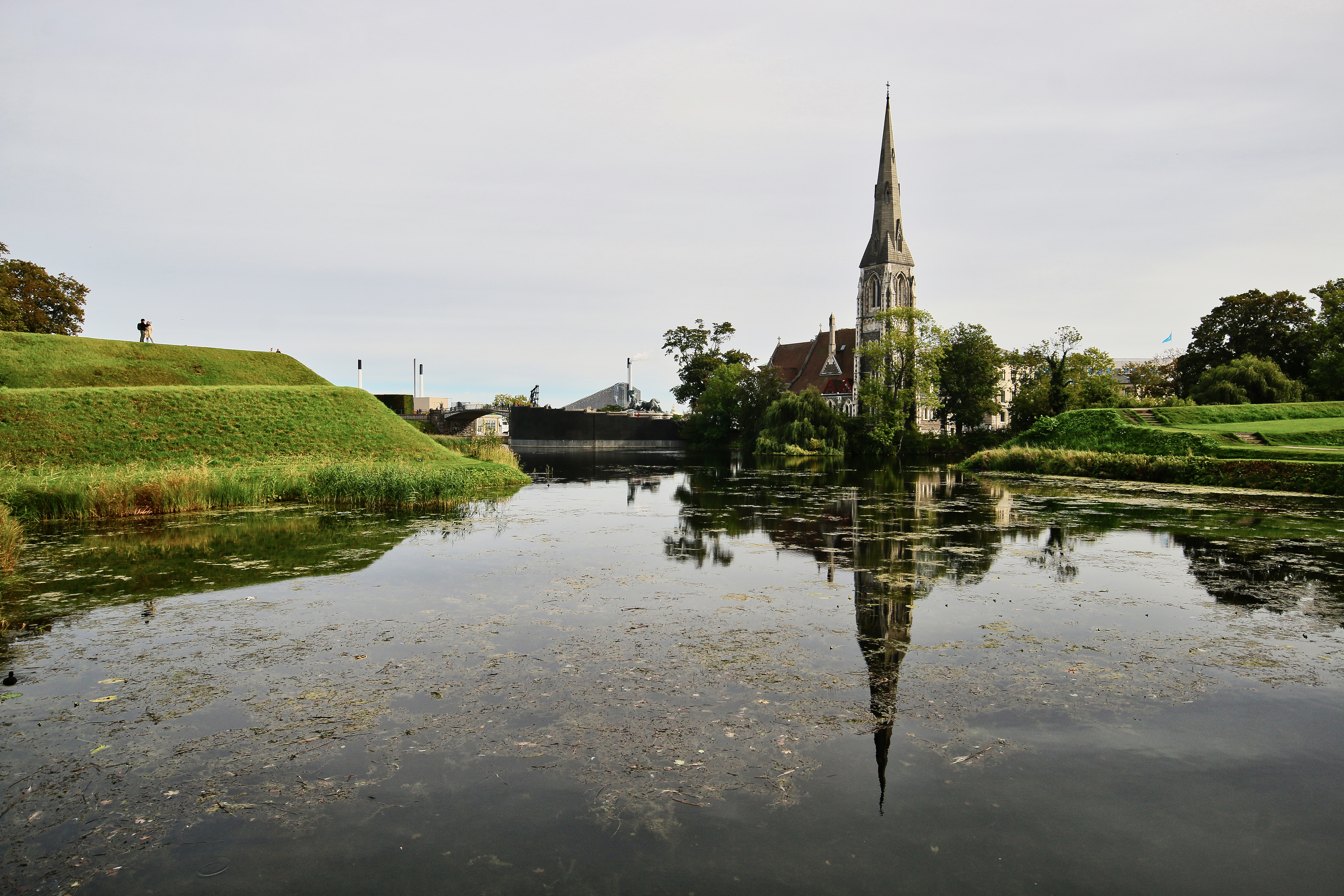
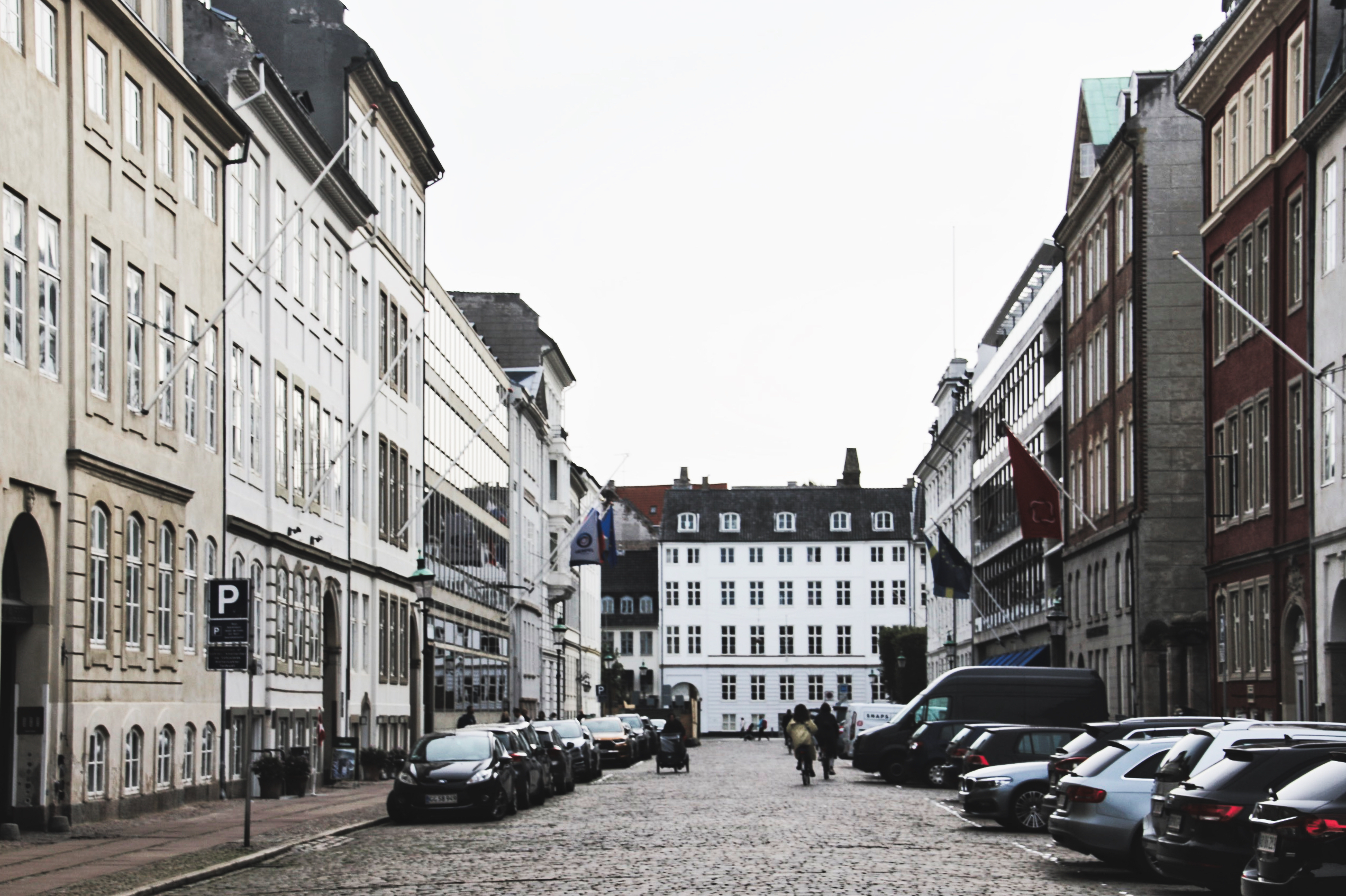
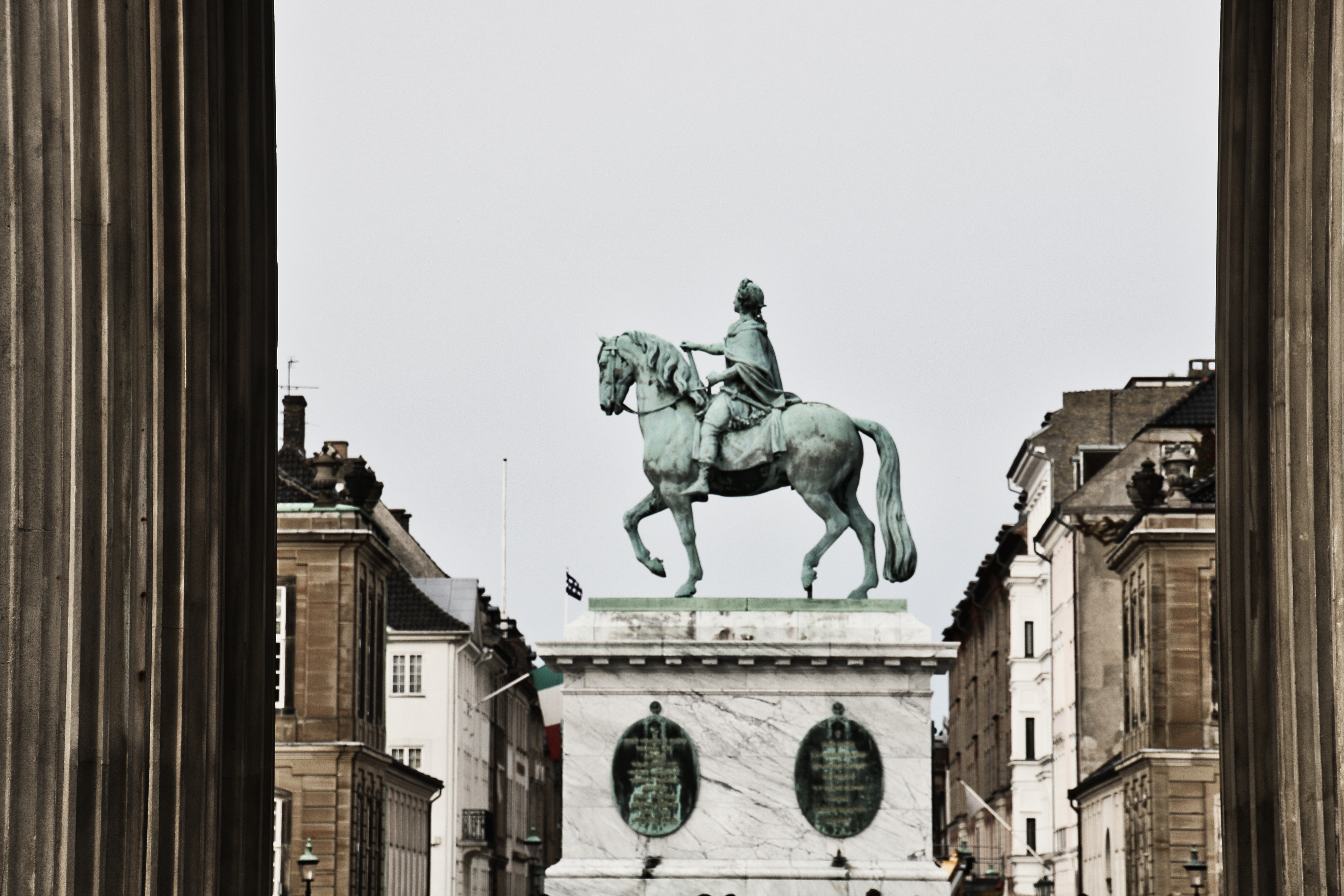
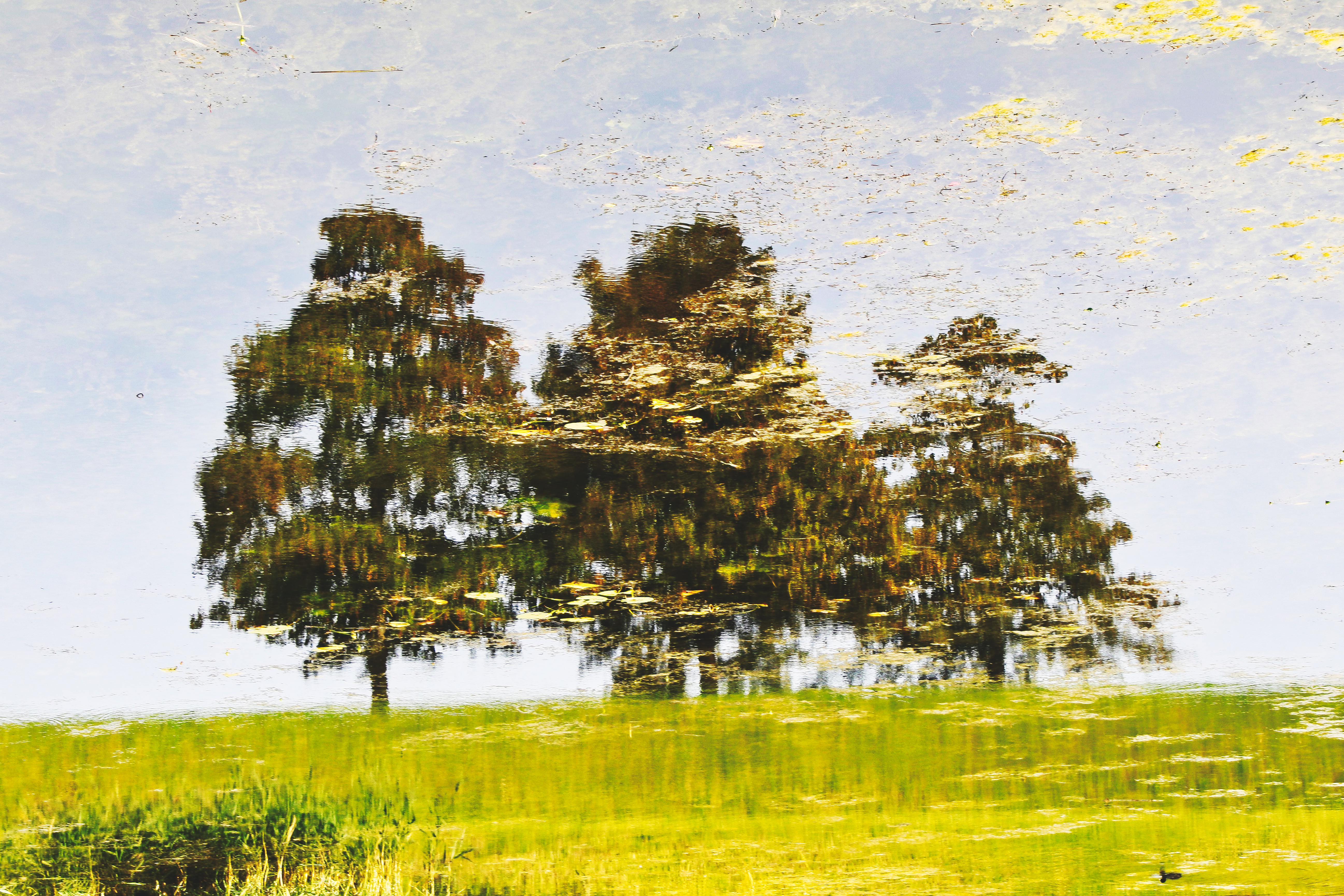
Copenhagen in Late Summer
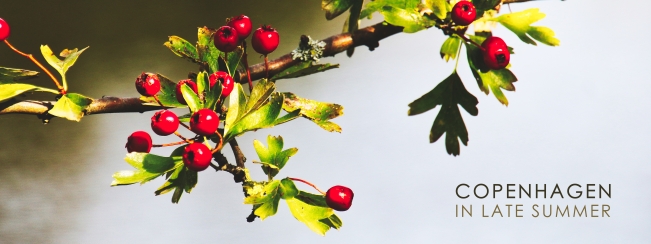
Founded as a settlement by the Vikings in the 10th century, Copenhagen grew exponentially in the following centuries, becoming the capital of Denmark in 1416. The inner city was destroyed several times by the plague and fires and was rebuilt in a neoclassic style during the so-called Danish Golden Age in the early 19th century. Although many other parts of Copenhagen are modern and somewhat functionalist, the inner city still represents the glory and richness of these past times. Photographies from a walk during late Summer 2019.

test

At the Northern Shore: Germany and the North Sea

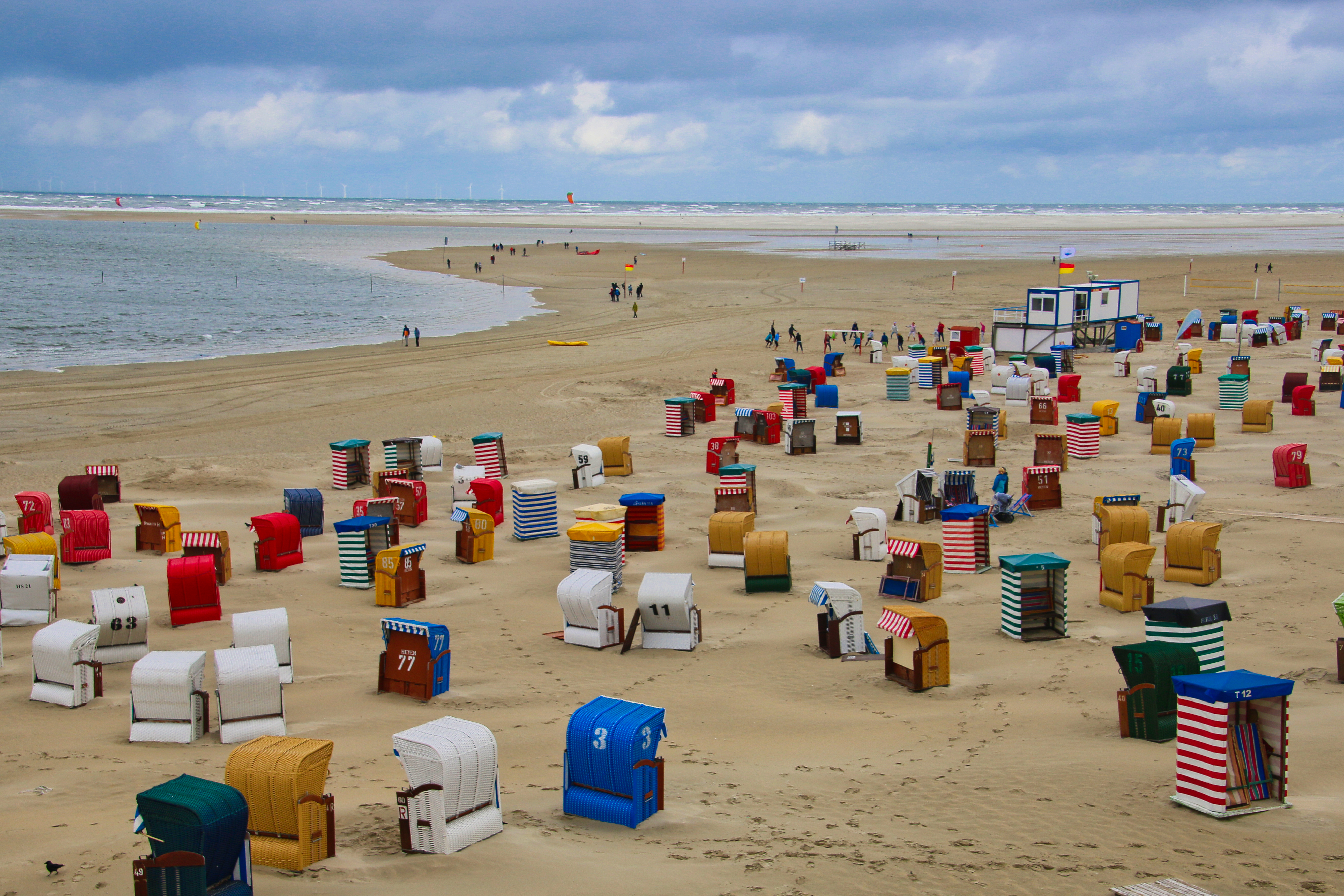
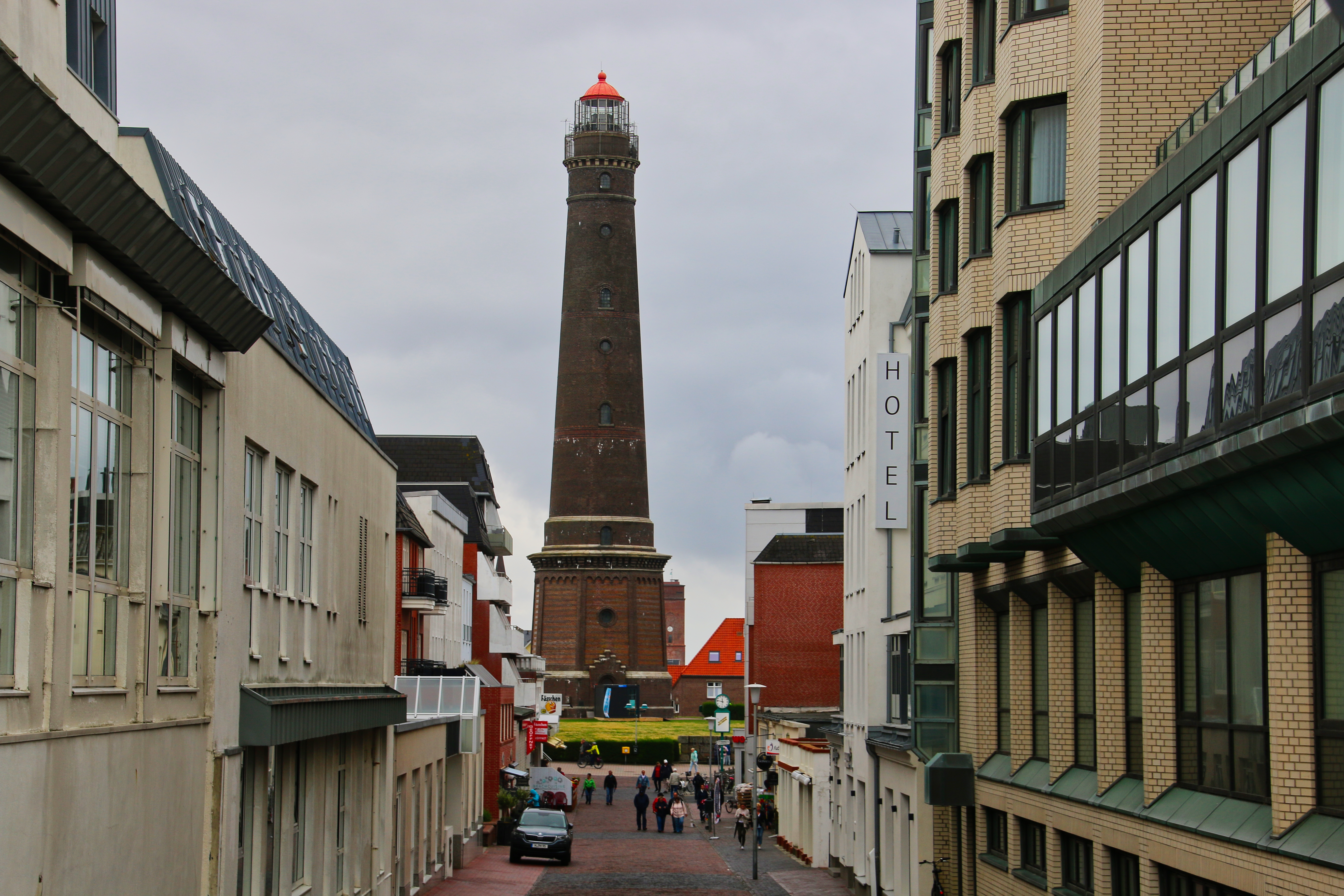
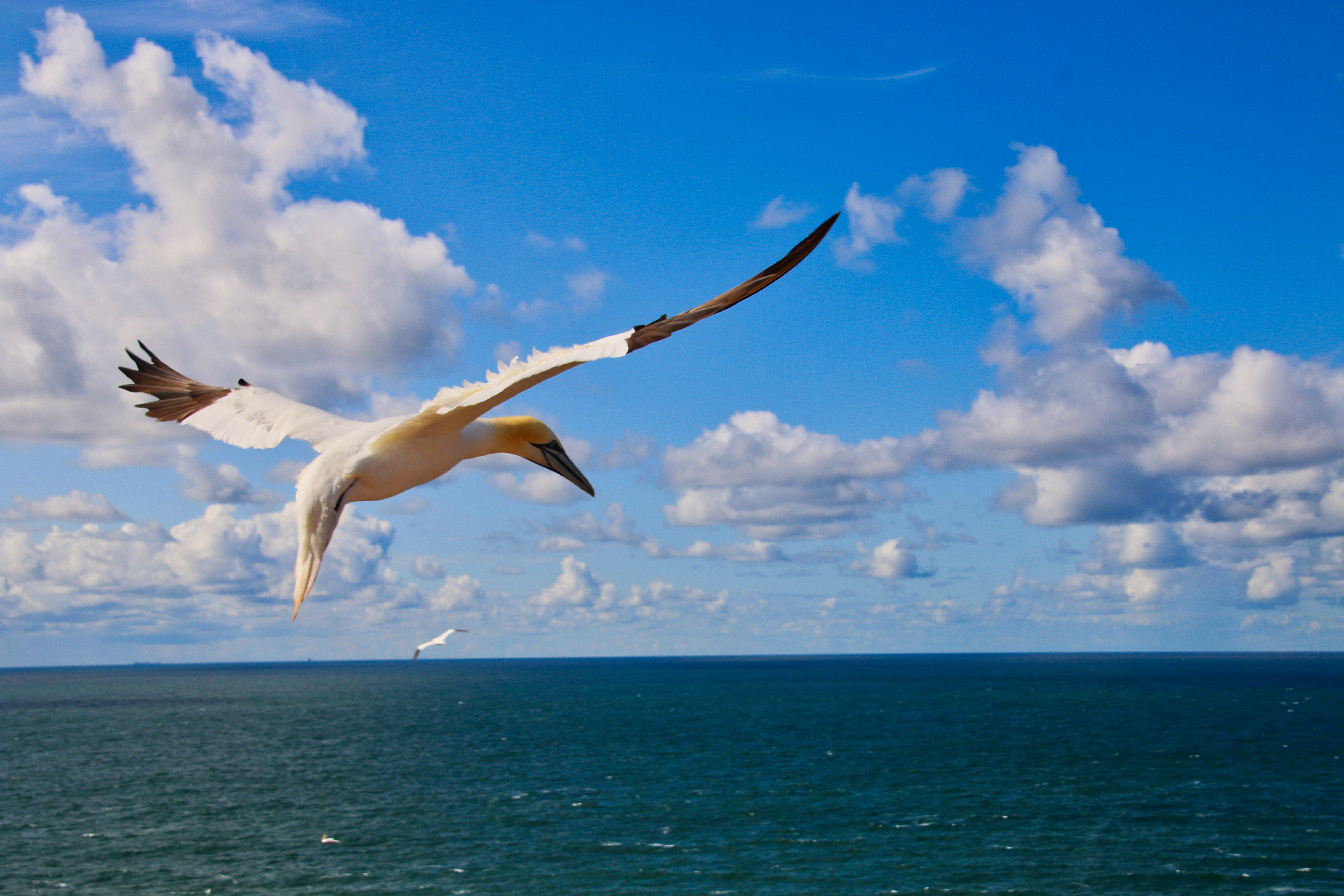
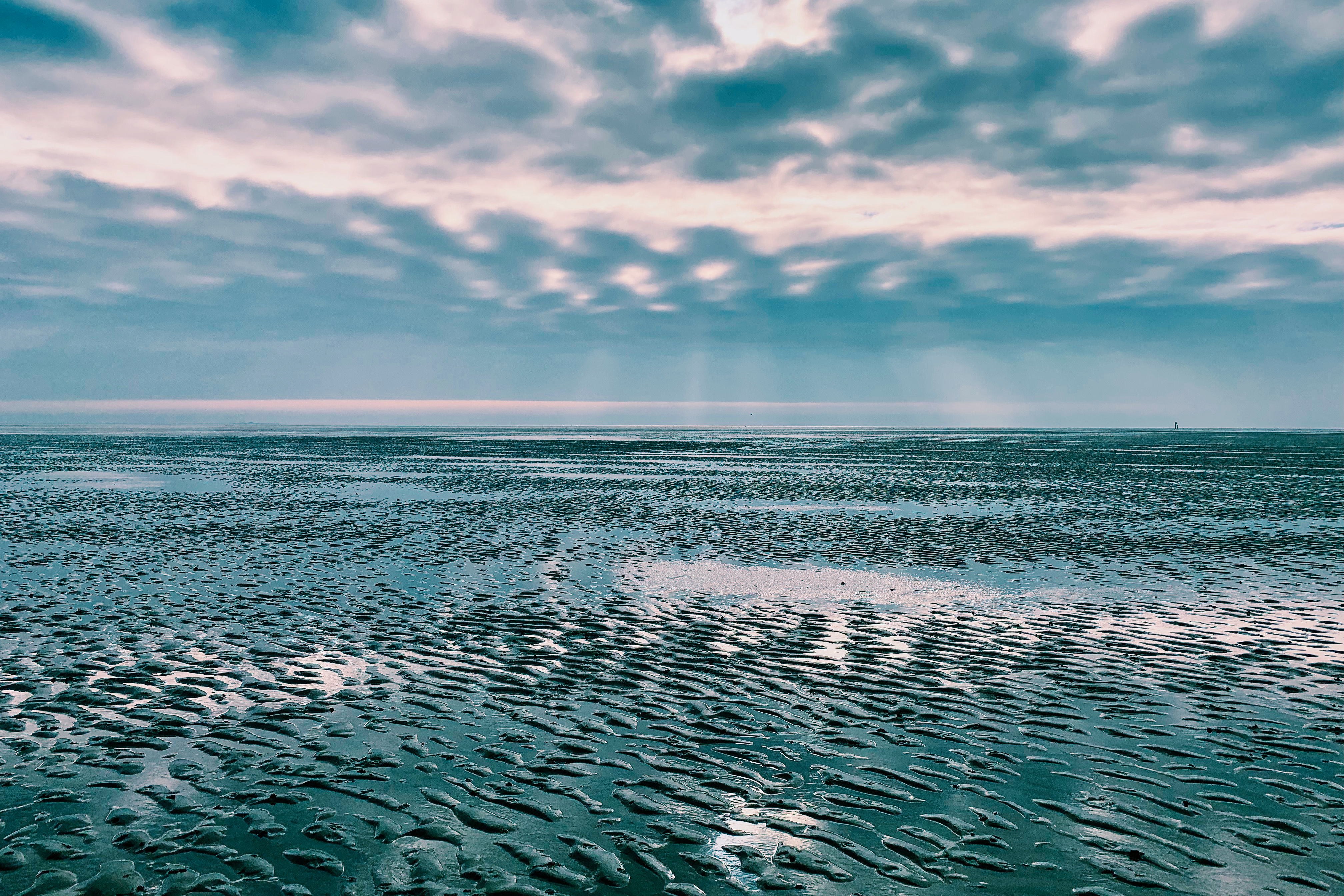
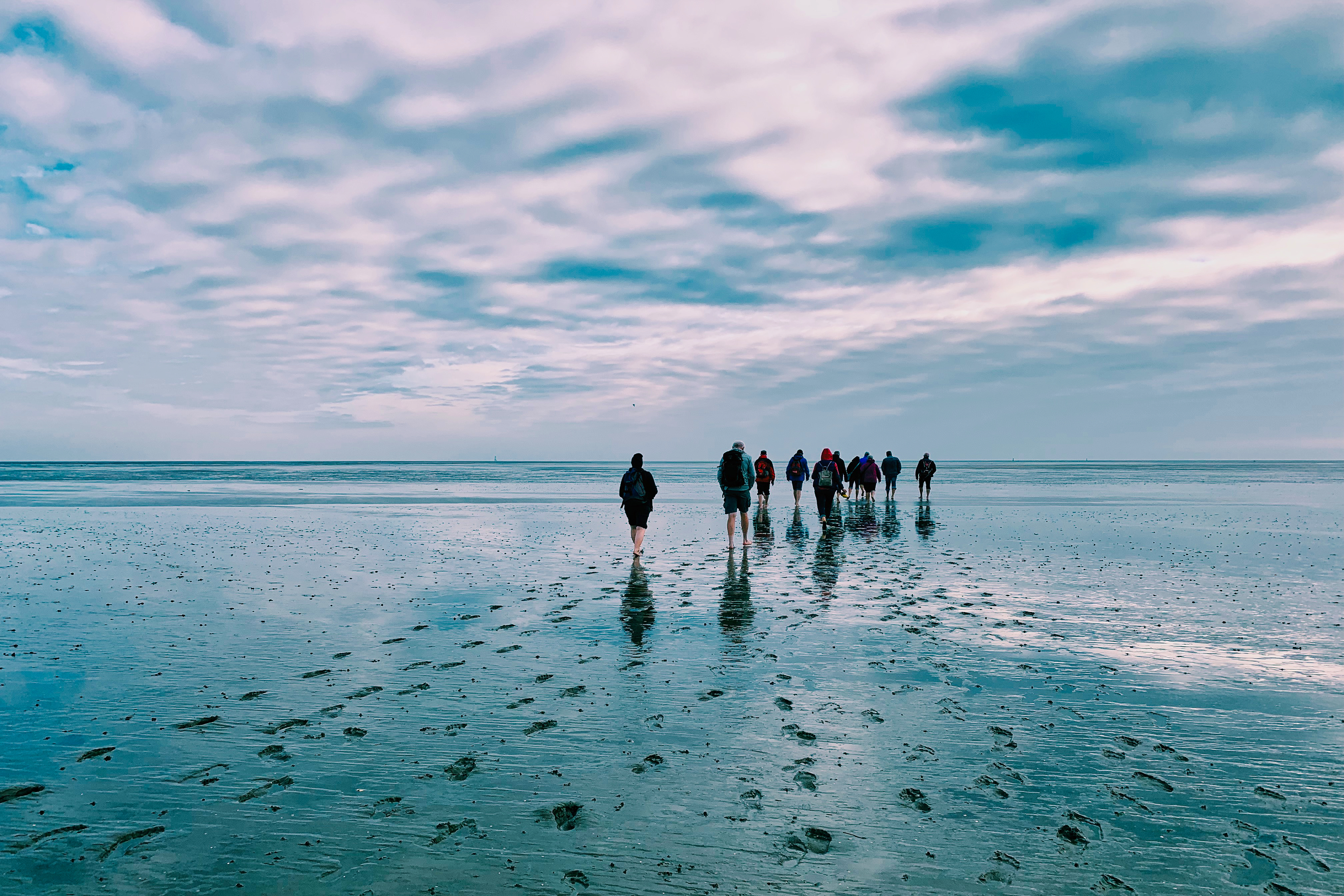
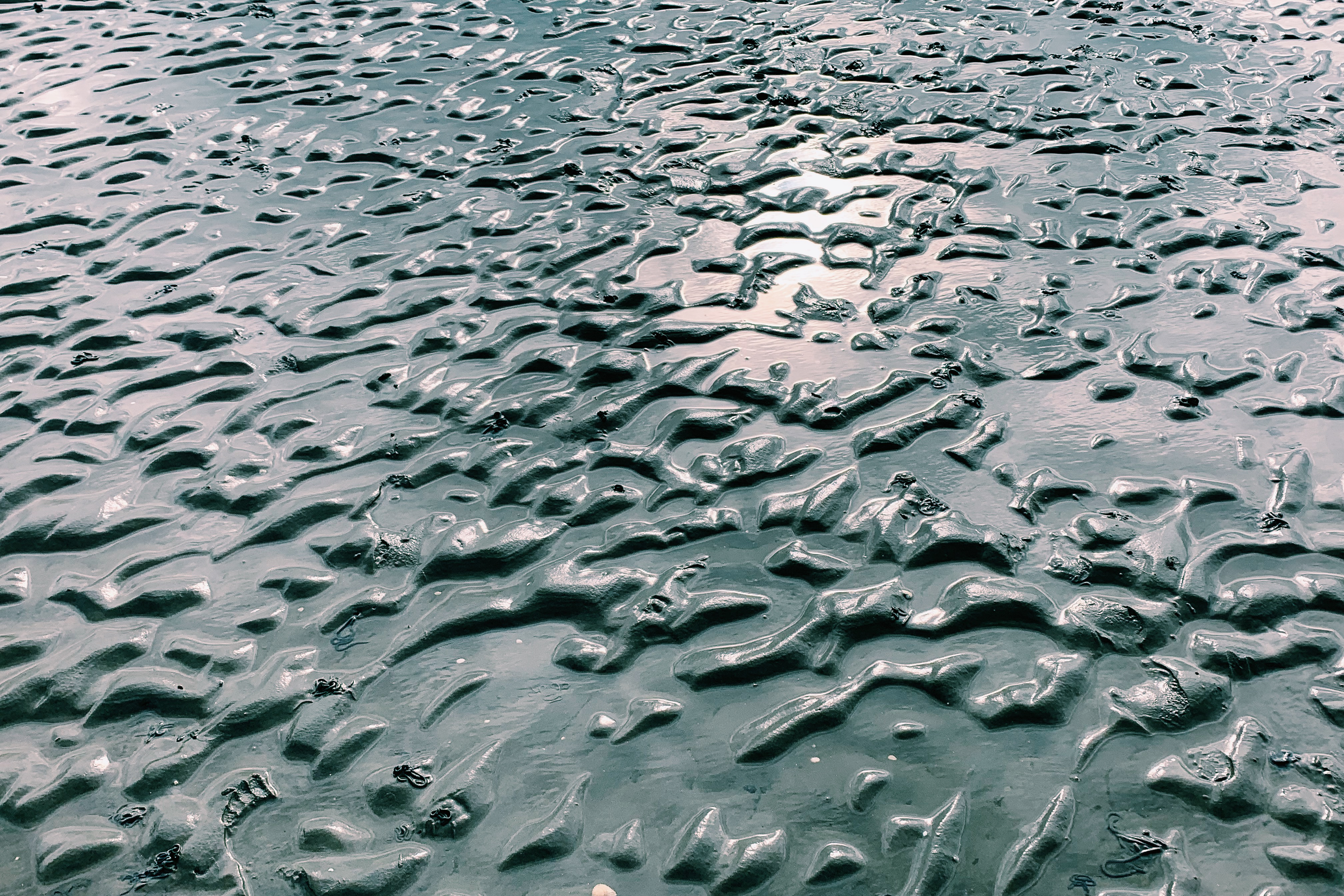
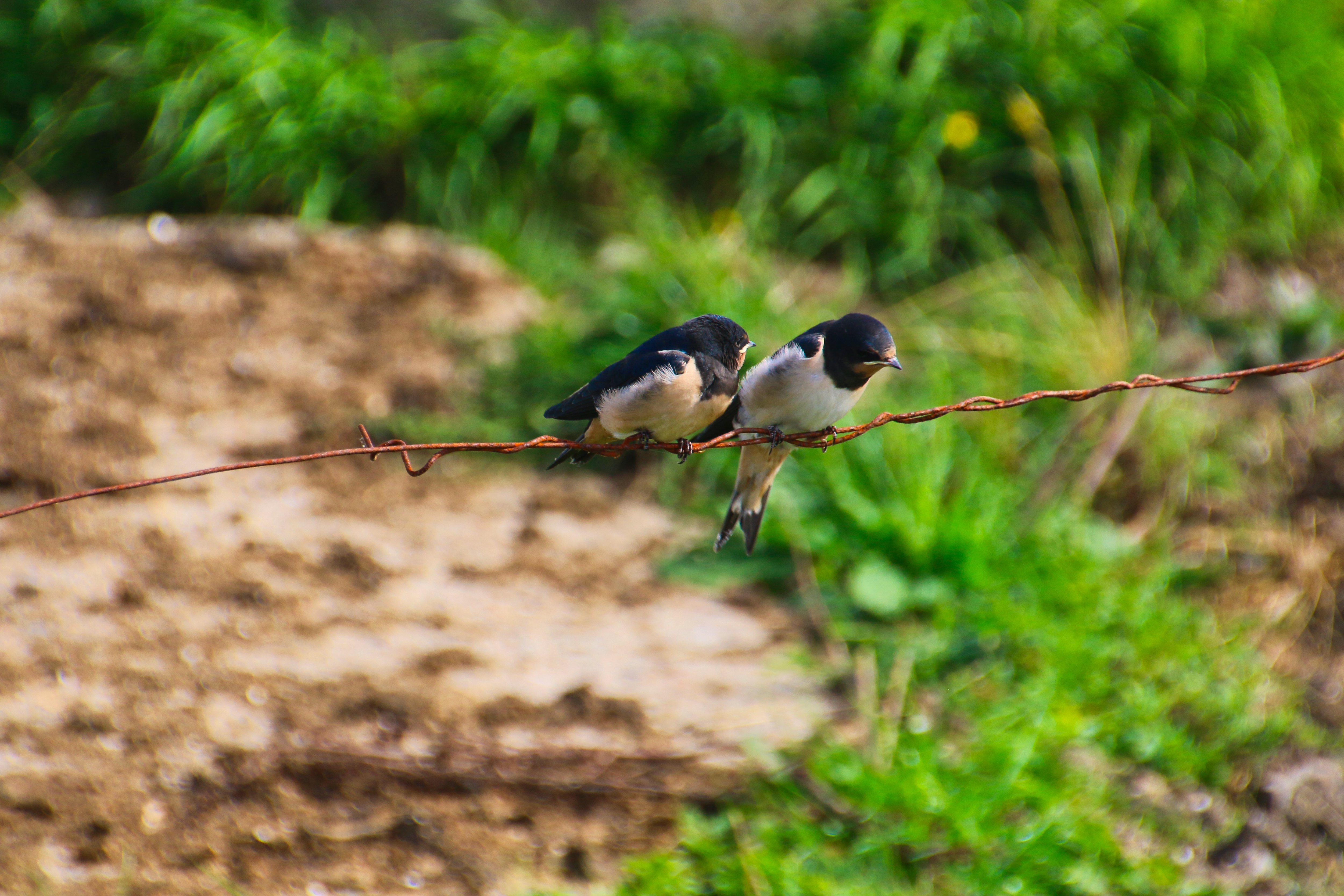
In relation to other European nations, Germany is a big country with some exciting features. While the south of Germany is bordering with the Alps and is in parts quite mountainous, the north is a very different place. Not many know that the country lays ashore not to one large body of water but two. There is the quieter and more enclosed Baltic Sea in the east and the wider and more open Northern Sea in the west. At the shore, there are endless sand beaches and many quiet islands where you can relax with these unique, colorful beach chairs. The most exciting feature, though, is most probably the Wadden Sea (last three pictures). It is a kind of muddy place which is flooded twice a day and reaches at some points deep into the sea. The Wadden is one of the most diverse bio habitats on earth and home to many microorganisms because it is biologically very rich in nutrients. Also, it is home to the sandworm and many kinds of birds.

test


Discovering Lübeck

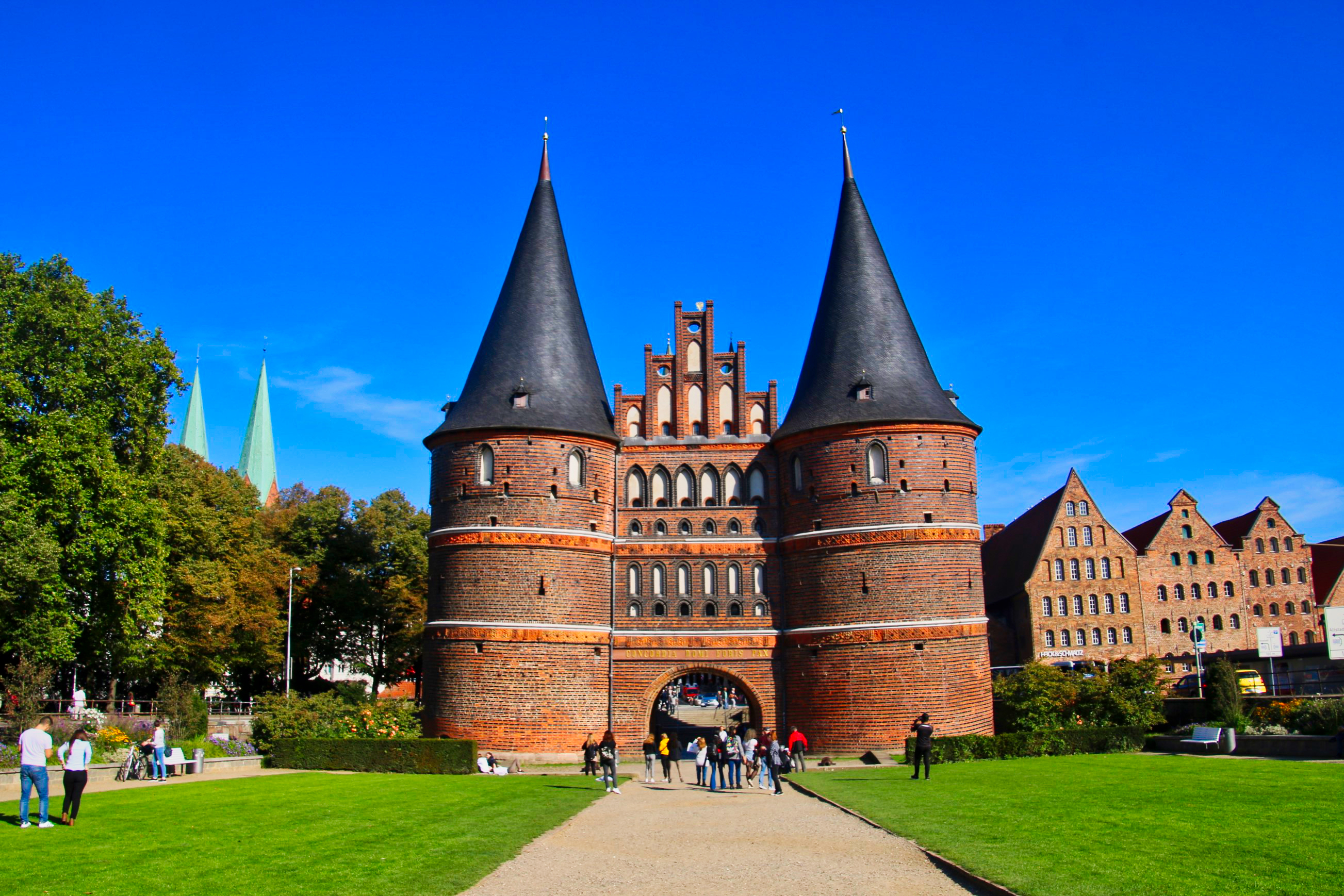
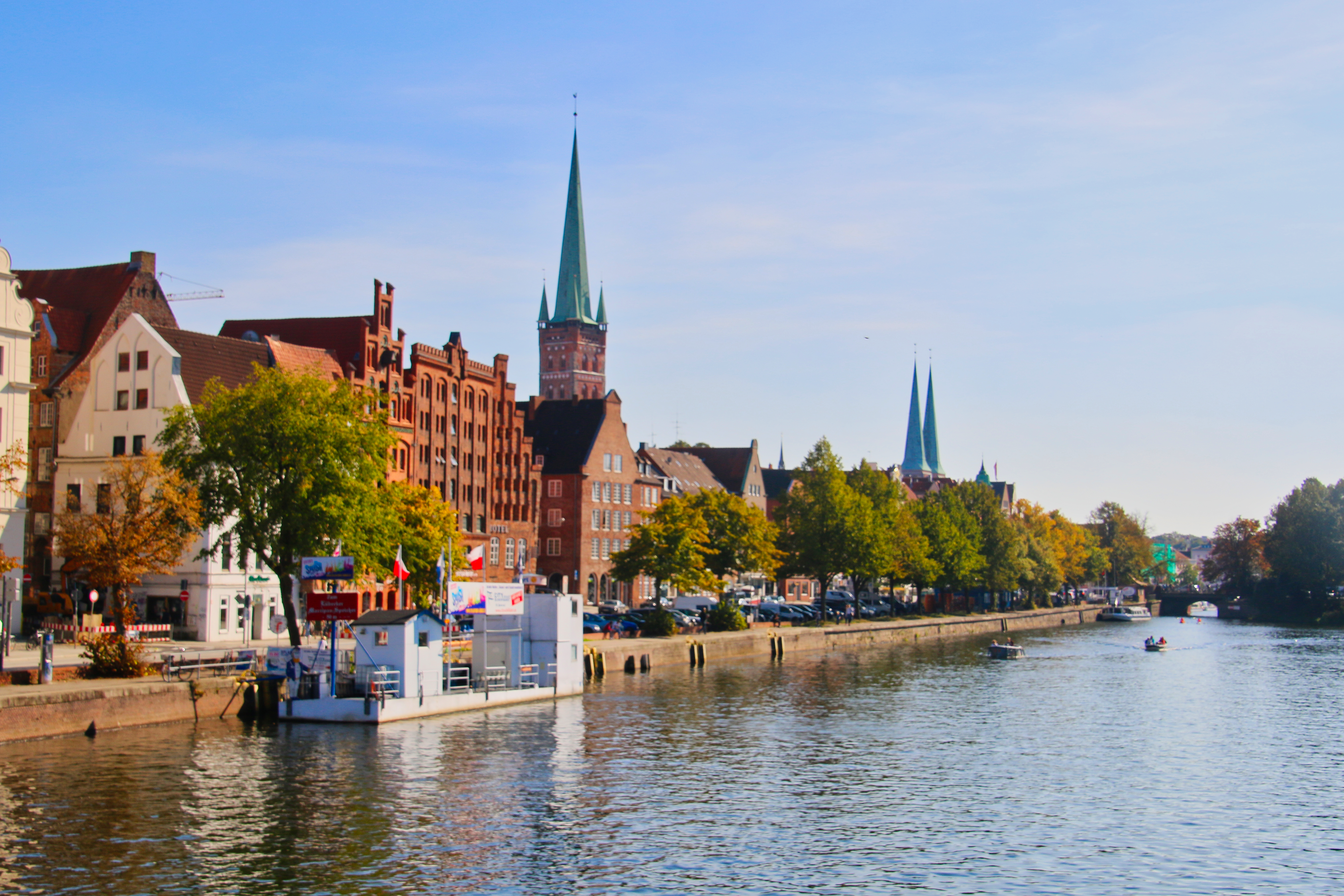
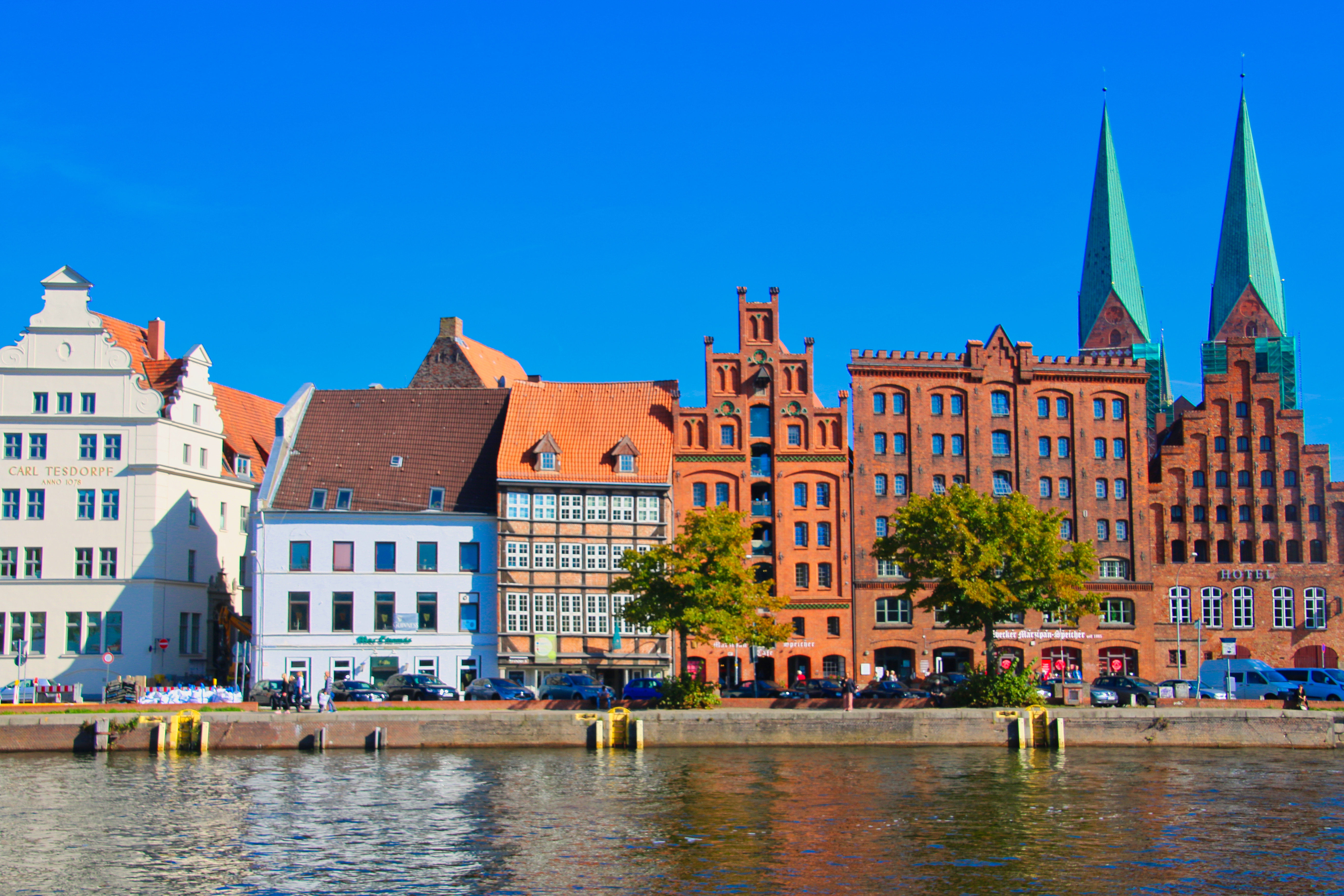
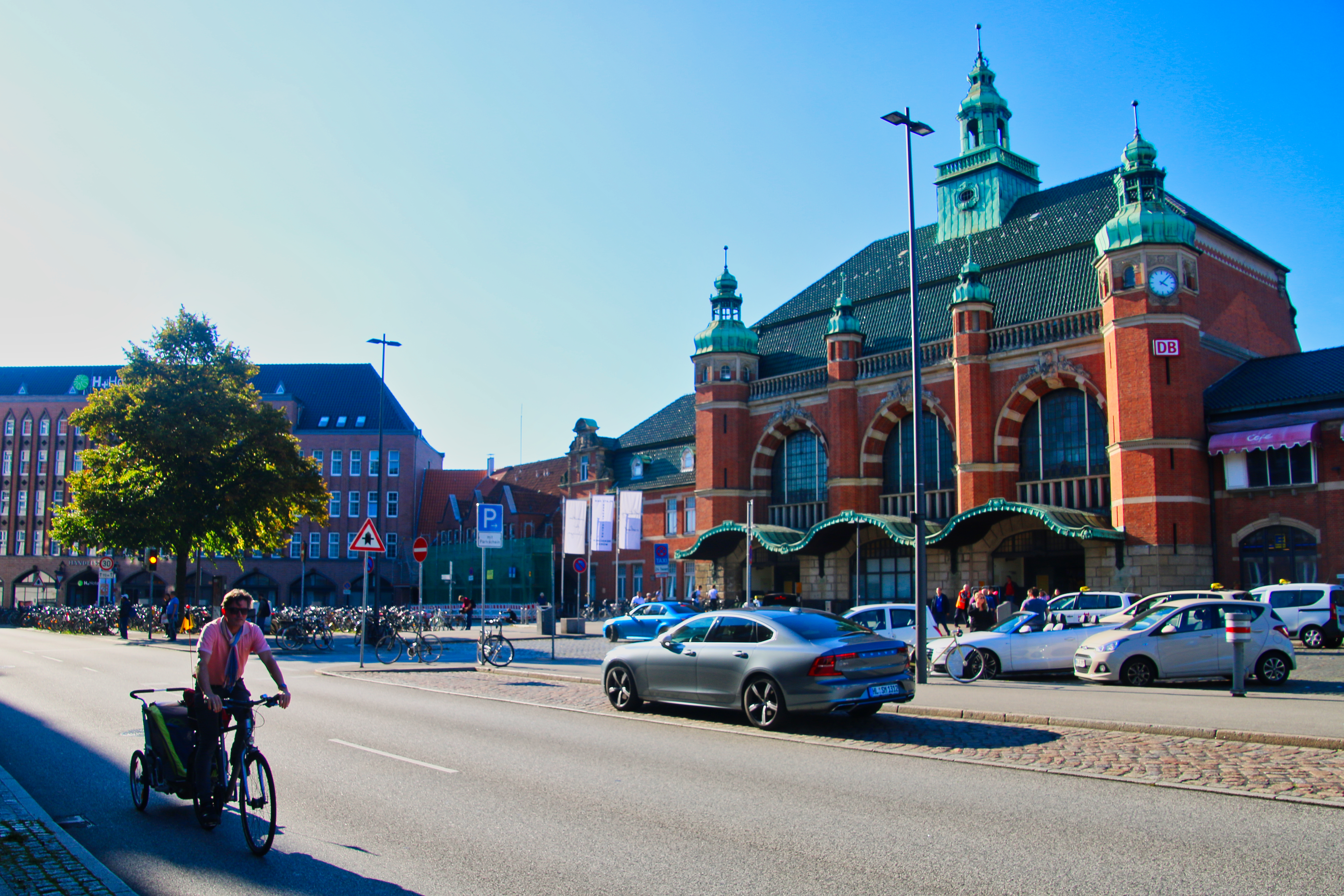
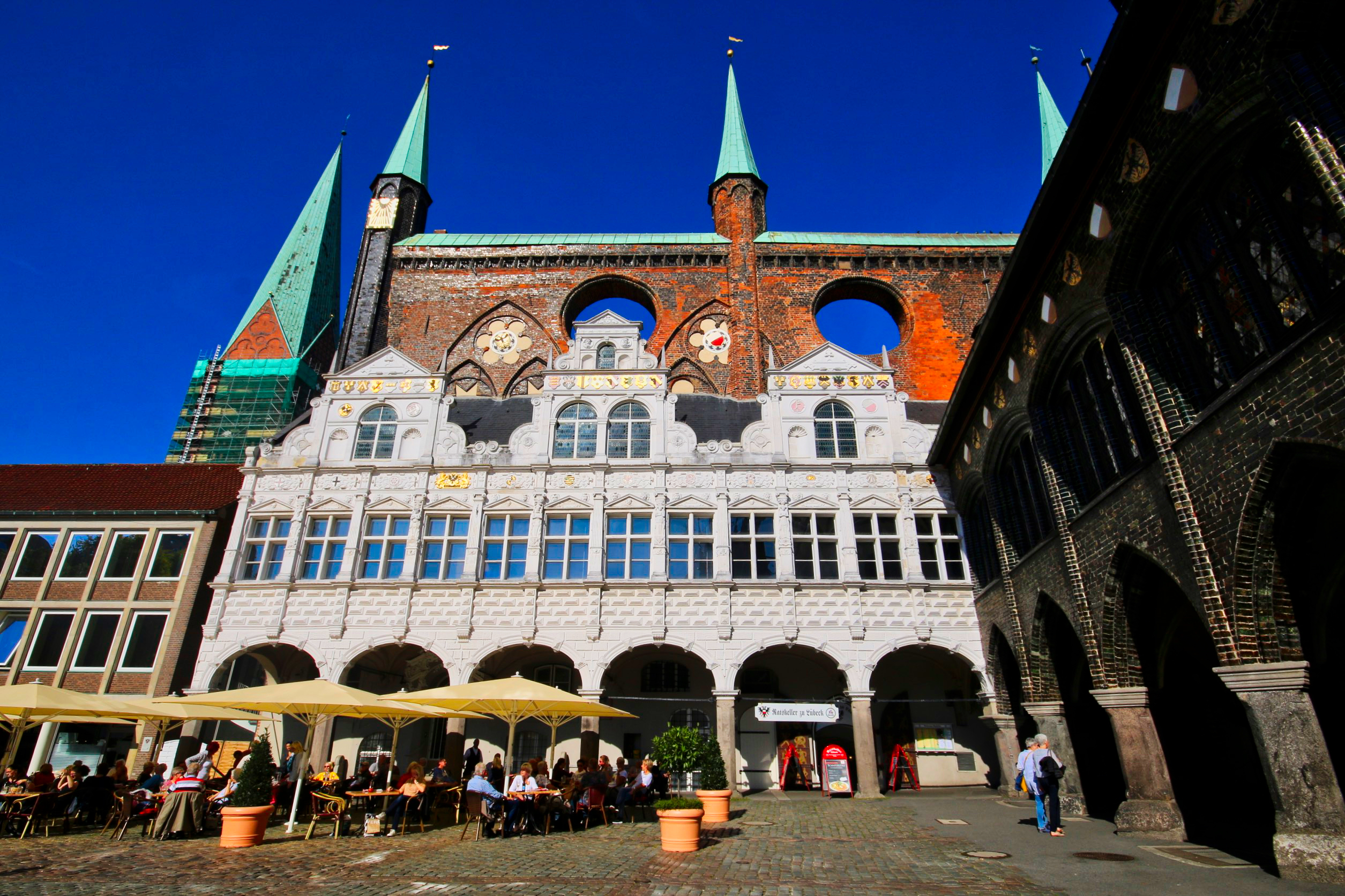
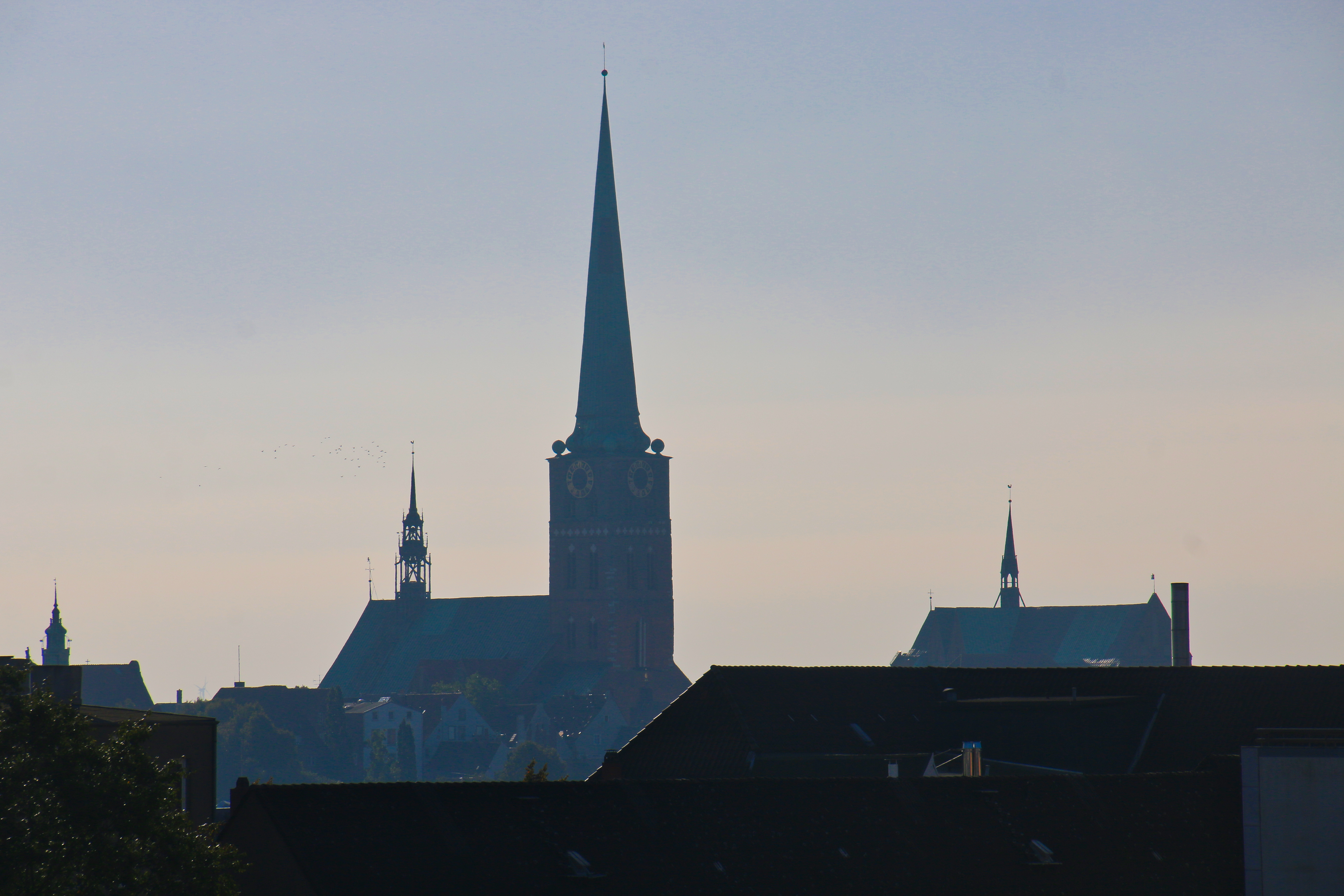
Lübeck is a town in Northern Germany, once the significant capital of the Hanse, a union of merchants in the middle ages that dominated trade in the Baltic seas for many centuries. So, the city was also called the Queen of the Hanse, and its inhabitants used to be wealthy and influential. Many beautiful buildings, especially churches, were built in these blooming years. Lübeck is a beautiful and well-preserved historic inner town with a lot of water surrounding it, which makes for excellent perspectives. The photographs were shot in September 2019.

test


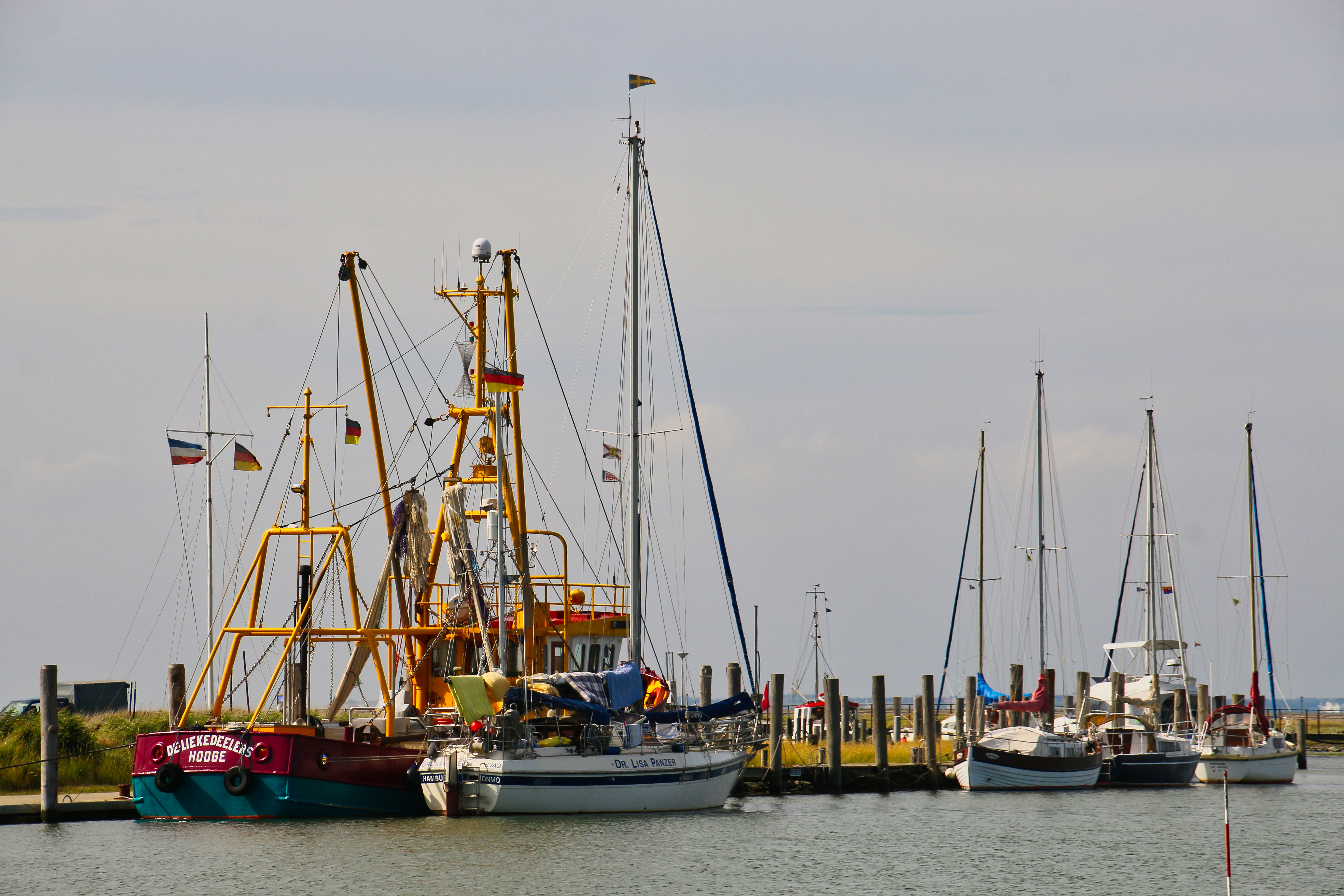
Hallig Hooge

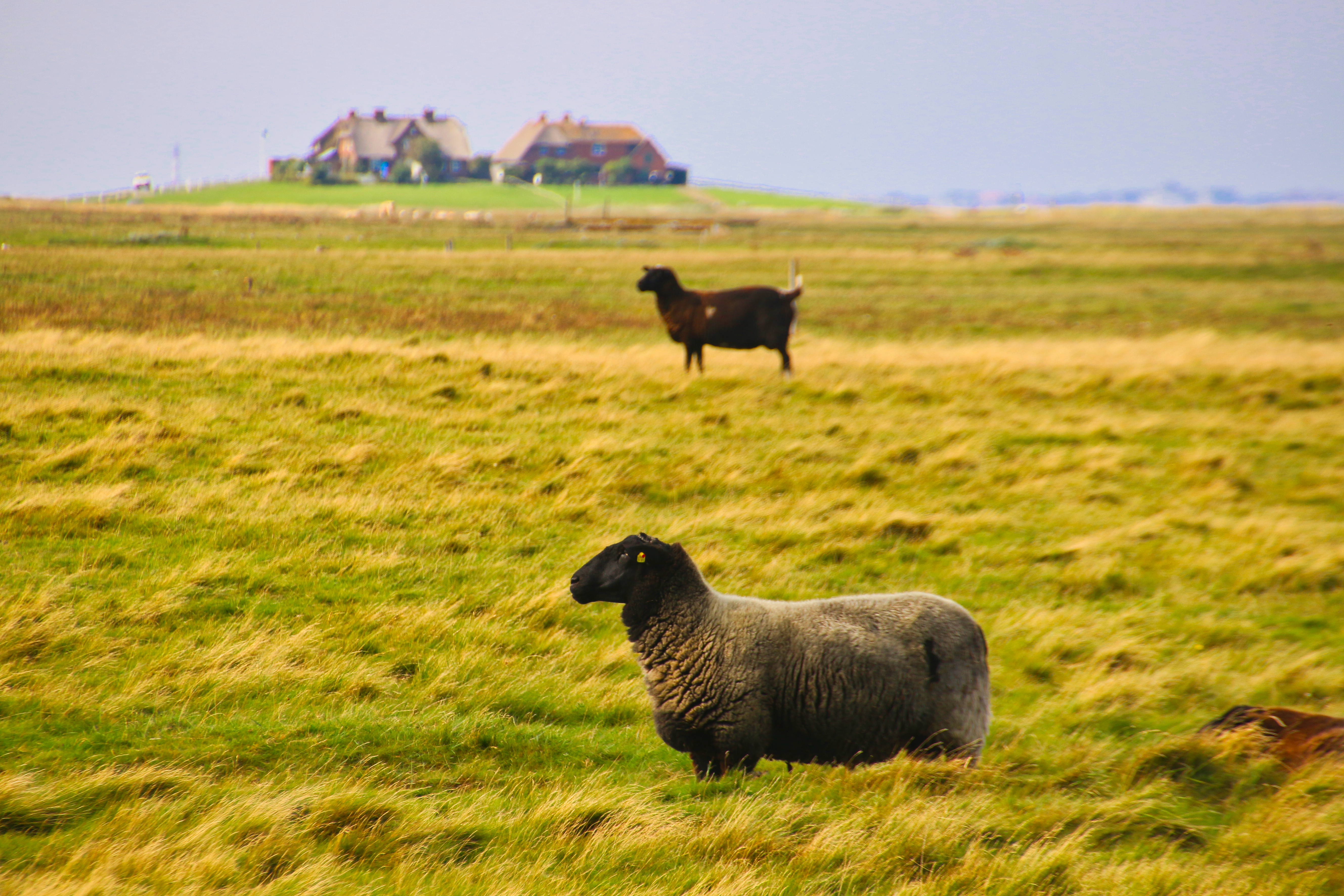
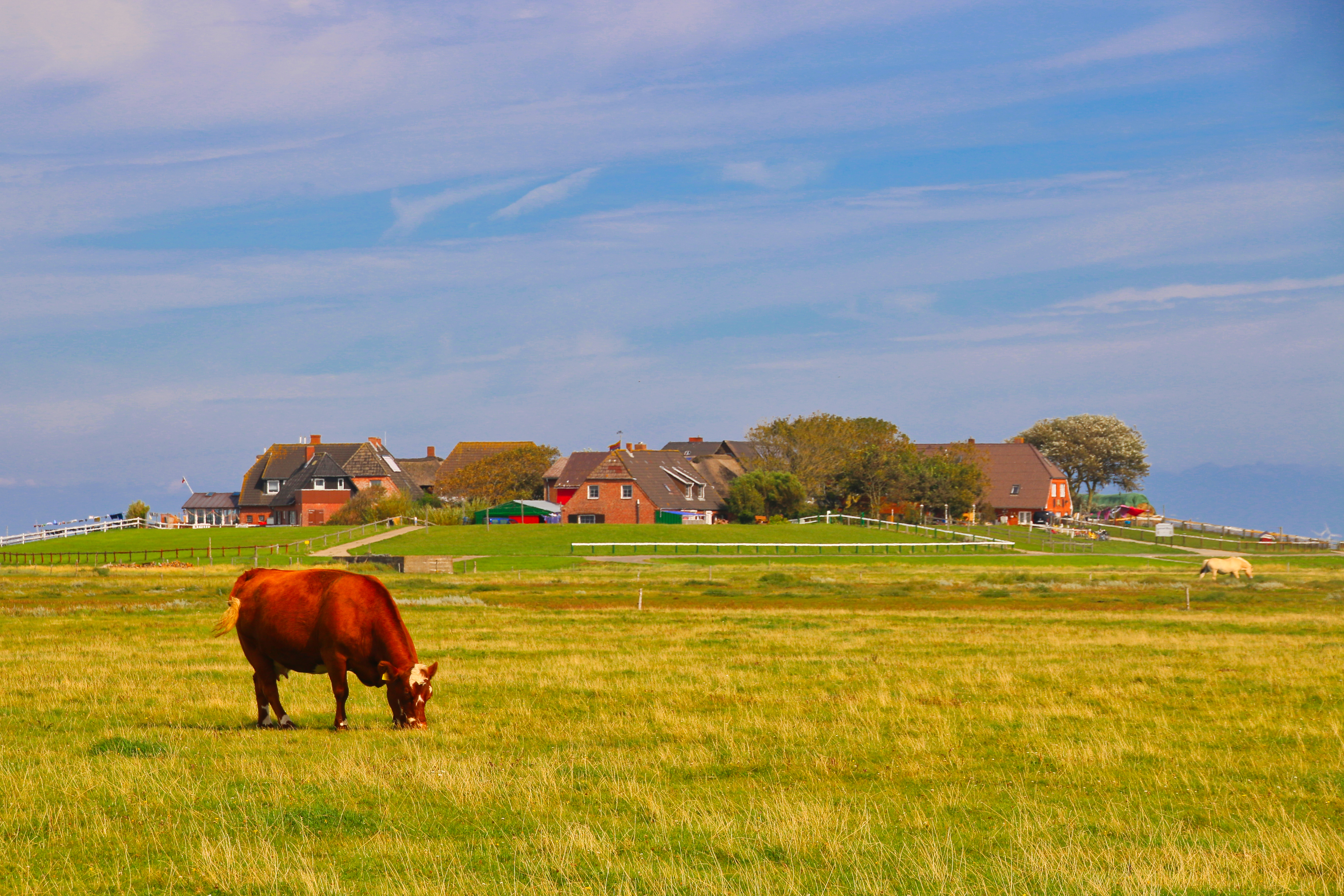
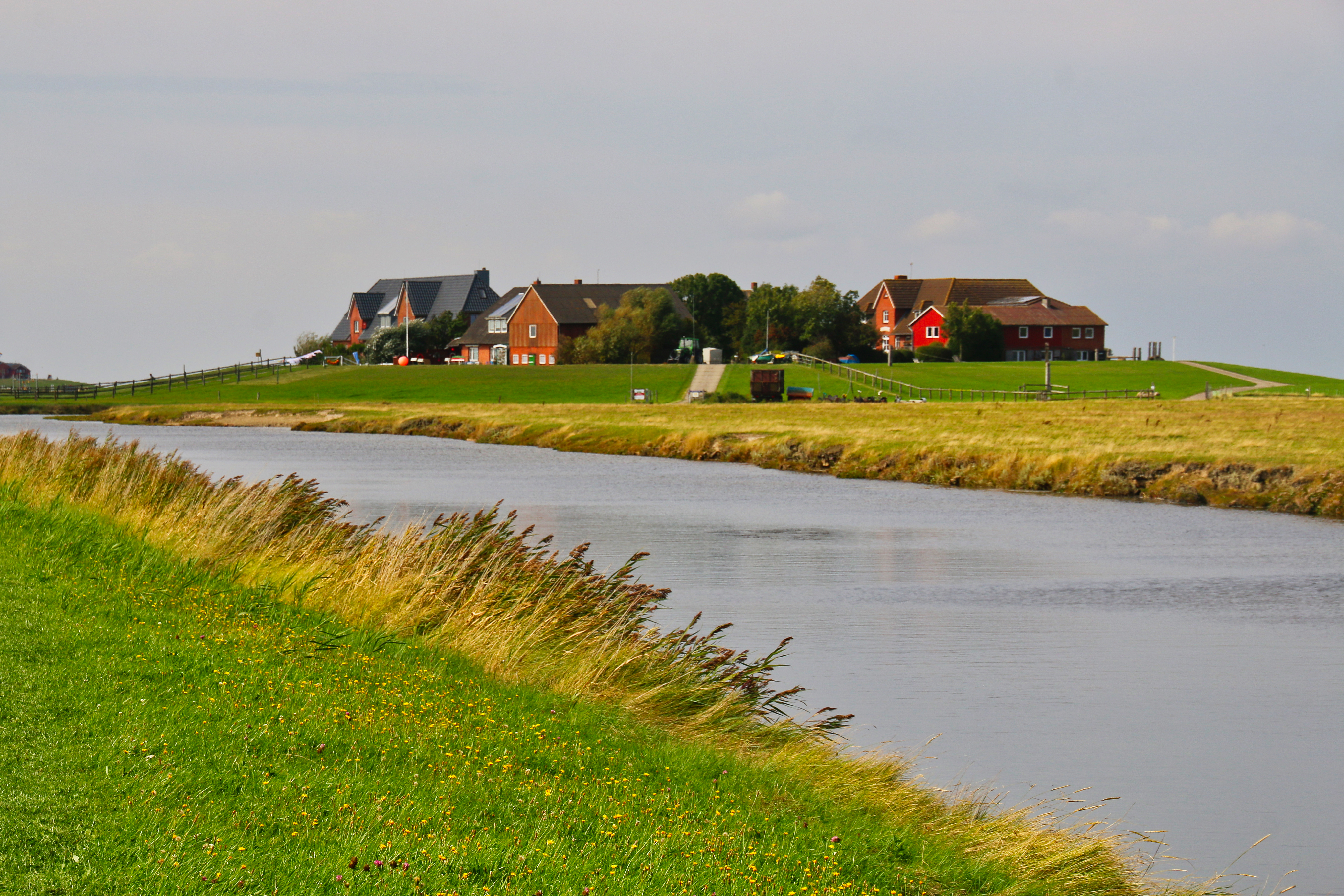
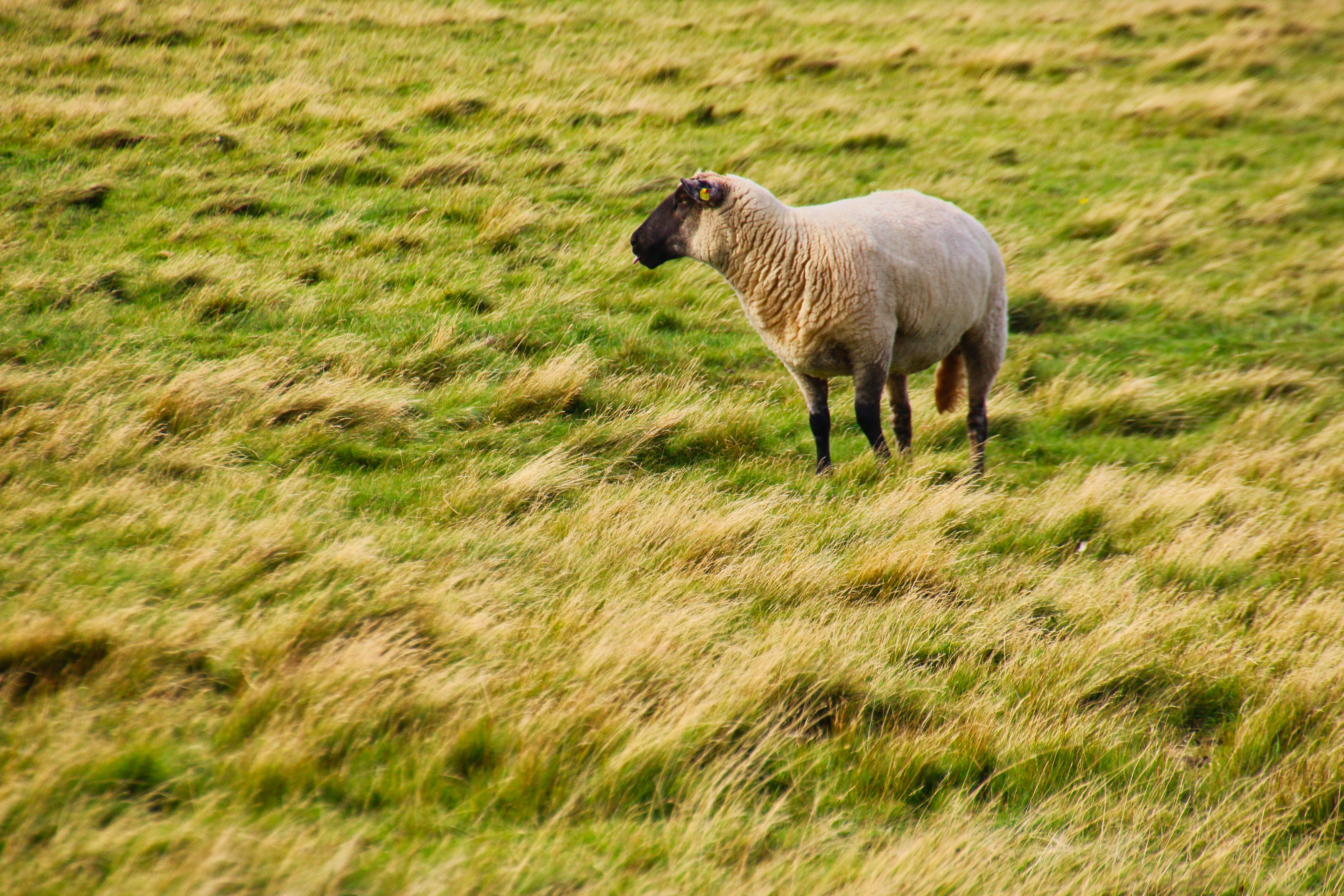
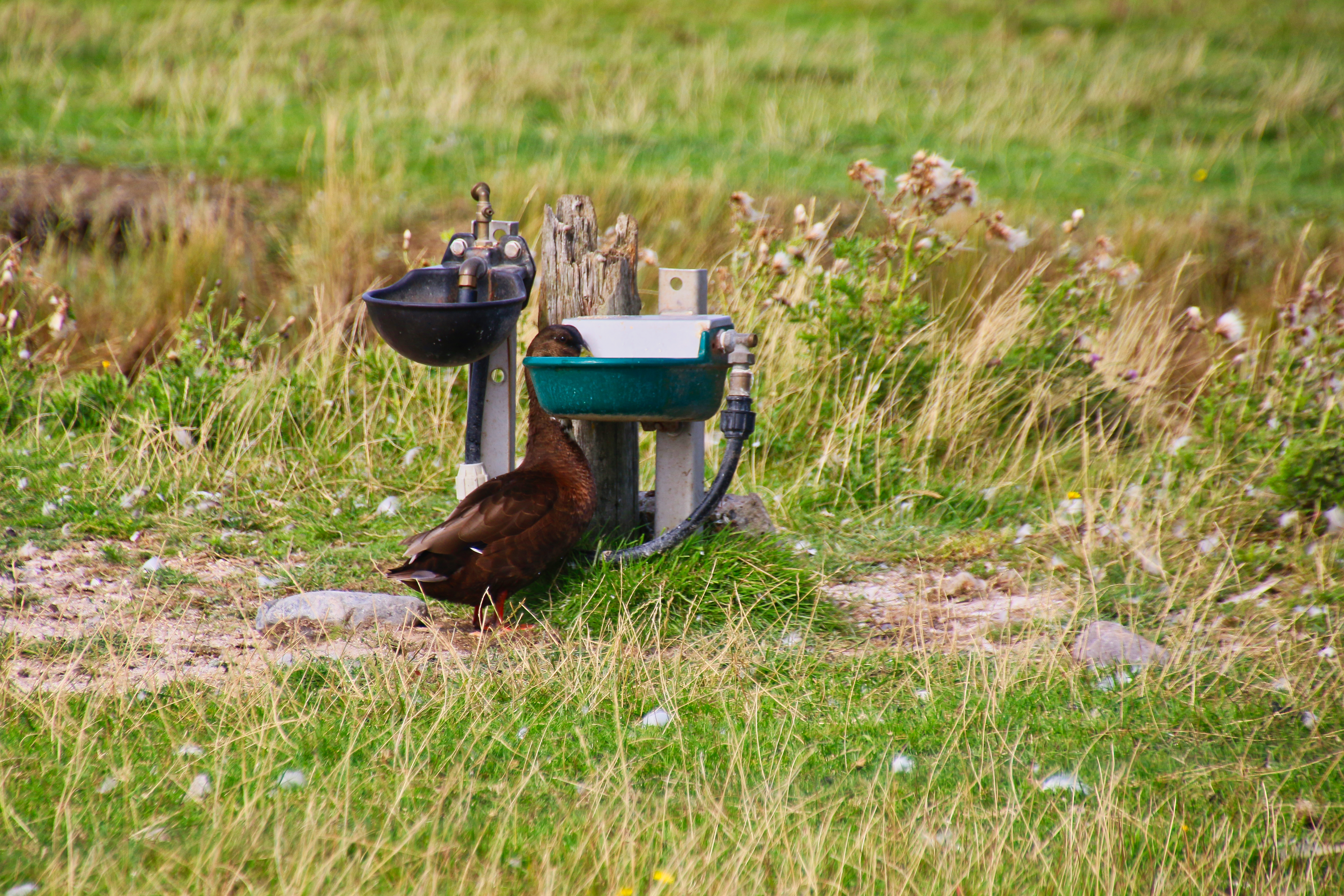
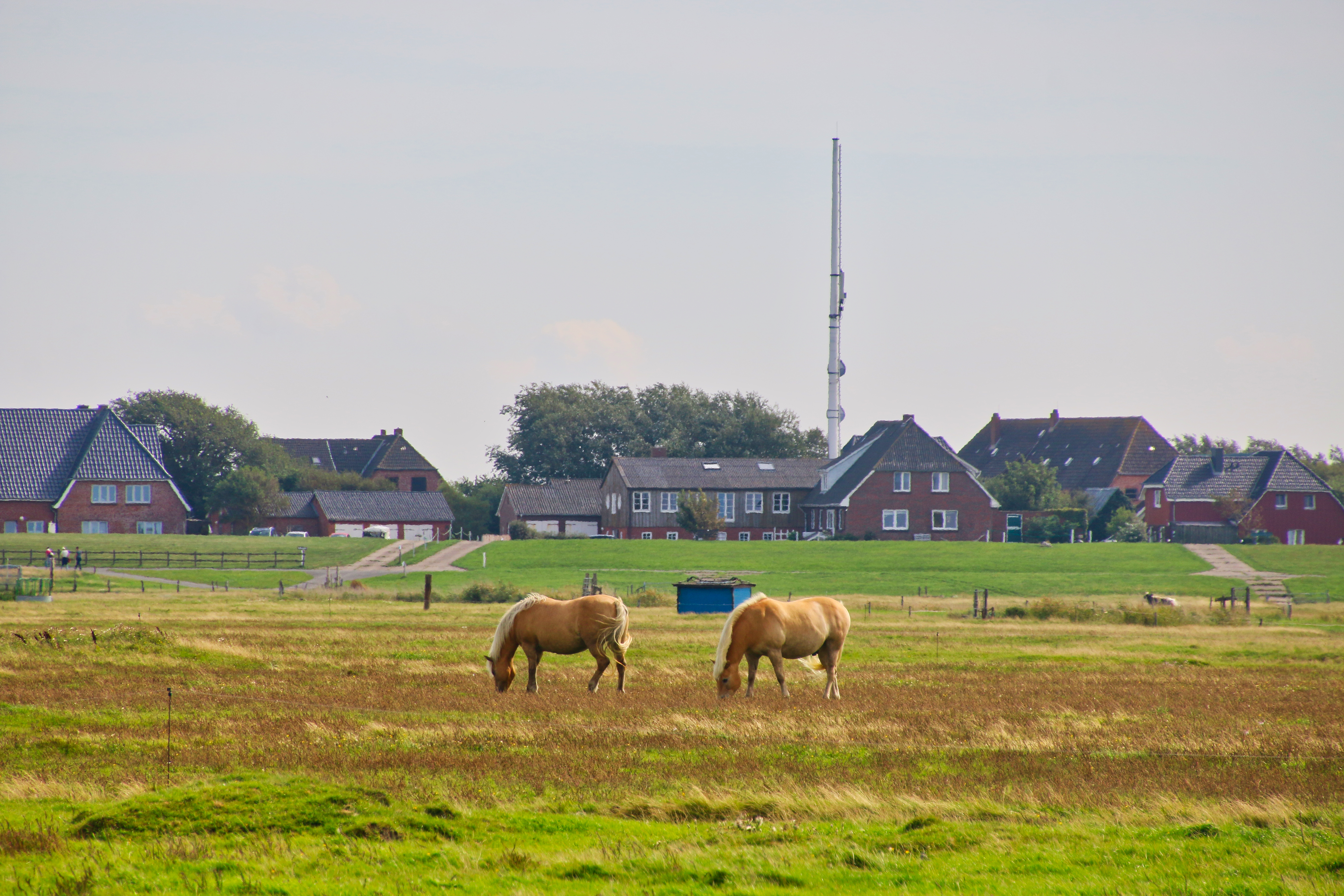
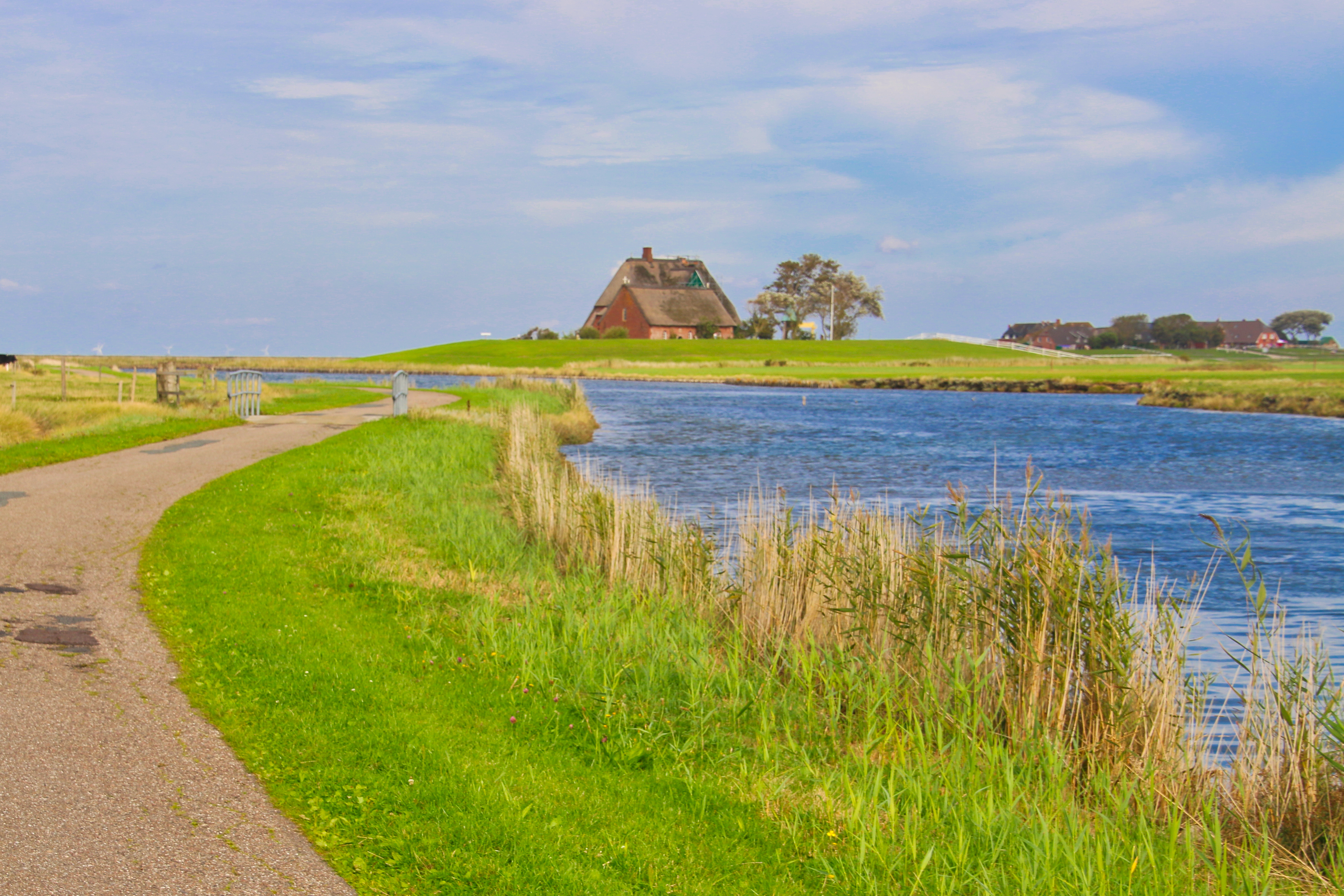
Hallig Hooge is also called the Queen of the Halligen. The Halligen are extraordinary islands in the Wadden region of northern Germany. They are not protected by dykes and are very low; the inhabitants are used to the islands being flooded 40-50 times per year. So to be safe and dry, the houses are built on so-called warften, little villages built on earth mounds. Hallig Hooge and its nature are truly extraordinary, a calm spot in the midst of a rough sea.
test

1 47 48 49 85