Blue Sky over Warsaw
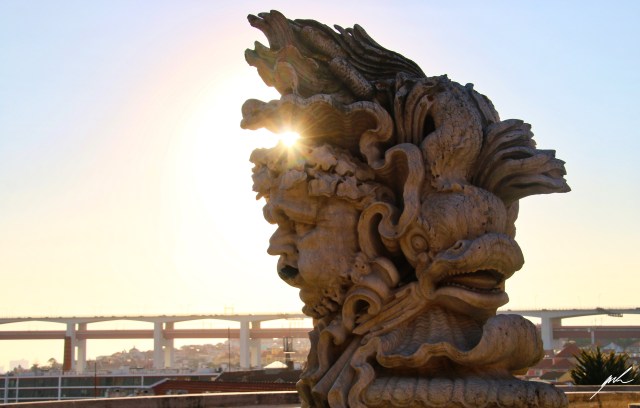
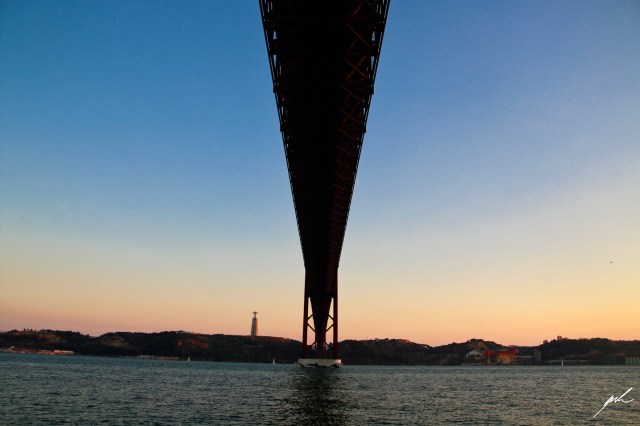
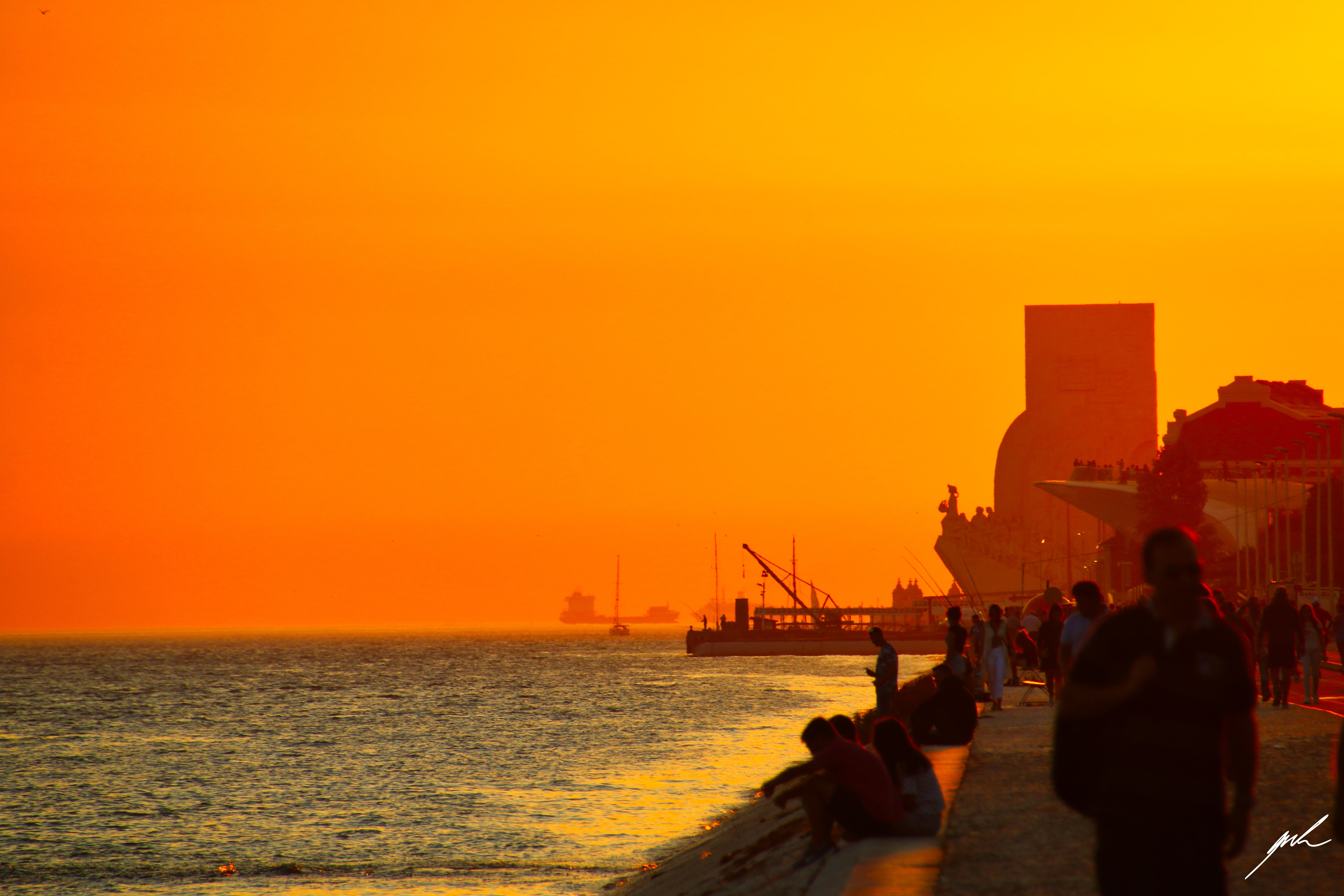
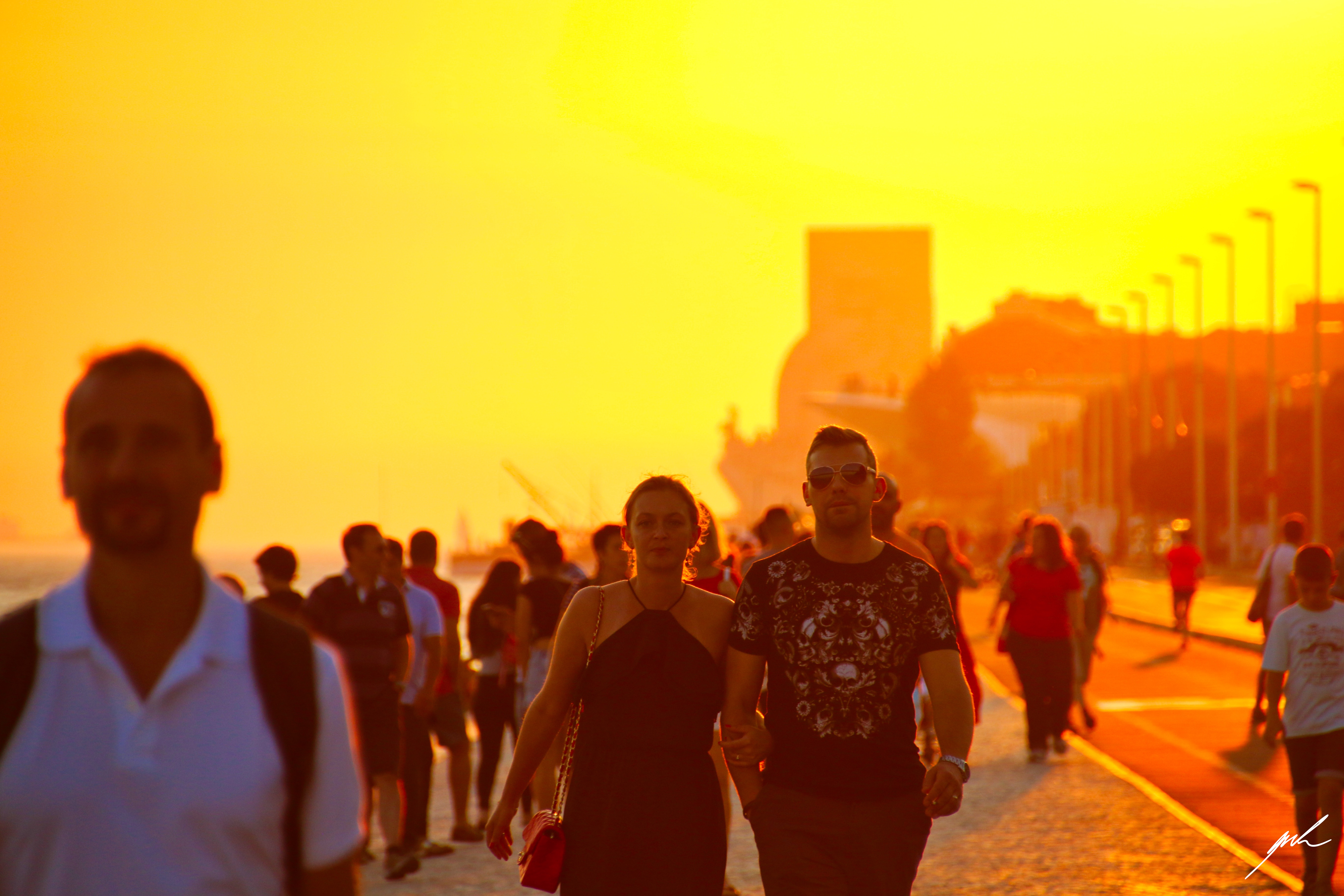
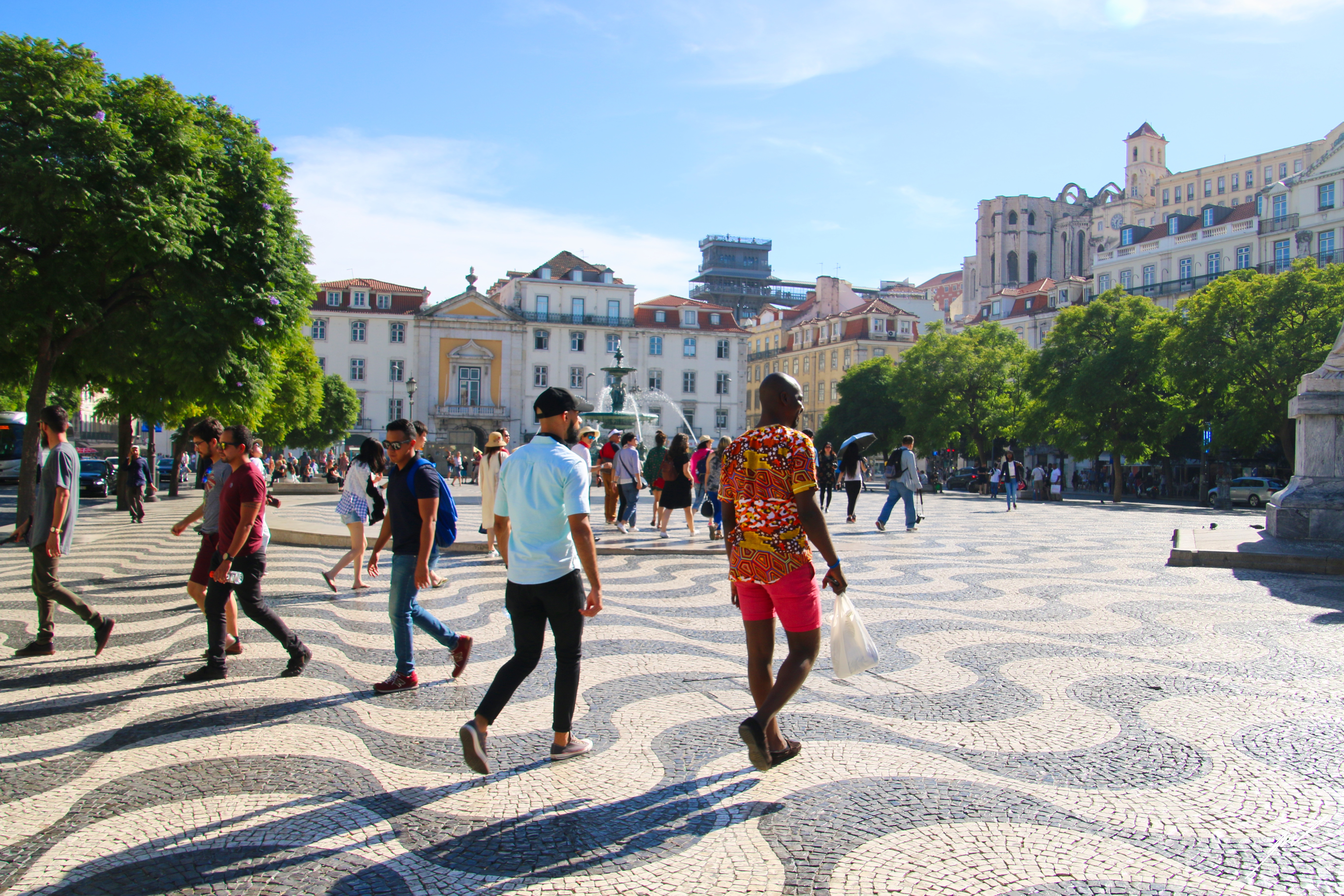
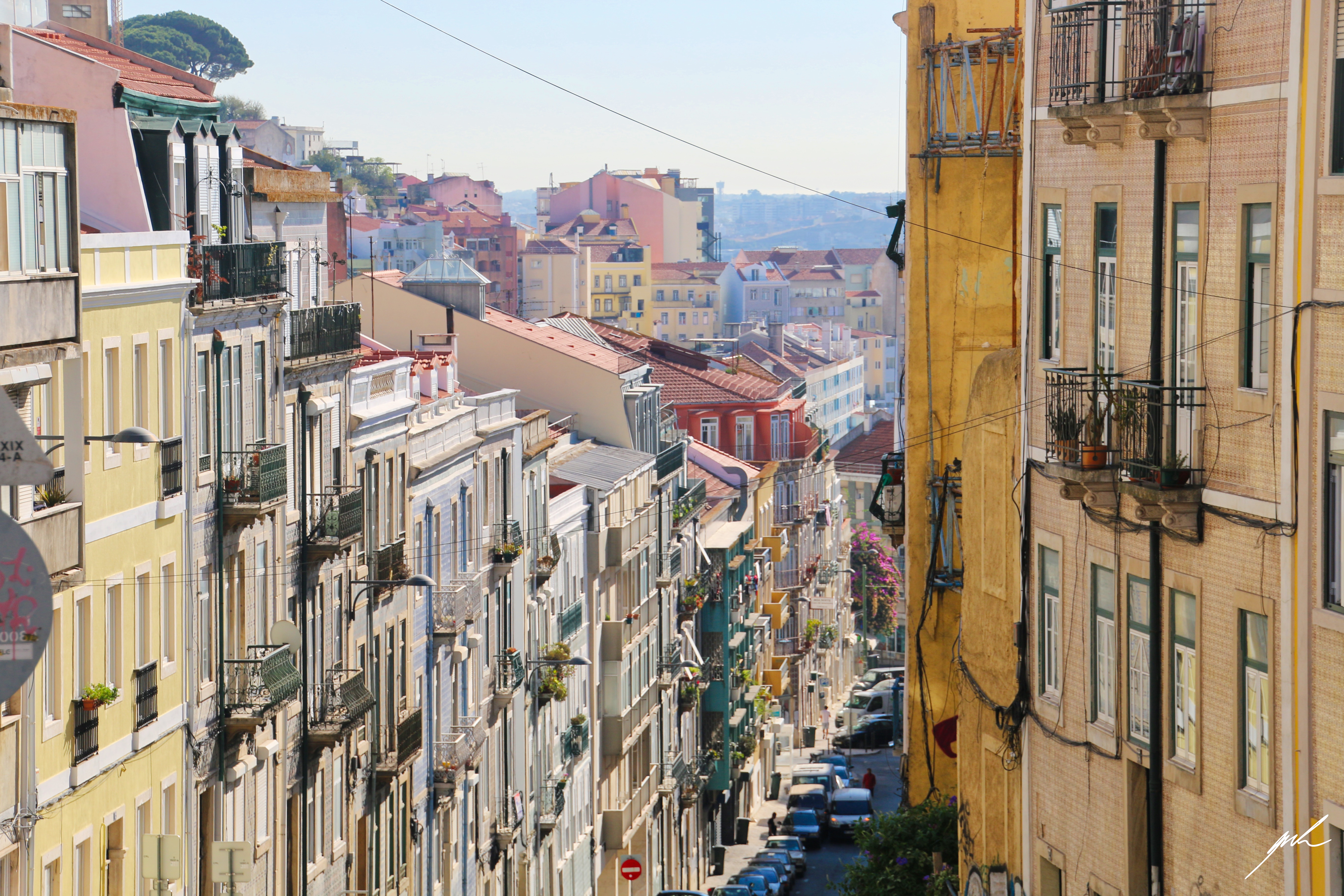
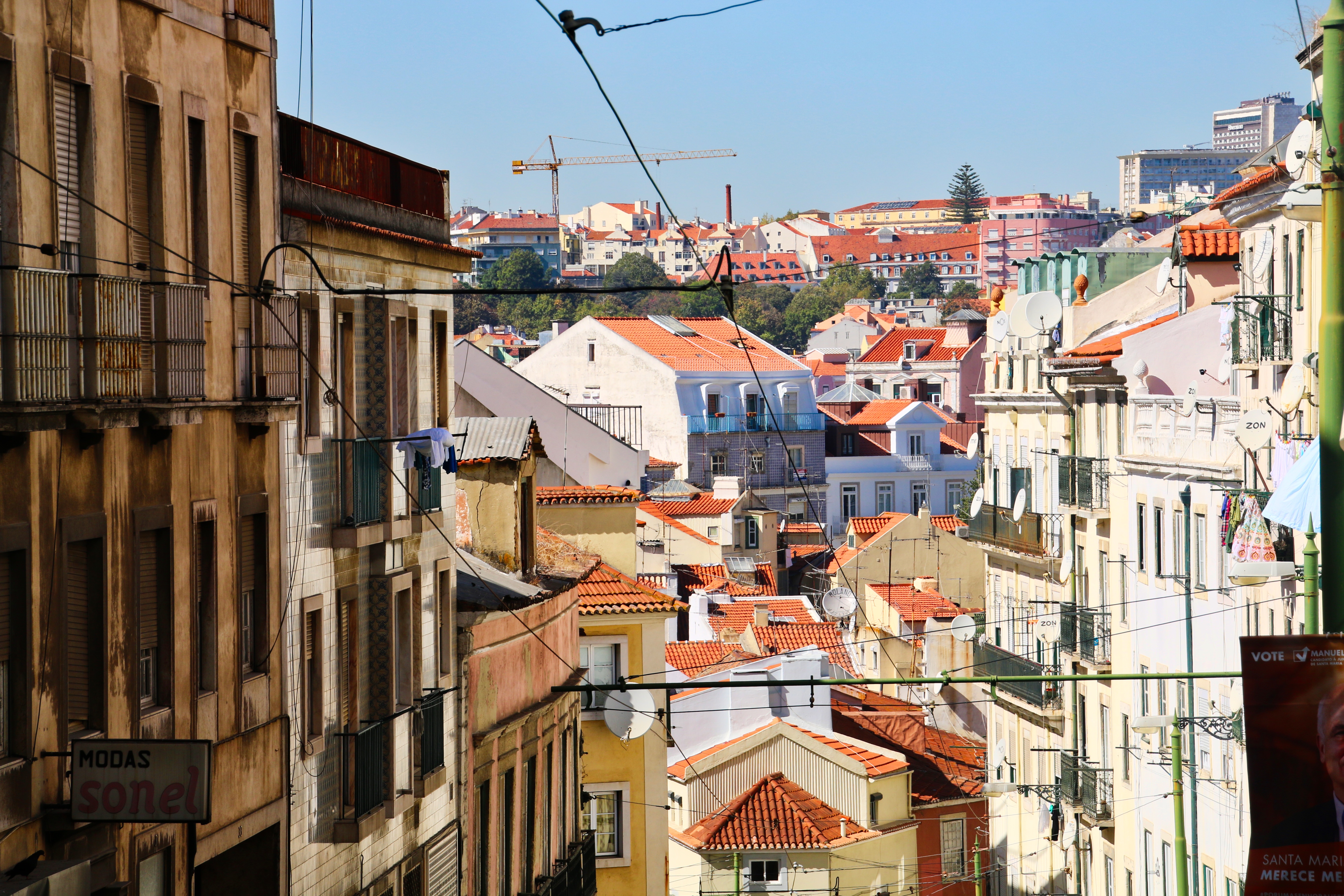
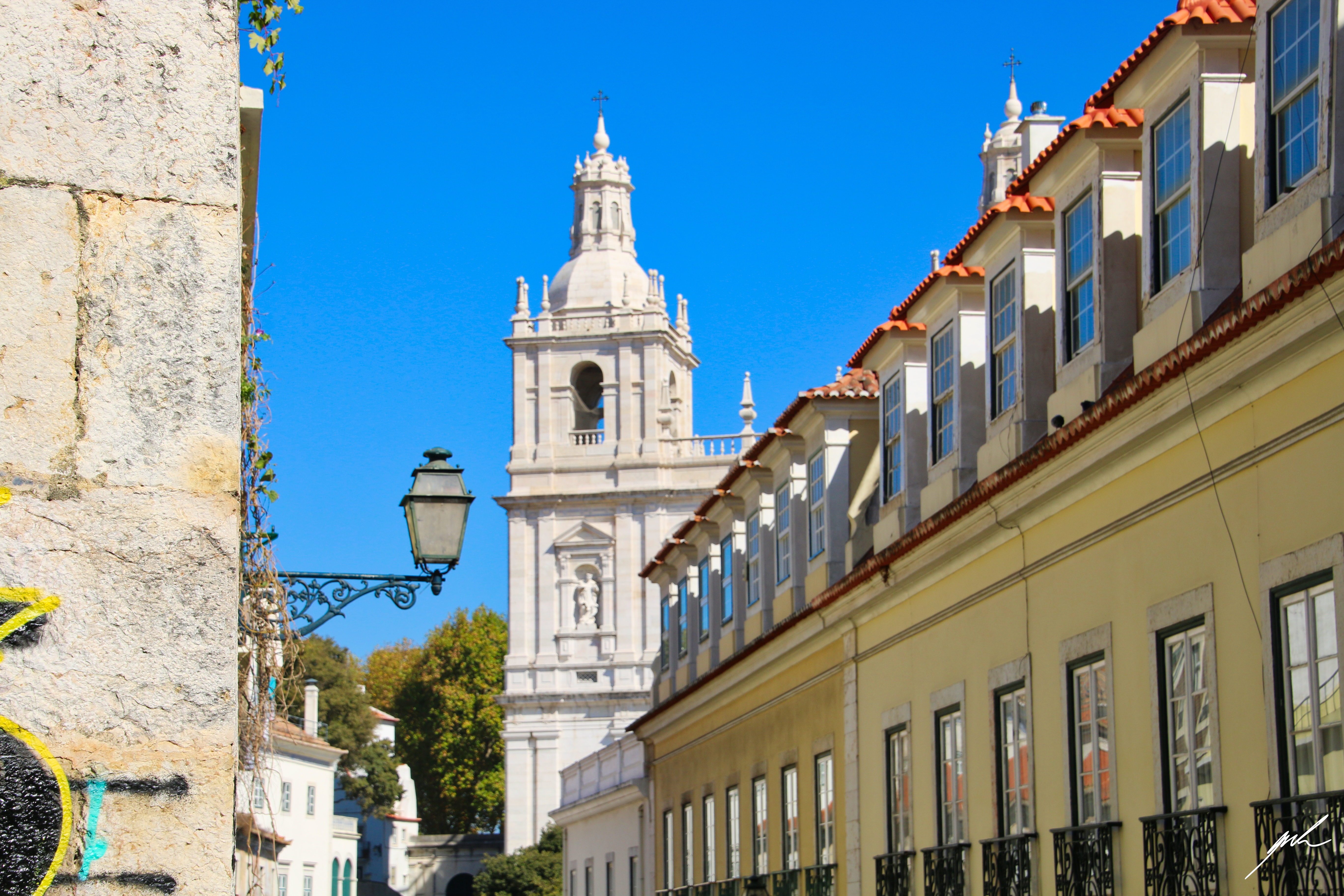
Snapshots from a beautiful clear day in Warsaw, Poland.
![]()
Snapshots from a beautiful clear day in Warsaw, Poland.
![]()
A couple of months ago, I had the chance to travel to a part of Central Europe I hadn’t been to before. The initial plan was to travel around Northern Bohemia in the Czech Republic. At last, we ventured into the neighboring region of Southern Saxonia, too, as the borderlands are historically and geologically intertwined. The area is shaped by the Elbe River, one of the longest in Europe. Along the river, you’ll find many towns; some are charming and touristy, while others are more industrial in nature (pictures 2, 3, 6). The highlight is the magnificent landscape shaped by sandstone (picture 5). Climb one of the many mountaintops around sunset and enjoy the fantastic view (last photo).
![]()
The city of Gdańsk (or Danzig in German) has a long tradition as an essential haven in the region of the western Baltic Sea. Its history is very much intertwined with the history and tradition of the Hanseatic League, a trade confederation of sailors, which dominated the waters of Northern Europe for centuries. The city was largely destroyed during the II World War and restored after the war by Polish specialists. Today, Gdańsk is visited by many millions every year from Poland and abroad. It offers beautiful architecture and a rich cultural life.
![]()
The natural beauty of the Norwegian countryside can be overwhelming at times. When the sun is shining, and the sky is clear, the grass here just seems greener and the fjords bluer than anywhere else in the world.
![]()
When the fog lies down over the fjords, Norway seems even more mystic than usual. You can imagine the Viking ships maneuvering through the mist and some trolls hiding behind the trees watching them. Indeed a land of magic and beauty.
![]()
With all the advantages of modernity, living in the far north is still full of challenges. The deep fjords and steep surrounding hills make it difficult to reach the hinterland; that’s why Norway is investing a lot of money in tunnels and bridges to connect the most remote villages to the country’s urban centers. While the days are long in summer, in winter, the nights are never-ending as well. But the fjords also have their advantages; that’s why people settled here many thousand years ago and why the Vikings flourished in the Middle Ages. First and foremost, the fjord land is very fertile; even fruits and vegetables can grow here. We speak about a country as far in the north as Canada. The favorable climate is due to the Gulf Stream, which makes northern Europe unusually warm. Also, the fjords were perfectly secured against intruders and allowed for remote but connected villages. At the same time, the location of these settlements made it necessary to develop and improve ships. It is no coincidence that the Vikings were the first European people to set foot in America.
![]()