Skip to content

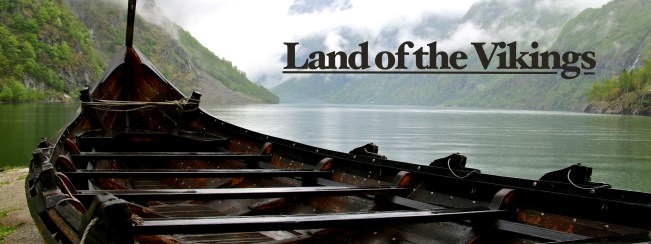
Land of the Vikings

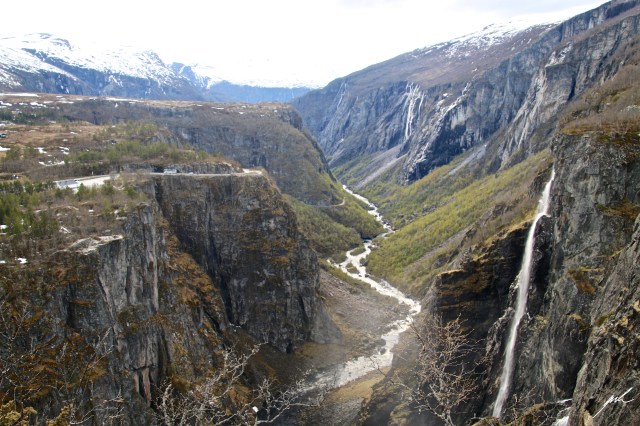
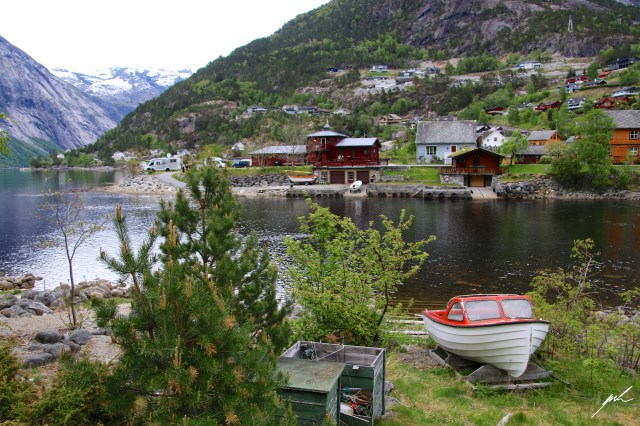
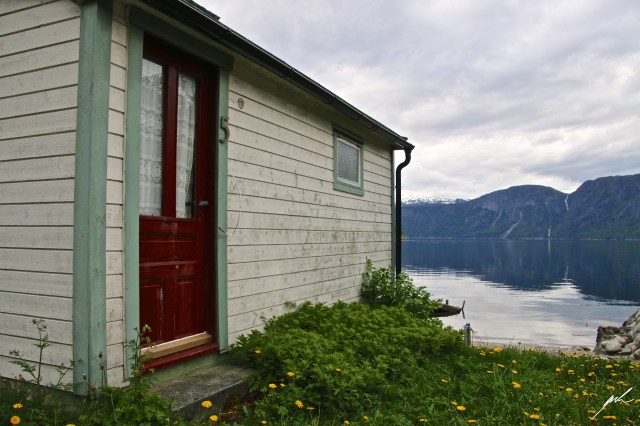
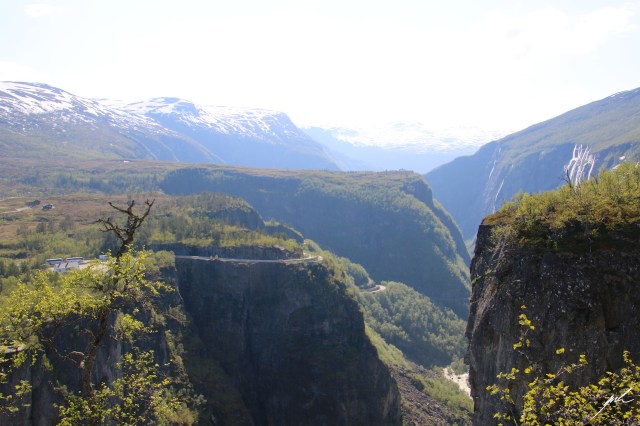
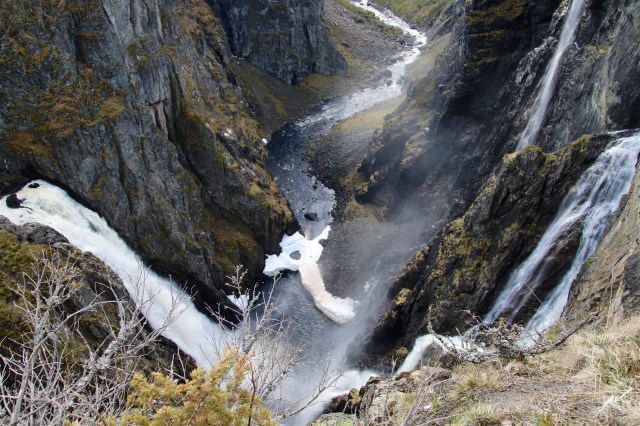
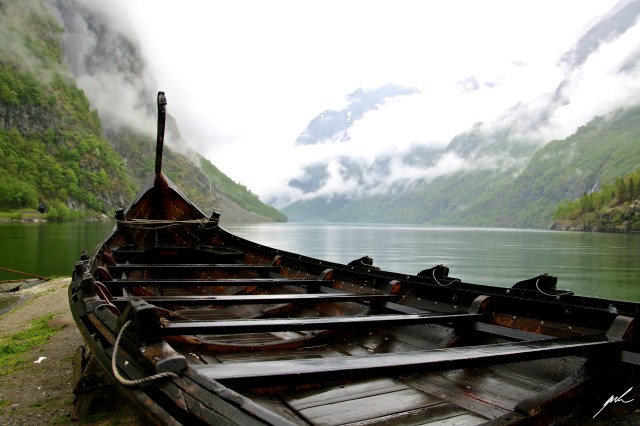
With all the advantages of modernity, living in the far north is still full of challenges. The deep fjords and steep surrounding hills make it difficult to reach the hinterland; that’s why Norway is investing a lot of money in tunnels and bridges to connect the most remote villages to the country’s urban centers. While the days are long in summer, in winter, the nights are never-ending as well. But the fjords also have their advantages; that’s why people settled here many thousand years ago and why the Vikings flourished in the Middle Ages. First and foremost, the fjord land is very fertile; even fruits and vegetables can grow here. We speak about a country as far in the north as Canada. The favorable climate is due to the Gulf Stream, which makes northern Europe unusually warm. Also, the fjords were perfectly secured against intruders and allowed for remote but connected villages. At the same time, the location of these settlements made it necessary to develop and improve ships. It is no coincidence that the Vikings were the first European people to set foot in America.

test

img_3030
img_3196 img_3194img_3914
img_3207
img_3090 img_3062img_3245

Travelling Albania

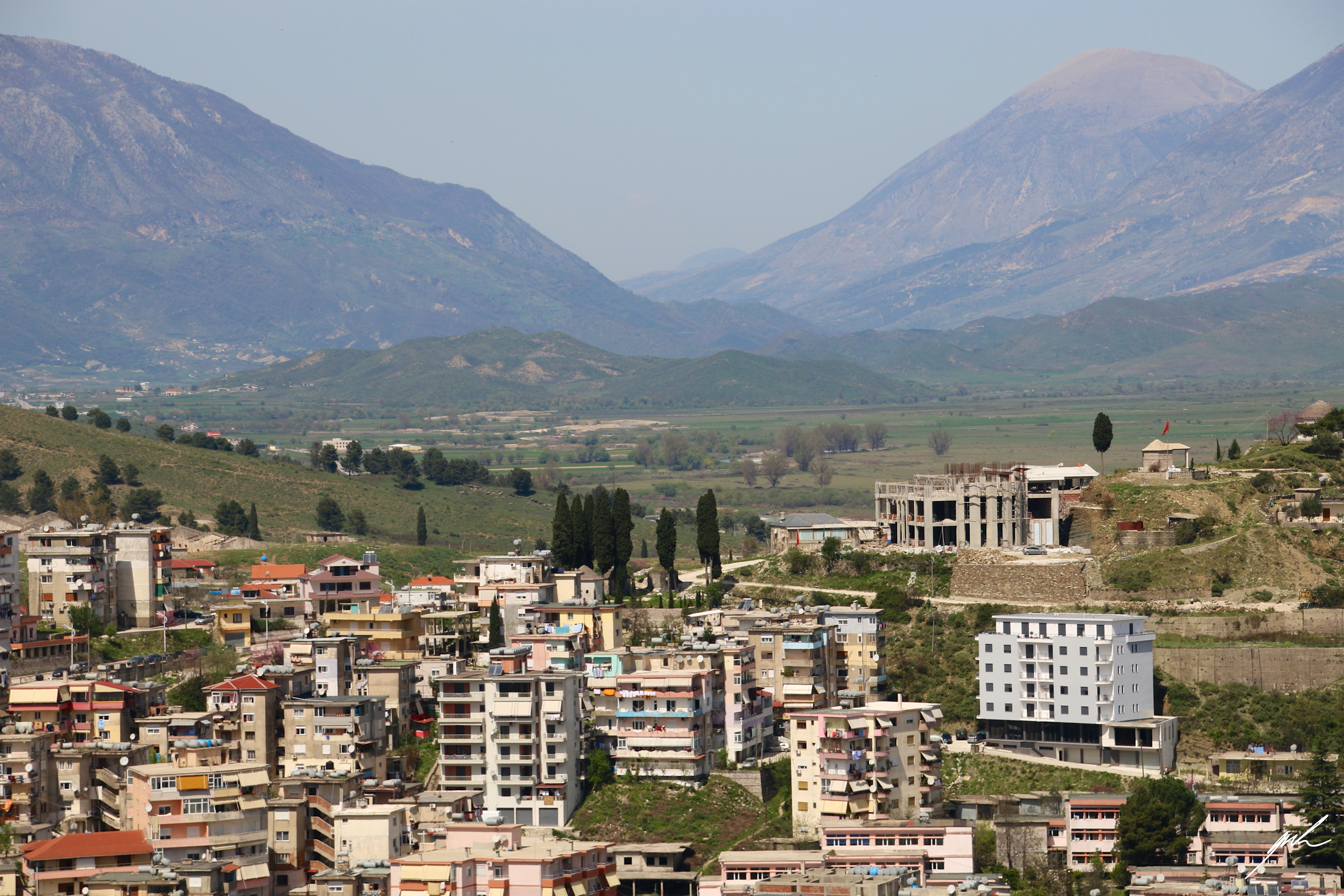
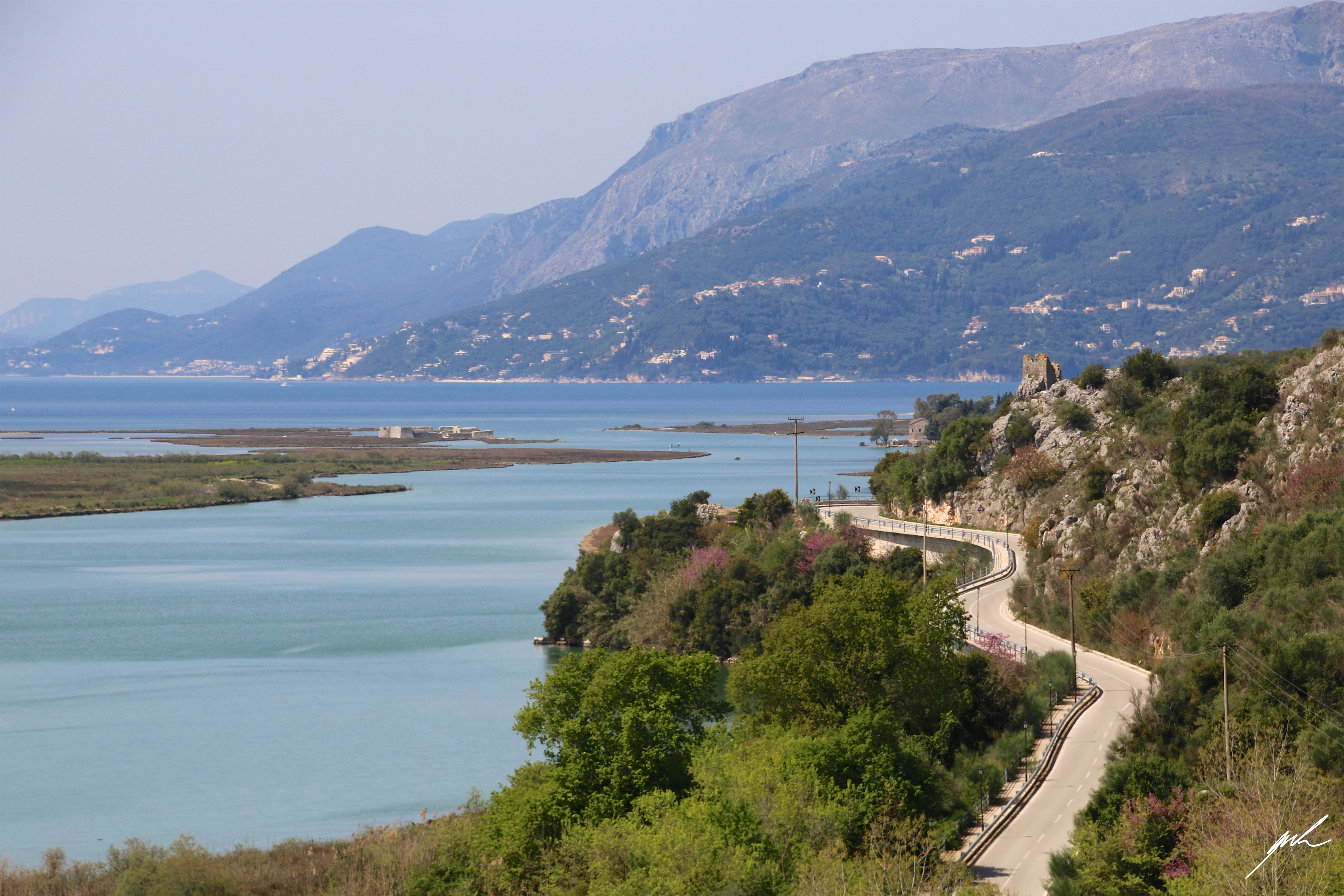
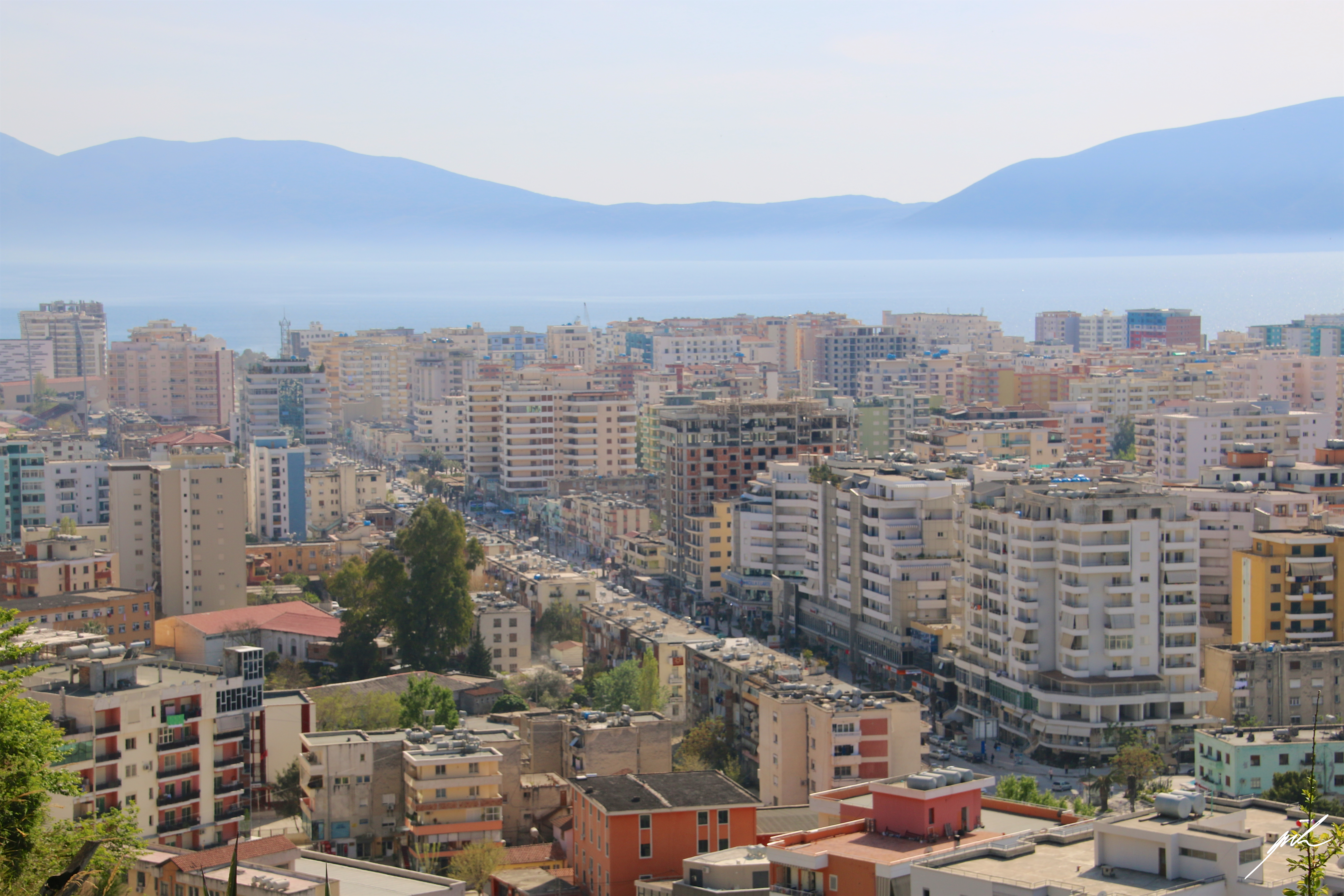
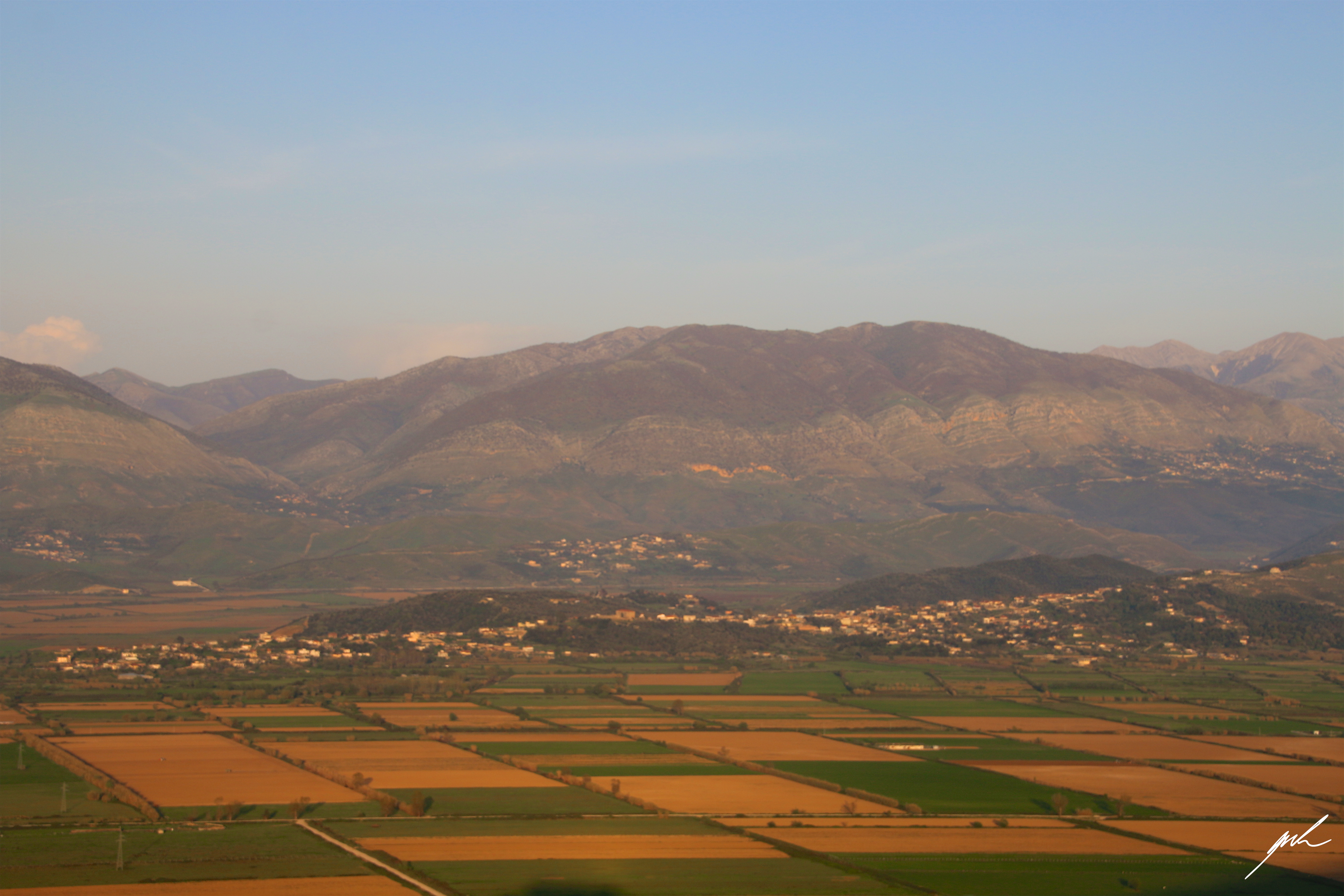
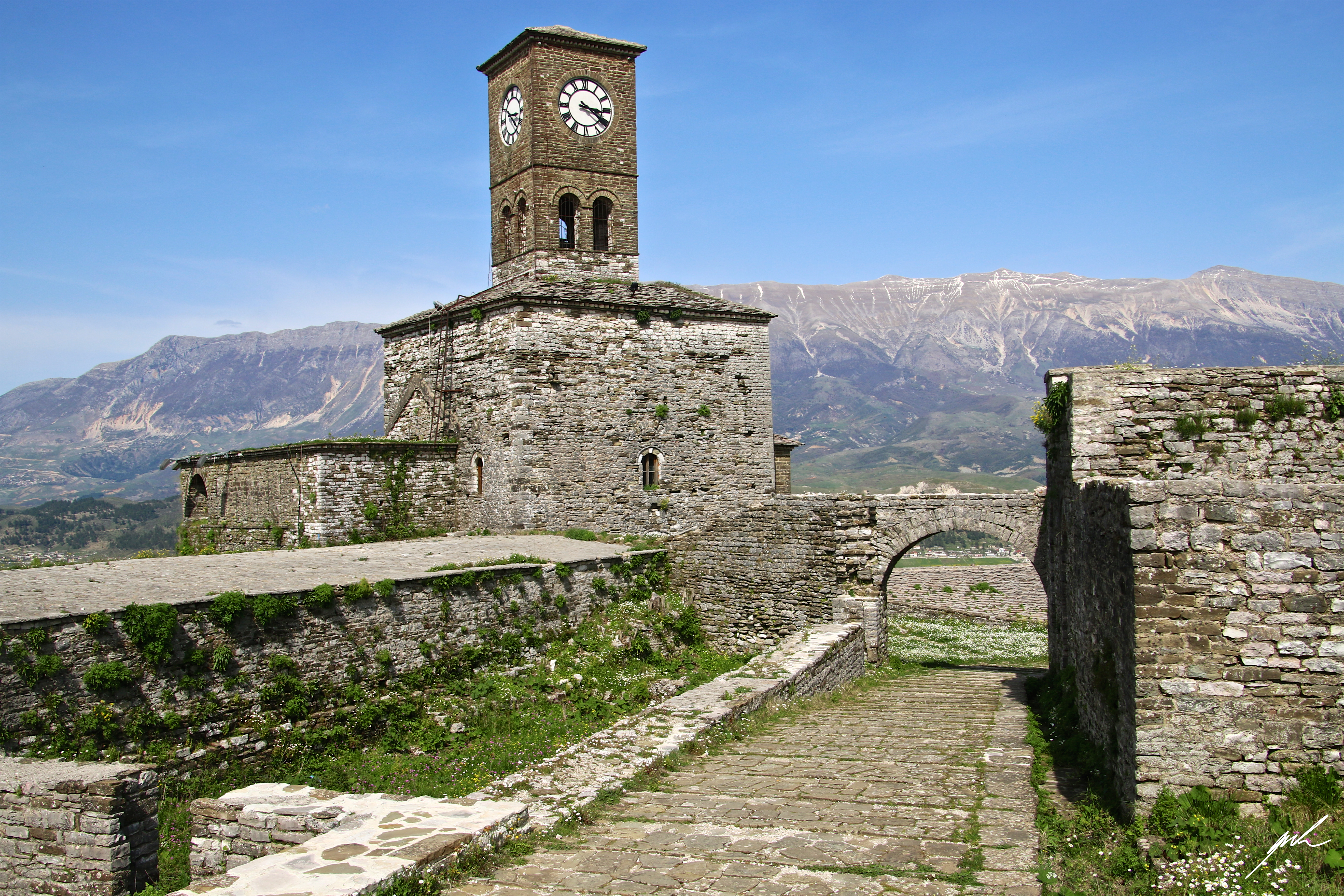
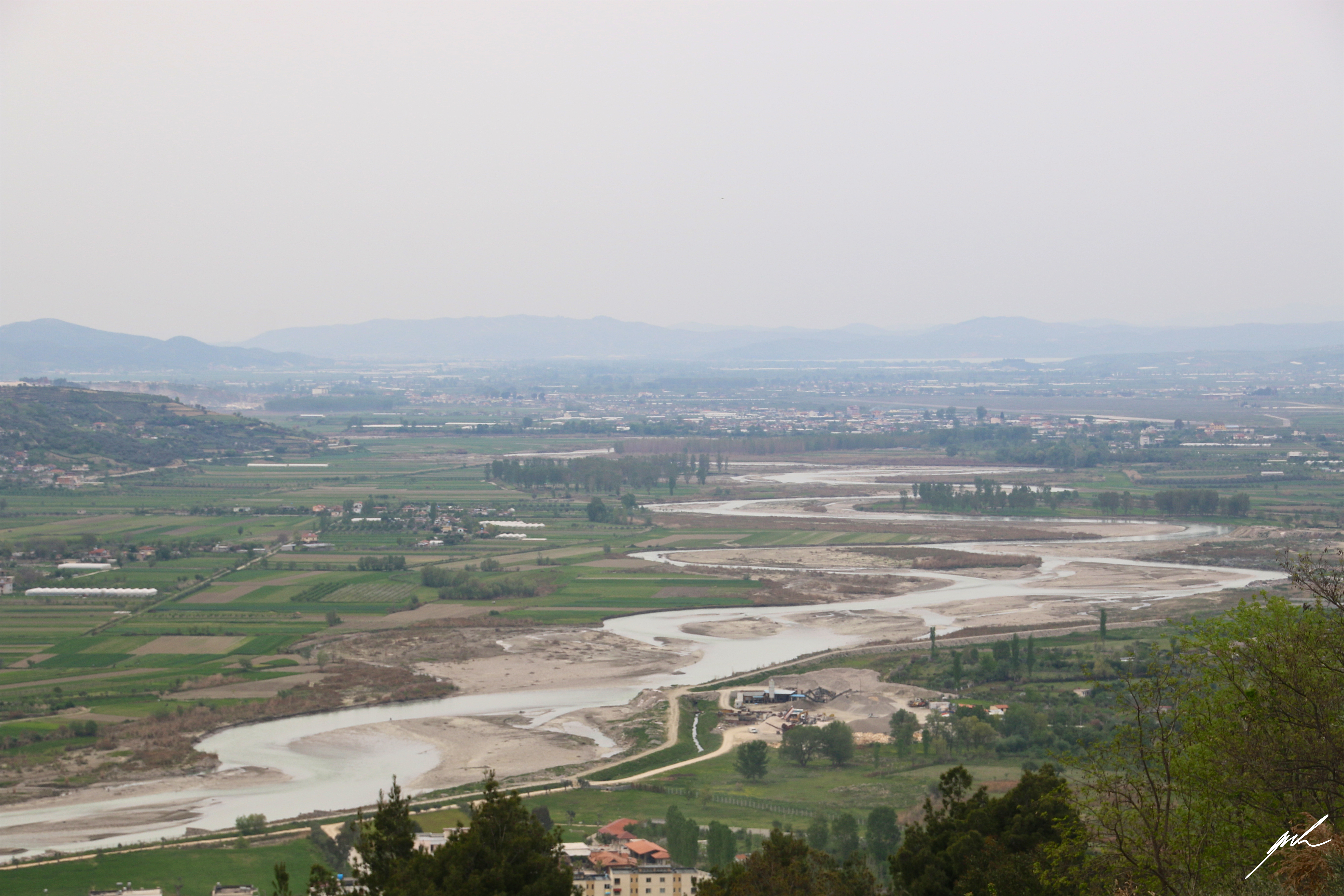
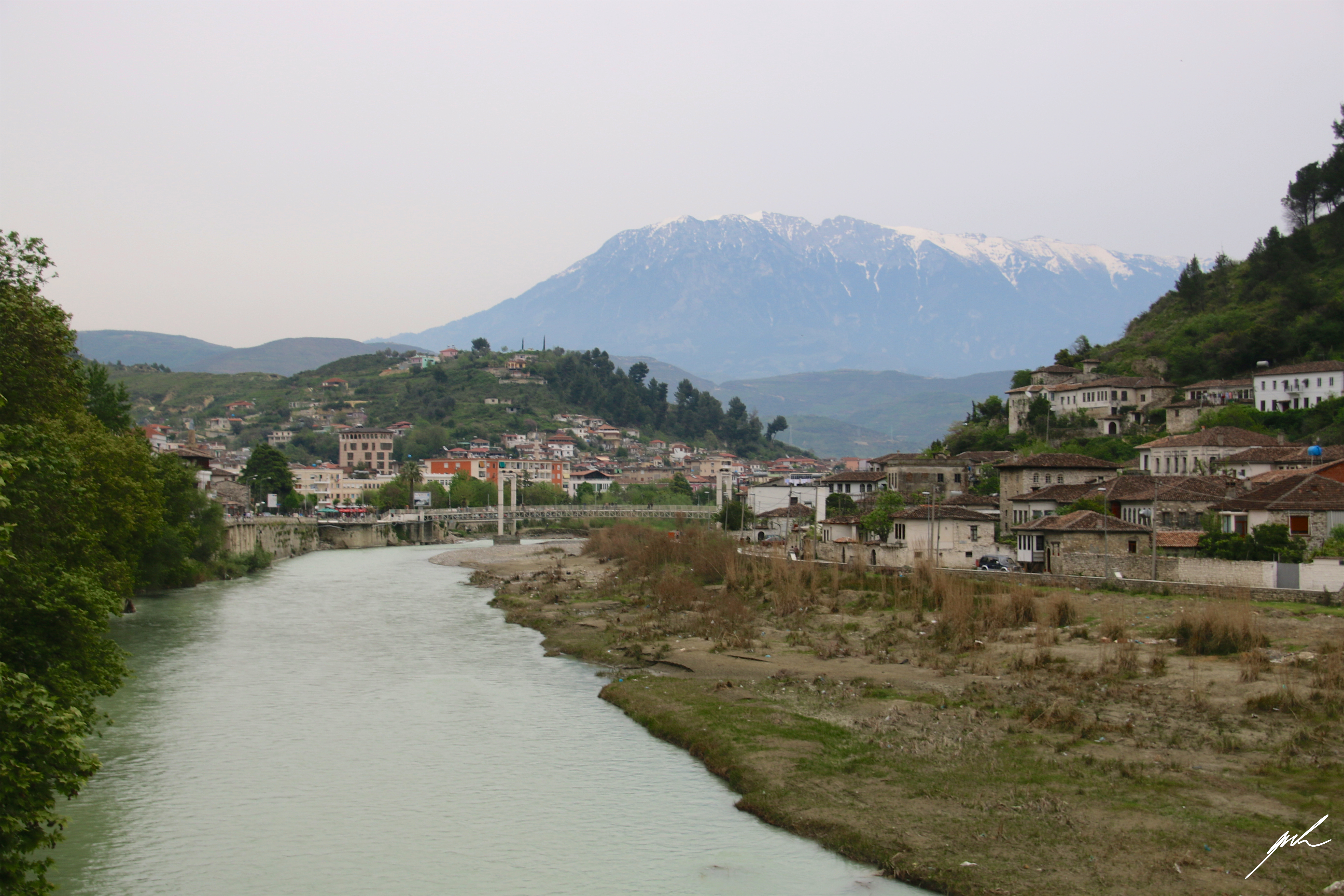
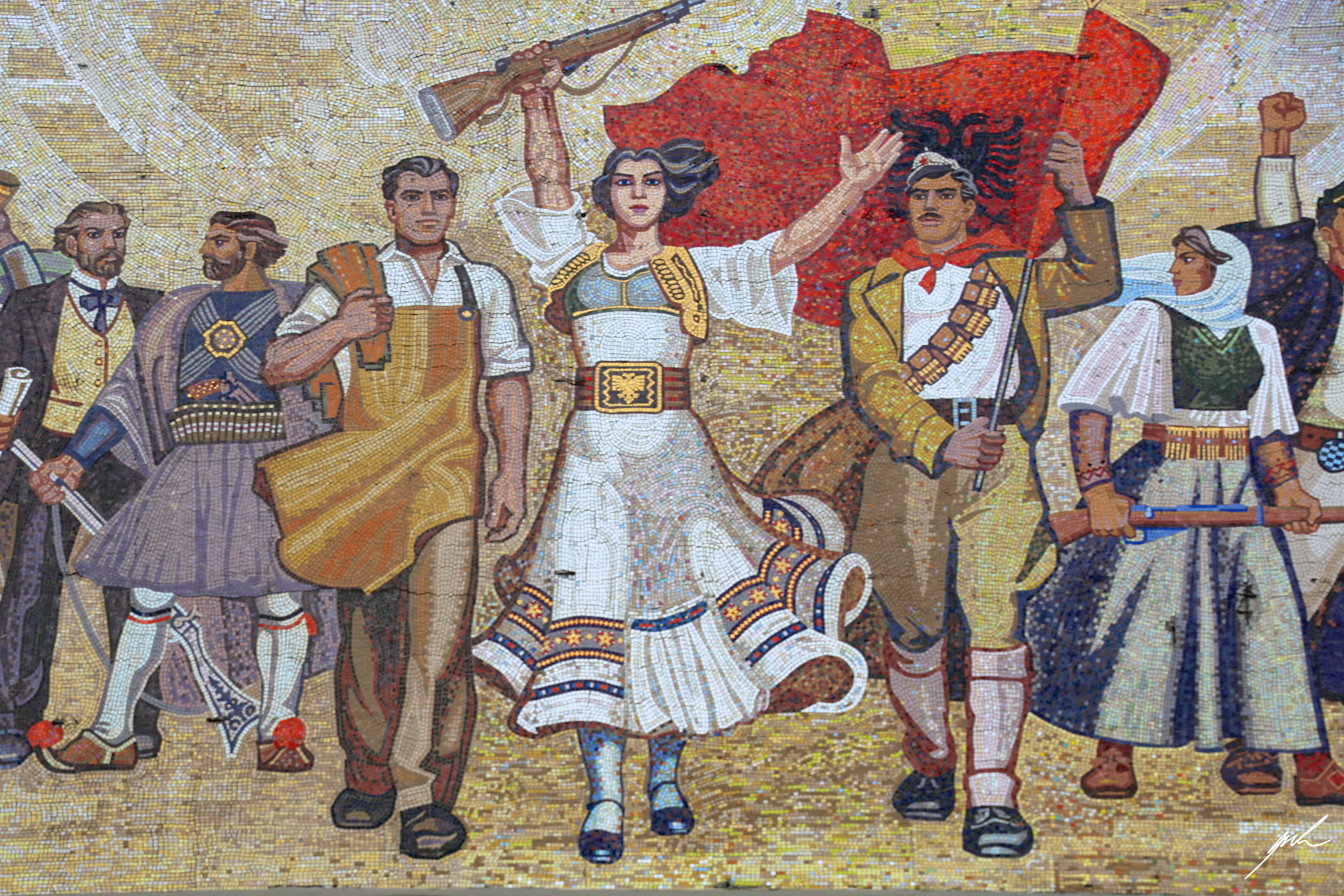
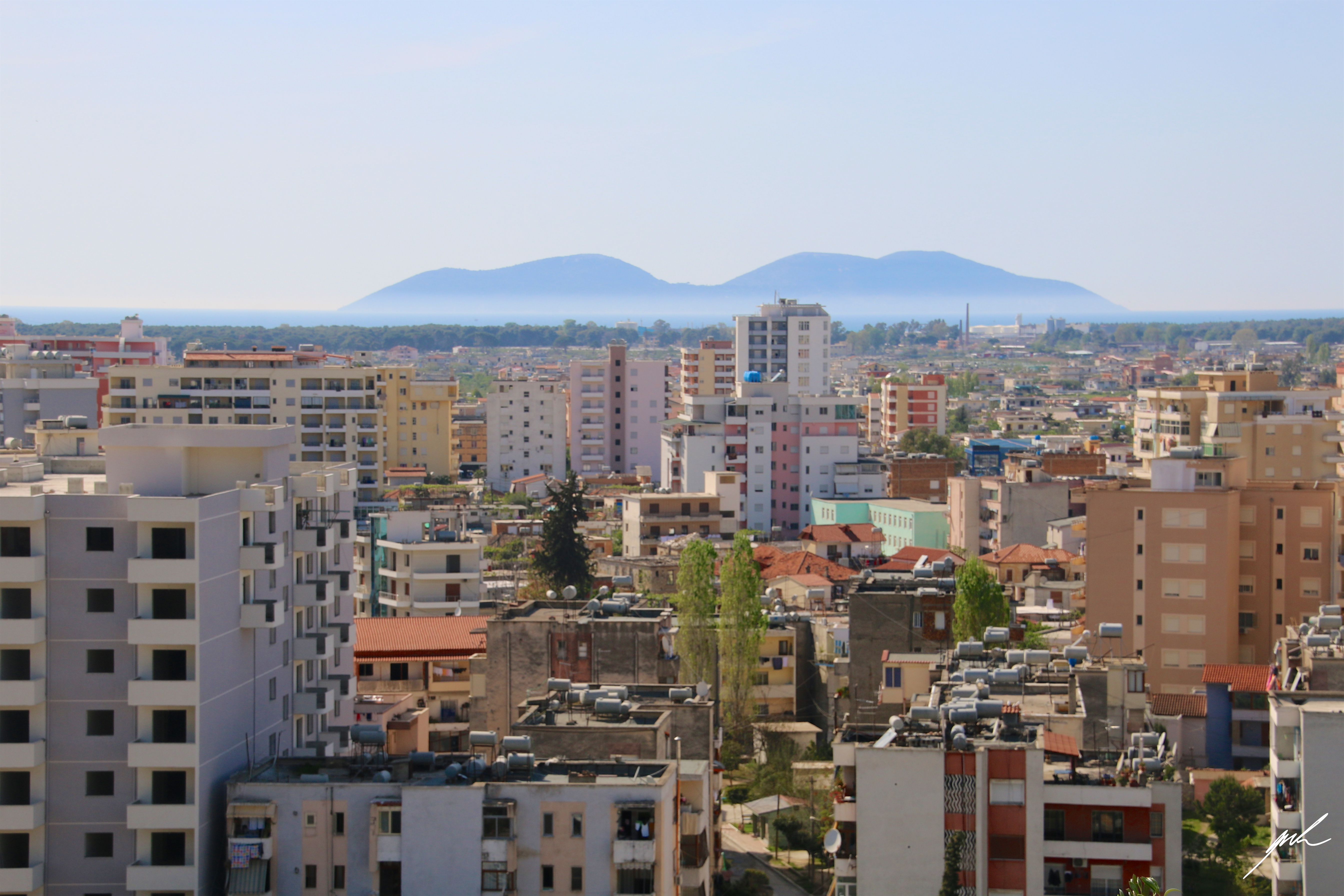
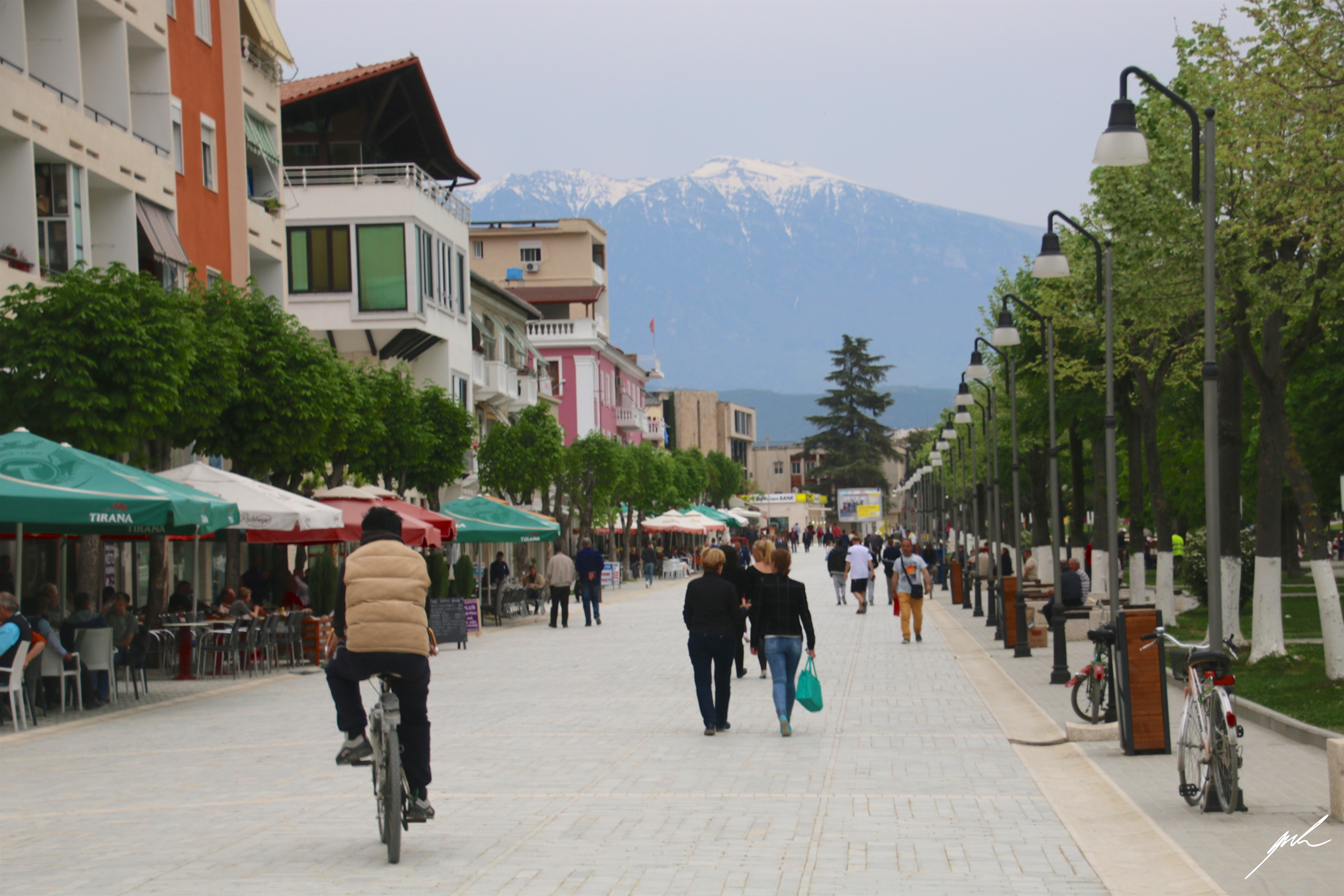
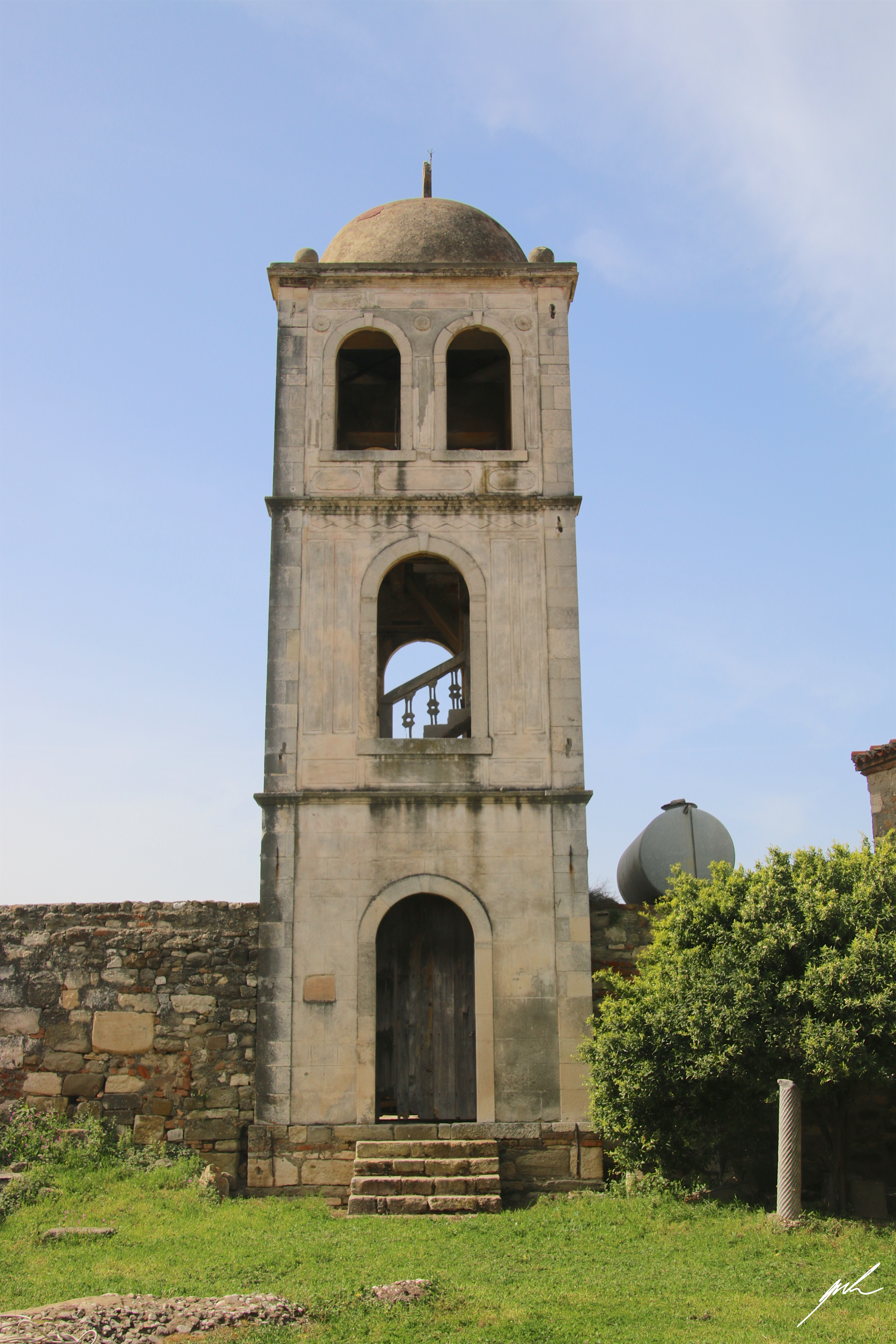
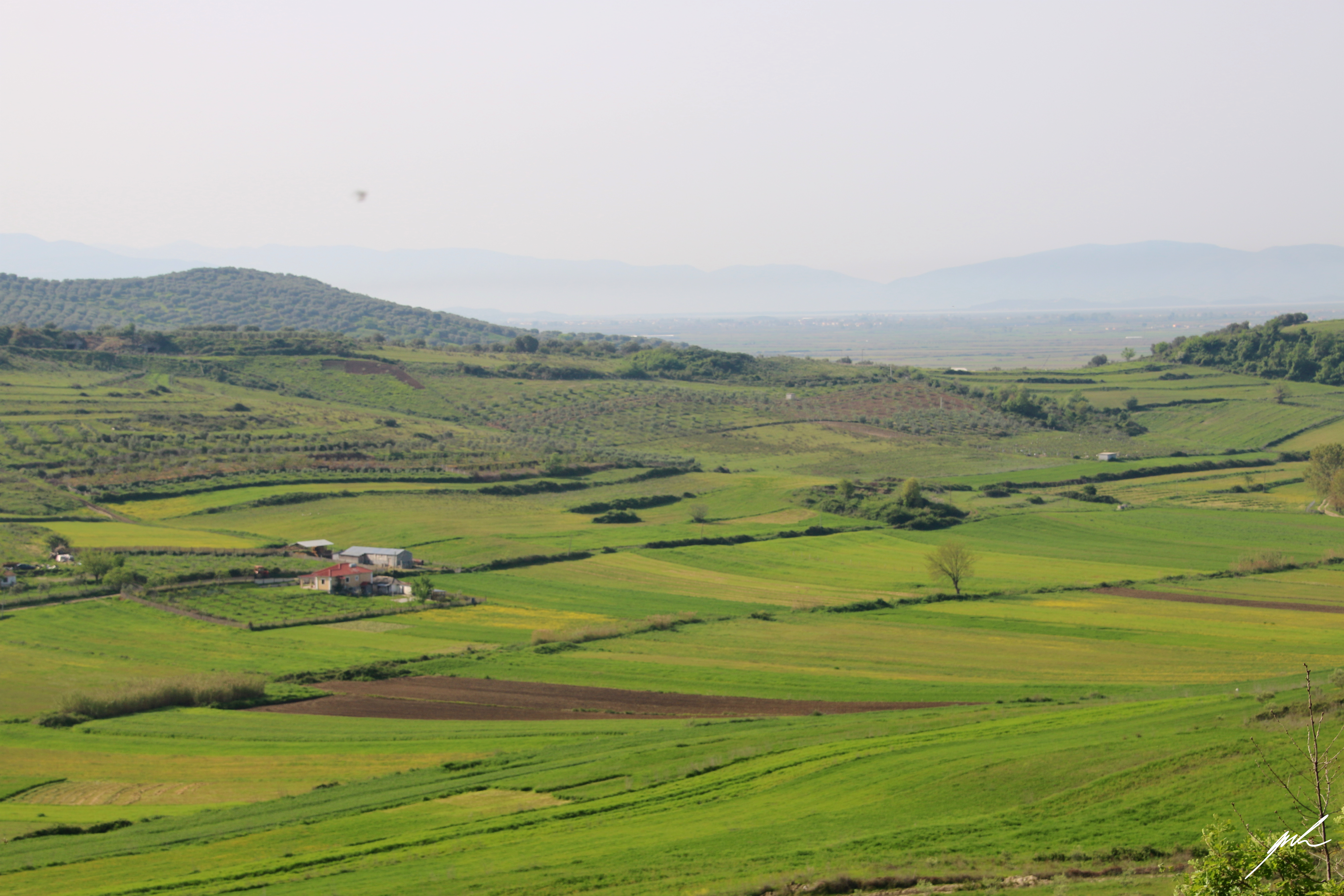
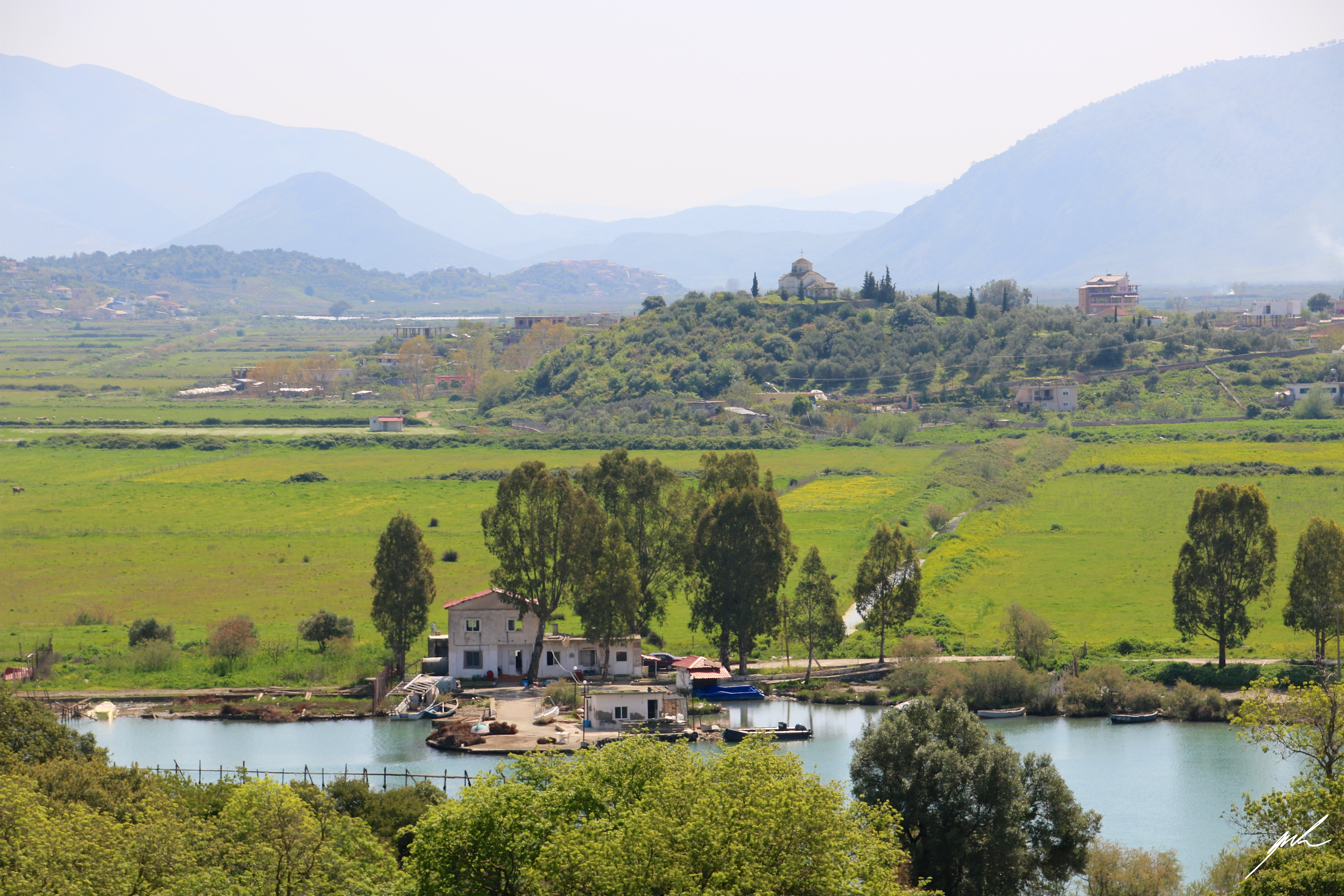
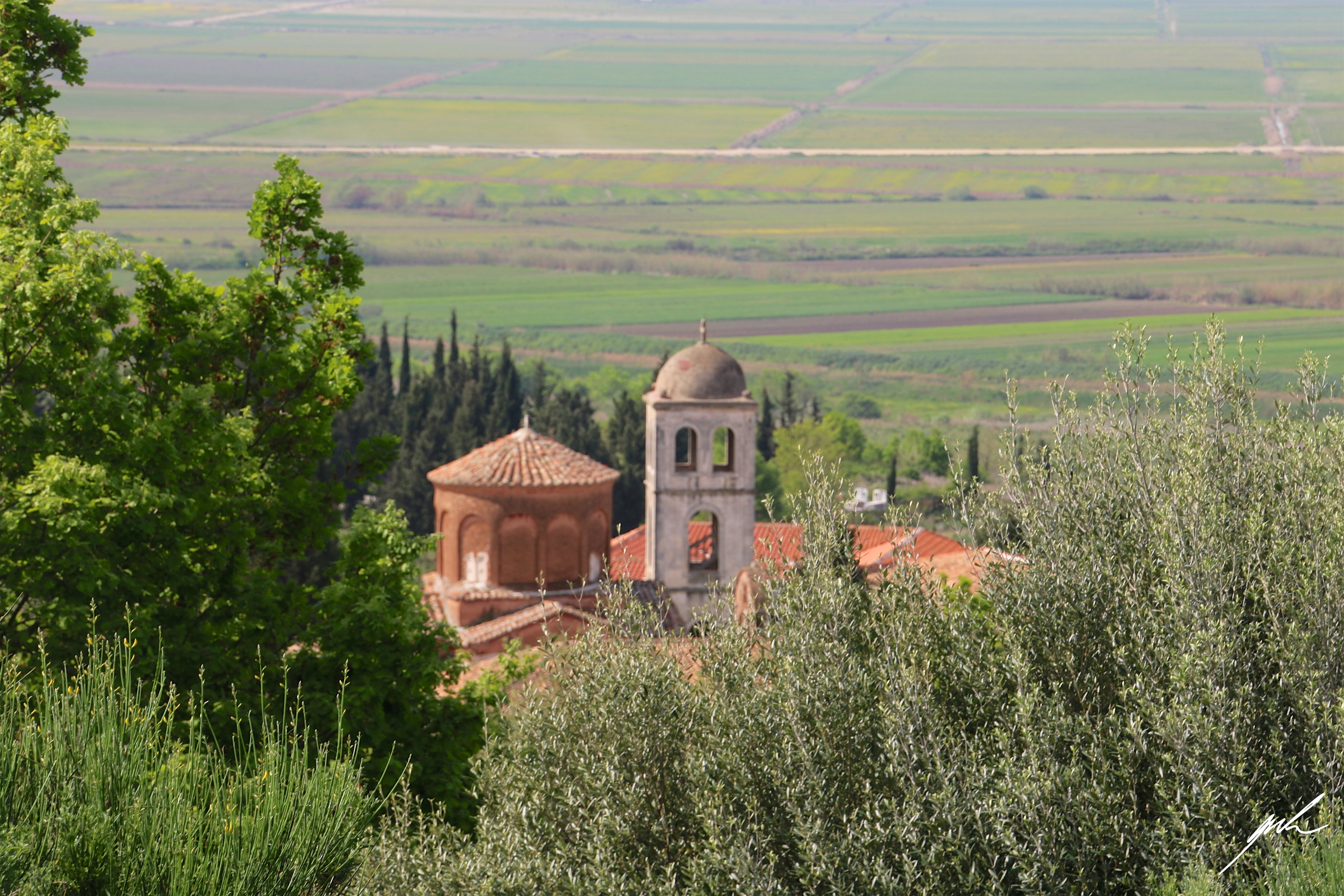
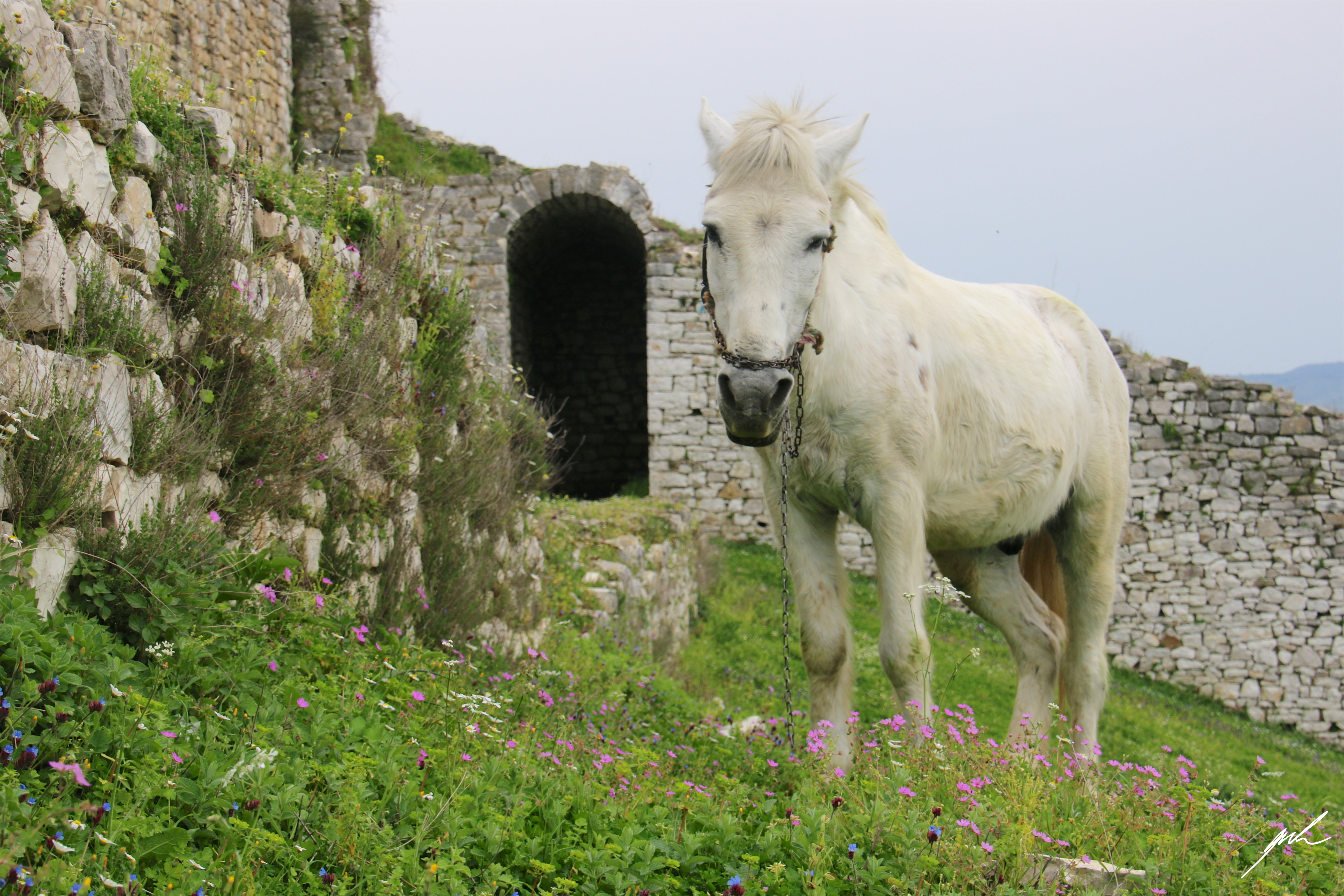
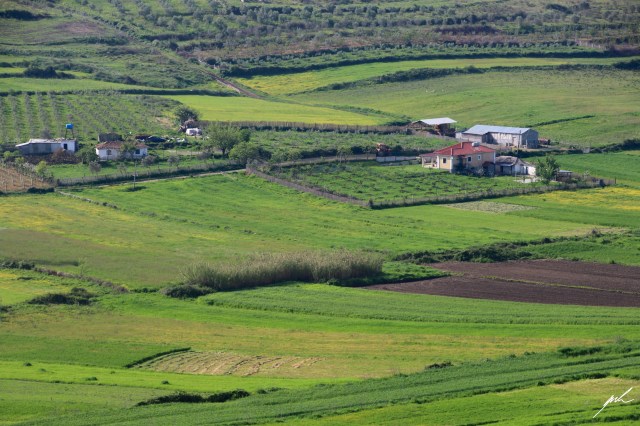
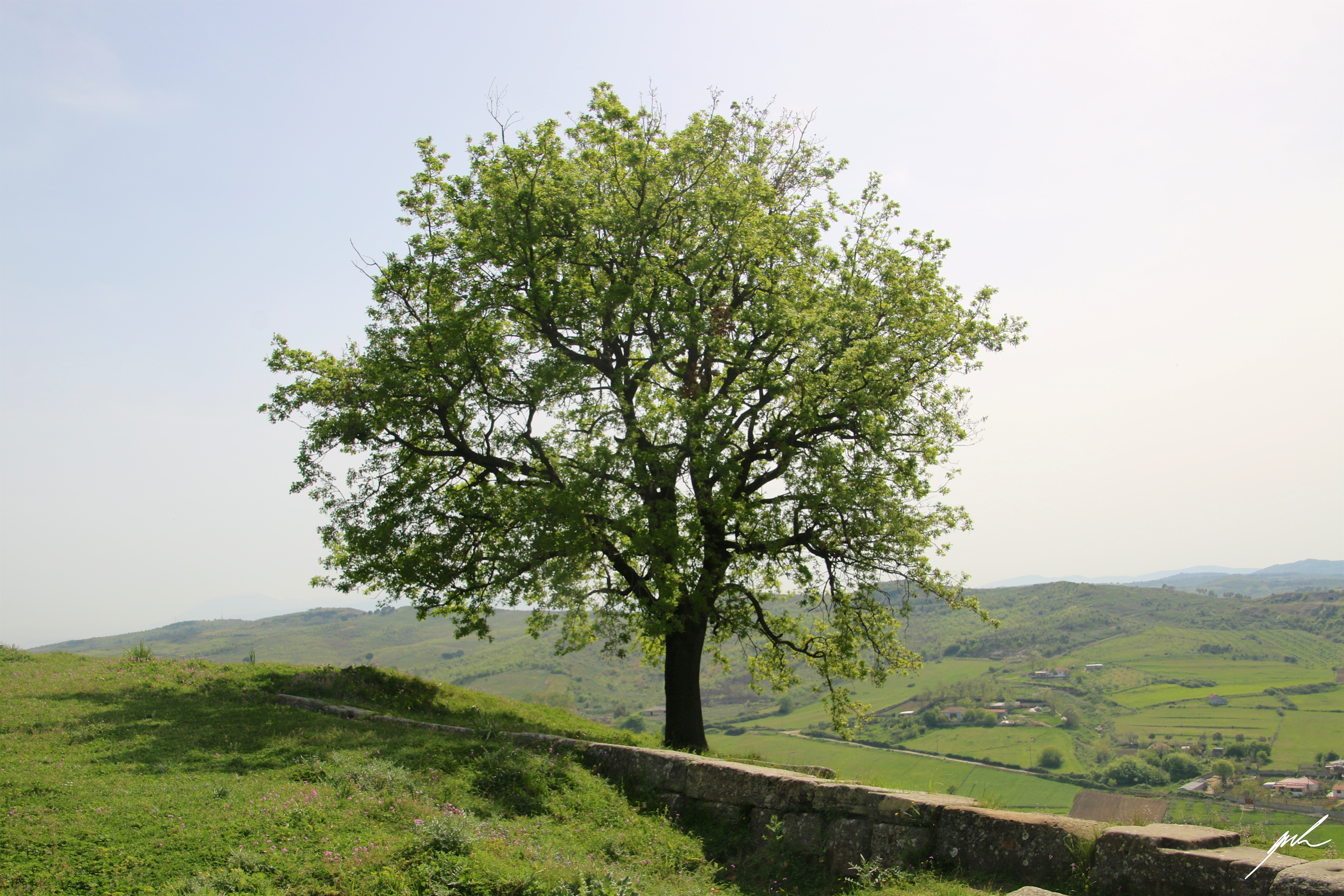
Continuing the last photography series about Albania, in this one the focus lies on the beautiful nature and geography of the country. While being a relatively small country, it offers a mix of different landscapes, from Mediterranean sights to mountainous regions. On the coast, more and more centers of tourism come into being, while the center part of the country is still original and raw. Hence, the aim of this particular series is to highlight Albania’s diversity.

test

IMG_5868IMG_6016
IMG_6125
IMG_6242IMG_6113
IMG_6103IMG_5915IMG_6450IMG_6597

A Journey to Albania

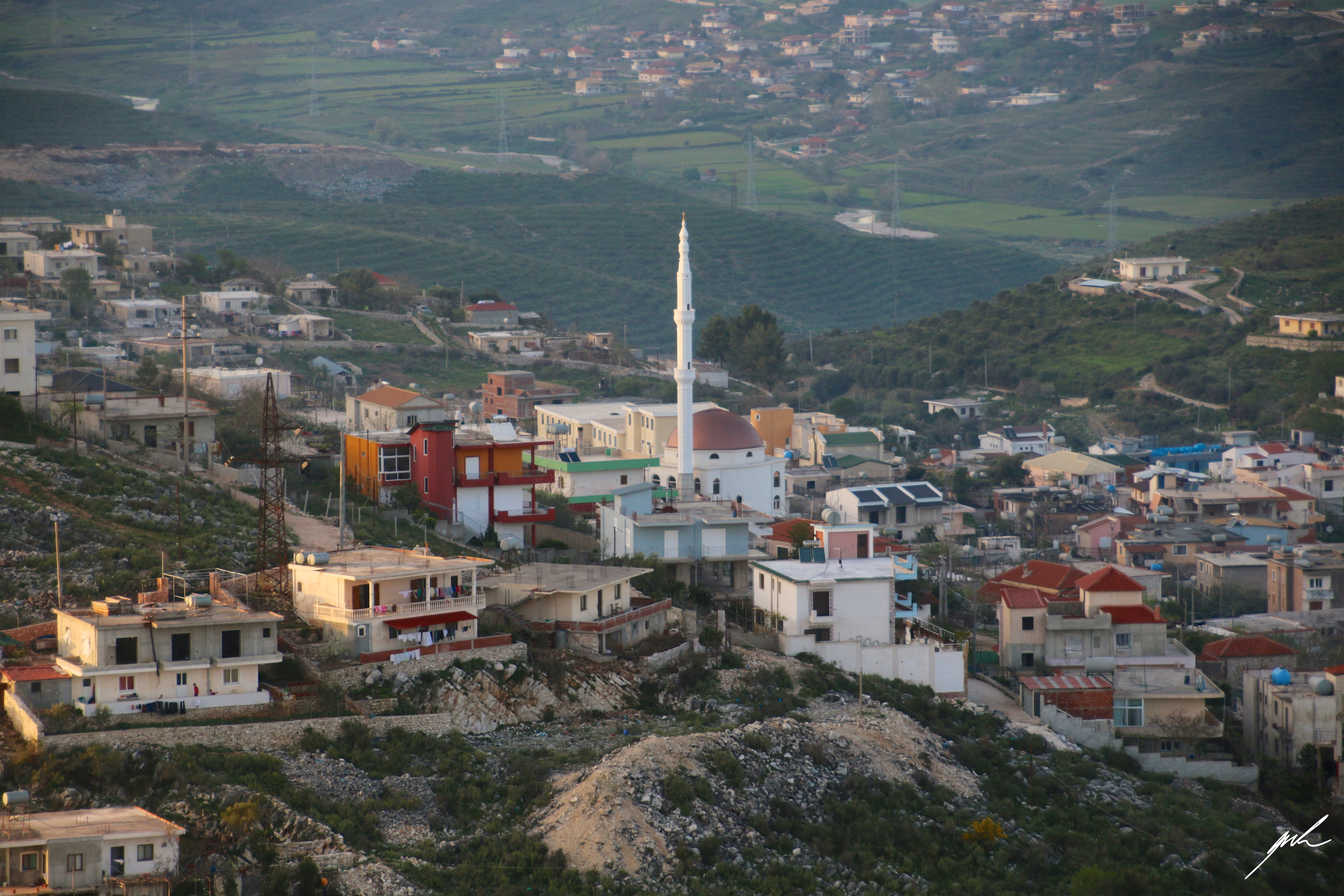
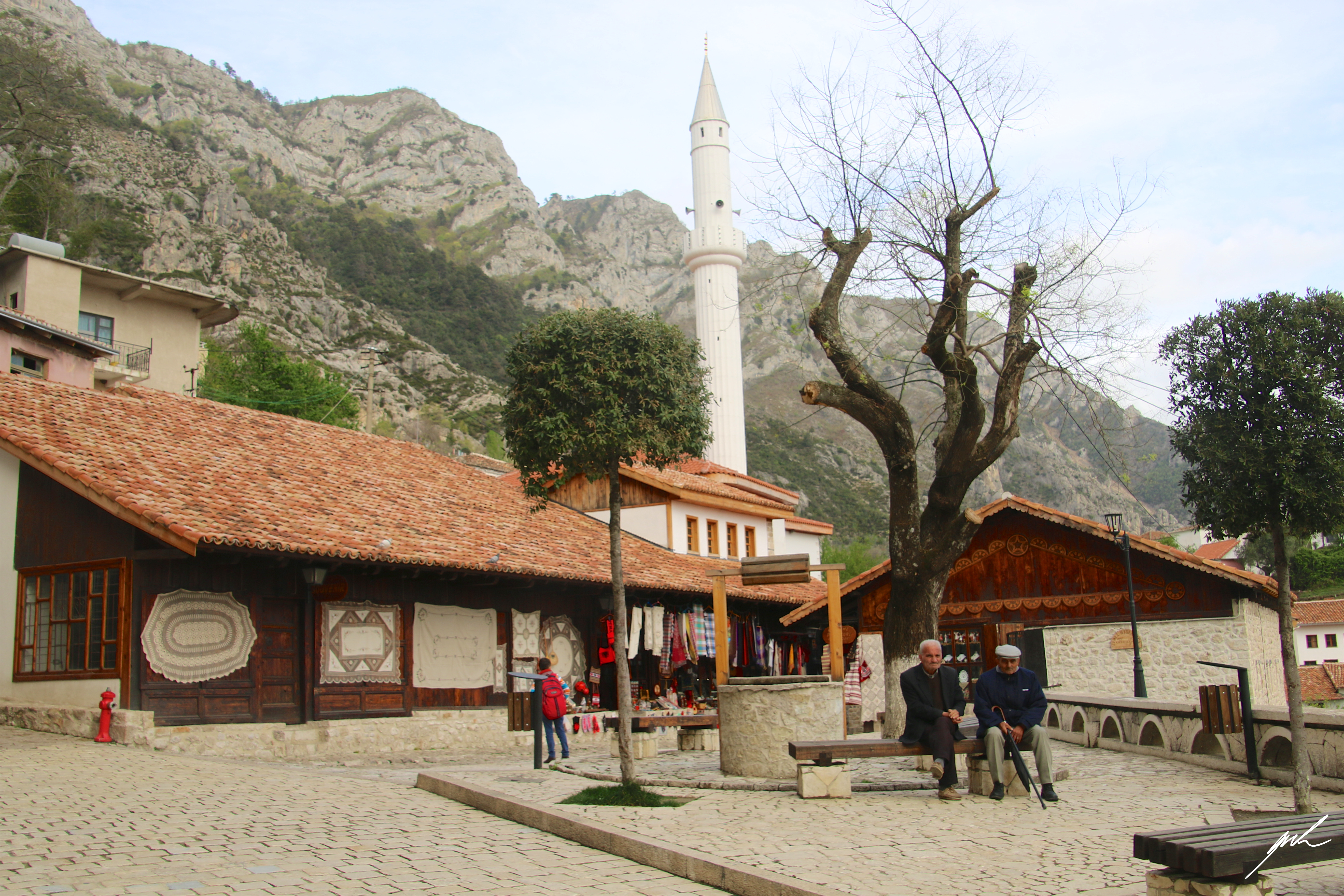
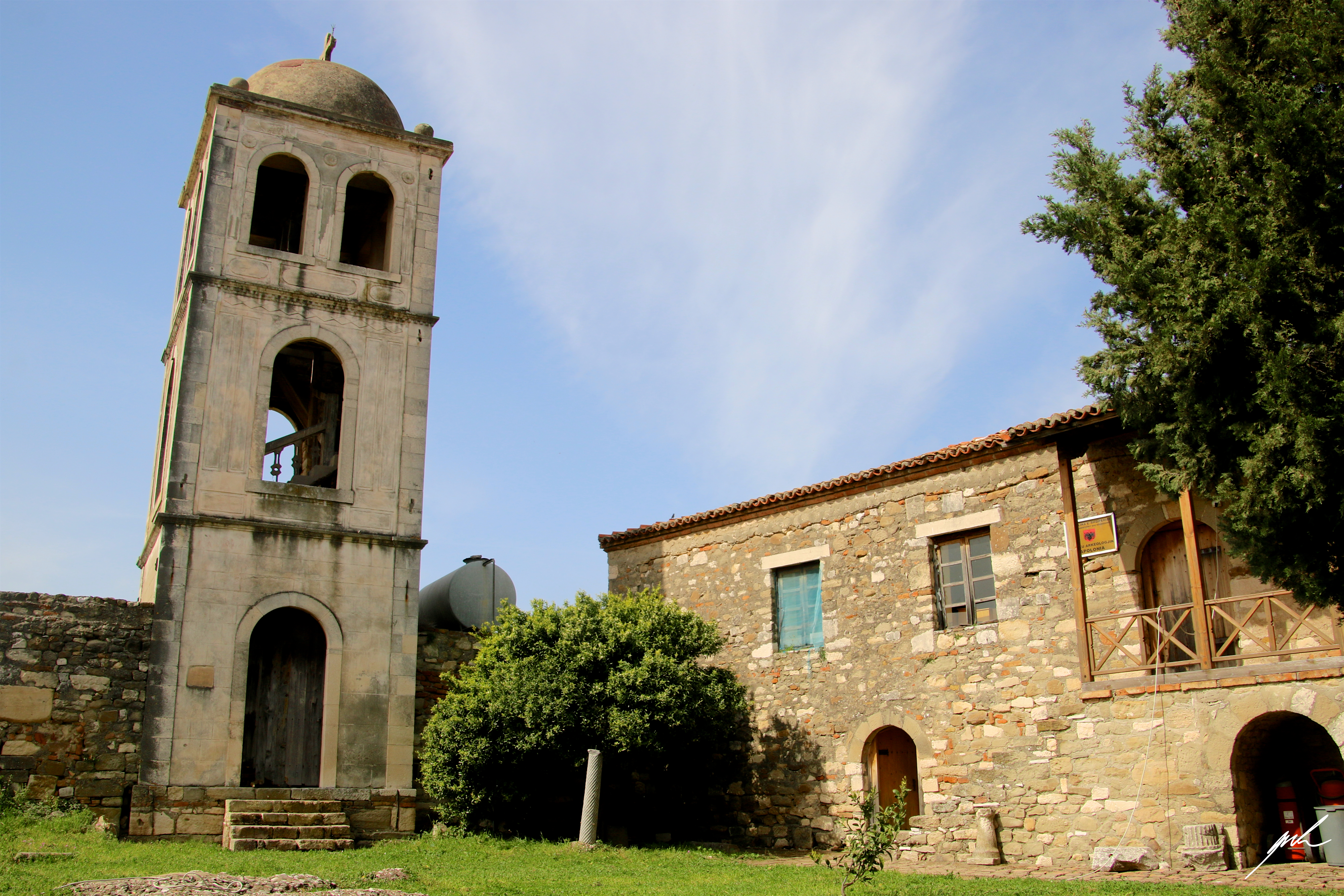
Albania is situated in Southeastern Europe, just north of Greece. Due to its long periods of isolation and its status as the poorest country in Europe, it is not well known, and until recently, just a few travelers came to visit. This is changing in the last few years. More and more backpackers come and discover the beauty of this hidden pearl in the Balkans. At the coastline, more and more hotels are being built, and the infrastructure is growing. There are even talks of reactivating the railway, which was put out of use in the last decades. Albania is a multireligious country, you will find beautiful old mosques in the Ottoman style (picture 1), as well as orthodox churches and catholic monasteries (pictures 4, 8). The people of different faiths live together in peace, and no matter which cultural building you enter, you will receive the Albanian way – warmly and with a smile.

test

IMG_6824 IMG_6851 IMG_6125 IMG_6355 IMG_6215 IMG_5648IMG_6705IMG_6354

Greek Series: Acrocorinth and Mycenae

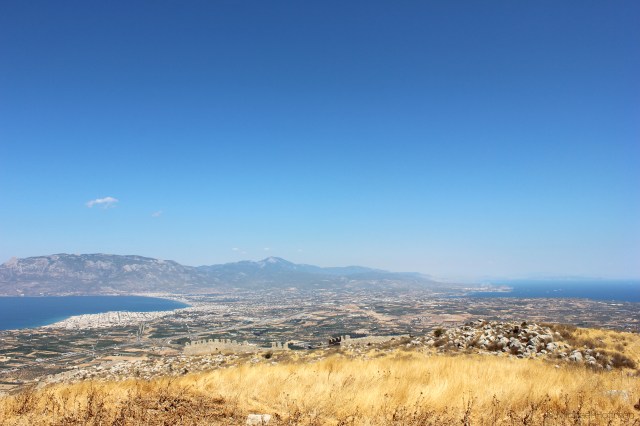
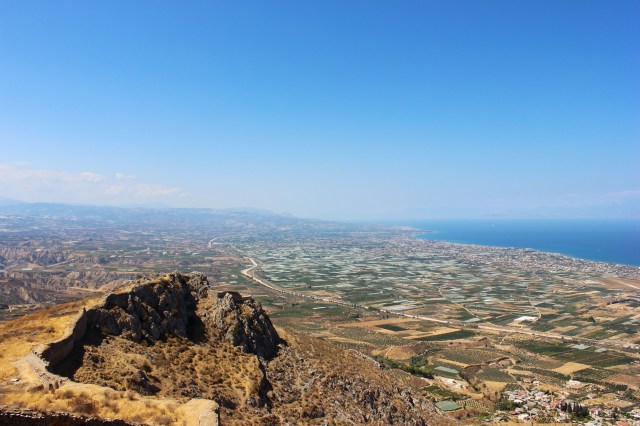
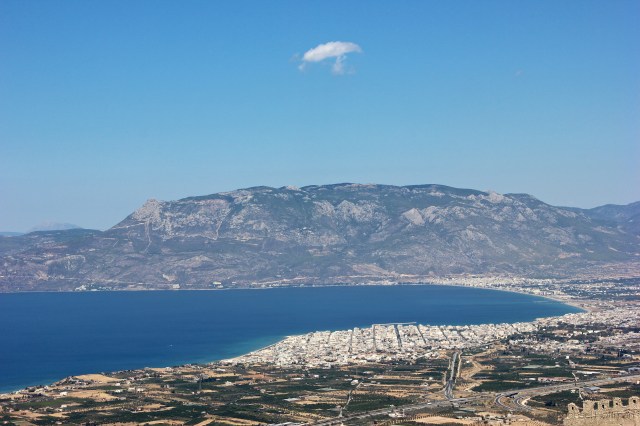
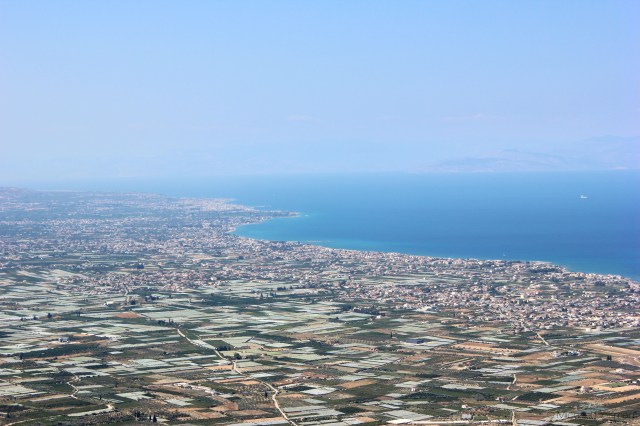
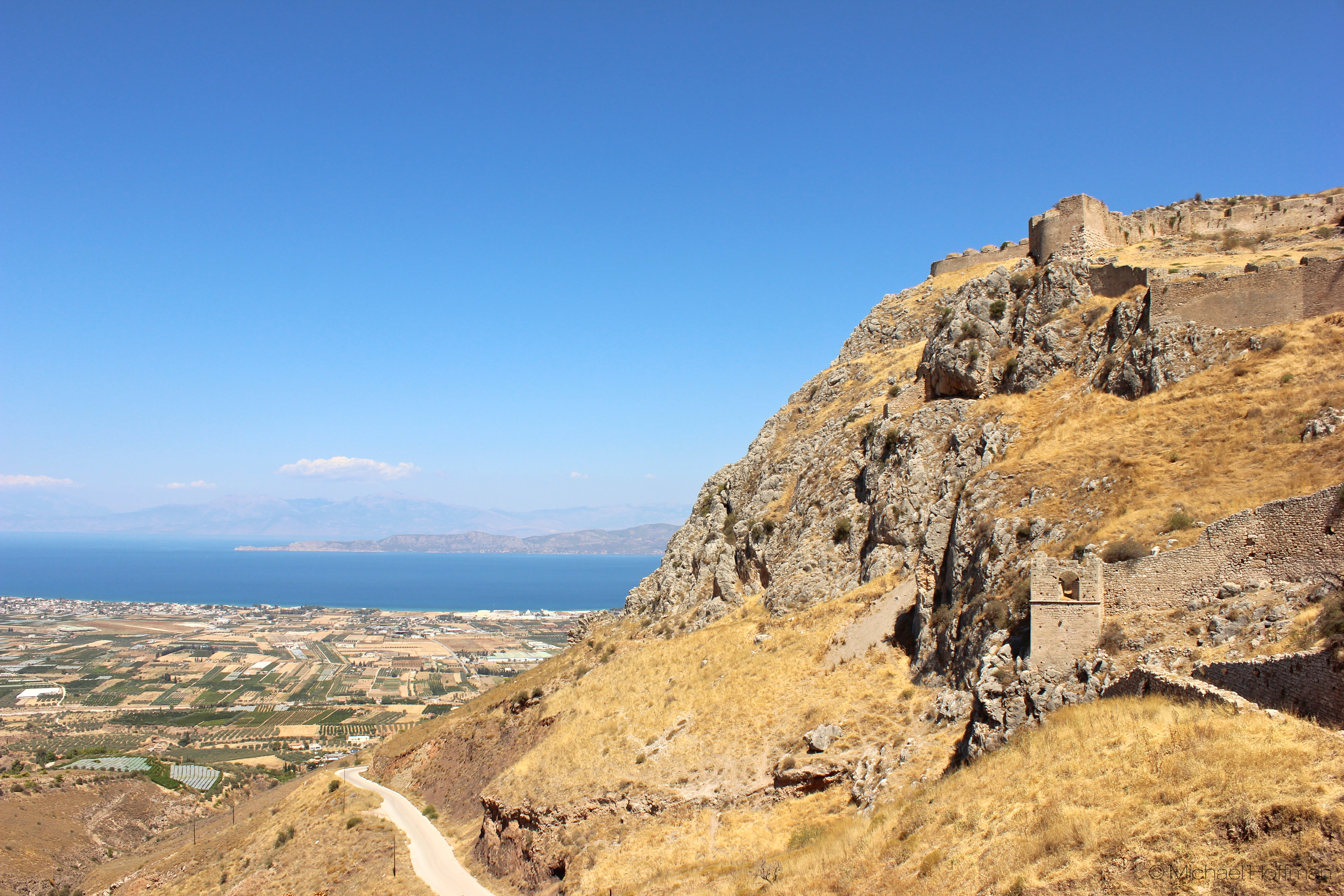
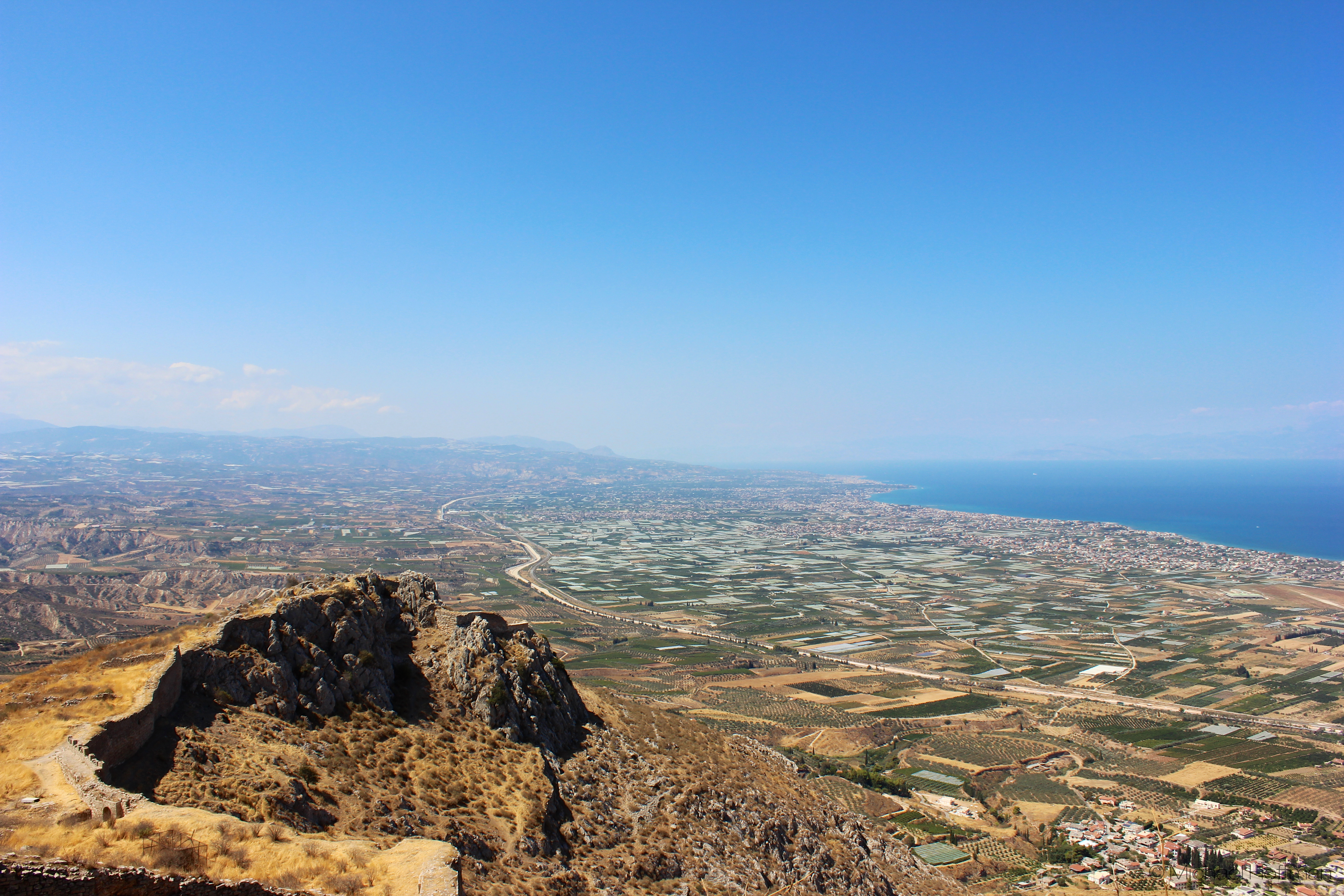
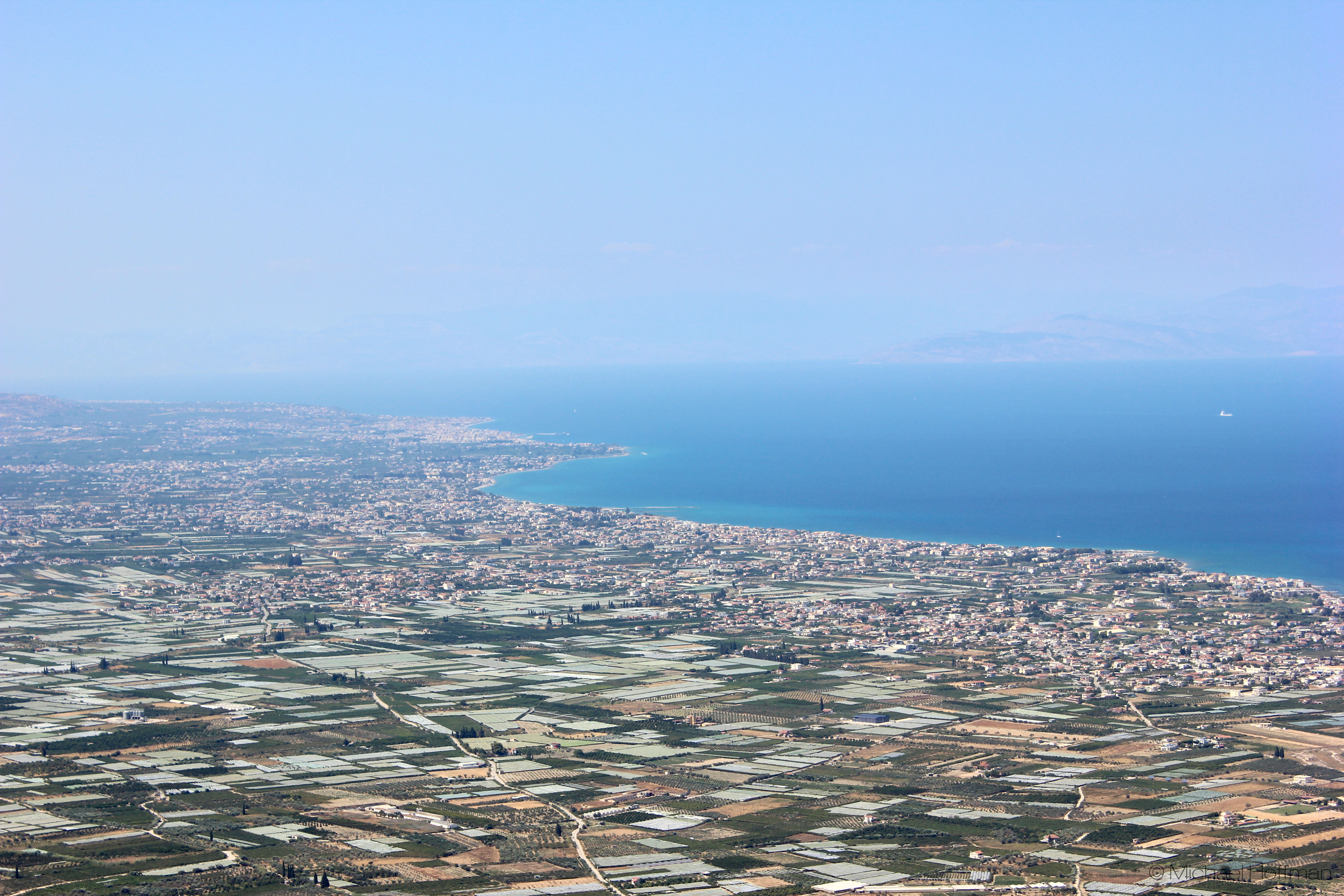
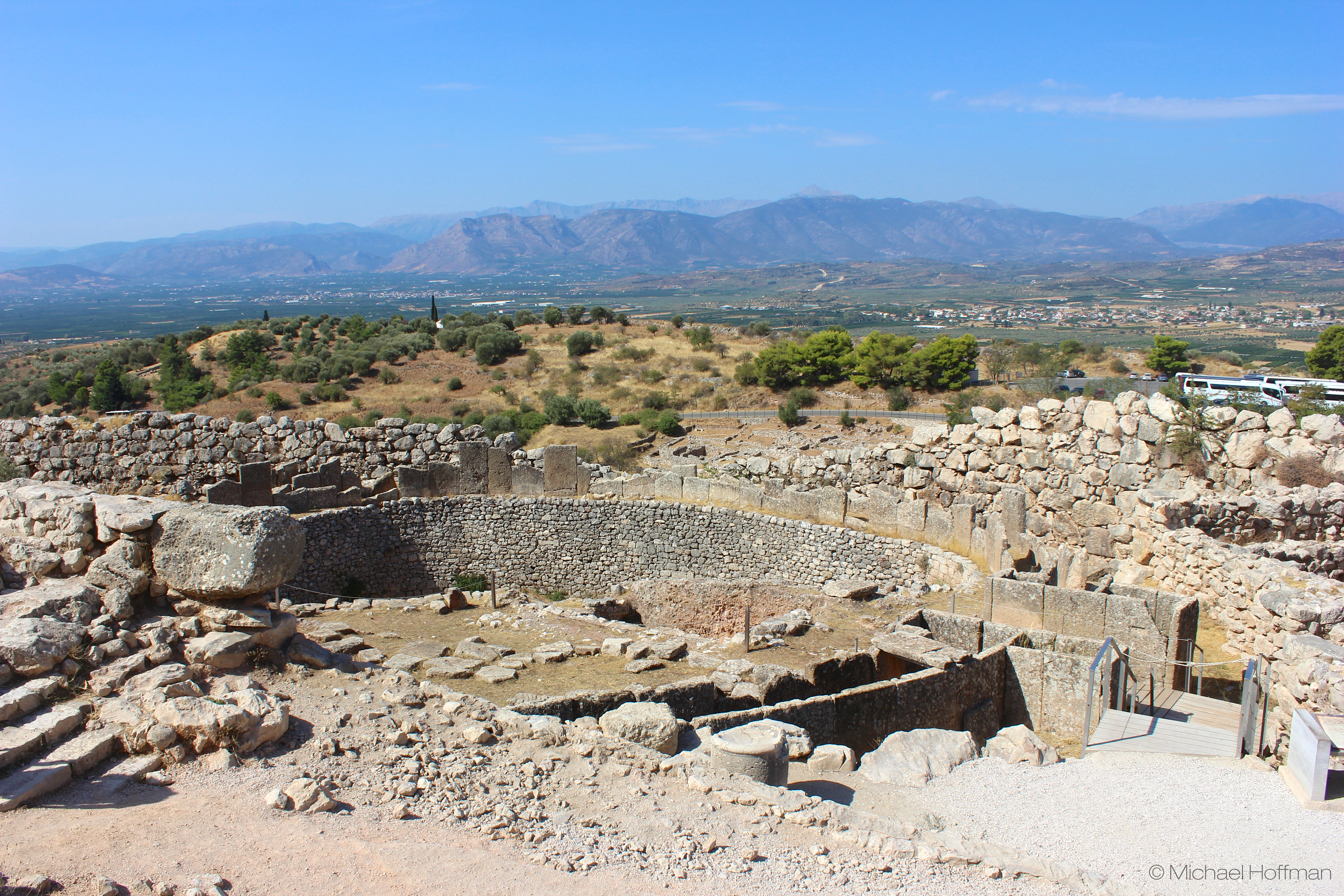
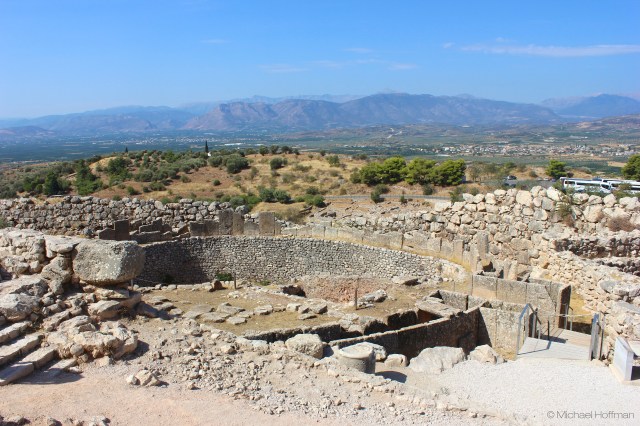
This post is part of the so-called “Greek Series,” consisting of photographs from my backpacking adventure in September 2013. You’ll find a basic introduction to the series here. The following pictures are from our first and second days traveling the Peloponnese. We went from Corinth to Acrocorinth and then via the highway toward Nafplio to Mycenae. I’ll include a map at the end of the post. So, the first batch of pictures was mainly taken on Acrocorinth, consisting of panorama shots. The last three photos are from the archeological sight of ancient Mycenae.

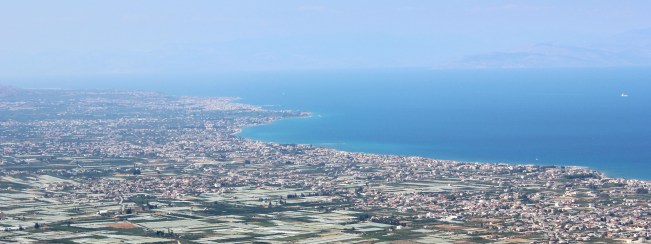
Acrocorinth (meaning High Corinth) is the hill you saw in the background of the pictures from Archea Corinthia, which is close to the modern city (picture 4). It’s a giant stone with the remains of a large medieval fortress on top. Having a perfect view of the narrow Isthmus of Corinth (picture 2), the only landway to Athens, you understand the strategic importance of the place. The fortress itself is vast, and it has almost fantasy book-like dimensions. It consists of a three-wall defense system (!) and remains of a town within the walls. Also up there are the remains of an older Aphrodite Temple. Here, we met a group of females praying to the goddess. As respectful as I am, I didn’t take pictures, unfortunately, though it was exciting and visually striking. We also talked with them; they were adorable giving us some advice for further journeys.

test

IMG_0440

IMG_0507

IMG_0496

IMG_0503

IMG_0504

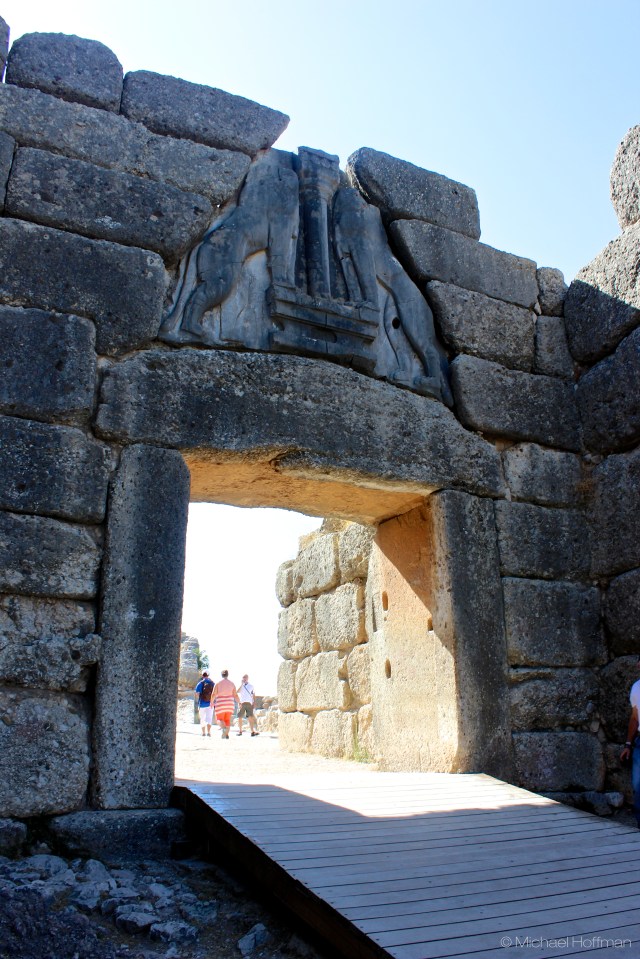
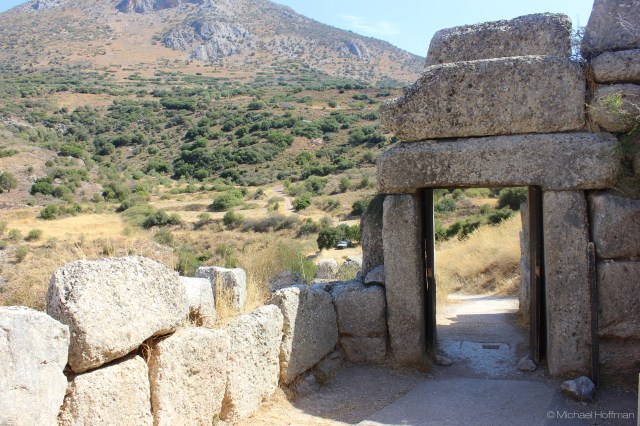
Mycenae was already ancient and a place of myths in the times of Socrates and Plato. Homer wrote about it in his Odysseus. Other Greeks in the Classic periods were fascinated by the vast walls Mycenaen could build. Nobody could quite understand how they transported the stone blocks up there, so the popular belief emerged that giants had made them and renamed them Cyclopean walls. So, until today, the walls remain impressive and somewhat of a mystery. They were built more or less at the same time as Stonehenge, and it seems like there could be some far-fetched connection. The most famous part of the complex is the Lions Gate, portrayed in the last picture of the post. The imperial lions have been greeting the visitors for 3300 years. The lion is a symbol of strength and an animal that lived in this area a few thousand years ago. It’s truly fascinating stuff and worth a Wikipedia reading session.
IMG_0590

IMG_0580

IMG_0574 (1)

The route via Google Maps: