Skip to content

Photographing the new WU University Campus
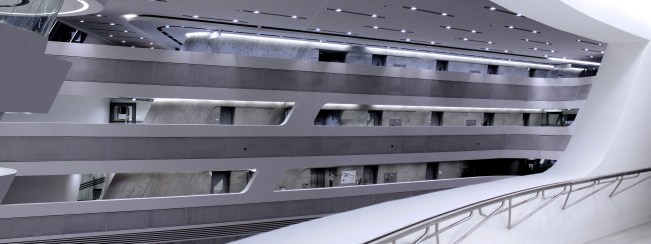
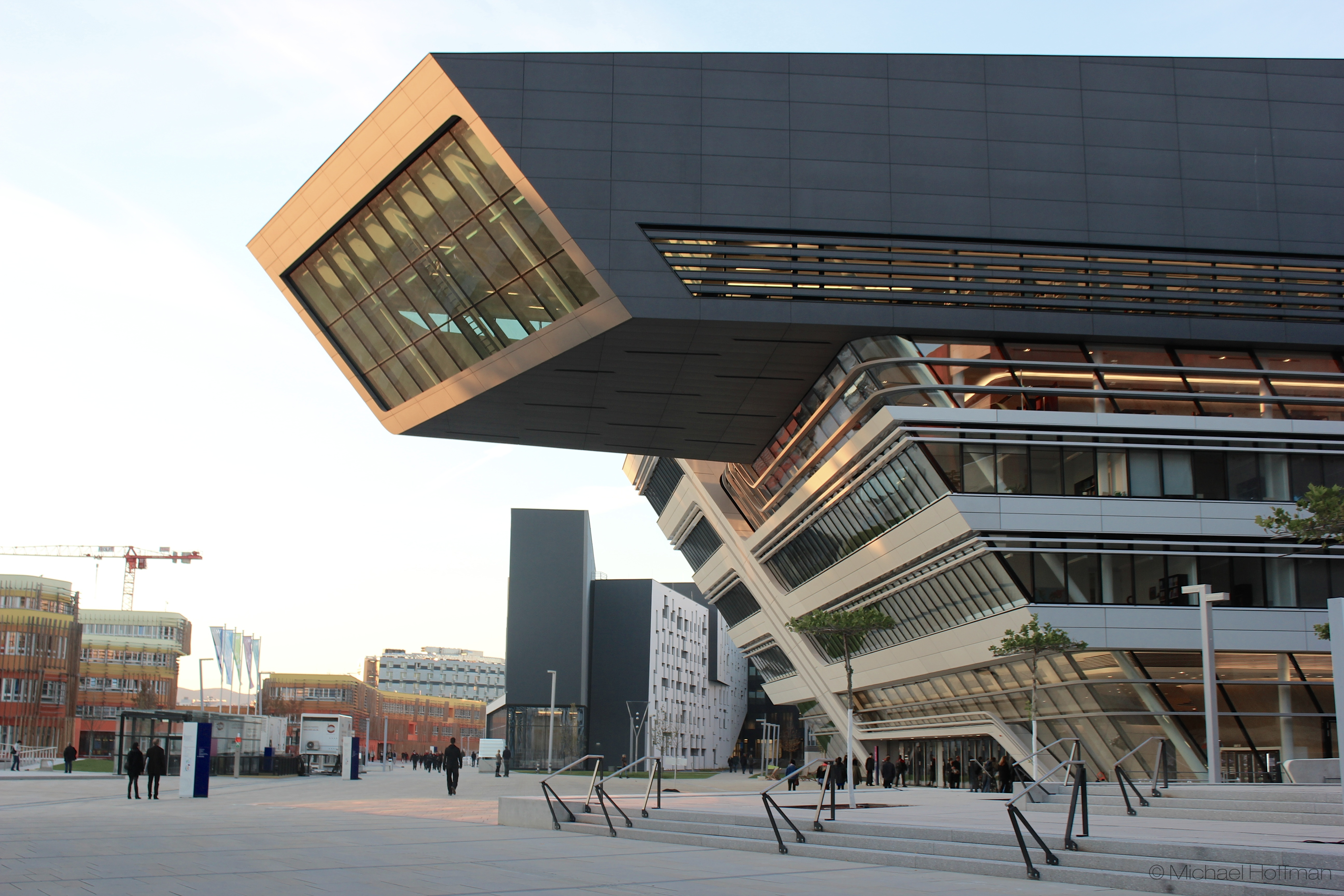
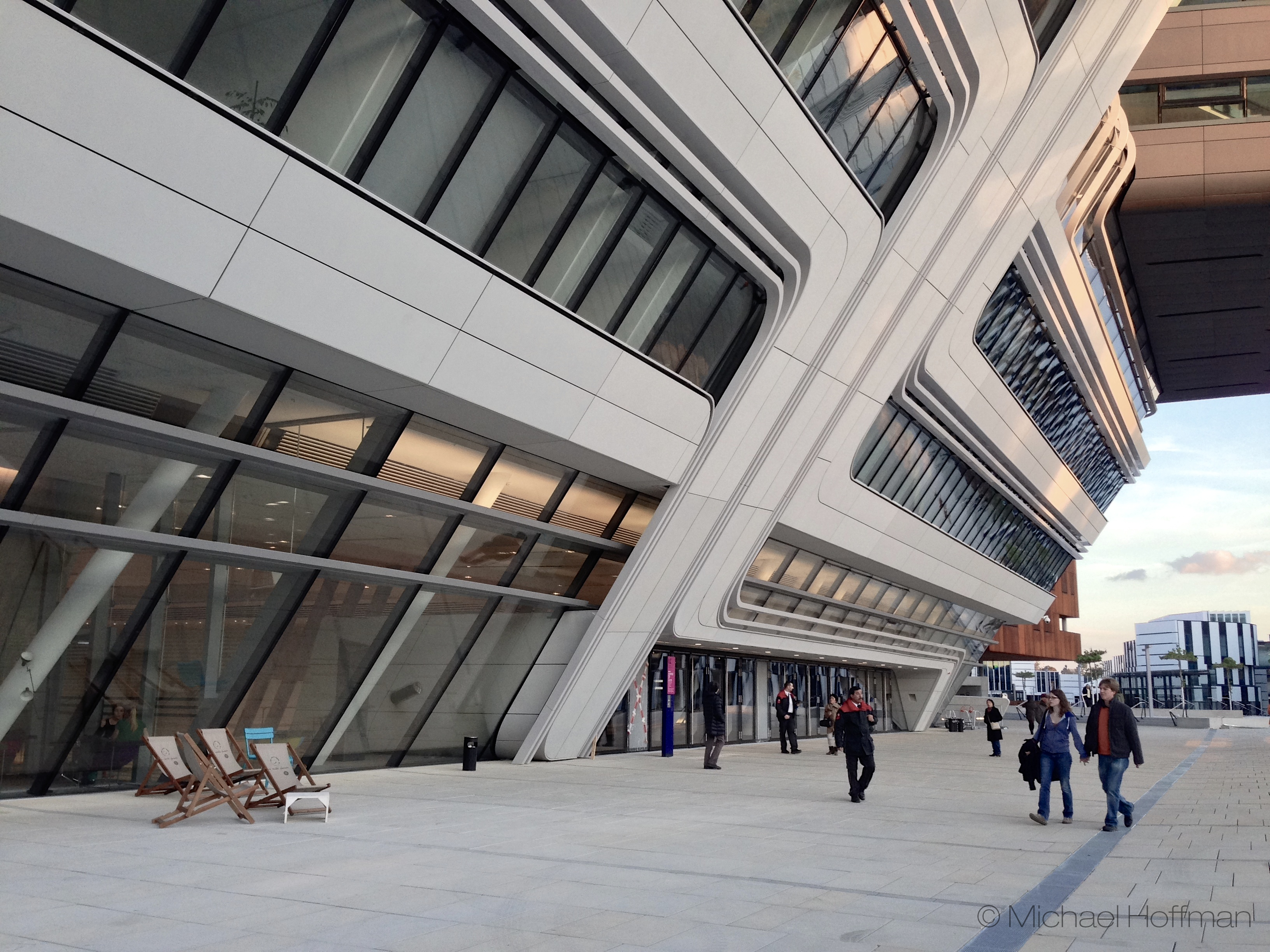
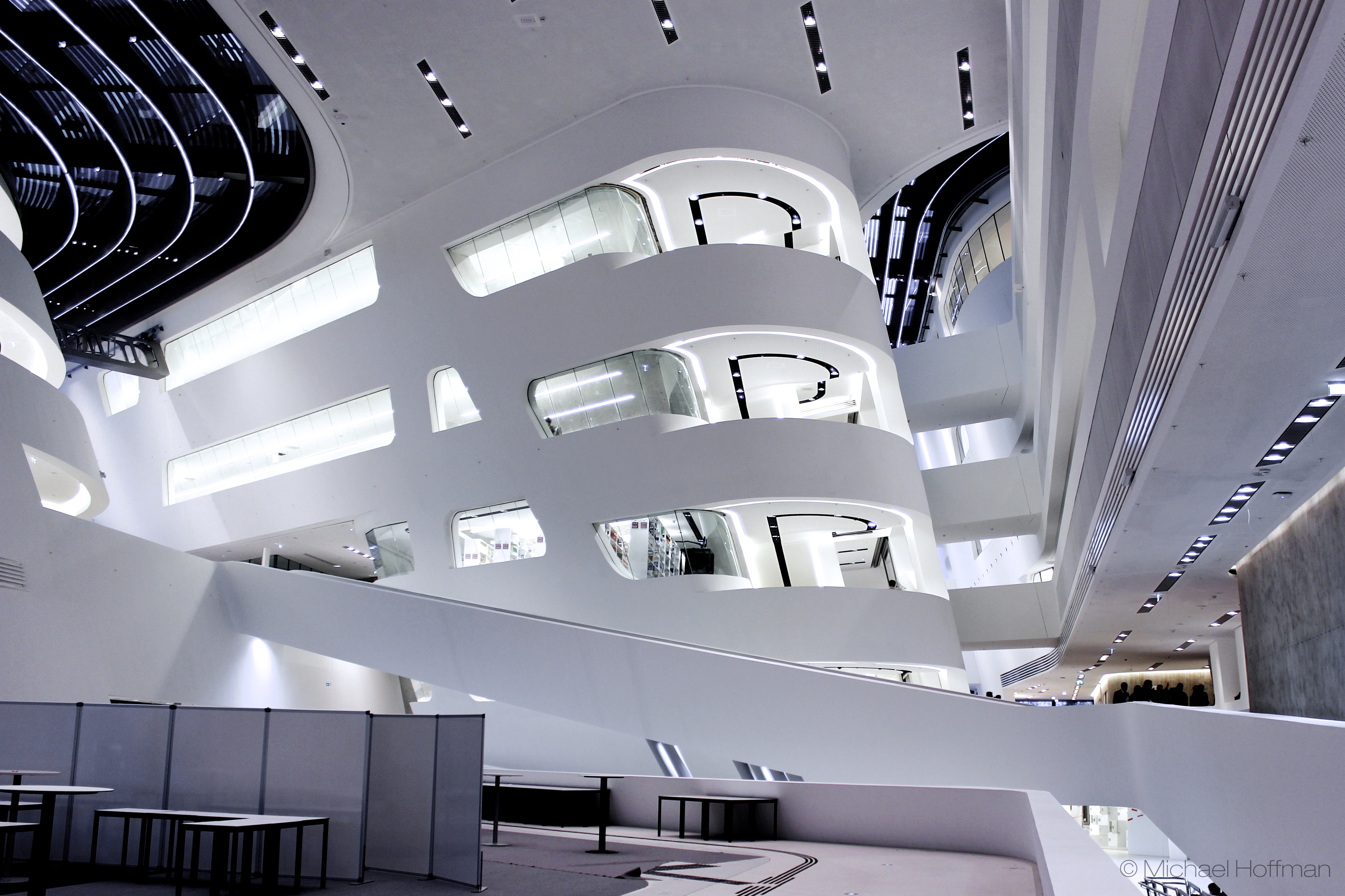
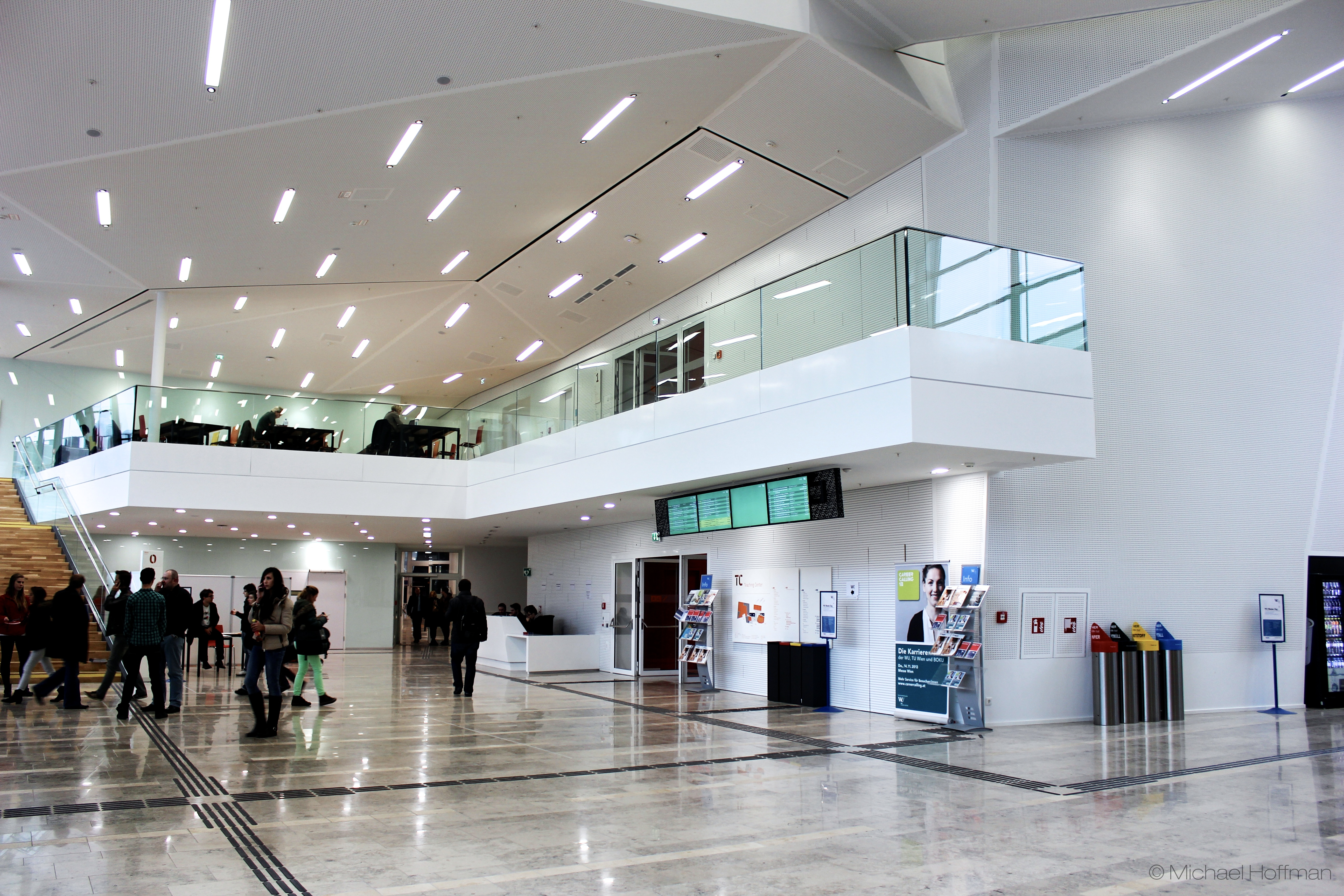
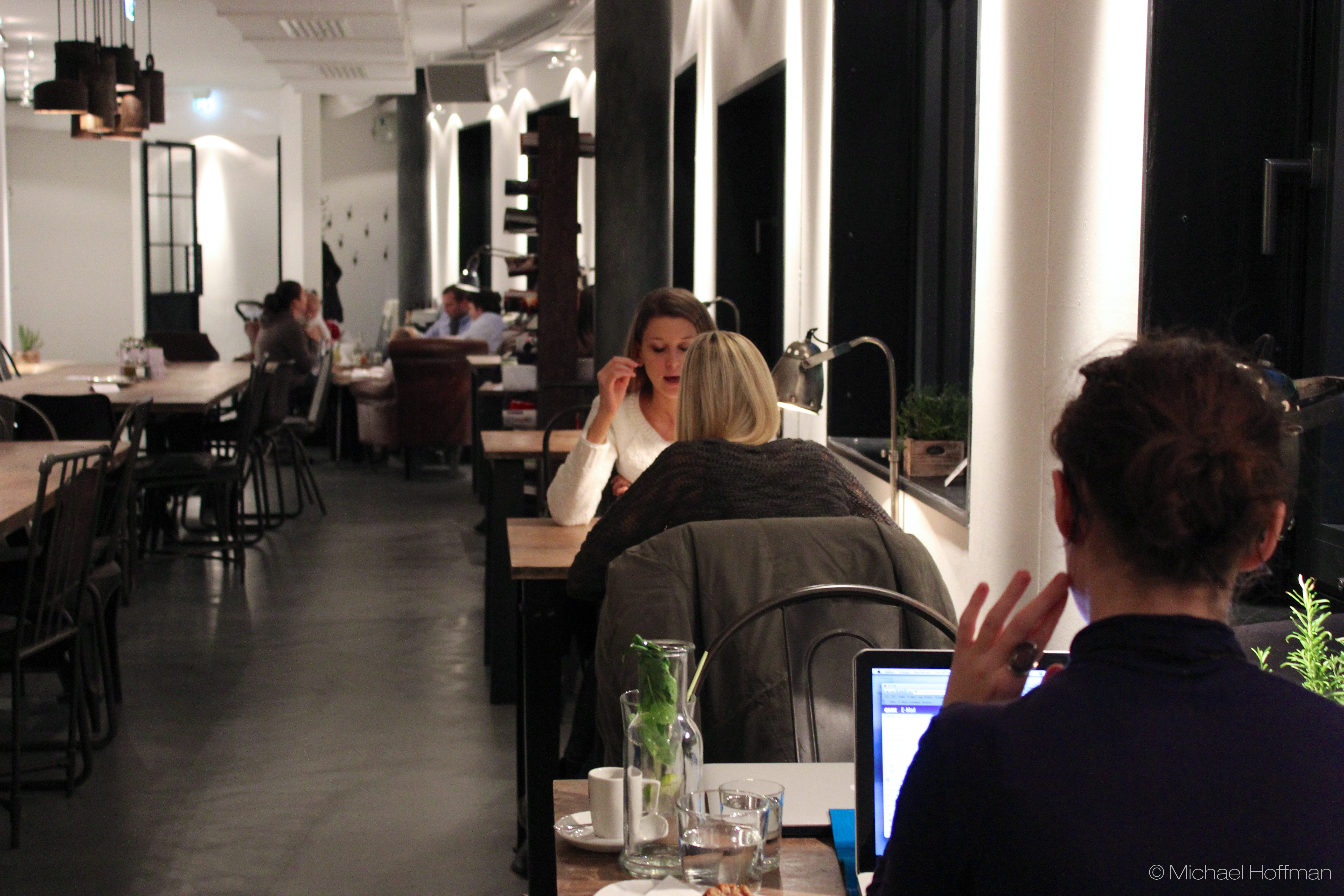
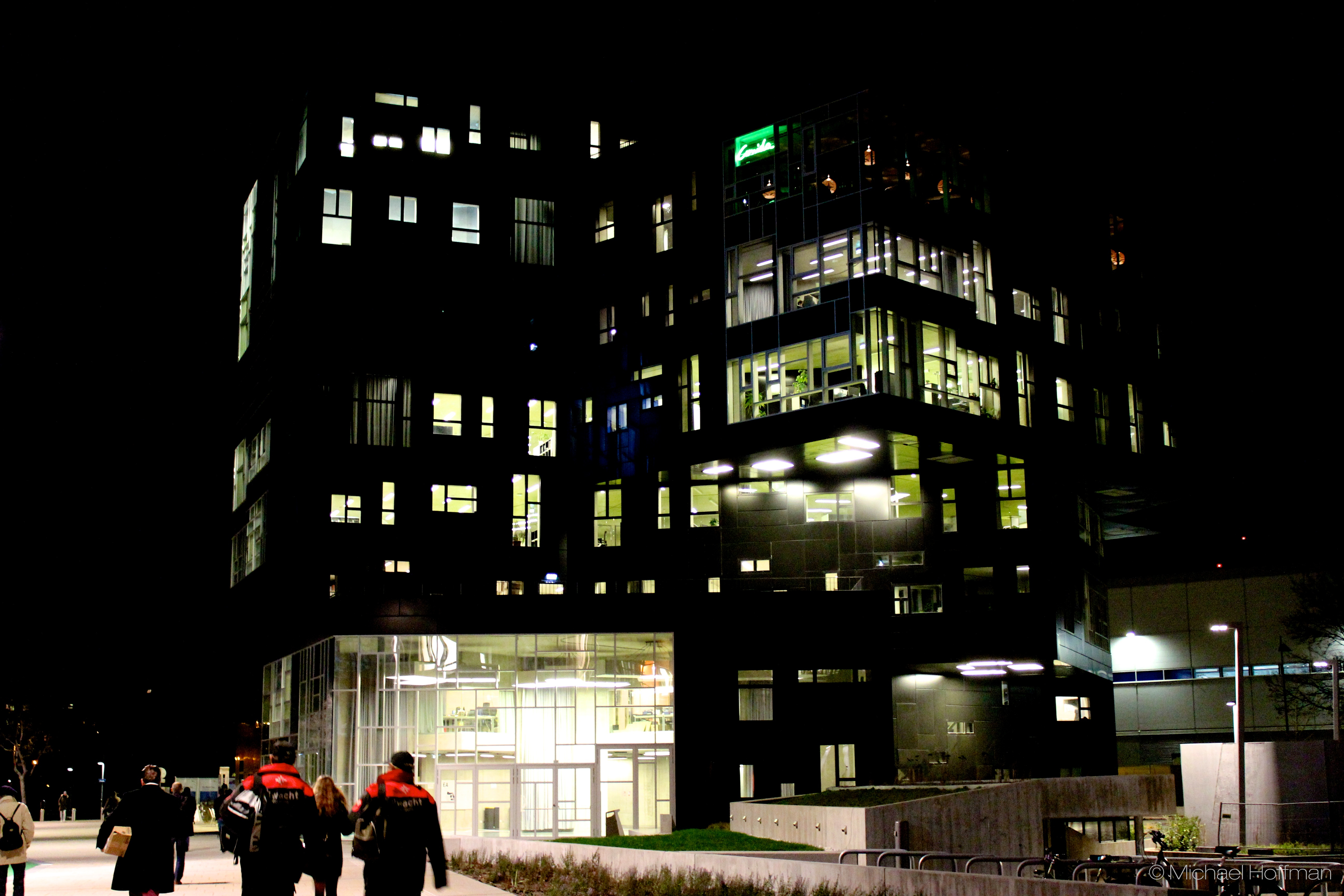
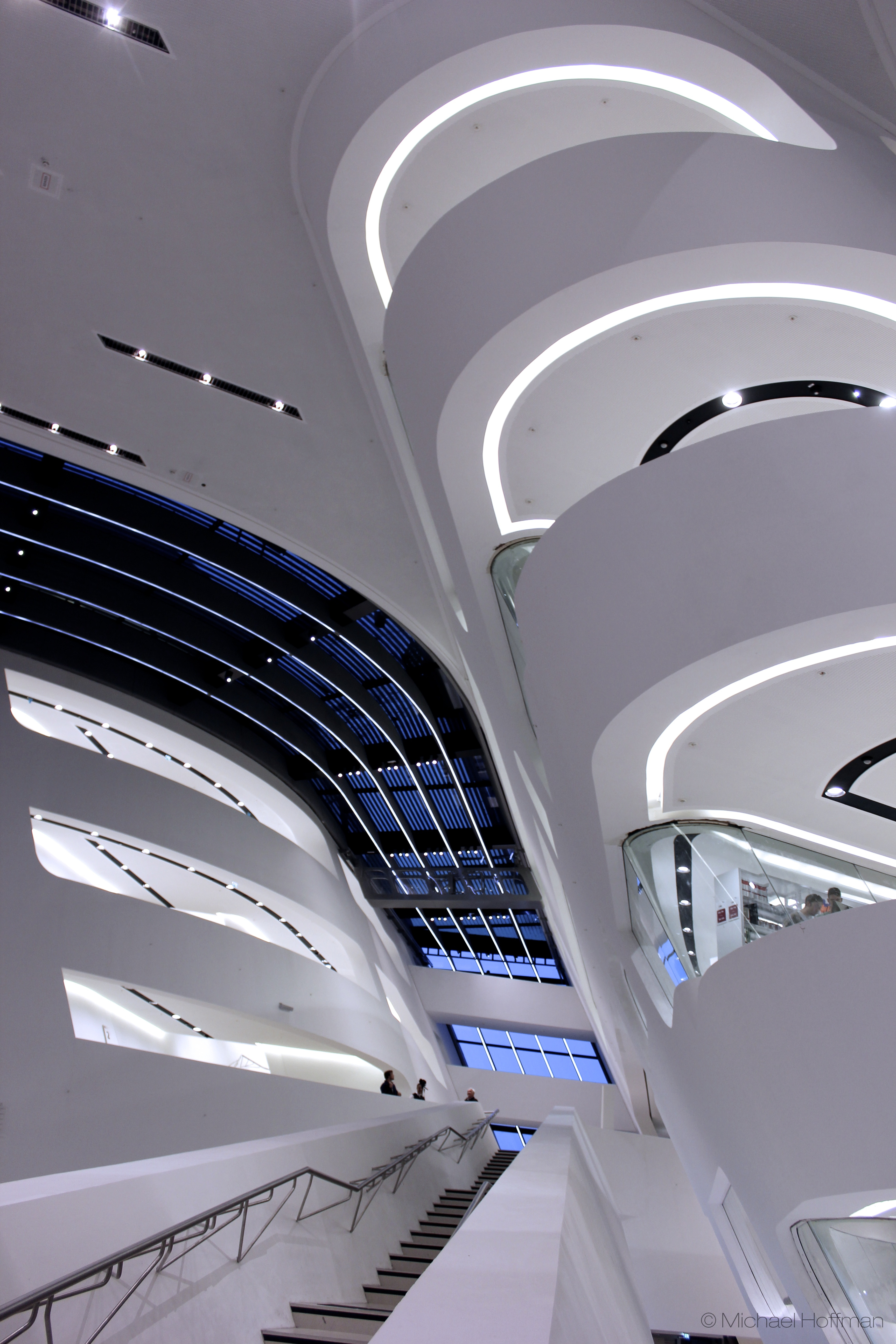
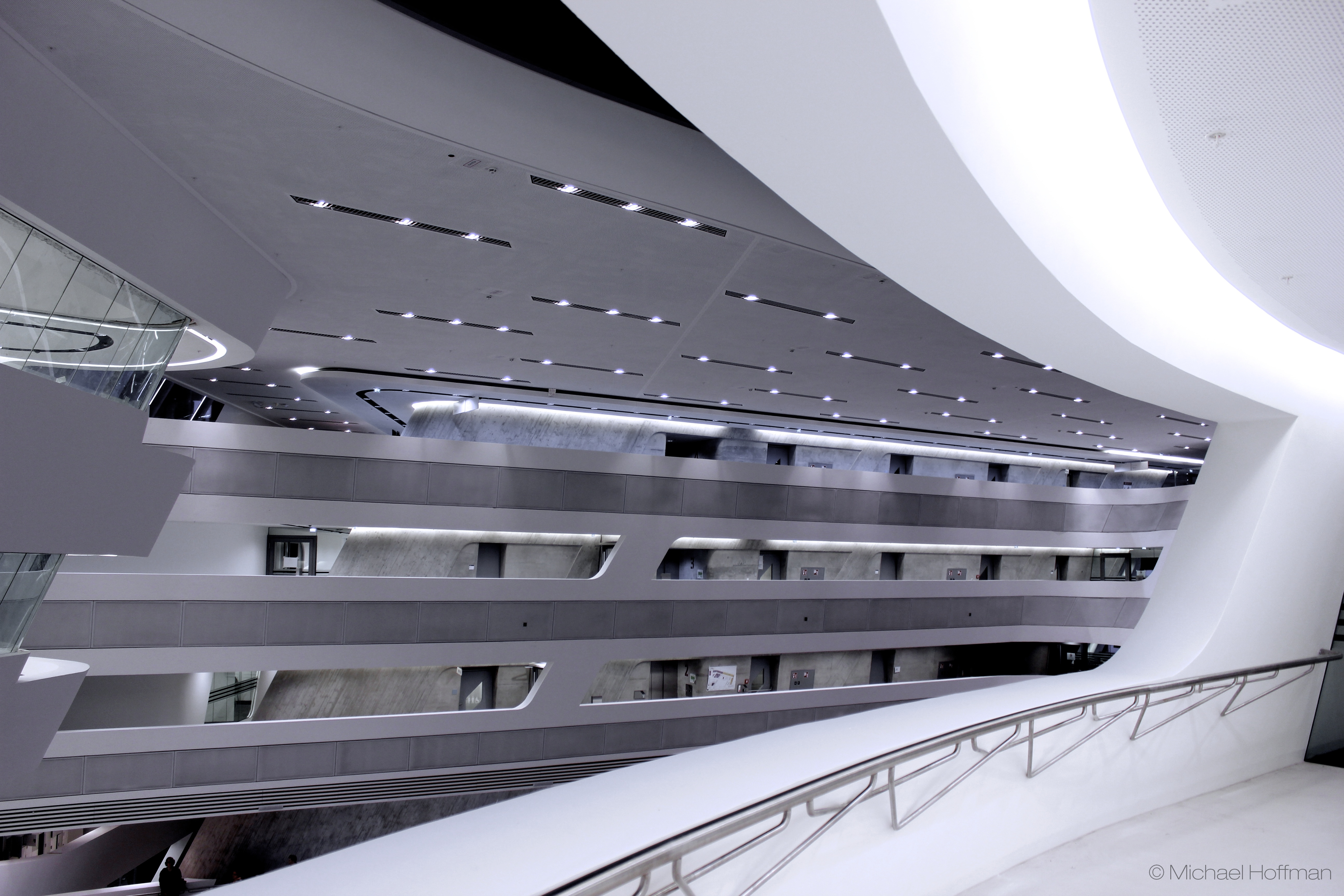
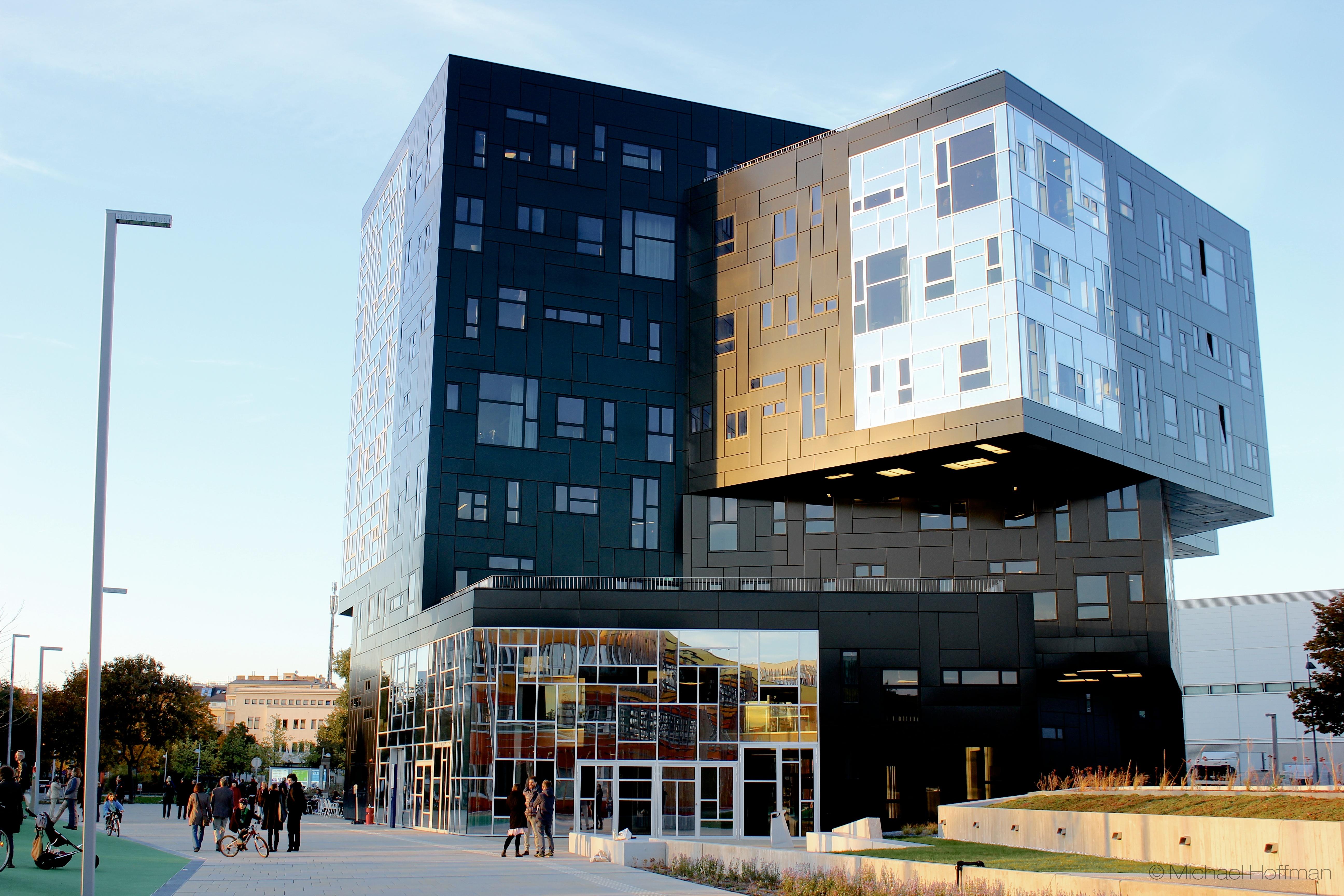
Largely unnoticed, the new university campus of the Economic University of Vienna (Wirtschaftsuniversität Wien) was built in a relatively remote part of the city. So, most of us knew about the construction plans, but little did we know about the futuristic character and the sheer extent of the sight. What a surprise! The campus consists of about 6 to 8 buildings constructed by different architects in different styles. In common, they have a modern and environmentally friendly approach. They are centered around a student plaza, effectively creating a public space for its “citizens.” There are also a couple of cafés and shops there. One is the “Campus” (shot 4), with a mixed approach of modernism and natural elements of wood and plants. The centerpiece of the campus is the library (as it should be). It was designed by an architect from Hamburg and is simply astonishing (shots 2 – 3 exterior, shots 7 – 9 interior).

test

img_3876

img_3895

img_7430

img_4024-1

img_4589

img_4600

img_4605

img_40381

img_4031

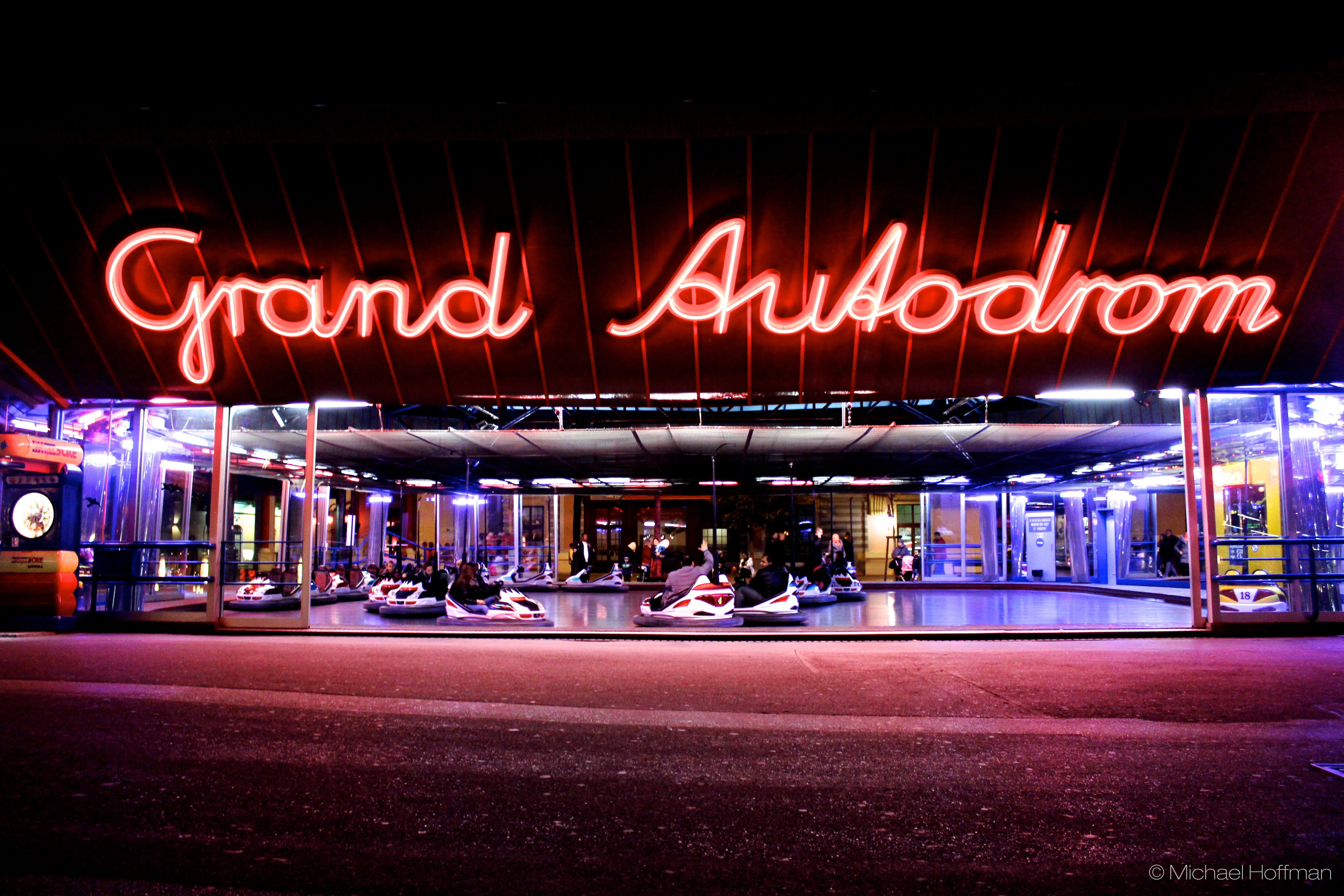
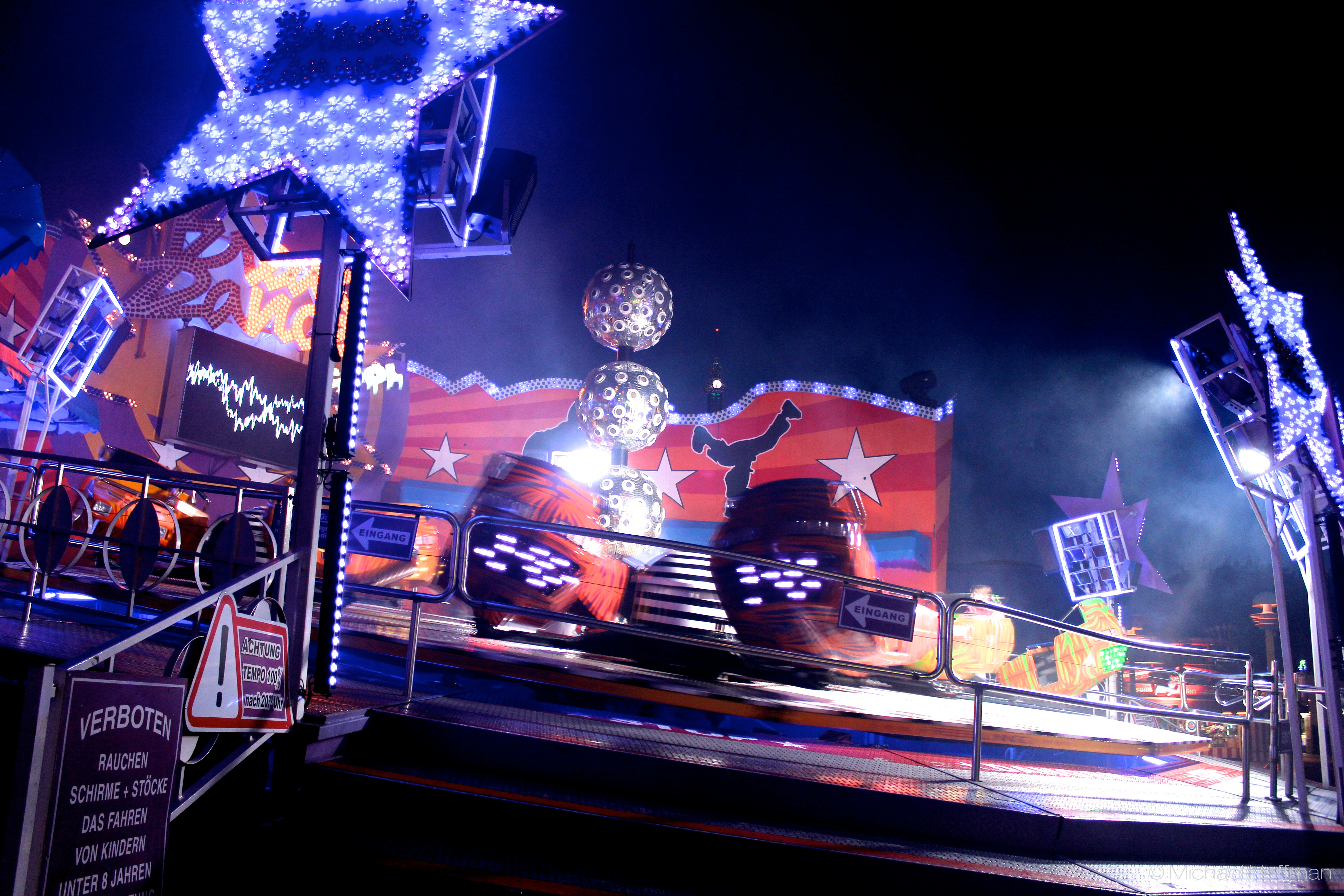
Viennese Prater by Night

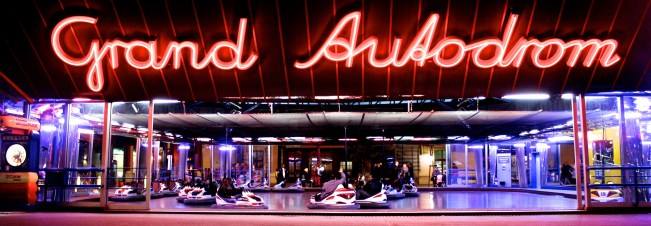
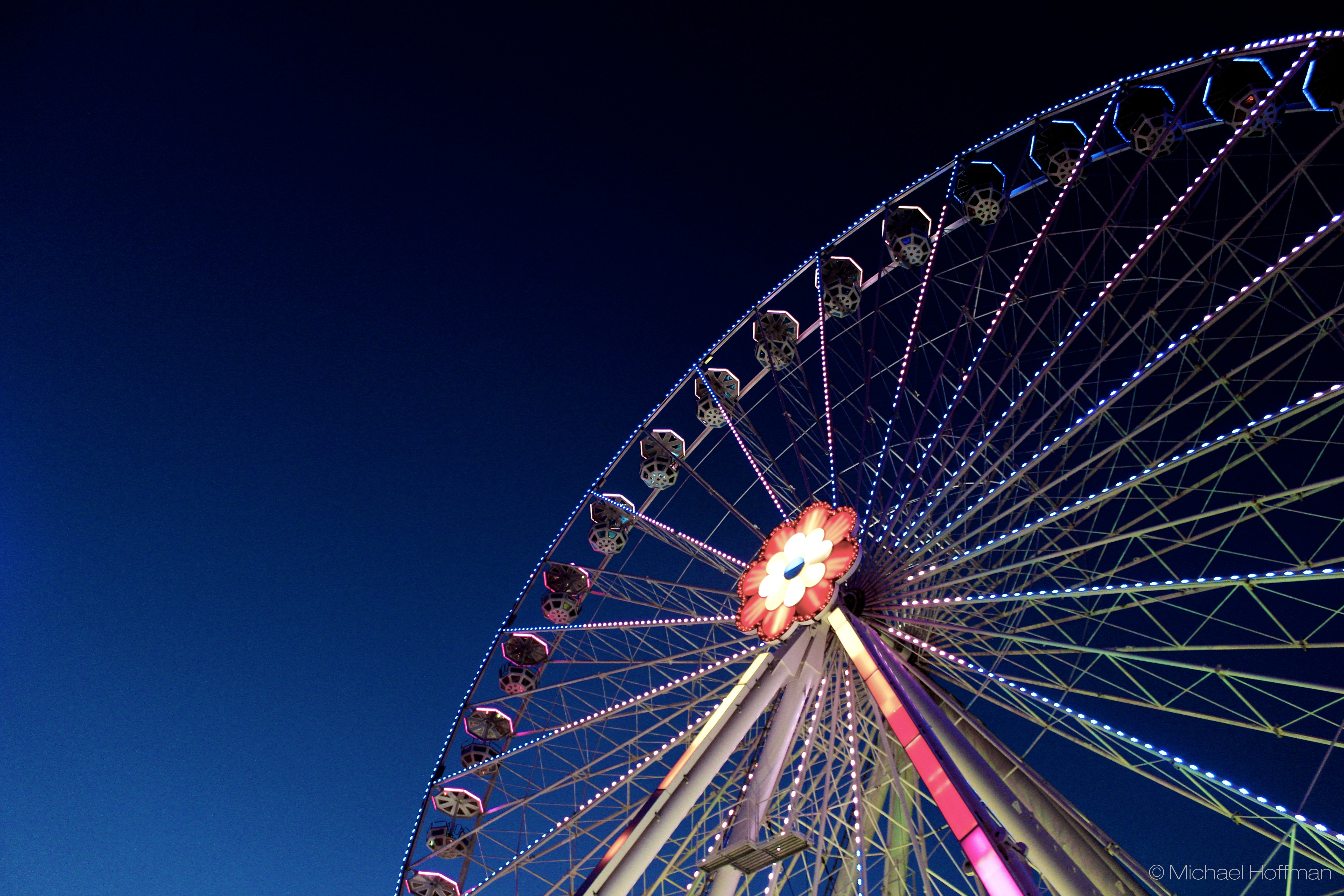
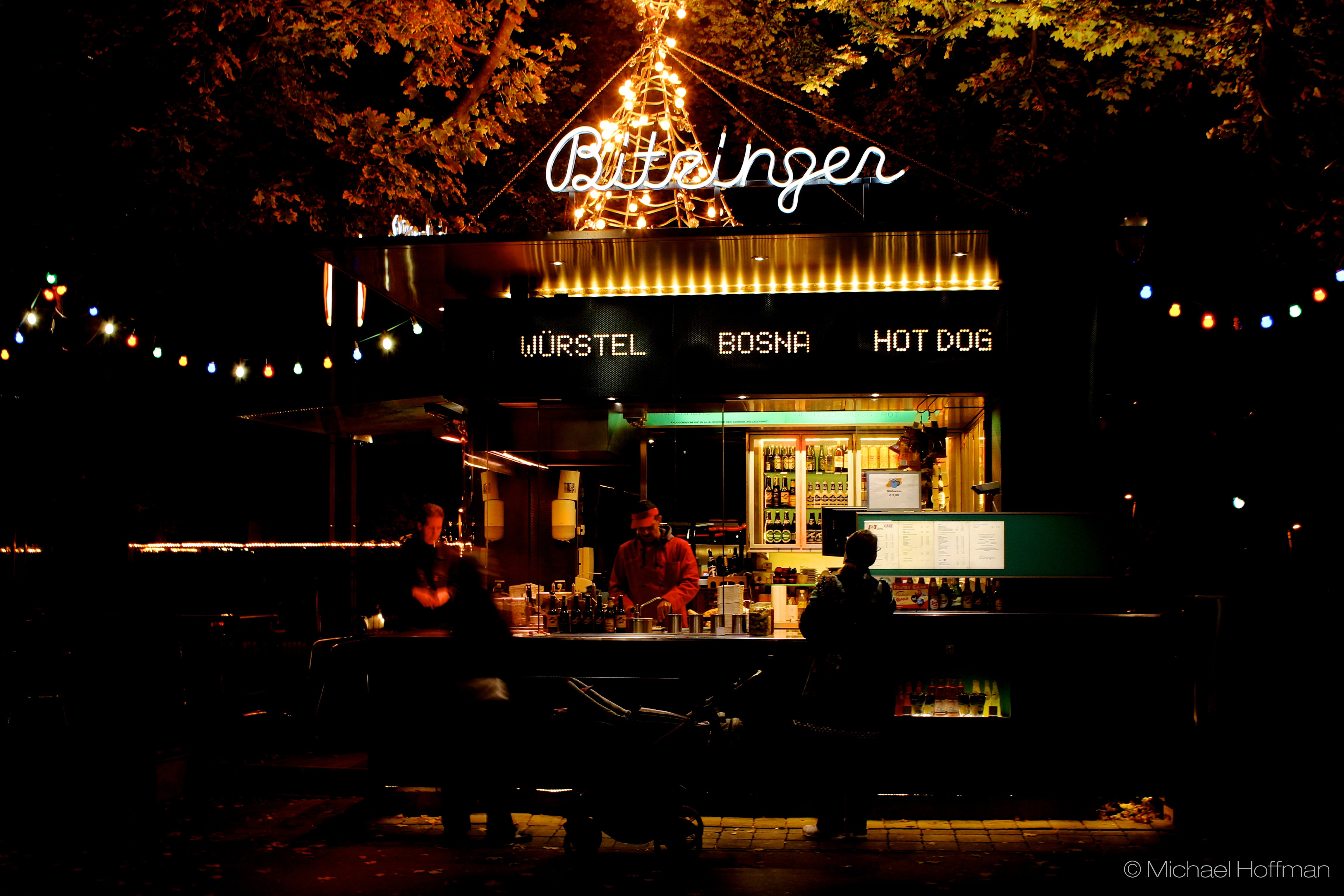
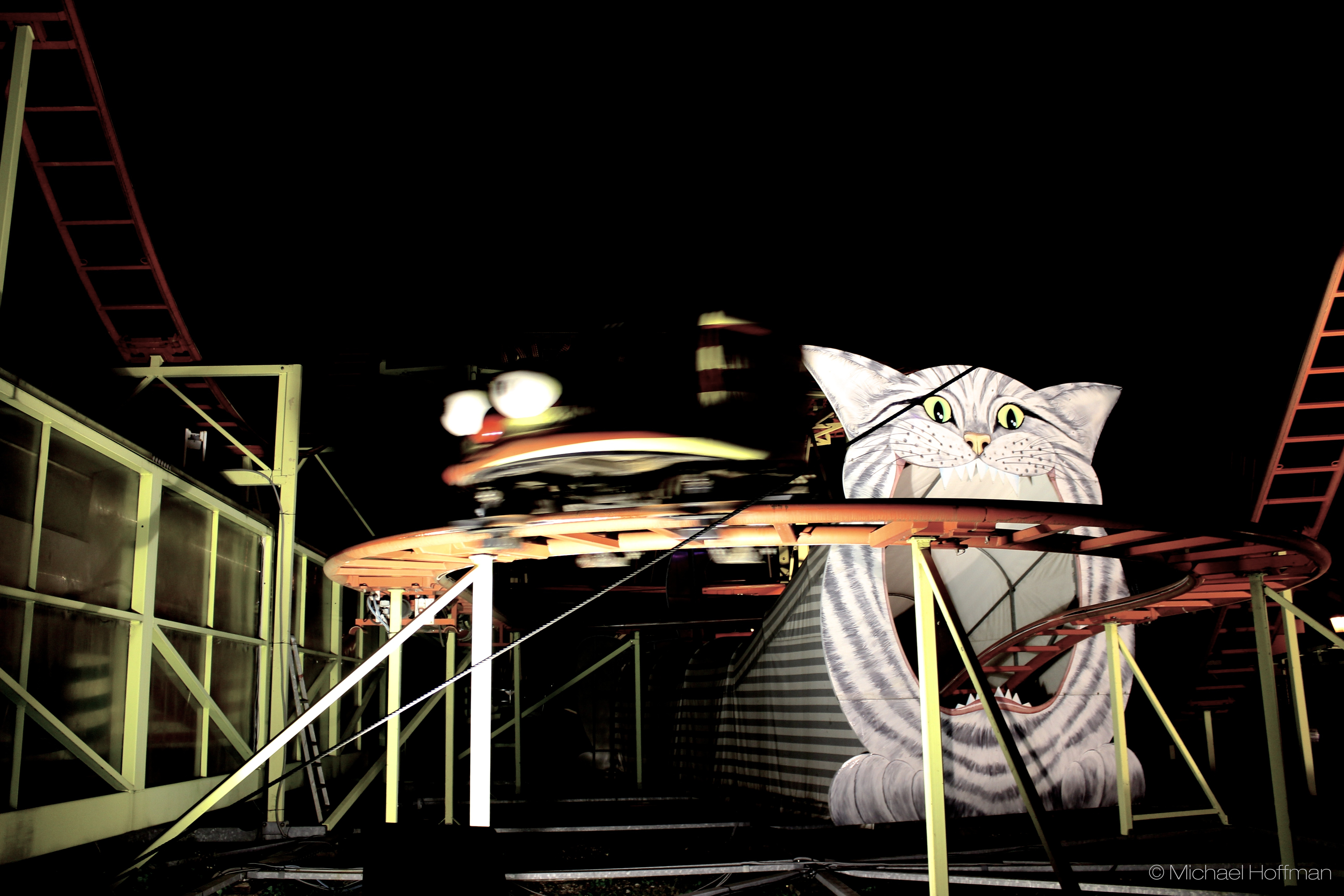
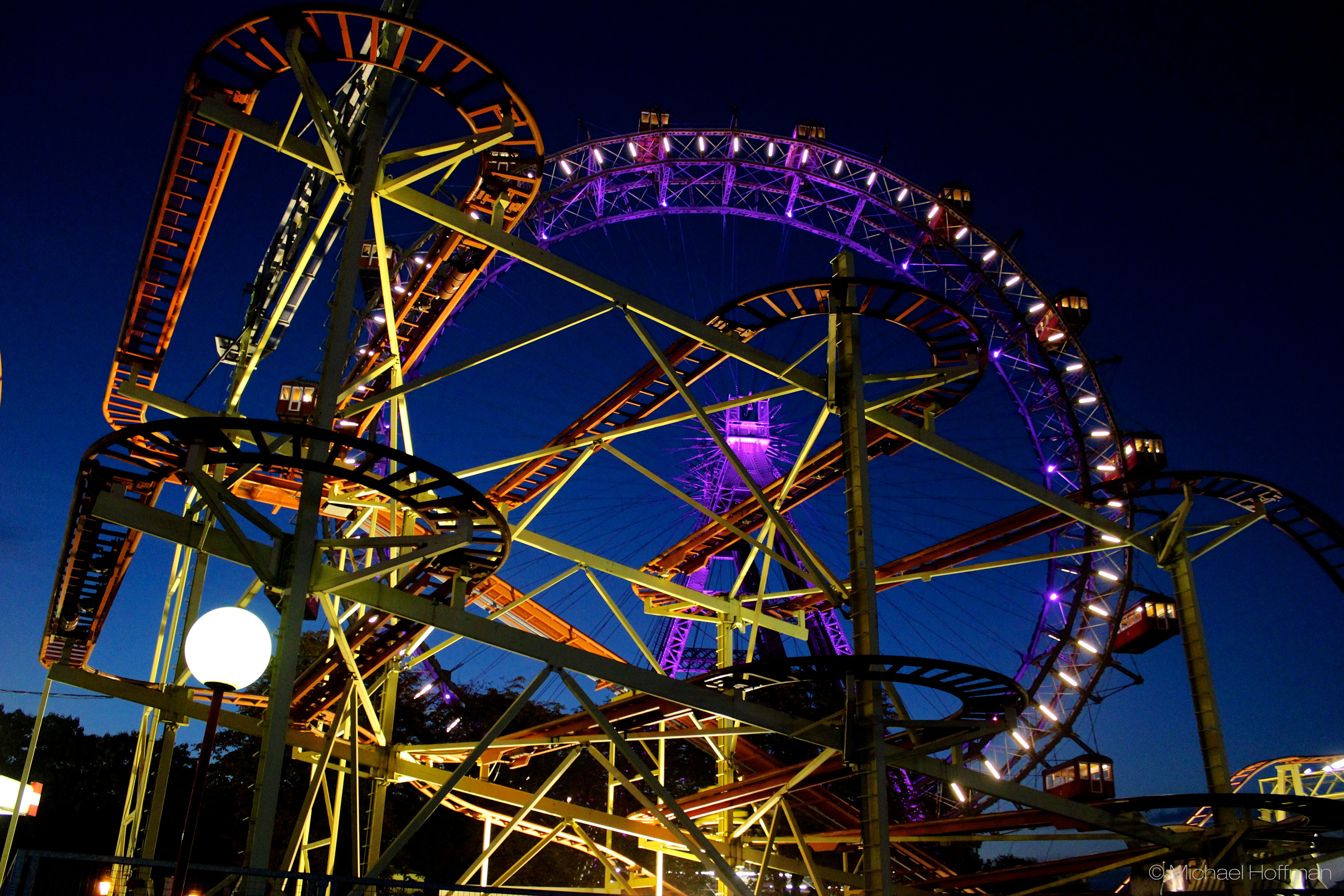
The so-called Prater is a massive park in the 2nd district of Vienna, and just a relatively small part of it is actually an amusement area. As a kid, I loved going there; it was our miniature version of Disneyland without Micky. Interestingly, the Prater hasn’t changed much since back in the 90s (still many Spice Girls and lousy techno music is played at the attractions astoundingly), and kids continue to love it. My first roller coaster ride was on the “Wilde Maus” (picture 2), and I will never forget how my father and I went lost in a house of horror, using a lighter to find the way out. Or how we used to get there on the 1st of May with friends. A construction of steel spinning around its axis was always somewhere in the background, with small red wagons attached to the outer frame. The beating heart of the park is the so-called “Riesenrad.” One of the oldest Ferris wheels in Europe is still standing and is also one of the defining landmarks of Vienna (picture 5).

test

img_4072

img_4165

img_4112

img_4110

img_4081

img_4108

Stadtpark of Vienna in Autumn

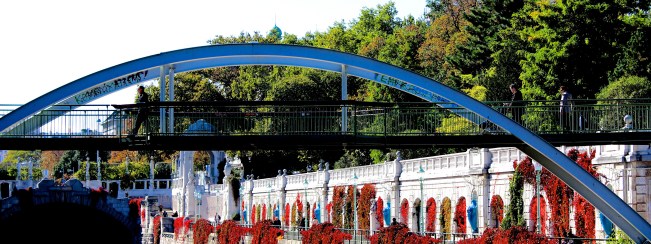
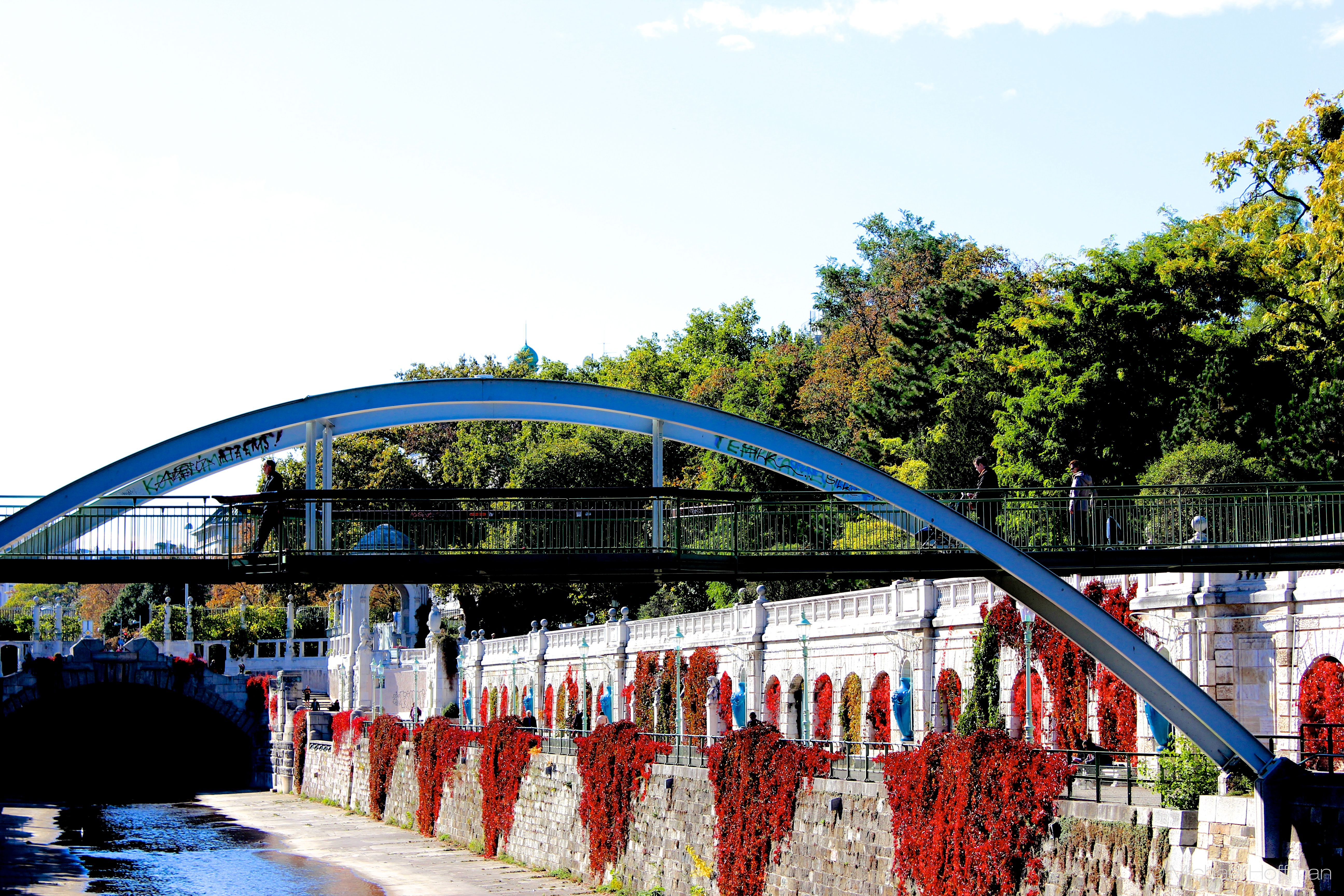
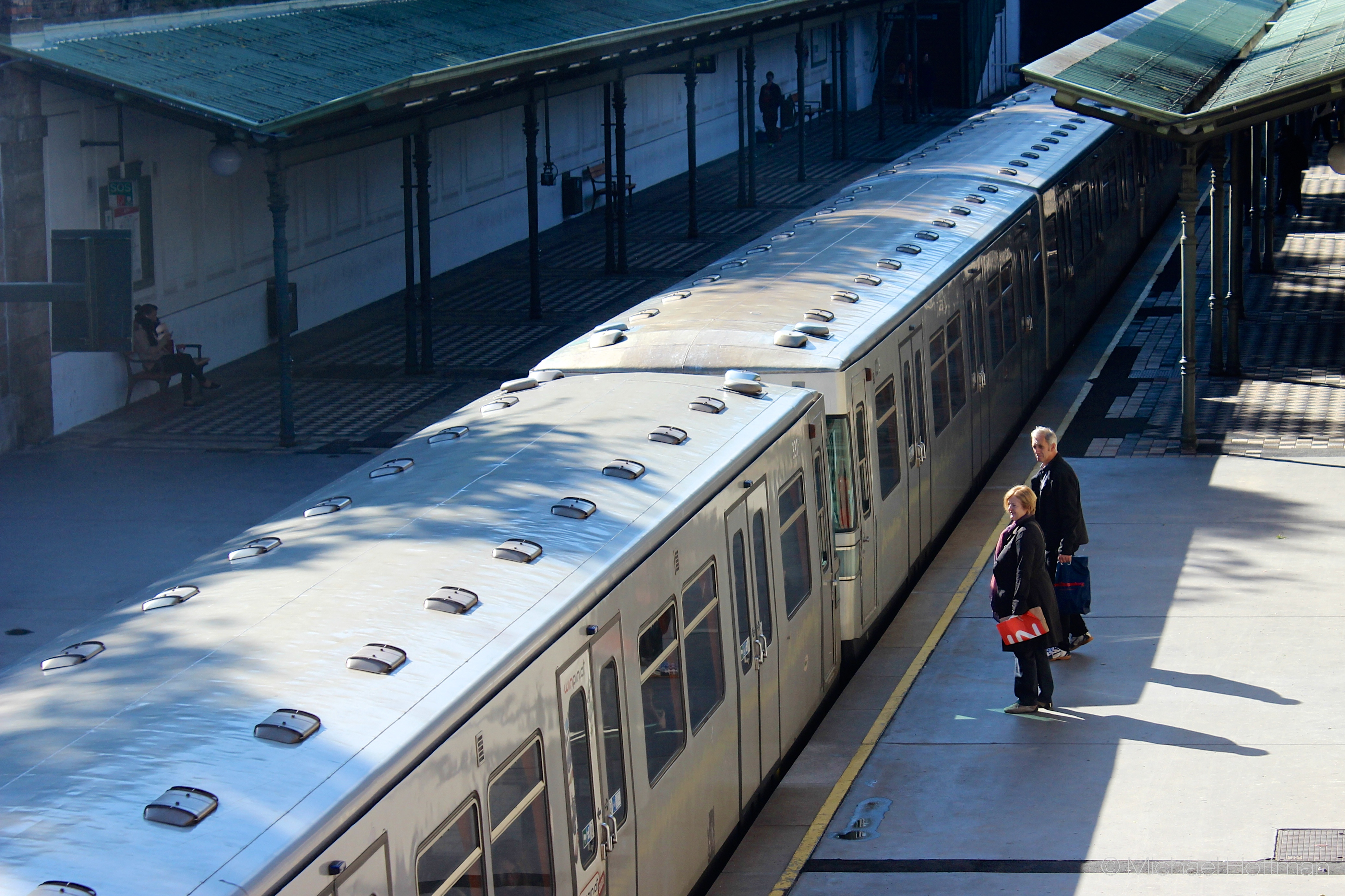
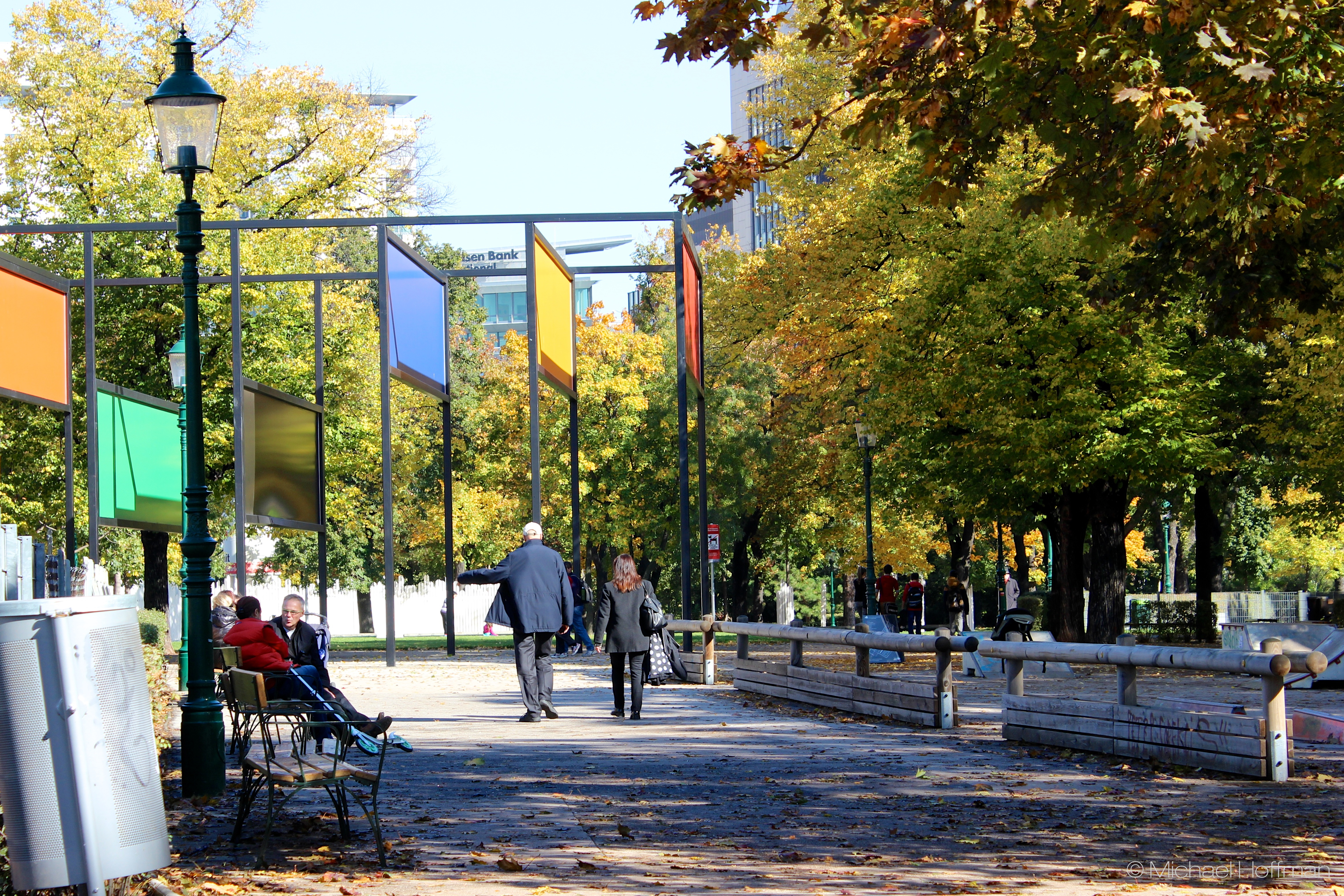
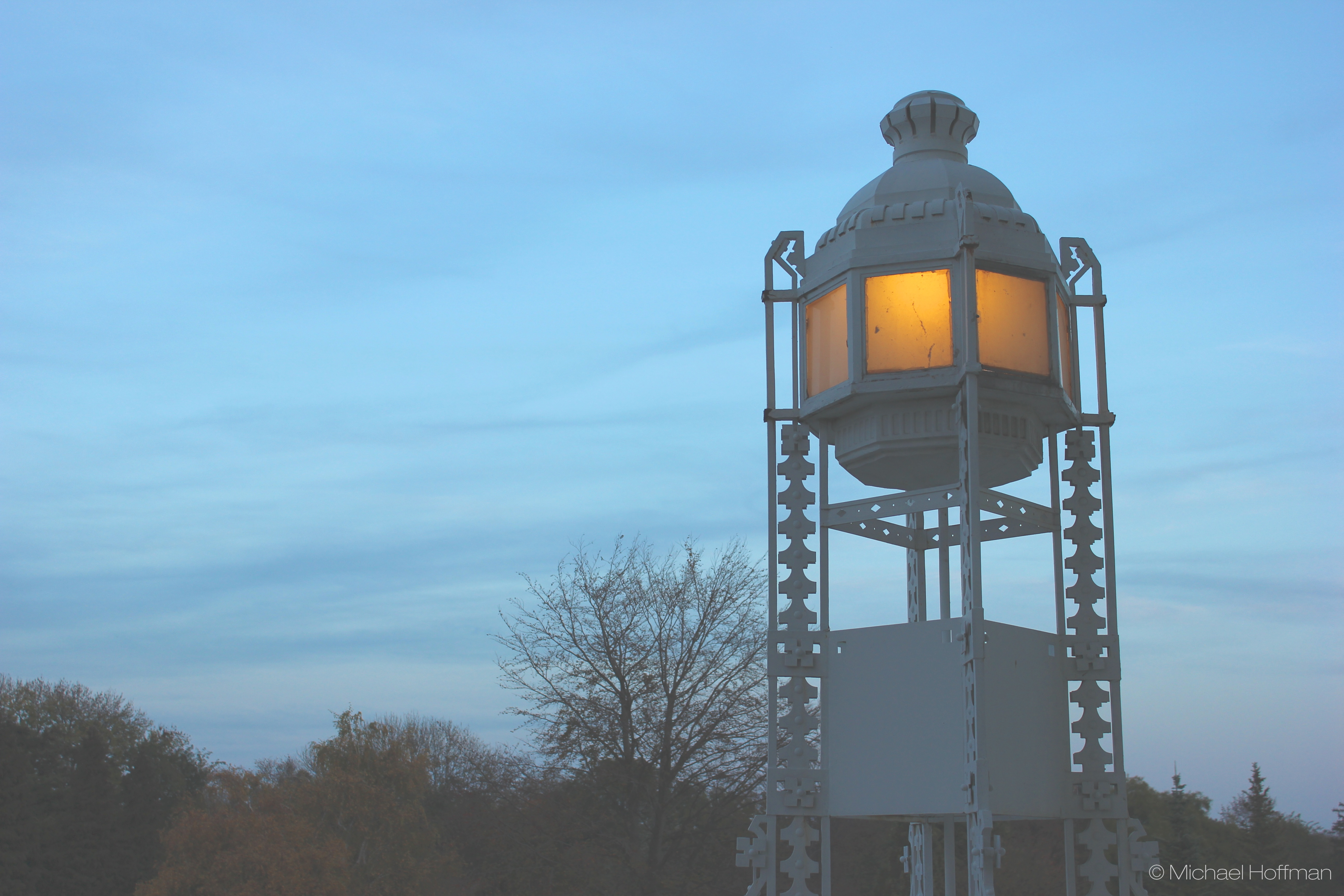
The Stadtpark of Vienna is the green lung of the city center. It was inaugurated in 1862 to redesign the so-called Glacis, the previously abandoned area in front of the dismantled city walls of Vienna. The sight was planned in the English landscape style and architecturally enriched around 1900 when the Wienfluss, a river going through the park, was finally regulated and the City Railway was built. You see the river in the second picture and the modern iteration of the City Railway, our Metro line number 4, in the third picture. It always amazes me how this piece of artificial nature can snatch you from the urban madness of a concrete jungle and calm you down almost immediately, may it be just for a couple of minutes. A green lung, truly.

test

img_3803

img_3779

img_3772

Colors of Autumn in Vienna

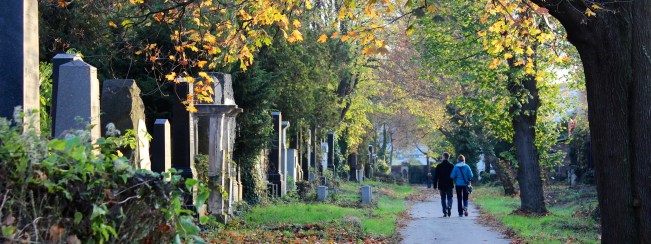
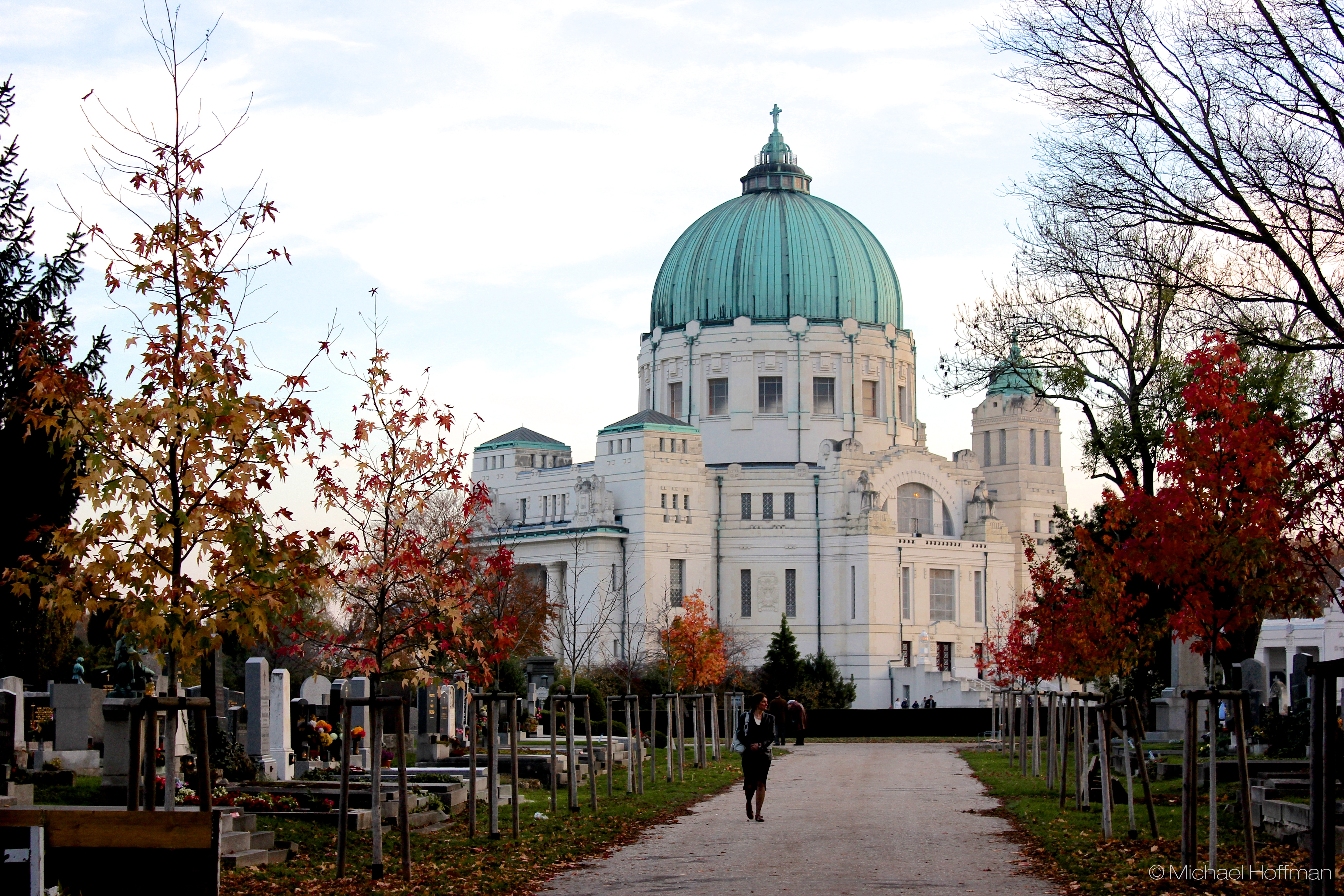
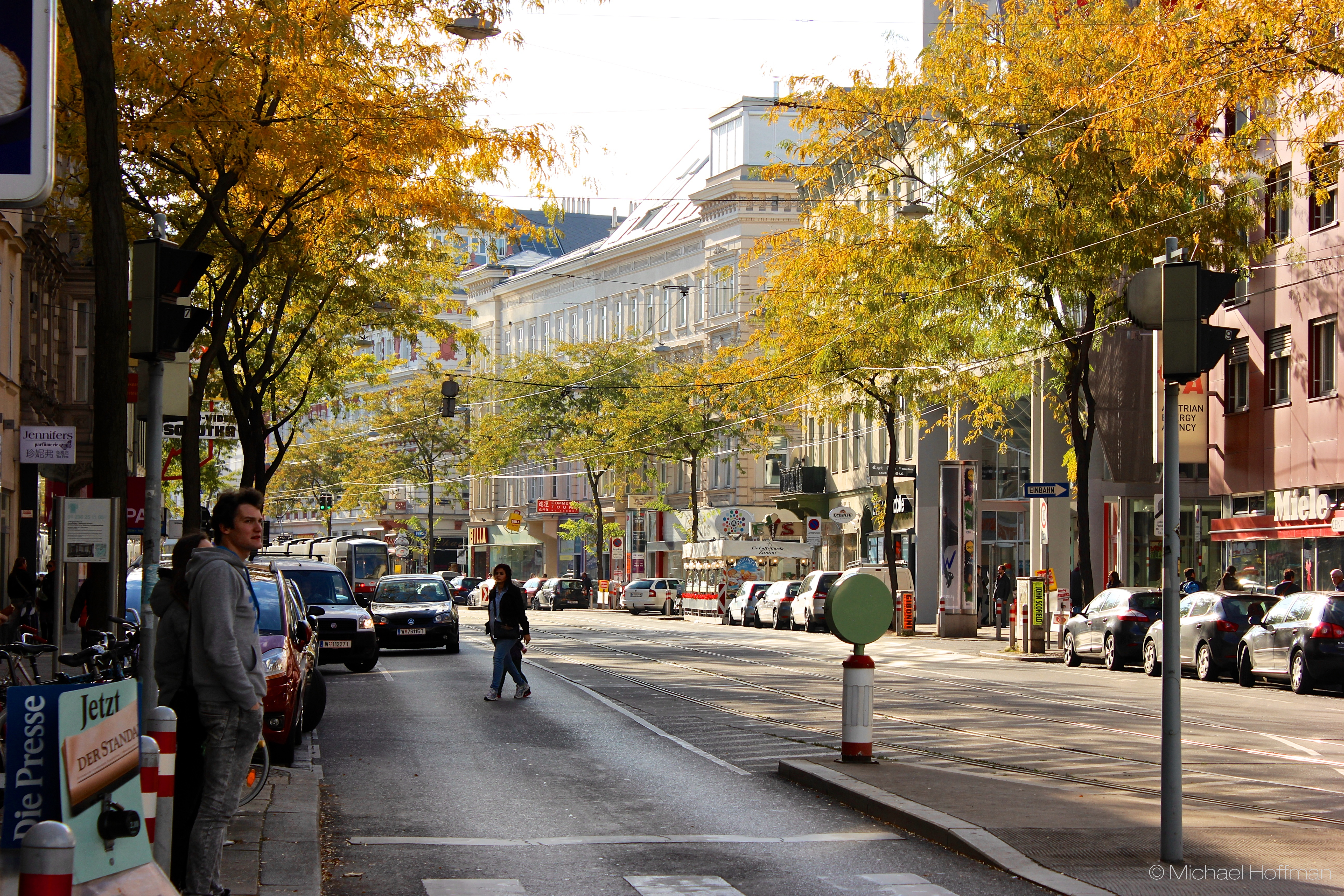
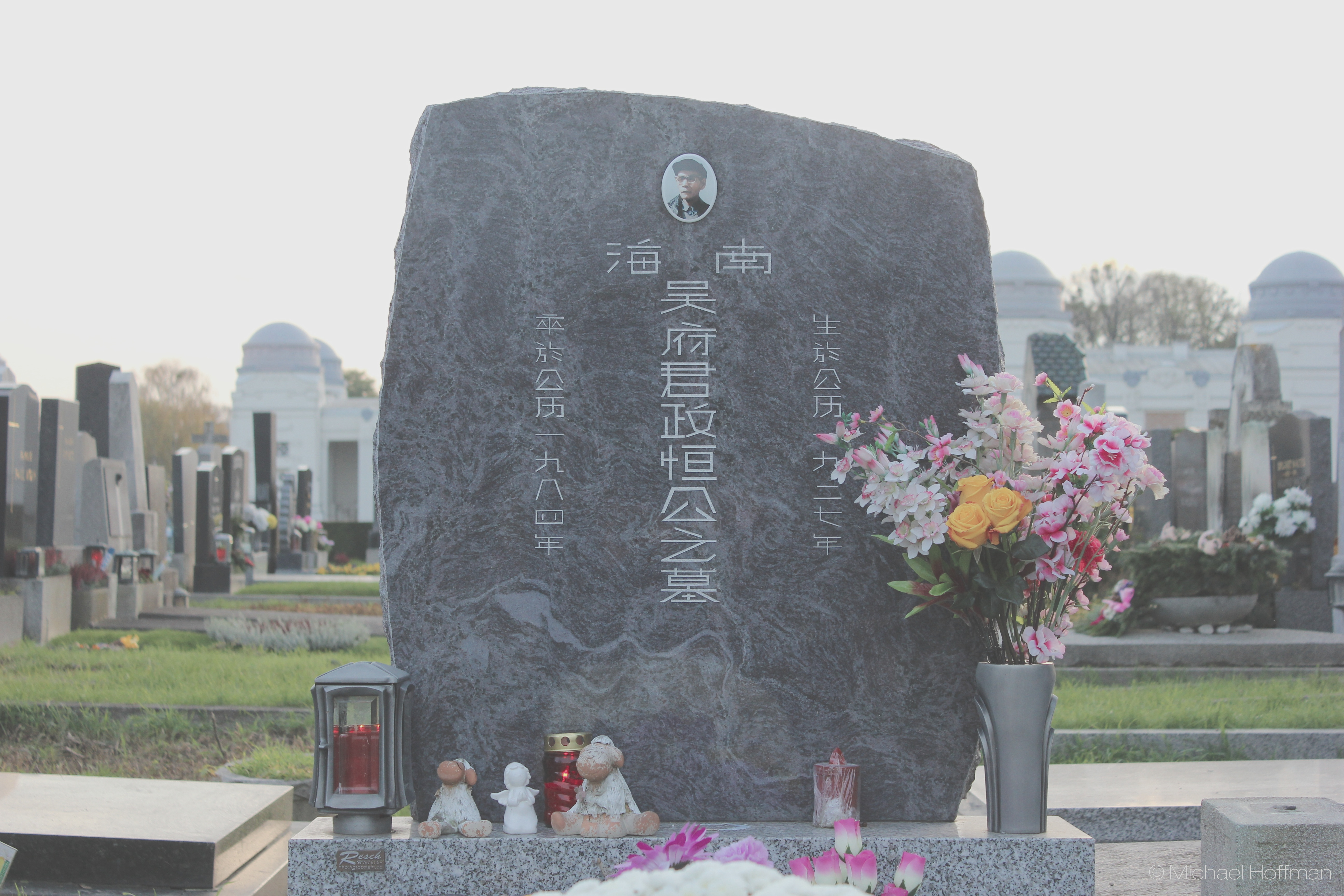
This is one kind of “The Viennese Central Cemetery Part 2,5,” or the outtake. Two shots I really liked but which didn’t fit into. In the second picture, you see the fabulous Karl-Borromäus church in the center of the cemetery. Plus, another shot from Vienna’s streets captures autumn’s colors.

test

img_4486

img_4530

img_3843

“Der Tod muss ein Wiener sein” Viennese Central Cemetery Part II

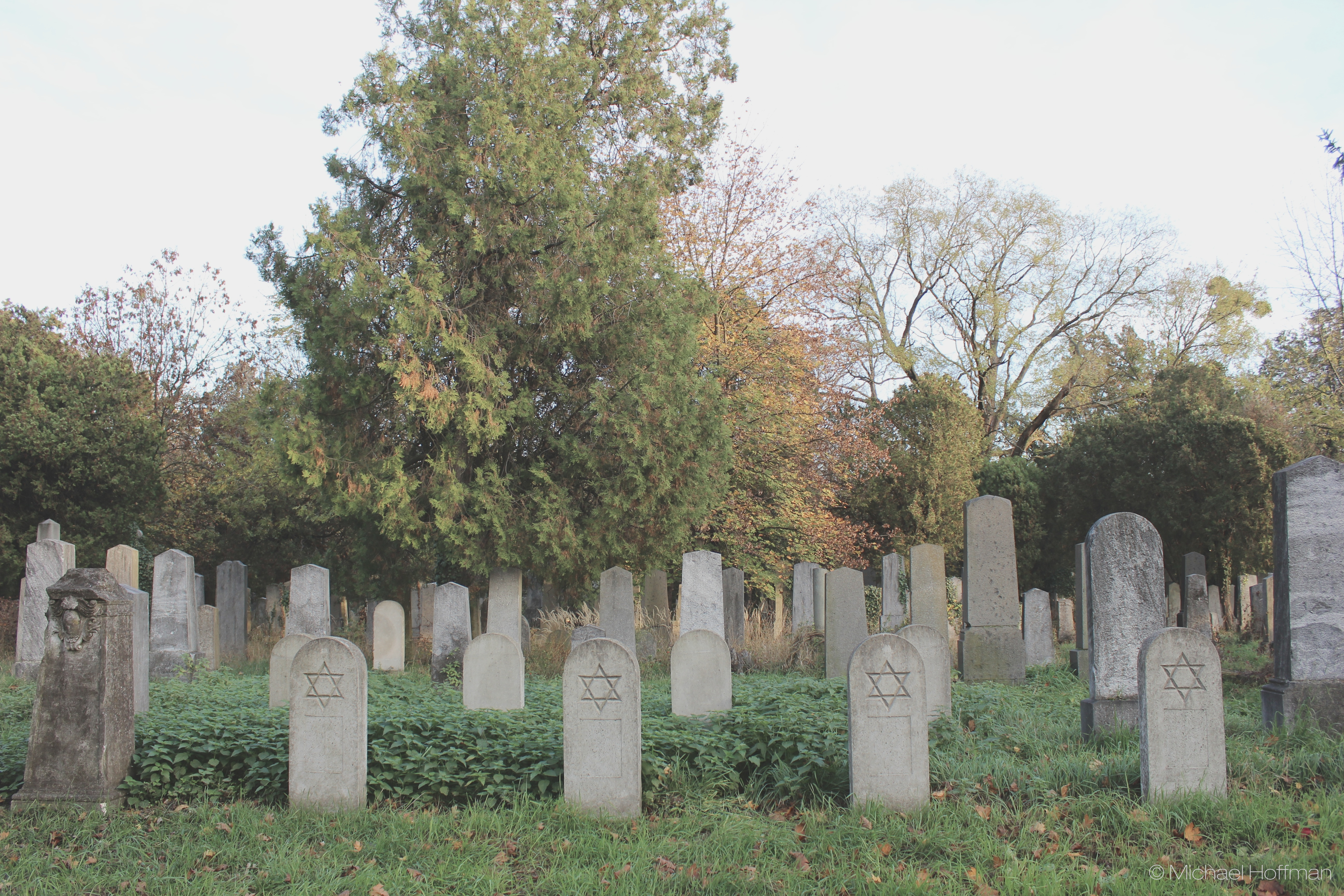
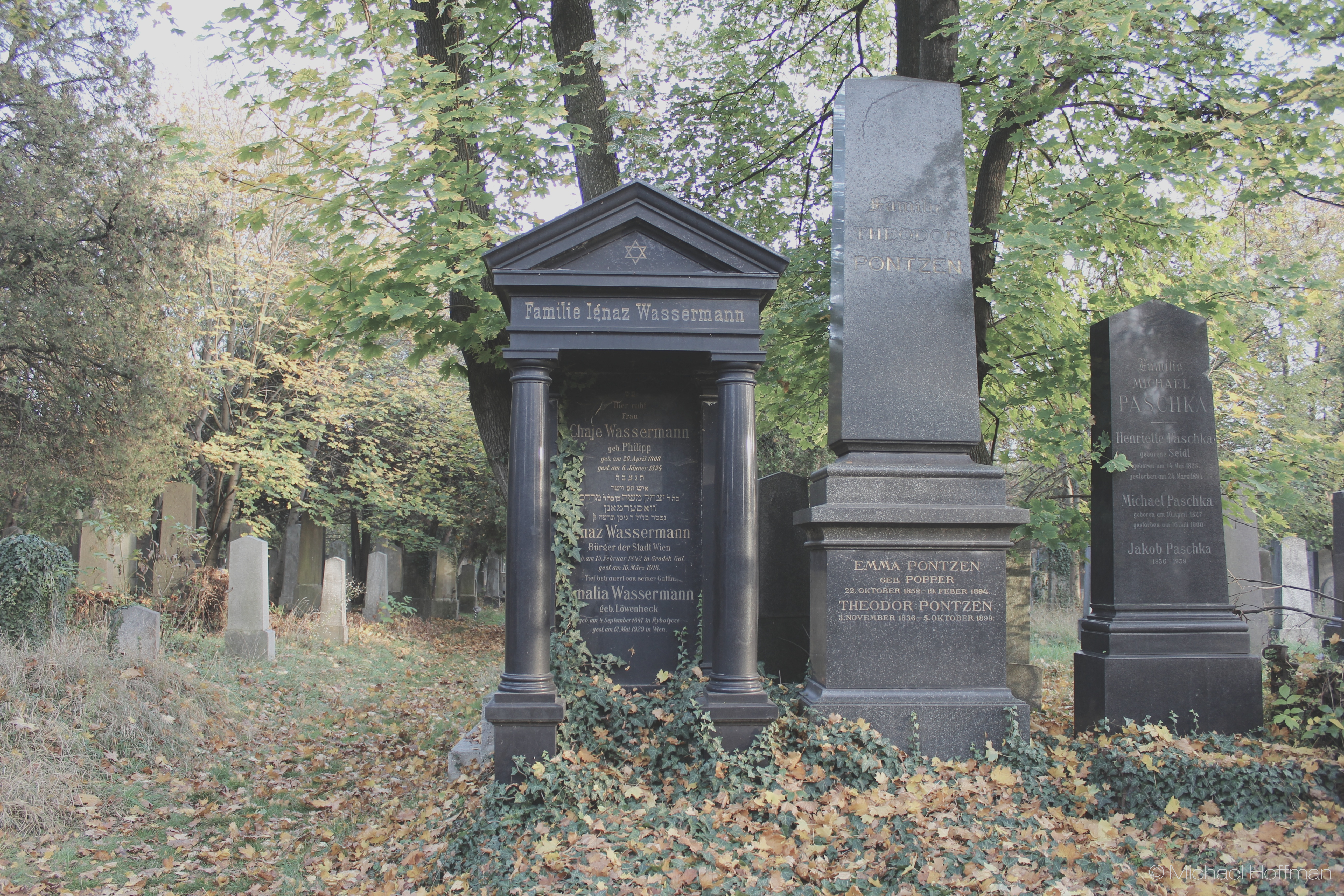
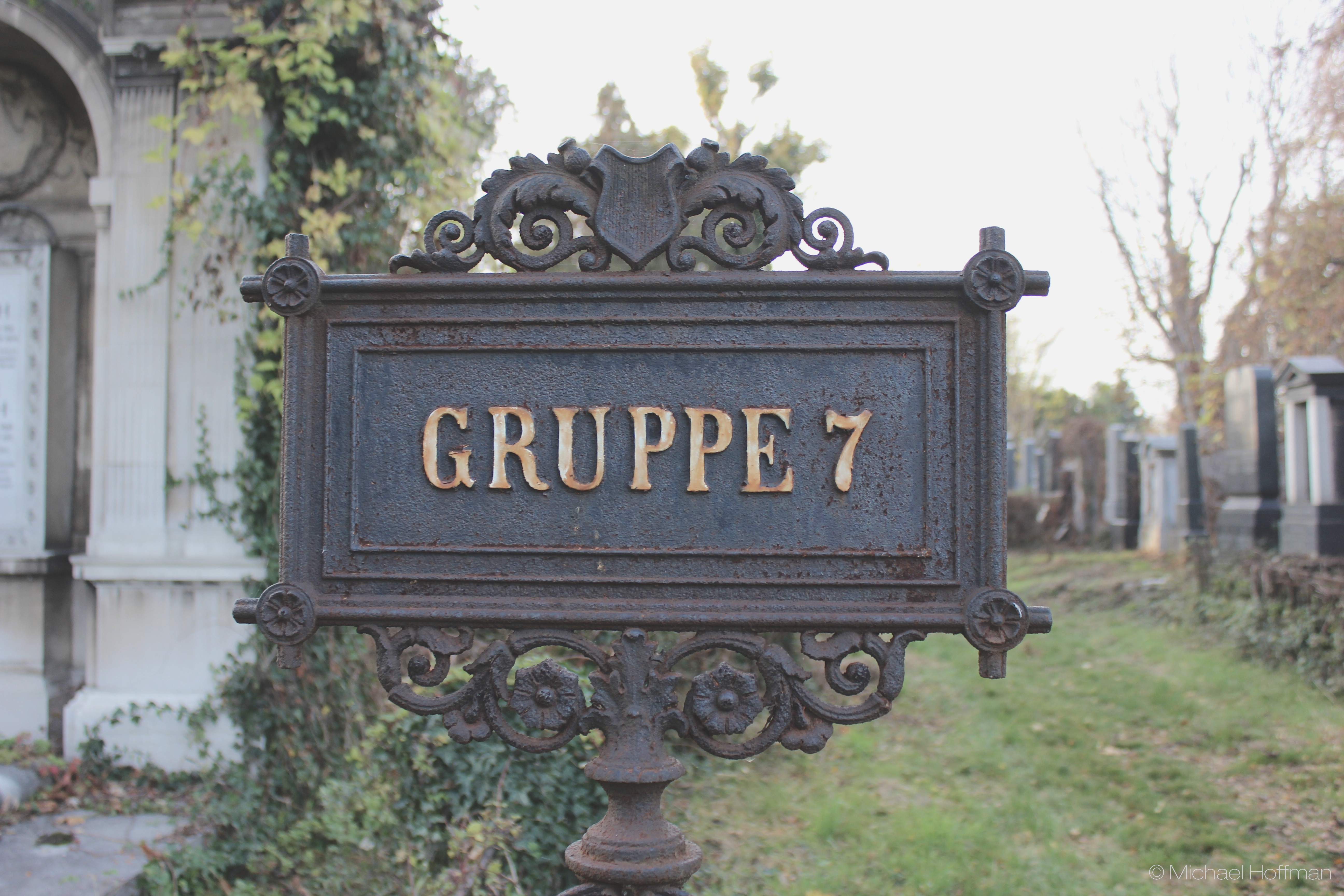
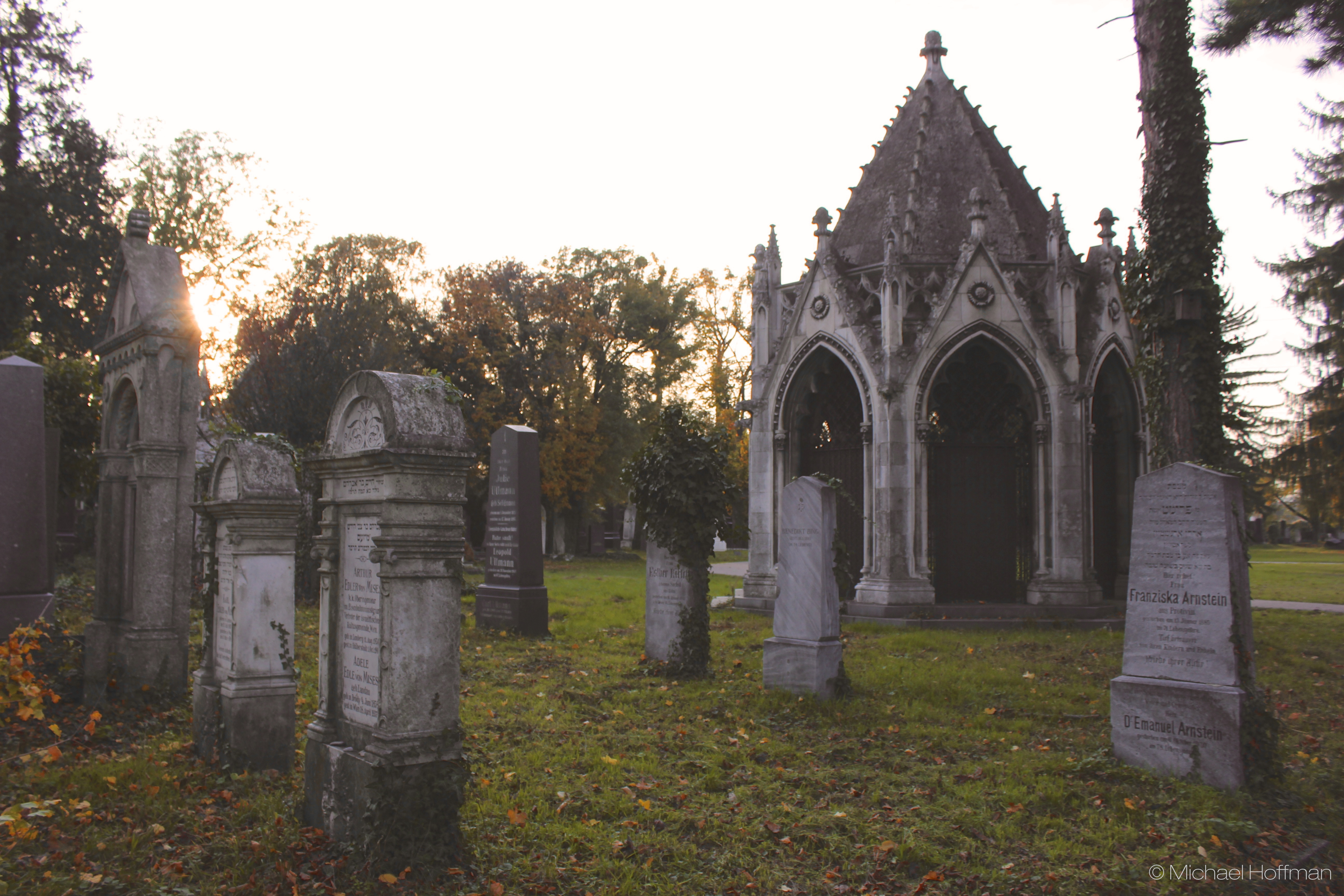
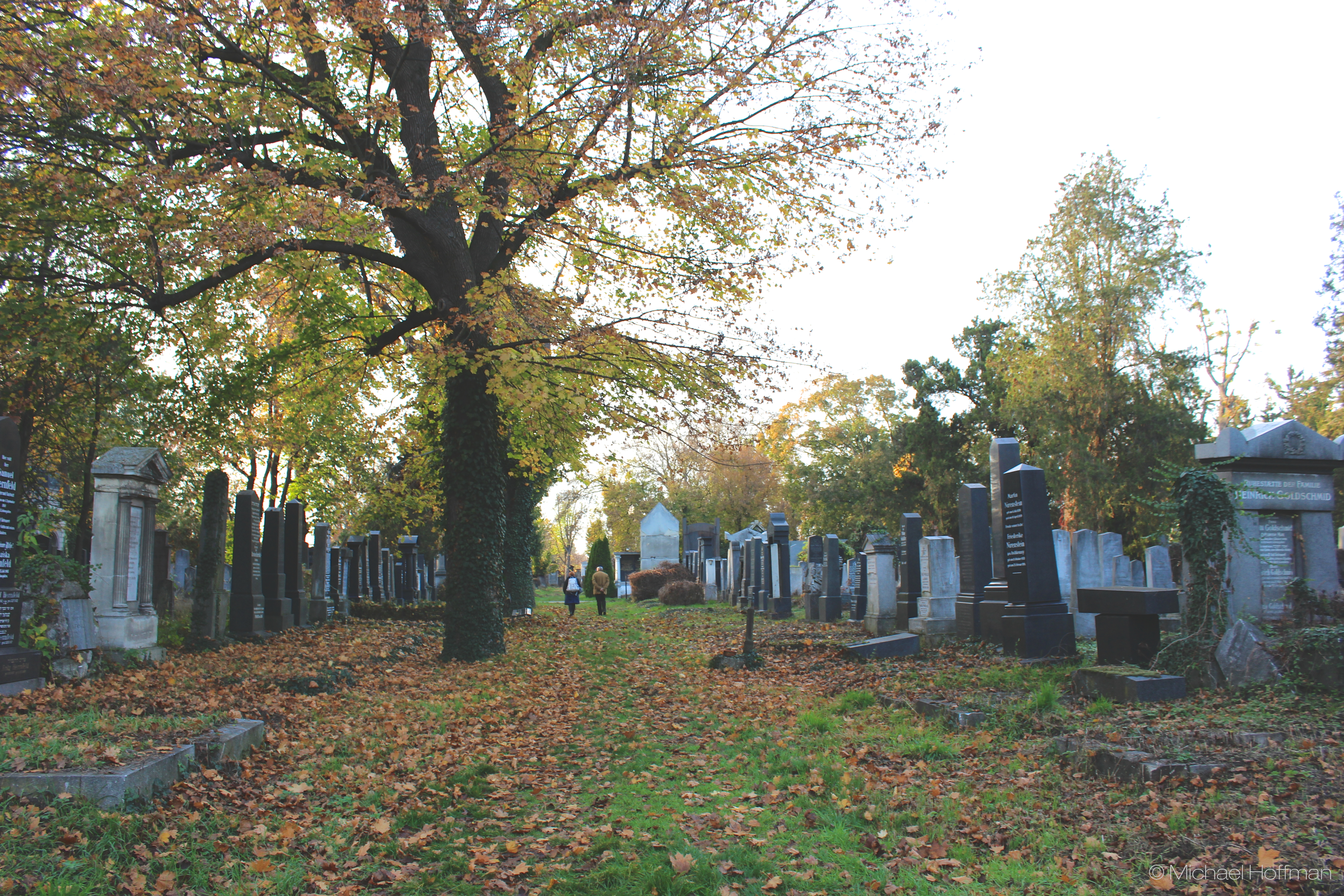
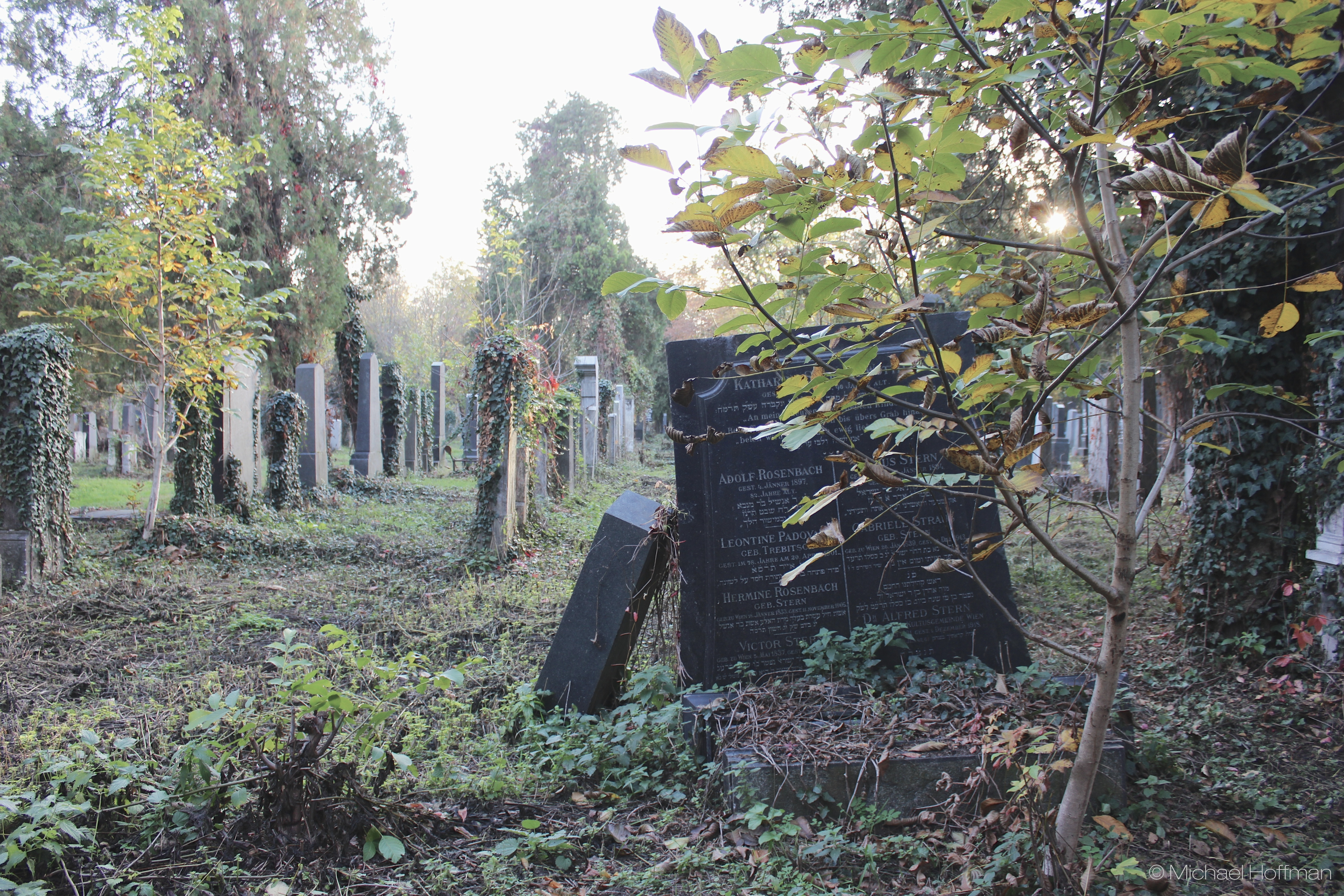
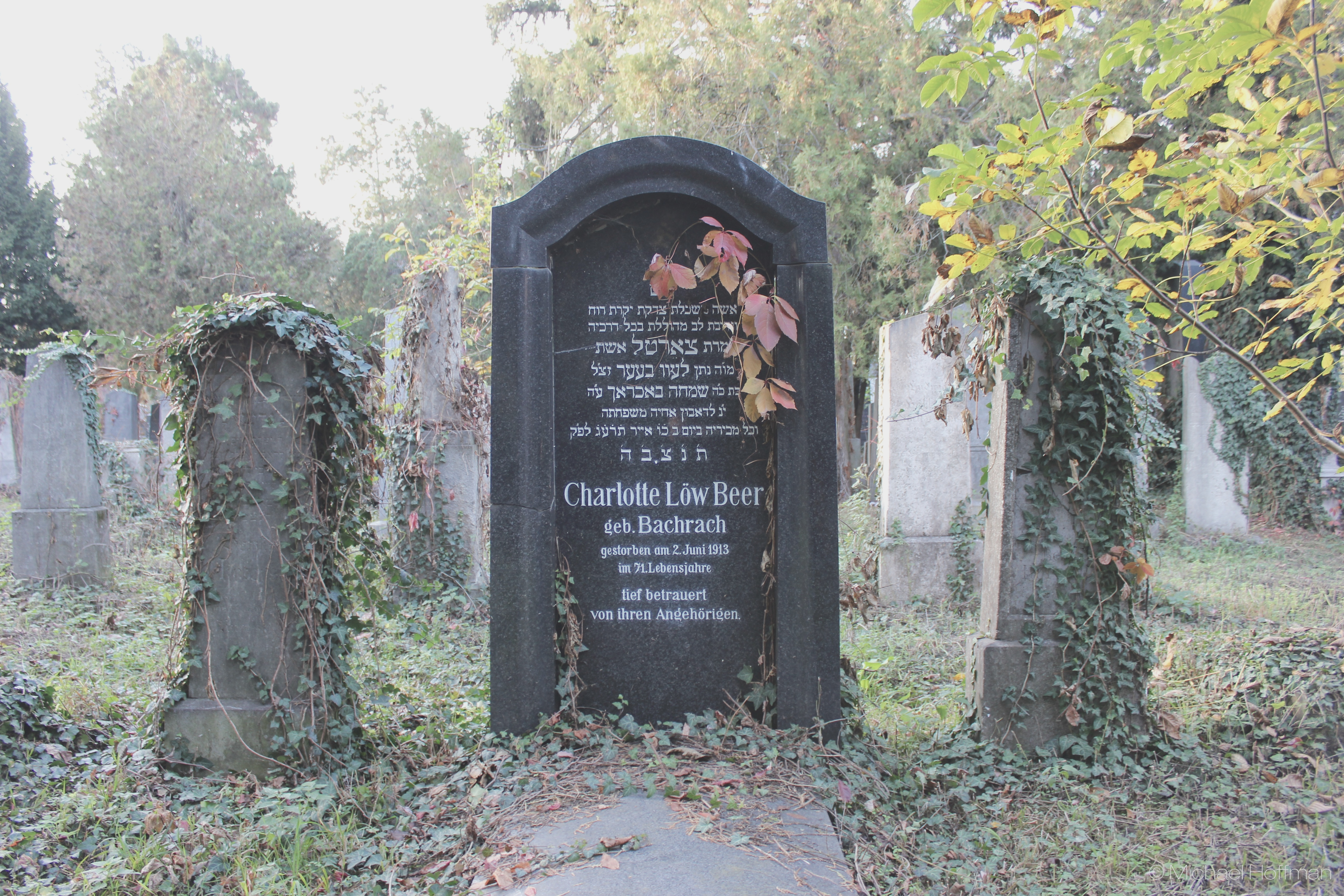
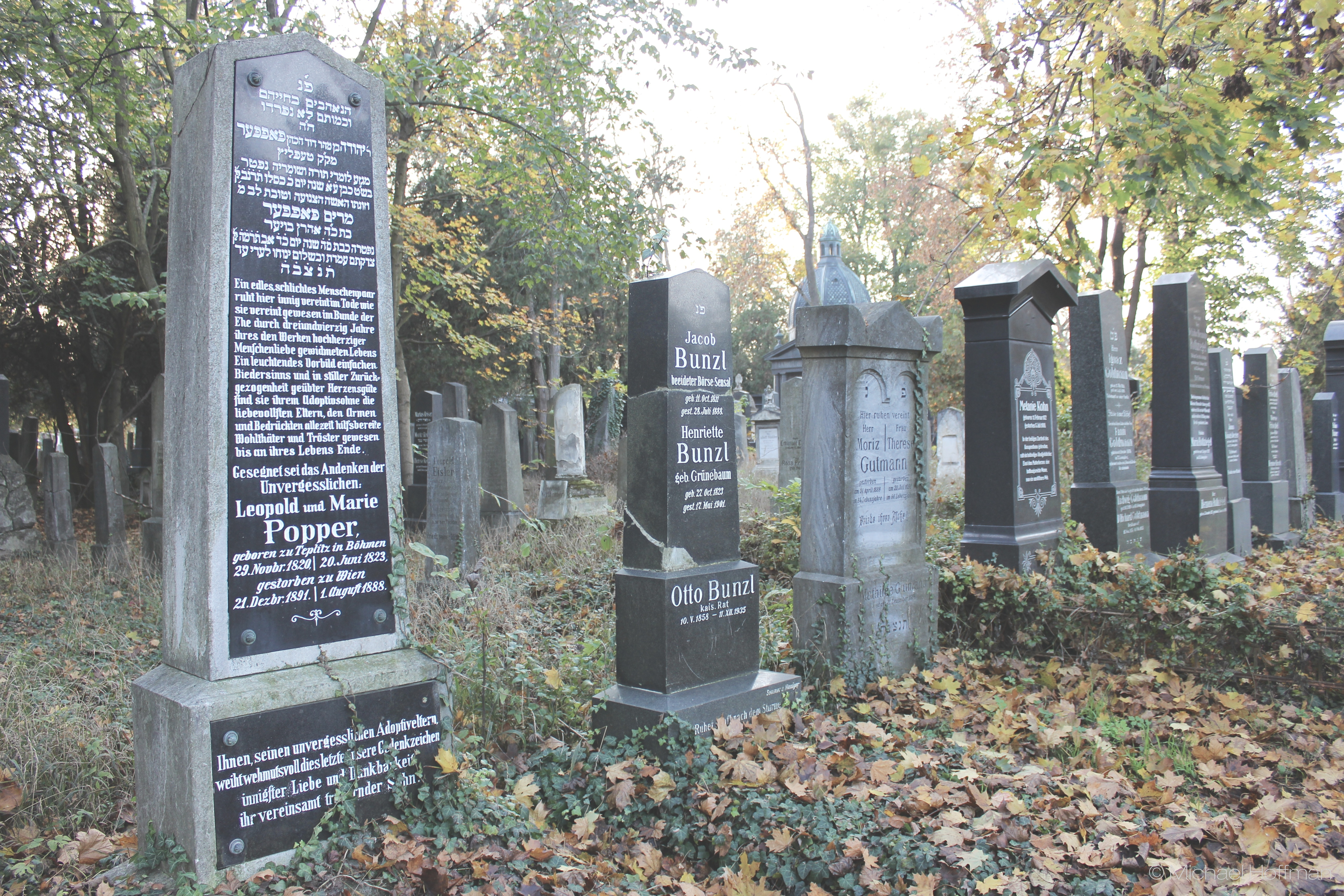
The second part of my photo series was shot in the Viennese Central Cemetery on Friday.  This one contains pictures from the Jewish cemetery and other parts of it. If you want to know more about this Nekropolis (and a city by itself it certainly is), you are invited to read the foreword to part I.

test

img_4454img_4525-1img_4457

img_4451

img_4532-1

img_4550-1

“Der Tod muss ein Wiener sein” Viennese Central Cemetery Part I

Traditionally, the Viennese have a somewhat morbid relationship to death. In the second half of the 19th century, when Vienna was an international metropole, a “high culture” of dying emerged. Suddenly, it became popular to have big funerals and fancy gravestones. We say “A schöne laich,” a beautiful corpse in Vienna. In this vain 1874, a new cemetery was built in the south of the city, so large indeed that it would accommodate the next few generations of Viennese. It still does its job very well due to the sheer size of the area, which is as large as the whole old town of Vienna (there is even a graveyard bus line). But it is not the scope that makes it so fascinating, but the gloomy atmosphere and the beautiful work of art done here. It is a monument to the past days of Vienna. The imperial town has a special relationship to dying.

Part I was shot at the old Jewish part of the cemetery.

test

img_4438

img_4415

IMG_4430

img_4426

img_4428

img_4432