
Falling Leaves
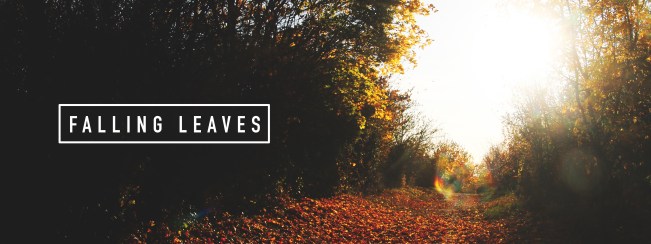
Impressions of Vienna in late October 2019.

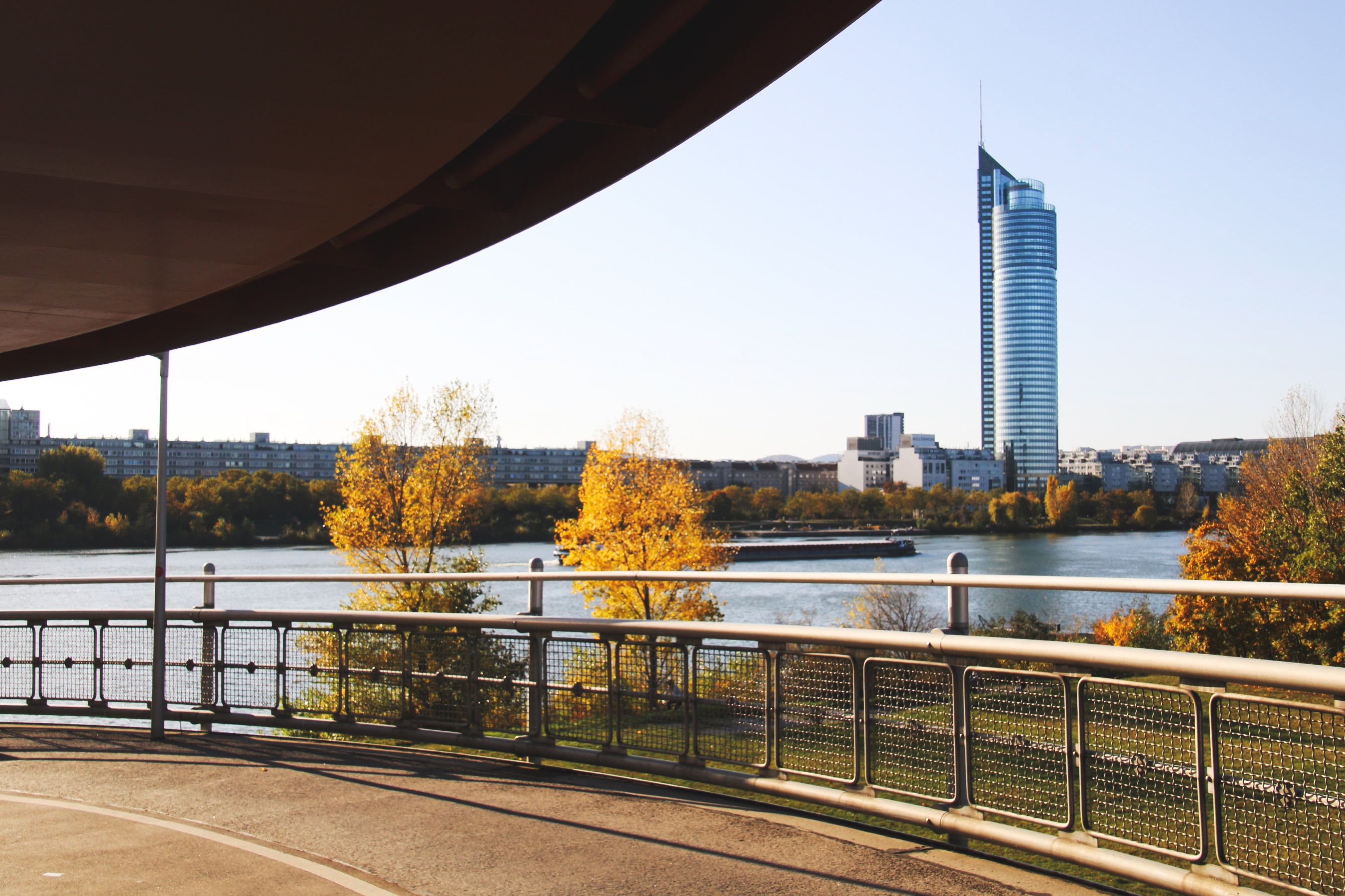
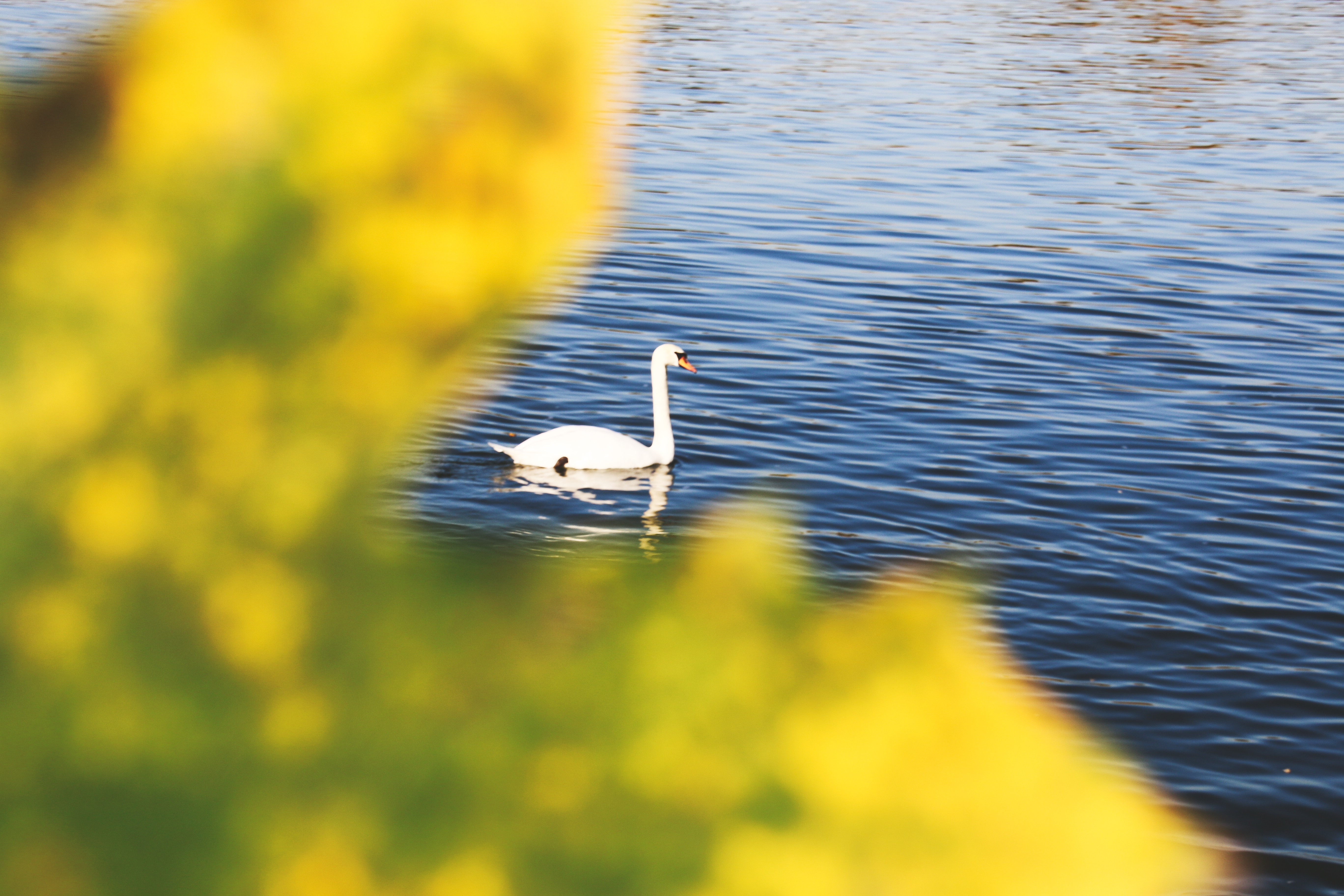

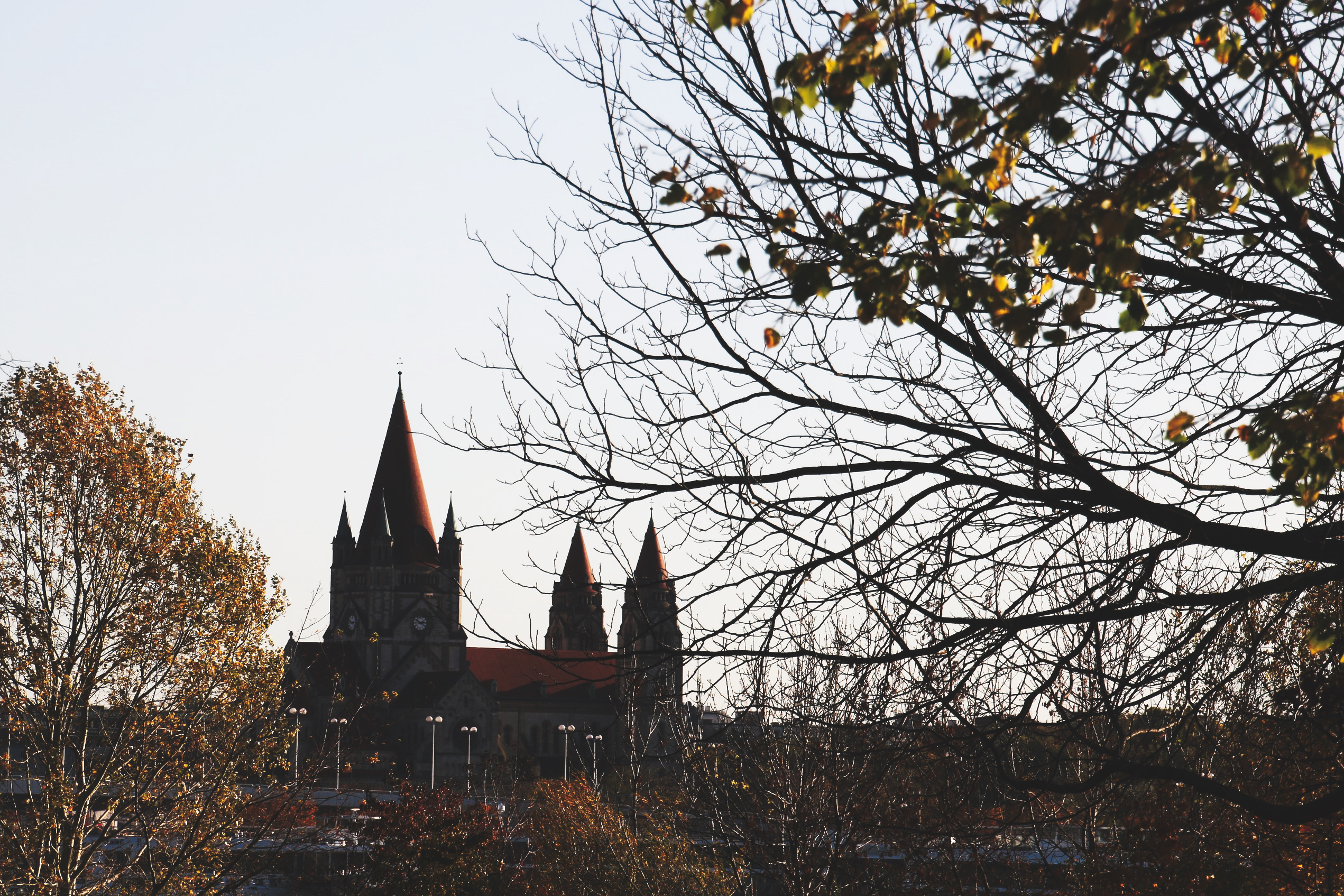
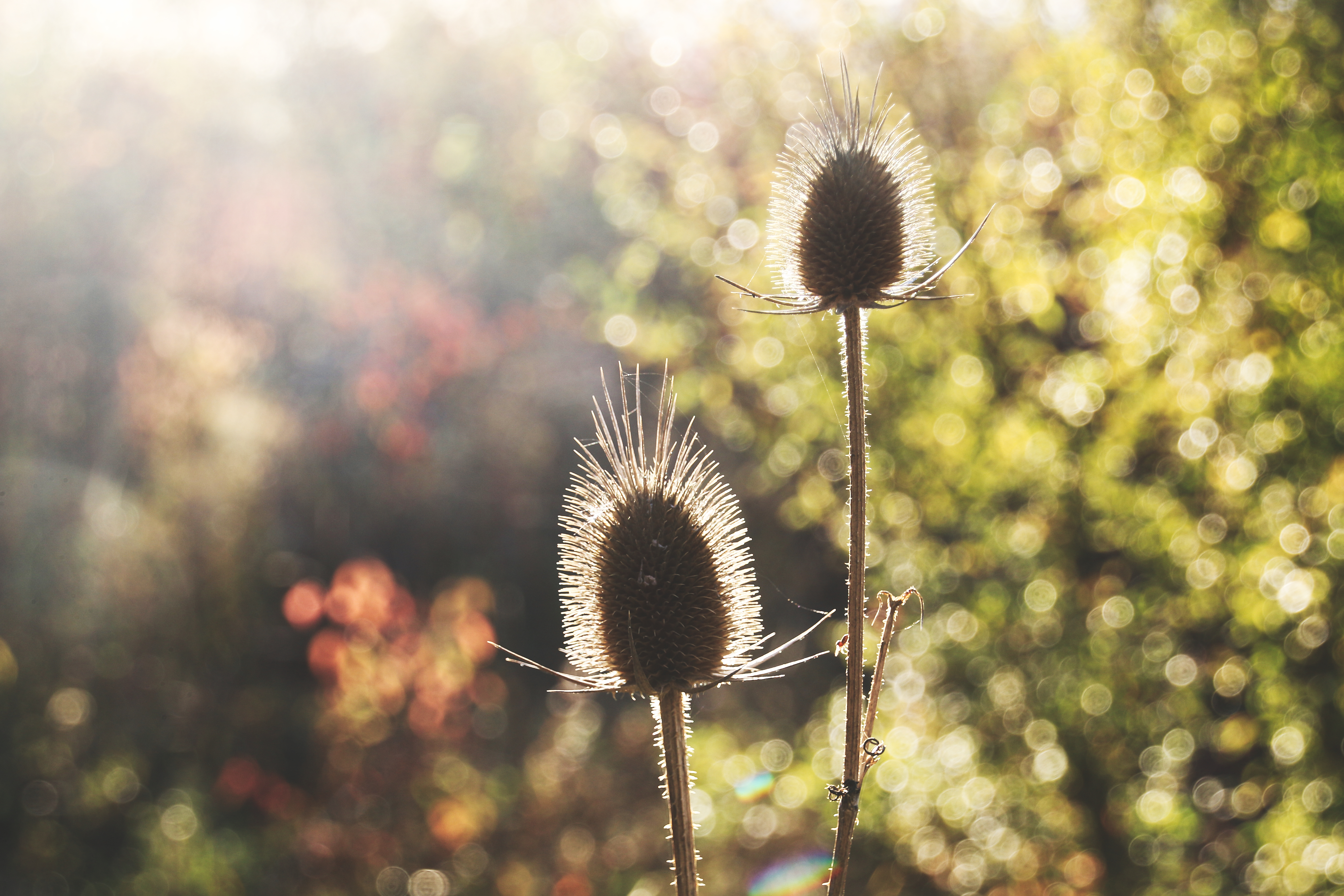

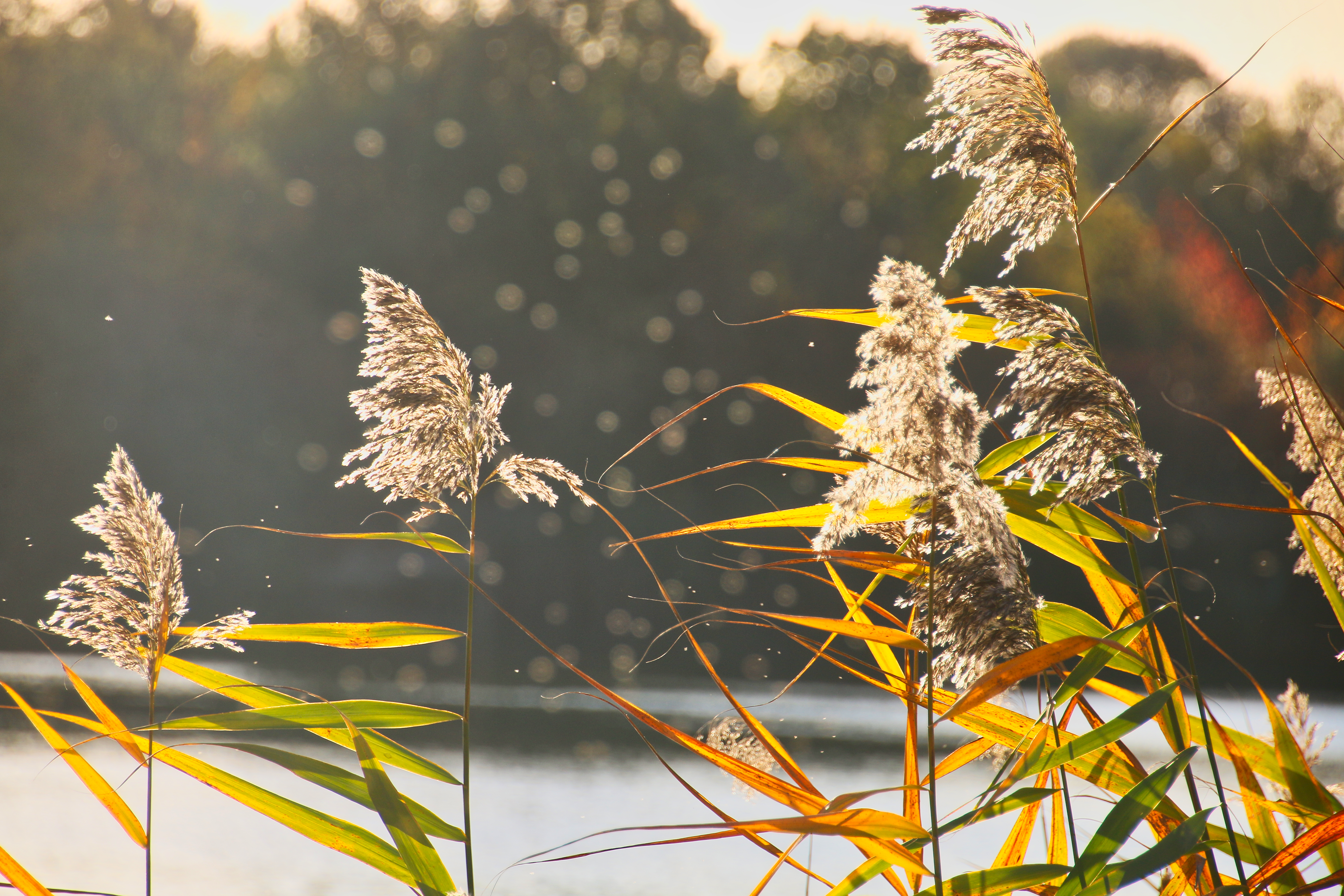
Impressions of Vienna in late October 2019.
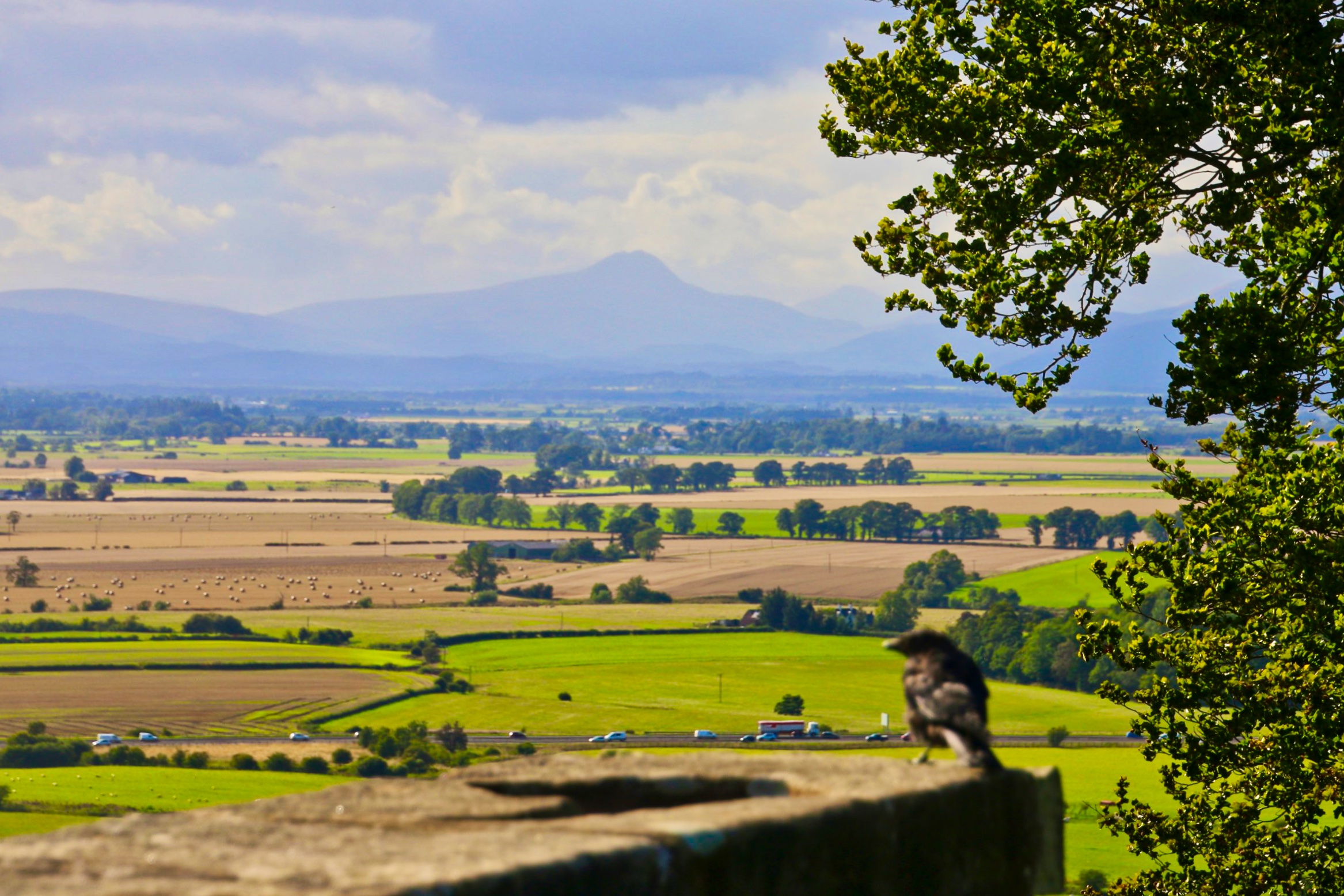
For centuries, Scotland was the land of the Clansmen. The country was divided and governed by families like the MacDonalds, Camerons, or MacKenzies. These had their own tartans, traditions, and allegiances and were interlocked in a fight for influence and wealth. They had a deep connection and history with the land they occupied and an immense pride to be fierce fighters and survivors of the north. It was seldom, though, that they agreed on anything politically, it needed an outside force – a common enemy – to gather the concurring clans like in the wars led by national heroes like William Wallace (his monument is seen in the last picture), Robert the Bruce or lastly Bonnie Prince Charlie in the 18th century. That enemy, of course, was England. After the shattering battle of Culloden, in which the Scottish forces lost against the English king, the history of the clan ships ended. Though their traditions and history can be seen all over the country – the spirit of fierce warriors and the deep connection to their native land can be felt and is still there.
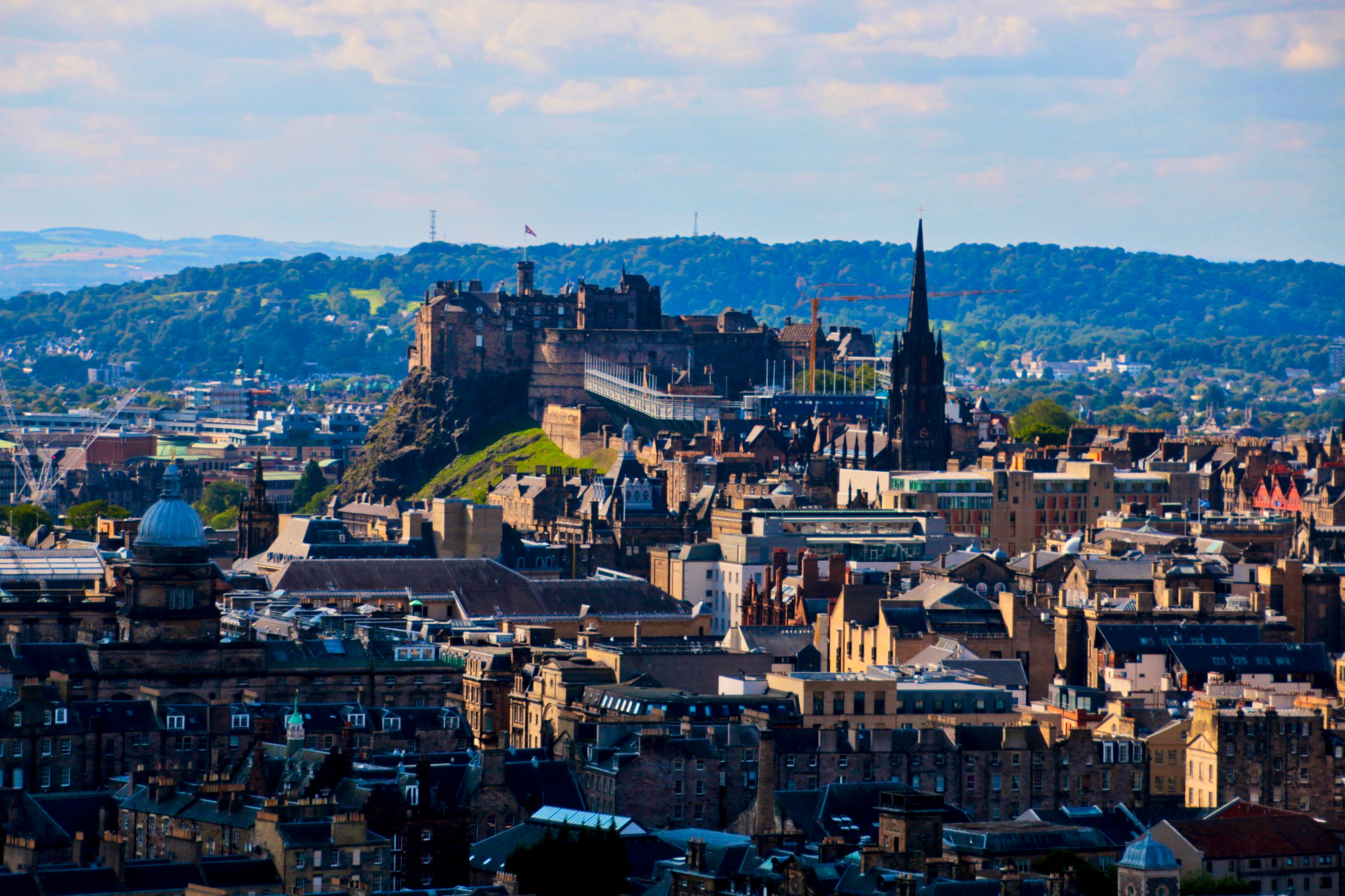
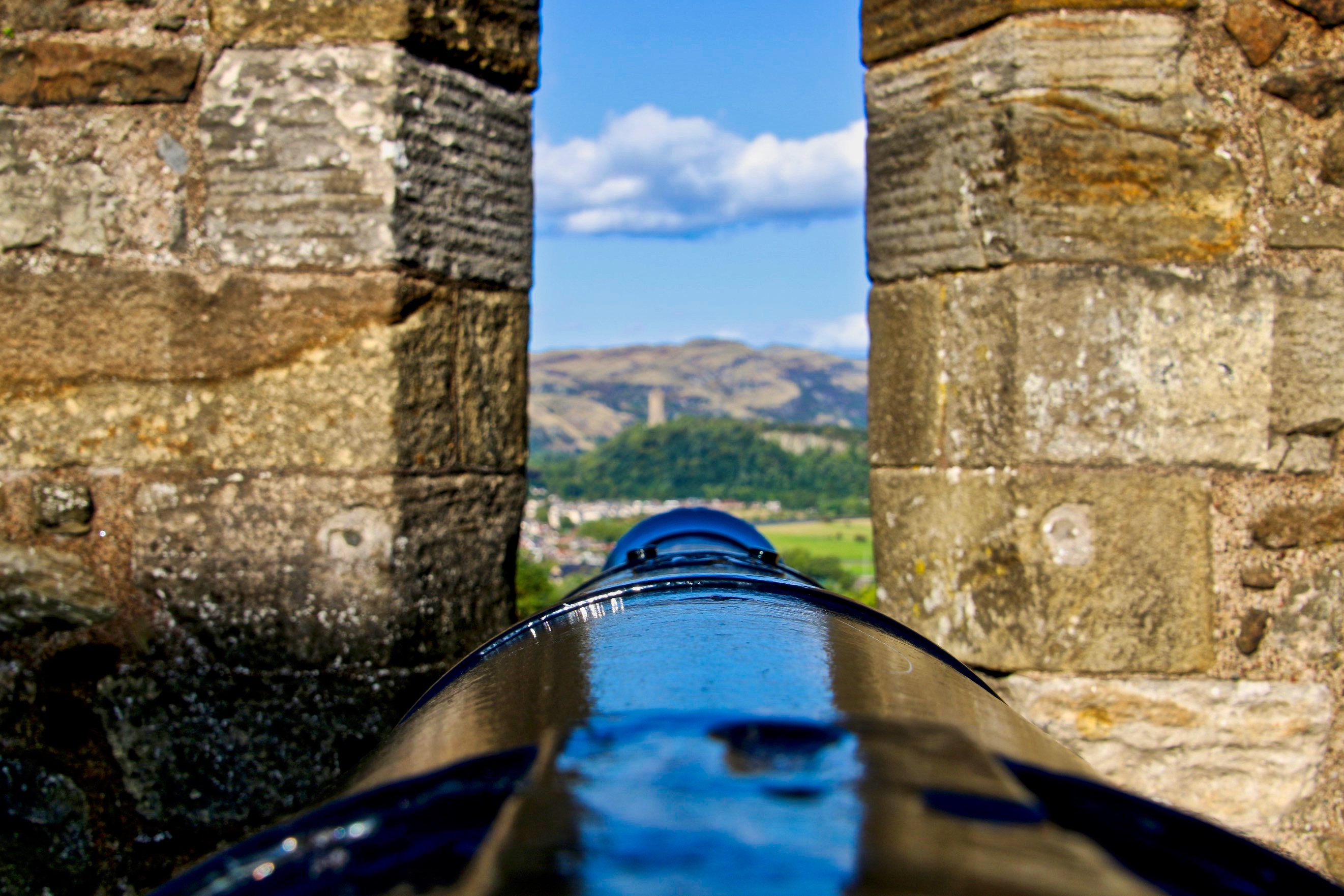
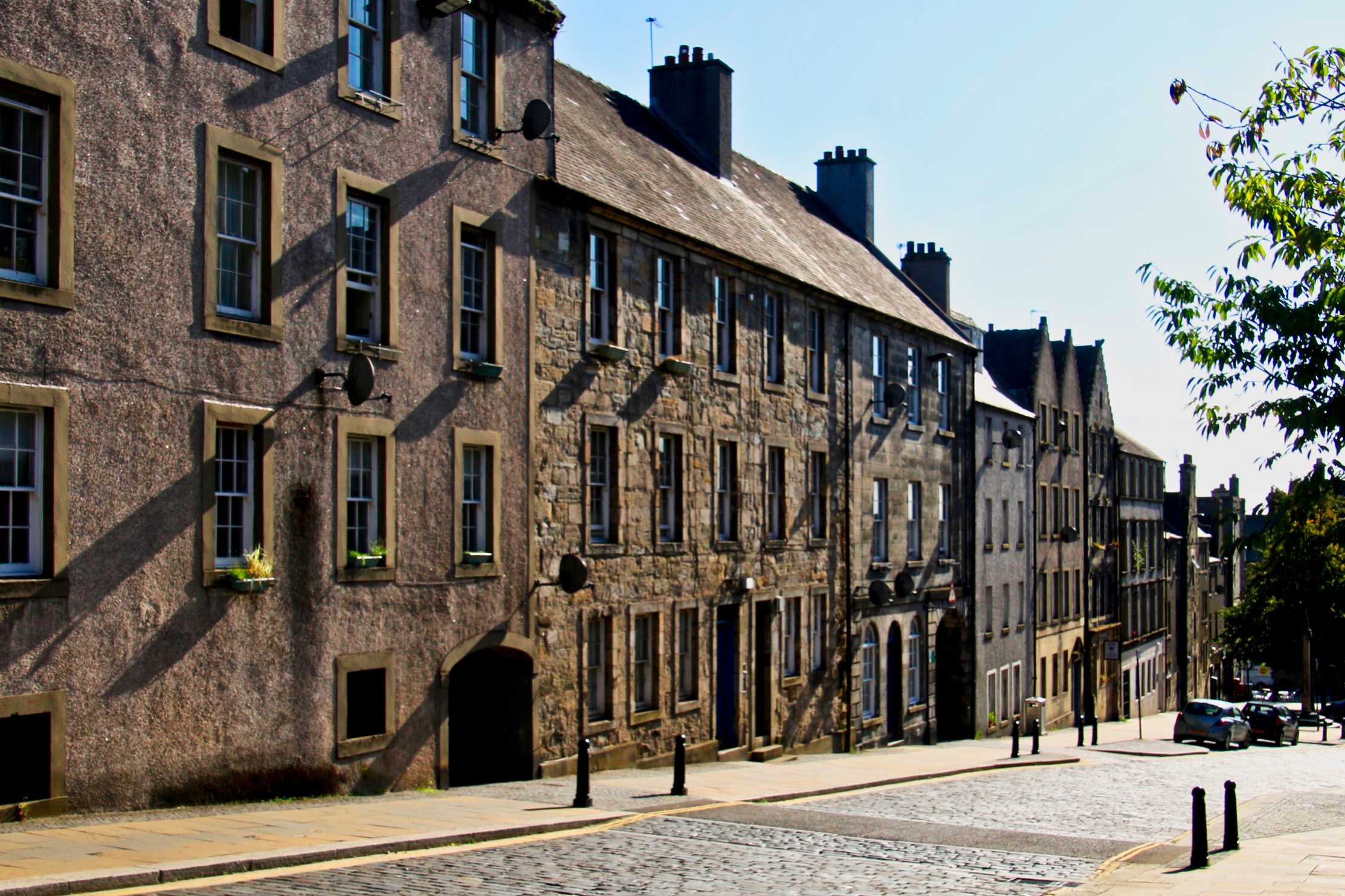
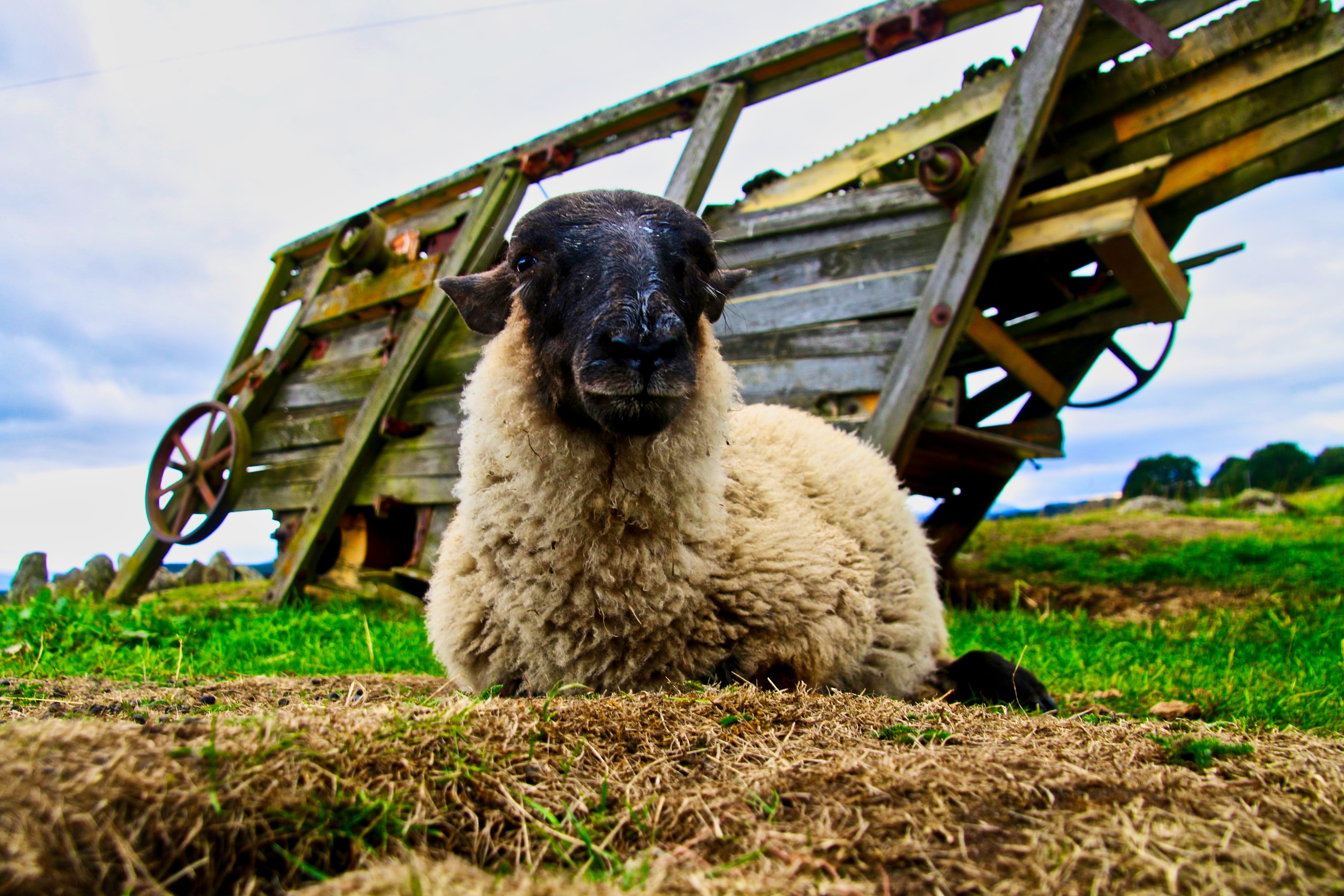
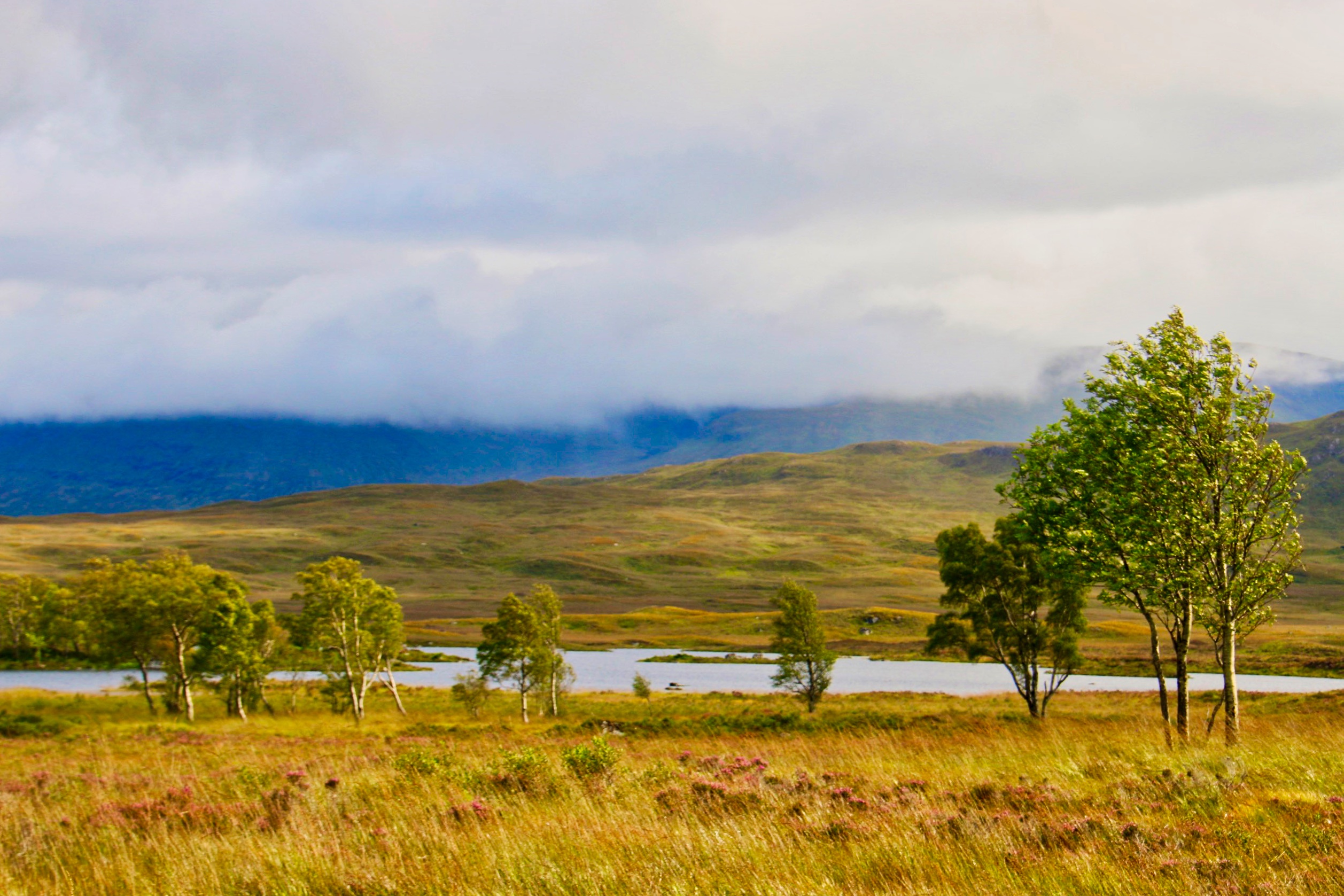
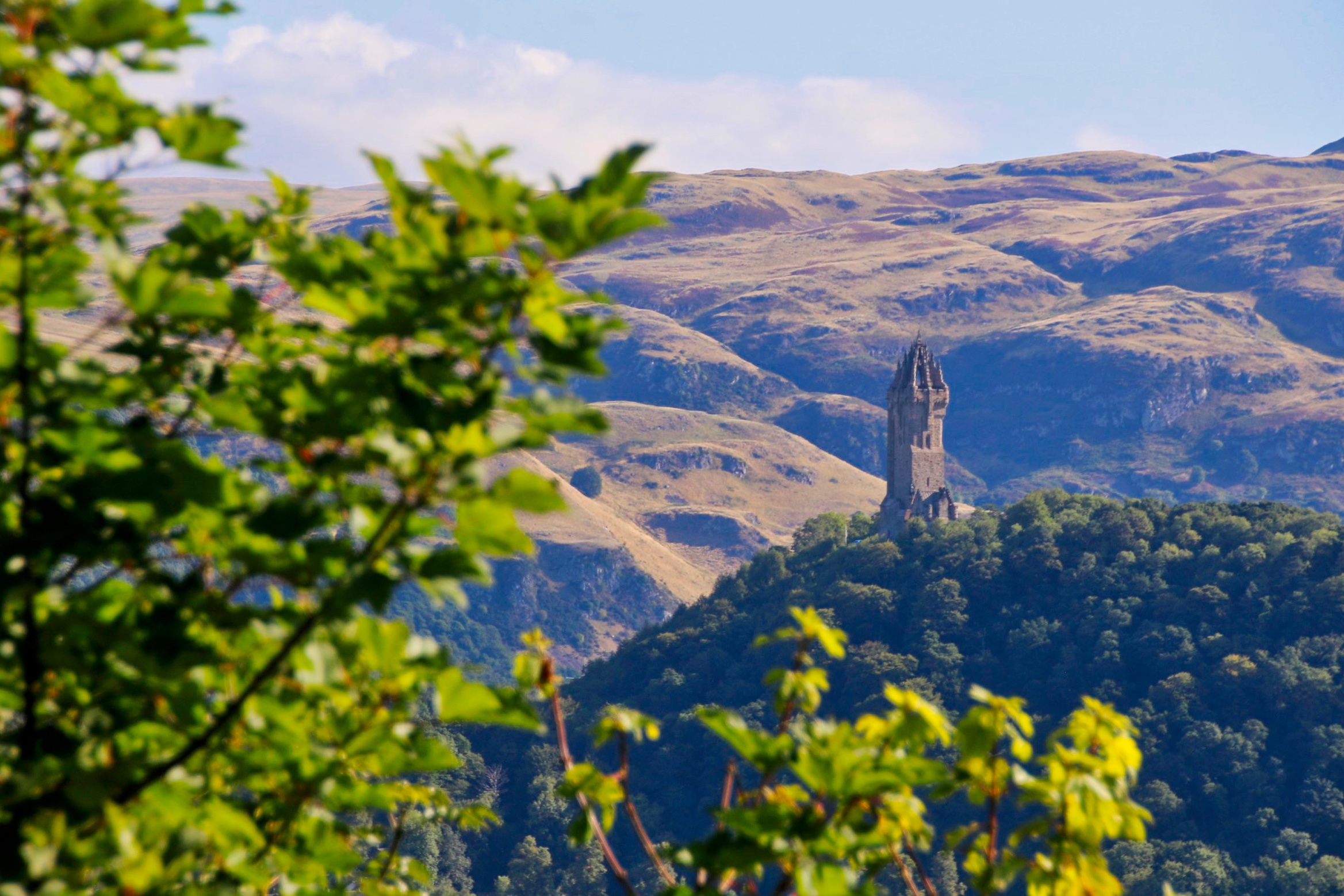

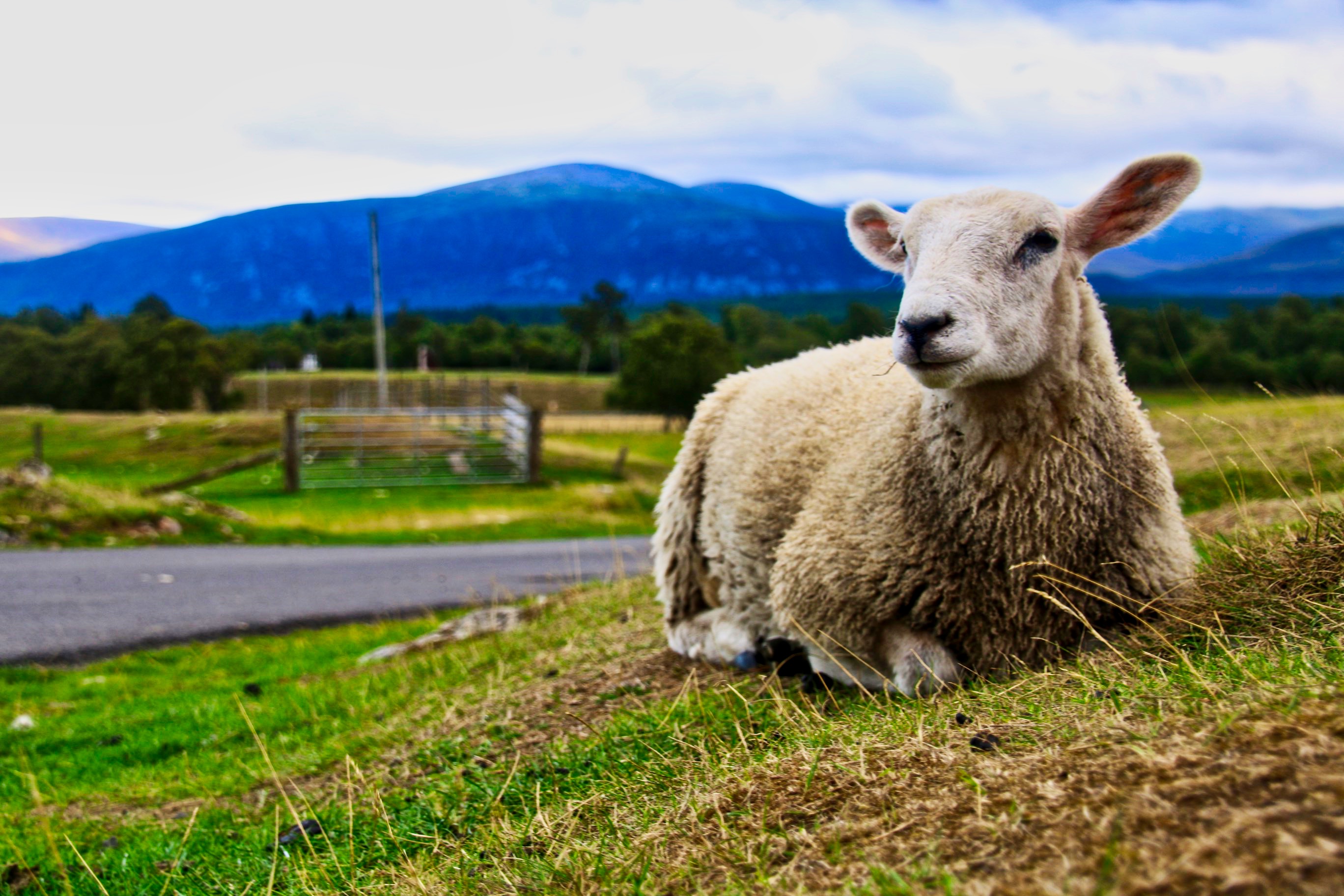
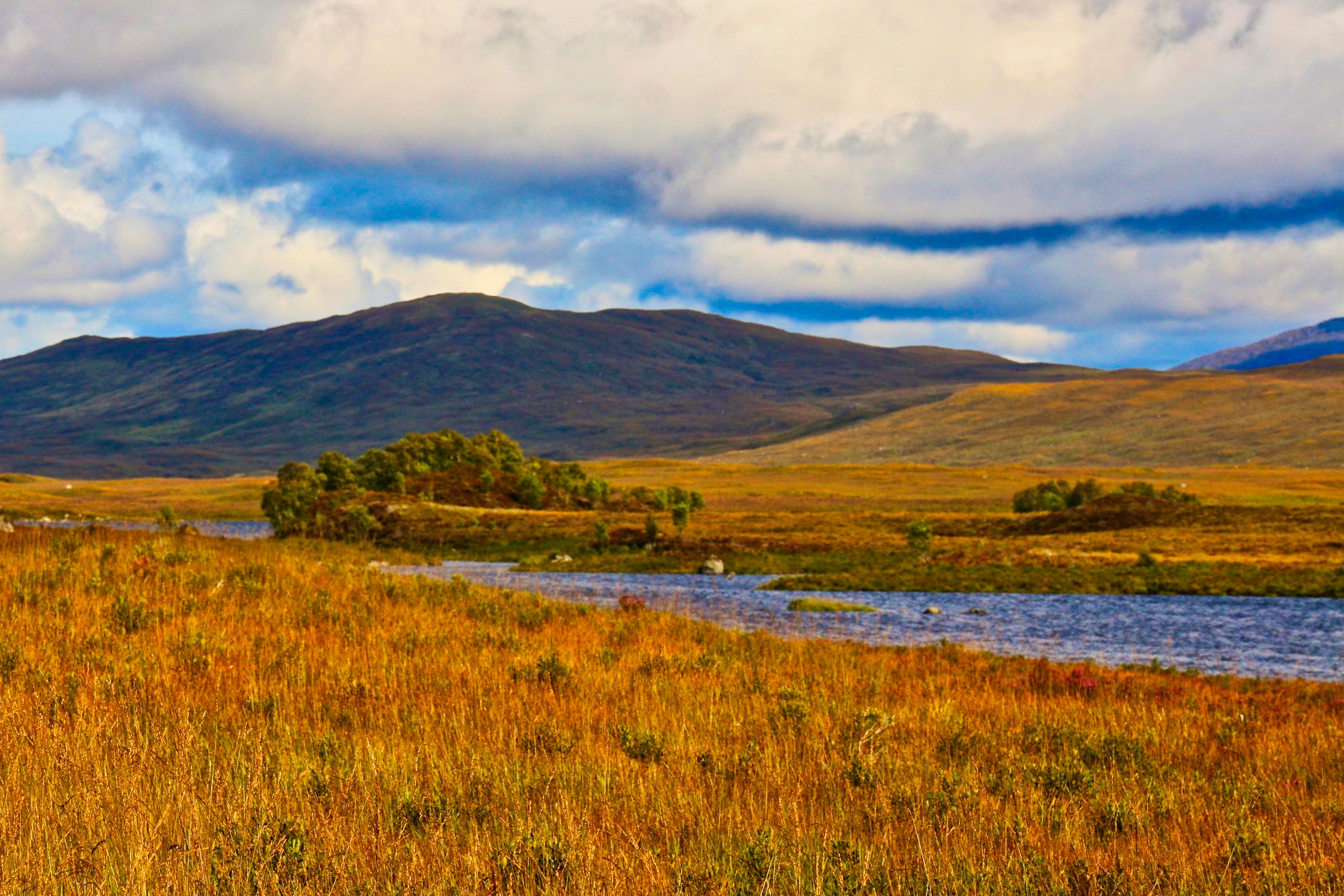
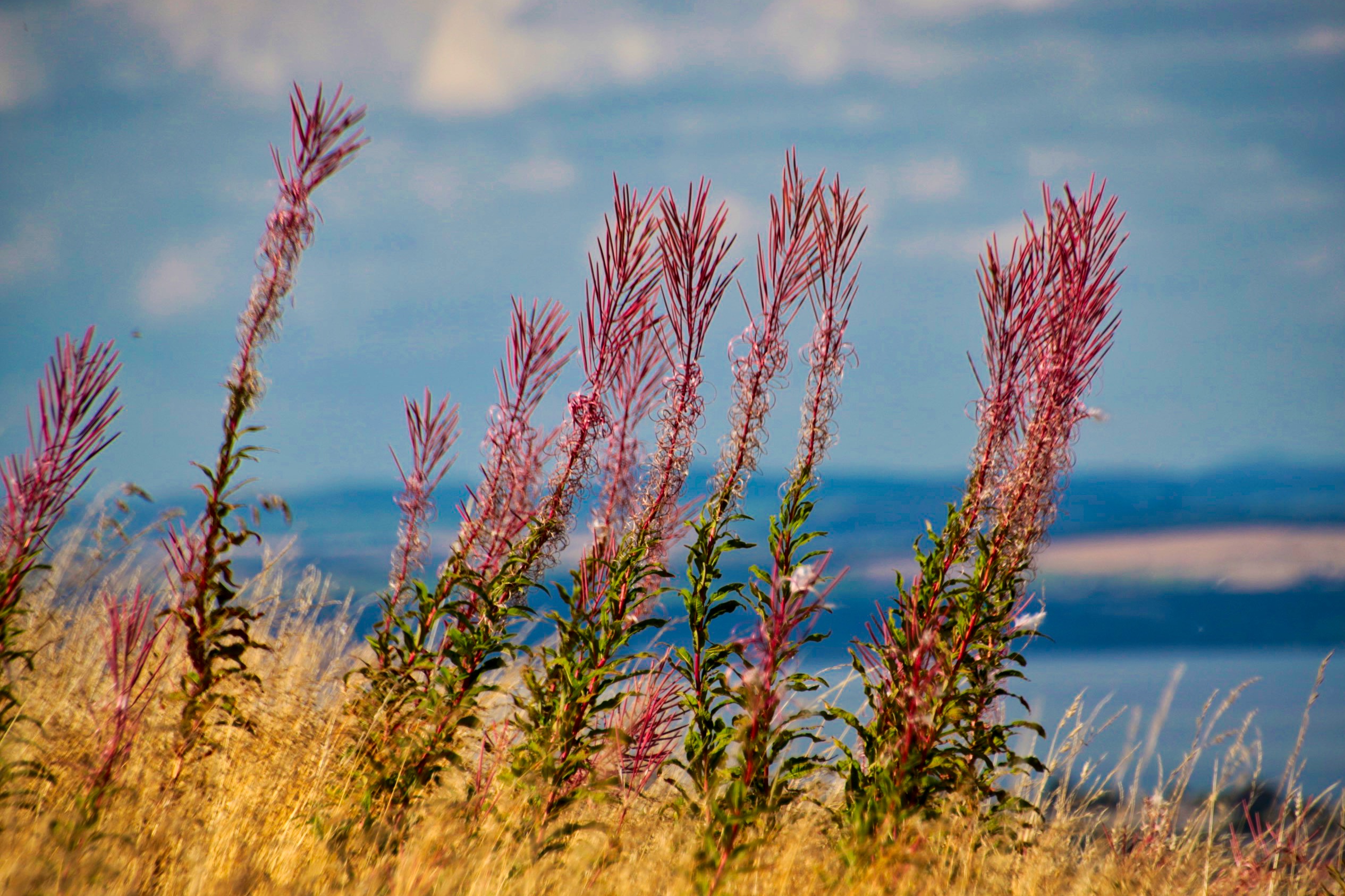
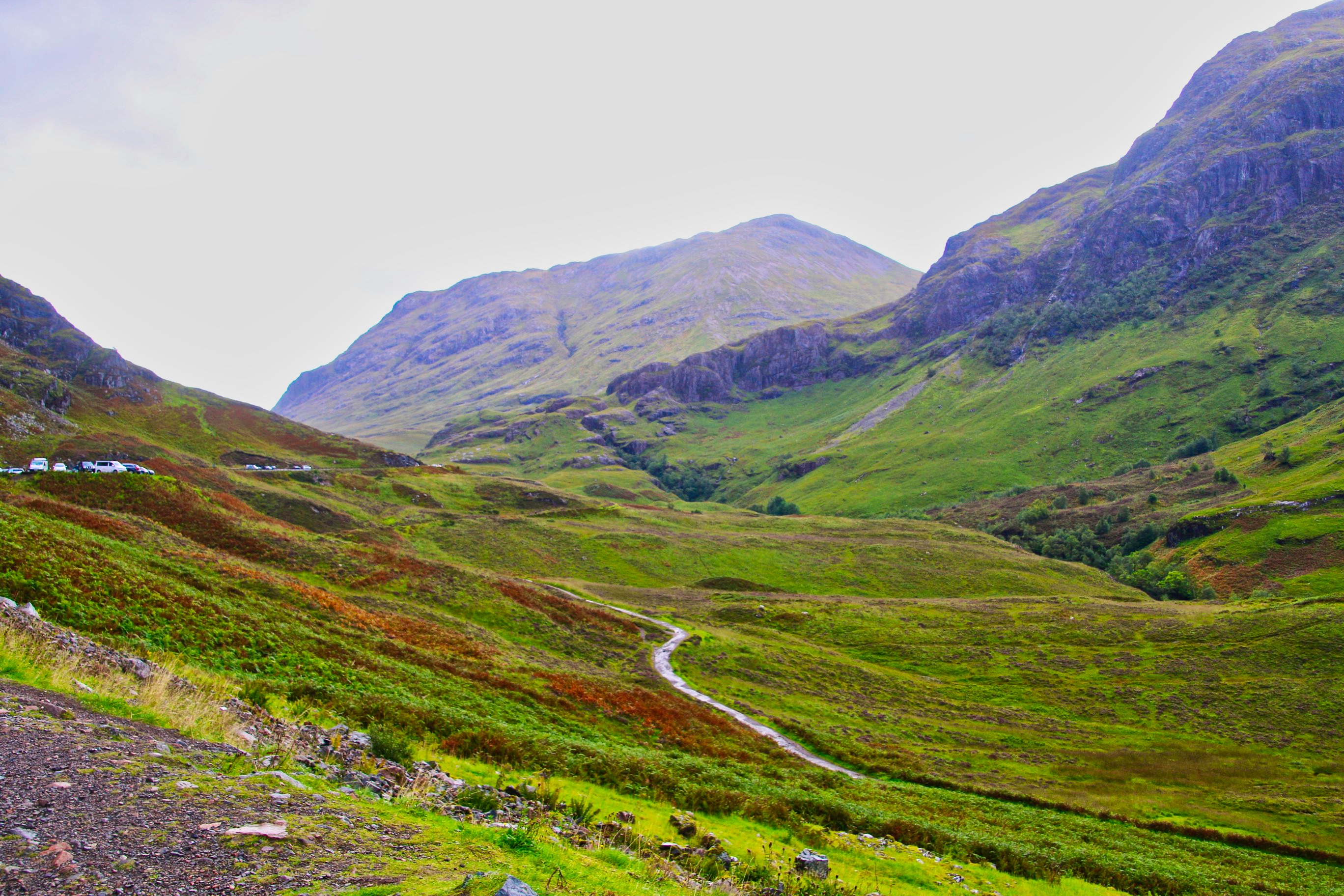
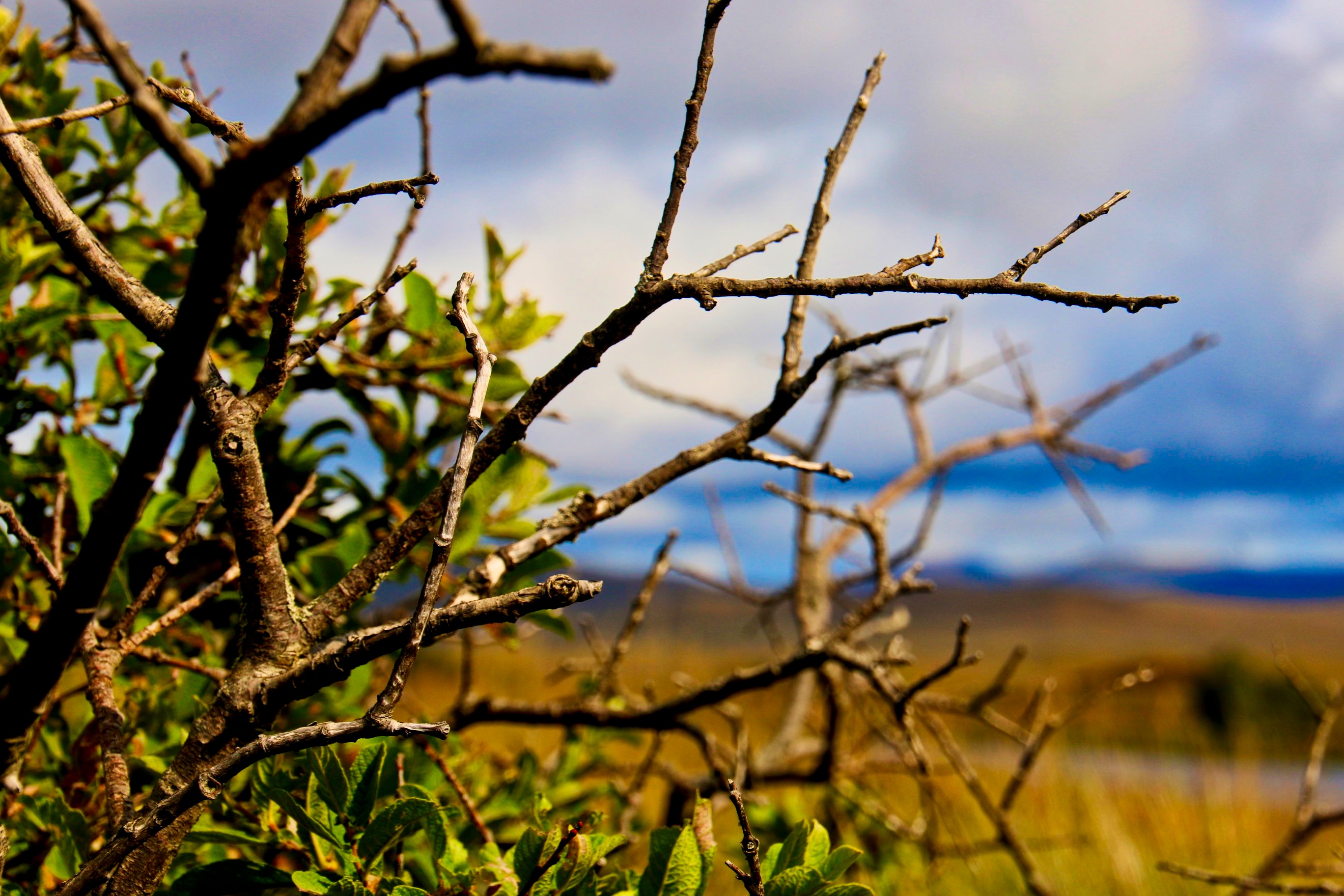
Scotland is a country of immense natural beauty. When speaking about the wilds of Scotland, though, it is essential to note that the human influence on nature over the last centuries up until today has been huge. Before the arrival of humans and the dawn of agriculture, Scotland, as most of the island of Great Britain, used to be covered by dense forests. The need to create new grazing areas for cattle and farming land led to the burning and clearing of woodland. Additionally, wood became an essential material for construction, especially from the 17th century onwards, with the growing importance for shipbuilding as the island became a significant colonial power and ships were needed for trade and war. Though a lot has changed and the natural world of Scotland has not been left untouched by human hands, especially the north of the country, far away from Edinburgh and Glasgow, is still very raw and wild. Some impressions.
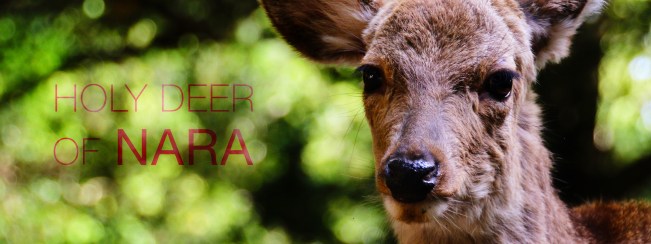
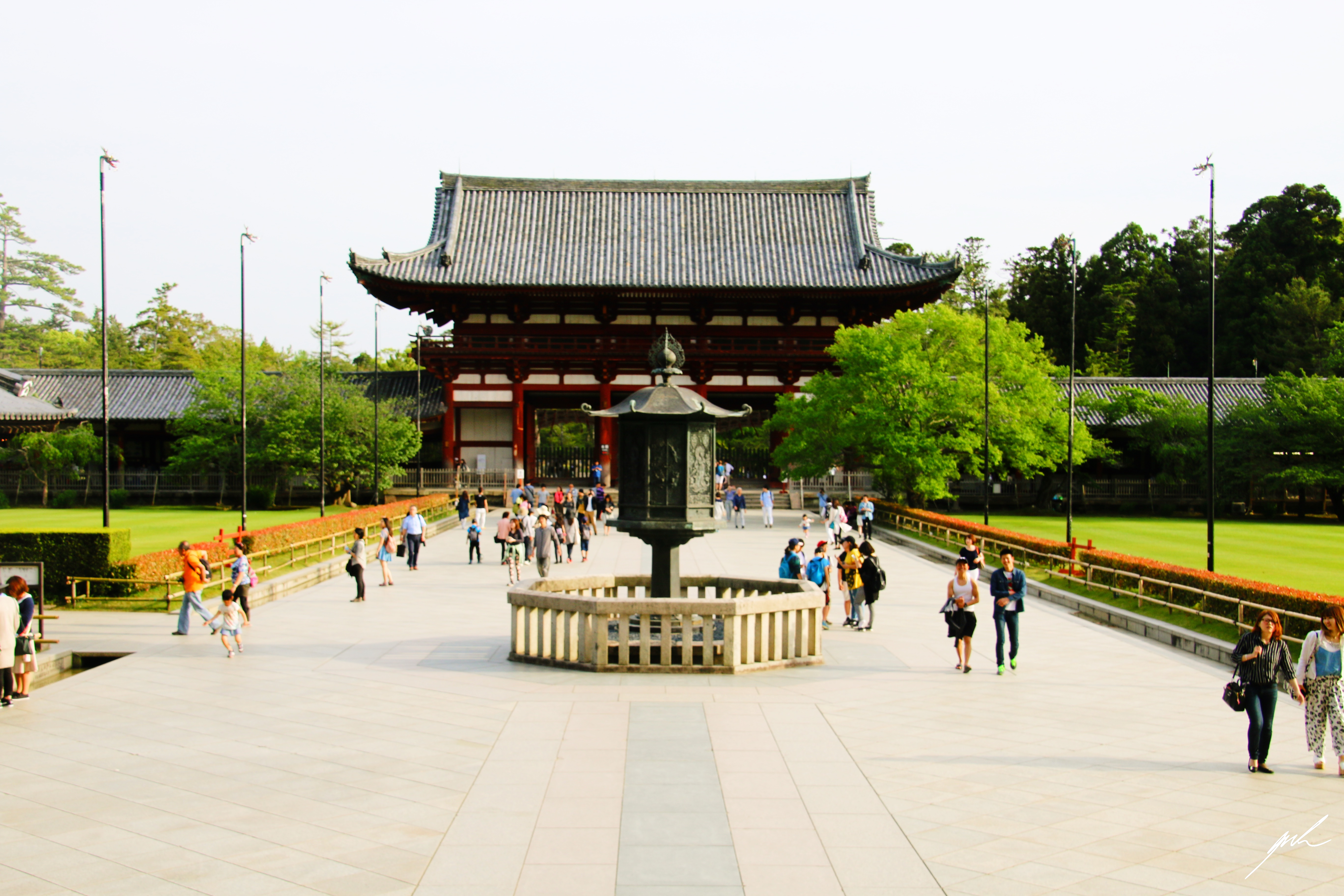
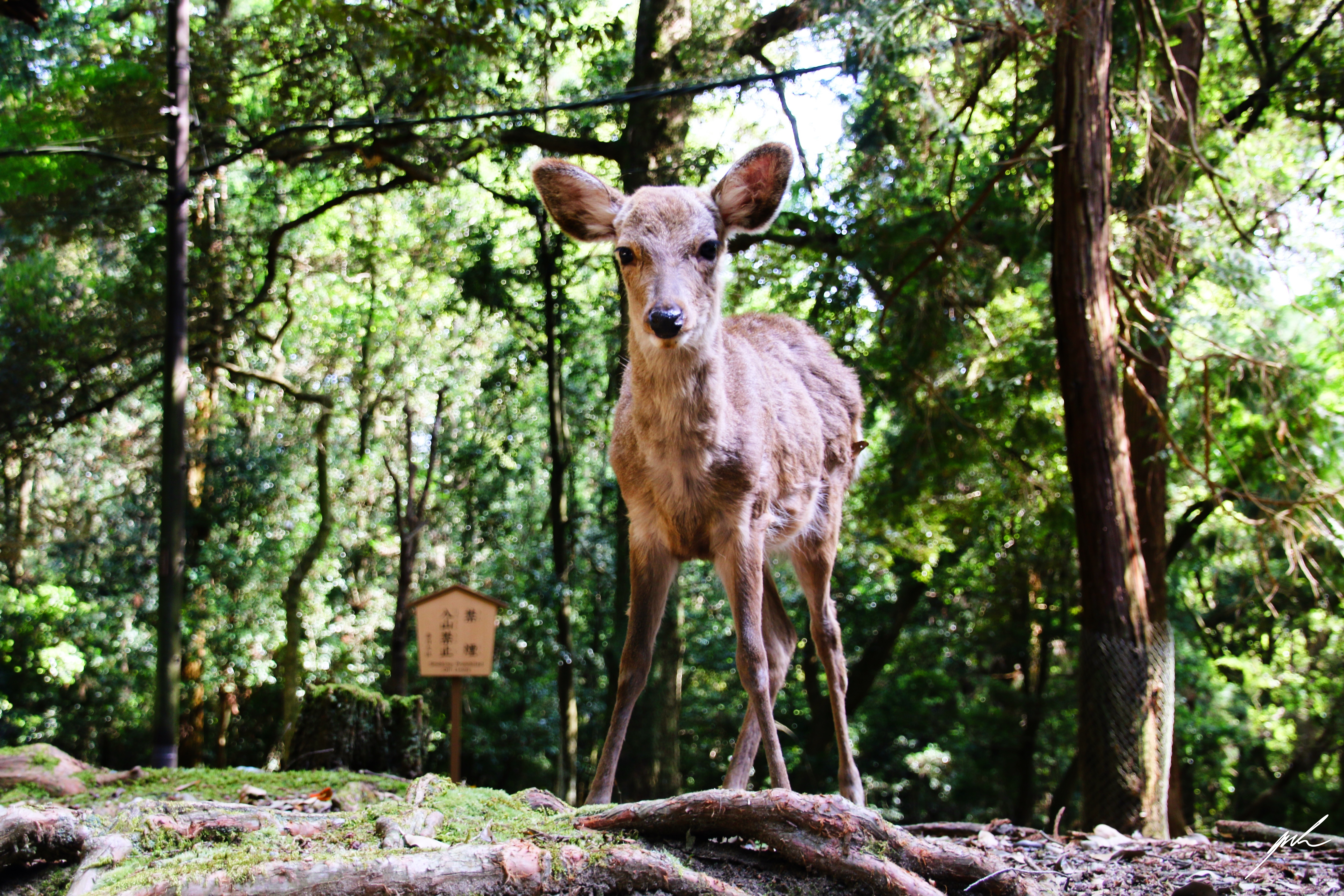
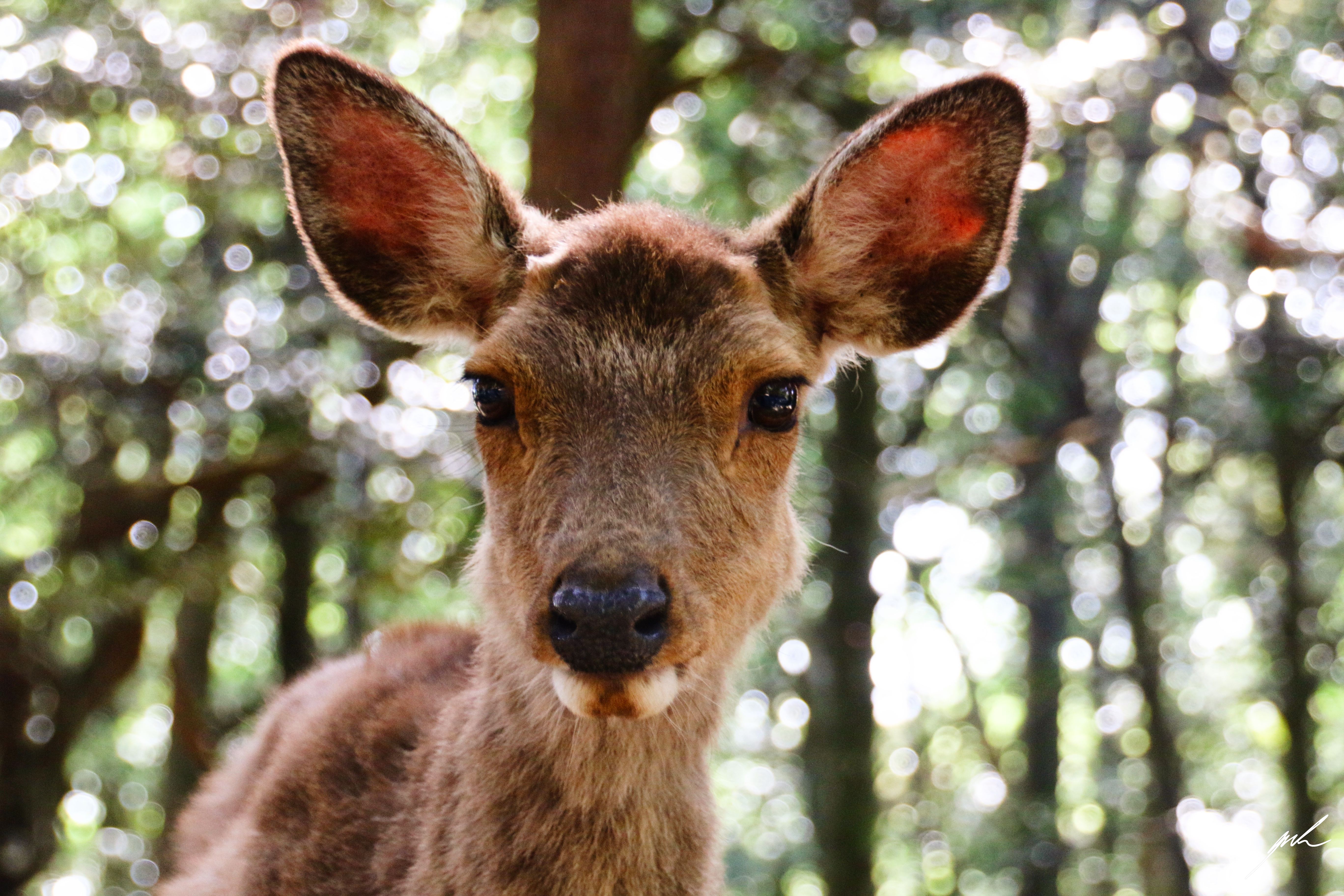
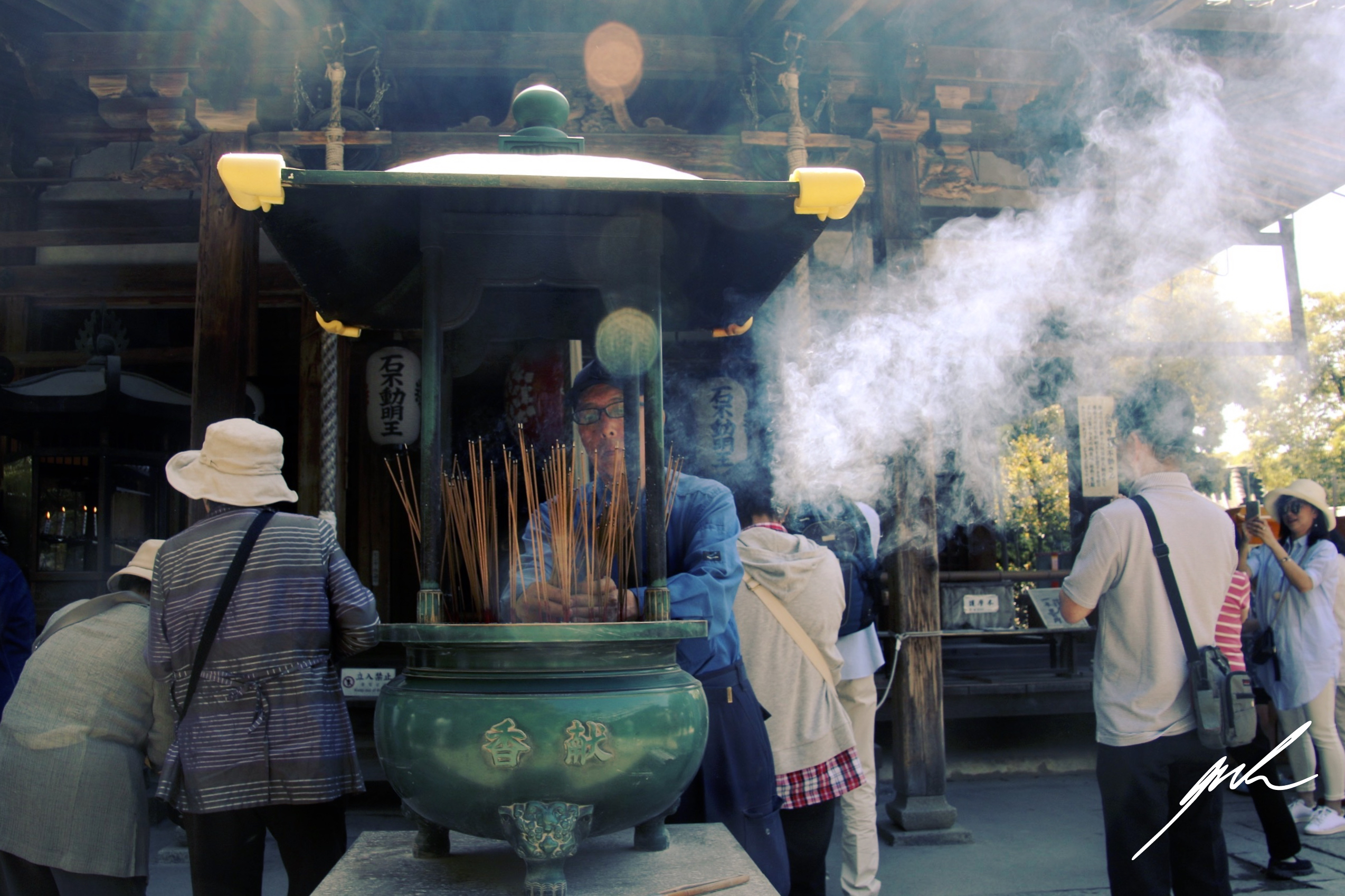
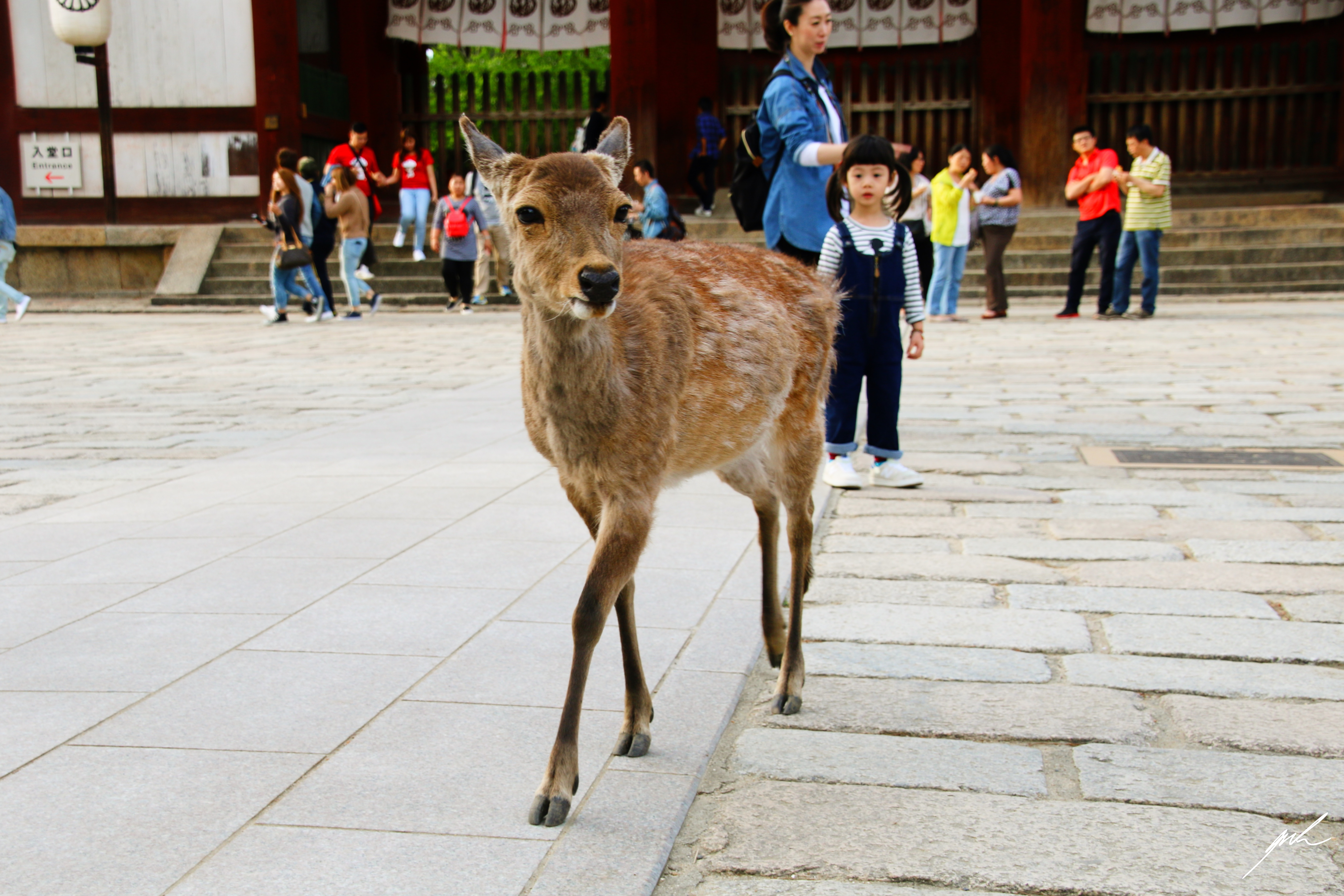
The city of Nara once used to be the proud capital of Japan. It is well known for temples from the 8th century and giant Buddha statues. But the most famous sights of Nara are not built of stone or wood but instead of flesh and blood. Among the temples, parks, and tourists, there are around 1,200 Japanese deer (or sika deer) sleeping, eating, and running around. They are all but shy and like to eat corn from the hands of visitors and like to be petted by children. The animals have a symbiotic relationship with people for a long time already and are seen as holy. The legend says that once, a mythological god arrived in Nara on a white deer and began to guard the new capital. Since then, the animals have been regarded as heavenly and are protected by the city and the country.





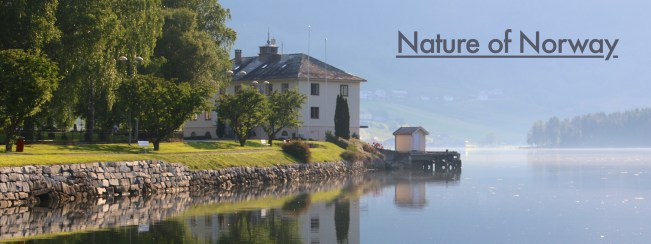
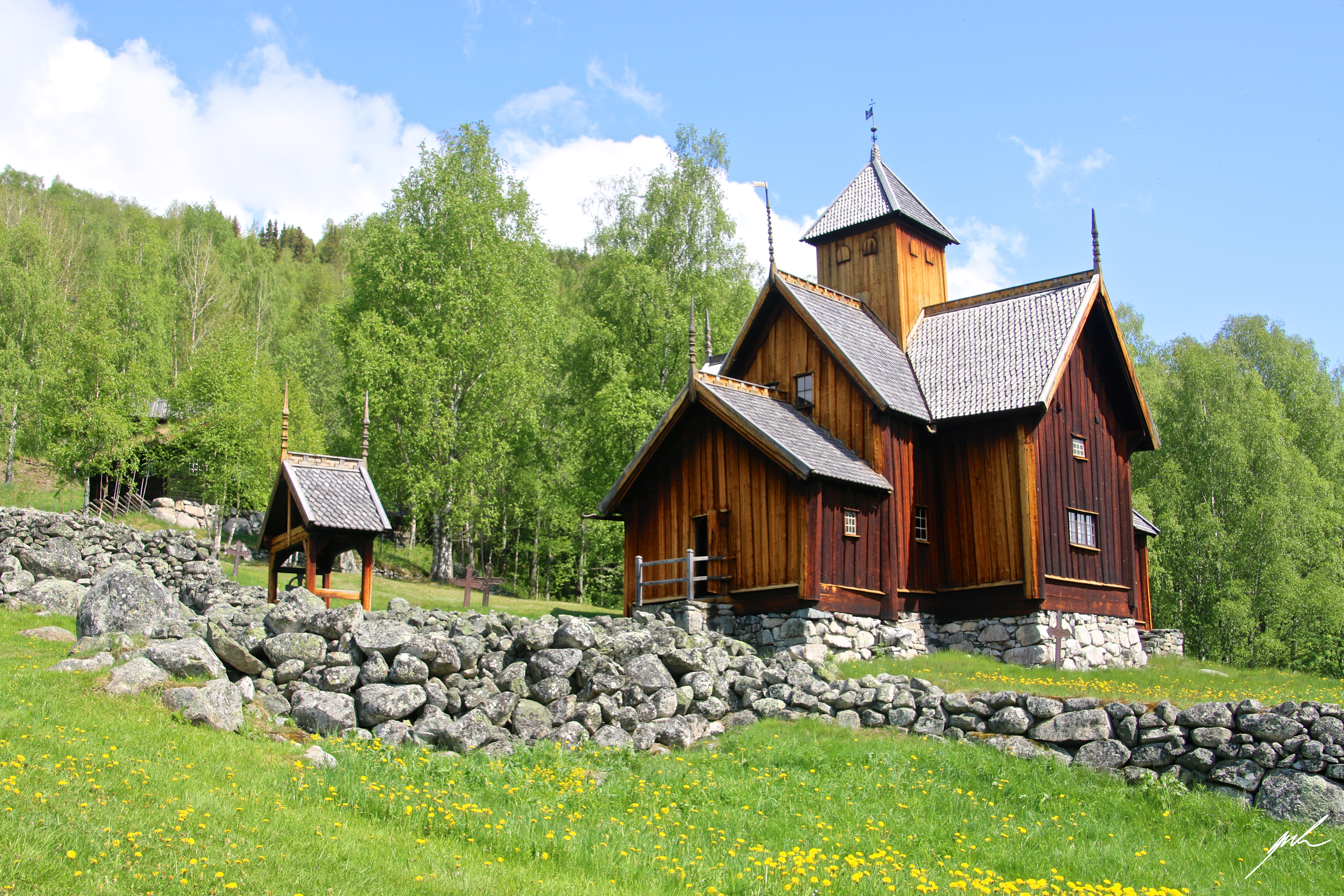
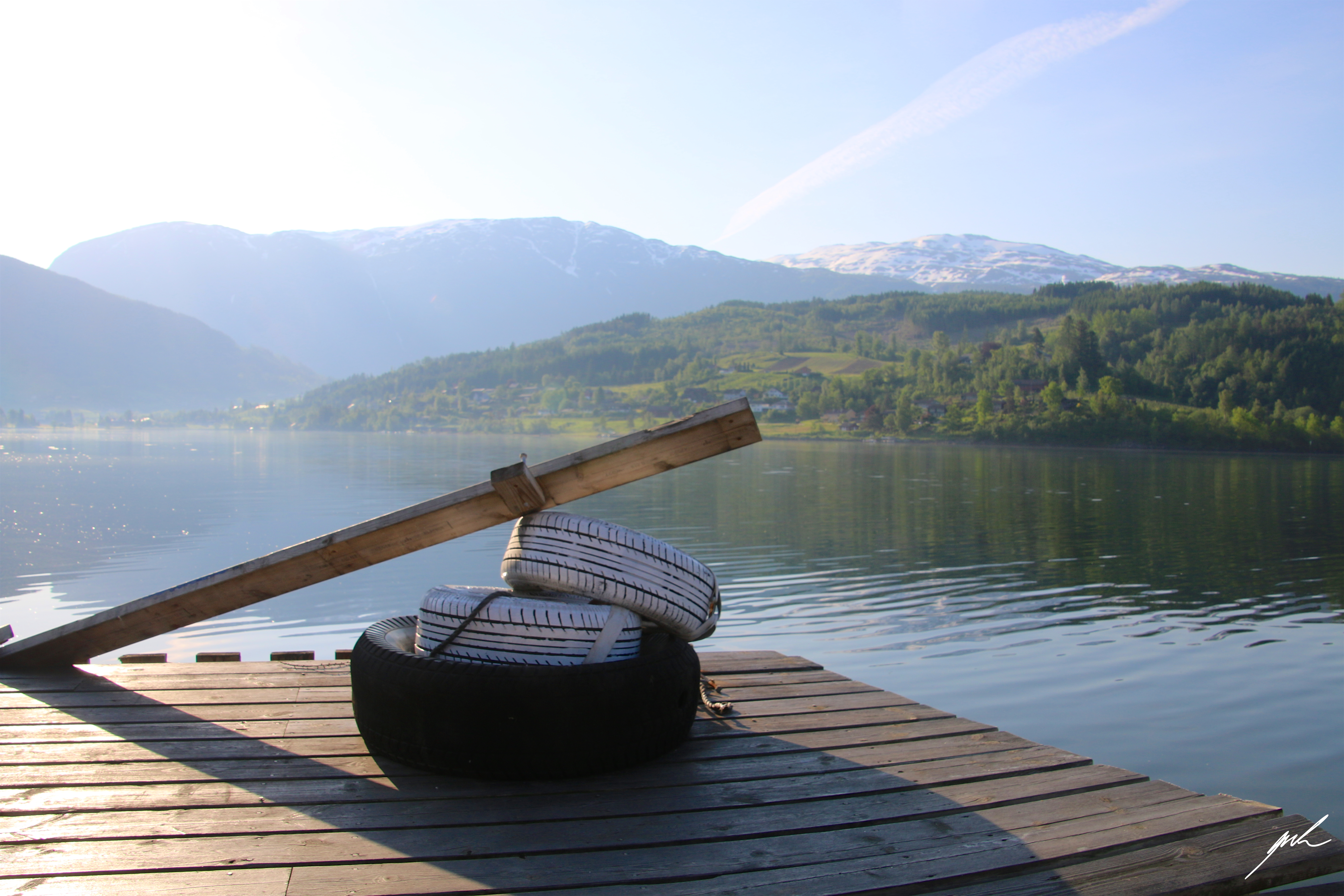
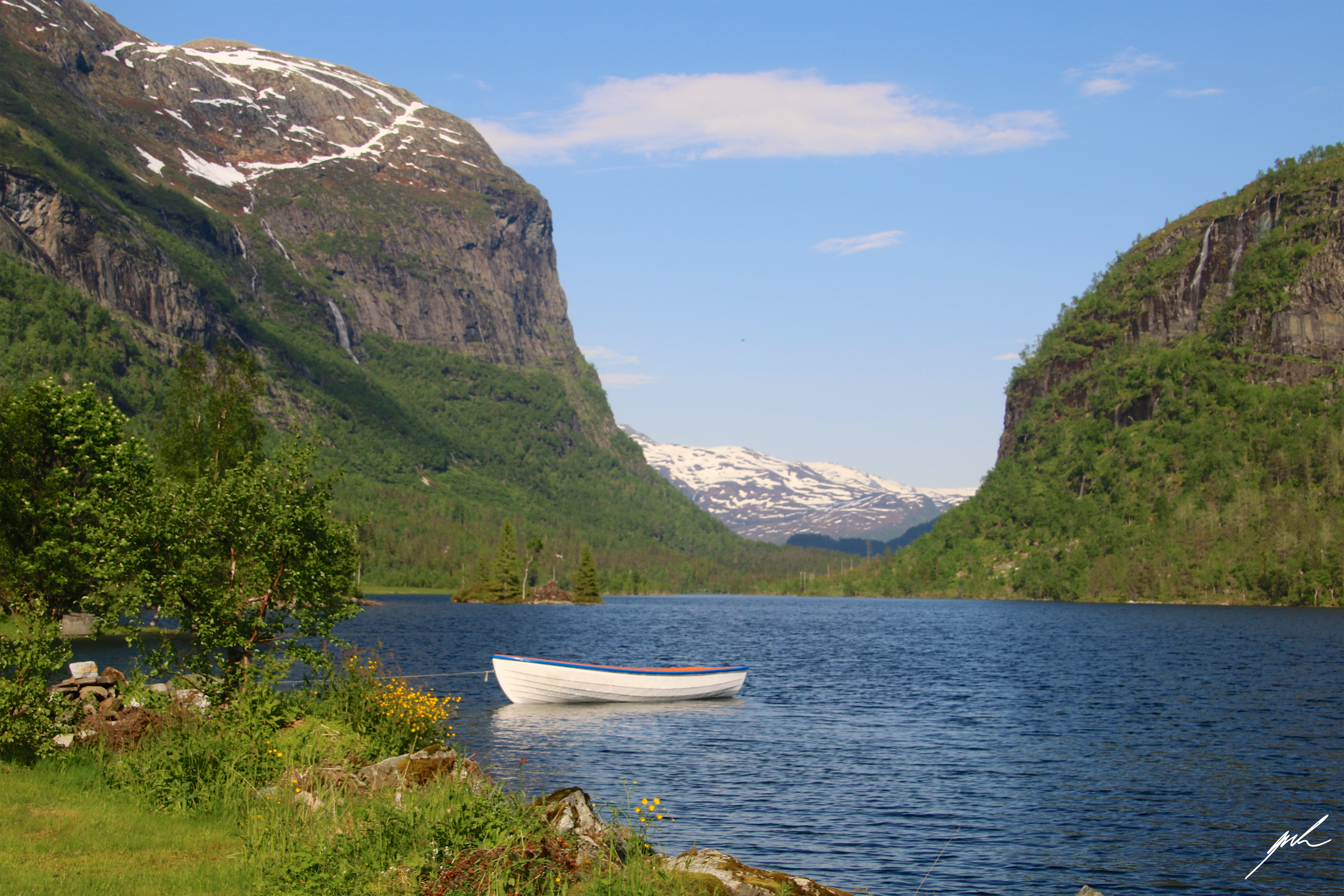
The natural beauty of the Norwegian countryside can be overwhelming at times. When the sun is shining, and the sky is clear, the grass here just seems greener and the fjords bluer than anywhere else in the world.
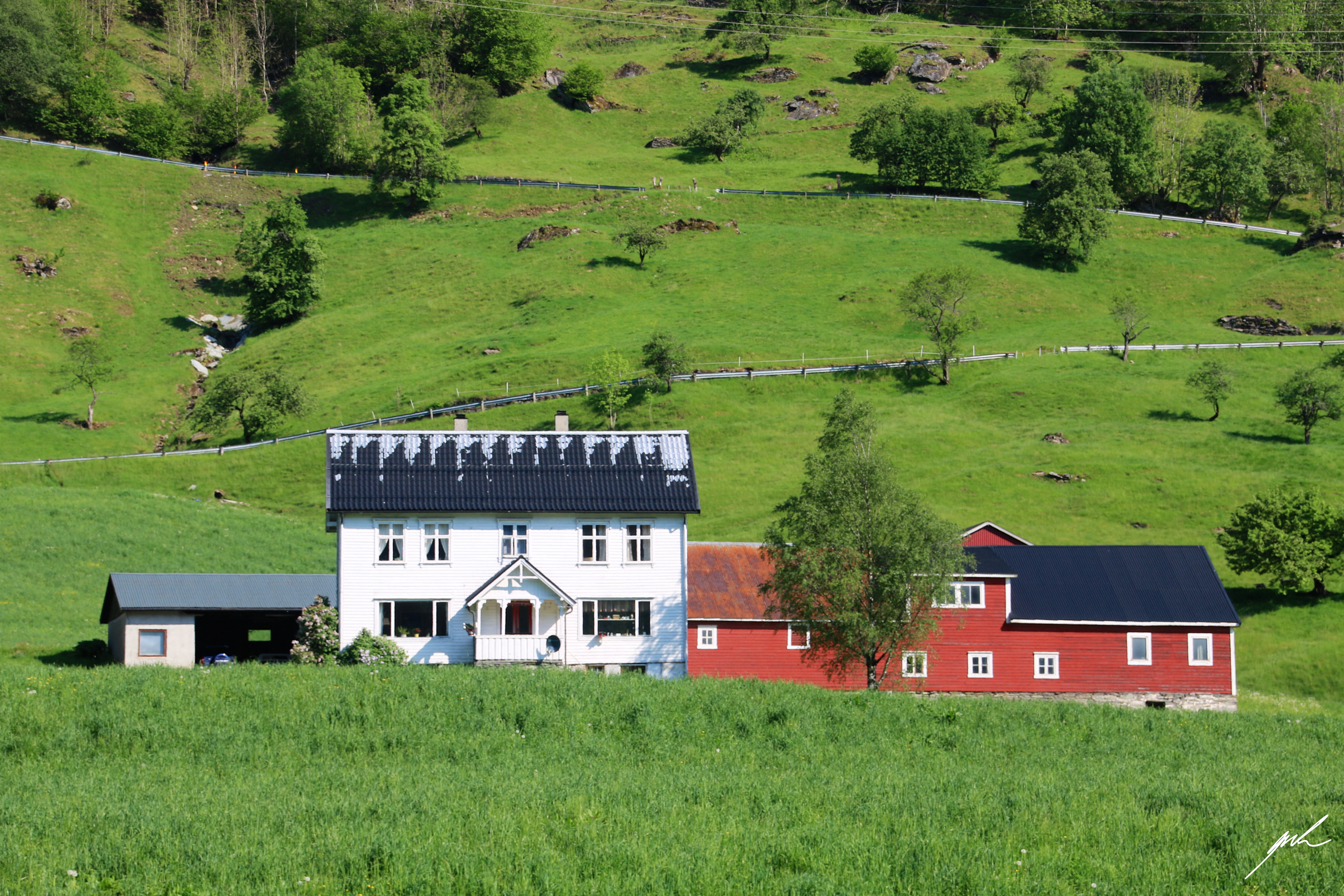
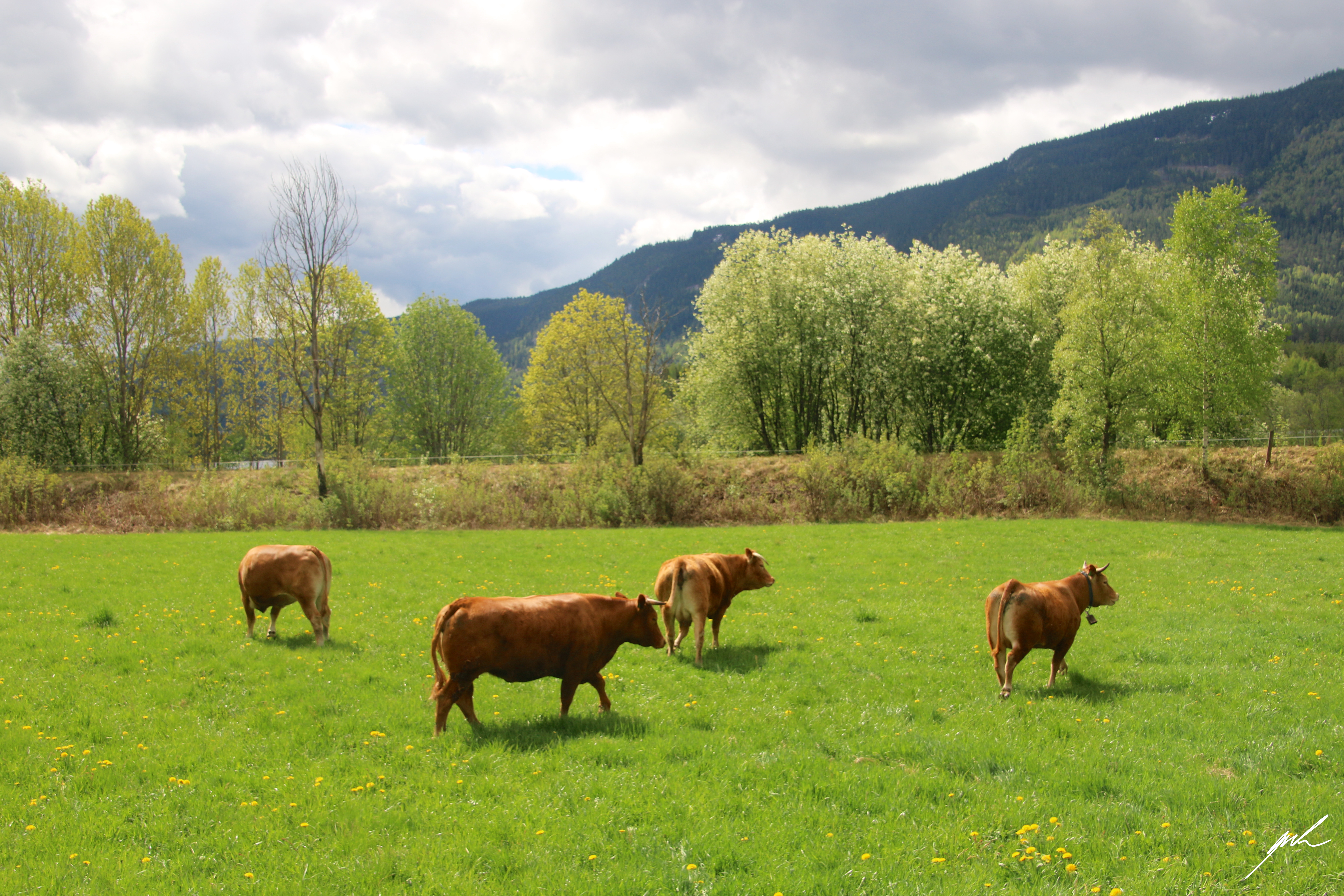

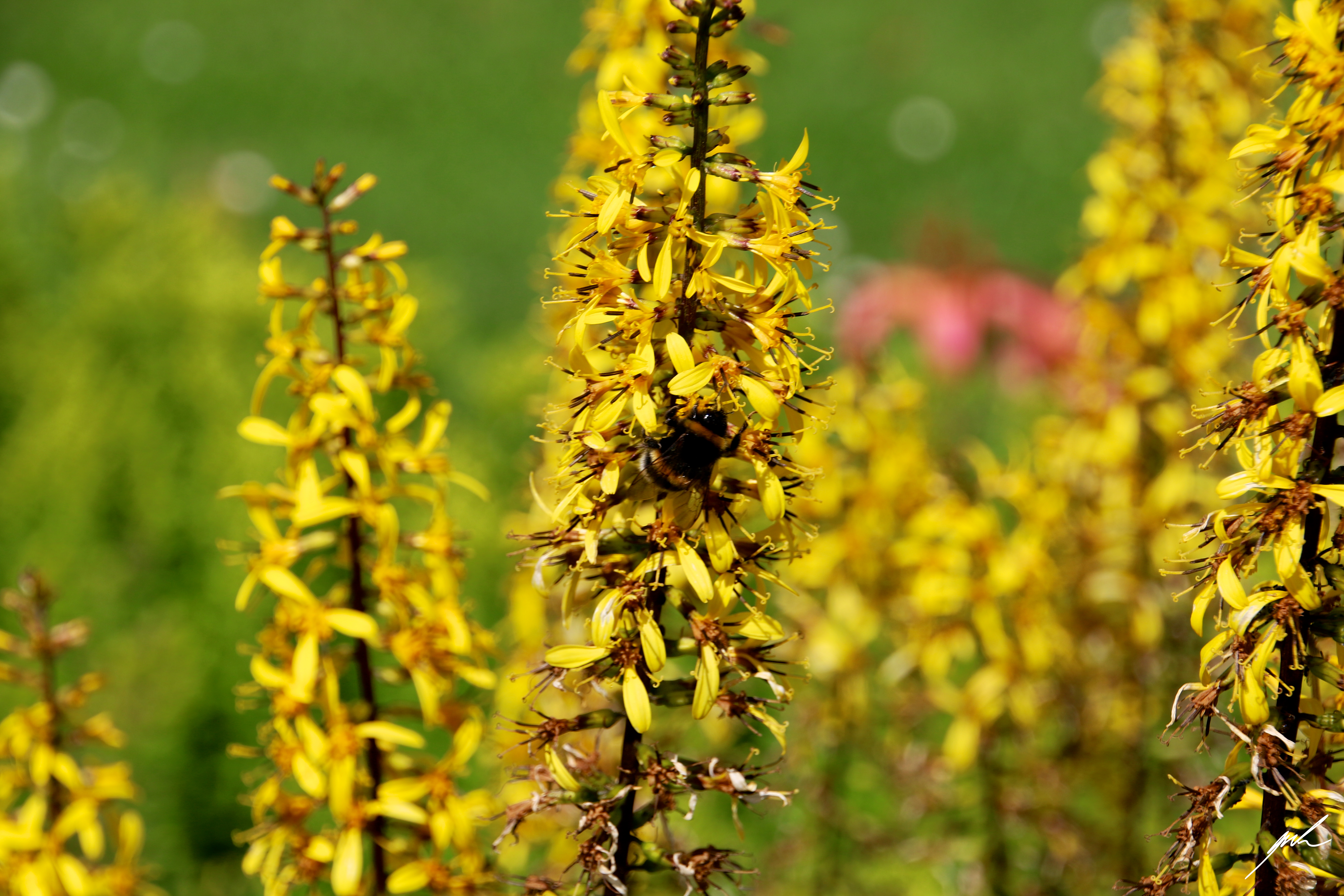
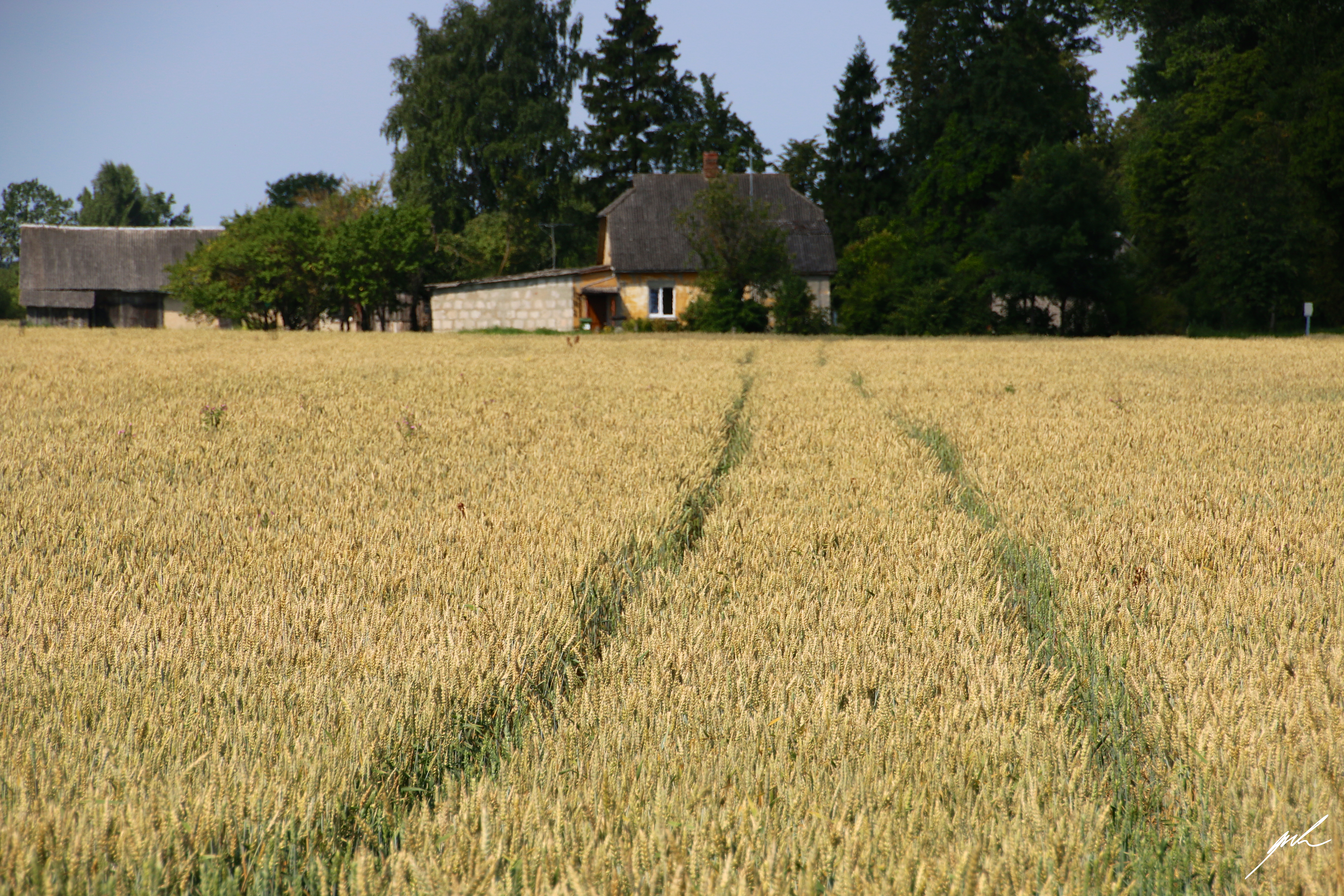
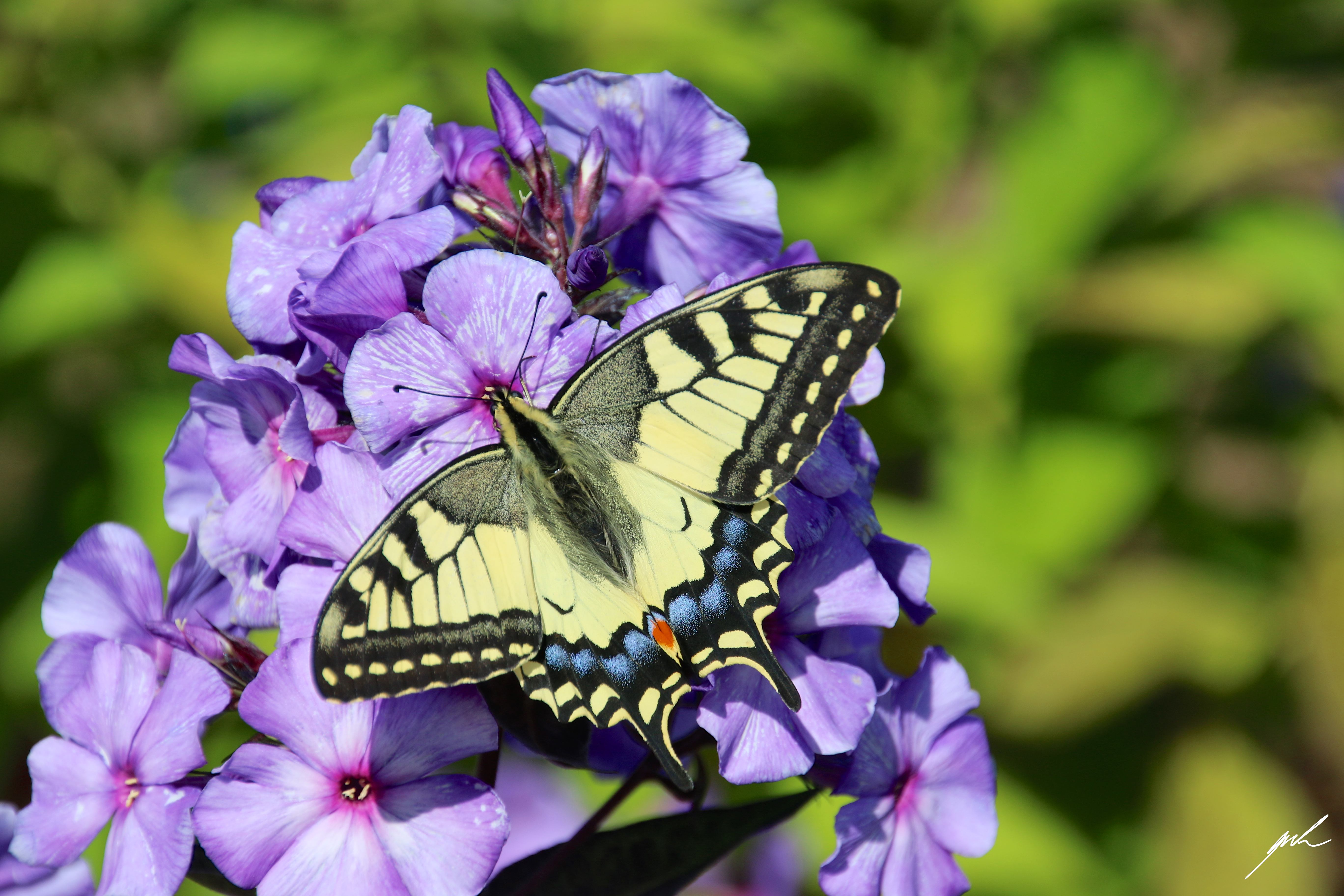
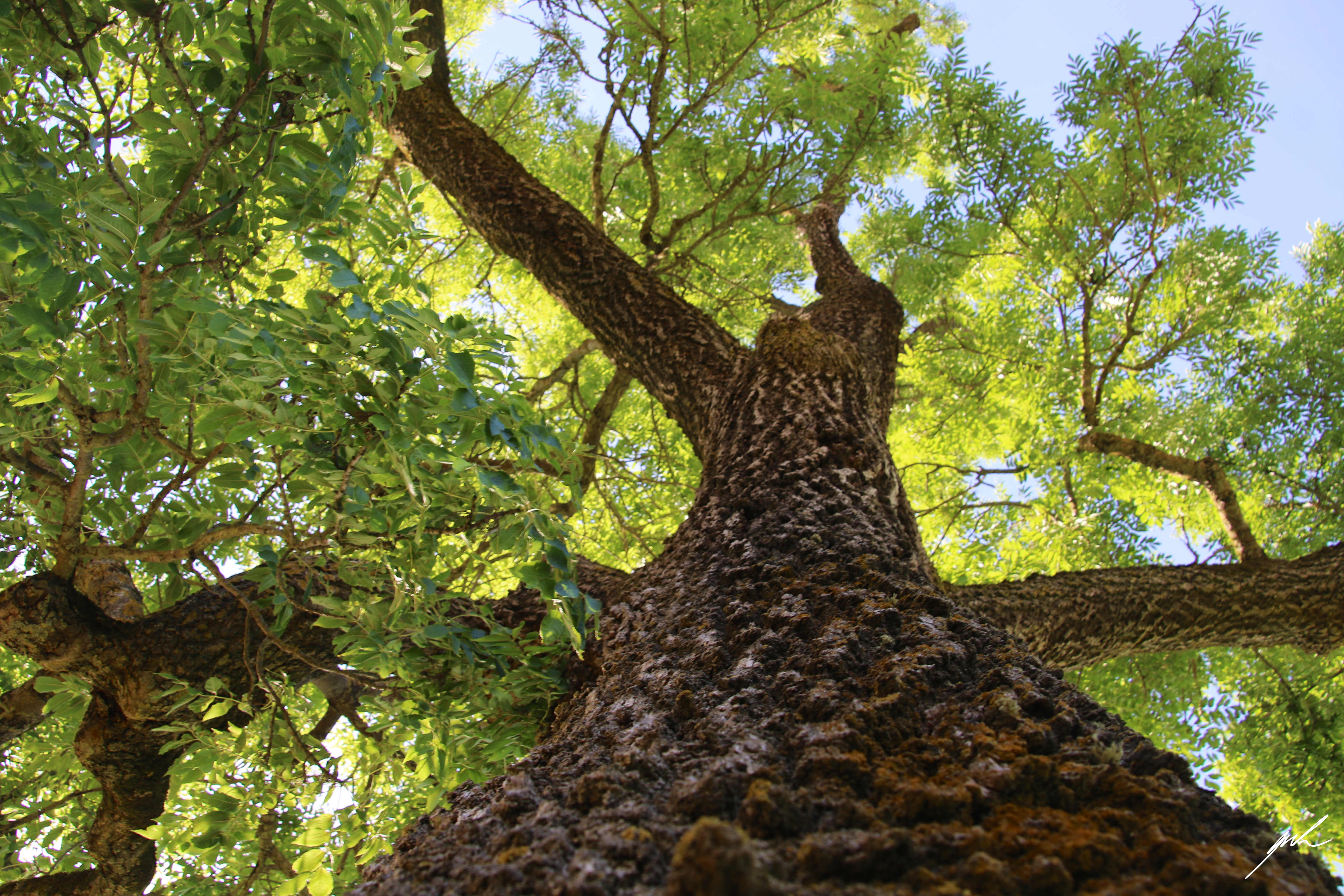
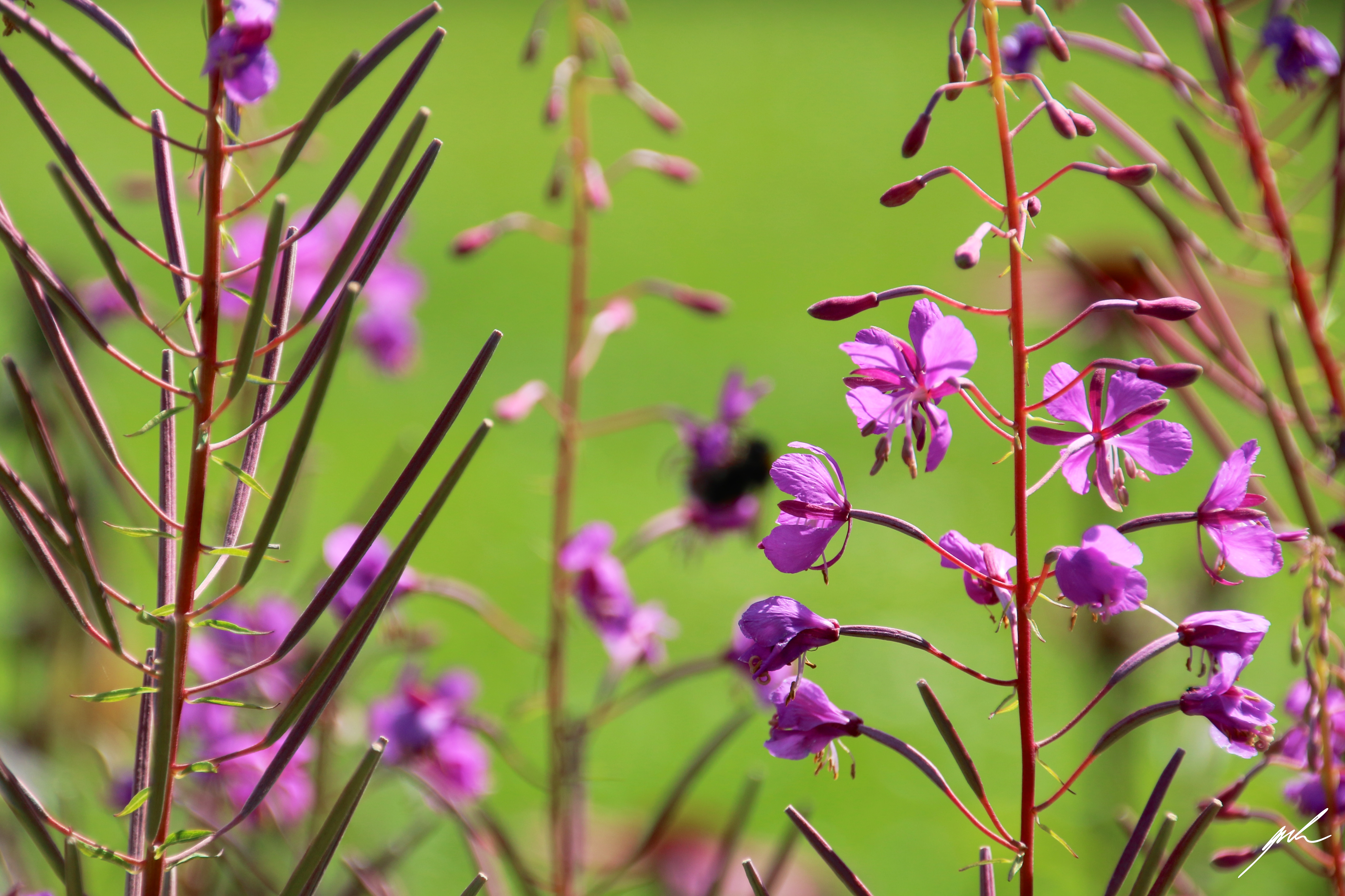
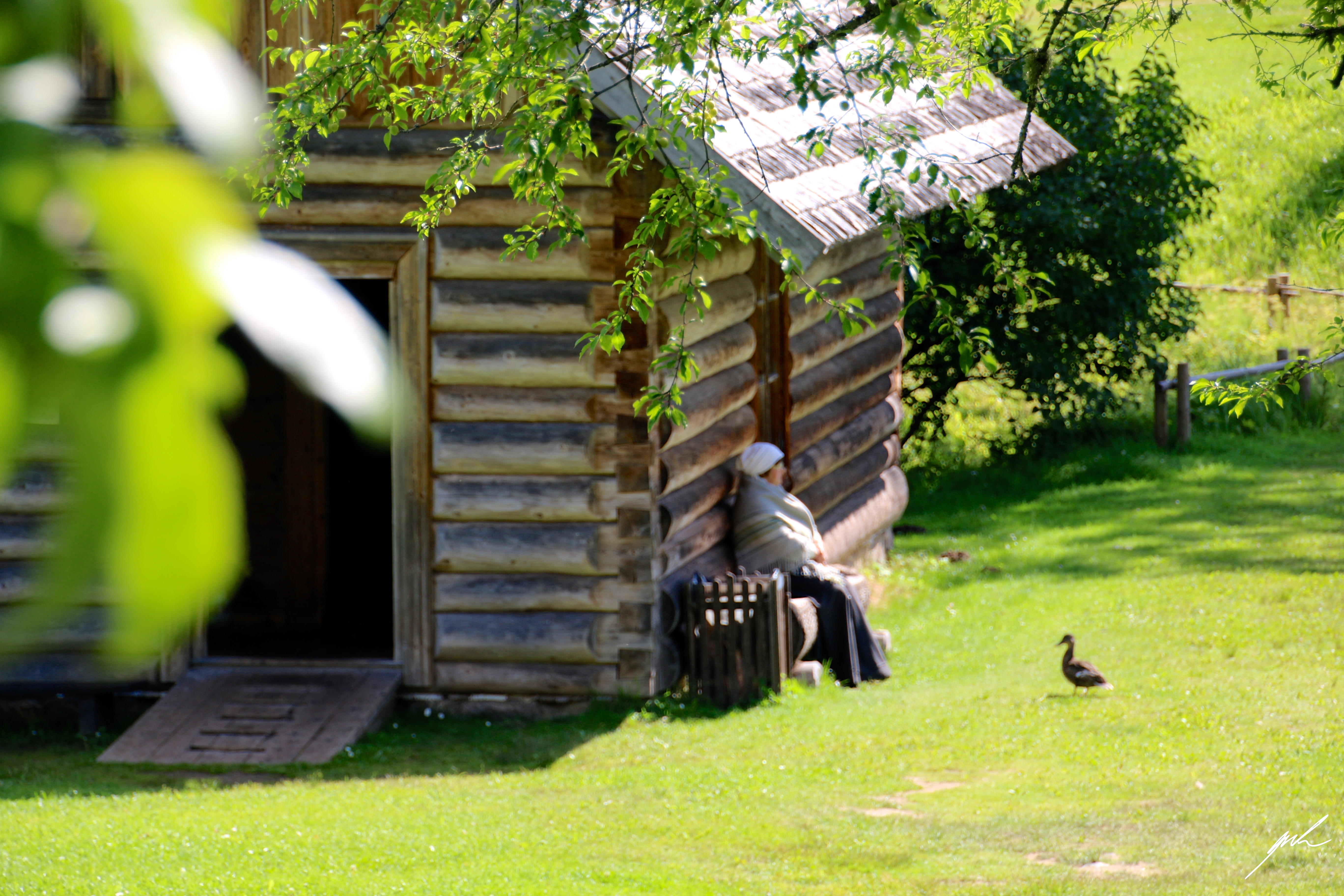
Last summer I had the privilege to spend some weeks in Latvia again. The country is situated in the center of the Baltics in Northeastern Europe. The population is concentrated mainly in the capital, Riga, and in other larger cities, while the countryside still maintains a lot of charm and beauty which is already gone elsewhere in Europe. Some impressions.







 Michael Hoffman Photography