Skip to content

Hungary 2013 Impressions

The great thing about living in Vienna is nothing is really far away, and you are abroad quickly. Central Eastern Europe and Southern Eastern Europe (the Balkans, in other words) are incredibly close. Though strangely, Austrians seldom go East (except for plastic surgeries and dentists), there is still a mental barrier I never fully understood. In the Austrian mindset, the Czech Republic is still in the East, and Krakow, Poland, seems indefinitely far away, though, in reality, it is much closer to Vienna than the Westernmost city in Austria, Bregenz. Naturally, this snooty attitude is viewed with suspicion by our neighbors. However, much is changing, and the younger generation is beginning to embrace the charm of the East.

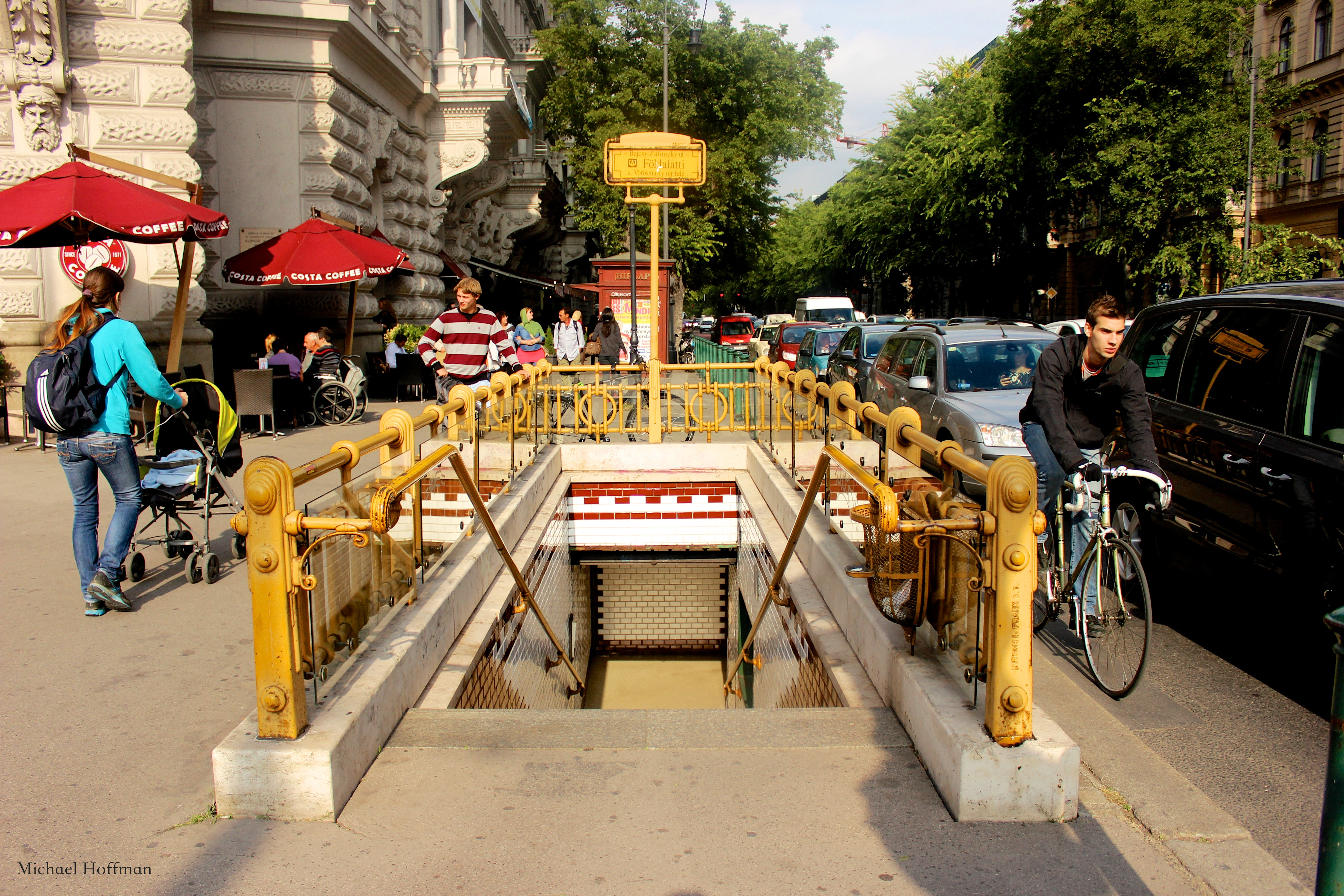
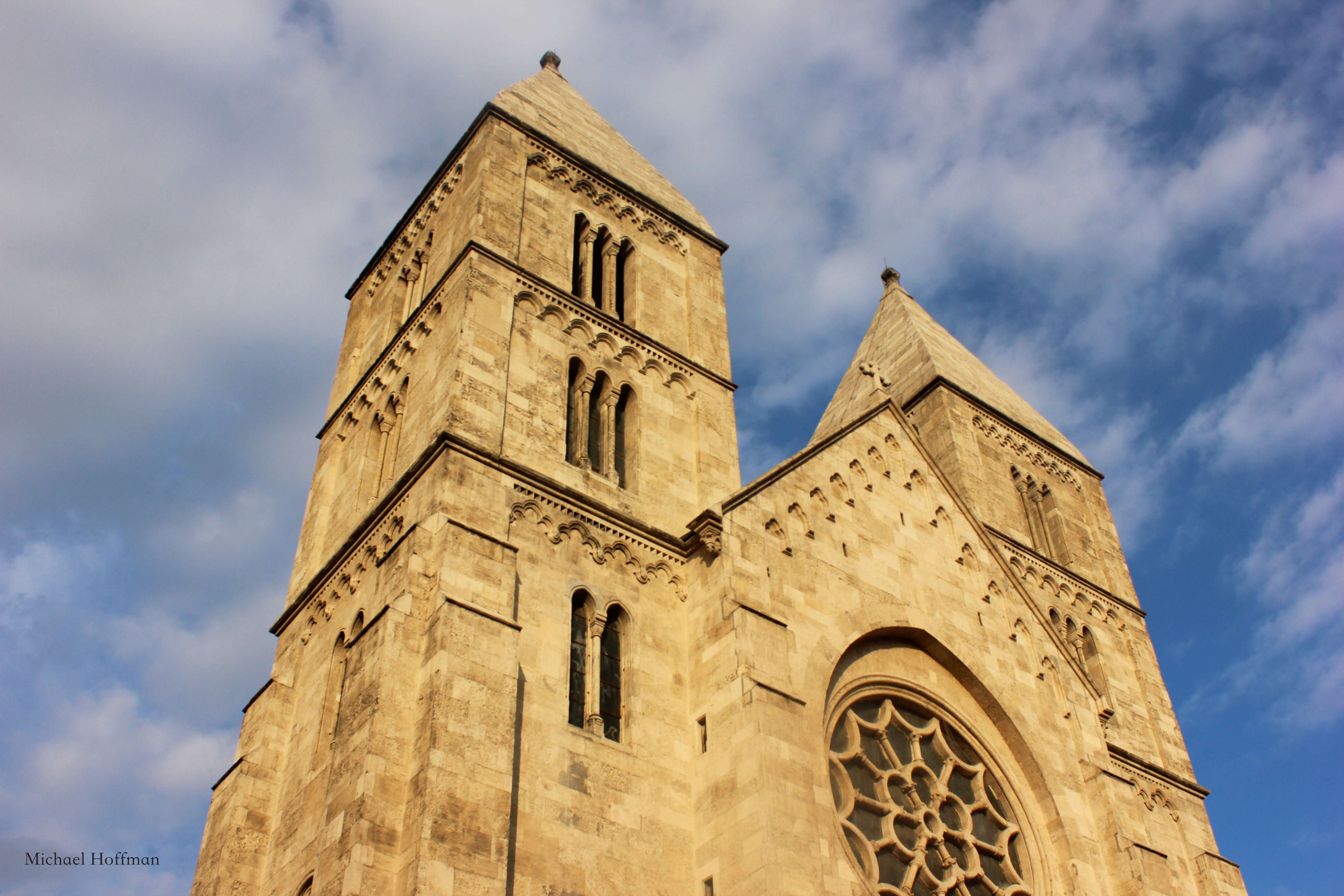
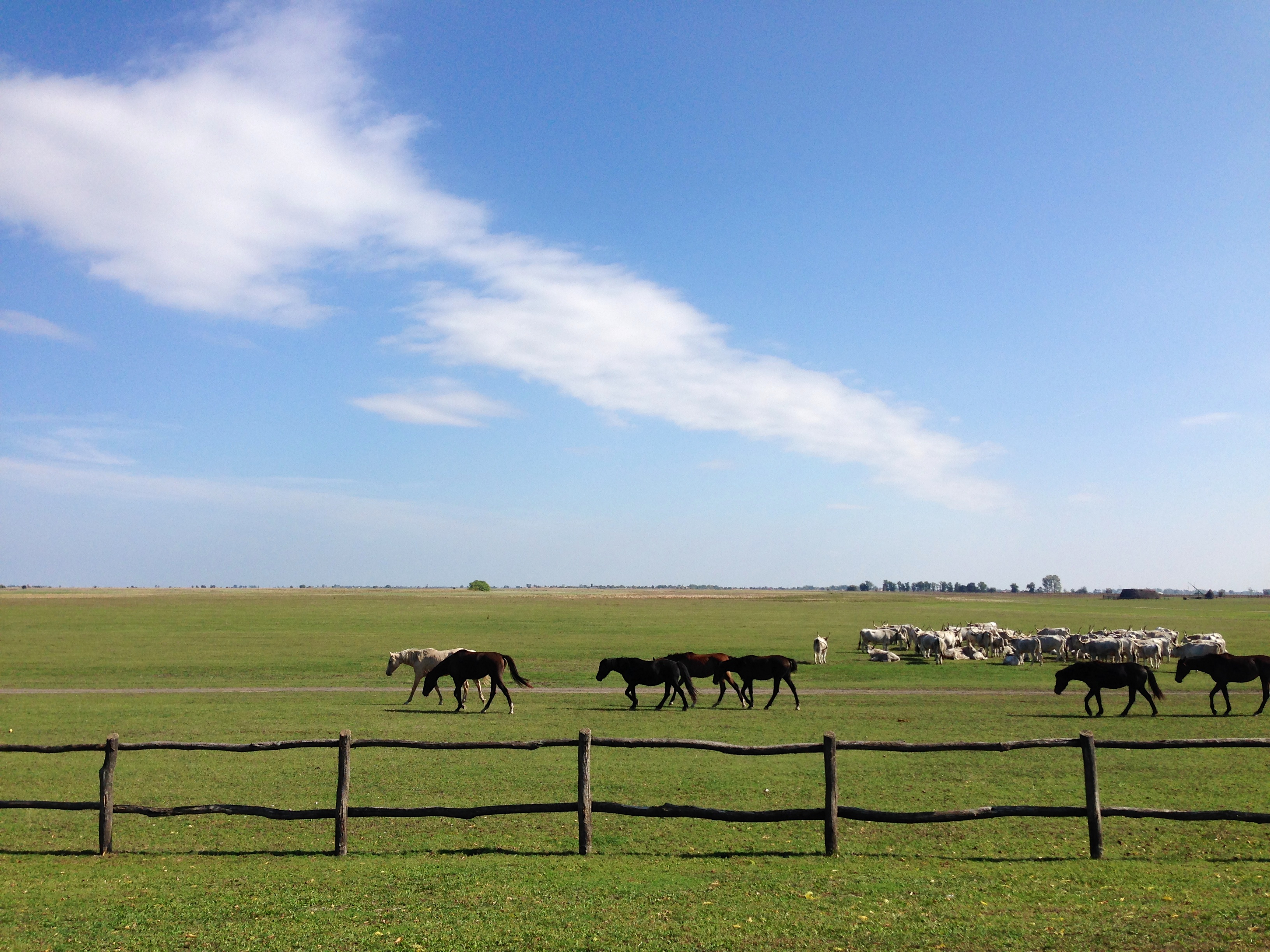
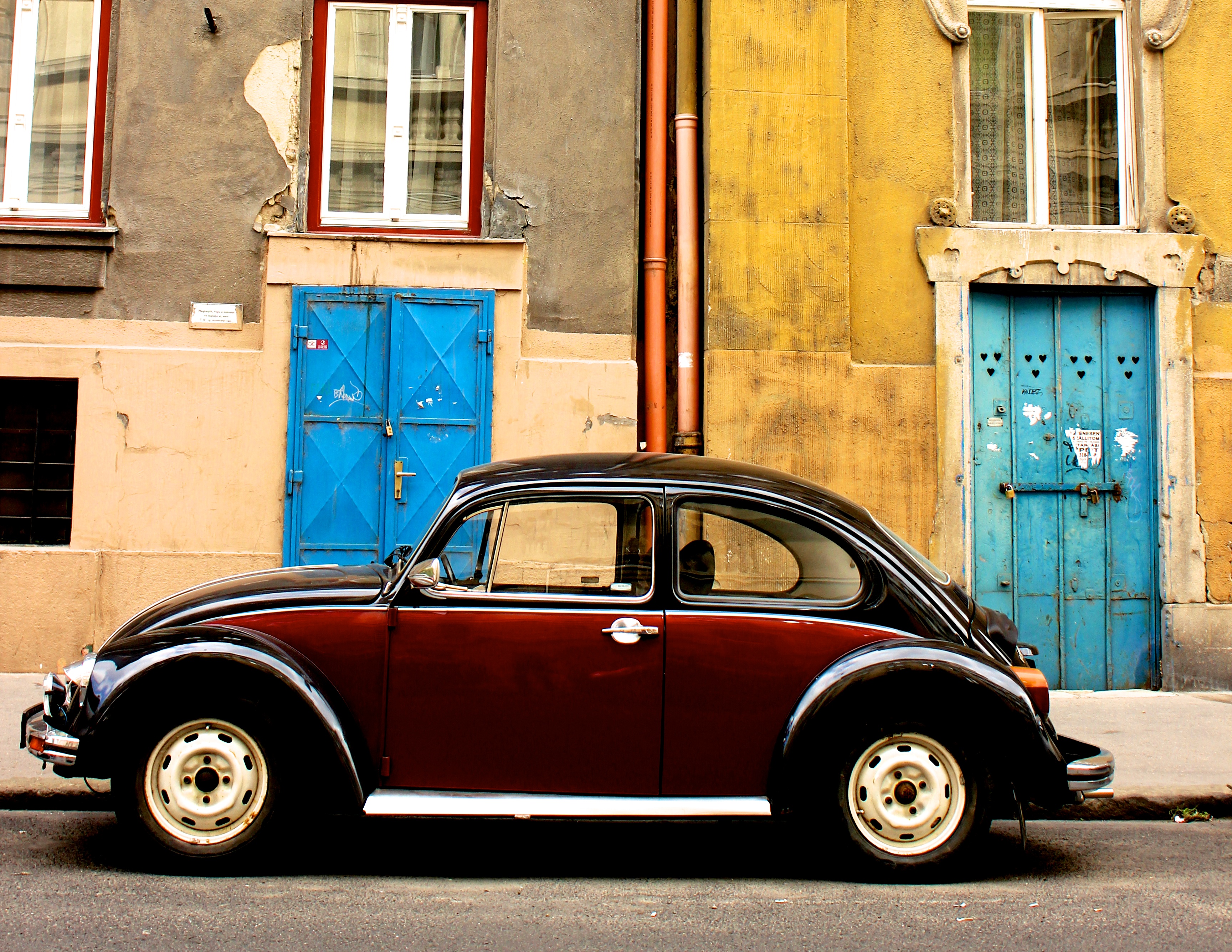
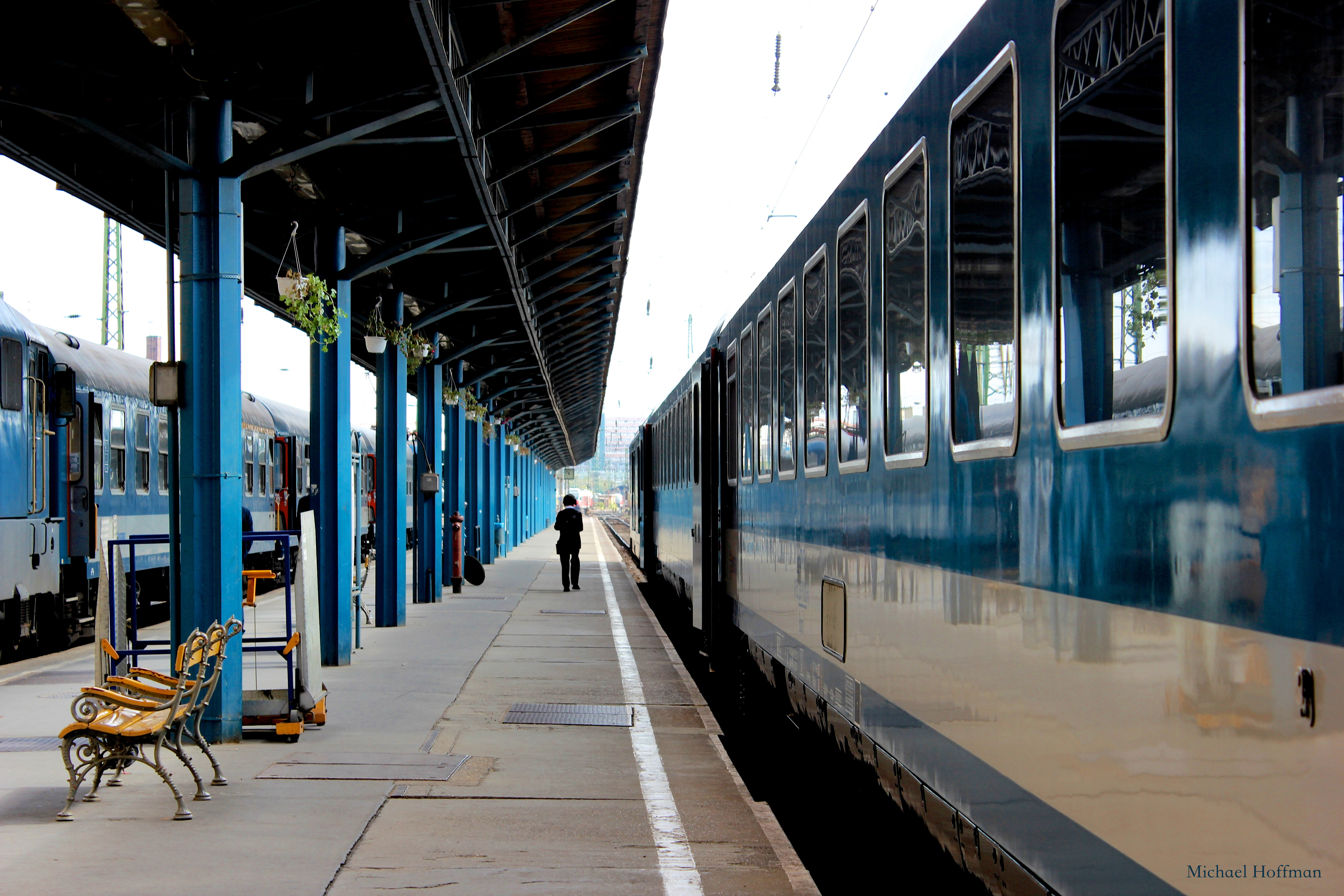
Incredibly close to Vienna, both in geographic and cultural terms, is the capital of Hungary, Budapest. Like Vienna, it had its heydays around 1900 in the Austro-Hungarian Monarchy, and you still see it. In architectural terms, the two cities are closely related; there are a lot of baroque churches, large areas of residential buildings from the founding period, and some beautiful Jugendstil façades. If you look on the map and see the districts (in both cases, 23.) and names of bridges and boroughs, you feel like you have landed in a mirror universe. However, there are some differences. Budapest still has maintained its old railway stations (pictures 1, 3, 5 in the background and 7), which disappeared from Vienna and were replaced by shopping-service hybrids in the vain of the consumerist society. Also, the city is much closer to the Danube than Vienna, having a pleasant city hill on the Buda site, making it very similar to Prague in structure. Hungarians are very patriotic; you see a lot of monuments everywhere. A vital role in their self-view is the role of a nomad’s heritage and horse riding culture. This heritage links closely to the country’s geographic conditions as a vast lowland (pictures 2 and 5). Hungary is definitely worth a visit, especially for young travelers, being also very affordable at the moment.

test

img_3535 img_3564 img_3636 img_3643 img_3650

IMG_6846
IMG_3624
IMG_6895

IMG_3591 (1)

Portugal V (last part)

Some weeks have passed since I visited Portugal in mid-February, and I started sharing my impressions with you in a series of posts. This one will be the last one for now. But I will be back in April with new pictures of a new city (hopefully :))! Enjoy.

test

What is truly remarkable about Lisboa and Porto, and what I didn’t mention before, is the excellent choice of hostels here. Portuguese hostels win competitions on Hostelworld and Hostelbookers almost yearly, and they deserve the prices! A Lisboan hostel I can recommend from my own experience the Good Morning Hostel on the Praca dos Restauradores in the city center. The people there were lovely and very helpful. We cooked together and had a great time. If you go to Lisboa, check it out.

IMG_4397

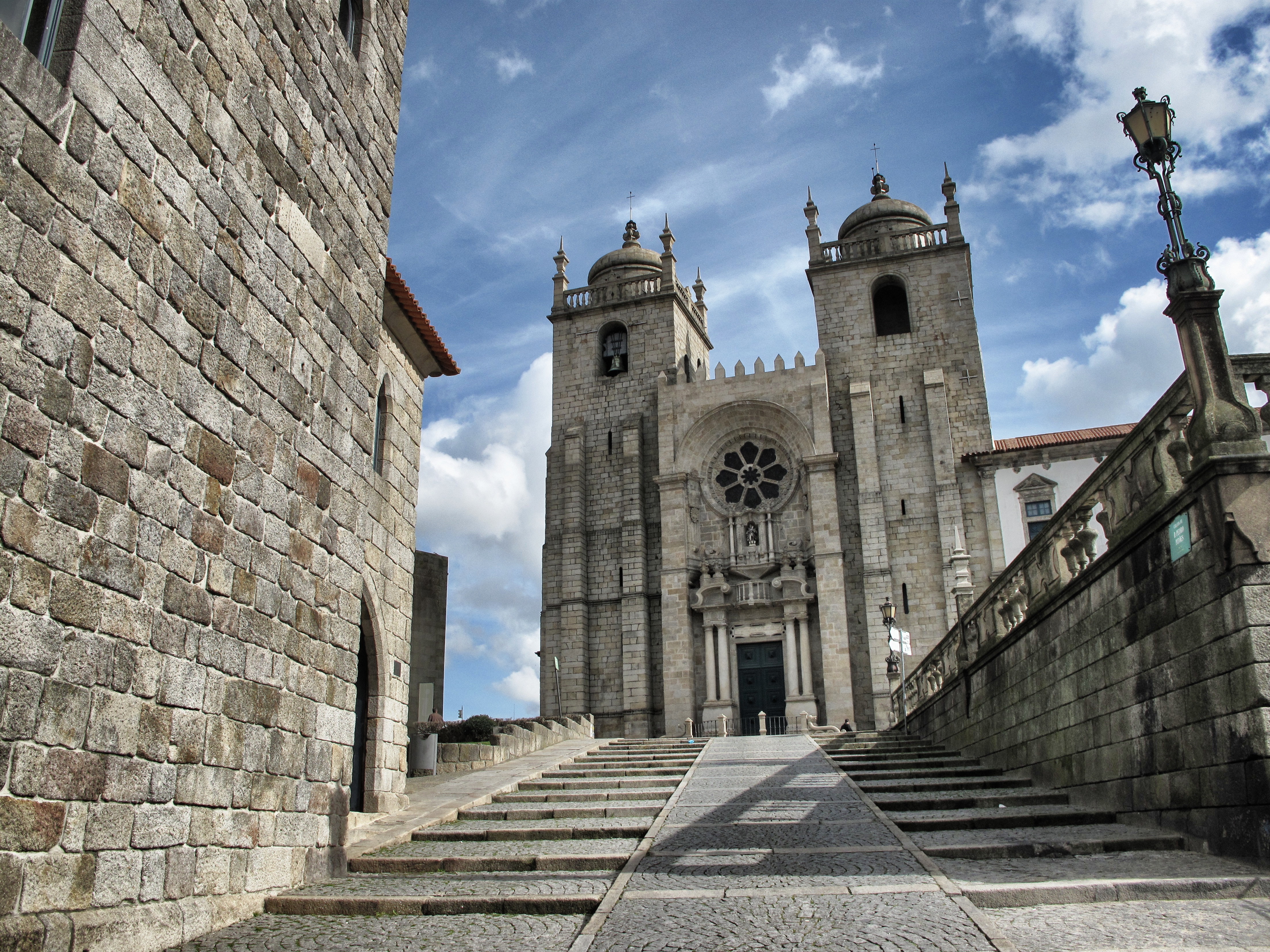
I can’t remember the church’s name, but it was undoubtedly in Porto. The city has many magnificent churches, some made of pure gold. They are reminiscent of a colonial era in which Porto became one of the wealthiest cities on the Iberian peninsula thanks to trade and the importance of the local harbor. + I miss the blue sky terribly.

IMG_1369

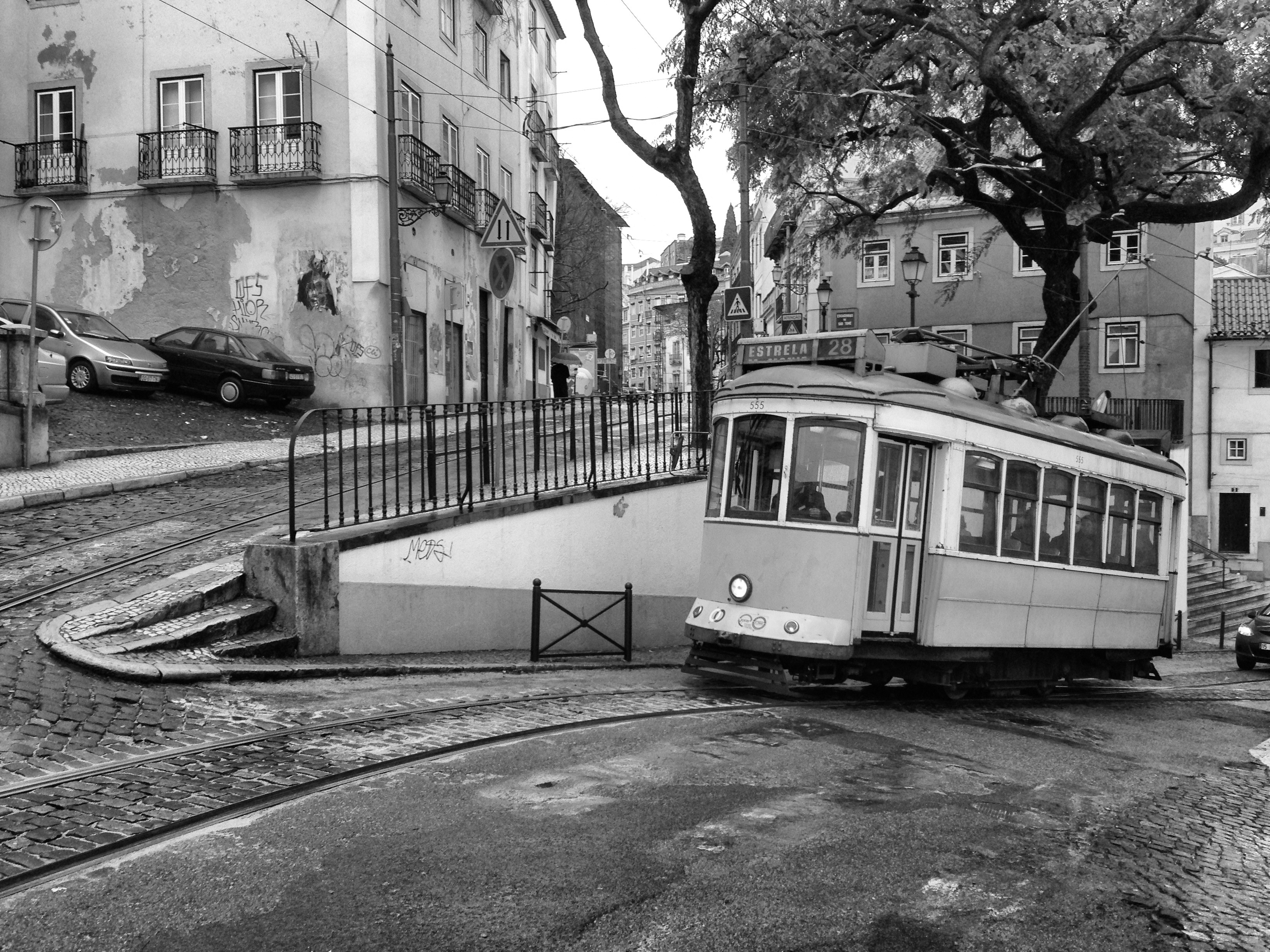
Number 28 is again seen on a rainy day in Alfama. My favorite part of the old town. The surroundings of the Castello are stunning and very charming. It is a lovely part of the town for a walk, but you shouldn’t mind steep hights 😉 In case there is always a tram to bring you up & back.

IMG_4407

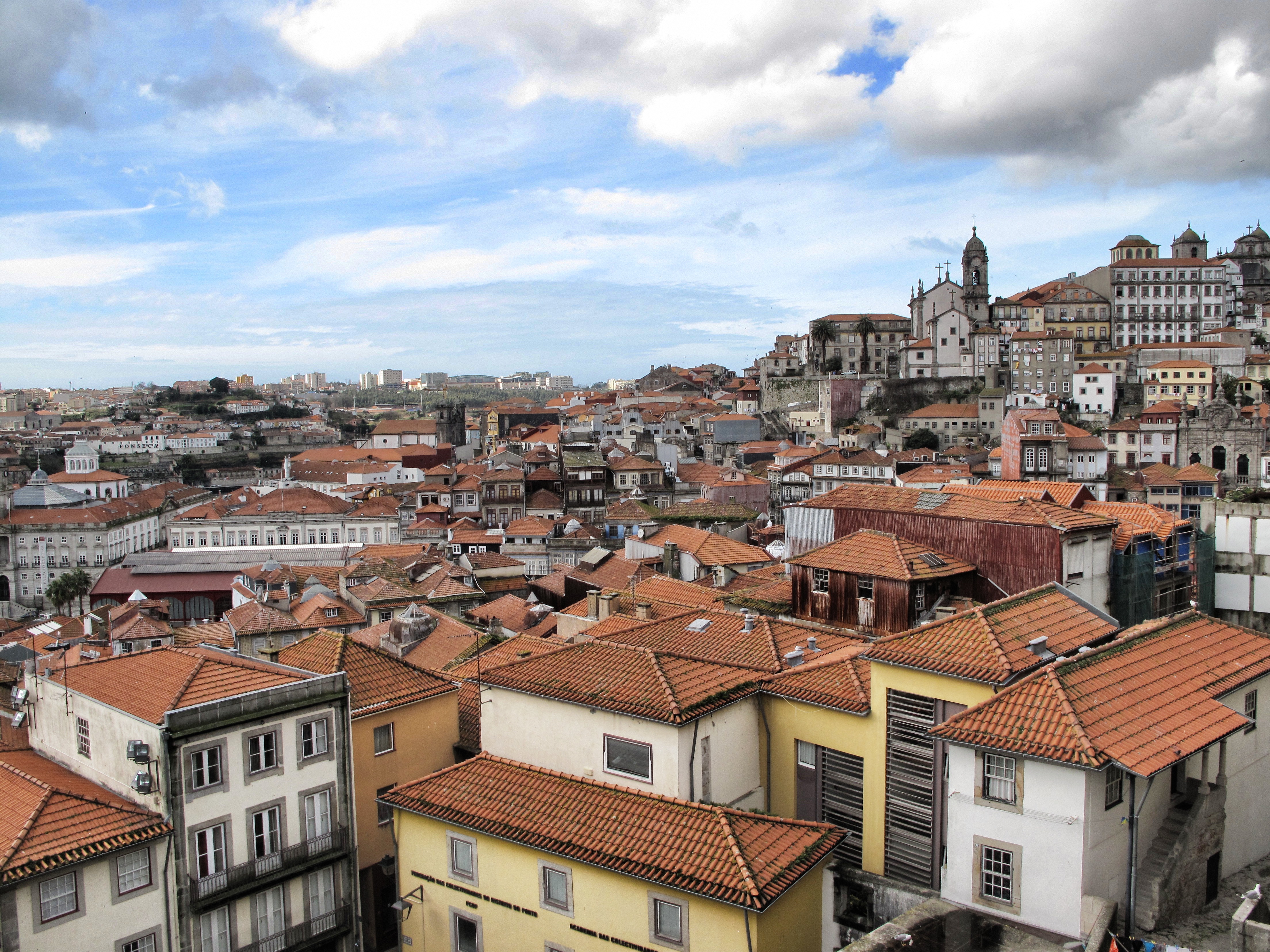
A panorama picture of Porto. One day was definitively not enough for Porto. Although there are not many traditional “tourist sights” here, the city doesn’t need them. It is the maritime flair, the port wine, and last but not least the architecture and the small streets which are selling Porto and making it so attractive (especially for Britons, we were told, because there is a cheap connection from London introduced recently).

IMG_4414

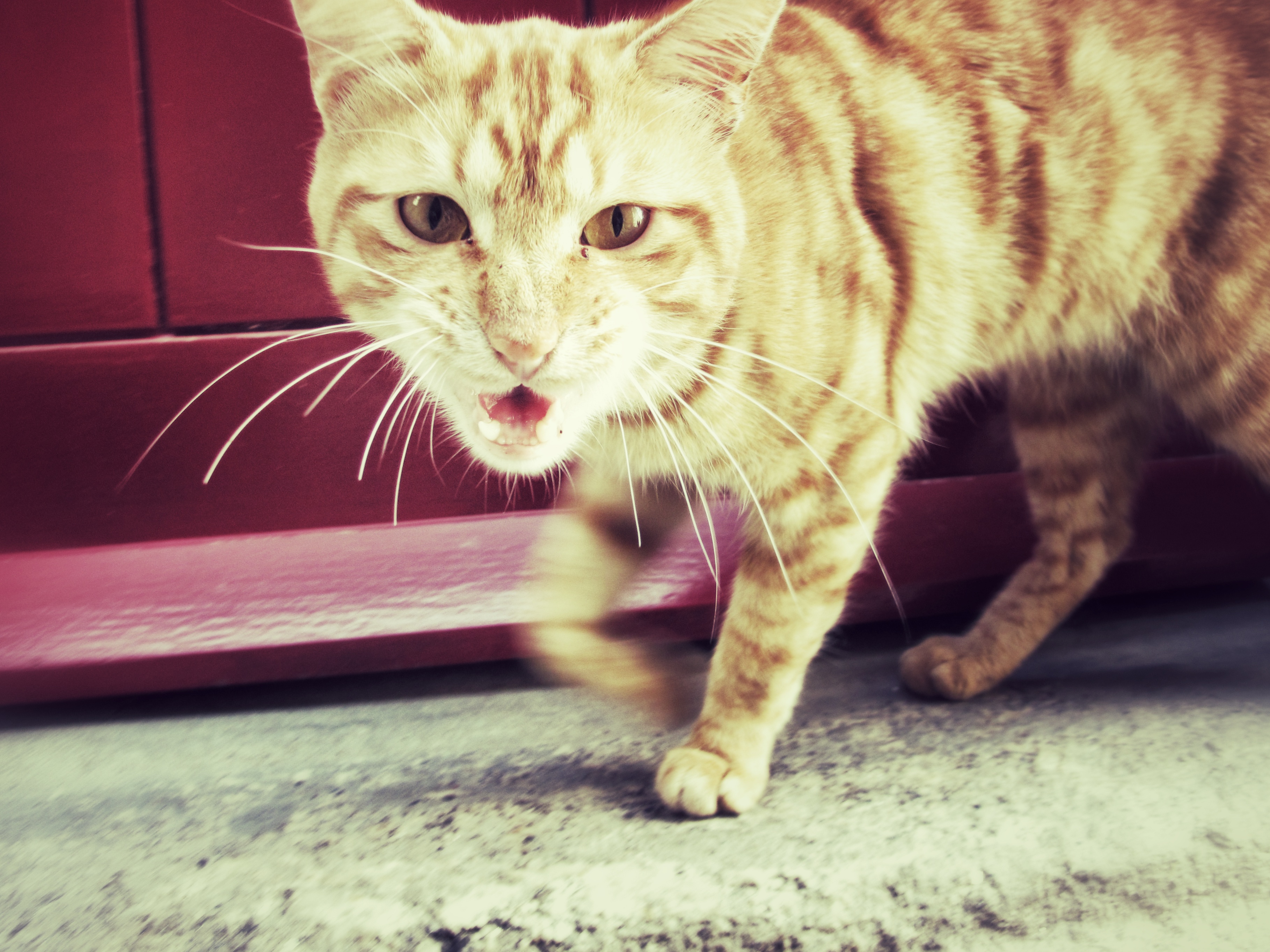
There had to be a cat picture at some point 😉 I get her anger, but I probably wouldn’t enjoy it if someone pointed a camera at me 10 cm in front of my face. So I was a bit of a cat paparazzi here. Guilty as charged. Still cute 🙂

IMG_4654

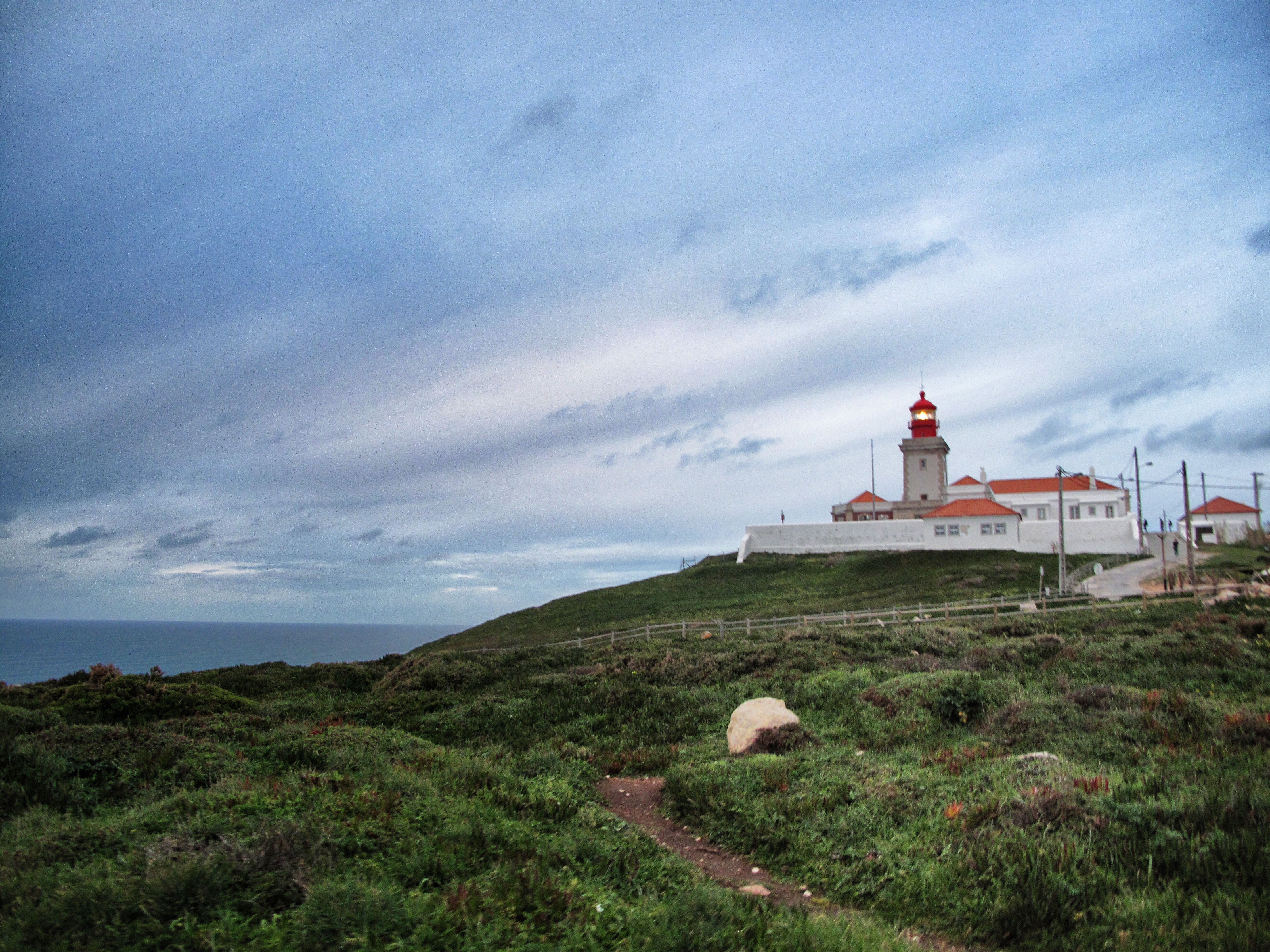
The end of the world. Almost. The back of the European continent at Capo da Roca is 3000 km from home. It is a unique, almost spiritual place. Unfortunately, we had terrible luck with the weather; the wind was awful and cold as ice, so we had to return relatively quickly. Our hope to see the sunset stayed unfulfilled, too. It was beautiful nonetheless.

Portugal Part III

So, if you did like the last two and didn’t get bored, I’d like to invite you for a further recapture of Portugal in February 2013.

test

IMG_1269

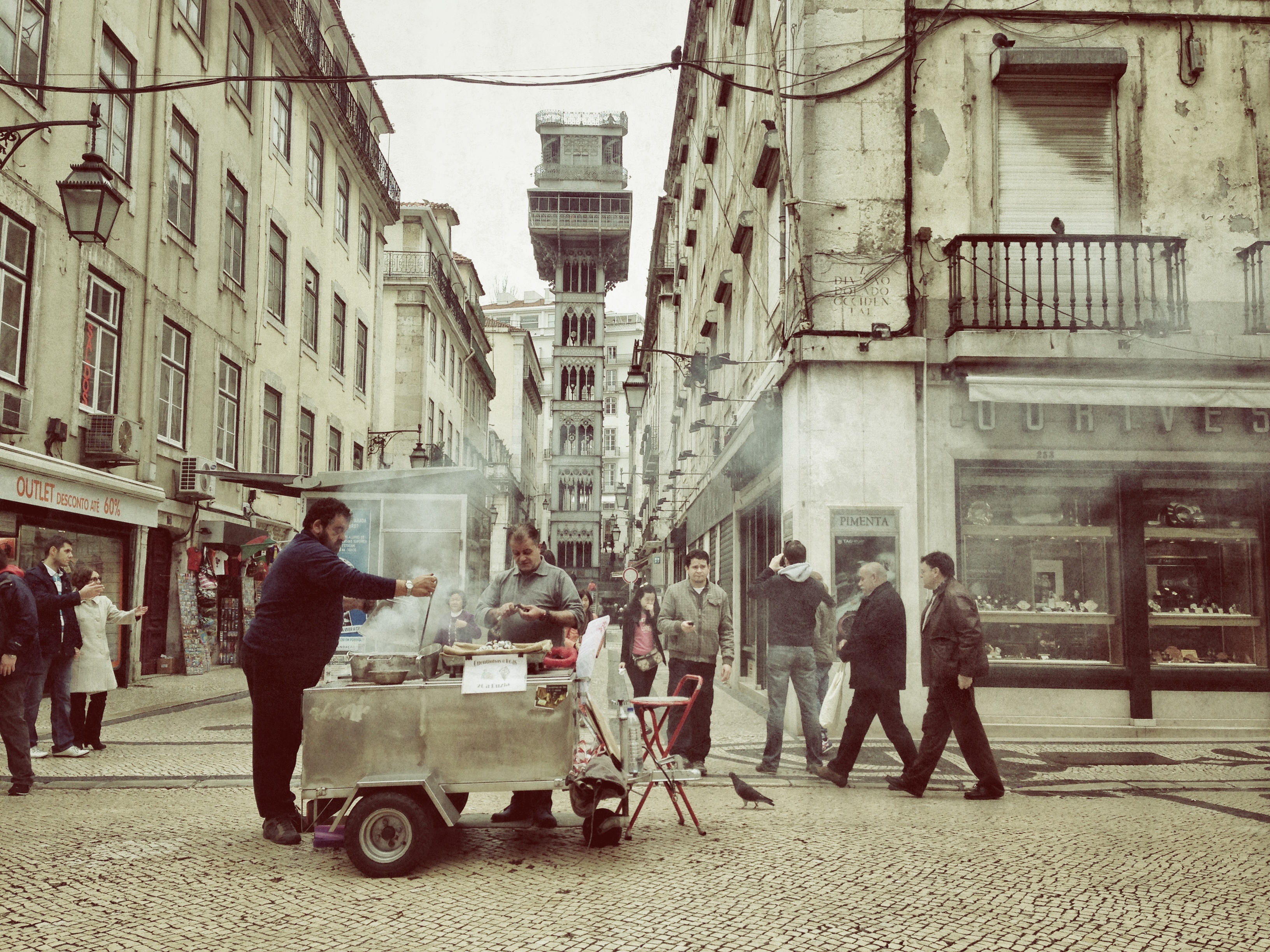
In the foreground, you see a seller of chestnuts. The nuts are delicious, and you should definitely try them. Besides that, the sellers add charme to Lisboa. So it is nice to support them either way 🙂 What they are standing on is worth mentioning, too. It is a specific Portuguese form of a cobbled pavement called Calçada Portuguesa. It is an art that the country is known for and can be seen (and walked on) throughout the city. The patterns are often beautiful, and you only have to look down to enjoy them – but don’t run into a tree, please.

In the background, you see the Elevador de Santa Justa called Elevador do Carmo. It connects the Baixa (downtown) with a higher part of the city (Chiado) and was built by an associate of Gustave Eiffel, the Paris tower guy. It has a steampunk vibe, being a genius piece of 19th-century engineering. The elevator combines “modern” steel as a building material and traditional ornaments as decorative art. But what I personally liked most was the connecting bridge at the top. It leads through a rooftop and – more amazingly – through the remains of an old church destroyed in the earthquake of 1755.

IMG_4450

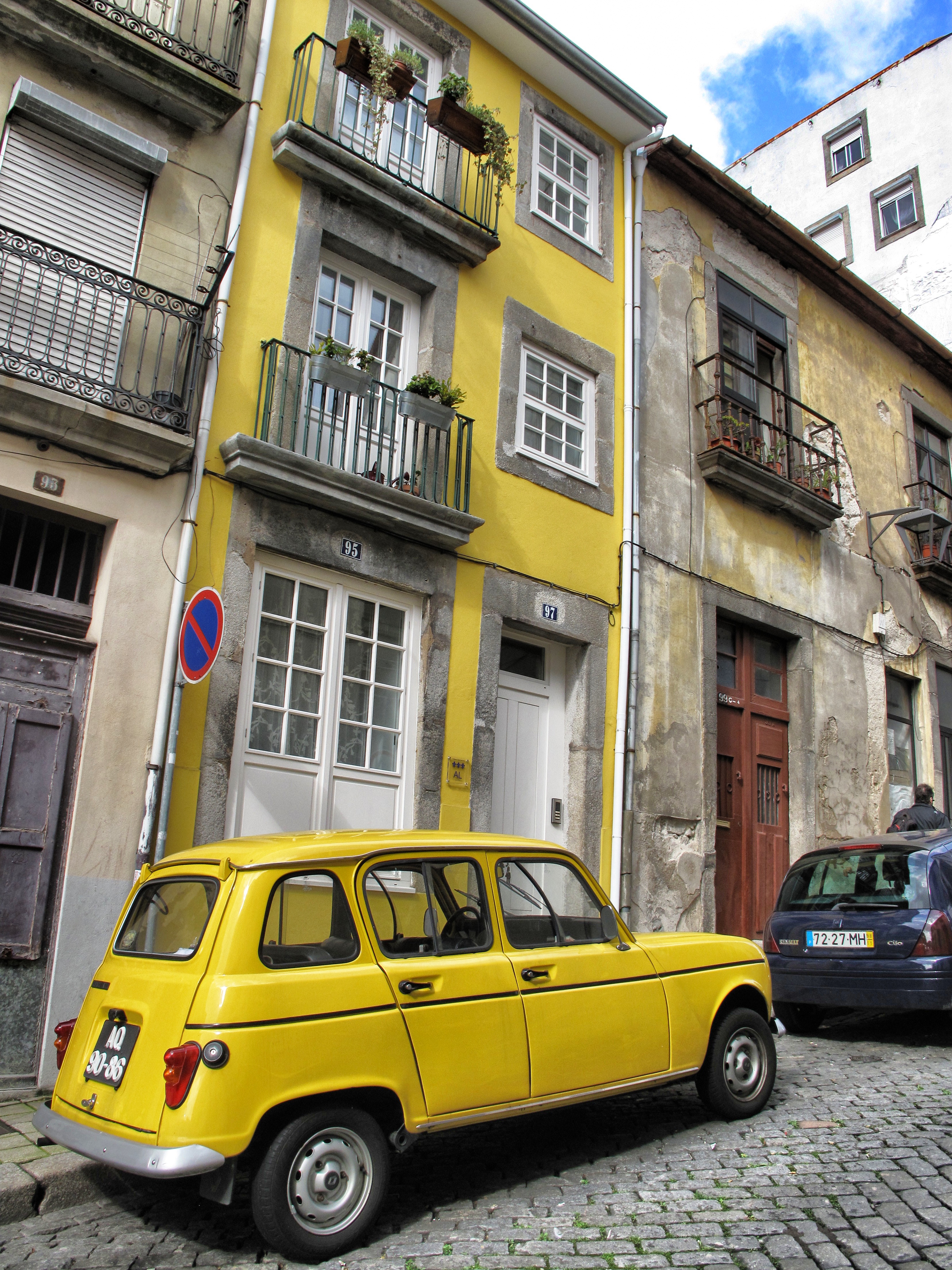
I imagine how the driver saw this house and then a free parking spot and thought MATCH! Or maybe he is the house owner, too, and fond of the color yellow 🙂

IMG_4529

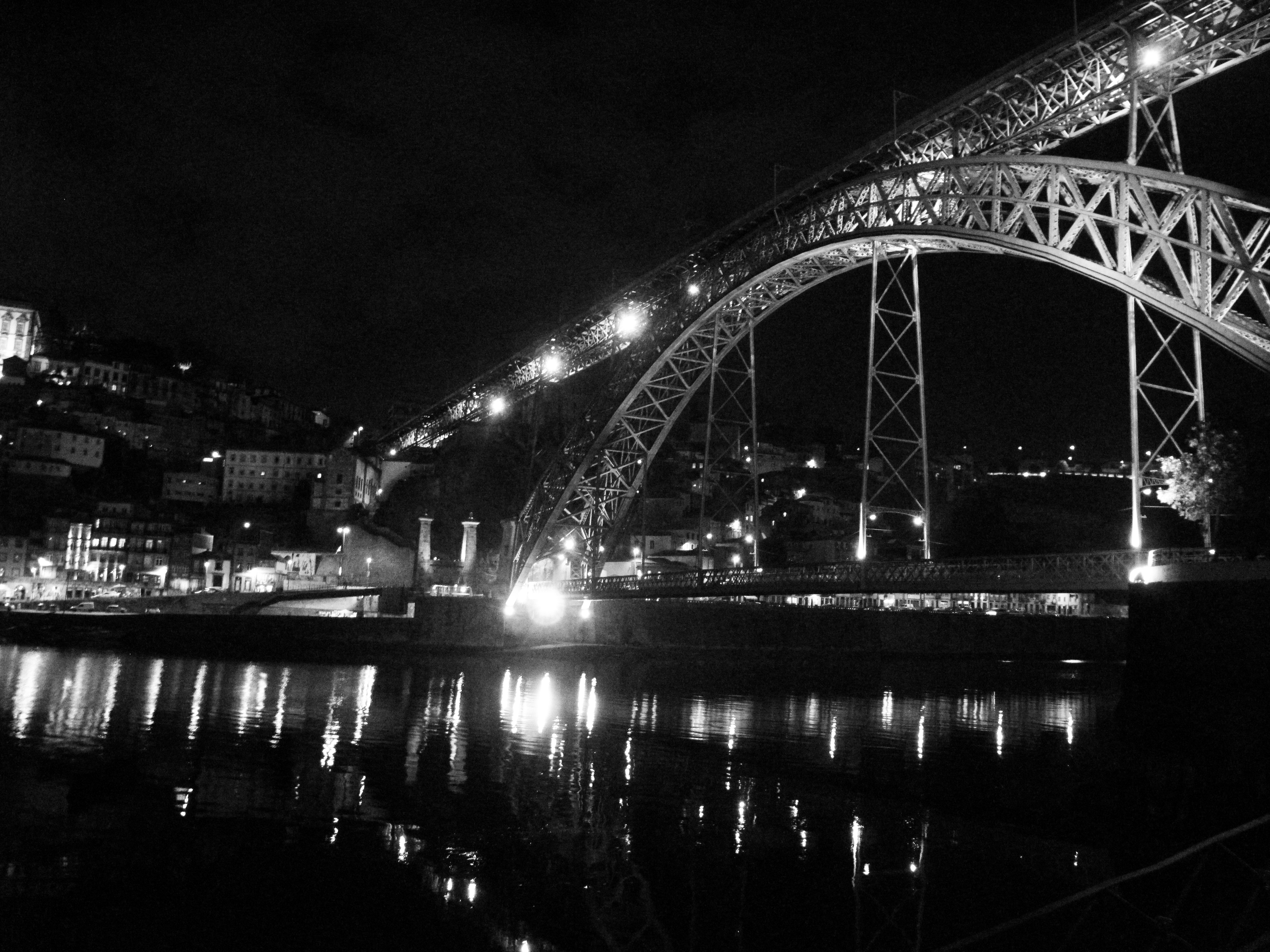
Another architectural piece associated with the Eiffel Tower is the Dom Luise bridge in Porto. This one was built by Théophile Seyrig. A similar bridge further away from the city center was also built by the same architect before. But Eiffel didn’t give any credit to Seyrig, so he decided to compete against his former teacher in the contest for the bridge. After Seyrig won, Eiffel was supposedly so angry that he built the Eiffel Tower. Or so.

IMG_4430

As Lisboa Porto has many viewing points (miradouros) and even more seagulls 😉 They told us they can be pretty aggressive and annoying. But as a mainlander, I enjoyed them very much and prefer them to pigeons – or the rats of the skies – as I joke sometimes. They are gorgeous.

IMG_4304

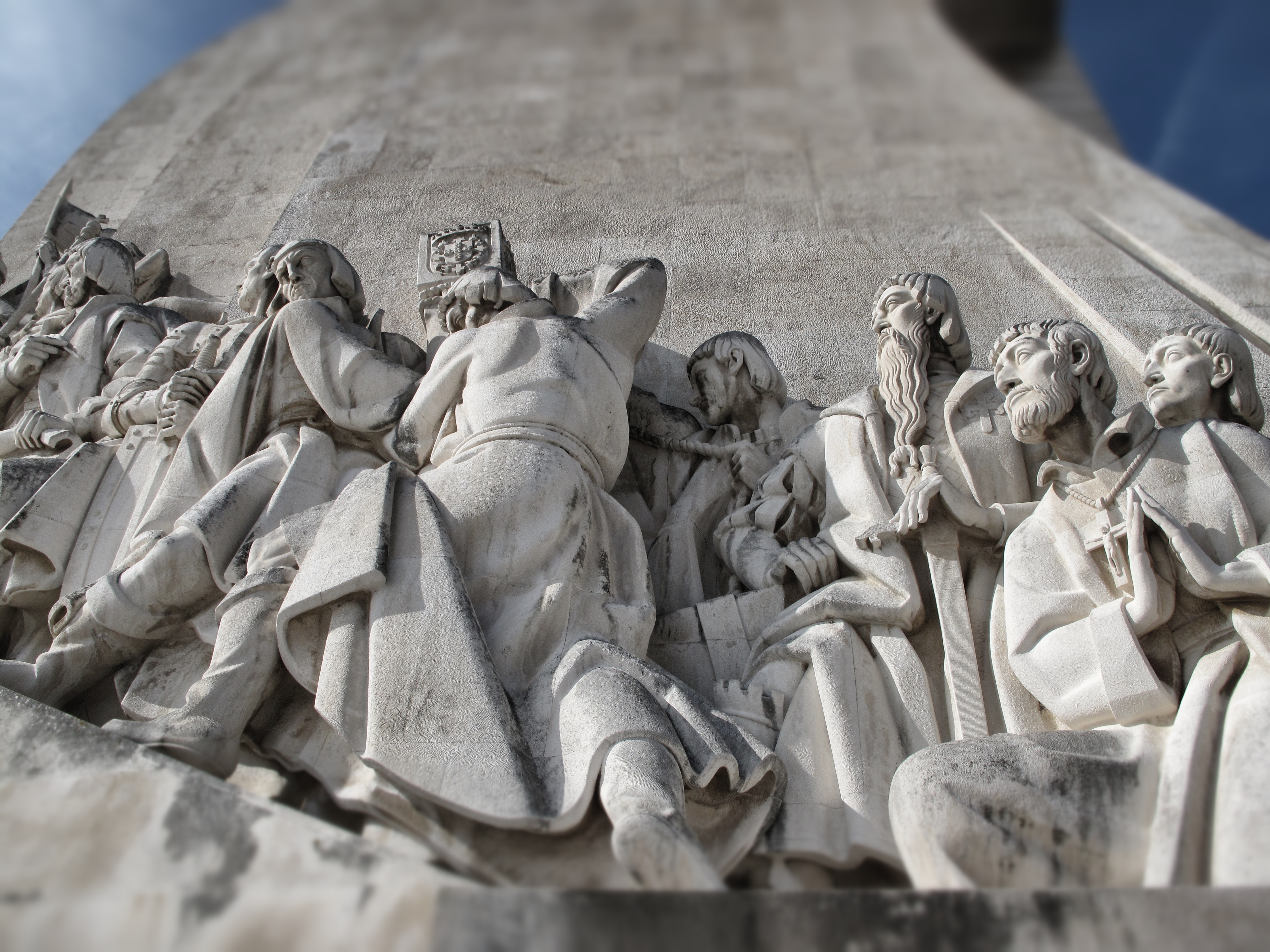
The monument for the Portuguese seafarer. It reaches out into the sea and the unknown with the seamen (and priests 😉 ) longing for a new world. The details are beautiful, and I recommend visiting Belém, an exciting and worth-visiting part of Lisbon crowned by this monument. You can also see the top of it and get a great view of the Tejo.

IMG_4547

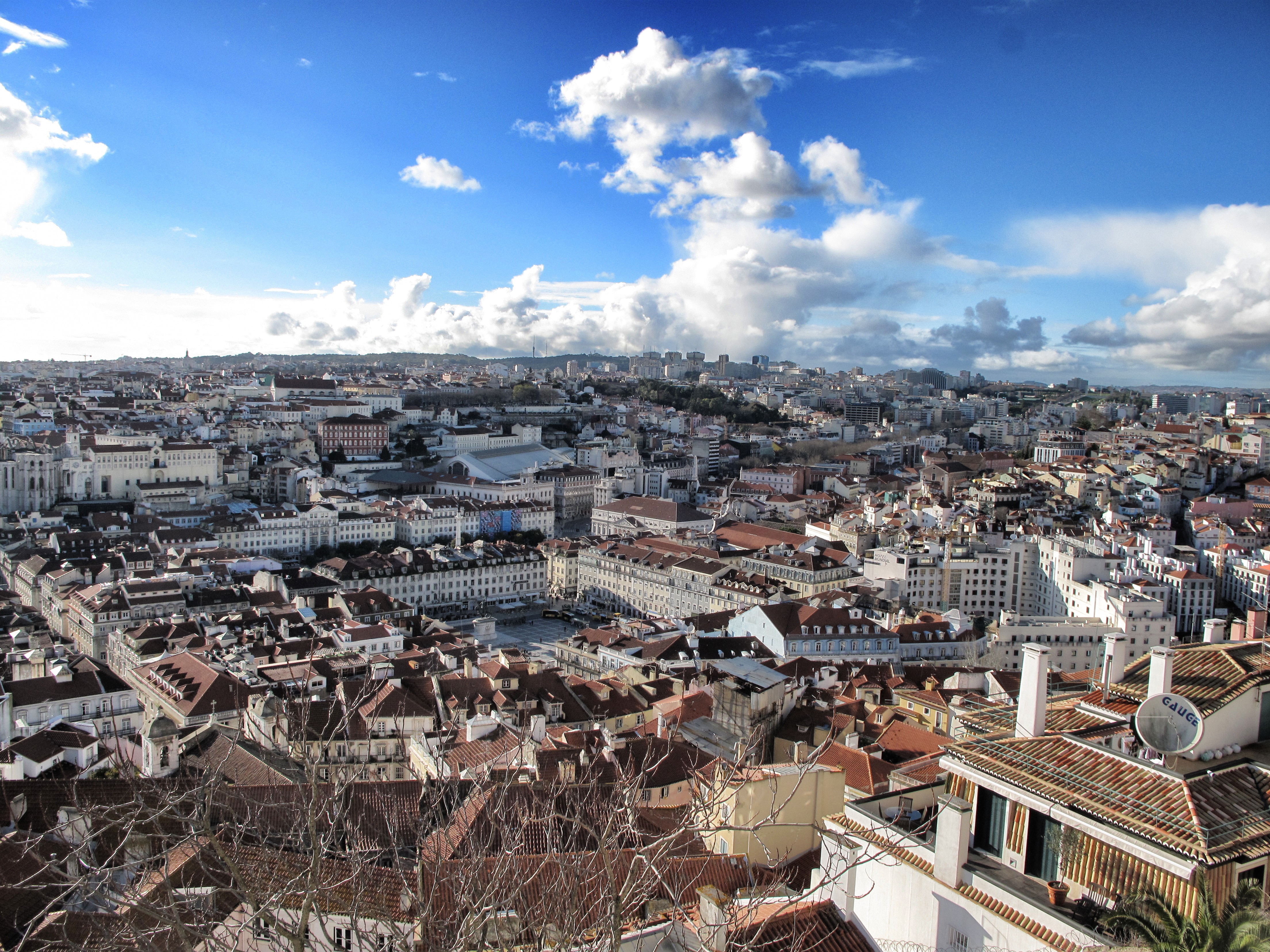
A view of Lisboa from the Castelo de São Jorge. You see the main square and a part of the city not lying directly to the water. Being in the old town, you don’t immediately realize how big Lisboa is. But being up here, you are reminded that you are indeed in a European metropole.

Portugal Part I

February 2013 (amended in 2025)

Confronted with the Austrian winter, I embarked on a week-long journey to a warm and friendly place at the most western point of Europe. Portugal was excellent, and I would like to share my impressions in several posts. Here we go with the first one.

Striking and very interesting was the difference between Porto and Lisboa. One is the name-giver of the country, the other the capital. While Lisboa is undeniably a European metropole, it has a provincial charm to it. Being in the Baixa (downtown), you would think you are in an old 30.00+ town, but when you go up to one of the many (I say again, many) viewpoints, you will discover that you are indeed in a pulsating capital. Porto just screams life. These narrow streets are full of history, churches out of pure gold (which will take your breath away), superb restaurants, and lovely people. And port wine 😉

test

IMG_1193

IMG_4294

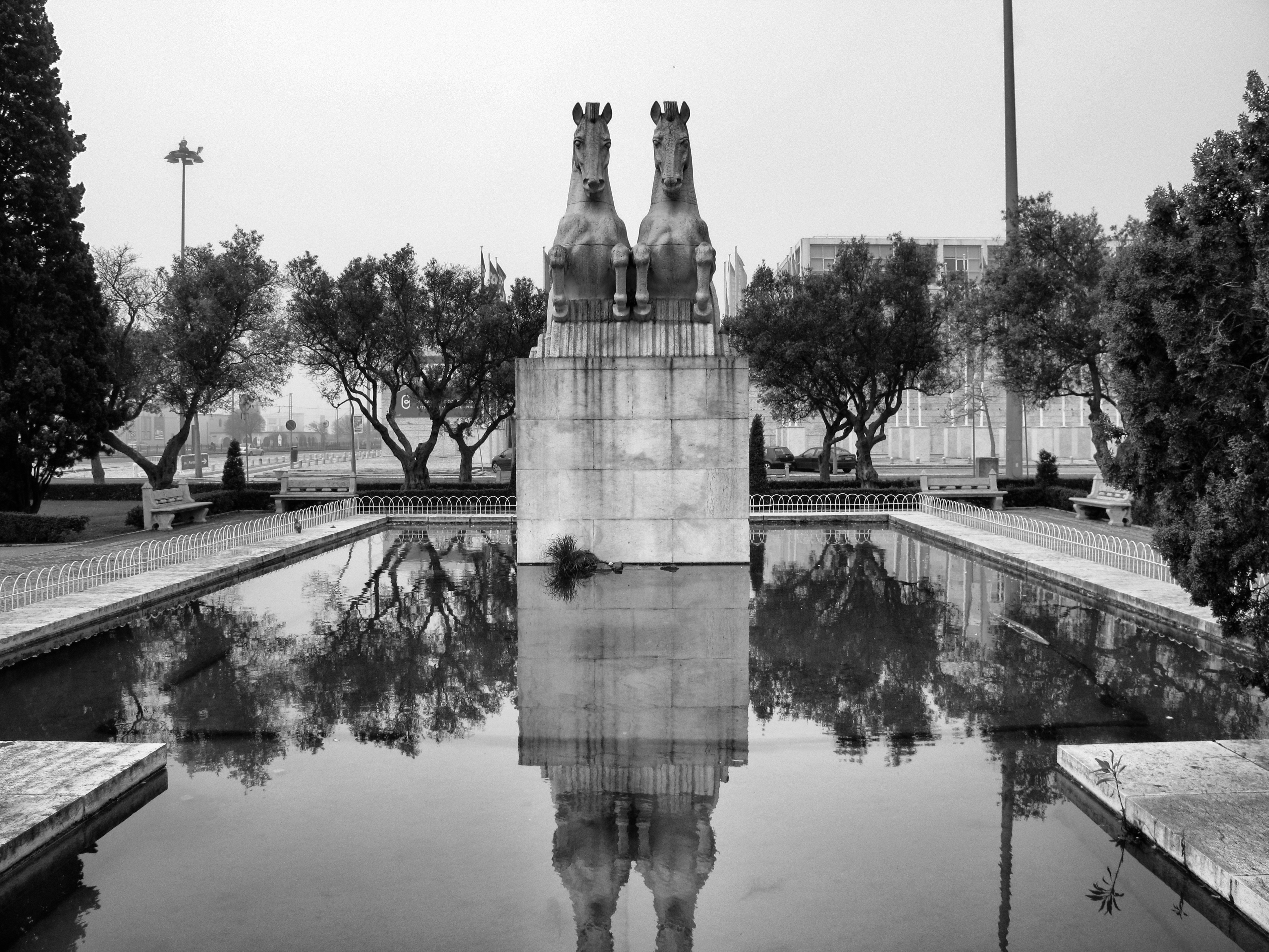
This statue stands before the Museum of Contemporary Art in Belém, Lisboa. Laying a little bit outside of the city core, Belém is an important cultural area. We slept in Belém for the first nights, and it was perfect to discover the sights here, like the Mosteiro dos Jeronimos (a beautiful monastery of the 16th century and World Heritage – see down below – ) and the Torre de Belem (tower from the same century and symbol of the city).

IMG_1157

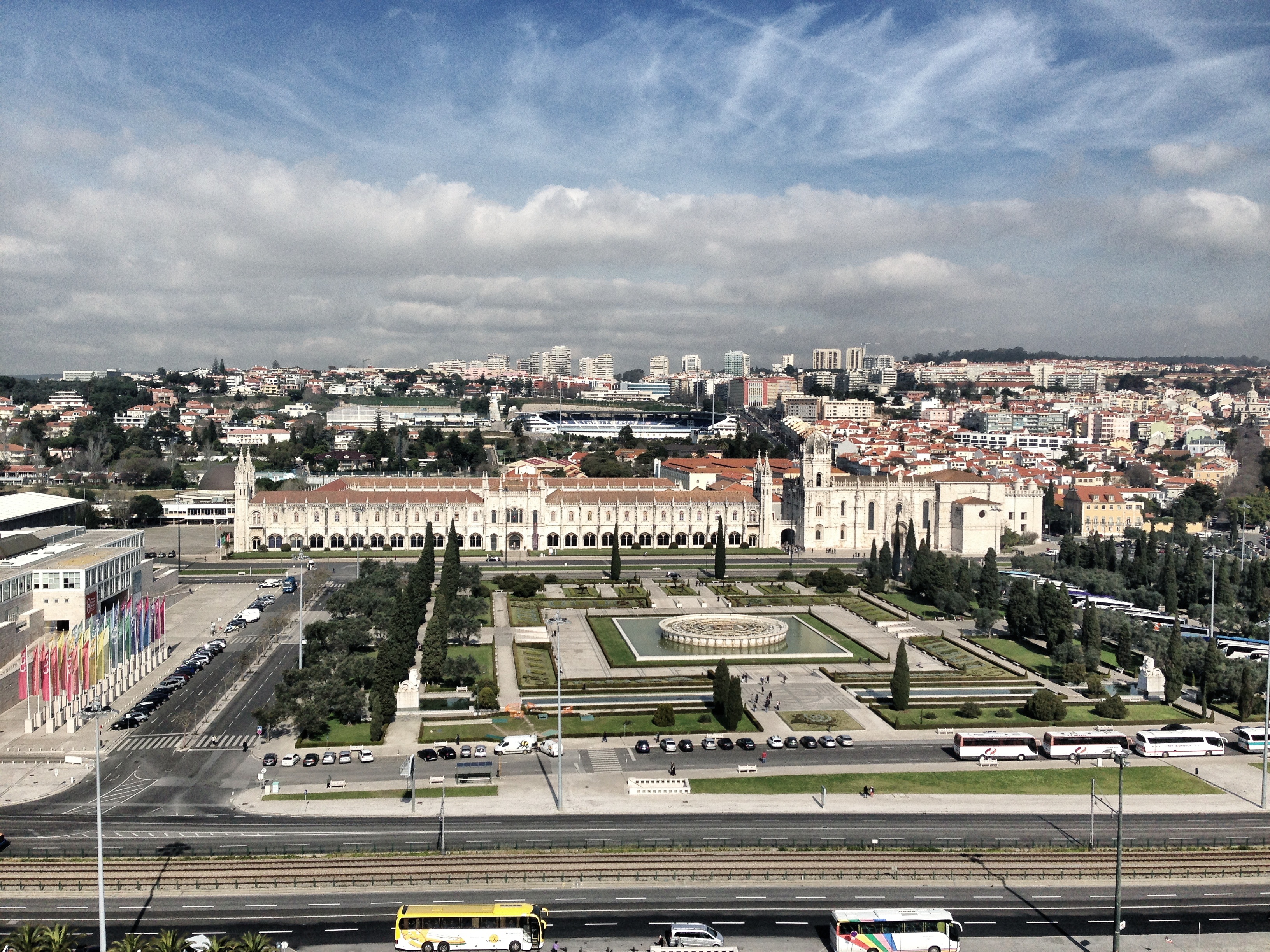
A bird view of Belém. You see the mentioned monastery. Once, Belém was situated outside the city. After the earthquake of 1755, there were ideas of rebuilding the destroyed Lisboa in Belém, which did not suffer as much from the catastrophe.

IMG_1210

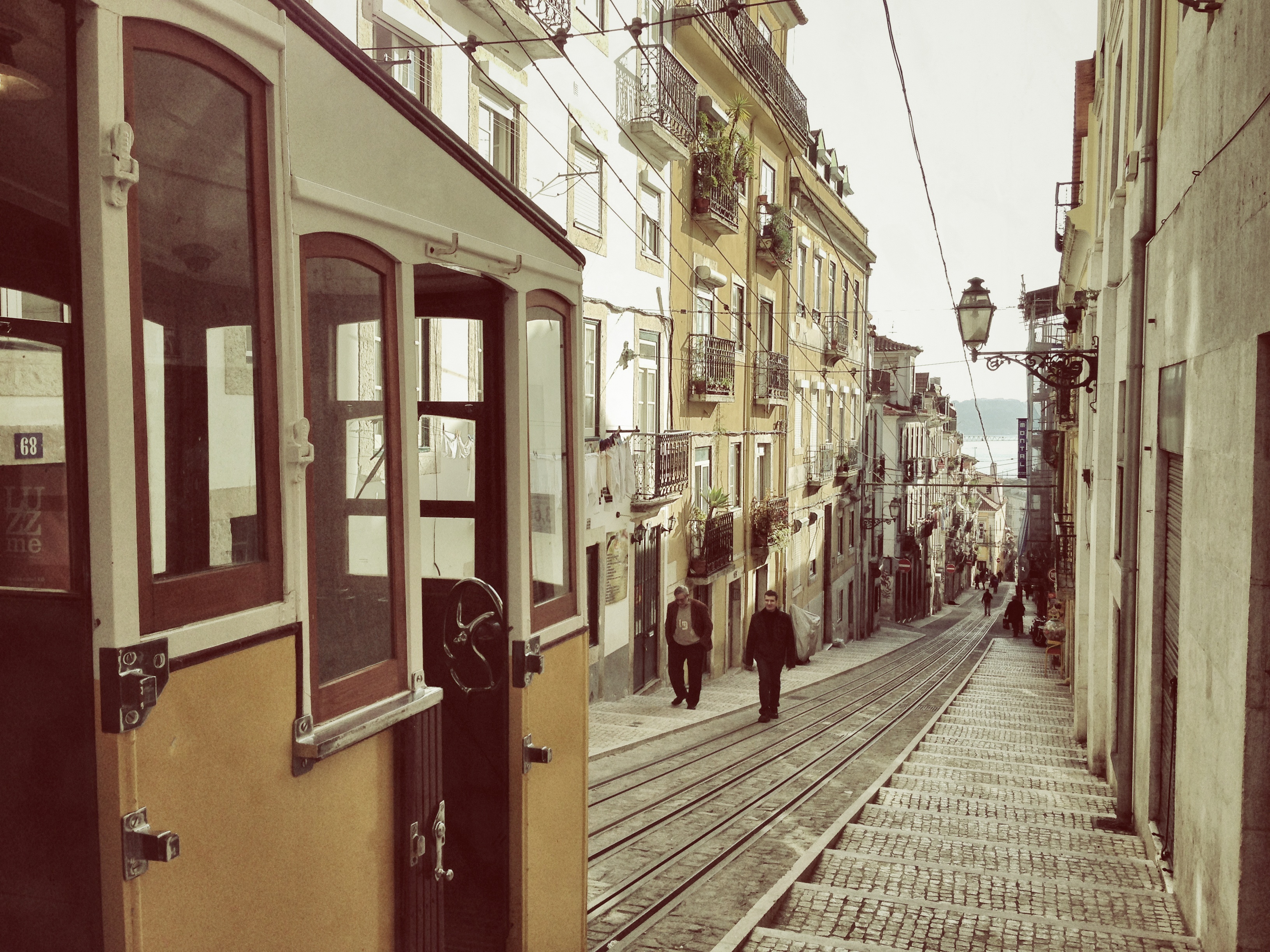
One must love these precious yellow trams. Especially the ones going from the lower parts of the city to the higher parts. The view is fantastic, and the atmosphere is unique. The center of Lisboa can be dived into a valley (Baixa) between two hills (Bairro Alto – seen here – and Alfama), the trams connecting them. A line crossing all these neighborhoods is Number 28.

IMG_1667

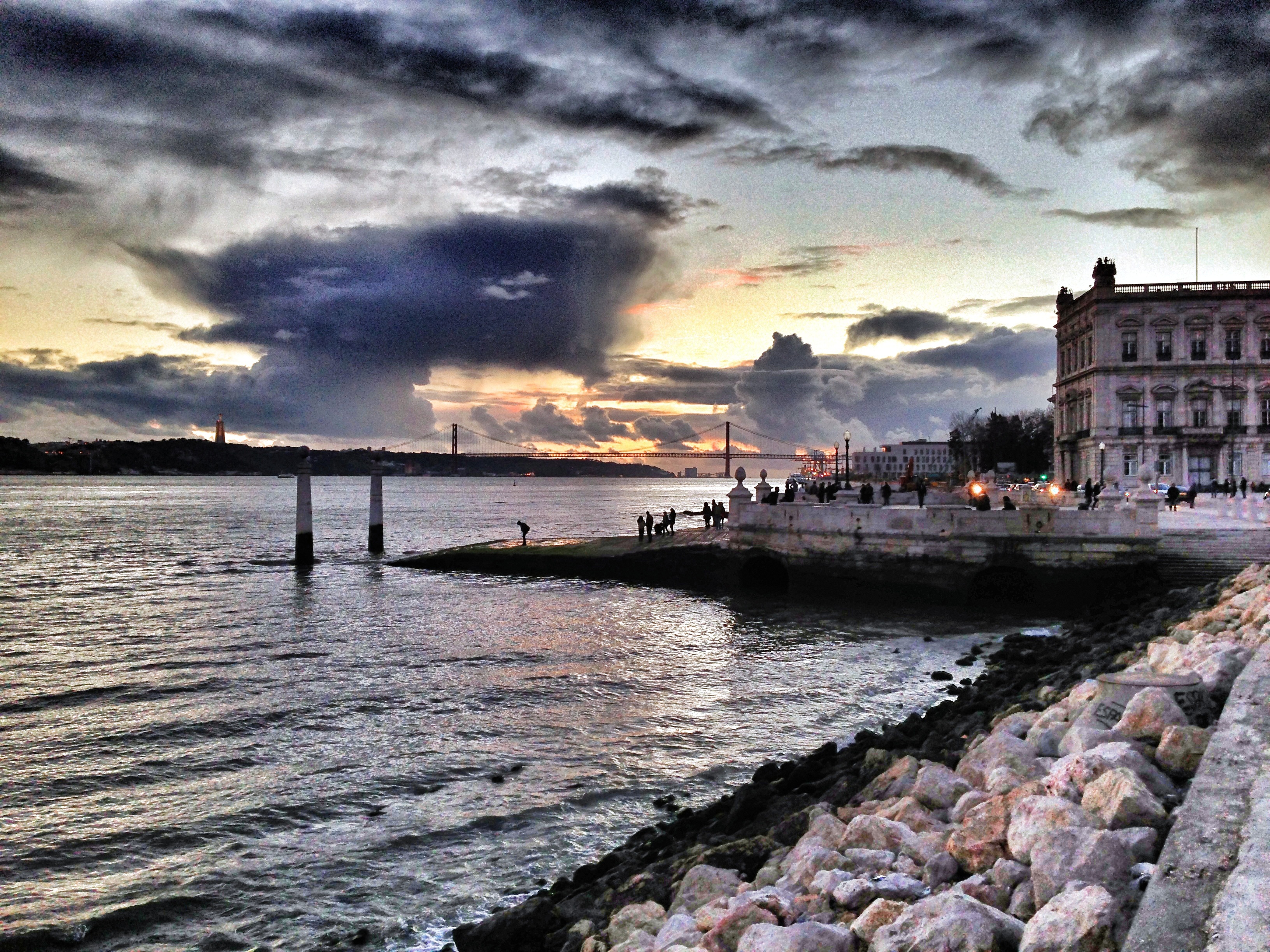
In the background, you see the 25 de Abril bridge connecting the independent city of Alameda with Lisboa. It is a suspension bridge often compared to the Golden Gate Bridge. In fact, it was built by the same company and constructed in a similar style because of the thread of earthquakes both cities are constantly facing.

IMG_4447

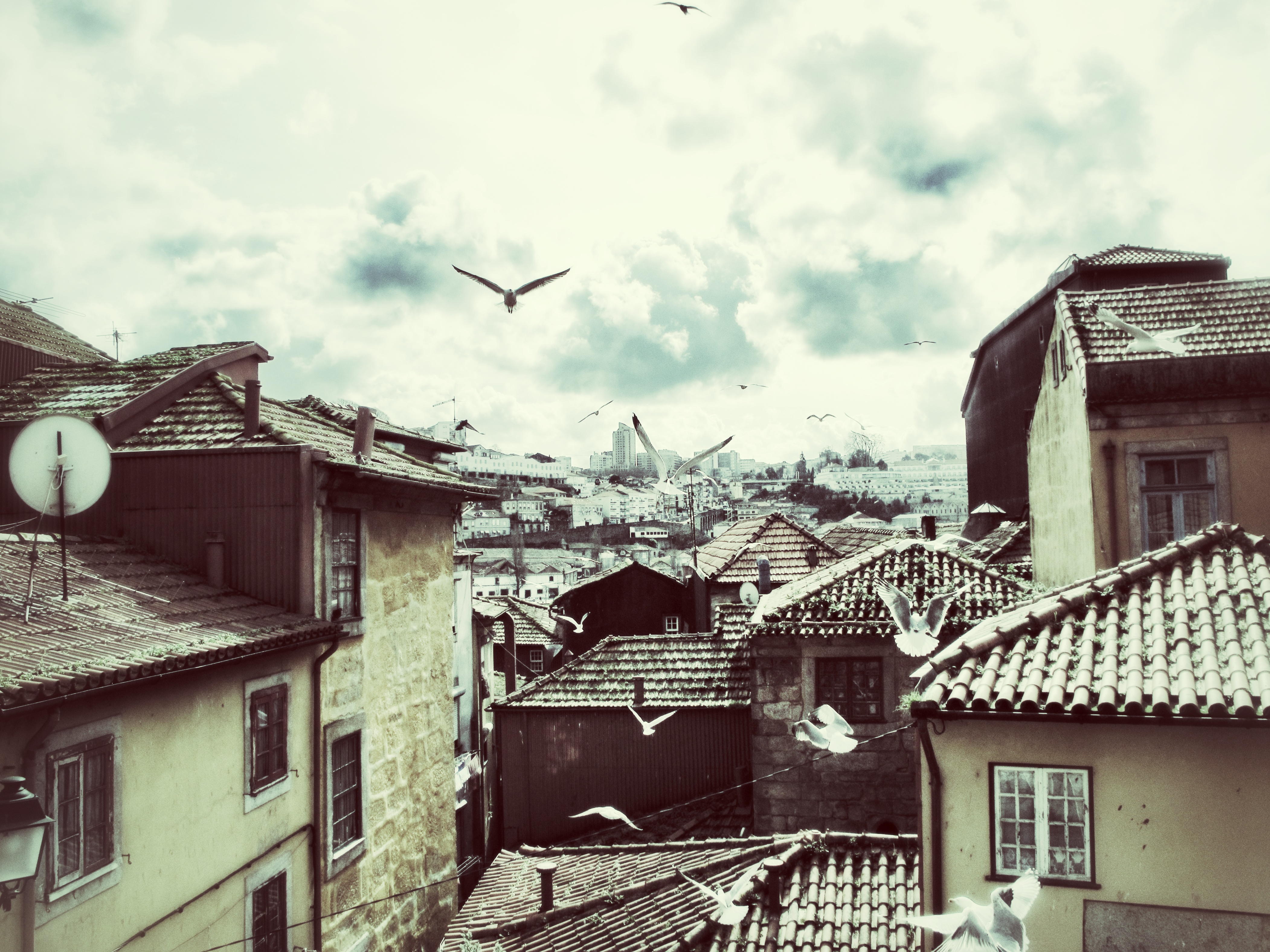
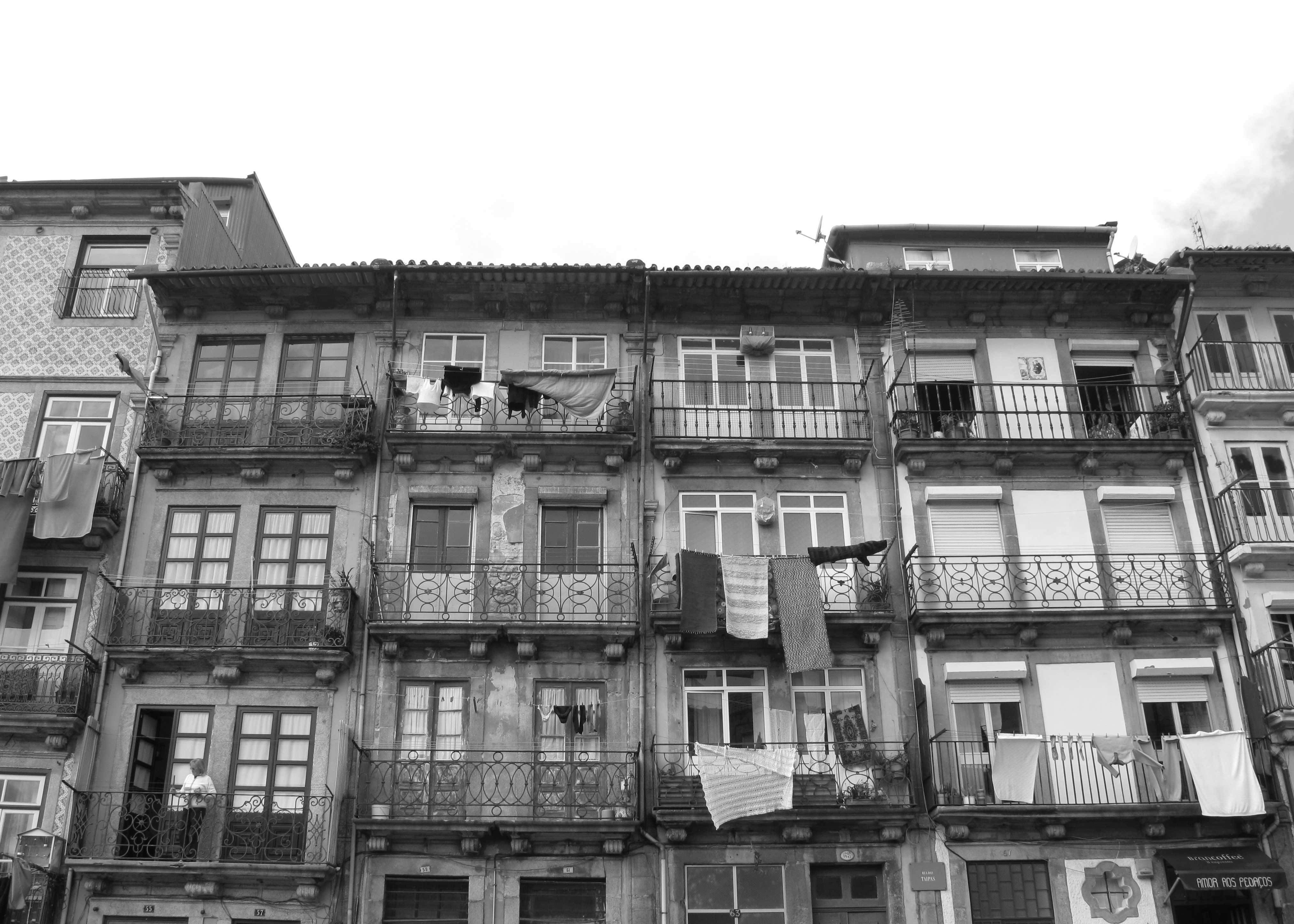
While the earthquake of 1755 could be felt in Porto, too, the city was not destroyed, and so are the houses much older. But besides that, the city’s buildings seem narrower and have a charm different from Lisboa.

1 3 4