Skip to content

Greek Series: Red Santorini
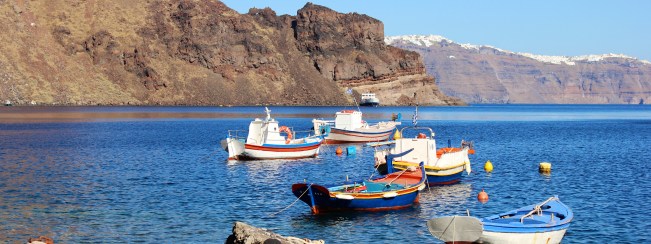
This post is part of the so-called “Greek Series,” consisting of photographs I shot while backpacking Greece in September 2013. You’ll find a basic introduction to the series here, and the last post featuring an expedition to Nea Kameni can be accessed here.

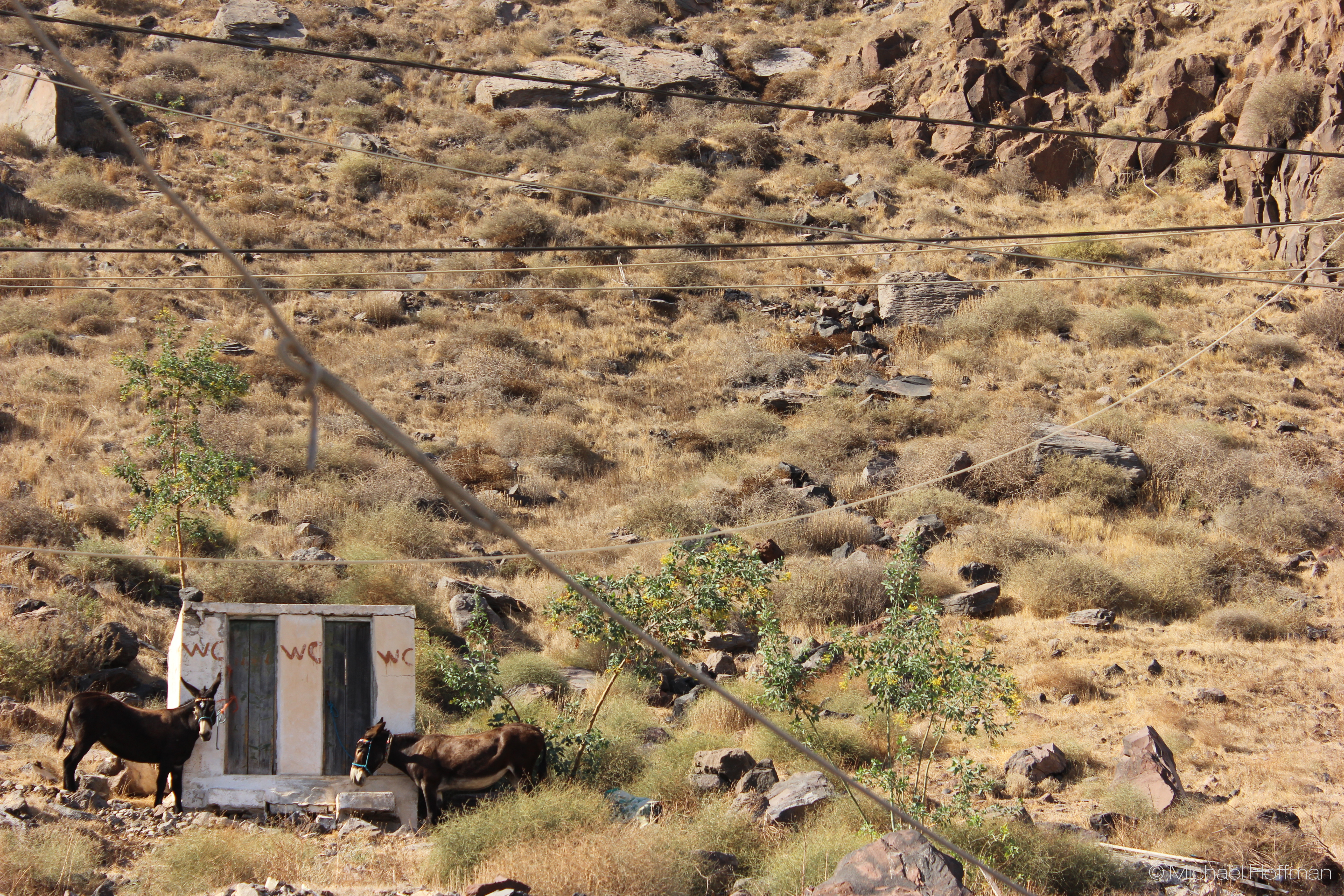
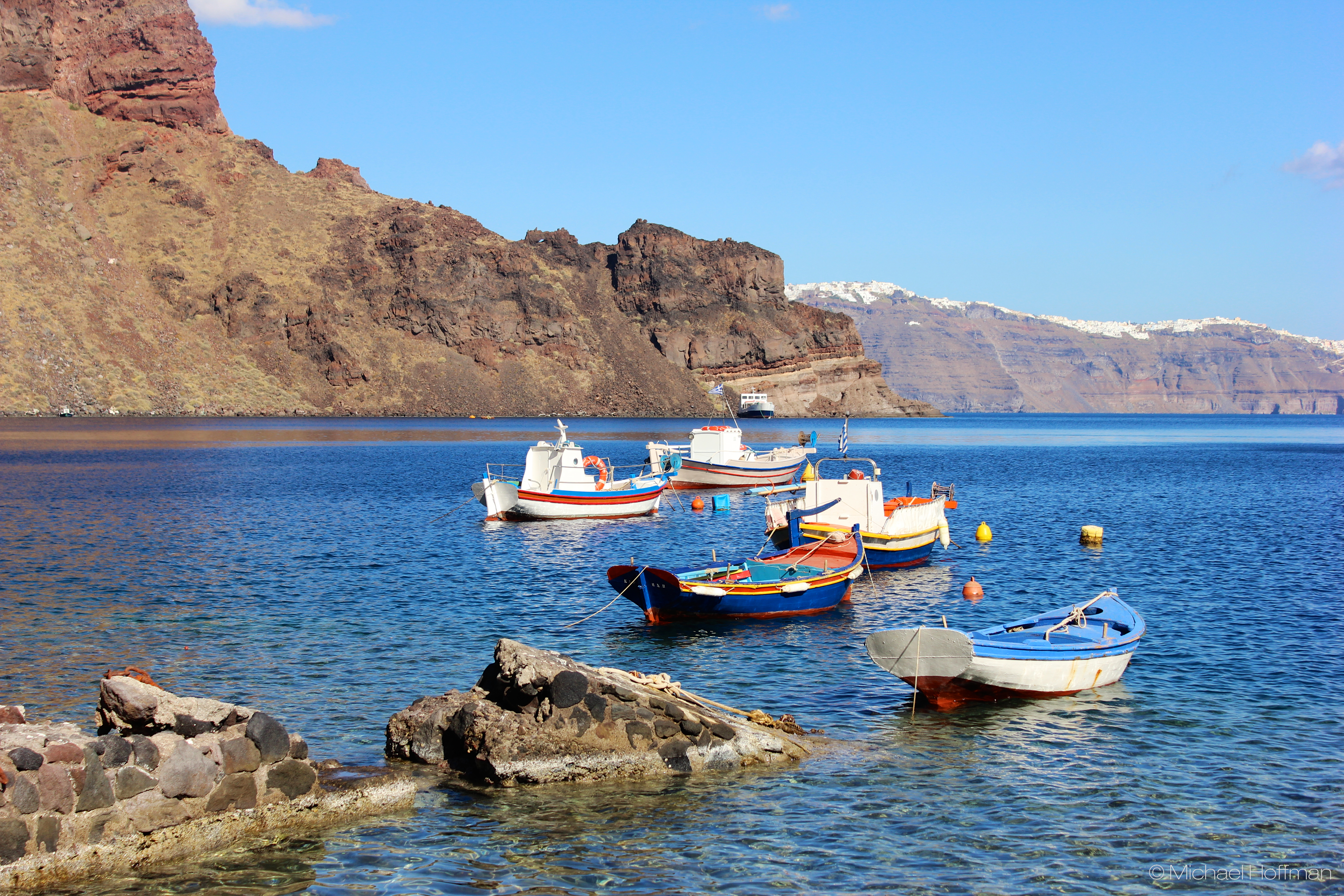
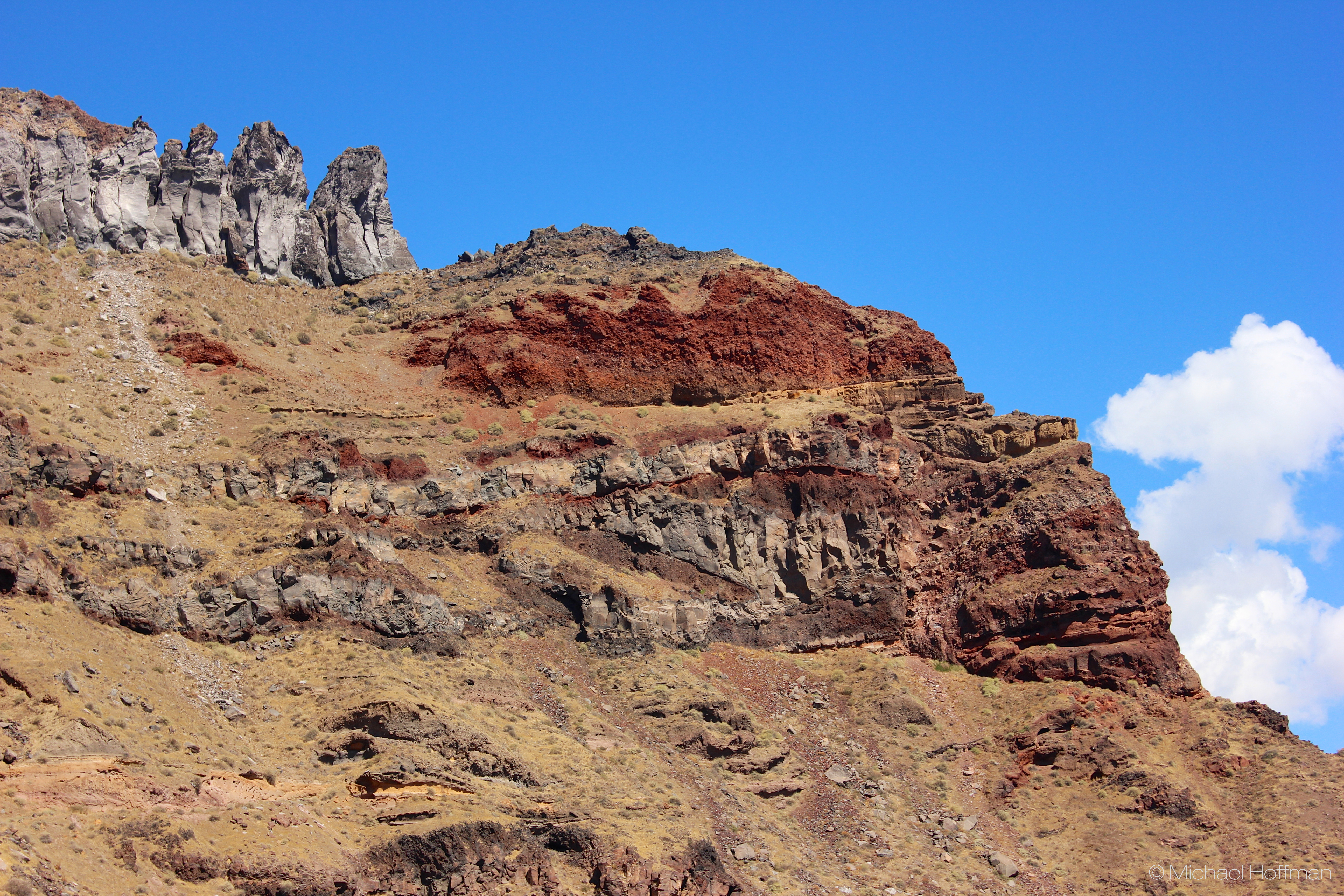
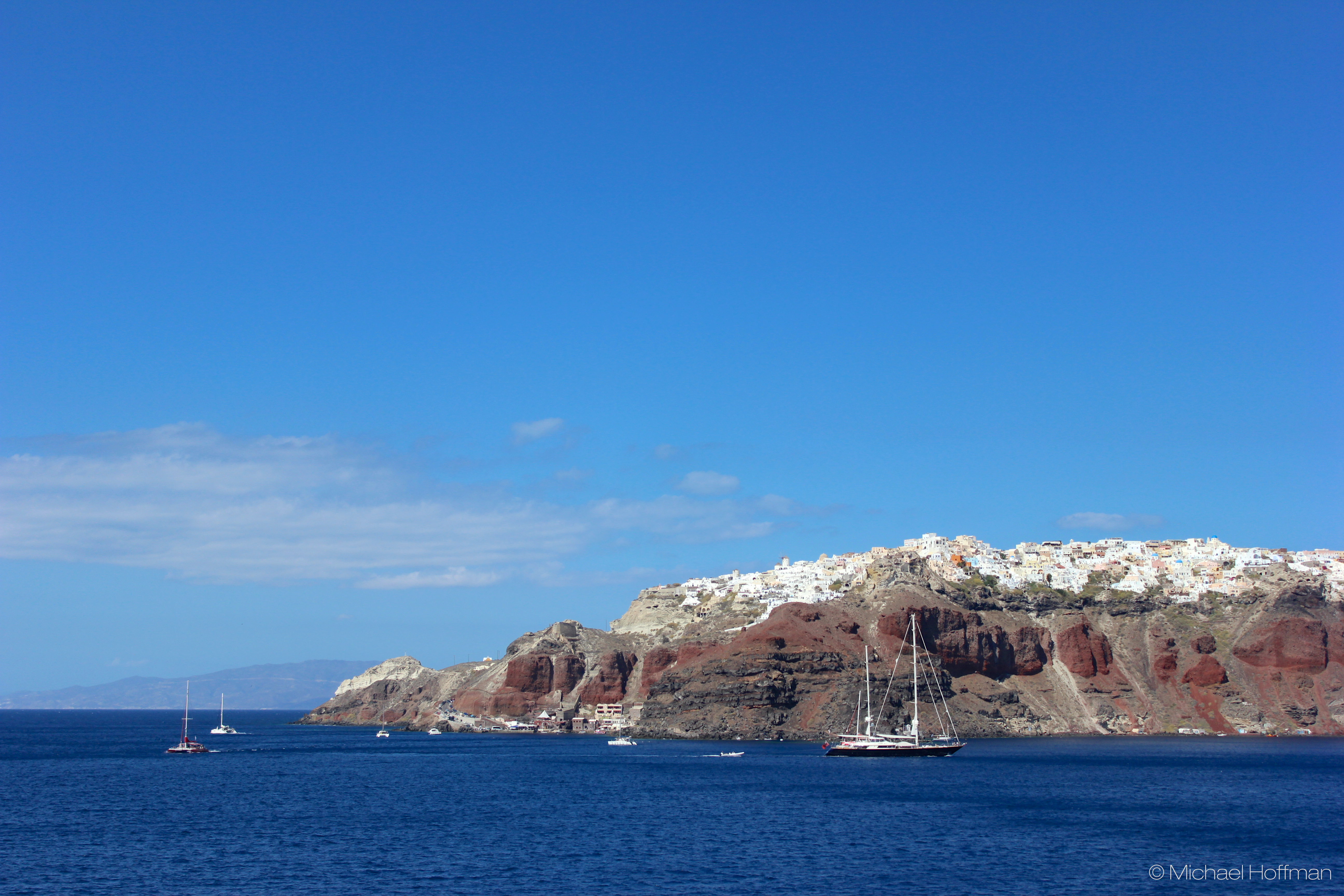
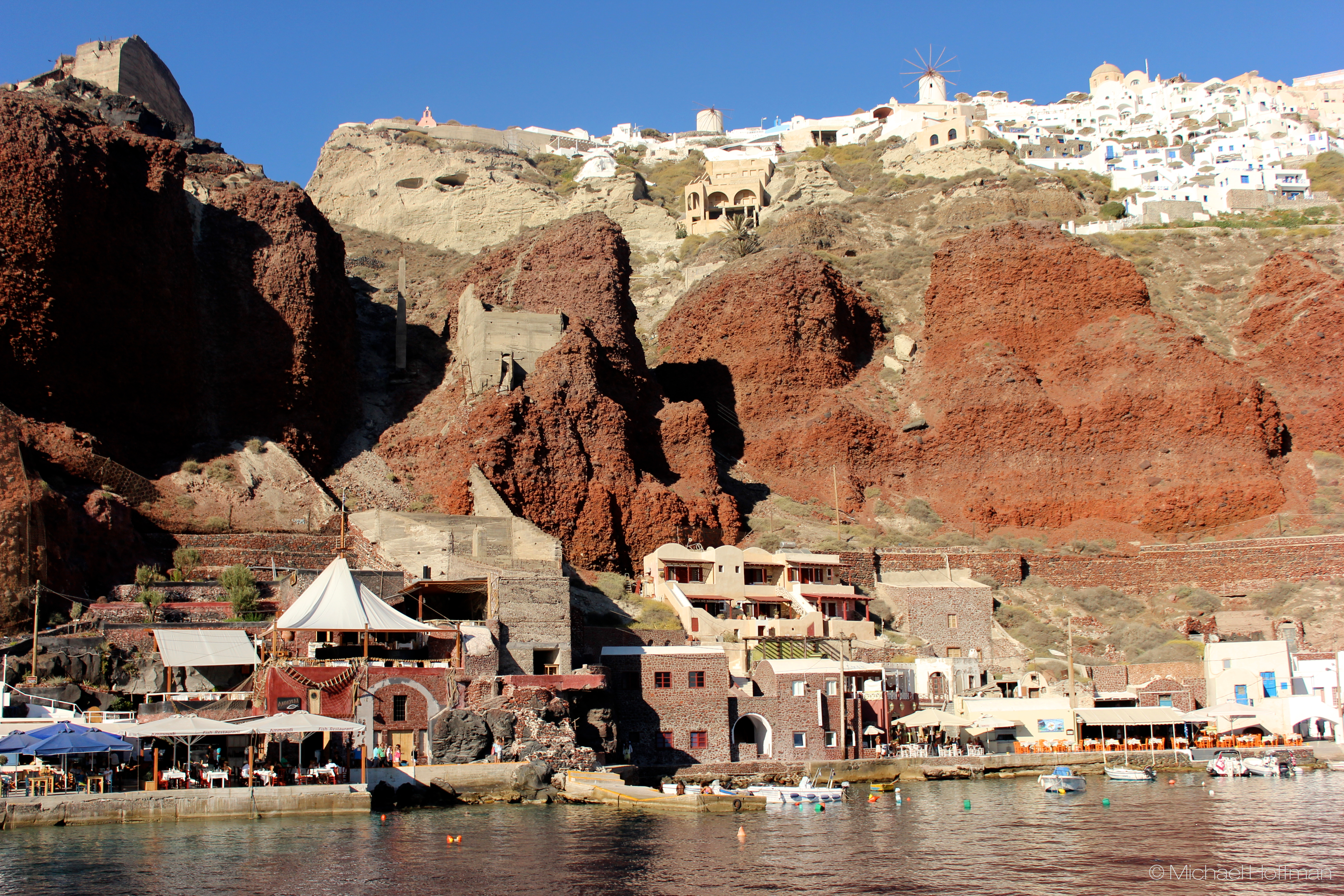
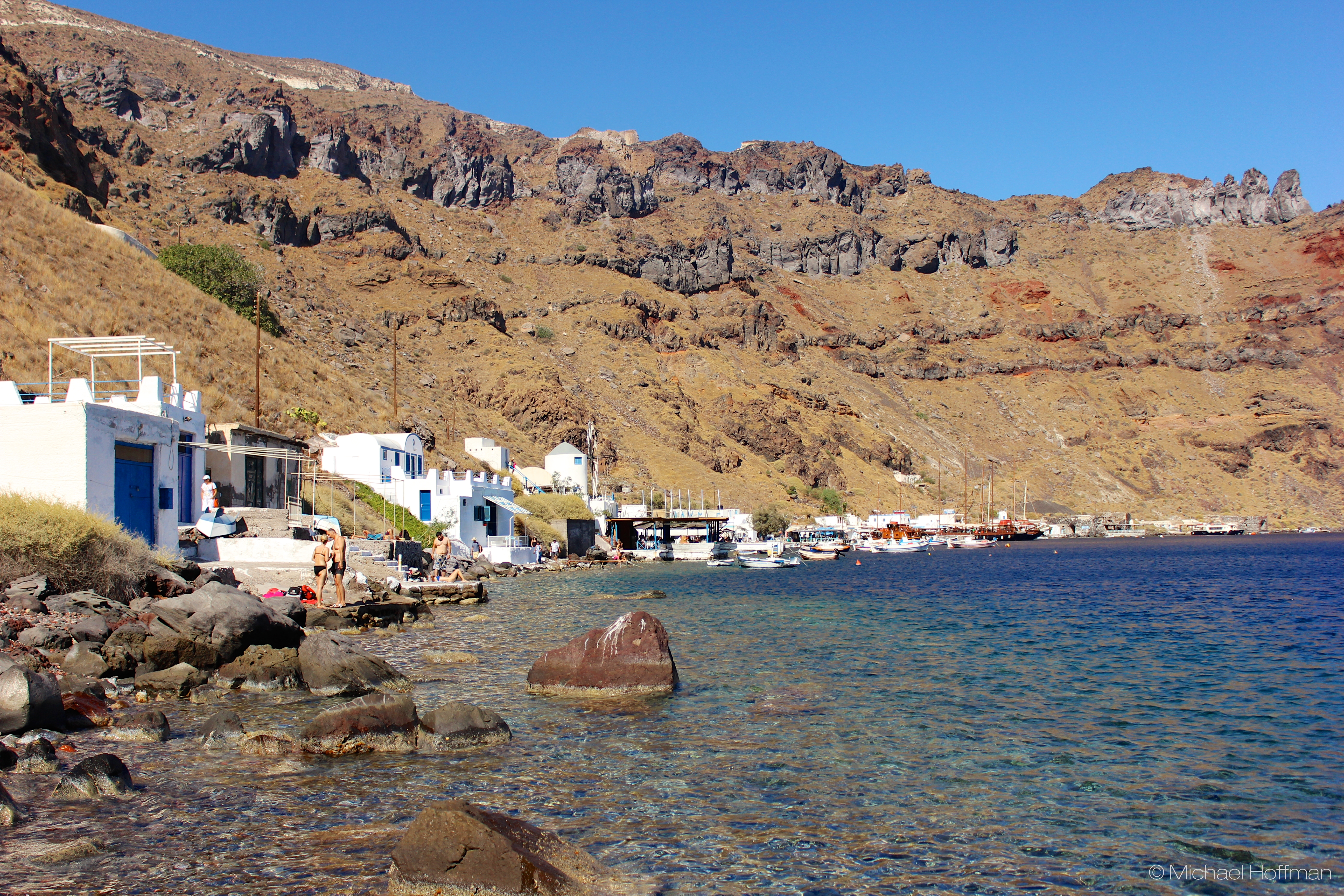
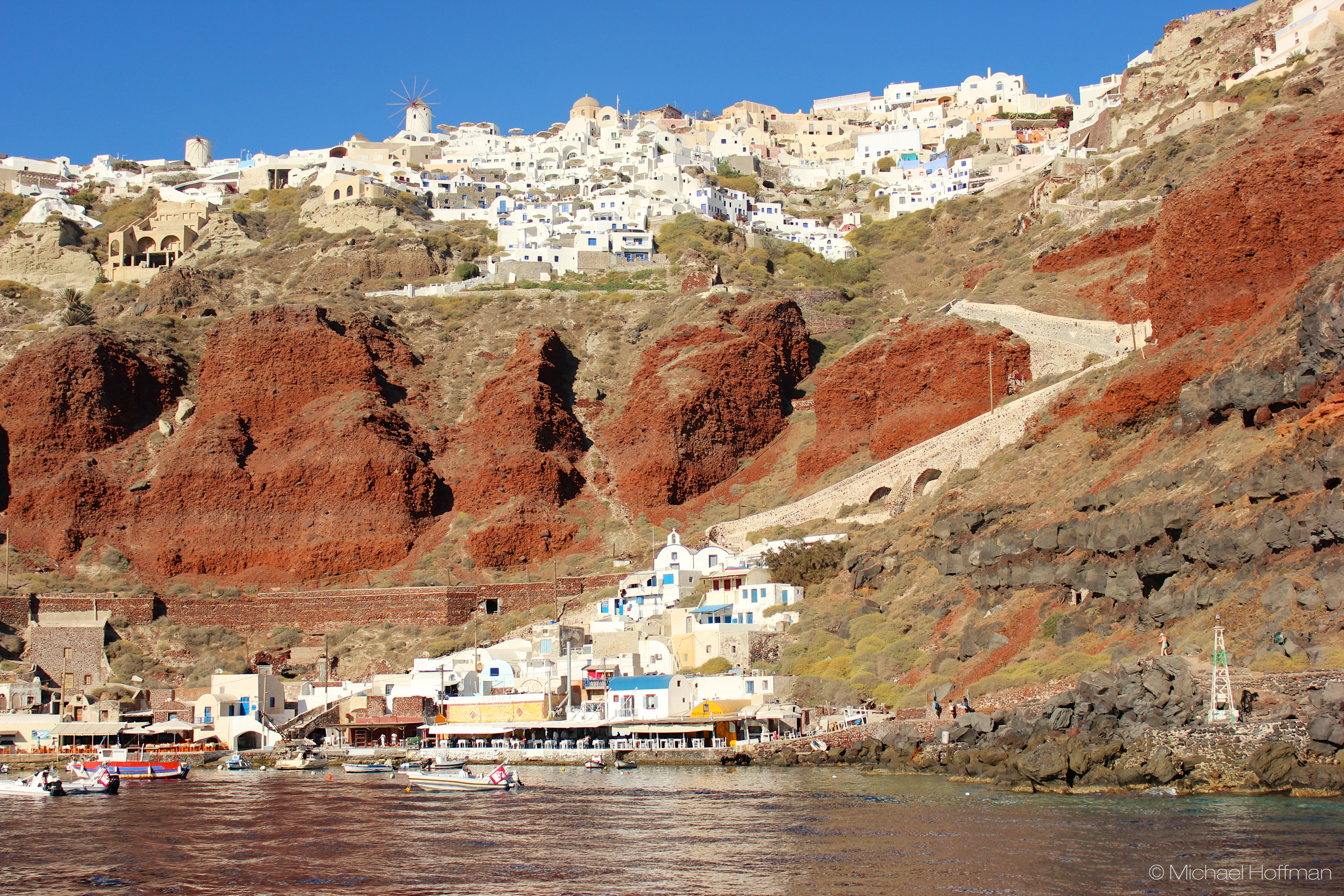
The caldera of Santorini is a fantastic place. Due to the significant volcanic eruption around 3,500 thousand years ago, the island is covered in red and black stone, exposing layers of rock that are millions of years old. Also, the water sometimes tends to be reddish, making it an almost alien sight.

test

IMG_1785

IMG_1777

IMG_1773

IMG_1745

IMG_1565

IMG_1782

IMG_1810

IMG_1754

IMG_1820

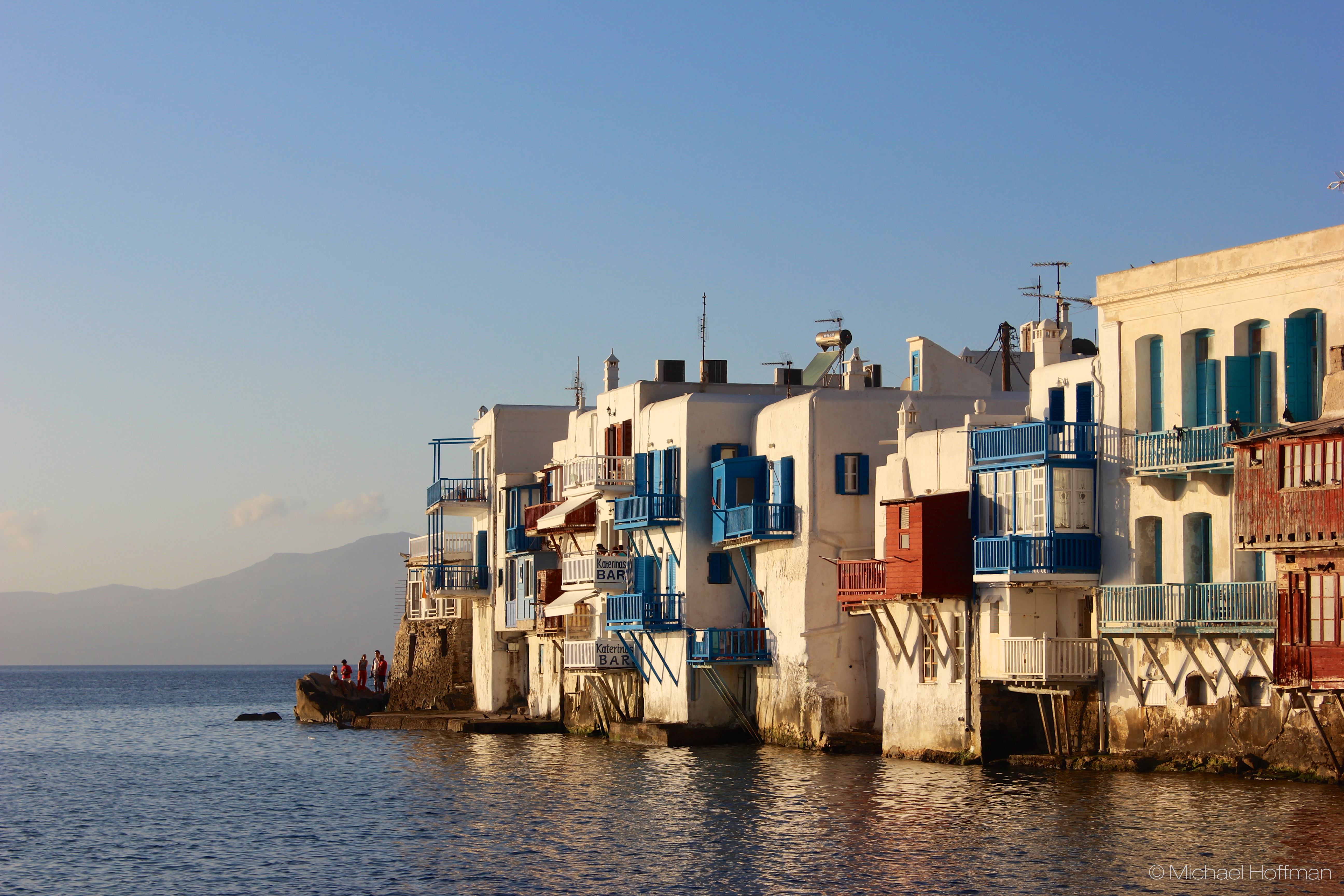
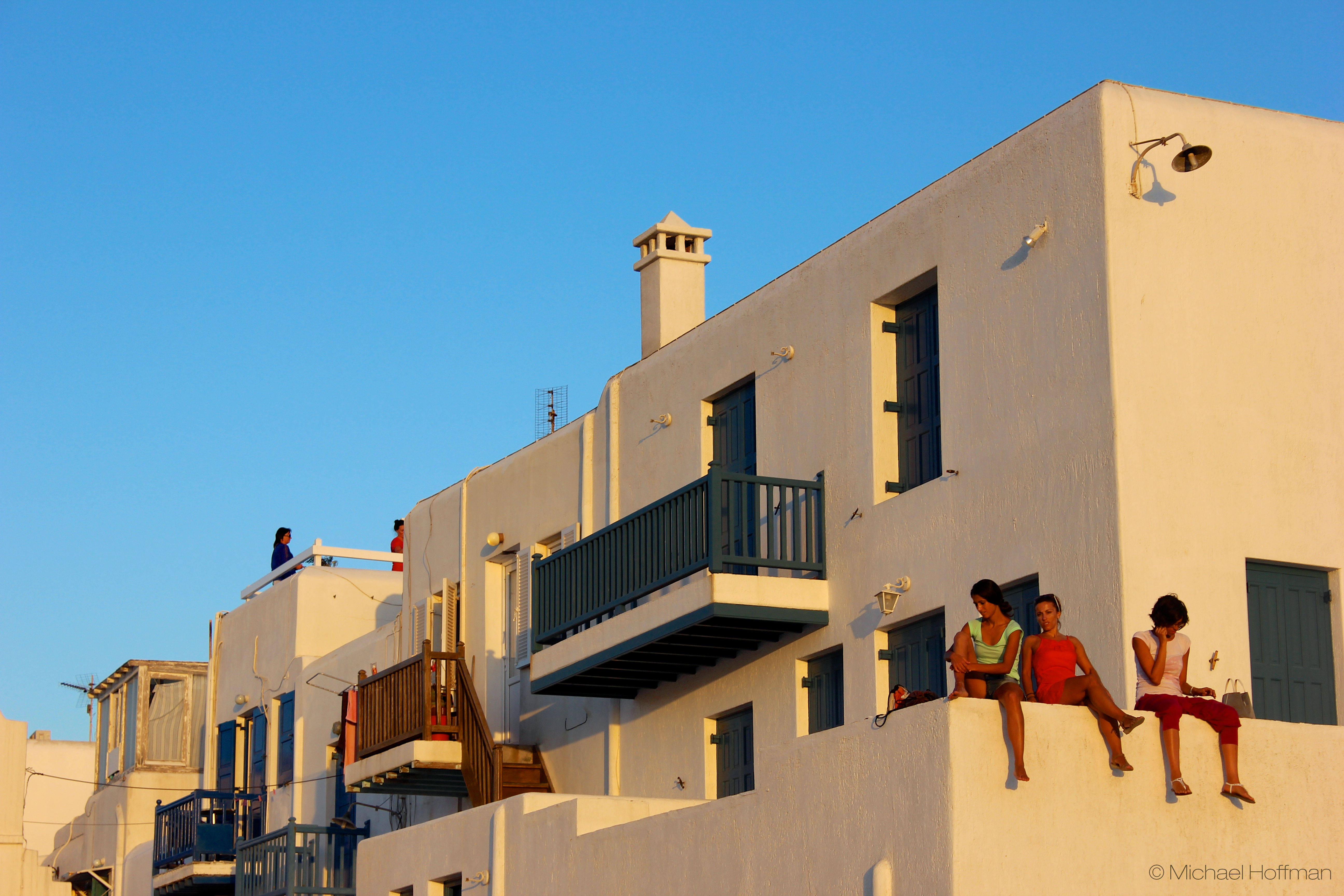
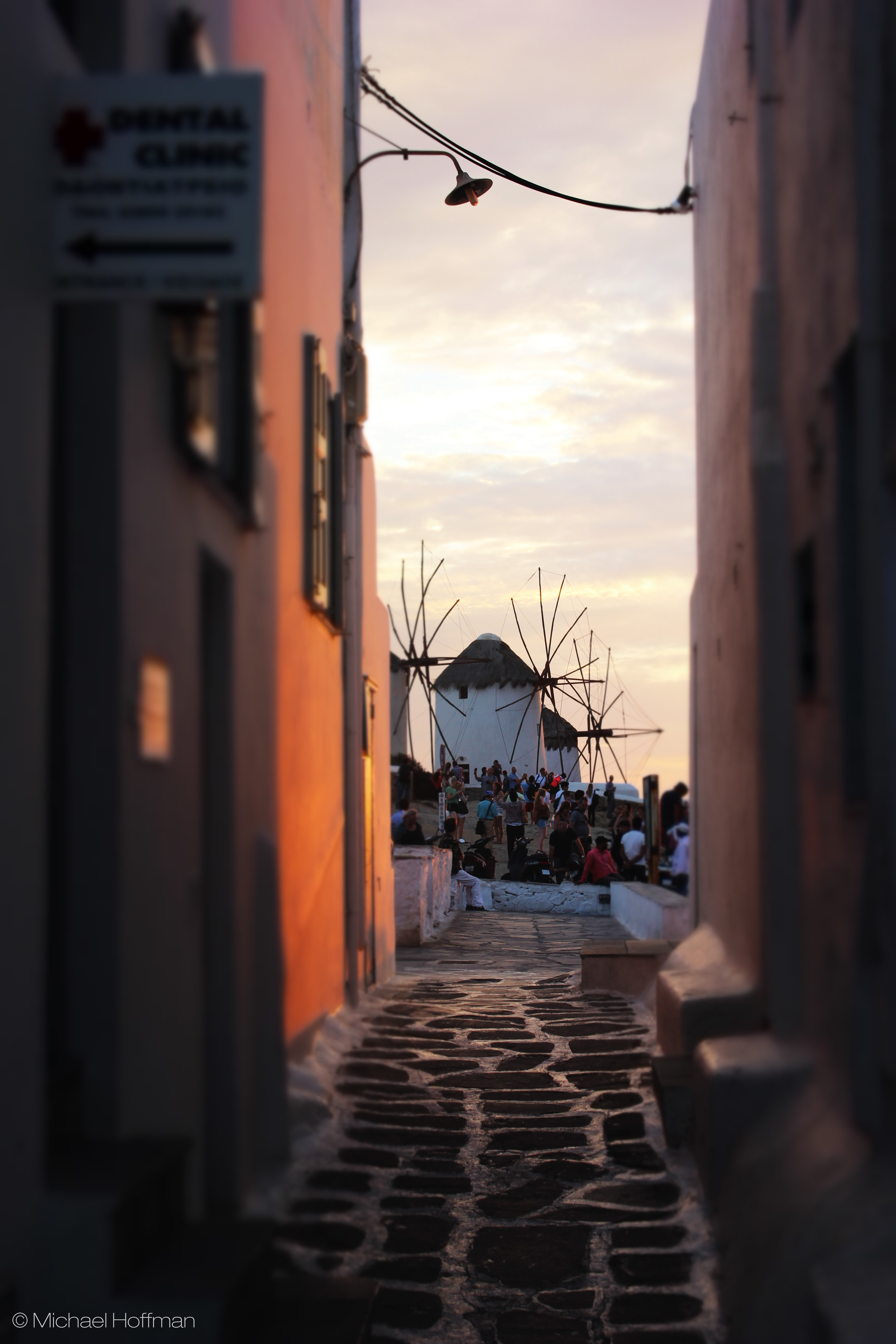
Greek Series: Mykonos Part I

This post is part of the so-called “Greek Series”, consisting of photographs shot while I was backpacking Greece in September 2013. You’ll find a basic introduction to the series here and a list of all previous posts over here.

So you may wonder how we got from Nauplia to Mykonos. The truth is we didn’t, at least not directly. Mykonos was actually one of the last destinations on our journey. Before we embarked on a ferry to the islands, we traveled around mainland Greece quite extensively. But for today, I skipped the Peloponnes because the weather there was not always perfect, and as much as I like archeological stuff and hilly landscapes, I think the blog and I myself needed a bit of summer island feeling in these (more or less) harsh and dark winter days. And that we definitively had on Mykonos. Still, there is a lot to cover on the Peloponnes, and many shots are left, so next time we come back to mainland Greece again. But for now, I hope you enjoy beautiful Mykonos as I saw it.

test

IMG_2589

IMG_3094

IMG_2580

IMG_2488

IMG_2635

IMG_2639

IMG_3056

IMG_3171

Greek Series: Athens in Bird’s-Eye View

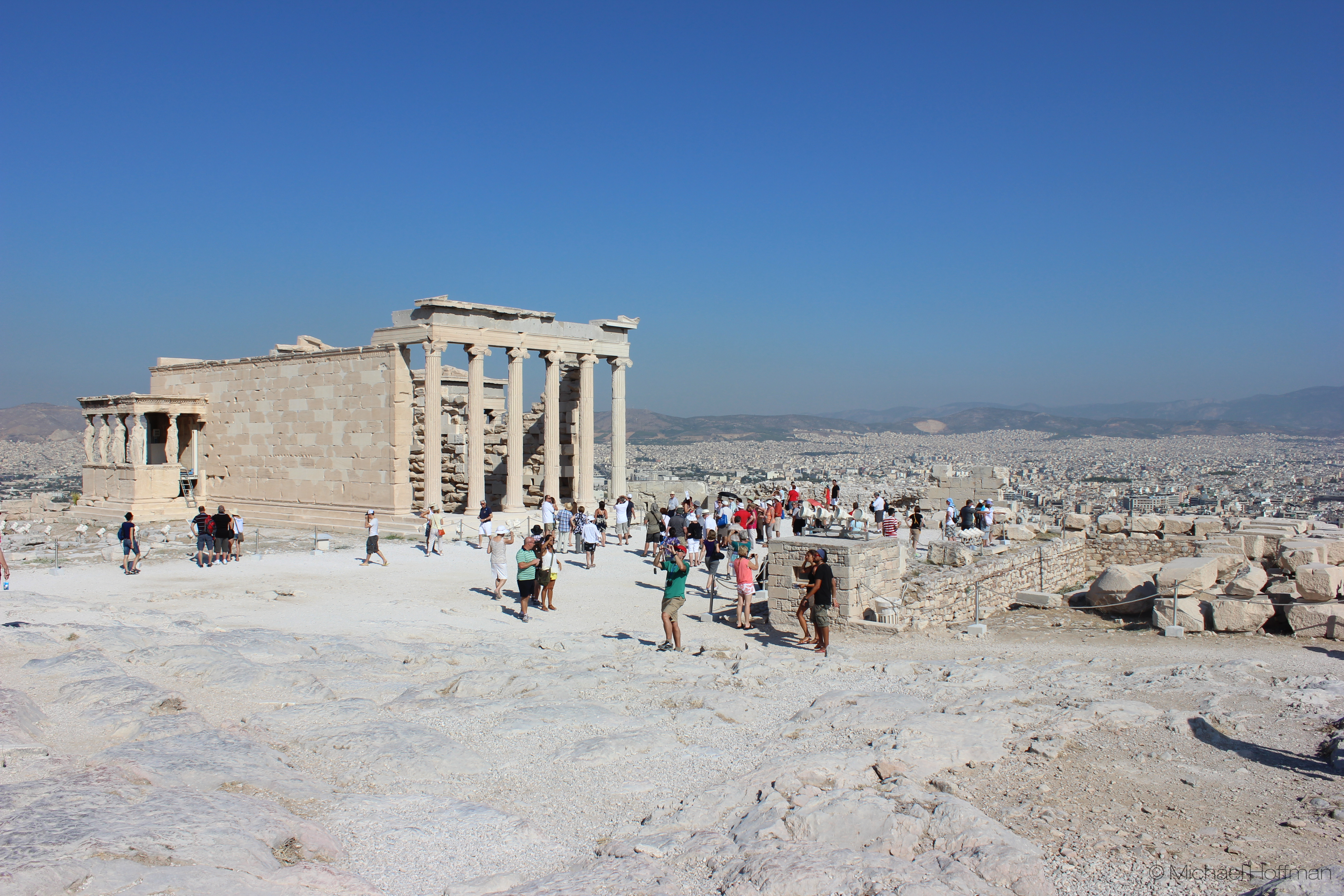
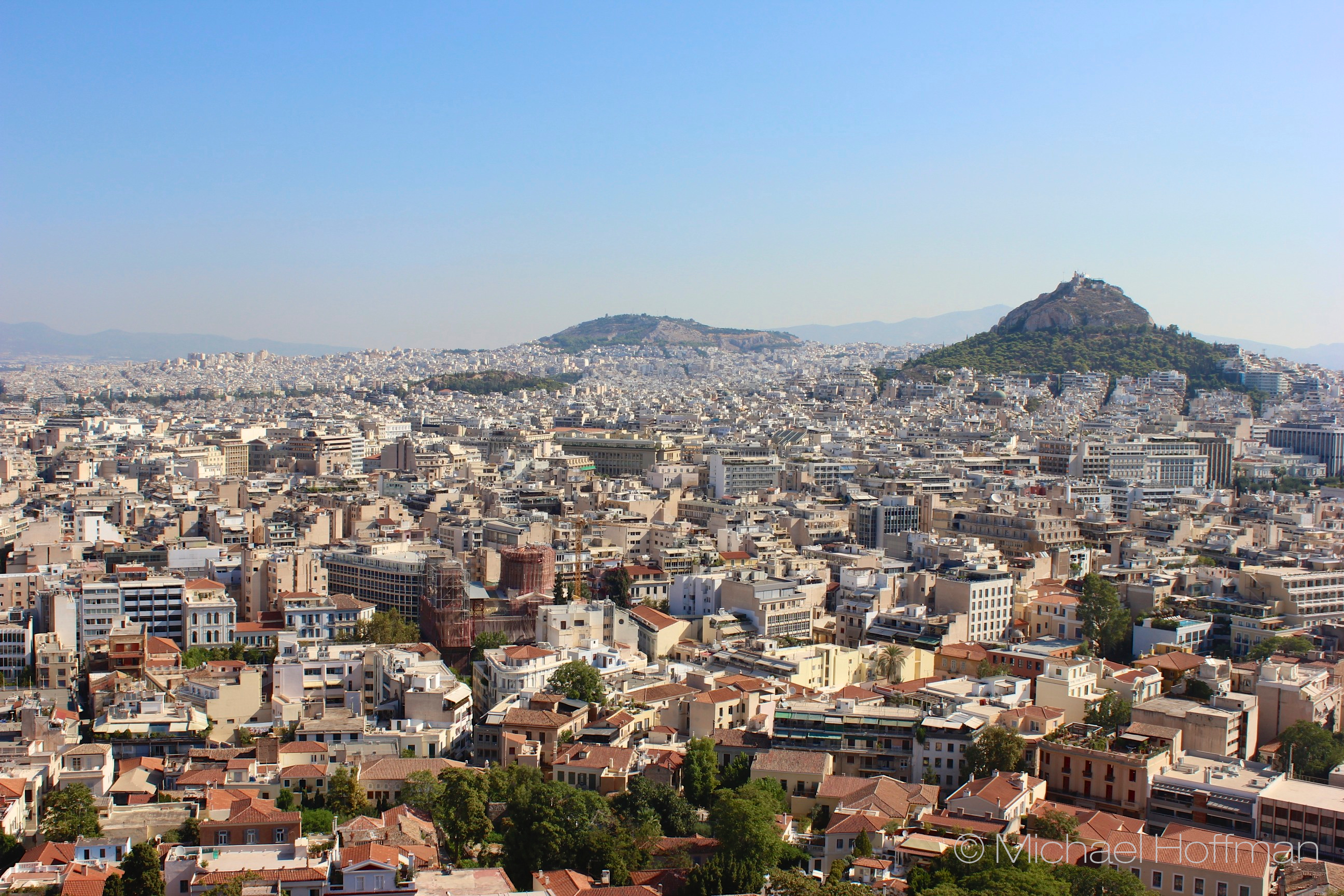
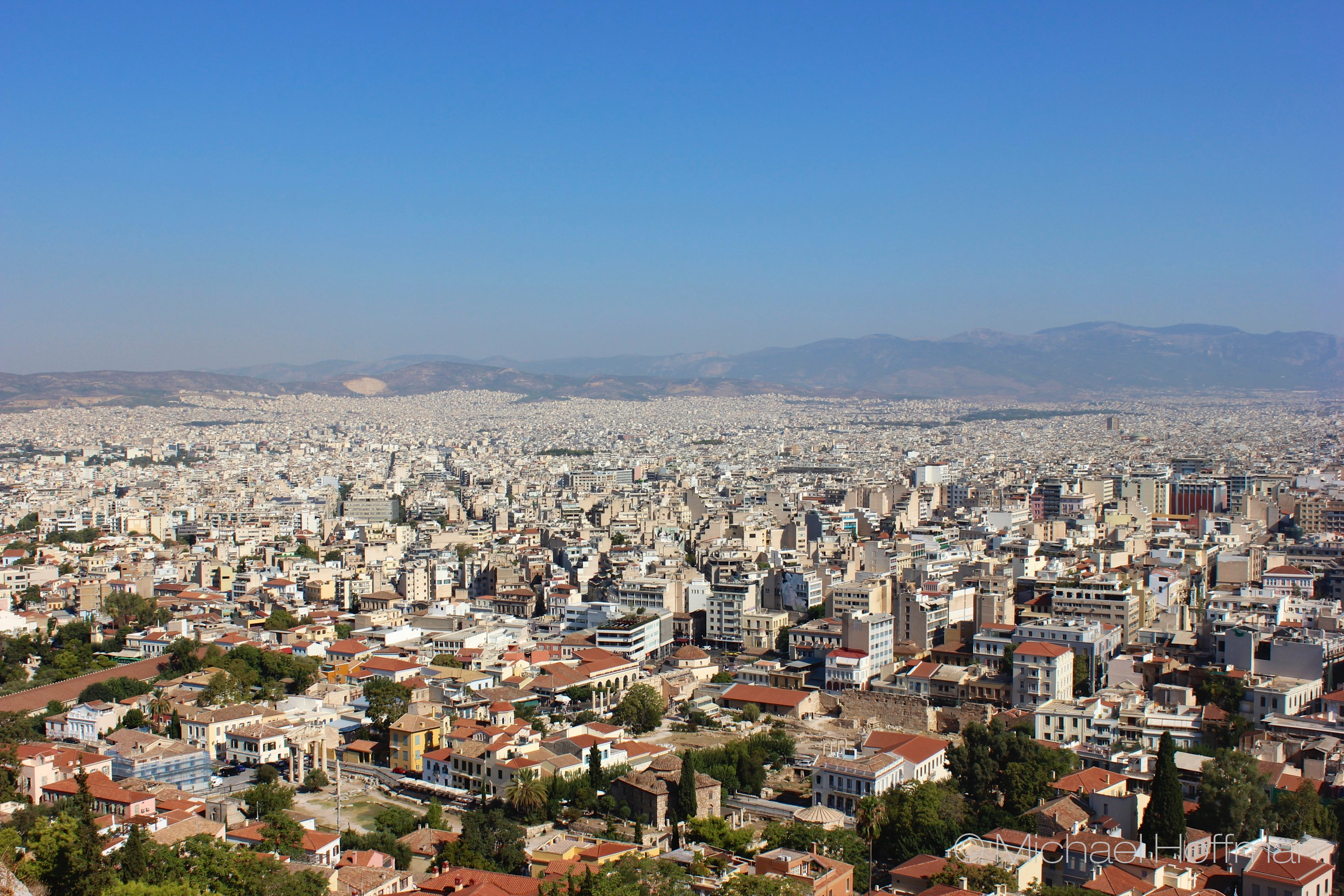
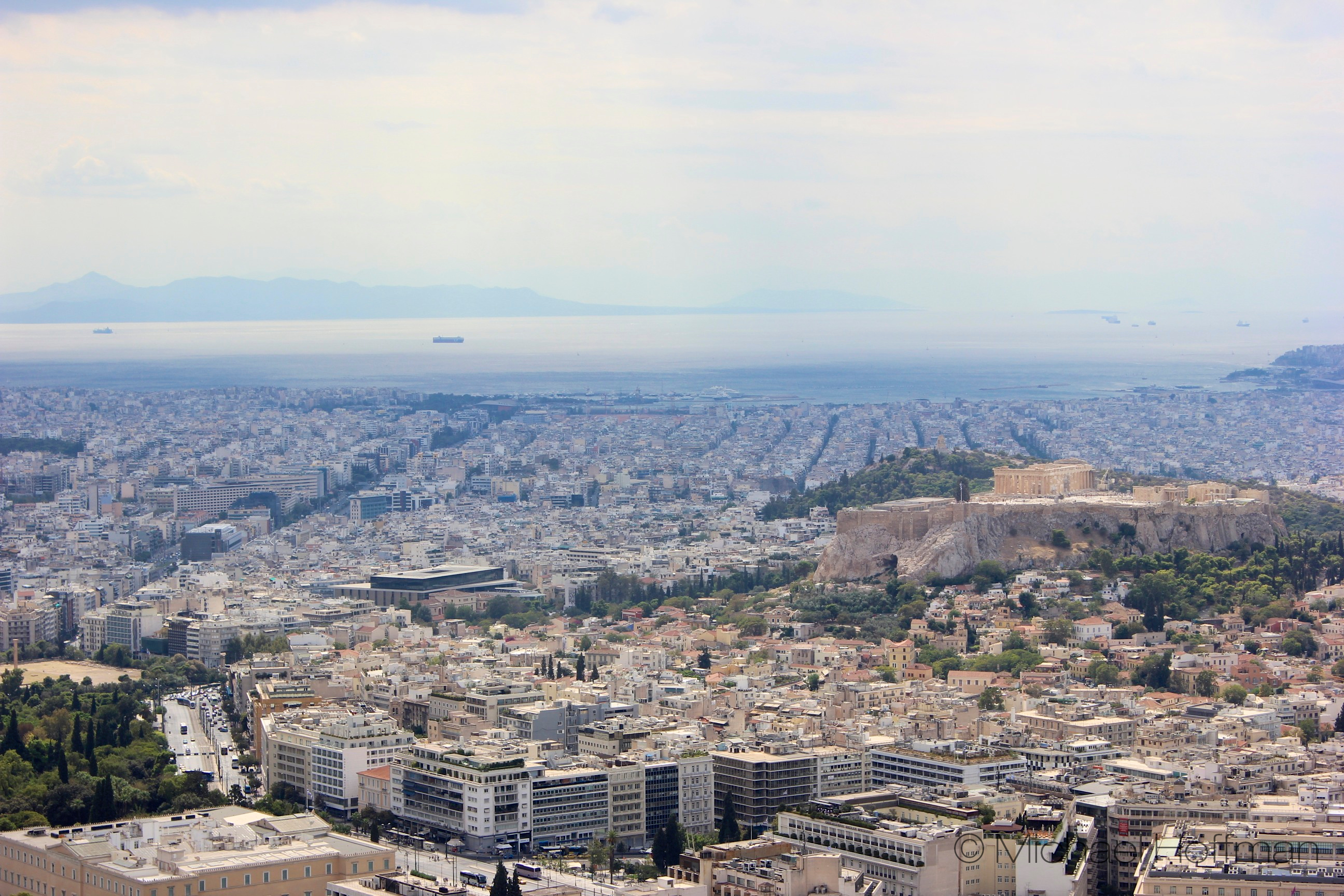
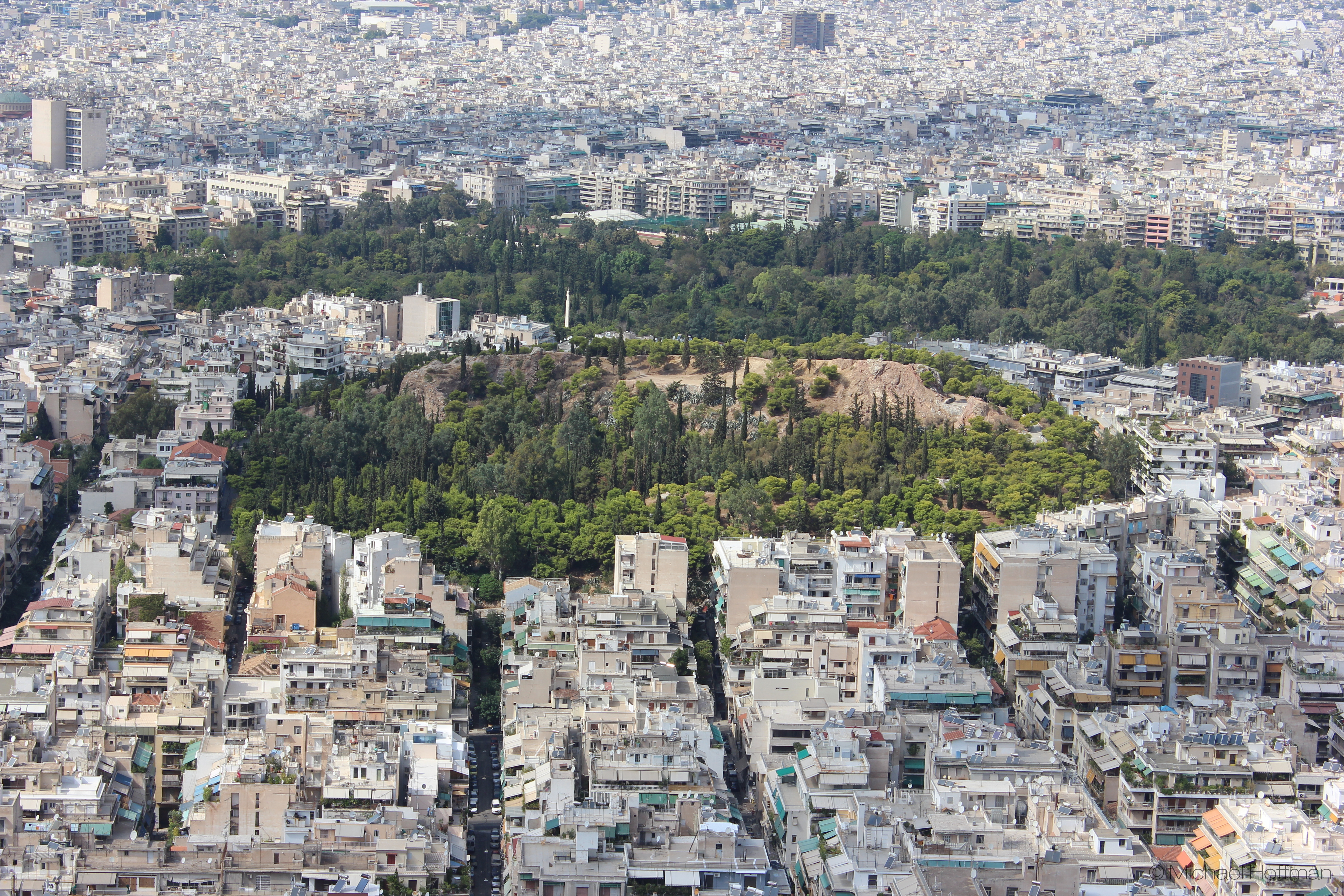
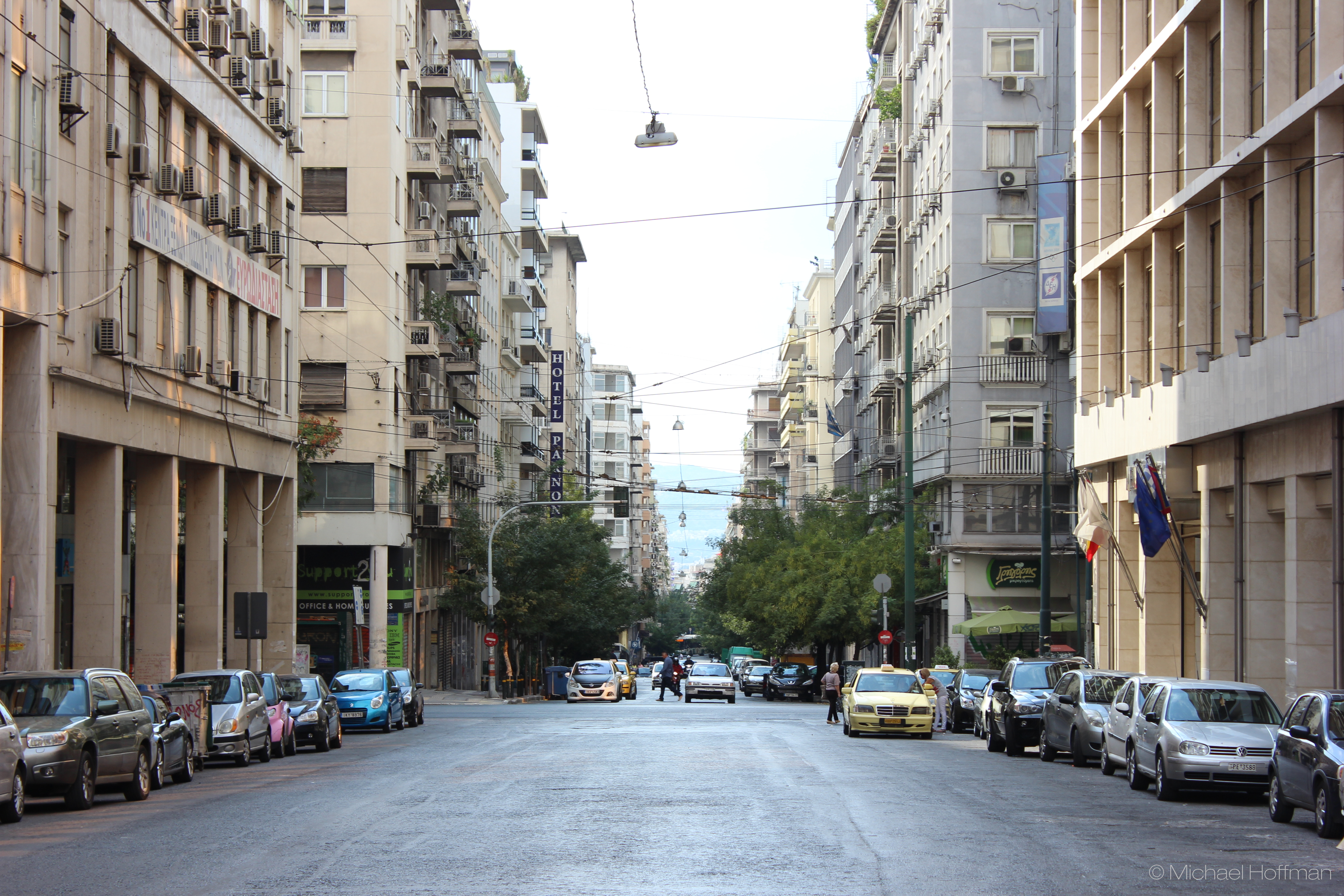
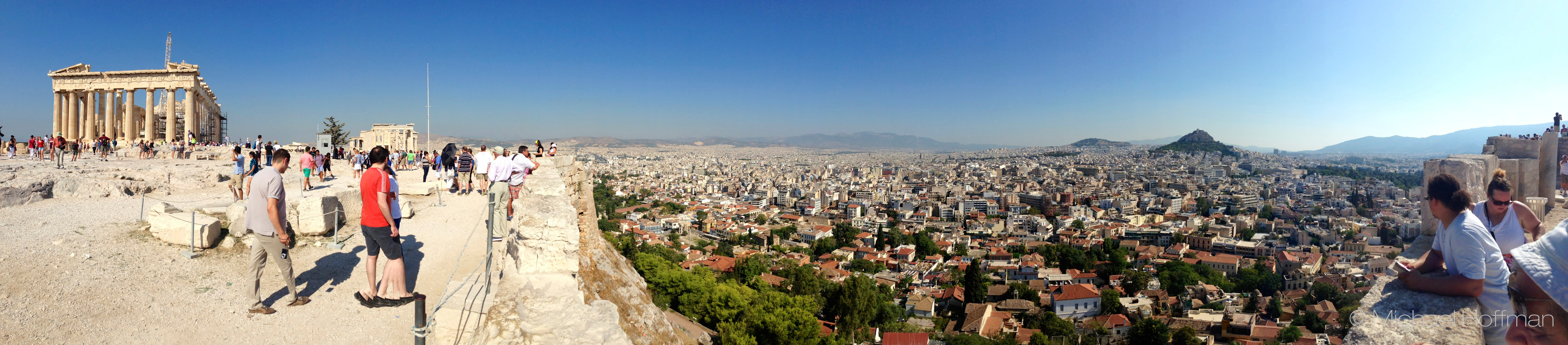
This post is part of the Greek Series, in which I recount my travel through Greece in pictures. So, the first two entries were all about Athens, as it was the starting point of our journey. It’s time to get away from the city smog (and Athens genuinely has much of it). But not before I show you some impressions from above the city looking down on a fantastic sea of urbanity. Most of Athens today is relatively young, as the city regressed into a small town up to the 19th century. After the country gained independence from the Ottoman empire, Athens became increasingly important again and exploded truly during the 20th century into the metropole it certainly is today. There are some street shots here as well, but most of the pictures were taken from one of the many hills of Athens with a beautiful blue sky as a permanent background. The last one is a panorama.
test

img_0180

img_0190

img_0191

img_3243

img_3330

img_3357

img_3343

img_3361

img_3387

img_6453

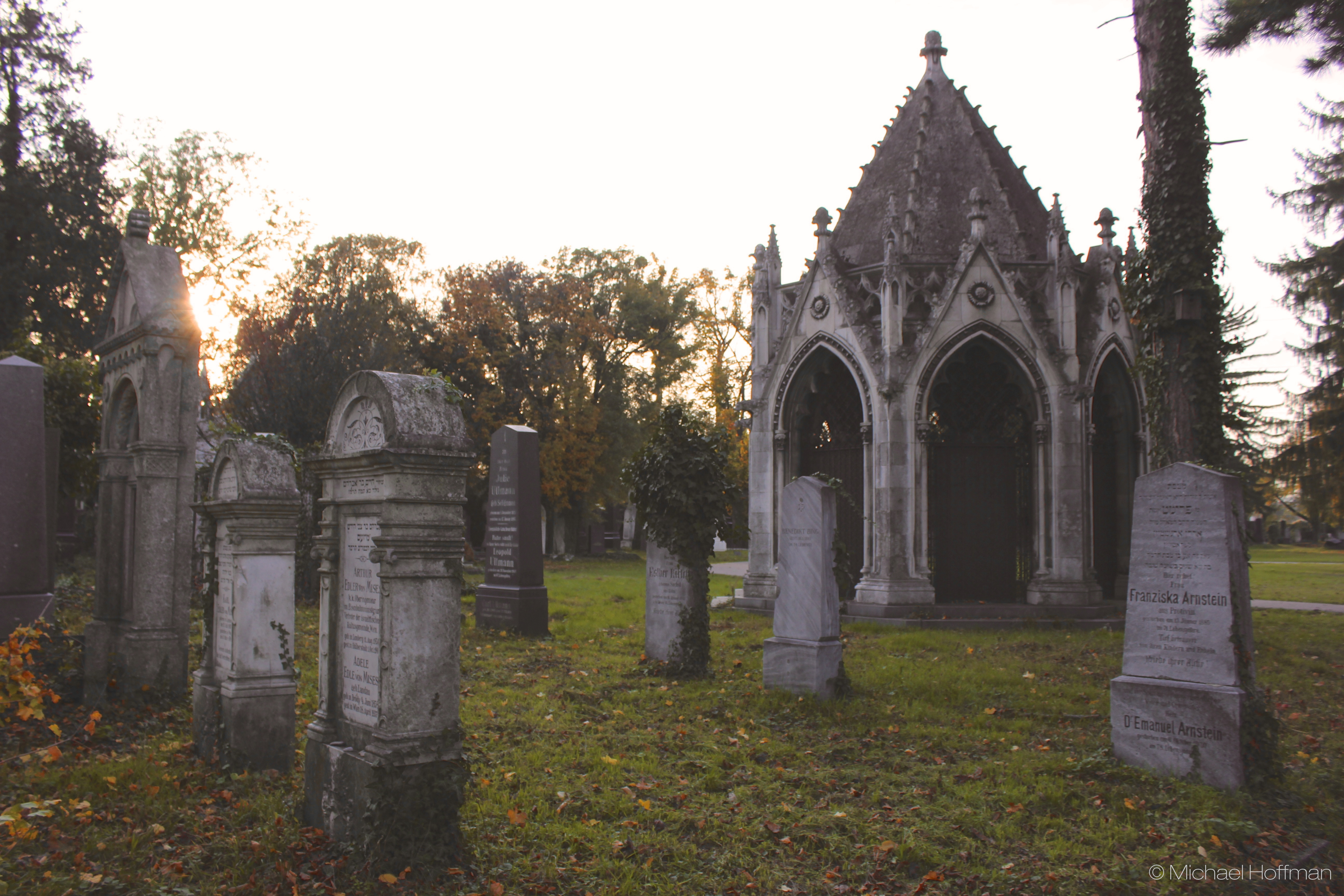
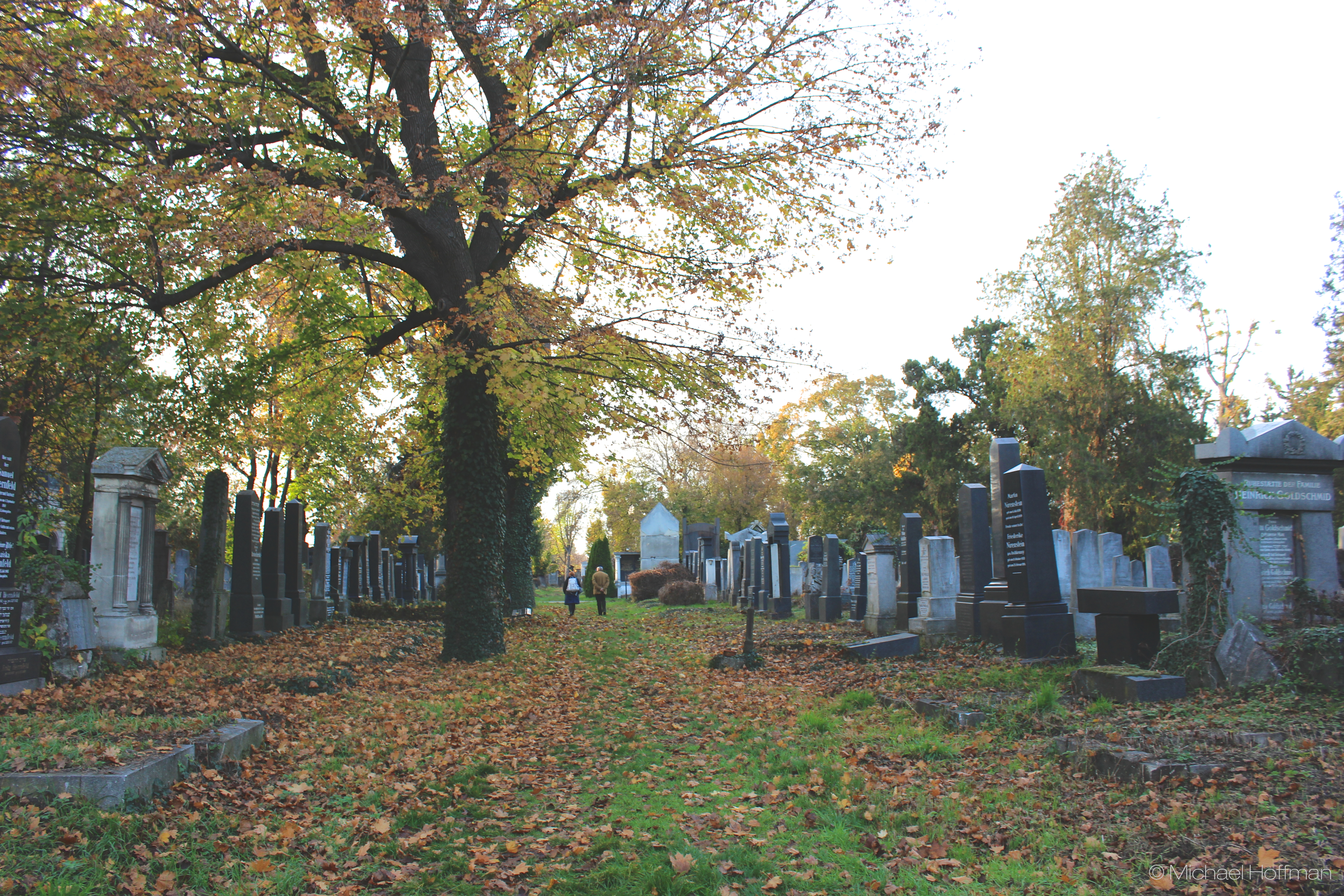
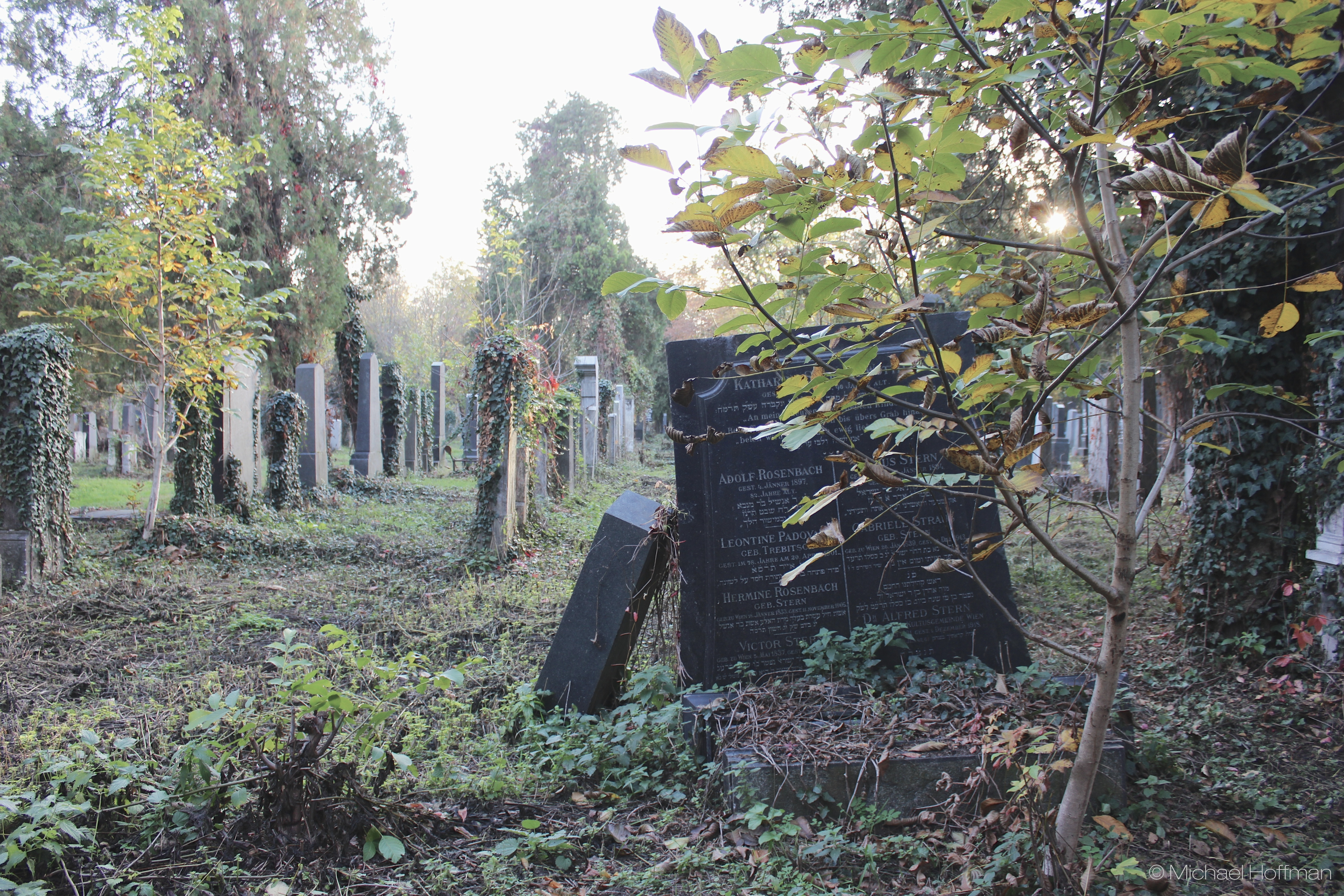
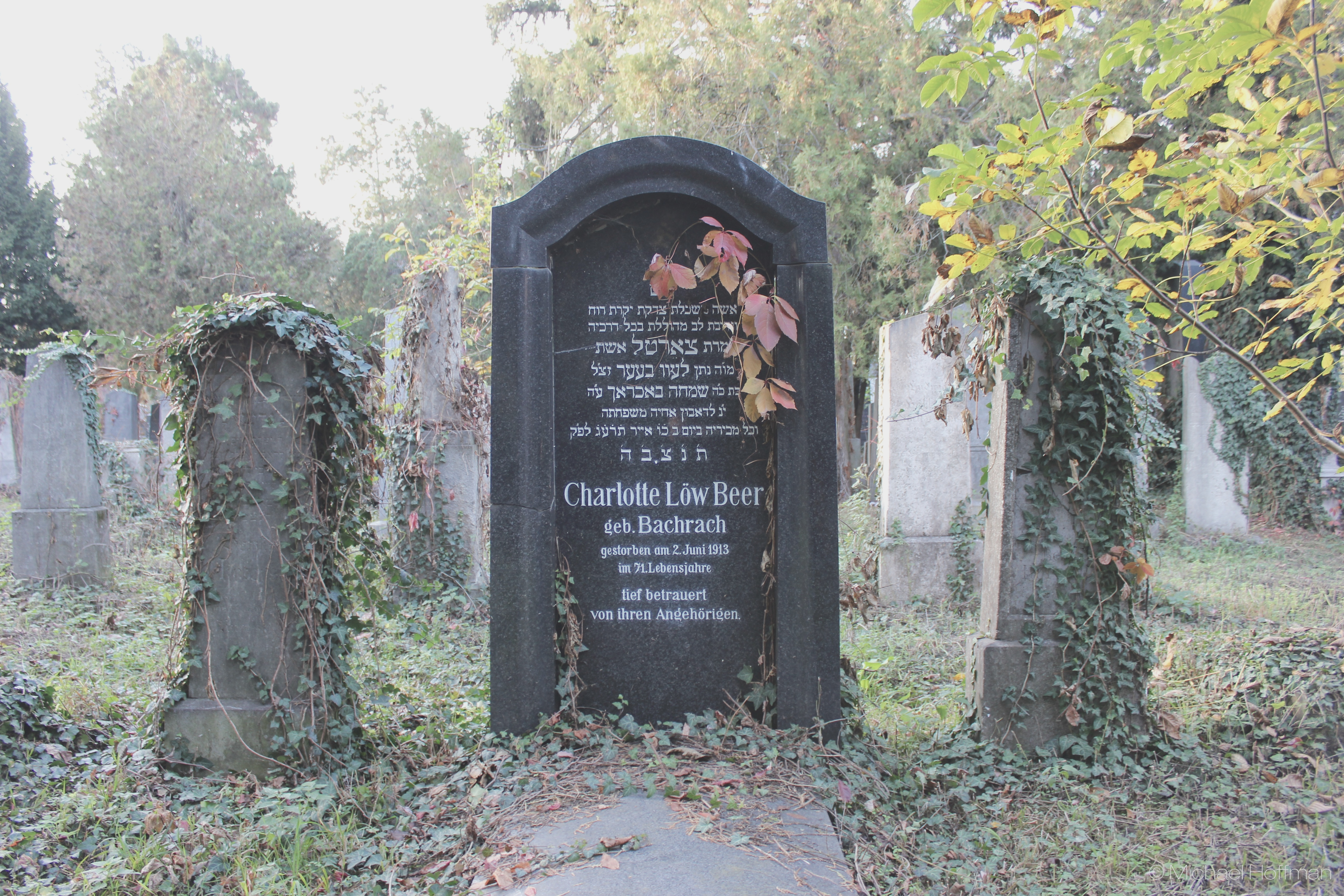
“Der Tod muss ein Wiener sein” Viennese Central Cemetery Part I

Traditionally, the Viennese have a somewhat morbid relationship to death. In the second half of the 19th century, when Vienna was an international metropole, a “high culture” of dying emerged. Suddenly, it became popular to have big funerals and fancy gravestones. We say “A schöne laich,” a beautiful corpse in Vienna. In this vain 1874, a new cemetery was built in the south of the city, so large indeed that it would accommodate the next few generations of Viennese. It still does its job very well due to the sheer size of the area, which is as large as the whole old town of Vienna (there is even a graveyard bus line). But it is not the scope that makes it so fascinating, but the gloomy atmosphere and the beautiful work of art done here. It is a monument to the past days of Vienna. The imperial town has a special relationship to dying.

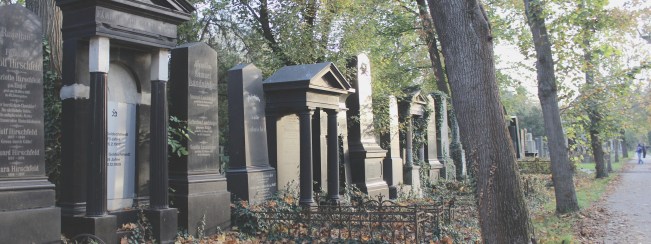
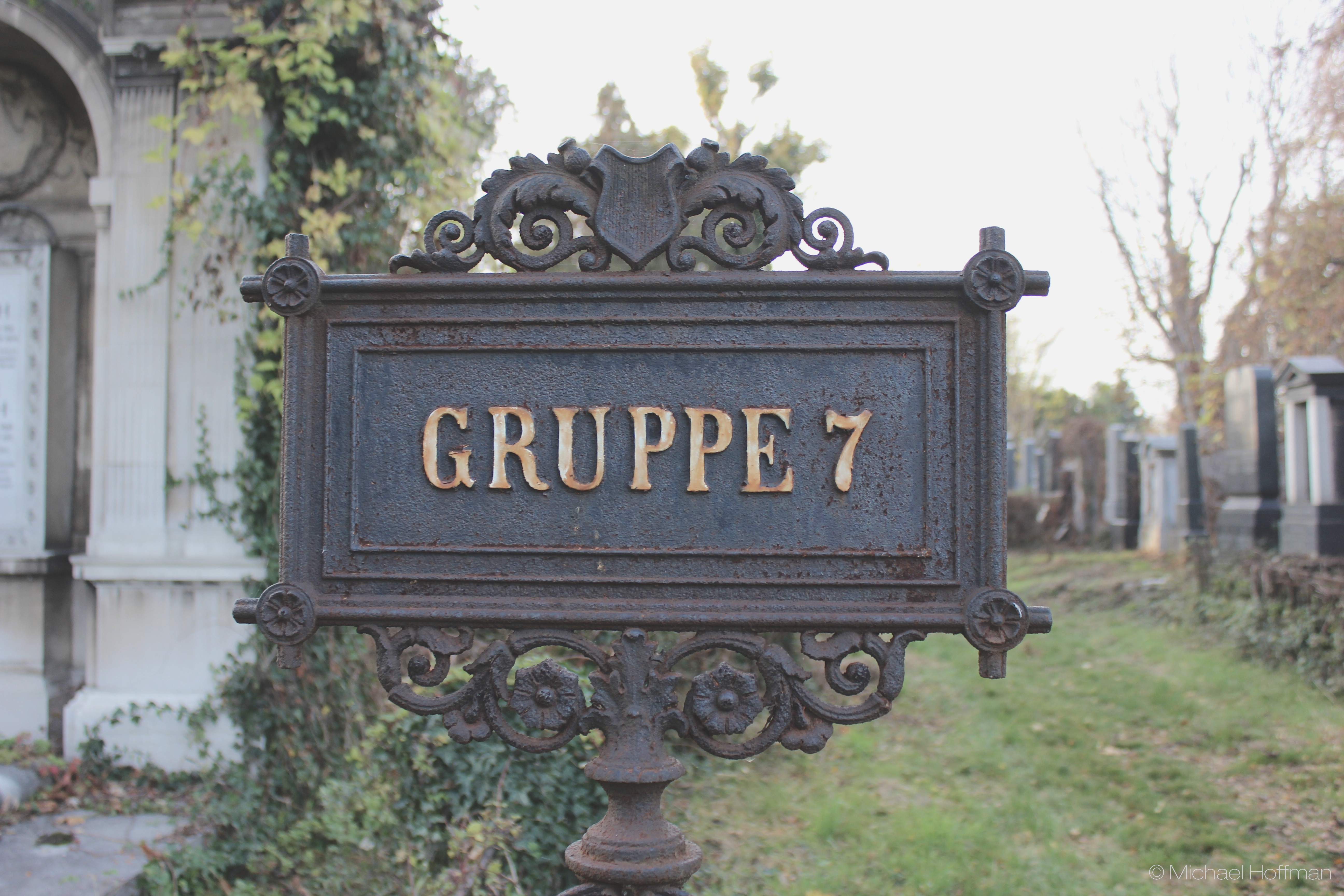
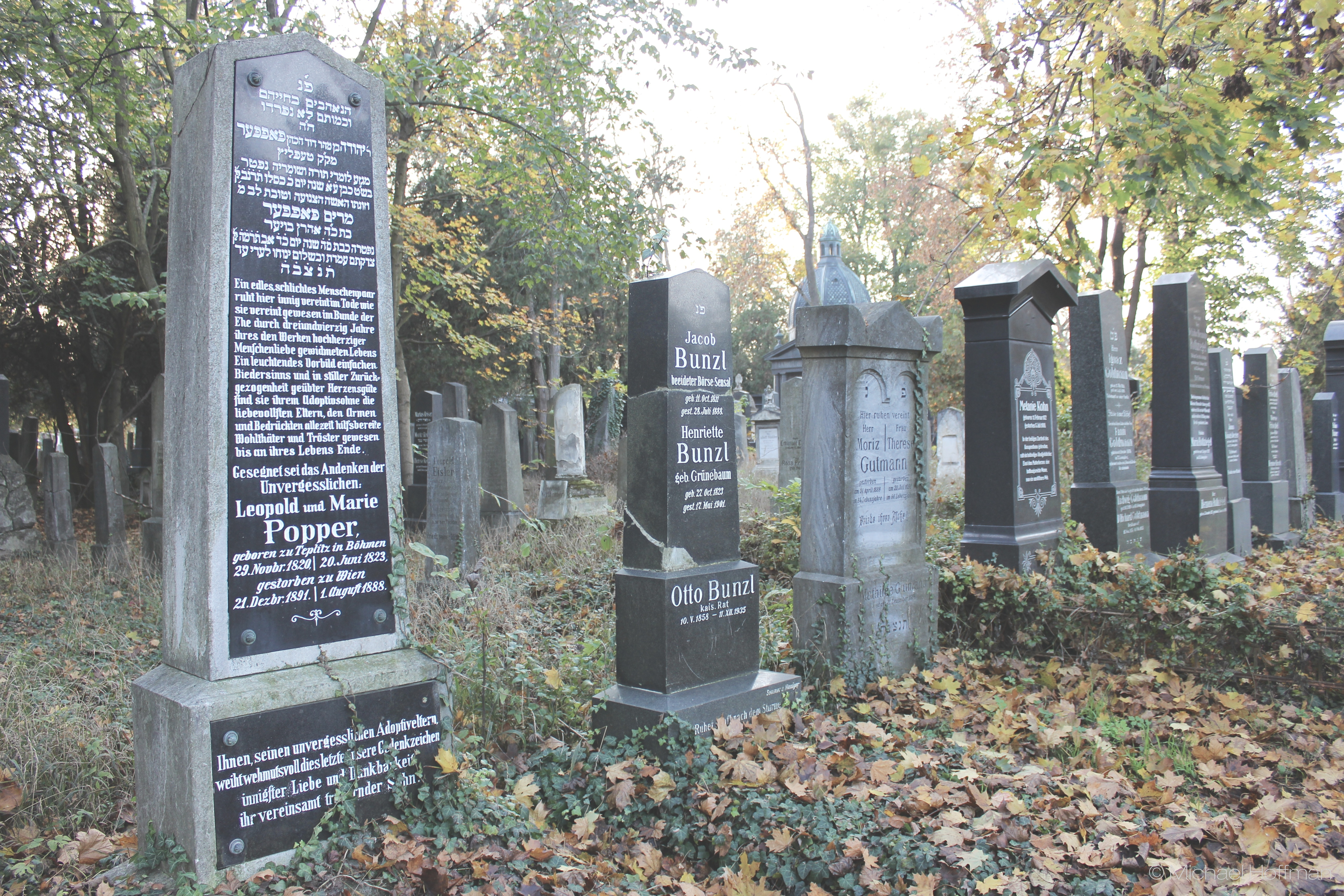
Part I was shot at the old Jewish part of the cemetery.

test

img_4438

img_4415

IMG_4430

img_4426

img_4428

img_4432

1 12 13 14 16