Skip to content

Colors of Autumn in Vienna

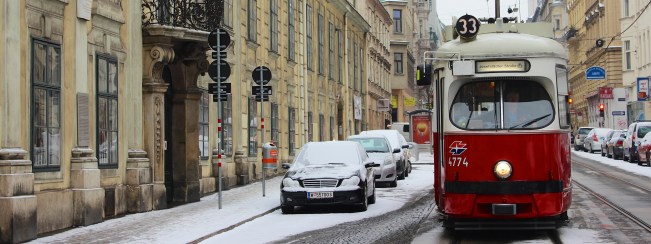
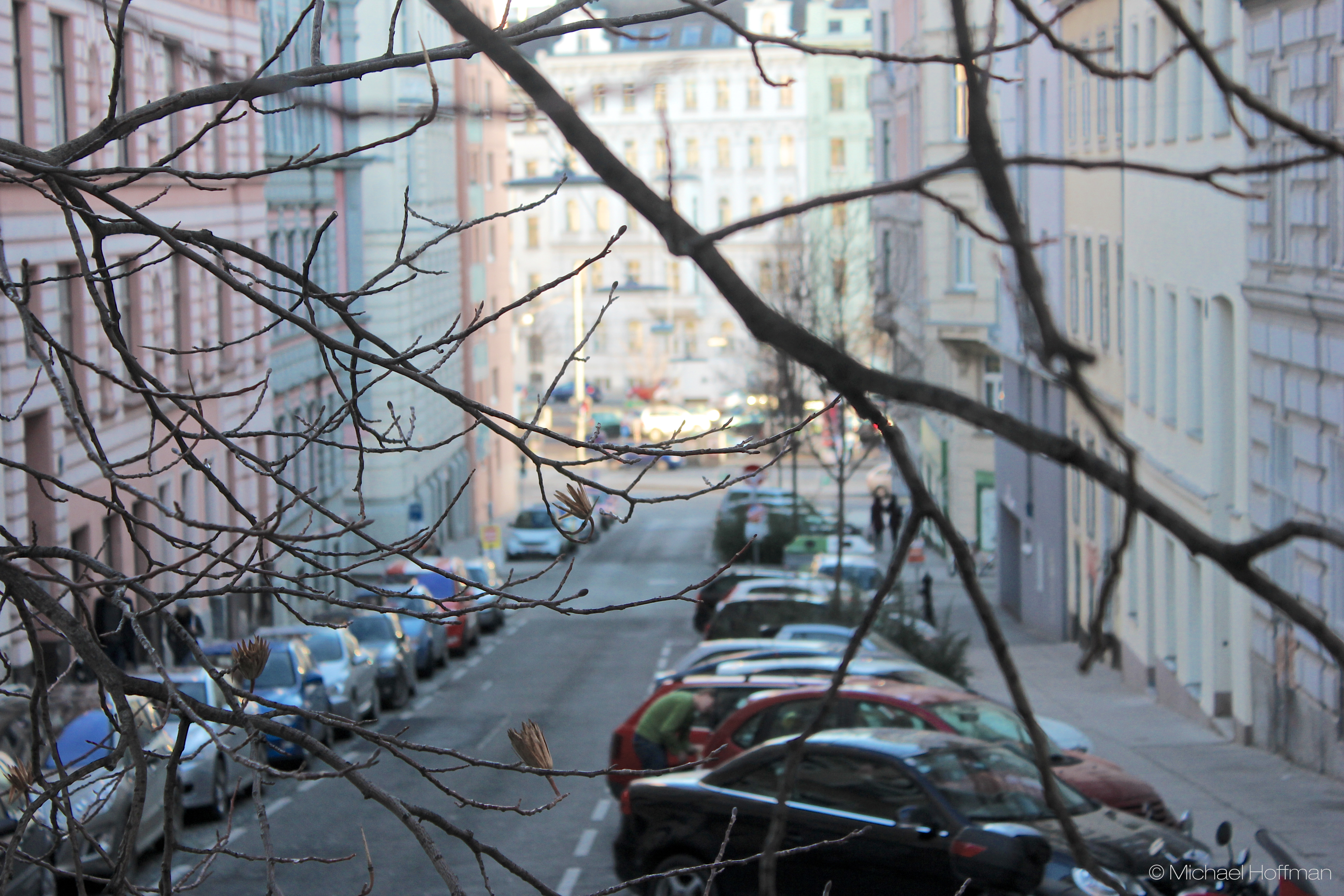
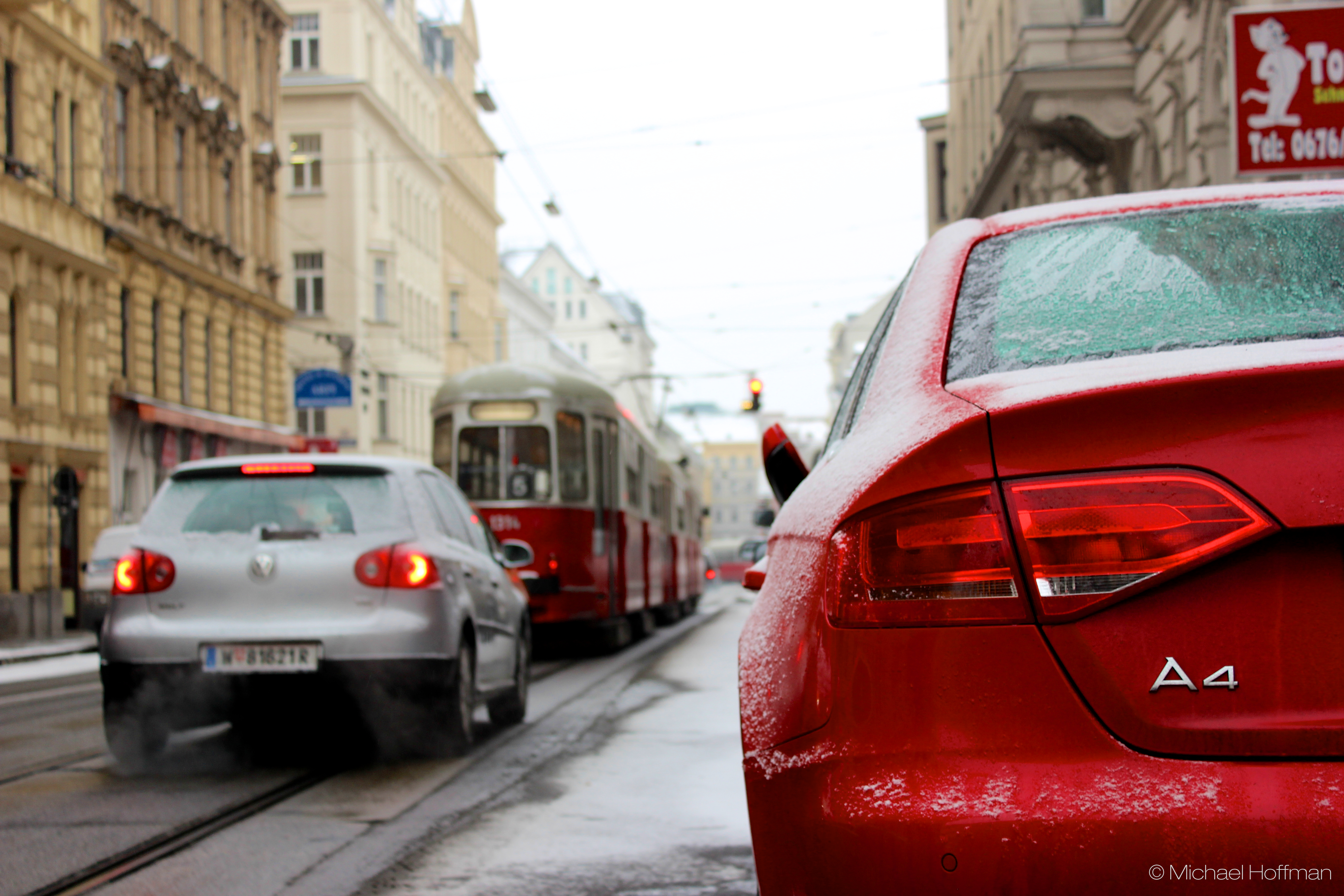
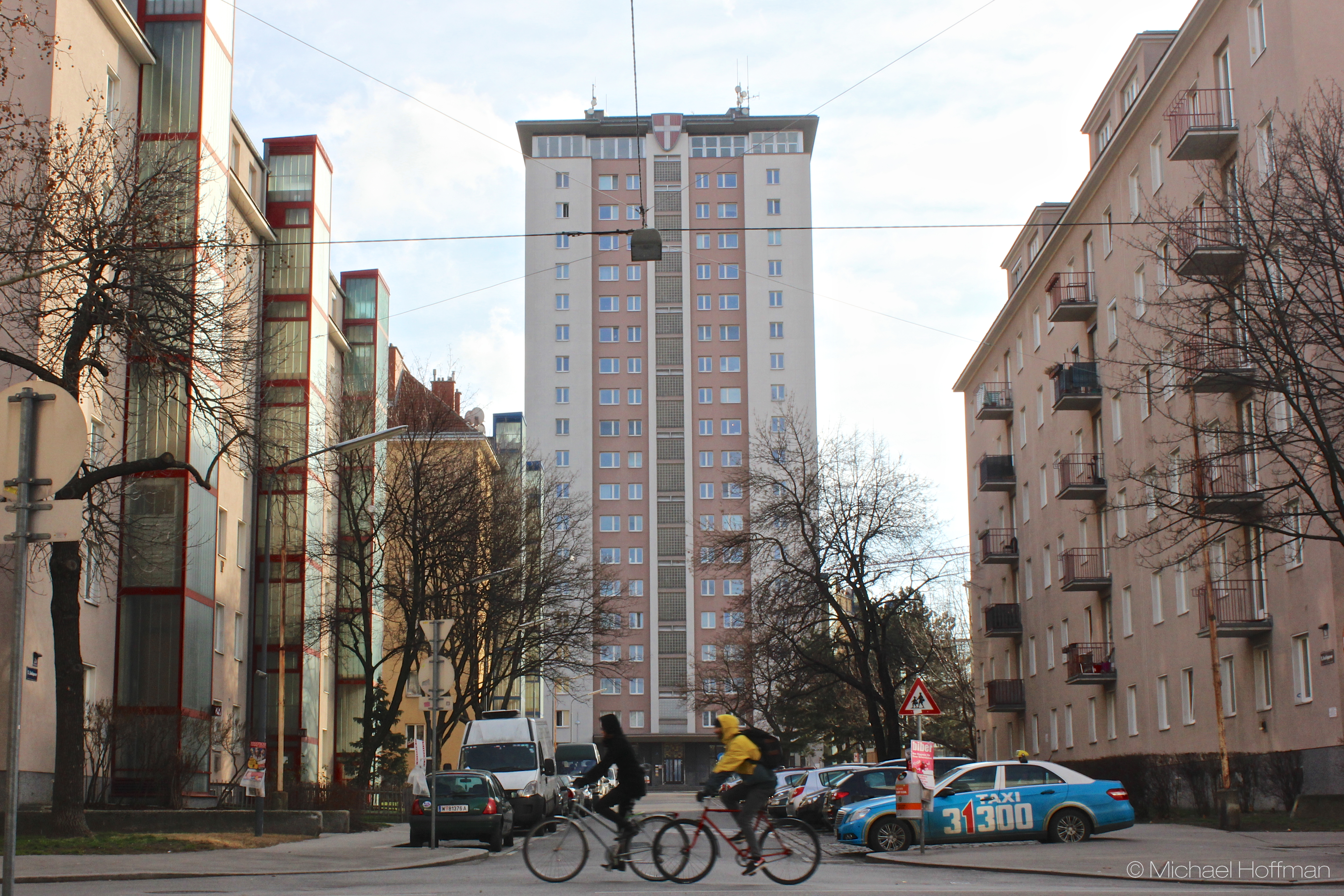
This is one kind of “The Viennese Central Cemetery Part 2,5,” or the outtake. Two shots I really liked but which didn’t fit into. In the second picture, you see the fabulous Karl-Borromäus church in the center of the cemetery. Plus, another shot from Vienna’s streets captures autumn’s colors.

test

img_4486

img_4530

img_3843

Hungary 2013 Impressions

The great thing about living in Vienna is nothing is really far away, and you are abroad quickly. Central Eastern Europe and Southern Eastern Europe (the Balkans, in other words) are incredibly close. Though strangely, Austrians seldom go East (except for plastic surgeries and dentists), there is still a mental barrier I never fully understood. In the Austrian mindset, the Czech Republic is still in the East, and Krakow, Poland, seems indefinitely far away, though, in reality, it is much closer to Vienna than the Westernmost city in Austria, Bregenz. Naturally, this snooty attitude is viewed with suspicion by our neighbors. However, much is changing, and the younger generation is beginning to embrace the charm of the East.

Incredibly close to Vienna, both in geographic and cultural terms, is the capital of Hungary, Budapest. Like Vienna, it had its heydays around 1900 in the Austro-Hungarian Monarchy, and you still see it. In architectural terms, the two cities are closely related; there are a lot of baroque churches, large areas of residential buildings from the founding period, and some beautiful Jugendstil façades. If you look on the map and see the districts (in both cases, 23.) and names of bridges and boroughs, you feel like you have landed in a mirror universe. However, there are some differences. Budapest still has maintained its old railway stations (pictures 1, 3, 5 in the background and 7), which disappeared from Vienna and were replaced by shopping-service hybrids in the vain of the consumerist society. Also, the city is much closer to the Danube than Vienna, having a pleasant city hill on the Buda site, making it very similar to Prague in structure. Hungarians are very patriotic; you see a lot of monuments everywhere. A vital role in their self-view is the role of a nomad’s heritage and horse riding culture. This heritage links closely to the country’s geographic conditions as a vast lowland (pictures 2 and 5). Hungary is definitely worth a visit, especially for young travelers, being also very affordable at the moment.
test

img_3535 img_3564 img_3636 img_3643 img_3650

IMG_6846
IMG_3624
IMG_6895

IMG_3591 (1)

Modern Tallinn, Estonia

test

Tallinn is known for its medieval old town, a UNESCO world culture heritage site worth visiting. In this gallery, though, I would like to give you a glimpse of the modern Tallinn inspired by Scandinavia’s clear and sober architecture. I will begin with shots taken in the Rottermann District, a new part of Tallinn east of the Old Town close to the port.

IMG_5258_Snapseed IMG_4595_SnapseedIMG_5259

These two shots, showcasing a miniature city model, were taken in the Architecture Museum of Tallinn.

IMG_0025  IMG_0022