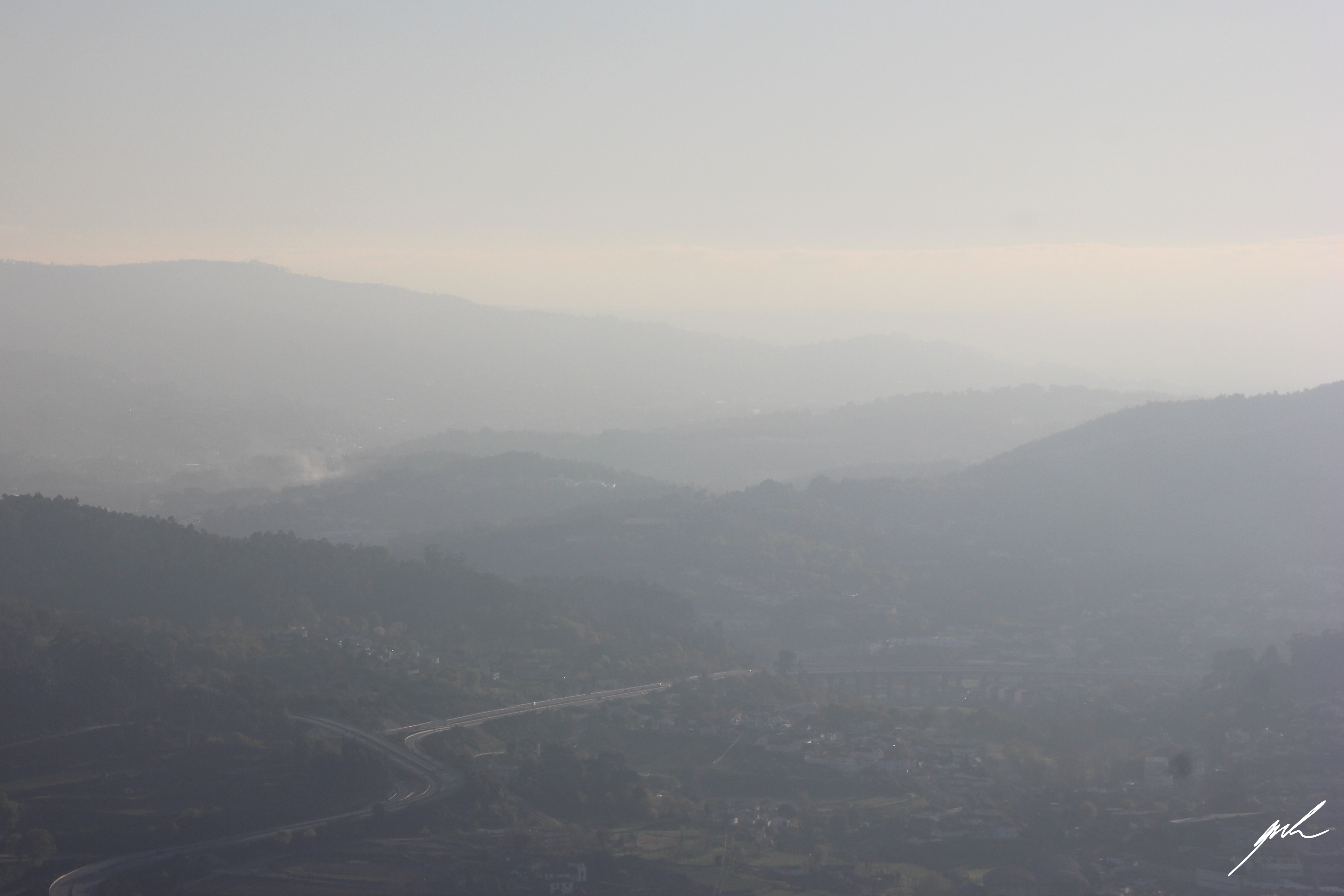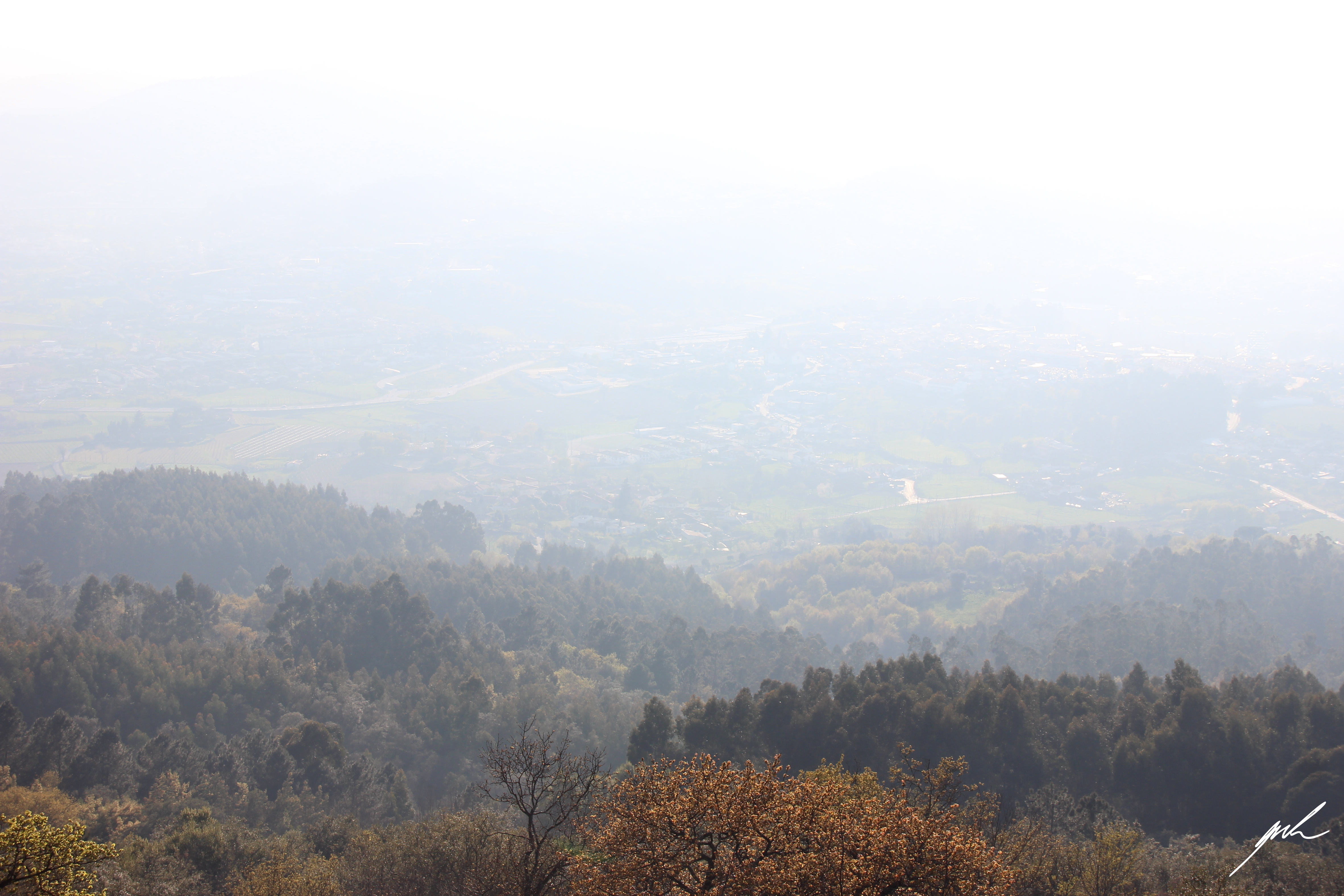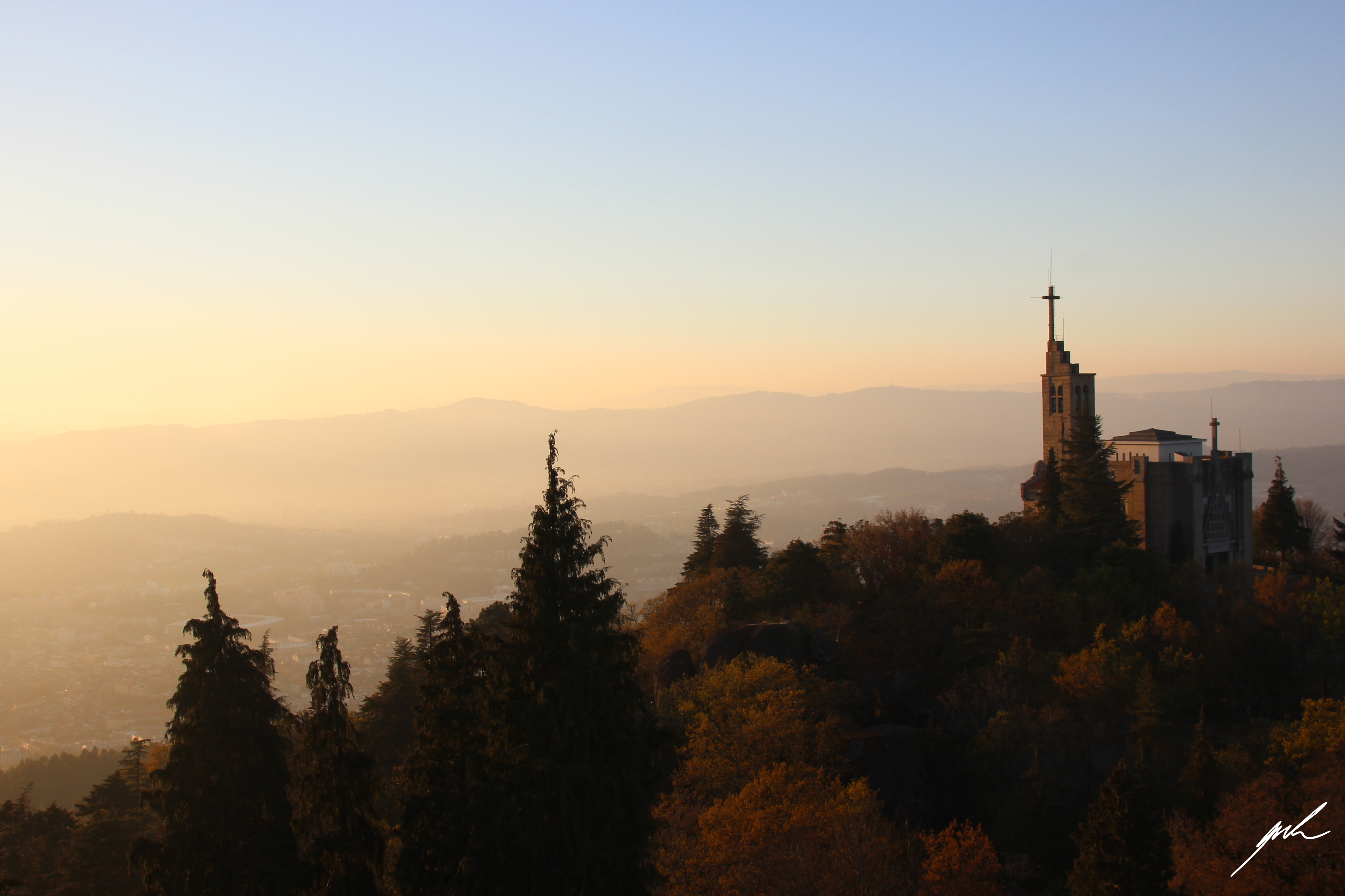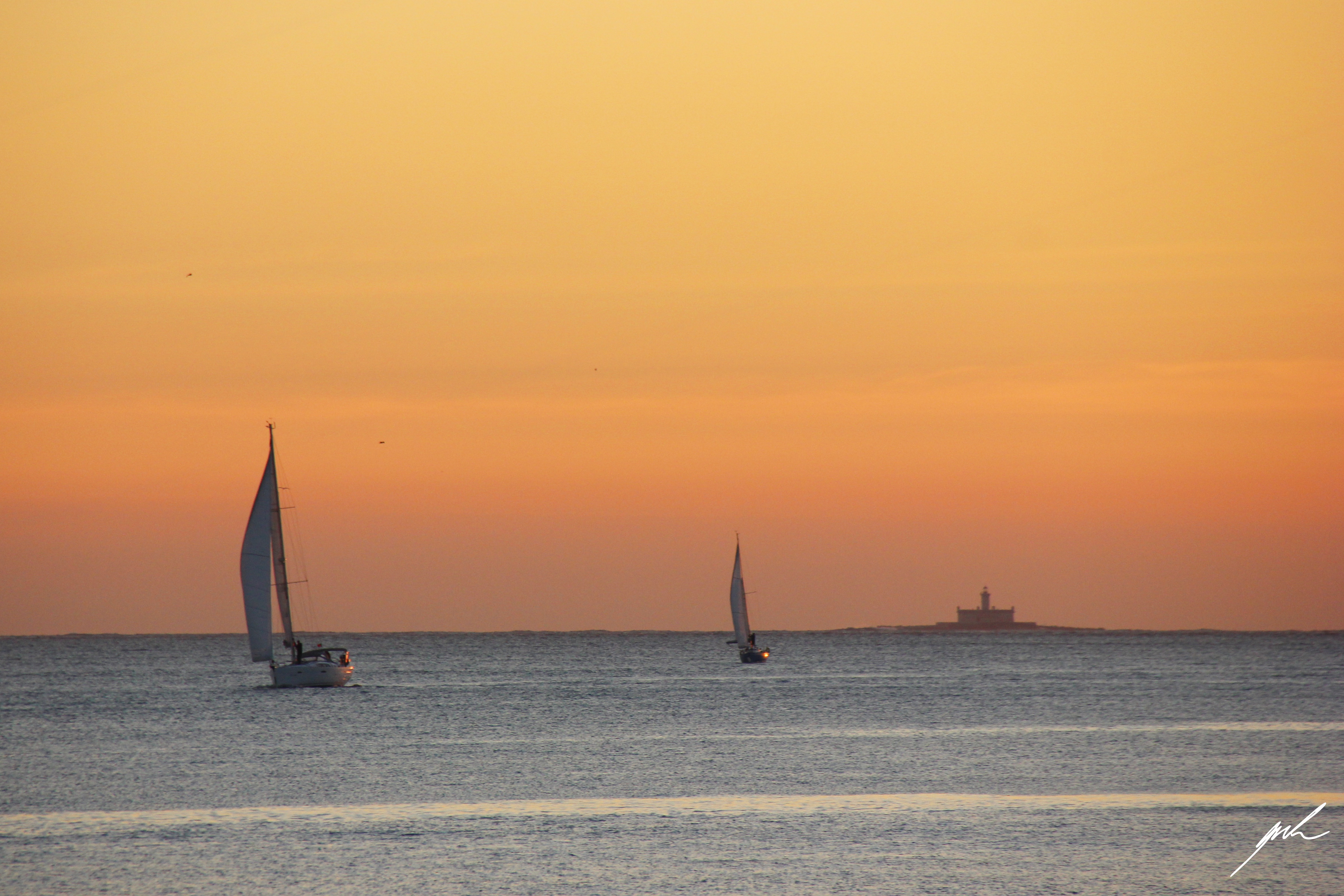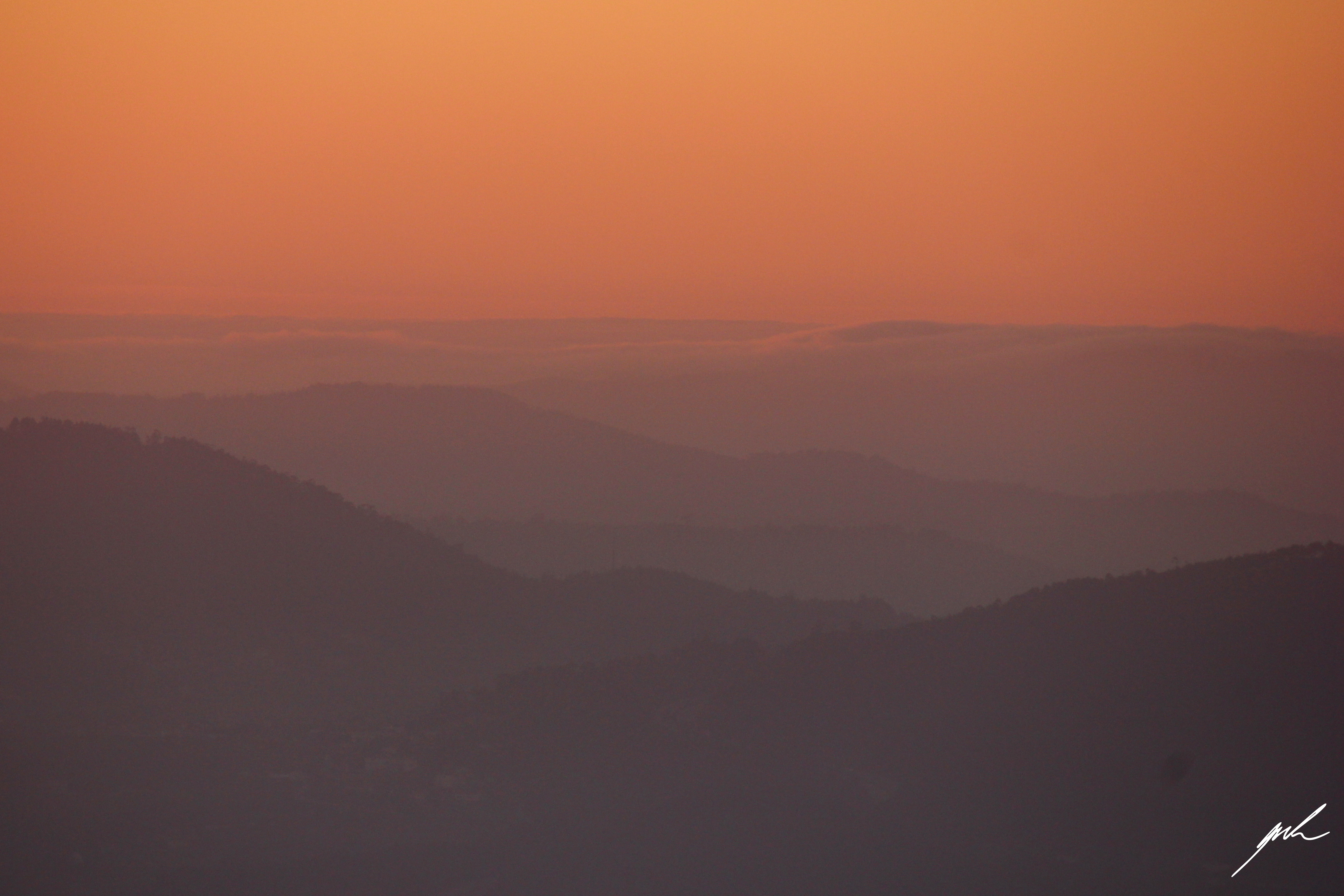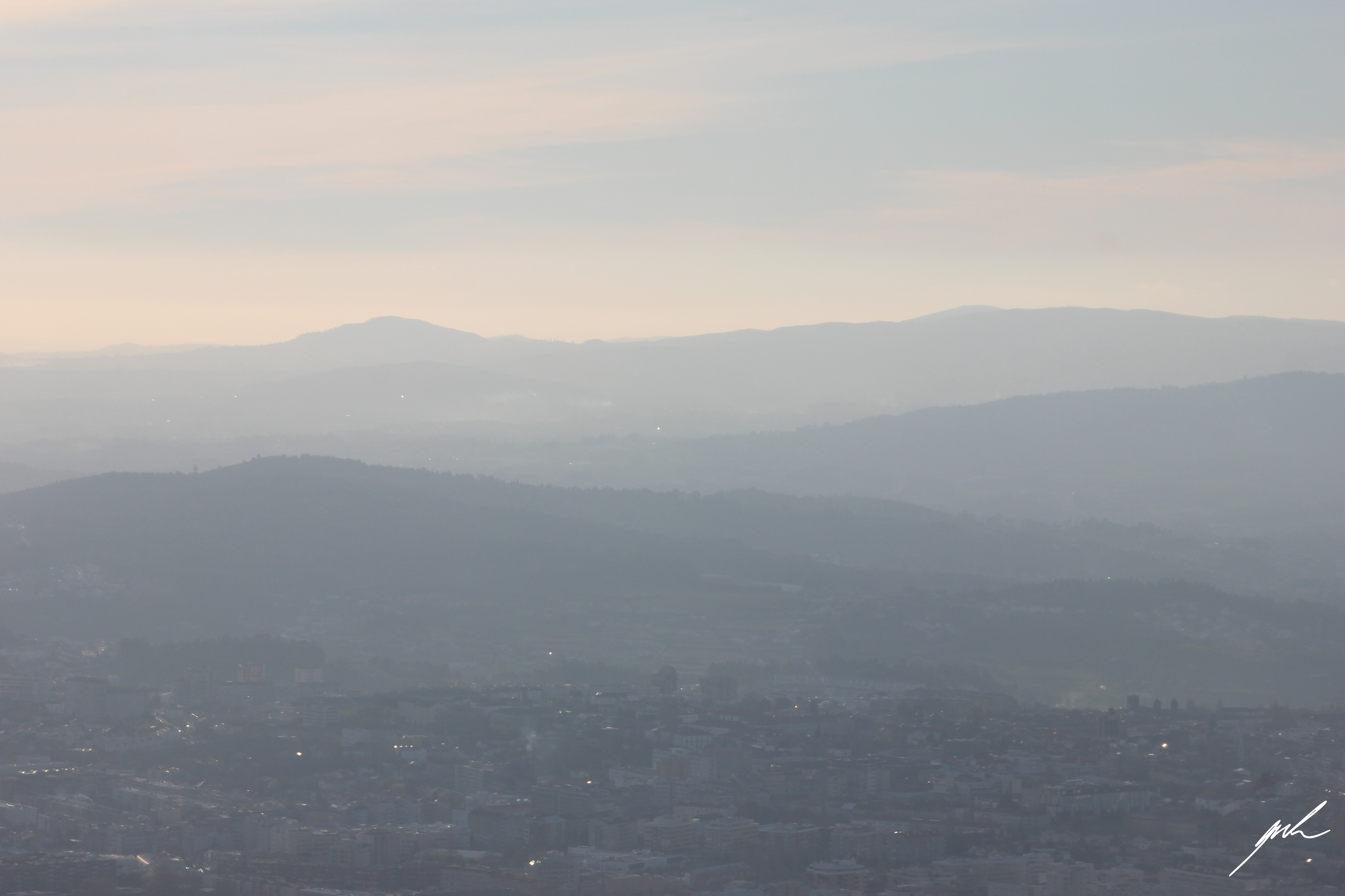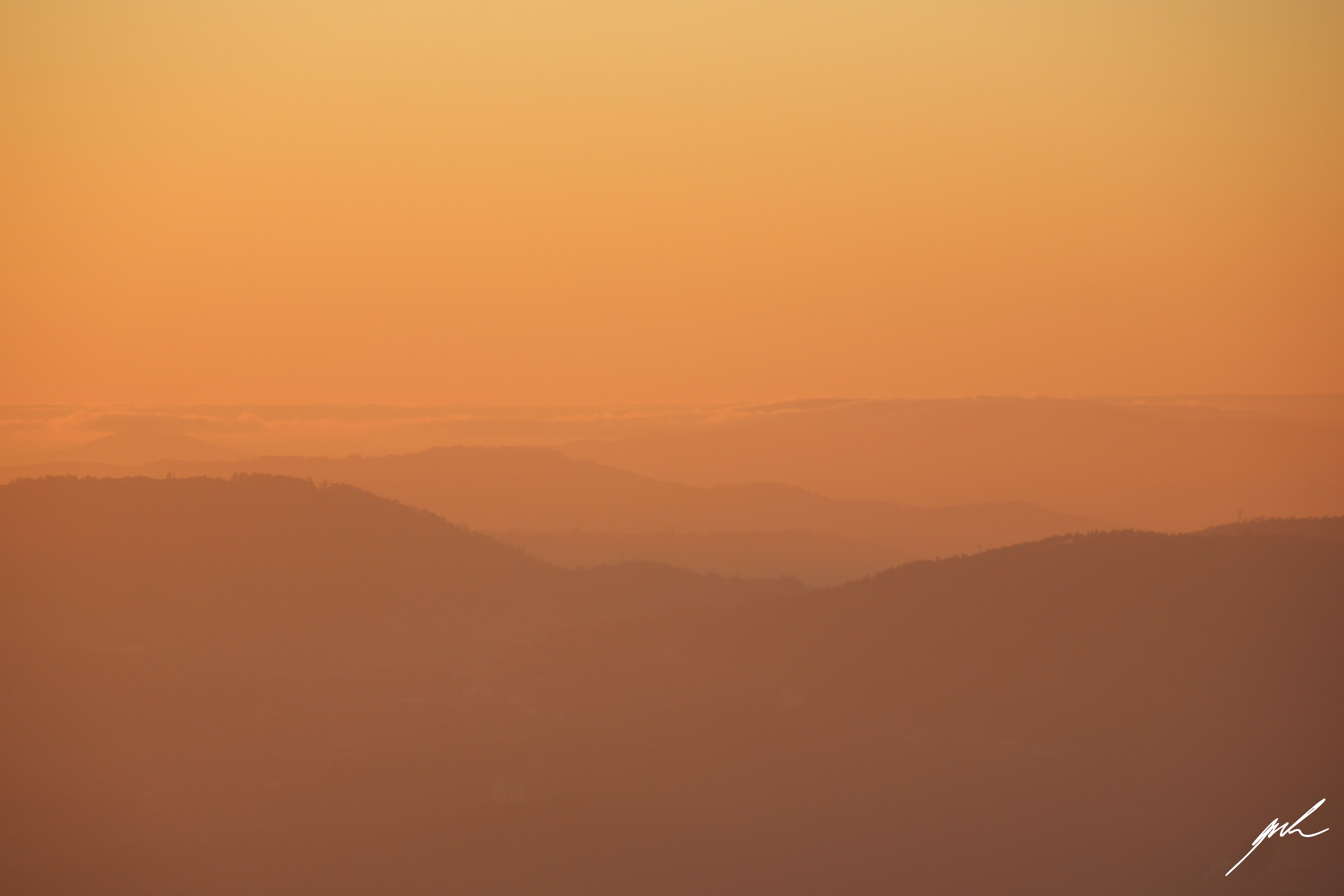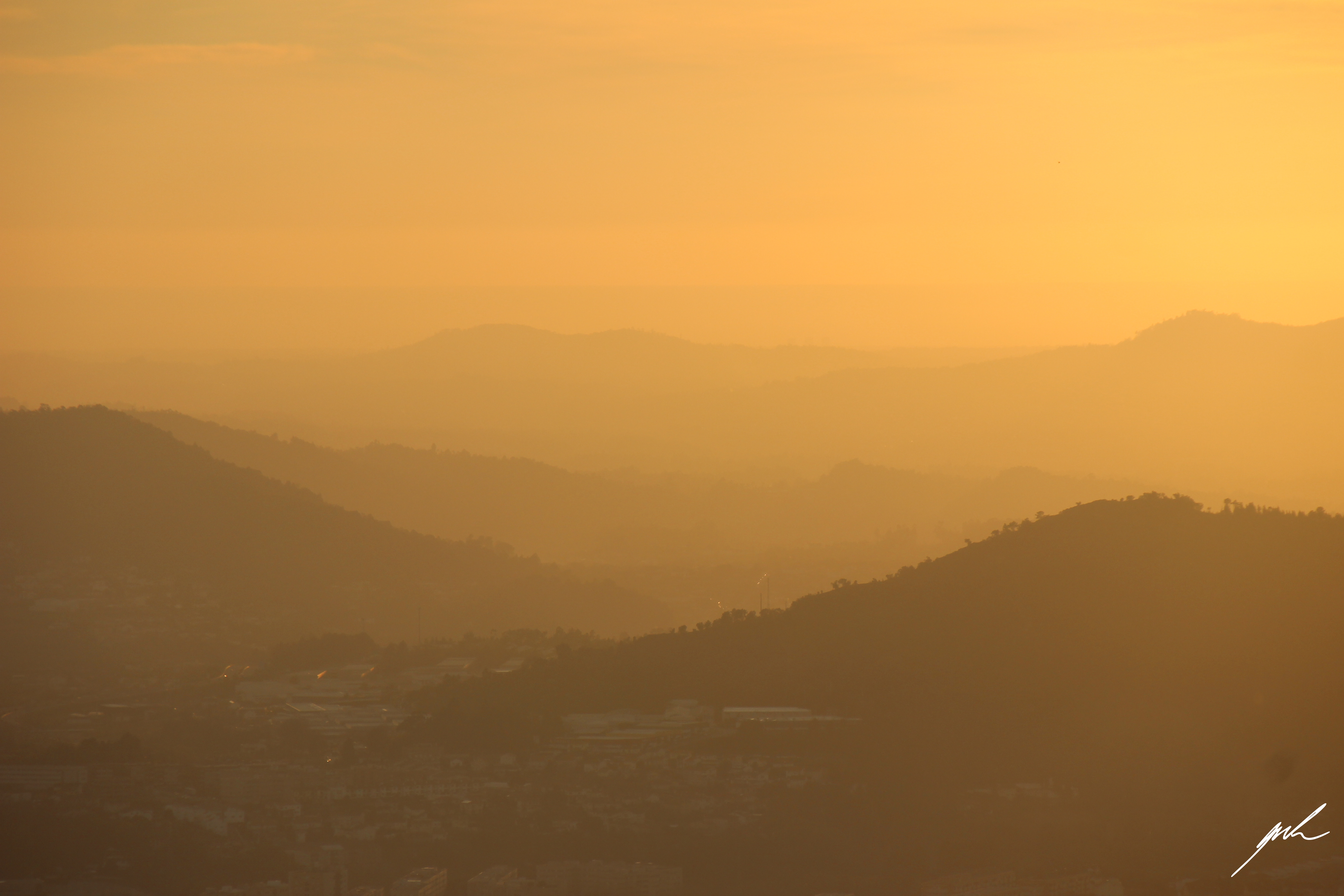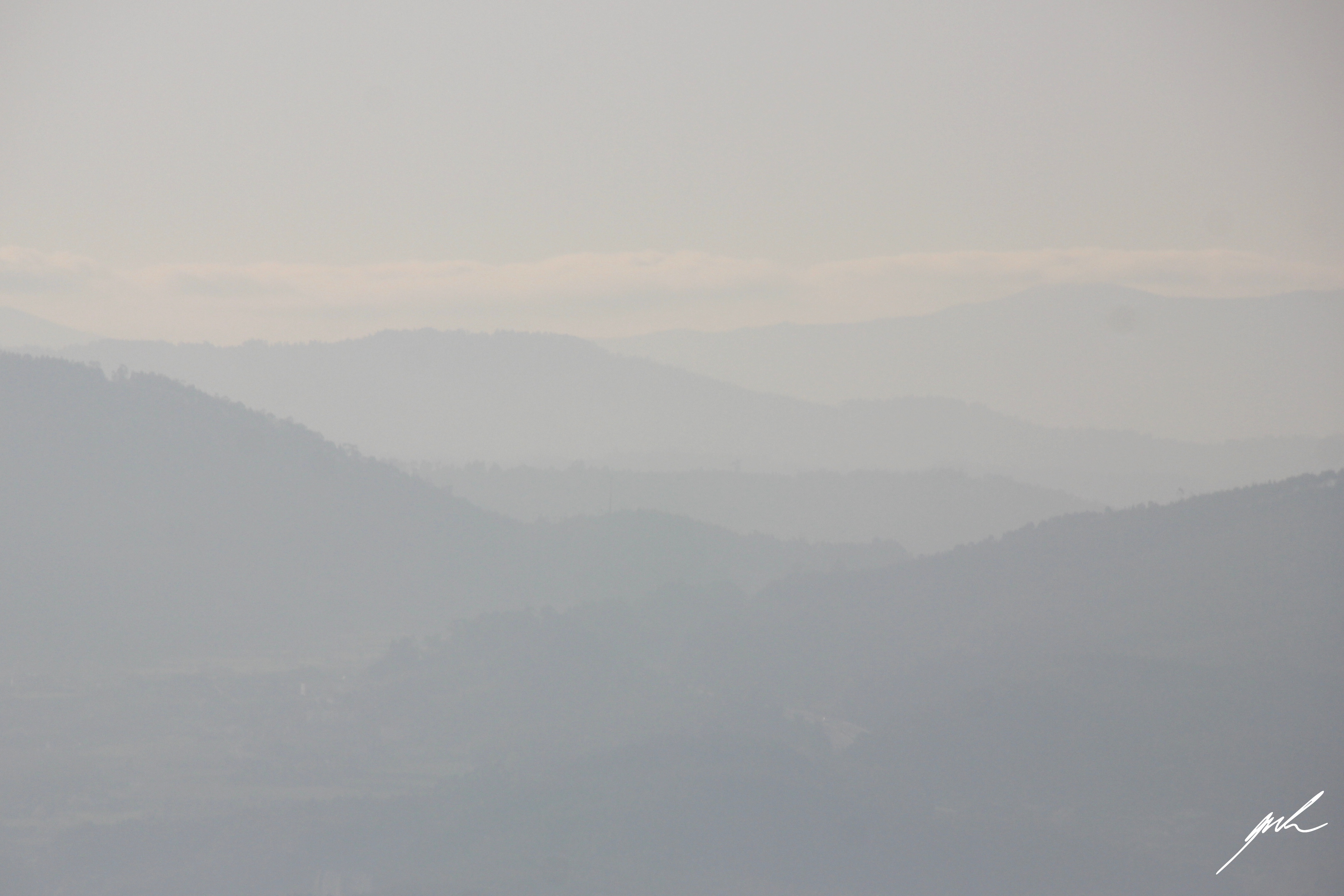
The Scottish Highlands Covered in Fog
Shot in July 2014.
![]()
Shot in July 2014.
![]()
This one continues the last entry, “The Churches of Georgia,” which I posted a few days ago. After leaving Georgia in the southern direction, the scenery changes quite suddenly. Georgia consists mainly of fertile lowlands and highlands rich in vegetation. Armenia, in contrast, is situated at a higher altitude, lying within a geologically high plateau, which is much older and much rocky than the hills in Georgia. These rocks shine red in many places, giving the landscape an astonishing look (see pictures three and six). Even the capital, Yerevan, seems to fit perfectly into the landscape, built primarily out of reddish stone gathered from the surrounding areas (pictures one and two). There is no denying Armenia is a beautiful place. But the most breathtaking feature is the view of something actually situated outside the country’s borders. The mountain of Ararat lies like a guardian upon the land, and the view of the snow-covered giant (5.137 m or 16,854 ft) is one of the most beautiful things you can see in your life (picture five). As the supposed landing sight of Noah’s ark, it is a spiritual place deeply embedded within the national soul of the Armenians. Today, the Ararat is situated in Turkey, making it an always visible reminder of the painful and complicated history of the western neighbor.
![]()
So, finally, here comes the last part of my photographic journey through Greece in September 2013. It all started in Athens, where we found a lively metropole thorn between an ancient and heroic past and a troubled but somewhat forward-looking present. Then, the road trip through the Peloponnese began, leading us through places of myths and nature. Later, we left mainland Greece and continued our road trip on the high sea, heading to the famous Cyclad islands. We experienced the young and open island of Mykonos and paid a short visit to the ancient Delos, but the highlight for me was Santorini. It is such a photogenic island it almost suspends any belief. And beyond being just photogenic, it is lovely. And the most beautiful thing about it is something I didn’t show you yet. The sunsets here are out of this world, as kitschy as they may sound. So I think that’s the way to end the series and say goodbye to Greece for now.. by showing you some of my favorite moments on Santorini at sunset.
![]()
This post is part of the so-called “Greek Series,” consisting of photographs I shot while backpacking Greece in September 2013. You’ll find a basic introduction to the series here, and the last post featuring an expedition to Nea Kameni can be accessed here.
The caldera of Santorini is a fantastic place. Due to the significant volcanic eruption around 3,500 thousand years ago, the island is covered in red and black stone, exposing layers of rock that are millions of years old. Also, the water sometimes tends to be reddish, making it an almost alien sight.
![]()
This post is part of the so-called “Greek Series”, consisting of photographs I shot while backpacking Greece in September 2013. You’ll find a basic introduction to the series here and the last post featuring Mykonos and Delos can be accessed here.
In the next few posts, I would like to show you the beautiful and unique island of Santorini. But before we go to the main island, some impressions of the new volcano arise in the center of the Santorini caldera. There are boats to the rock (called Nea Kameni), and it was pretty crowded when we were there, nonetheless, the trip was absolutely worth it.
![]()
This post is part of the so-called “Greek Series”, consisting of photographs I shot while backpacking Greece in September 2013. You’ll find a basic introduction to the series here and the last post featuring Mykonos and Delos can be accessed here.
In this one I recall our journey around the Gulf of Corinth, visiting small villages and larger cities. But mostly, it is all about the beauty of nature and the all-present sea.
![]()