
Vienna in Late November
Impressions were collected in late November around Prater and Donaucity.

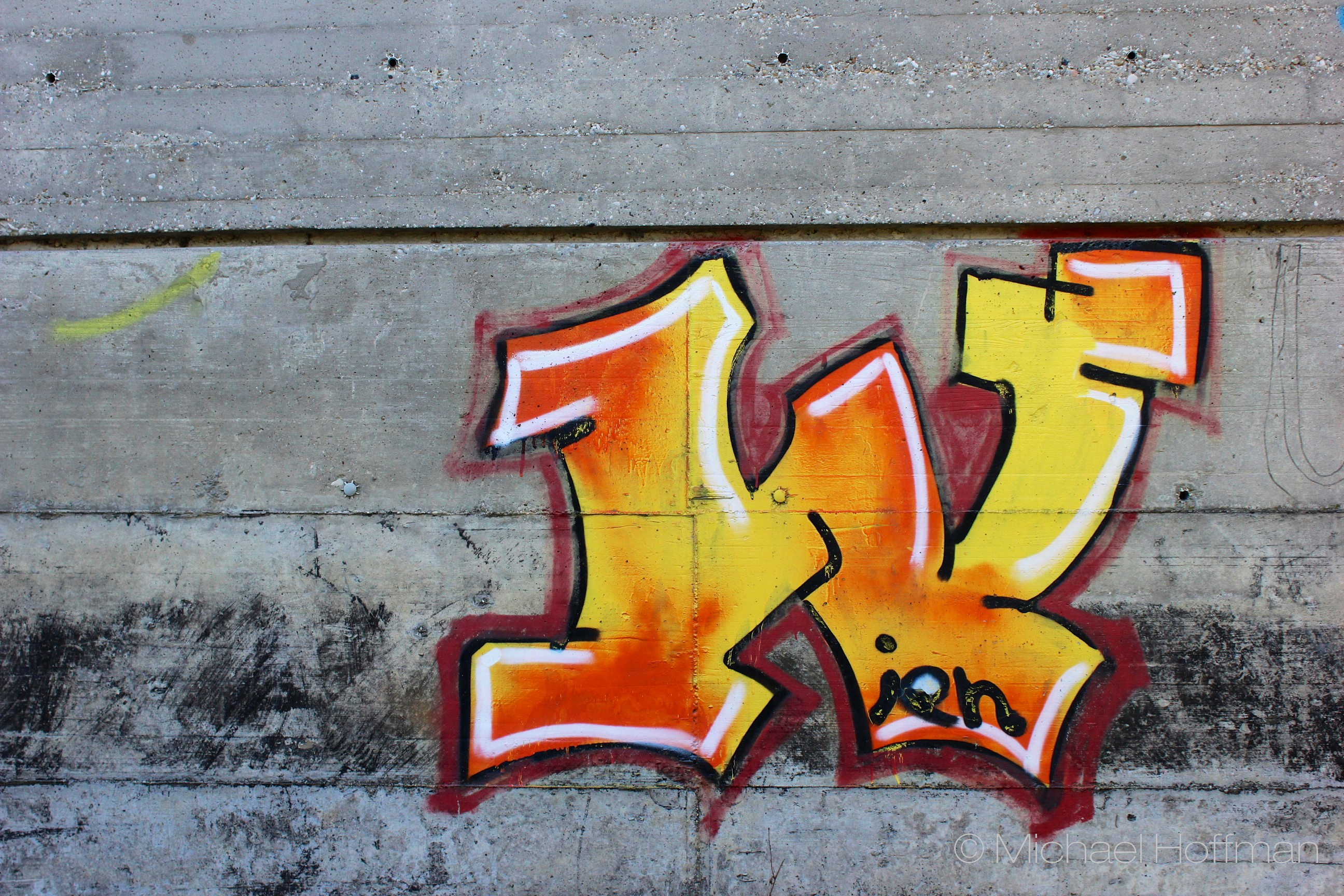

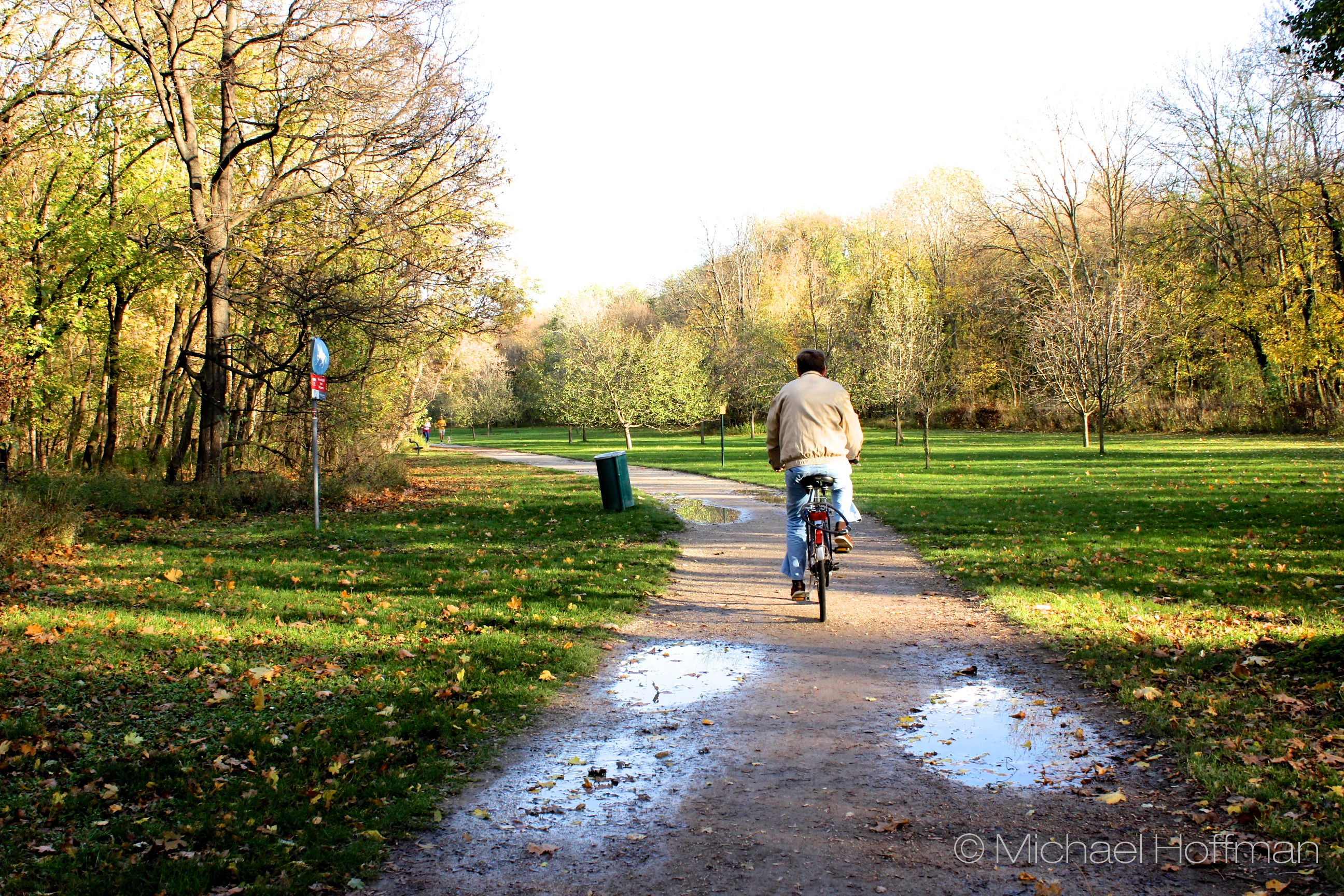
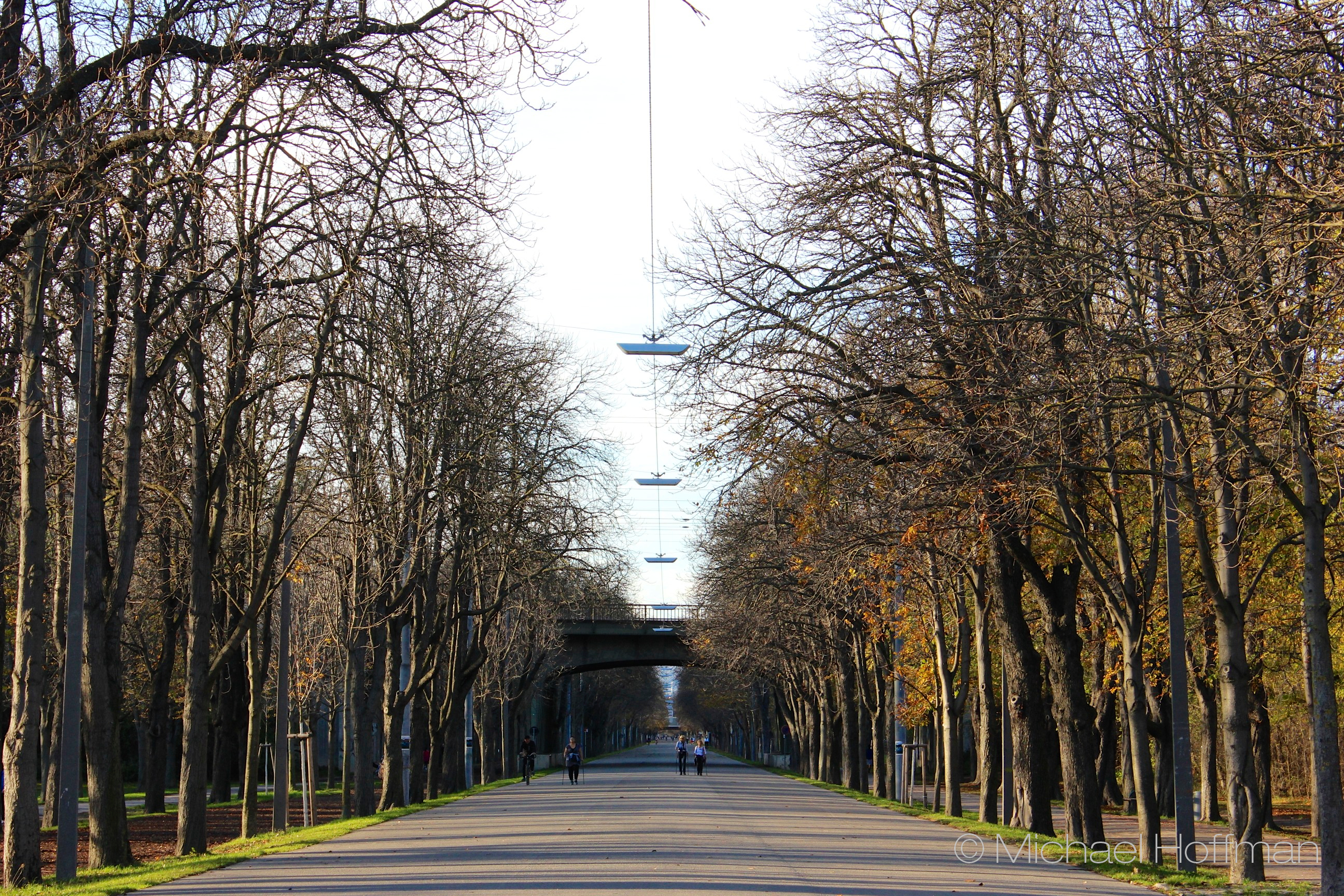

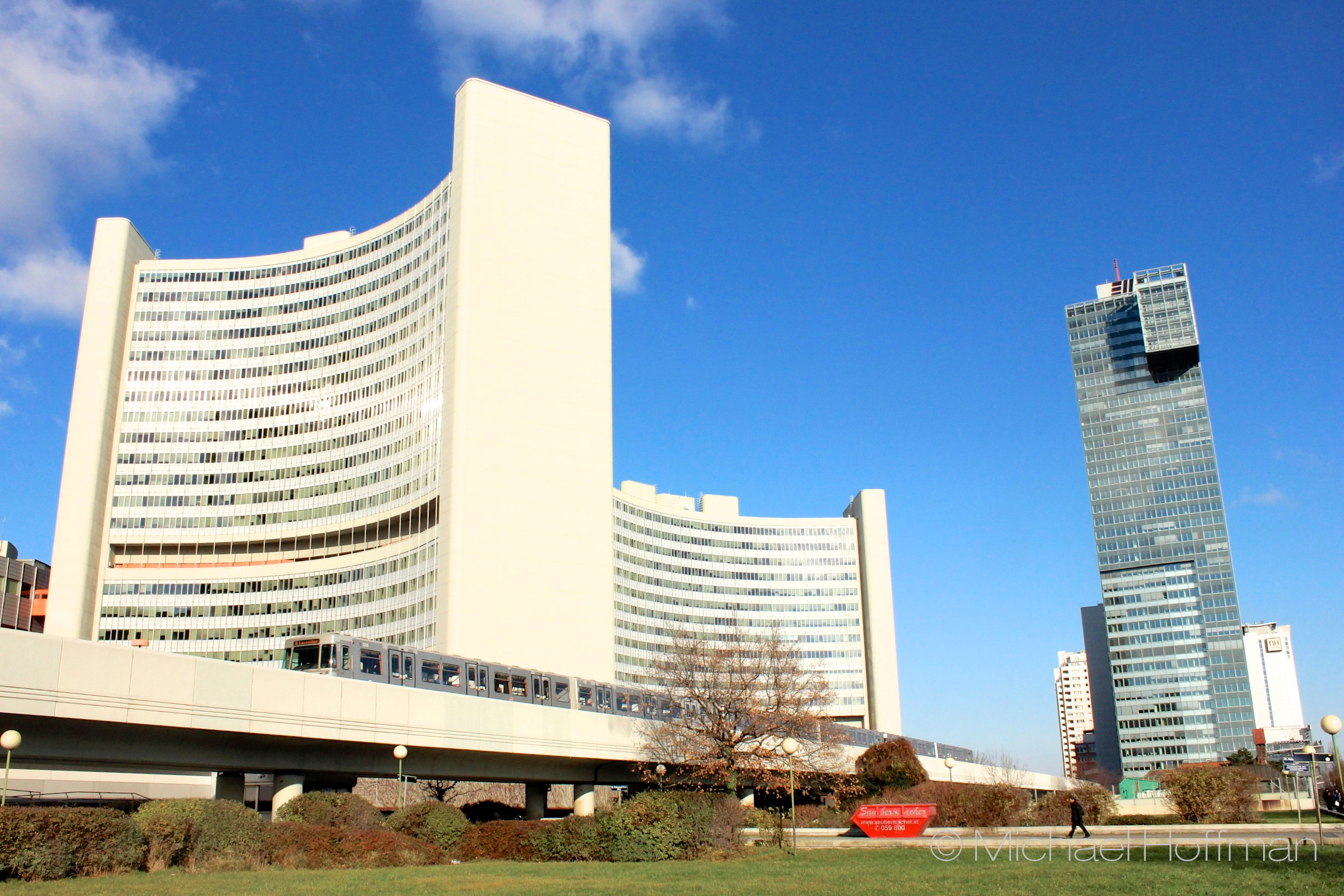
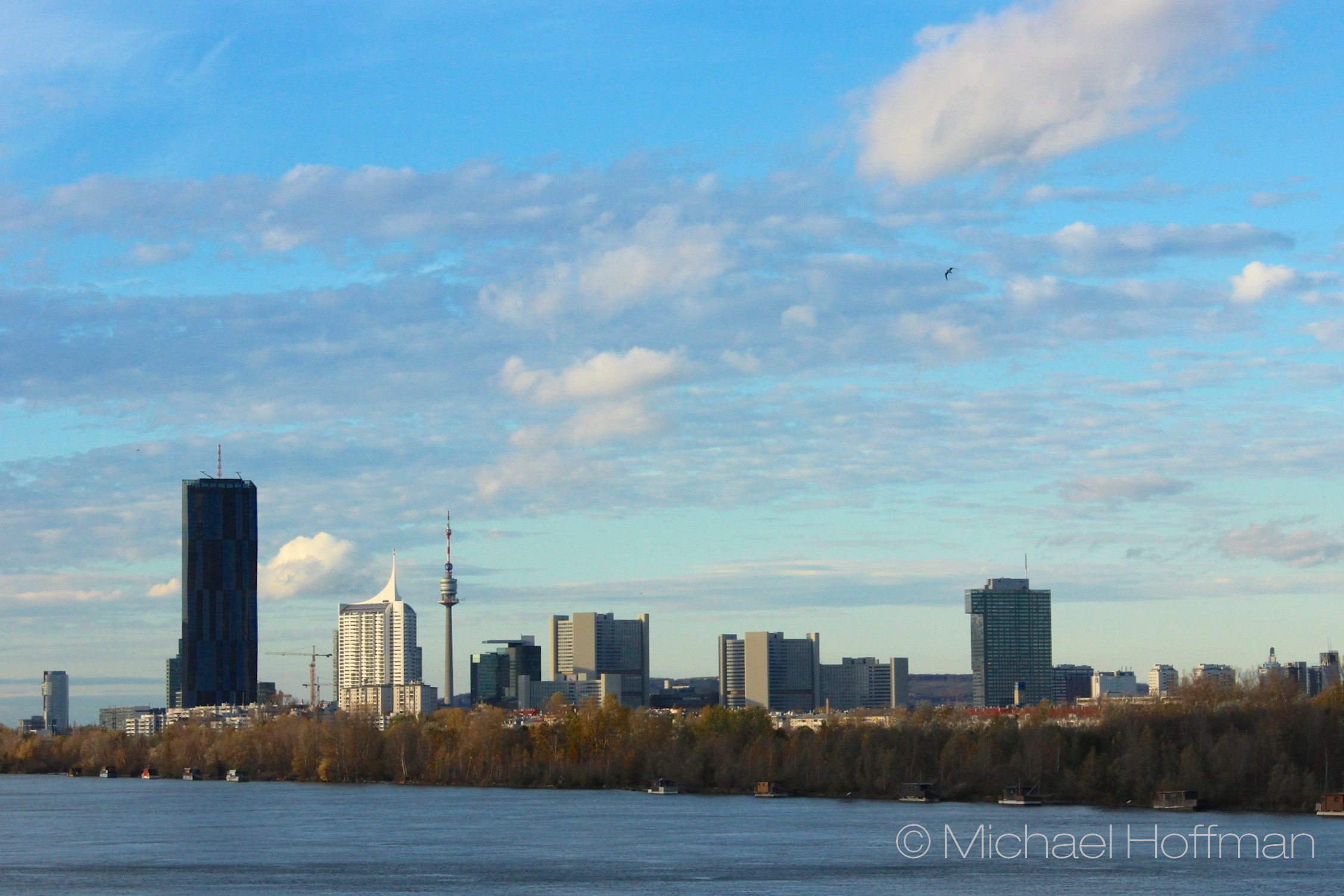
Impressions were collected in late November around Prater and Donaucity.
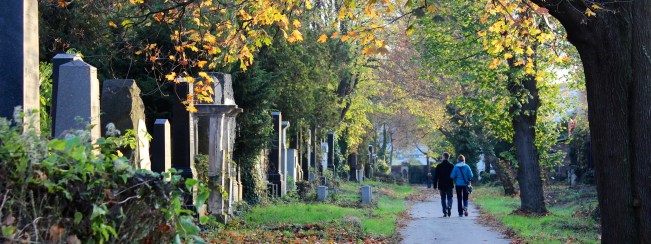
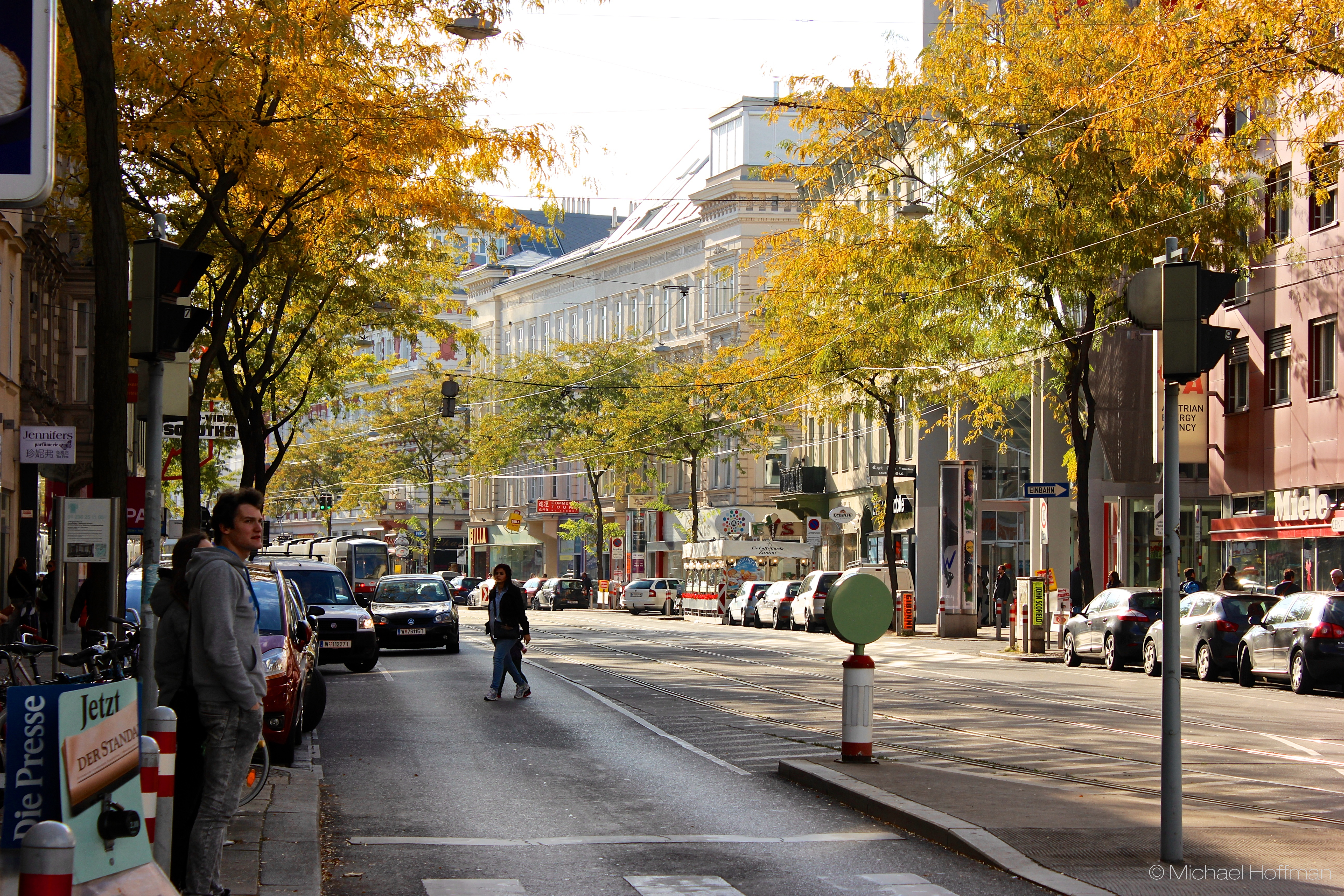
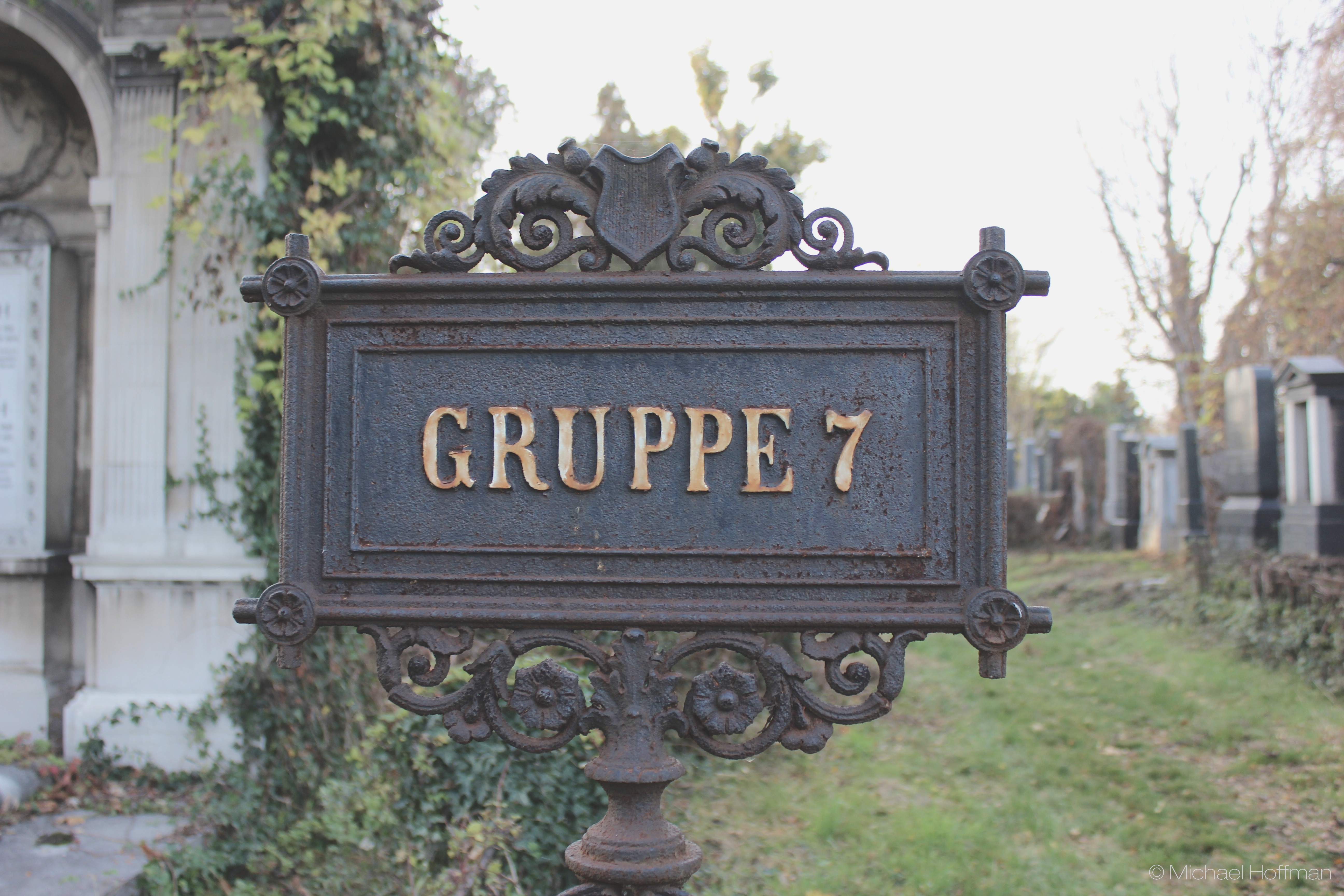
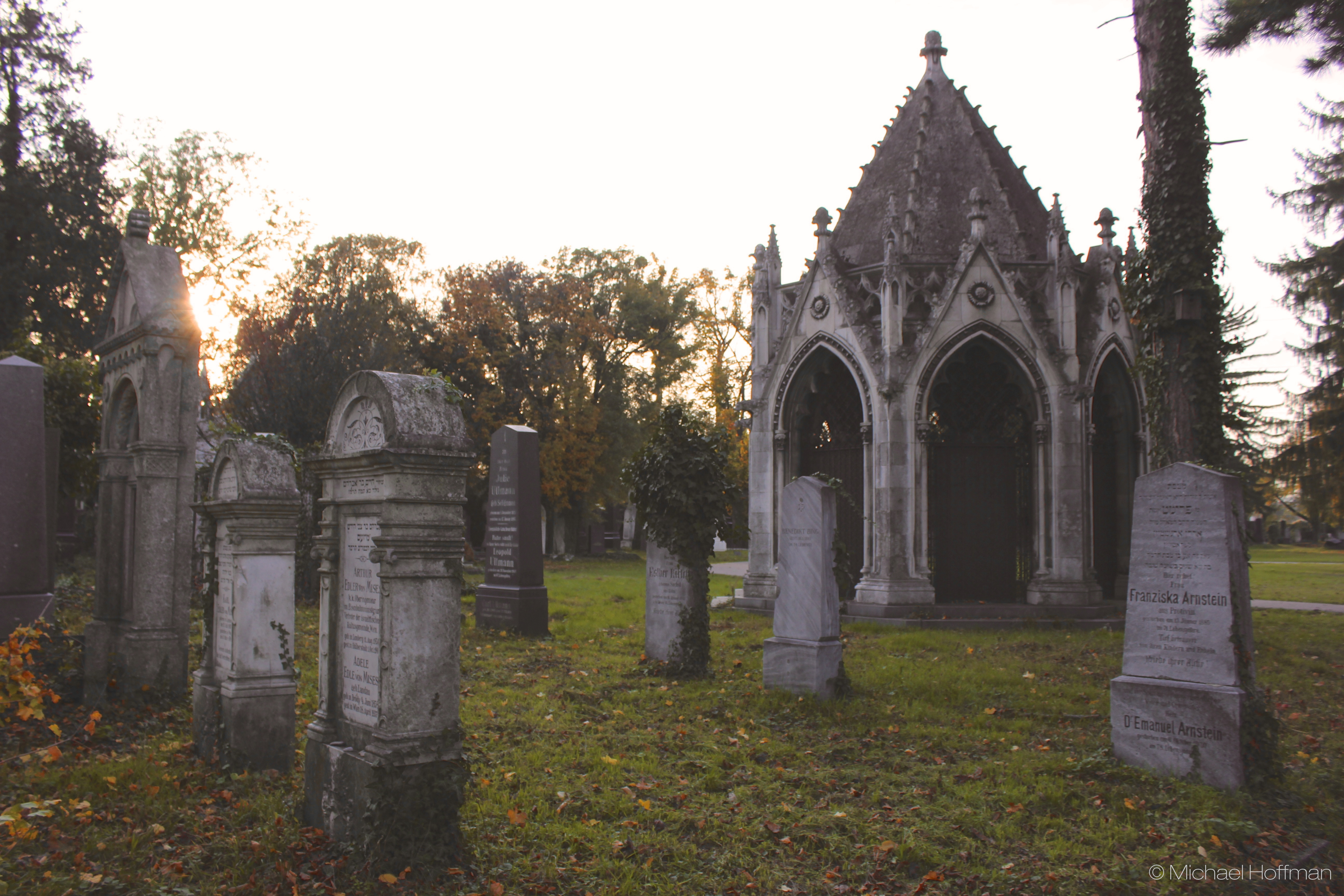
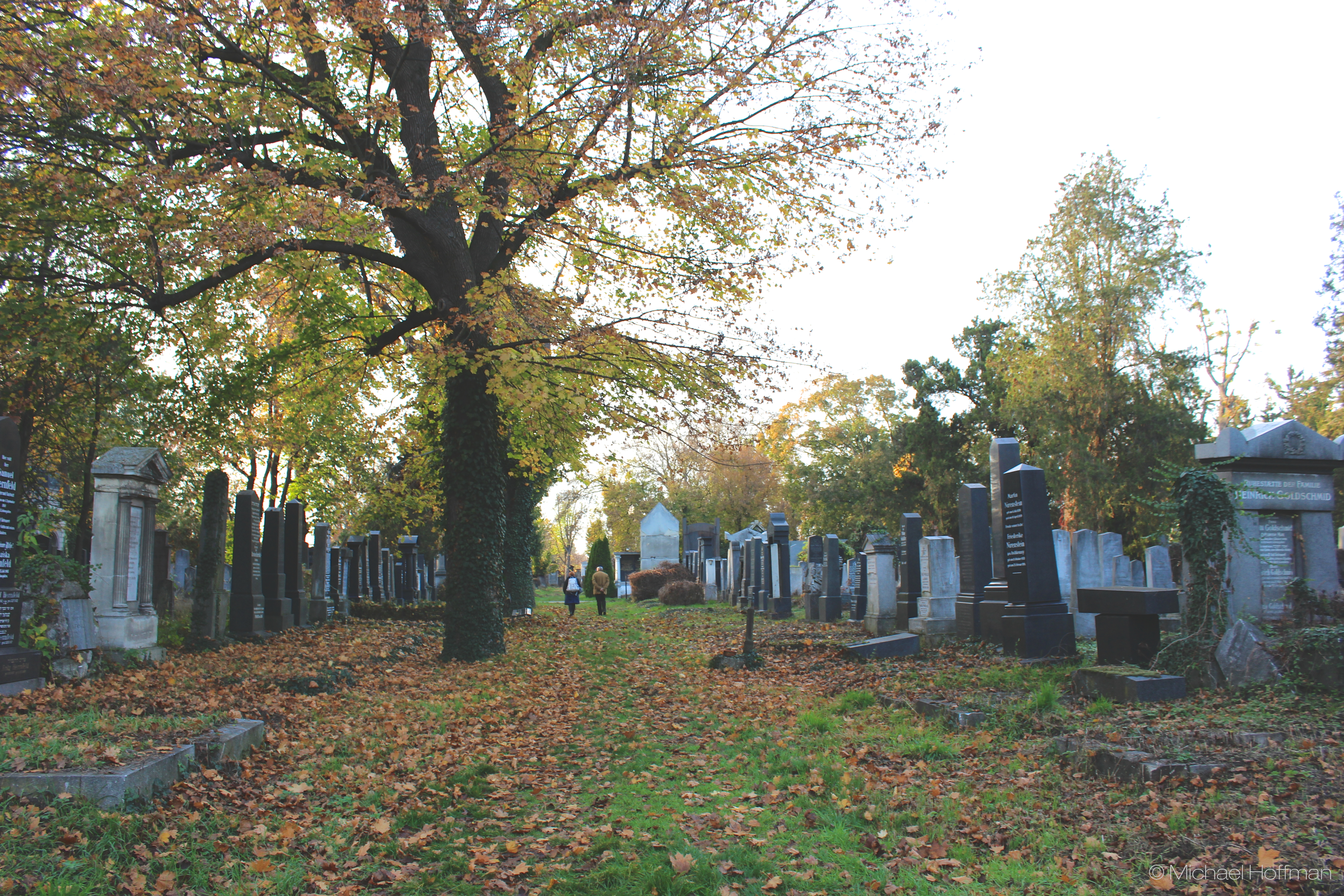
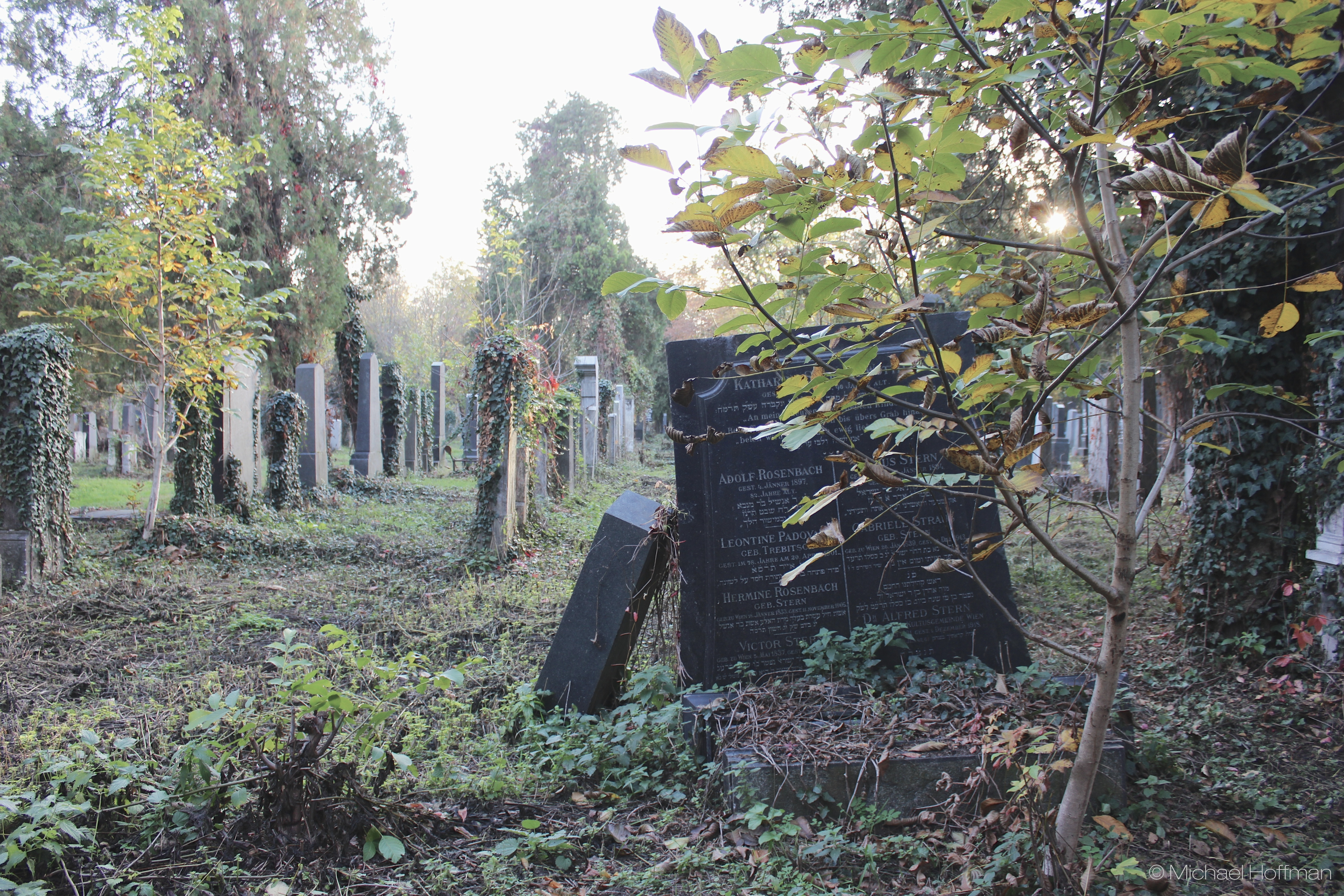
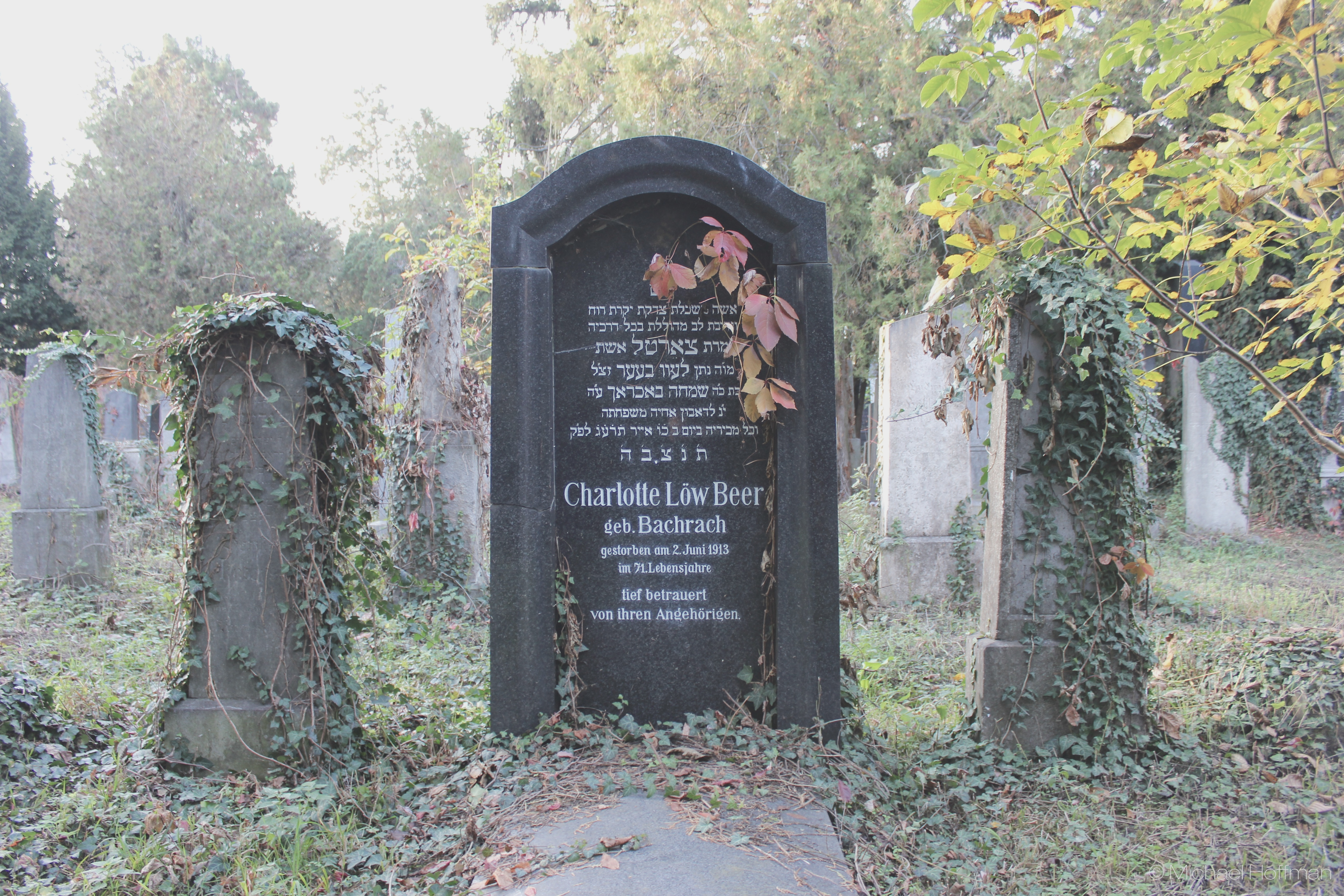
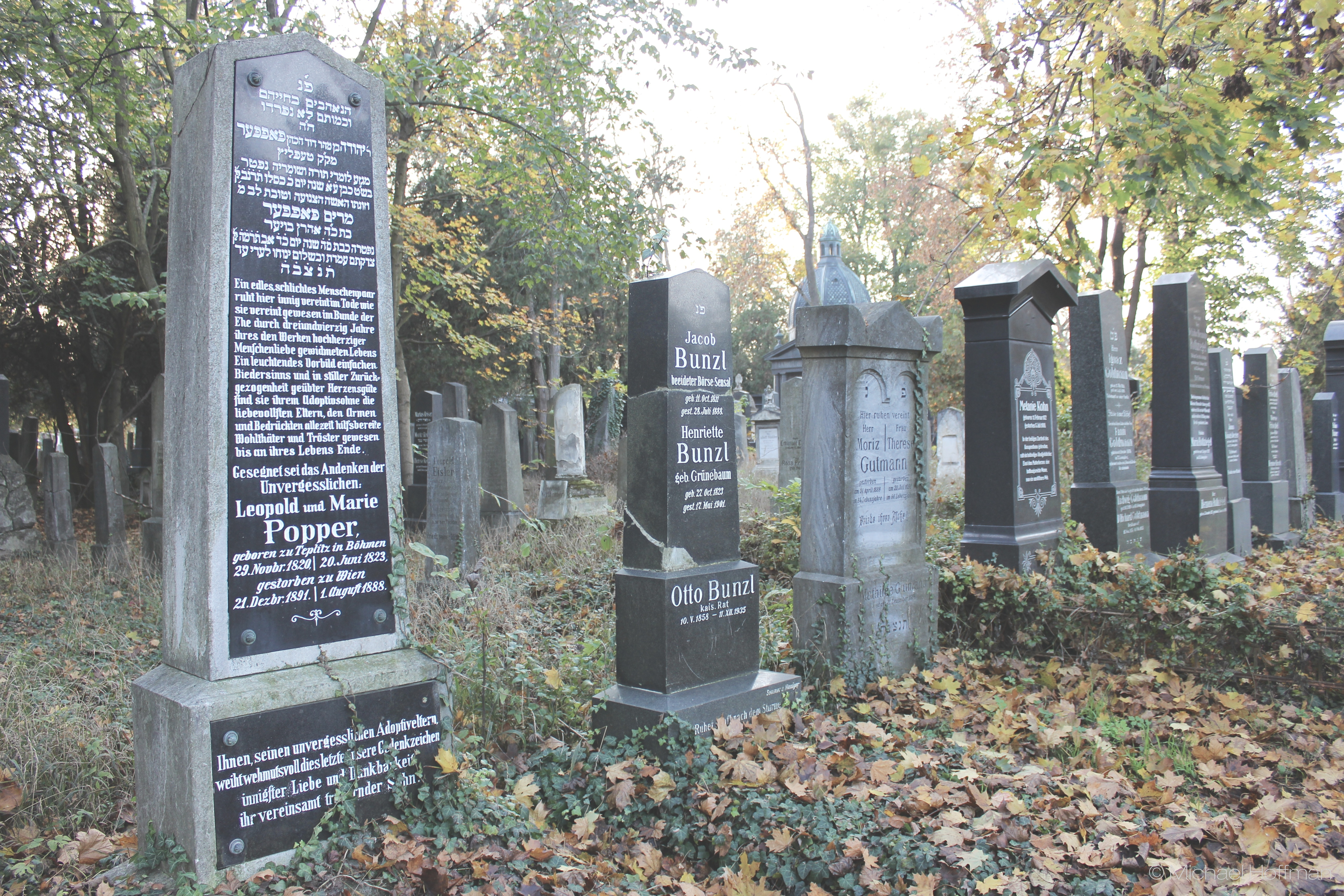
This is one kind of “The Viennese Central Cemetery Part 2,5,” or the outtake. Two shots I really liked but which didn’t fit into. In the second picture, you see the fabulous Karl-Borromäus church in the center of the cemetery. Plus, another shot from Vienna’s streets captures autumn’s colors.

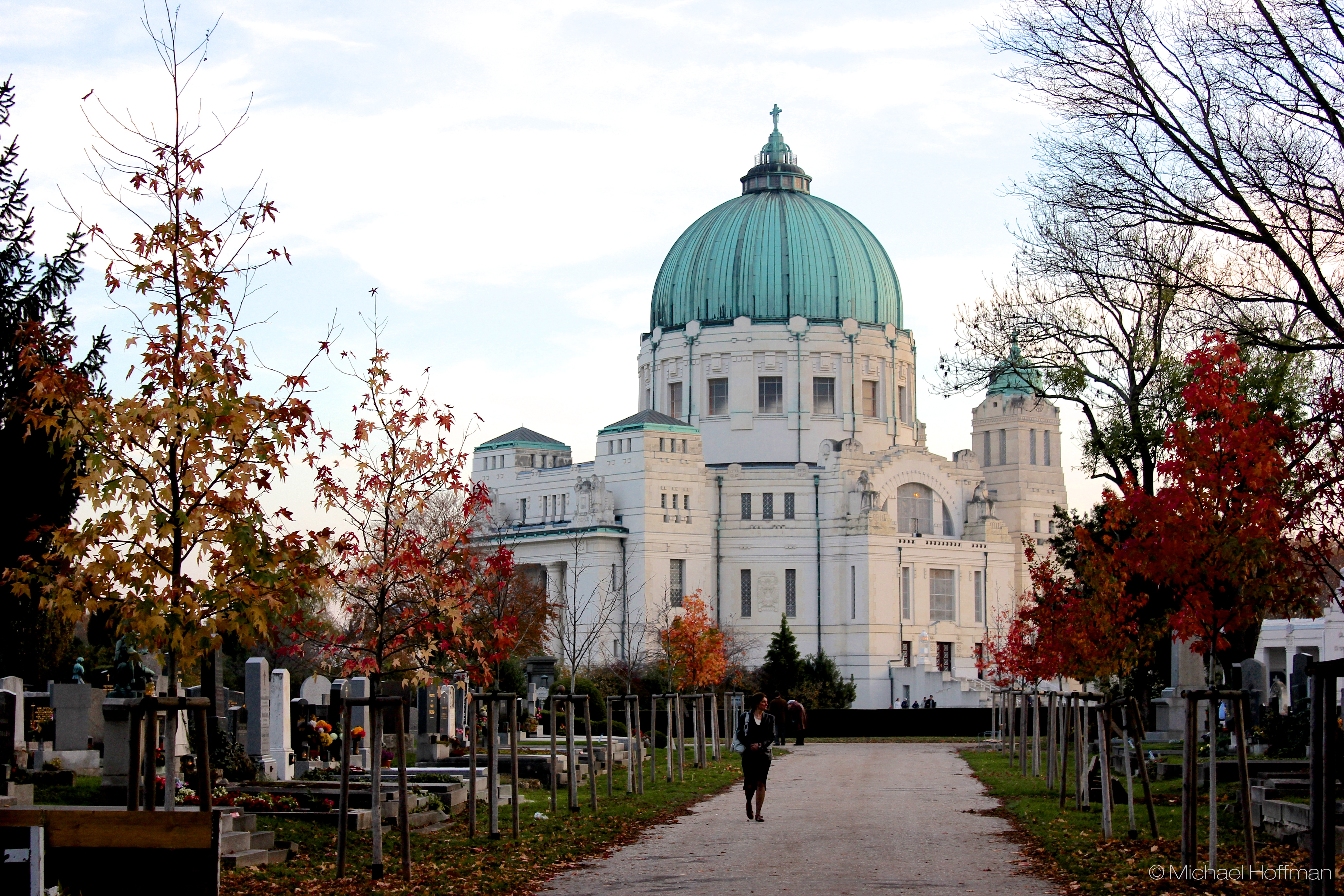
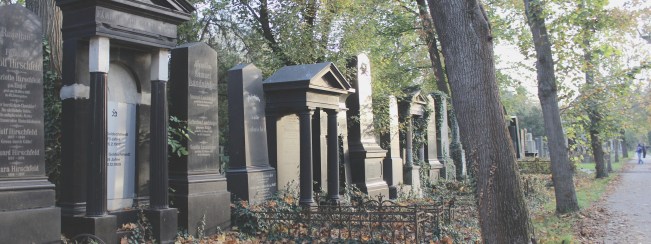
Traditionally, the Viennese have a somewhat morbid relationship to death. In the second half of the 19th century, when Vienna was an international metropole, a “high culture” of dying emerged. Suddenly, it became popular to have big funerals and fancy gravestones. We say “A schöne laich,” a beautiful corpse in Vienna. In this vain 1874, a new cemetery was built in the south of the city, so large indeed that it would accommodate the next few generations of Viennese. It still does its job very well due to the sheer size of the area, which is as large as the whole old town of Vienna (there is even a graveyard bus line). But it is not the scope that makes it so fascinating, but the gloomy atmosphere and the beautiful work of art done here. It is a monument to the past days of Vienna. The imperial town has a special relationship to dying.
Part I was shot at the old Jewish part of the cemetery.

The great thing about living in Vienna is nothing is really far away, and you are abroad quickly. Central Eastern Europe and Southern Eastern Europe (the Balkans, in other words) are incredibly close. Though strangely, Austrians seldom go East (except for plastic surgeries and dentists), there is still a mental barrier I never fully understood. In the Austrian mindset, the Czech Republic is still in the East, and Krakow, Poland, seems indefinitely far away, though, in reality, it is much closer to Vienna than the Westernmost city in Austria, Bregenz. Naturally, this snooty attitude is viewed with suspicion by our neighbors. However, much is changing, and the younger generation is beginning to embrace the charm of the East.
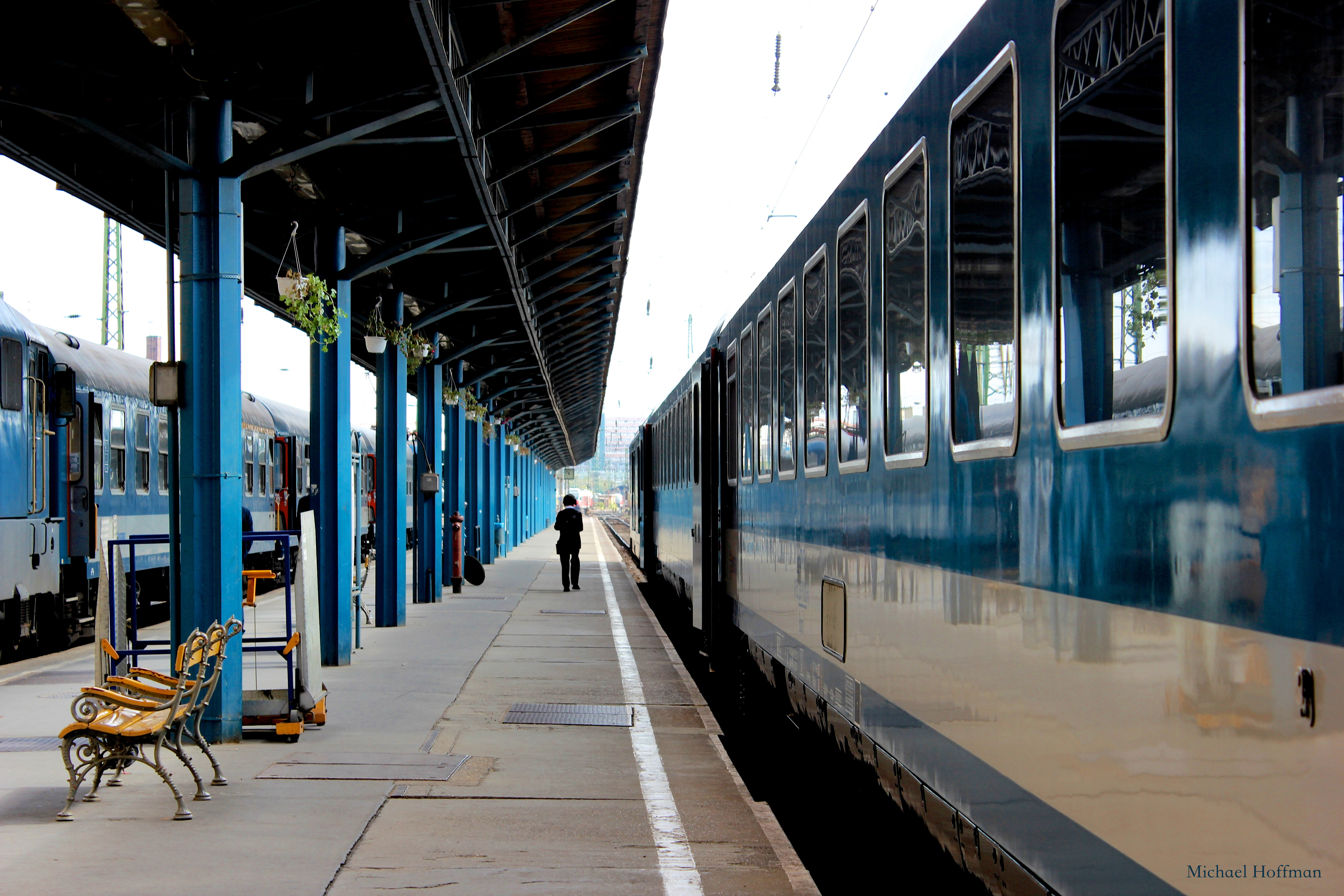
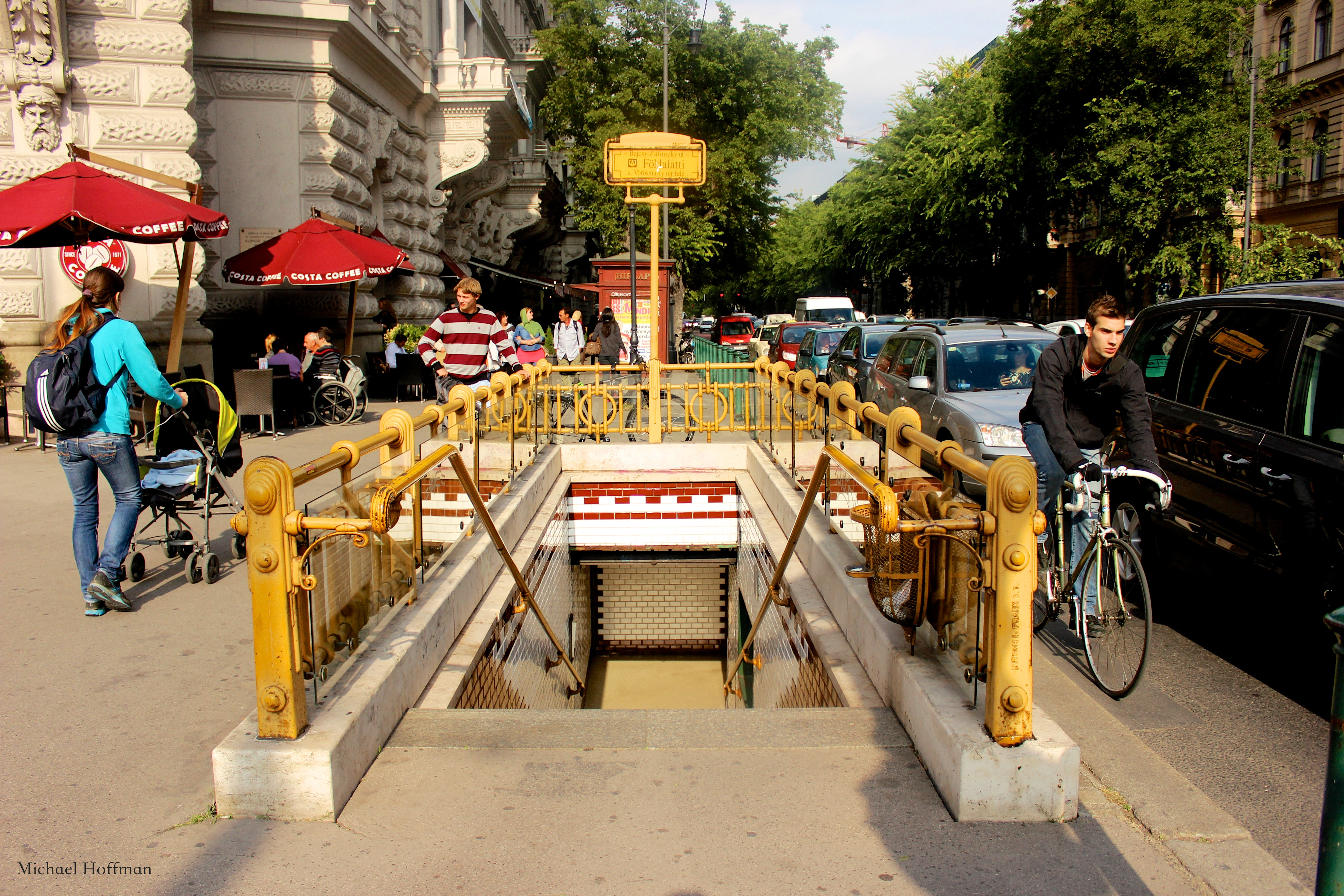
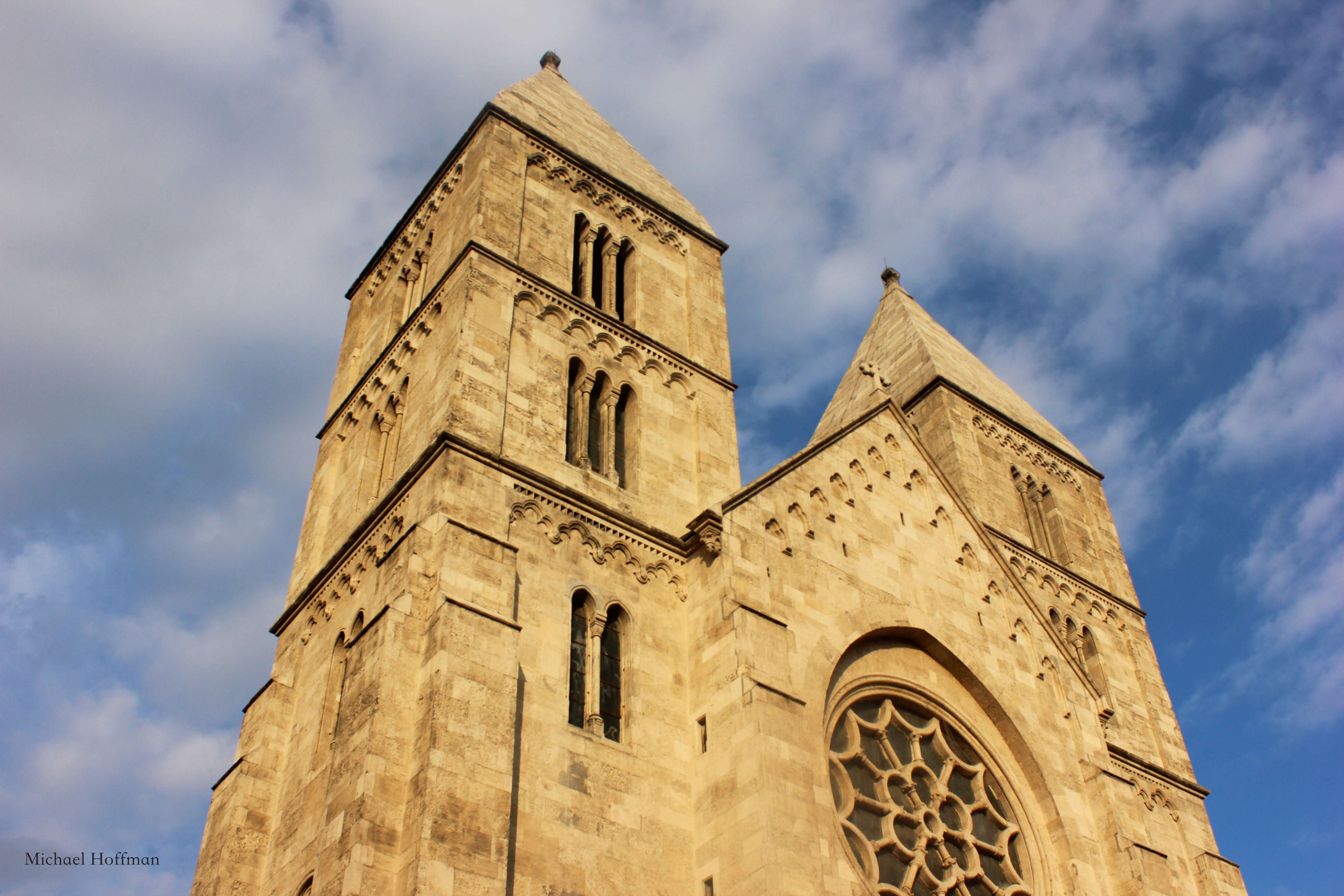
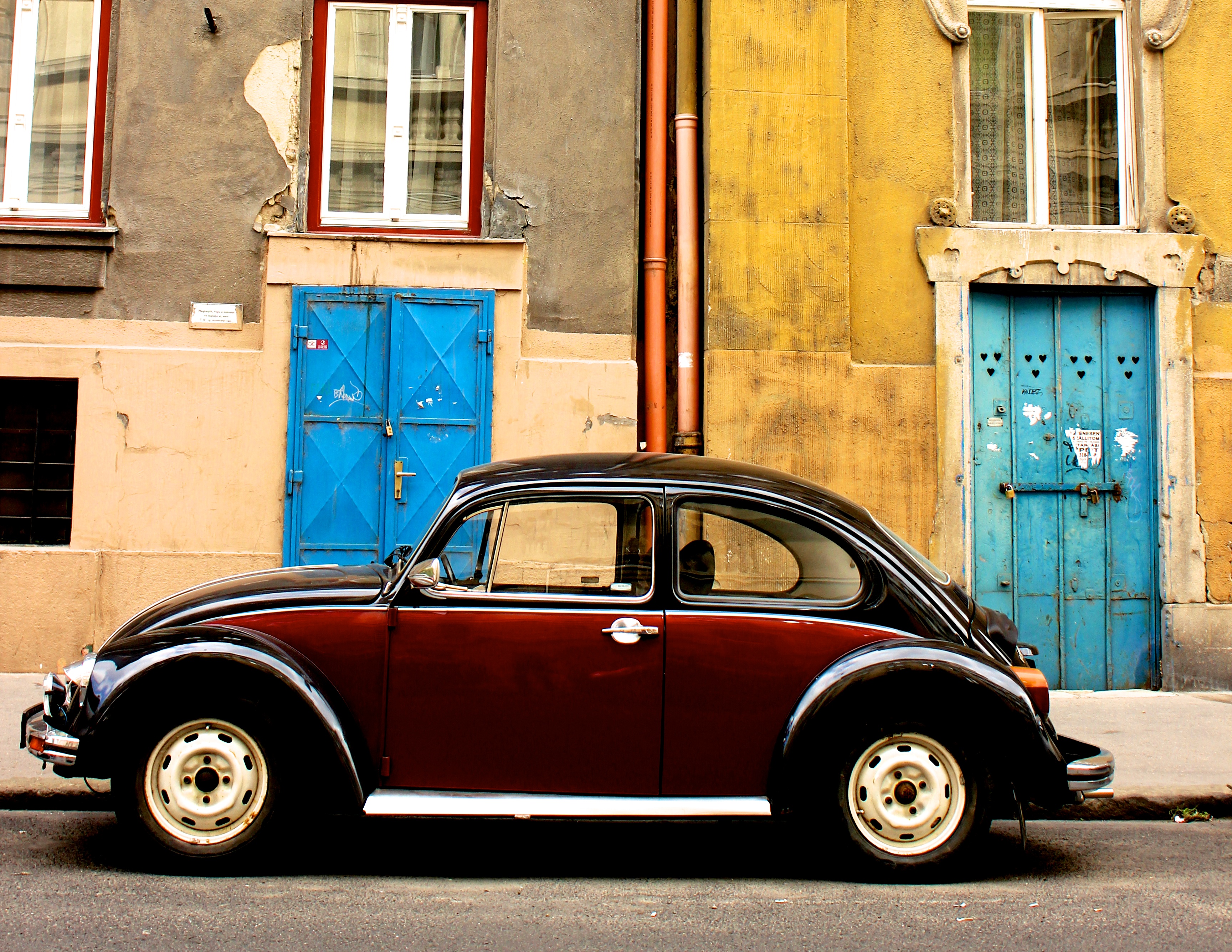
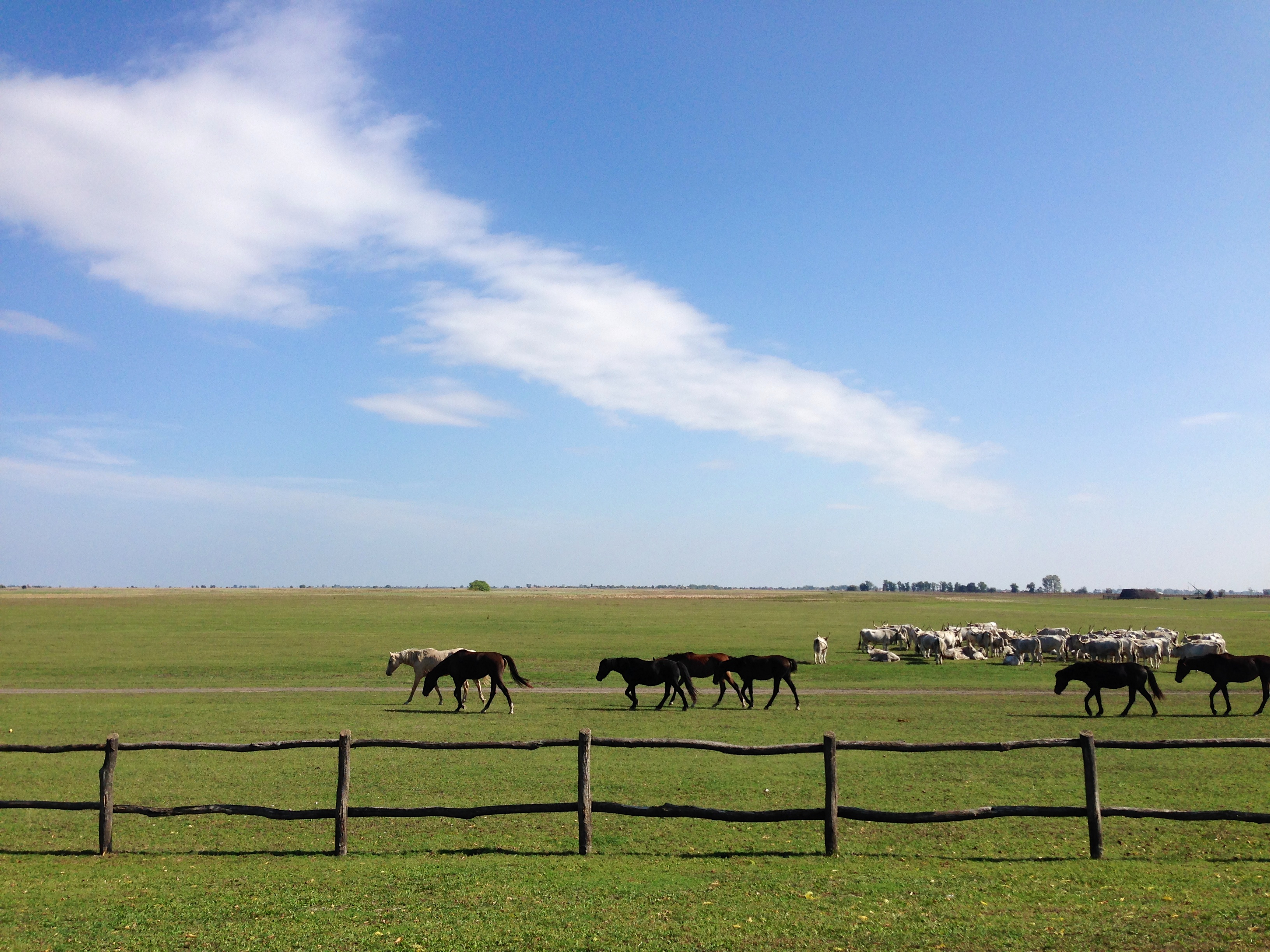
Incredibly close to Vienna, both in geographic and cultural terms, is the capital of Hungary, Budapest. Like Vienna, it had its heydays around 1900 in the Austro-Hungarian Monarchy, and you still see it. In architectural terms, the two cities are closely related; there are a lot of baroque churches, large areas of residential buildings from the founding period, and some beautiful Jugendstil façades. If you look on the map and see the districts (in both cases, 23.) and names of bridges and boroughs, you feel like you have landed in a mirror universe. However, there are some differences. Budapest still has maintained its old railway stations (pictures 1, 3, 5 in the background and 7), which disappeared from Vienna and were replaced by shopping-service hybrids in the vain of the consumerist society. Also, the city is much closer to the Danube than Vienna, having a pleasant city hill on the Buda site, making it very similar to Prague in structure. Hungarians are very patriotic; you see a lot of monuments everywhere. A vital role in their self-view is the role of a nomad’s heritage and horse riding culture. This heritage links closely to the country’s geographic conditions as a vast lowland (pictures 2 and 5). Hungary is definitely worth a visit, especially for young travelers, being also very affordable at the moment.


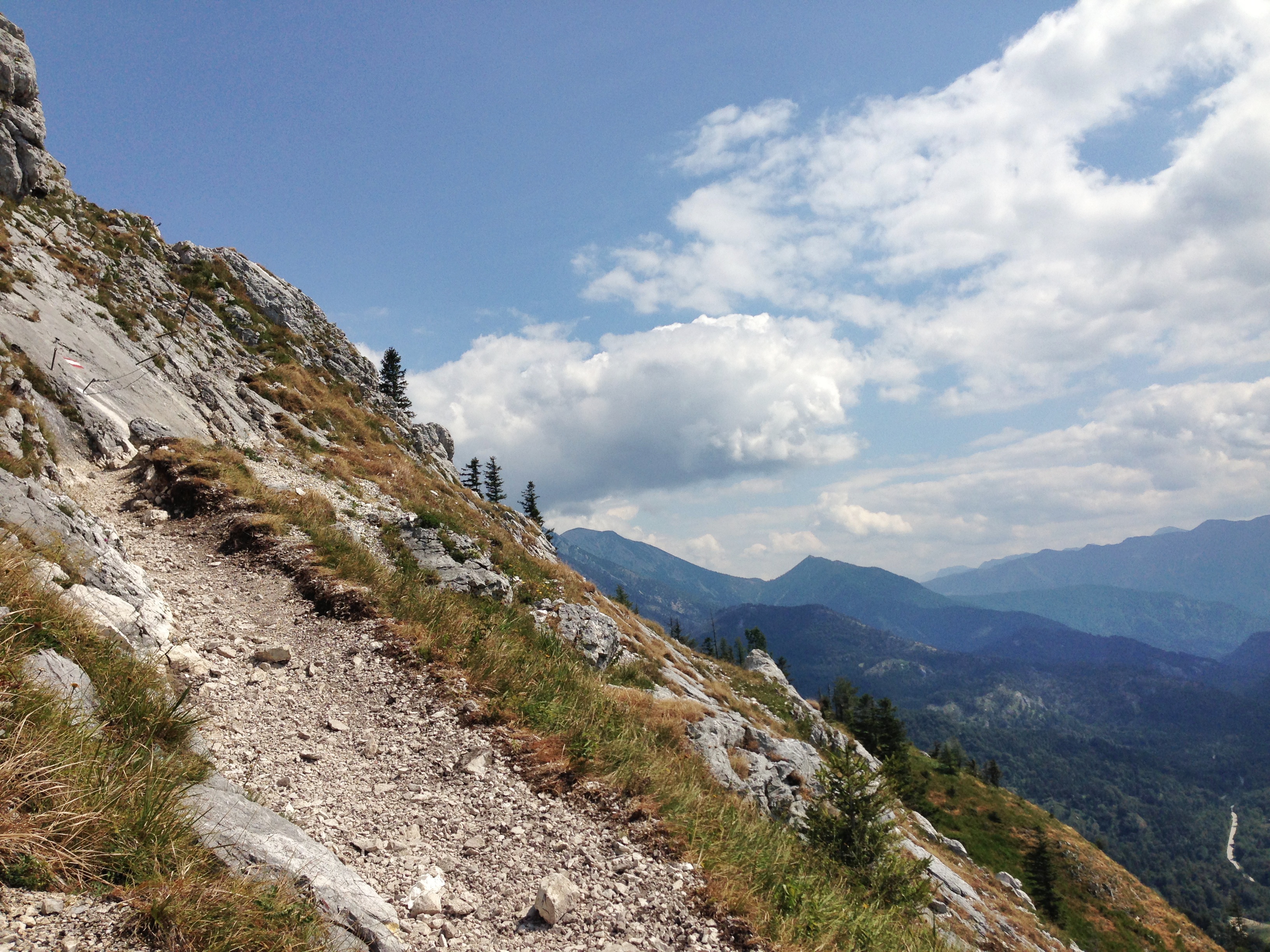
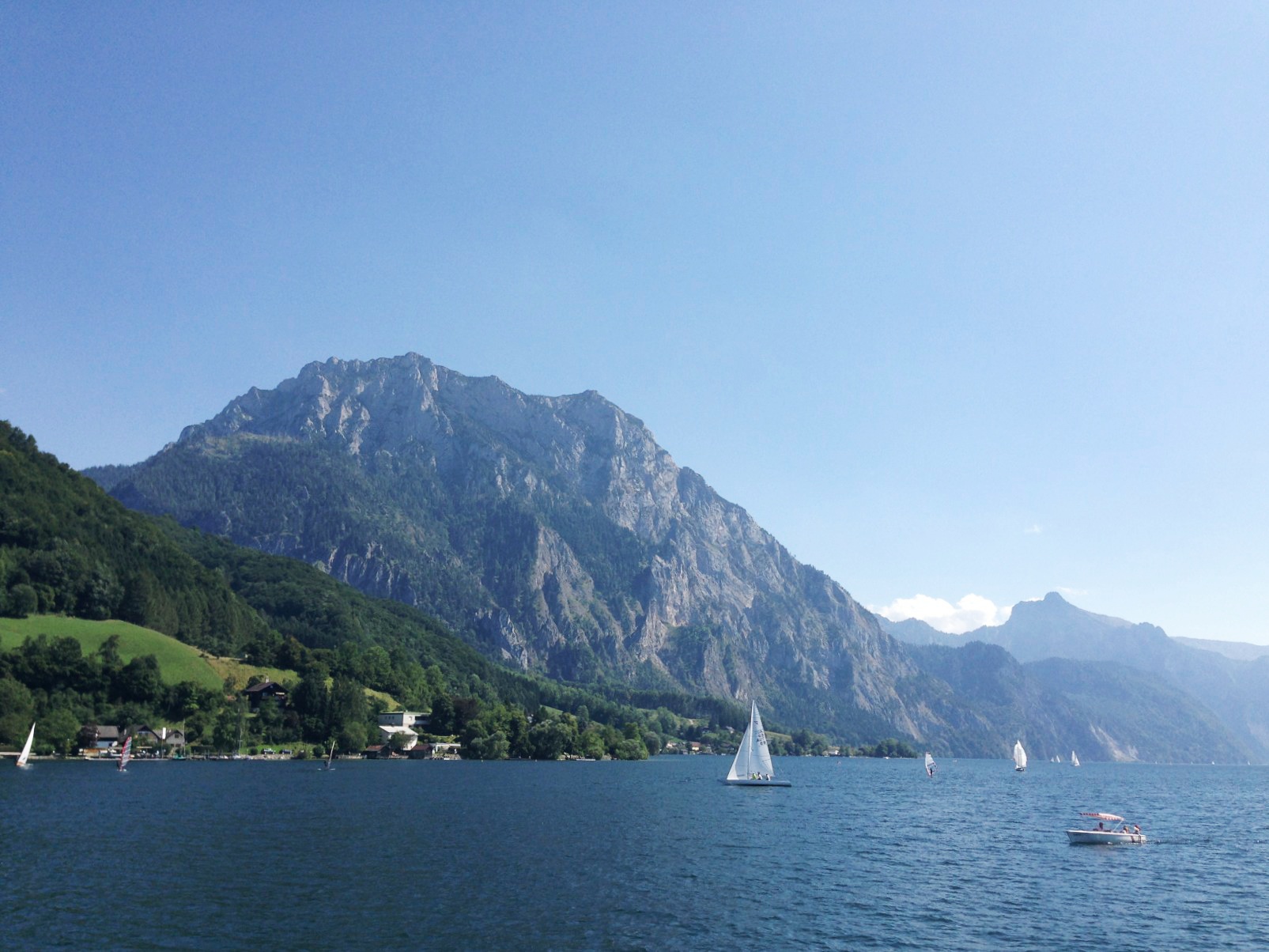
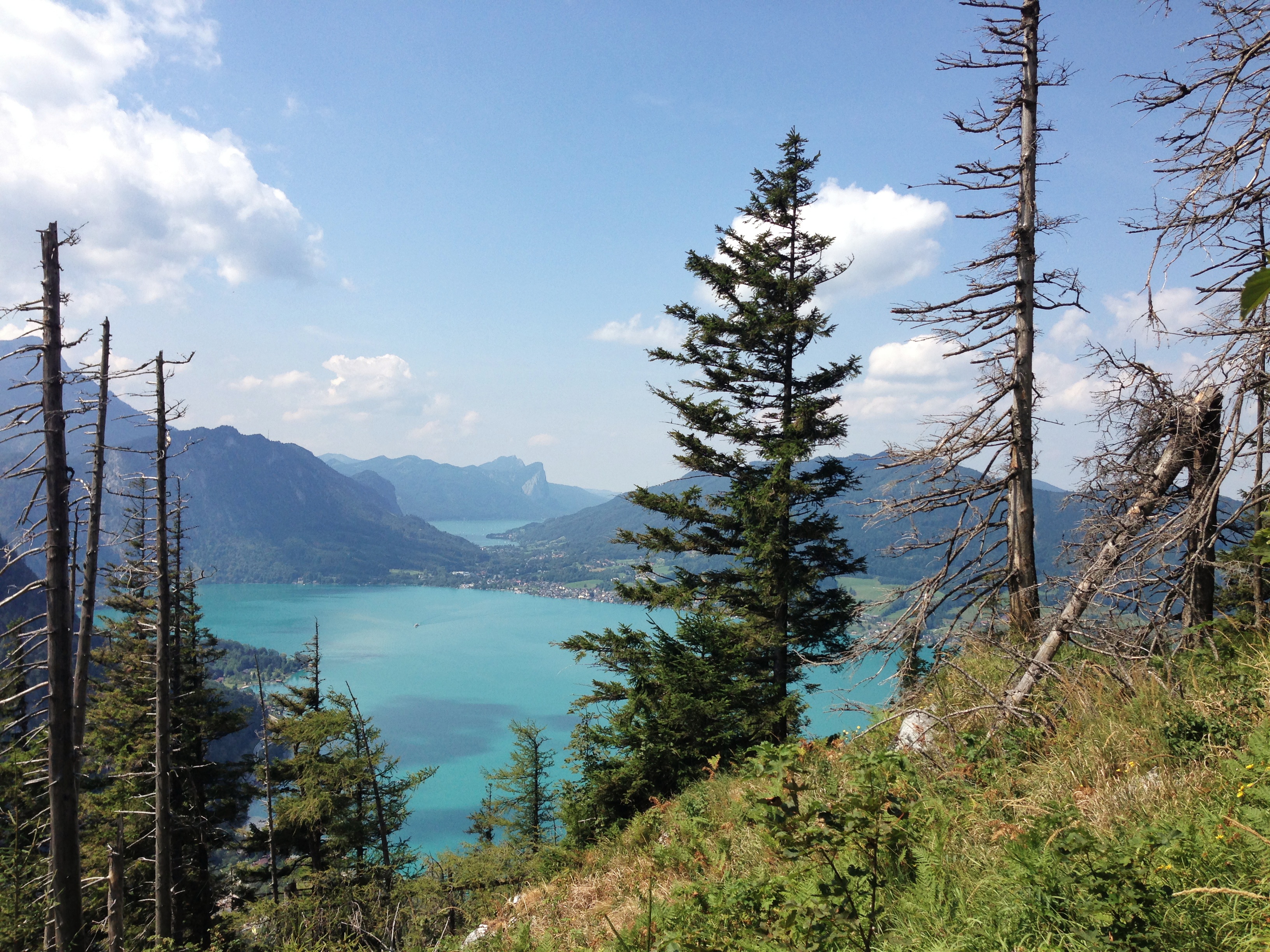
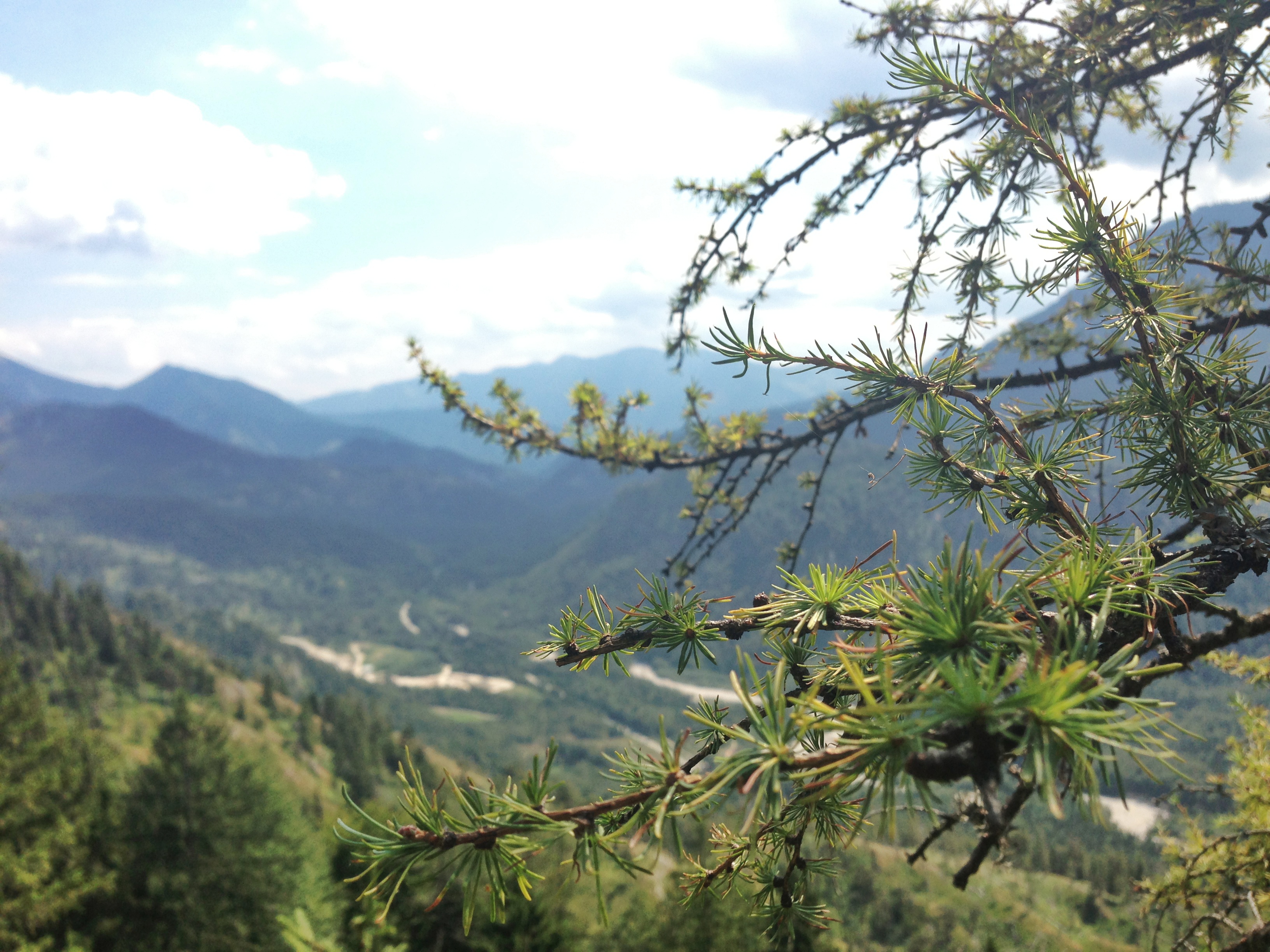
The (overdue) second part of my picture series shot in the Alps back in August. Three more shots and a panorama.
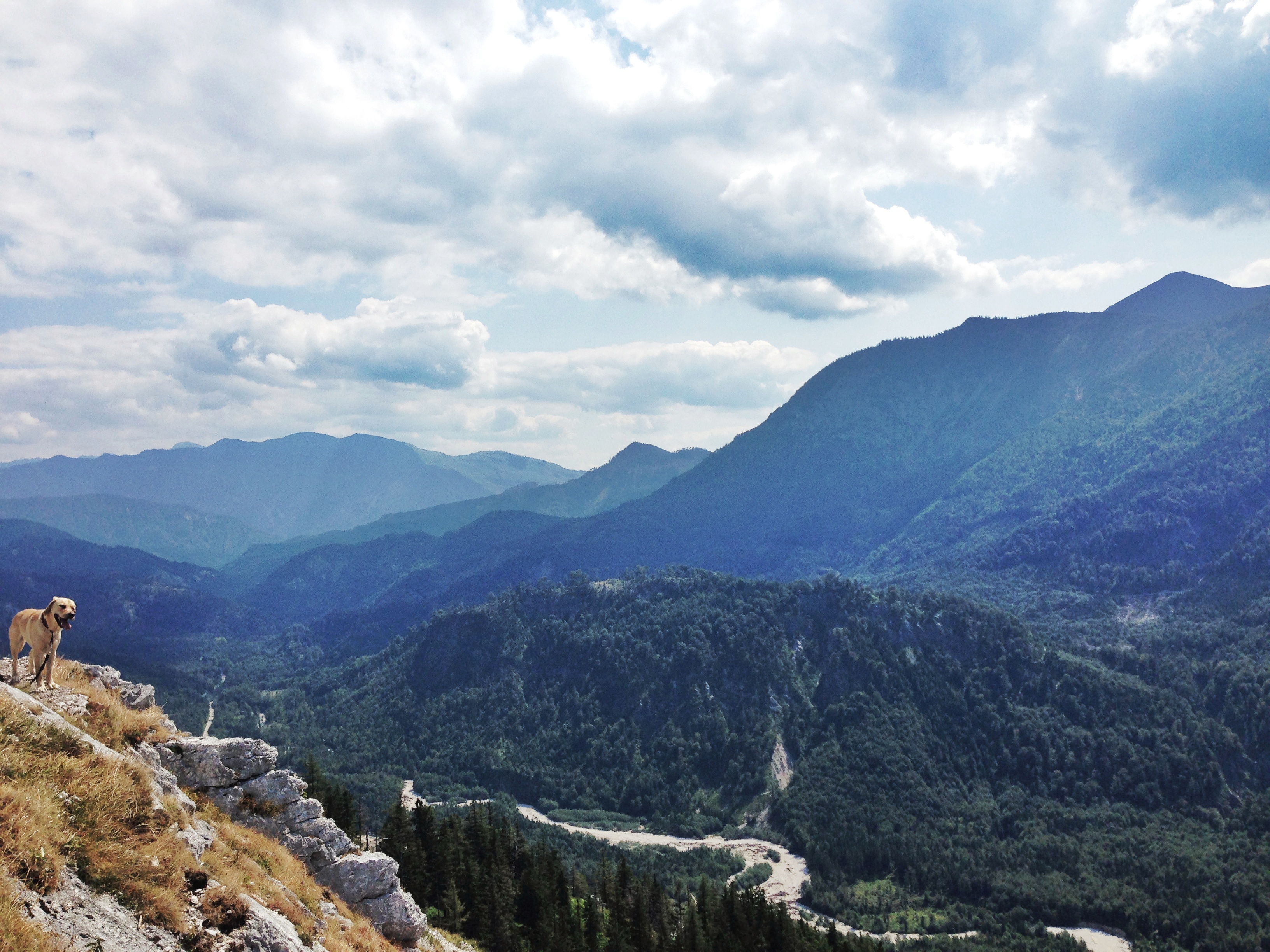

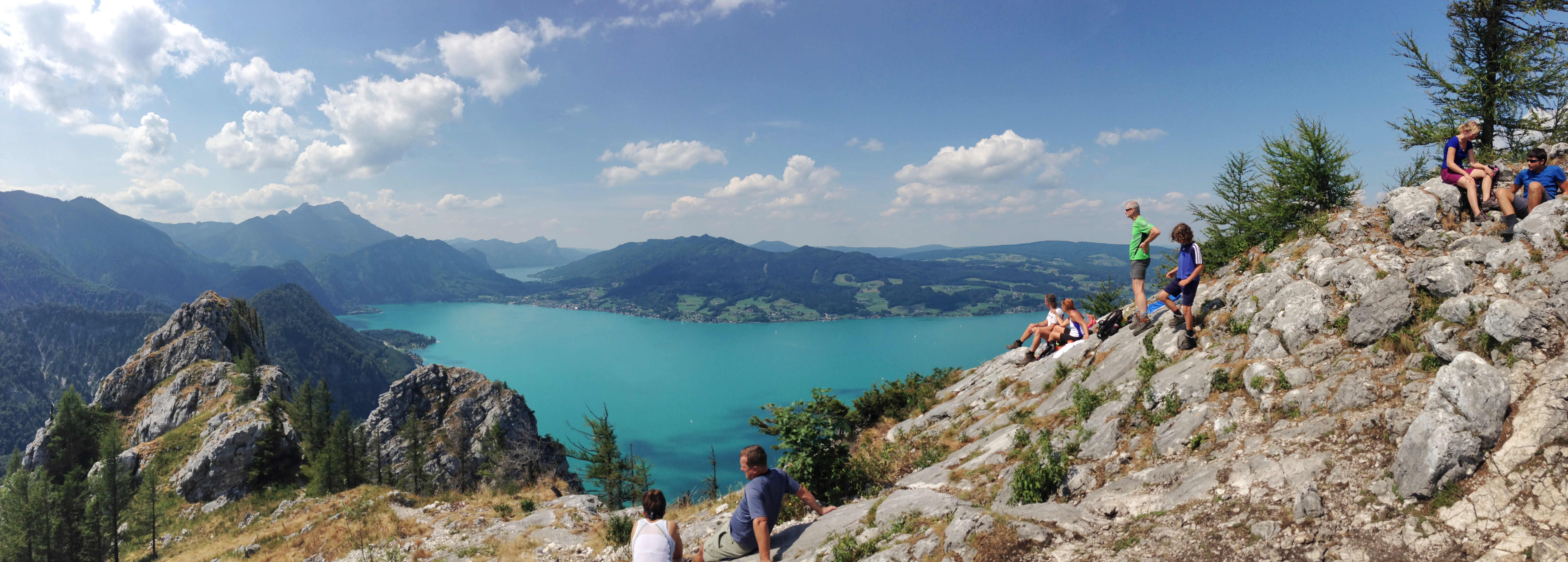
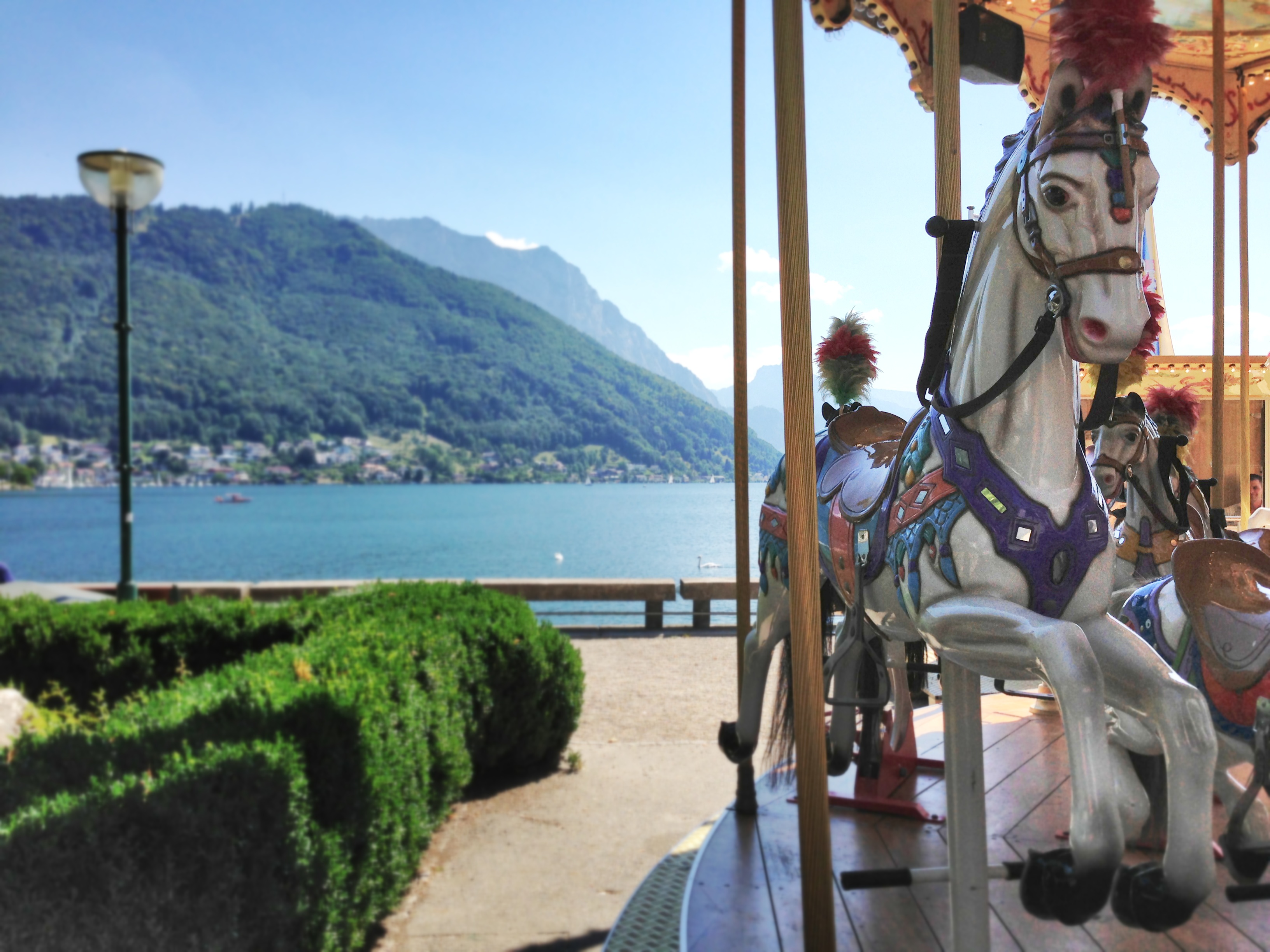
Traveling through Austria consists of large parts of wandering through valleys and lakes framed by endless mountains. And occasionally also of climbing one. That’s precisely what we did two weeks ago when we went up Mt. Schoberstein (something over 1,000 Meters). It is not the tallest one by far, but one with a marvelous view of the lakes of the Salzkammergut (in particular, Lake Attersee and Lake Mondsee). Afterward, I continued my journey to another famous lake, the Traunsee, where I took a boat ride across the lake, passing by the equally renowned Mt. Traunstein.
I have the pictures shot these days and want to present you in two posts. No particular order. Hope to spark some enthusiasm for the Alps! 🙂


 Michael Hoffman Photography